

Museum für Vor- und Frühgeschichte
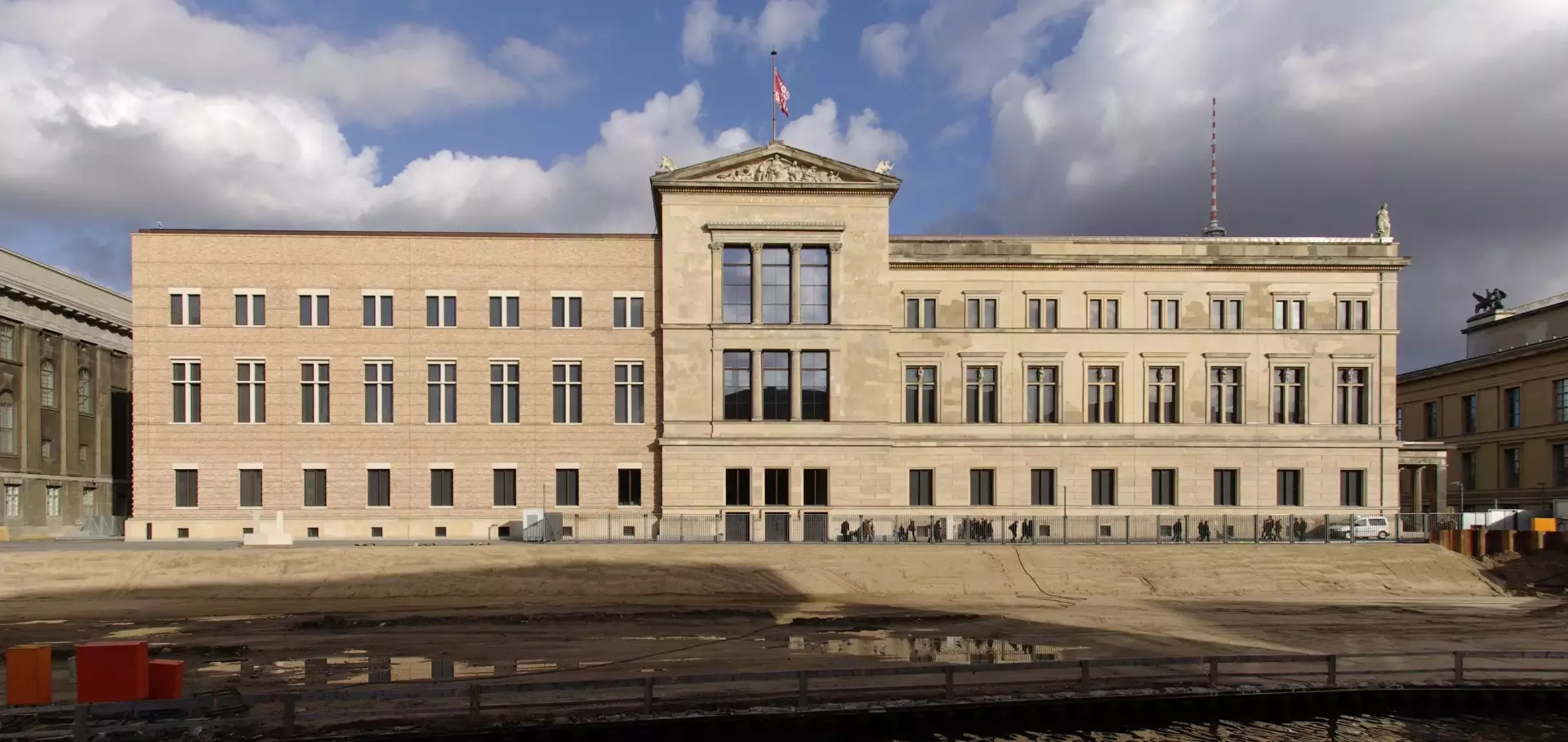
The Museum for Pre- and Early History presents a wide range of archaeological finds, showcasing human culture from the earliest stone tools to the dawn of historic civilizations. Its galleries sit inside the Neues Museum on Berlin’s Museum Island, where original artifacts are displayed with careful context and clear storytelling.
Ancient worlds under one roof
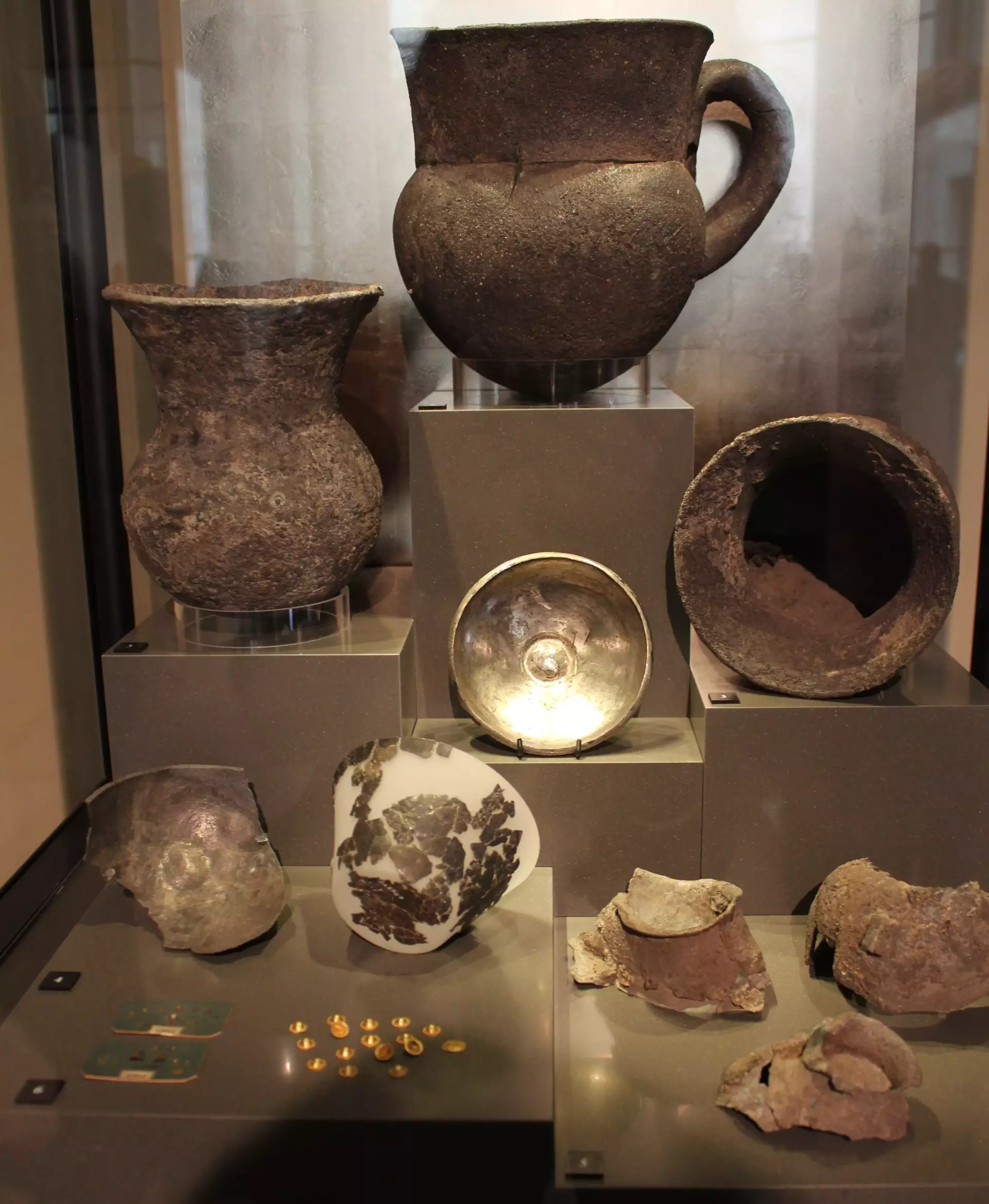
The museum’s displays include objects from the Collection of Classical Antiquities, bringing Greek and Roman pieces into dialogue with prehistoric finds from Europe and beyond. Pottery, metalwork, weapons, jewelry, and everyday items appear alongside burial goods and ritual objects, tracing how technology, trade, and belief systems changed over thousands of years.
Spaces that connect eras
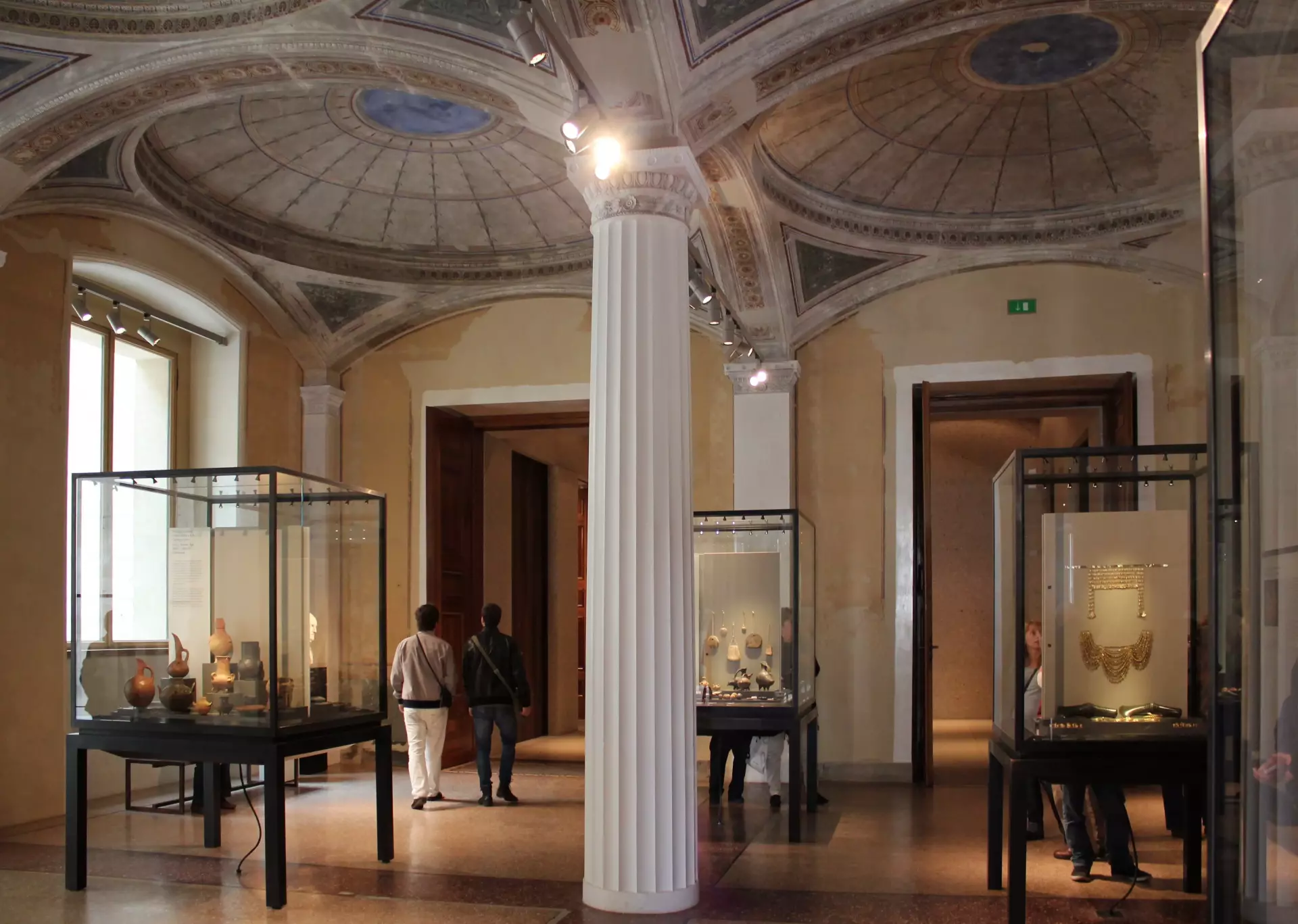
Within the Neues Museum’s restored 19th-century halls, the exhibitions move through time: from Paleolithic stone tools and Bronze Age treasures to early urban cultures. Labels and reconstructions help explain how archaeologists interpret fragments—what materials reveal about craftsmanship, where items traveled, and how communities lived, fought, and celebrated.
Highlights and notable pieces
Visitors encounter iconic artifacts that illuminate turning points in human history. Finely worked bronze ornaments and weapons show advances in metalworking. Ceramic vessels tell stories of trade routes and shared styles across distant regions. Classical sculptures and reliefs from the antiquities collection add artistic and historical depth, linking prehistoric Europe with the Mediterranean world.
Research, preservation, and display
The museum functions as both a public gallery and a center for scholarly work. Conservation teams preserve fragile materials, while ongoing research refines timelines and origins. Temporary displays and updated interpretations keep the presentation dynamic, reflecting new discoveries and methods in archaeology.
Source - https://en.wikipedia.org/wiki/Museum_f%C3%BCr_Vor-_und_Fr%C3%BChgeschichte_(Berlin)