Rüdesheimer Platz is a lively square in the Rheingauviertel neighborhood, known for its elegant buildings, leafy promenades, and a relaxed local rhythm. Designed in the early 20th century, it blends architecture, public art, and community life in a compact, inviting space.
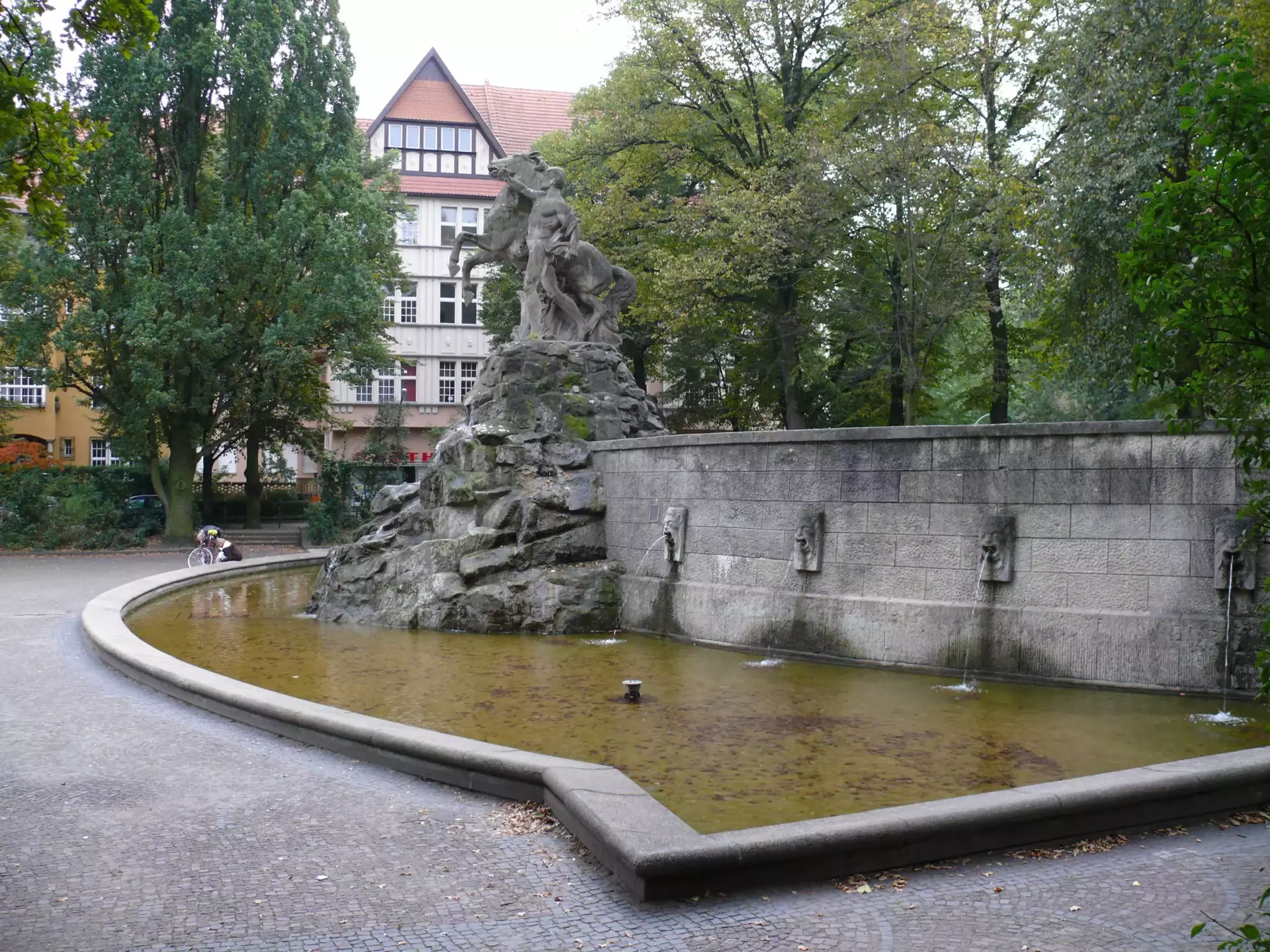
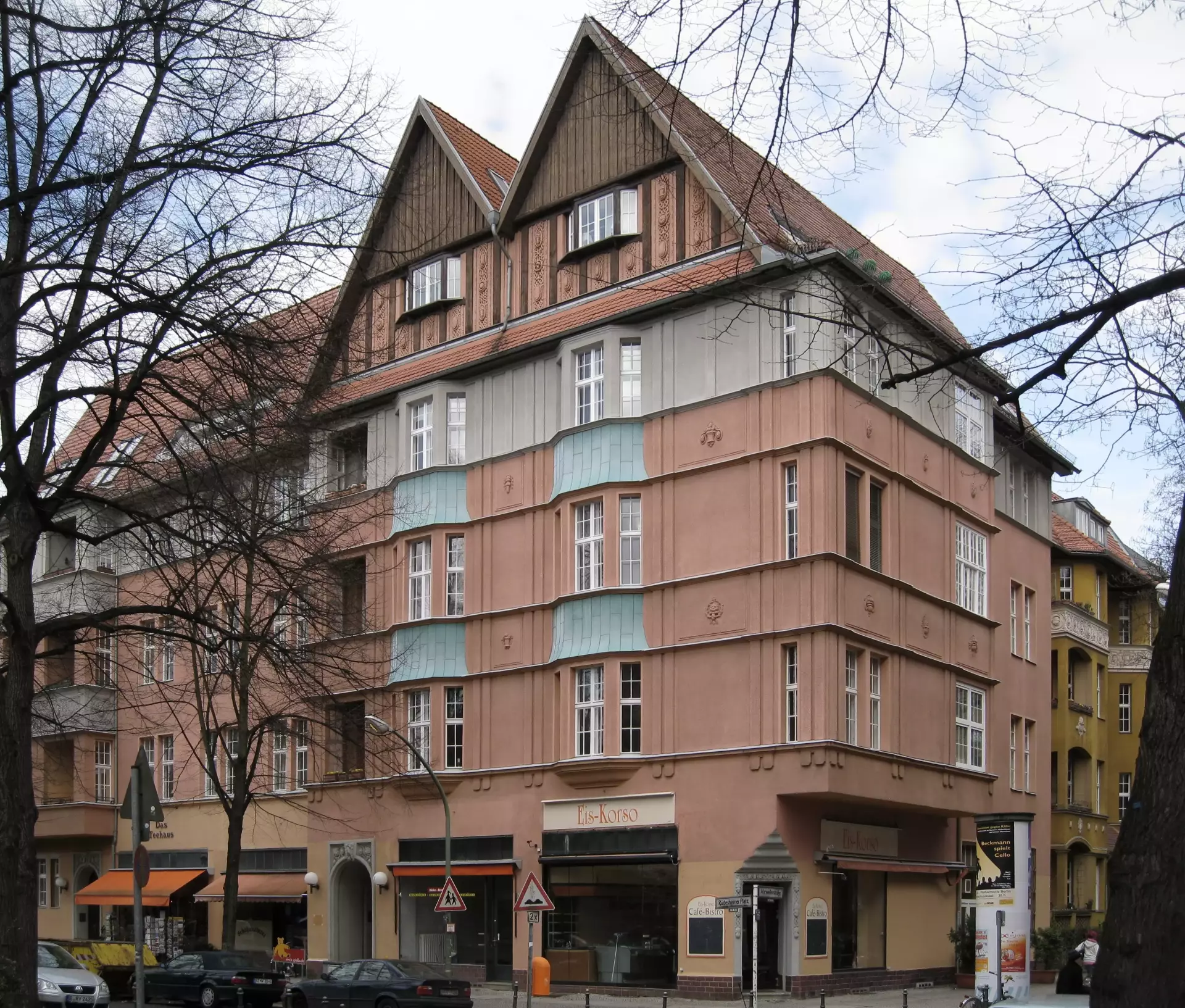
The central fountain, framed by flower beds and benches, gives the square a calm focal point. Residential facades show clean lines and subtle ornament typical of Berlin’s early modern era, while ground-floor shops and cafés keep the area active throughout the day. Tree-lined paths lead into quiet side streets, where courtyards and small playgrounds open behind gateways.
Named after the Rheingau wine region, the square often highlights its connection to viticulture. Seasonal events feature regional wines served at outdoor stands, turning the plaza into a casual meeting place. Visitors and locals gather with glasses in hand, chatting at high tables while children play nearby.
Mornings bring dog walkers, parents with strollers, and commuters moving between the U-Bahn entrance and neighborhood bakeries. By afternoon, café tables fill up, and the fountain becomes a social anchor. Evenings are mellow, with soft streetlight and the murmur of conversation under the trees.
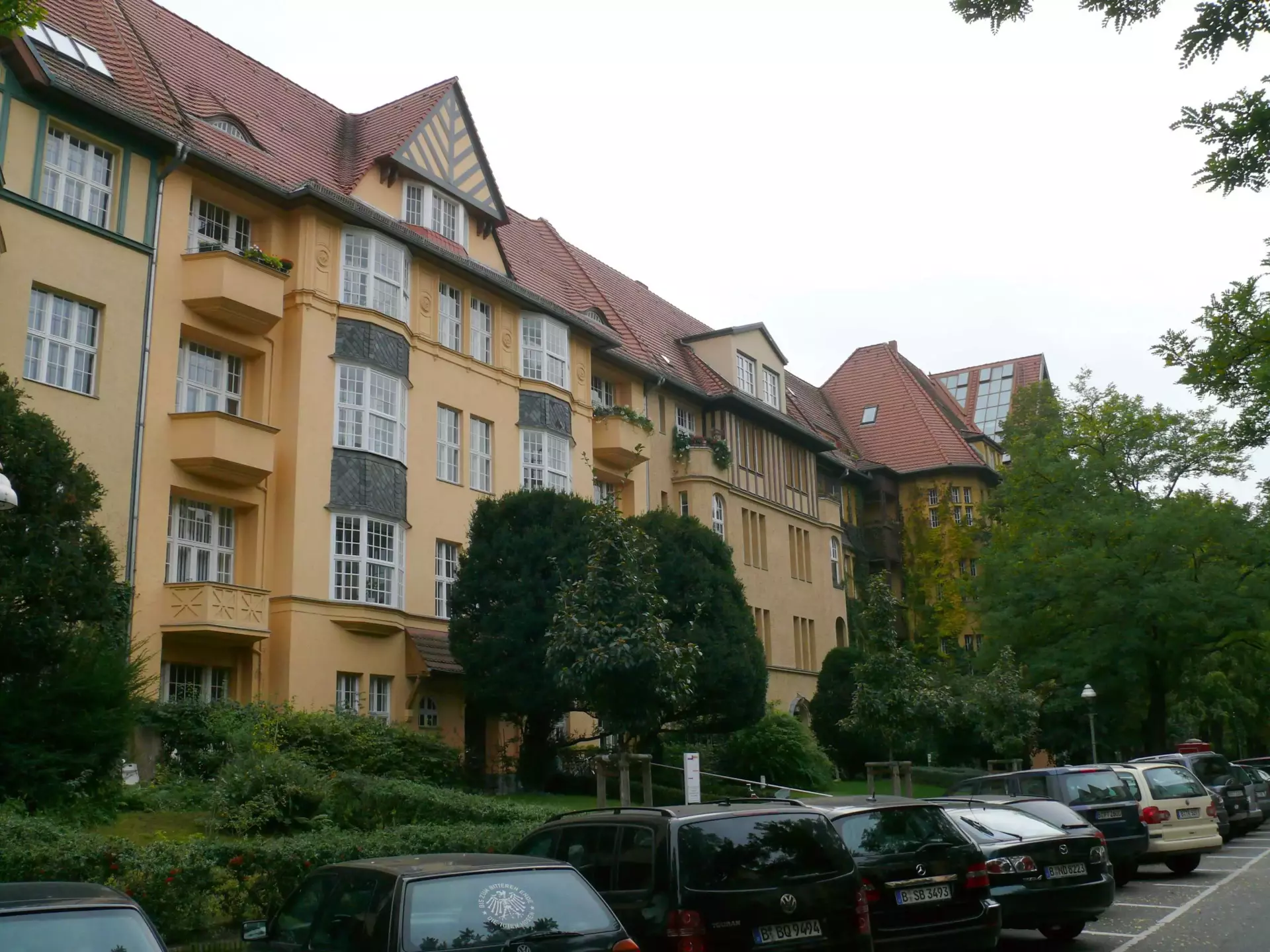
Residential blocks around the square show careful urban planning: uniform cornice lines, bay windows, and courtyard passages that carry light and air into the buildings. Stonework at doorways, wrought-iron balconies, and tiled entrances offer small moments of craftsmanship that reward a closer look.
Planters, lawns, and shade trees soften the geometry of the square and create small places to pause. Nearby play areas and pocket gardens give families room to spread out, while longer paths connect to wider green corridors in the district.
The Bendlerblock building complex has long held ties to the German military, first serving as the offices of the Imperial German Navy and today housing the Berlin offices of the Ministry of Defense. It was here where, on 20 July 1944, Colonel Claus von Stauffenberg and other officers led a coup that sought to remove Hitler and the Nazis from power. They failed and were summarily executed in the courtyard, where a memorial stands for these men who are considered German heroes by many. Inside the building you'll find the German Resistance Memorial Center, a permanent exhibit dedicated to the July 20 plot and other individuals in the German resistance.
Berlin's biggest lake and popular resort for bathing and watersports. You can also travel there by tram, which is an experience by itself.
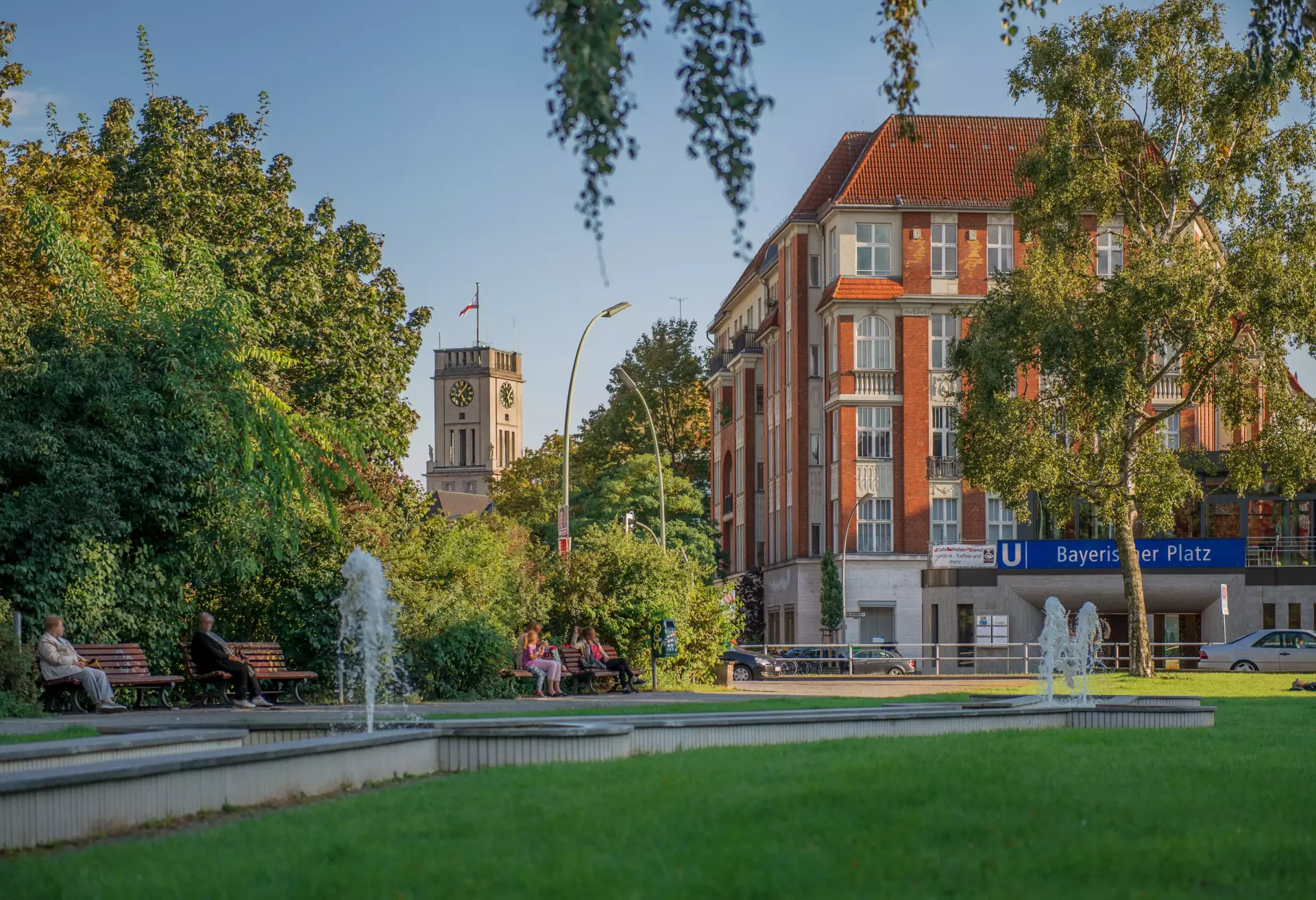
Features a nice fountain, stately old houses and a good night time hot spot. Many people hang out in the platz in good weather.
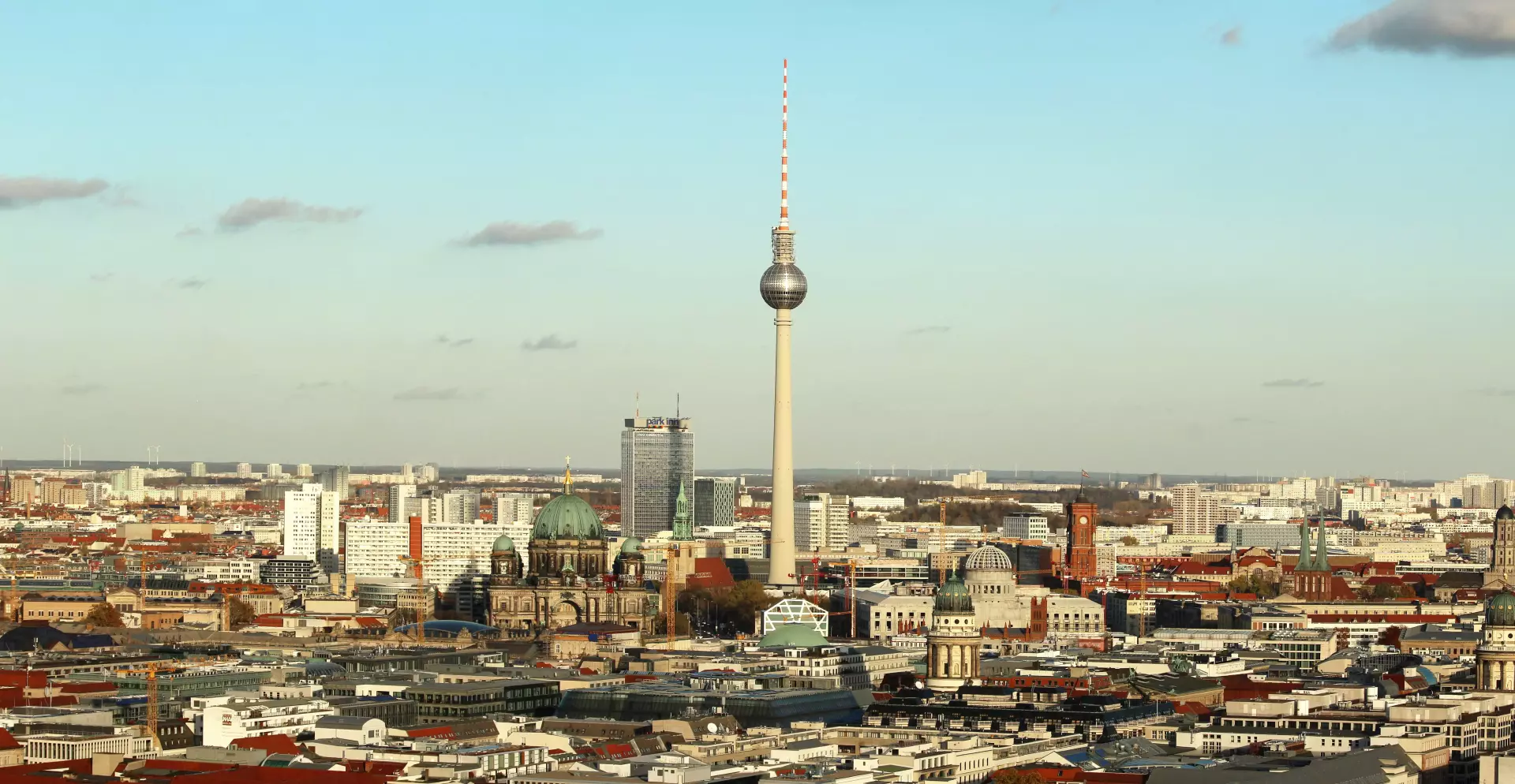
Small terrace on the top of the Park Inn, publicly accessible. Take the elevator to the 40th floor, and follow the signs up the stairs. Pay the attendant who also serves beer and coffee. Great views of the Fernsehturm. In the summer, consider base jumping off the roof with Jochen Schweizer. It is often closed in bad/windy weather, so look for a notice posted near the elevator that the terrace is closed.
The city's Protestant cathedral and the burial place of the Prussian kings. You can climb to the top and get a view of the city.
In 1893 the authorities of Berlin issued the artistic entrance to the National Park Friedrichshain. The fountain of fairy tales was commissioned by the National Park and later designed by Ludwig Hoffmann.
The old town of Köpenick is surrounded by water. Especially noteworthy are the Köpenick Palace which houses a museum of applied art and the Neogothic town hall.
Berlin's oldest church (1230) is a 3-nave hall church. It is in the centre of an area destroyed by bombs in the war which was then turned into a faux "old town" by the East German authorities called Nikolaiviertel. The area is more a hodge-podge of relocated buildings than an authentic reproduction, and the newly-built 1988 apartments that attempt to "harmonize" with the older buildings are embarrassing. The church is one of the only structures that was renovated rather than rebuilt. It is best known for a sandstone sculpture called the Spandauer Madonna (1290), but there are other interesting pieces here. When the church was destroyed in 1938 and rebuilt in the 1970s, the communist officials intended to use it as a museum, which did not open until 1987. The museum includes sacred textiles and religious sculpture from the fourteenth to the sixteenth centuries. The Nikolaikirche is the showplace of the Nikolaiviertel, which isn't saying much.
Again one of the world's most comprehensive ones. At the museum district of Dahlem.
One of the most authentic and oldest villages (1247) in the outskirts of Berlin, it looks the same way it did some hundred years ago. Take S-Bahn 1 to Waidmannslust and then bus 222 to Alt-Lübars.
Not far away from Schloss Tegel (at the "große Malche") you can take a look at the oldest tree in Berlin, an oak which has been growing there since about 1192 (so it's actually older than Berlin itself). The name ("fat Mary") allegedly stems from the brother Humboldt who named the tree after their overweight cook.
Exhibition of digital interactive entertainment culture. You can actually play almost all of the exhibits making it a more "hands on" museum than most.
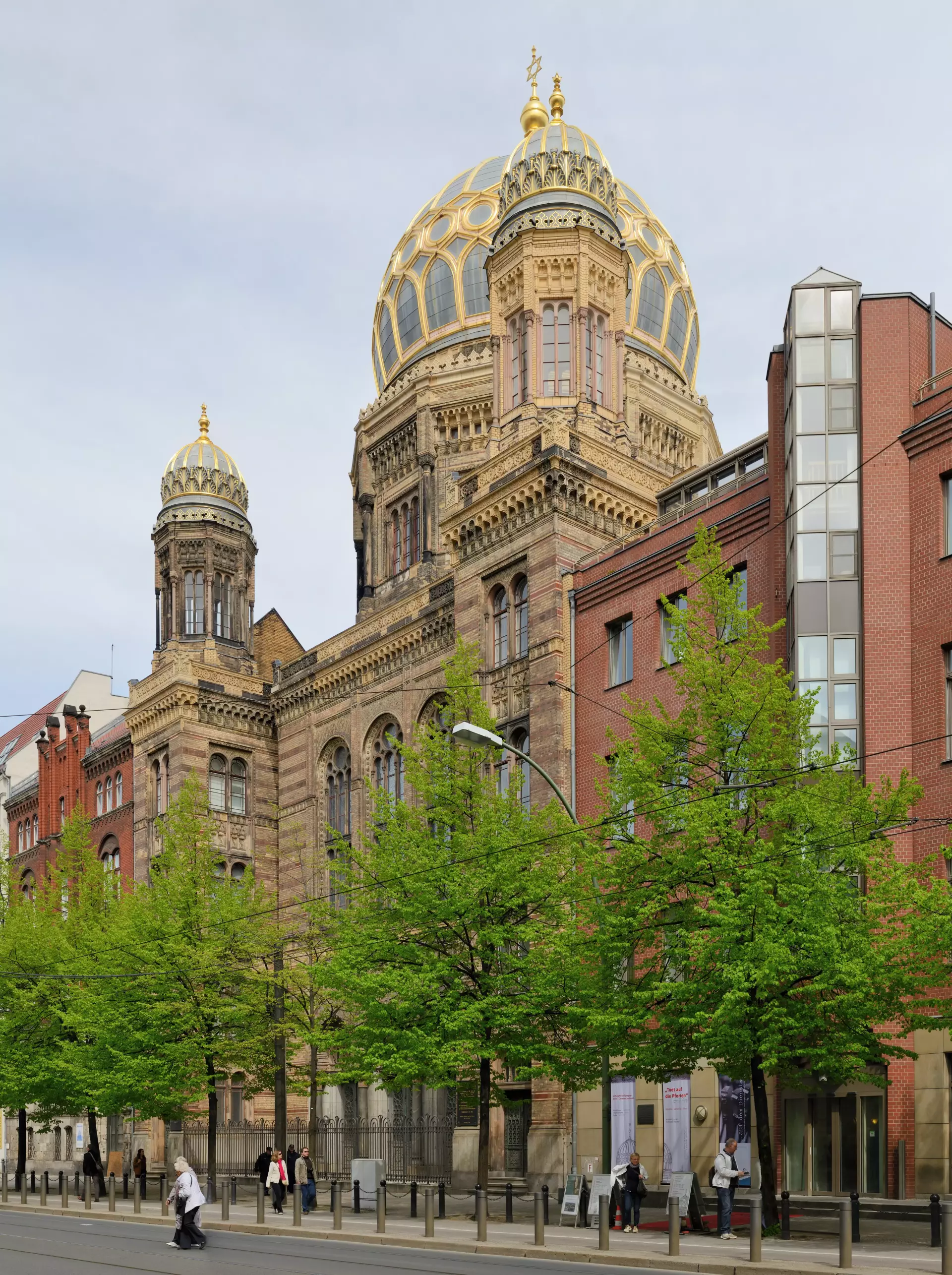
The synagogue in the backyard of an apartment house is one of the biggest in Germany.
The district town hall was the main town hall for West Berlin during the Cold War. The freedom bell (a present from the American people) and several memorials from that time can be found here. On the main balcony in 1963 U.S. President John F. Kennedy made his famous statement, "All free men, wherever they may live, are citizens of Berlin, and, therefore, as a free man, I take pride in the words ‘Ich bin ein Berliner!’". On 10 November 1989 Helmut Kohl (chancellor (Bundeskanzler) 1982-1998) and Willy Brandt (former Bundeskanzler and mayor of Berlin) cheering the crowd as they saw the end of the Berlin Wall the night before. The town hall is an emotional place for most people in Berlin (especially West Berlin).
The zoo in the former East Berlin is more spacious than its West Berlin counterpart, the historic Berlin Zoo and has been open for some 50 years. The Tierpark has nearly as many animals, but fewer reptiles and aquatic animals. It appears rather like a park with animals than a classic zoo, in fact it is one of the biggest zoos in Europe. There is an old castle from the late 17th century in the northeast of the Tierpark (Schloss Friedrichsfelde).