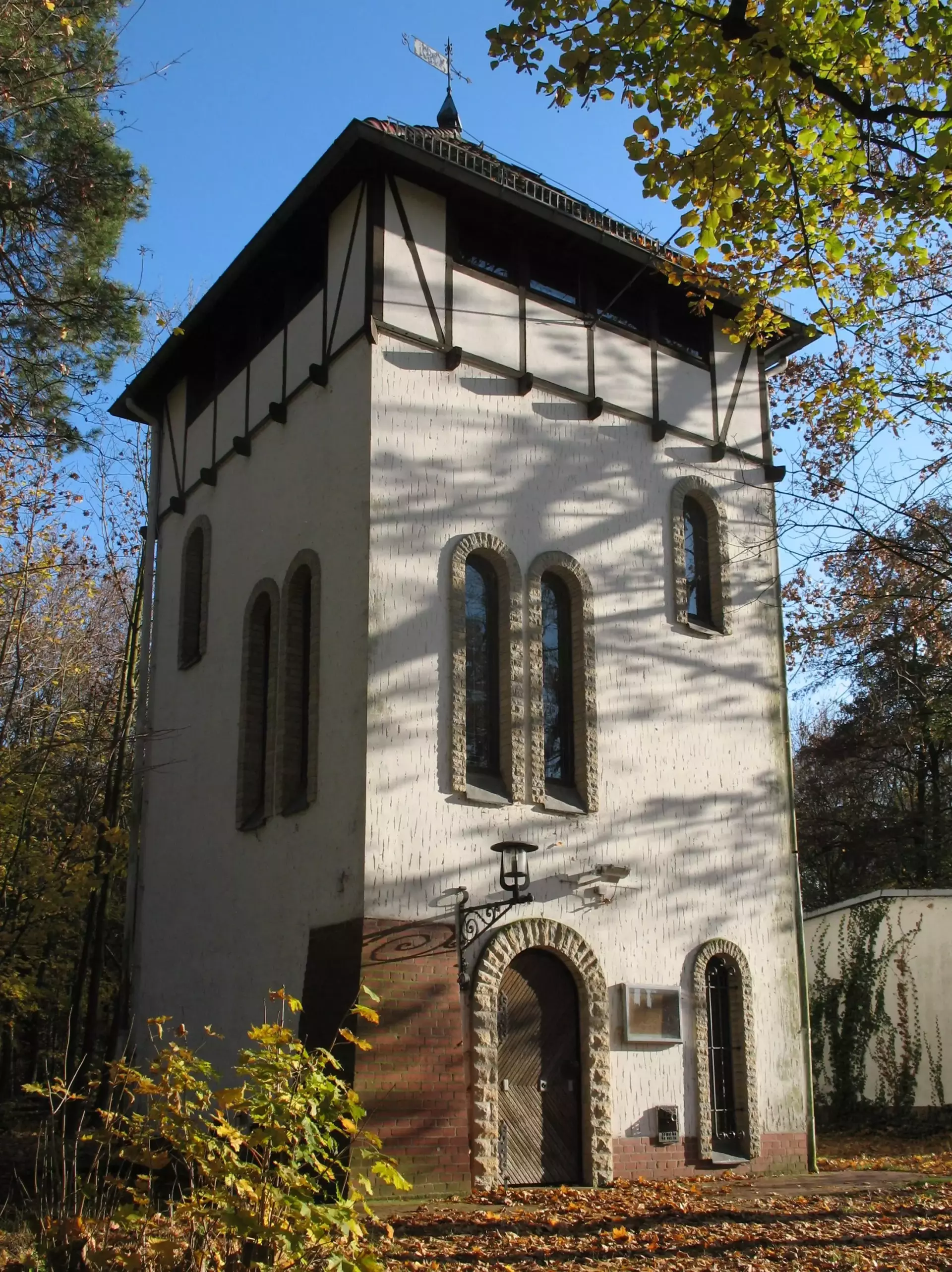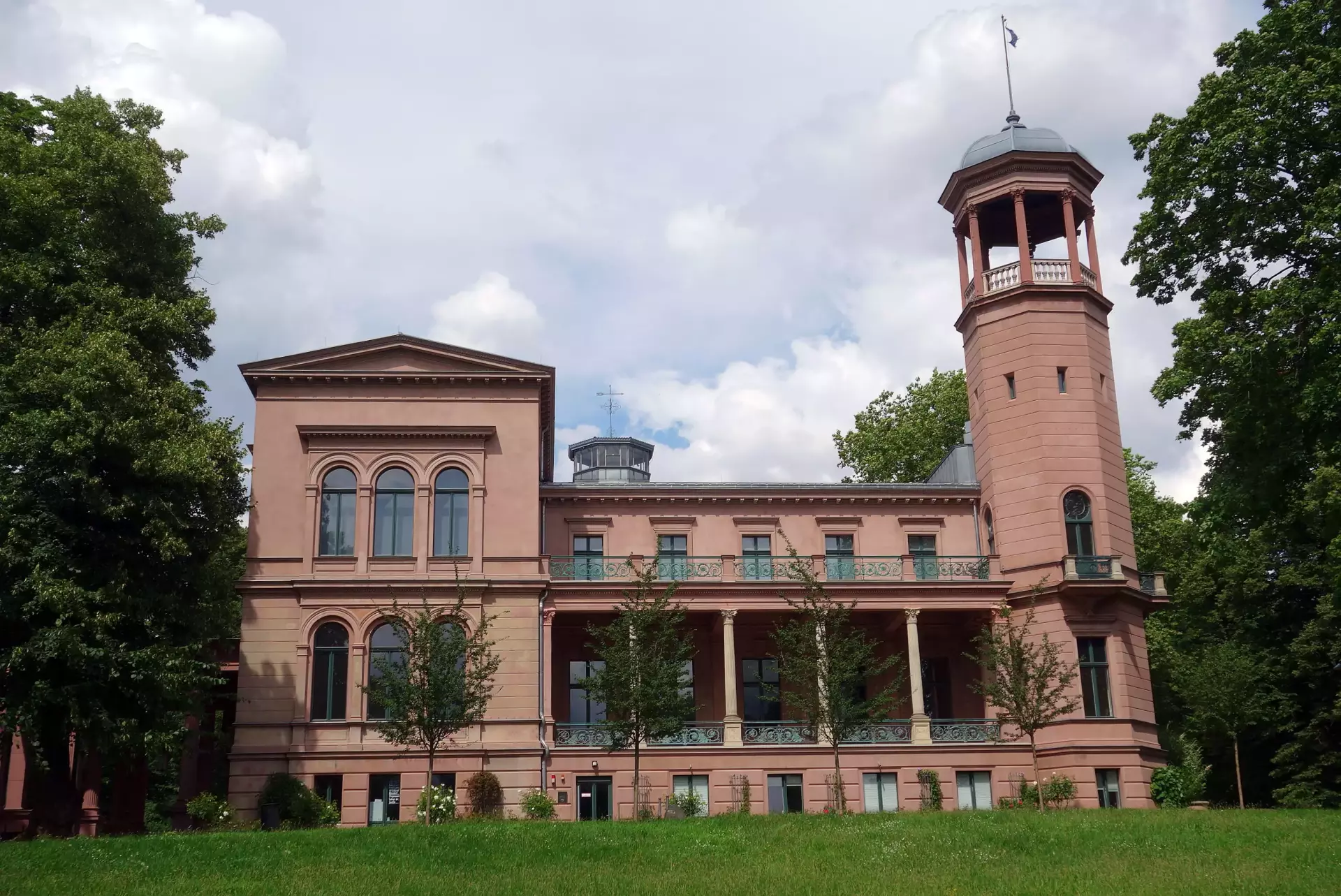
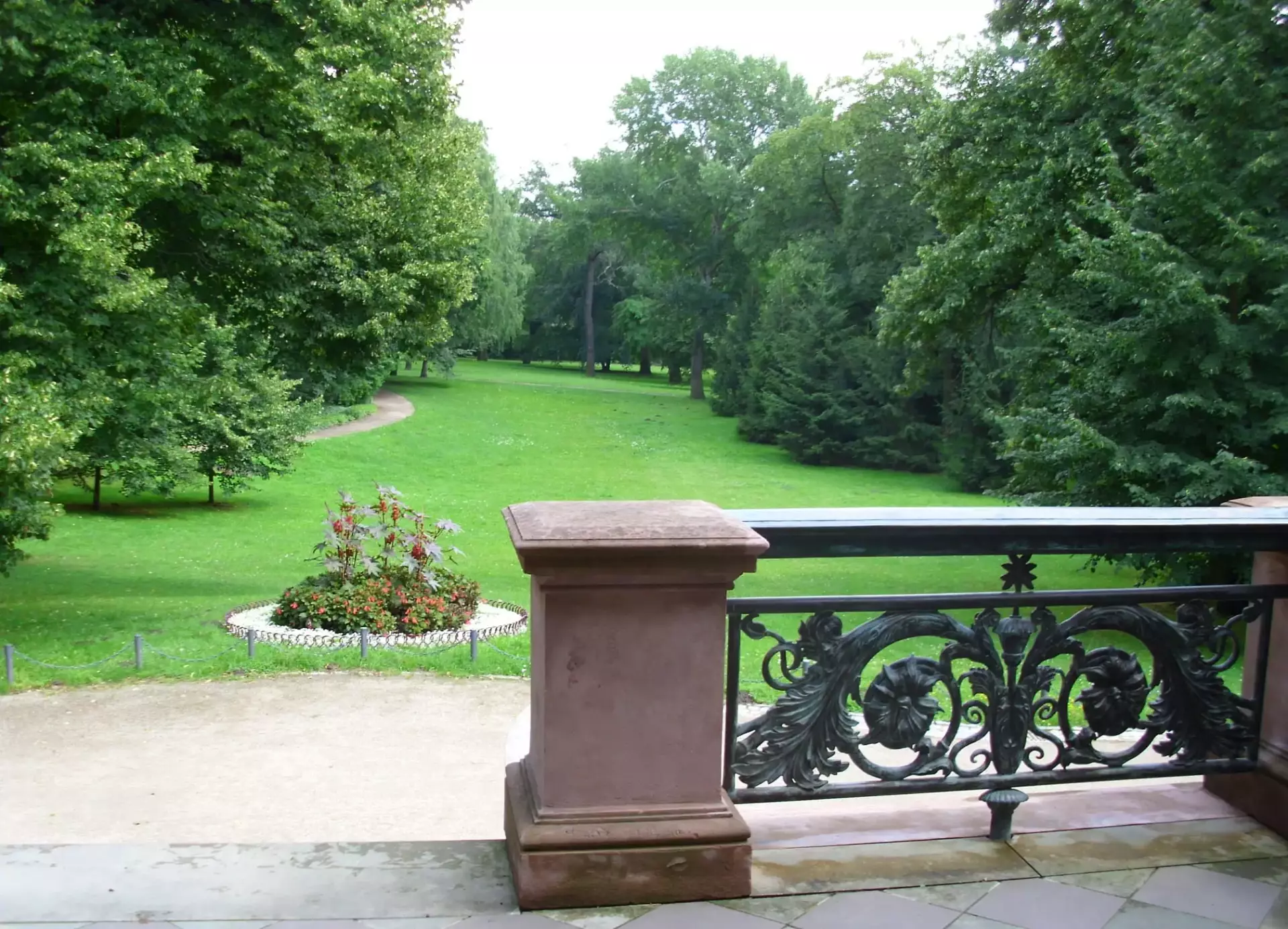
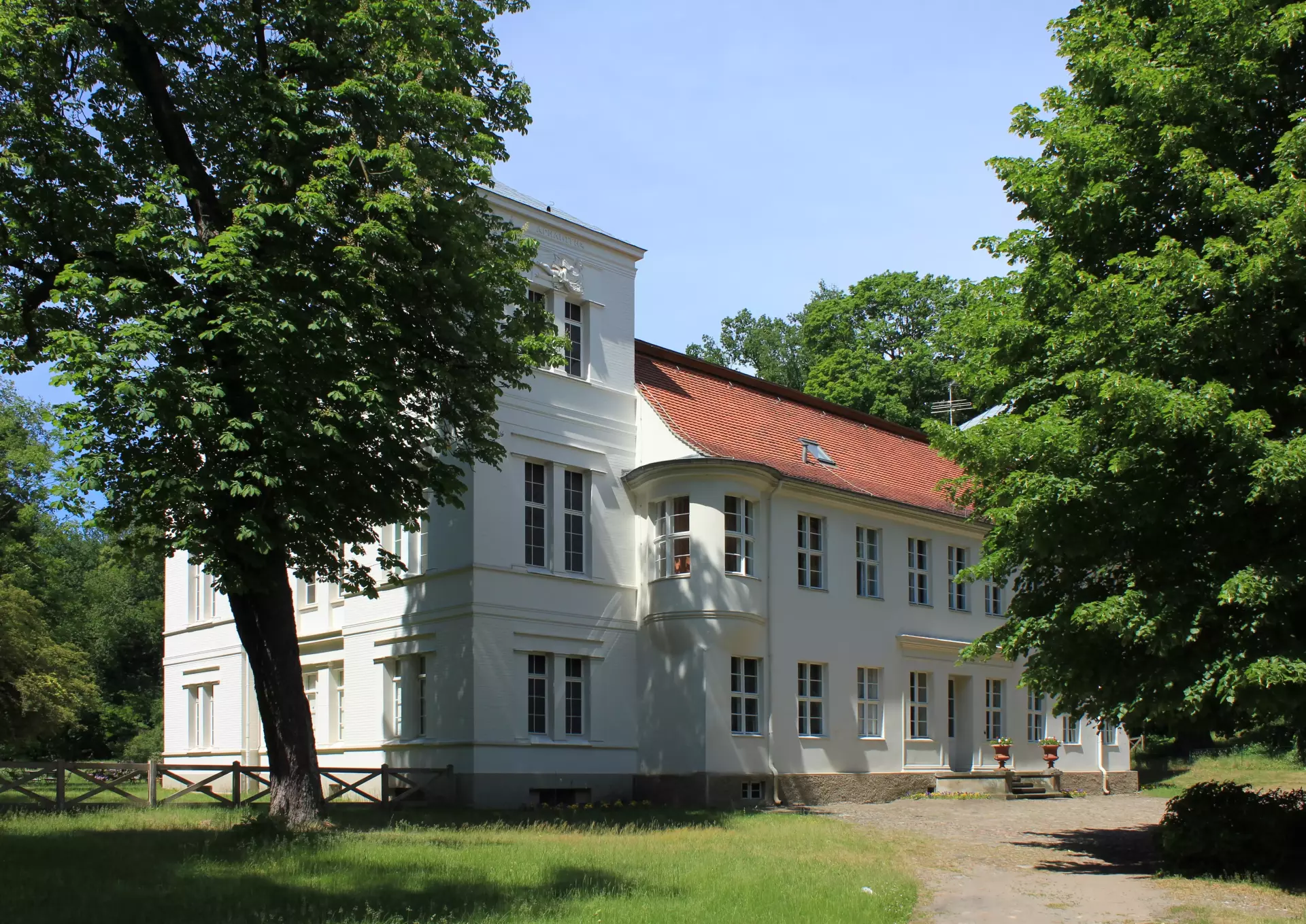
A small late-classical castle stands in Biesdorf, set within a calm park that invites slow walks on bright days. The building dates to 1868 and was designed by architect Martin Gropius, the uncle of Bauhaus founder Walter Gropius. Around 1900, the von Siemens family made changes to the castle and expanded the surrounding grounds. Today, the restored park offers open lawns, mature trees, and pathways suited to an easy stroll when the sun is out.
The castle reflects the restrained elegance of late classicism, with balanced proportions and clean lines. Martin Gropius’s design gave the house a refined, villa-like character rather than fortress features. Decades later, the von Siemens family updated parts of the structure and reshaped the landscape, giving the estate a more generous layout. These layers of change remain visible in the building’s silhouette and in the park’s broad vistas.
Schloss and Schlosspark Biesdorf sit a short walk from two public transport stops. From central Berlin, take the S5 to Biesdorf station and continue on foot for a few minutes. The U5 to Elsterwerdaer Platz offers another nearby option, with similarly easy access to the grounds.
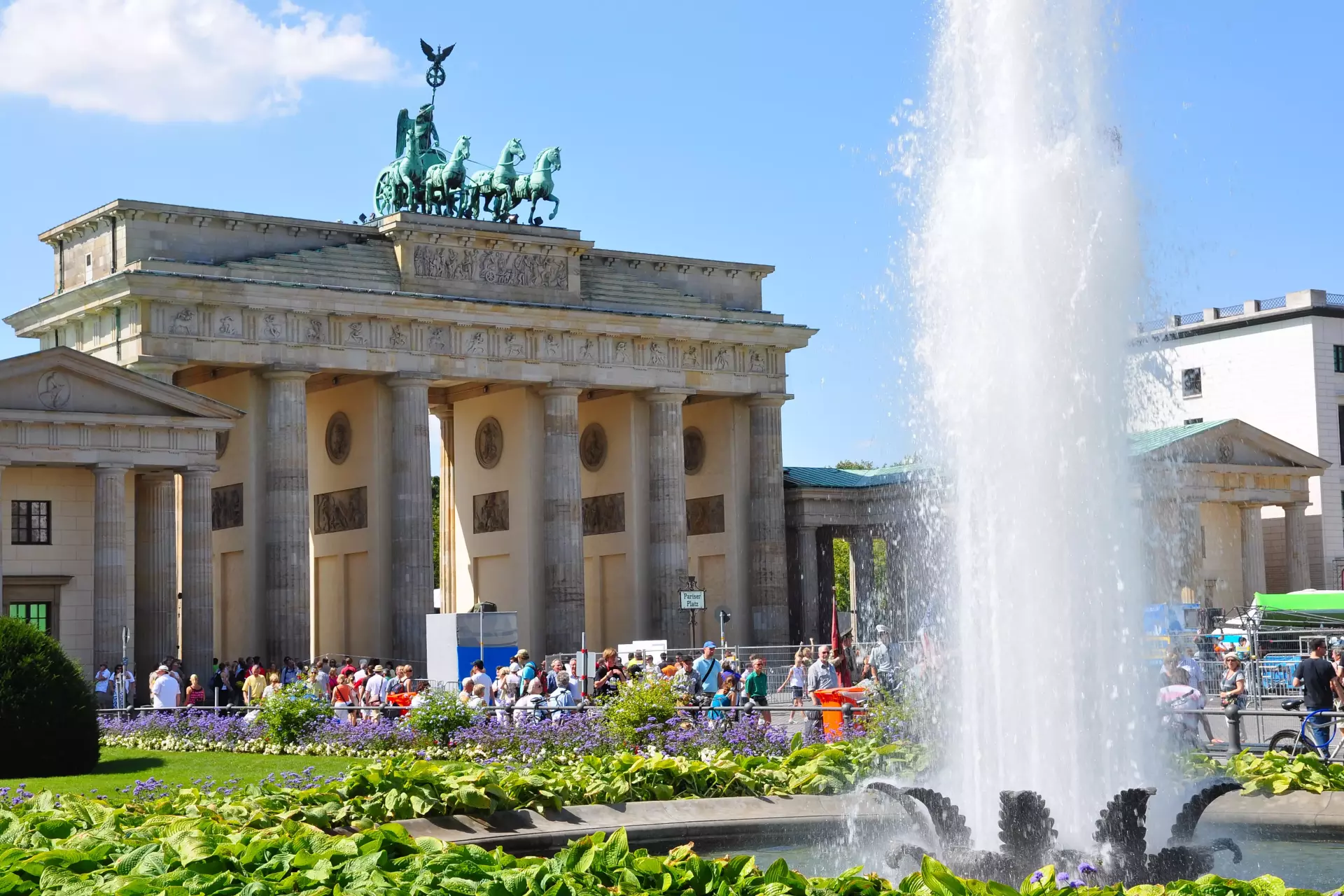
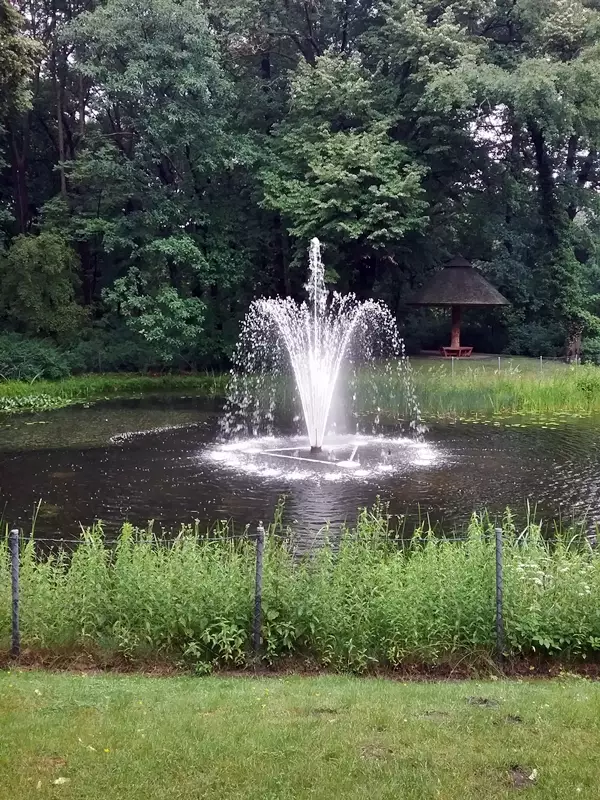
Features a nice fountain, stately old houses and a good night time hot spot. Many people hang out in the platz in good weather.
This chapel was built on the site of a church built in 1894 which sat on the "death strip" and was thus blown up by the GDR authorities in 1985. The chapel is the site of occasional memorial services for victims of the wall.
This castle is one of Berlin's oldest castles and where Prince Carl used to reside. Be sure to check out Glienicke Bridge, the bridge that became renowned for the exchange of Western and Eastern secret agents. You can also visit Glienicke Park.
Built in 1542. An impressive traditional country estate with stately architecture, it is an enclave of untouched regional cultural history and architectonic epochs. The 80-hectare mixed forest also provides a wide network of paths for walking and rambling.
One of the most authentic and oldest villages (1247) in the outskirts of Berlin, it looks the same way it did some hundred years ago. Take S-Bahn 1 to Waidmannslust and then bus 222 to Alt-Lübars.
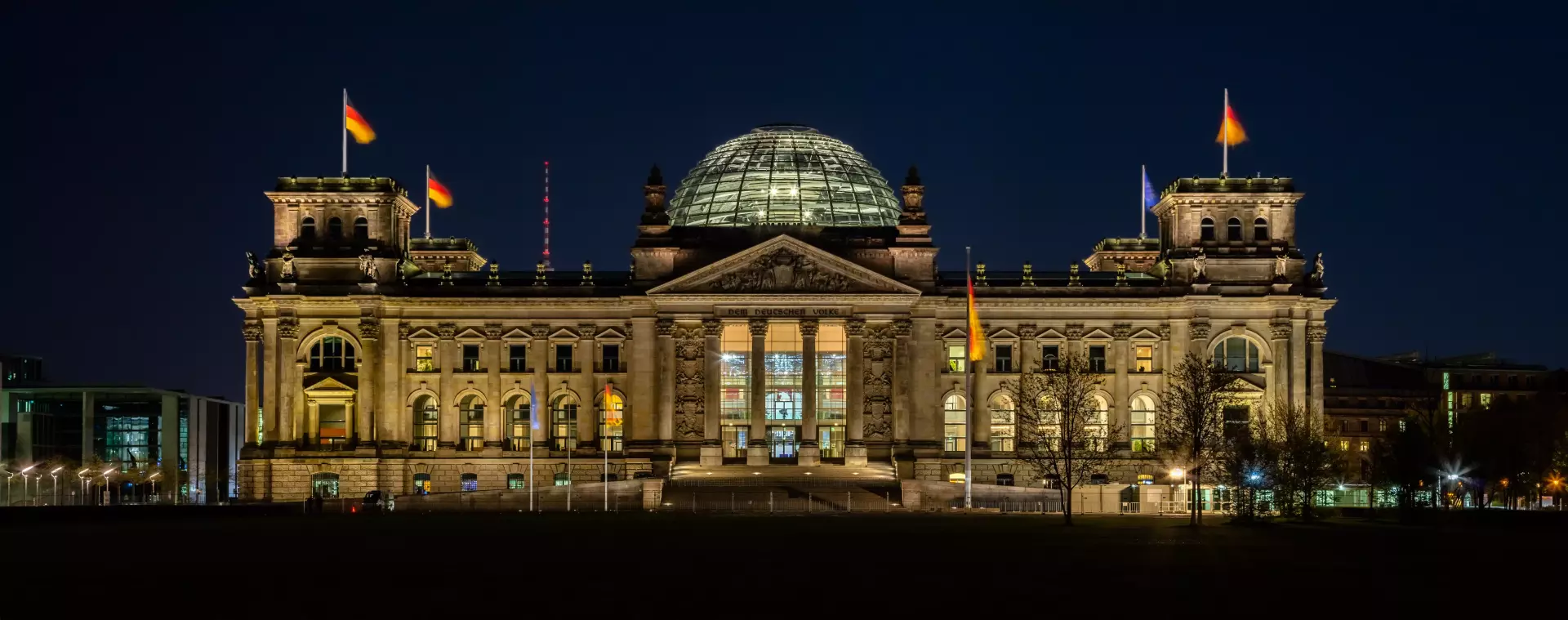
The area to the north of Tiergarten, along the bow of the river Spree (Spreebogen), is home to the German federal institutions such as the parliament (Bundestag, in the historic Reichstag building) and the federal government, as well as the new central train station (Hauptbahnhof) across the river.
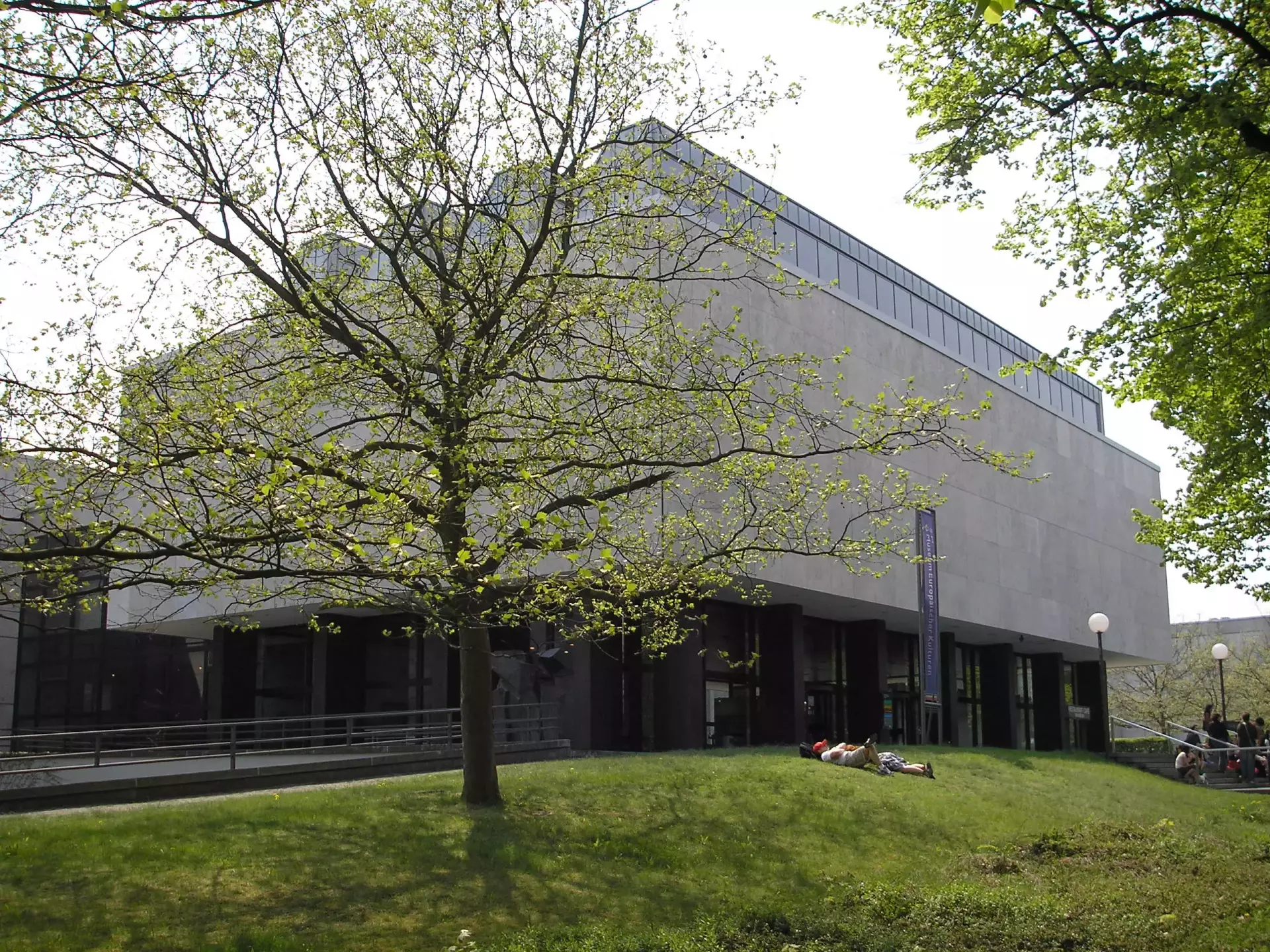
Again one of the world's most comprehensive ones. At the museum district of Dahlem.
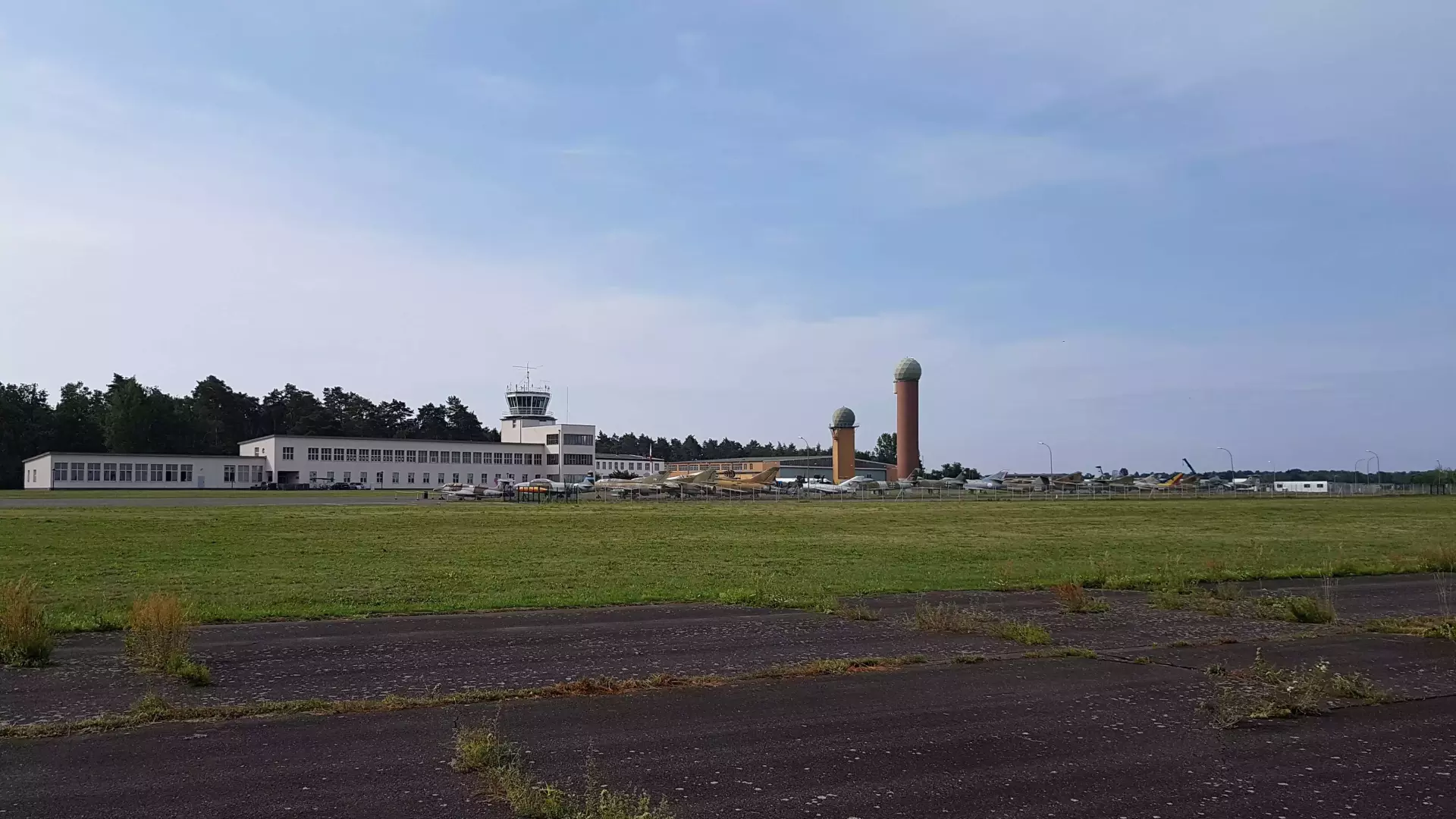
At a former Luftwaffe and Royal Air Force (RAF) airfield, RAF Gatow. The museum's focus is on military history, particularly the history of the Luftwaffe of the Bundeswehr, with a collection of more than 200,000 items, including 155 aeroplanes, 5,000 uniforms and 30,000 books. There are also displays (including aeroplanes) on the history of the airfield when it was used by the RAF. Aircraft include reproductions of Otto Lilienthal's gliders, of World War I planes such as the Fokker E.III, and World War II planes such as the Bf 109 and Me-262, as well as at least one aircraft of every type ever to serve in the air forces of East and West Germany. Most of those postwar aircraft are stored outside on the tarmac and runways, however, and many are in bad condition. There are long term restoration projects, including a Focke-Wulf Fw 190. RAF Gatow is notable as the "missing third airport" of West Berlin. Each sector used to have its own airport; the French sector had Tegel, the American sector had Tempelhof and the British had Gatow. However, RAF Gatow never saw much traffic of any kind, was more kept as a political statement than for transportation value, and thus was shut down after reunification. Tempelhof, after having been shut down for civilian traffic from 1975 to 1981, closed for all flights in 2008, while Tegel shut down in November 2020.
The main street of former East Berlin. It is a big avenue, featuring neoclassical East German buildings, fountains and lakes.
Berlin's oldest church (1230) is a 3-nave hall church. It is in the centre of an area destroyed by bombs in the war which was then turned into a faux "old town" by the East German authorities called Nikolaiviertel. The area is more a hodge-podge of relocated buildings than an authentic reproduction, and the newly-built 1988 apartments that attempt to "harmonize" with the older buildings are embarrassing. The church is one of the only structures that was renovated rather than rebuilt. It is best known for a sandstone sculpture called the Spandauer Madonna (1290), but there are other interesting pieces here. When the church was destroyed in 1938 and rebuilt in the 1970s, the communist officials intended to use it as a museum, which did not open until 1987. The museum includes sacred textiles and religious sculpture from the fourteenth to the sixteenth centuries. The Nikolaikirche is the showplace of the Nikolaiviertel, which isn't saying much.
The large square in front of the Brandenburg Gate contains the French and American embassies, the rebuilt Hotel Adlon, and the new building of the Academy of Arts.
The charming Baroque water palace of the Hohenzollern electors surrounded by the Dahme river and an English garden.
Designed by Daniel Libeskind with an excellent exposition on the Jewish life in Berlin and the impact of the Holocaust. You can easily spend a day here. There is a metal scanner and other security features you'd rather expect at an airport than a museum.