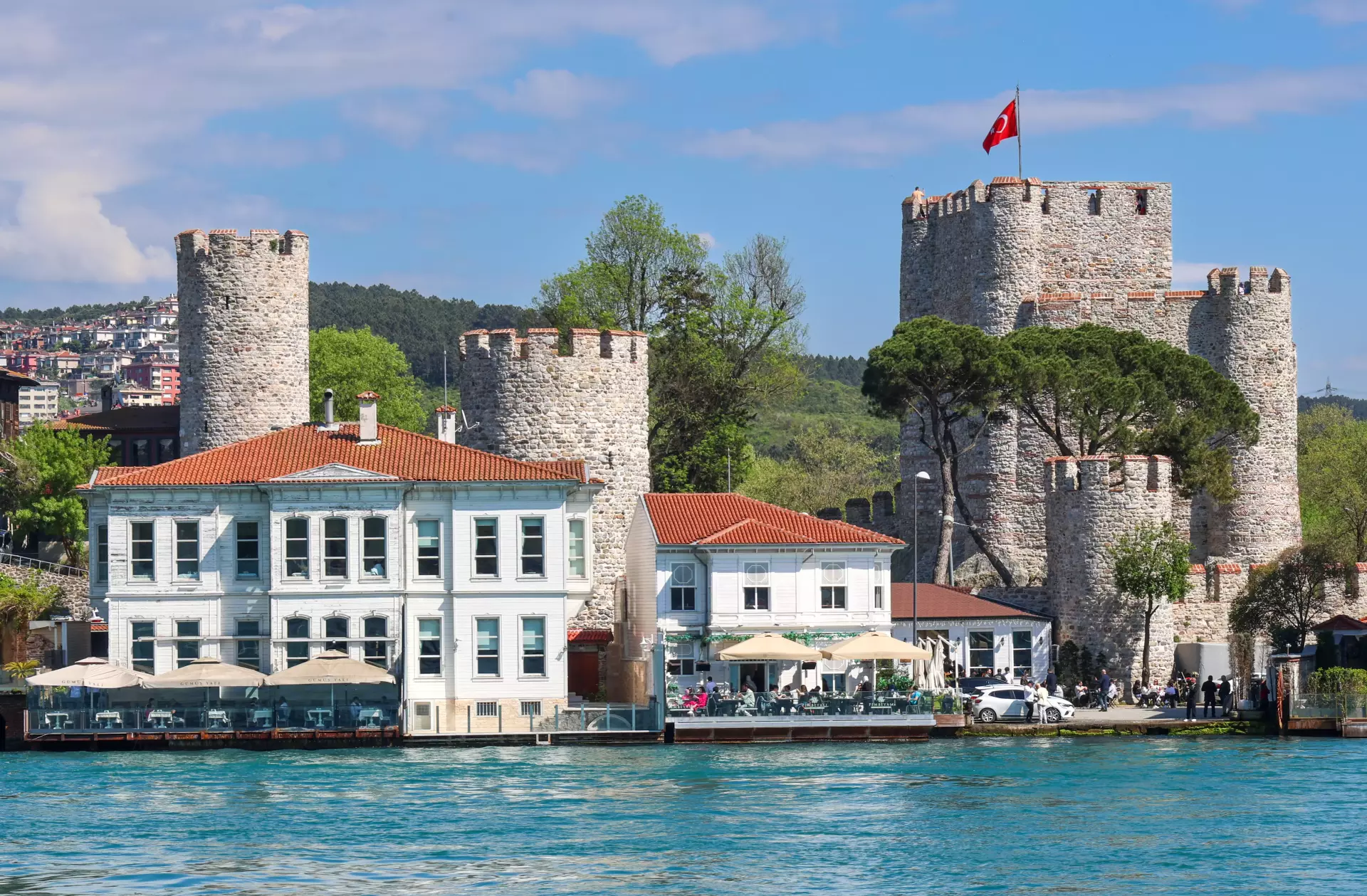
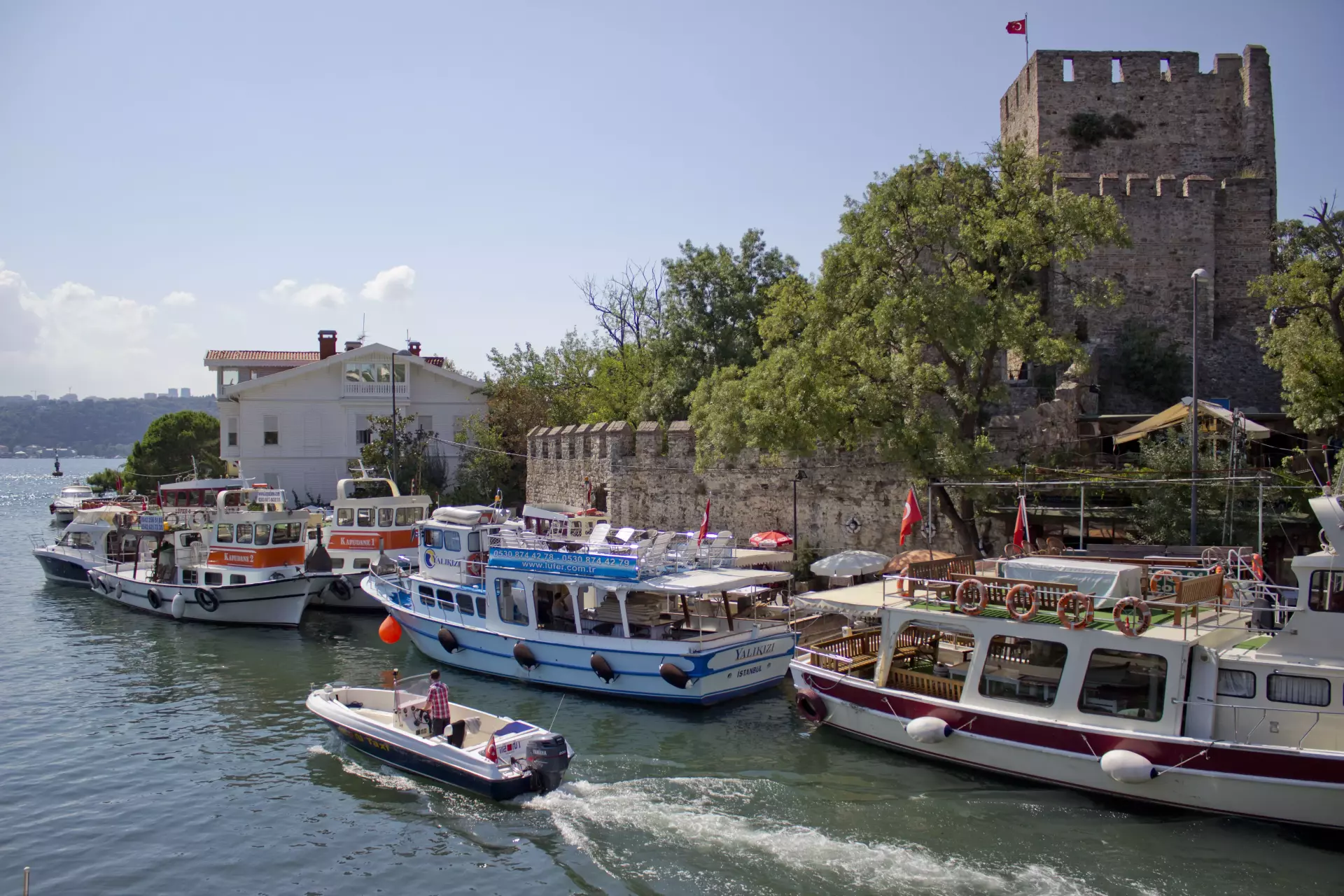
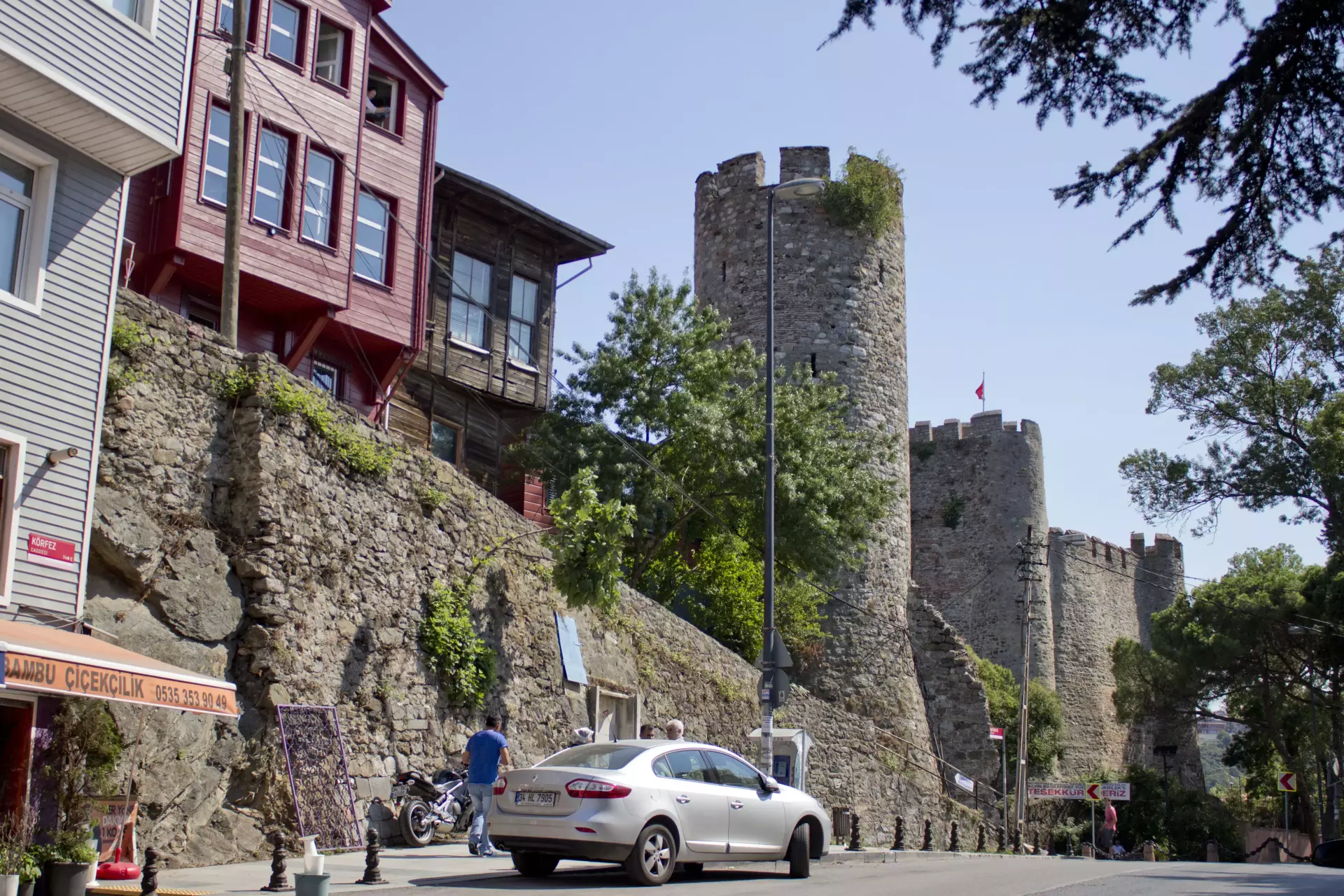
On the Asian shore of the Bosphorus, where the Göksu Creek meets the waterway, stands a medieval fortress with a long history. Built at the end of the 14th century, this citadel was designed to oversee and control the flow of ships passing through one of the narrowest points of the Bosphorus, where the strait is only 660 meters wide. This strategic position made it an important stronghold in the region for centuries.
The citadel worked closely with another impressive structure, Rumeli Citadel, which was built around 50 years later on the opposite European shore. Together, these two fortresses formed a powerful pair, watching over maritime traffic and helping to secure the waterway for those who held them. Over the years, the fortress suffered from neglect and fell into disrepair, but it received careful restoration in the 1990s, preserving its impressive walls and towers for future generations to admire.
The area surrounding the fortress eventually took on its name, and today the entire village is known as Anadolu Hisarı, meaning "Anatolian Fortress." Walking through the village, visitors can see many charming wooden houses known as yalı, which line the waterfront and reflect the traditional architectural style of the region. While it is not possible to enter the fortress itself, the setting creates a picturesque atmosphere along the Bosphorus.
Anadolu Hisarı remains connected to the lively rhythm of the Bosphorus. Ferries traveling up and down the strait make regular stops here, allowing passengers to take in the views of the ancient fortress and the peaceful village. The combination of historic architecture and scenic waterside life makes Anadolu Hisarı a notable part of Istanbul’s landscape.
Source - https://en.wikipedia.org/wiki/Anadoluhisar%C4%B1
One of the icons of the city is also called the Leander's Tower, on a Bosphorus islet off Salacak. The local myth ascribes its name to a princess, whose father wanted to protect her in this offshore tower from a prophecy that she would be killed by a snakebite on her birthday, but the snake found its way inside a basket of fruits — ironically a birthday present from her father — and you've probably already guessed the rest of the story. In actual timeline, it served as a defensive structure (there was a wall connecting it to the Asian mainland, and the Byzantines used to stretch a chain from here to the European mainland across the mouth of the Bosphorus to shut it to adversary shipping in times of conflict, but they didn't during the final Ottoman siege in 1453), as a customs and quarantine station, as a lighthouse, as a warehouse of various sorts of goods, and as a high-end restaurant before the last restoration finished in 2023 dedicated it as a museum. There is a light show viewable from the mainland every day at 21:00.
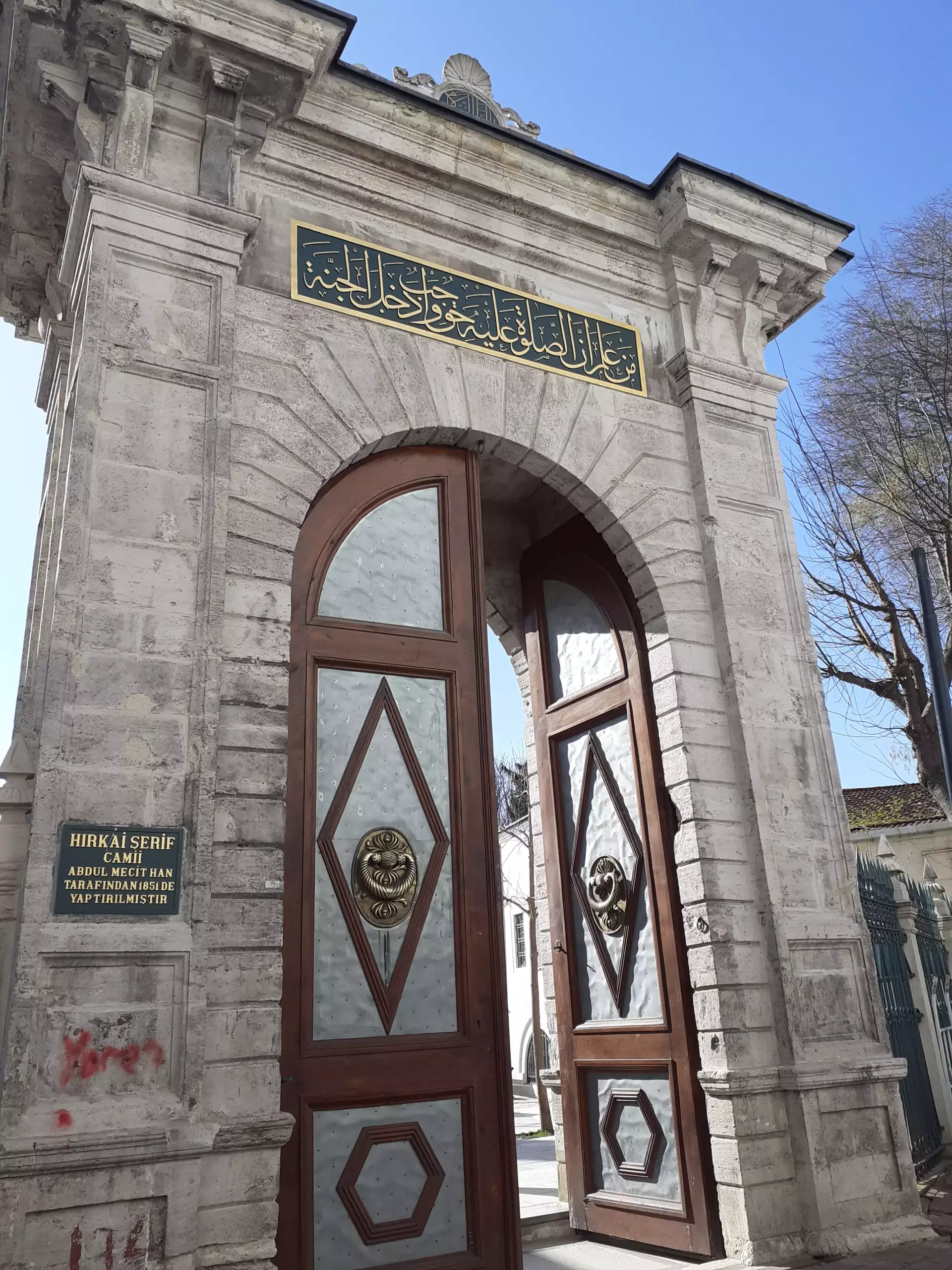
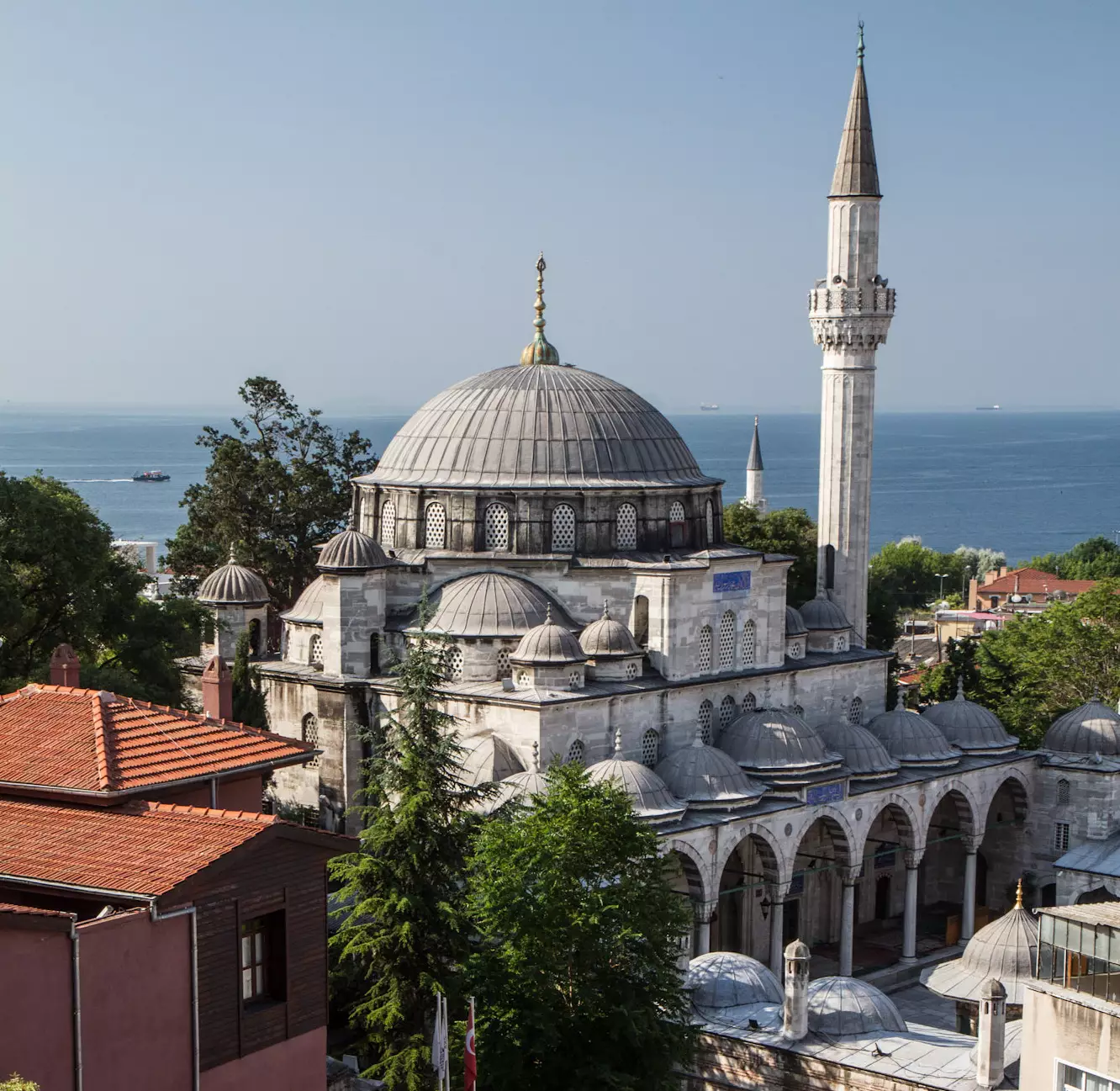
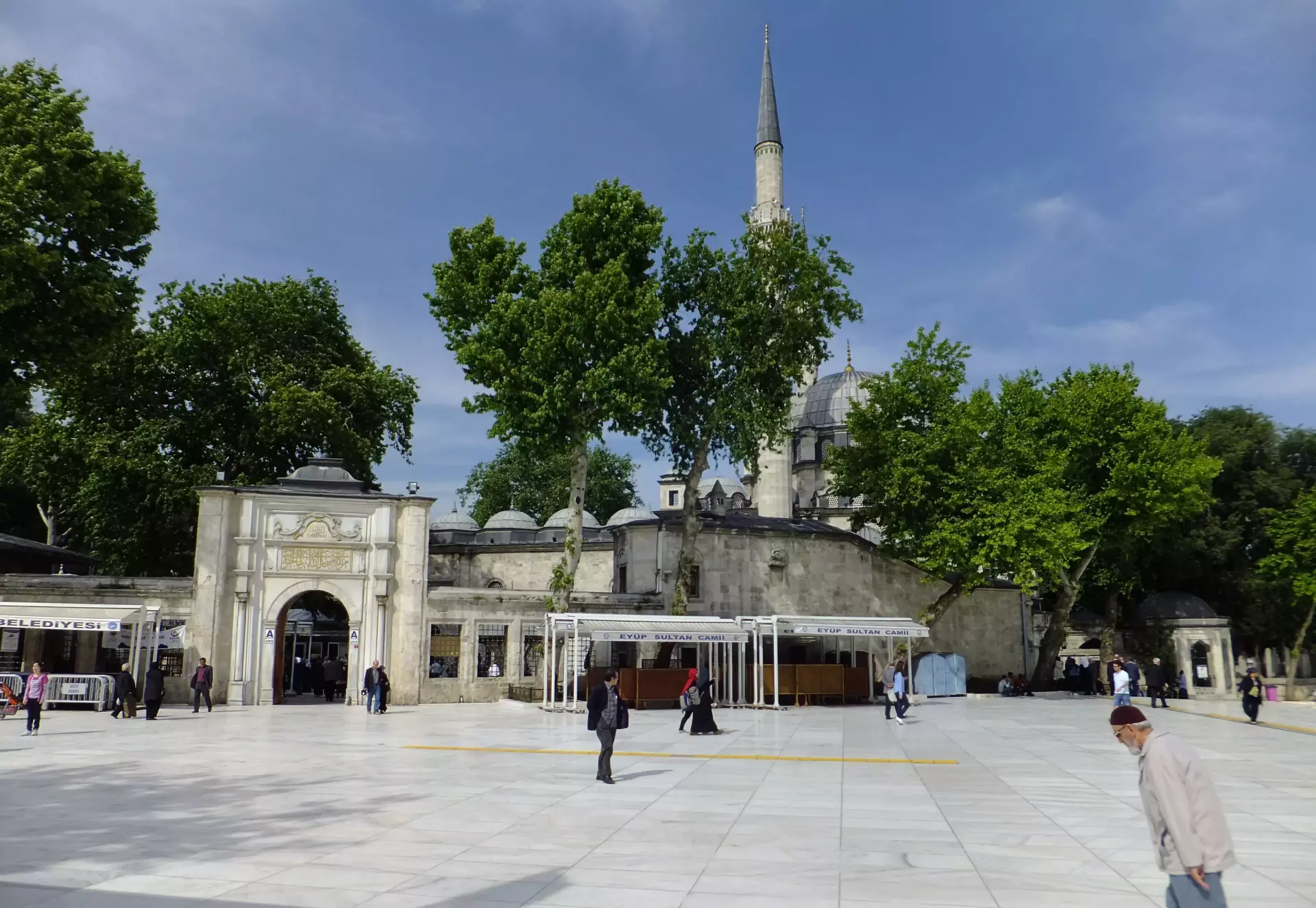
Completed in 1851, this houses a mantle said to have been worn by the prophet Muhammad. The mantle is displayed during Ramadan.
This was built in the 1430s by Grecian Jews ("Romaniotes") from the city of Ohrid, now in North Macedonia. The district of Balat was a Jewish quarter, swelled from 1492 by those expelled from Spain. The synagogue is only open for pre-arranged tours.
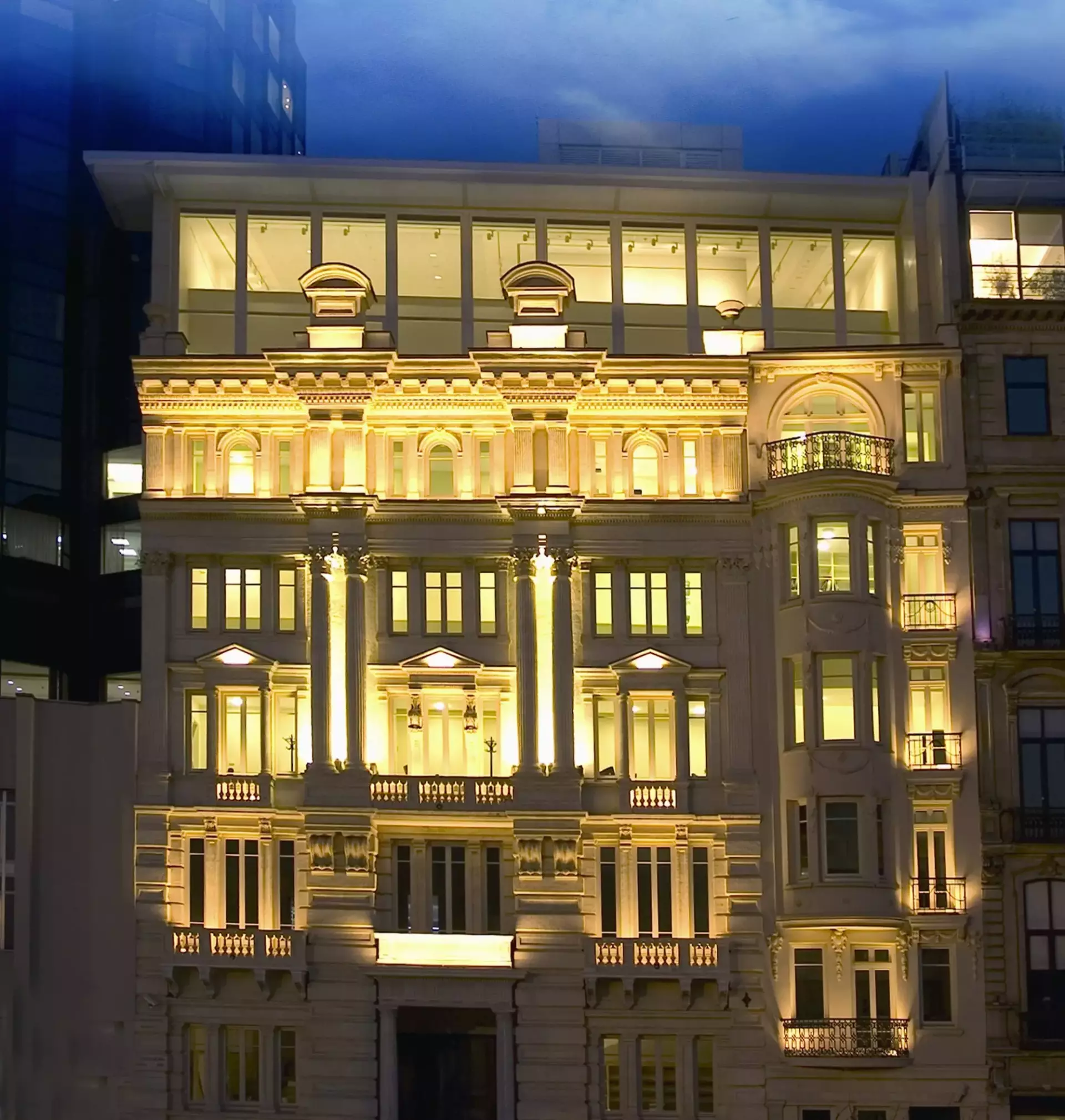
A neighbourhood east of Şişli known for its Art Nouveau apartment buildings, the ground floors of many of which are upmarket restaurants, cafes, pubs, and garment stores lining the sidewalks. Nobel laureate Orhan Pamuk, well-known Turkish novelist, is a lifelong resident of the neighbourhood which formed the background of several of his novels.
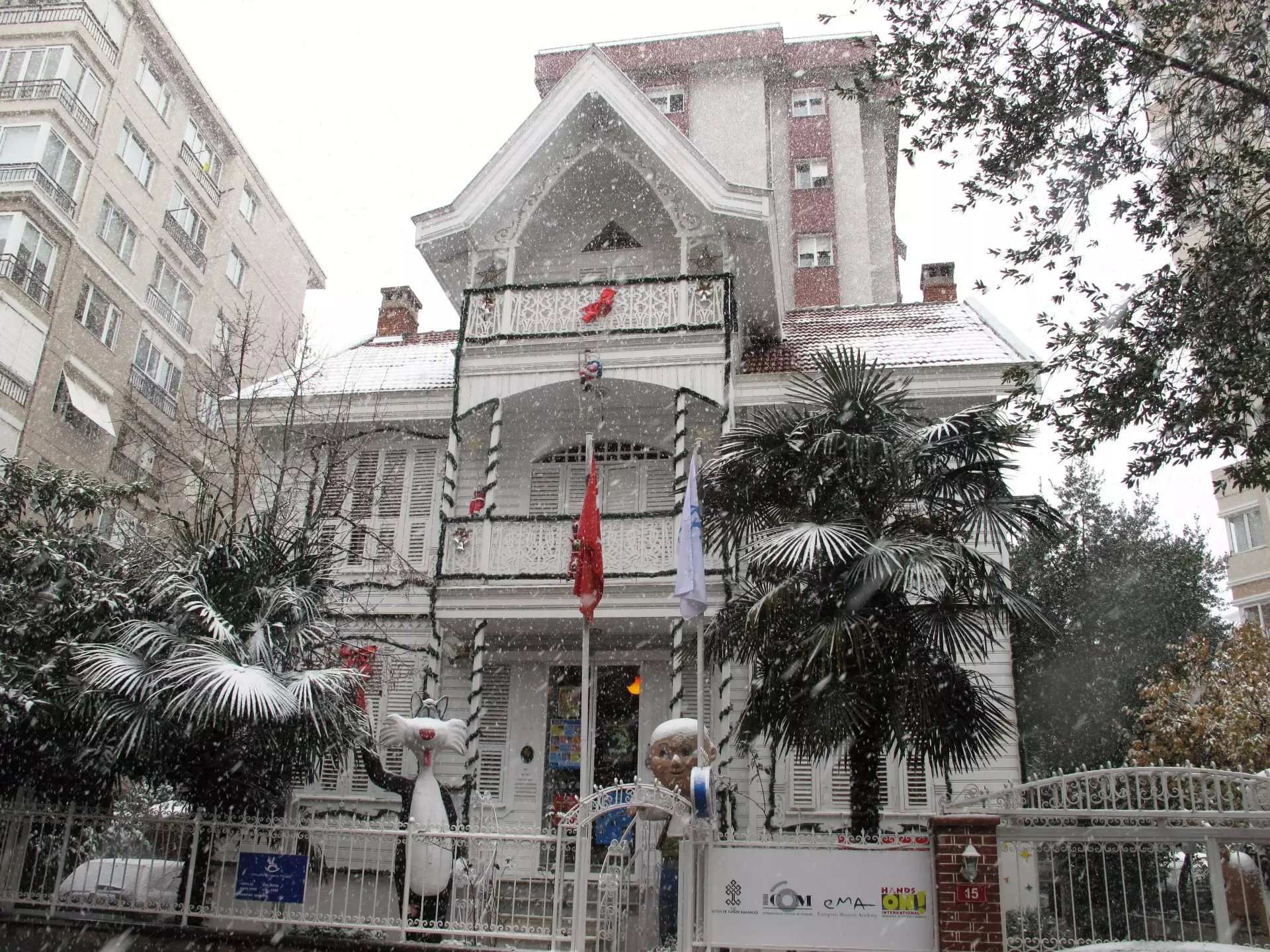
A nice, organized museum with contemporary installations. It may be seen as overpriced given its small size. It also has a simple cafe.
Chora means countryside, and when built as a monastery in the 4th century it stood outside the Constantine walls; a century later, it was incorporated into the Theodosian walls. It was rebuilt in the 11th century then wrecked by an earthquake, so the structure and fabulous mosaics you see now are 14th century. When the church was converted to a mosque in 1500 the mosaics were plastered over, and only restored in 1958 when it became a museum. In 2020 it was again proclaimed a mosque but here (unlike Fethiye Mosque) they saw the sense and tourist income of preserving the mosaics. You need to work around prayer times.
The only active Ashkenazi Synagogue open to visits and prayers.
A resort on the Marmara coast. It's the westernmost part of Istanbul, between Çatalca and the province of Tekirdağ. There are some remnants of the Anastasian wall here, the scrappy ruins of a castle, an ancient cistern, the Piri Paşa Mosque, and Uzunköprü the long aqueduct.
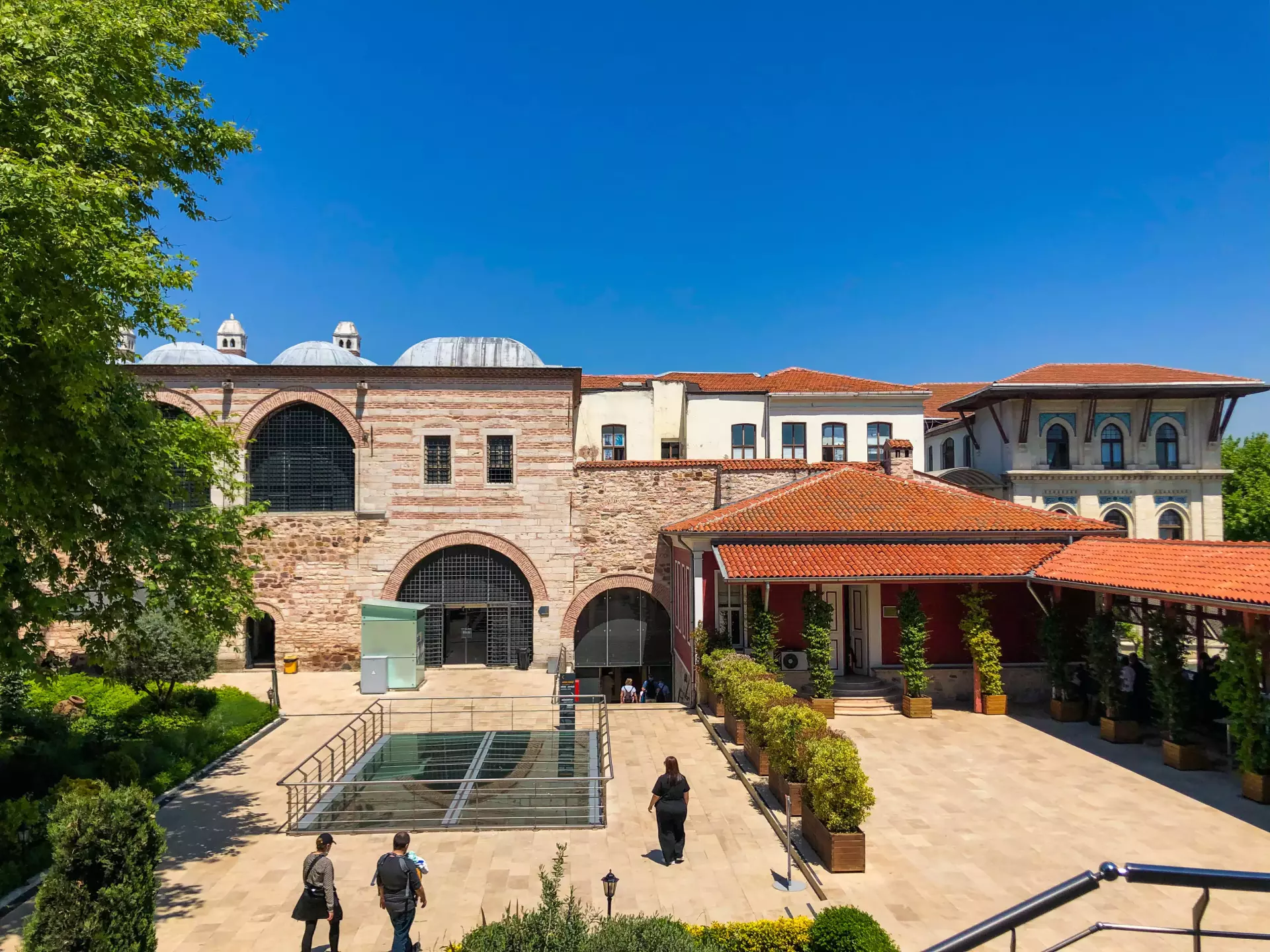
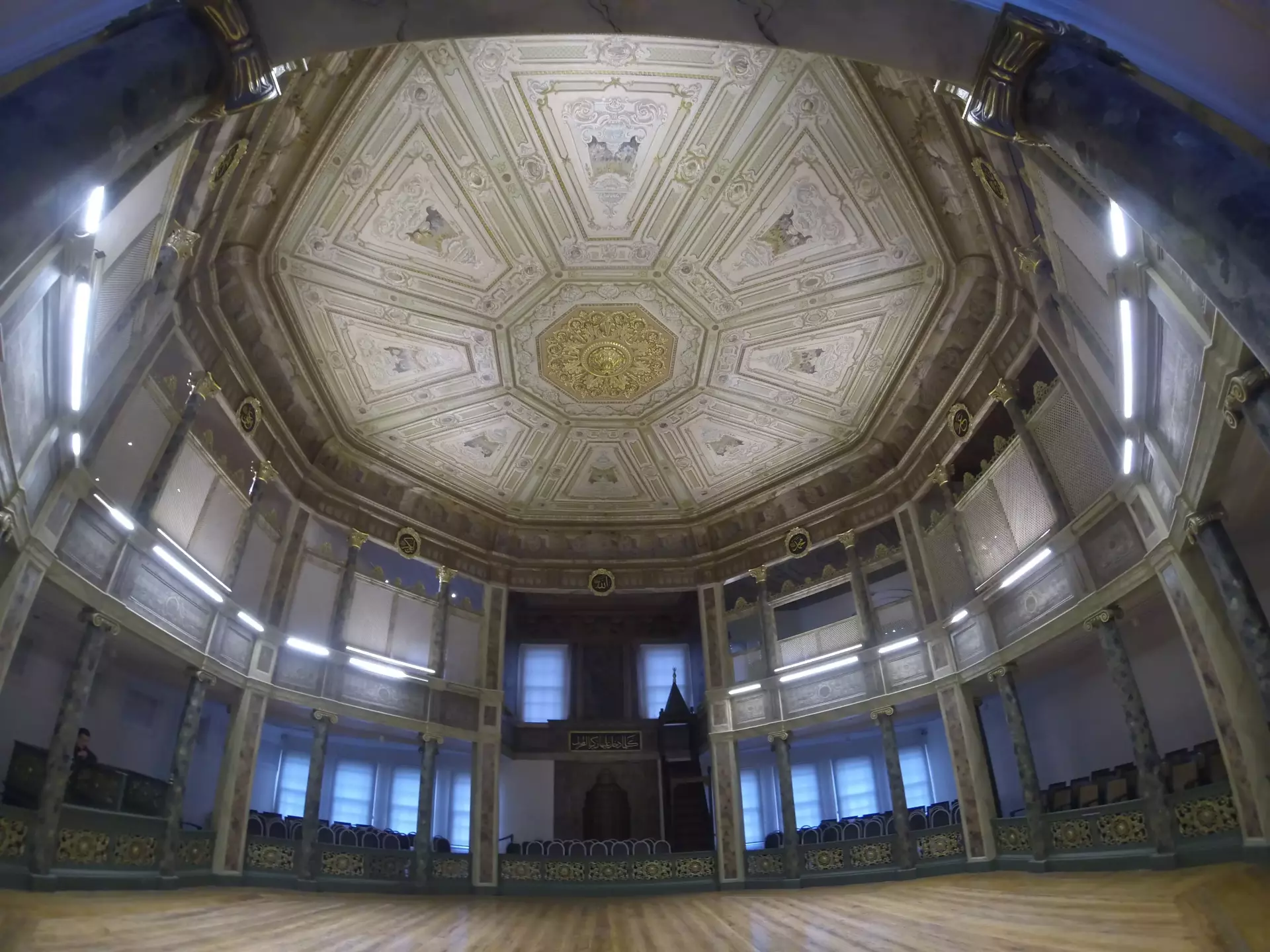
A ritual dancing hall of the mystical Mevlevi order, the followers of the teachings of Mewlānā Rumi. The quiet and peaceful garden is a welcome escape from the hustle and bustle of Beyoğlu. The oldest Mevlevi lodge in Istanbul, the convent was started in 1491, when the surrounding area was, hard to believe today but, pure wilderness beyond the city walls of Galata, although the current building dates back to 1855, as the older versions succumbed to repairs, rebuildings, and fires. However, the lodge was shut down in the early years of the republic (in 1925) along with all other 'reactionary' movements in Turkey, and the building has been serving as a museum dedicated to the Mevlevi order since 2010. Downstairs is a series of rooms dealing with the daily life of an average dervish, with informational signs in Turkish and English about the history of Islam and the Mevlevi order (also notice the original wooden pillars that support the building on this floor). On the upper floor is a dancing hall, a perfect example of 19th century Ottoman Baroque. Pre-Covid, this was where the sema whirling ceremonies were held every weekend evenings (admission by an extra ticket costing around 100 TL); check if they resumed. On the third floor is a display of various traditional Turkish/Islamic arts, including paper marbling (ebru), and calligraphy. After exiting the building, check out the small graveyard (or the "silent house" as the sign at its entrance says) on one side of the building, shaded by a number of hackberry trees, which Ottomans favoured to plant in the yards of mosques and graves to sign holiness. Here, the carved fez, or the basket of flowers in case of women, perched upon the highly detailed marble gravestone indicates the occupant's rank in the dervish hierarchy. At one corner of the necropolis is the grave of İbrahim Müteferrika, a converted Hungarian who was the first to start automated publishing in Ottoman Turkish in the 18th century, and served as the translator of Hungarian revolutionaries who sought asylum in Turkey, such as Kossuth, who stayed for a year in Kütahya, or Ferenc Rakoczi, who lived his last years in Tekirdağ.
Built in first half of the 15th century, this is the large medieval castle under the Second Bosphorus Bridge. Its former name Boğazkesen (Turkish)/Laimokopia (Greek) means both "strait-blocker" and "throat-cutter" in both languages and denotes the reason of its building—to shut the supply routes from the Black Sea in the north into the slowly falling apart Byzantine Empire through the Bosphorus. Rumeli, literally "the Roman land", was the name of the European half of the Ottoman Empire, and as is usual with some other structures and villages along the Bosphorus, used as a prefix to differentiate Rumeli Hisarı from its counterpart in the Asian Side, the much smaller Anadolu Hisarı just across the Bosphorus.
Although not at the size of Hagia Sophia, this is the largest active church in Turkey. It’s directly on Istiklal St, but somewhat hidden from view by its yard portal. Catholic Masses in Italian, Turkish, and English (in different days of the week).
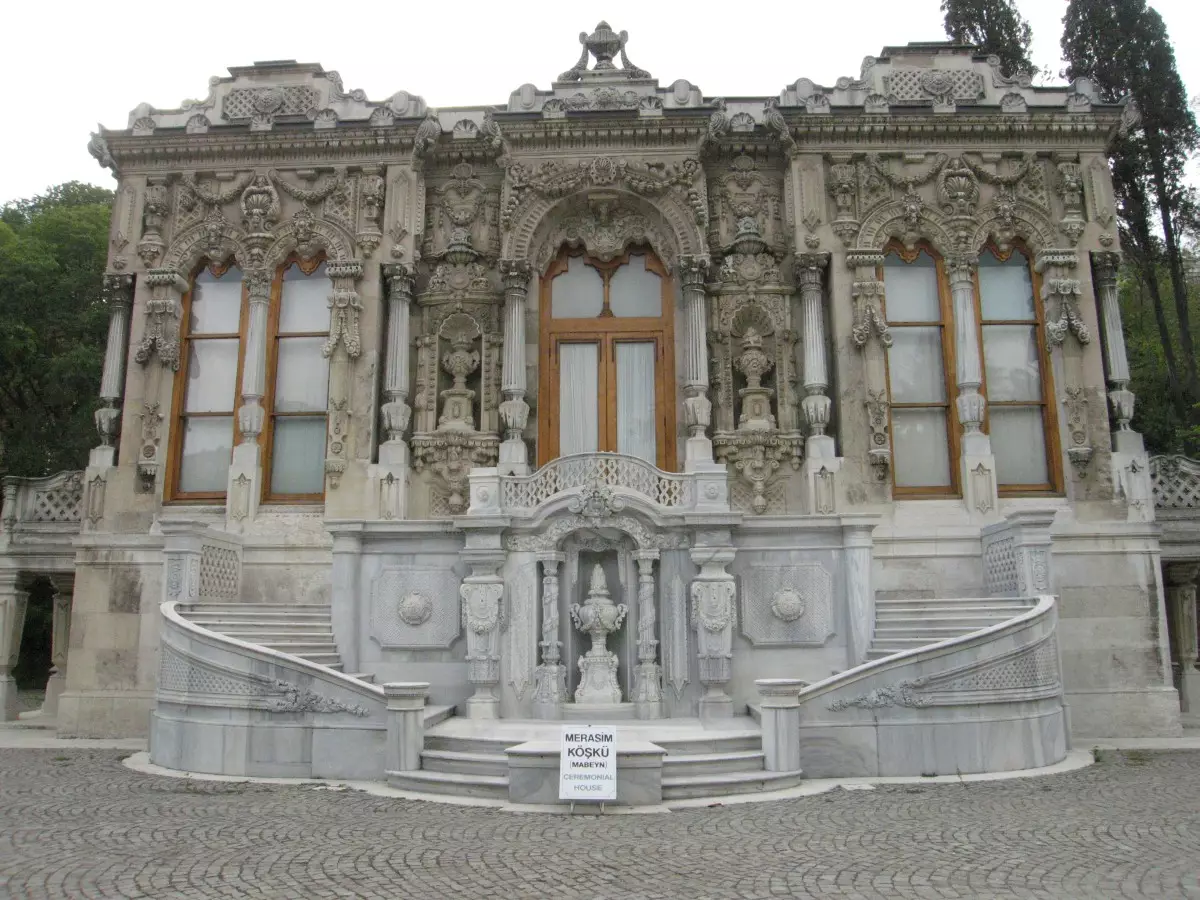
This lavish palace with 285 rooms and 43 halls was the admin centre for the Ottoman Empire in its last 60 years. The palace government block (Selamlık) includes the Imperial Mabeyn (State Apartments) and Muayede Hall (Ceremonial Hall), while the Imperial Harem was the sultan's private quarters. Also here are the Painting Gallery, Music Museum, Clock Museum and Museum of Palace Collections. Free audio guide in several languages available by the ticket office. No photography inside, no backpacks but you can leave them in the cloakroom. Allow 3 hours to see everything.
A neo-gothic Anglican cathedral which would not be out of place in northwestern Europe, the Crimean Memorial Church was built for the Protestant community of the city by Britain in the late 19th century. It was named in honour of the soldiers died in the Crimean War of 1856, fought against Russia by the allied Ottoman and British Empires. The congregation of the church today mostly consists of Anglican East Asians and Sri Lankans resident in Istanbul.
Situated on the gentle hill overlooking the neighbourhood of Emirgan and the Bosphorus, Emirgan Park was for long the only place in the city where Istanbulites can admire the beauty of tulips. Having lost that distinction since the first decade of the 2000s as tulips are now everywhere, this is still a beautiful park with artificial ponds, small waterfalls, and impressive views of the Bosphorus. There are also cafes with open-air sections housed in pleasant former imperial hunting manors. Squirrels are there, too, in the middle of this metropolis of more than 15 million people, though you may have to look a bit deeper (or a bit upper on the branches!) to spot them.
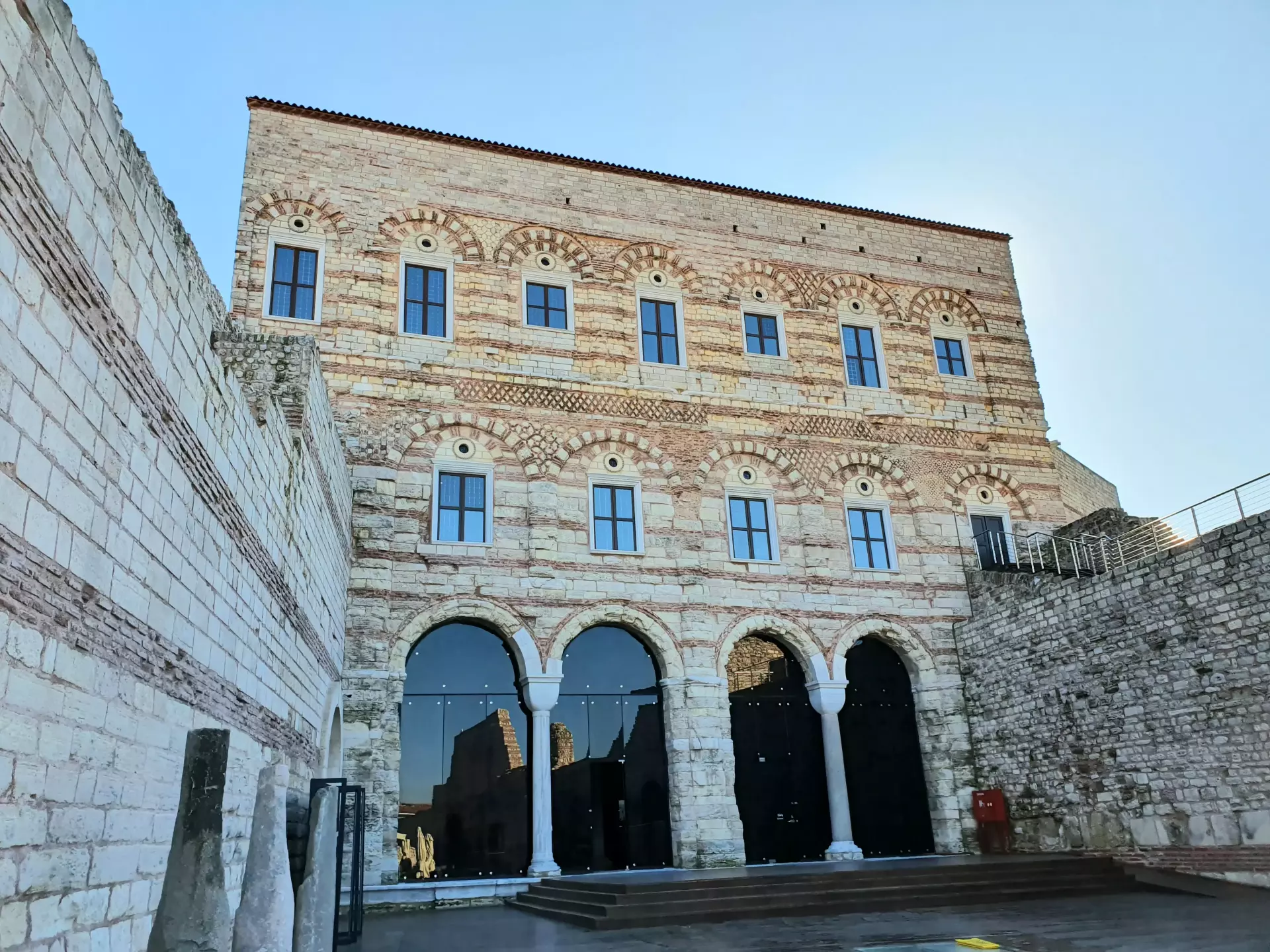
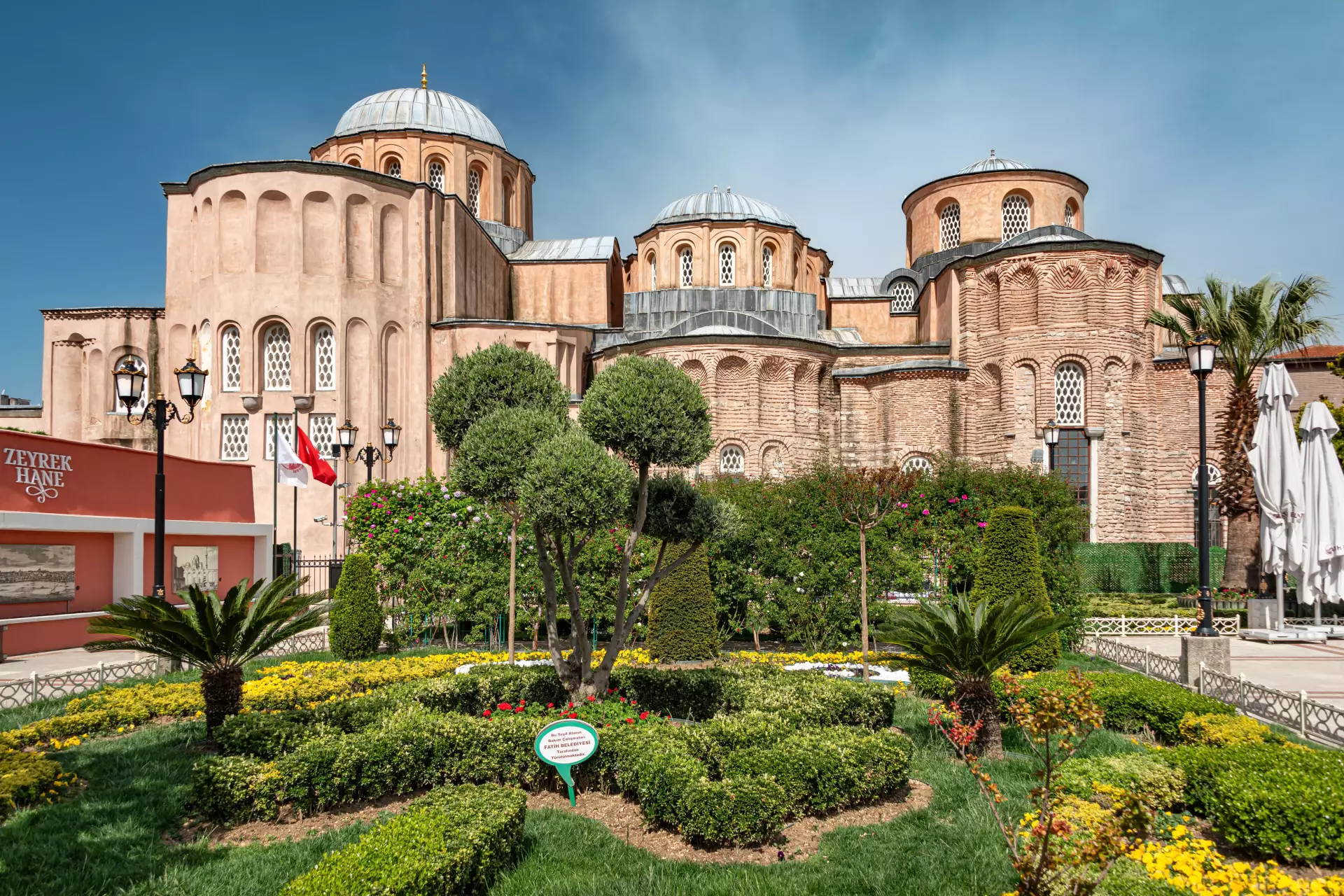
The Byzantines built several great palaces in Constantinople and this is the only one to survive almost intact. It's from the late 13th century, in typical alternating marble and red-brick rows, and was an imperial residence: Porphyrogenitus means "born to the purple" indicating the heir to the crown. Yet it was merely an annex or pavilion within the much greater Palace of Blachernae, of which nothing else remains. It's set within the north end of the Theodosian Walls and was much bashed during the Ottoman capture. Later it was variously a menagerie, brothel, pottery, poorhouse and bottle works, then fell derelict in the 20th century. In 2021 it re-opened as a museum.
Vast underground cistern built by Justinian in 532 to store the city's water, the largest and best-known of the hundreds constructed. It's a cathedral-like space with 336 richly decorated columns. Time was you explored in a little rowing boat, but tourist numbers have soared and water levels have dropped, so now you follow a boardwalk, with lights, piped music and art installations. It's sometimes a film location, and stages concerts. But the crowds rob it of atmosphere and you might prefer to seek out one of the less-visited cisterns.
A village with an impressive citadel overlooking the Bosphorus and its mouth into the Black Sea. By land it's accessible only by a hairpinning road through the forest, with few buses. It's best reached by ferry from Eminönü (twice daily) or Sariyer (frequent). In the village, a road is signposted up to the hilltop Yoros citadel (a little more than 1 km, 20 min on foot, free admission). There's a pleasant area with cafés by the ferry pier; the place gets crowded at weekends during summer. Nasty big dogs stalk the citadel area at night. See Istanbul#The_classic_Bosphorus_cruise.