Search ×
Home Istanbul
Eyüp Sultan Mosque
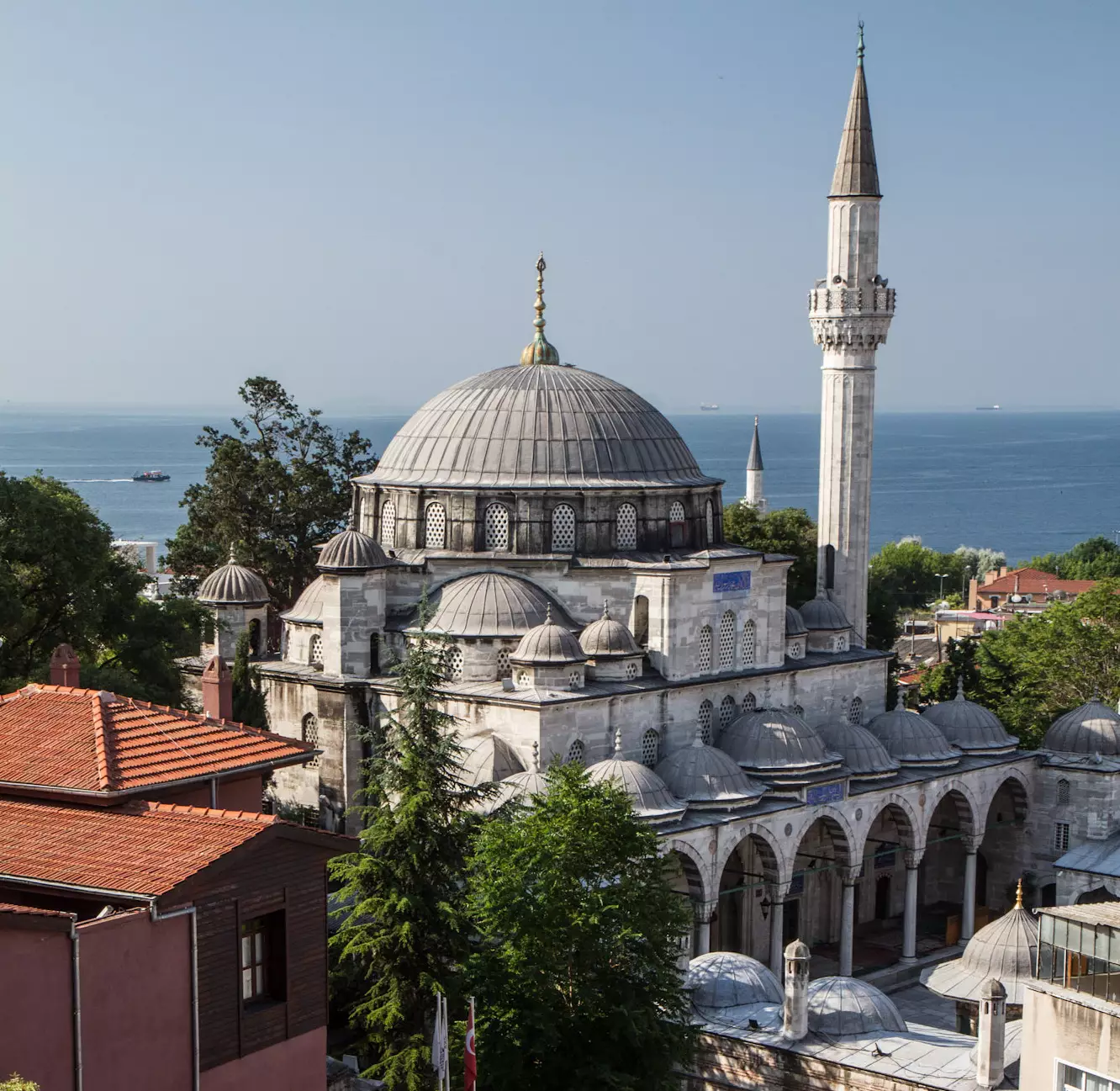
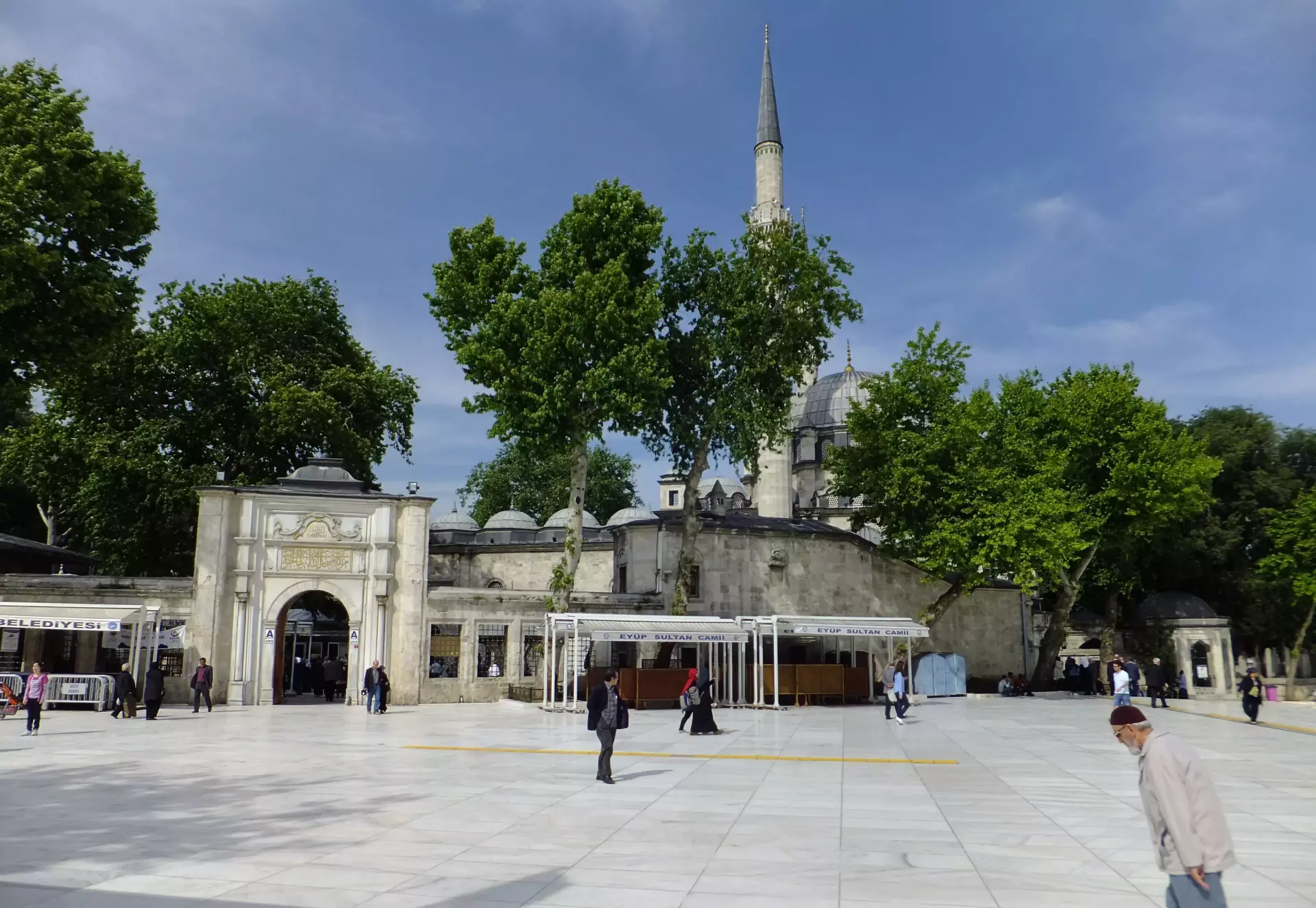
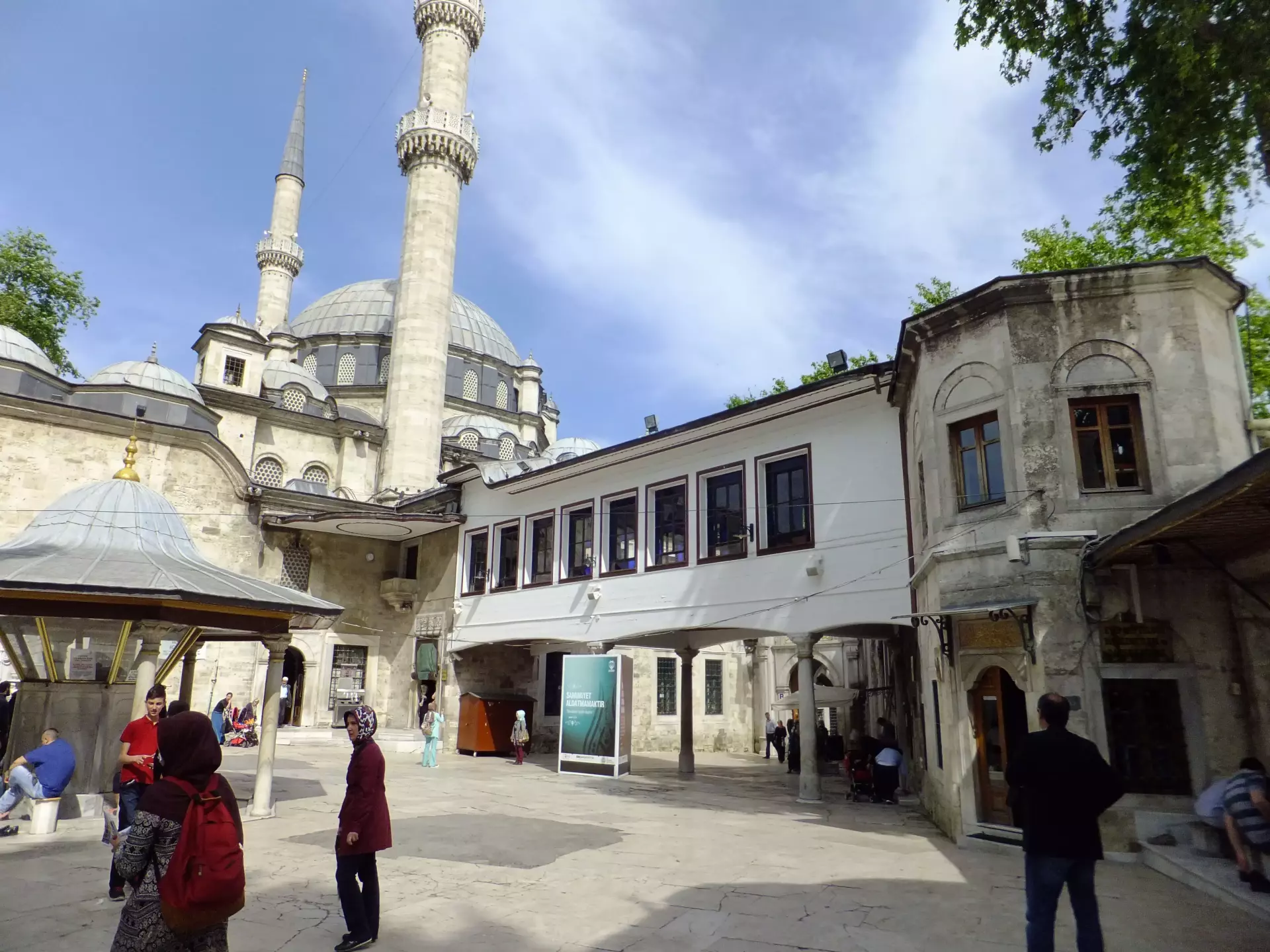
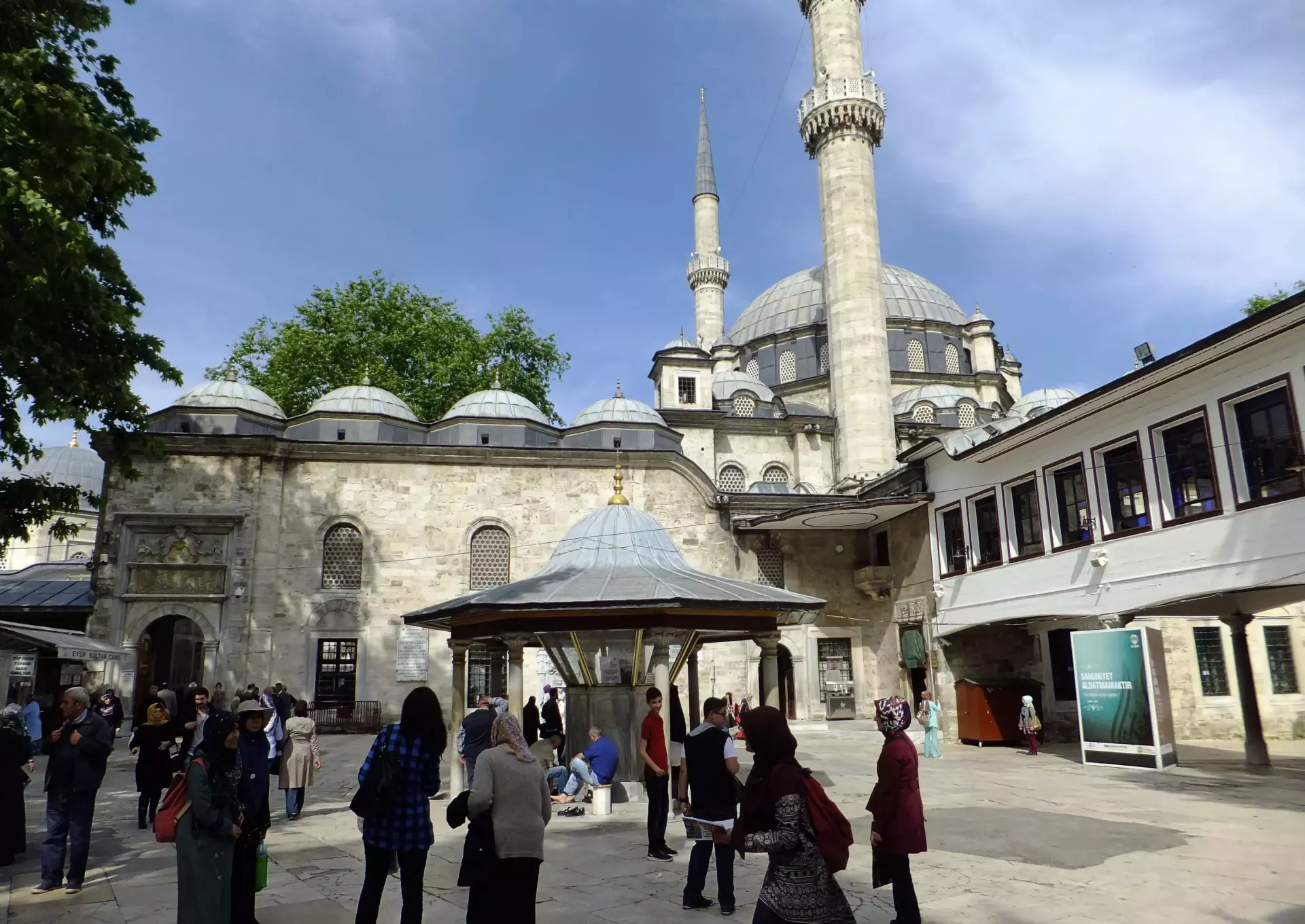
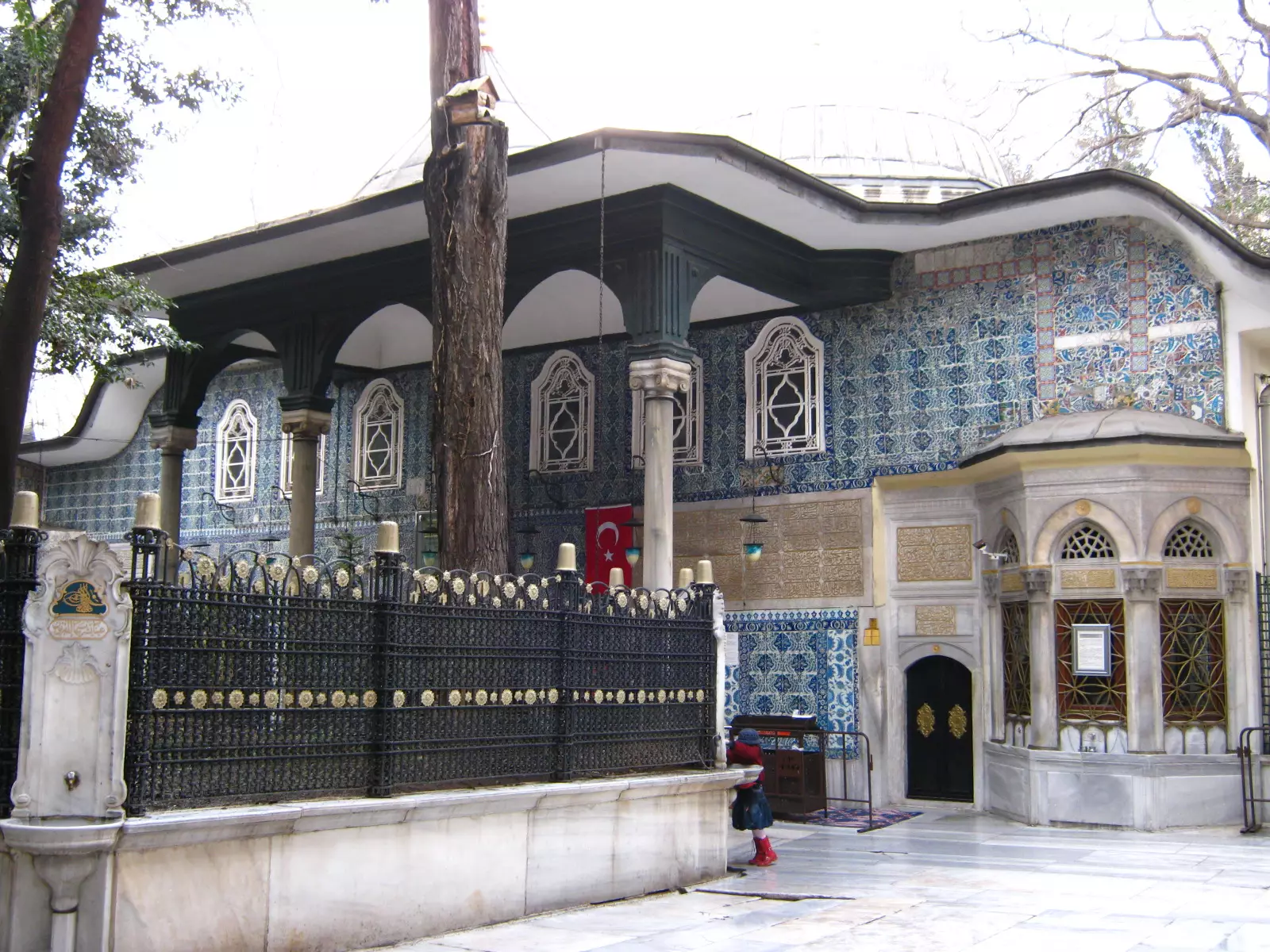
English:  Eyüp Sultan Mosque, Istanbul, seen from the adjacent public square
English:  Eyüp Sultan Mosque, Istanbul; view of the sultan's pavilion attached to the mosque
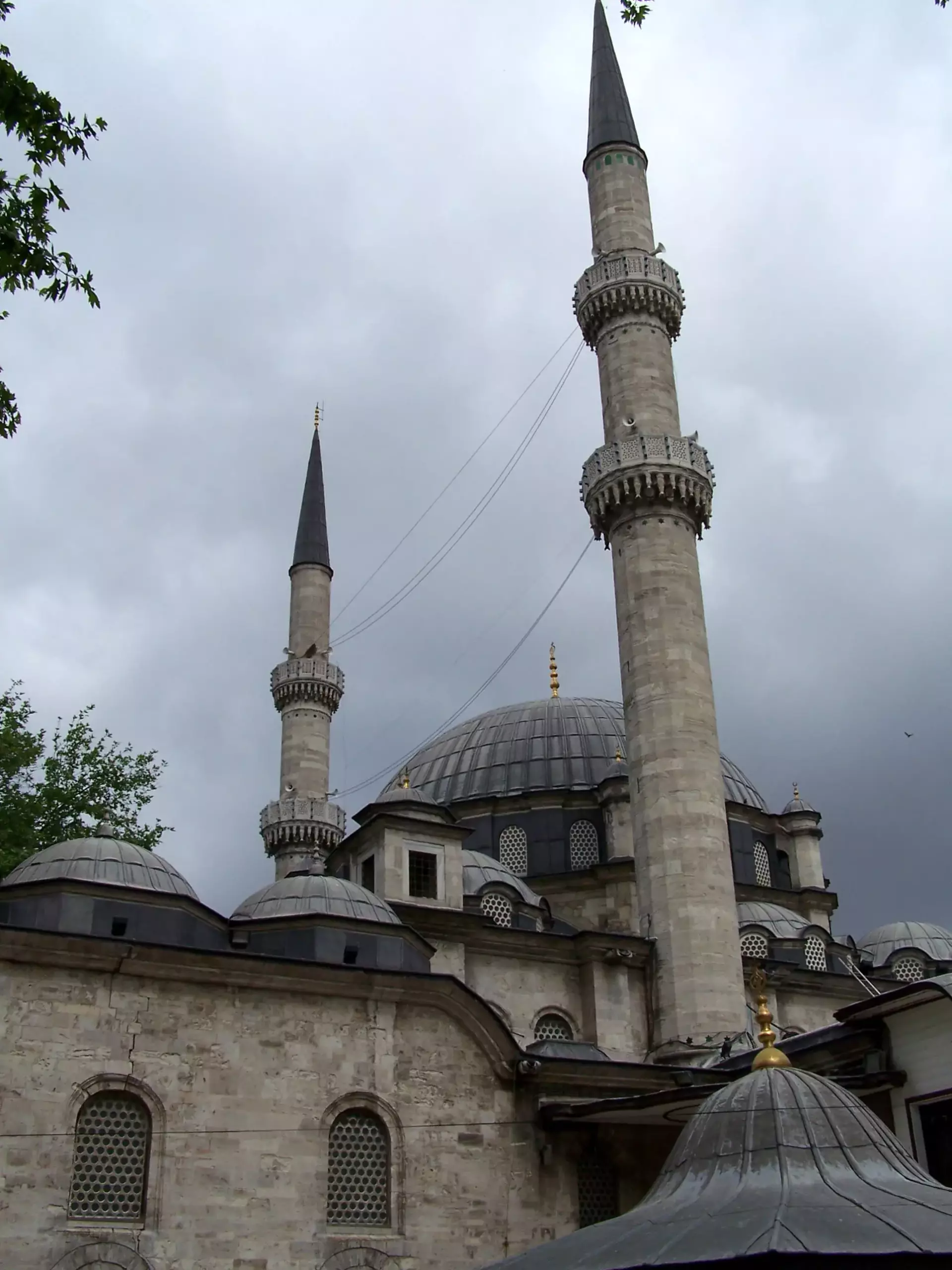
English:  Eyüp Sultan Mosque, Istanbul
Eyüp Sultan Camii in Eyüp
English:  Tomb of Eyüp Sultan
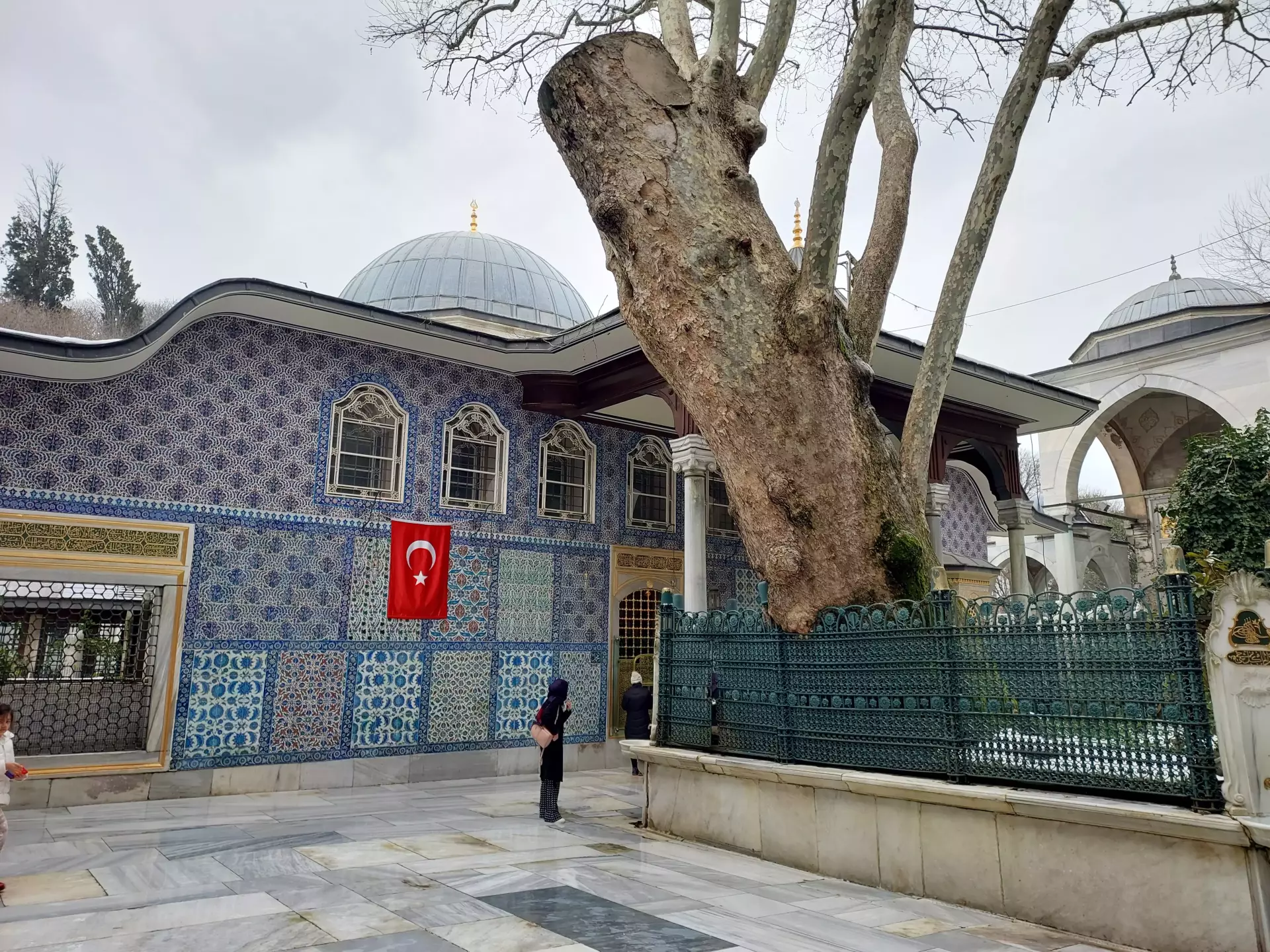
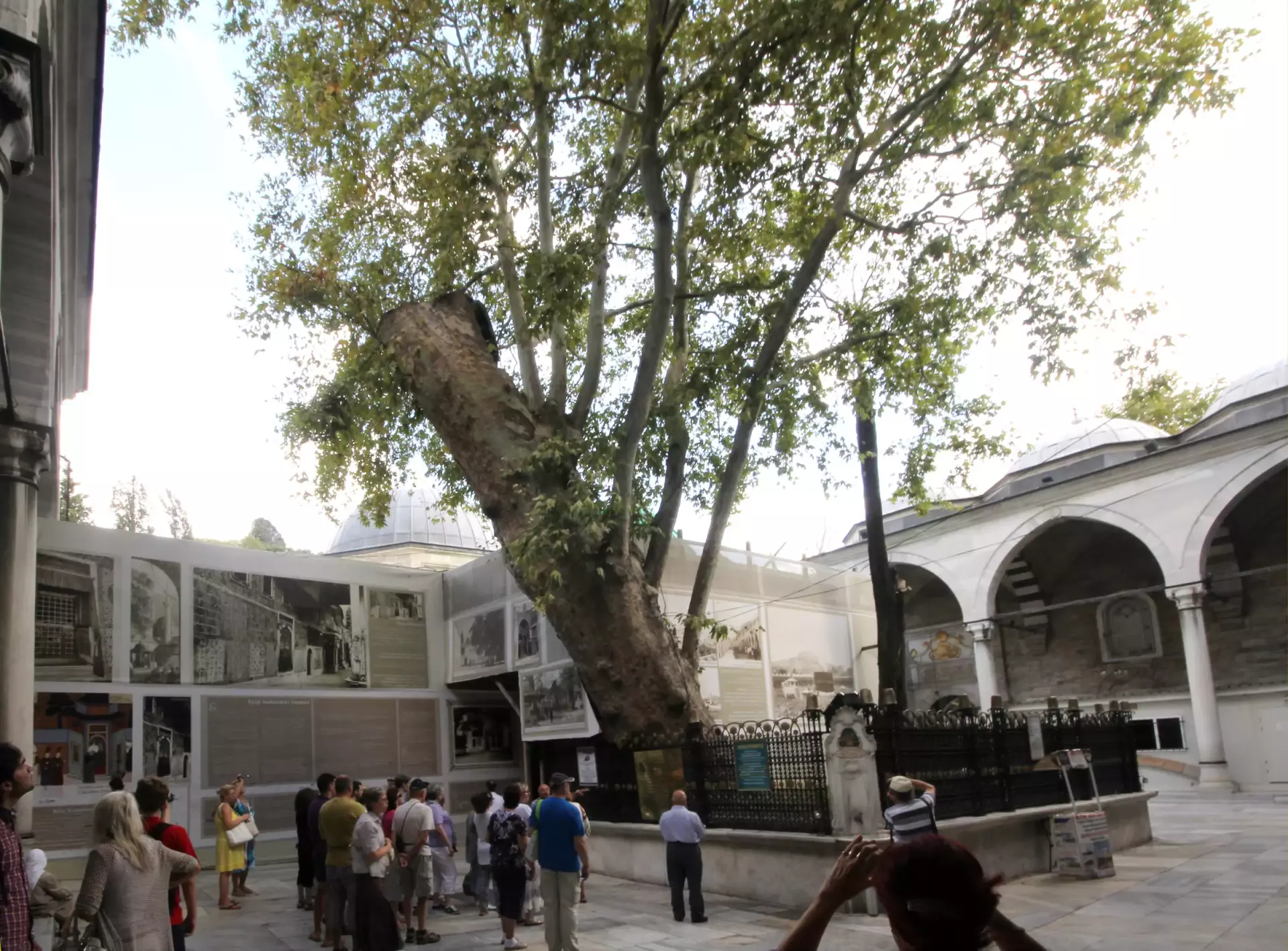
English:  Large tree on yard Eyüp Sultan Mosque, Istanbul, Turkey Čeština:  Velký starý strom na nádvoří mešity Eyüp Sultan Mosque v tureckém Istanbulu
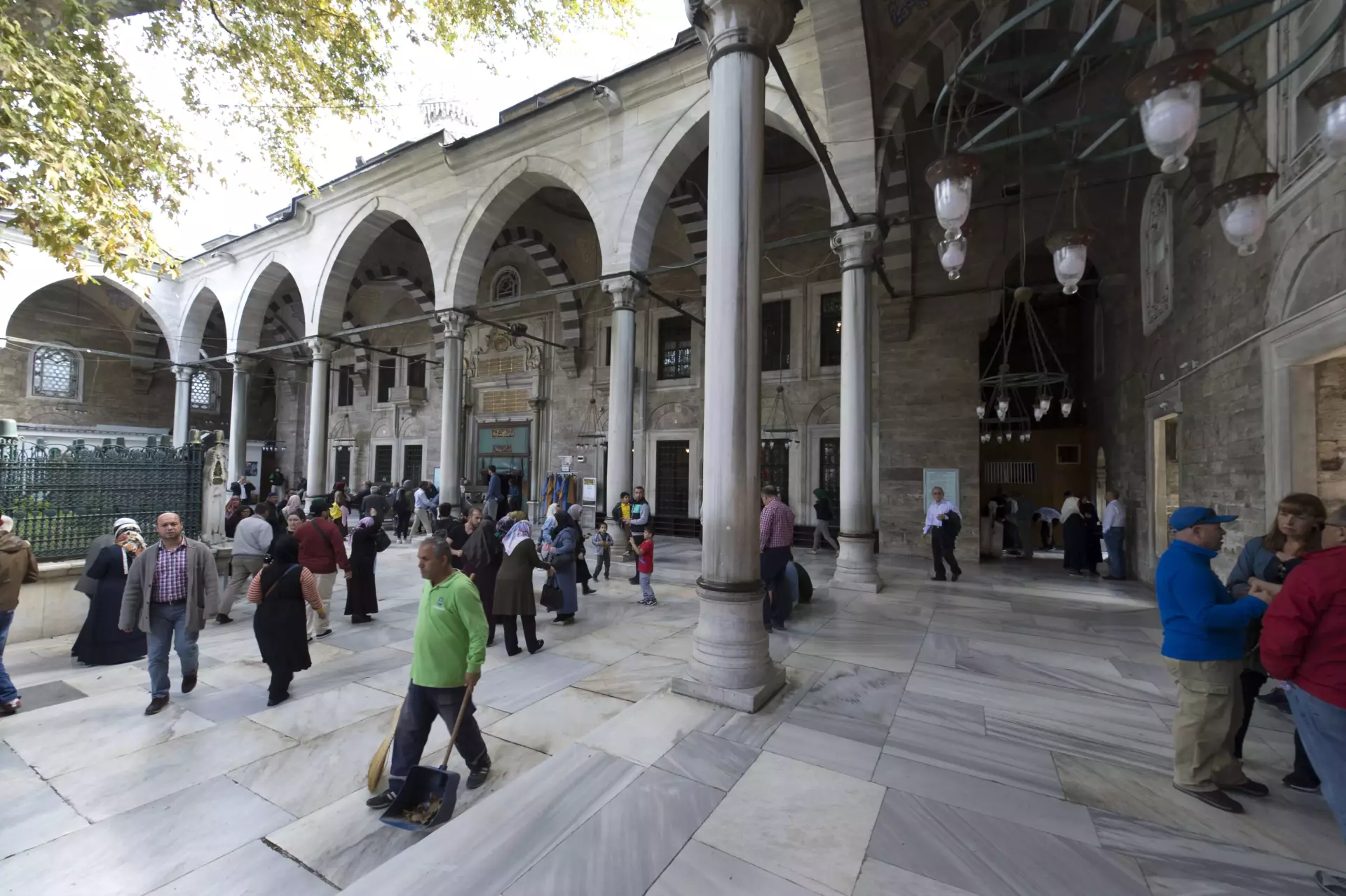
English:  In the centre the entrance to the mosque, with a row of columns in its front for the son cemaat. The courtyard holds a garden with some graves and large trees.
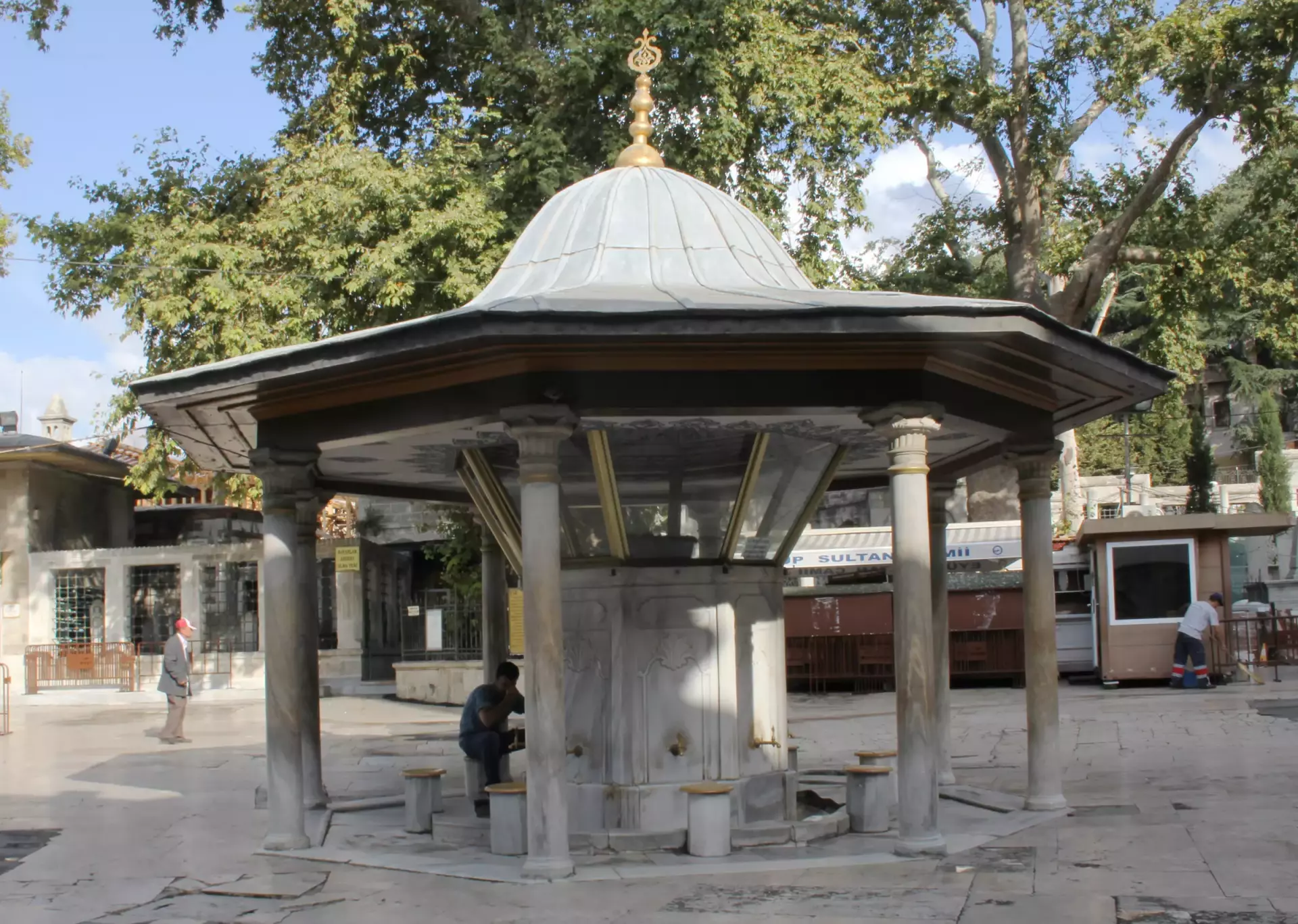
English:  Place for leg washing in entrance into Eyüp Sultan Mosque in Istanbul , Turkey Čeština:  Místo pro omývání nohou na nádvoří mešity Eyüp Sultan Mosque v tureckém Istanbulu
Türkçe:  Eyüp Sultan Camii, İstanbul'da Eyüp semtinde Haliç kıyısında bulunan camii, olmasının ötesinde kutsal bir ziyaret yeridir. العربية:  جامع أيوب سلطان (سيدنا أبي أيوب الأنصاري رضي الله عنه) باسطنبول ، تركيا English:  The Eyüp Sultan Mosque is situated in the Eyüp district of Istanbul, outside the city walls near the Golden Horn. The present building dates from the beginning of the 19th century. The mosque complex includes a mausoleum marking the spot where Eyüp (Job) al-Ansari, the standard-bearer and friend of the Islamic prophet Muhammad, is said to have been buried.
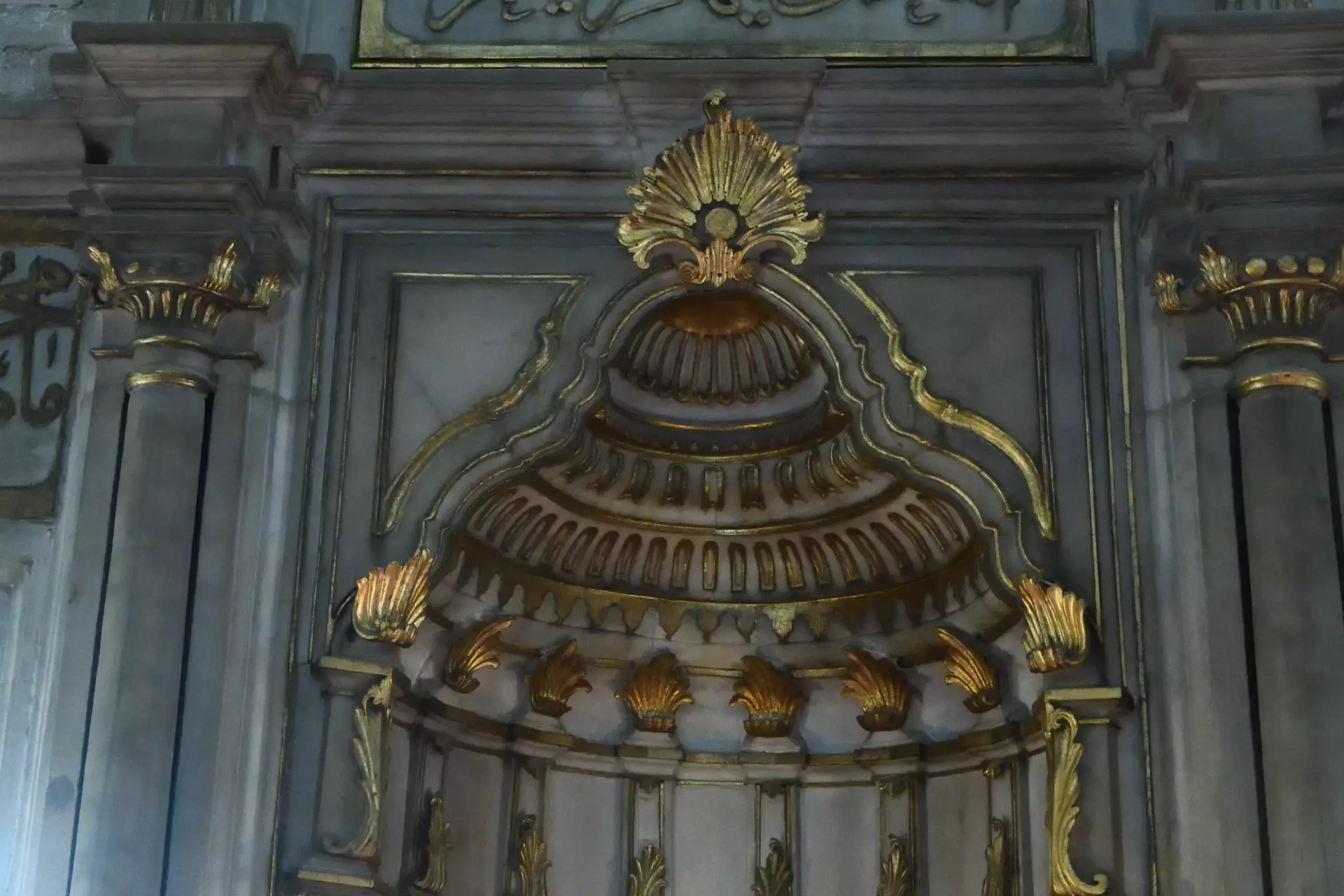
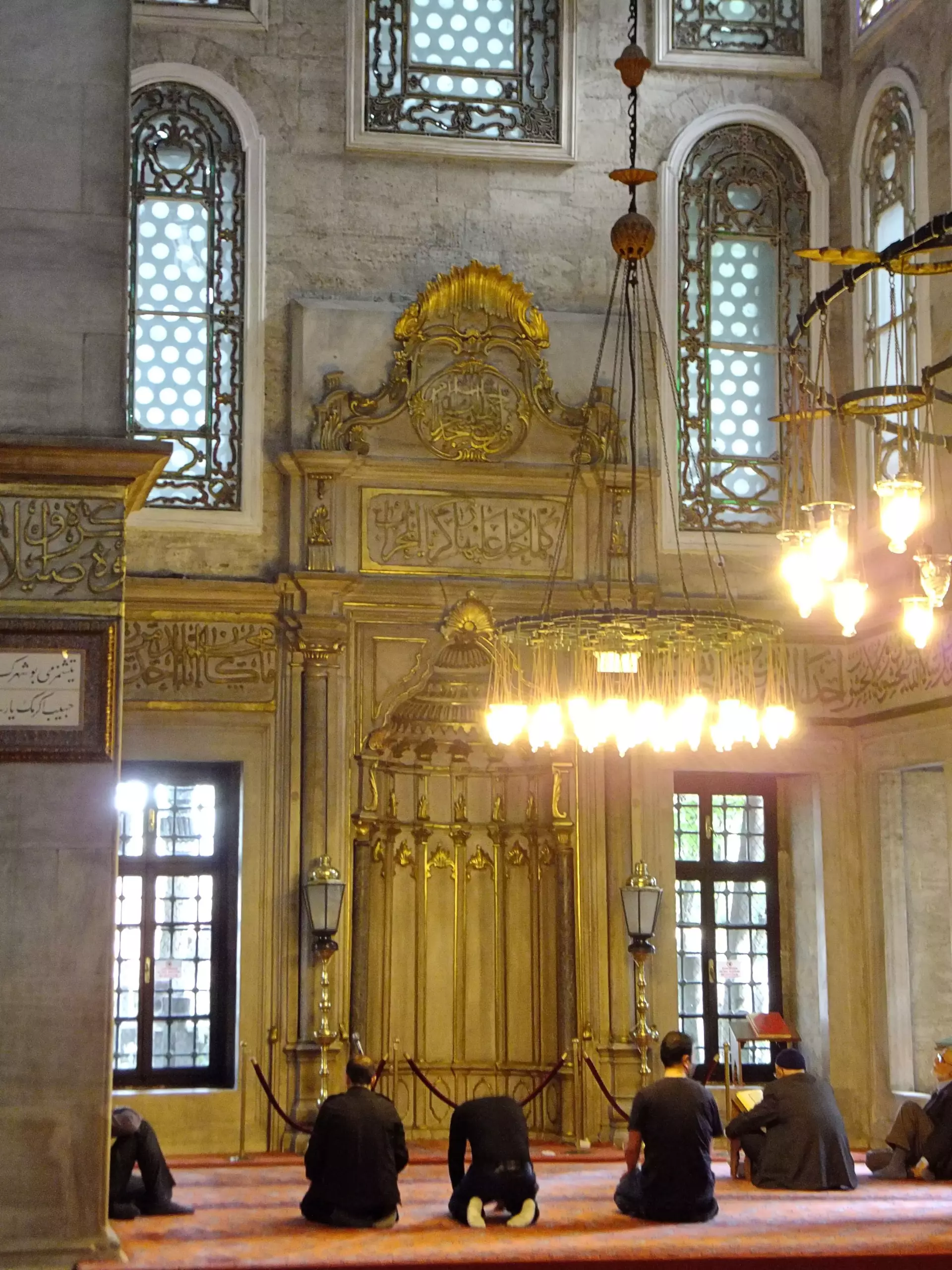
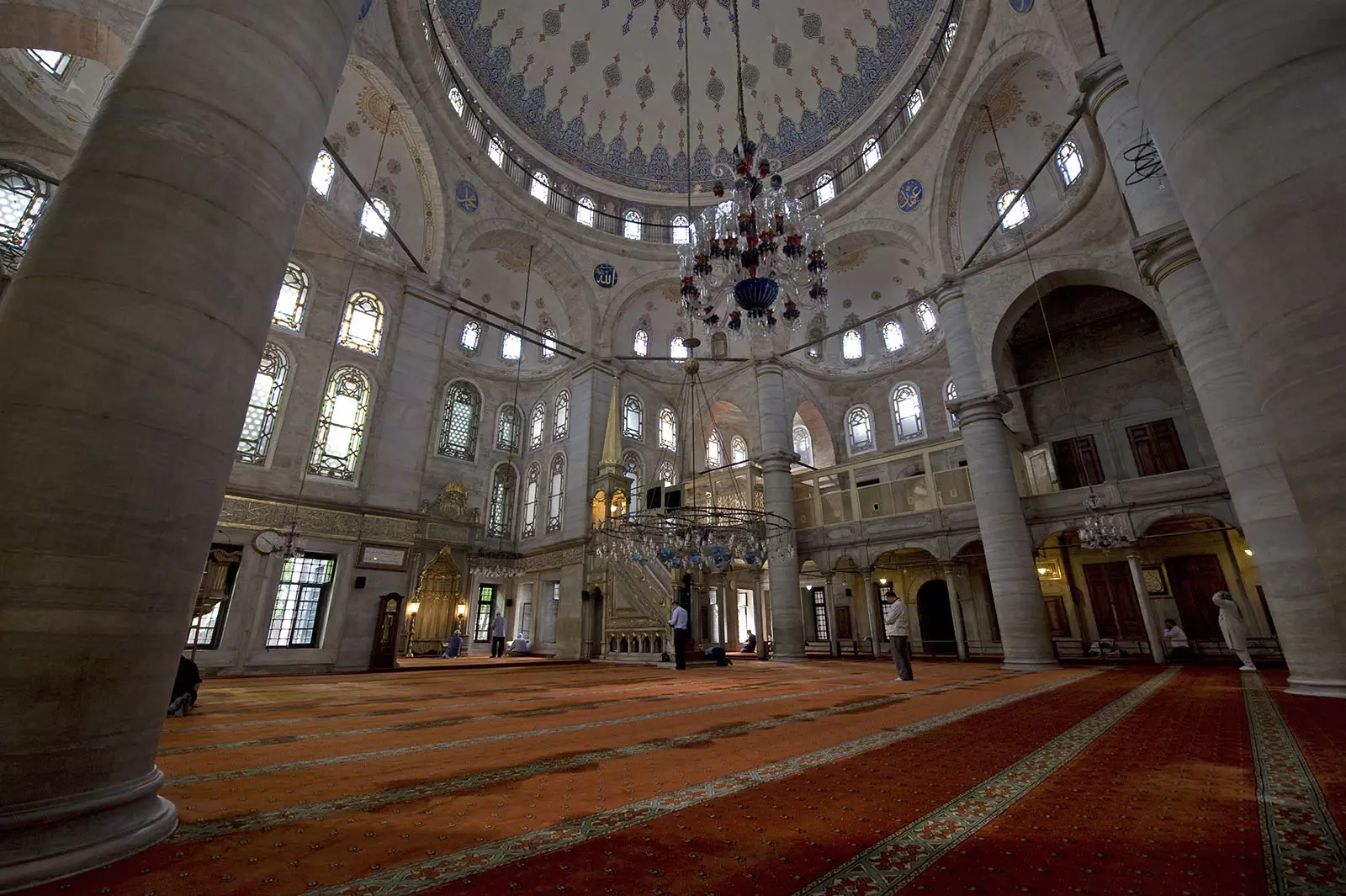
English:  Mihrab in Eyüp Sultan Mosque
English:  Mihrab in the Eyüp Sultan Mosque, Istanbul
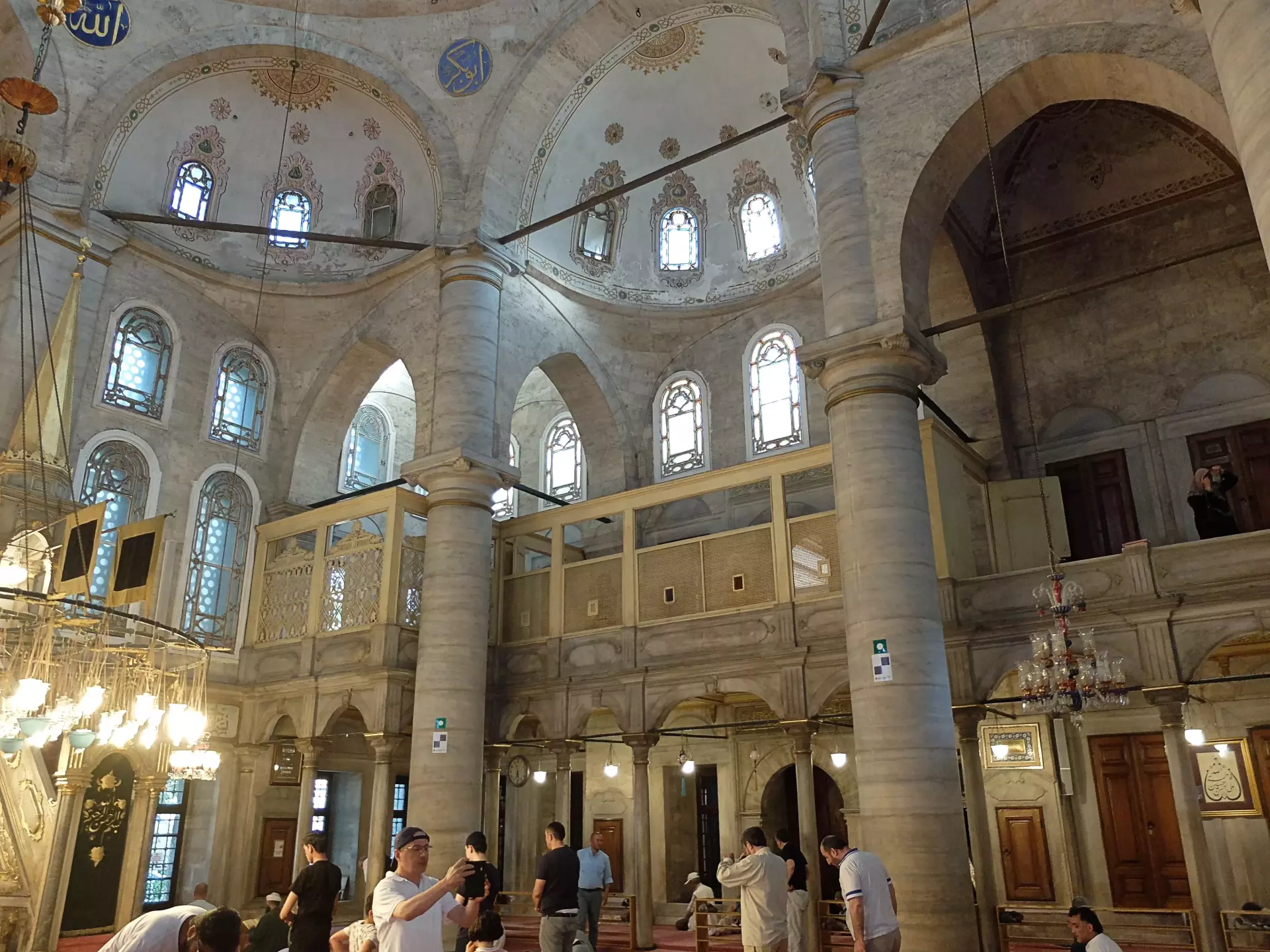
English:  Sultan's gallery in the Eyüp Sultan Mosque, Istanbul
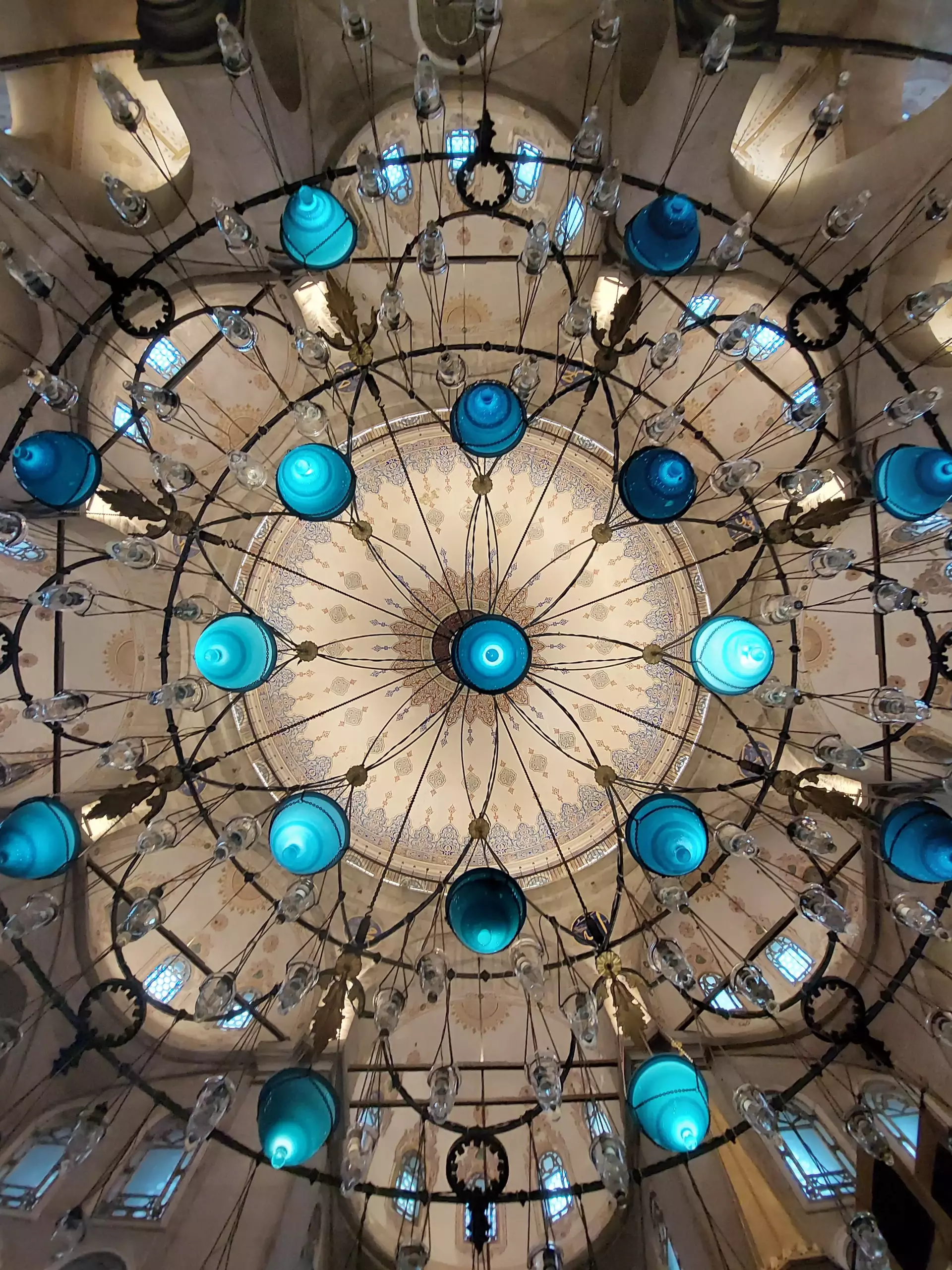
English:  Dome of the Eyüp Sultan Mosque in 2022.
English:  Taken with wide angle lens
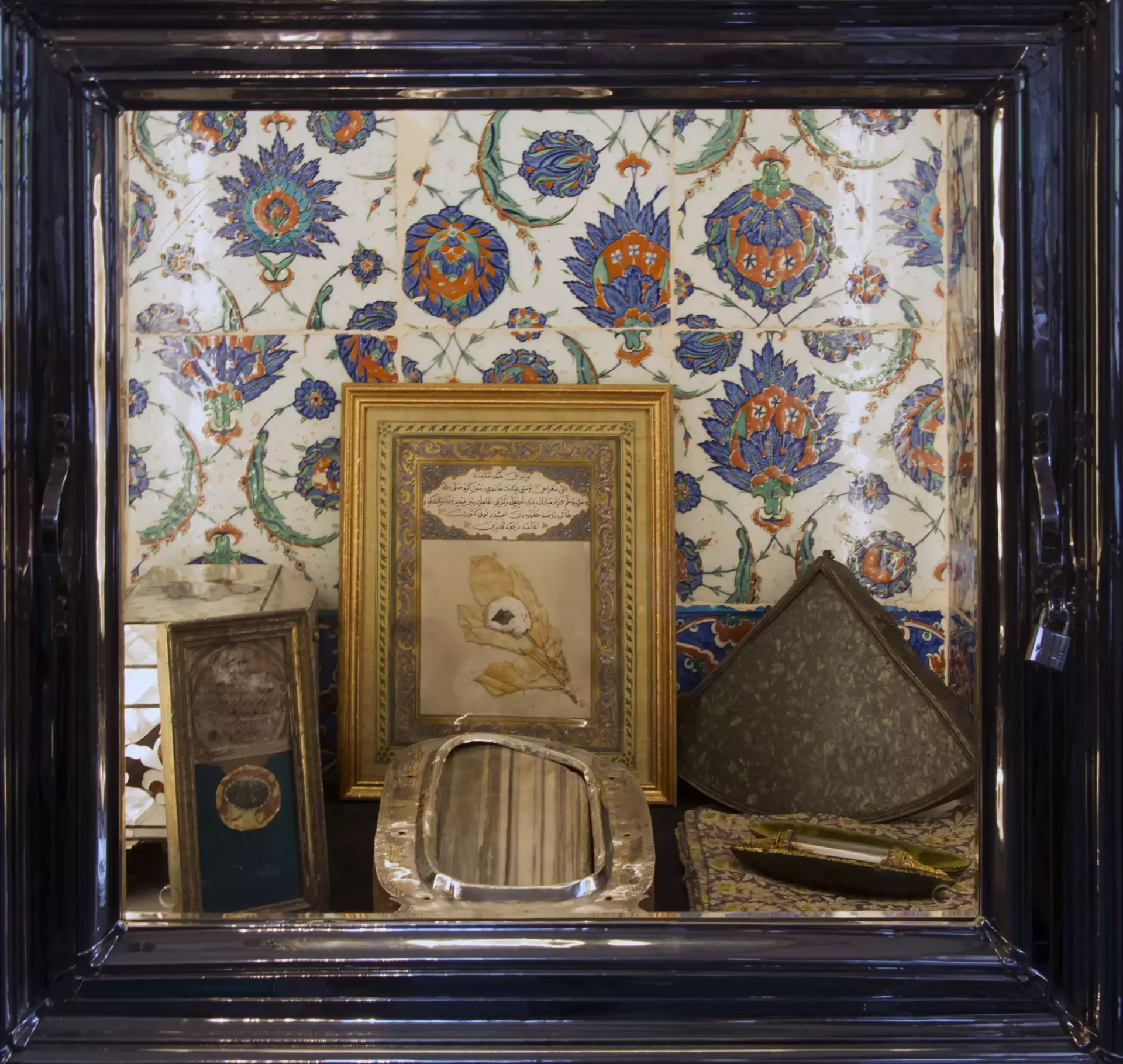
English:  In a glass-covered recess there are several relics. A notice in 2015 explained (Google translated) “Our Prophet Master[‘s] Blessed Footprint; Sakal-I Sheriff (hair of his beard), Hacer-I Natik (Stone Talking To Our Master), Our Prophet Master[‘s  The] Leaves Of The Tree He Placed, Green Colored Tile Of Ravza-I Mutahhara“.
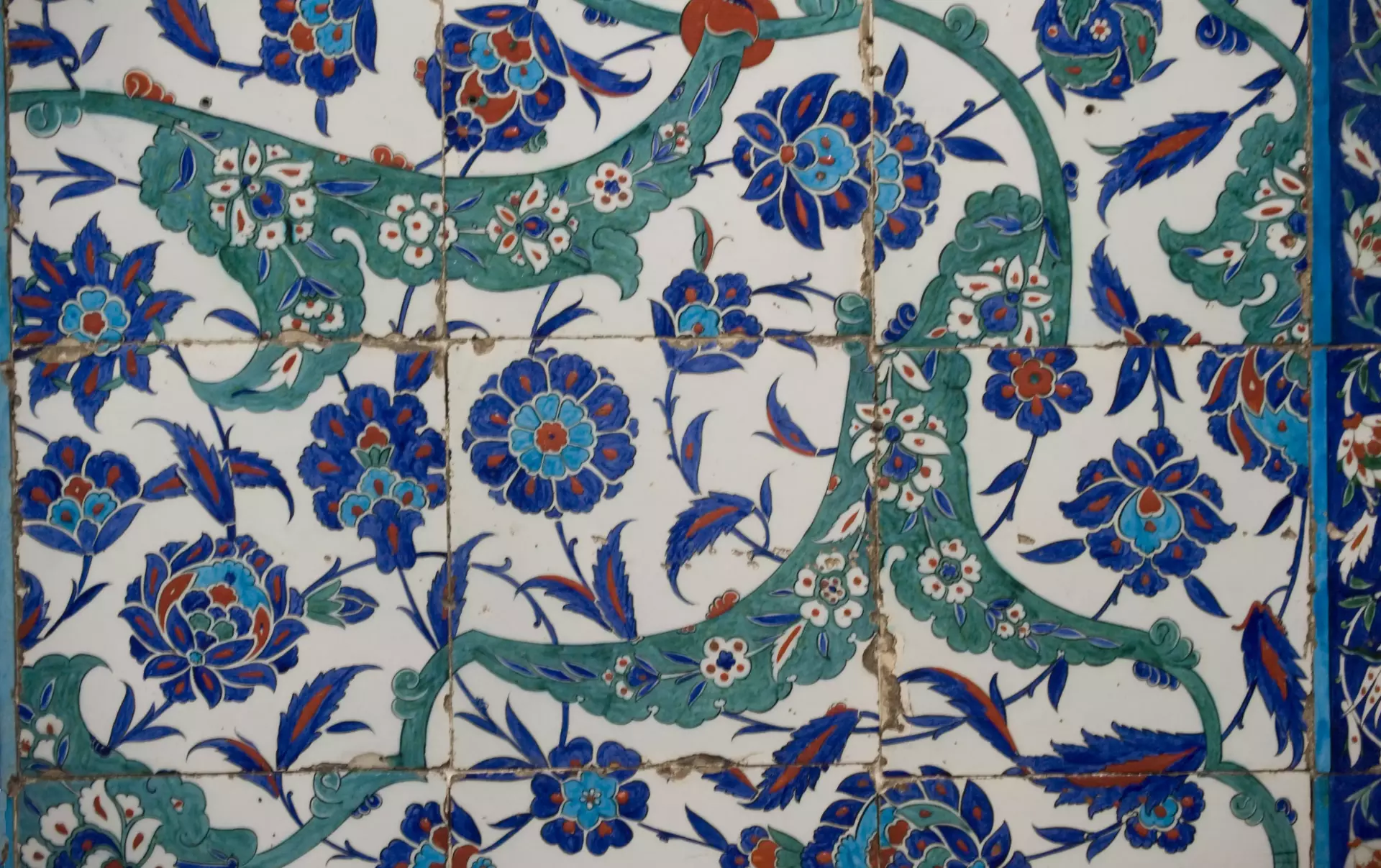
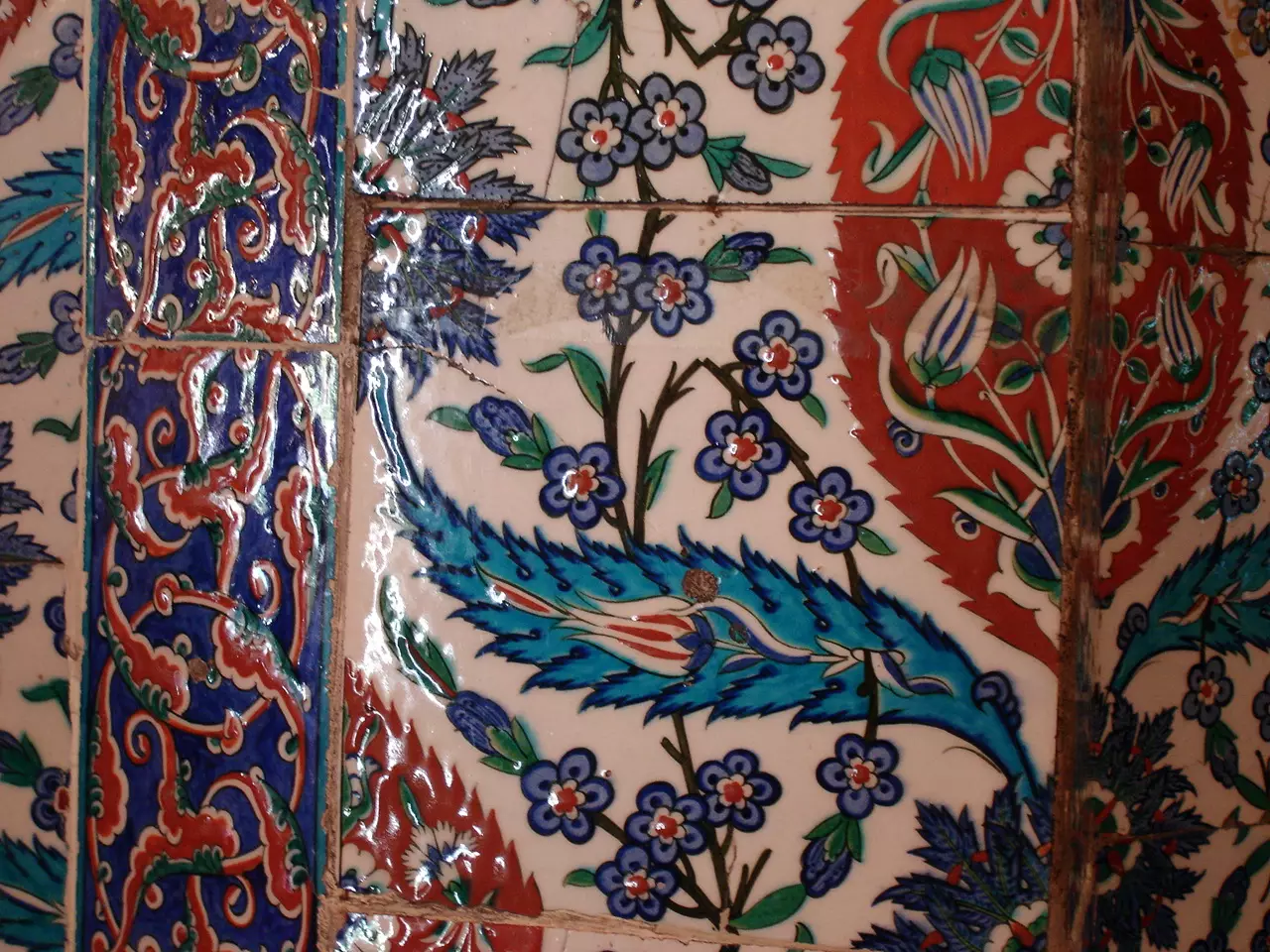
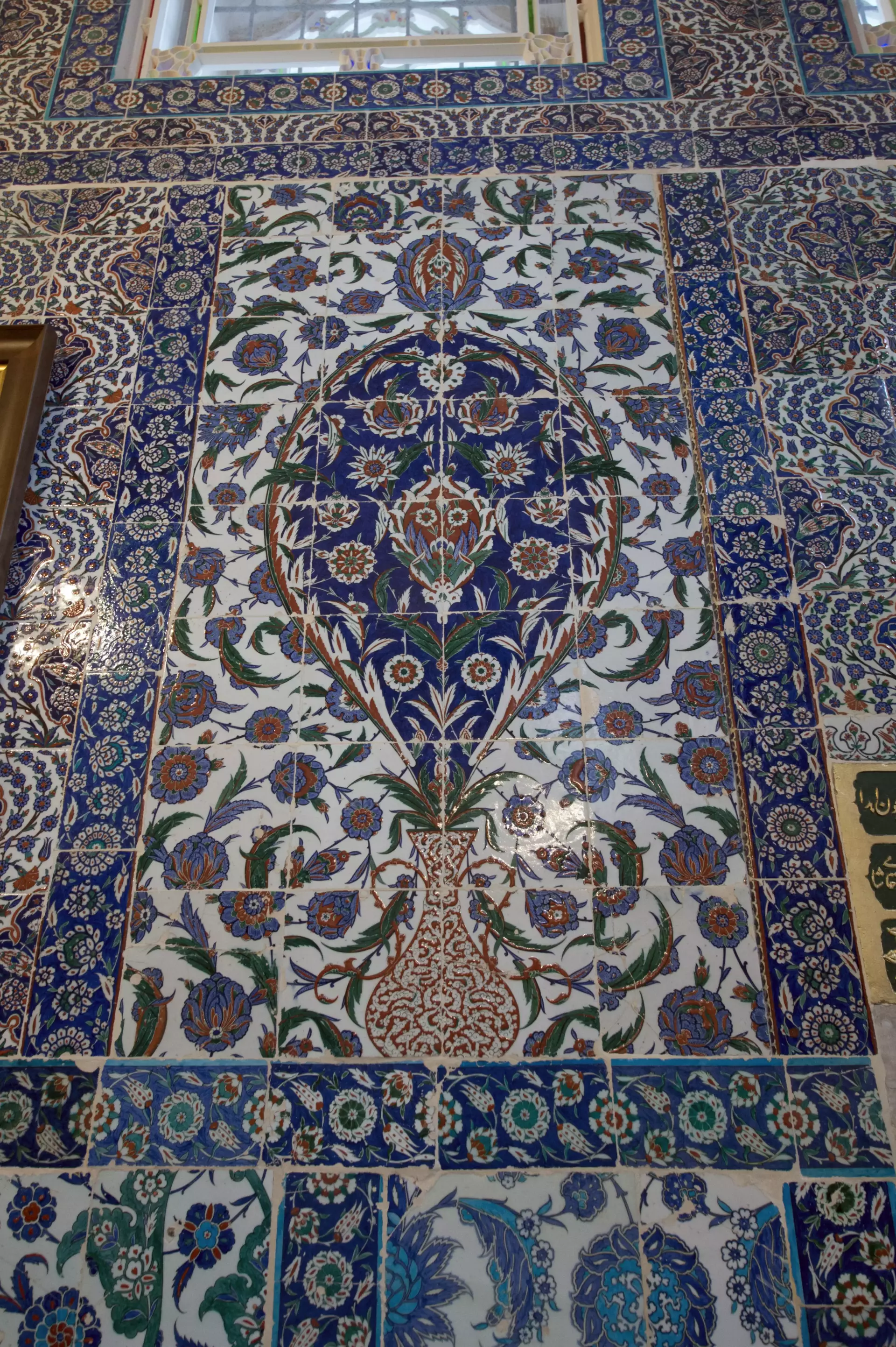
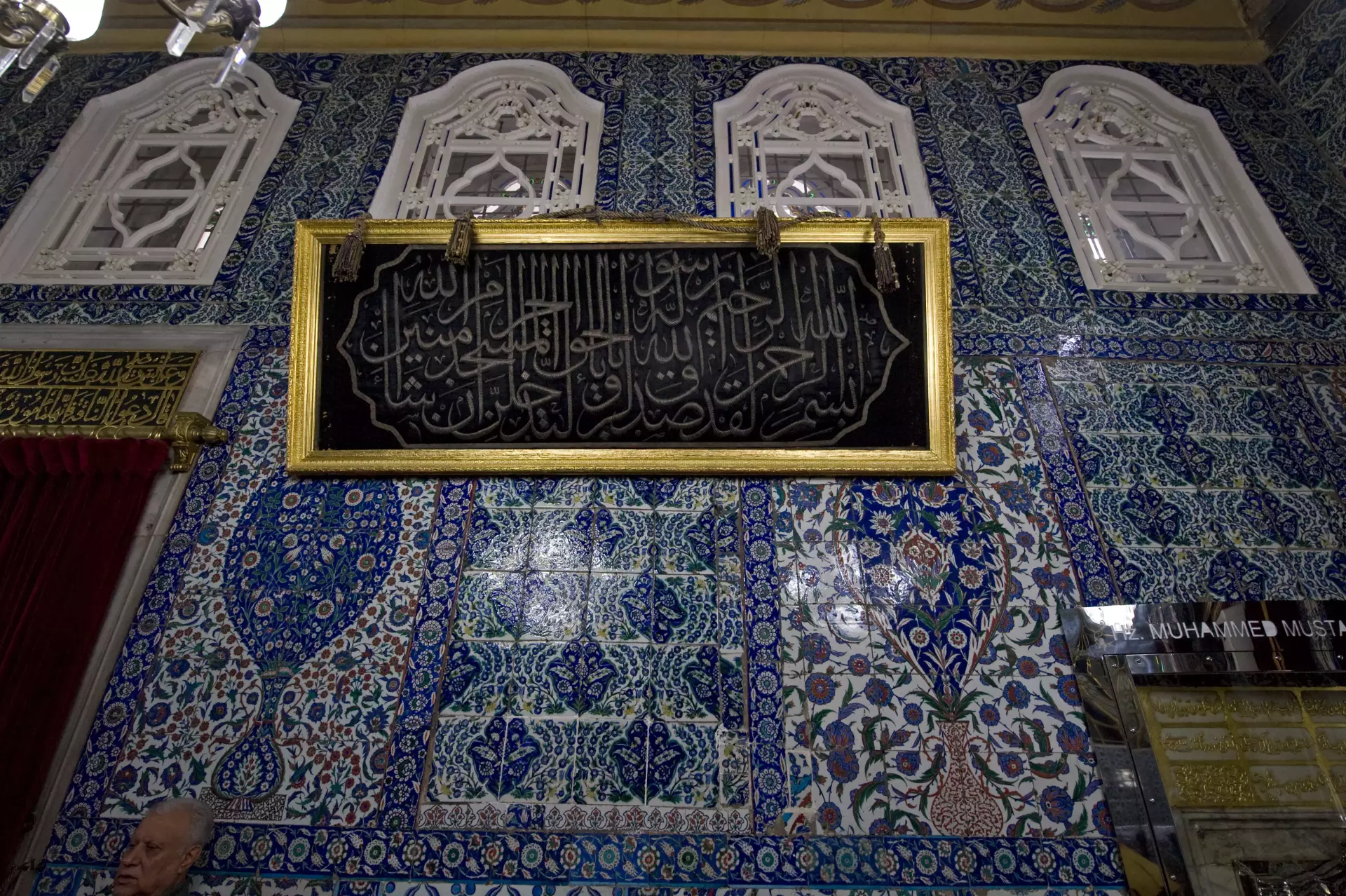
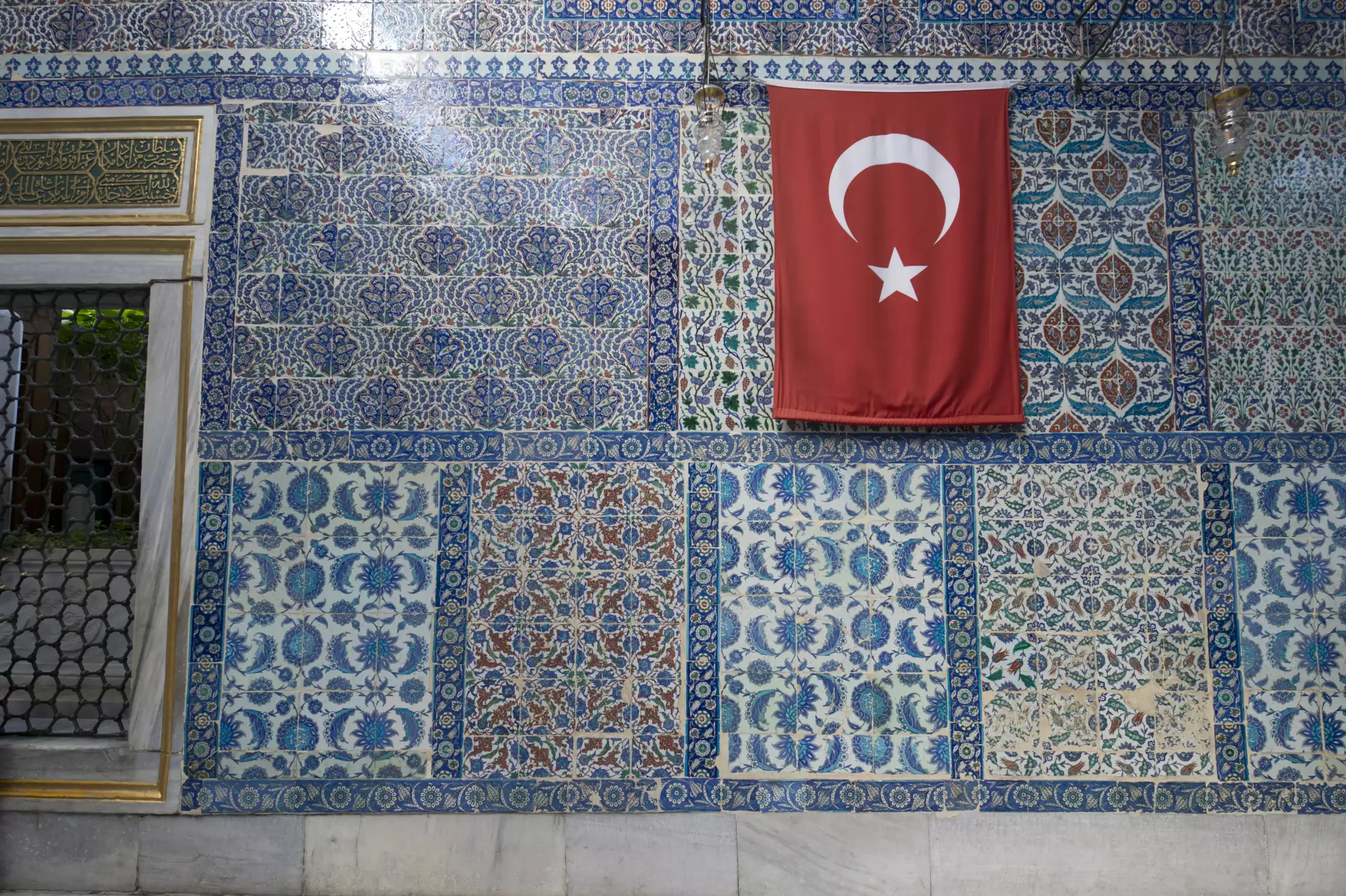
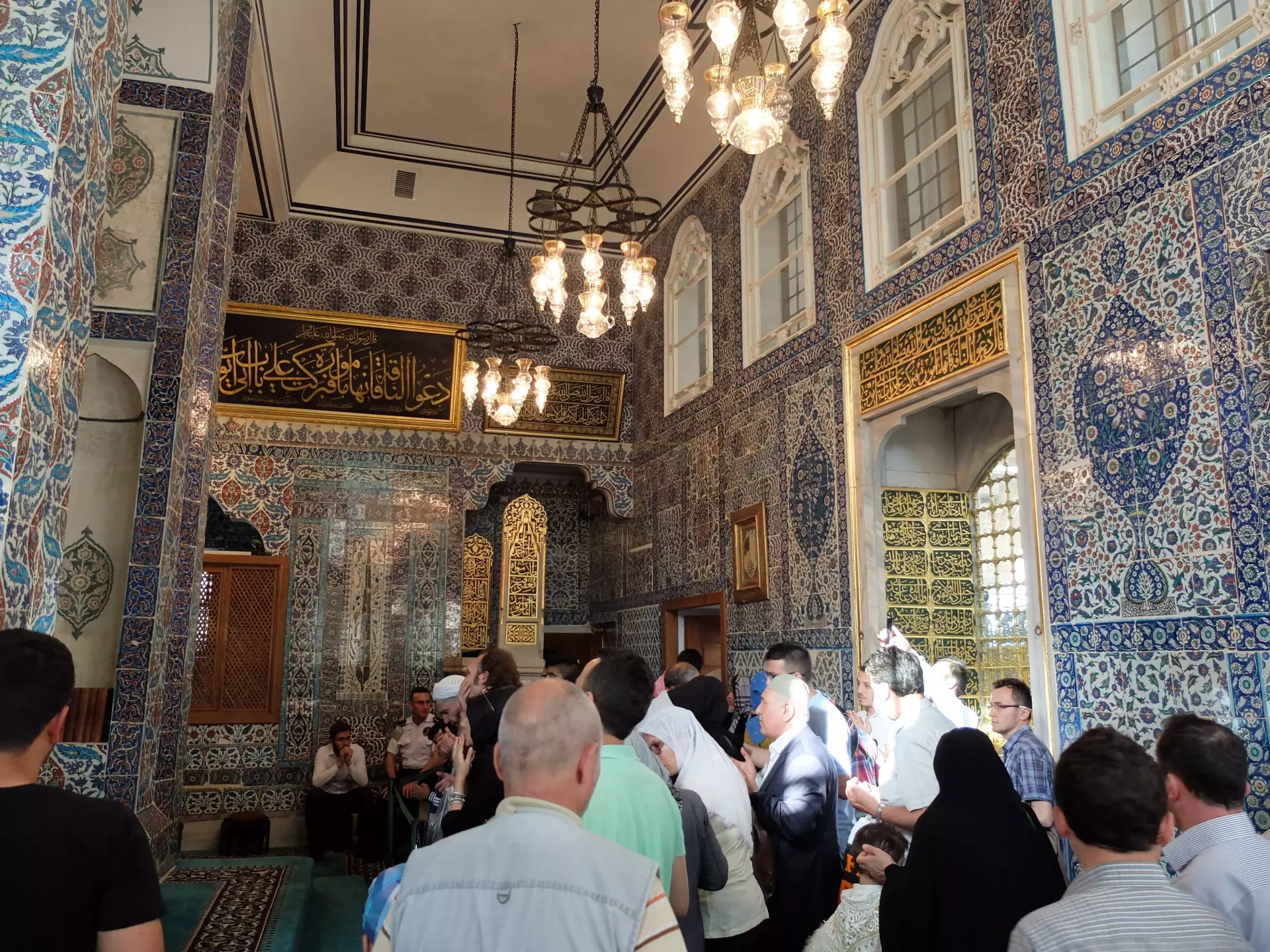
English:  The walls of the vestibule are covered with many tiles from the best Iznik period.
English:  Though not of the same quality as the tiles on the interior of the türbe, the ones on the outer wall are impressive. The ones near the entrance to the interior seem to be best.
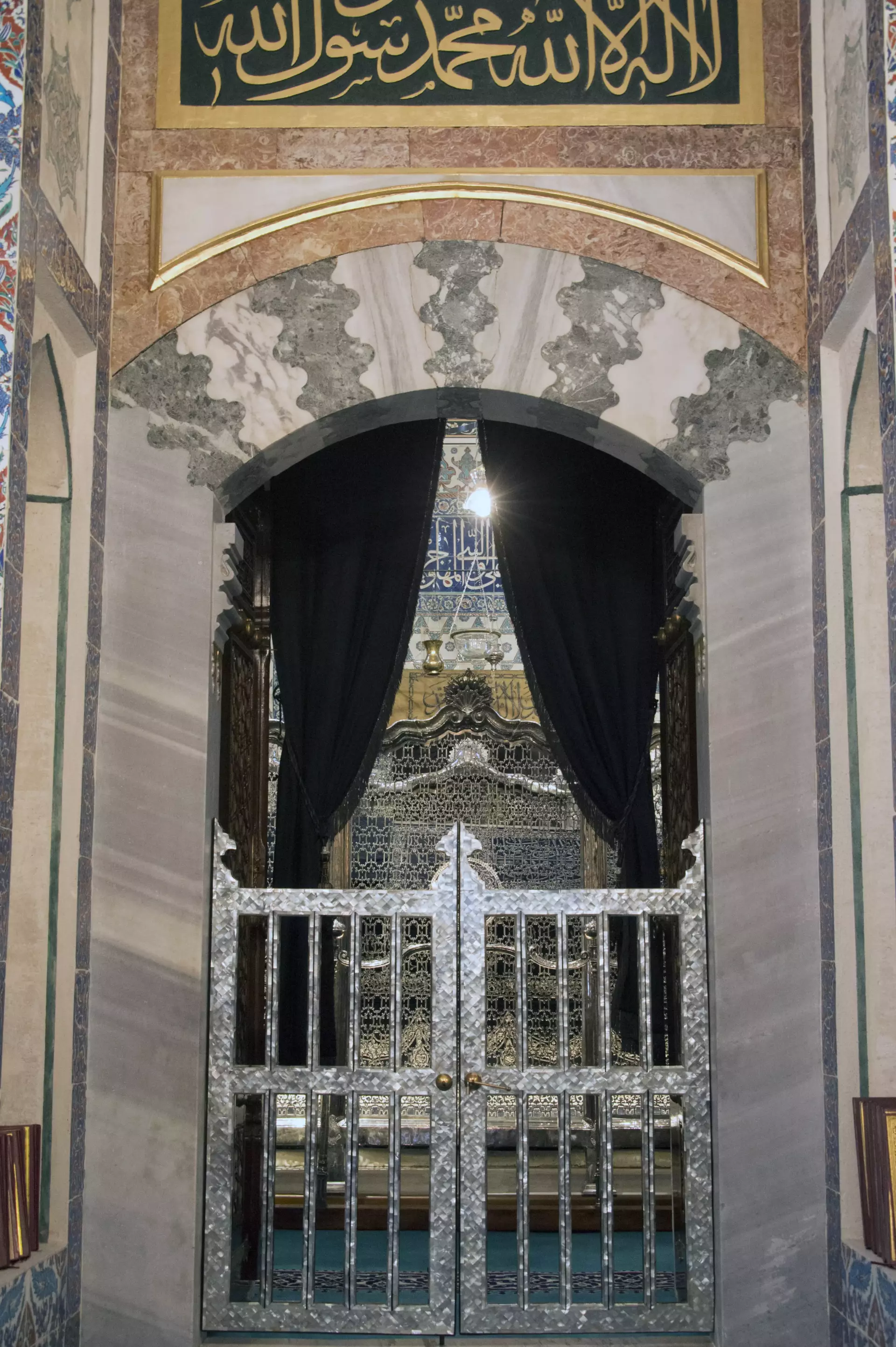
English:  The room one visits is complicated. Guidebook Strolling through Istanbul mentions this as a vestibule, then states: “… the türbe of Eyüp, an octagonal building three sides of which project into the vestibule”. So what I named “Shrine” are those three sides. The pictures show its outside, or the part one can look into in more or less detail.
English:  Vestibule of the Tomb of Abu Ayyub al-Ansari in Eyüp, Istanbul
English:  Türbe in Eyüp Sultan Mosque

Eyüp Sultan Mosque

Istanbul, Turkey

Eyüp Sultan Mosque stands as a central landmark in this area of the city. It is considered the holiest Islamic shrine in Istanbul. The mosque is part of a larger complex that draws visitors from across the world, especially those eager to connect with the city’s spiritual past.

The Tomb of Abu Ayyub al-Ansari

Next to the mosque lies the tomb of Abu Ayyub al-Ansari, known locally as Eyüp Ensari Türbesi. He was the standard-bearer of the Prophet Mohammad and played a significant role during the first Muslim siege of Constantinople, which took place between 674 and 678 AD. After his death, he was buried at this site, and the entire neighborhood was named in his honor.

The tomb attracts large crowds of Muslim pilgrims year-round. It is not uncommon to see lines forming outside, with people waiting several minutes for a chance to enter. Inside, visitors will find a plastic plaque said to bear the footprint of the Prophet Mohammad, though it is a simple display and often seen as less impressive than the rest of the site. However, the interior decoration of the tomb is worth attention. Its walls are covered in beautiful tiles and faience, offering a rich visual experience for those who enter.

Traditions and Customs

The site is also notable for its unique customs. Many devout Muslims leave the tomb by walking backwards through the exit hallway, a gesture of respect so they do not turn their backs on al-Ansari’s catafalque. While not everyone follows this tradition, witnessing it adds another layer of meaning to the visit.

Source - https://en.wikipedia.org/wiki/Ey%C3%BCp_Sultan_Mosque
Developed by Reflex.com.ua
Contacts
  • info@reflex.com.ua
Social media