

Istanbul Archaeology Museums
For many years, Turkey did not move quickly to safeguard its ancient treasures or to showcase them in museums. Change began in 1867, when Sultan Abdülaziz visited the great museums of Paris, London, and Vienna. Inspired by what he saw, the Sultan realized how important it was to collect and display the country’s valuable artifacts.
A Grand Home for History
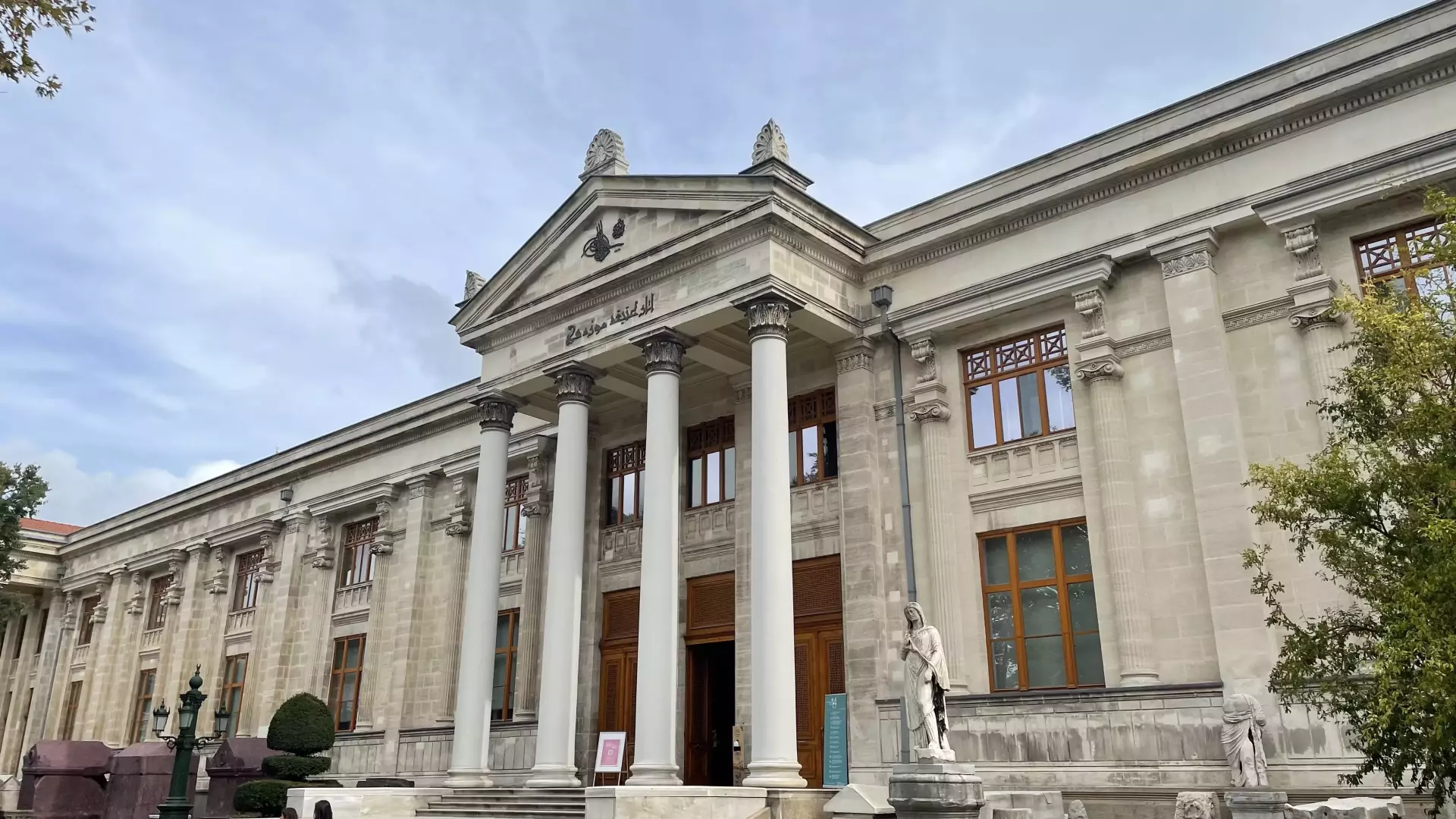
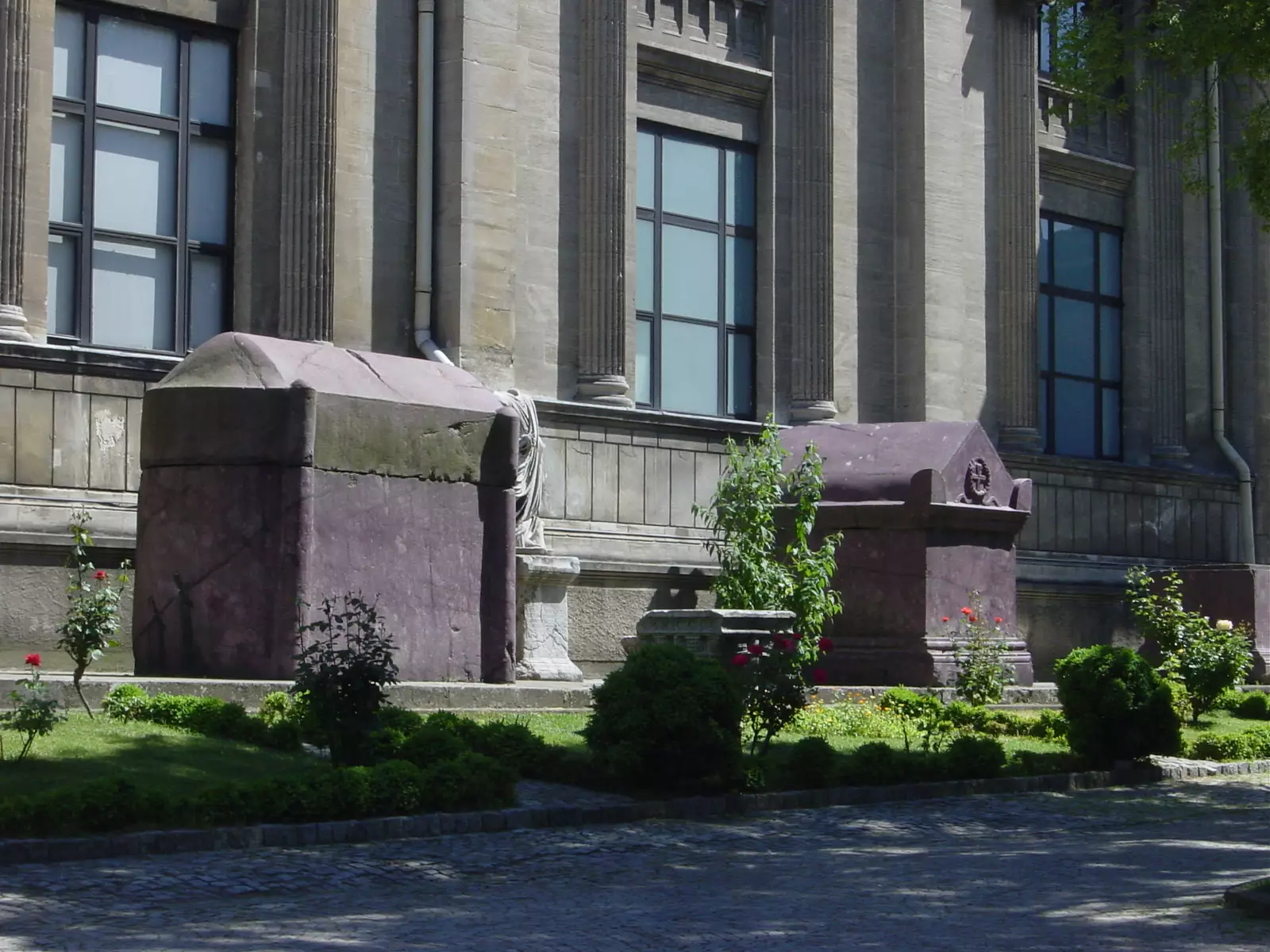
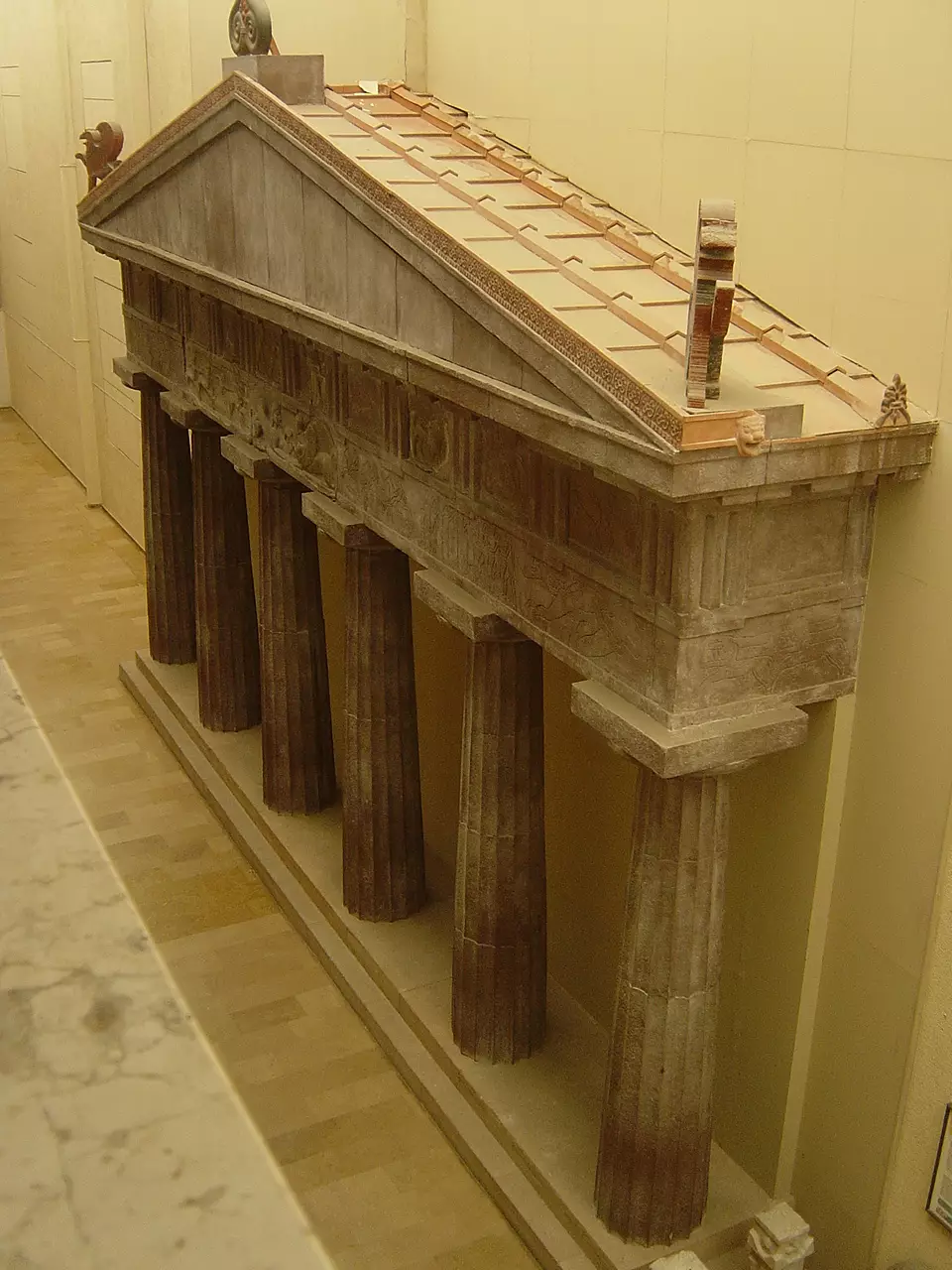
The main building of the Istanbul Archaeology Museums opened in 1891, built in an impressive neo-classical style. Two additional wings were later added: one for ancient art and another focusing on Islamic art. Together, these buildings form a cultural complex that tells the story of many civilizations that once called this land home.
Remarkable Artifacts on Display
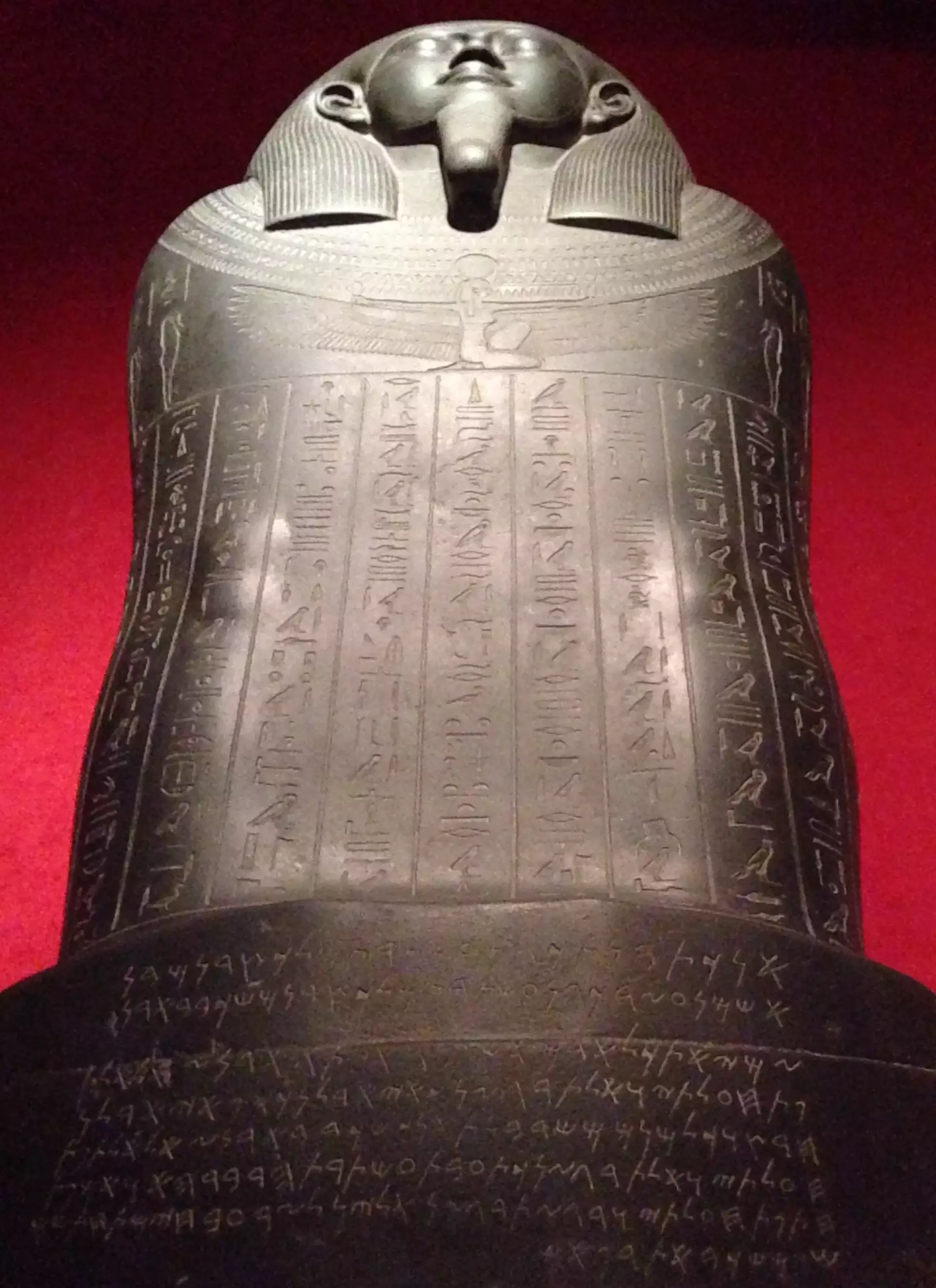
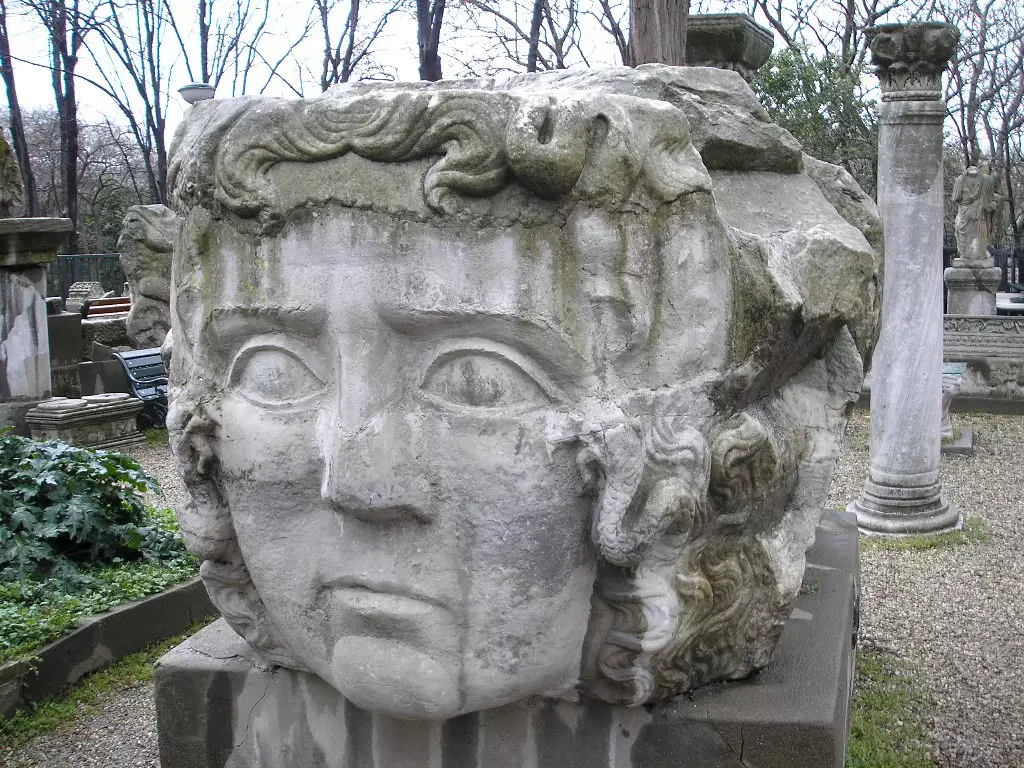
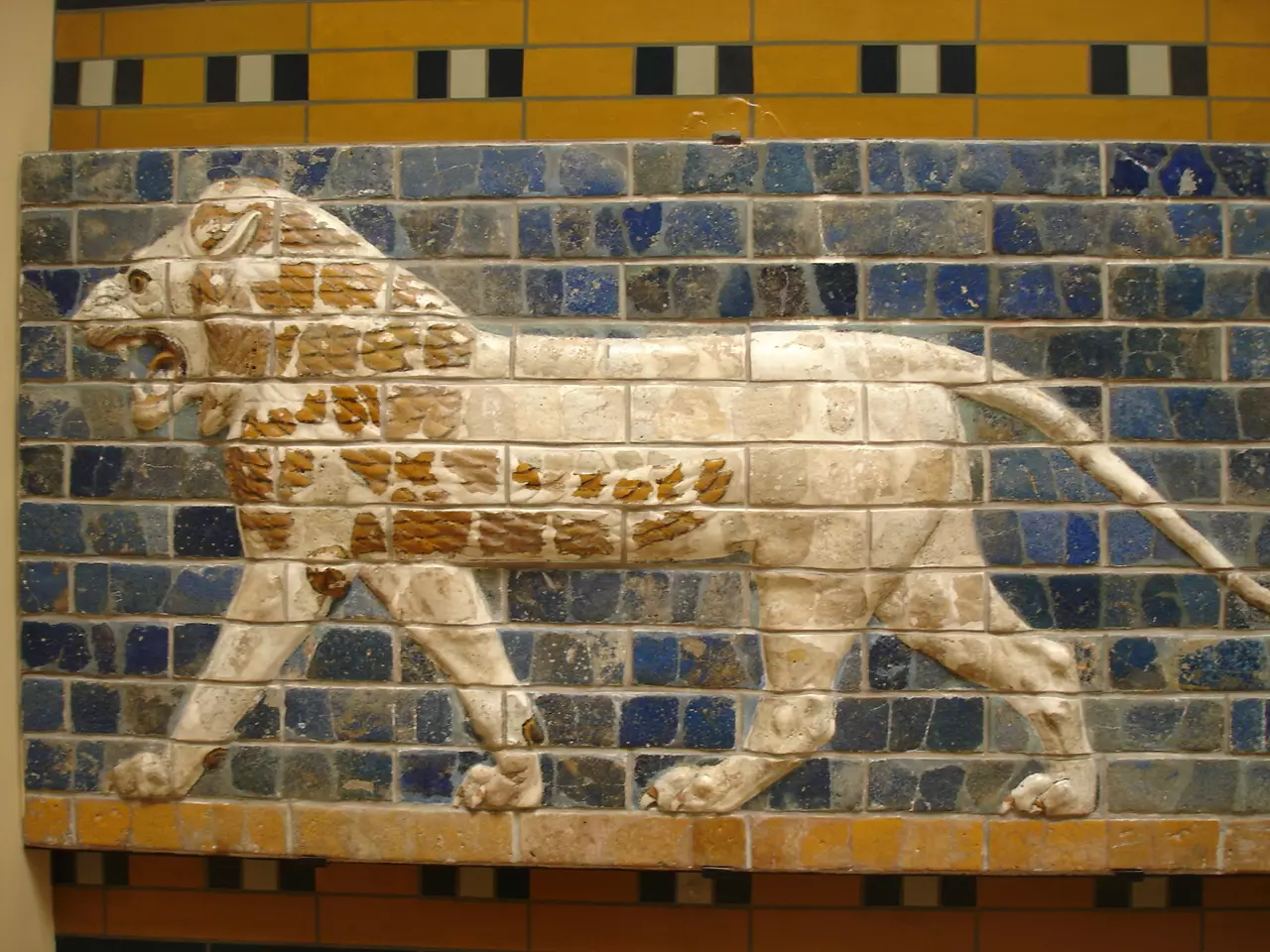
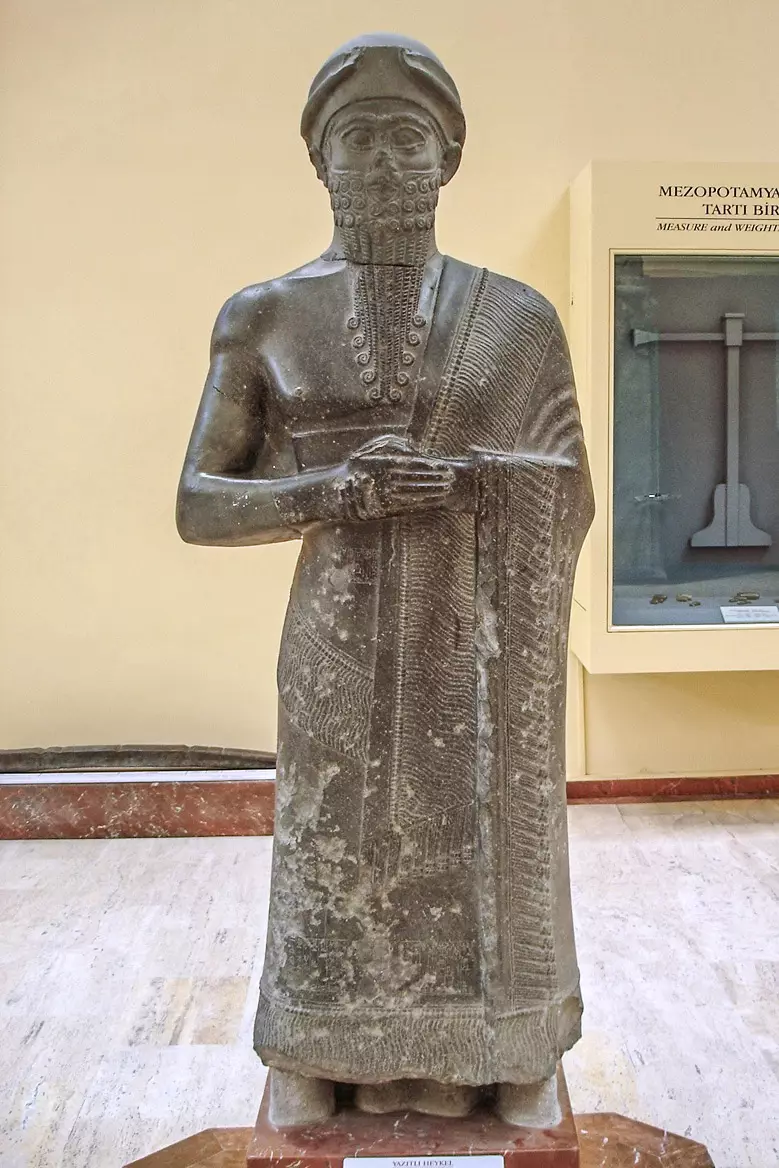
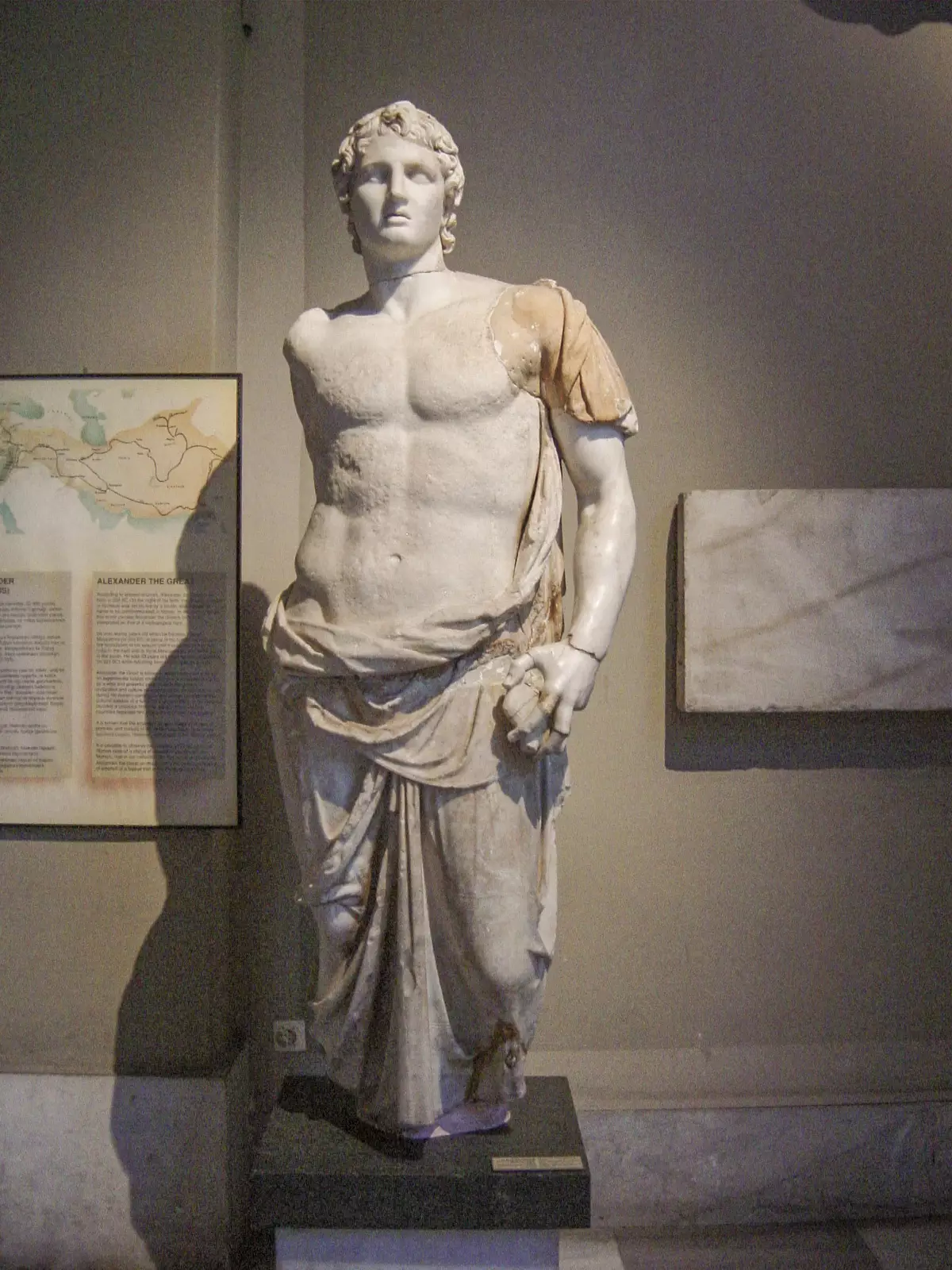
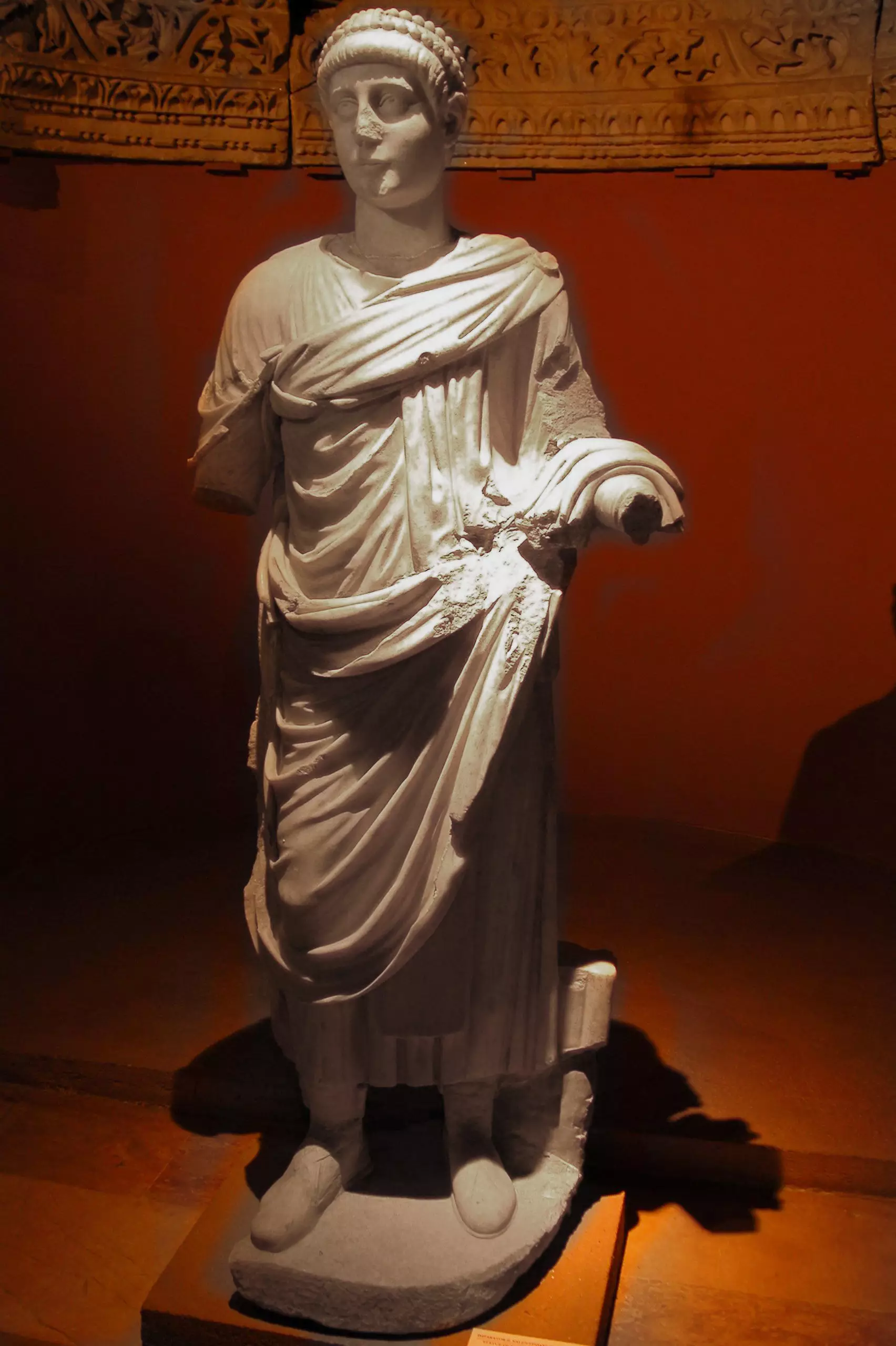
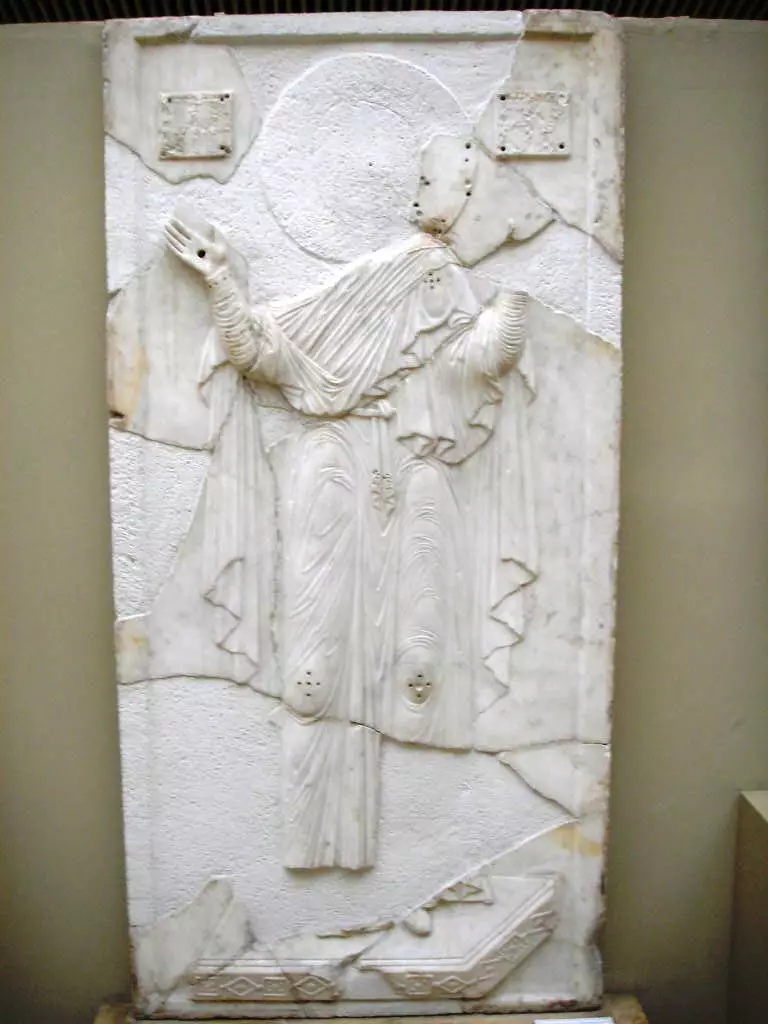
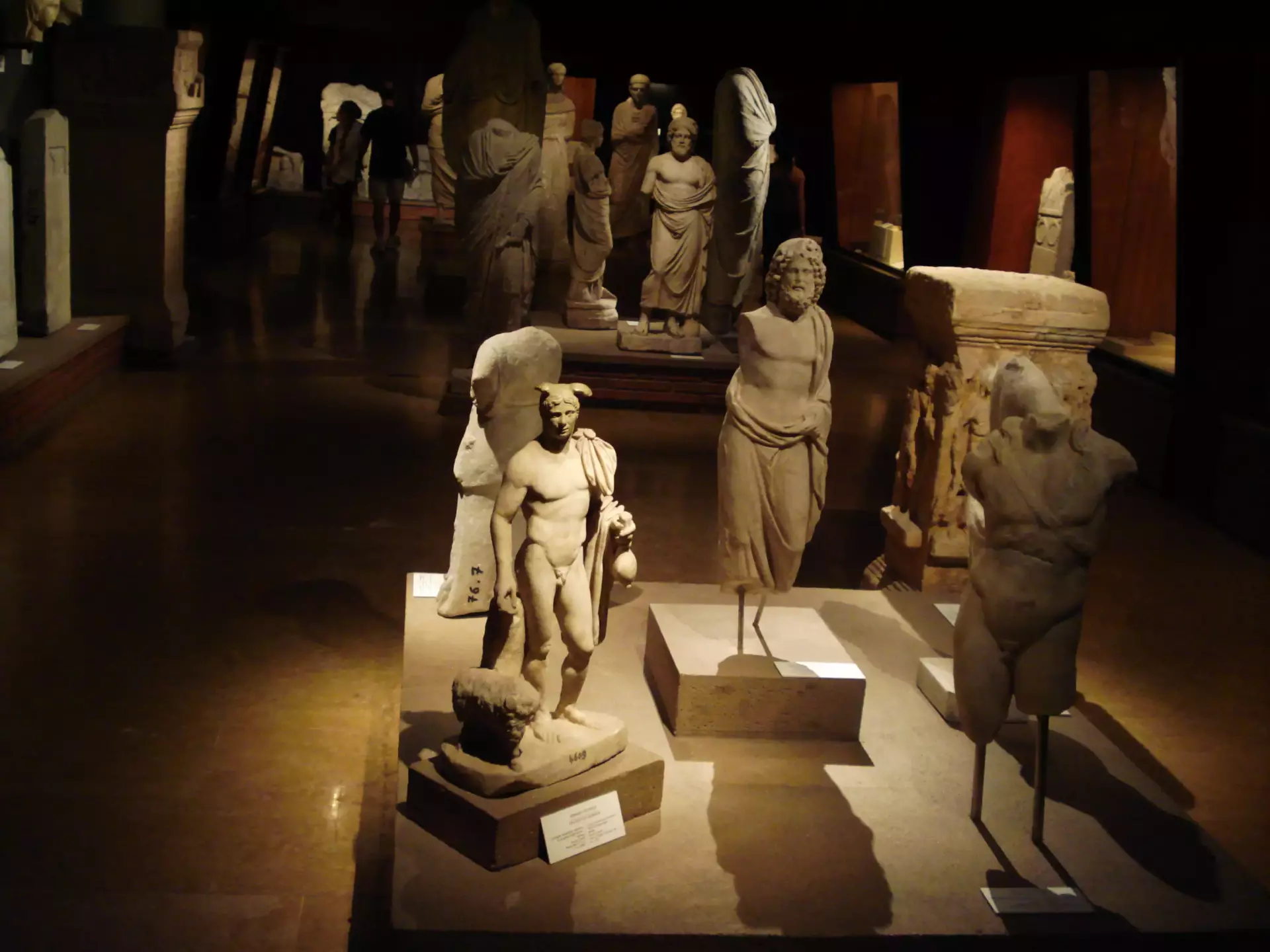
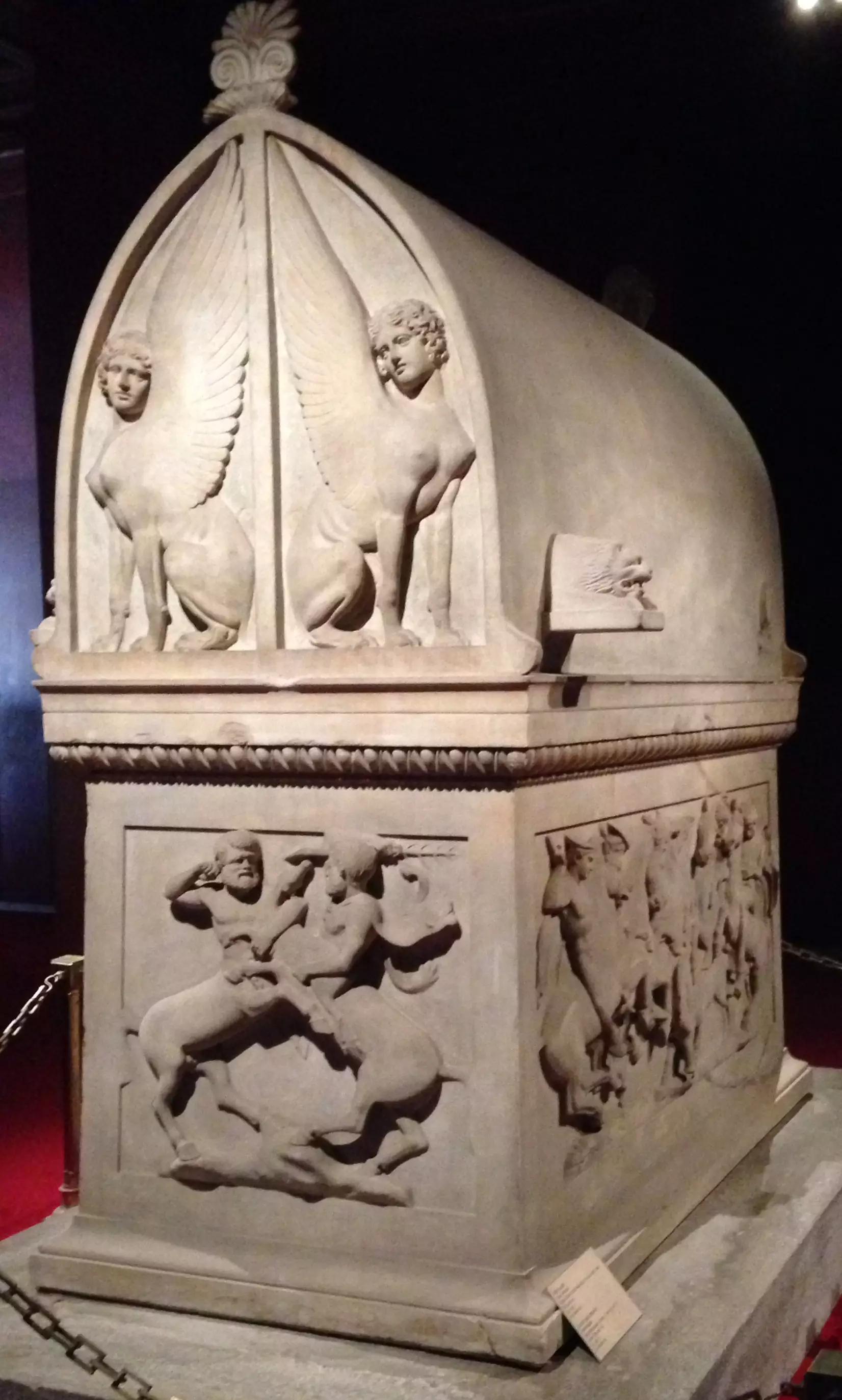
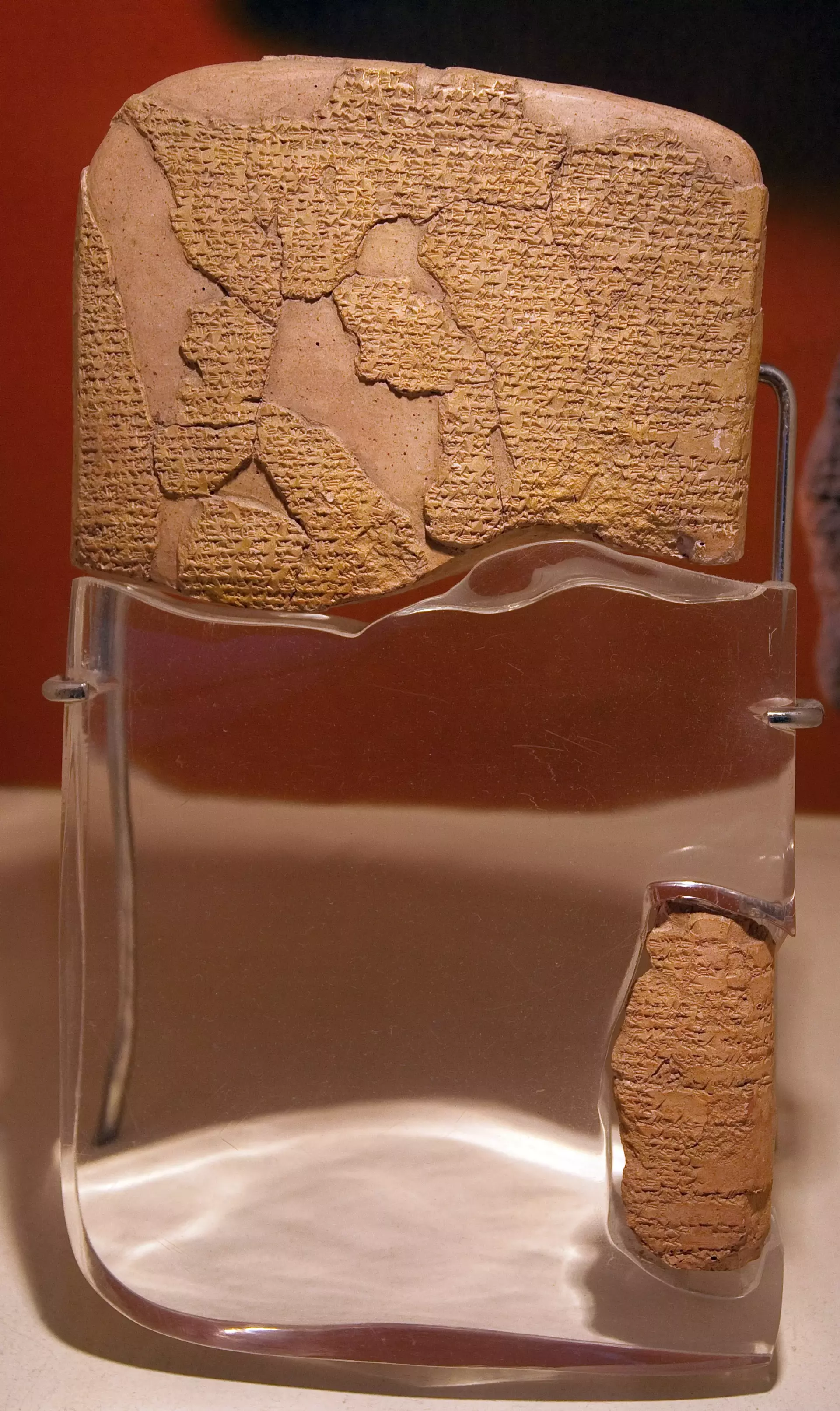
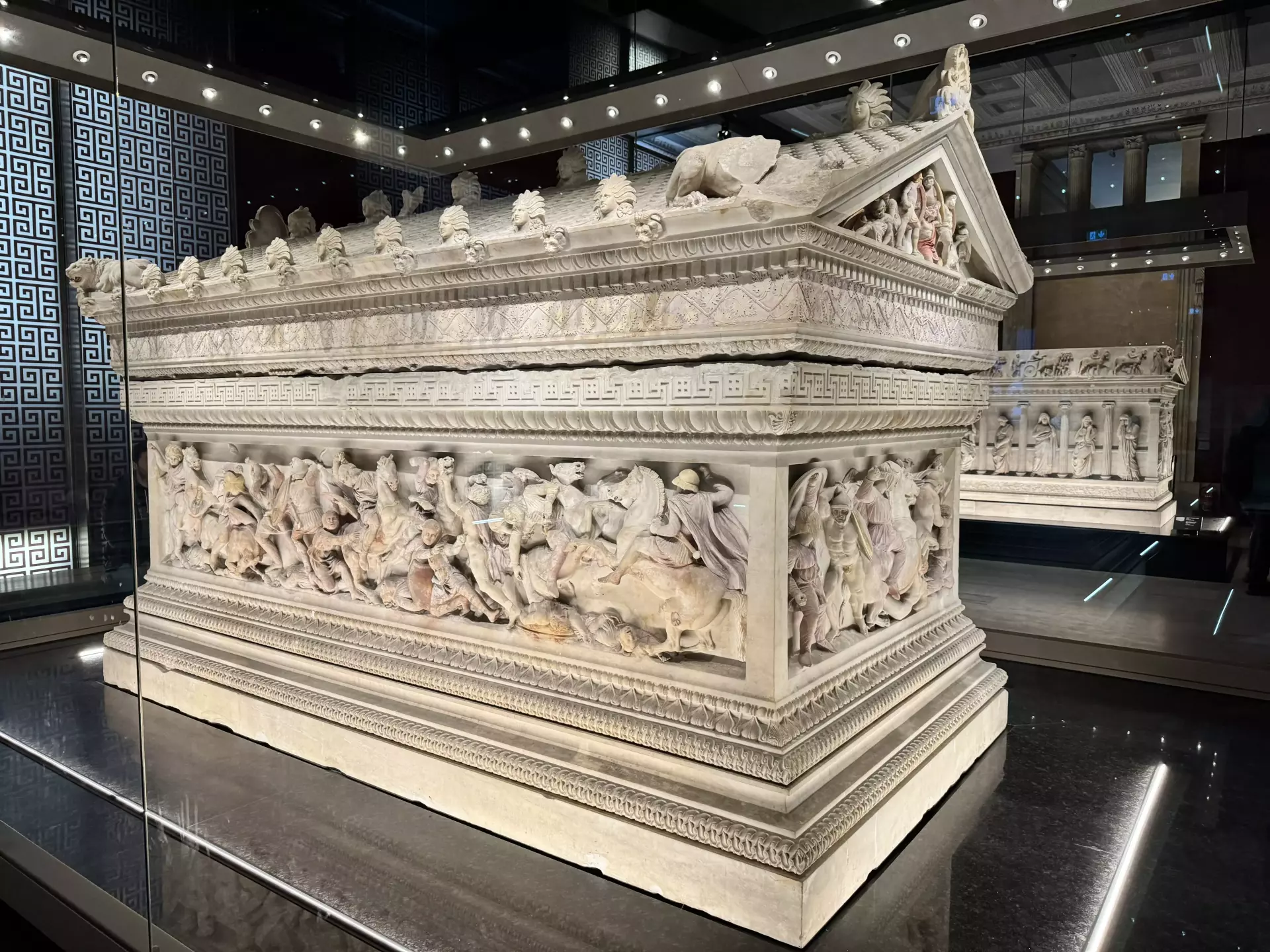
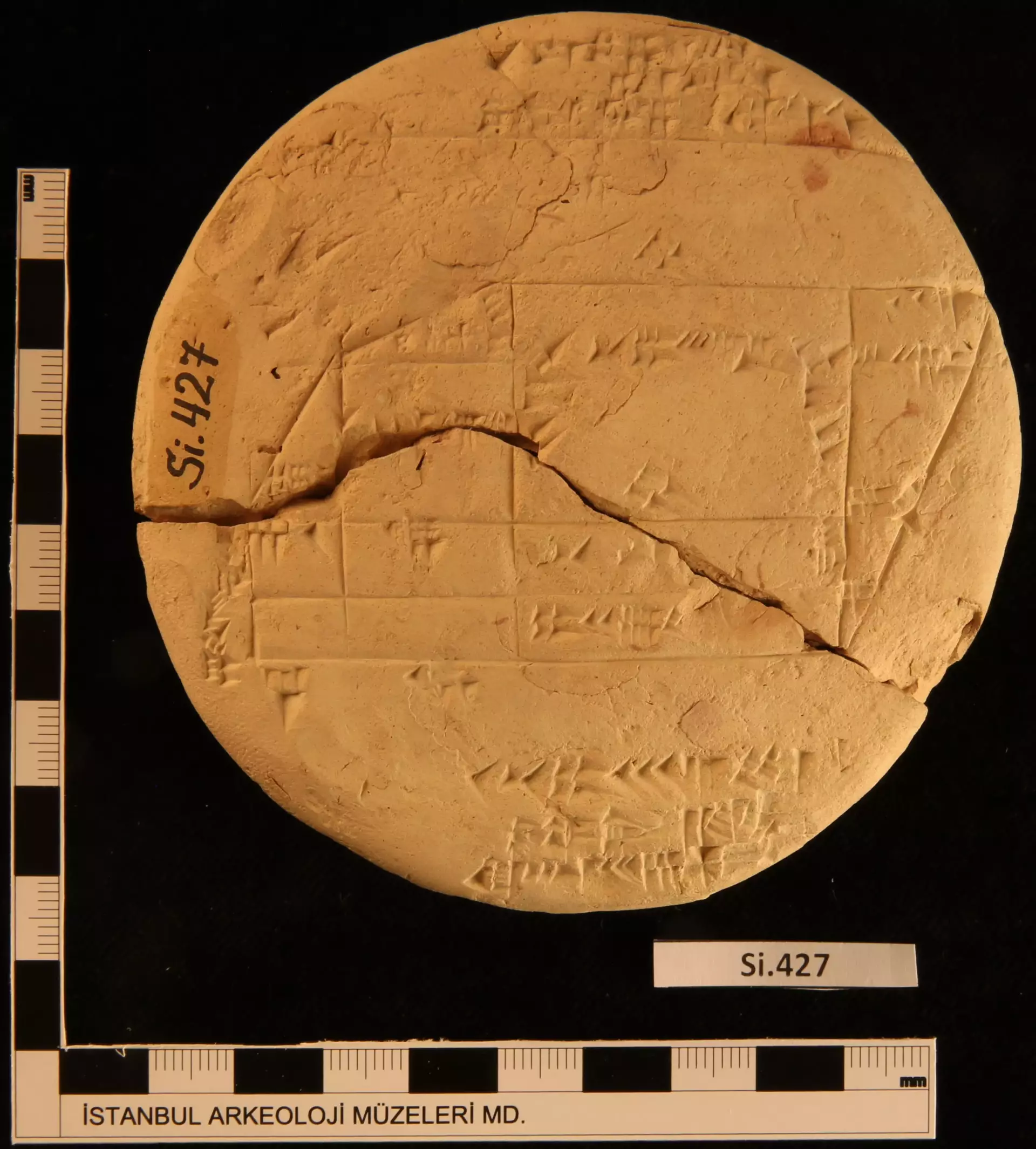
Visitors can explore a vast collection that spans thousands of years. Sumerian tablets give glimpses into some of the world’s earliest writings, while fragments from the ancient wall of Babylon recall legendary stories from Mesopotamia. Roman statues stand throughout the halls, displaying the artistry of the empire. One of the most famous pieces is the sarcophagus of Alexander the Great, though history shows that the conqueror was never actually buried inside it.
Source - https://en.wikipedia.org/wiki/Istanbul_Archaeology_Museums