Search ×
Home Istanbul
Nuruosmaniye Mosque
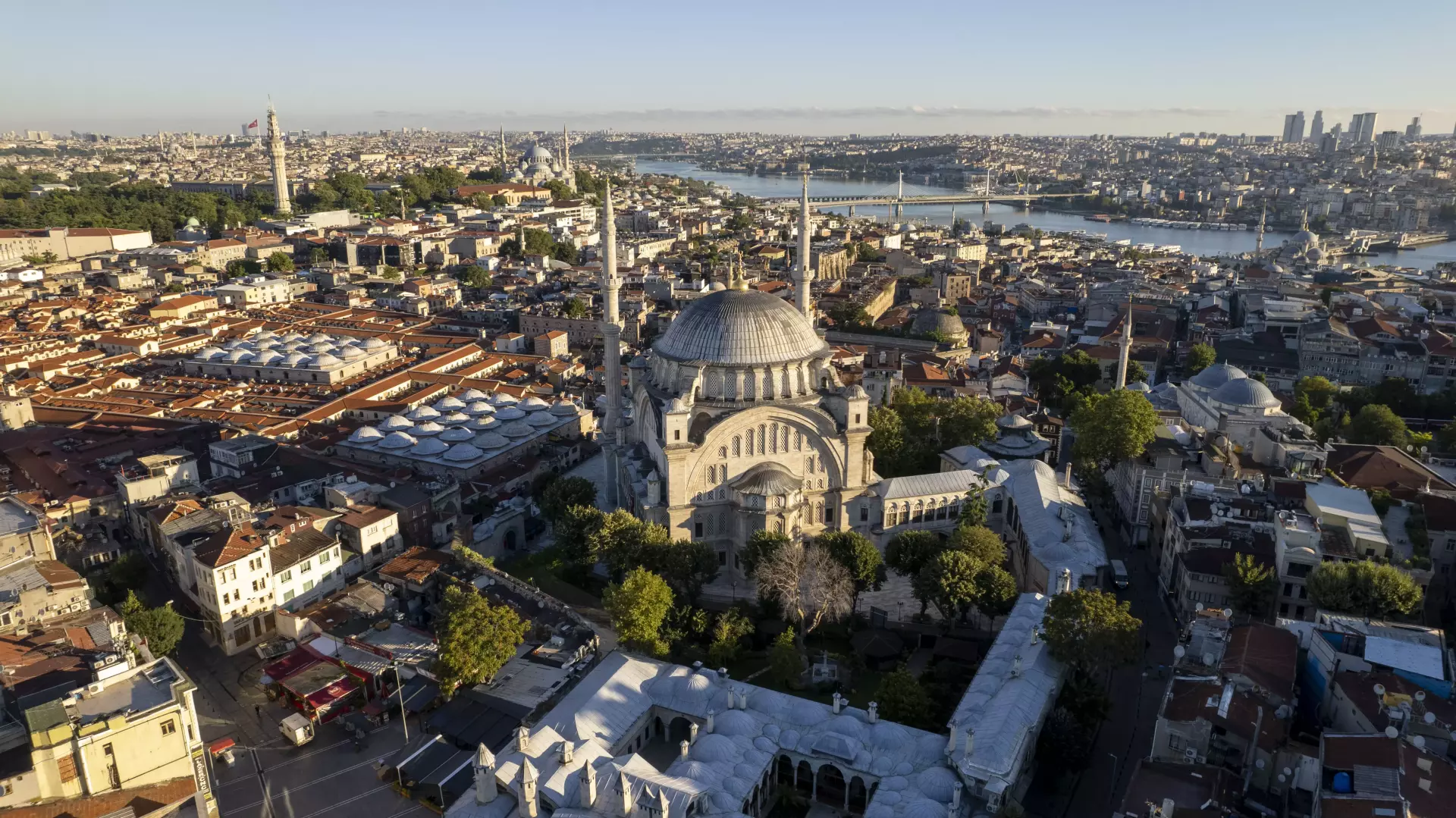
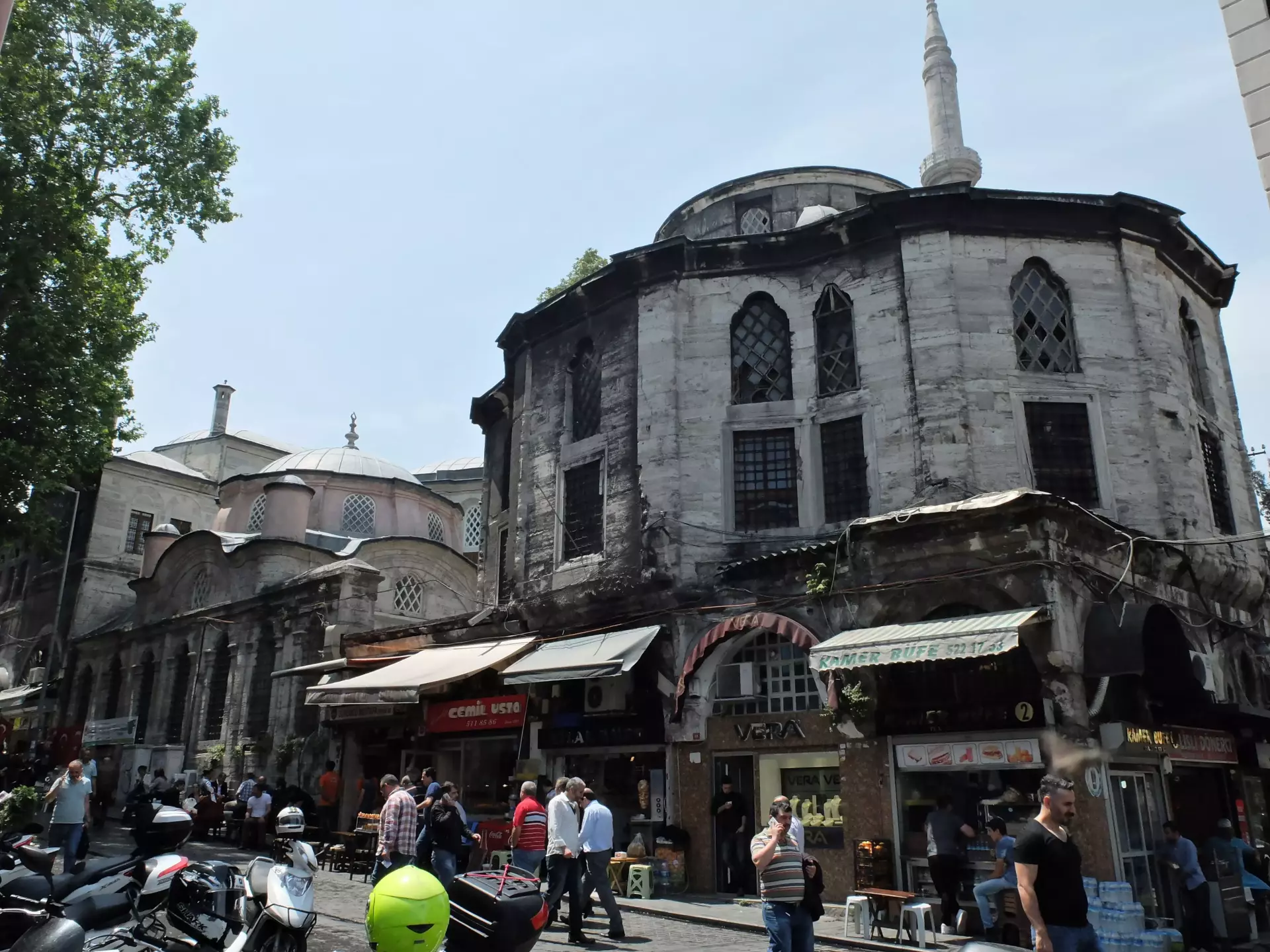
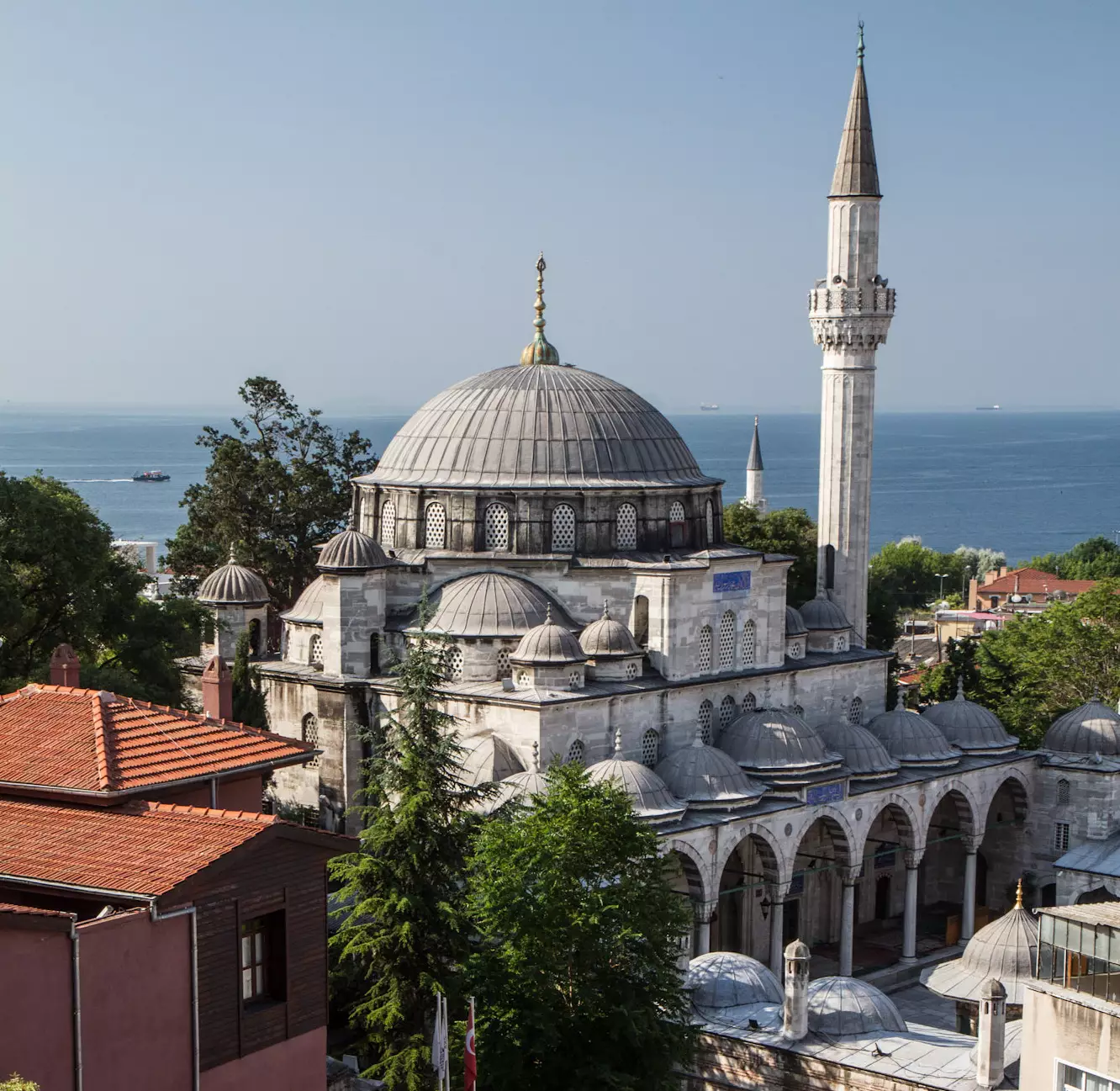
Nuruosmaniye Mosque next to the Grand Bazaar in central Istanbul; the Golden Horn and other grand mosques are visible in this photo.
Nuruosmaniye Mosque
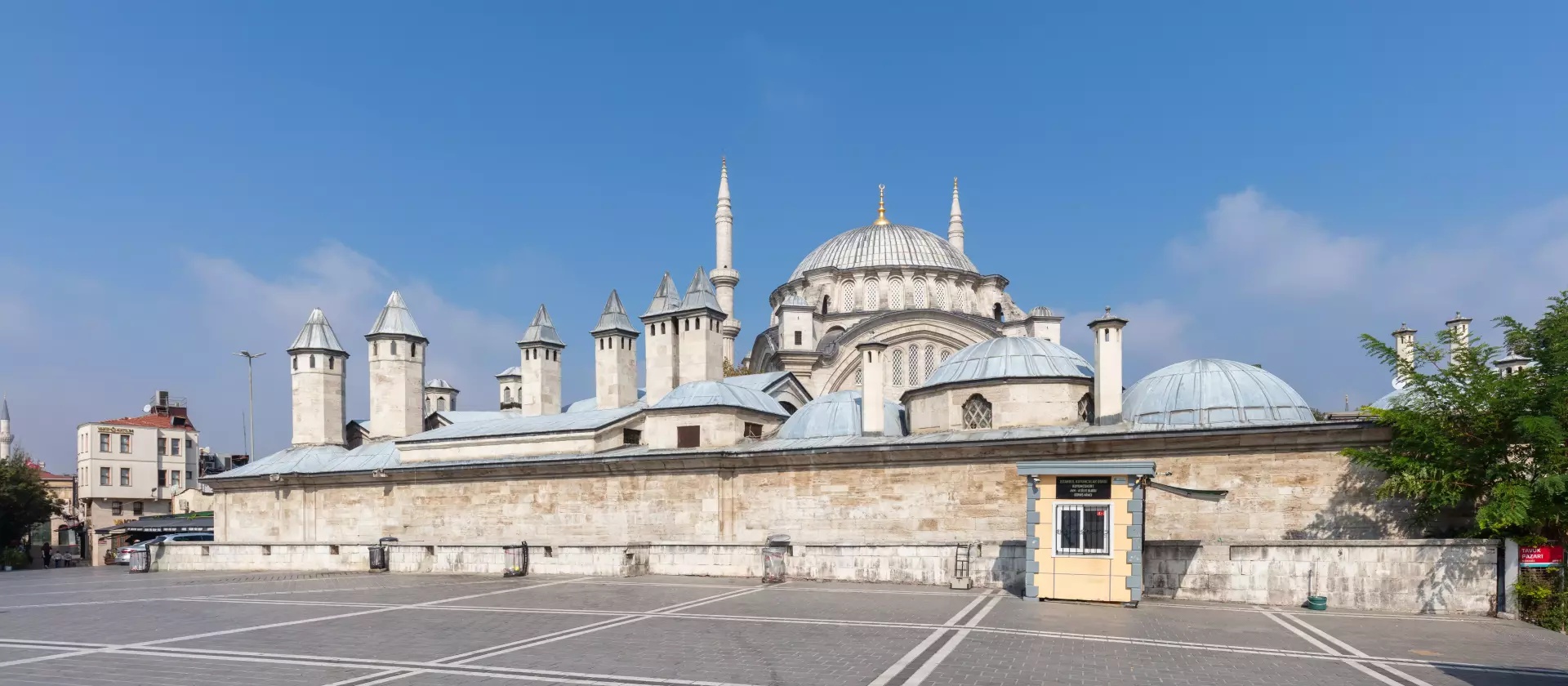
Nuruosmaniye Mosque, Istanbul, Turkey. View from the south side, with the domes of the madrasa on the right and the imaret on the left in front.
This is a library at the northeast corner of the complex. The photo was taken while walking around the exterior. I used "inner courtyard" to refer to the courtyard that was inaccessible during my visit, and the "southern courtyard" refers to the area between the south side of the mosque and an outer wall of the complex.
Library (right) and tomb (left) of the Nuruosmaniye Mosque complex, Istanbul.
One of the pictures from a tour around the mosque and its courtyard. The mosque and courtyard are oriented along a northwest to southeast axis. A flight of stairs leads to the entry on the southwest side of the mosque, while a similar one on the southeast side seems to always be closed. Similarly, the entrance on the northwest side is, if any, the one that is open. I have never seen the northeast entrance or the one at the “top” of the half circle (which I called north) open.
Nuruosmaniye Mosque, Istanbul, Turkey.
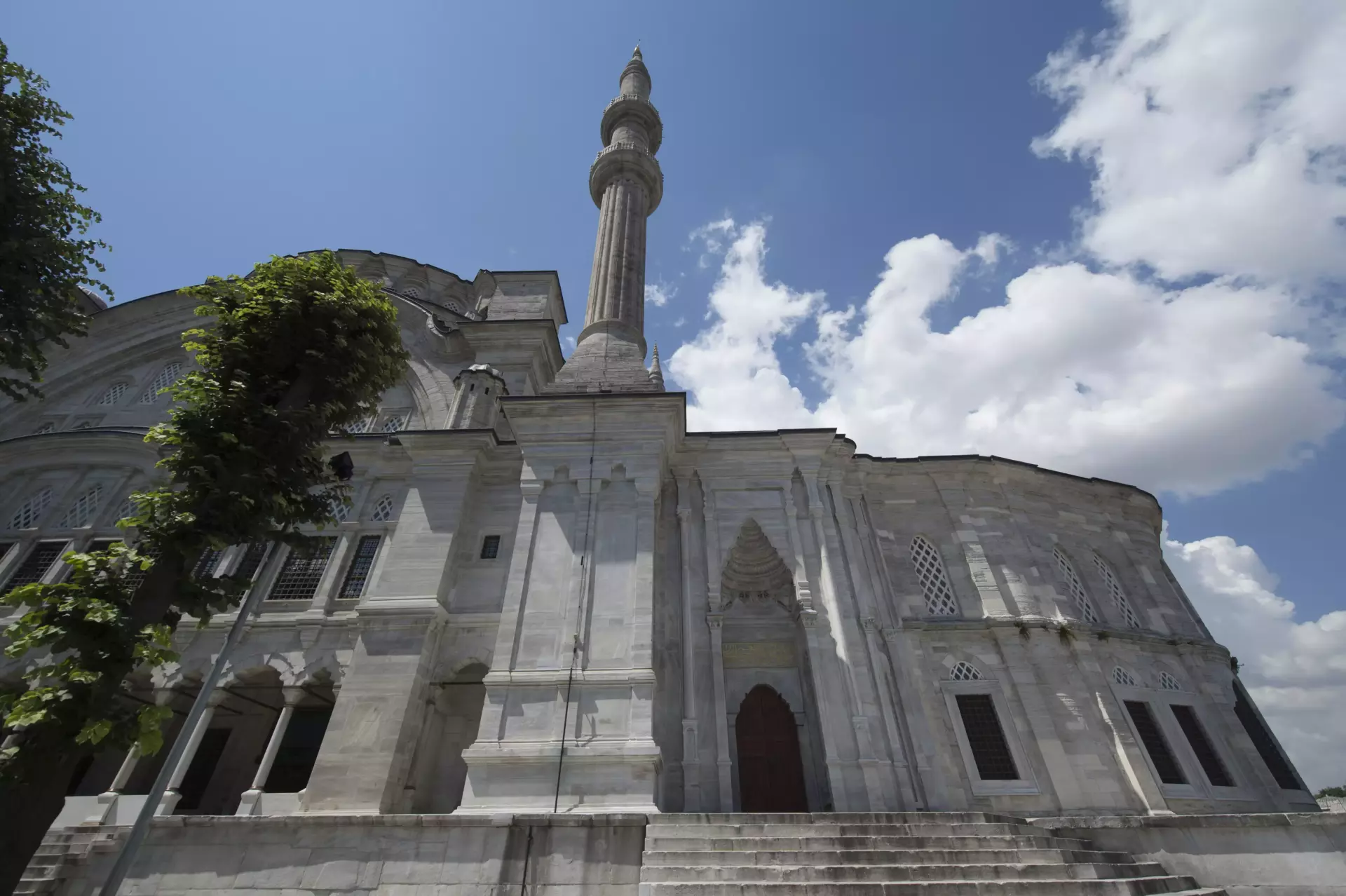
This is one of the pictures from a tour around the mosque and its courtyard. The mosque and courtyard are oriented along a northwest to southeast axis. A flight of stairs leads to the mosque's entry on the southwest side, while a similar entrance at the southeast side appears to always be closed. Likewise, the entrance on the northwest side is typically the open one. I never saw the northeast entrance or the one at the "top" of the half circle (which I referred to as north) open.
Imperial pavilion of the Nuruosmaniye Mosque complex, Istanbul. The pavilion is accessed through a private ramp on the right leading to a selamlik, from which the sultan could then access his private loge in the mosque directly.
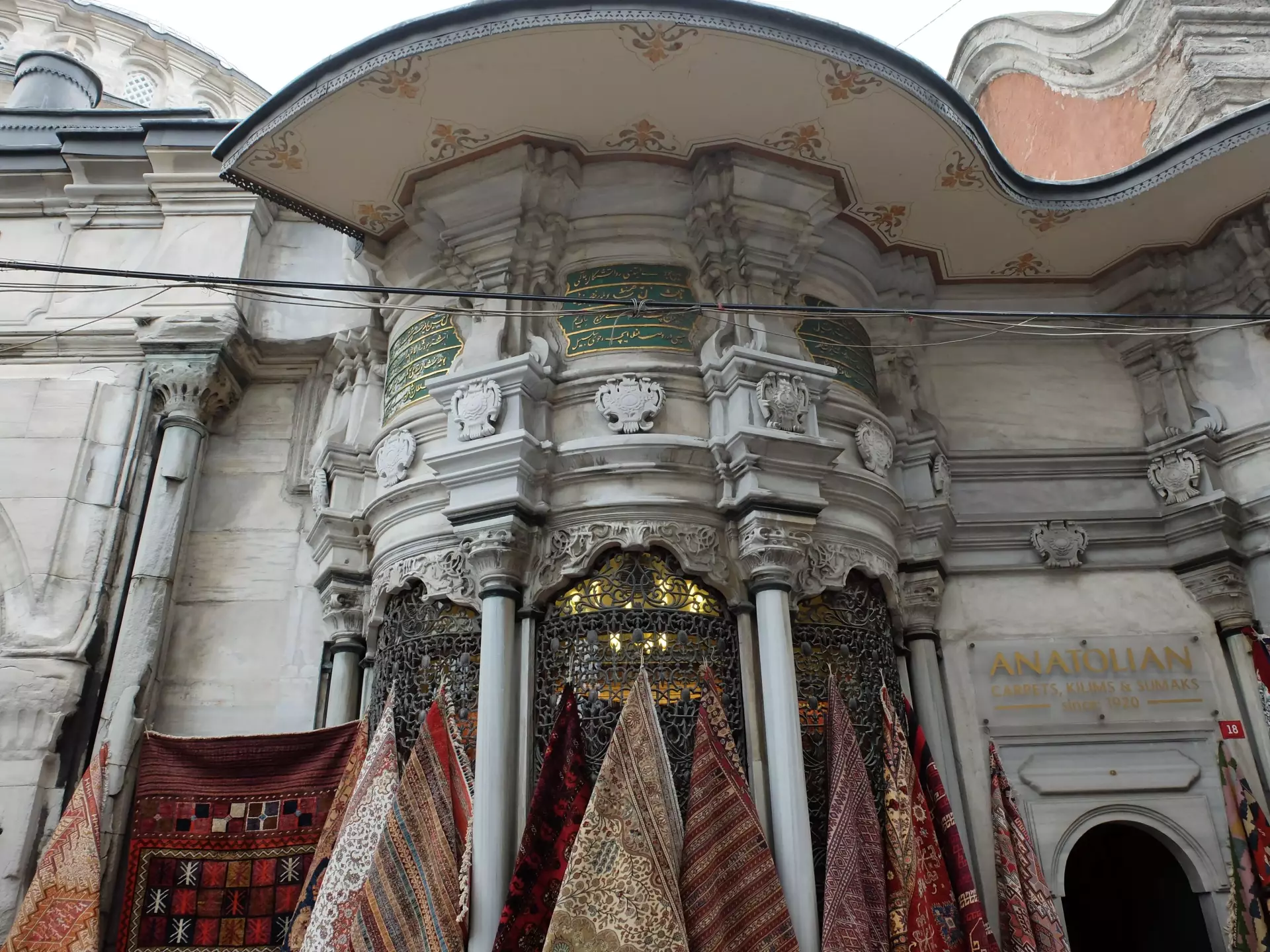
Sebil of the Nuruosmaniye Mosque complex, Istanbul.
Istanbul
Nuruosmaniye Mosque
This is one of the pictures from a tour around the mosque and its courtyard, which are aligned along a northwest to southeast axis. A flight of stairs leads to the mosque's entry at the southwest side, while a similar entrance at the southeast side appears to be always closed. The entrance on the northwest side is typically the open one, whereas the northeast entrance and the one at the "top" of the half circle (which I referred to as north) are never open.
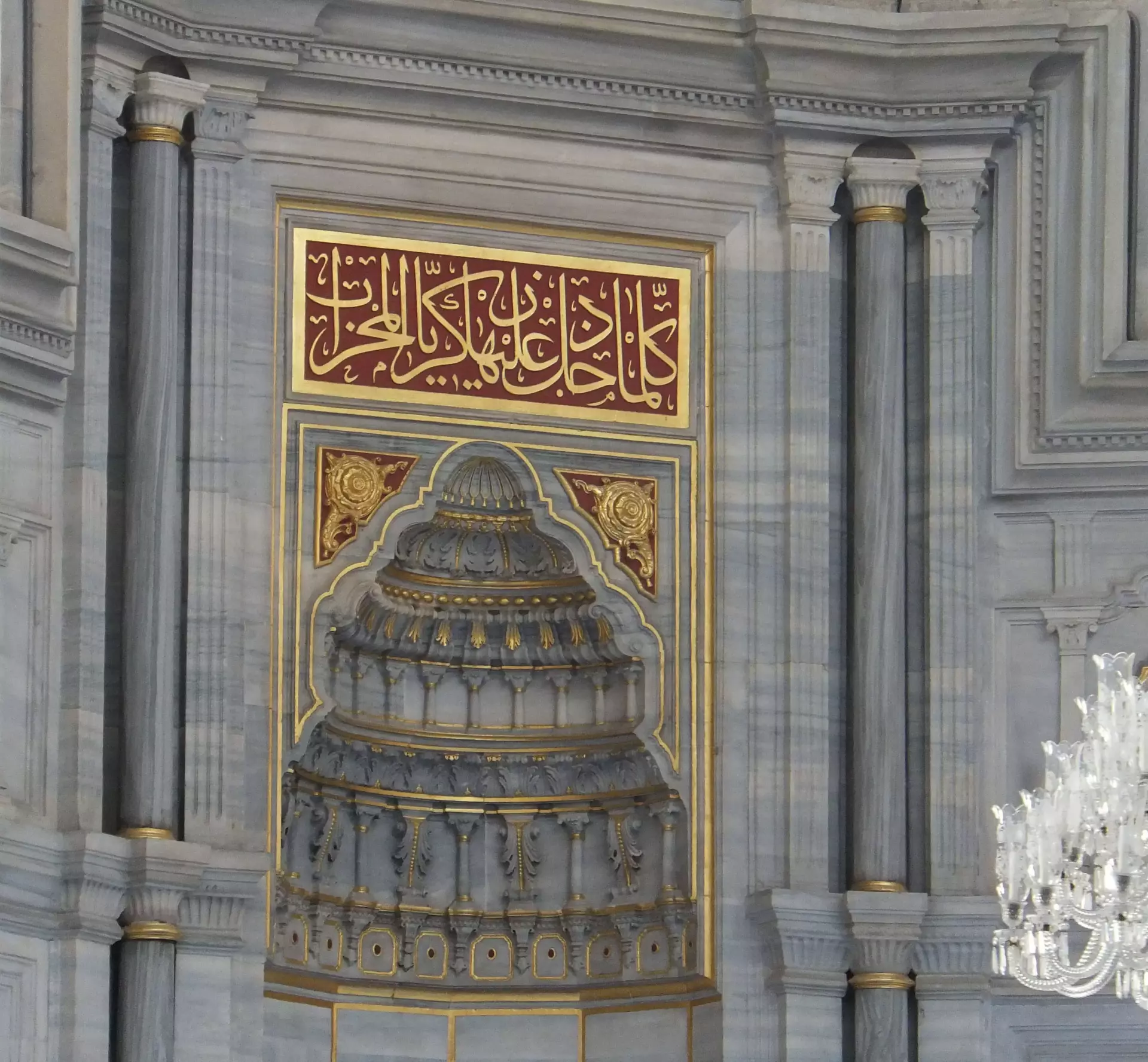
Detail of the mihrab of the Nuruosmaniye Mosque, Istanbul.
Nuruosmaniye Mosque, Istanbul.
Built by a Greek architect, Simon, who in the opinion of Strolling Through Istanbul (Redhouse, 1989) produced "a failure, but a charming one." I fell for its spell ages ago, not the least because crossing its awkwardly formed "shortcut" from the Covered Market side to the exit at the other side provides a short moment of rest in the busy city. If you want some more rest, the mosque is spacious and quiet. The mosque was begun by Sultan Mahmut I in 1748 and finished by his brother and successor, Osman III in 1755. In mosques, a box called Hünkar mahfili was a space where the sultan could attend the service without being seen (or only partially because of a grating). It would often be raised and afford privacy as well as safety from murder attempts. It would often connect to the Hünkar kasrı, a set of rooms with generally their own entrance, for the sultan and his retinue.
Nuruosmaniye Mosque, Istanbul, Turkey.
Built by a Greek architect, Simon, who, according to Strolling Through Istanbul (Redhouse, 1989), produced "a failure, but a charming one." I fell for its spell ages ago, not least because crossing its awkwardly formed "shortcut" from the Covered Market side to the exit at the other side provides a short moment of rest in the busy city. If you want some more rest, the mosque is spacious and quiet. The mosque was begun by Sultan Mahmut I in 1748 and finished by his brother and successor, Osman III in 1755.
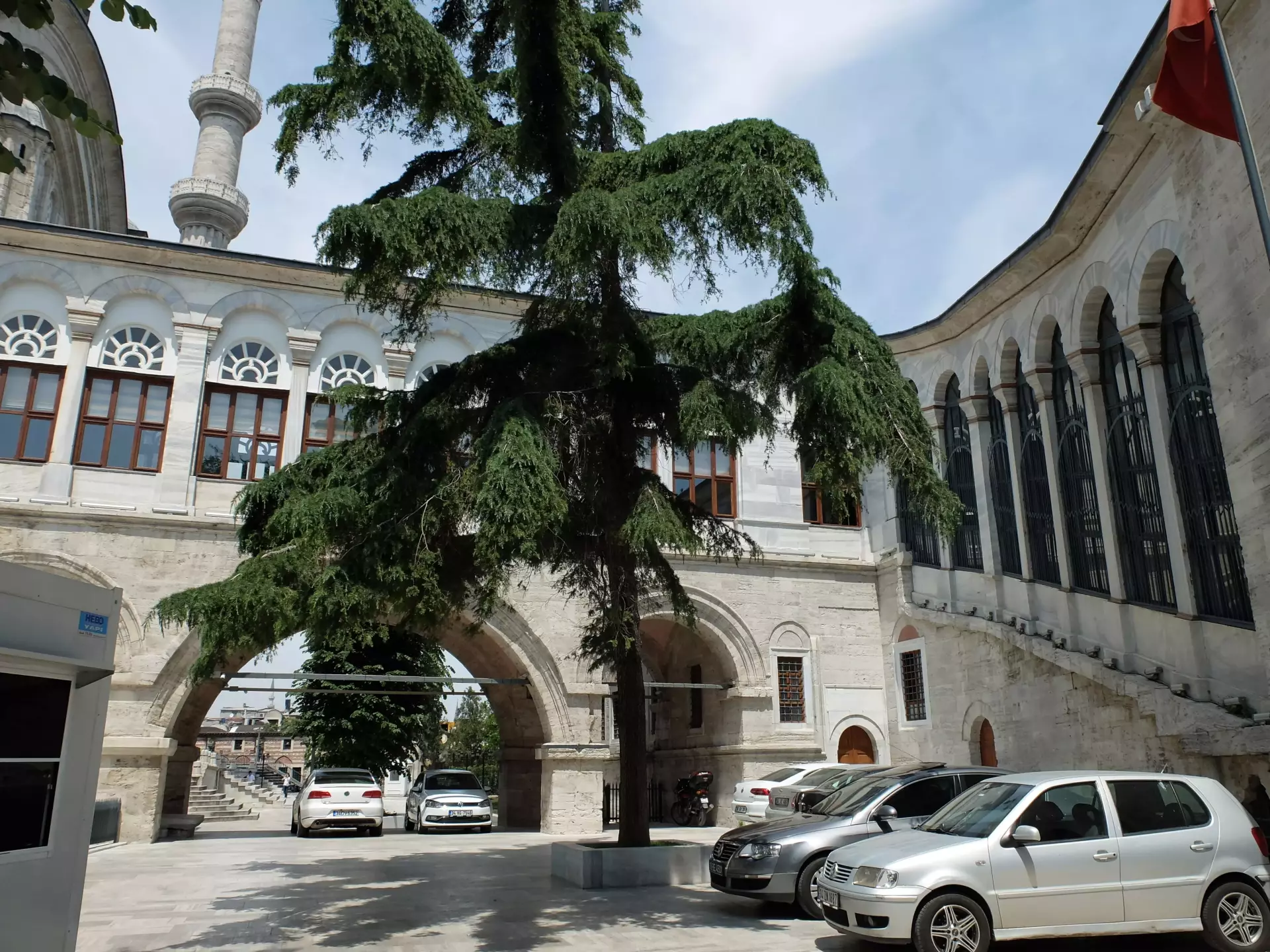
To the northwest of the mosque there is first a porch, then a half-circular courtyard with a columned portico. The name indicates the subject or the direction of view.
Courtyard of the Nuruosmaniye Mosque complex, Istanbul.
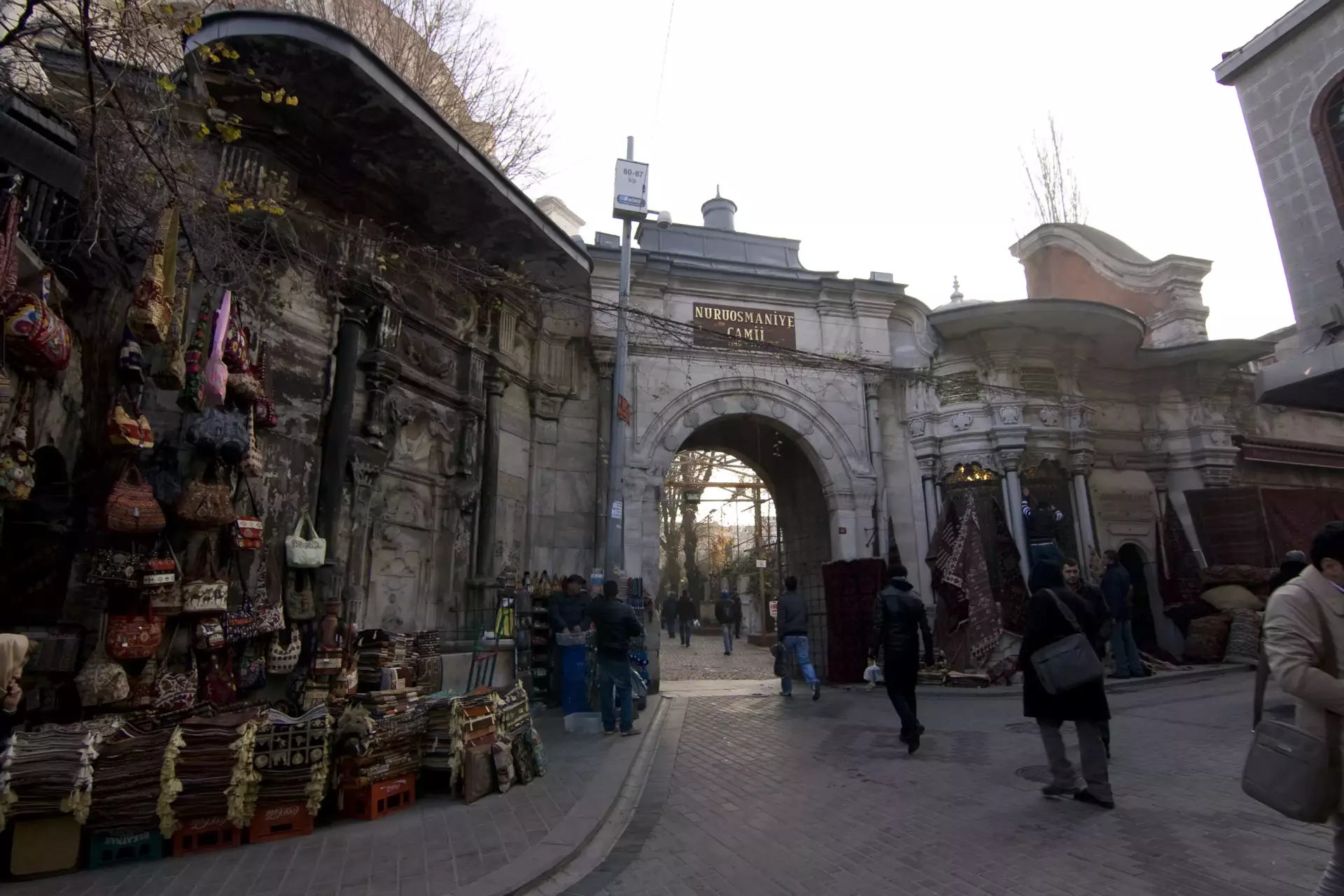
Nuruosmaniye Mosque complex, Istanbul. Central (northwestern) gate to the mosque's courtyard.
One of the pictures from a tour around the mosque and its courtyard. The mosque and courtyard are aligned along a northwest to southeast axis. A flight of stairs leads to the entry on the southwest side of the mosque, while a similar staircase on the southeast side appears to always be closed. Similarly, the entrance on the northwest side is, if available, usually the one that is open. I have never seen the northeast entrance or the one at the "top" of the half circle (which I called north) open.

Nuruosmaniye Mosque

Istanbul, Turkey

The Nuruosmaniye Mosque was constructed between 1748 and 1755, marking the beginning of the Ottoman Baroque architectural style. With its impressive central dome and slender minarets, the mosque set a new trend that was imitated across the Ottoman Empire. Even today, its design inspires the look of newly built mosques.

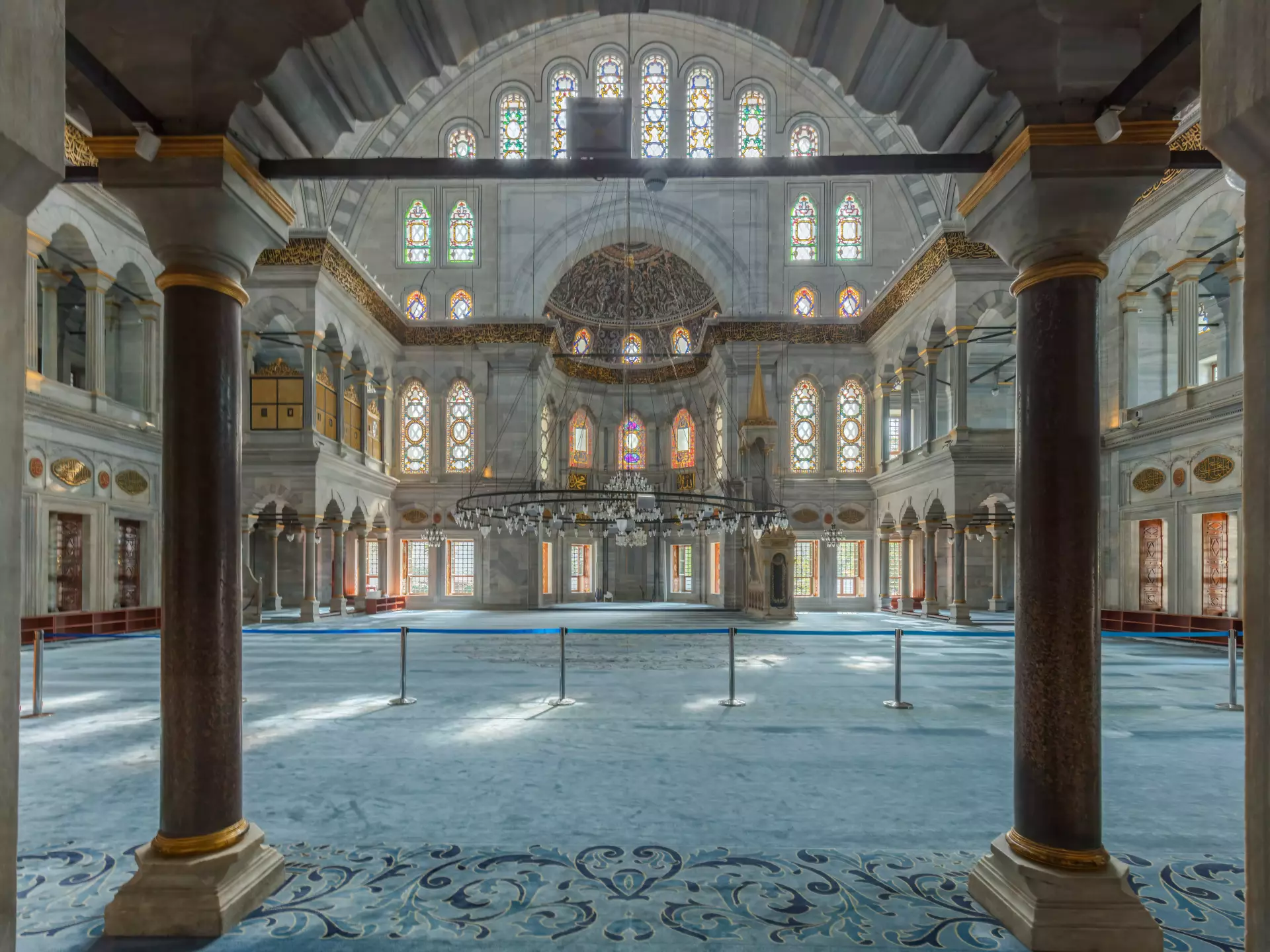
A Bright and Airy Interior

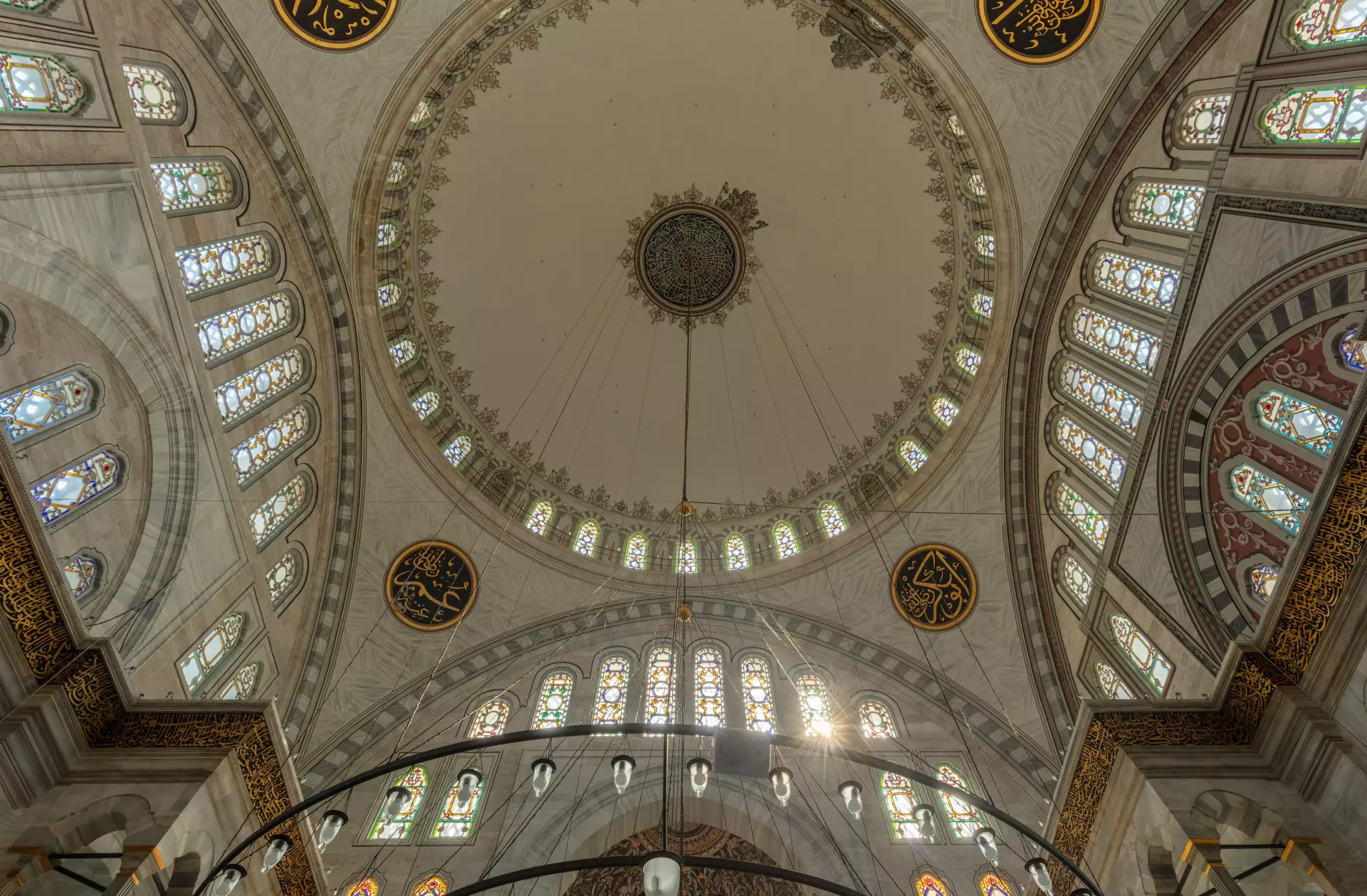
The name Nuruosmaniye means "light of the Ottomans." True to its name, the mosque stands out for its use of abundant natural light. The interior is decorated in soft, delicate tones, creating a bright and airy space. This design contrasts with the darker atmosphere of earlier, classical Ottoman mosques.

The Mosque Complex

Beyond the main prayer hall, the Nuruosmaniye Mosque complex includes a madrasa, where students once studied religious and academic subjects. There is also an imaret, a public soup kitchen serving the community meals. These additions reflect the mosque’s role as both a place of worship and a center for social support.

Source - https://en.wikipedia.org/wiki/Nuruosmaniye_Mosque
Developed by Reflex.com.ua
Contacts
  • info@reflex.com.ua
Social media