

Palace of the Porphyrogenitus
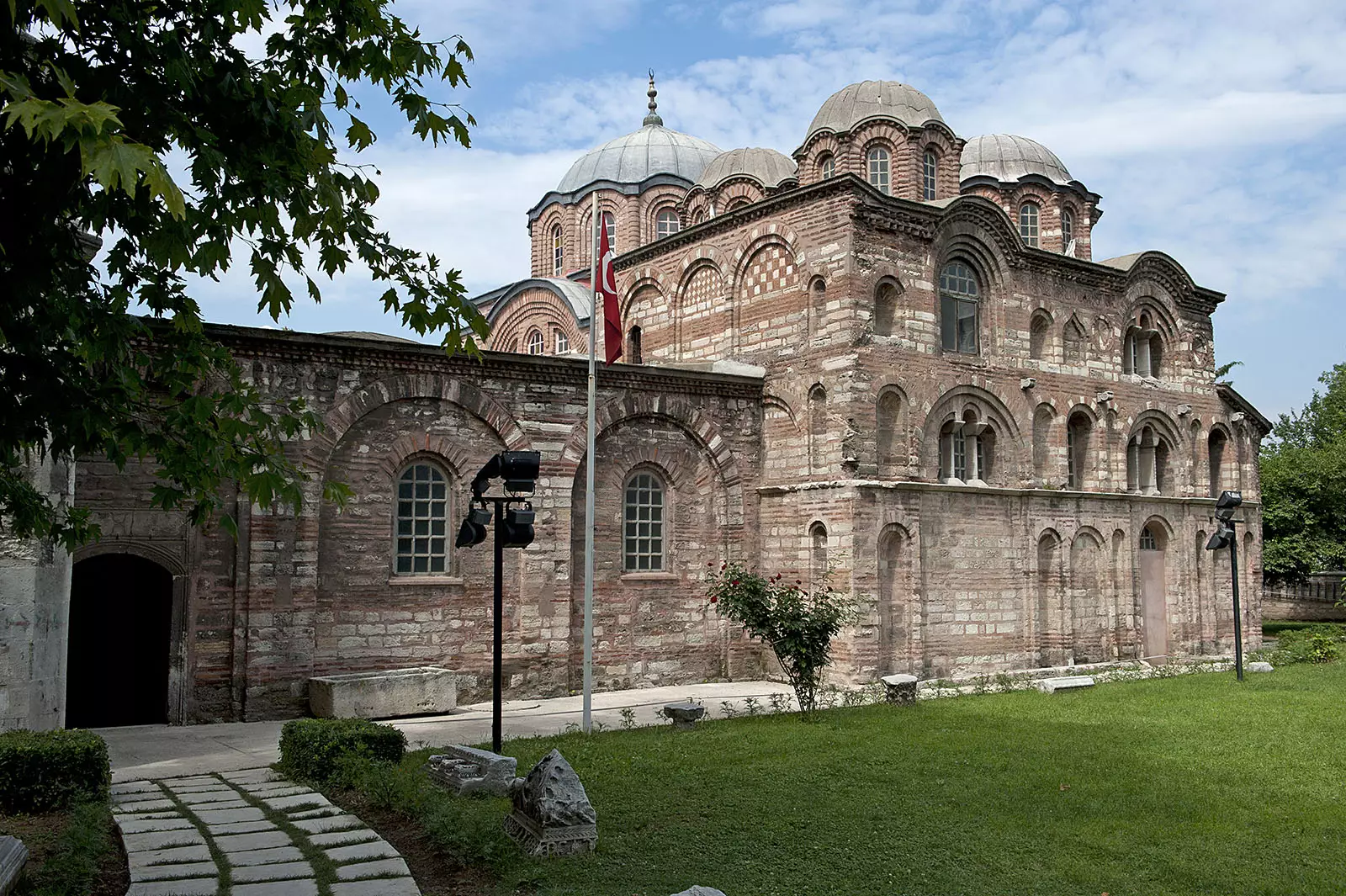
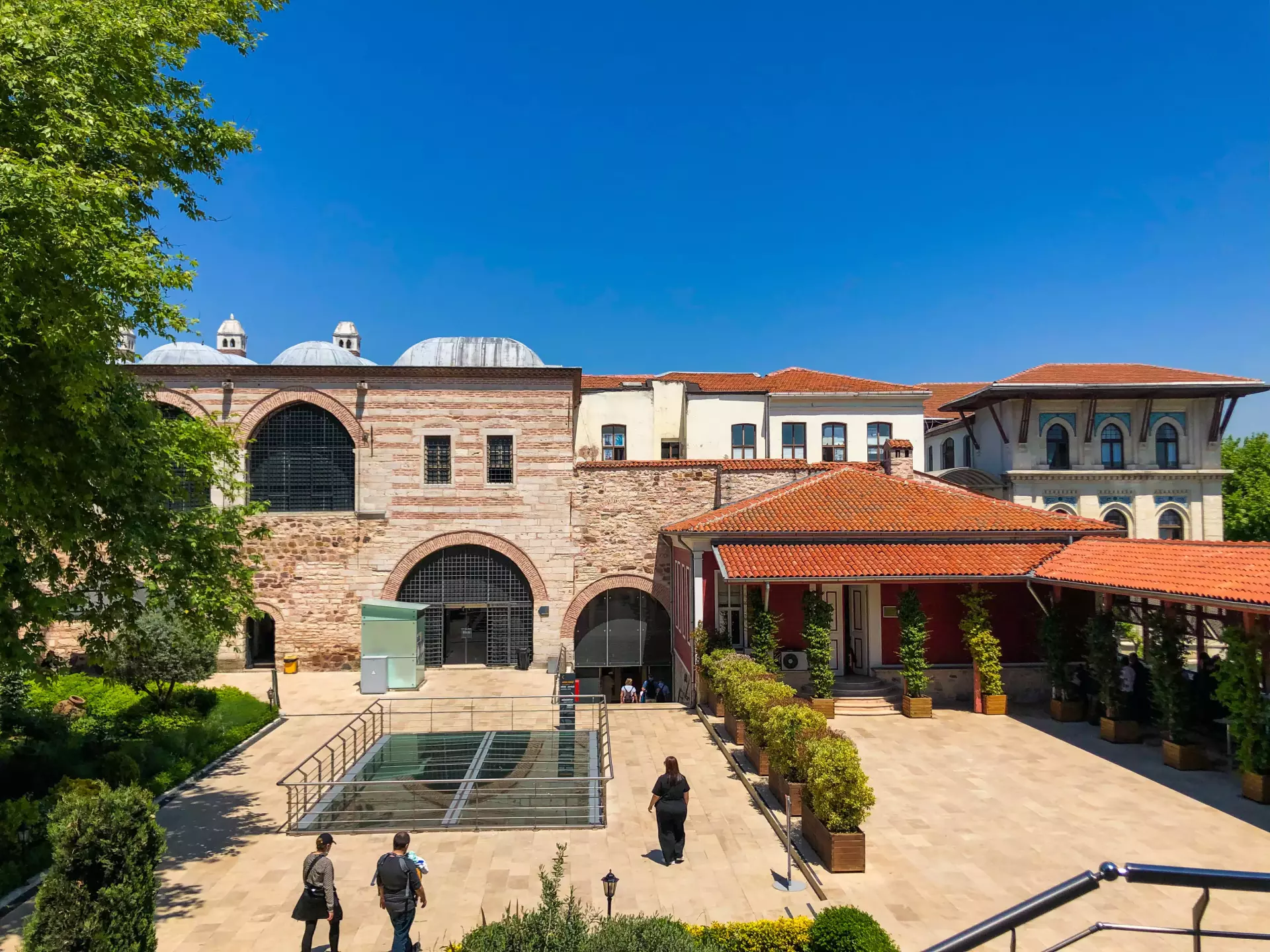
The Palace of the Porphyrogenitus is a rare survivor from the Byzantine era in Istanbul. While many grand palaces once stood in Constantinople, this is the only one that remains almost completely intact today.
Imperial Architecture and Purpose
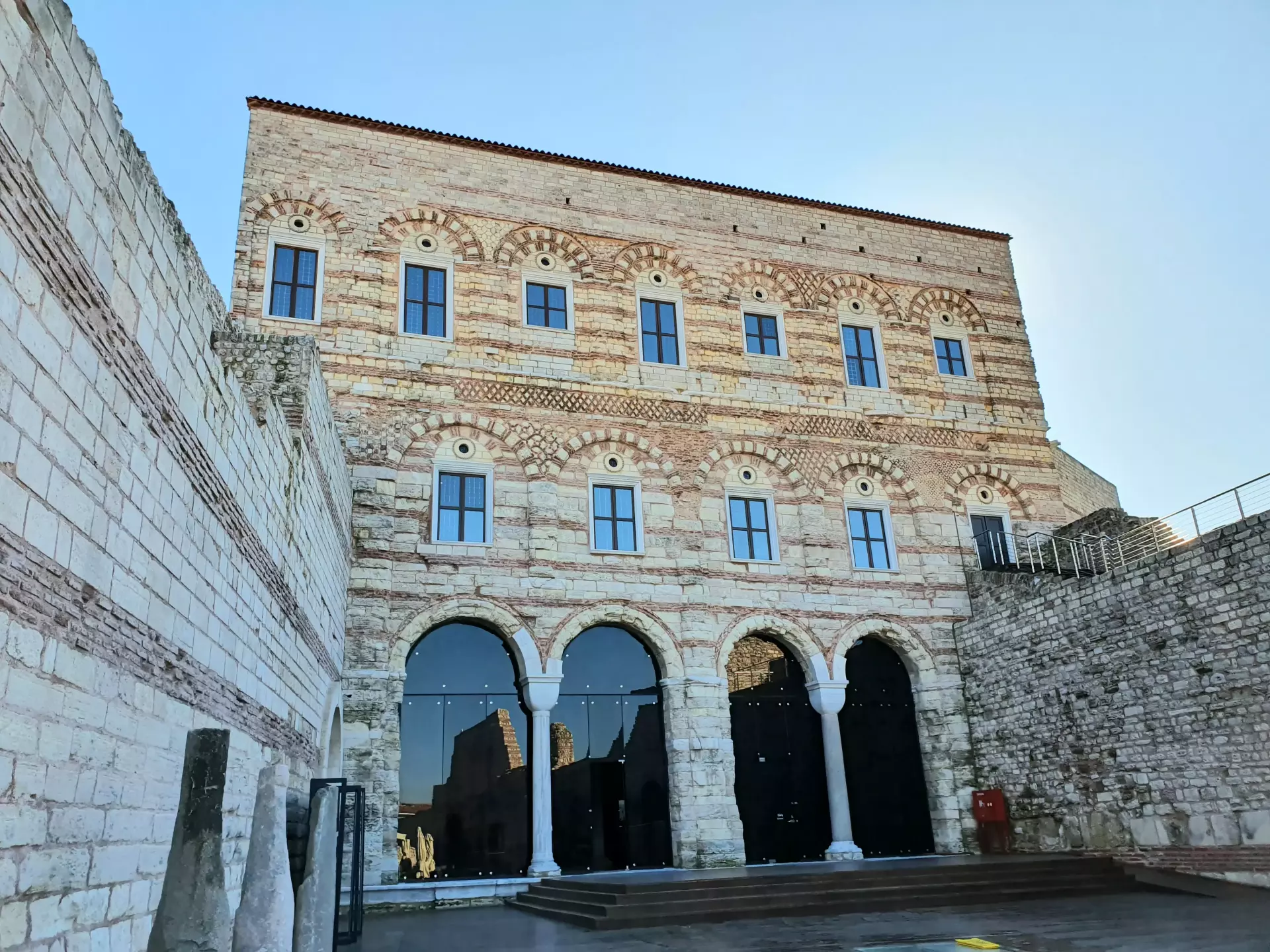
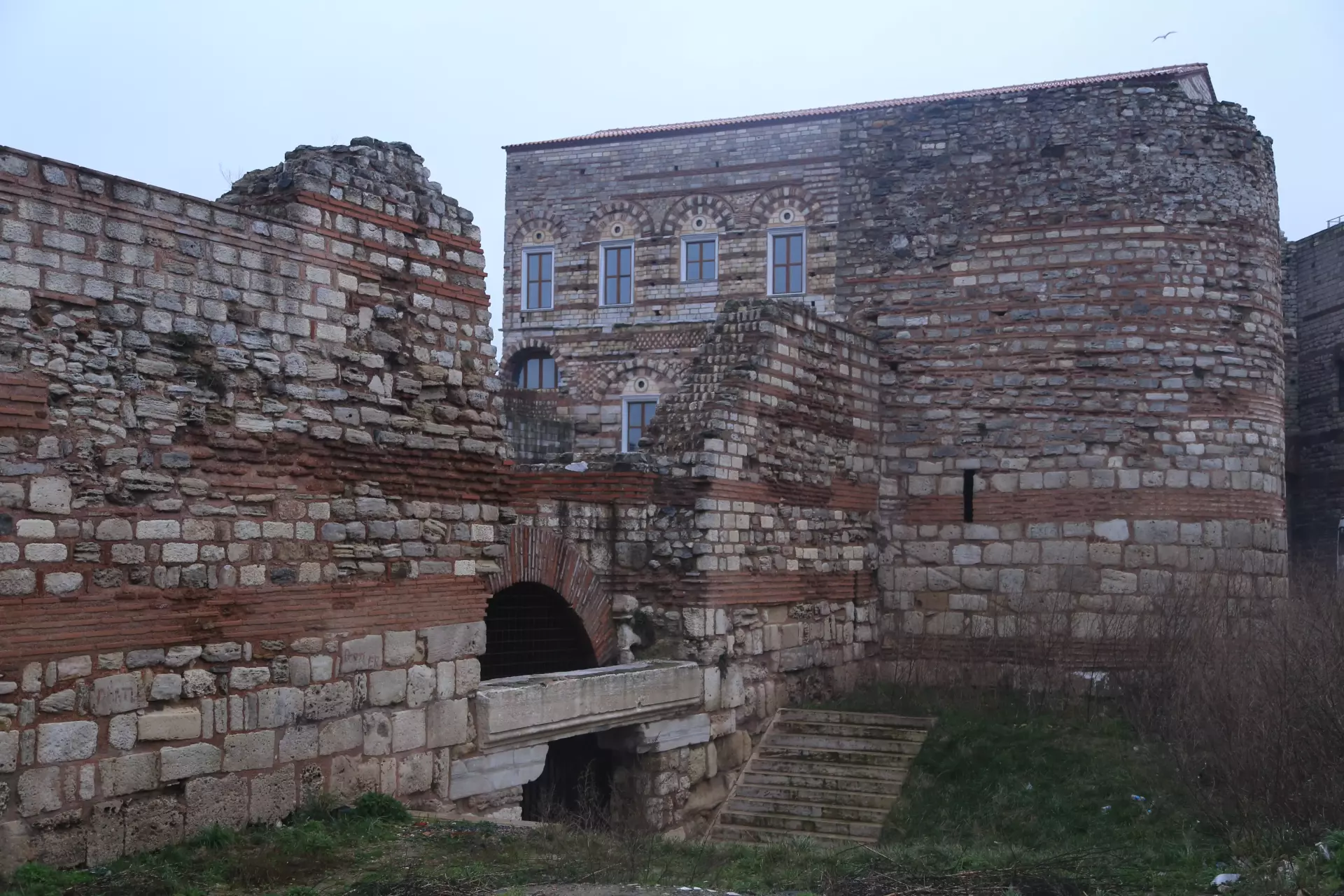
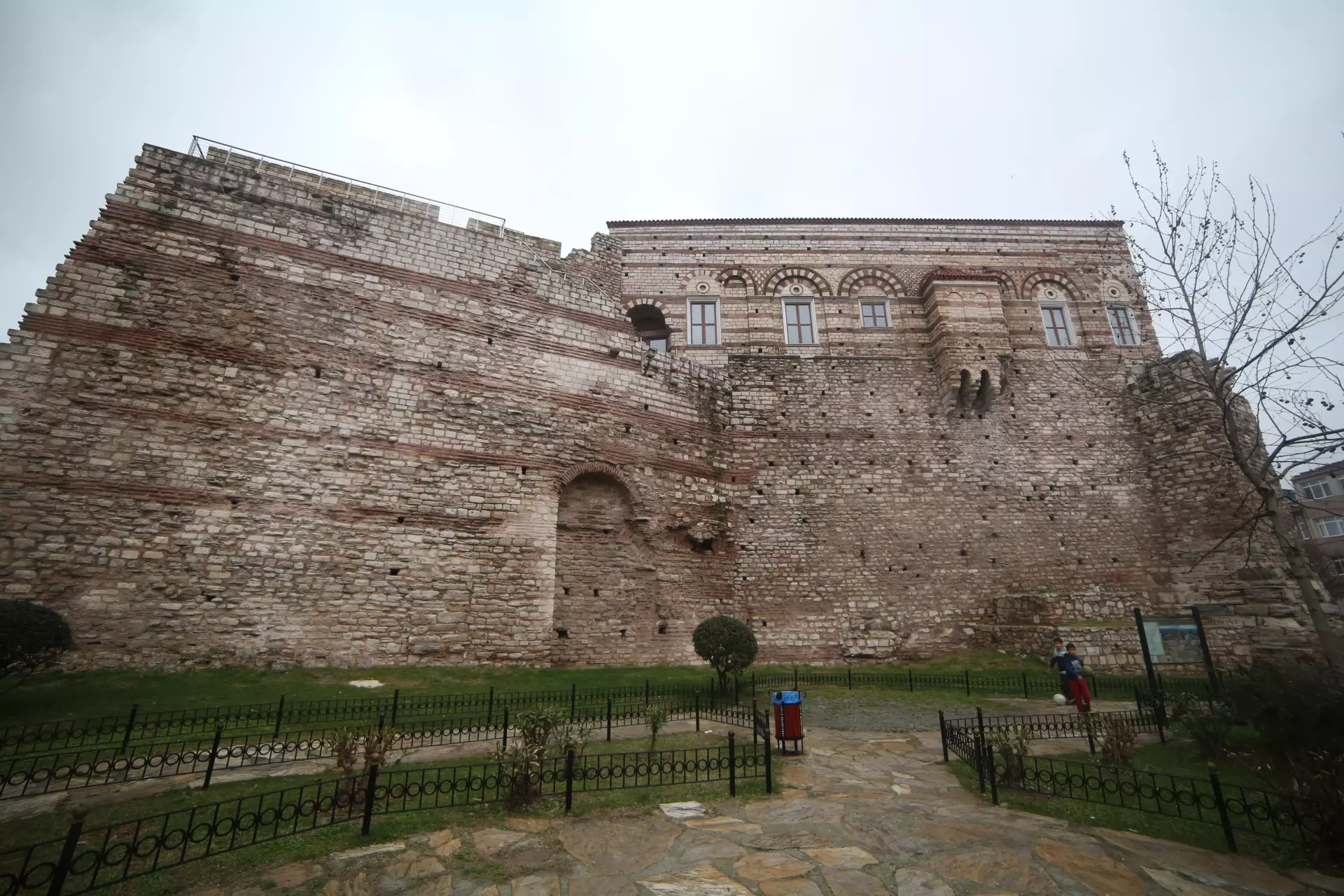
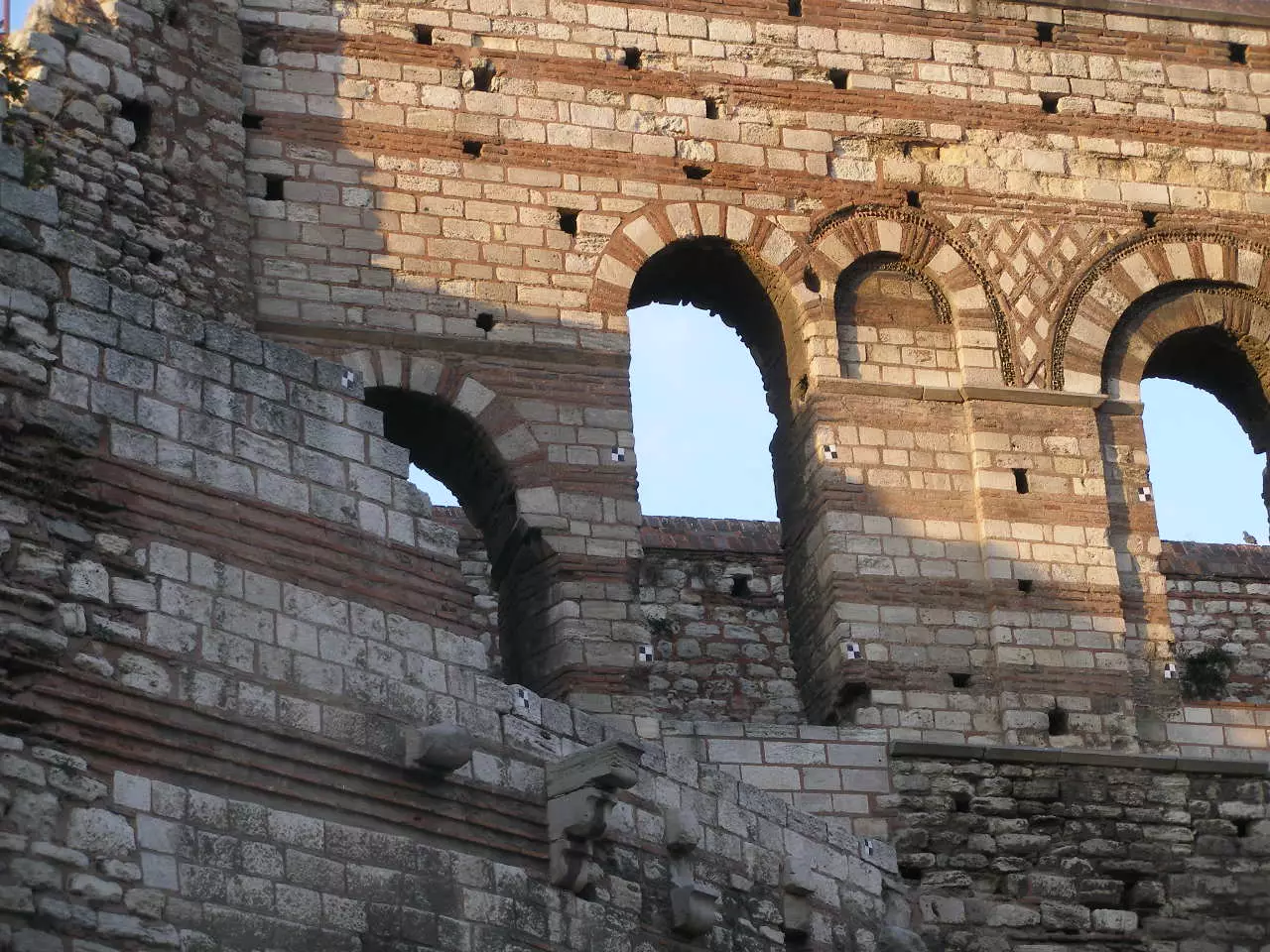
This palace dates back to the late 13th century and showcases the classic Byzantine style, with alternating rows of marble and red brick. It was originally built as an imperial residence. The name “Porphyrogenitus” means “born to the purple,” a title reserved for heirs to the Byzantine throne, highlighting its royal connections.
Although impressive, the structure was only an annex or pavilion within the much larger Palace of Blachernae complex. Today, the Palace of Blachernae itself is lost to history, with the Palace of the Porphyrogenitus serving as the last physical reminder.
Changing Roles Through the Centuries
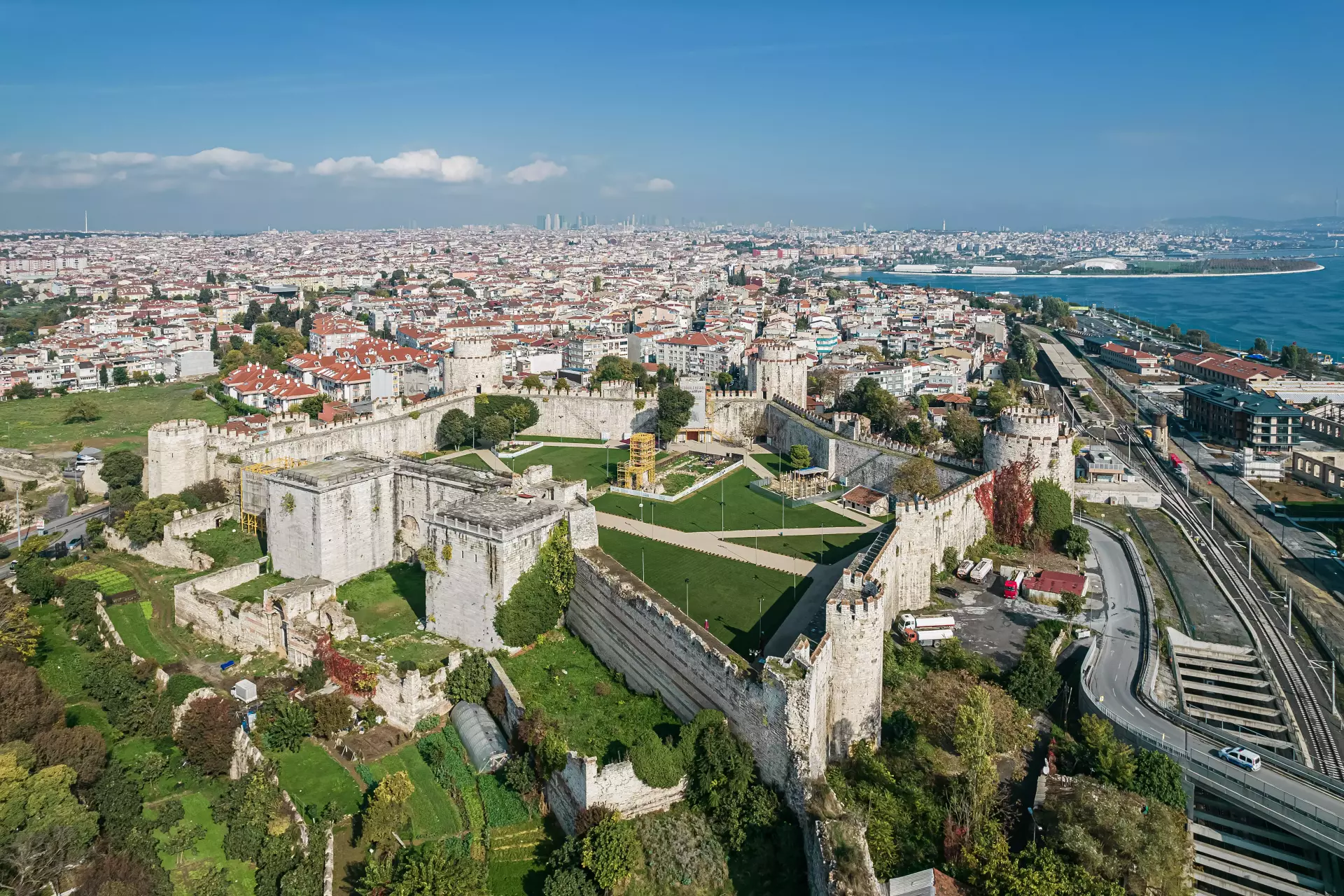
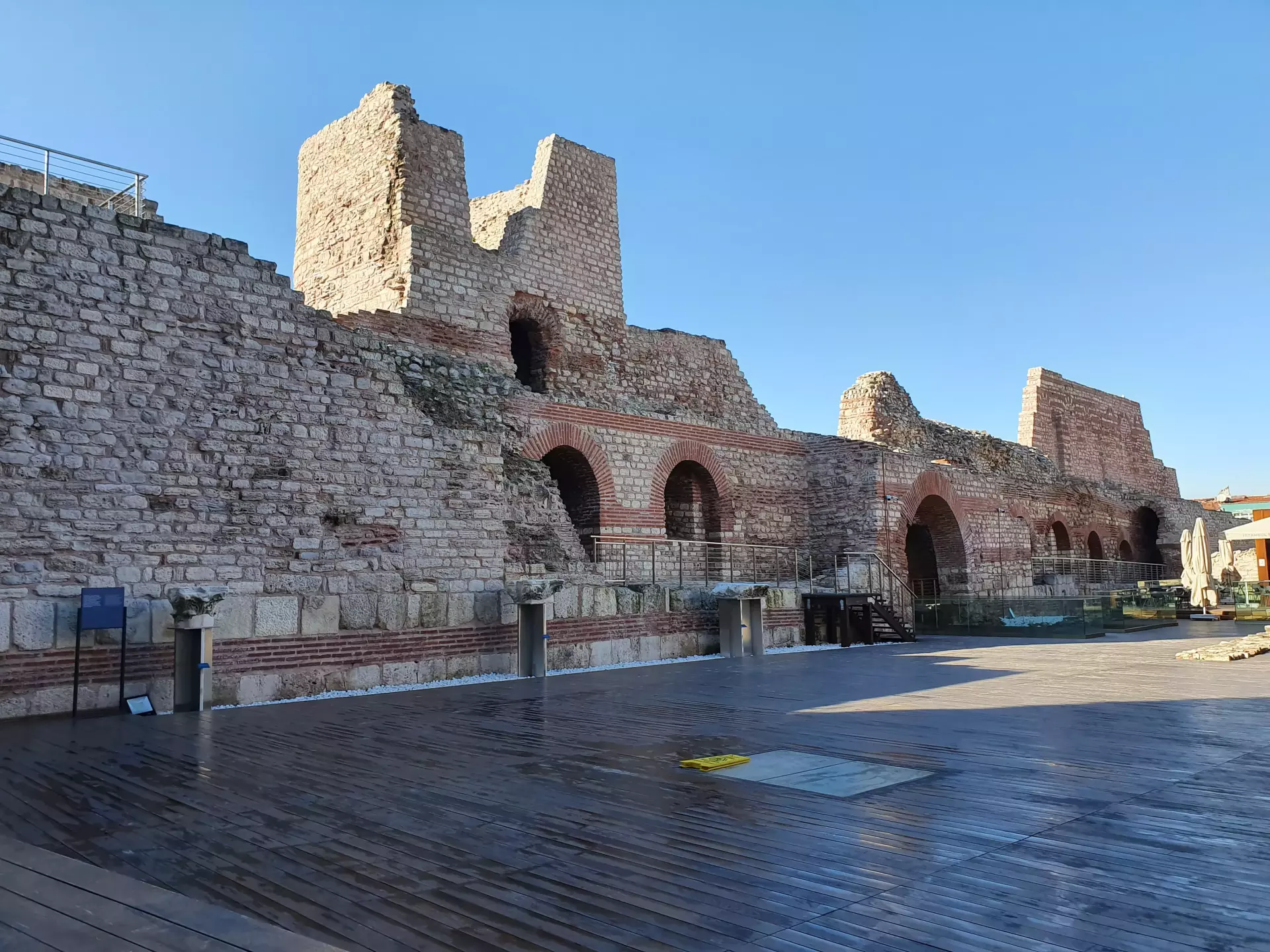
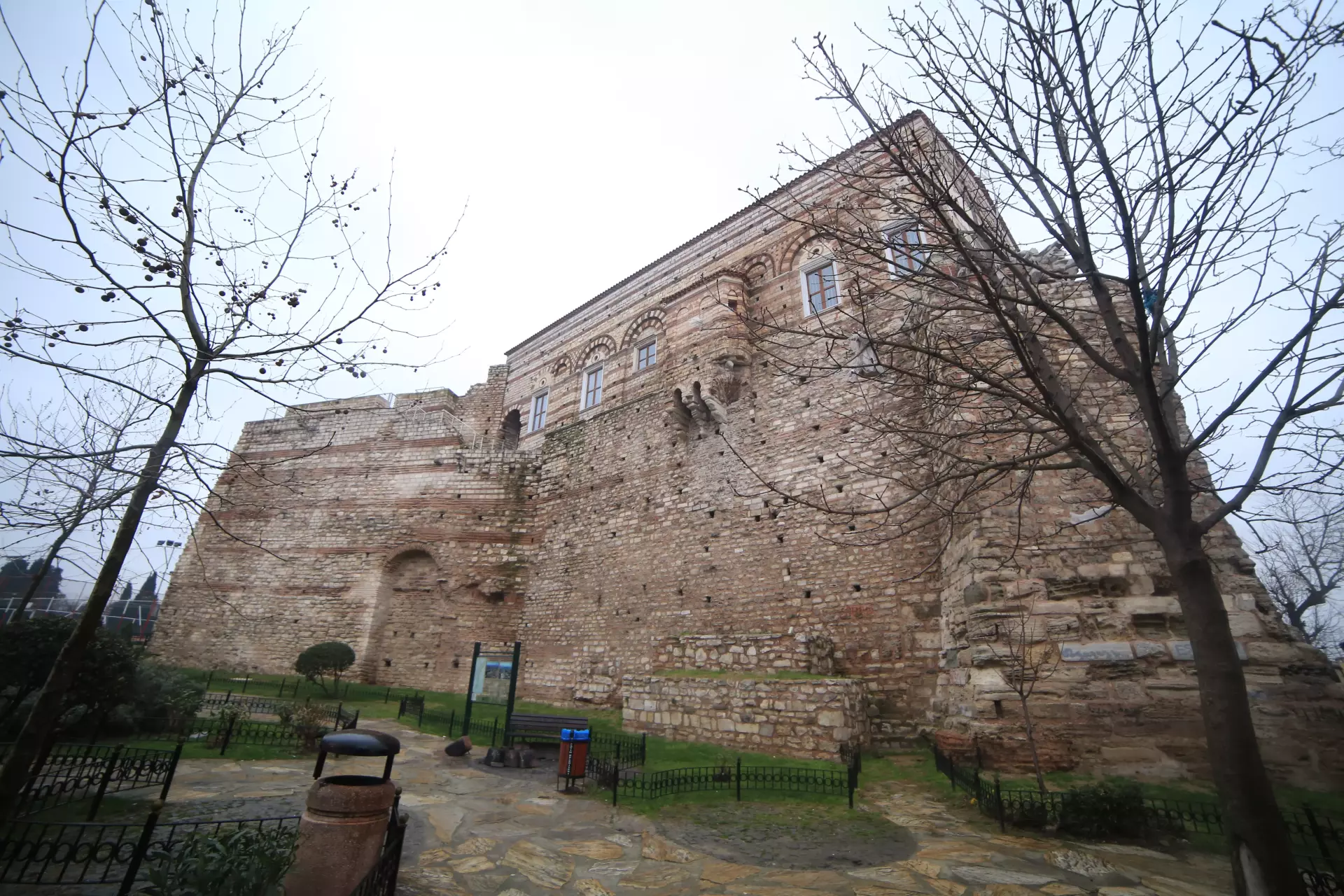
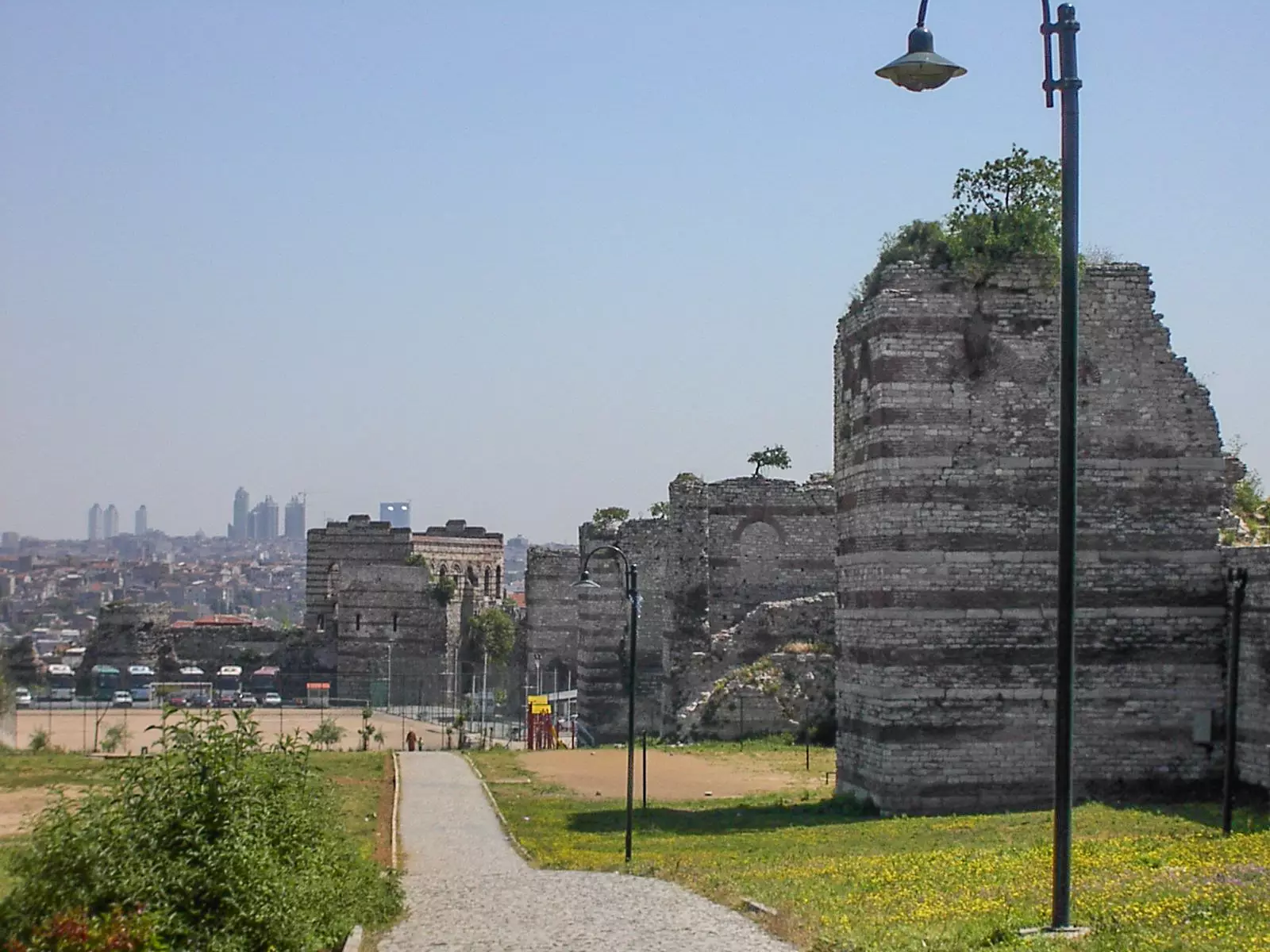
The palace sits at the northern end of the famous Theodosian Walls. During the Ottoman conquest of Constantinople, the building suffered considerable damage. Over the centuries that followed, it was put to a variety of uses: at times a menagerie, a brothel, a pottery workshop, a poorhouse, and a bottle factory. By the 20th century, the palace had fallen into disrepair.
A New Life as a Museum
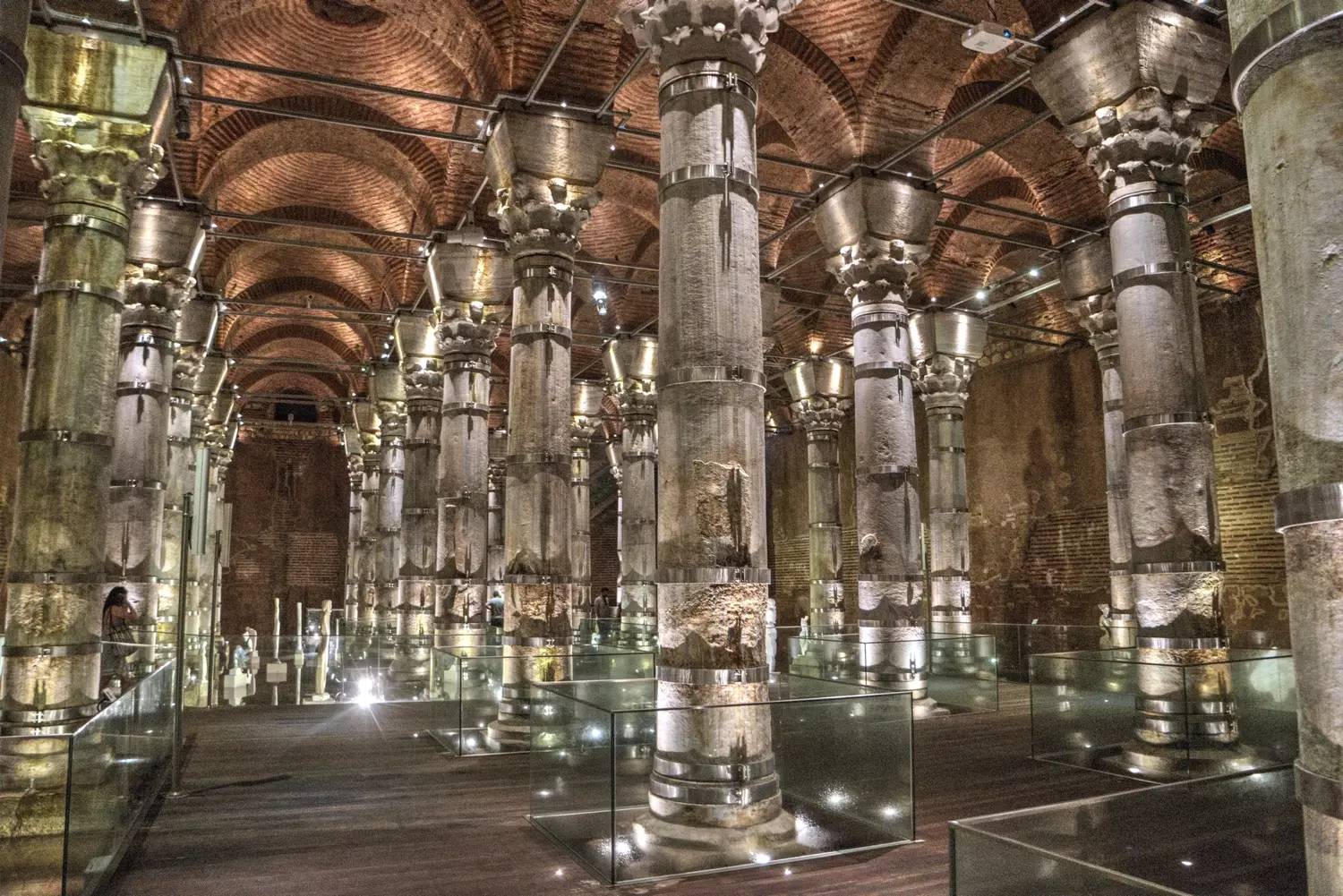
In 2021, the Palace of the Porphyrogenitus opened its doors once again, this time as a museum. Visitors can now explore the halls of one of Byzantium’s few surviving royal homes and glimpse the many layers of its remarkable history.
Source - https://en.wikipedia.org/wiki/Palace_of_the_Porphyrogenitus