Search ×
Home Istanbul
Pammakaristos Church
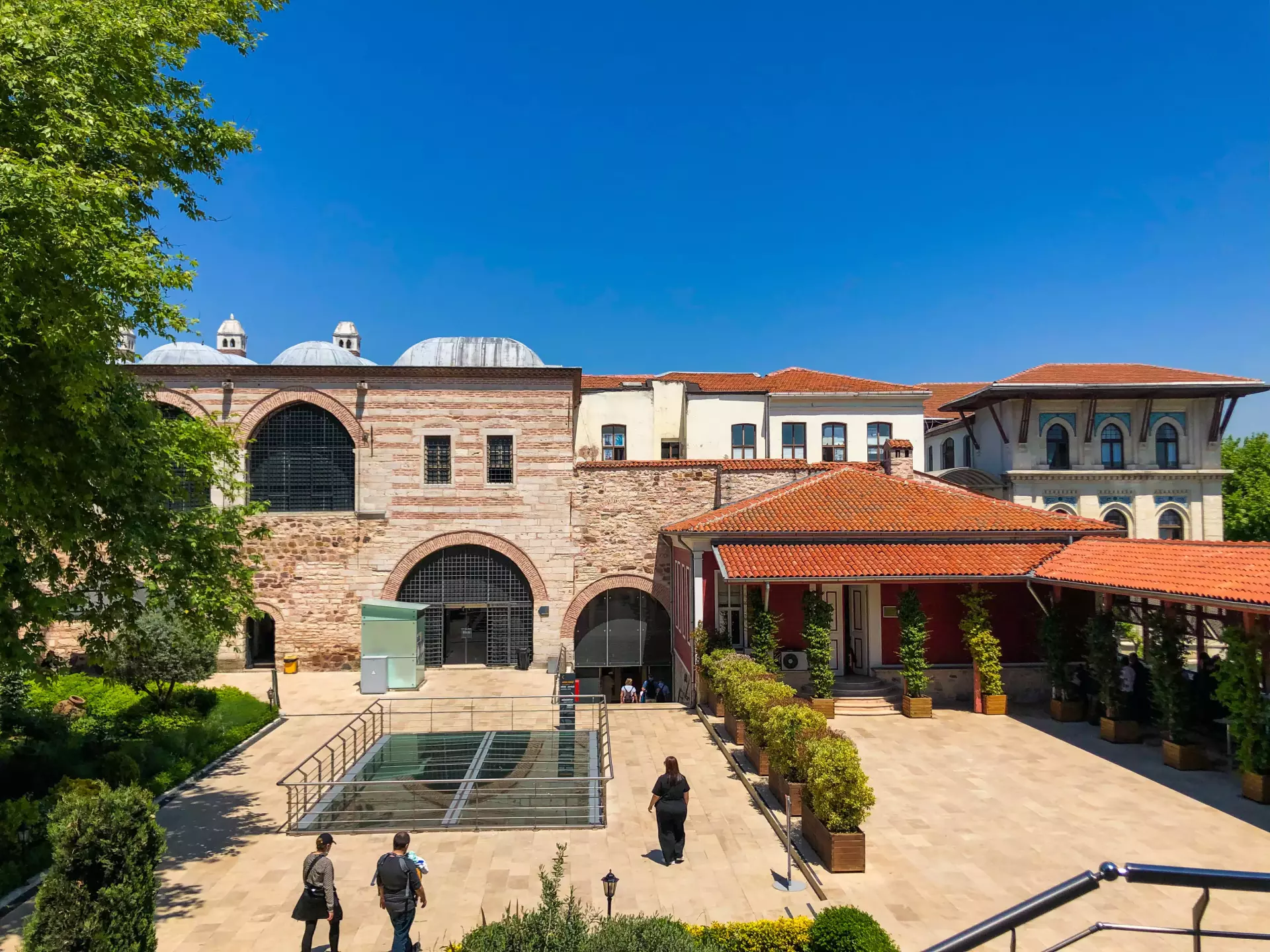
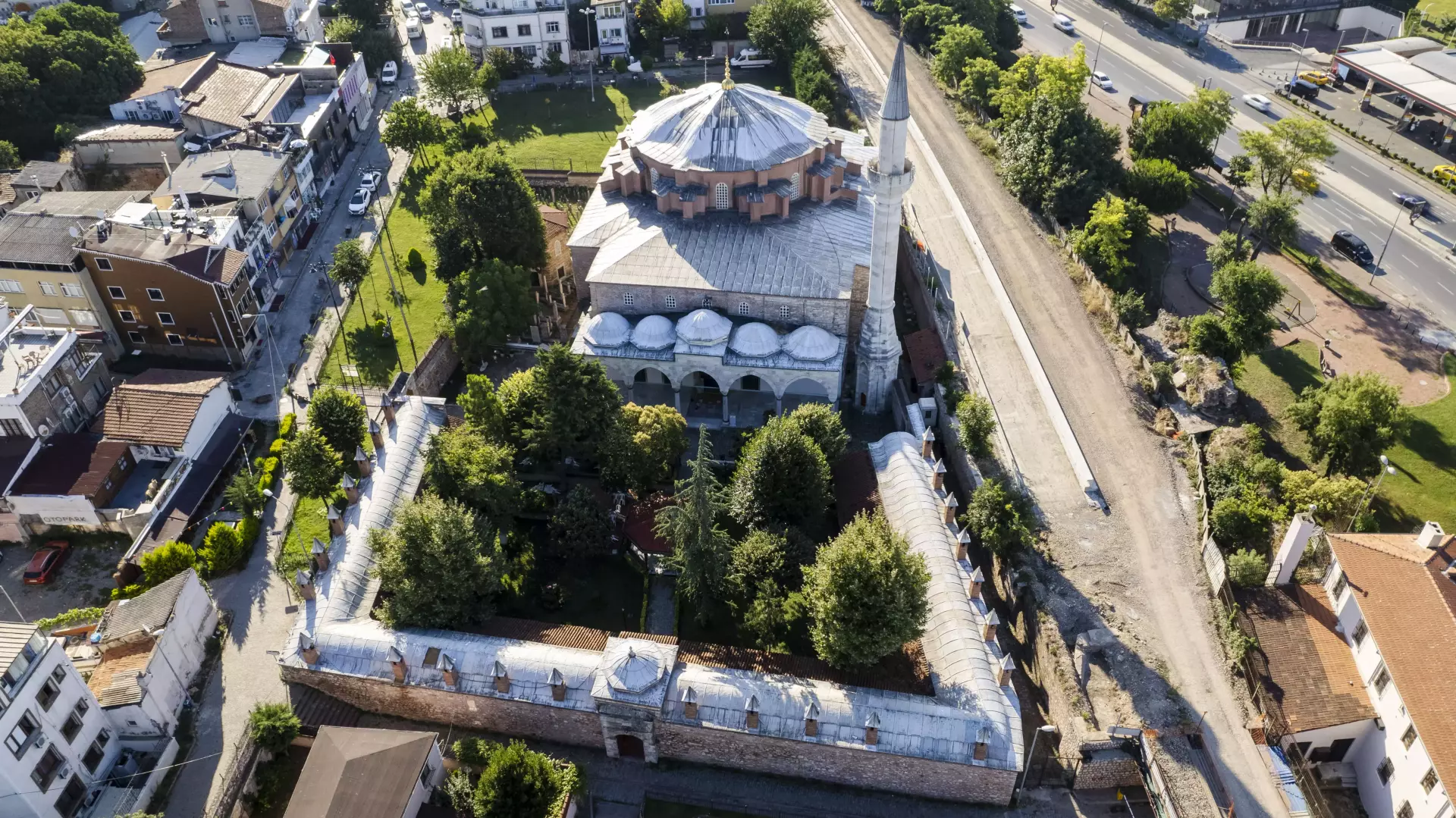
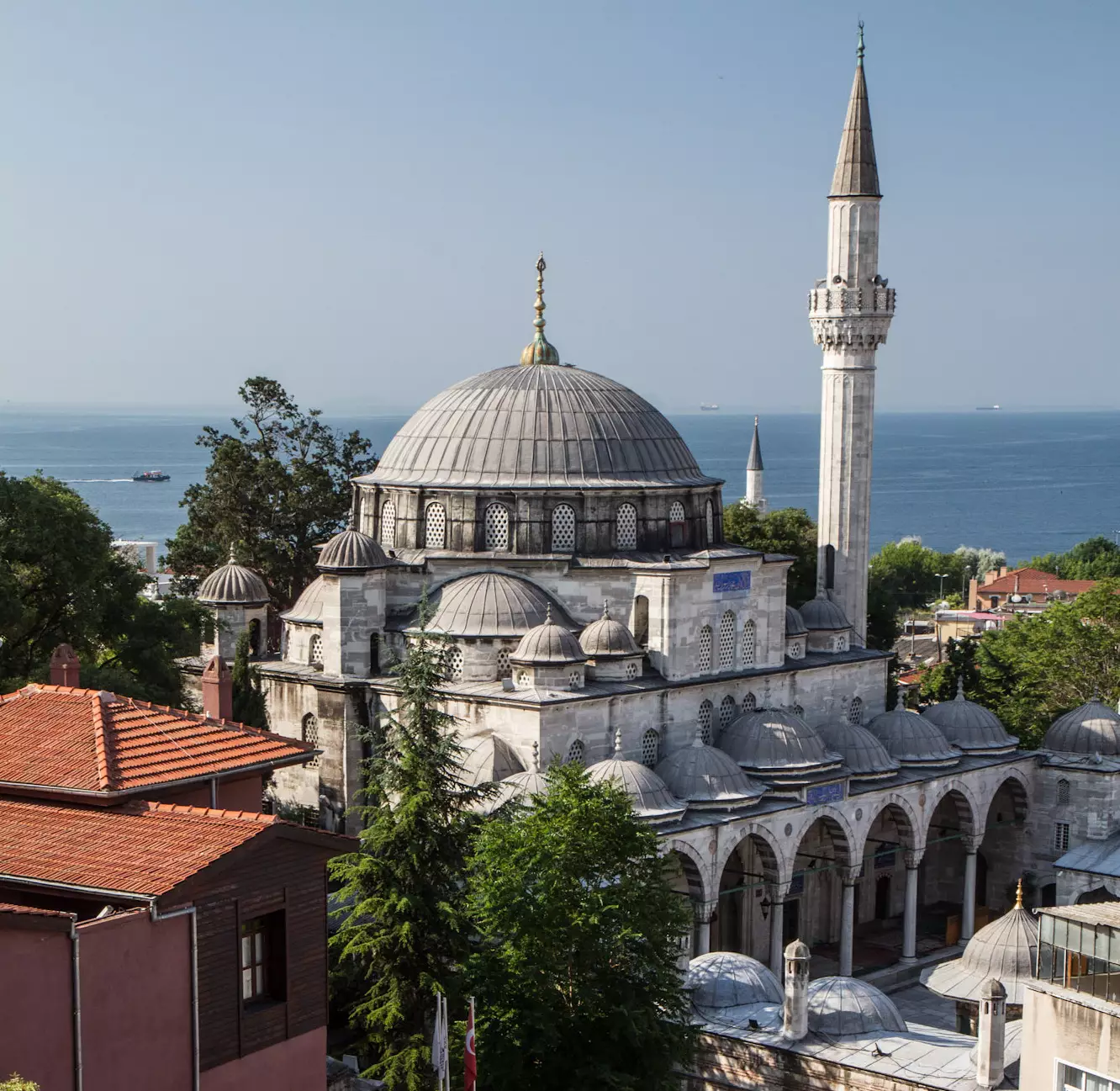
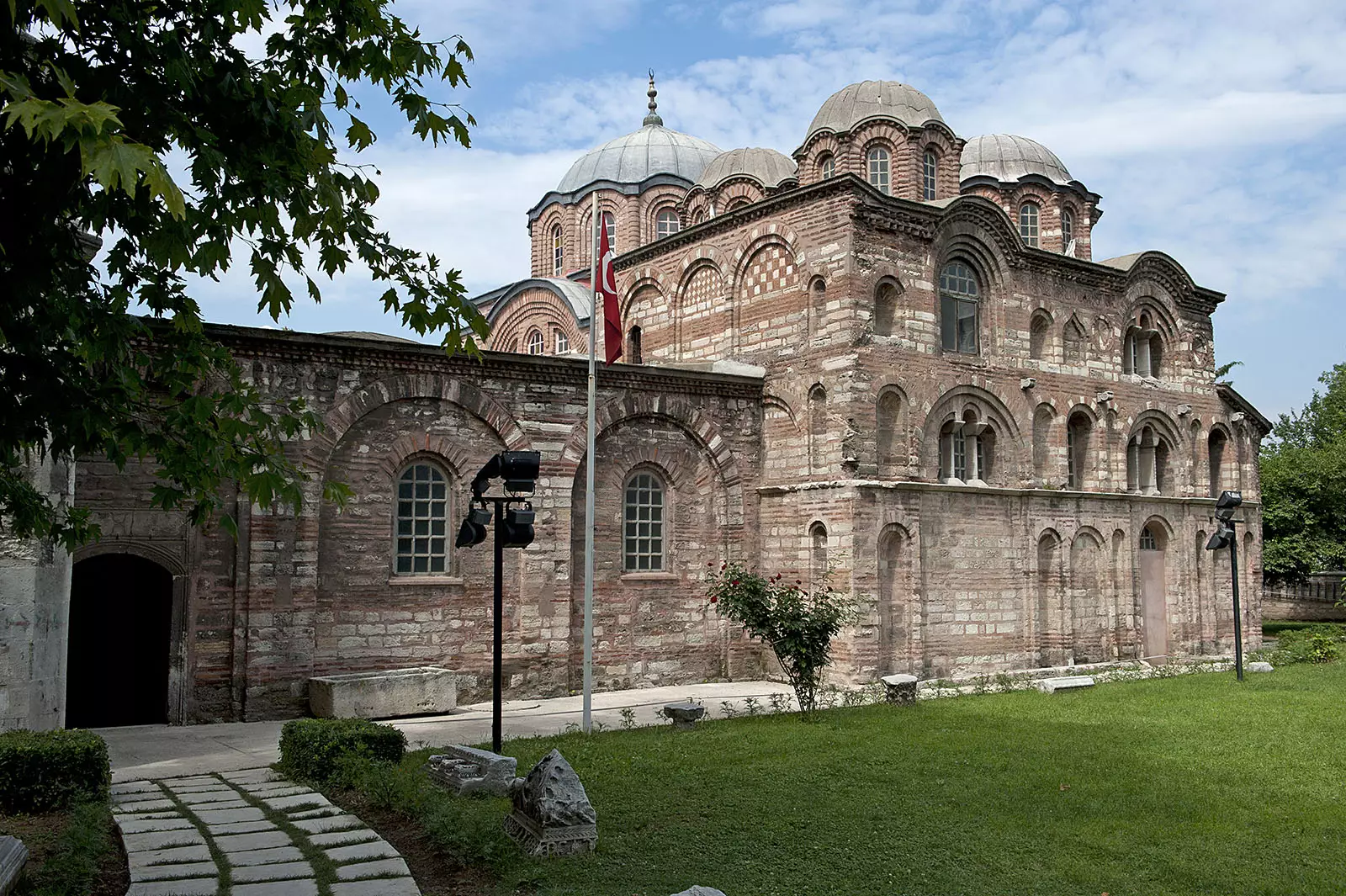
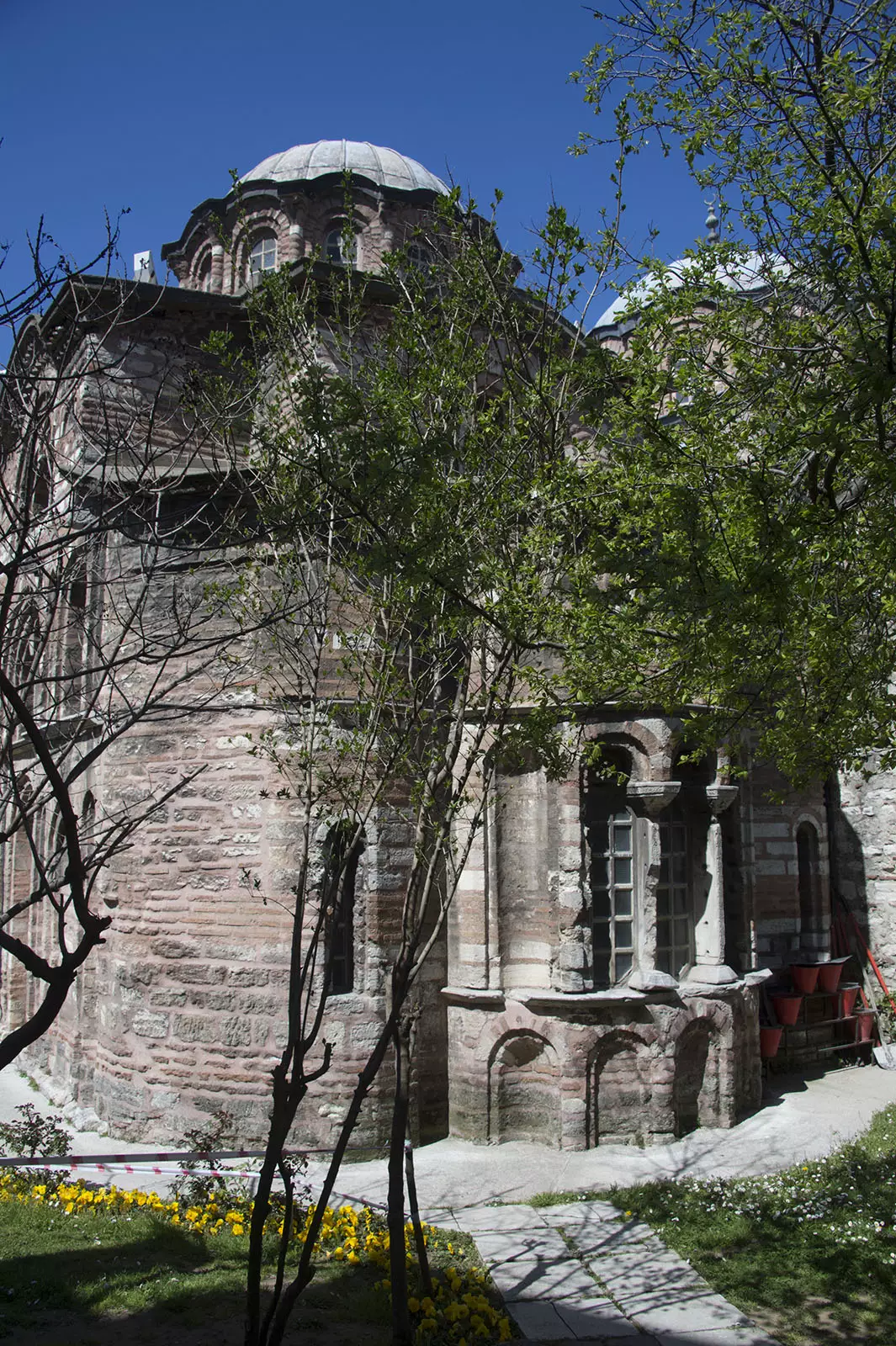
English:  Fethiye Museum exterior from south. Note that the complex holds (with another entrance) a mosque, that is called Fethiye Mosque. For the part we see the name "Fethiye Museum" is more proper).
English:  One should note that there is another entrance to a part of the building that is in use as a mosque and is called Fethiye Mosque, so for this part Fethiye Museum is more proper.
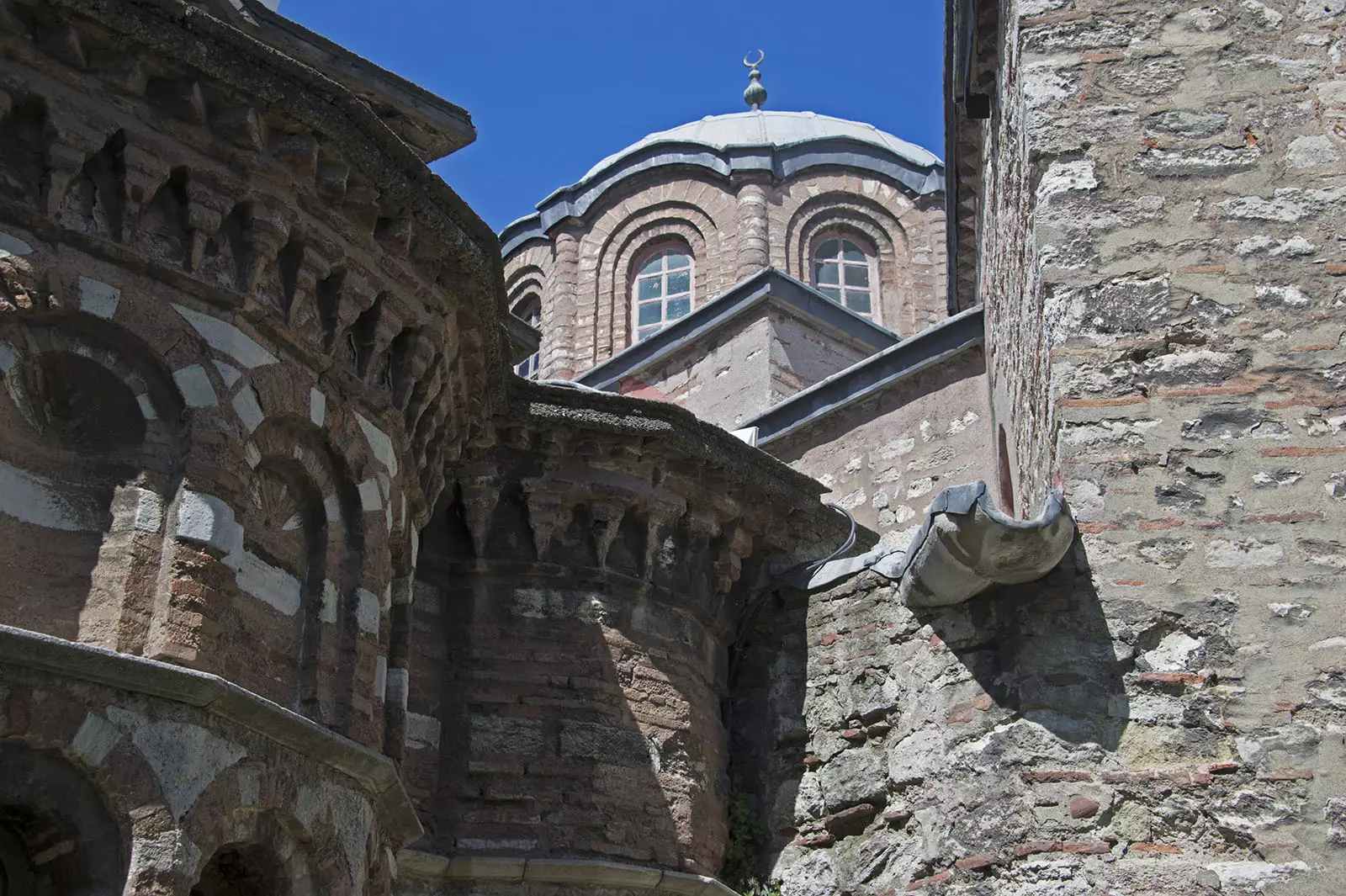
English:  Roughly to the left of the apsis, we see a side chapel.
English:  youtu.be/nWsUbdsXLYY Medieval Byzantine chant (14th century AD). Title: "Ευλογήσατε τον Κυρίον" (Bless the Lord) Composer: Maistor Ioannes Koukouzeles Performers: Greek Byzantine Choir Album: "Mathimata Maistoros Koukouzele" youtu.be/G9TT73MODLY youtu.be/tze8fnpHzwY Psalm 83 [Greek Septuagint] "How Beloved Are Thy Dwellings" . . . photo: 13th century parekklesion (side chapel) at Pammakaristos Church former Monastery of Theotokos Pammakaristos Church of Theotokos Pammakaristos, Constantinople present Fethiye Mosque Museum, Istanbul Fethiye Camii [Mosque of The Conquest] Çarşamba neighbourhood, Fatih district of Istanbul Θεοτόκος ἡ Παμμακάριστος Μονή Παμμακάριστου, Κωνσταντινούπολη  en.wikipedia.org/wiki/Pammakaristos_Church www.sacred-destinations.com/turkey/istanbul-fethiye-camii www.thebyzantinelegacy.com/pammakaristos Cross-in-square  en.wikipedia.org/wiki/Cross-in-square
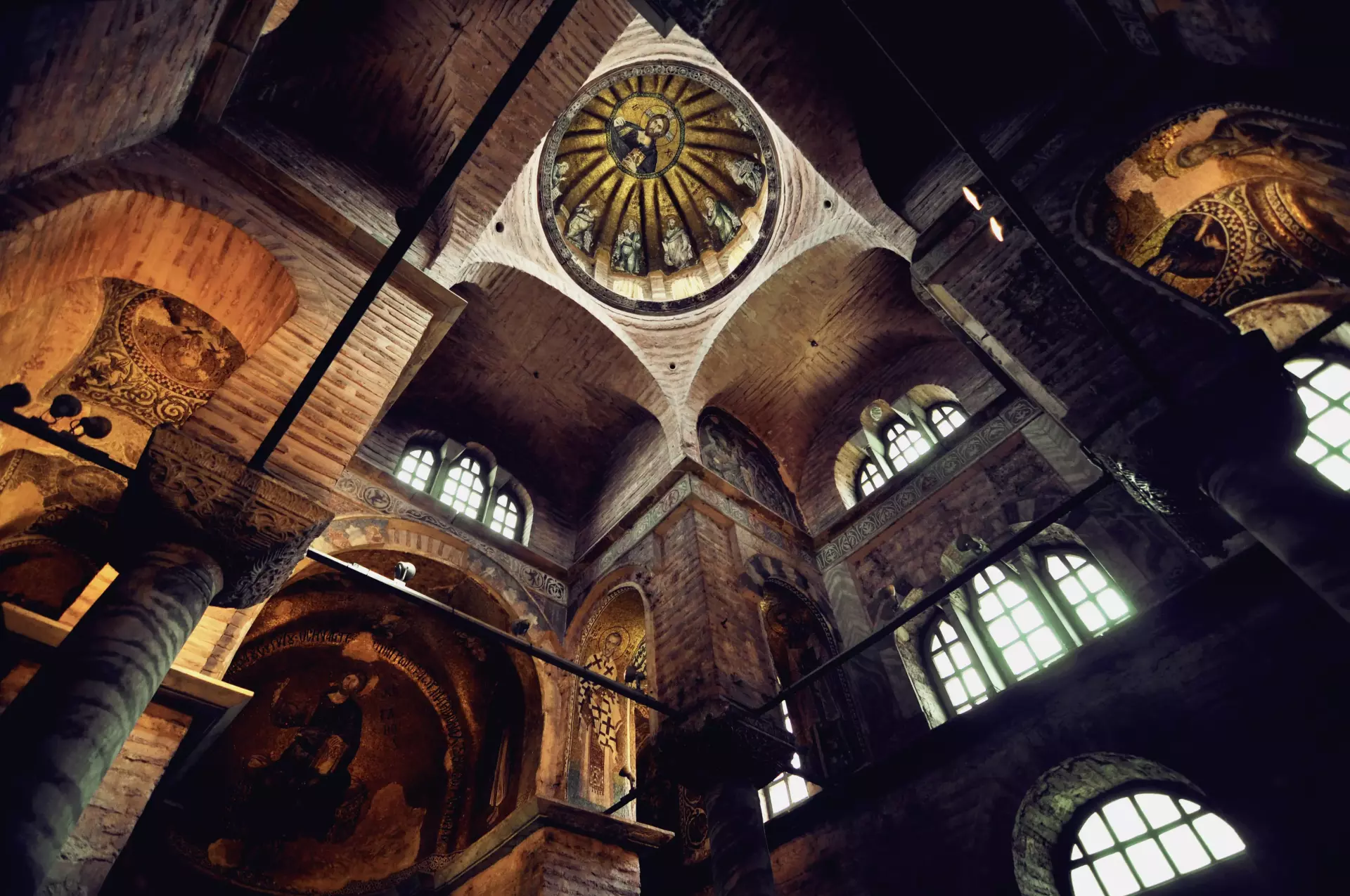
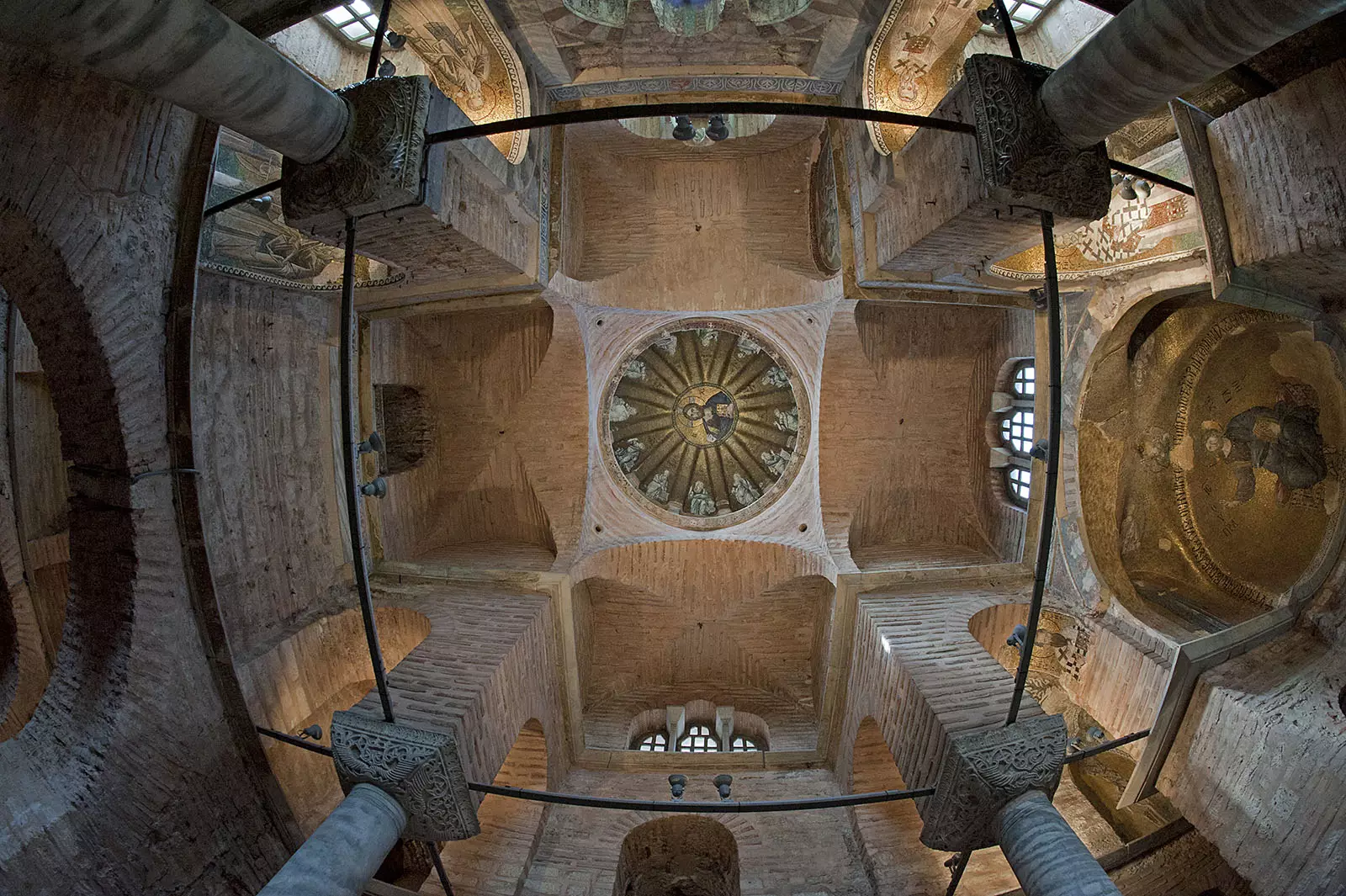
English:  A view to the central dome, showing where some of the mosaics are situated.
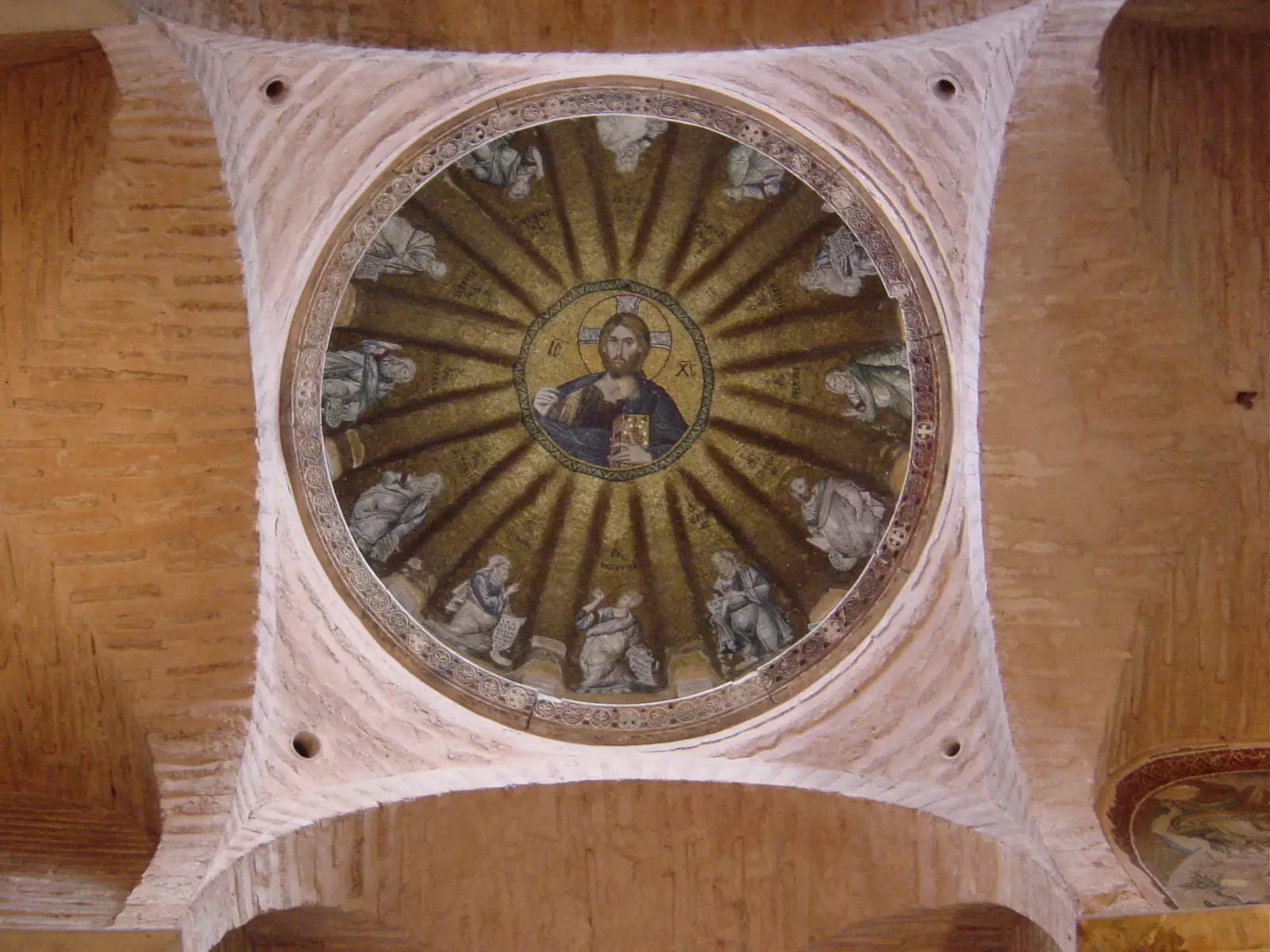
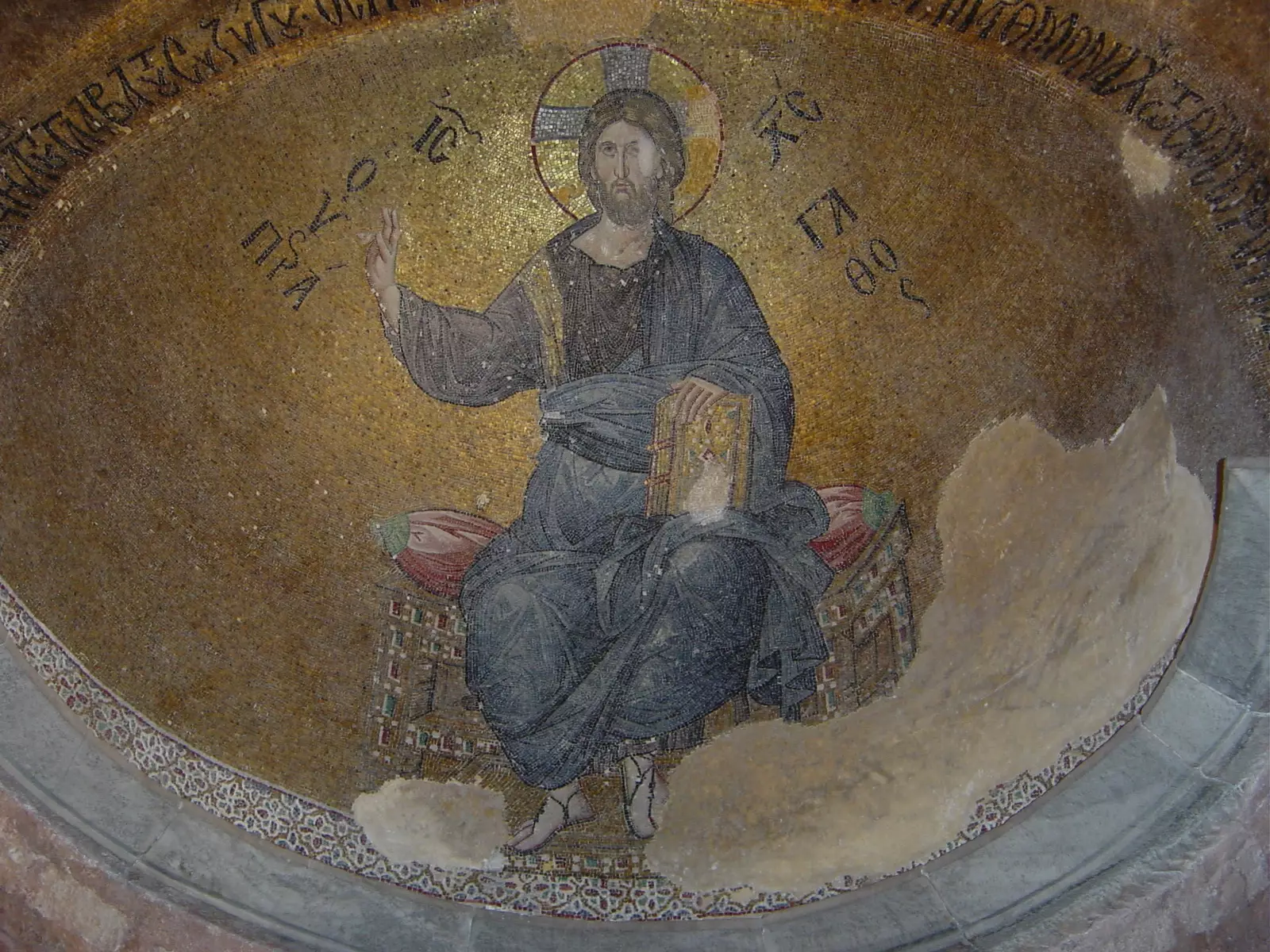
Italiano:  Istanbul: Museo dell'ex chiesa del Pammacaristos (Fetiye camii). Cupola con mosaico bizantino del XIV secolo rappresentante il Cristo Pantocratore circondato da figure di santi. Foto di: Giovanni Dall'Orto, 26-5-2006.
Italiano:  Istanbul: Museo dell'ex chiesa del Pammacaristos (Fetiye camii). Cupola con mosaico bizantino del Cristo pantocratore. Foto di: Giovanni Dall'Orto, 26-5-2006.
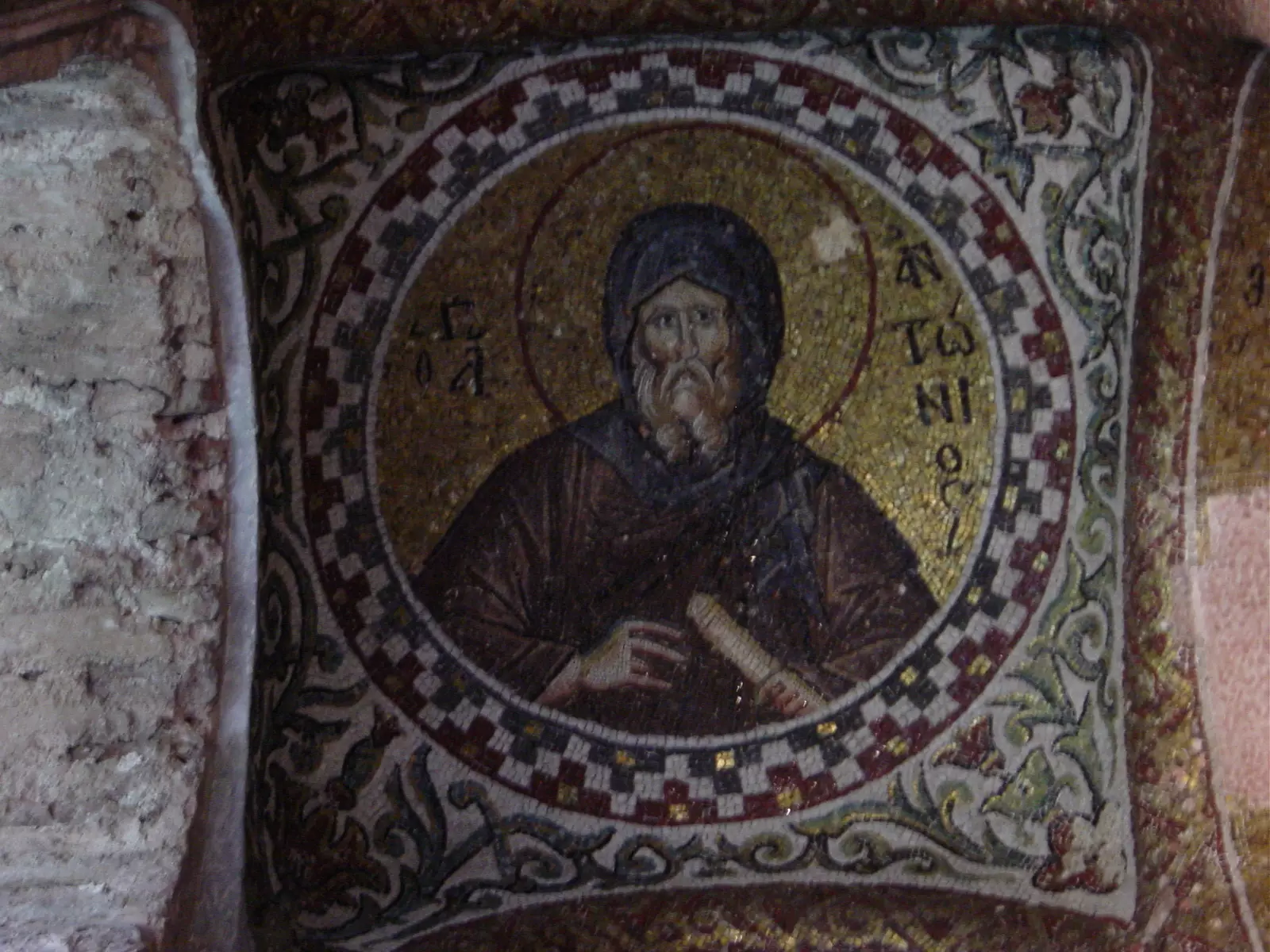
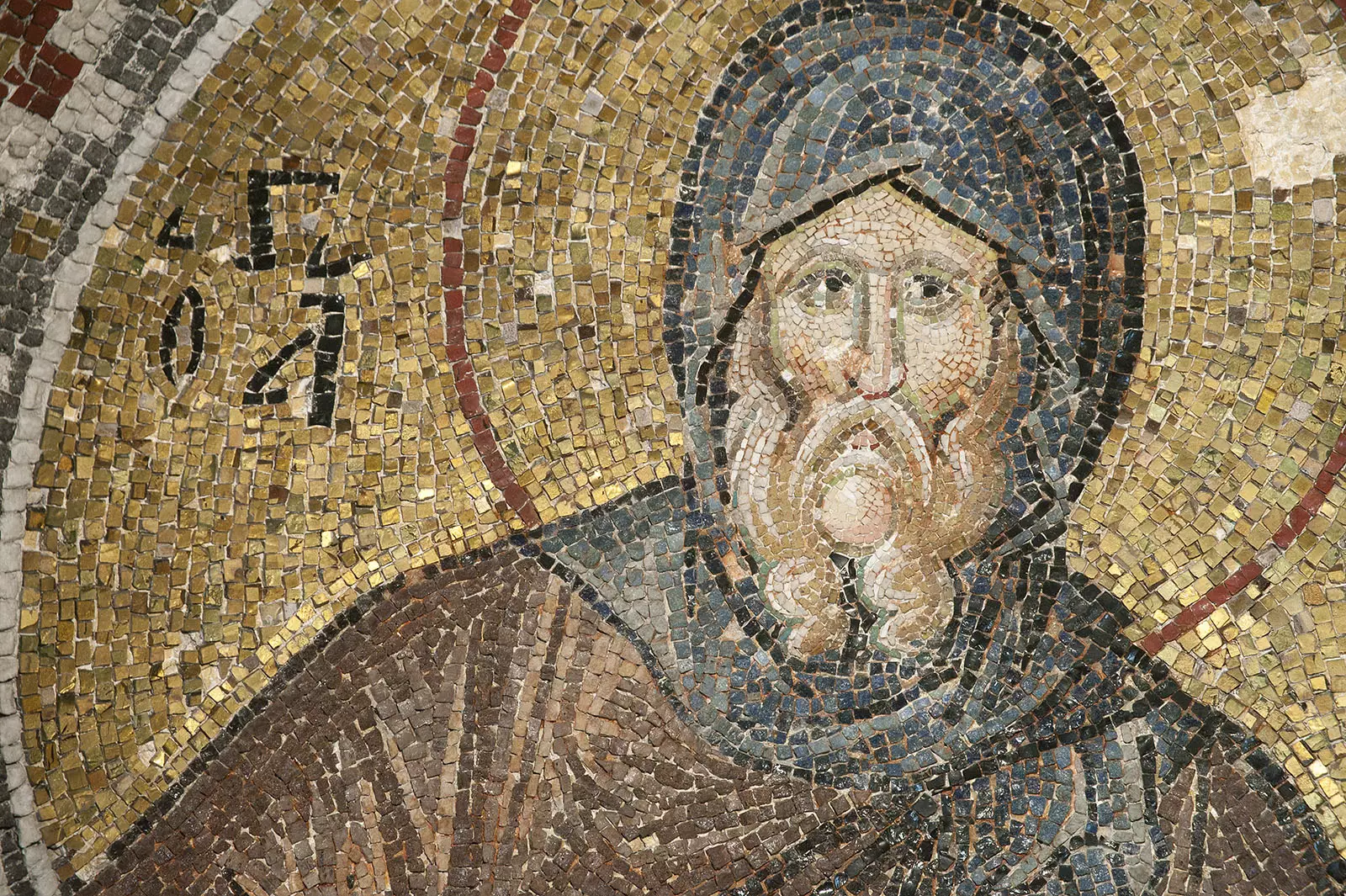
Italiano:  Istanbul: Museo dell'ex chiesa del Pammacaristos (Fetiye camii). Cupola con mosaico bizantino rappresentante sant'Antonio abate. Foto di: Giovanni Dall'Orto, 26-5-2006.
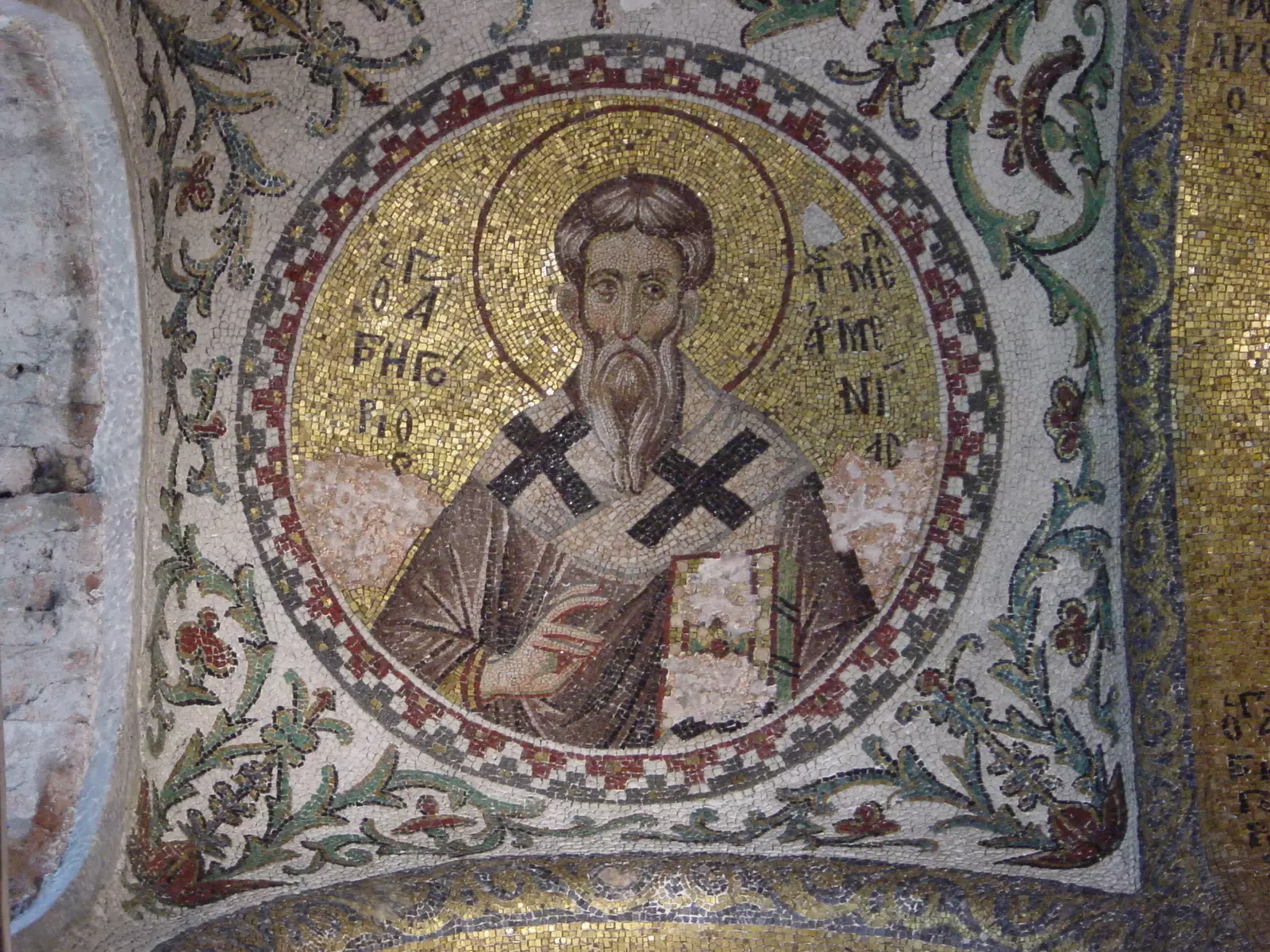
Italiano:  Istanbul: Museo dell'ex chiesa del Pammacaristos (Fetiye camii). Soffitto con mosaico bizantino del XIV secolo rappresentante San Gregorio Armeno. Foto di: Giovanni Dall'Orto, 26-5-2006.
English:  Saint Antony, the desert Father, the monk. The Enc. Brit. has " born c. 251, Koma, near al-Minyā, Heptanomis [Middle Egypt], Egypt. died Jan. 17?, 356, Dayr Mārī Antonios hermitage, near the Red Sea; feast day January 17. A disciple of Paul of Thebes, Anthony began to practice an ascetic life at the age of 20 and after 15 years withdrew for absolute solitude to a mountain by the Nile called Pispir (now Dayr al-Maymūn), where he lived from about 286 to 305. During the course of this retreat, he began his legendary combat against the devil, withstanding a series of temptations famous in Christian theology and iconography. In about 305 he emerged from his retreat to instruct and organize the monastic life of the hermits who imitated him and who had established themselves nearby. When Christian persecution ended after the Edict of Milan (313), he moved to a mountain in the Eastern Desert, between the Nile and the Red Sea, where the monastery Dayr Mārī Antonios still stands. Here he remained, receiving visitors and, on occasion, crossing the desert to Pispir. He ventured twice to Alexandria, the last time (c. 350) to preach against Arianism, a heretical doctrine teaching that Christ the Son is not of the same substance as God the Father.   (information by viewer of this picture, could not identify myself)
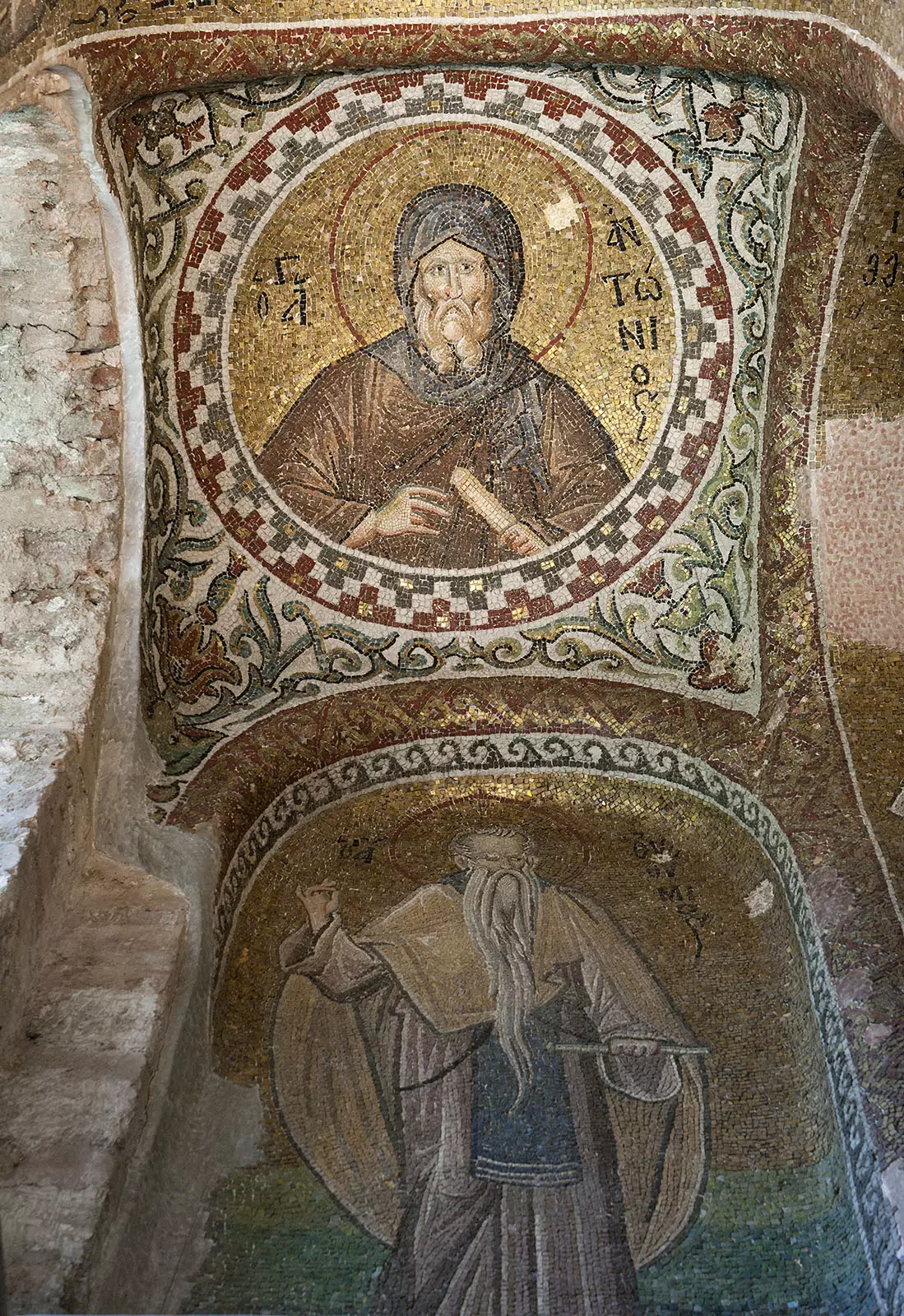
English:  Saint Antony, the desert Father, the monk. The Enc. Brit. has " born c. 251, Koma, near al-Minyā, Heptanomis [Middle Egypt], Egypt. died Jan. 17?, 356, Dayr Mārī Antonios hermitage, near the Red Sea; feast day January 17. A disciple of Paul of Thebes, Anthony began to practice an ascetic life at the age of 20 and after 15 years withdrew for absolute solitude to a mountain by the Nile called Pispir (now Dayr al-Maymūn), where he lived from about 286 to 305. During the course of this retreat, he began his legendary combat against the devil, withstanding a series of temptations famous in Christian theology and iconography. In about 305 he emerged from his retreat to instruct and organize the monastic life of the hermits who imitated him and who had established themselves nearby. When Christian persecution ended after the Edict of Milan (313), he moved to a mountain in the Eastern Desert, between the Nile and the Red Sea, where the monastery Dayr Mārī Antonios still stands. Here he remained, receiving visitors and, on occasion, crossing the desert to Pispir. He ventured twice to Alexandria, the last time (c. 350) to preach against Arianism, a heretical doctrine teaching that Christ the Son is not of the same substance as God the Father.  (information by viewer of this picture, could not identify myself)
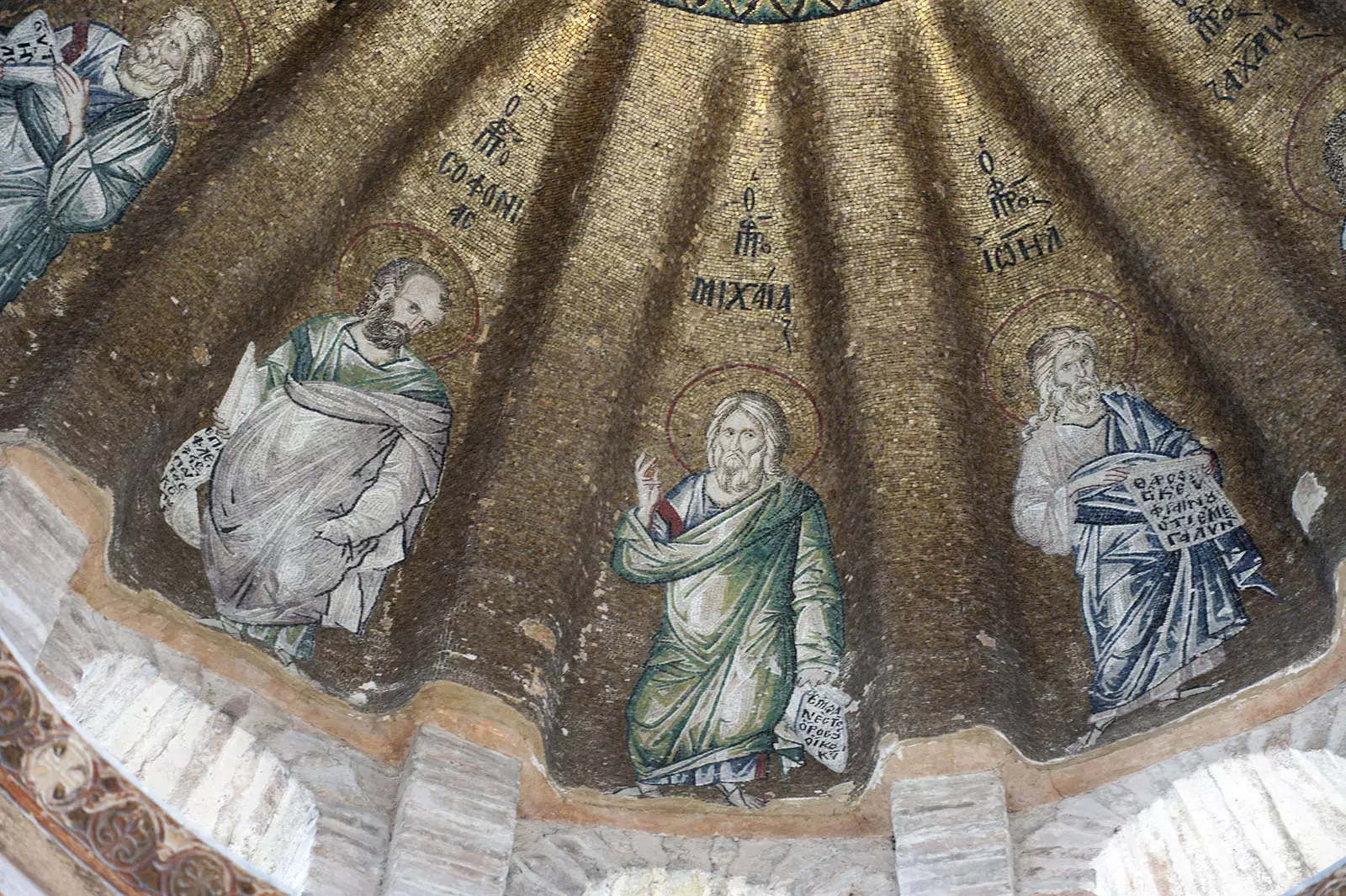
English:  "From left to right: prophets Sophonias - Mica - Jo'el - Zacharias" The Enc. Brit. has Zephania, adding " also spelled Sophonias Israelite prophet, said to be the author of one of the shorter Old Testament prophetical books, who proclaimed the approaching divine judgment. The first verse of the Book of Zephaniah makes him a contemporary of Josiah, king of Judah (reigned c. 640–609 BC). The prophet's activity, however, probably occurred during the early part of Josiah's reign, for his criticism of the worship of certain gods in Jerusalem (Baal, Milcom, and the host of the heavens) would have been meaningless after Josiah's reform, which took place about 623/622 BC." . On Mica is has: "the sixth of 12 Old Testament books that bear the names of the Minor Prophets, grouped together as The Twelve in the Jewish canon. According to the superscription, this Judaean prophet was active during the last half of the 8th century BC. The book is a compilation of materials some of which come from a period considerably later than Micah's time. The threats in chapters 1–3 and 6–7:7 are usually attributed to Micah, but the promises in chapters 4–5 and 7:8–20 are generally dated several centuries later. Some of the promises seem to presuppose the fall of Jerusalem and the subsequent Babylonian Exile (6th century BC), but it is possible that some promises date from before the exile or from Micah himself. The exalted view of Zion in 4:1-4 and the messianic character of 5:2–4 reflect the ideology of the Zion cult in Jerusalem before the exile. Micah's threats are directed against idolaters, those who oppress the little man, priests and prophets who use their profession for financial gain, and leaders who pervert equity and abhor justice. The promises emphasize the importance of Zion, where Yahweh or his royal regent reigns over a kingdom of peace, and of the return from exile for Israel as well as for Judah." On Jo'el it has: "second of 12 Old Testament books that bear the names of the Minor Prophets. The Jewish canon lumps all together as The Twelve and divides Joel into four chapters; Christian versions combine chapters 2 and 3. The book relates nothing about Joel except his name and that of his father. An analysis of the text further indicates that Joel lived during the period of the Second Temple of Jerusalem (516 BC–AD 70), for his book reflects the liturgy then in use. The book's central theme is a concept borrowed from preexilic prophets that salvation will come to Judah and Jerusalem only when the people turn to Yahweh. Then they will not only receive divine favour, but the land itself will become fertile." And finally Zacharias: also spelled Zacharias, the 11th of 12 Old Testament books that bear the names of the Minor Prophets, collected in the Jewish canon in one book, The Twelve. Only chapters 1–8 contain the prophecies of Zechariah; chapters 9–14 must be attributed to at least two other, unknown authors. Scholars thus refer to a “second” and “third” Zechariah: Deutero-Zechariah (chapters 9–11) and Trito-Zechariah (chapters 12–14). According to dates mentioned in chapters 1–8, Zechariah was active from 520 to 518 BC. A contemporary of the prophet Haggai in the early years of the Persian period, Zechariah shared Haggai's concern that the Temple of Jerusalem be rebuilt. Unlike Haggai, however, Zechariah thought that the rebuilding of the Temple was the necessary prelude to the eschatological age, the arrival of which was imminent. Accordingly, Zechariah's book, and in particular his eight night visions (1:7–6:8), depict the arrival of the eschatological age (the end of the world) and the organization of life in the eschatological community. Among Zechariah's visions was one that described four apocalyptic horsemen who presaged God's revival of Jerusalem after its desolation during the Babylonian Exile. Other visions announced the rebuilding of the Temple and the world's recognition of Yahweh, Israel's God.   (information by viewer of this picture, could not identify myself)

Pammakaristos Church

Istanbul, Turkey

The Church of Theotokos Pammakaristos, meaning "All-Blessed Mother of God," stands as an impressive example of Byzantine architecture from the 11th and 12th centuries. This historic structure once served as a key religious site in Constantinople, reflecting the city's spiritual and cultural importance during the Byzantine era.

A New Addition: The Parekklesion and Mosaics

Around the year 1300, a parekklesion—an elegant side-chapel—was added to the church complex. This chapel became well known for its beautiful mosaics, showcasing intricate artistry and devotion. The mosaics are considered some of the best examples of late Byzantine art, featuring detailed religious imagery and vibrant colors.

Transformations Over the Centuries

In 1591, the main building of the church experienced a significant change. It was converted into a mosque after Sultan Murad III celebrated his conquest of Georgia and Azerbaijan, giving the building its new name: Fethiye Mosque. At this time, the interior of the main church was altered to suit Islamic worship, but the side-chapel remained untouched.

For many years, the parekklesion stood as a museum, allowing visitors to admire the preserved Byzantine mosaics. This unique coexistence of Christian and Islamic heritage made the site a notable landmark in Istanbul’s historical landscape.

Recent Changes

In 2020, a decision was made to designate the entire Pammakaristos building as a mosque once again. Following this change, every visible piece of Byzantine artwork was concealed. As a result, the renowned mosaics and other artistic features are no longer accessible to the public.

Source - https://en.wikipedia.org/wiki/Pammakaristos_Church
Developed by Reflex.com.ua
Contacts
  • info@reflex.com.ua
Social media