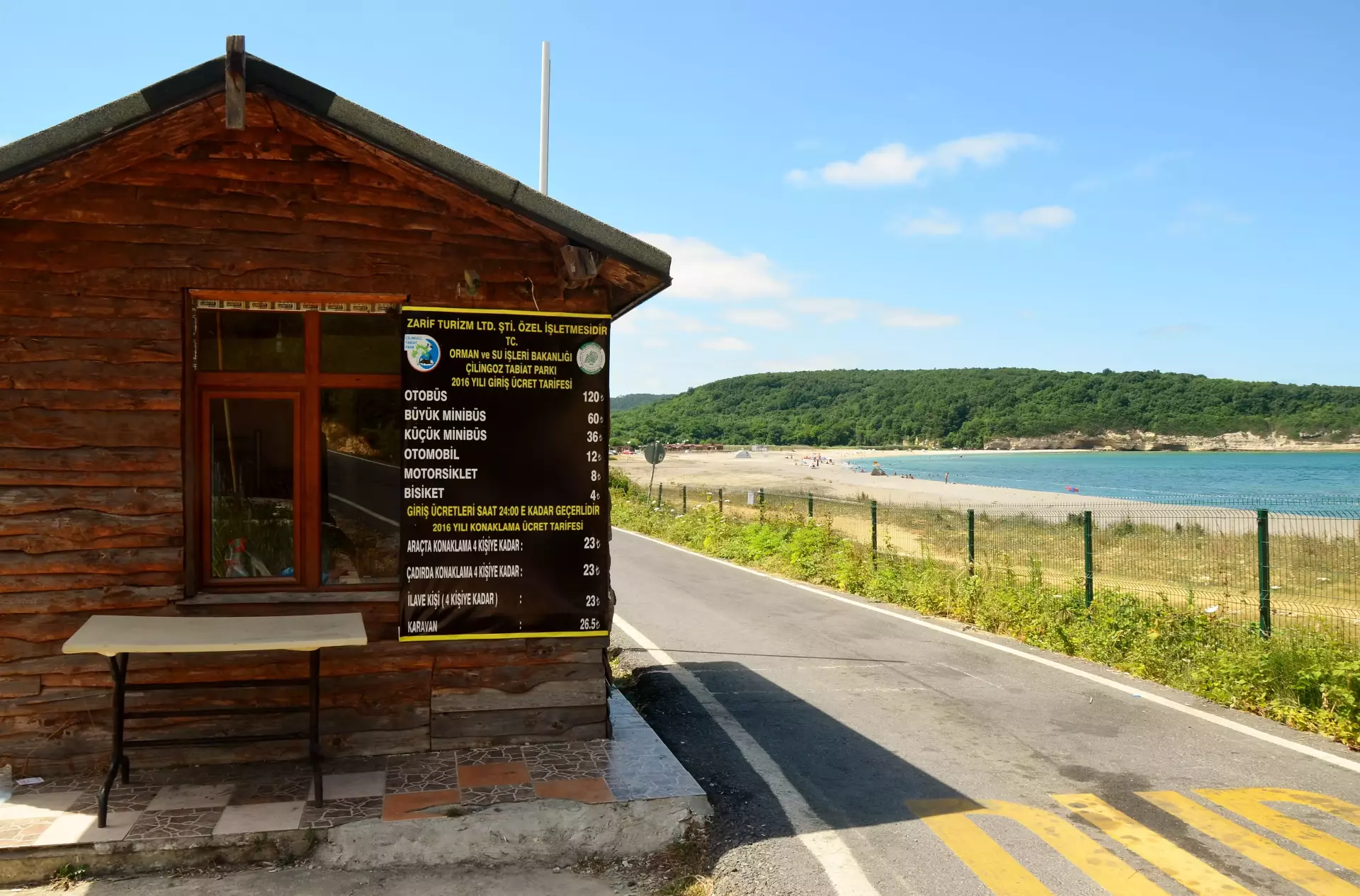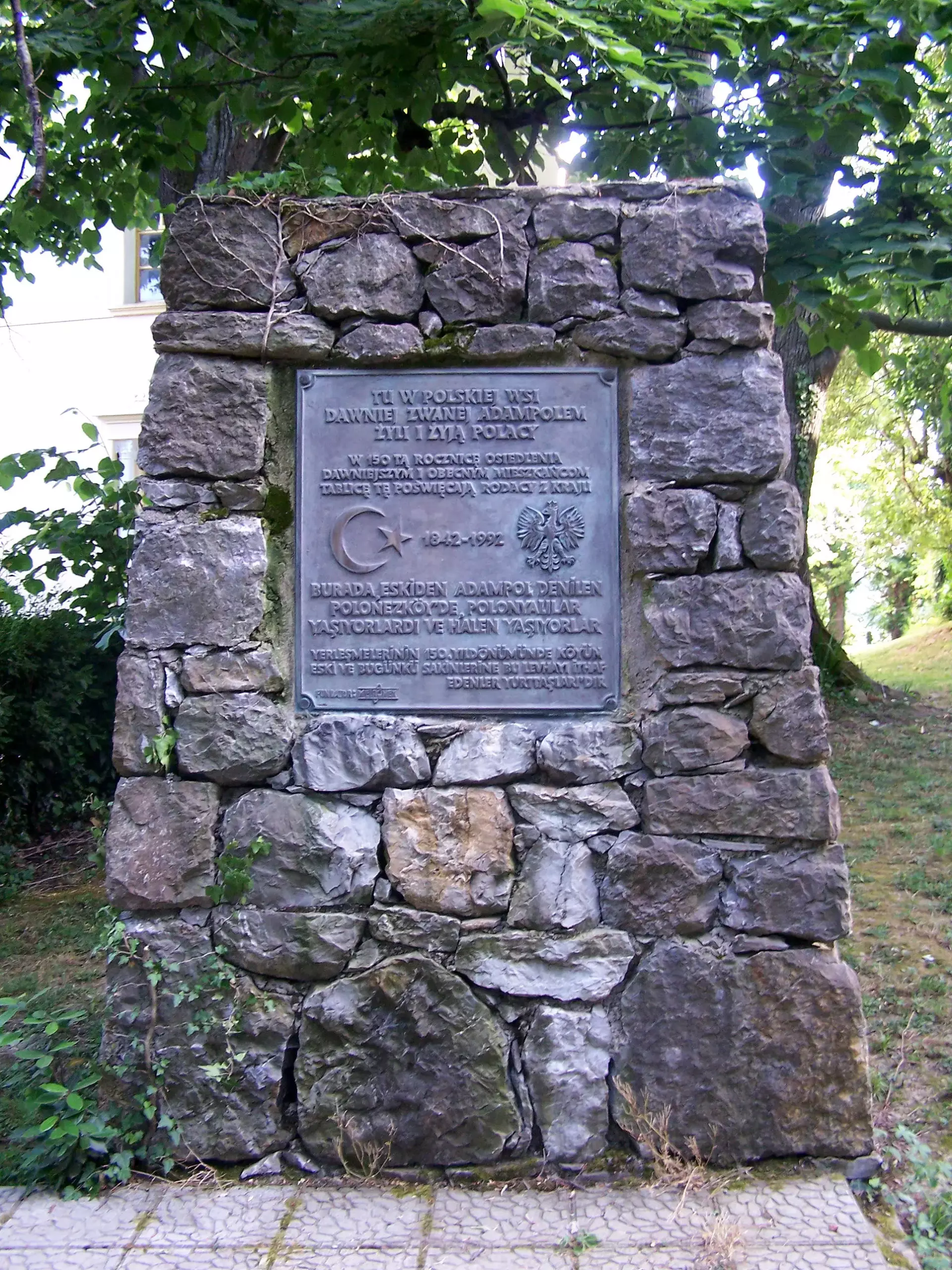
Polonezköy, also known as the “Polish village,” traces its roots back to 1842. It was established by Polish settlers who arrived after a failed uprising against Russian Imperial rule. Over the years, more Polish people joined the community, especially after further political events in their homeland. After Poland regained its independence in 1918, many families returned to their country, but some chose to stay. These residents became Turkish citizens but continued to speak Polish and keep their traditions alive.
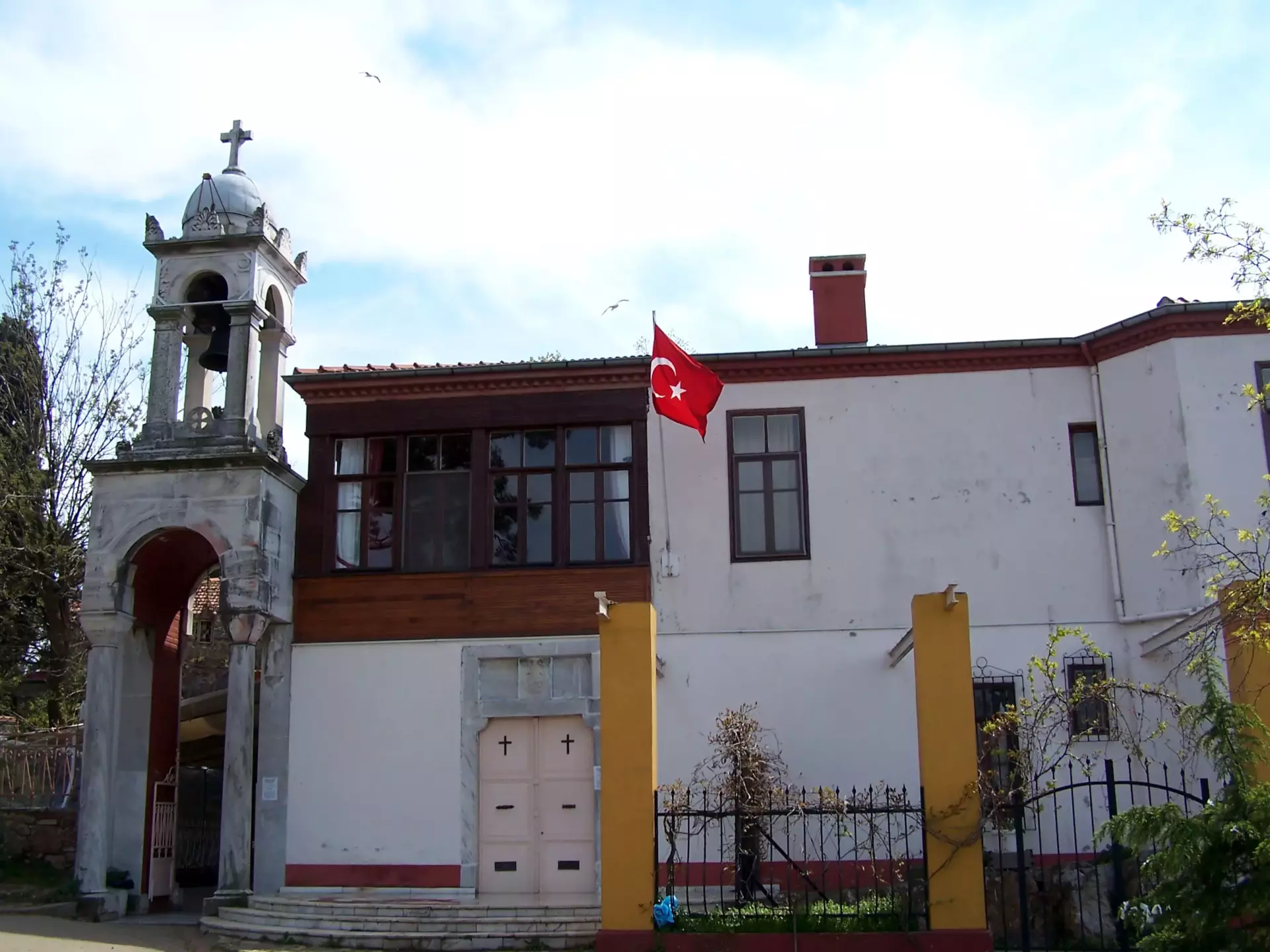
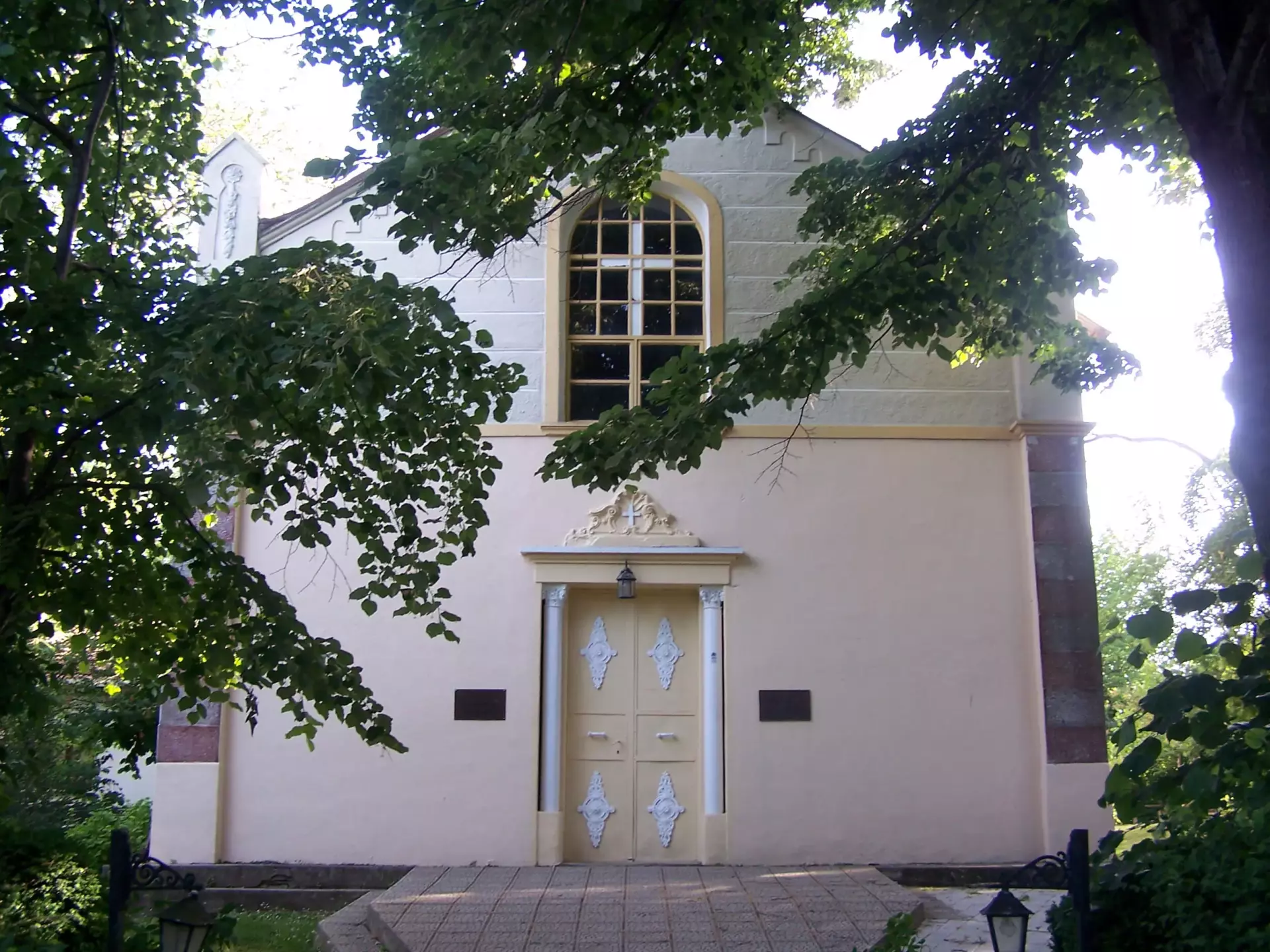
The village is unique for its traditional Polish-style houses, giving visitors a glimpse into its European heritage. Among its landmarks are a small Catholic chapel built in 1914 and the Church of Matka Boska Częstochowska. Walking through the village, visitors can see how Polish and Turkish cultures blend together, especially during local events or religious celebrations.
Polonezköy is surrounded by woodland and is part of a nature park, making it a favorite spot for those looking to escape the busy city. The area is a popular choice for day-trips, offering a relaxing environment with plenty of greenery and fresh air.
The village has four restaurants and several small hotels, welcoming guests with local dishes and cozy places to stay. For those seeking more options, the nearby area of Beykoz offers additional restaurants and hotels, providing plenty of choice for visitors.
Source - https://en.wikipedia.org/wiki/Polonezk%C3%B6y
An attractive stairway mixing the Neo-Baroque and early Art Nouveau styles, climbing up from Bankalar St towards the Galata Tower. It was built in the 1870s by Abraham Salomon Camondo, who belonged to a prominent Ottoman-Venetian Jewish family of financiers and philanthropists.
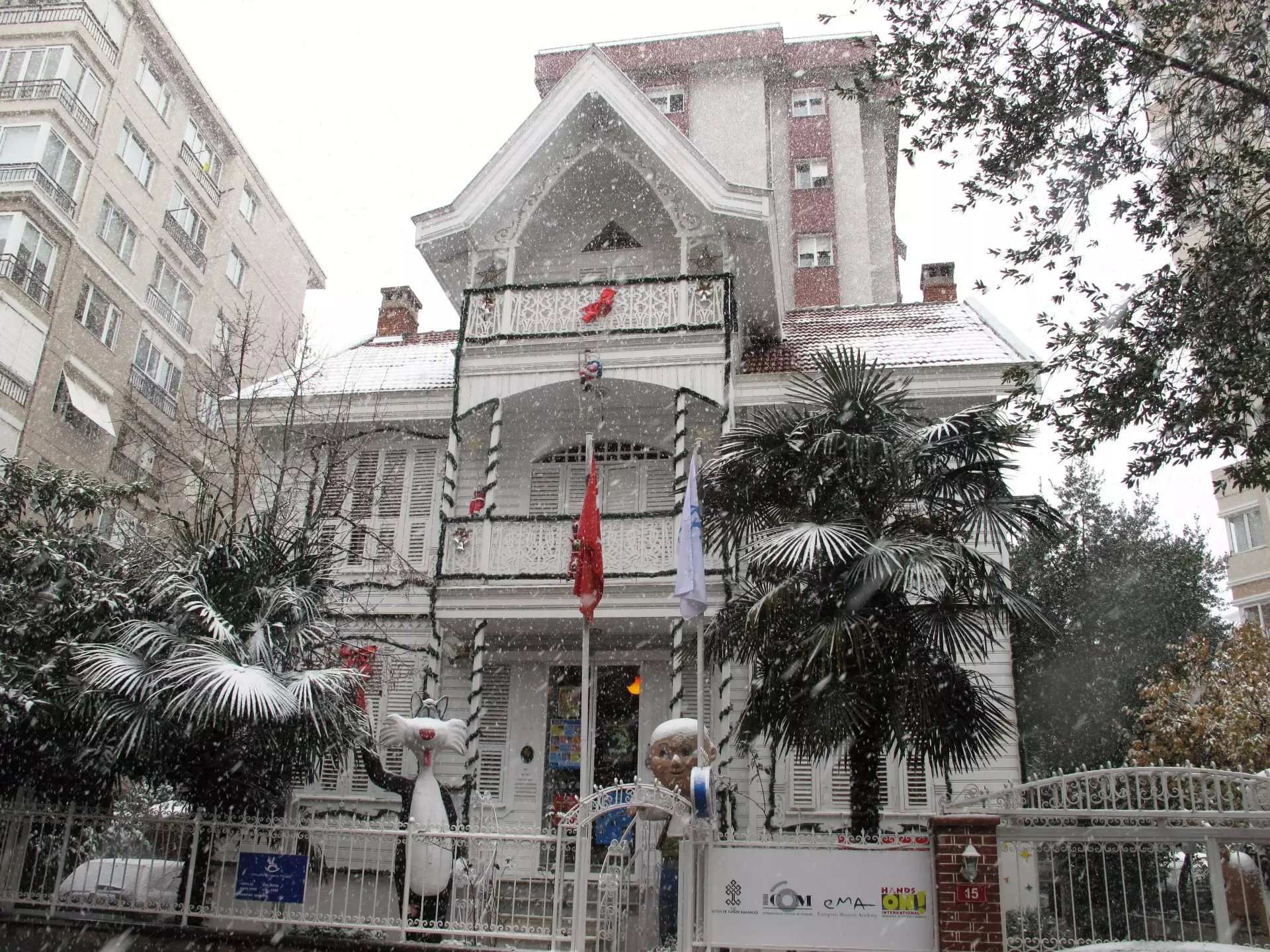
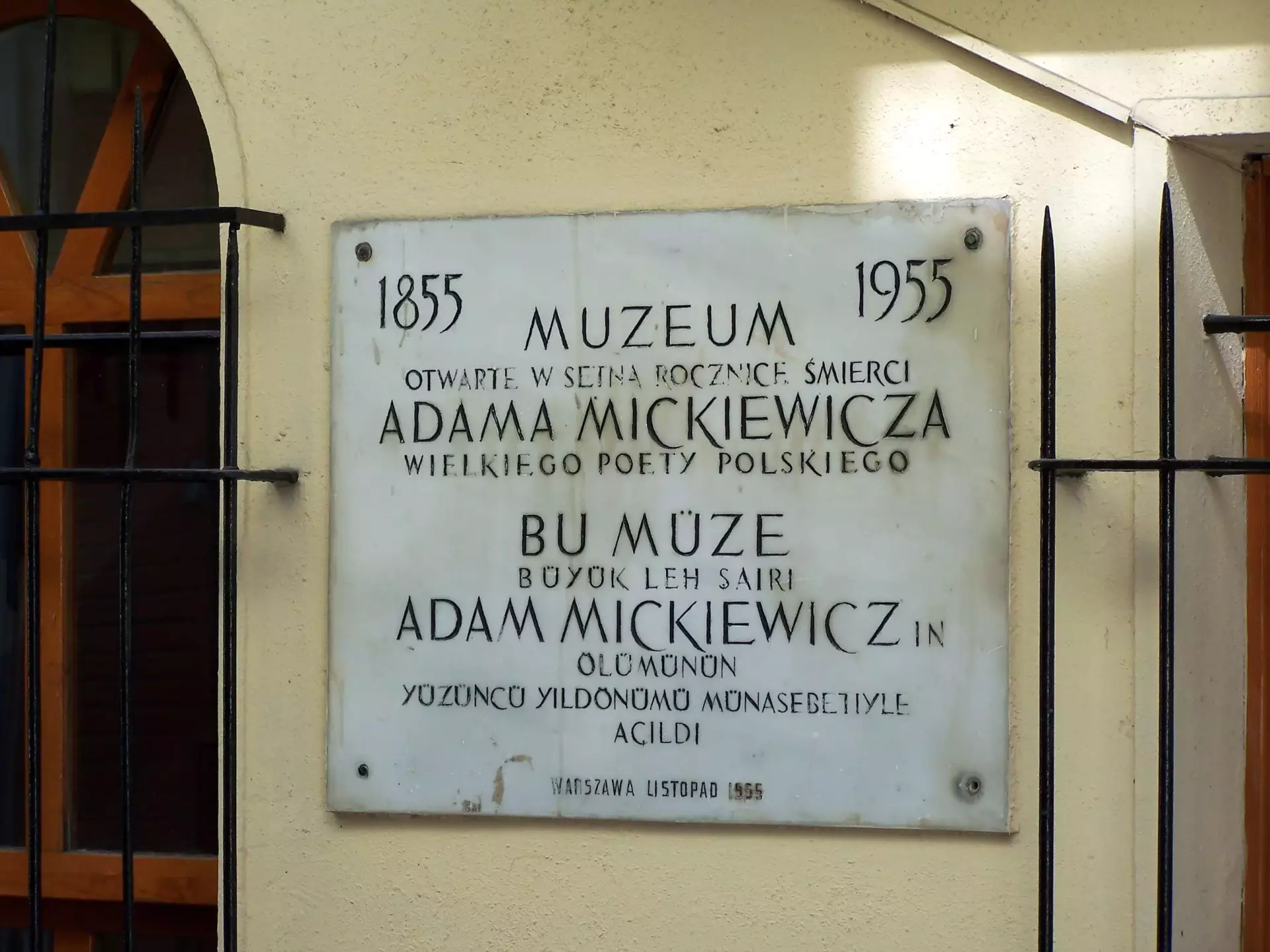
Tiny house museum on the life of Turkish novelist Orhan Kemal (1914–1970).
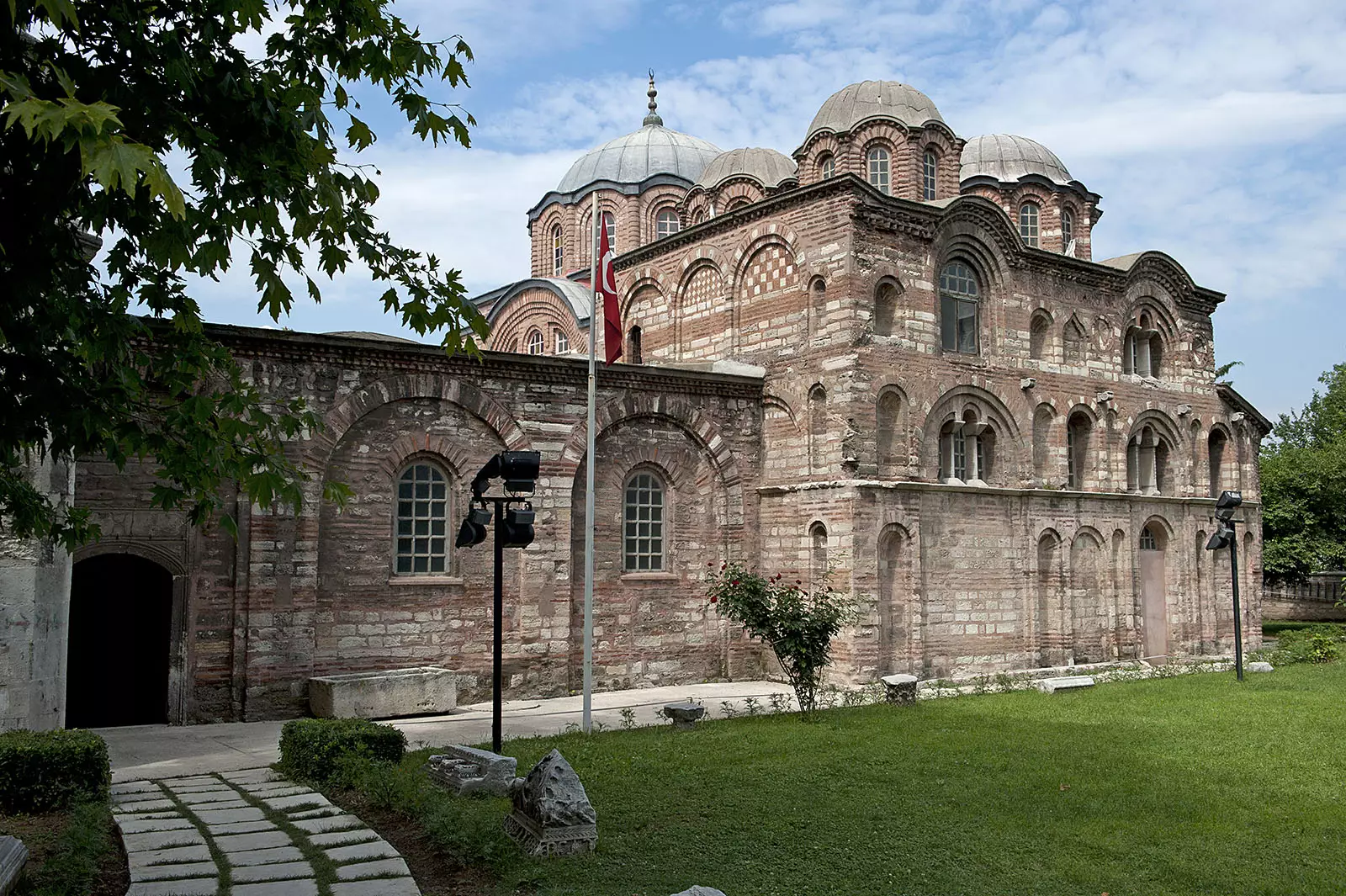
Built circa 1200 as the Eastern Orthodox Theotokos Kyriotissa Church, after the Ottoman conquest it was handed over to the Qalandari, a Sufi sect. In the mid-18th century it was converted to a Sunni mosque, and its mosaics were plastered over. The original appearance was restored in the 1970s.
A charming domed church built in 1880 at the side of Taksim Square, now uneasily contesting with Taksim Mosque for being the main landmark of the southern edge of the square.
This is a triple structure: the church of the Monastery of Pantokrator built 1118, then a public church circa 1136 plus a chapel that served as a royal mausoleum. It became a mosque and medresse in Ottoman times, but without massive alteration so it's a prime example of middle-Byzantine architecture. It's nowadays again a mosque, photogenic by day or dusk but the area should be avoided at night.
A medieval citadel on the Bosphorus at the mouth of the Göksu creek. It was built in the late 14th century to control (polite word for "choke off") shipping along the Bosphorus, which narrows to 660 m at this point. It worked in tandem with Rumeli Citadel, built some 50 years later on the European bank. It fell into disrepair but was restored in the 1990s. You can't go in, but it's a pleasant setting; the entire village is named Anadolu Hisarı after the fort and has many traditional wooden houses (yalı). Ferries along the Bosphorus call here.
Completed in 1851, this houses a mantle said to have been worn by the prophet Muhammad. The mantle is displayed during Ramadan.
Chora means countryside, and when built as a monastery in the 4th century it stood outside the Constantine walls; a century later, it was incorporated into the Theodosian walls. It was rebuilt in the 11th century then wrecked by an earthquake, so the structure and fabulous mosaics you see now are 14th century. When the church was converted to a mosque in 1500 the mosaics were plastered over, and only restored in 1958 when it became a museum. In 2020 it was again proclaimed a mosque but here (unlike Fethiye Mosque) they saw the sense and tourist income of preserving the mosaics. You need to work around prayer times.
Museum in a restored building that was the stables for Topkapı Palace. It exhibits various instruments for astronomy, clocks, pumps, weaponry and so on developed in Islamic realms down the centuries, but these are modern repro, and explanations of their context are skimpy. Islamic science and technology preceded that of Europe, as they insist, but they get the tone wrong, as if that was the triumphal culmination rather than the springboard for further advance.
Istanbul's former Asia-side railway station nowadays has no trains, but is worth a look. It was built by the Germans in 1908 in a distinctive Teutonic-castle style - to make an impact on travellers from Asia about to step into Europe, and a counterpoint to Sirkeci station (also closed) on the European side which is modelled in Oriental style. It's intended eventually to make this the terminus for the high speed rail network.
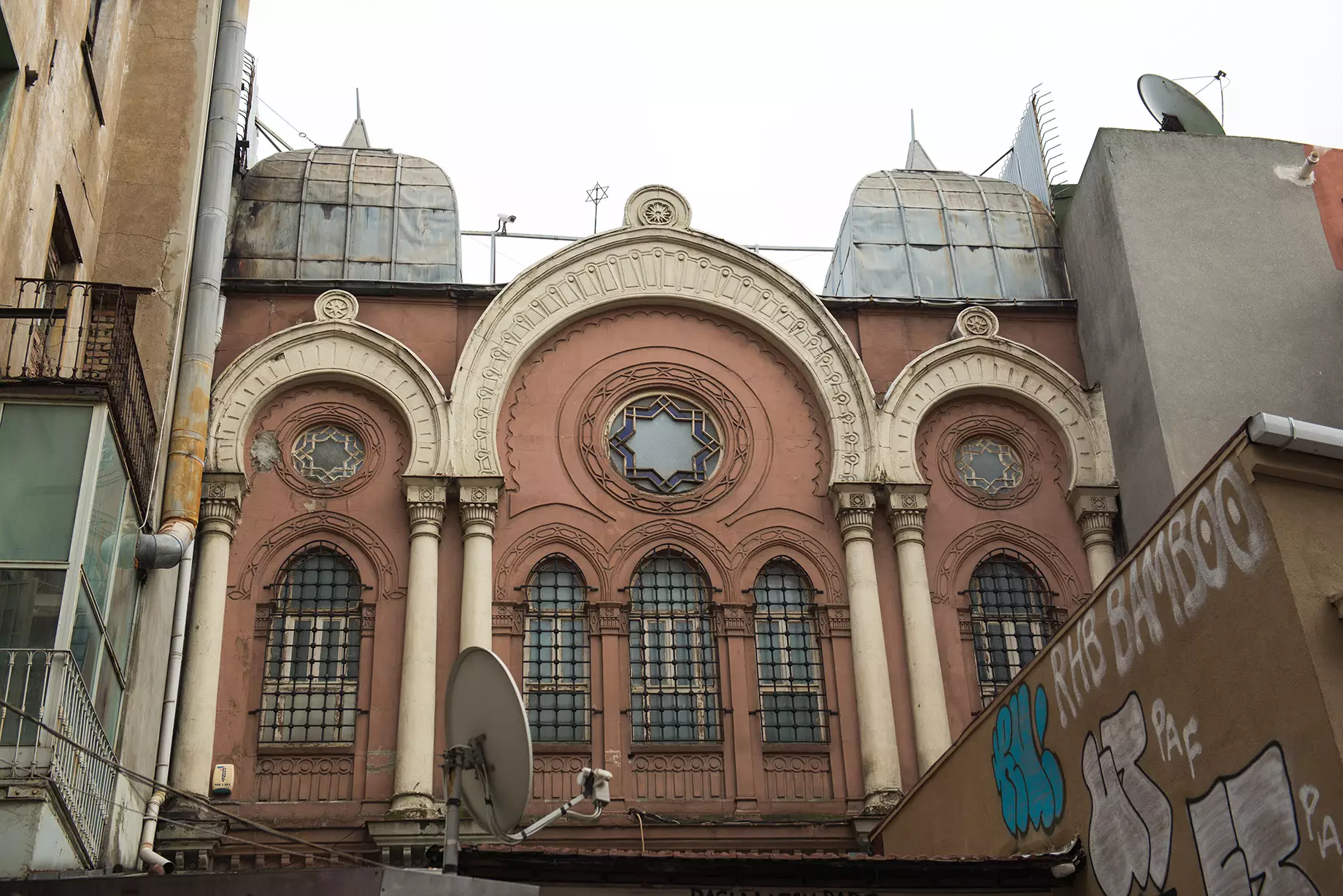
A former synagogue, the museum's exhibit details how the cultures mixed with and influenced each other in the past 500+ years since the Spanish expulsion.
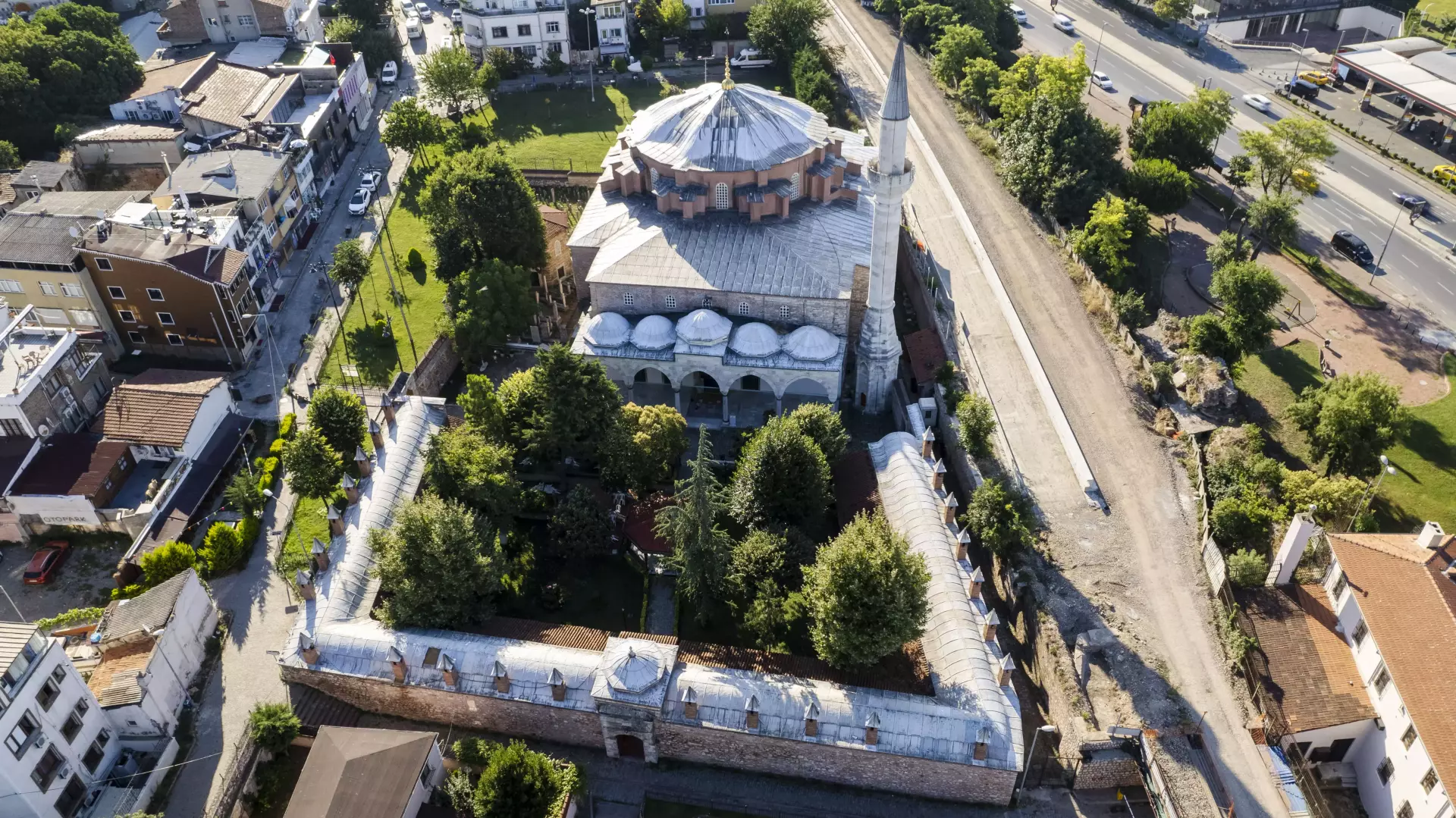
On top of a hill overlooking the Golden Horn, this is a magnificent mosque built by Sinan in the 1550s. It was centrepiece of a large külliye, a religious complex which included madrasas, a public kitchen and a hospital.. The small cemetery east has the mausoleums of Suleiman the Magnificent and of his wife Hurrem Sultan or Roxelana.
Built in 1564 by Mimar Sinan for Rüstem Pasha, Grand Vizier of Suleiman the Magnificent, this small mosque has an interior covered by beautiful Iznik pottery, then at its zenith.
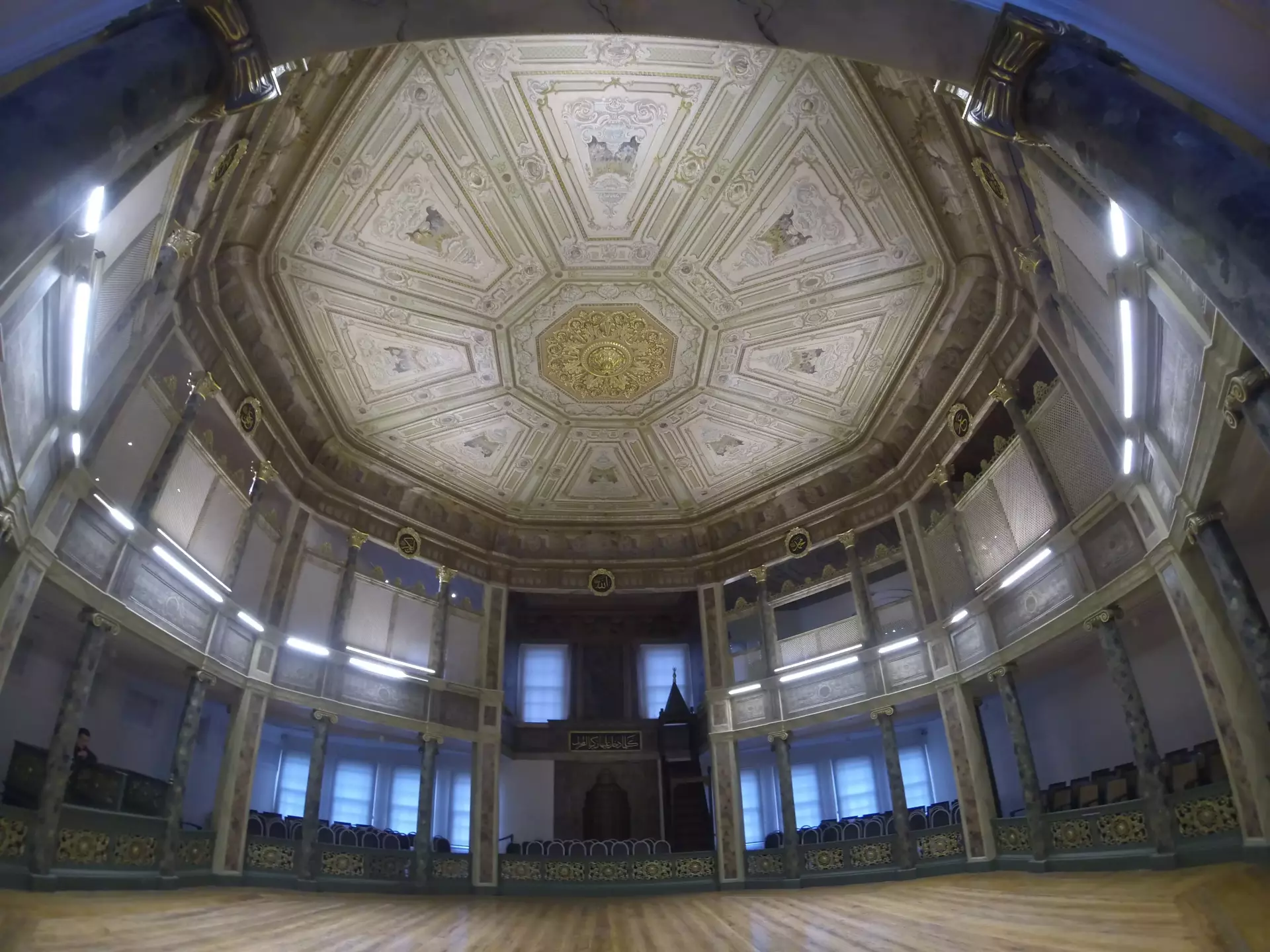
A ritual dancing hall of the mystical Mevlevi order, the followers of the teachings of Mewlānā Rumi. The quiet and peaceful garden is a welcome escape from the hustle and bustle of Beyoğlu. The oldest Mevlevi lodge in Istanbul, the convent was started in 1491, when the surrounding area was, hard to believe today but, pure wilderness beyond the city walls of Galata, although the current building dates back to 1855, as the older versions succumbed to repairs, rebuildings, and fires. However, the lodge was shut down in the early years of the republic (in 1925) along with all other 'reactionary' movements in Turkey, and the building has been serving as a museum dedicated to the Mevlevi order since 2010. Downstairs is a series of rooms dealing with the daily life of an average dervish, with informational signs in Turkish and English about the history of Islam and the Mevlevi order (also notice the original wooden pillars that support the building on this floor). On the upper floor is a dancing hall, a perfect example of 19th century Ottoman Baroque. Pre-Covid, this was where the sema whirling ceremonies were held every weekend evenings (admission by an extra ticket costing around 100 TL); check if they resumed. On the third floor is a display of various traditional Turkish/Islamic arts, including paper marbling (ebru), and calligraphy. After exiting the building, check out the small graveyard (or the "silent house" as the sign at its entrance says) on one side of the building, shaded by a number of hackberry trees, which Ottomans favoured to plant in the yards of mosques and graves to sign holiness. Here, the carved fez, or the basket of flowers in case of women, perched upon the highly detailed marble gravestone indicates the occupant's rank in the dervish hierarchy. At one corner of the necropolis is the grave of İbrahim Müteferrika, a converted Hungarian who was the first to start automated publishing in Ottoman Turkish in the 18th century, and served as the translator of Hungarian revolutionaries who sought asylum in Turkey, such as Kossuth, who stayed for a year in Kütahya, or Ferenc Rakoczi, who lived his last years in Tekirdağ.
A resort on the Marmara coast. It's the westernmost part of Istanbul, between Çatalca and the province of Tekirdağ. There are some remnants of the Anastasian wall here, the scrappy ruins of a castle, an ancient cistern, the Piri Paşa Mosque, and Uzunköprü the long aqueduct.
Built in the early 5th century as a monastery dedicated to Saint Andrew the Apostle, in 766 it was the burial place of Saint Andrew of Crete and was later re-dedicated to him. It was rebuilt in the late 9th century and again in the 13th, then around 1490 converted into a mosque. From the 16th century it was occupied by the Dervishes, when the legend arose that a chain hung to a cypress tree in the courtyard was a truth diviner. The chain was swung between rival witnesses and the one it hit was telling the truth. The cypress stump is still standing.