

Yedikule Fortress
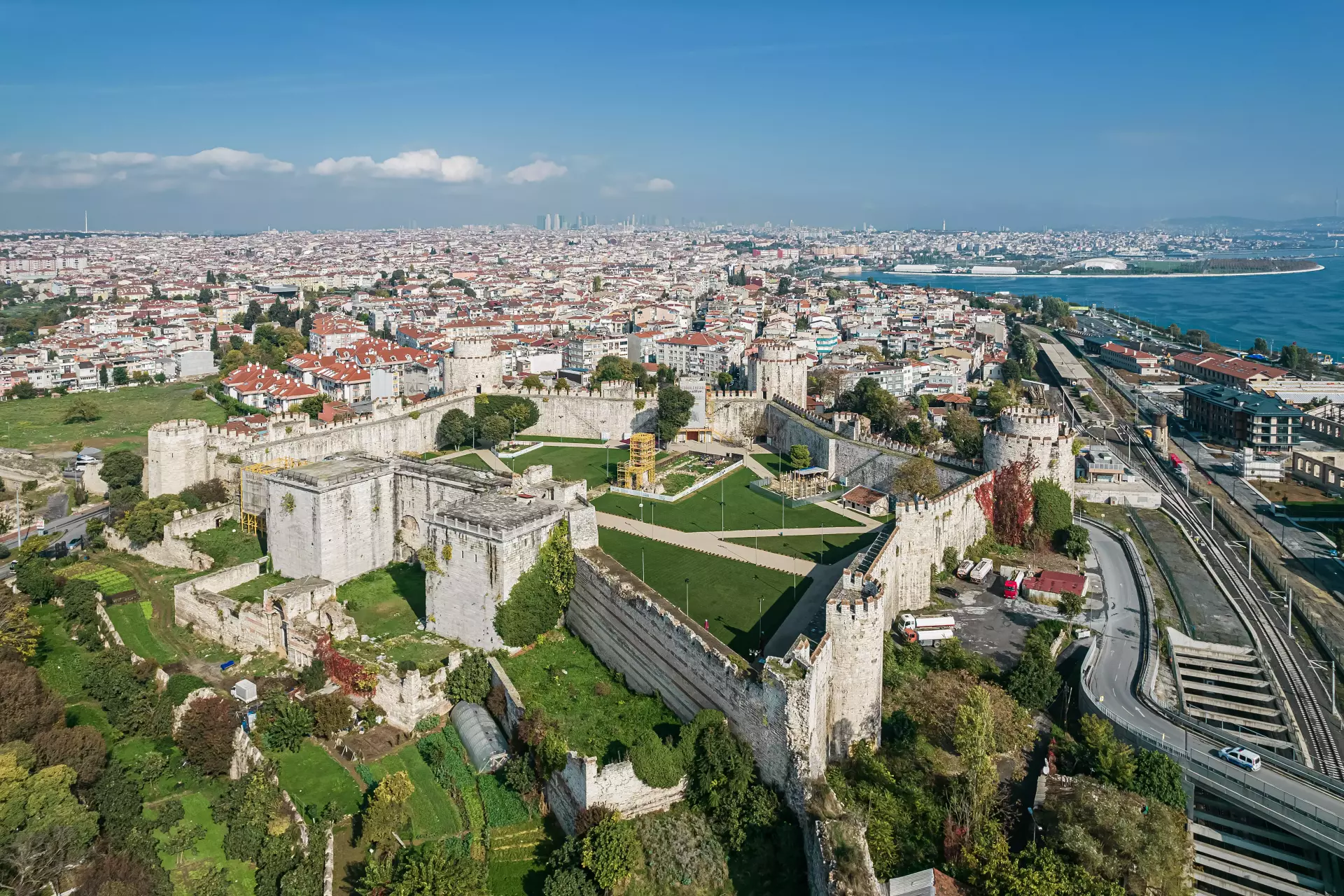
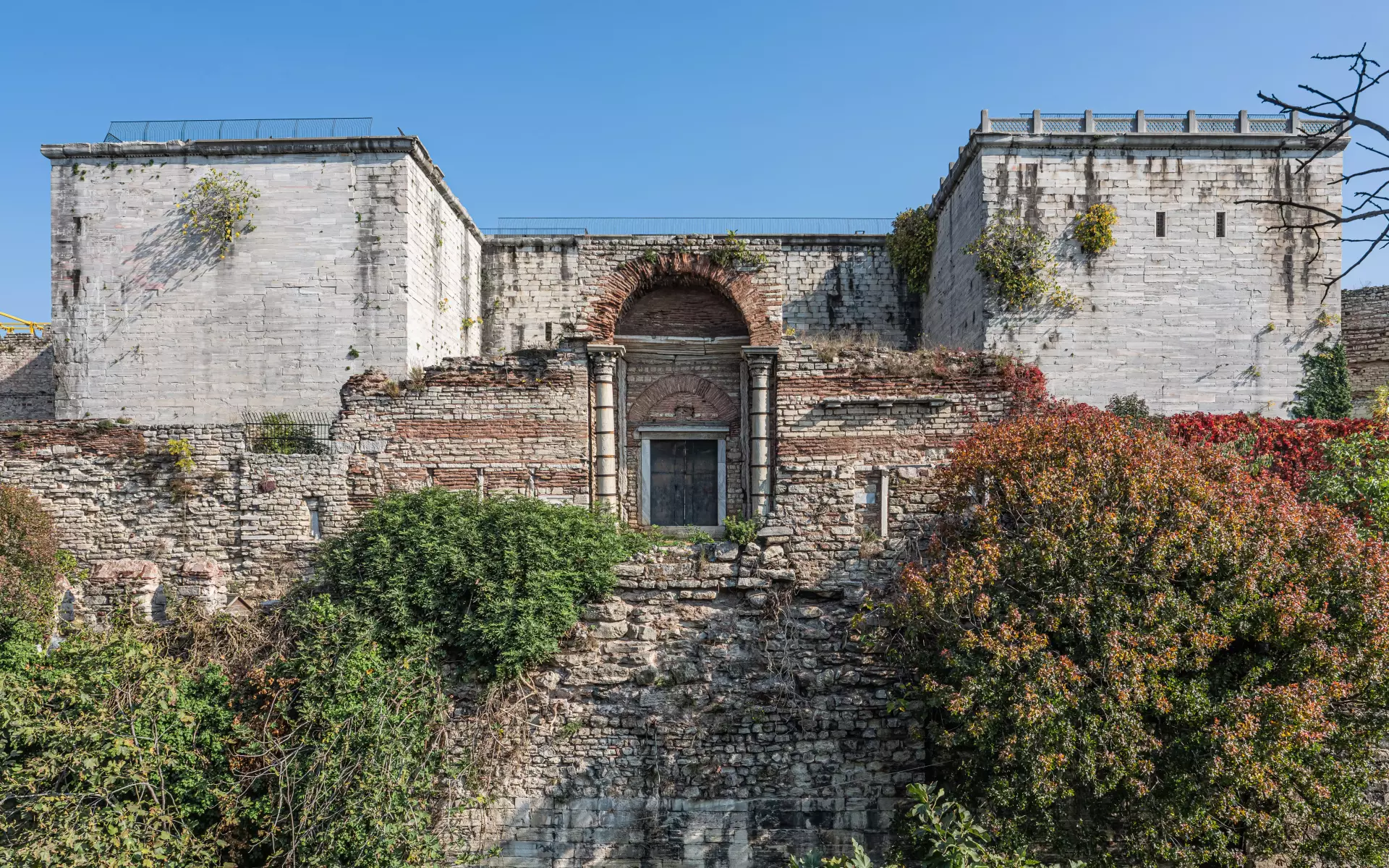
The Golden Gate once served as the grand ceremonial entrance through the Theodosian city walls of Istanbul. After the conquest of the city in 1453, Ottoman ruler Mehmed II saw the need for a secure place to keep his treasures and important documents. The famous gate was sealed off, and the surrounding walls were strengthened, turning the area into a fortress. Seven towers were constructed to protect these valuable items, giving the site its name: Yedikule, which means "Seven Towers" in Turkish.
From Fortress to Prison
Over time, the treasure and official records were moved to Topkapi Palace, and Yedikule Fortress took on a new role. It became a prison for prominent prisoners and political captives. In 1622, Osman II met his end within these walls, strangled during a period of unrest. The fortress continued to function as a prison until 1837.
The Reopening of the Golden Gate
After centuries of change and confinement, the Golden Gate was opened again in 1837, ending Yedikule’s long chapter as a place of imprisonment.
Source - https://en.wikipedia.org/wiki/Yedikule_Fortress