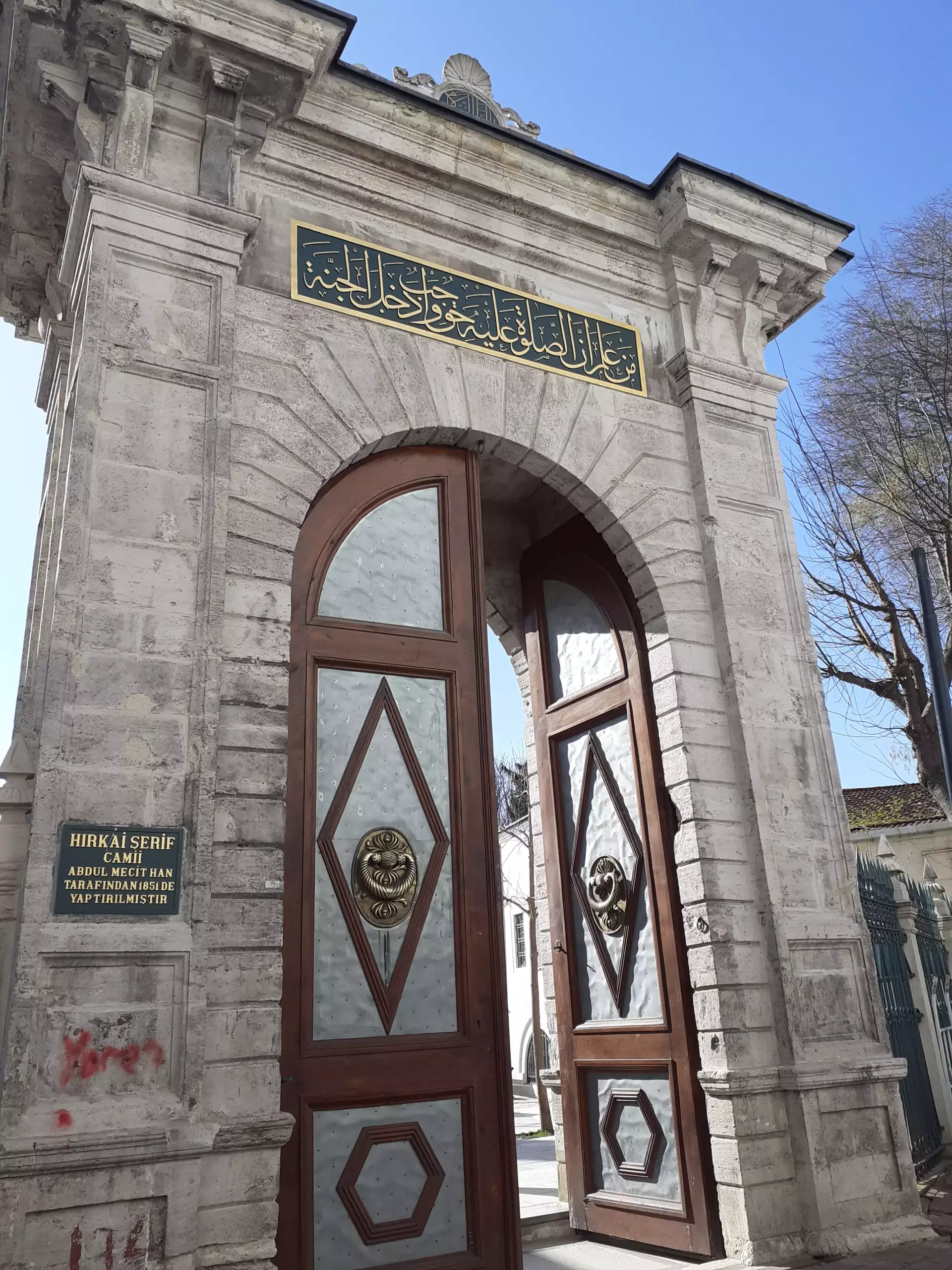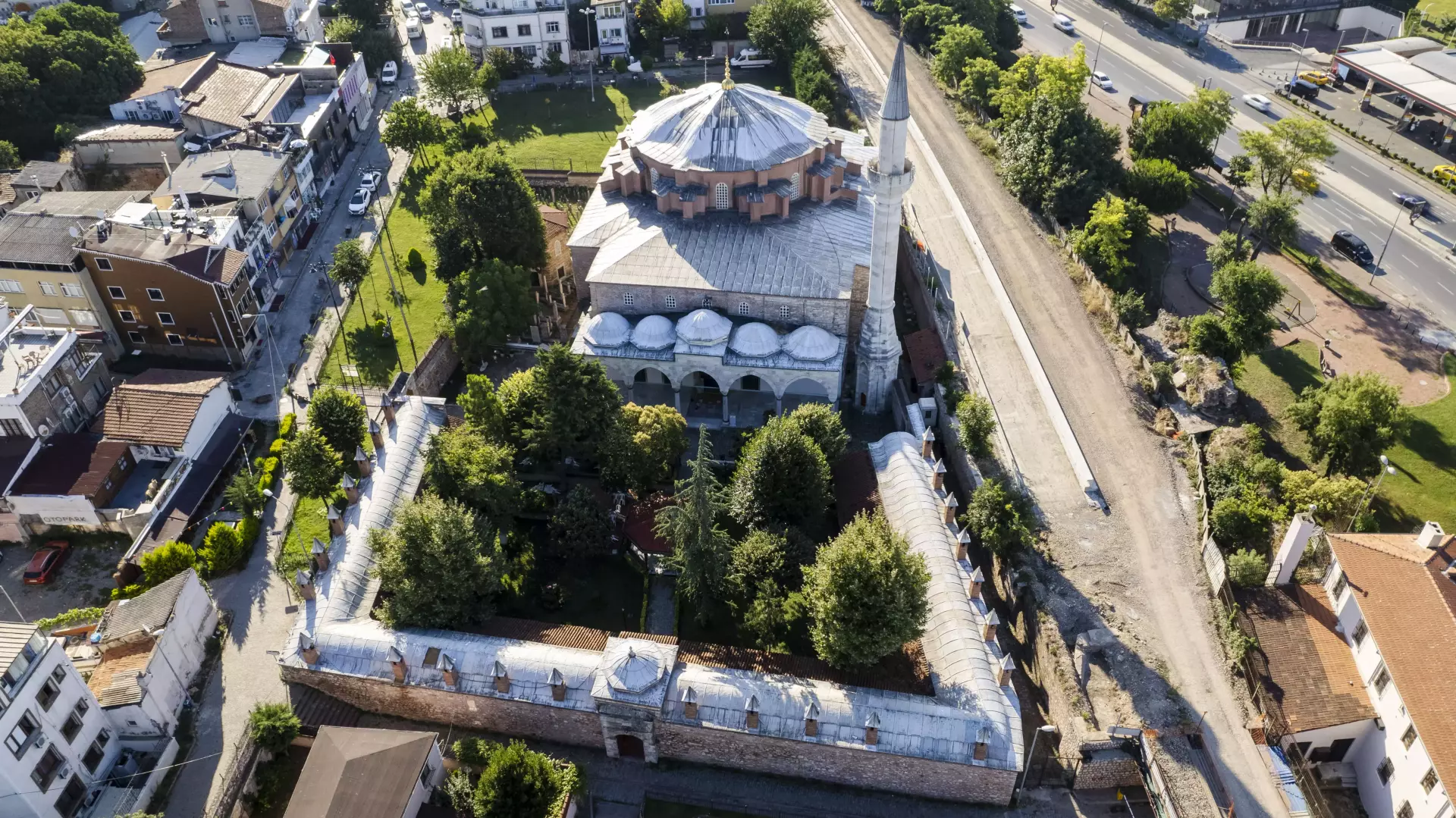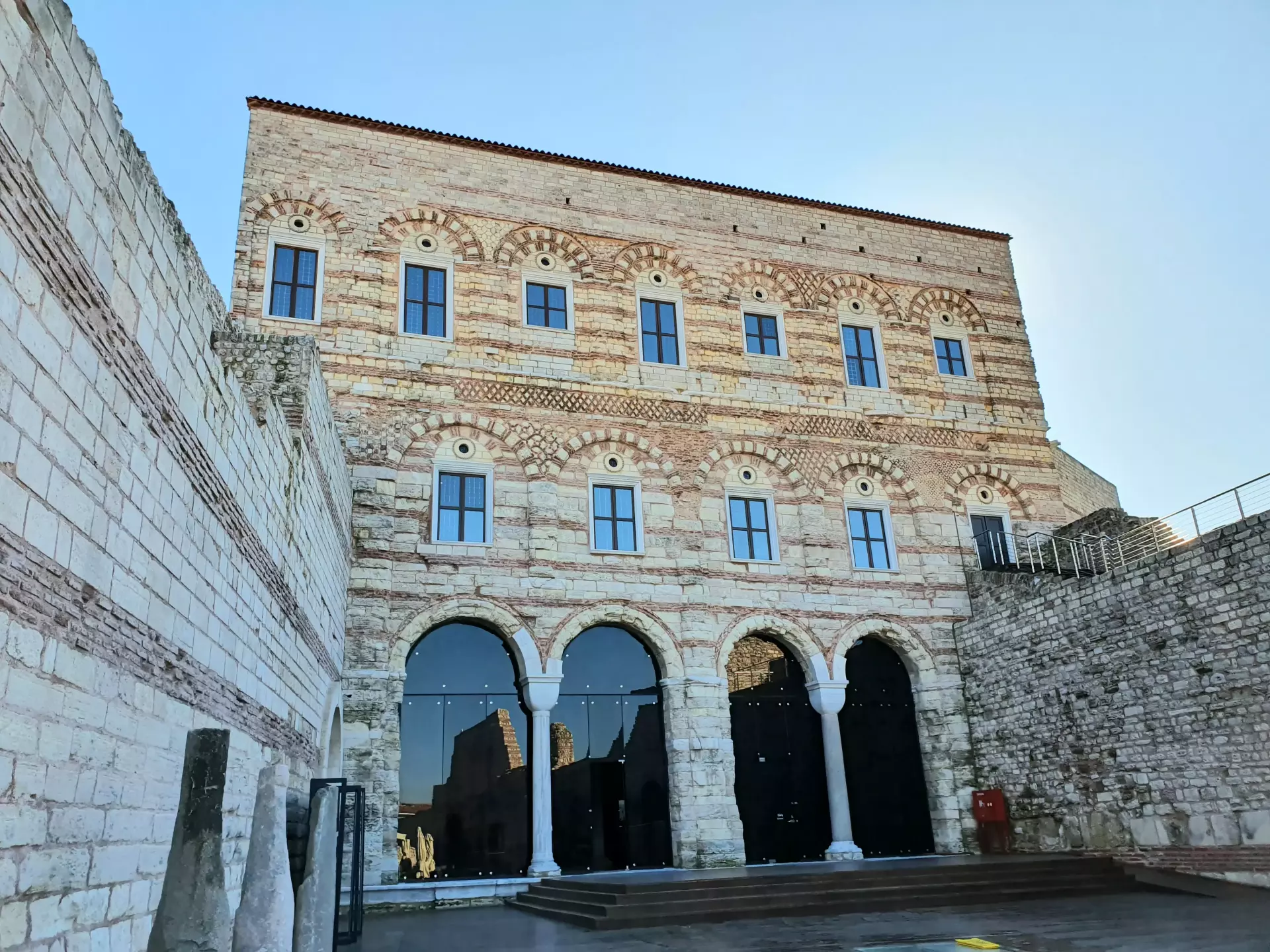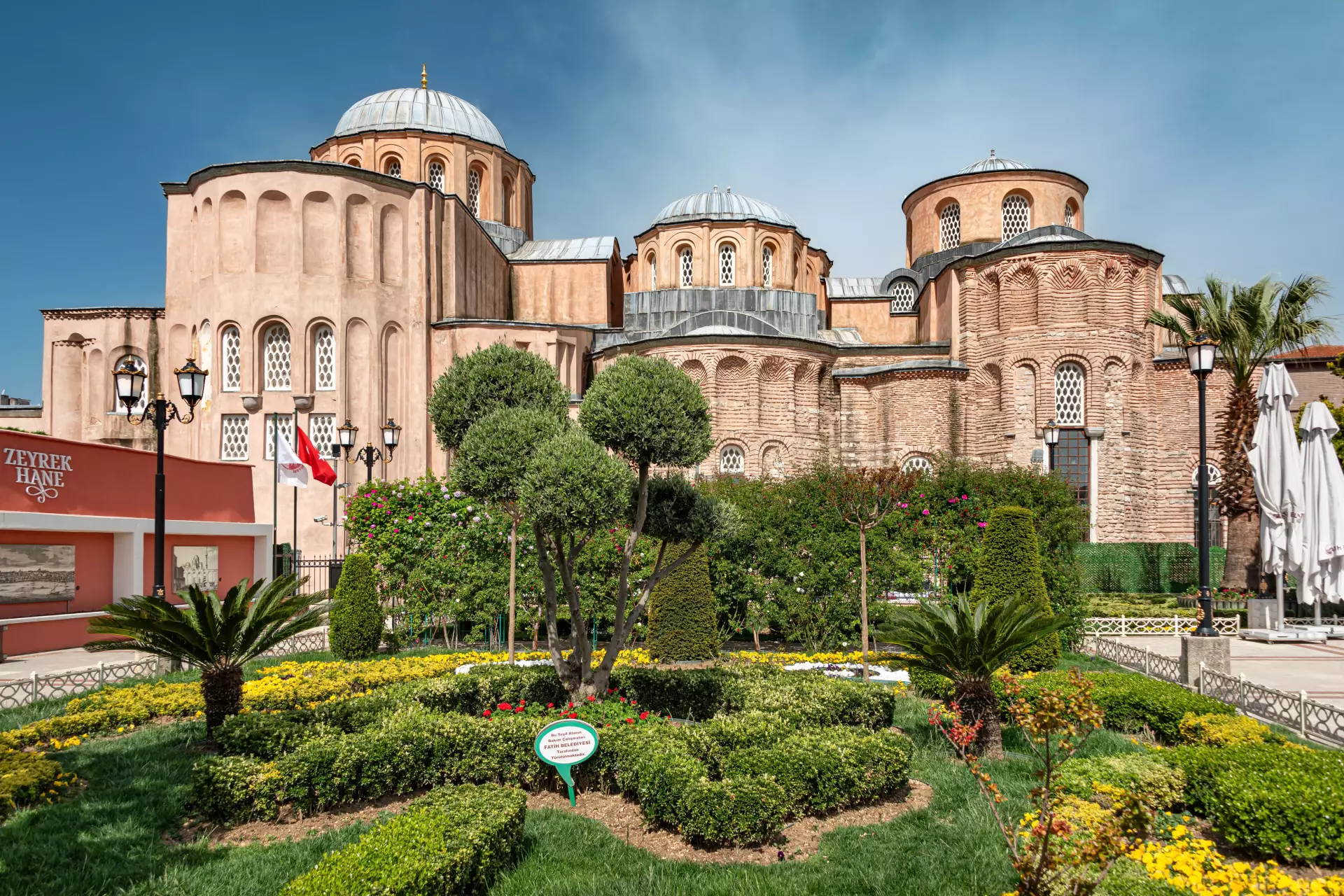
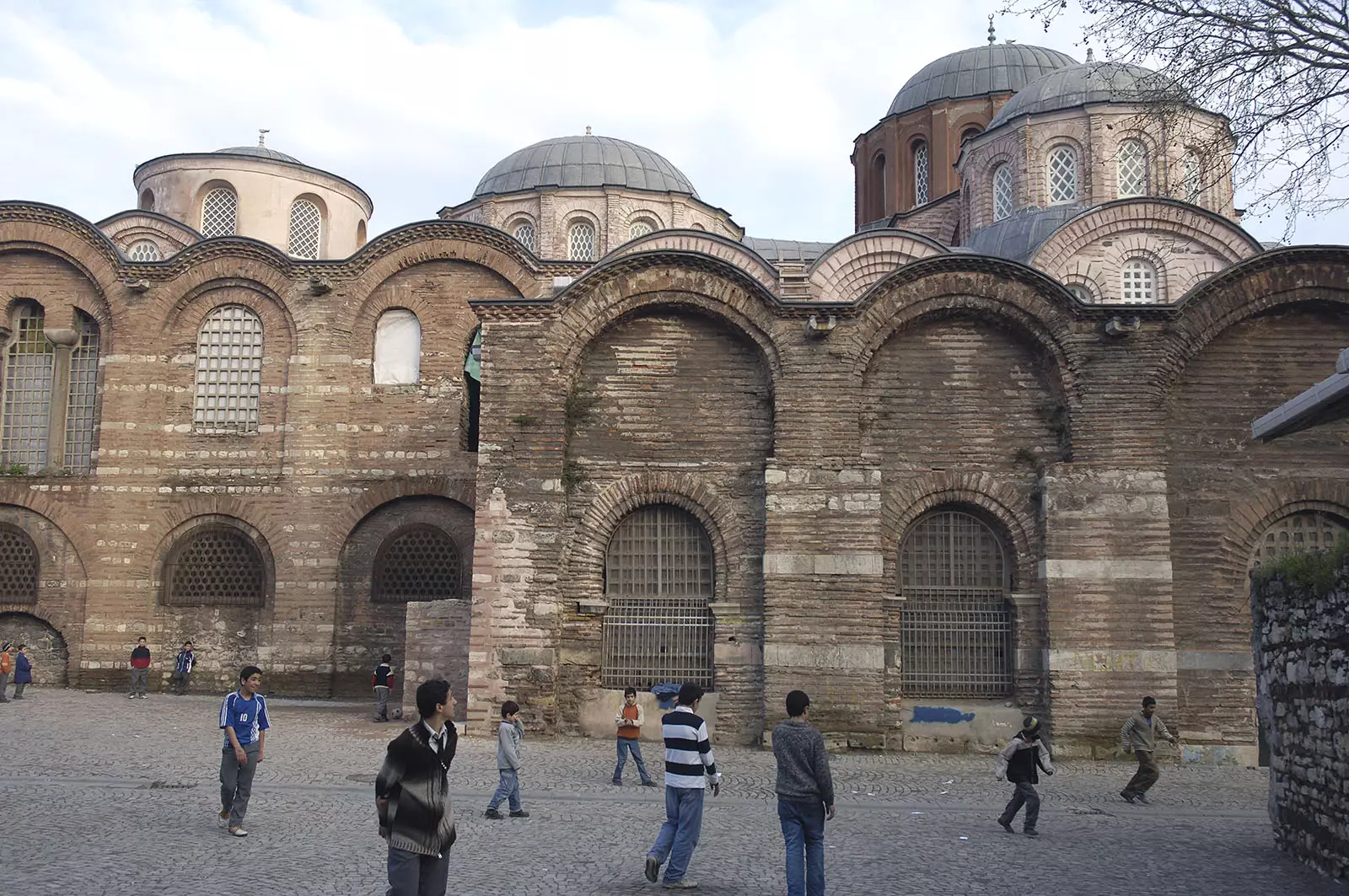
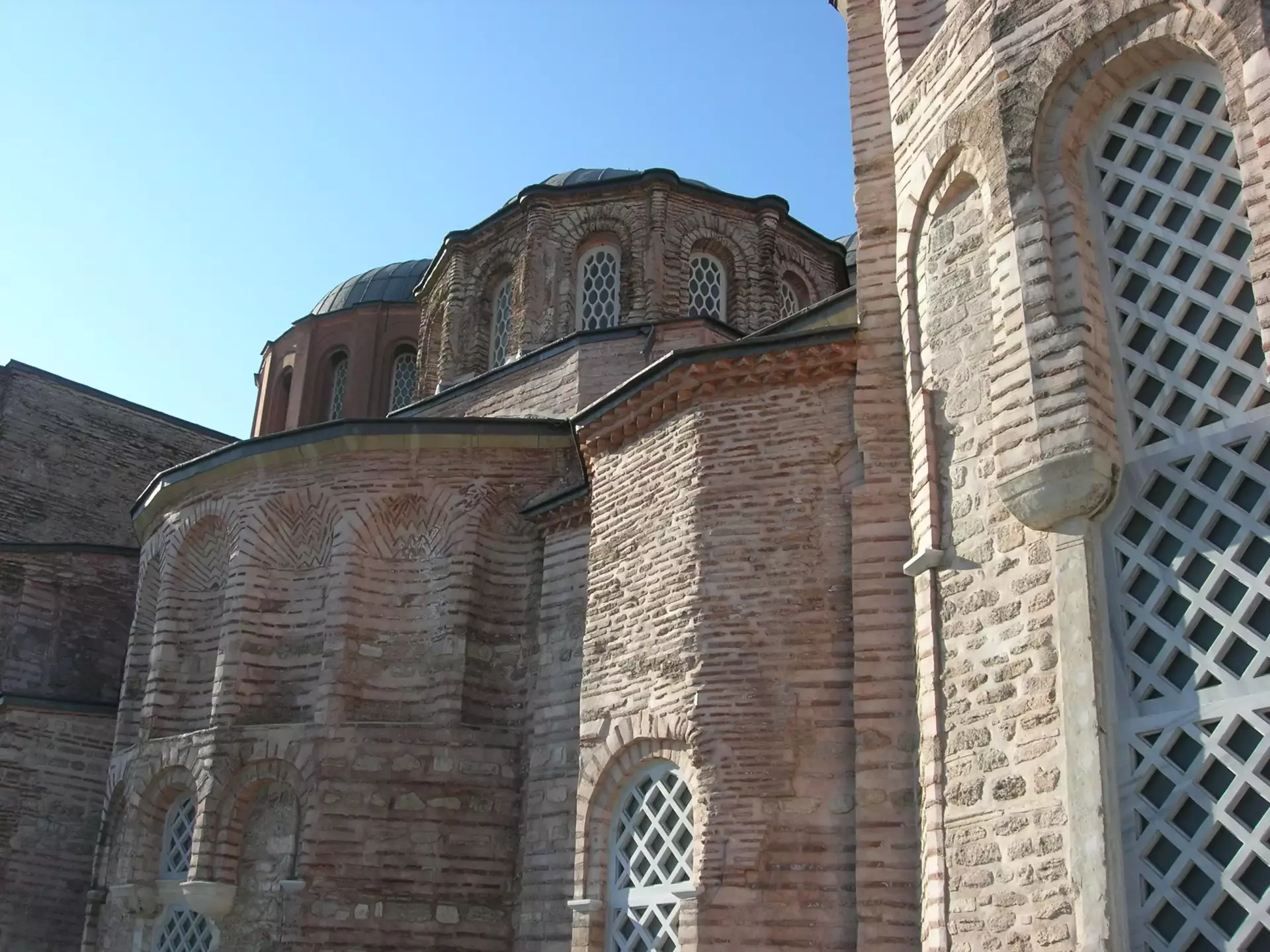
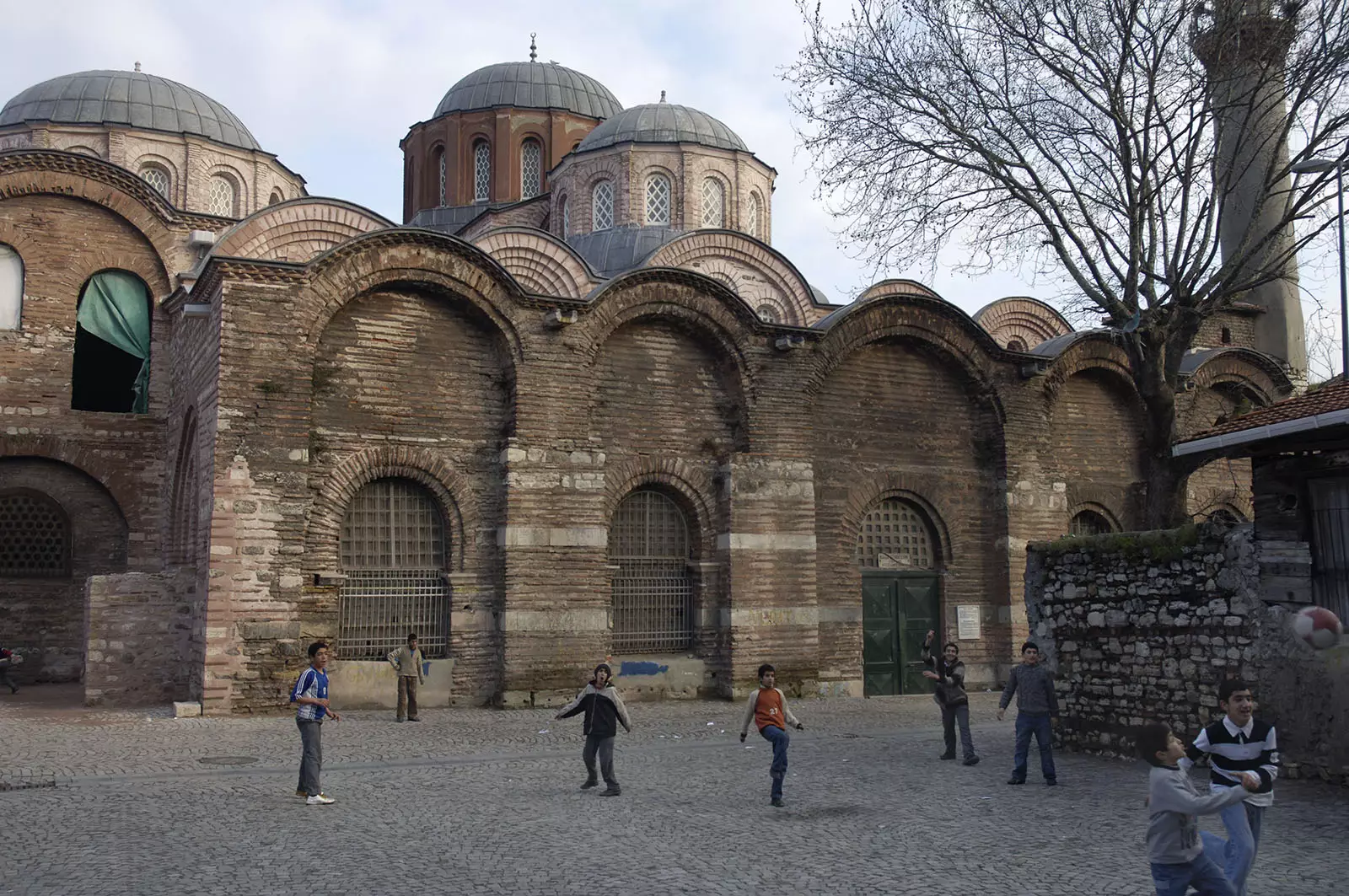
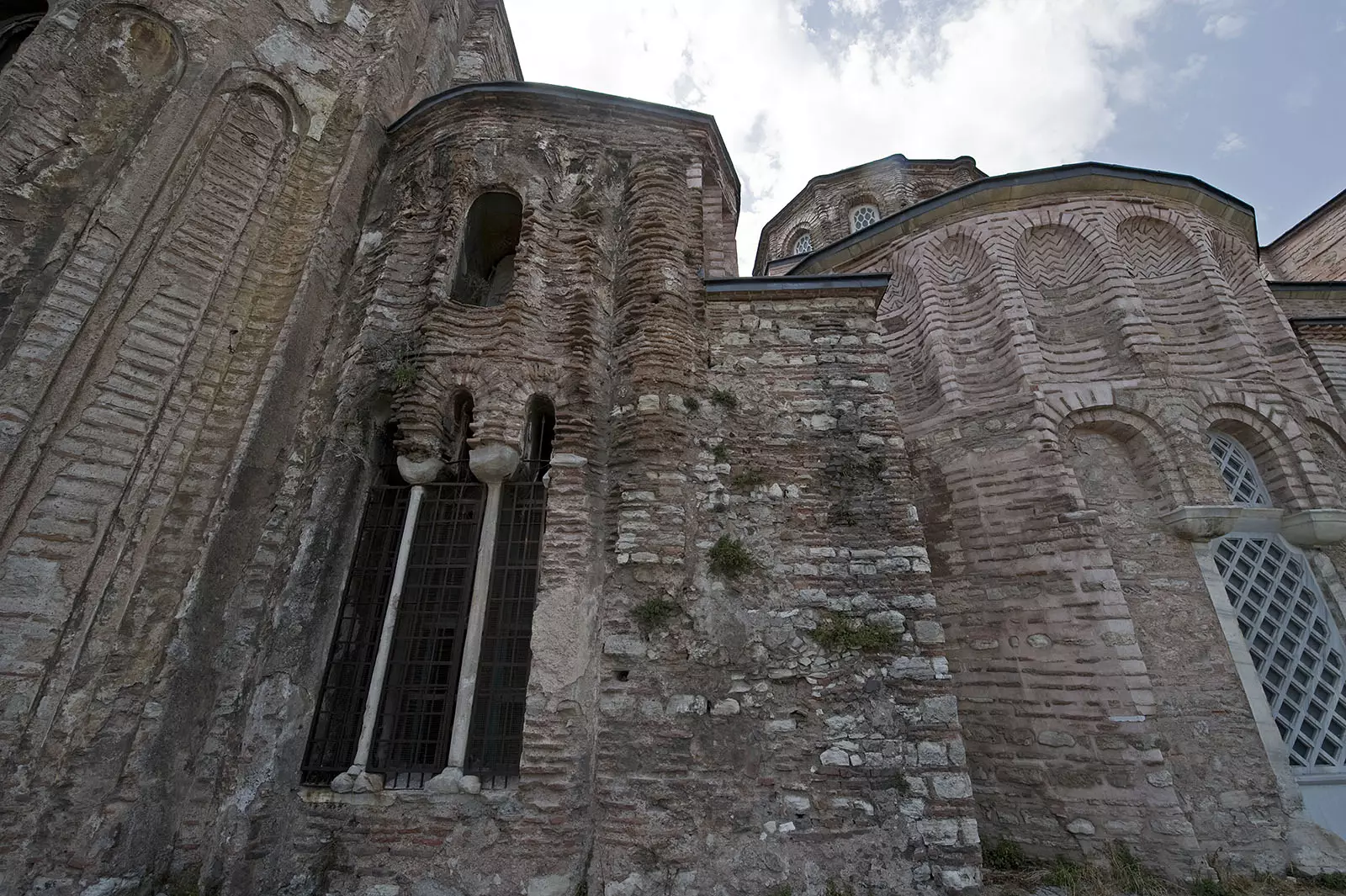
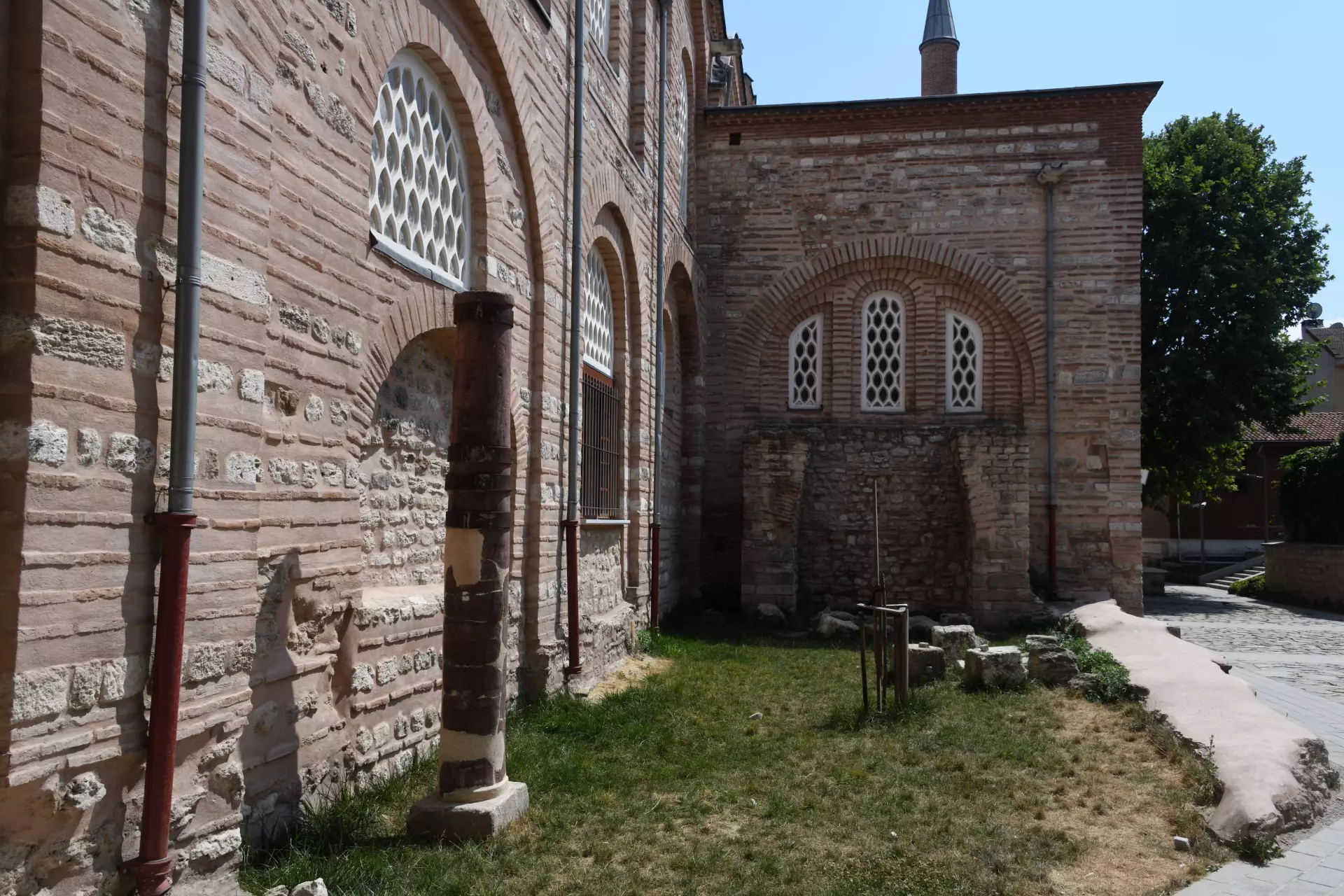
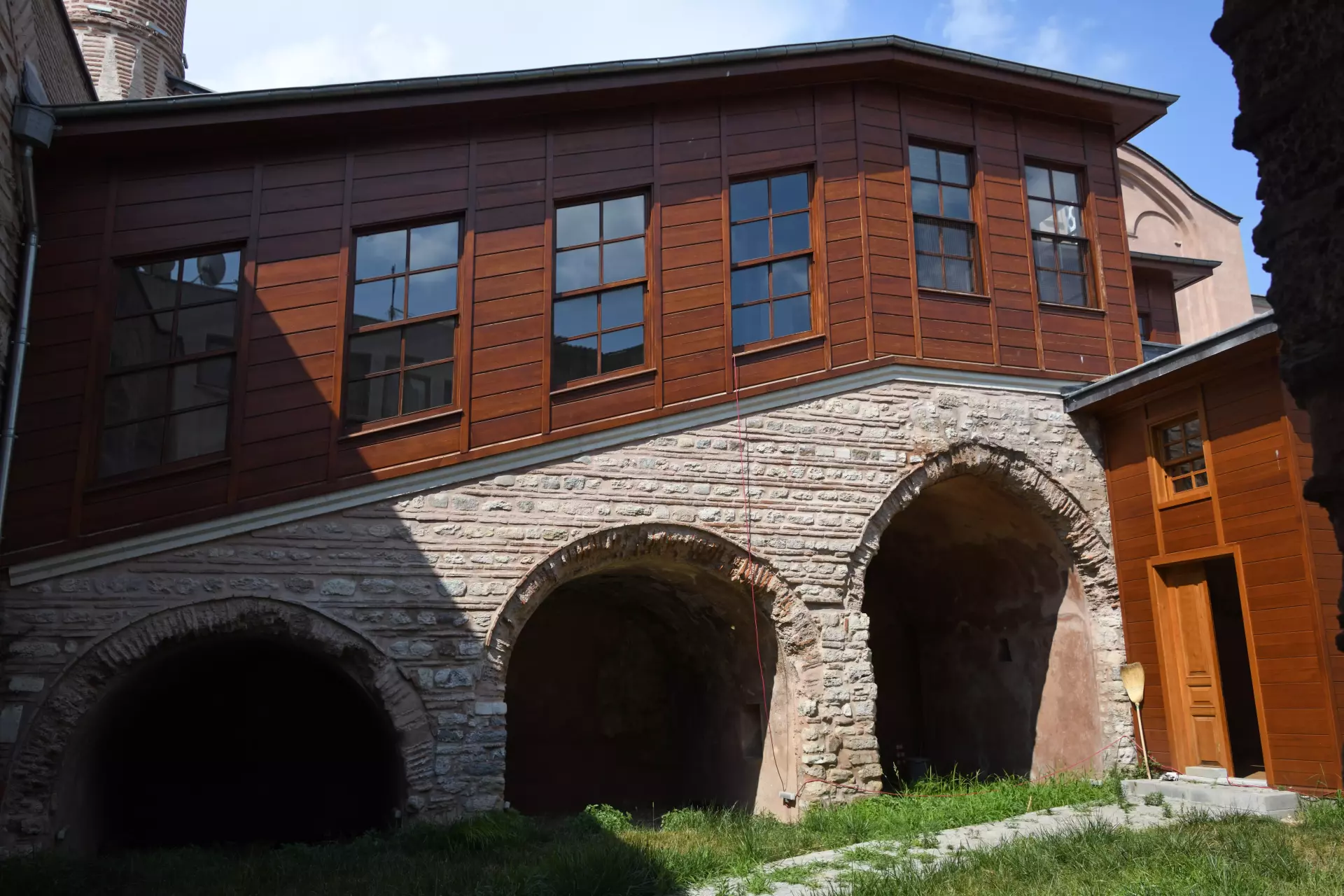
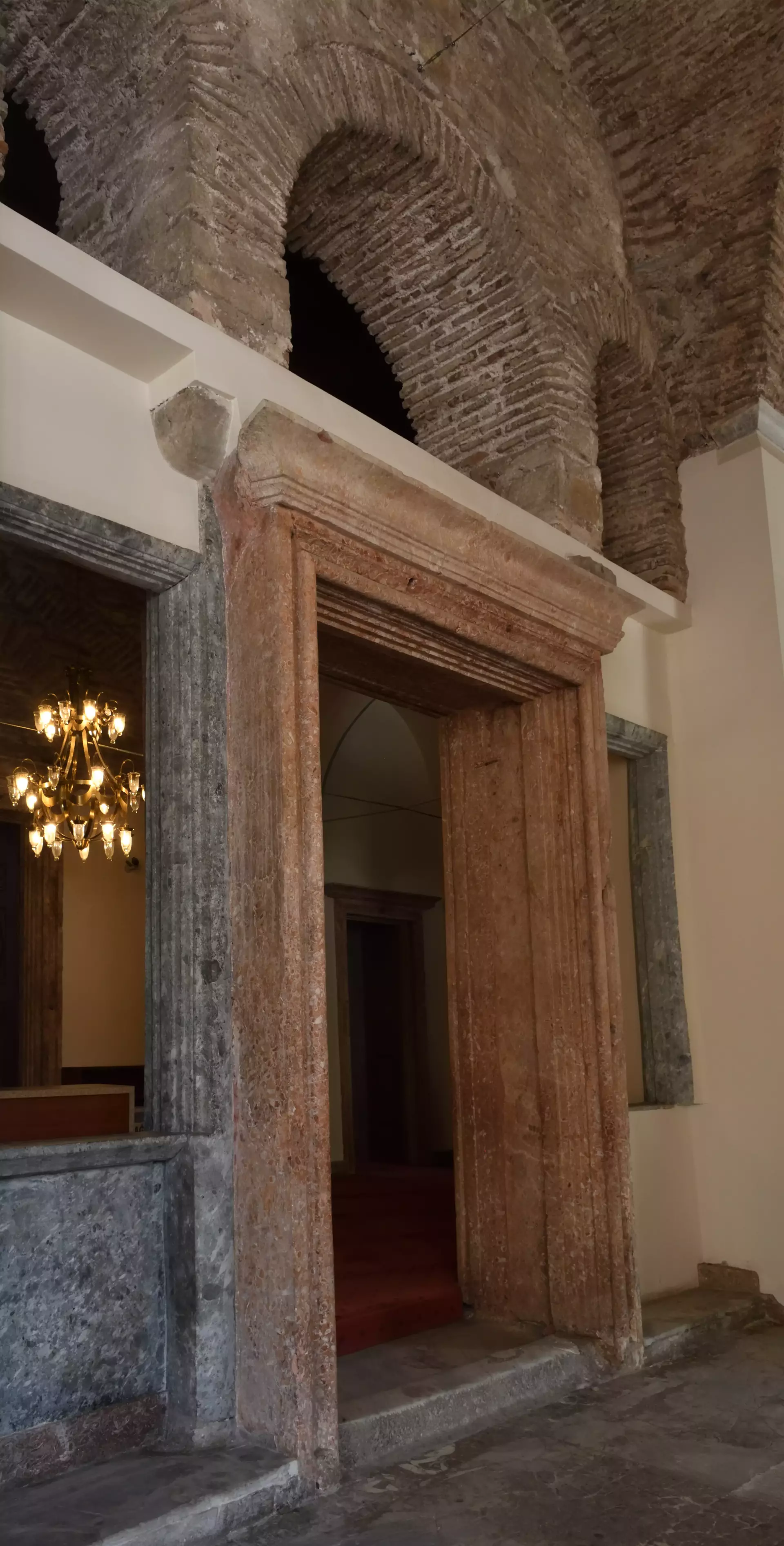
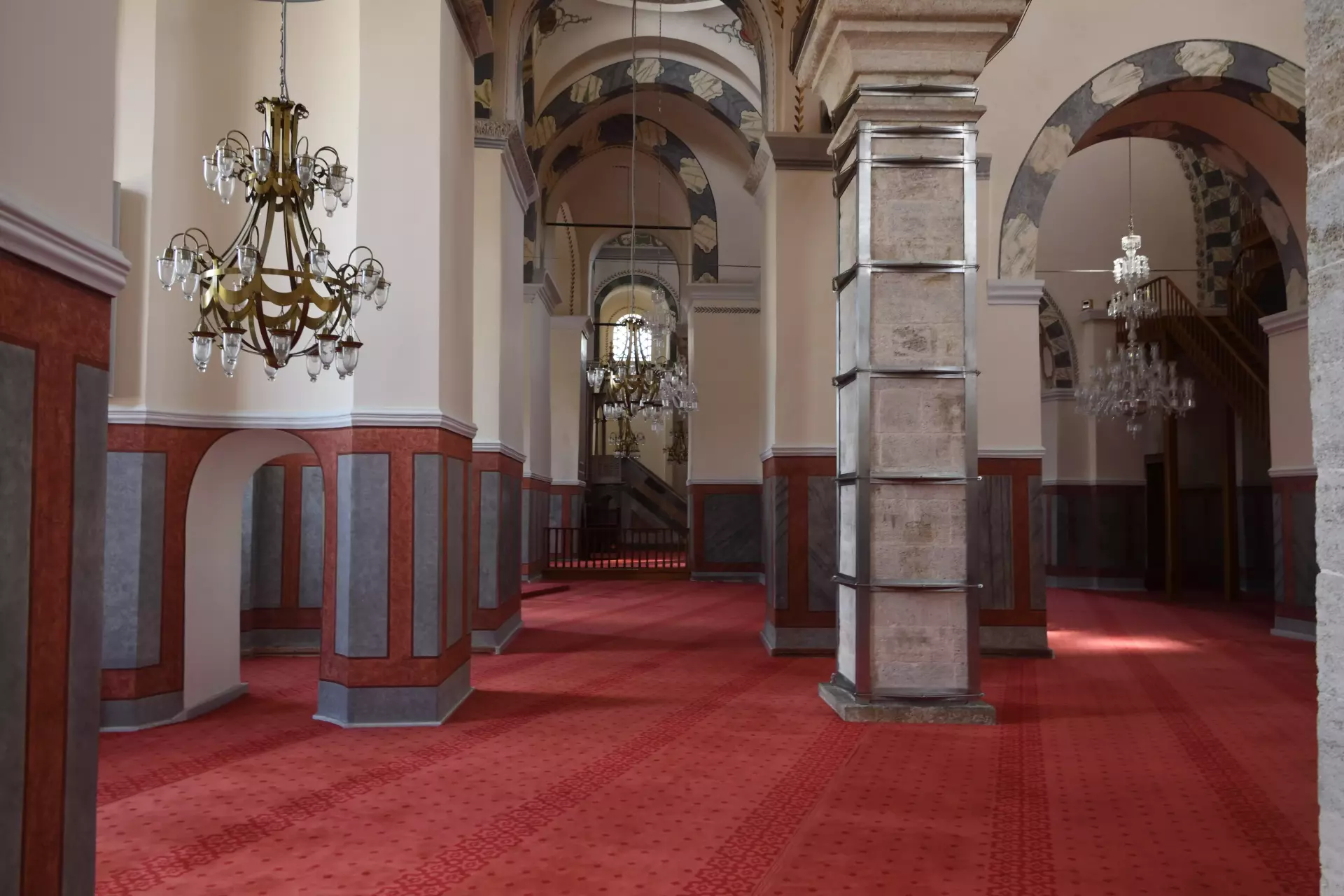
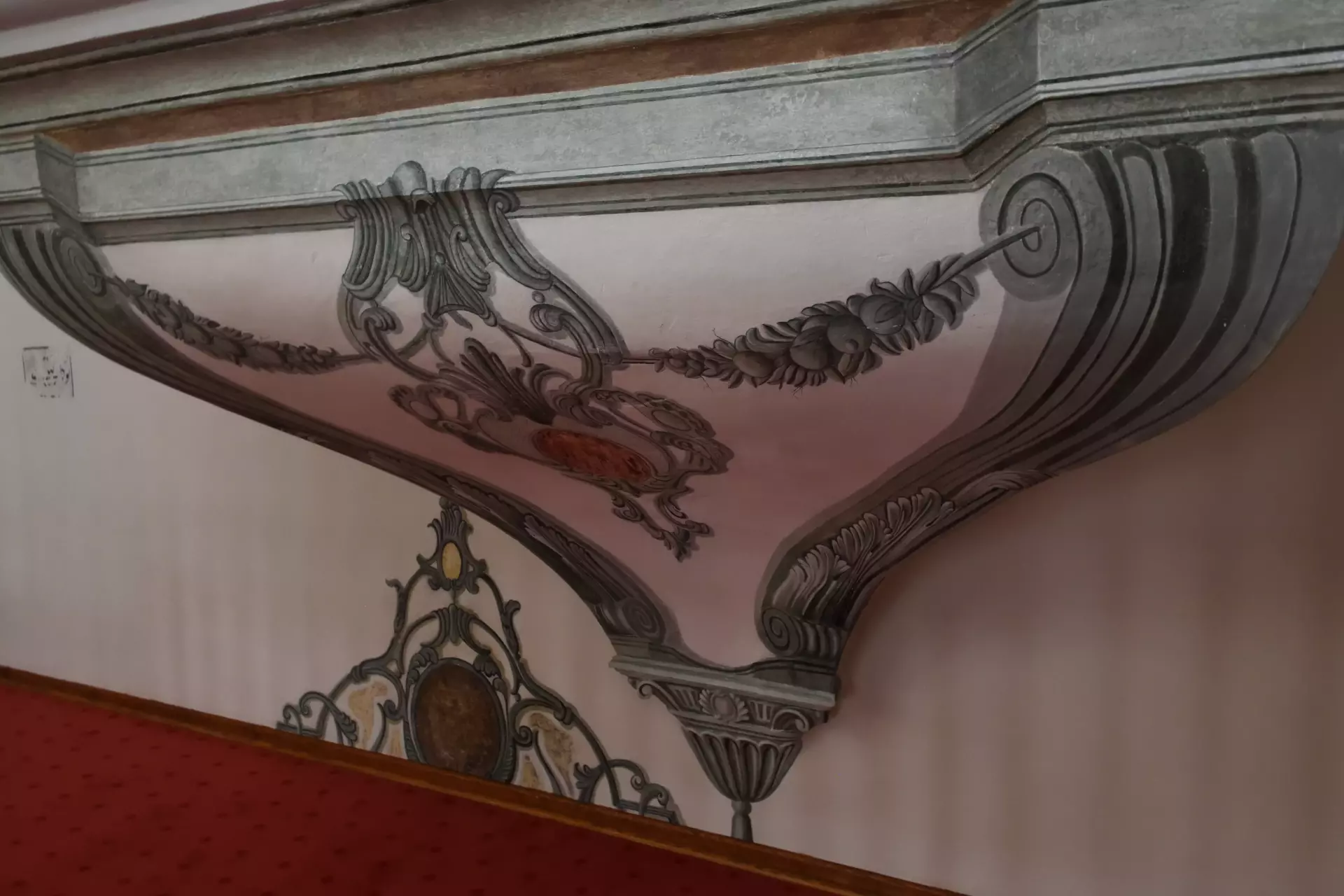
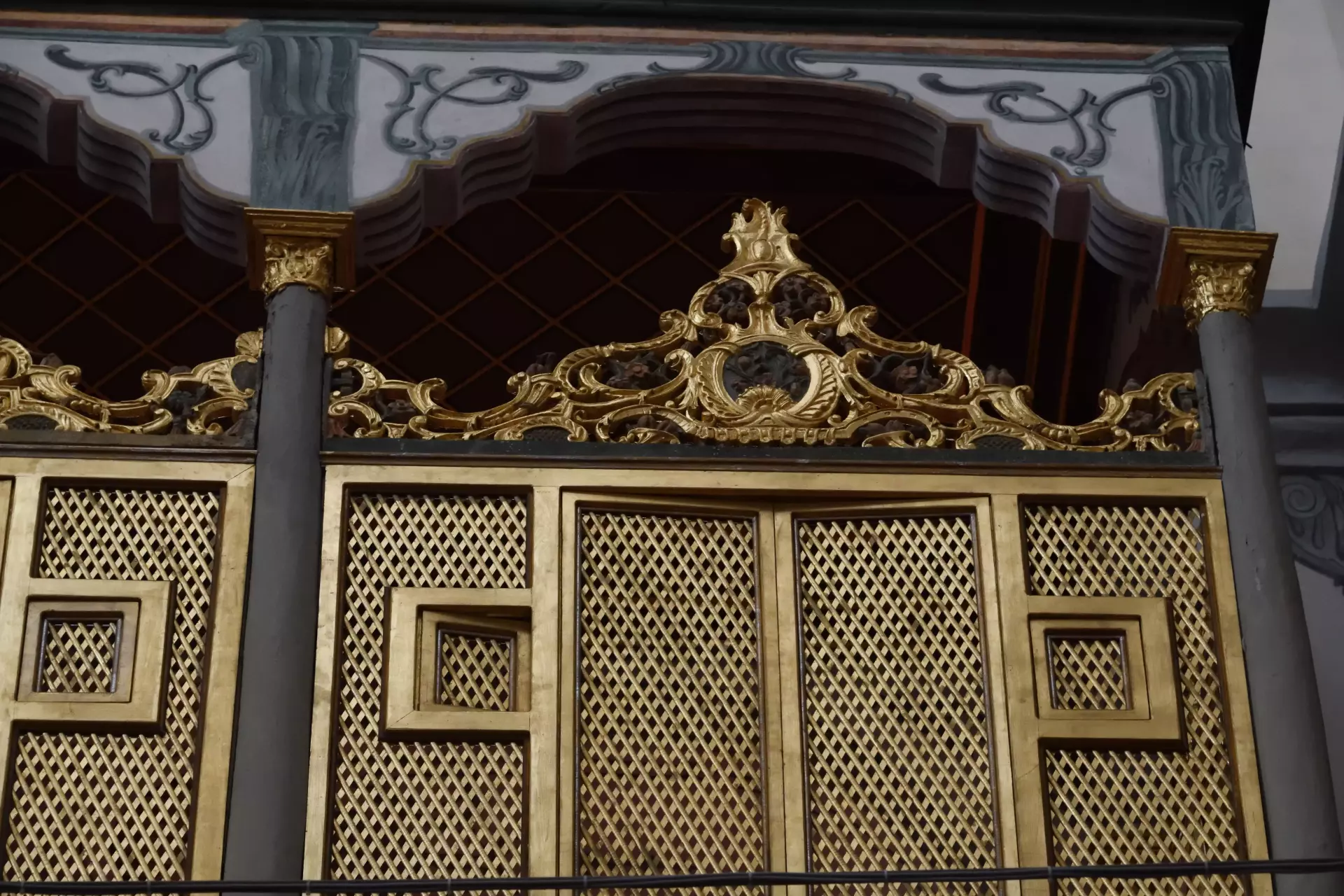
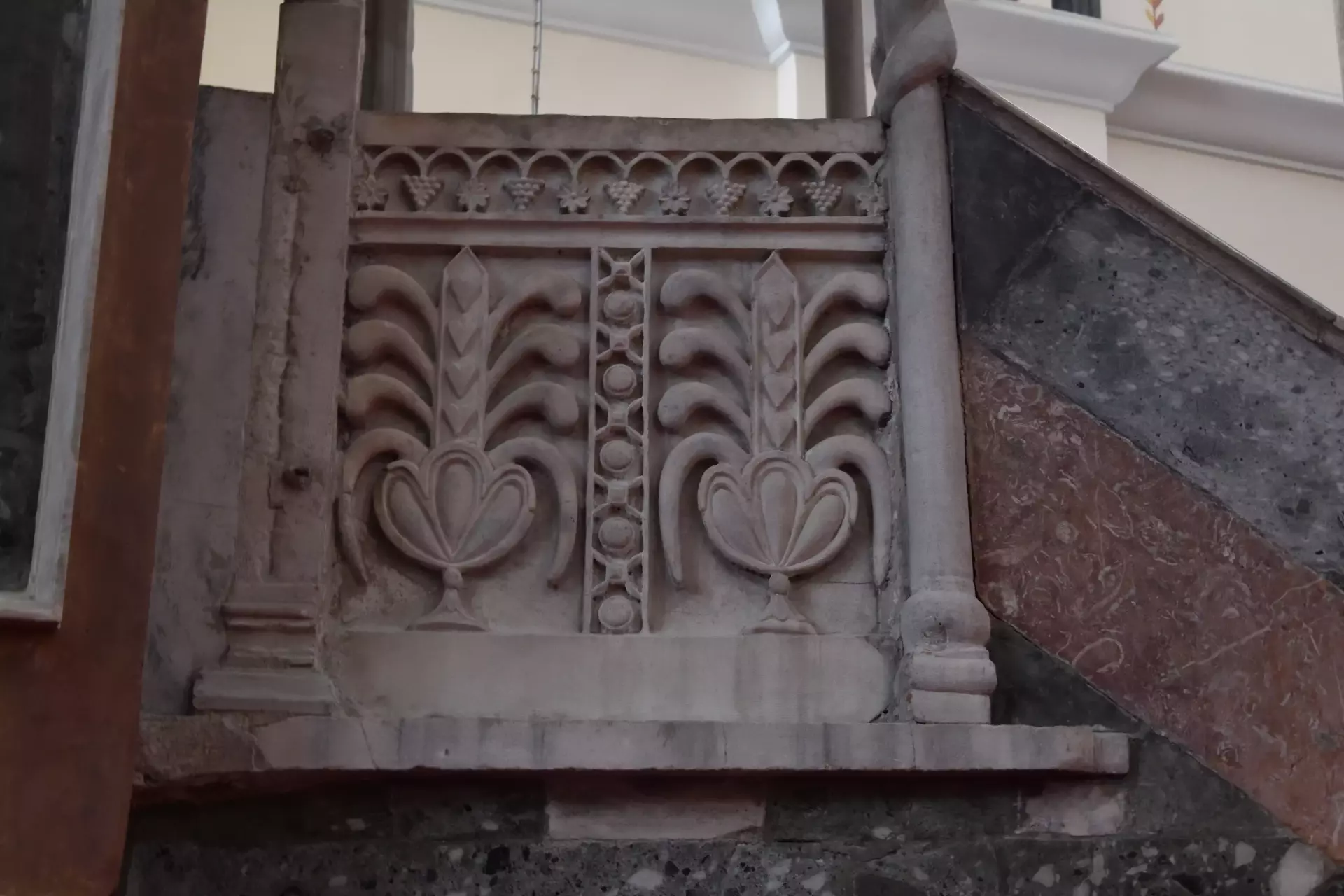
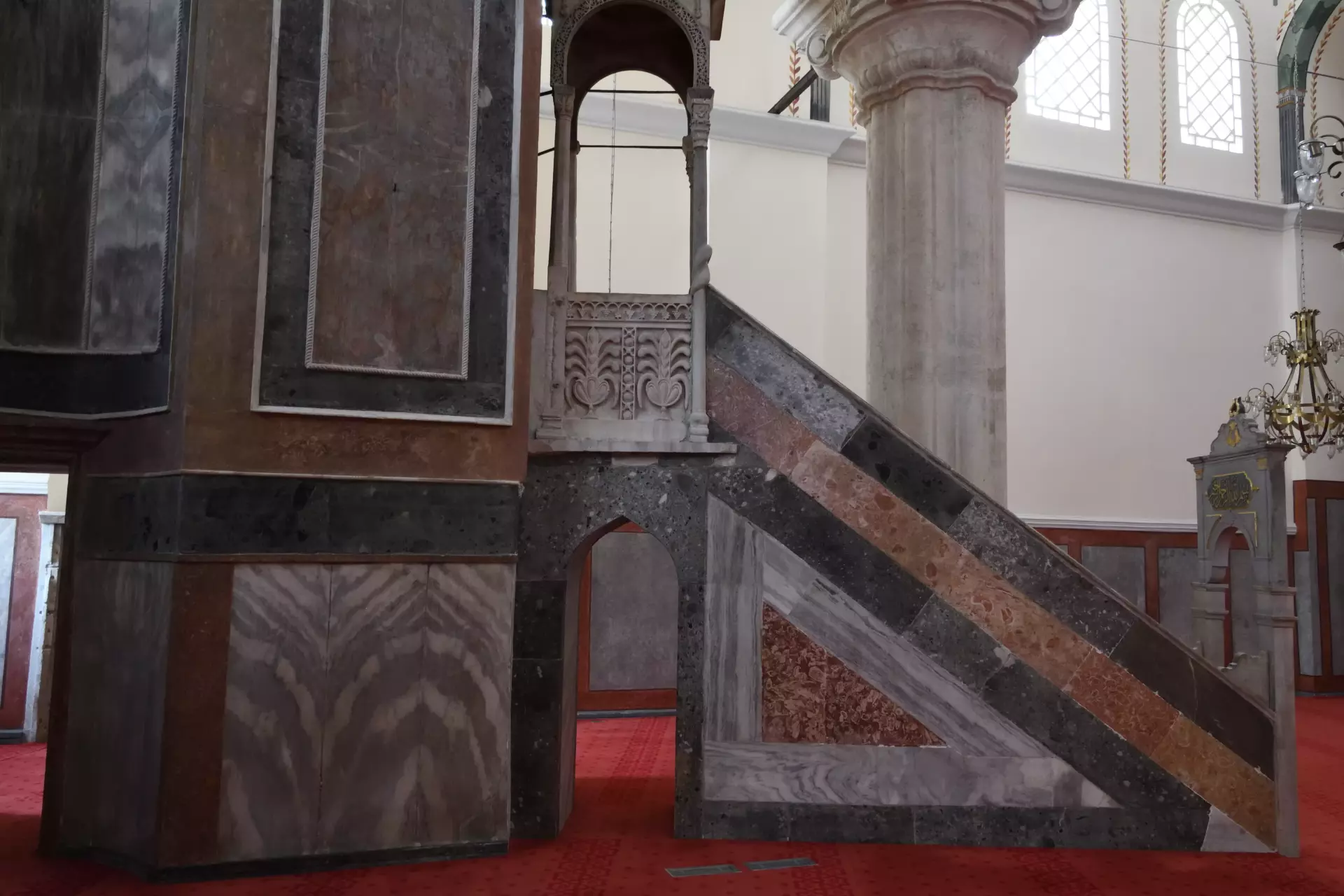
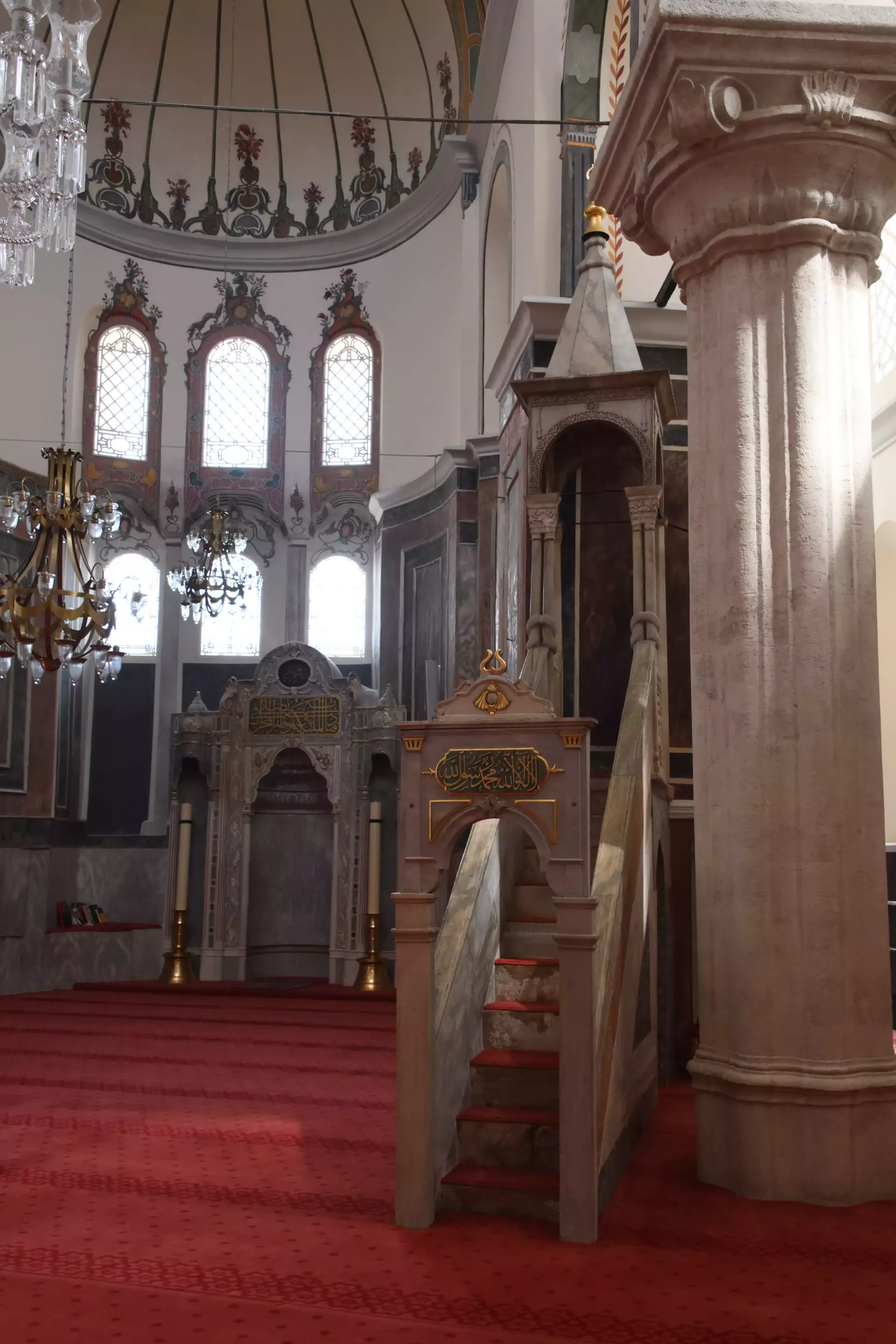
The Zeyrek Mosque in Istanbul presents a fascinating story through its architecture and history. Originally constructed as the Monastery of Pantokrator in 1118, this site is actually a combination of three distinct buildings. These include the main church, a second public church added around 1136, and a chapel that functioned as a royal mausoleum.
During the Ottoman period, the complex was converted into a mosque and a medrese, an Islamic school. Remarkably, this transformation required very little structural change, allowing the site to retain its original design features. This makes the Zeyrek Mosque one of the best-preserved examples of late Byzantine architecture in Istanbul.
Today, the Zeyrek Mosque continues to function as a place of worship. Its beautiful facades and domes attract photographers, especially in the daylight or at sunset. The surrounding neighborhood, however, is generally quiet after dark and is not recommended for visitors at night.
Source - https://en.wikipedia.org/wiki/Zeyrek_Mosque
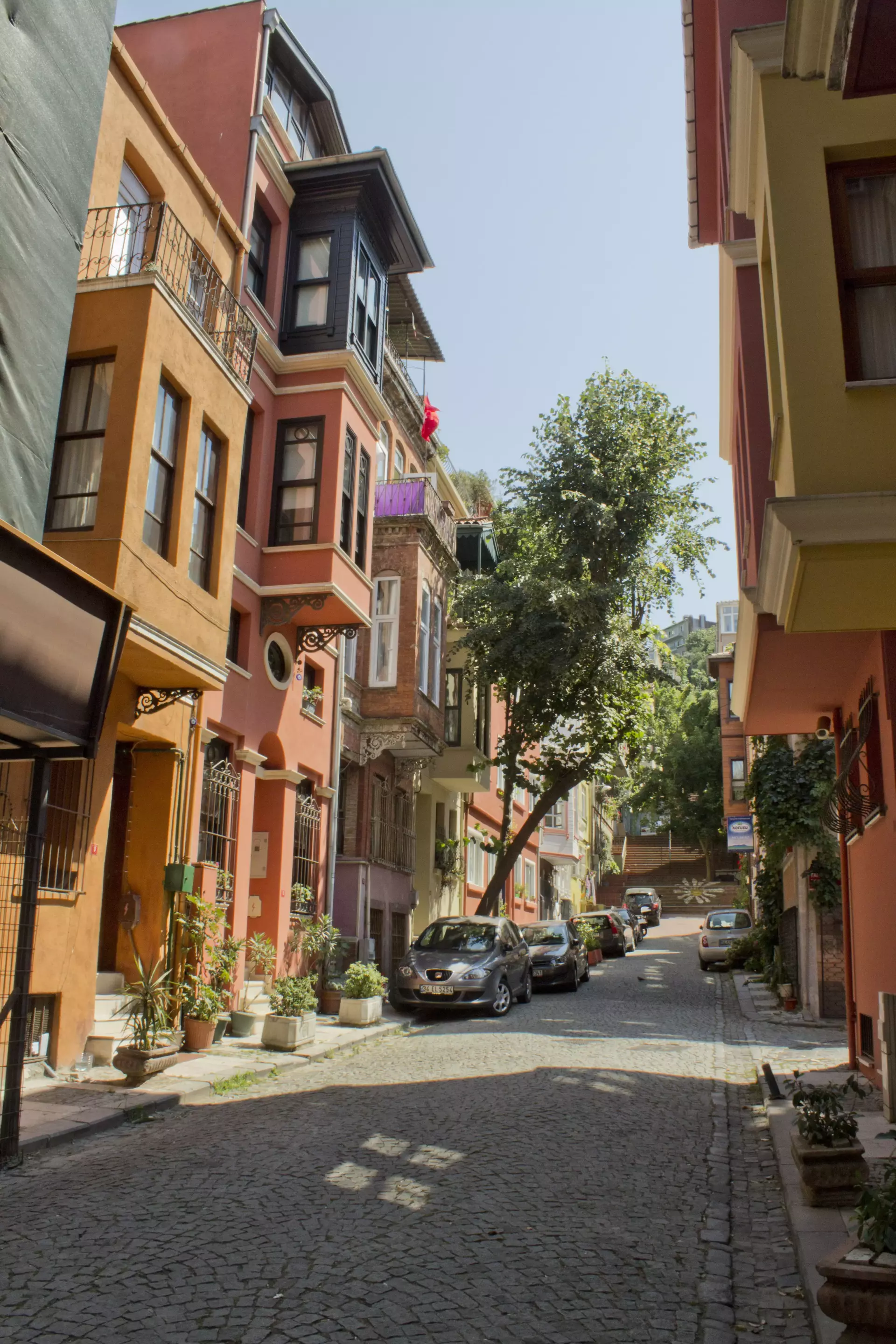
This was built in the 1430s by Grecian Jews ("Romaniotes") from the city of Ohrid, now in North Macedonia. The district of Balat was a Jewish quarter, swelled from 1492 by those expelled from Spain. The synagogue is only open for pre-arranged tours.
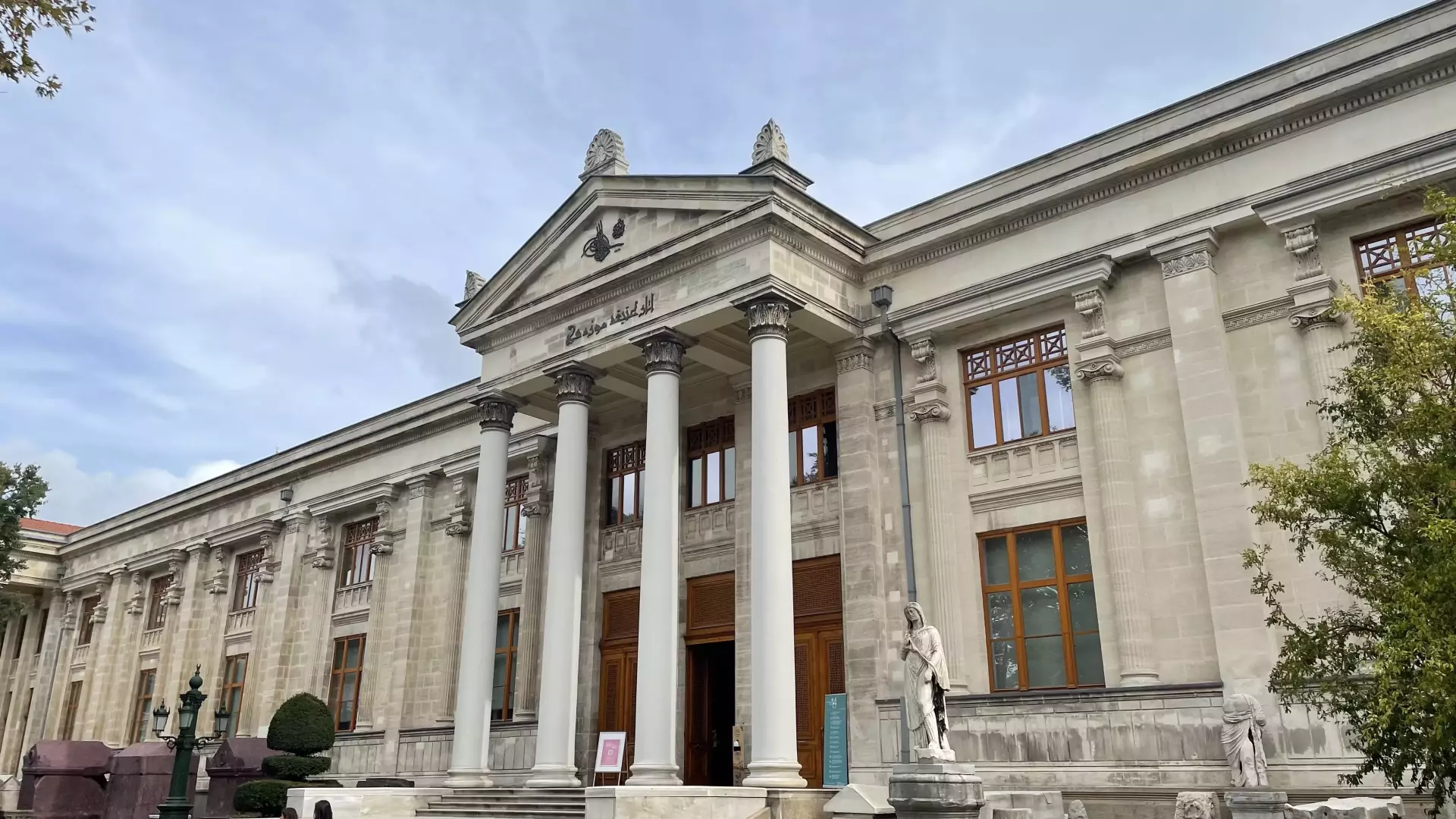
Turkey was slow to protect its antiquities and to display them properly, but in 1867 Sultan Abdülaziz toured the museums of Paris, London and Vienna and saw what was needed. The main collection is in a grand neo-classical building of 1891, with two annexes for ancient art and Islamic art. Exhibits include Sumerian tablets, pieces of the wall of Babylon, Roman statues, and the sarcophagus of Alexander the Great, which he never lay in.
A private museum with a large painting collection and archaeological collections of measurement units and tools used in Asia Minor since antiquity and faiences of Kütahya.
Museum in a restored building that was the stables for Topkapı Palace. It exhibits various instruments for astronomy, clocks, pumps, weaponry and so on developed in Islamic realms down the centuries, but these are modern repro, and explanations of their context are skimpy. Islamic science and technology preceded that of Europe, as they insist, but they get the tone wrong, as if that was the triumphal culmination rather than the springboard for further advance.
Built in the early 5th century as a monastery dedicated to Saint Andrew the Apostle, in 766 it was the burial place of Saint Andrew of Crete and was later re-dedicated to him. It was rebuilt in the late 9th century and again in the 13th, then around 1490 converted into a mosque. From the 16th century it was occupied by the Dervishes, when the legend arose that a chain hung to a cypress tree in the courtyard was a truth diviner. The chain was swung between rival witnesses and the one it hit was telling the truth. The cypress stump is still standing.
Sokollu Mehmet Pasha was the grand vizier and de facto ruler of the Ottoman Empire during its 16th century golden age. He commissioned this mosque, one of three in the city to bear his name, but the sloping site was a challenge. He hired the best, Mimar Sinan, who completed it in 979 AH / 1571 AD, with the slope resolved by a fronting courtyard above shops and a medrese. The interior has outstanding İznik blue tiles, and three fragments of the Black Stone (Hajar al-Aswad) of the Kaaba: above the main entrance, minbar and mihrab.
A nice, organized museum with contemporary installations. It may be seen as overpriced given its small size. It also has a simple cafe.
A historic house museum dedicated to the life of Adam Mickiewicz, renowned Polish poet. This is where he lived while in Turkey from September 1855 to 26 November 1855, when he died of illness.
Istanbul's former Asia-side railway station nowadays has no trains, but is worth a look. It was built by the Germans in 1908 in a distinctive Teutonic-castle style - to make an impact on travellers from Asia about to step into Europe, and a counterpoint to Sirkeci station (also closed) on the European side which is modelled in Oriental style. It's intended eventually to make this the terminus for the high speed rail network.
Situated on the gentle hill overlooking the neighbourhood of Emirgan and the Bosphorus, Emirgan Park was for long the only place in the city where Istanbulites can admire the beauty of tulips. Having lost that distinction since the first decade of the 2000s as tulips are now everywhere, this is still a beautiful park with artificial ponds, small waterfalls, and impressive views of the Bosphorus. There are also cafes with open-air sections housed in pleasant former imperial hunting manors. Squirrels are there, too, in the middle of this metropolis of more than 15 million people, though you may have to look a bit deeper (or a bit upper on the branches!) to spot them.
The avenue has little in common with Baghdad, except it was the beginning of the Ottoman-era route to that city followed by many, including Ottoman sultan Murat IV during his march upon Persia, after which he captured Baghdad. In fact, with its sidewalk cafés and Western restaurants, Bağdat Caddesi is usually considered as one of Istanbul's most western-flavoured streets, ironically located in Asia. This street is not completely pedestrianized unlike Istiklal Street, which serves a similar function on the European Side, but its broad sidewalks with tree shade offer a pleasant walk. The restaurants and cafés on the avenue are mainly upscale, but there are also some quite affordable ones scattered around occasionally. Shopping opportunities also abound. From Kadıköy, take the Bostancı-bound dolmuşes (from just south of the ferries) or the public bus #4 (its stop is near the one for the dolmuş, but separate).
A remarkable Bulgarian Orthodox church better known as Demir Kilise, "Iron Church", as it's a cast iron prefab. The Bulgarians split from the Greek Orthodox and established their own wooden church in 1870, which burned down. The ground was too weak for a masonry or concrete structure so they opted for cast iron. The sections were cast in Vienna, shipped here and assembled, to open in 1898. The church was renovated in 2018, but the archpatriarchate building across the street remains a gaunt shell.
The only active Ashkenazi Synagogue open to visits and prayers.
A contemporary art museum in a building converted from an old power plant: 1914-built and coal-fired, this was the oldest in Istanbul and the Ottoman Empire. Part of the plant was kept in almost exact original condition and now serves as the "Energy Museum".
A resort on the Marmara coast. It's the westernmost part of Istanbul, between Çatalca and the province of Tekirdağ. There are some remnants of the Anastasian wall here, the scrappy ruins of a castle, an ancient cistern, the Piri Paşa Mosque, and Uzunköprü the long aqueduct.