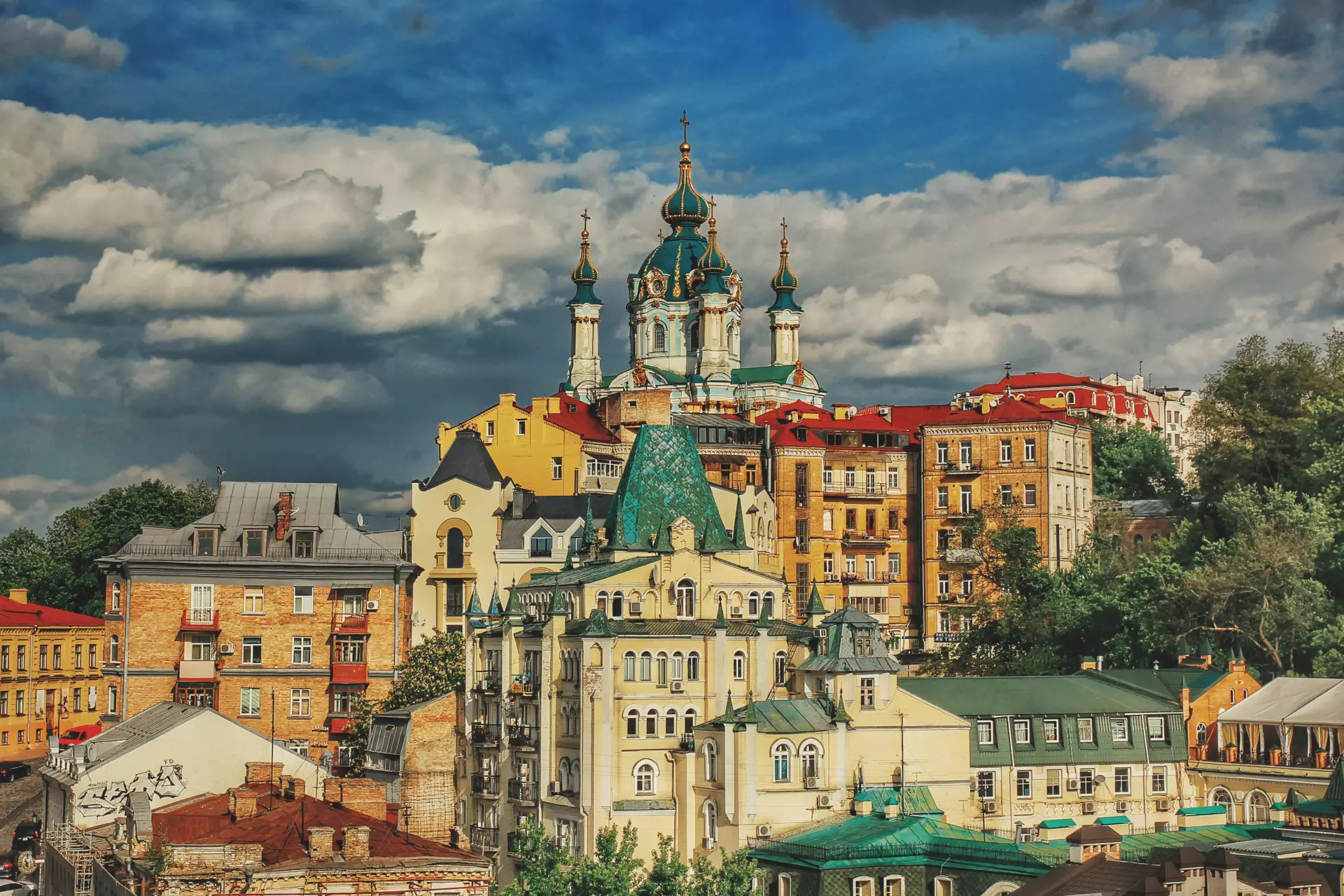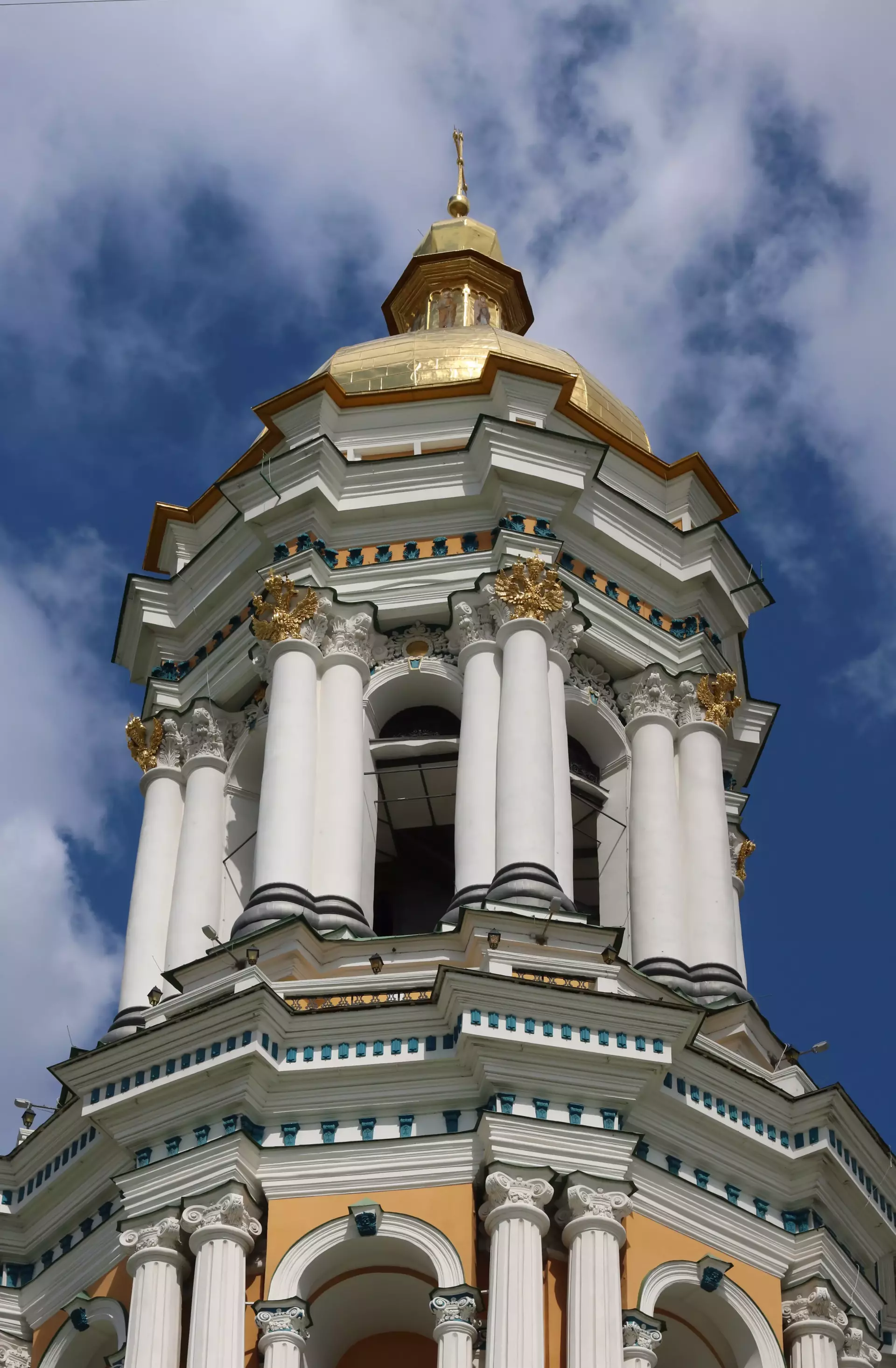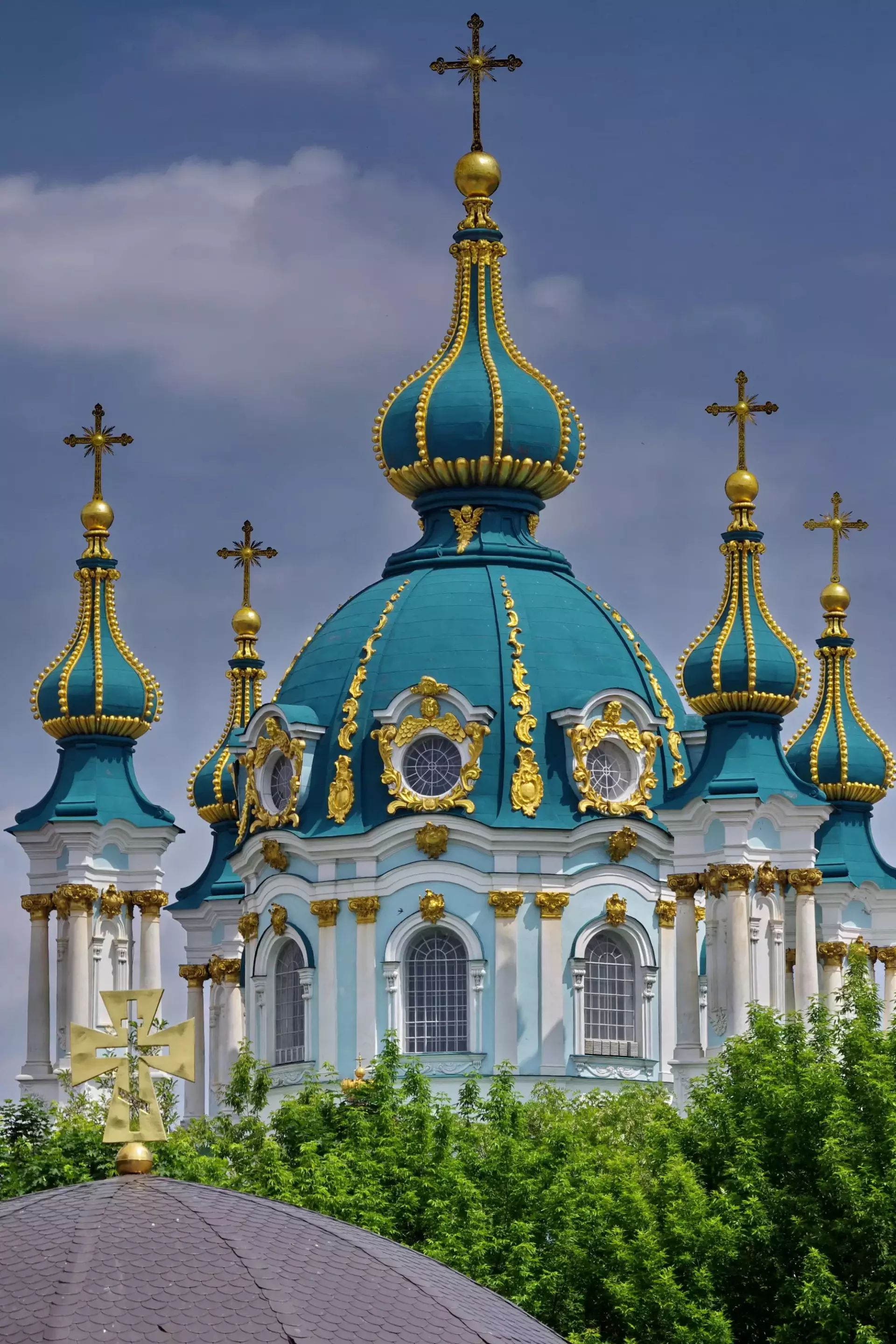
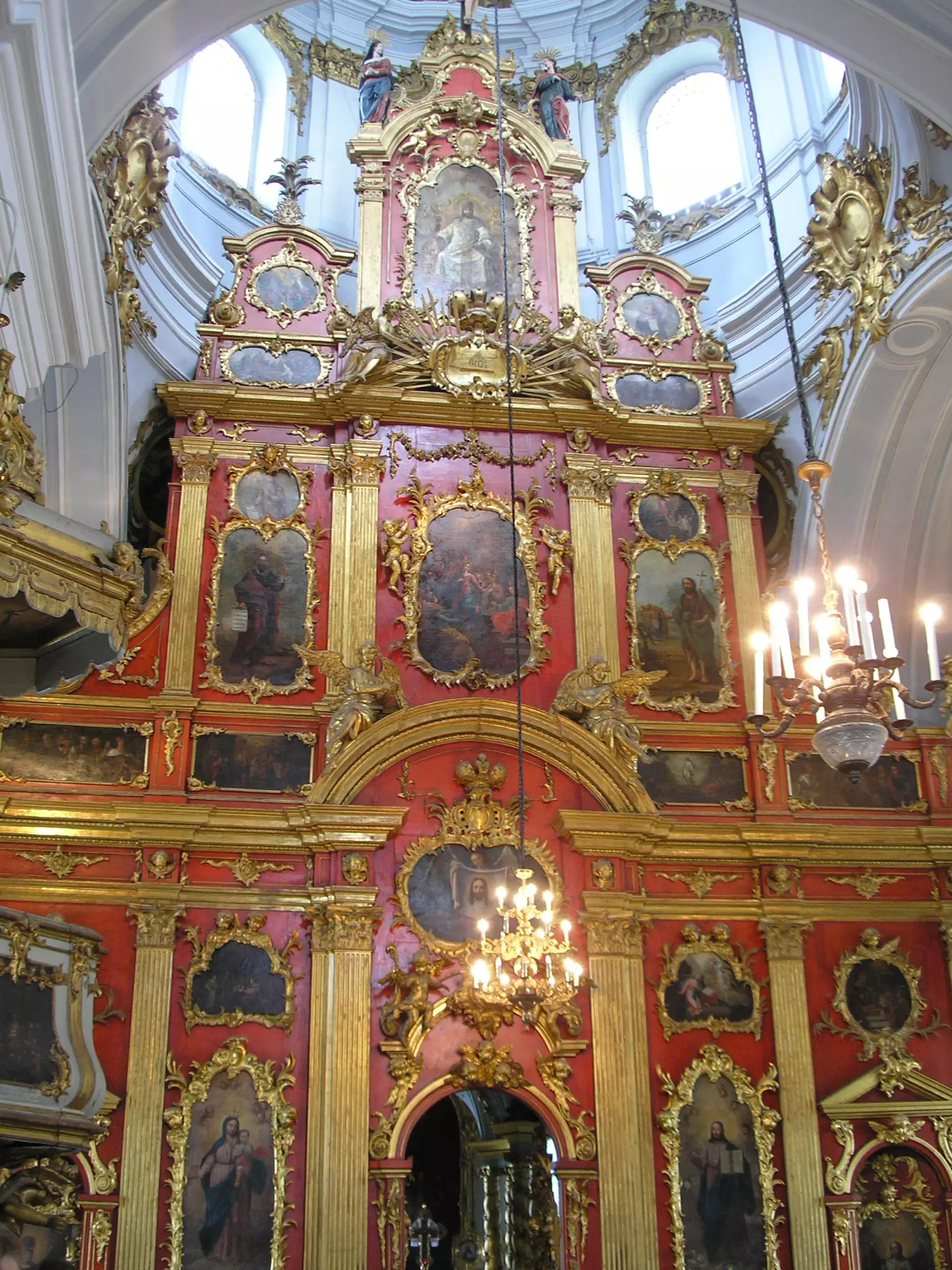
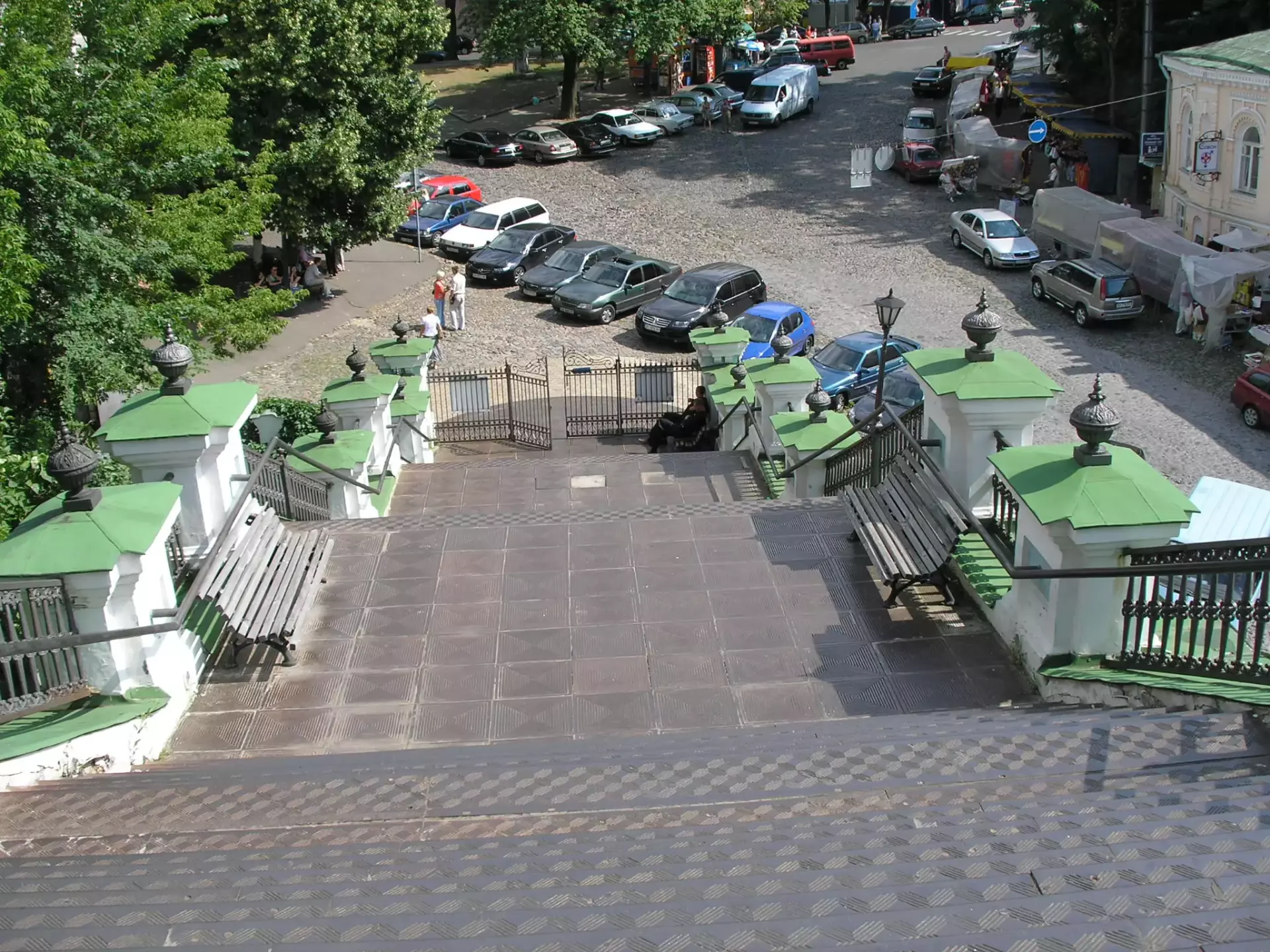
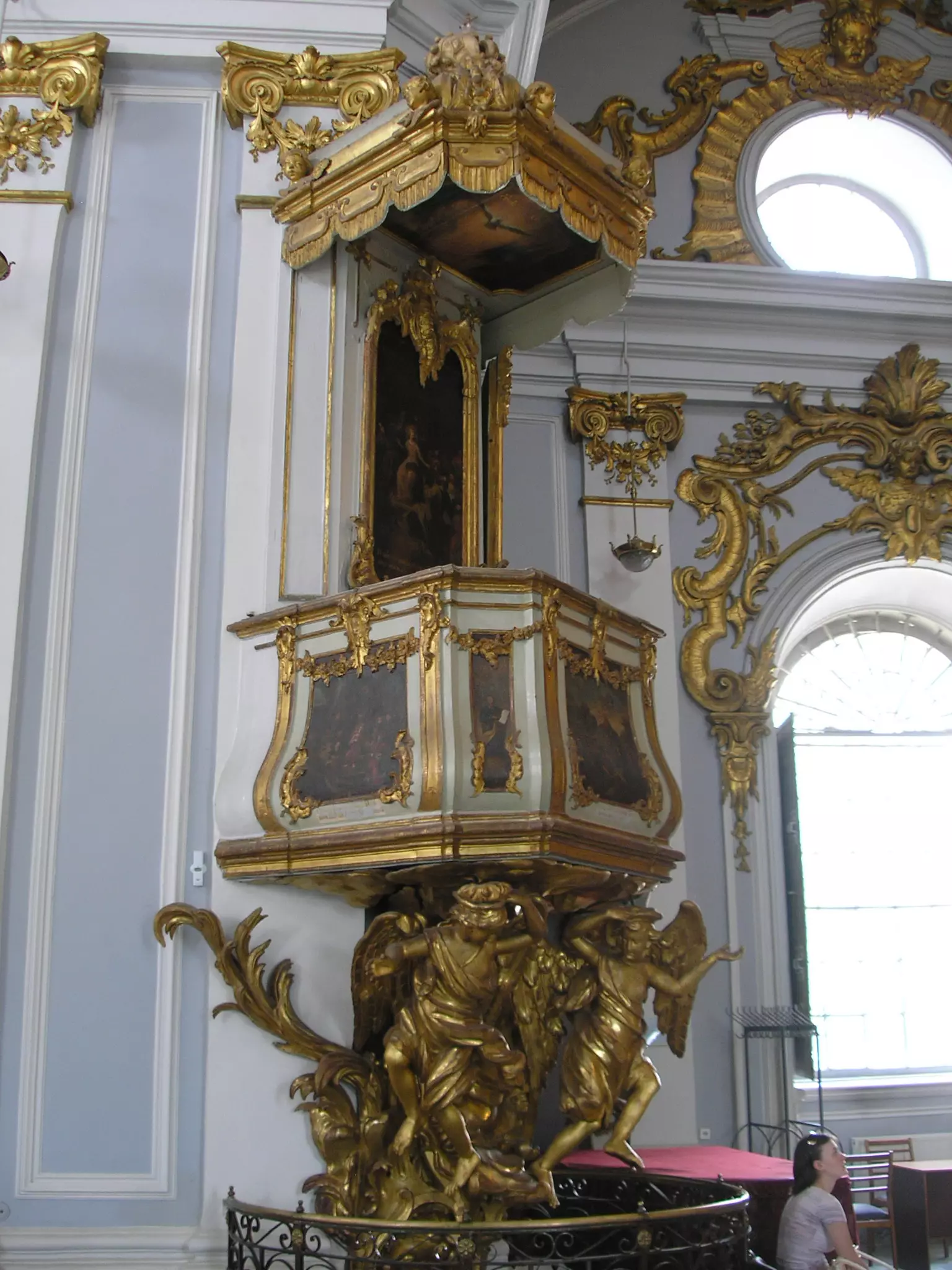
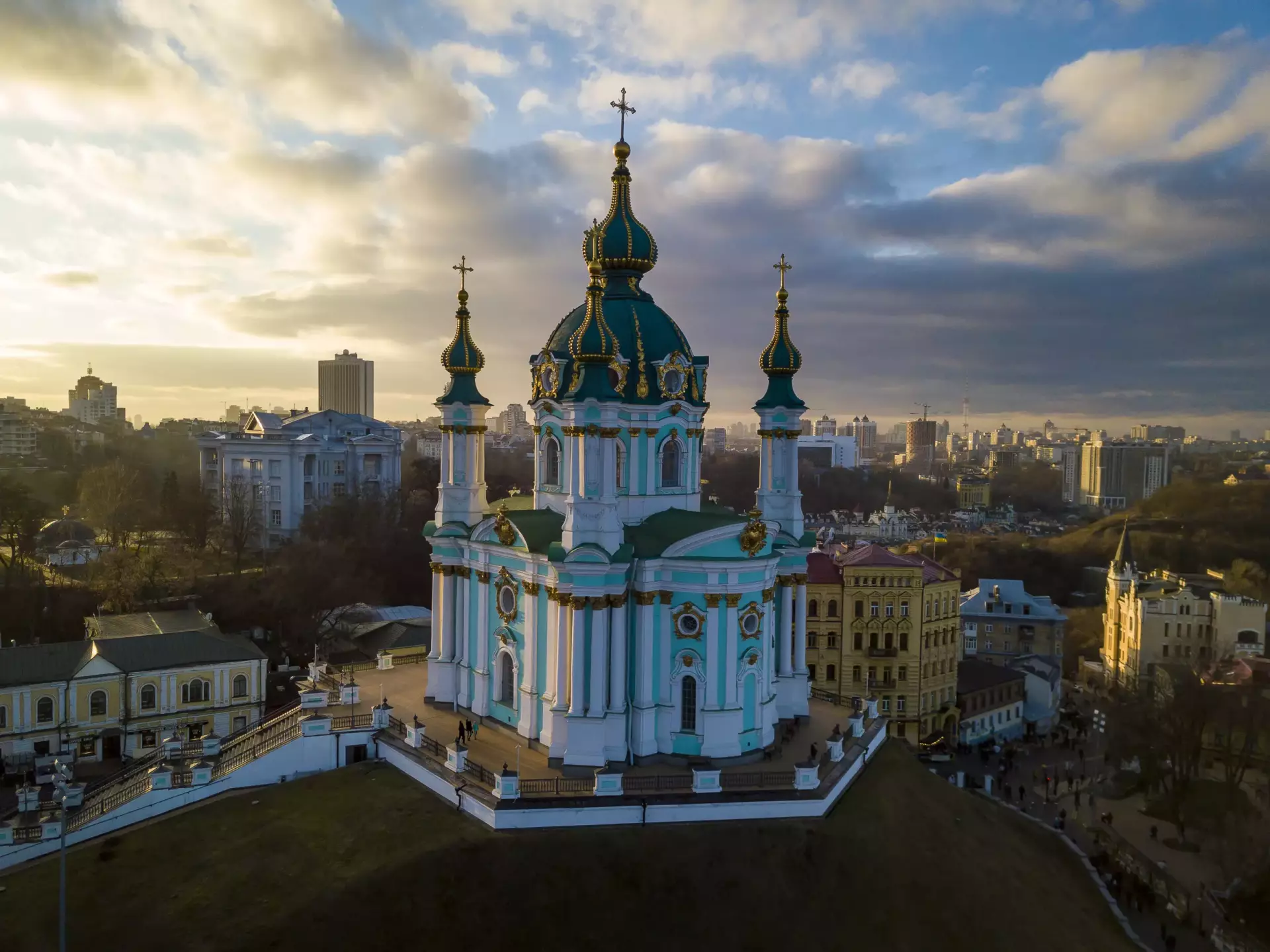
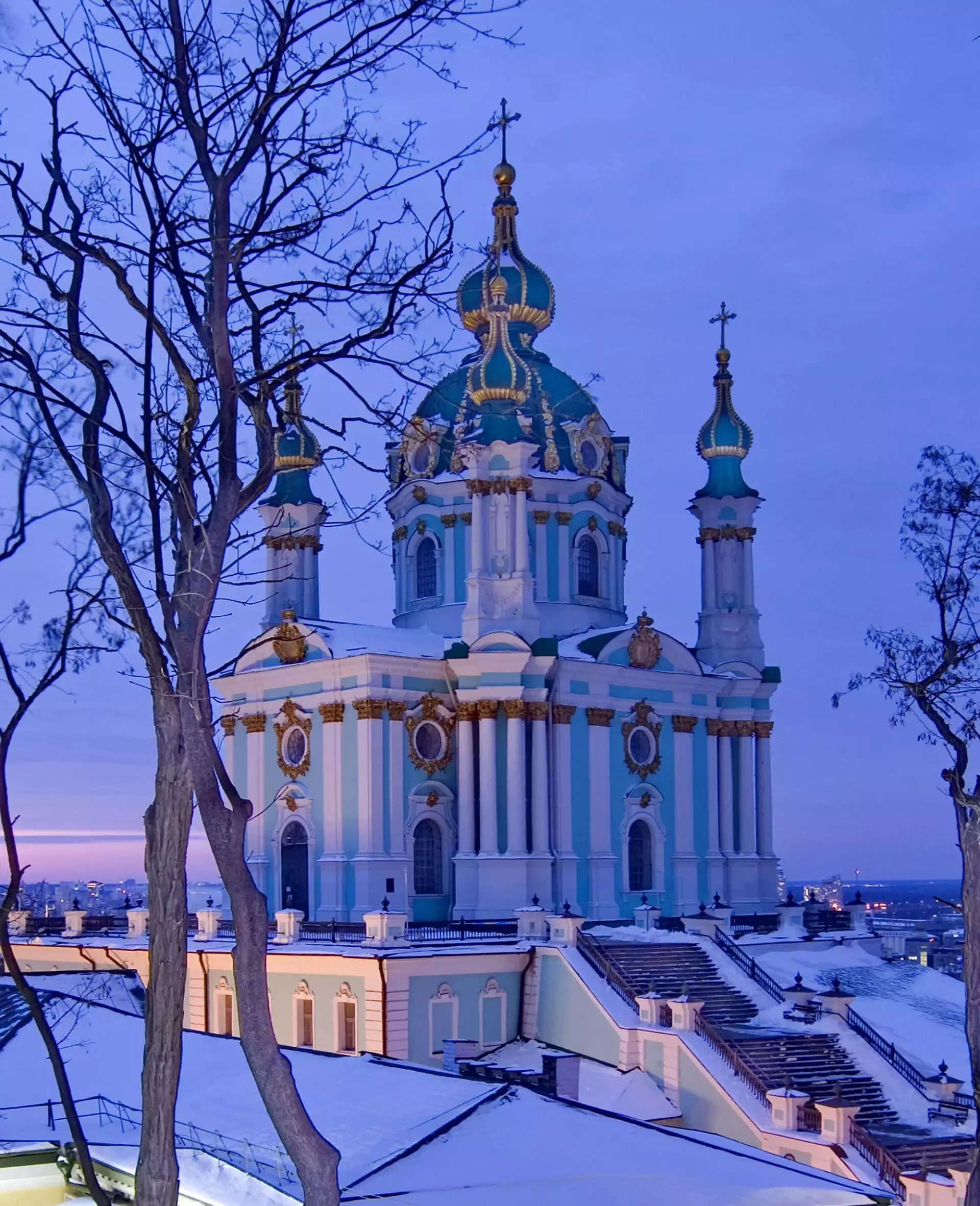
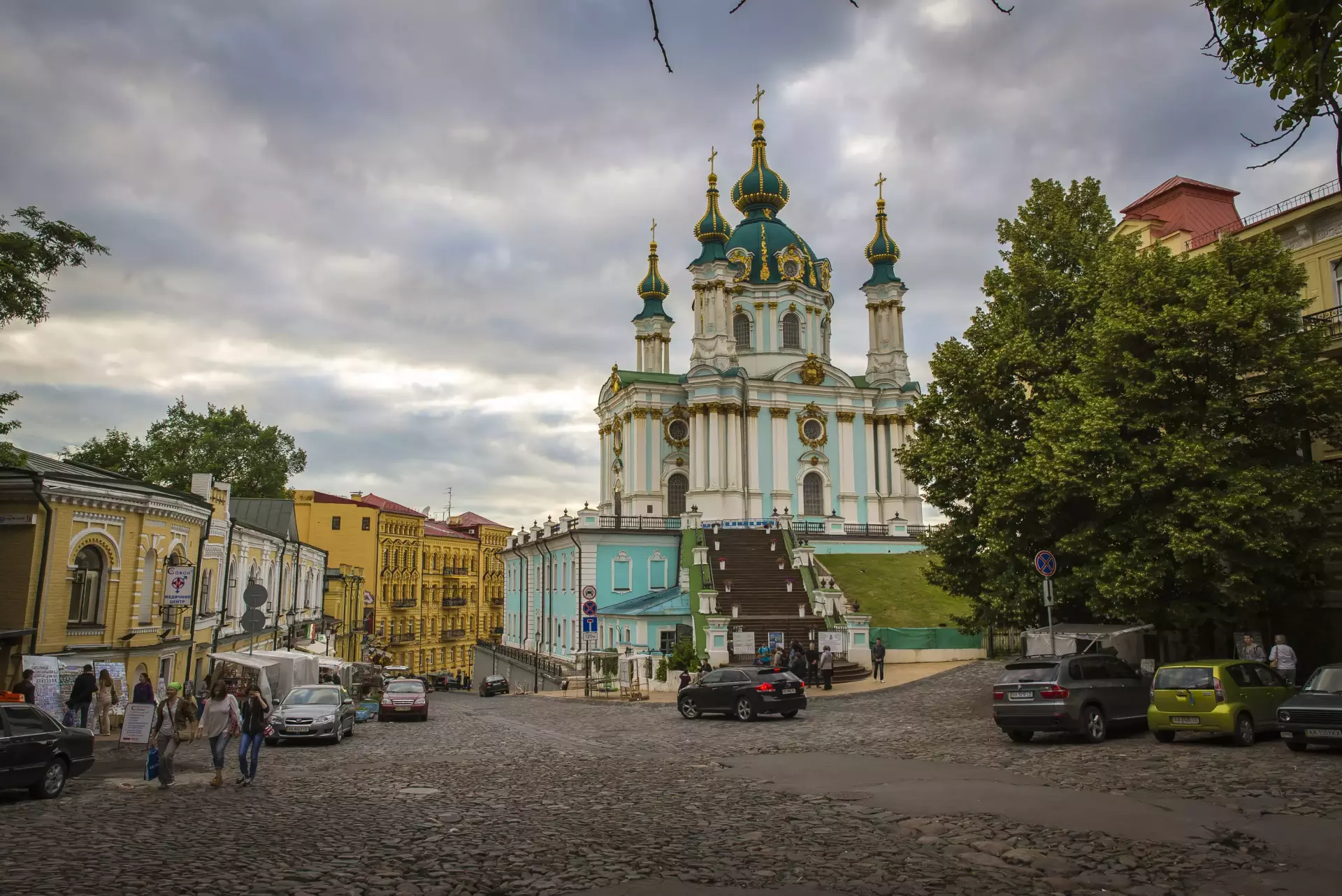
Saint Andrew's Church is a remarkable example of Baroque architecture, built between 1747 and 1754. The church stands at an impressive 50 meters (160 feet) tall, with a length of 31.7 meters (104 feet) and a width of 20.4 meters (67 feet). Its size and ornamental design make it a striking sight on the cityscape.
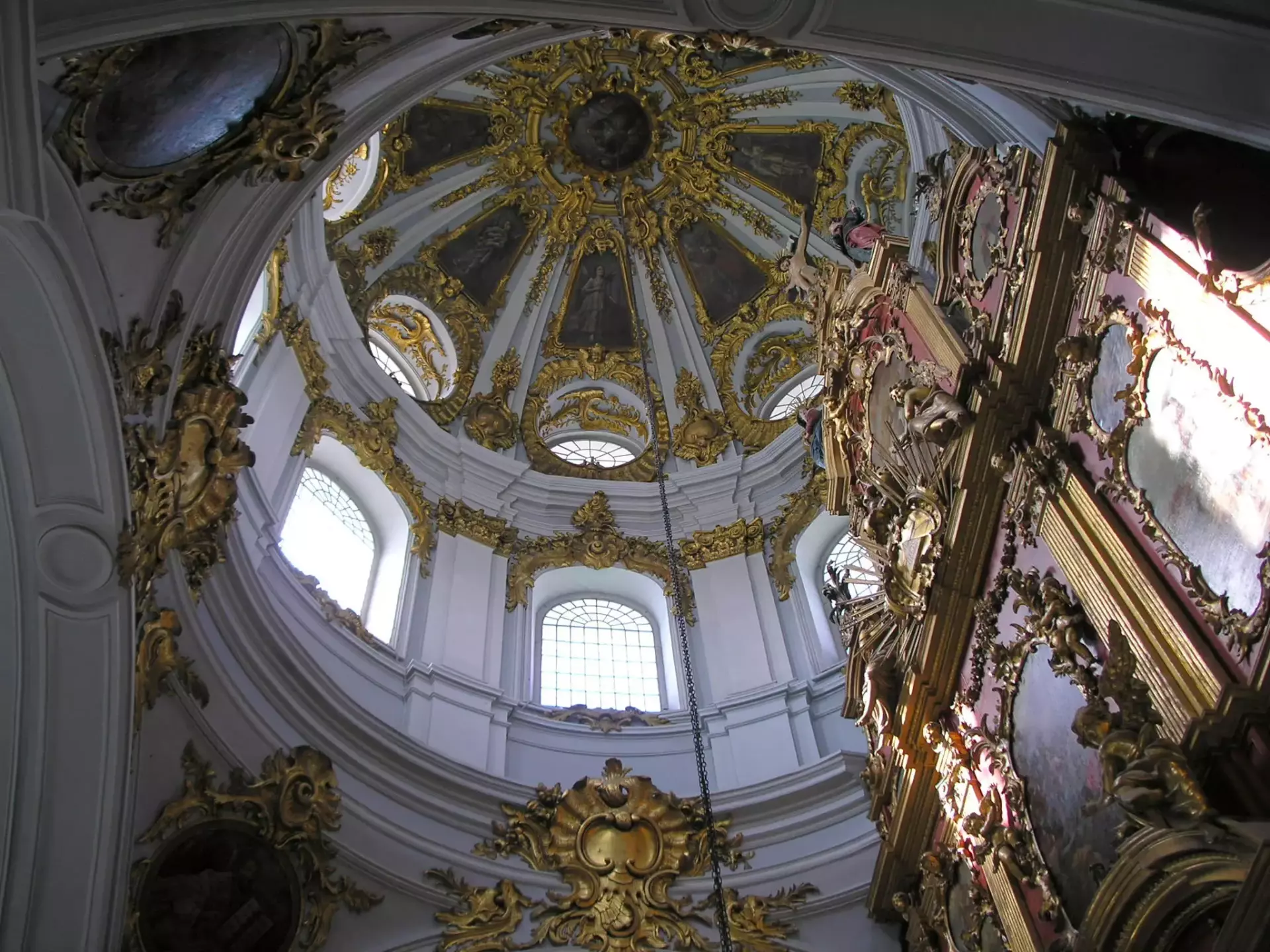
The construction of both the exterior and interior decorations took place at the same time. Cast iron floor slabs were specially transported from Moscow, highlighting the importance of using durable and high-quality materials for the project. Artisans created detailed forms for the windows, doors, and walls, as well as for the area beneath the large central cupola.
The impressive iconostasis, designed by the Italian architect Rastrelli, became a centerpiece of the church’s interior. To keep the project moving quickly, the wood for the iconostasis, altar canopy, pulpit, and the tsar’s seat was carved in Saint Petersburg. The icons for the iconostasis were painted by artists from Petersburg, adding to the church’s rich artistic legacy.
Gilding played a significant role in the church’s interior decoration. A total of 1,028 gold slabs were used to cover various surfaces in the interior, creating a gleaming and luxurious atmosphere that reflects the grandeur and religious significance of Saint Andrew's Church.
Source - https://en.wikipedia.org/wiki/St_Andrew%27s_Church,_Kyiv
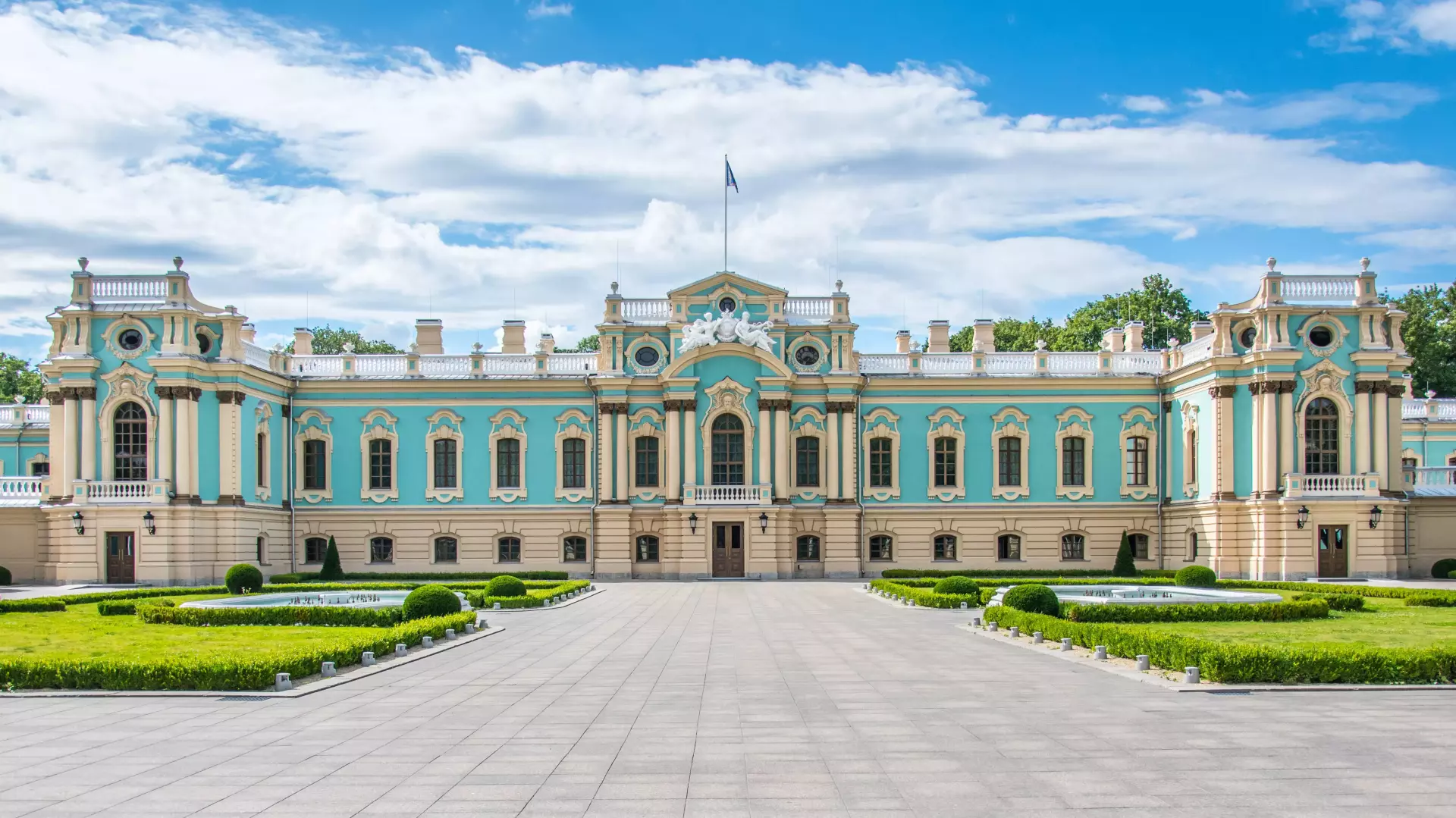
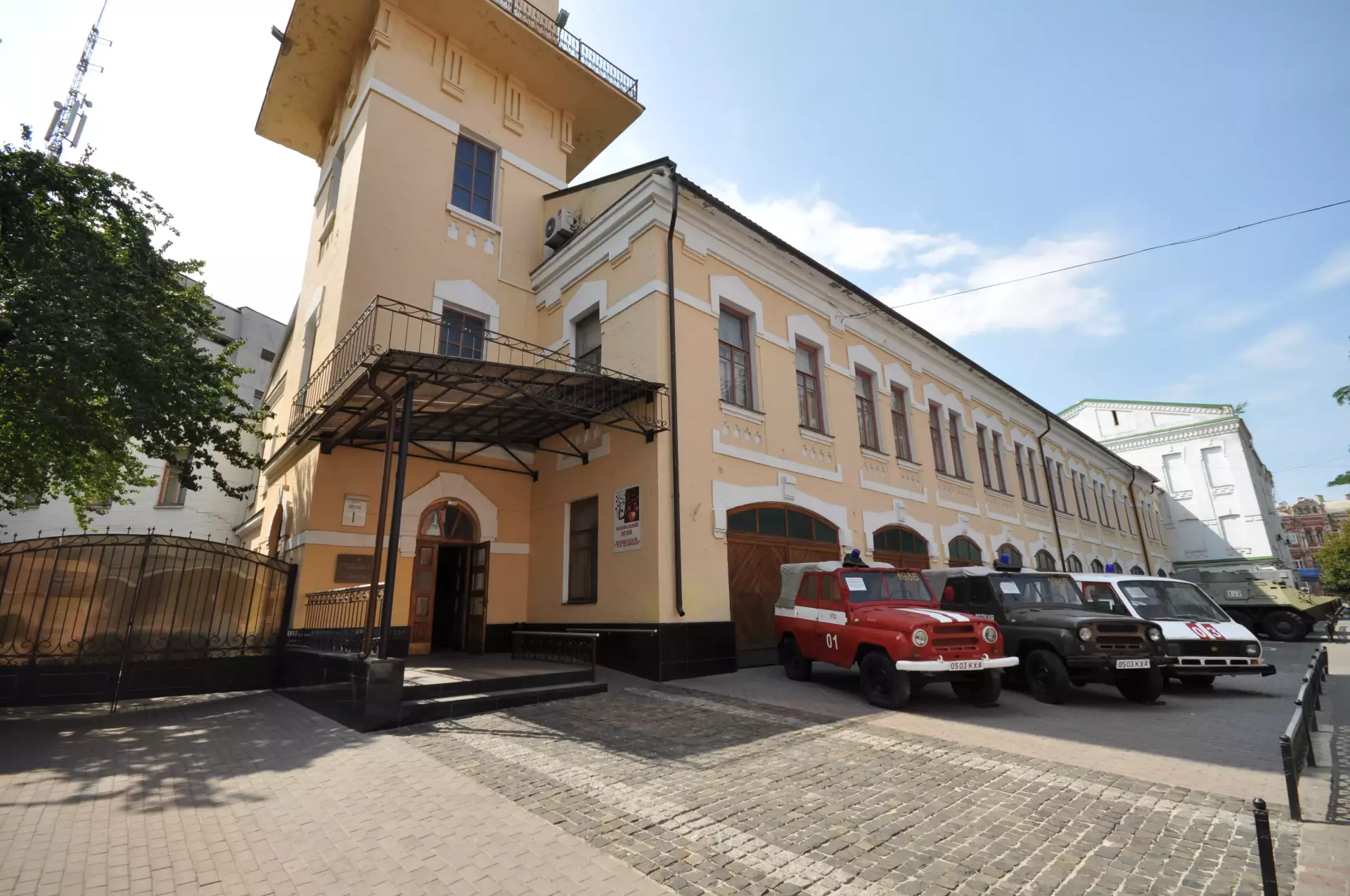
A refectory and an adjoining church of Saint Anthony and Theodosius. Built in 1893-1895. The sturdy dome of the church incorporates some aspects of ancient Byzantium. The interior decoration of the building was designed by Aleksey Shchusev. The marble icons are in the Neo-Russian style. The paintings in the refectory and the church, painted in the beginning of the 20th century. In 1973-1977, the Refectory interior was thoroughly renovated.
One of the oldest and most important monasteries in Ukraine and in the territory of the former Soviet Union. Only the most important monasteries were designated as Lavras; there were only four, of which this Cave Monastery is the oldest. It was founded in 1077 by St Antoniy. The caves were dug out by priests who lived there as hermits. Nowadays, the caves are venerated by the faithful and tourists who visit the mummified monks, and pilgrims are still allowed access to the underground church there. There are two parts to the modern complex: the upper lavra, owned by the state and consisting of a number of museums (entry fee); and the lower lavra, owned by the Orthodox Church (Moscow Patriarch) and consisting of the caves (you'll need 1 грн to buy a candle to enter). Do not miss the display of micro-miniatures in the Upper Lavra. It sounds lame, but it is fascinating. You can enter the caves in the lower part if you dress correctly (women must cover their hair and wear skirts, no shorts. Expensive scarves are for sale there). Women can only just get away with pants in the winter. Start at the Lower Lavra, visiting the caves, before the crowds descend for the day. There are two cave complexes, each housing the mummified remains of monks, as well as religious icons and other relics. Both caves are accessed through churches, with the entrance to the shorter caves at the end of a boardwalk. While it is free to enter the caves, you must purchase a taper candle in order to light your way. The caves are not recommended for the claustrophobic or overly tall. Once you're in there, it's hard, even impossible to turn around and go back out - you have to keep going.
Stroll around. Start at St Michael's Cathedral in the Upper Town. Catch the funicular behind it down to Poshtova Ploscha, and wander around the grid-like streets of Podil. The area was the merchant's quarter, and was completely rebuilt in the 19th century after fires destroyed the area. It was mainly untouched during WWII and is emerging as a hip restaurant district and is rapidly being gentrified. Walk along the Sahaidachnoho street. Finish your stroll by walking up Andriyivsky Uzviz, which will get you back to St Michael's Cathedral.
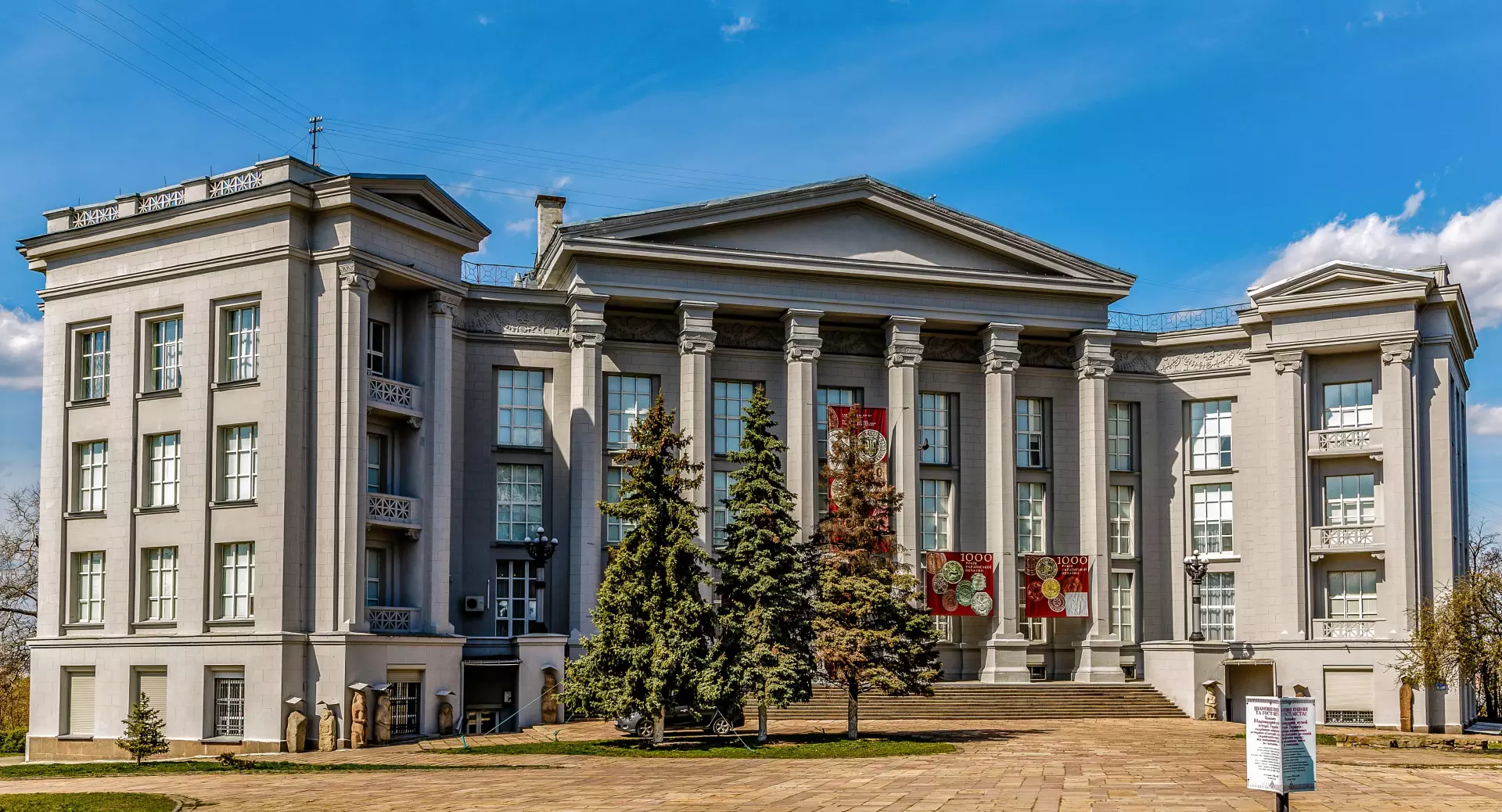
Museum represents different times from ancient till nowadays.
At the top of this quaint, very rough, cobblestone street is St Andrew's Church (closed for restoration since 2011). Pavements are gradually being added to the Descent but, meanwhile, take a good pair of shoes. The street is lined with souvenir sellers, restaurants, galleries and museums. Touristy but retains its charm.
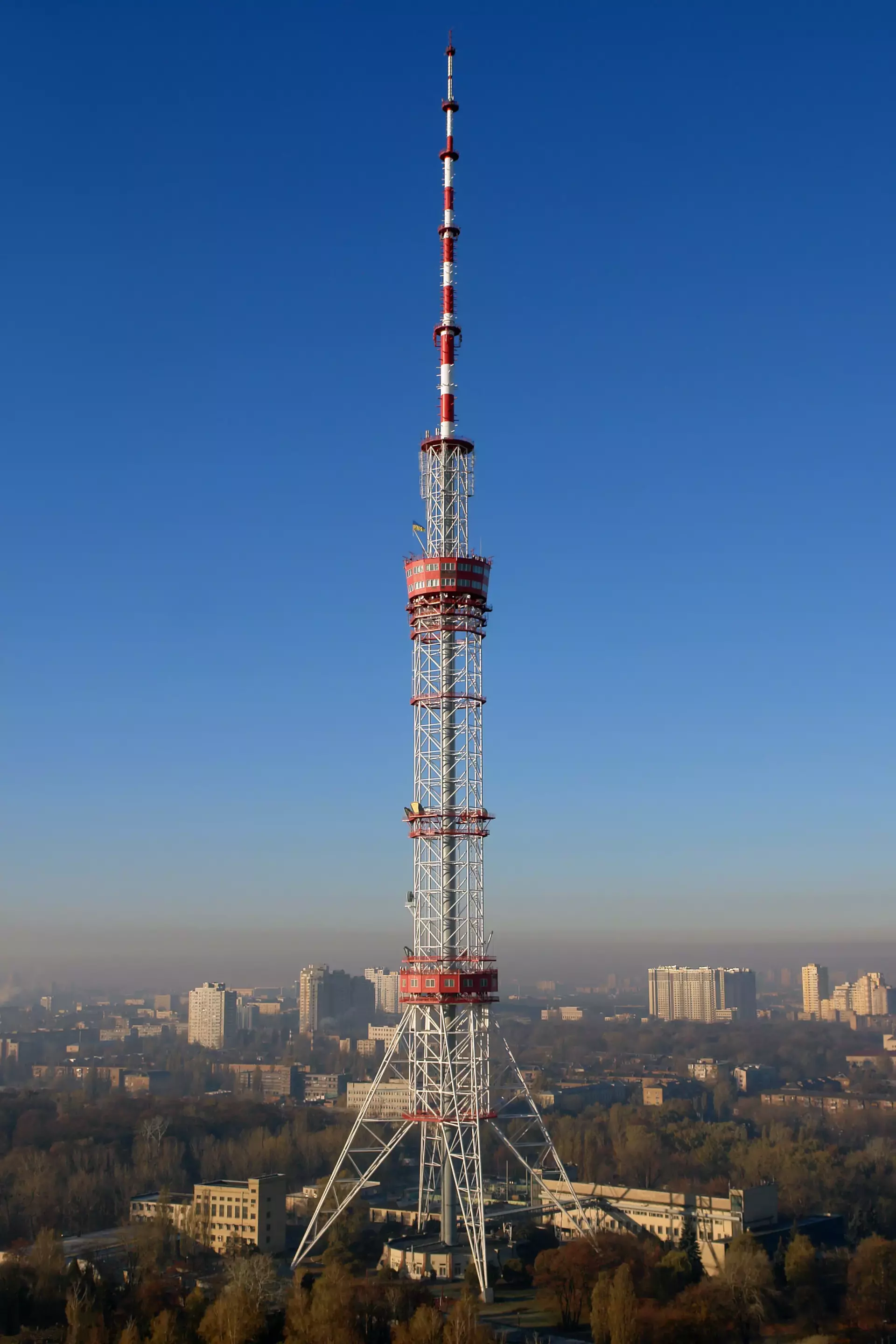
A 385-m-high (1,263 ft) lattice steel tower built in 1973. It is not accessible for tourists. The operational platform is at 200 m.
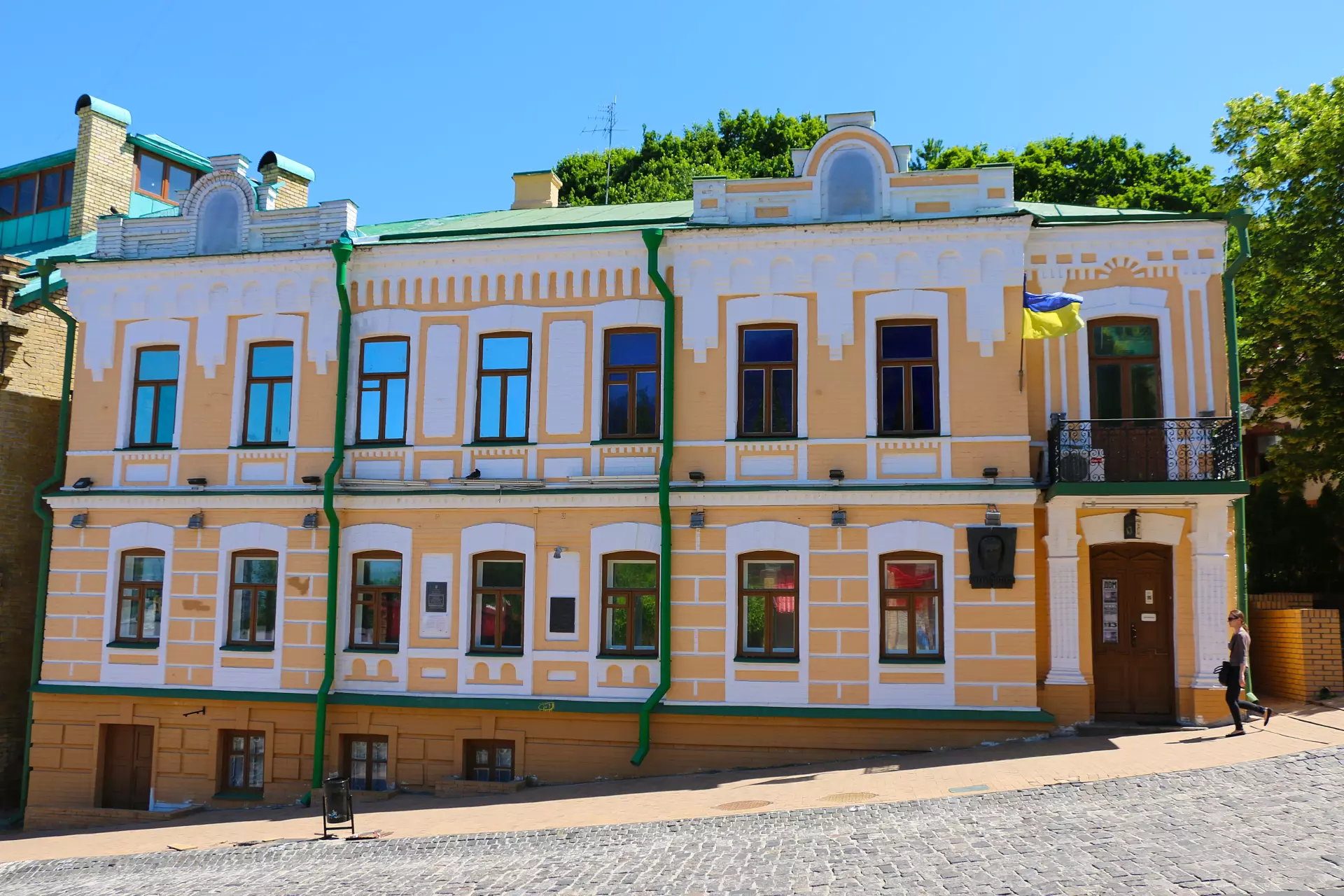
The legendary Andriyivsky Descent was the street where the great writer lived with his family and where he "lodged" the heroes of his immortal novel "The White Guard".
A medieval monastery. Founded in 1140. Reconstructed by the Ukrainian architect Ivan Hryhorovych-Barskyi during 1750–1760. Saint Cyril's Church, including the medieval interior frescoes and the 1880s murals by the famous Russian painter Mikhail Vrubel, were fortunately preserved. The remaining constructions of the complex, the rest of the monastic walls, one corner tower (see picture), and two buildings constructed by Barskyi were also preserved. Of the monastery's cemetery, only two 18th-century graves remained.
A fairly large museum, starting with World War II, going through Nazi occupation until Ukraine's independence. The museum is at the base of the massive statue of Mother Ukraine. While the displays are mostly in Ukrainian. The museum has laminated cards in each room with varying languages including English, German and French. The museum also offers guided tours in several languages.
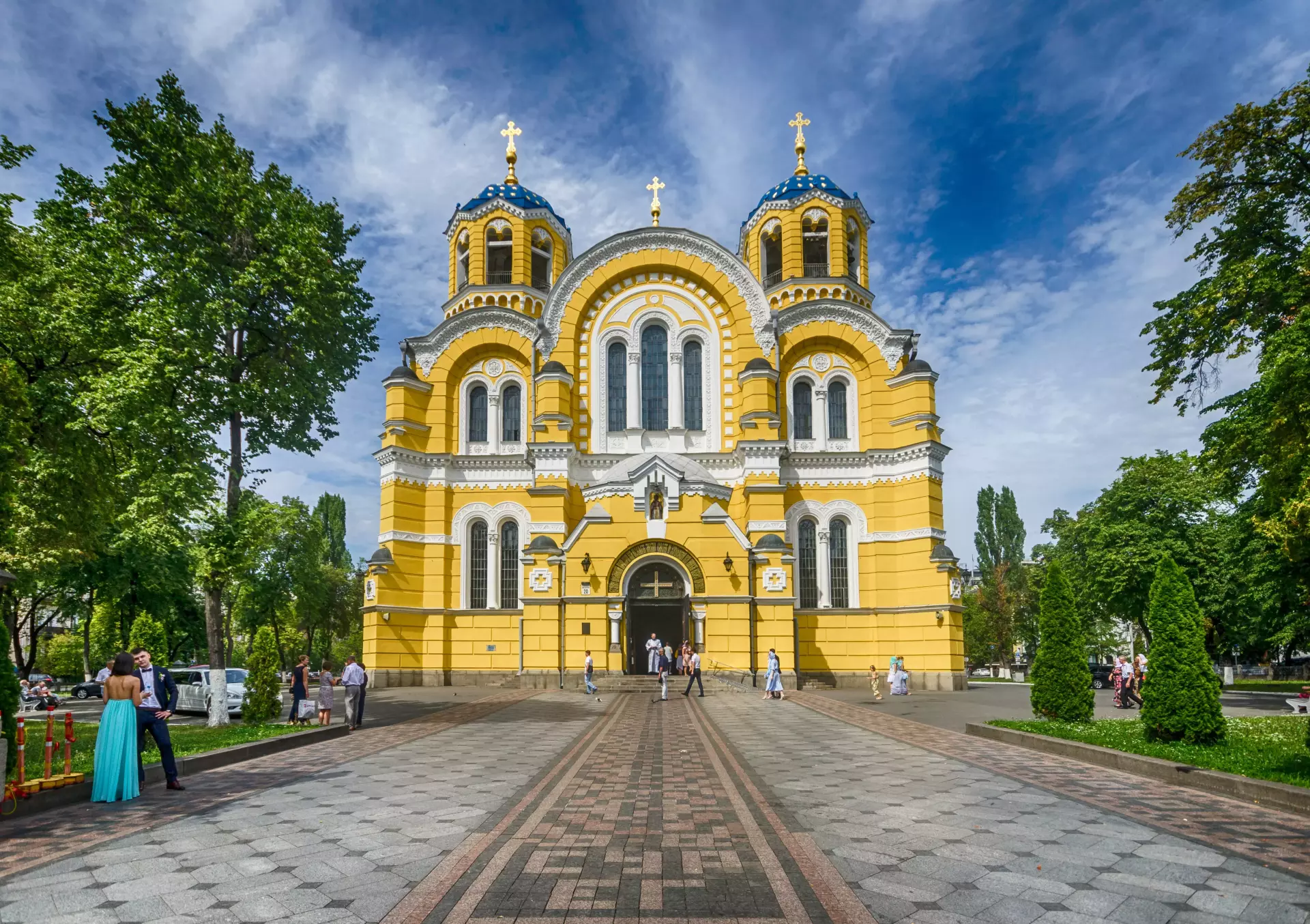
Seven domed Ukrainian Orthodox brick cathedral in neo-Byzantine style, built in the 19th century. It barely escaped demolition by the Soviet authorities. Dome height (outer) 49 m (161 ft).
Independence Square or Maidan is the place where opposition to pro-Russian governments gathered at different points between 2004 and 2013. This is a central meeting place in Kyiv.
A fascinating and moving museum. No signage in English. The cost of audio-tour in English or German - 50 грн.
A working monastery that goes back to the 12th century. Destroyed during the Soviet era, with many of its art works hastily removed, some of which were transferred to the museums in Moscow and St Petersburg, some were moved to St Sophia Cathedral. Some mosaics housed in St Sophia subsequently fell into the hands of the Nazis but were returned... to the Hermitage in St Petersburg. Rebuilt in 1997-98. Impressive gold domes, best visited on a sunny day. Behind the complex is a pleasant park with views of the Dnieper and, to the left, the entrance to the funicular.
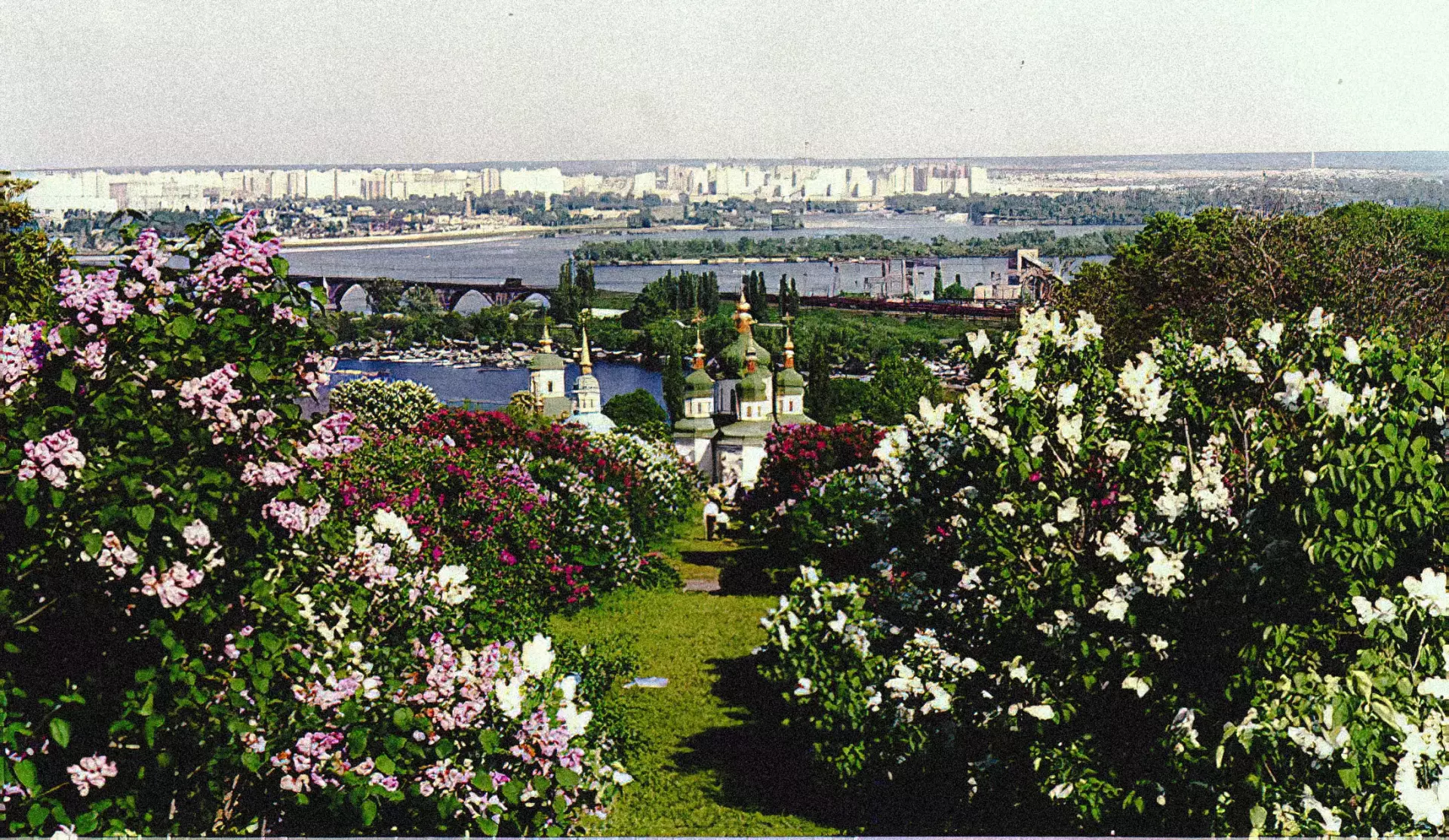
22.5 hectares, with 8,000 plant species. The garden is famous for its exotic plants. Building of greenhouse, which was built for the largest and the oldest palm trees in Northern Eurasia, long time had been considered one of the highest in the world. In 1935, the garden was named after the academician A.V. Fomin, who directed the garden for years.
This built in 1976. It is a cable-stayed bridge, designed by the architect A.V. Dobrovolsky and an engineer by G.B.Fux, with the beam of the main span being held by a cluster of steel ropes which are fixed to a 115 m tall A-pylon. The bridge consists of two spans: one is 816 m long and 31.4 m wide span across the Dnieper and another which is 732 m long, 29.1 m wide and span across the Desyonka, what is a Dnieper tributary. It is a key structure on the northern end of the Kyiv Smaller Beltway, connecting Petrivka to the densely-populated north-eastern residential neighborhoods. The bridge was built as a part of a high-speed freeway.
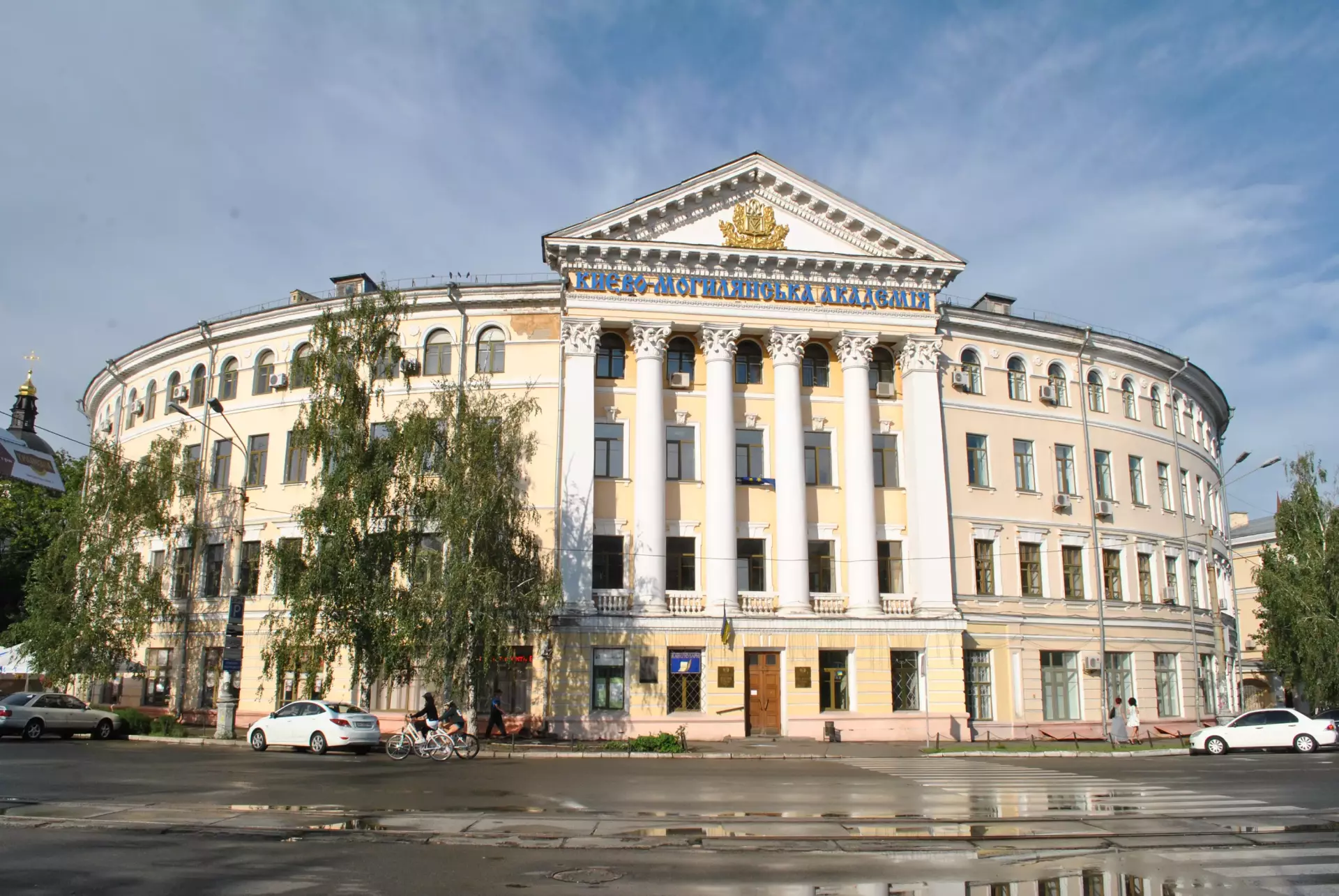
Motto in English: "Time is running, Academy is eternal". The library of the old Kyiv Mohyla Academy contained a notable collection of the books. However, the archive was plundered in the 1920s when the academy was closed. - The Halshka Hulevychivna house belonging to the university is the oldest civil building in Kyiv.
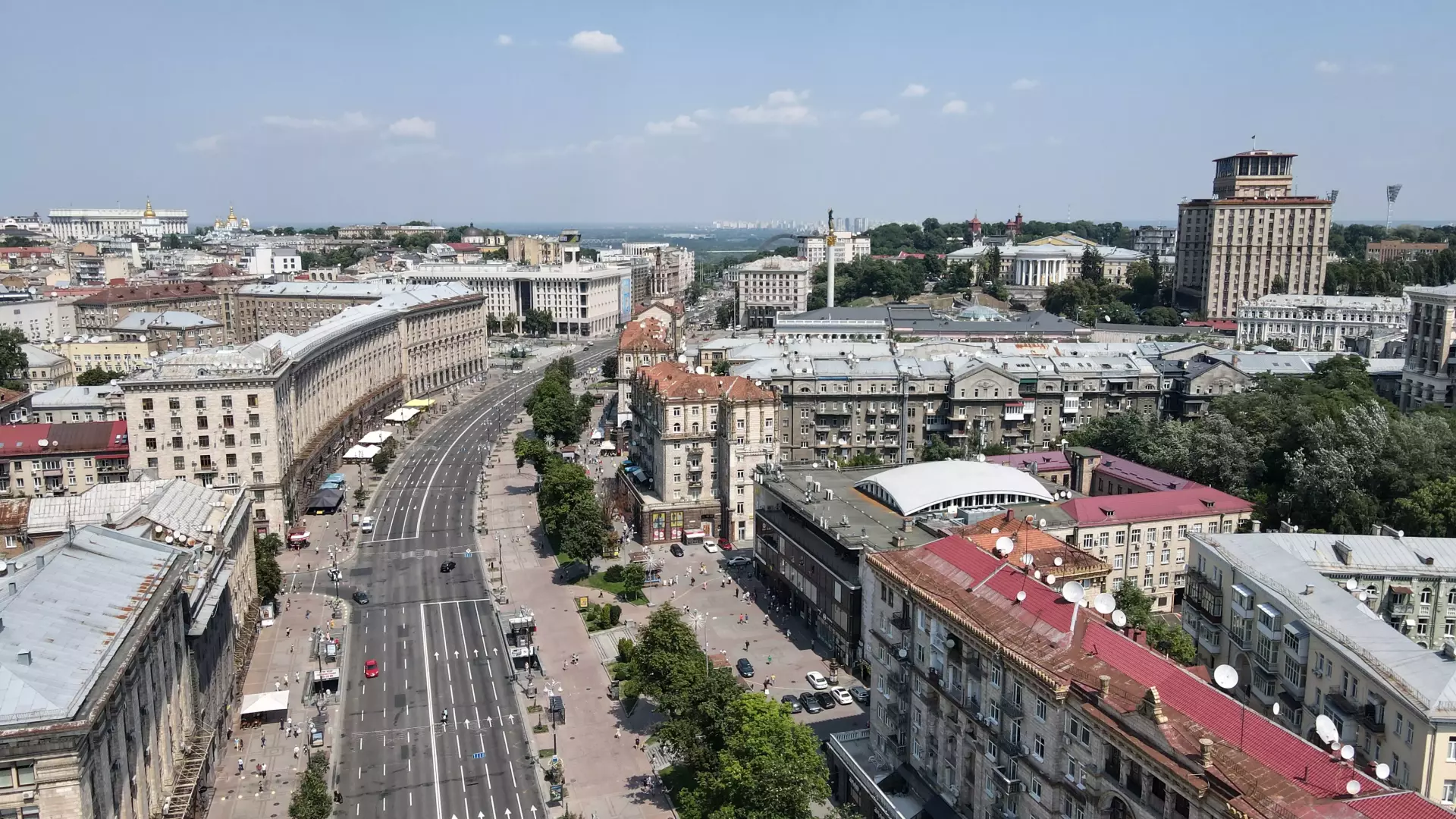
Start at Ukrainskykh Heroiv Square and head underground. Walk through the Metrograd shopping center, always sticking to your left. Head above-ground at Tarasa Shevchenka Boulevard (бульвар Тараса Шевченка), from where the council shuts down Khreshchatyk on the weekends. The main drag of the city center is closed to traffic on some weekends and full of entertainers and people wandering around. A big, happy crowd and very conducive to people watching. Walking up the street to Maidan, you will be treated to the sight of numerous street performers and animal handlers, or you can simply enjoy seeing families out and about for a weekend stroll.
Berestovo was a suburban residence in the 11th century. - Its vaulting may have been unusually complicated, probably echoing the trefoil roofing of the porches. The outside of the church formerly displayed intricate brick patterns: double and treble niches, the meander, and decorative crosses.
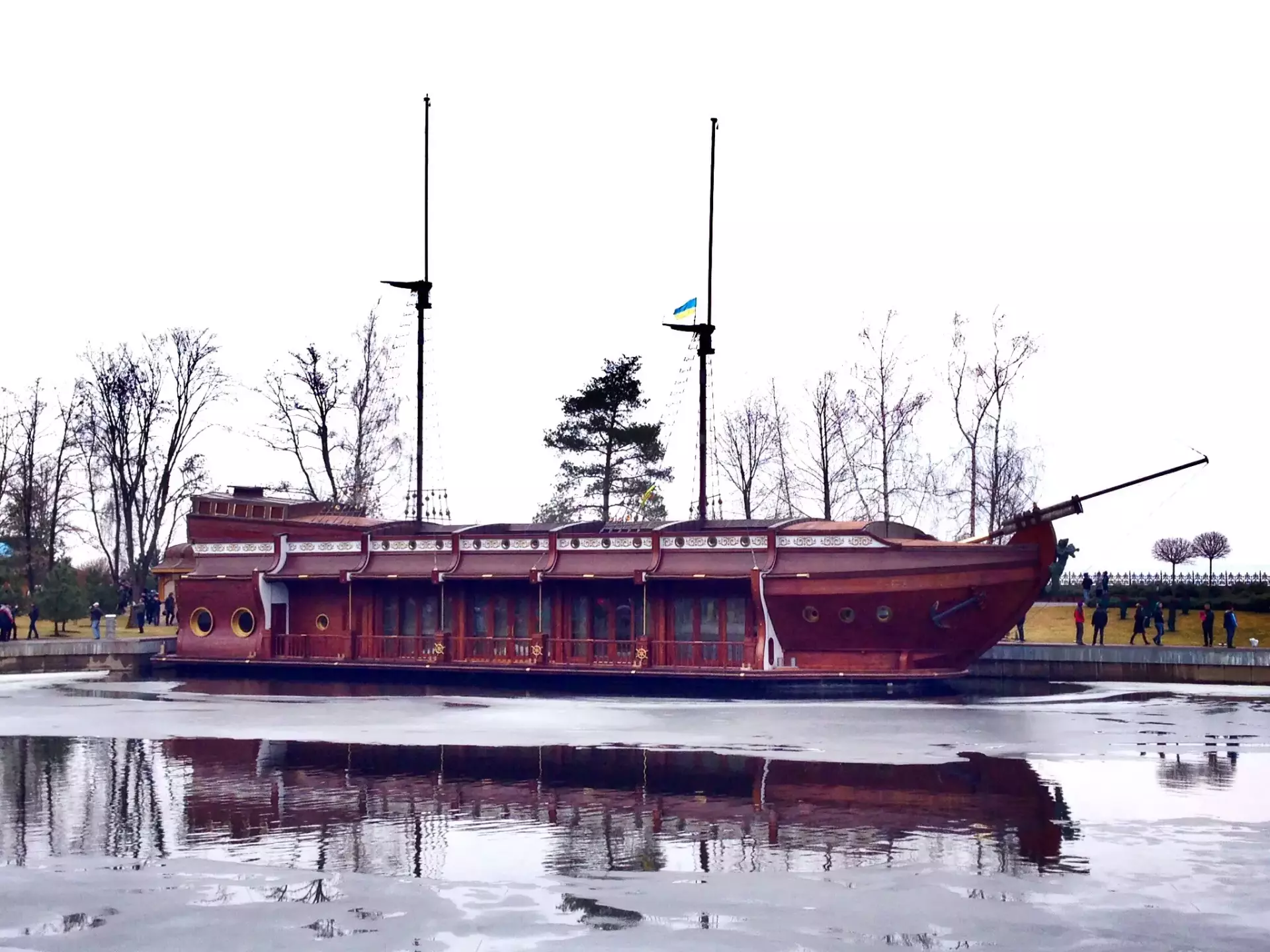
Opulent residence of Ukraine’s deposed Russophile president Viktor Yanukovych, opened for paid tours after he fled the country in 2014. An exhibition of art, religious icons, and decorative objects from Mezhyhirye was displayed by Kyiv's National Art Museum of Ukraine that same year.