

Bank of England
The Bank of England, located in London, stands as one of the most significant institutions in the financial world. With a rich history dating back to 1694, it's often referred to as the "Old Lady of Threadneedle Street." This nickname has become synonymous with the bank's role in shaping the British economy over centuries.
Historical Importance
Founded during the reign of William and Mary, the bank was initially established to fund the rebuilding of the English navy. Since then, it has grown into a cornerstone of the financial system, steering the country's monetary policy and ensuring stability. Its imposing features and architectural grandeur speak volumes of its storied past and continued influence.
Architectural Features
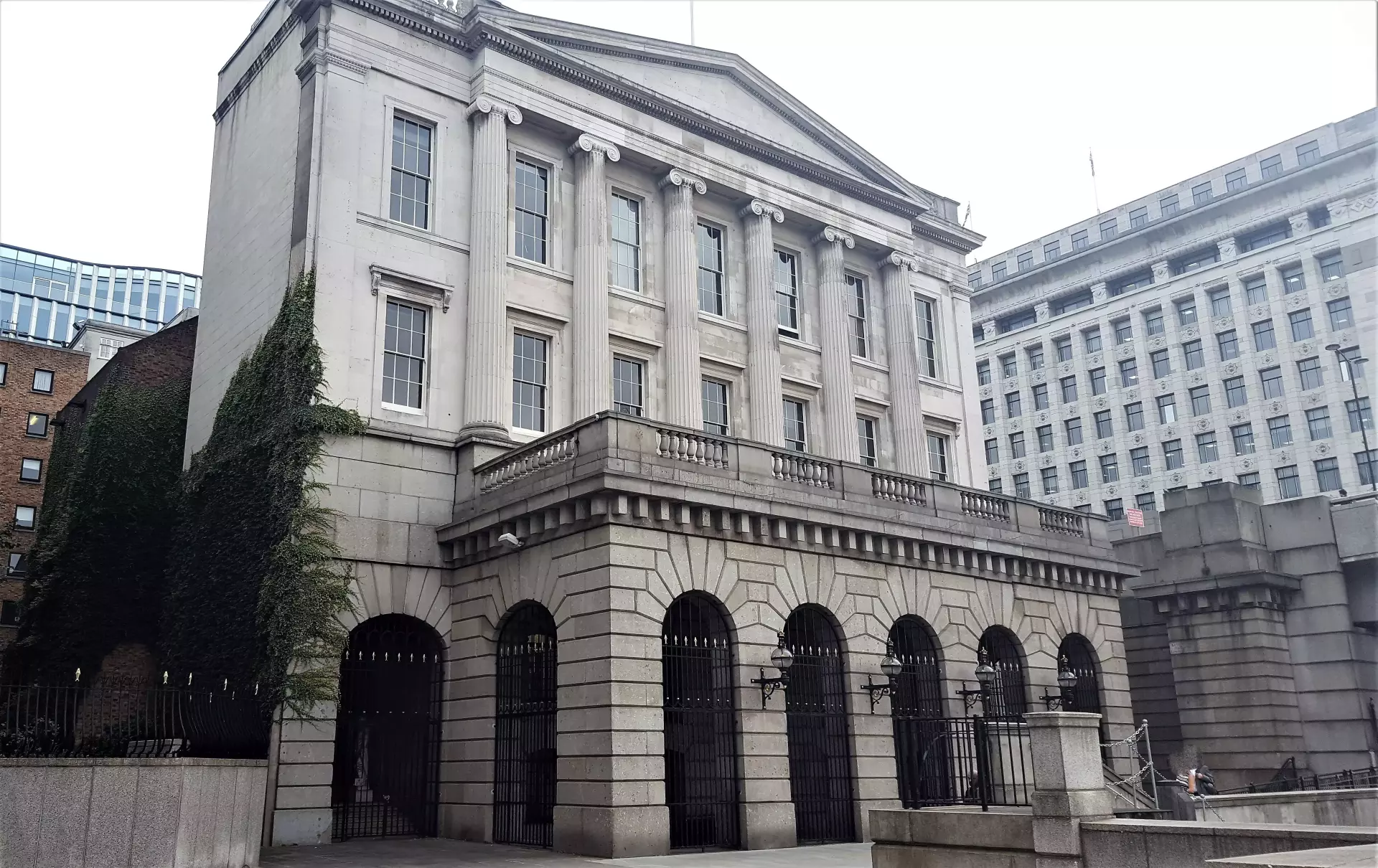
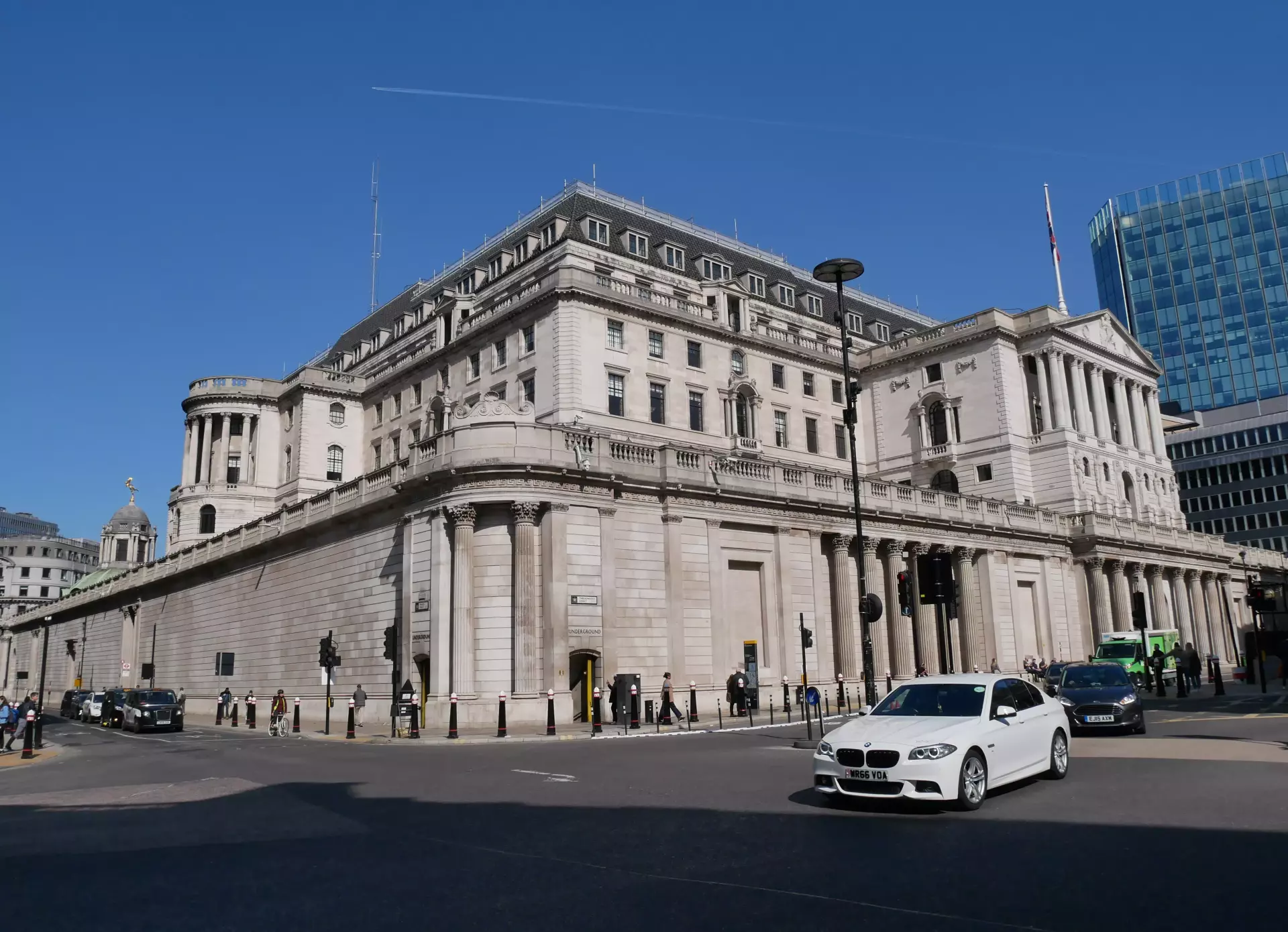
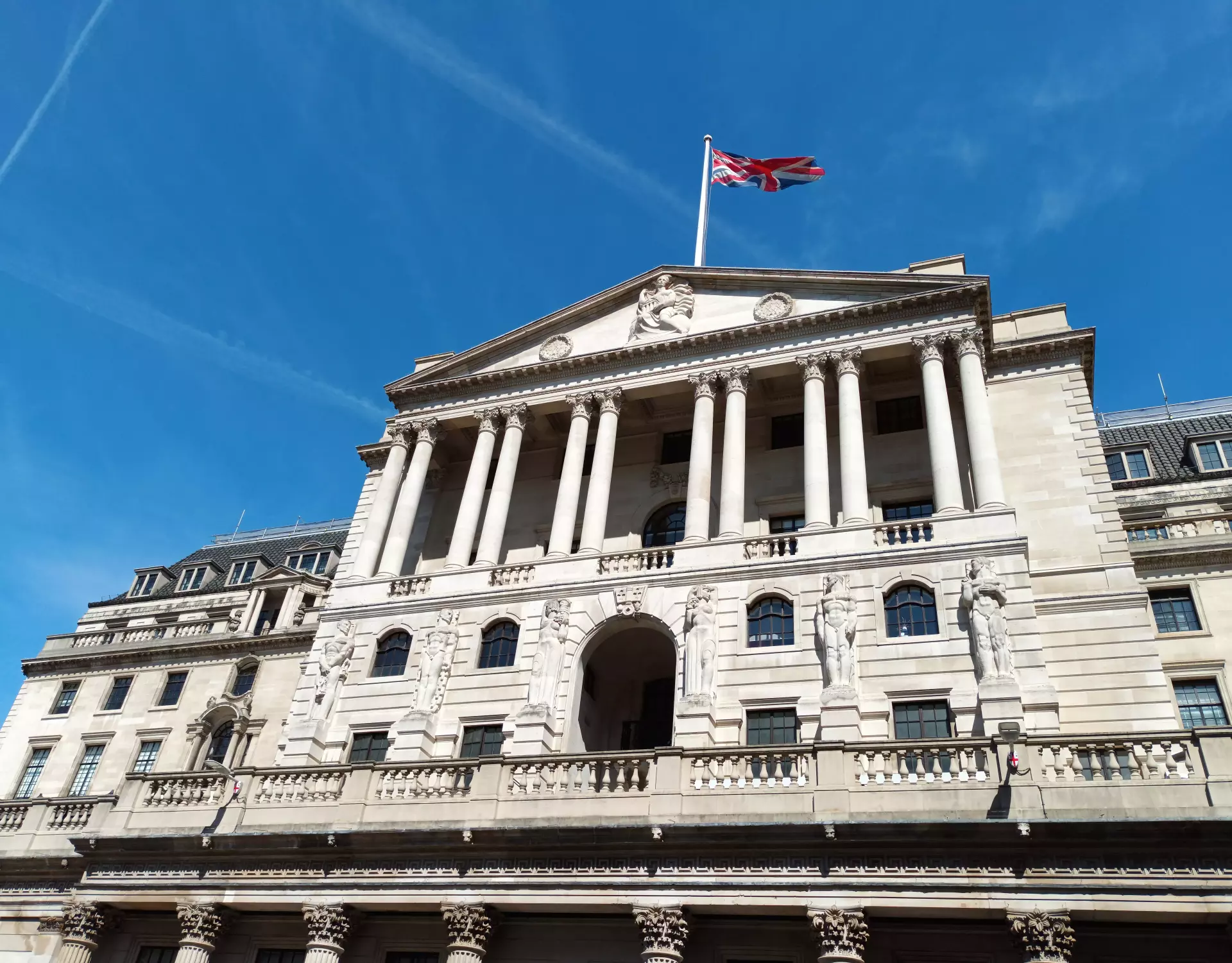
The building itself is an architectural masterpiece. Combining classic and modern styles, the structure reflects the evolution of bank architecture over the years. Visitors often admire the grand façade and intricate details that adorn the building, highlighting the craftsmanship of its designers.
The Bank of England Museum
Located within the premises, the Bank of England Museum offers a fascinating glimpse into the history of the bank and the British financial system. Exhibits include a vast array of artifacts, from early banking tools to rare coins and banknotes. Interactive displays provide an engaging way to learn about the bank's operations and its role in global finance.
Public Access and Education
The museum also plays an important role in education, offering workshops and programs for visitors of all ages. Through these initiatives, the bank aims to demystify its operations and make the world of finance accessible to everyone.