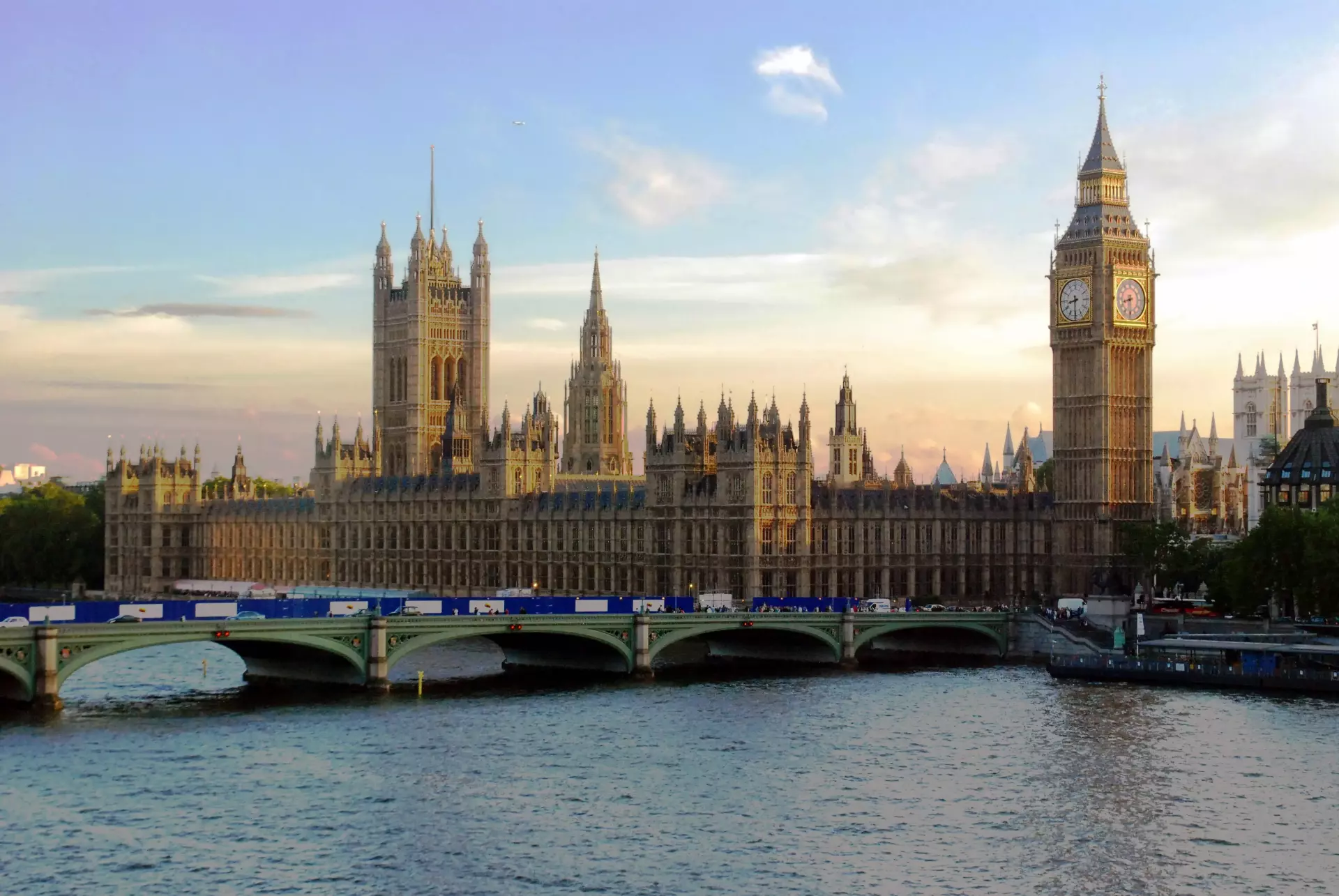
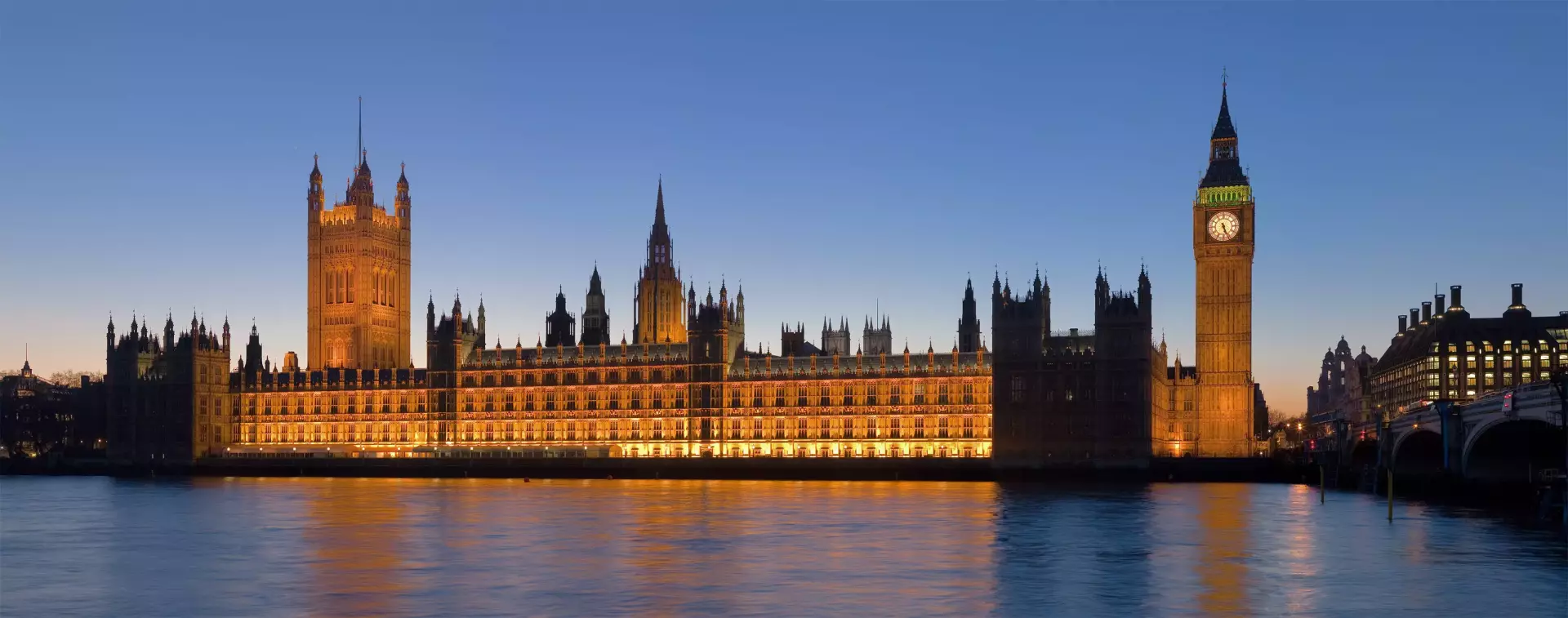
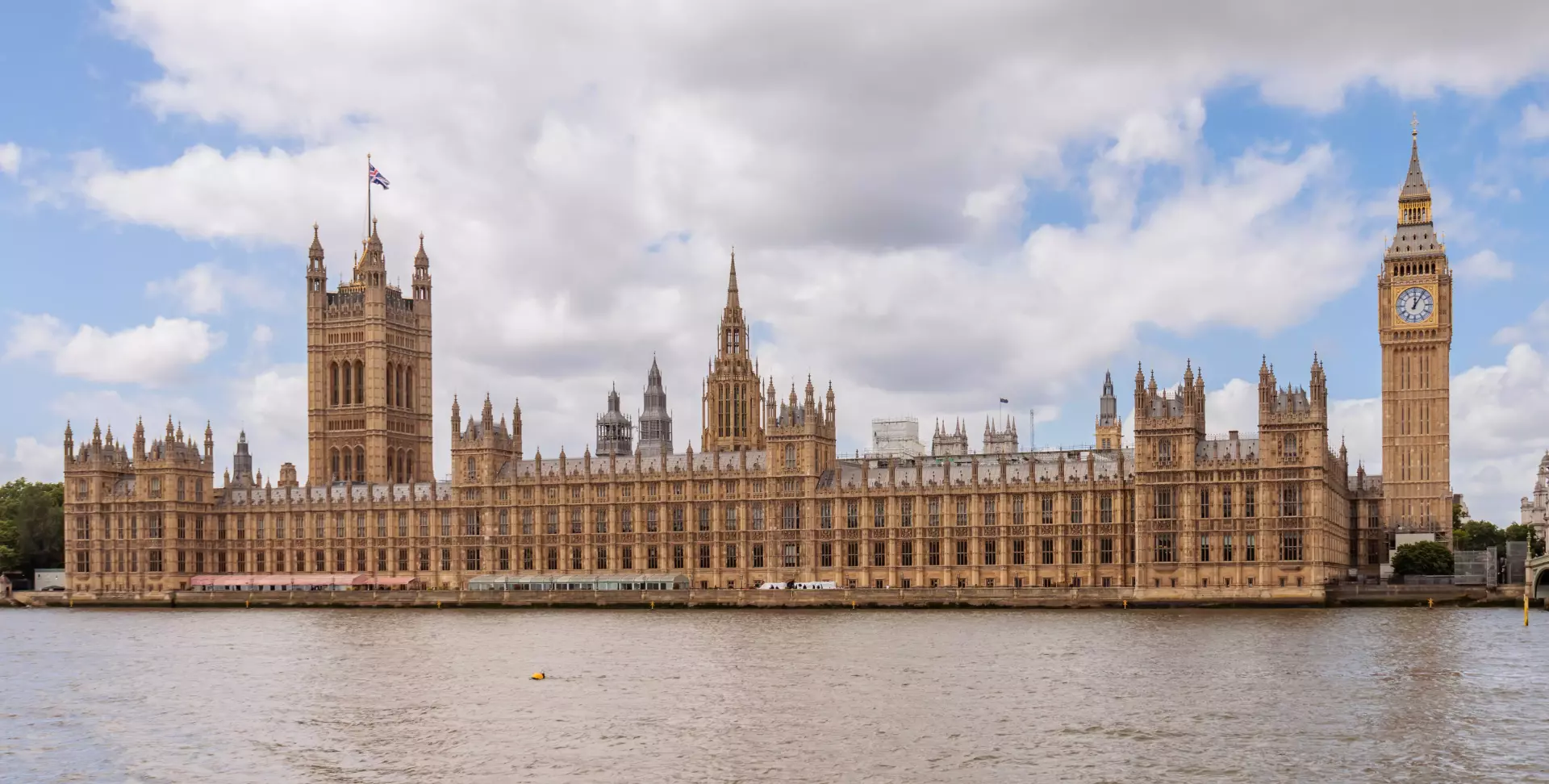
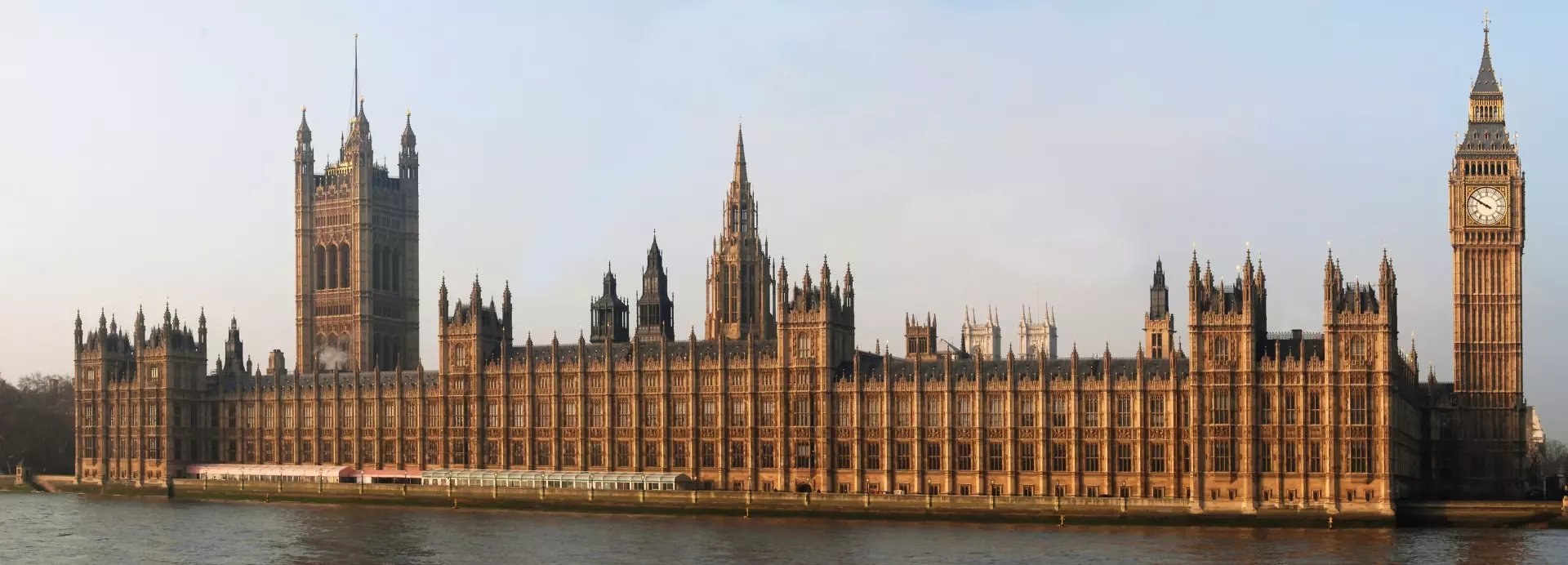
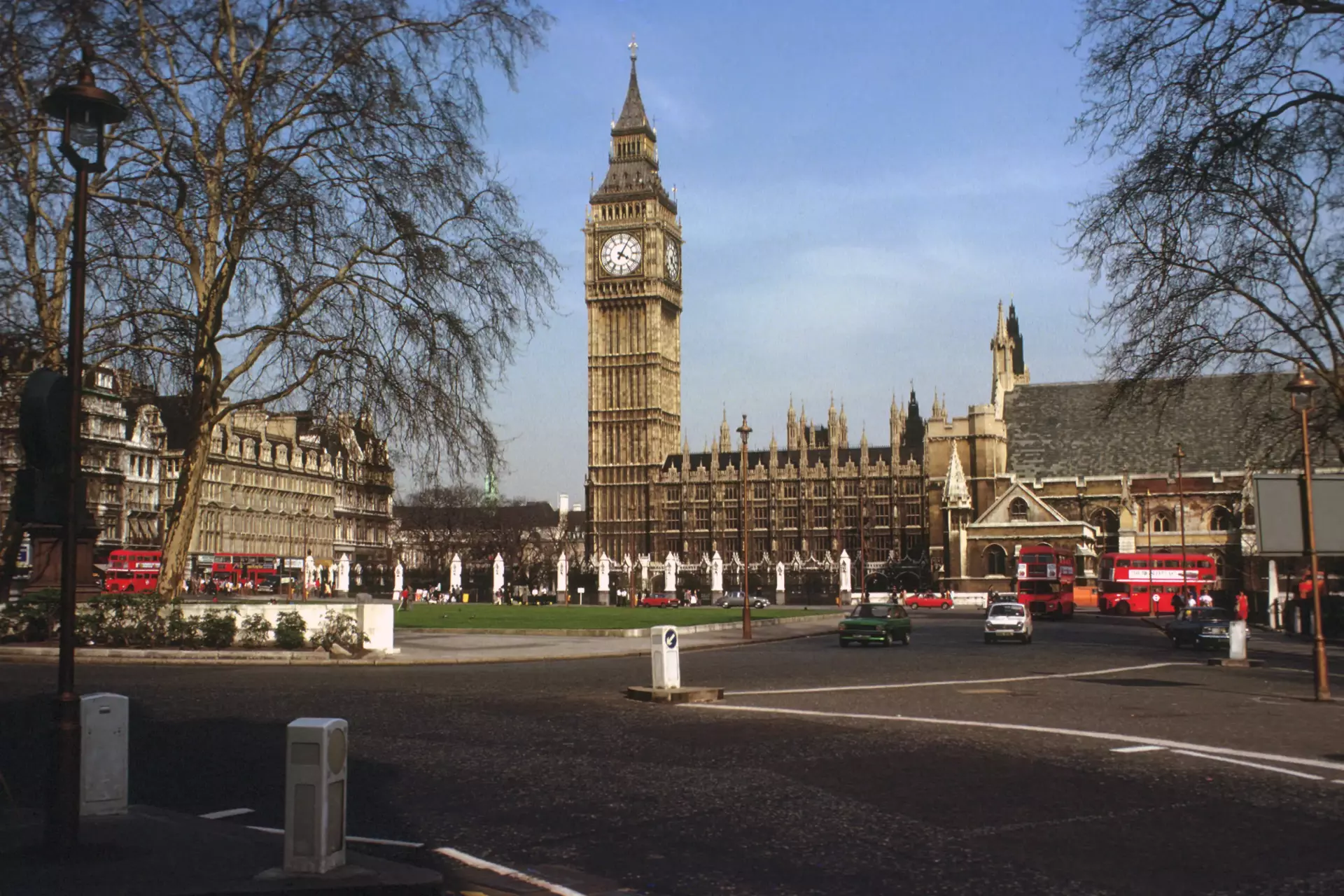
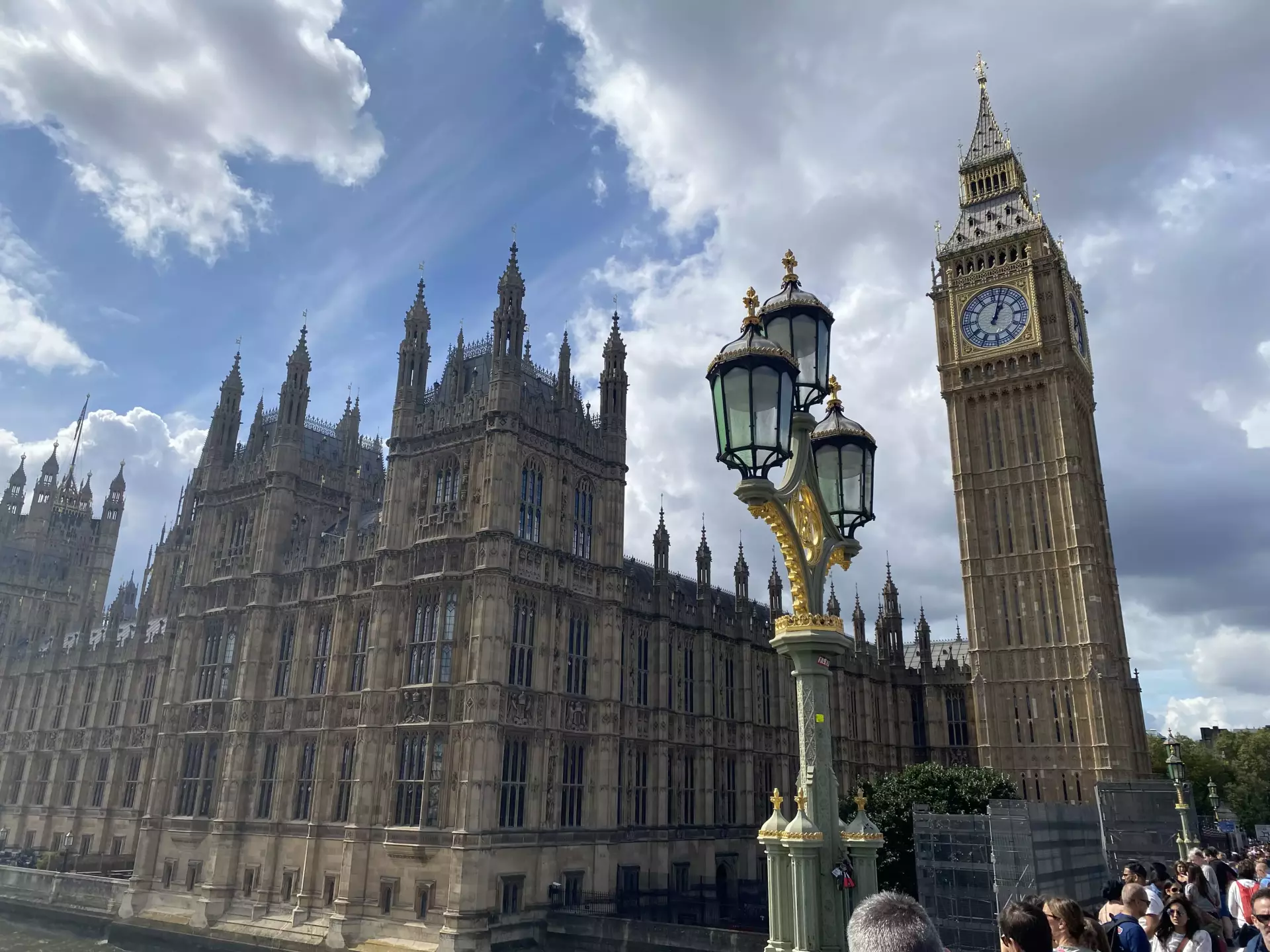
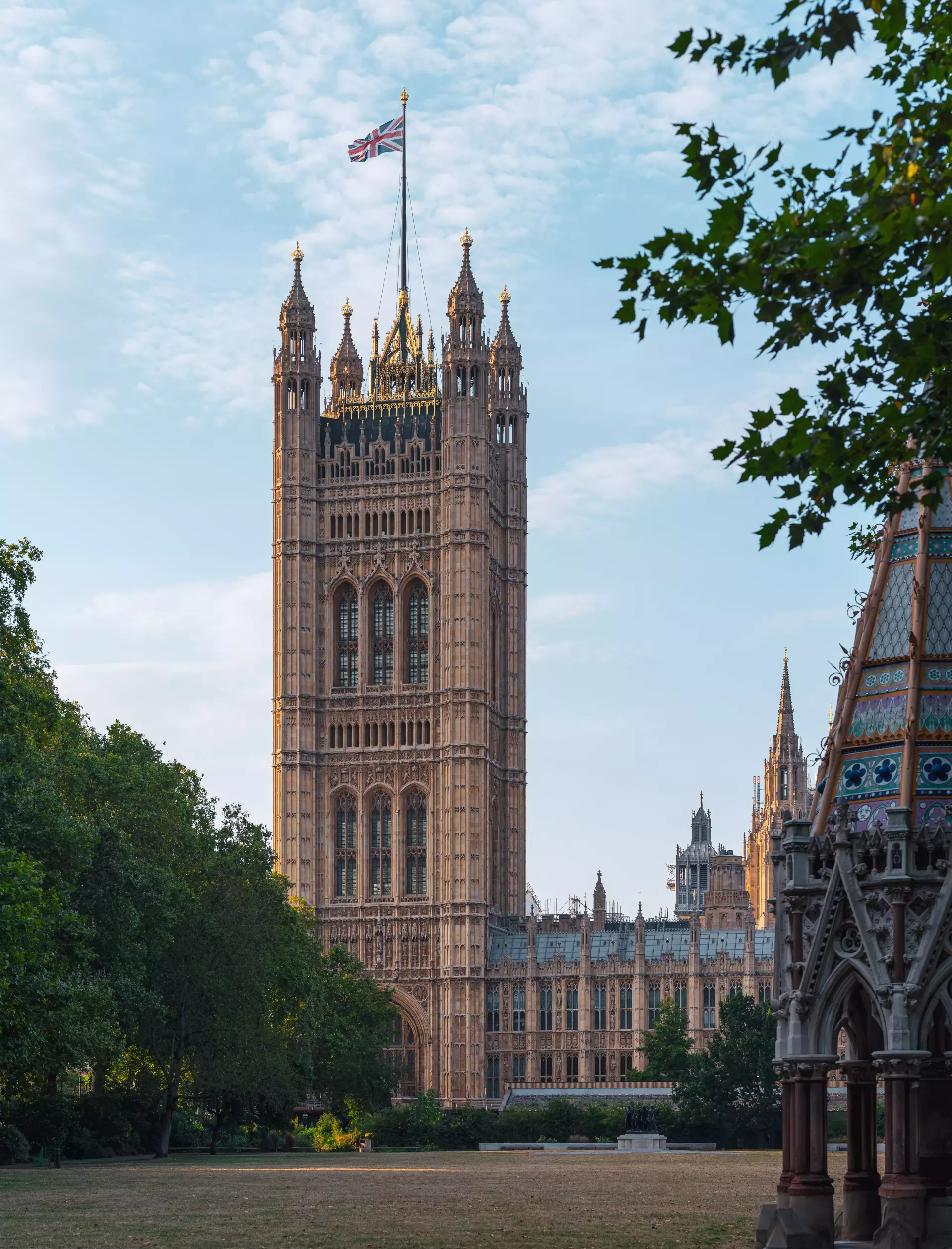
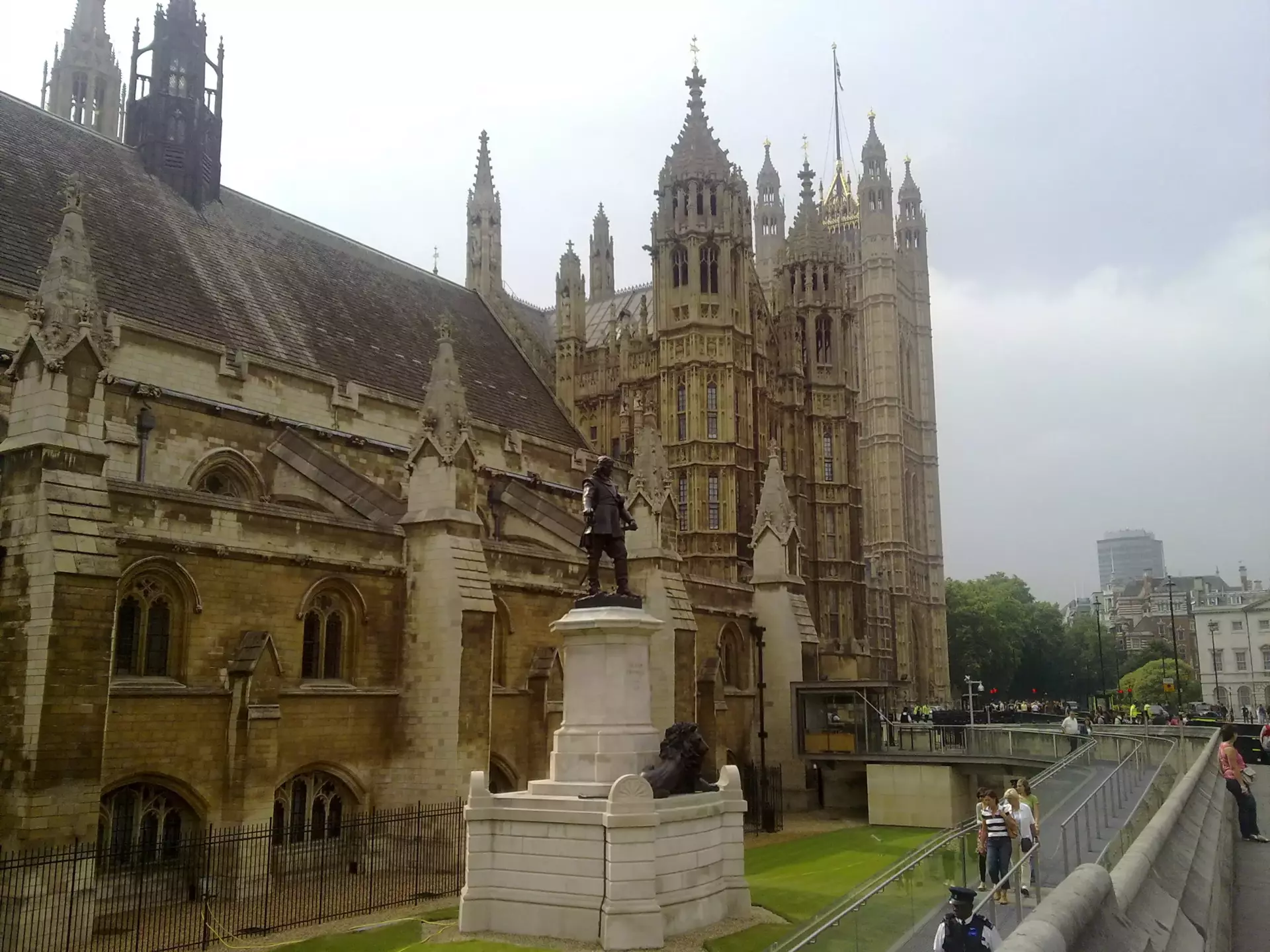
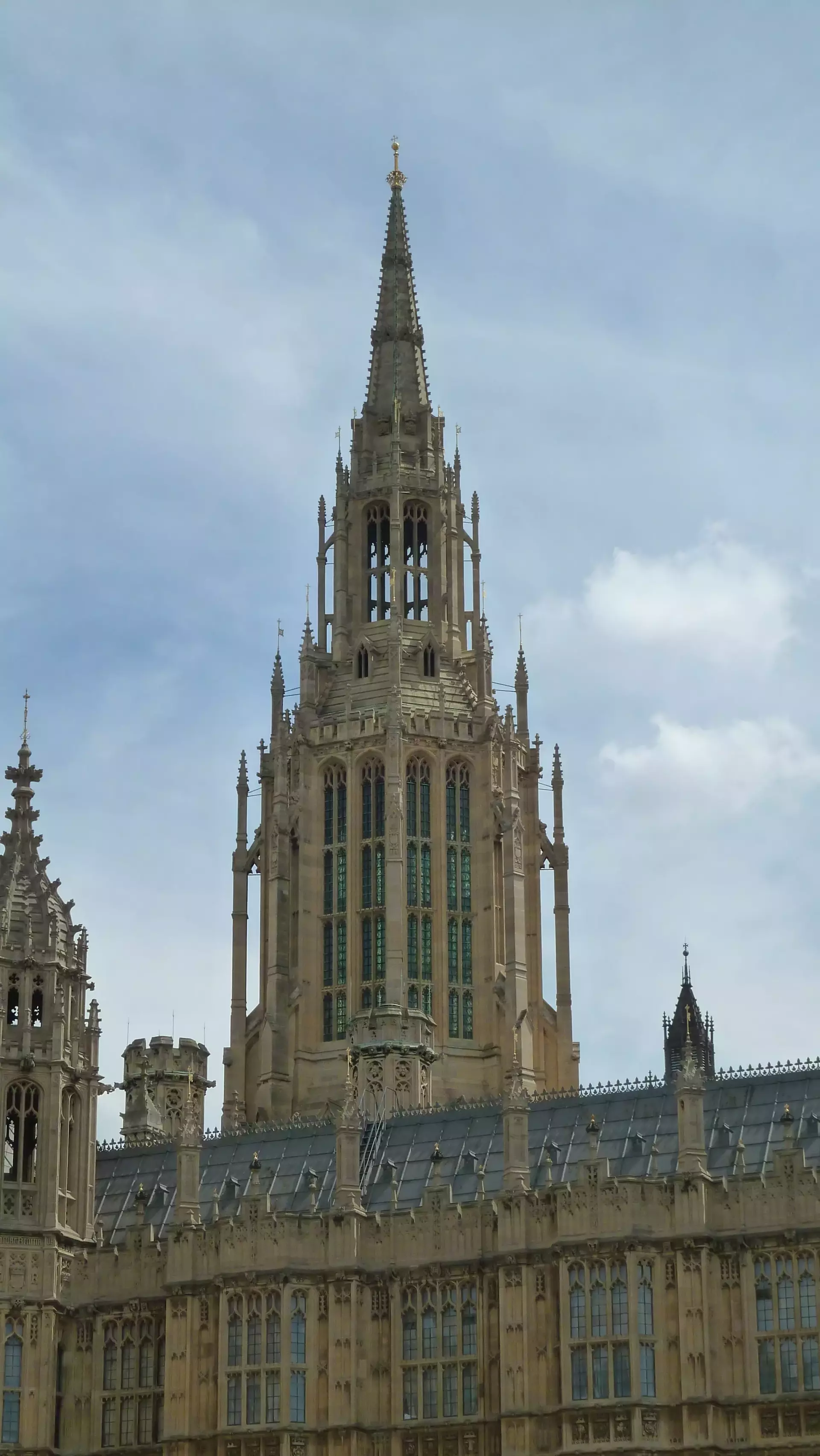
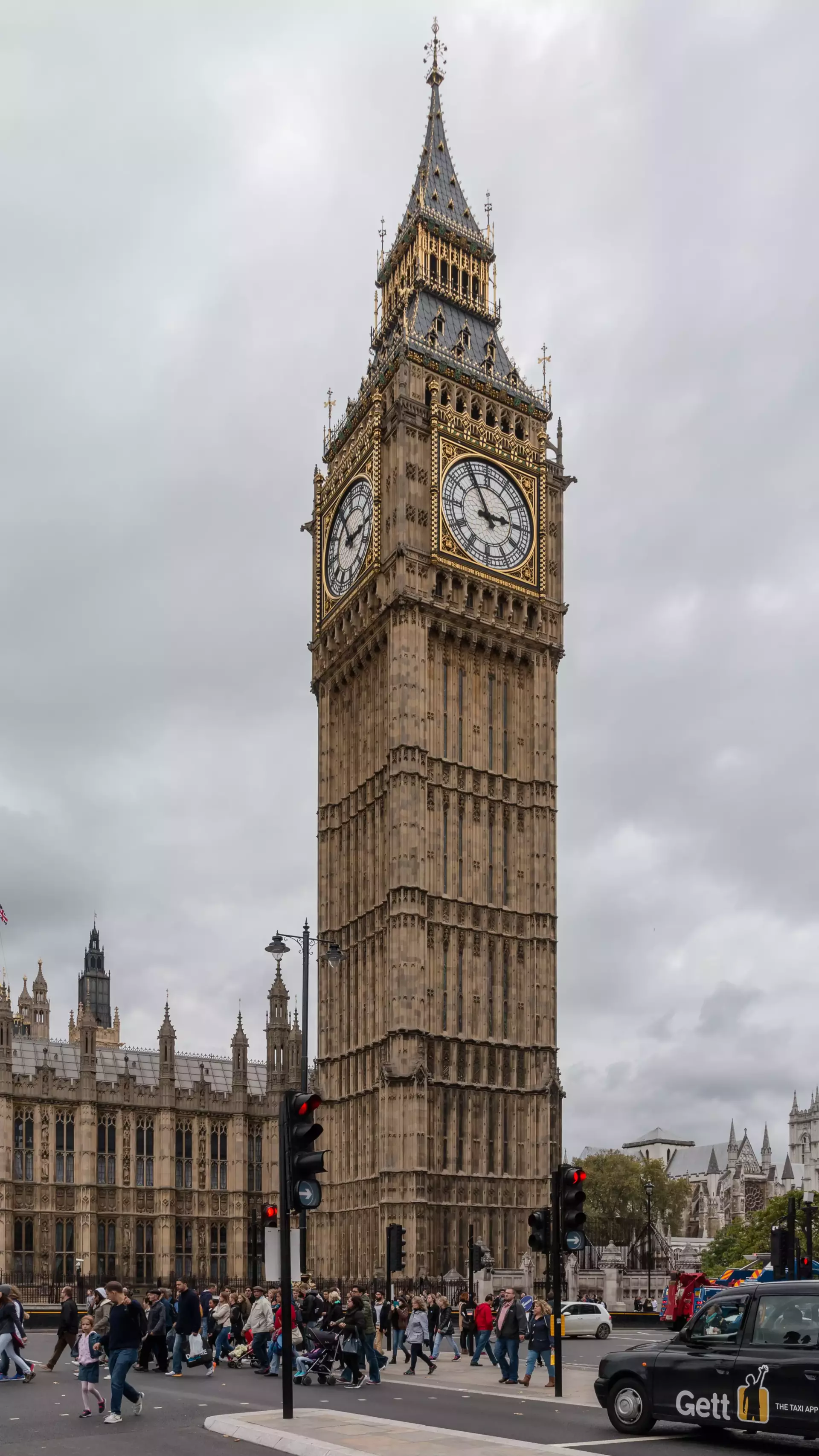
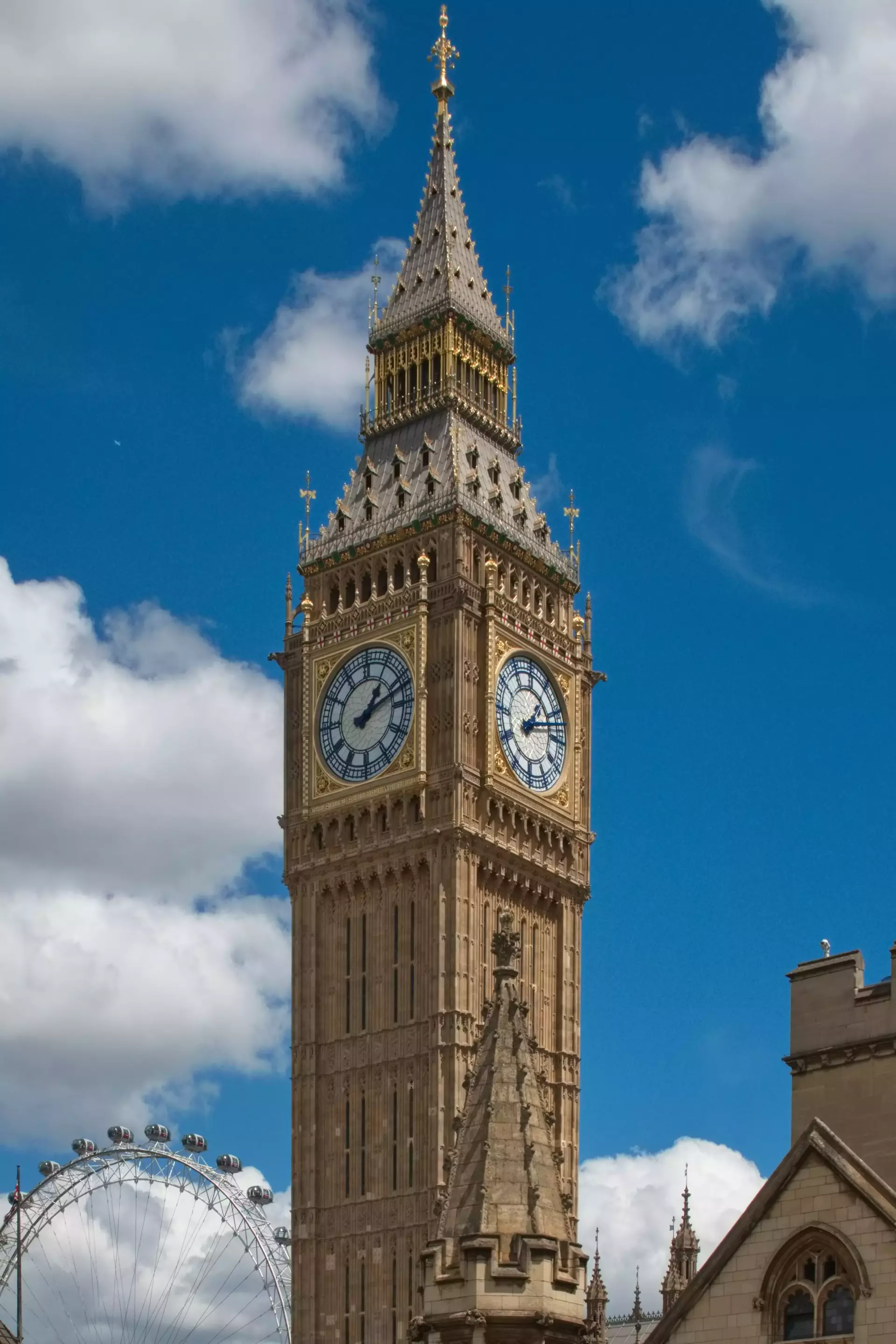
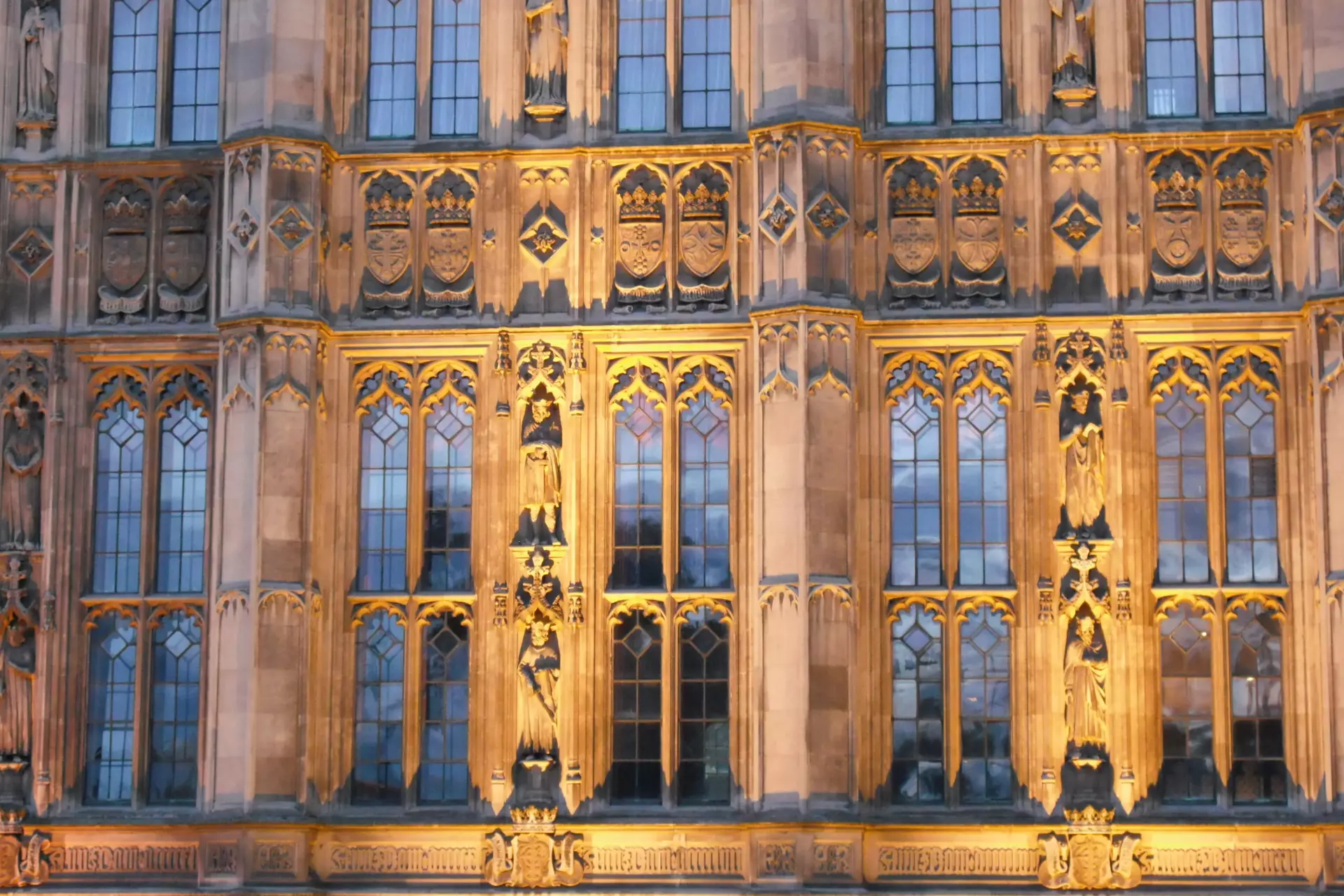
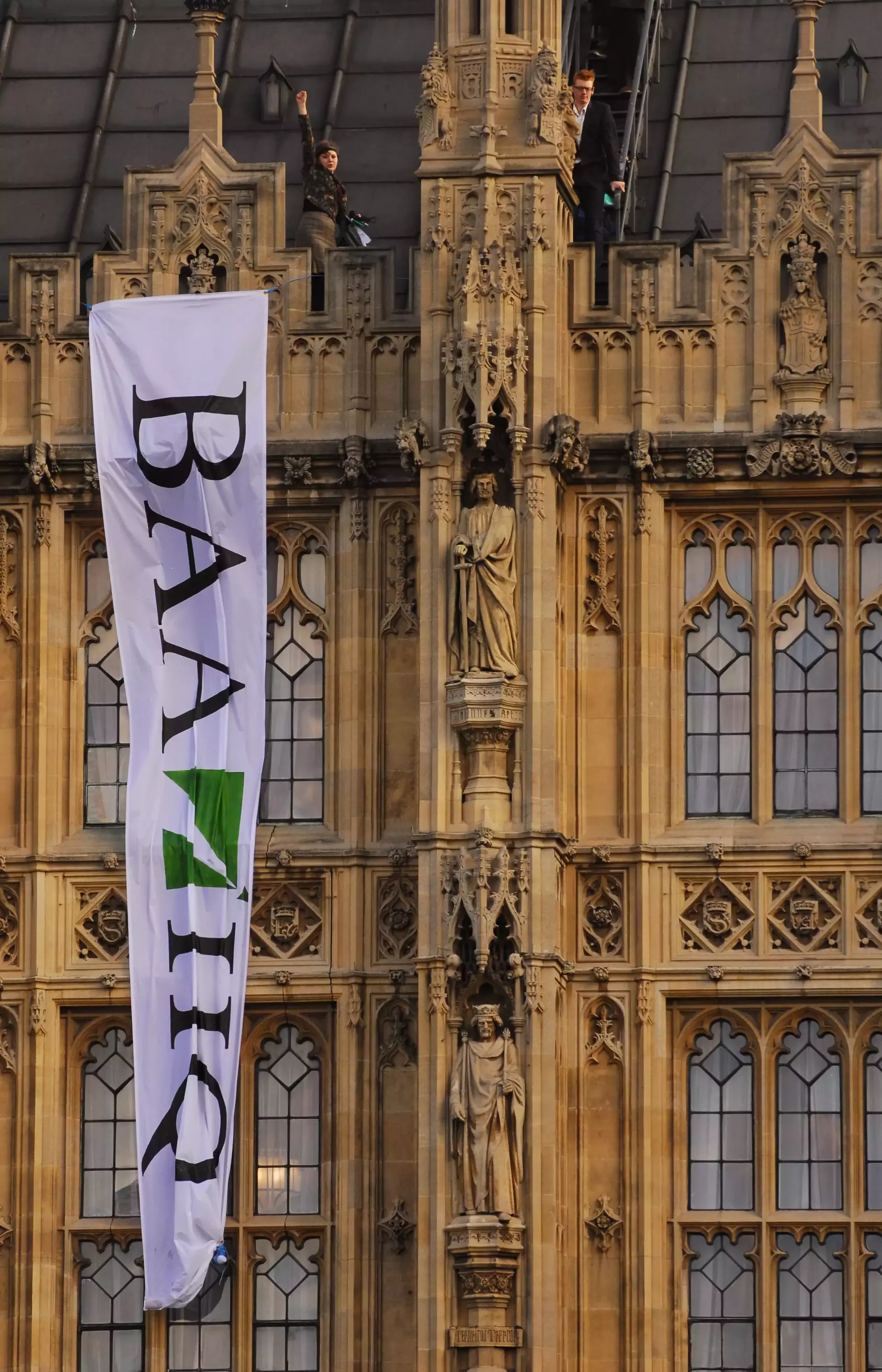
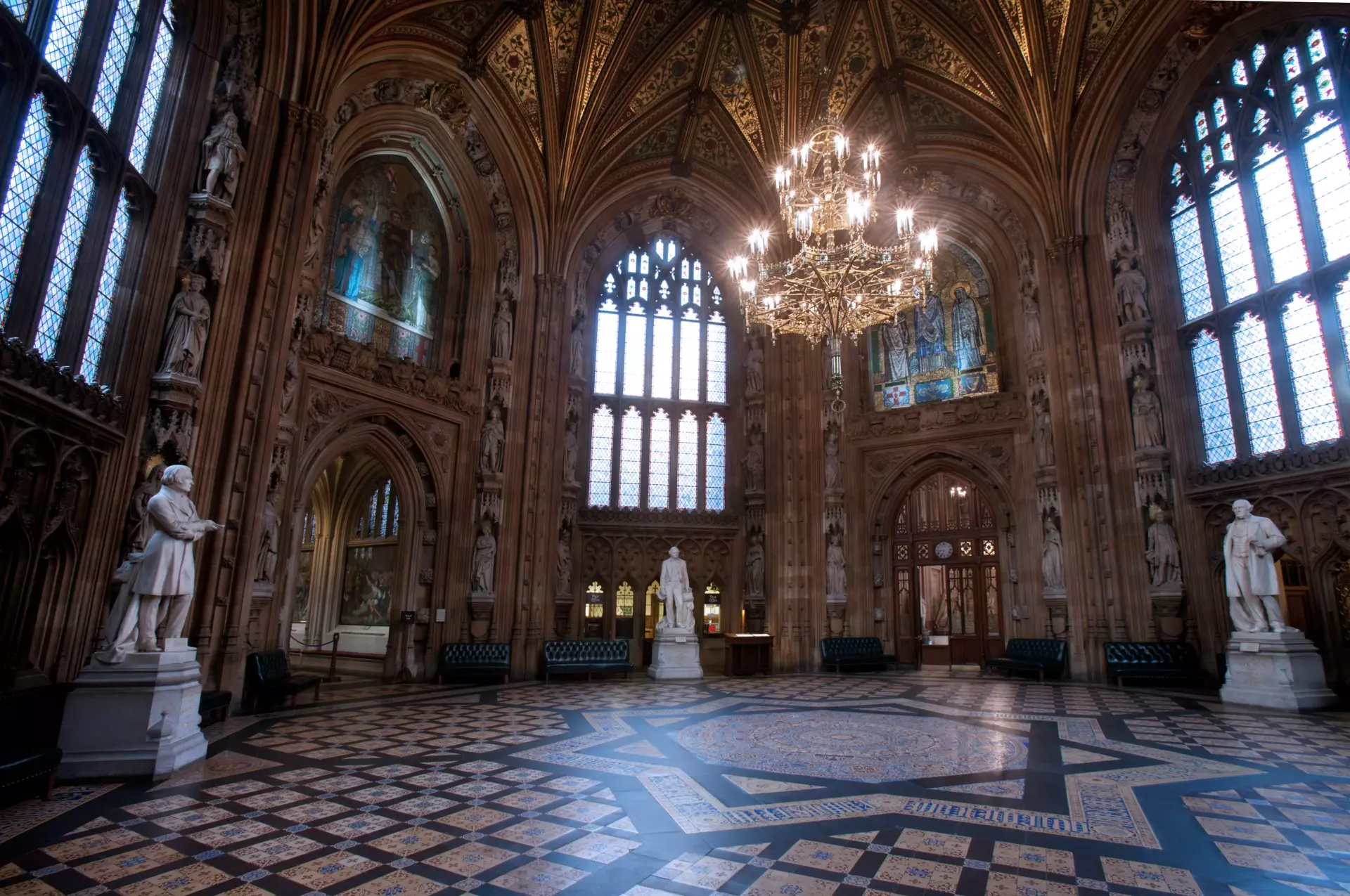
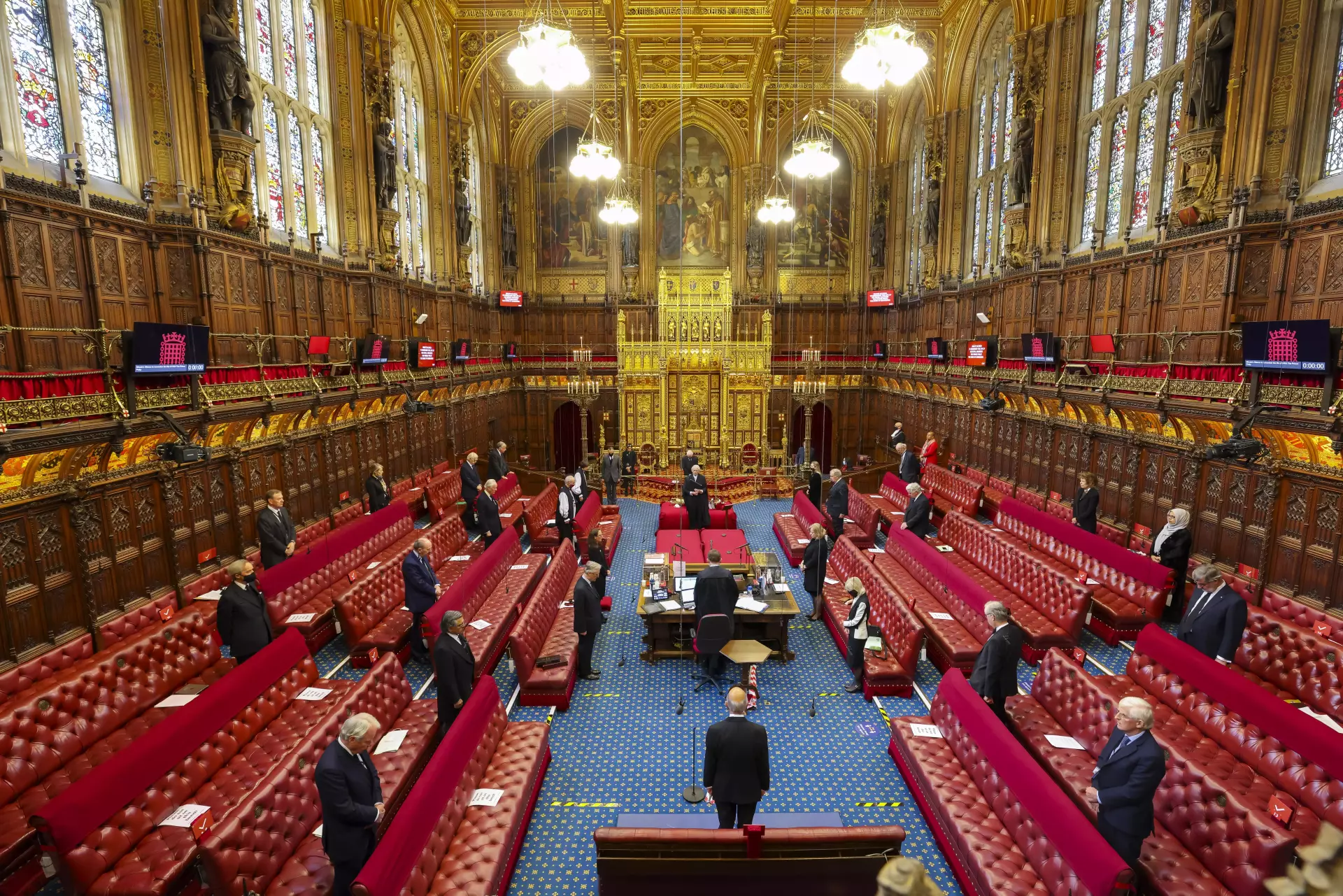
The Palace of Westminster stands proudly as a symbol of British democracy and history. Recognized on the UNESCO World Heritage List, this iconic structure serves as the meeting place for the United Kingdom's Parliament. Although often called the "Mother of All Parliaments," this is somewhat of an exaggeration, but only just. The current building took shape in the 19th century after a devastating fire. Reconstructed with care and ambition, it stands as a striking showcase of Victorian neo-Gothic design, with dramatic lines and ornate details that speak to the era’s love of craftsmanship and grandeur.
Within this grand structure, the House of Commons and House of Lords each have their unique spaces and roles. Located on the northern side, the House of Commons is where elected Members of Parliament (MPs) conduct their business. Its chambers are adorned with green leather upholstery, reflecting its vitality and energy.
On the southern side lies the House of Lords. This chamber is reserved for unelected Lords and boasts an interior of red leather, echoing tradition and authority. Together, these chambers stand as a testament to the UK's rich political heritage and the intricate workings of its government.
Source - https://en.wikipedia.org/wiki/Palace_of_Westminster
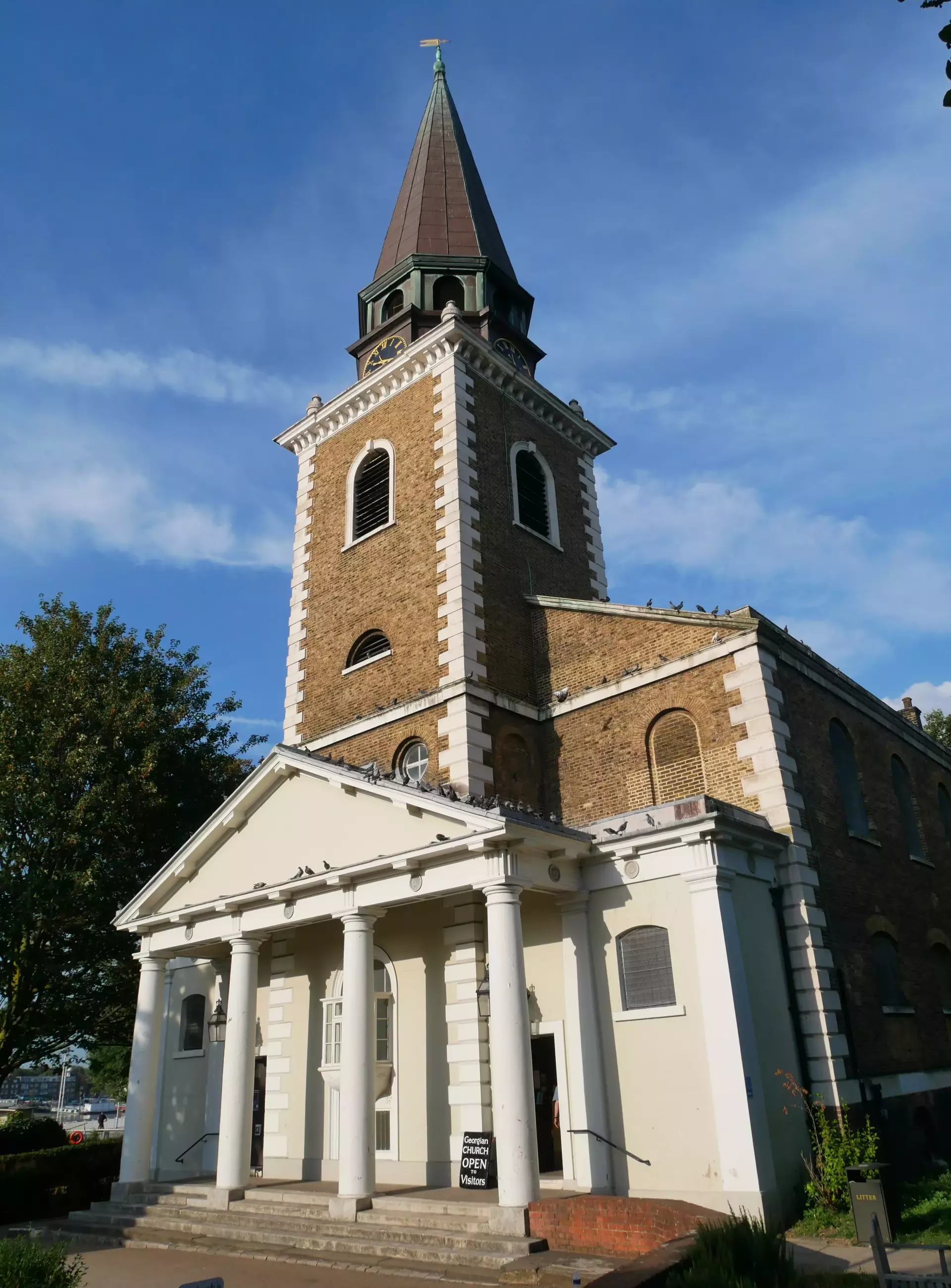
St. Margaret's is the church of the British Parliament, more specifically, the parish church of the House of Commons.
Formerly the teaching collection of Sir Flinders Petrie, one of Britain's greatest archaeologists, now preserved by University College London. Exhibits include beaded dresses, sculpture and wall reliefs, items of everyday use, papyri, cartonnage and pottery. Fascinating!
Completed in 1823, this attractive church near Broadcasting House is one of John Nash's masterpieces, with a prominent spire and circular vestibule. As of May 2025, it accessible only for worship.
Dr Samuel Johnson was the highly distinguished 18th-century "man of letters", best known for his comprehensive English Dictionary of 1755, but also for his prolific output of poems, essays and novels. Something of a "hidden gem", this small, independent museum is dedicated to him—and, with its historic interiors, paintings and prints, personal effects and other exhibits—gives an impression of what it might have been like during his occupancy from 1748 to 1759. Built in 1700, this impressive period building—a rare example of its kind in the area—survived the brutal onslaught of the Blitz during World War II and is now maintained in excellent condition.
Beautiful Italianate church created during the Catholic revival of the 19th century.
A private residence which can only be seen from the street. Designed and built in a French neo-Gothic style by William Burges, it features a handsome cone-roofed tower. Legendary guitarist Jimmy Page has been the house's proud owner since he bought it from actor Richard Harris in 1972.
Former offices of the Greater London Authority. A radically-designed glass fronted and rounded building, previously headquarters for London's Mayor and Assembly. City Hall has now be relocated to The Crystal, a building in Greenwich, near to the cable car. The old building is disused and not open to the public, but can be viewed from the outside.
Designed by Sir Christopher Wren, this tall column (which can be ascended to get a great view) marks the alleged site where the Great Fire of London broke out in September 1666.
At the junction of five major roads, Piccadilly Circus is the home of the famous aluminum statue of Eros, which sits atop a fountain. The monument is officially known as Shaftesbury Memorial Fountain and initially wasn't supposed to depict Eros, but different god Anteros. The north side of Piccadilly Circus holds an enormous display board of electric advertisements, including Britain's biggest illuminated display (the widest in the world), advertising Coca-Cola.
Worth a quick visit if you are passing. The brick and stone neo-Byzantine Catholic Cathedral (not to be confused with the much more famous Westminster Abbey) is near Victoria Station, just off Victoria Street. Construction started in 1895, and some of the interior is still unfinished. The Treasures of Westminster Cathedral exhibition is inexpensive and worthwhile for learning the history of the cathedral, there are interesting exhibits including a 1:28 wooden scale model uses by the architects. Has a café and gift shop.
A vast collection of cartoons and comics on display with special, often topical, exhibitions.
A Victorian school, now a university with a mission to advance knowledge of the fine arts. Exhibitions are common. Times and admission charges vary but can often be free, although visitors may need to book tickets to certain events.
The Guildhall Art Gallery houses the City Corporation's art collection, and also runs special exhibitions throughout the year. During construction of the modern gallery, workers discovered the ruins of London's Roman amphitheatre. The gallery was redesigned, and now the Amphitheatre is open to the public within the Guildhall Art Gallery itself and also free of charge.