




























American Museum of Natural History
The American Museum of Natural History boasts an impressive and expansive collection spread across its five floors. Each floor is dedicated to different fields such as astronomy, biology, geology, anthropology, climatology, and paleontology. To fully experience what the museum has to offer, it’s recommended to set aside an entire day.
Highlights of the Museum
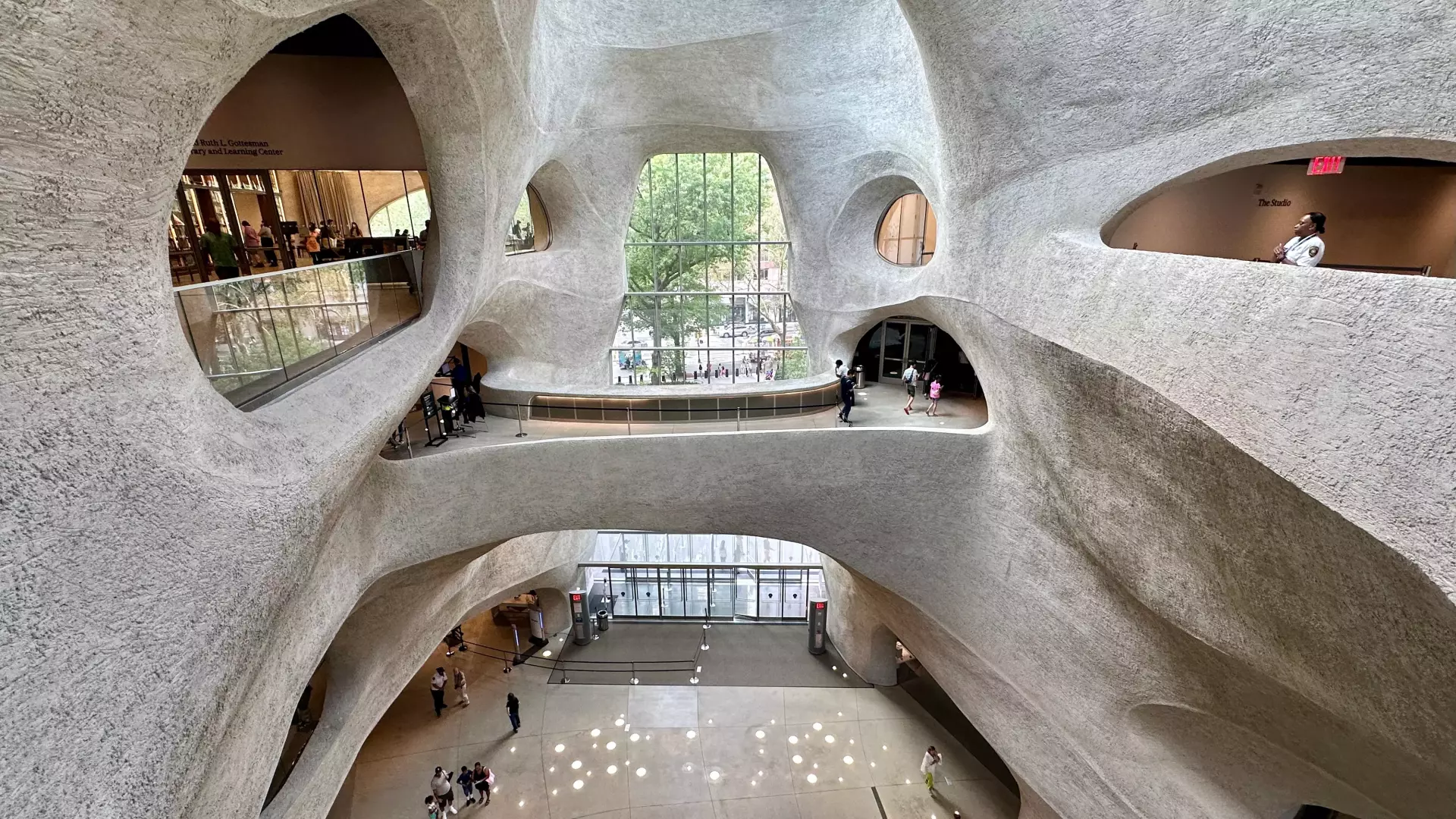
Among the many fascinating exhibits, the Rose Center for Earth and Space stands out. Situated on the building's northeast corner, it features a remarkable seven-story glass cube that houses the Hayden Planetarium—a massive sphere suspended above the exhibits. Here, visitors can explore the "cosmic pathway" exhibit, which offers a journey through the universe.
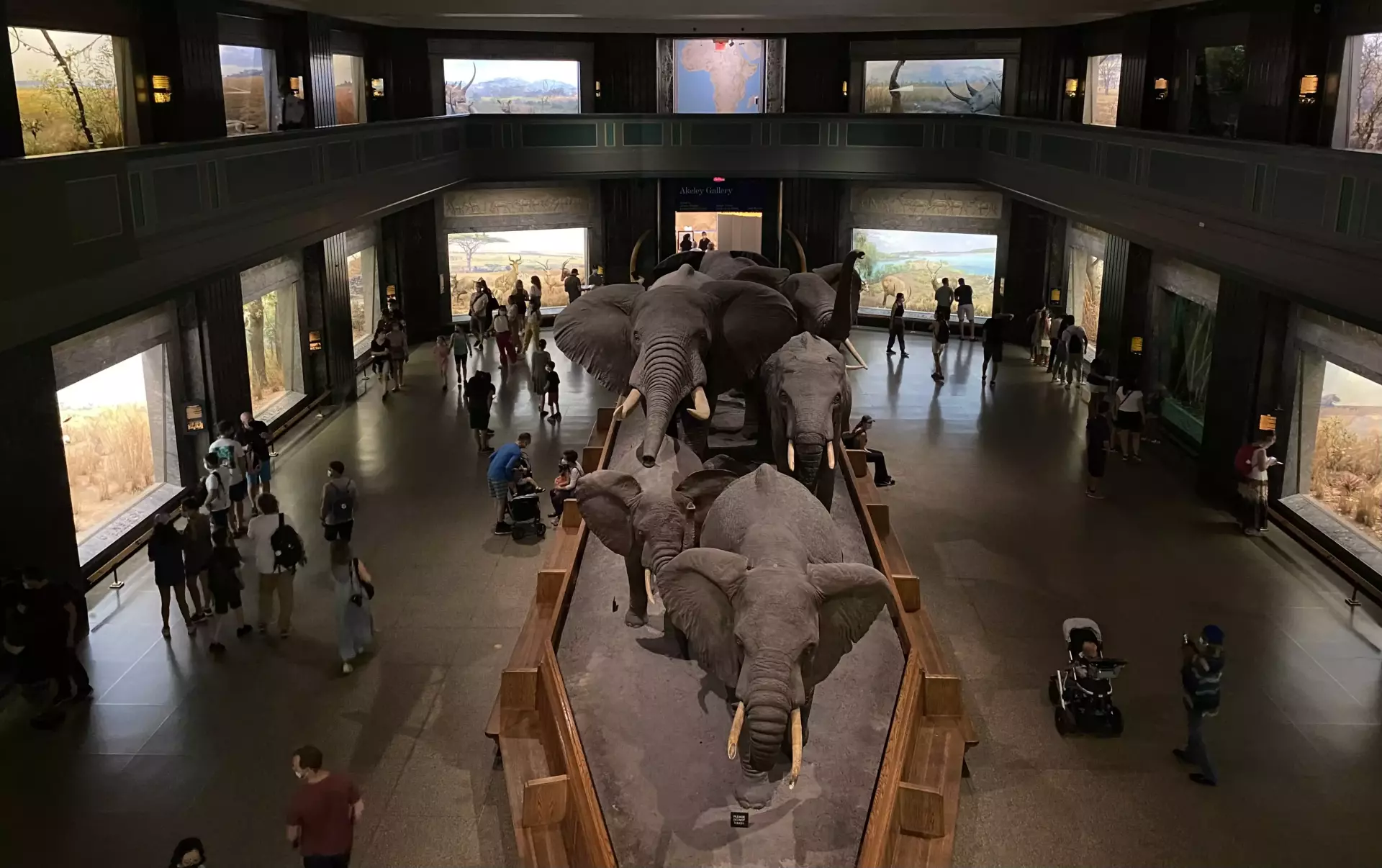
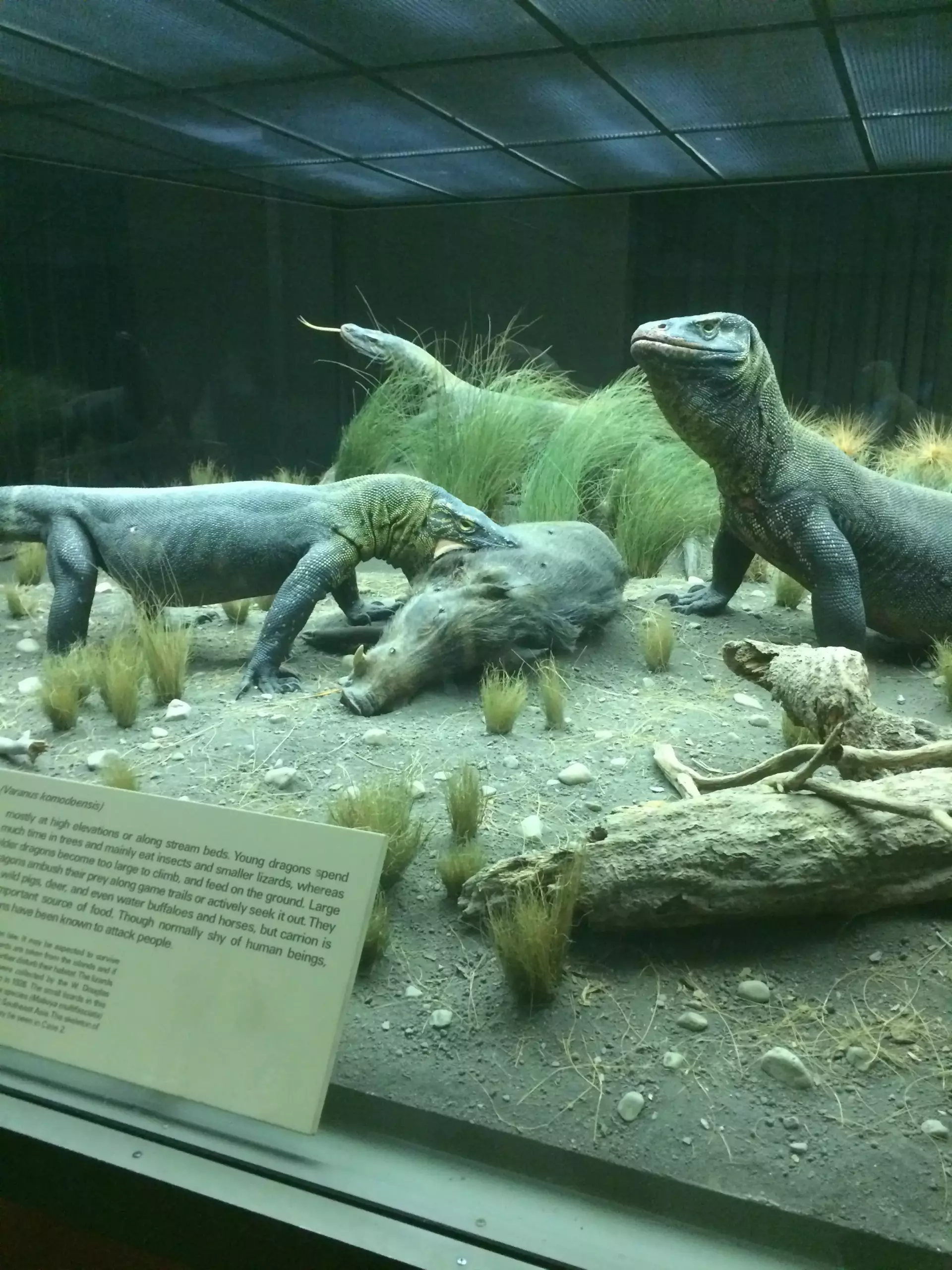
The museum’s habitat diorama halls, located on the first, second, and third floors, present breathtaking recreations of ecosystems from Africa, Asia, North America, and the ocean. These displays include a full-size model of a Blue Whale that majestically hangs above the Ocean Life Hall.
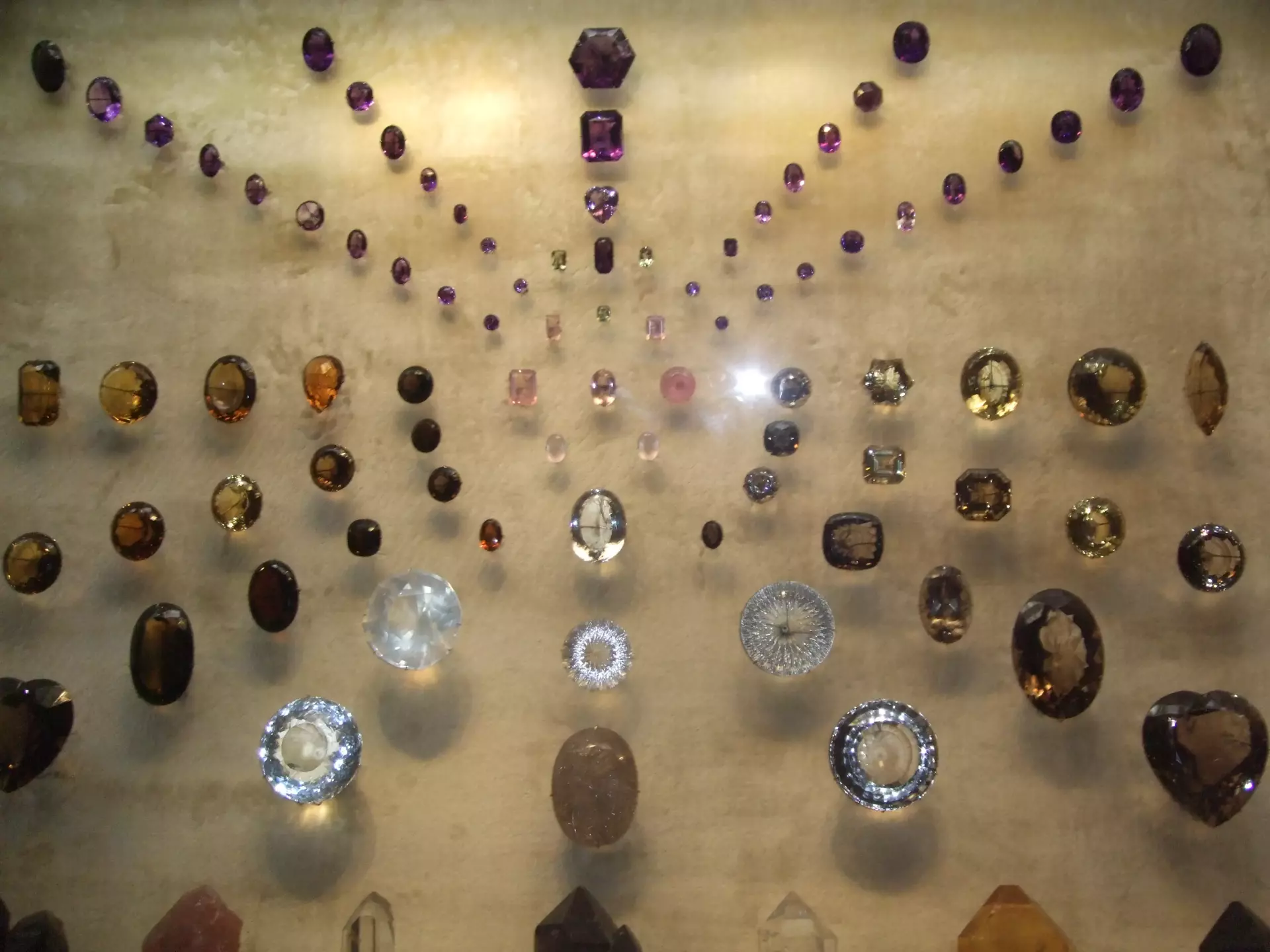
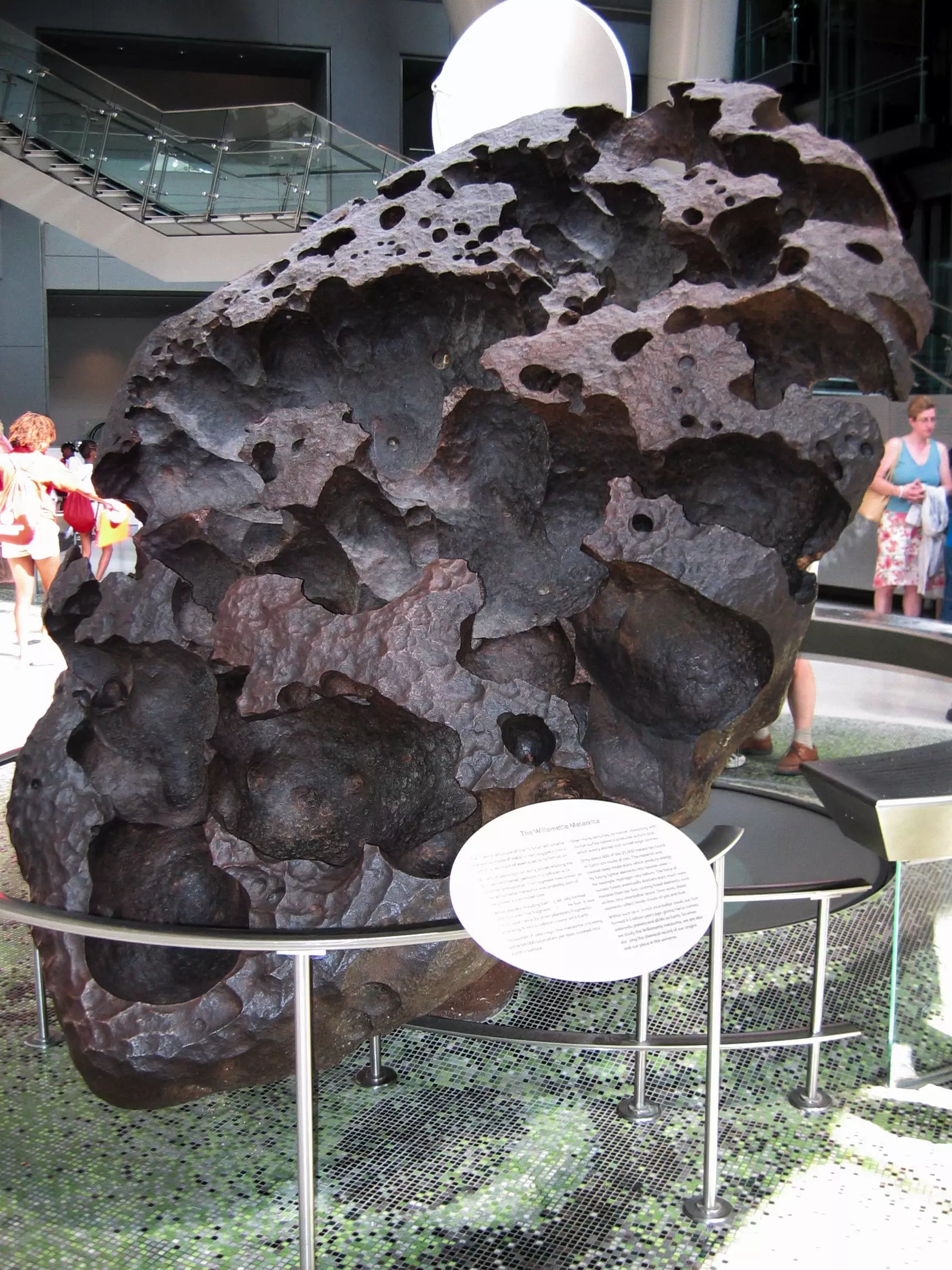
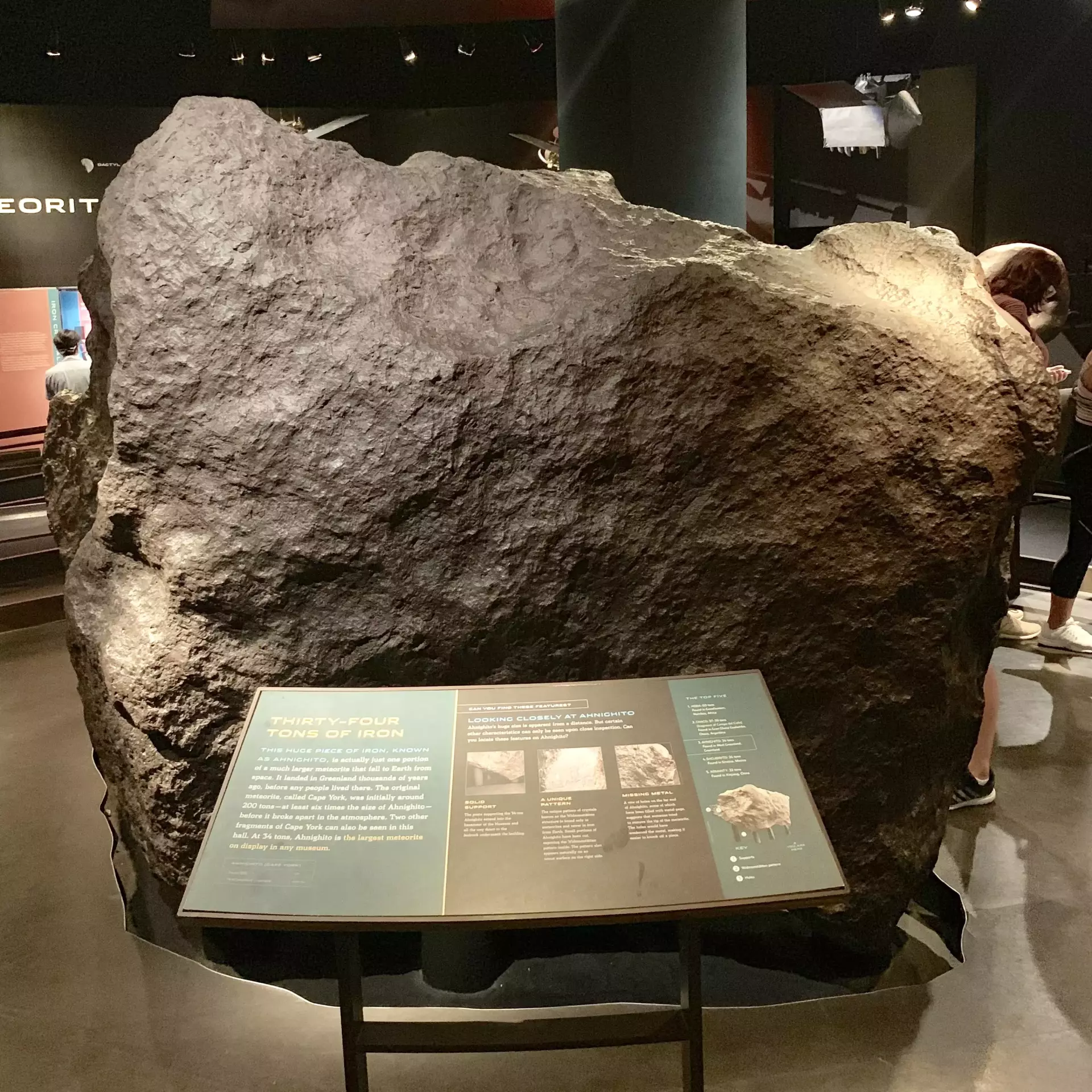
For those fascinated by geology, the Hall of Minerals and Gems is a must-see. It contains a dazzling array of rare and beautiful specimens, such as the world’s largest star sapphire and a massive meteorite piece.
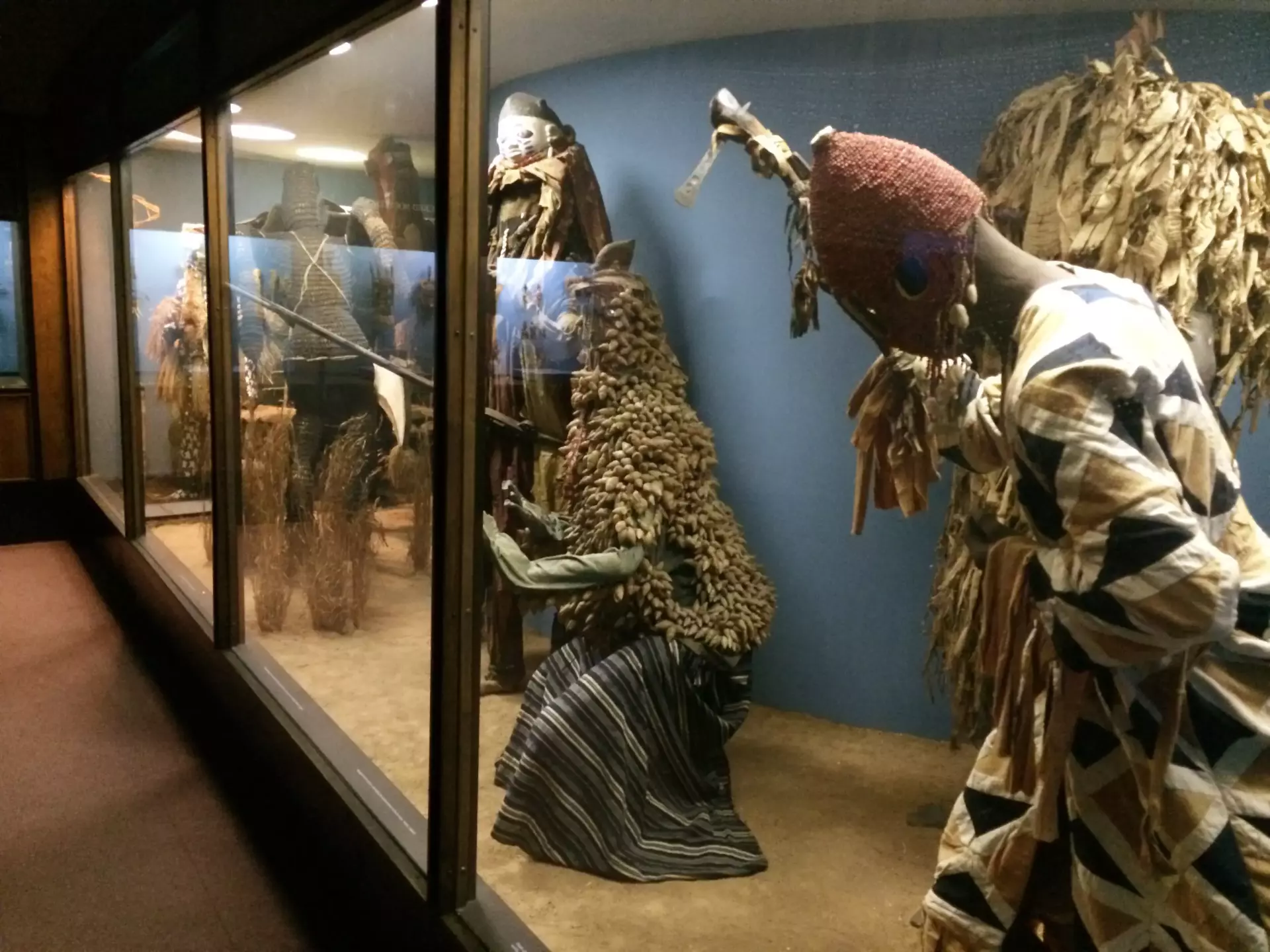
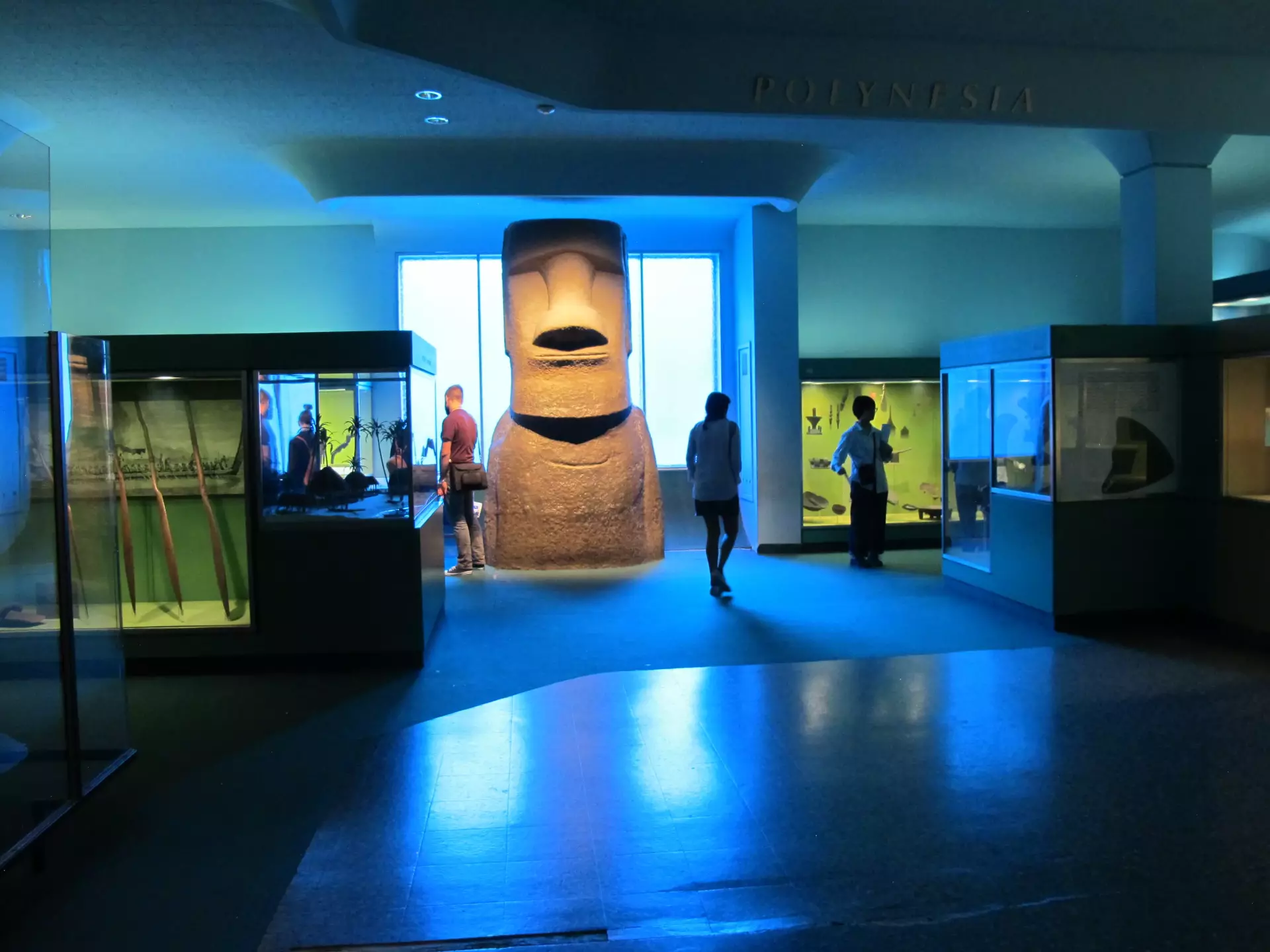
The anthropology halls are another highlight, extending across the first, second, and third floors. These exhibits delve into the lives and cultures of people from Asia, Africa, Central America, the Pacific, and Native American regions.
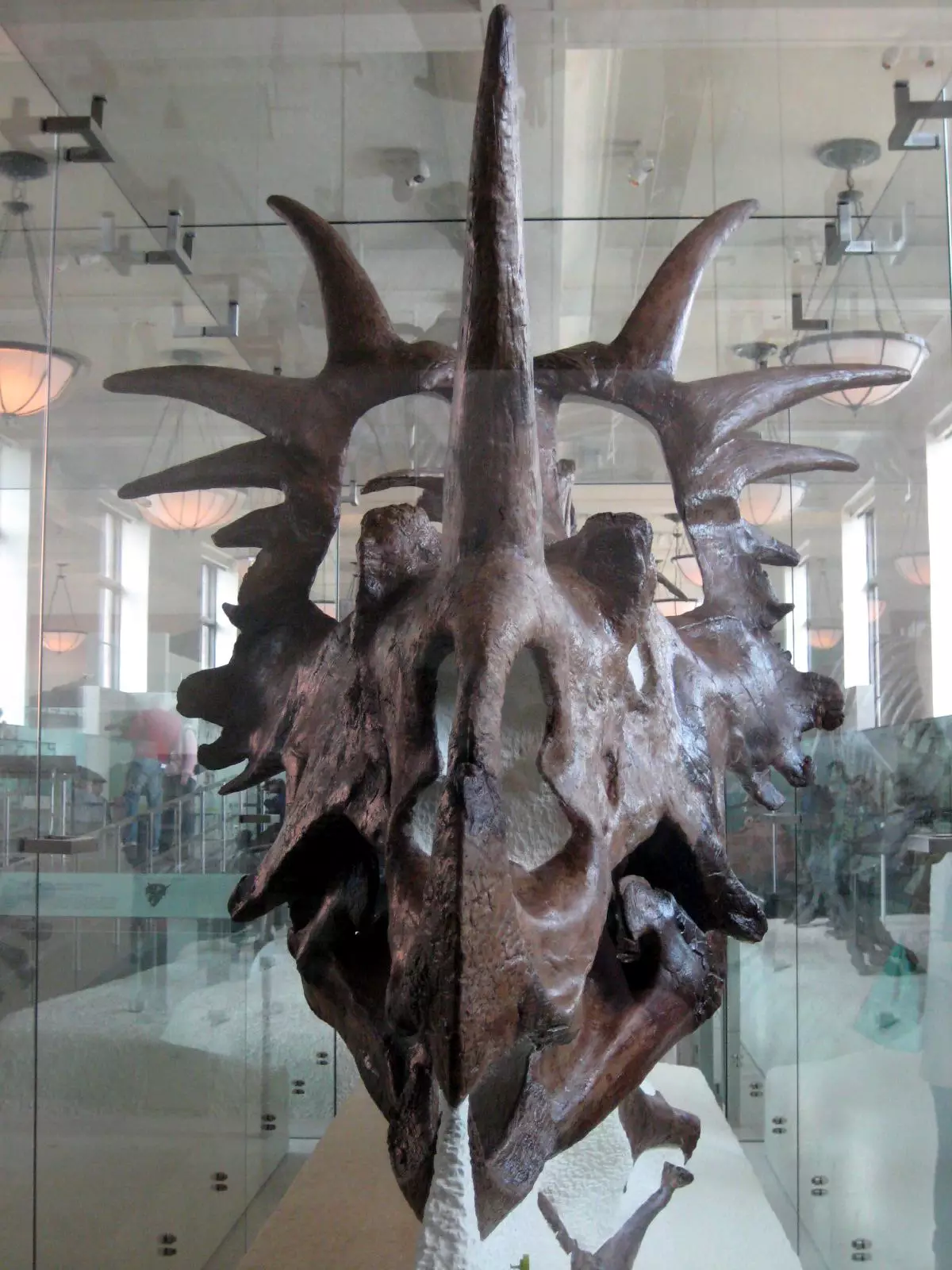
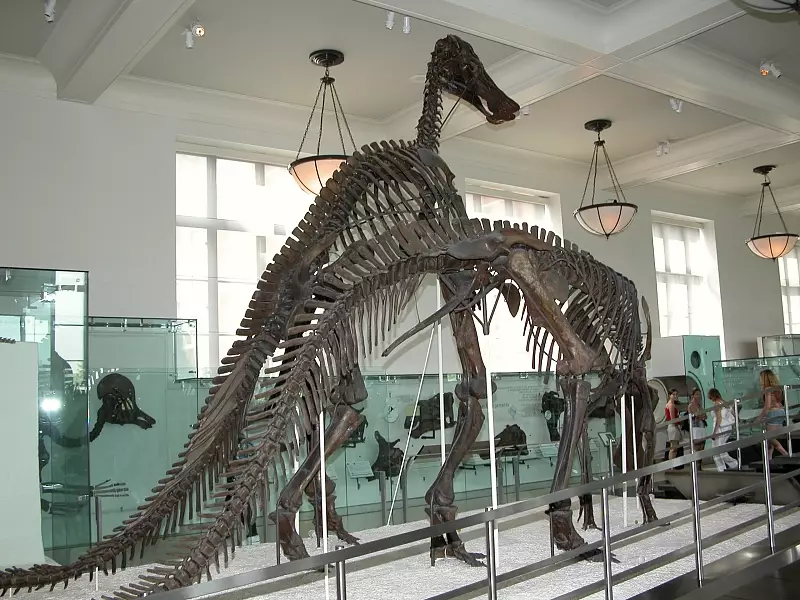
Finally, the natural history halls on the fourth floor offer one of the largest collections of dinosaur skeletons in the world, captivating visitors with their immense size and historical significance.
Source - https://en.wikipedia.org/wiki/American_Museum_of_Natural_History