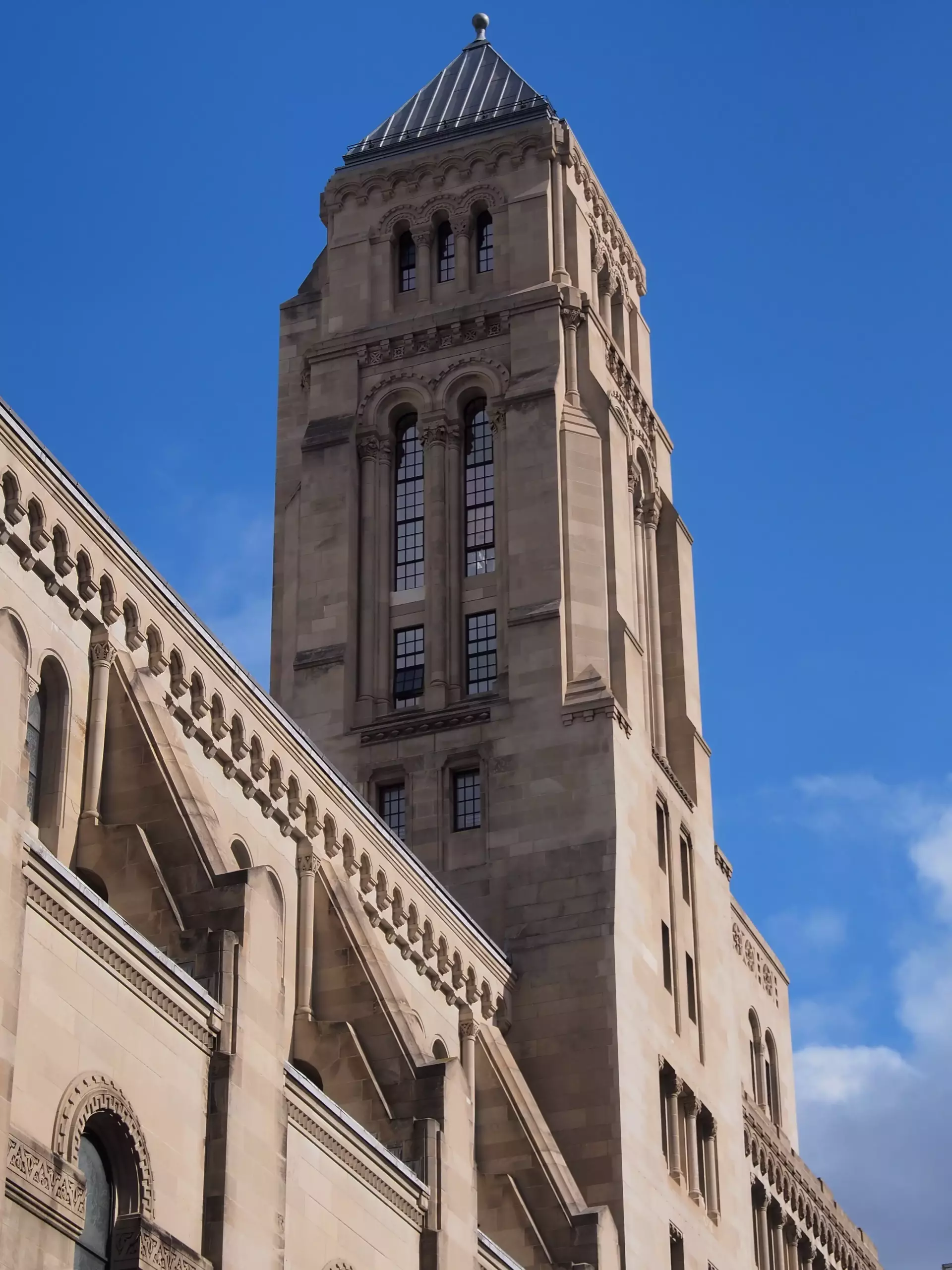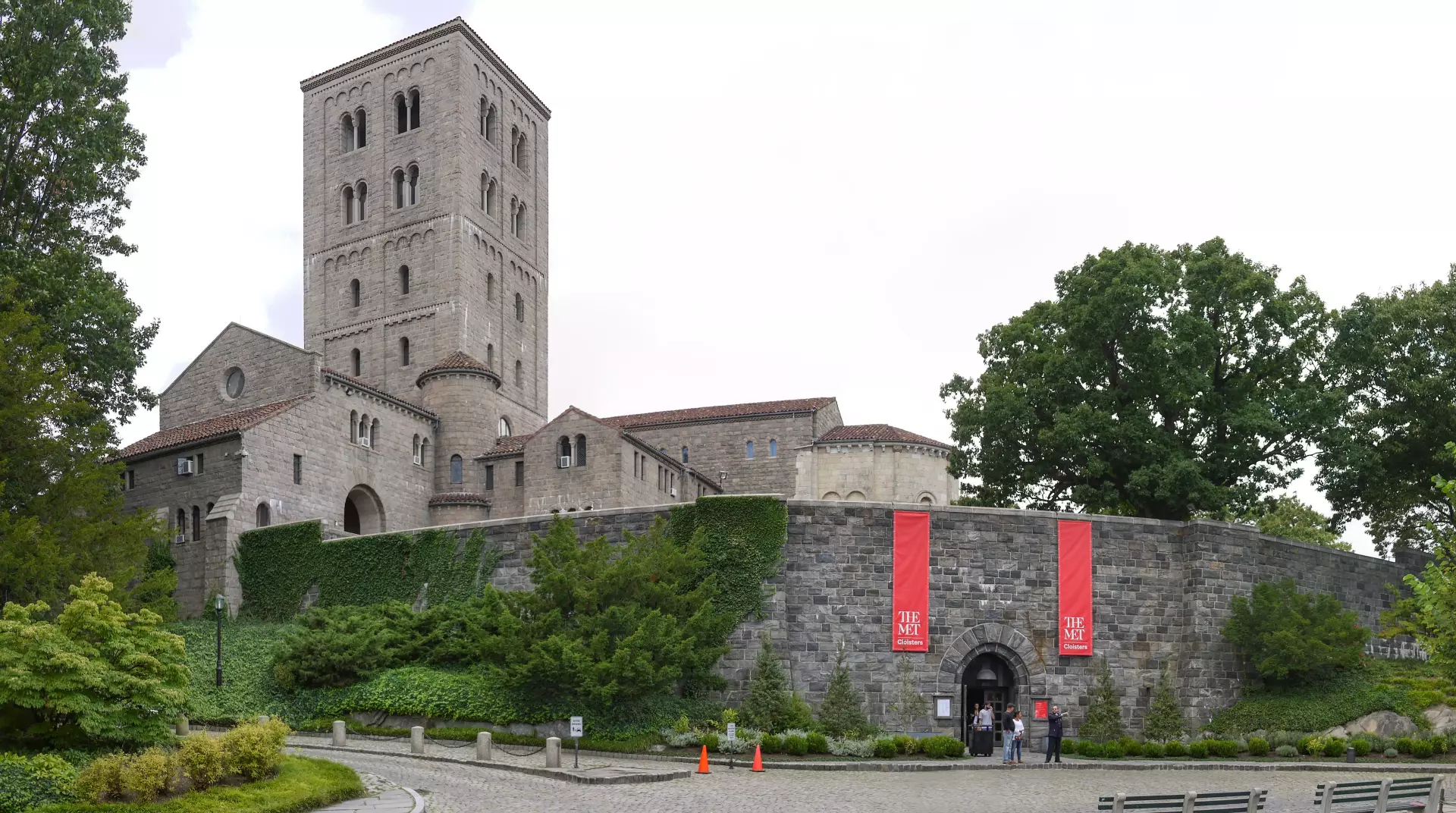
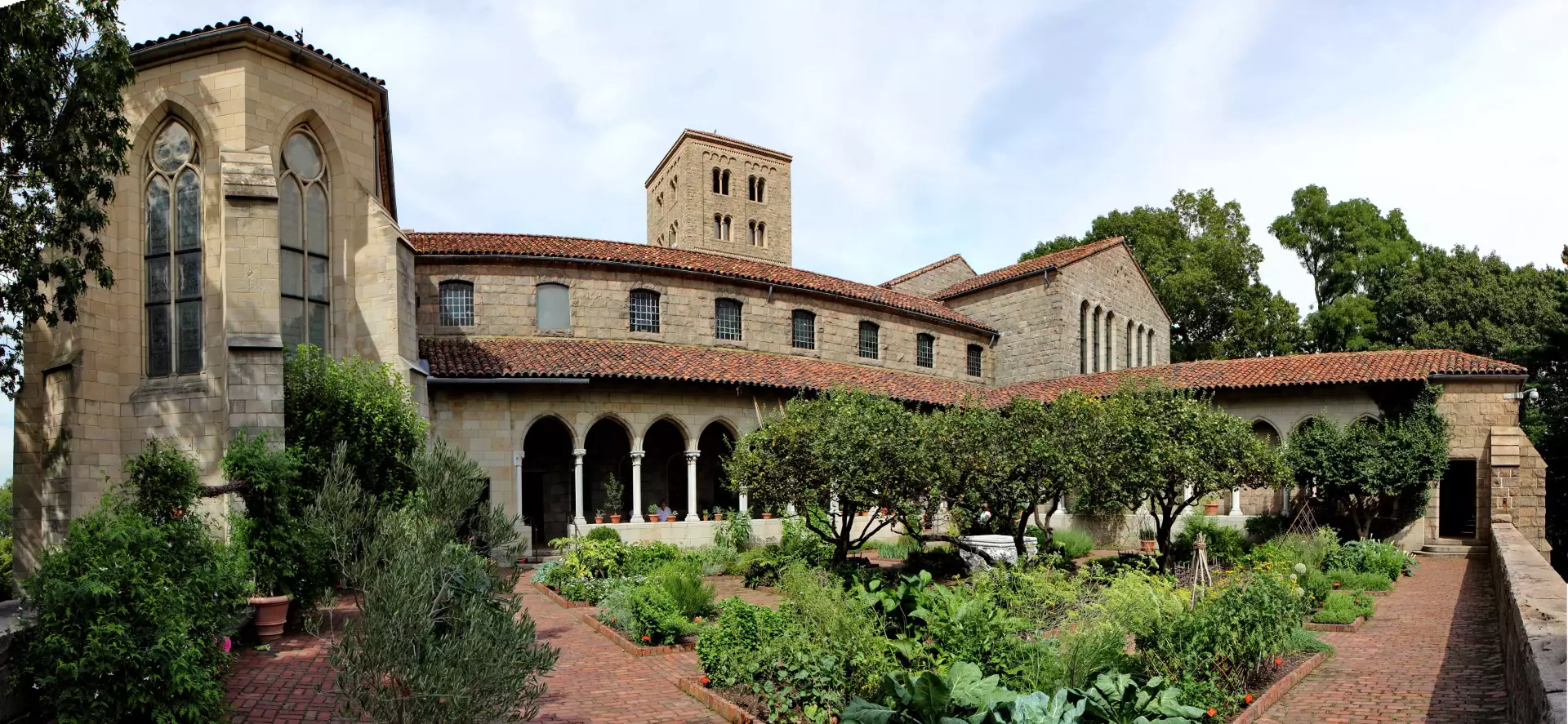
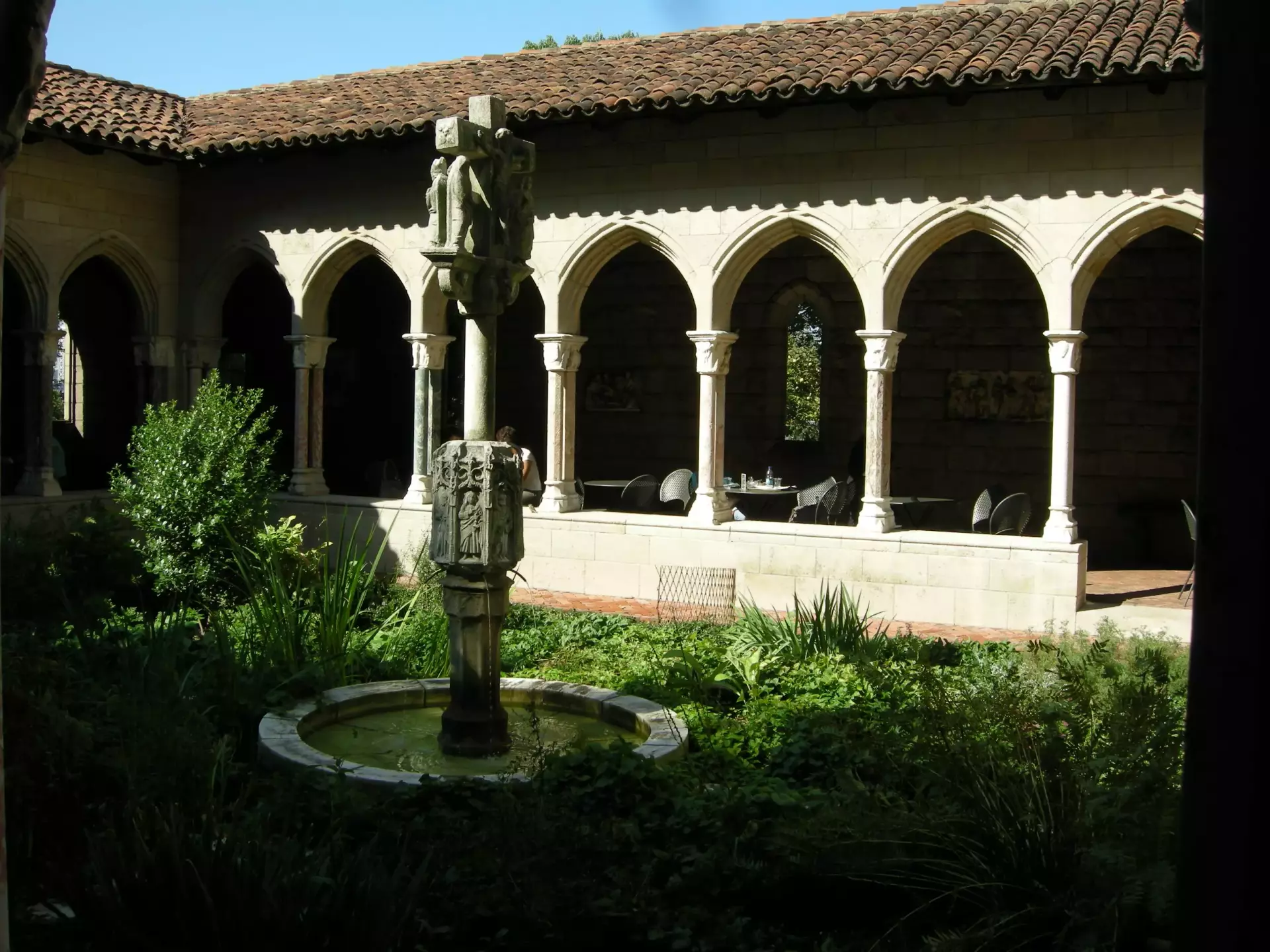
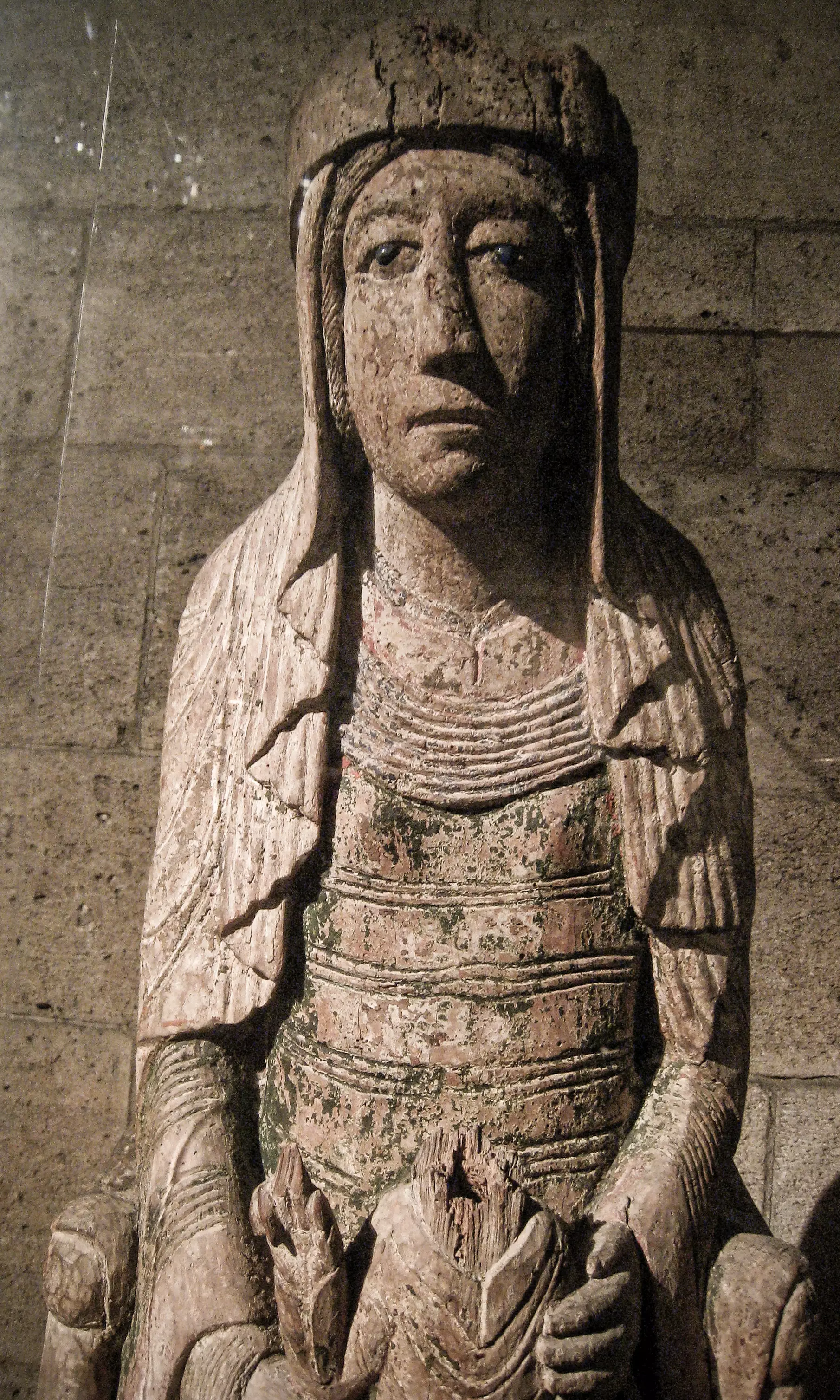
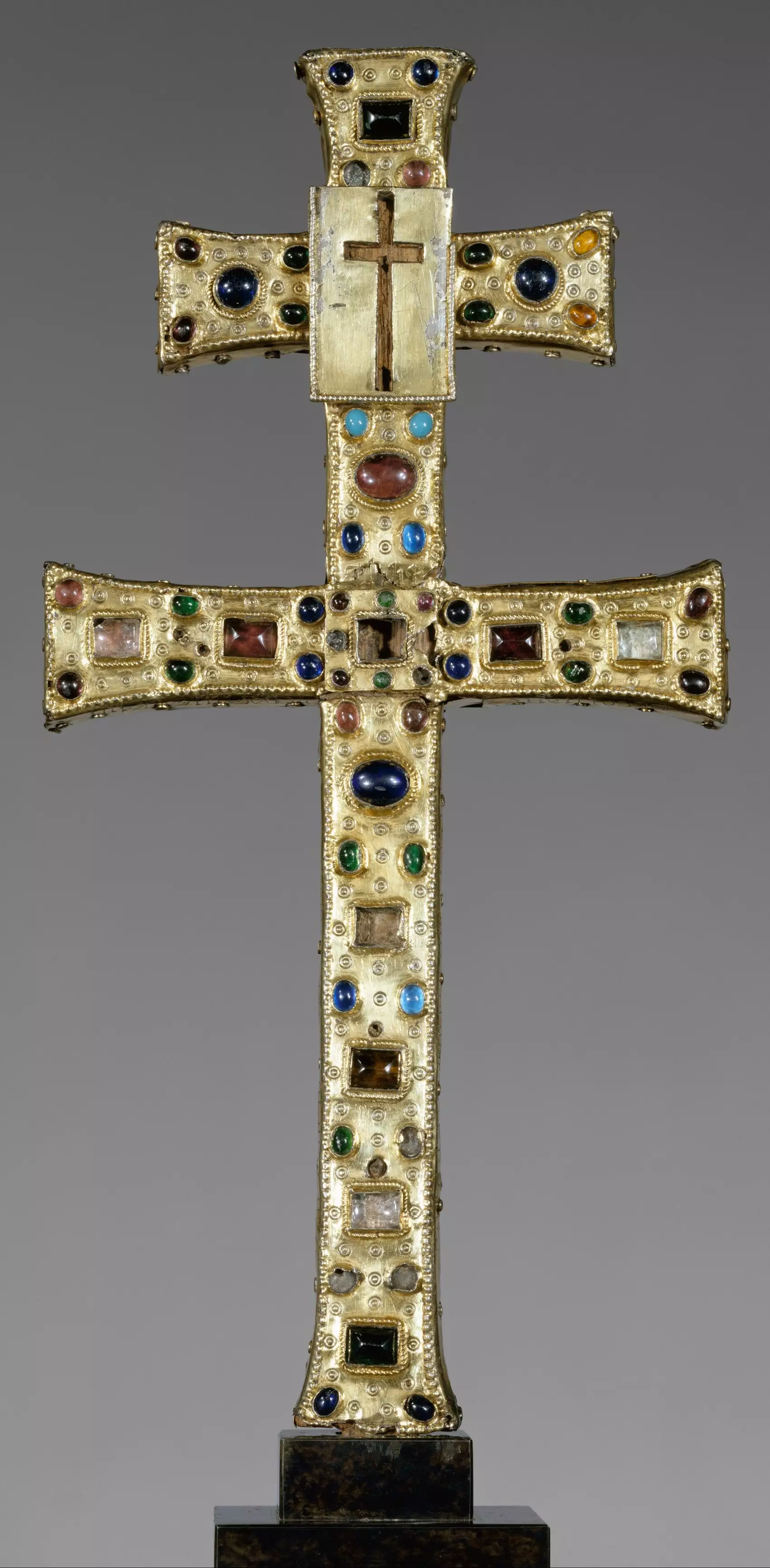
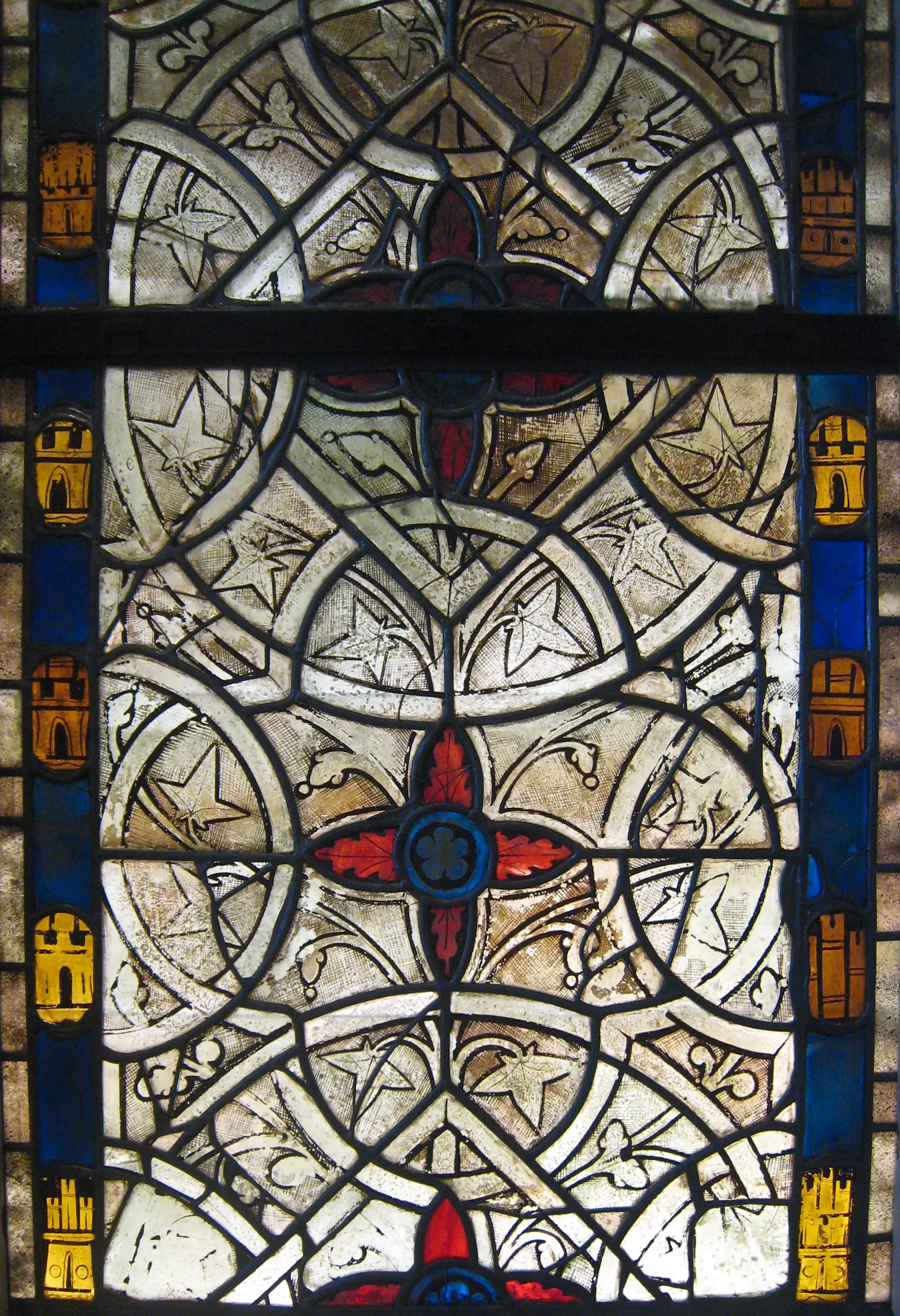
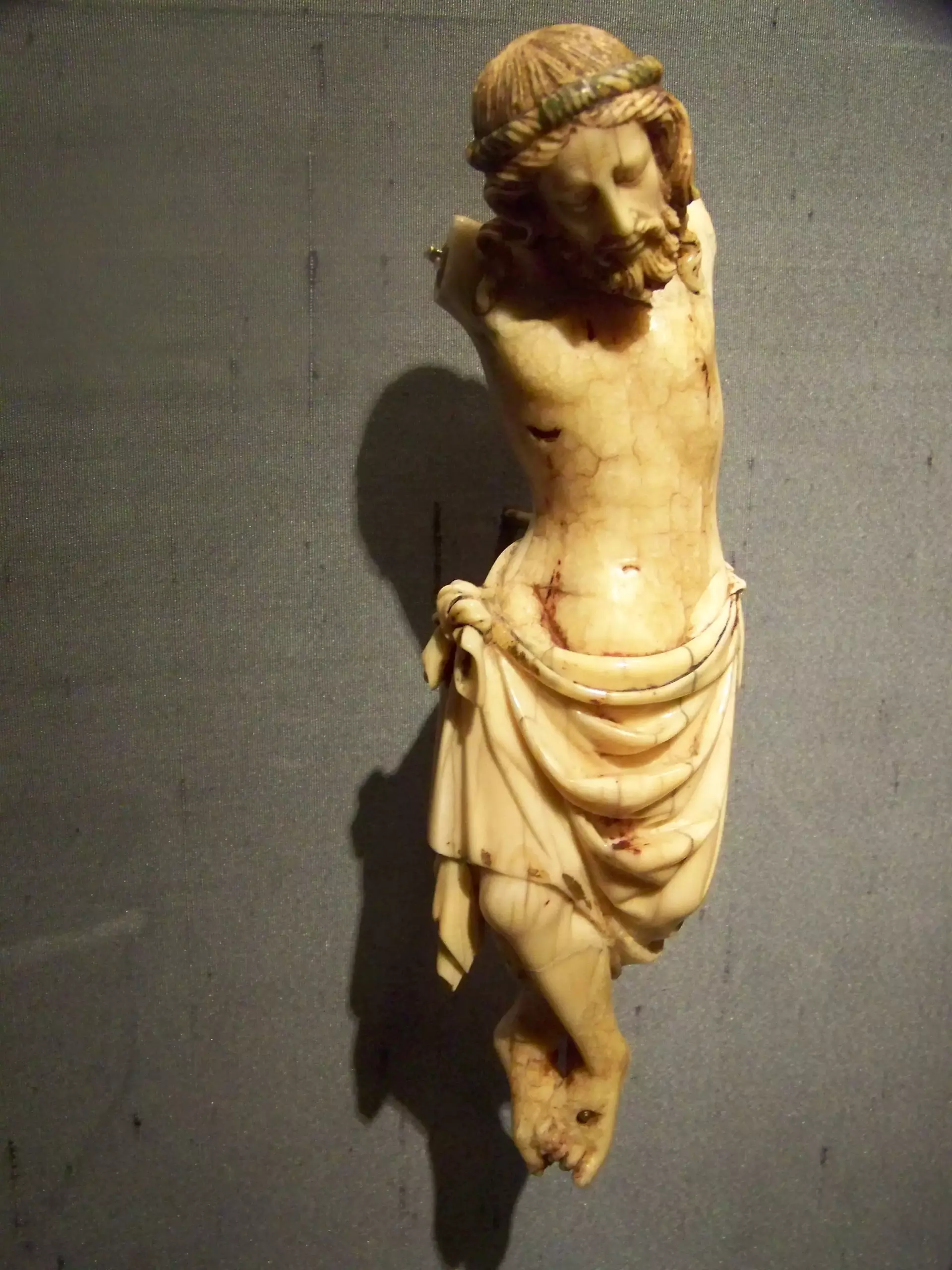
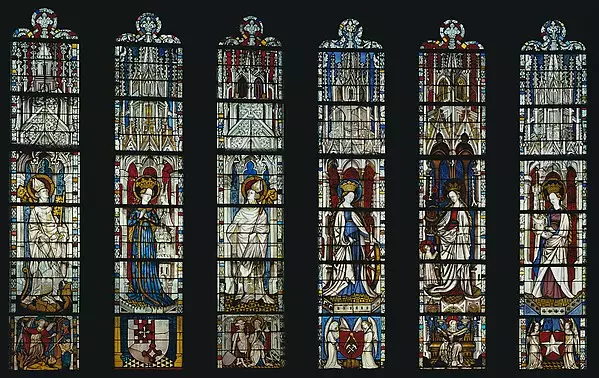
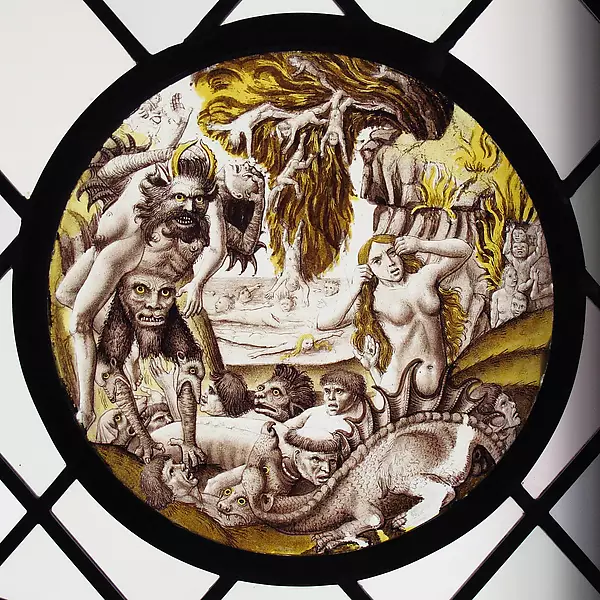
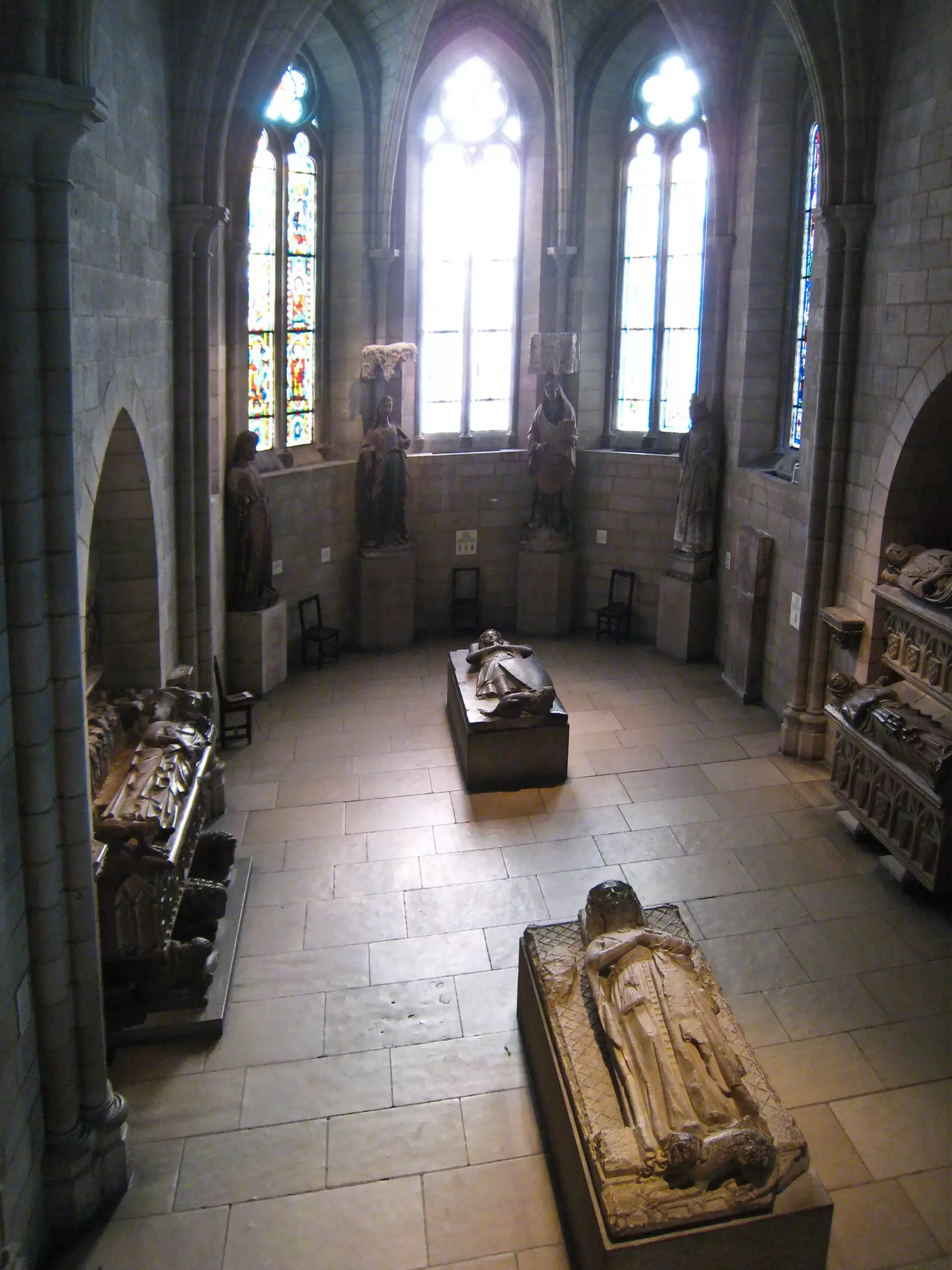
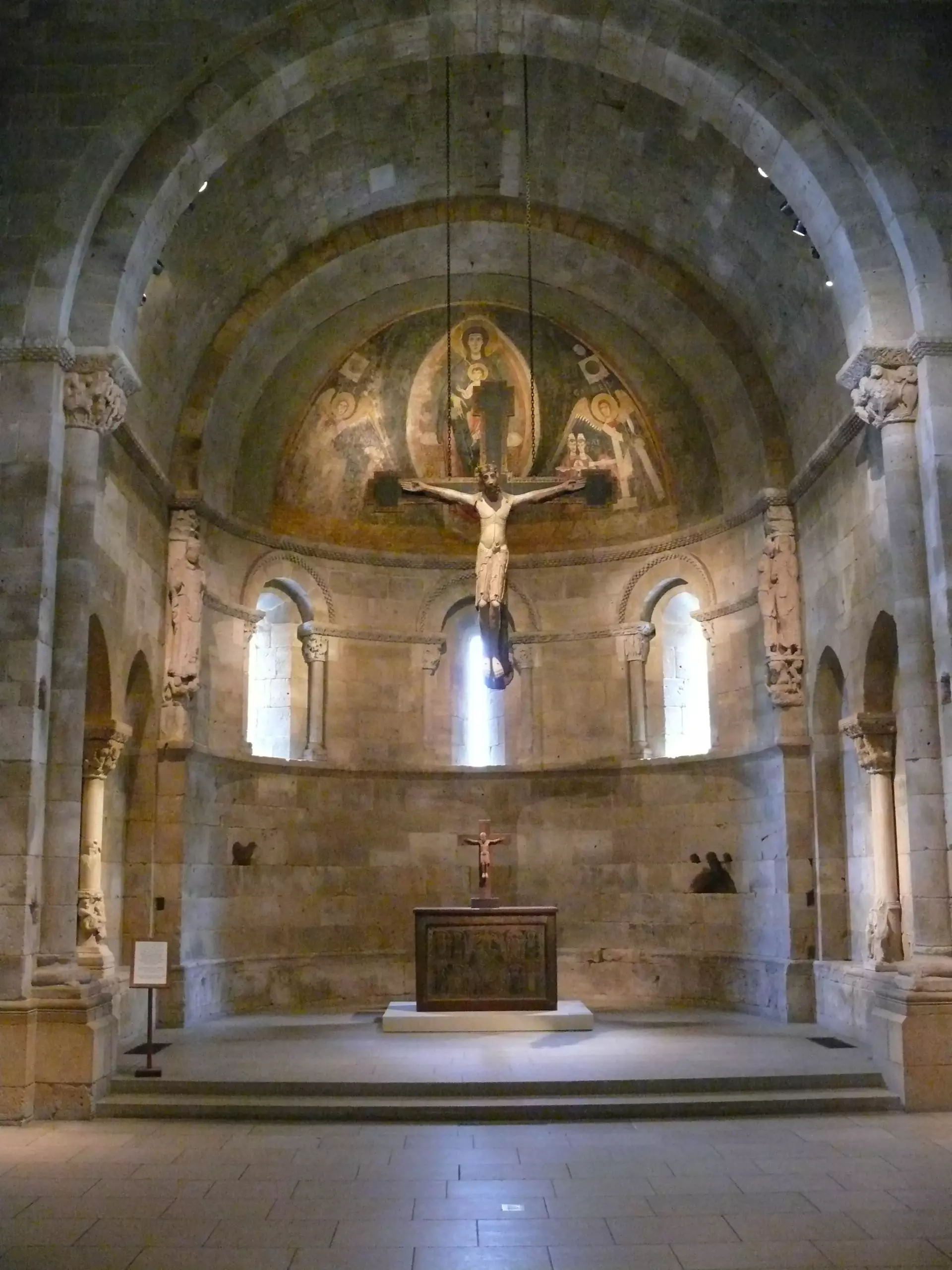
Situated on four acres with breathtaking views of the Hudson River, The Cloisters is part of Fort Tryon Park. This remarkable structure includes elements borrowed from five medieval French cloisters and other monastic sites found in southern France. The architectural design features quadrangles enclosed by roofed or vaulted passageways, creating an immersive atmosphere that transports visitors to another era.
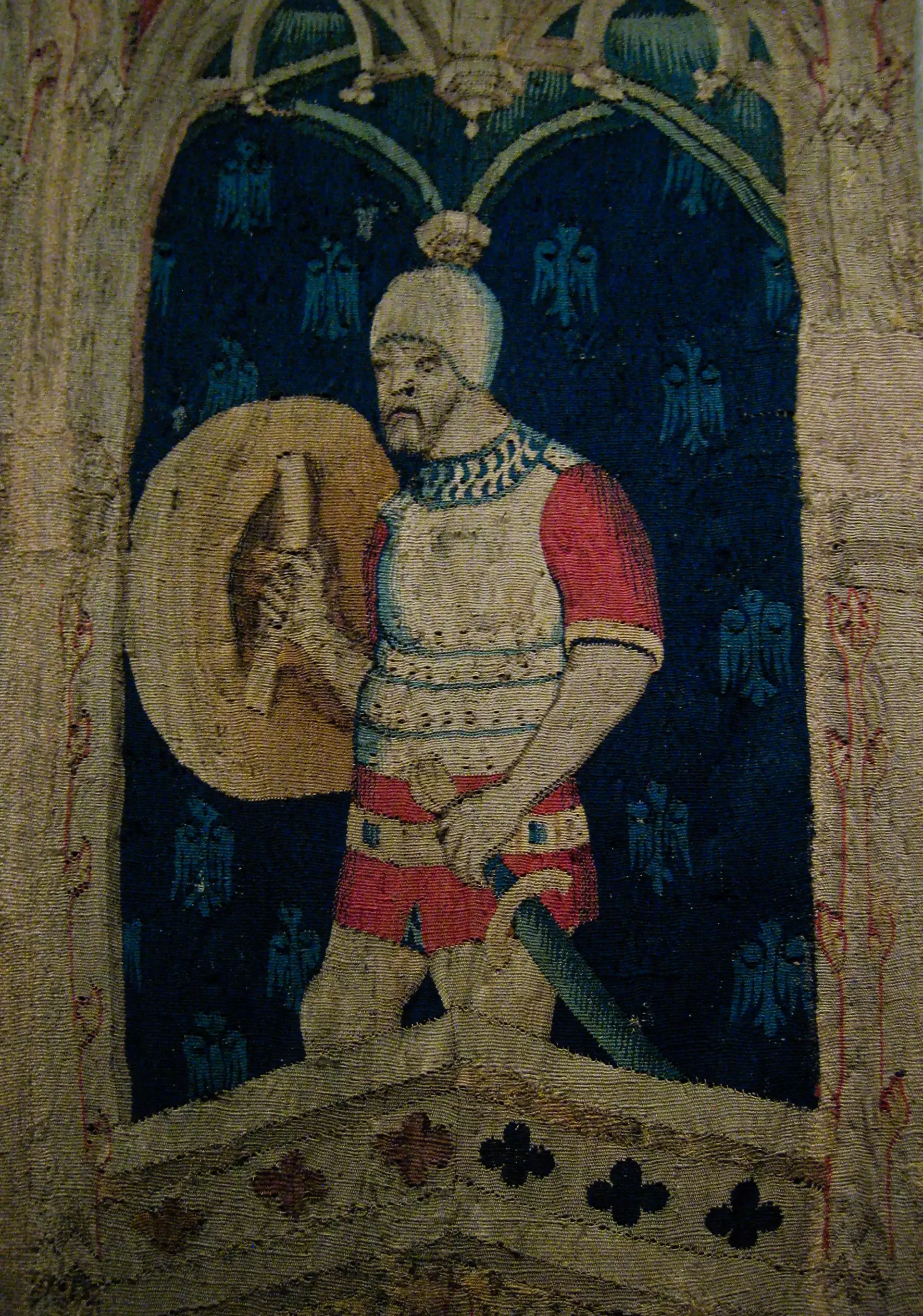
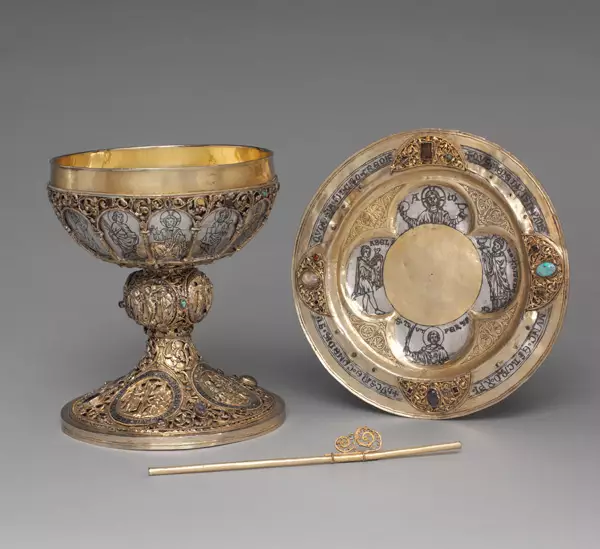
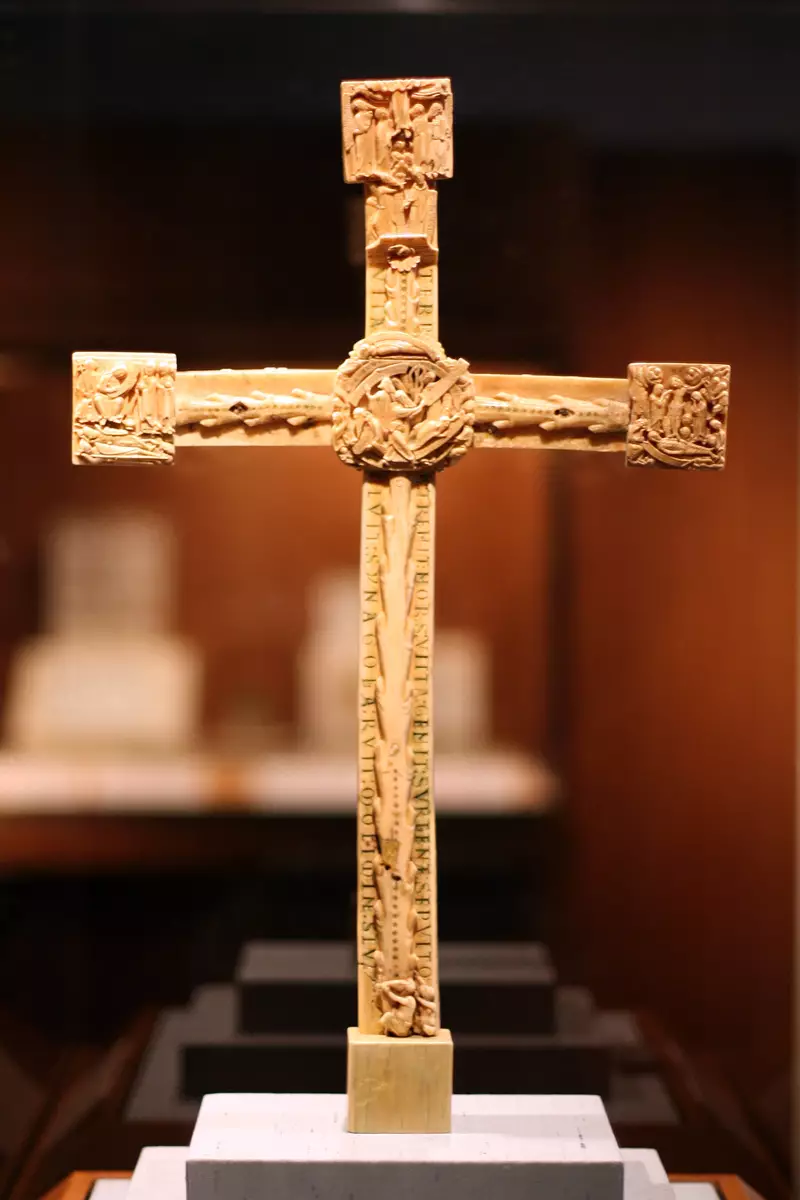
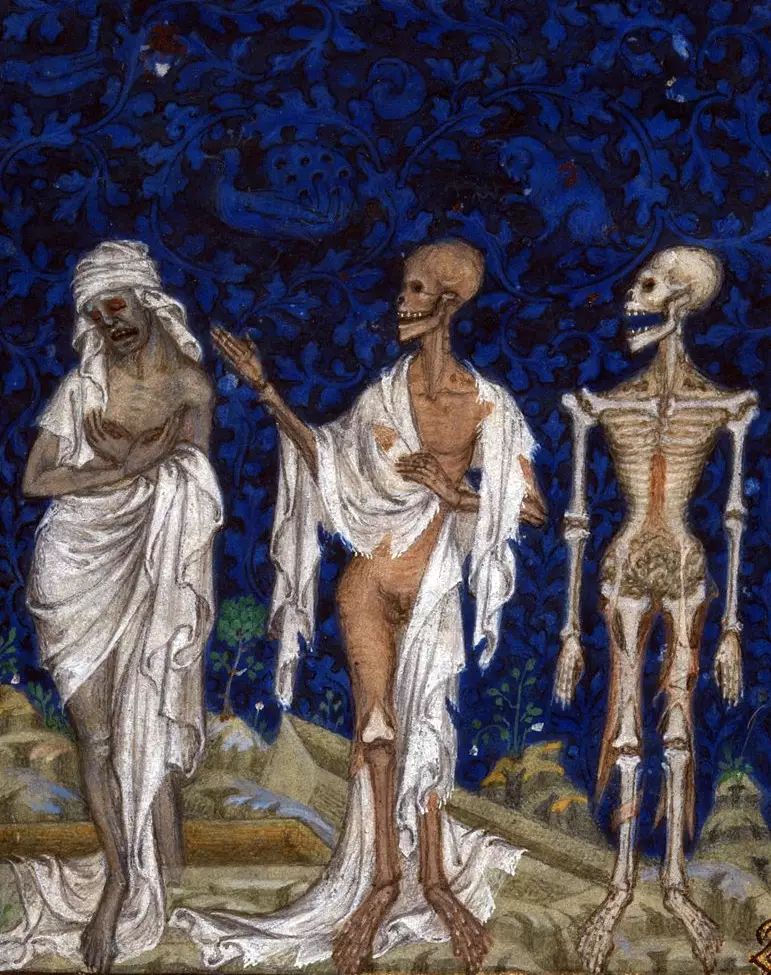
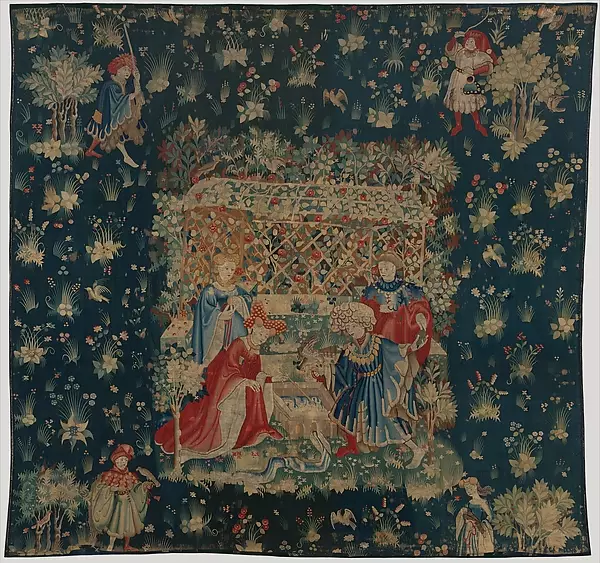
Inside the museum, a diverse collection of artwork is on display, captivating visitors with its historical and cultural significance. Among the treasures showcased, the Unicorn Tapestries stand out as the most renowned pieces. These tapestries are celebrated for their intricate designs and the stories they depict, offering a glimpse into the artistic prowess of the medieval period.
Source - https://en.wikipedia.org/wiki/The_Cloisters
Sitting on Vista Rock, one of the highest points in the park, the castle provides excellent views of Central Park, particularly to the north. It is a popular spot for photography and contains a visitor center and a nature conservatory. Just below the castle to the north is Turtle Pond, a small, swamp-like pond holding various fish, frogs, insects, and birds.
American woman Jacques Marchais had a dream of traveling to Tibet. While she never made it, her extensive collection of Tibetan artifacts was made into a museum in 1947. The museum now holds over 120 pieces of beautiful Tibetan art. The museum's authenticity was praised by the Dalai Lama.
Established in 1867 and laid out by Olmsted and Vaux, the designers of Manhattan's Central Park.
Get up close to over 200 lifelike wax figures of the biggest stars and icons in entertainment, sports and history.
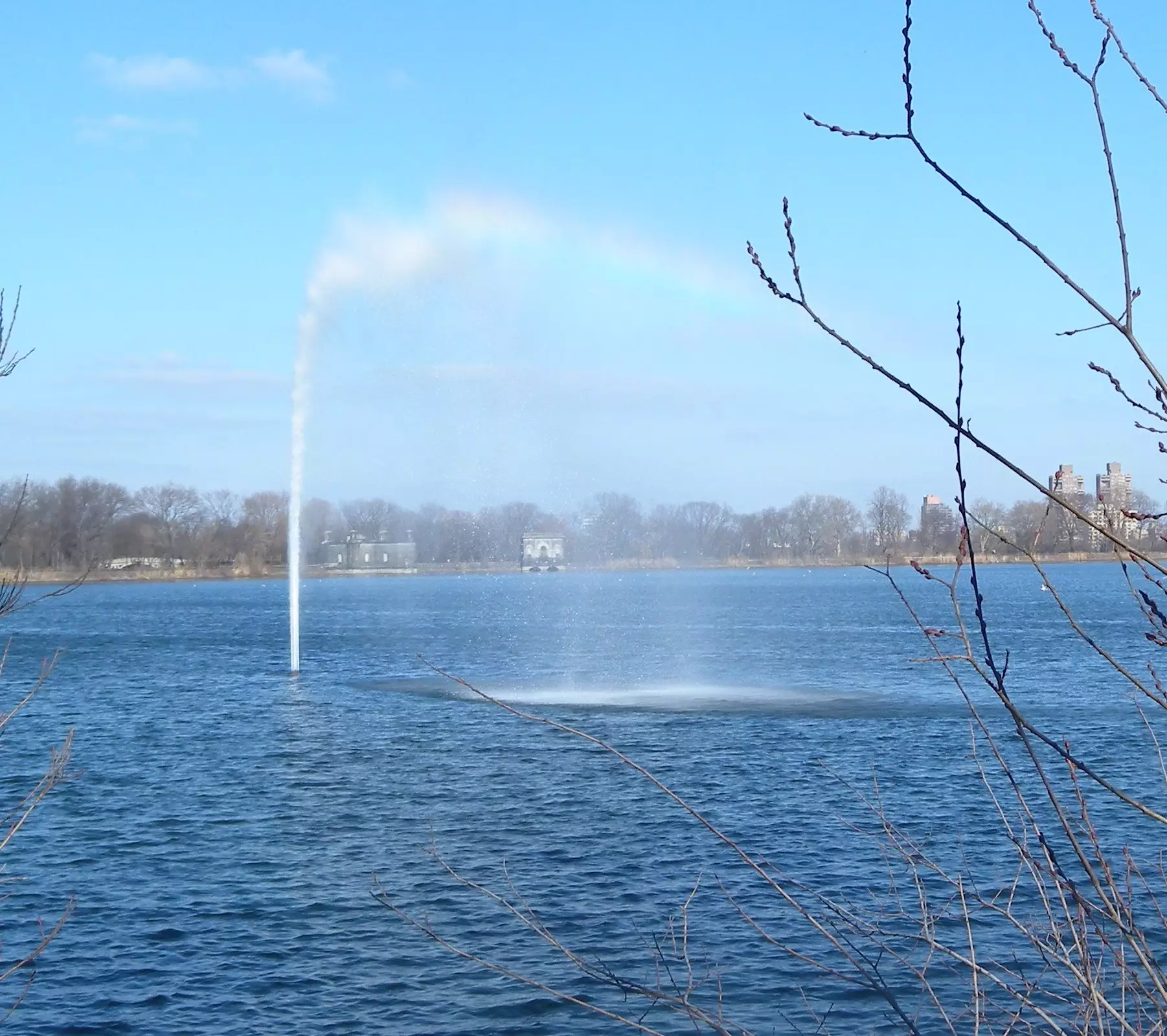
This 11 acre lake is one of Central Park's finest spots; surrounded by flowering trees and inhabited by several fish and turtle species.
Governors Island has a long military history, home to headquarters and military posts of the United States Army from 1794 until 1966, then a complex for the U.S. Coast Guard before becoming a historic district open to tours.
A museum and library devoted to Spanish, Portuguese, and Latin American art and culture.
A large and historically important Protestant church and center of progressive social activism. Also neo-Gothic.
One of New York's most beautiful parks, an expanse of rolling hills high above the Hudson, contains some of the highest natural elevations on the island and is a great place to picnic or stroll in good weather and look at the great views of the New Jersey Palisades across the river.
Supported by the Museum of Modern Art, this innovative (and cheap) contemporary art museum is in a former public school building. The conversion left most of the original features of the school - the large ex-classrooms are perfect for installations - and the bathrooms are a blast from the past. P.S.1 is a few blocks south on Jackson Avenue from the Citibank tower; the entrance is a concrete slab (how fitting) which occludes view of the school itself. P.S.1 also has a nice cafe and outdoor seats.
An Episcopalian (Anglican) church and parish was first established on this site in 1697 under charter by King William III. The present Neo-Gothic Revival church building (the third incarnation) dates from 1846 and remains a significant landmark within Downtown. The original burial ground at Trinity Church includes the graves and memorials of many historic figures, including Alexander Hamilton, William Bradford, Robert Fulton, and Albert Gallatin.
Ellis Island was home to the nation's primary federal immigration station, with over 12 million immigrant steamship passengers passing through from its opening in 1892 to its closing in 1954. Today, over 40 percent of America's population can trace their ancestry through Ellis Island. The island is home to the American Family Immigration History Center, which contains manifests of 25 million immigrants, passengers, and crew members who entered New York Harbor. The Immigration museum at Ellis Islands has details about "Peopling of America" and if you are an avid history lover, this museum will need at least 3-4 hrs of your time. Since the ferry ride takes you to both Ellis Island as well as the Liberty Island, you will have to plan your day well.
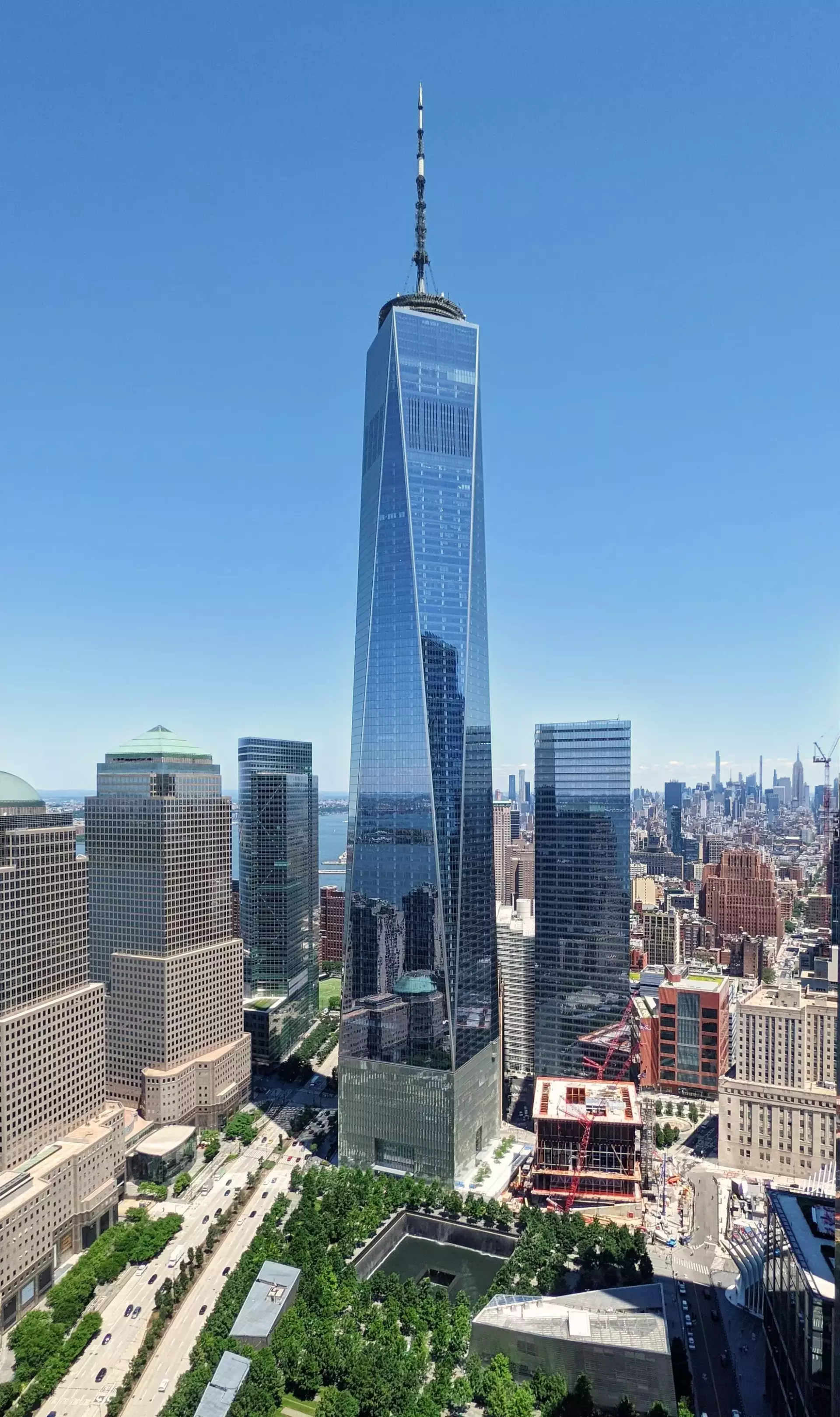
On the site of the former World Trade Center towers, the memorial consists of two enormous waterfalls and reflecting pools set within the footprints of the twin towers, lined with bronze panels with the names of the nearly 3,000 victims of that fateful day inscribed. The surrounding plaza holds a grove of trees. The museum, which sits underground right next to the memorial, contains exhibits which explain the events of 9/11 and their aftermath, with remnants of the original towers and artifacts from that day. If you see a white rose on one of the names, it's because today is that victim's birthday.
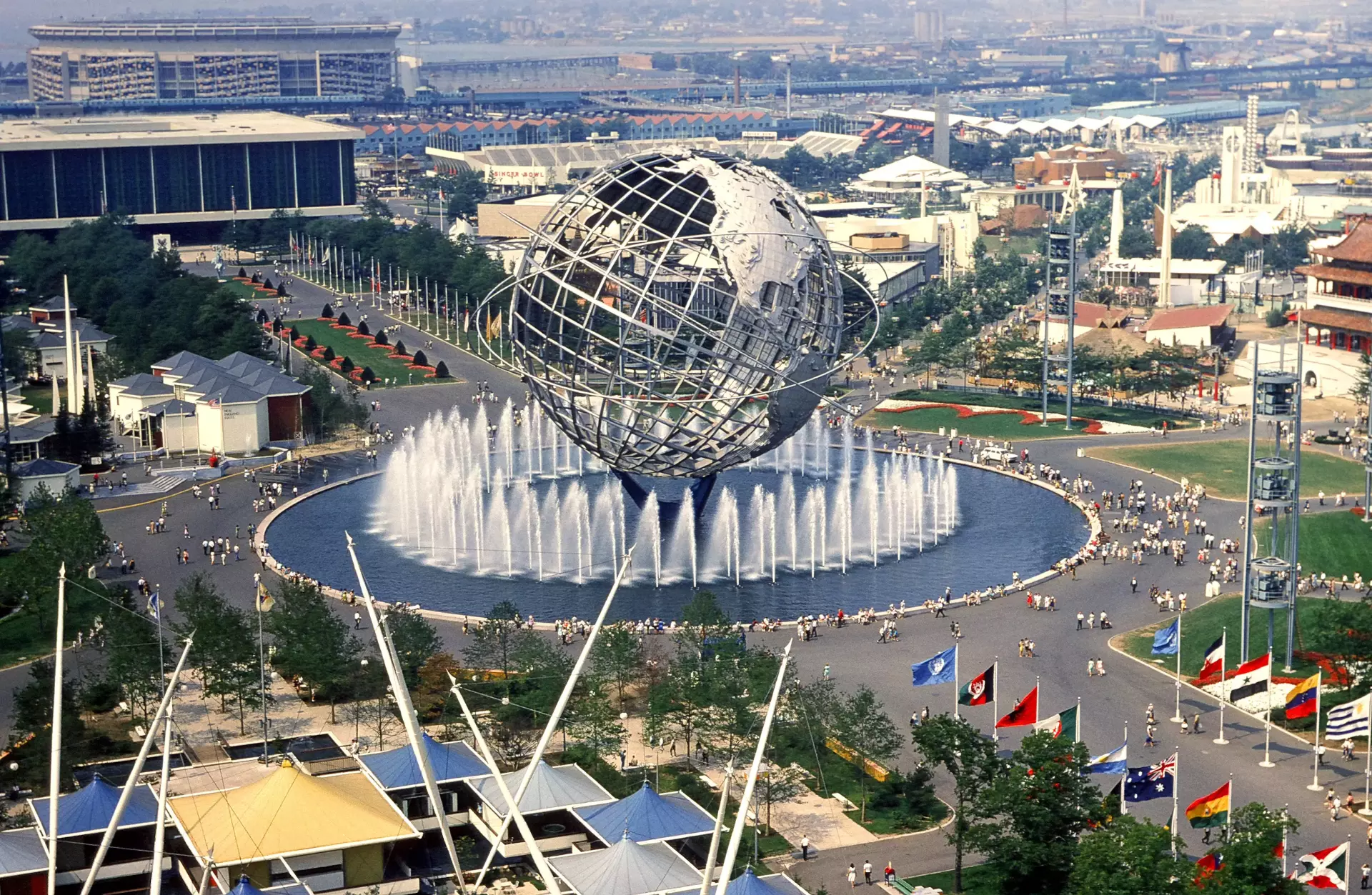
Built as a pavilion for the 1964 World's Fair, this science center is now full of hands-on exhibits for the public. Highlights include Sports Challenge, Rocket Park (featuring full sized Atlas and Titan tickets), and a science playground.
This park was operated as a United States Army airfield from 1919-1969. Now, it is a large, mostly grass park with baseball fields, soccer fields, and a children's playground.
A museum dedicated to folk & self-taught artists.