

Hôtel de Ville, Paris
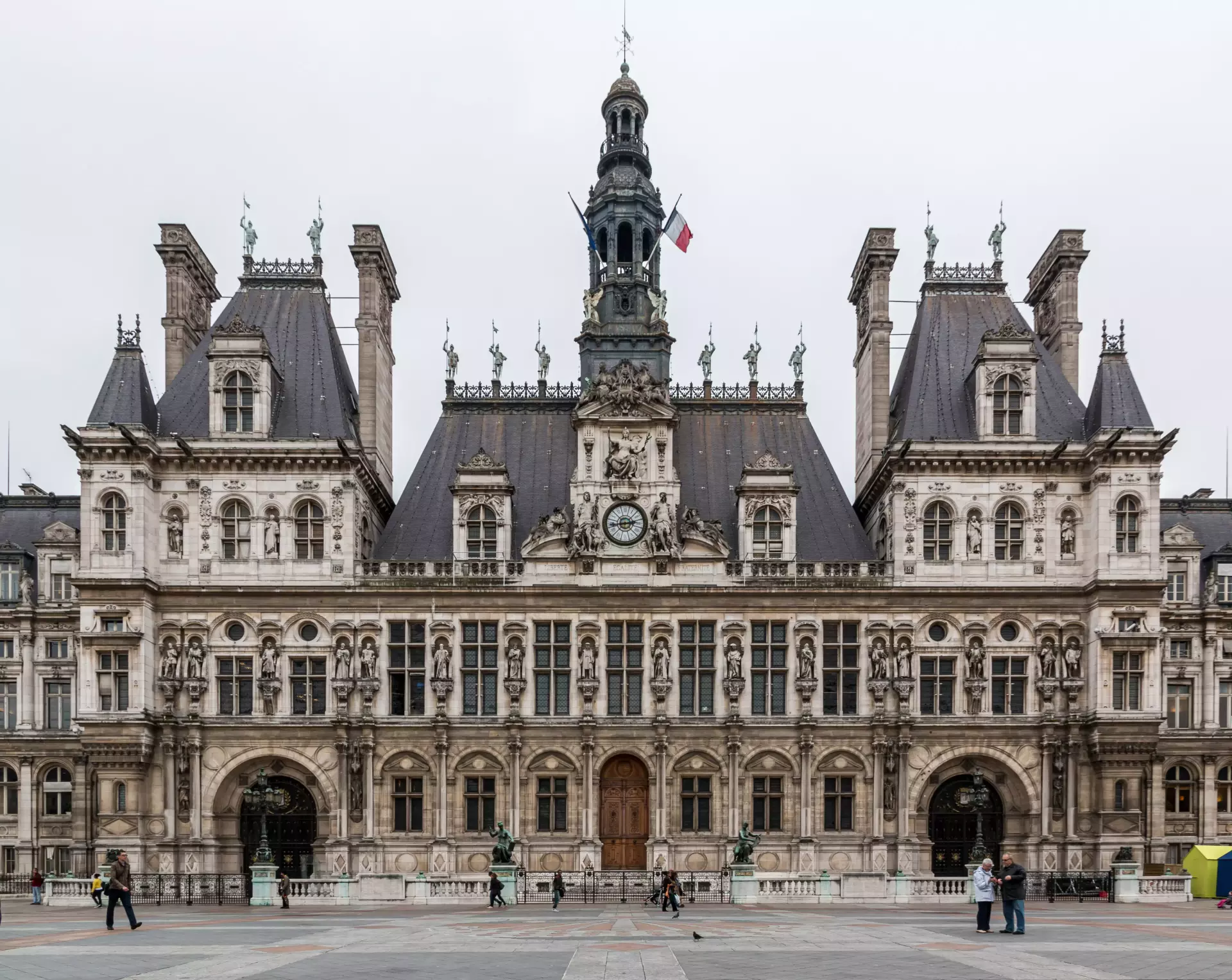
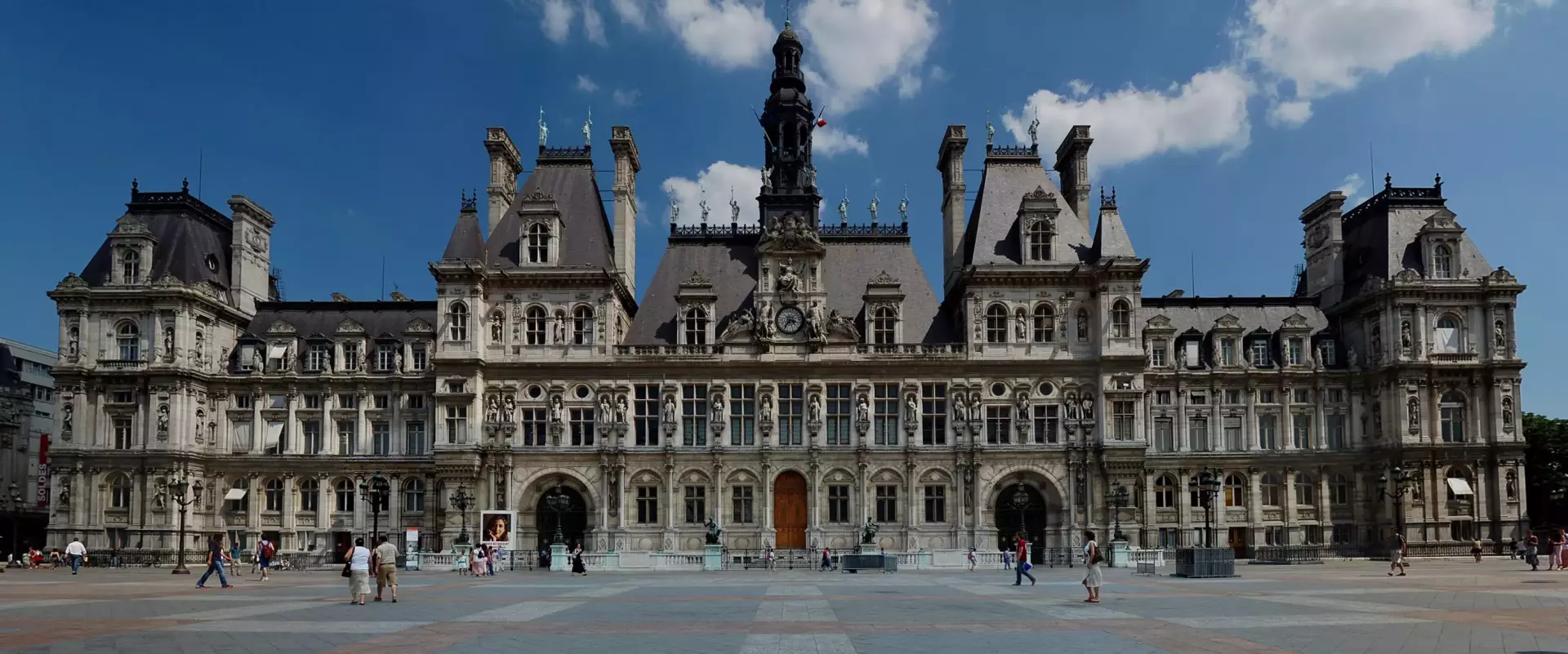
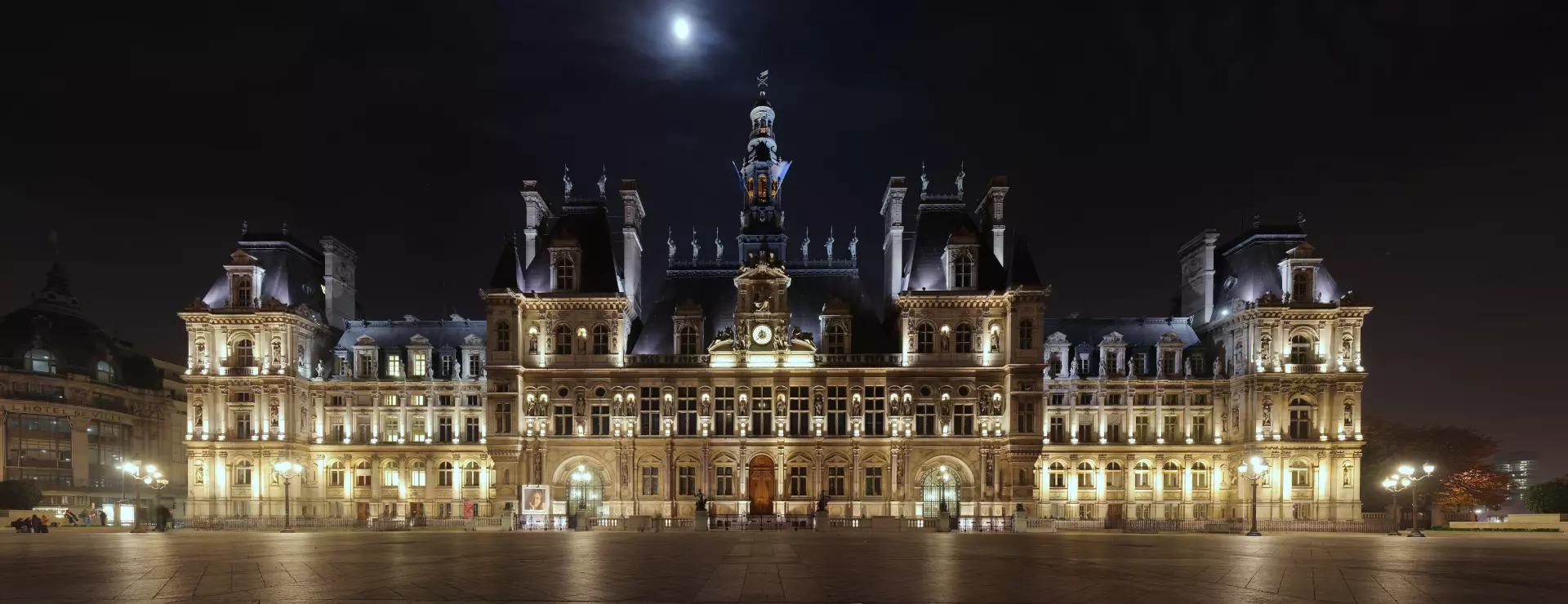
The Hôtel de Ville in Paris is often considered one of the city’s most beautiful buildings. Its elaborate architecture, white stone façade, and soaring towers catch the eye, especially as the sunlight shifts at dusk. The magic of the building can sometimes go unnoticed from the busy square in front, but it comes alive in the evening light.
Unique Perspectives and Stunning Views
Watching the colors change on the Hôtel de Ville’s rooftops and spires is a favorite activity for many. Some choose to admire this view from a café on the Ile de St. Louis, such as the Lutece, where the sunset transforms the cityscape into a painting. Others head to the Bazar de l'Hôtel de Ville (BHV) department store on Rue de Rivoli. From the store’s roof terrace, just a short climb by stairs, visitors are rewarded with sweeping views of the Hôtel de Ville’s dramatic roof, the surrounding neighborhoods, and the Seine River below.
A History of Grandeur and Scandal
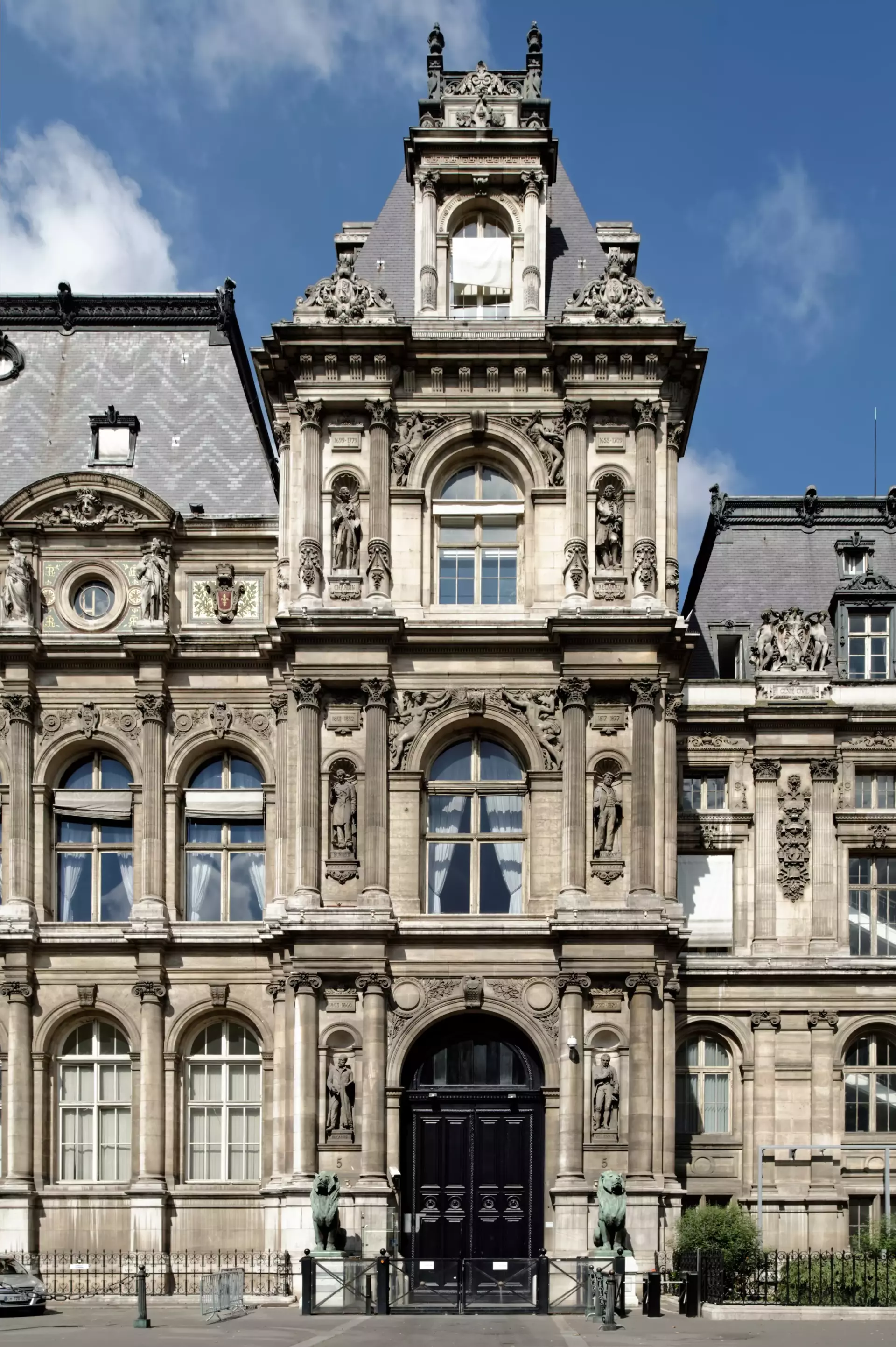
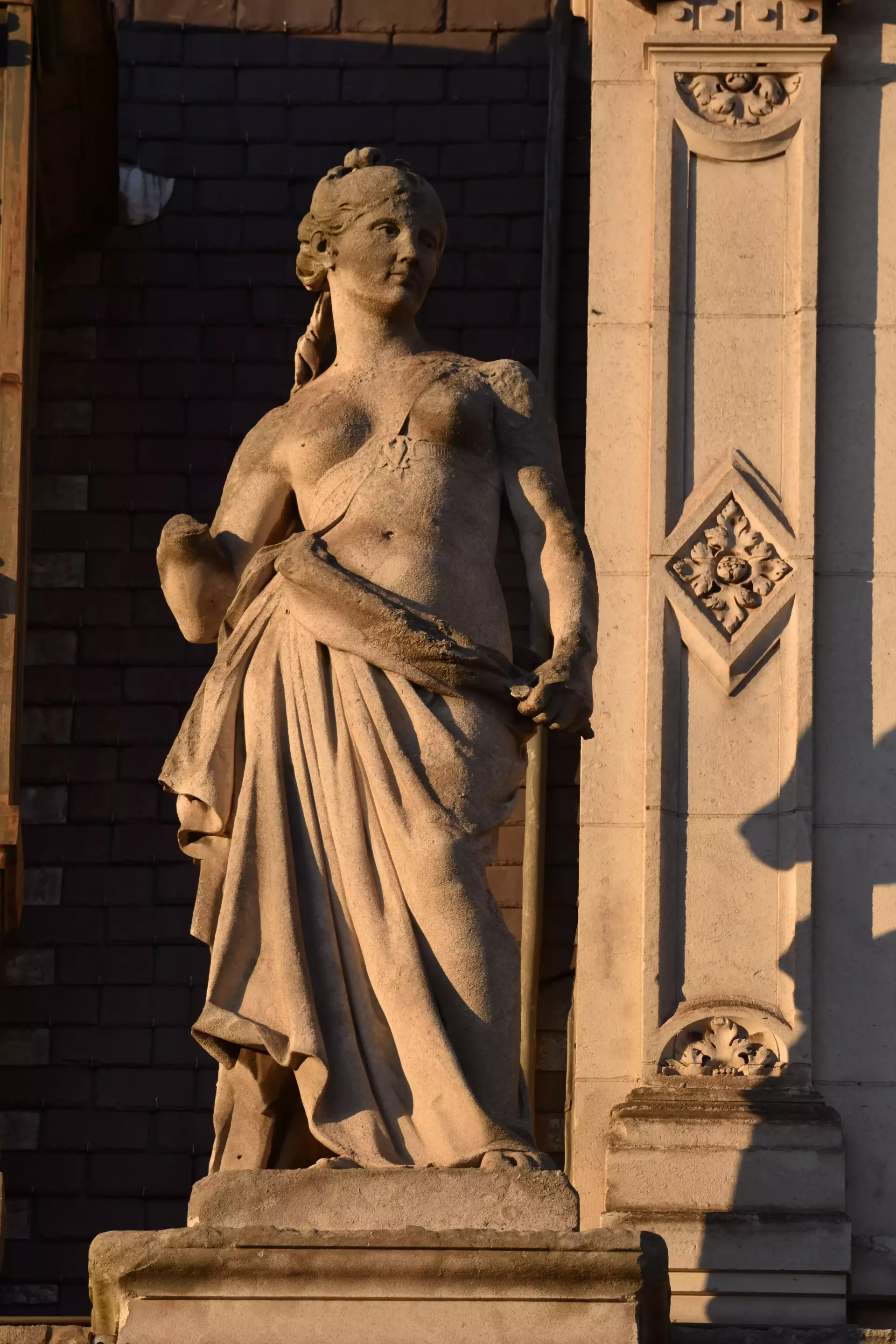
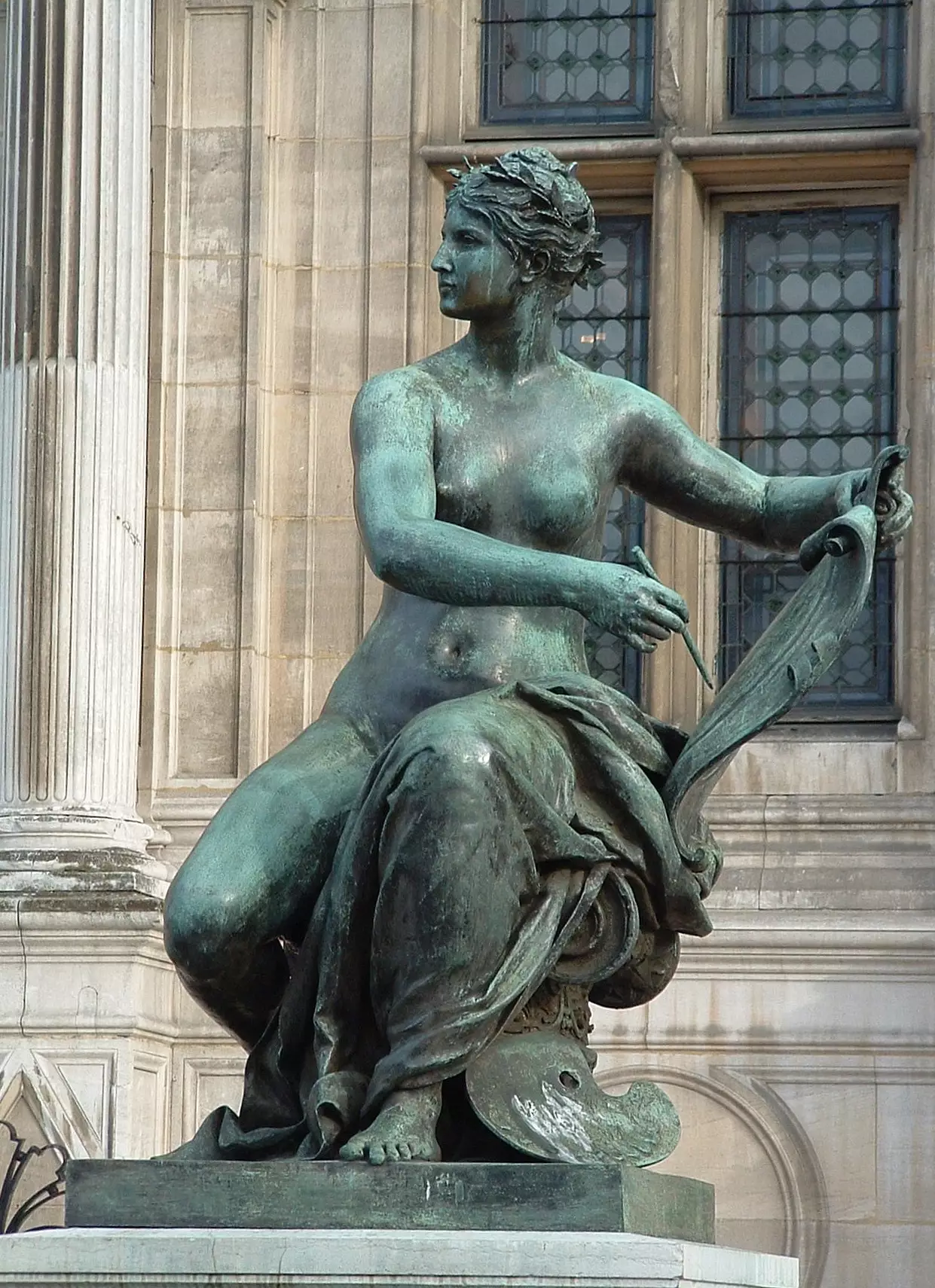
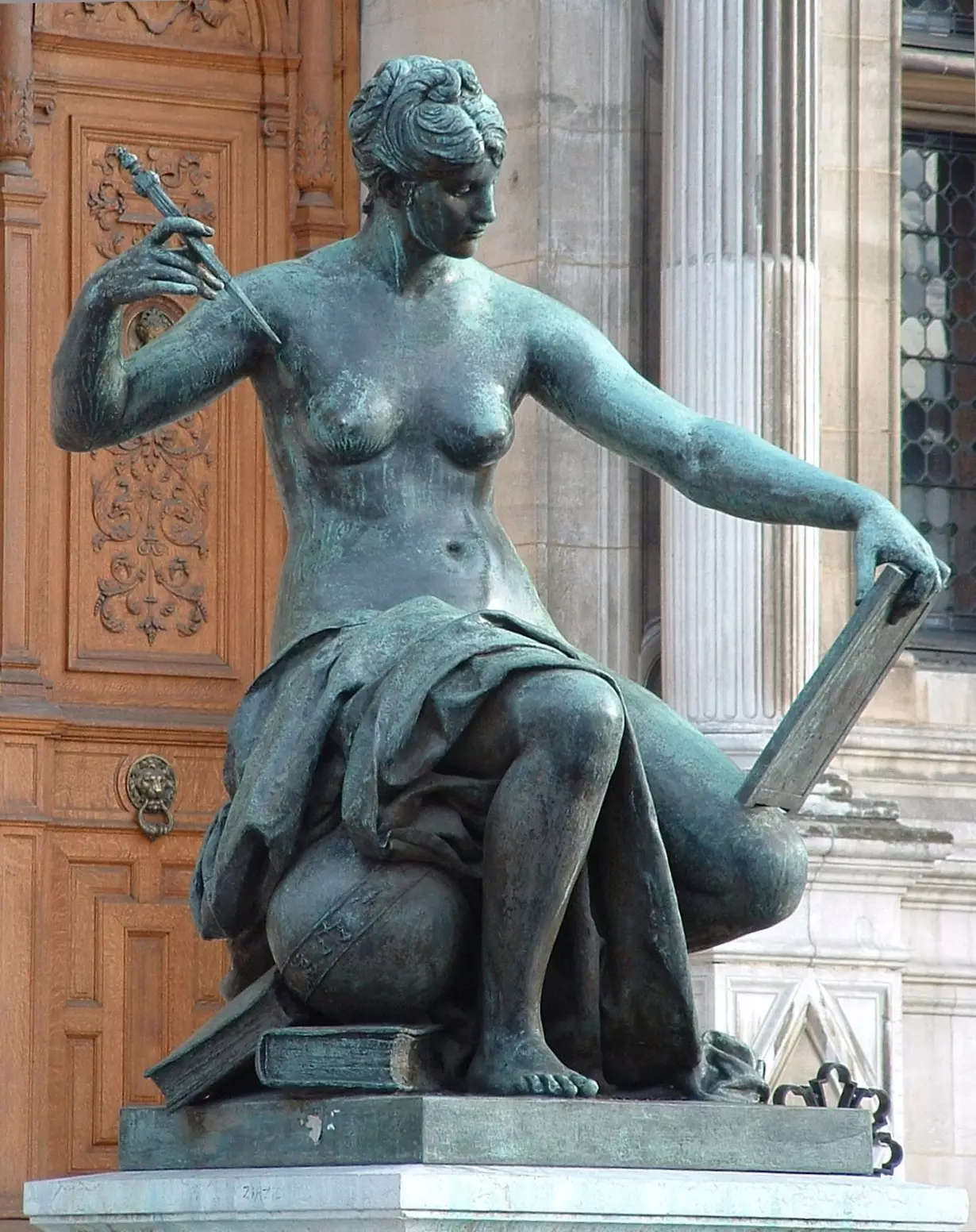
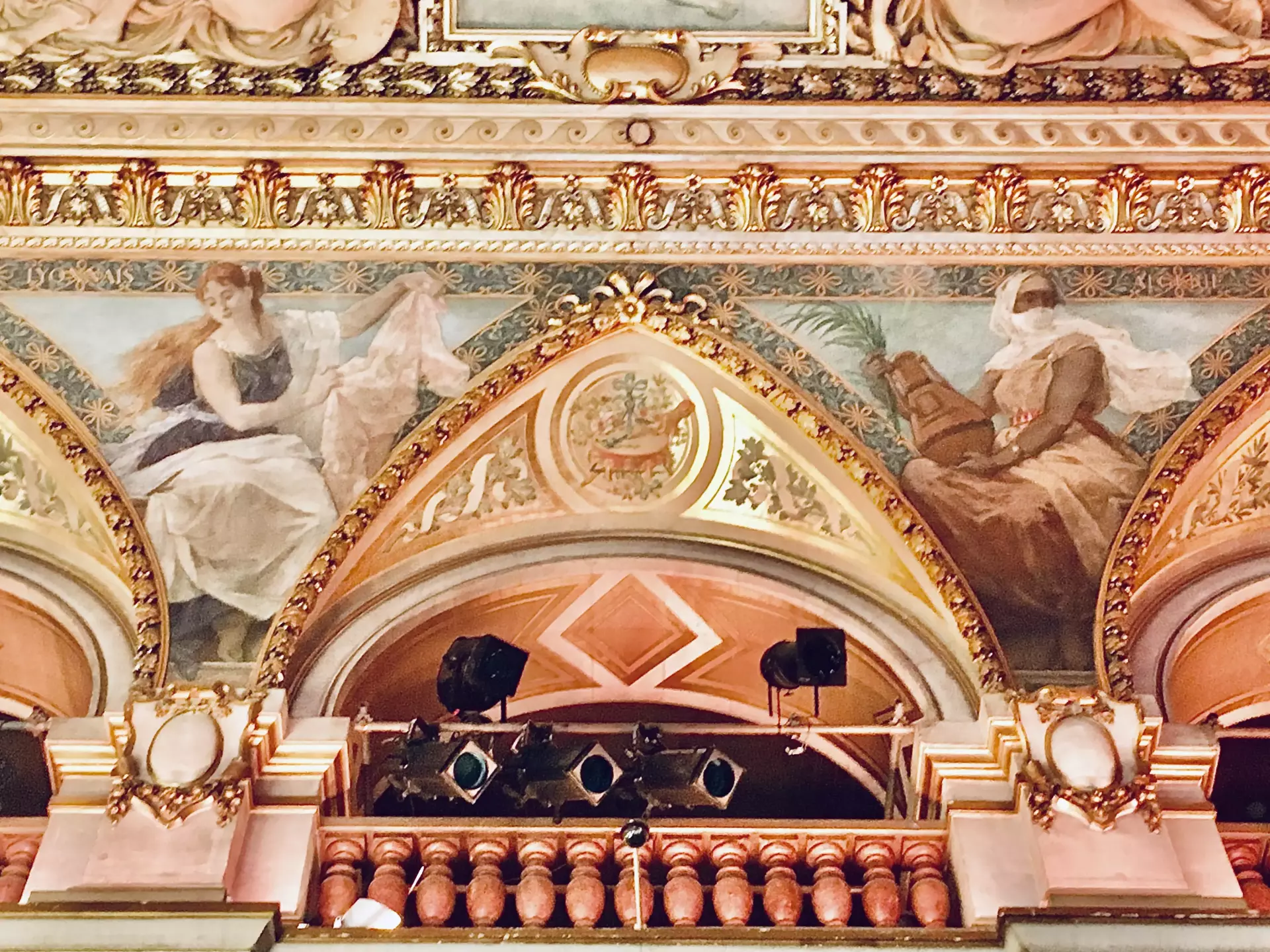
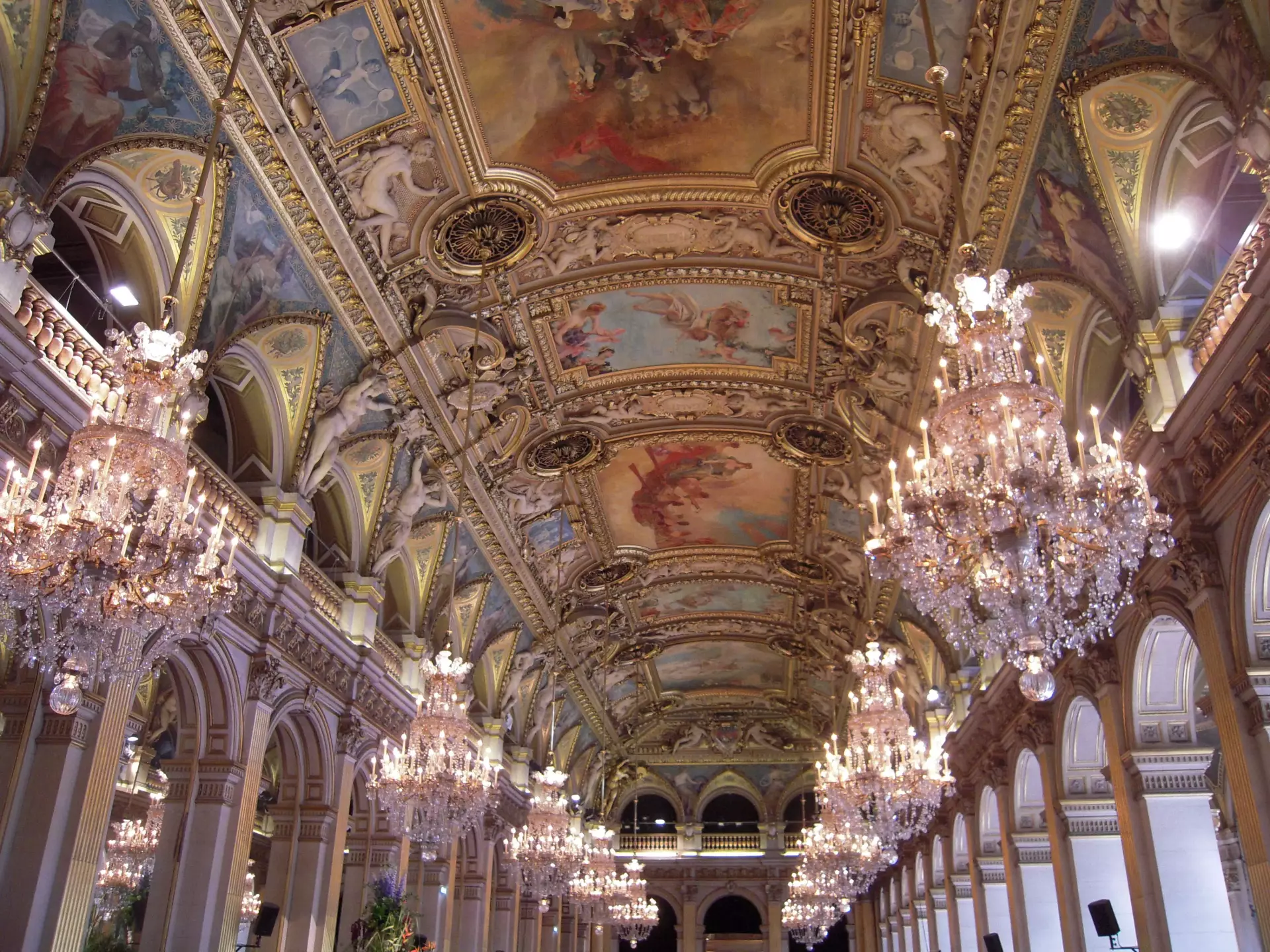
The current Hôtel de Ville is not the original. The first building, dating from the 16th century, was destroyed by fire in 1871 during the Paris Commune. The present structure, completed mainly by 1882, is a grand reconstruction designed by architects Ballu and Deperthes, chosen after a competition. Larger than its predecessor, the building features lavish decorations inside and out. The use of brilliant white stone links it visually with other Paris landmarks, such as the Sacré-Cœur Basilica.
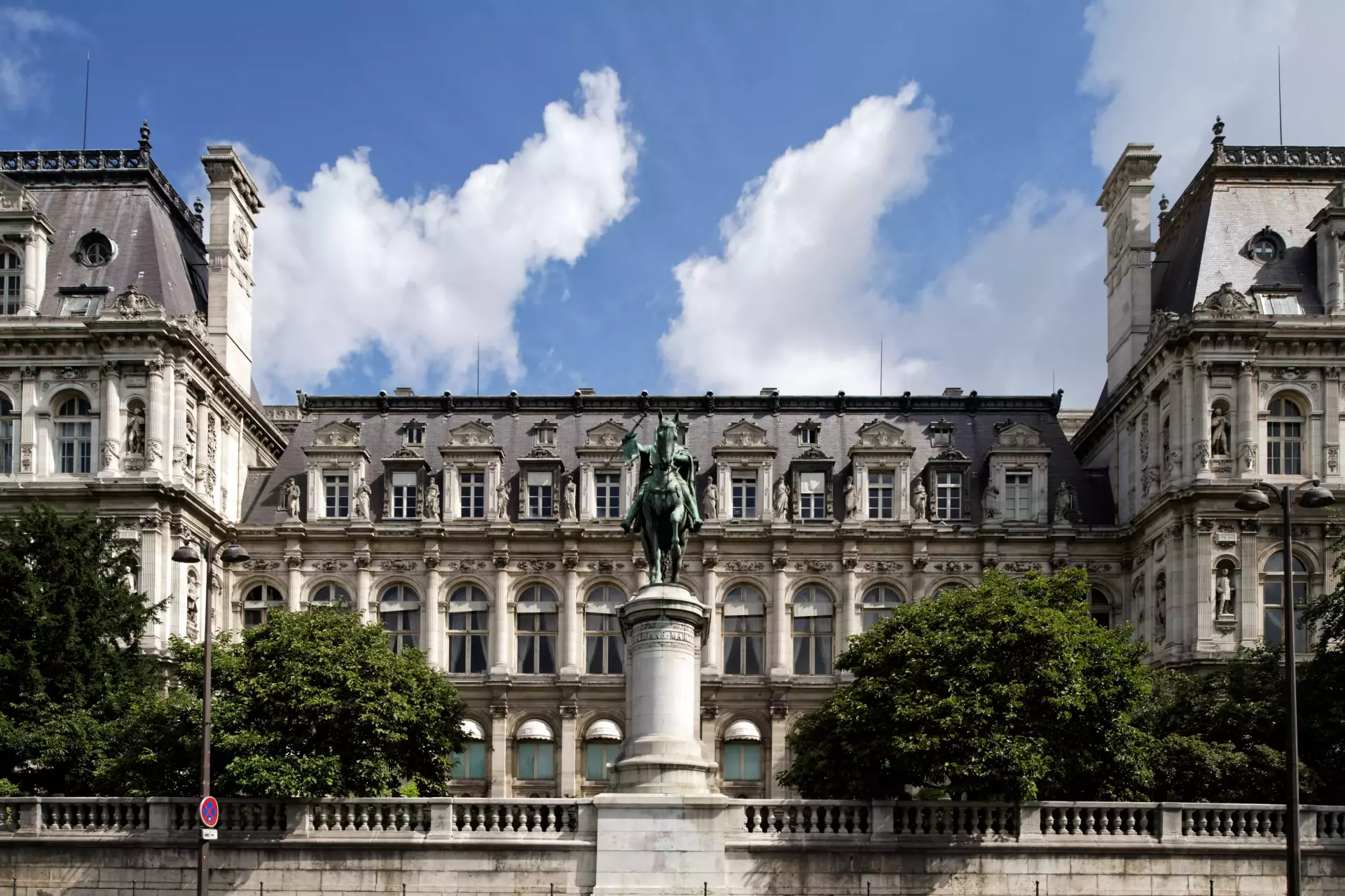
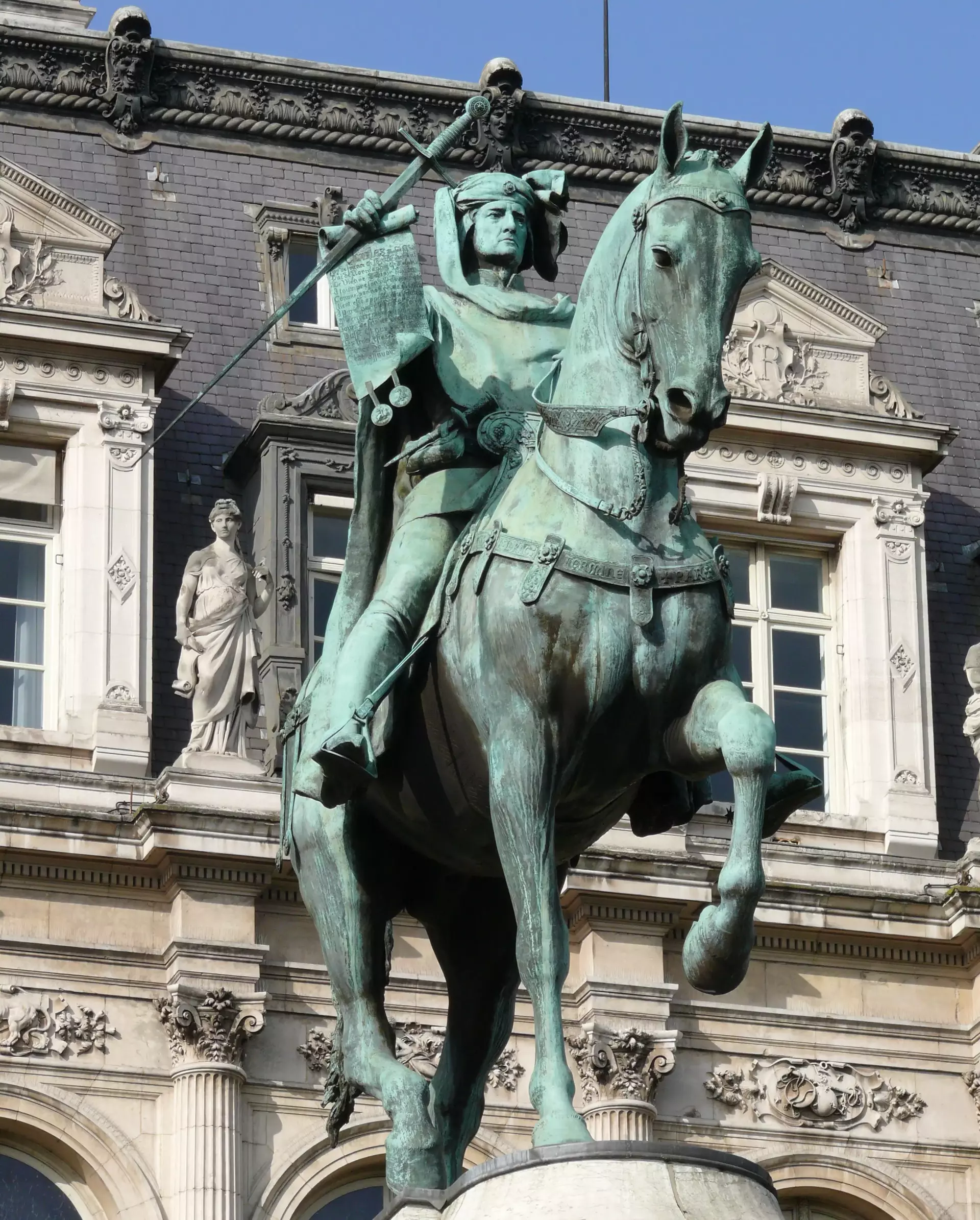
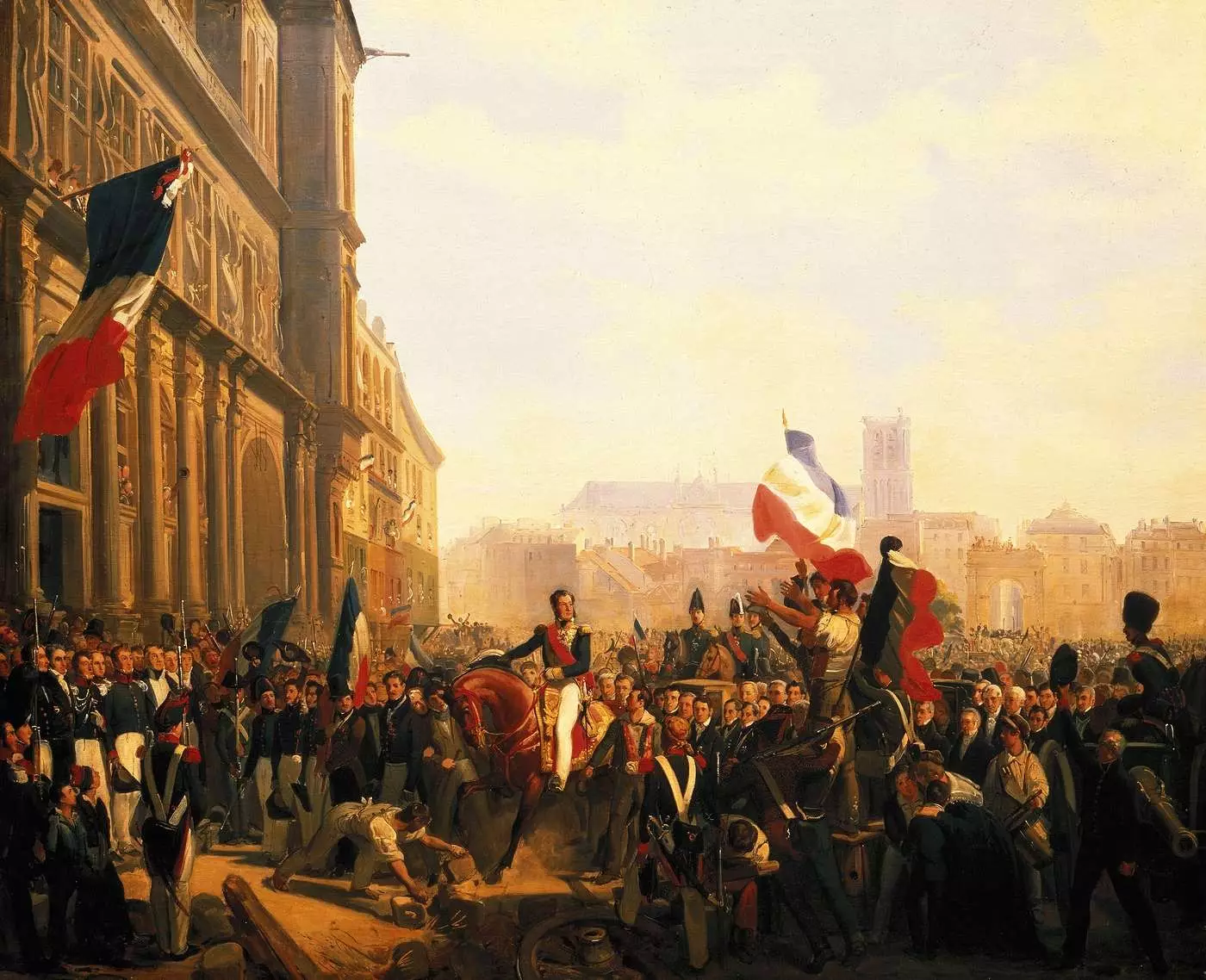
A statue along the south garden wall honors Etienne Marcel, a historical figure who served as "provost of merchants," an early version of the city’s mayor. His story ended tragically in 1358 when he was lynched by an angry crowd for attempting to increase the city’s power. Over the years, the Hôtel de Ville has played host to major figures and events. It was famously the power base for Jacques Chirac, former mayor of Paris and later president of France, whose tenure brought both political success and scandal. The building was also the scene where General de Gaulle greeted joyful Parisians after the city’s liberation in 1944 and where Robespierre was seized in 1794 during the French Revolution.
Architectural Connections Around Paris
Those who admire the grand style of the Hôtel de Ville may be interested to know that Théodore Ballu, one of its architects, also designed the Church of La Trinité in the 9th arrondissement. Ballu’s hand can also be seen in the belfry of the town hall of the 1st arrondissement, located across from the Louvre’s eastern façade. He is also responsible for the restoration of the Tour St Jacques, a medieval tower that was uncovered after many years of careful work.
Source - https://en.wikipedia.org/wiki/H%C3%B4tel_de_Ville,_Paris