

Arch of Constantine
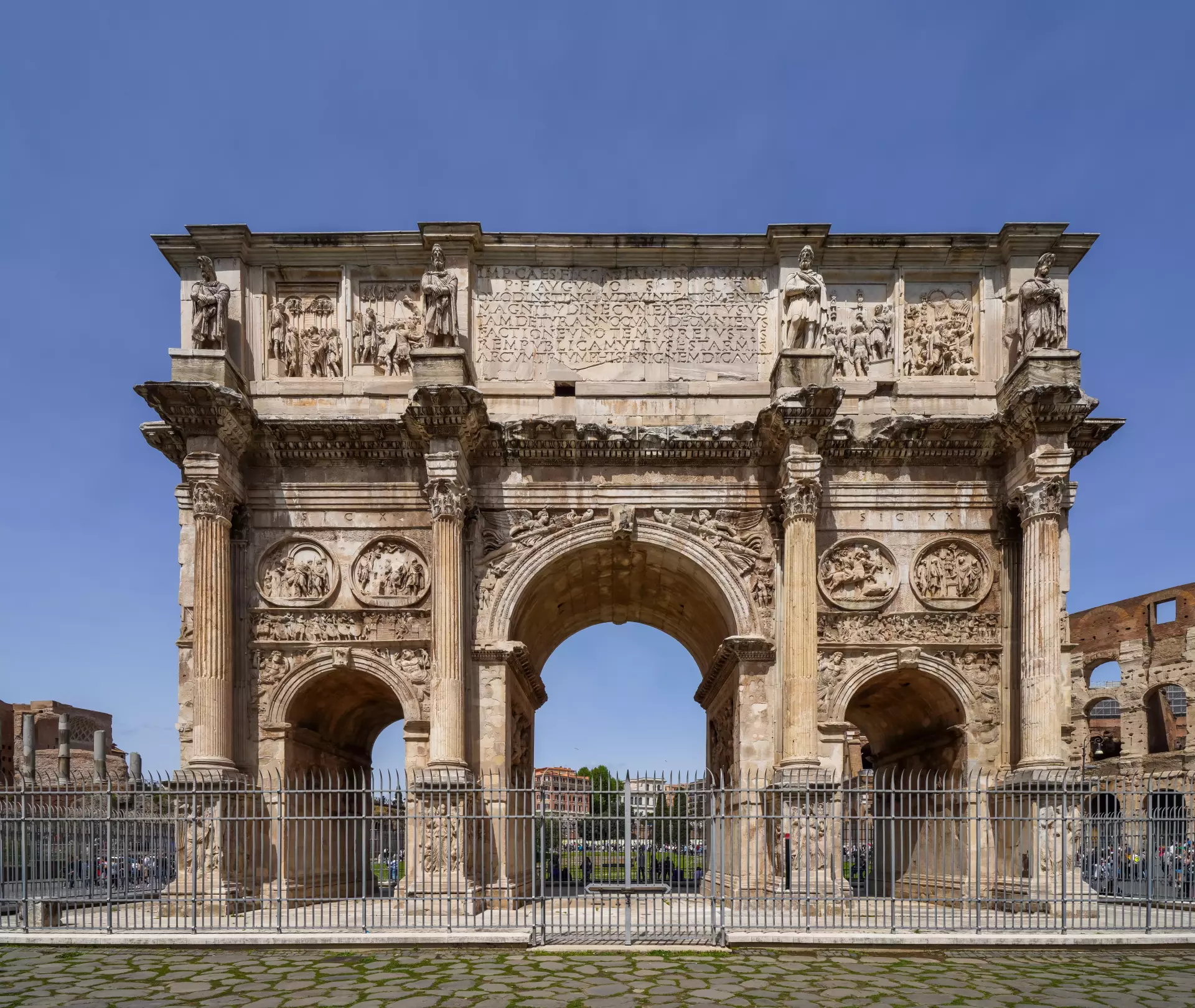
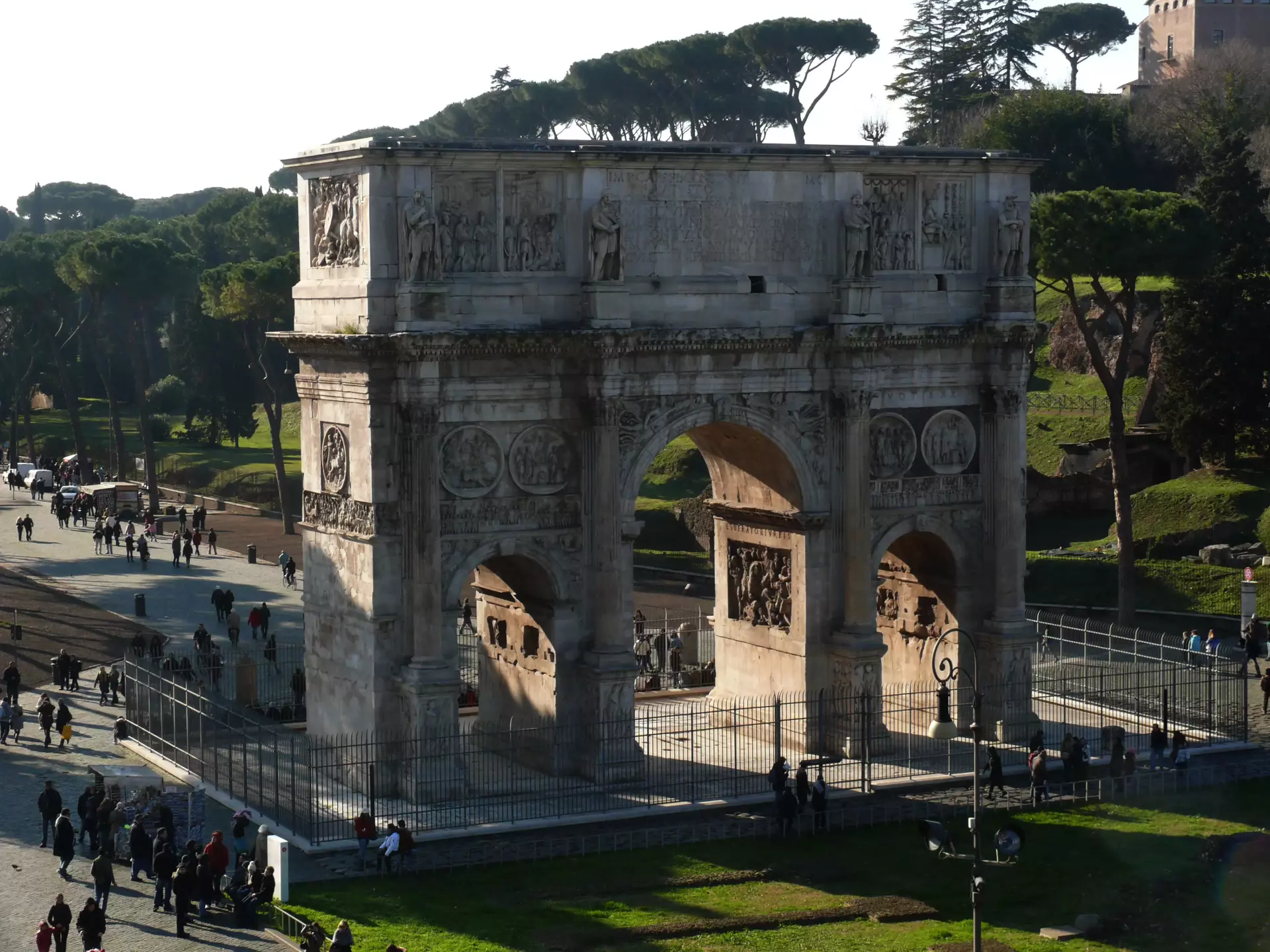
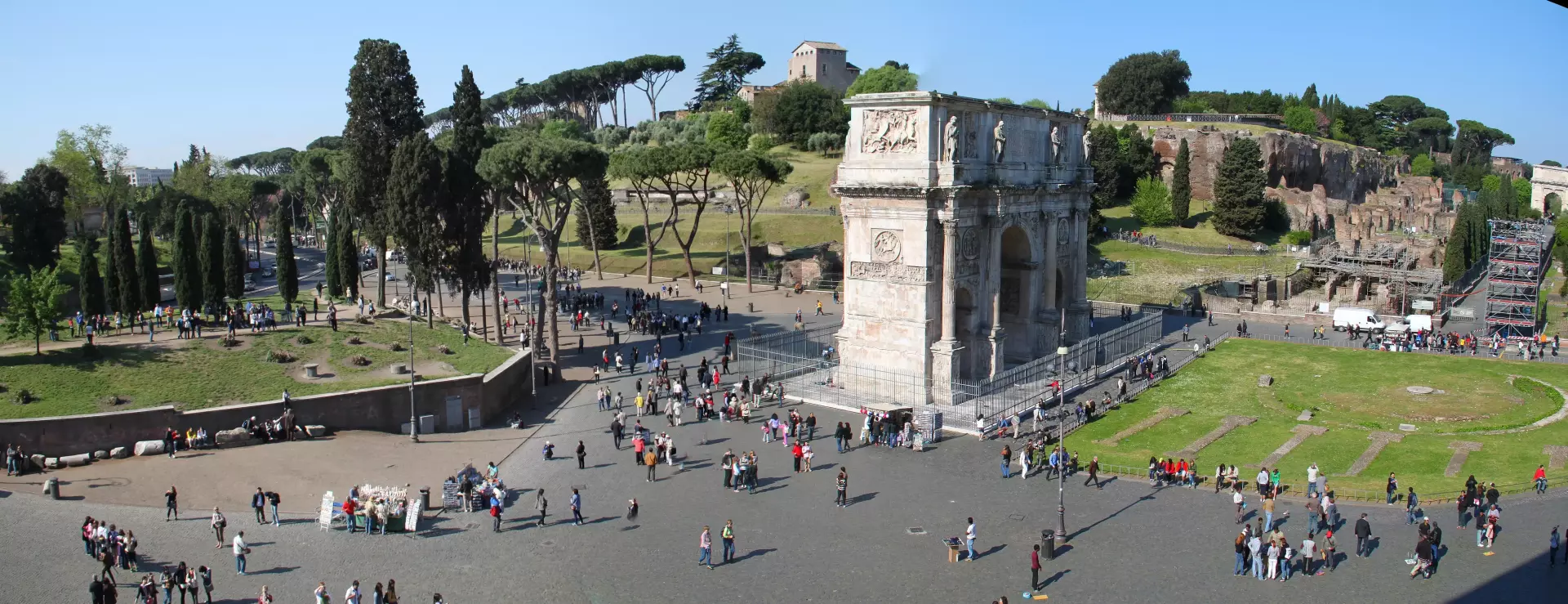
Just a short stroll west of the mighty Colosseum stands one of Rome’s most remarkable monuments—the Arch of Constantine. This grand triumphal arch, remarkably well-preserved through the centuries, was erected soon after the year 315 AD to celebrate a pivotal event in Roman history: Emperor Constantine’s victory over his rival Maxentius at the famous Battle of the Milvian Bridge in 312. The triumph marked not just a military win, but also the rise of Constantine as Rome’s first Christian emperor, forever altering the course of the Roman Empire.
A Design Inspired by the Past
The Arch of Constantine draws clear inspiration from earlier monuments, especially the Arch of Septimius Severus located nearby in the Roman Forum. Its structure features three soaring arches—a design that echoes its predecessor and adds a sense of balance and grandeur to the monument. Yet, what truly sets the Arch of Constantine apart is the story told through its stones and sculptures.
Ancient Recycling: Art and Architecture
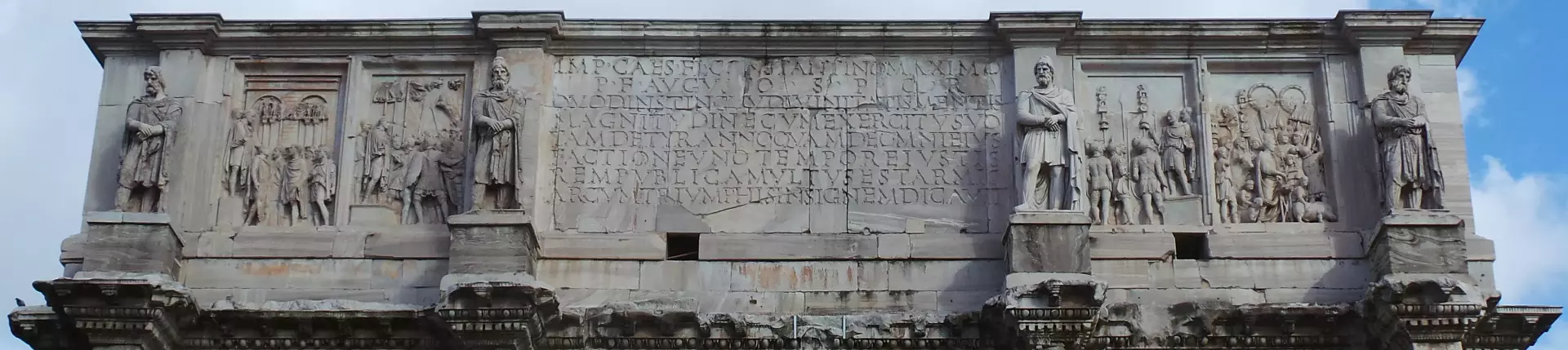
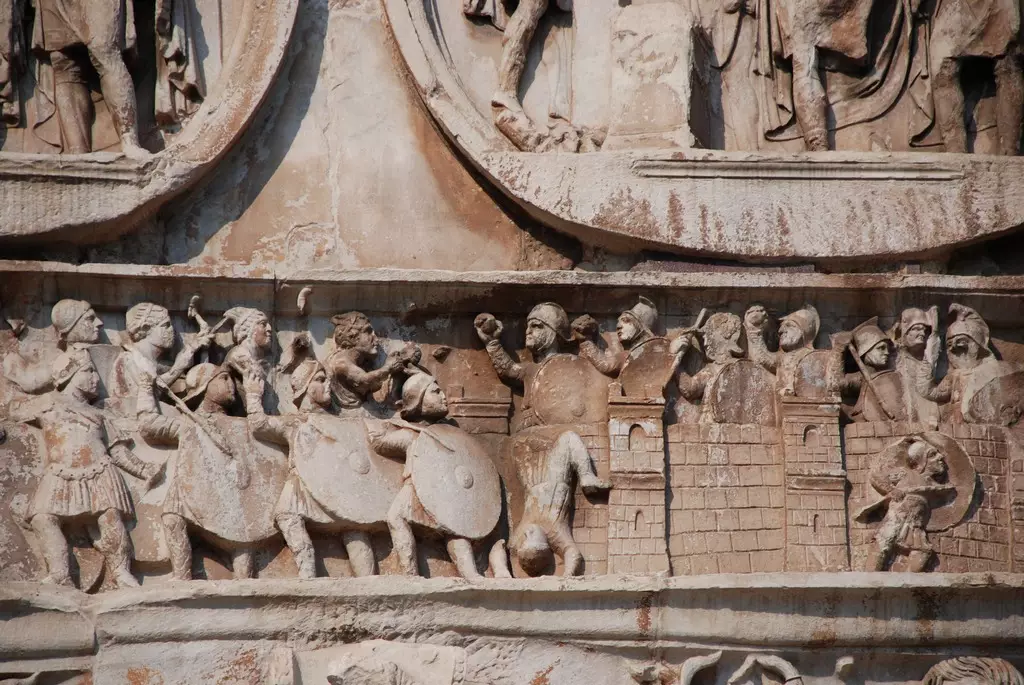
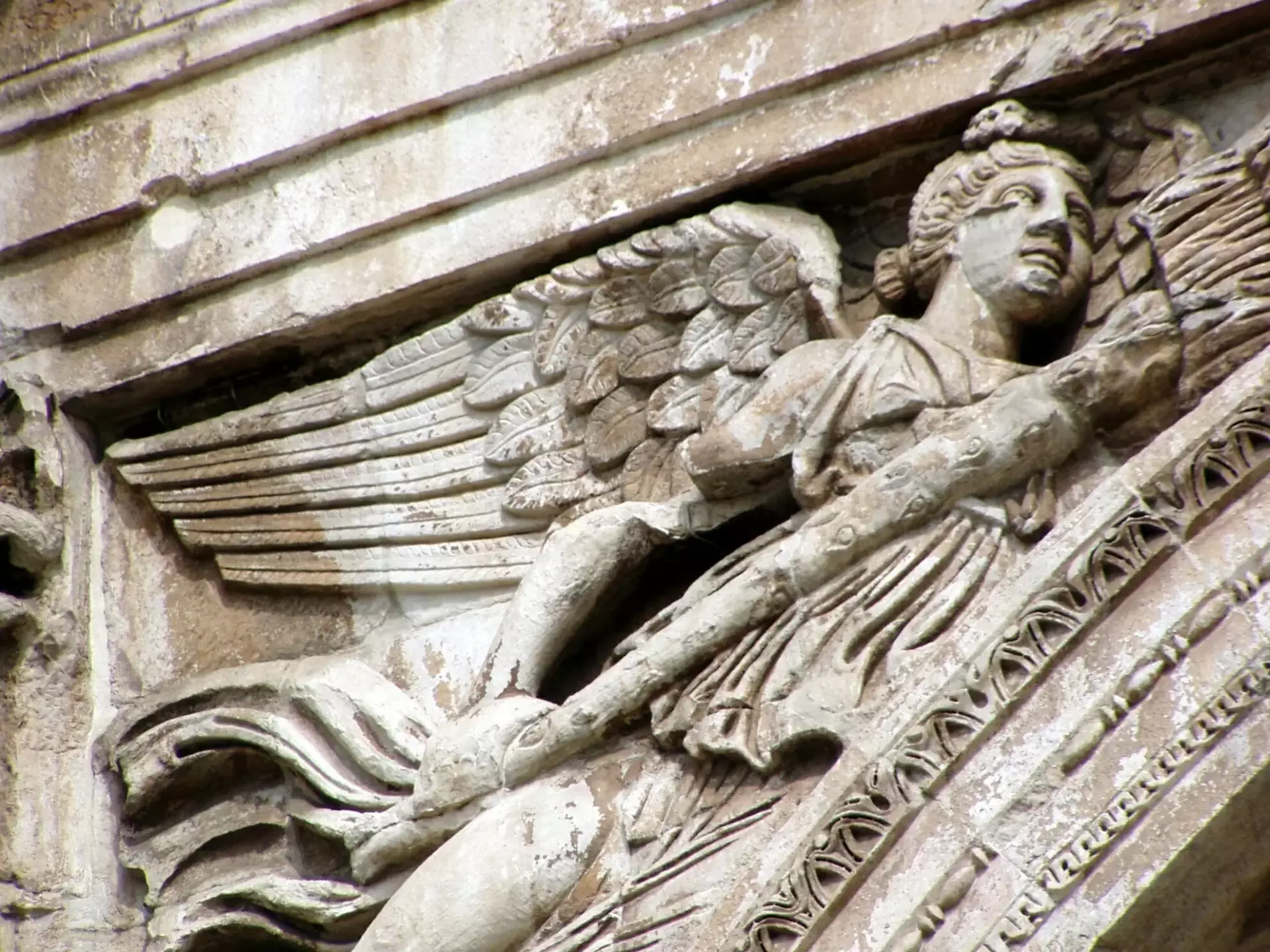
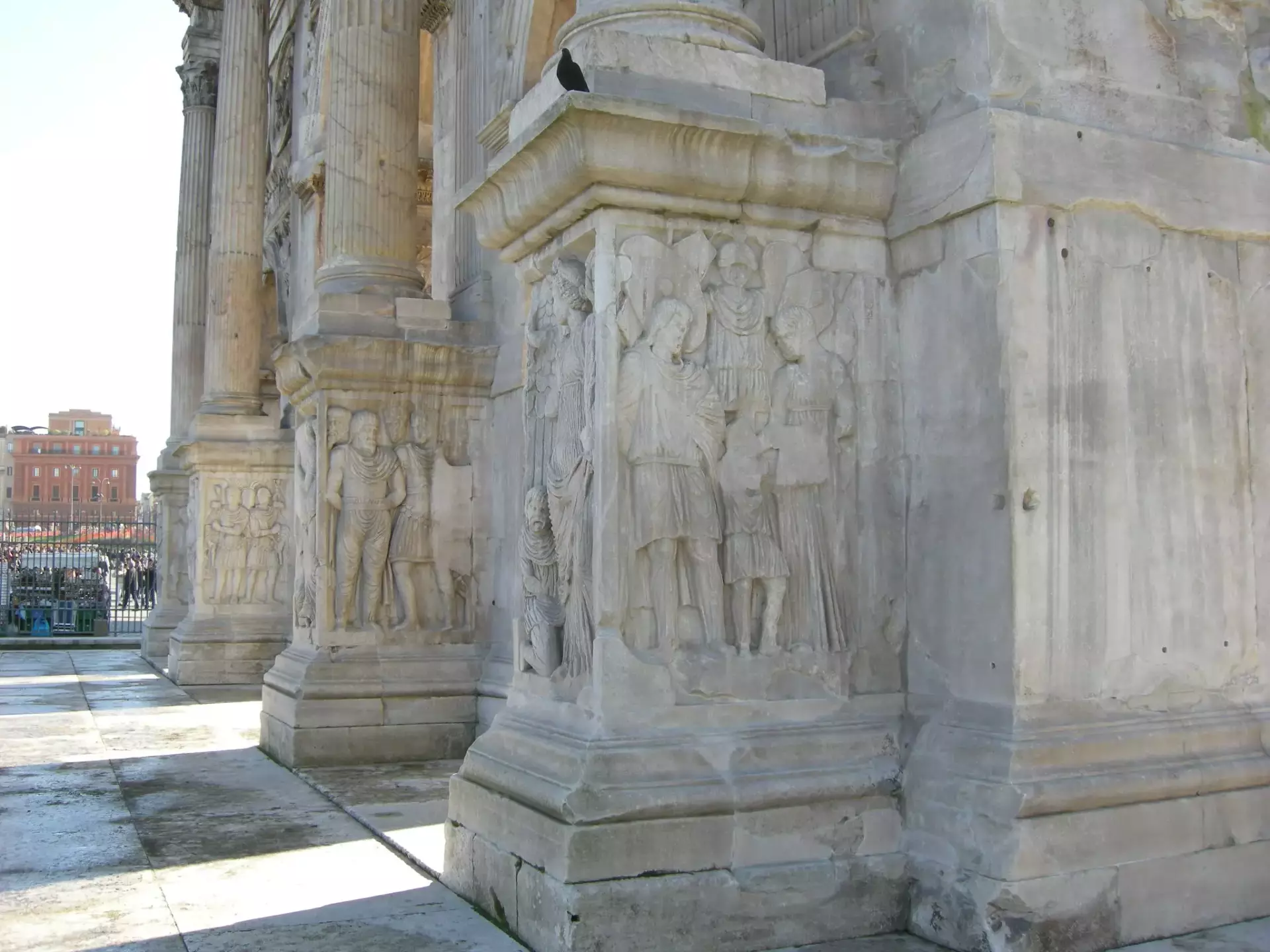
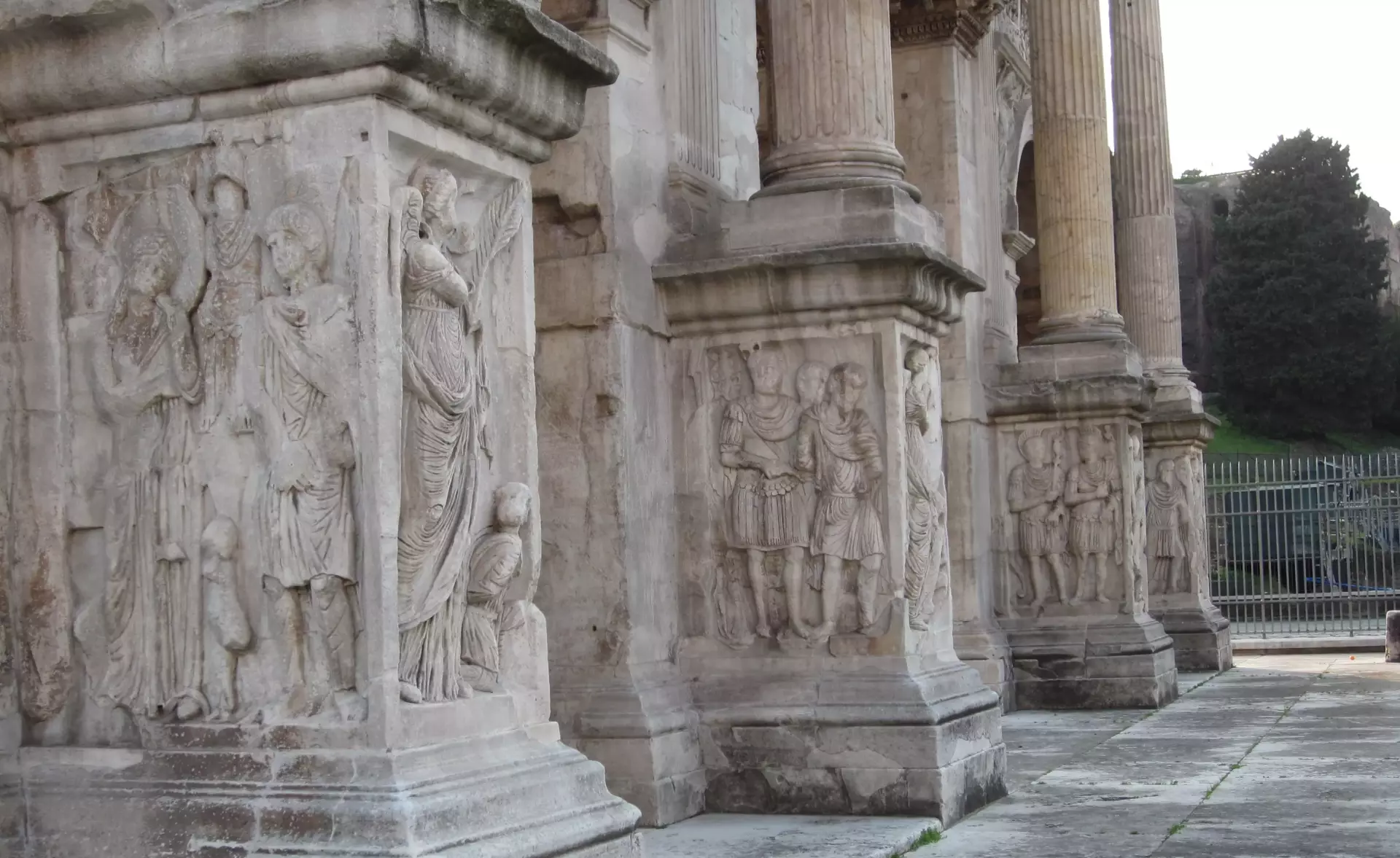
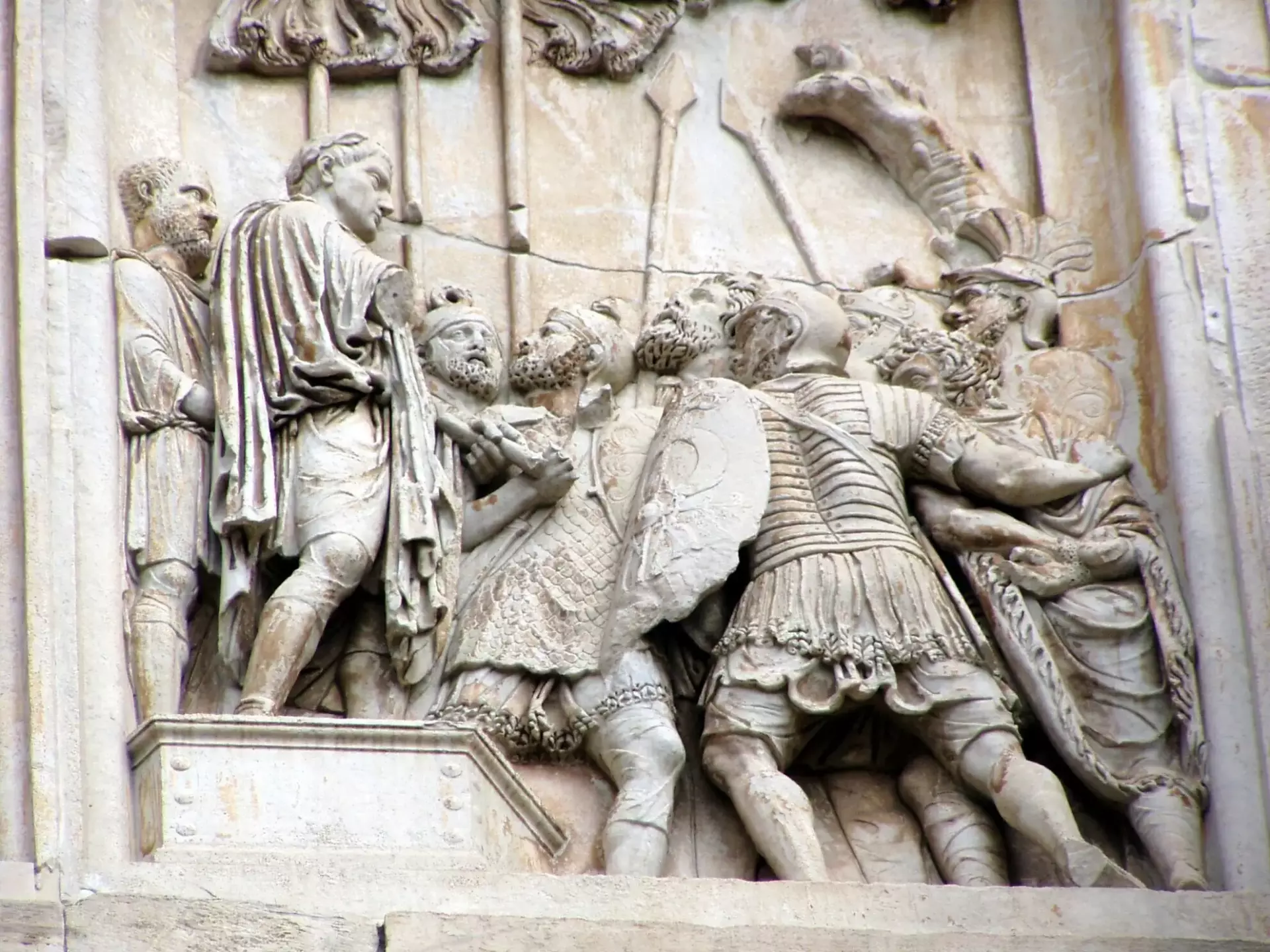
Walking around the arch, you’ll notice an intriguing patchwork of styles and motifs. The monument is adorned with reliefs and decorative elements that were originally part of older imperial monuments built under emperors Trajan, Hadrian, and Marcus Aurelius. Ancient Roman builders were masters of “spolia”—reusing prized materials from previous structures—and the Arch of Constantine is a showcase of this practice. Each borrowed piece adds layers of history and symbolism, connecting Constantine’s reign to Rome’s illustrious imperial past.
The Changing Face of Roman Art
Although the arch dazzles with its rich decoration and historic gravitas, a closer look reveals a subtle shift in craftsmanship. Many art historians point out that the quality of the sculptures on the Arch of Constantine reflects the gradual decline of classical Roman art during the third century AD. The finely detailed figures of earlier ages give way to simpler, more rigid forms. This evolution in style not only marks a transformation within the empire, but also foreshadows the dawn of a new artistic era in Europe.
Standing at the Arch of Constantine, you feel the weight of history pressing in from every angle—a monument that not only marks a victory, but also captures the changing spirit of Rome itself.
Source - https://en.wikipedia.org/wiki/Arch_of_ConstantineVideo