Search ×
Home Rome
Capitoline Museums
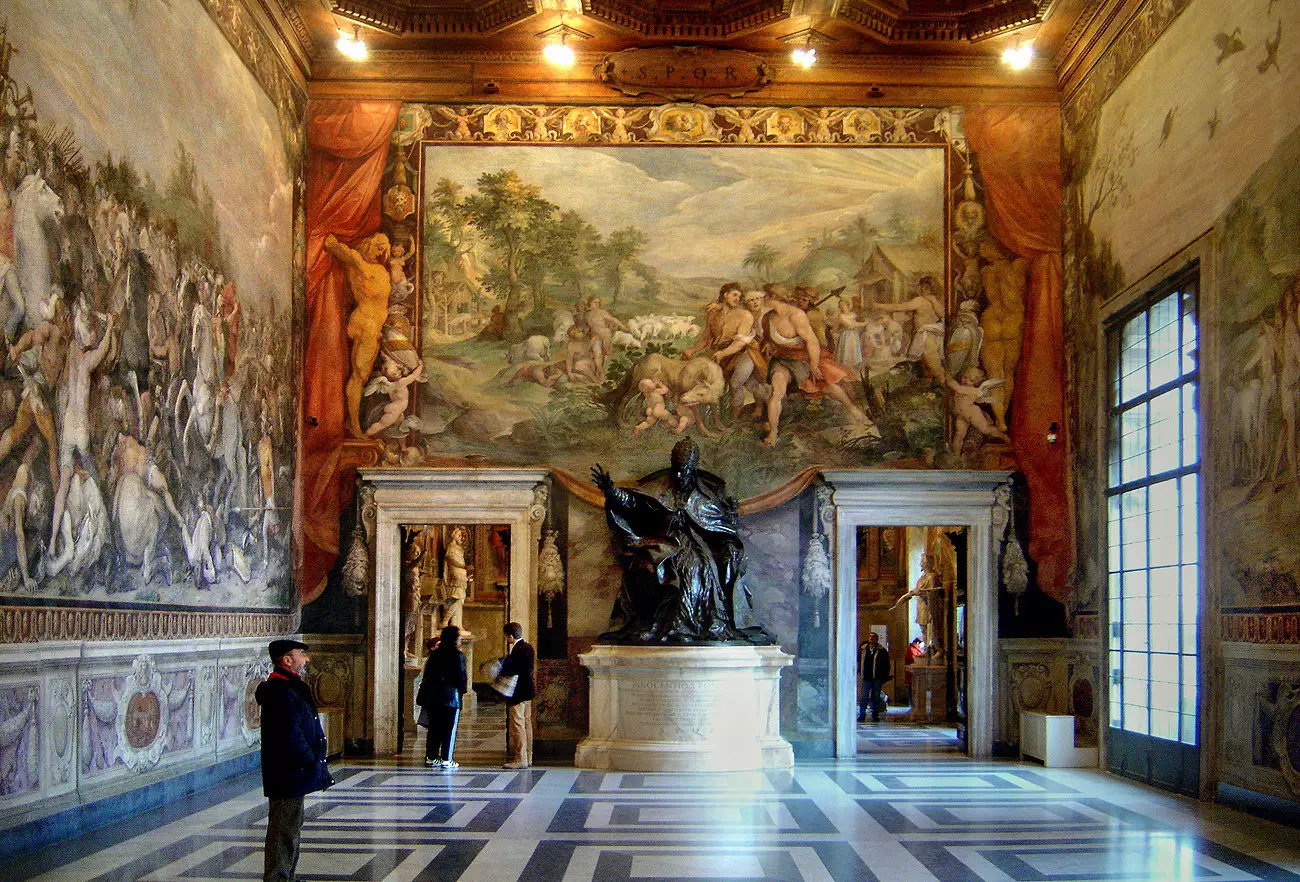
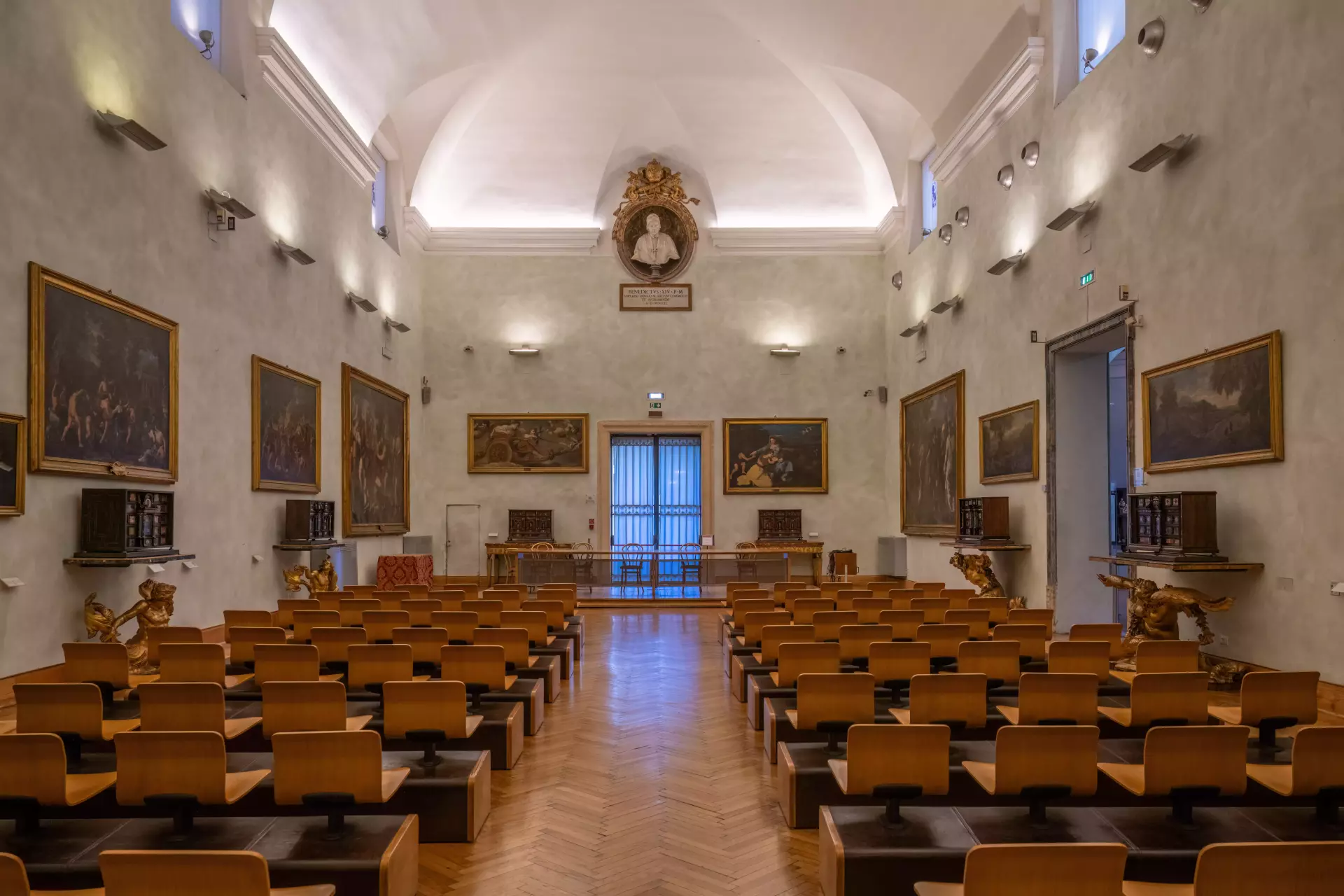
The image shows the Conservators' Rooms in the Musei Capitolini, Rome.
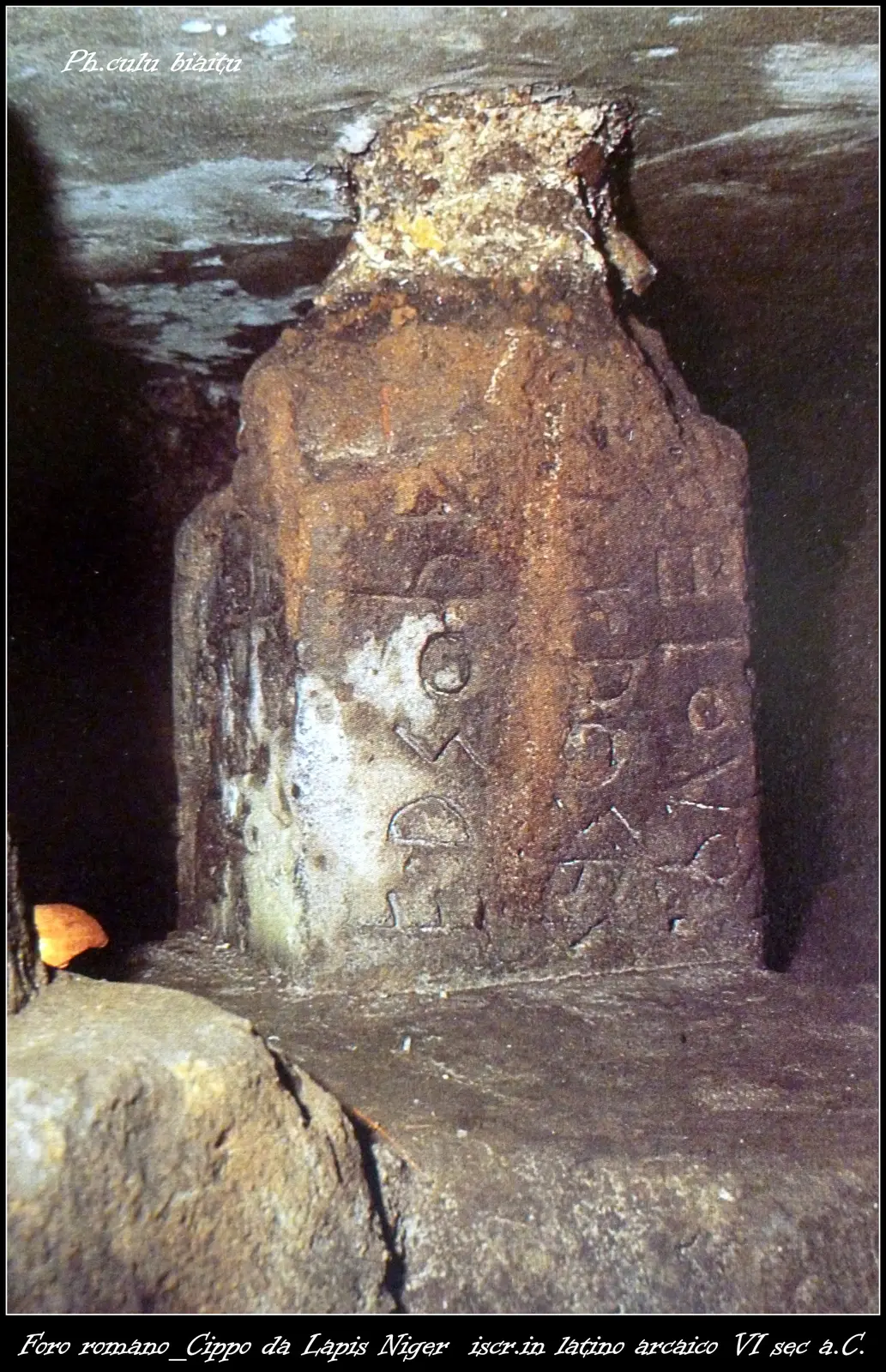
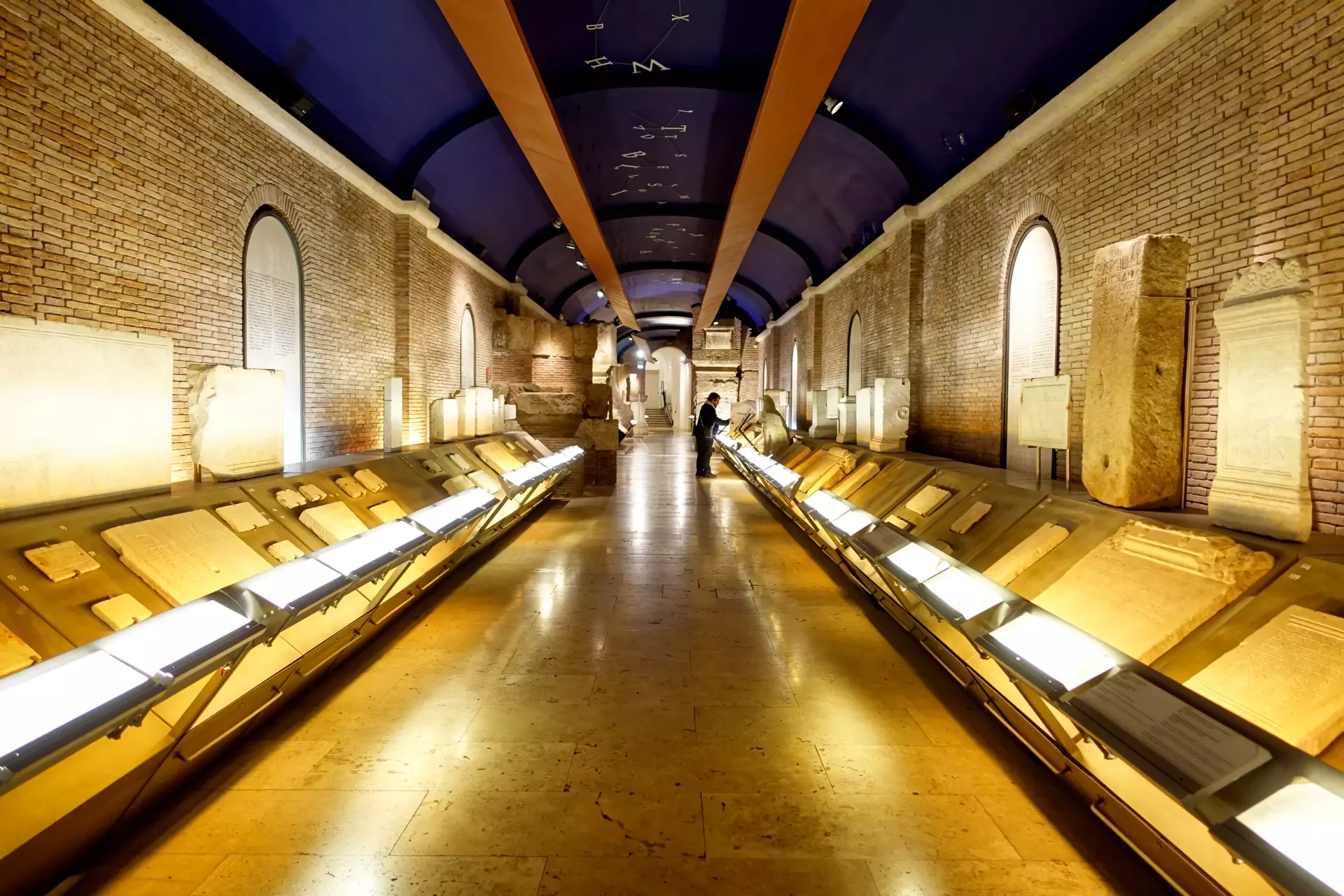
An underground passage with inscriptions is displayed at the Musei Capitolini in Rome, Italy.
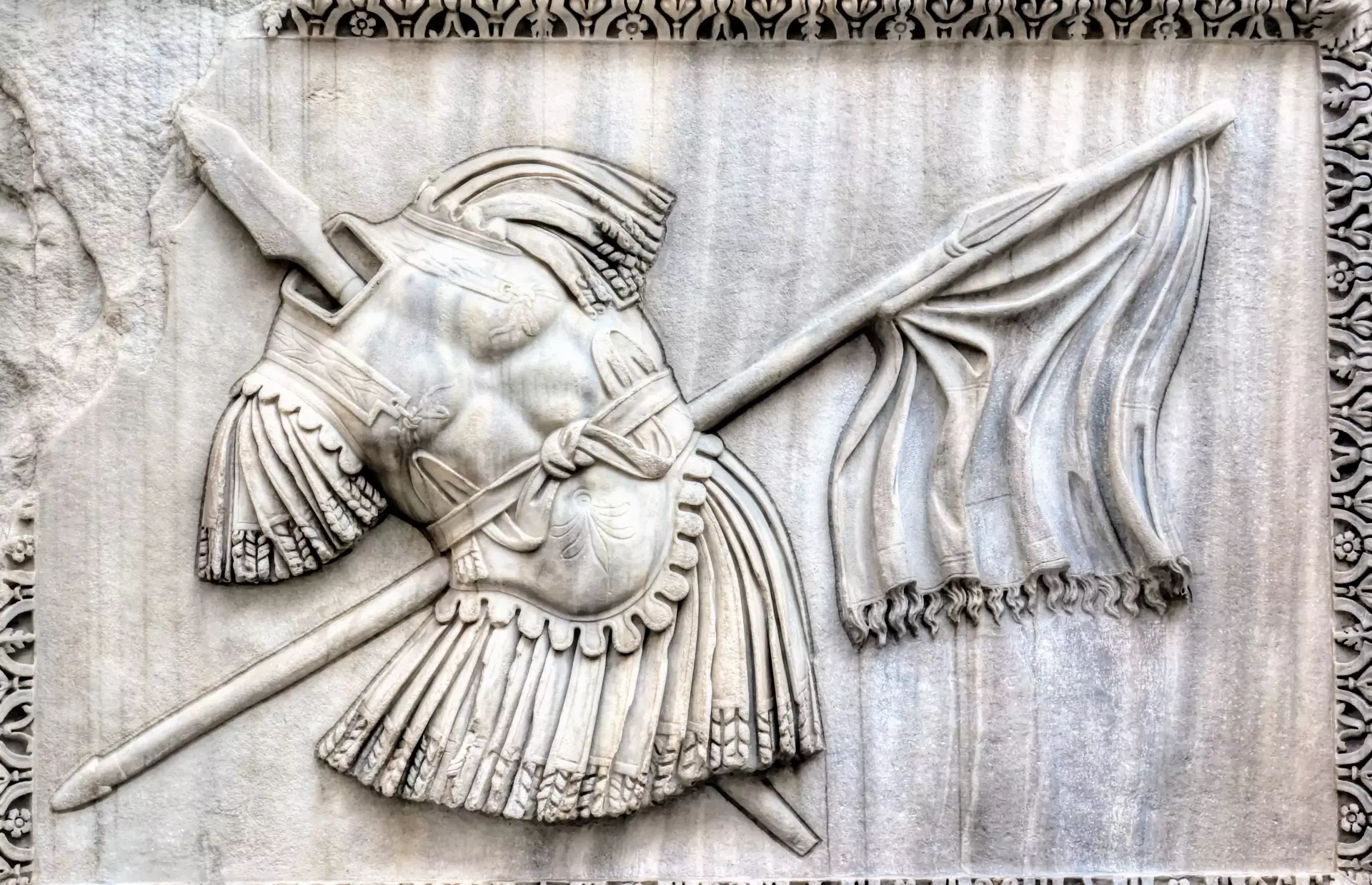
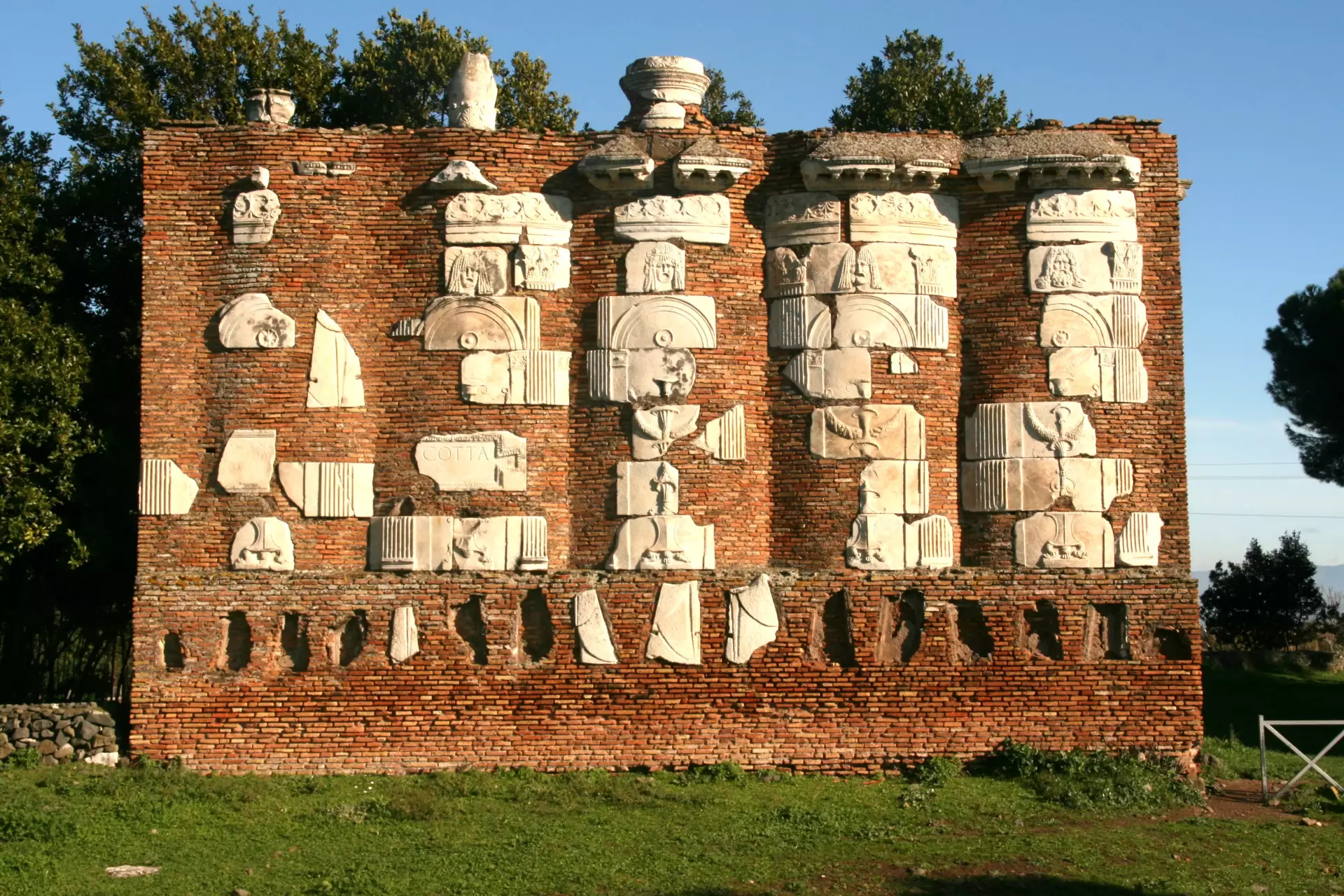
A marble relief depicting a trophy from the Temple of Hadrian on the Campus Martius, dating from 138-145 CE, is displayed in the interior courtyard of the Capitoline Museums.
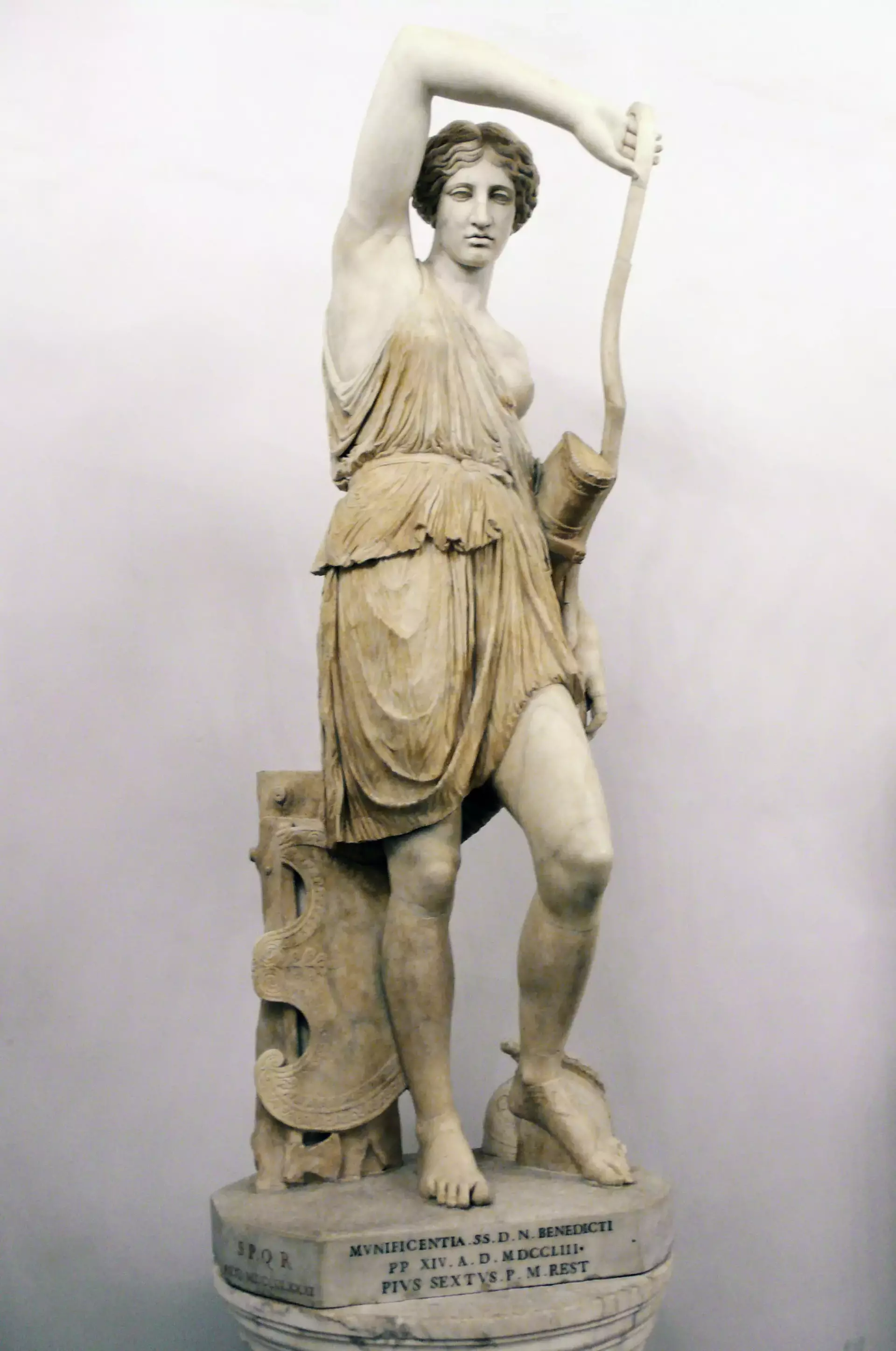
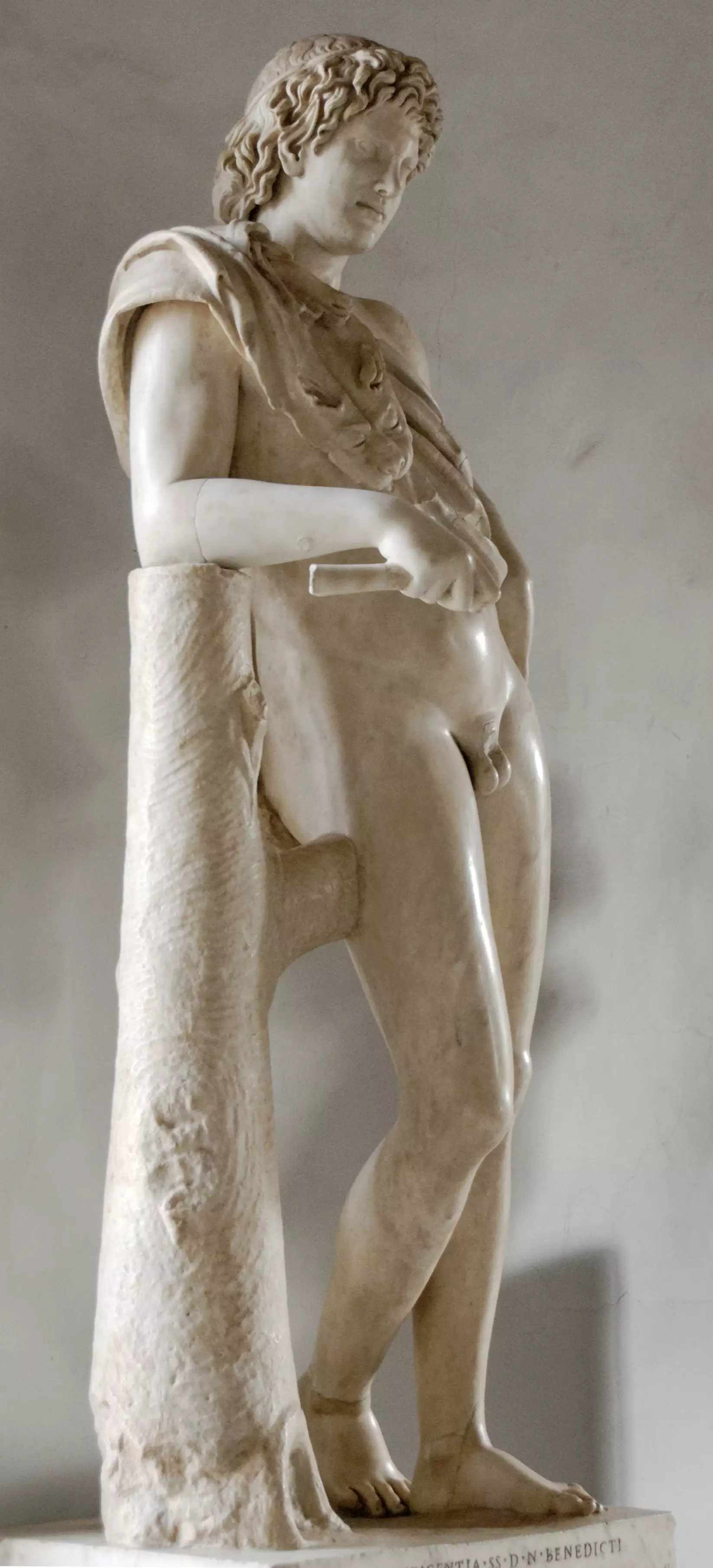
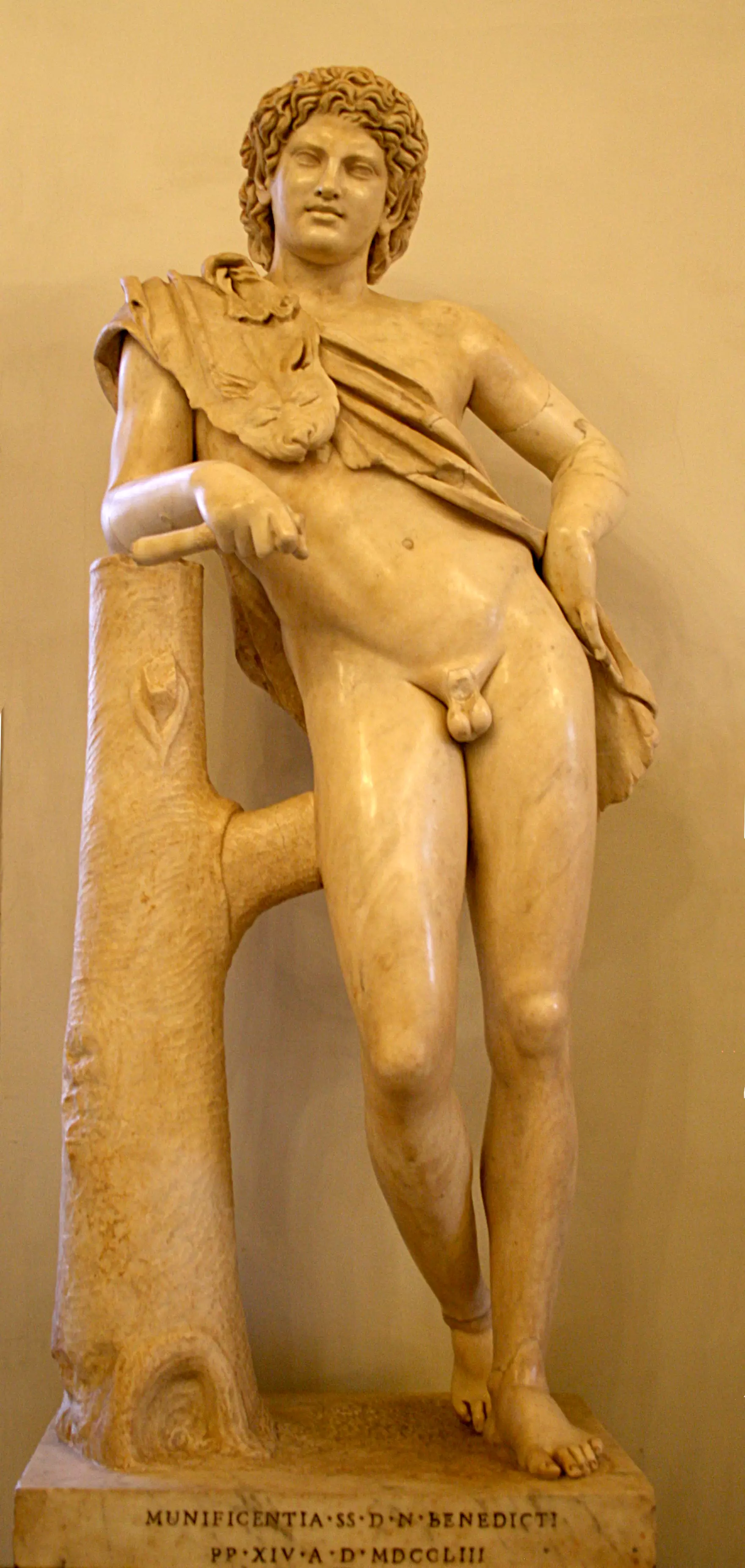
This marble statue, standing 197 centimeters tall, is based on an original work by Phidias and features a head that replicates that of the Amazon by Polykleitos. It was formerly housed at the Villa d'Este and is now in the Capitoline Museum in Rome.
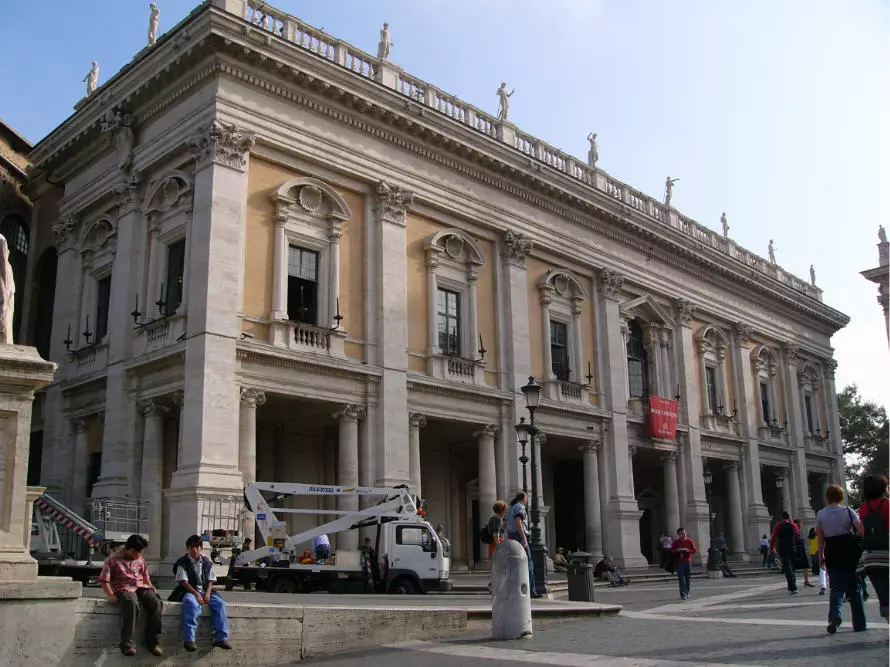
The Palazzo Nuovo is a historic building located on the Capitoline Hill in Rome.
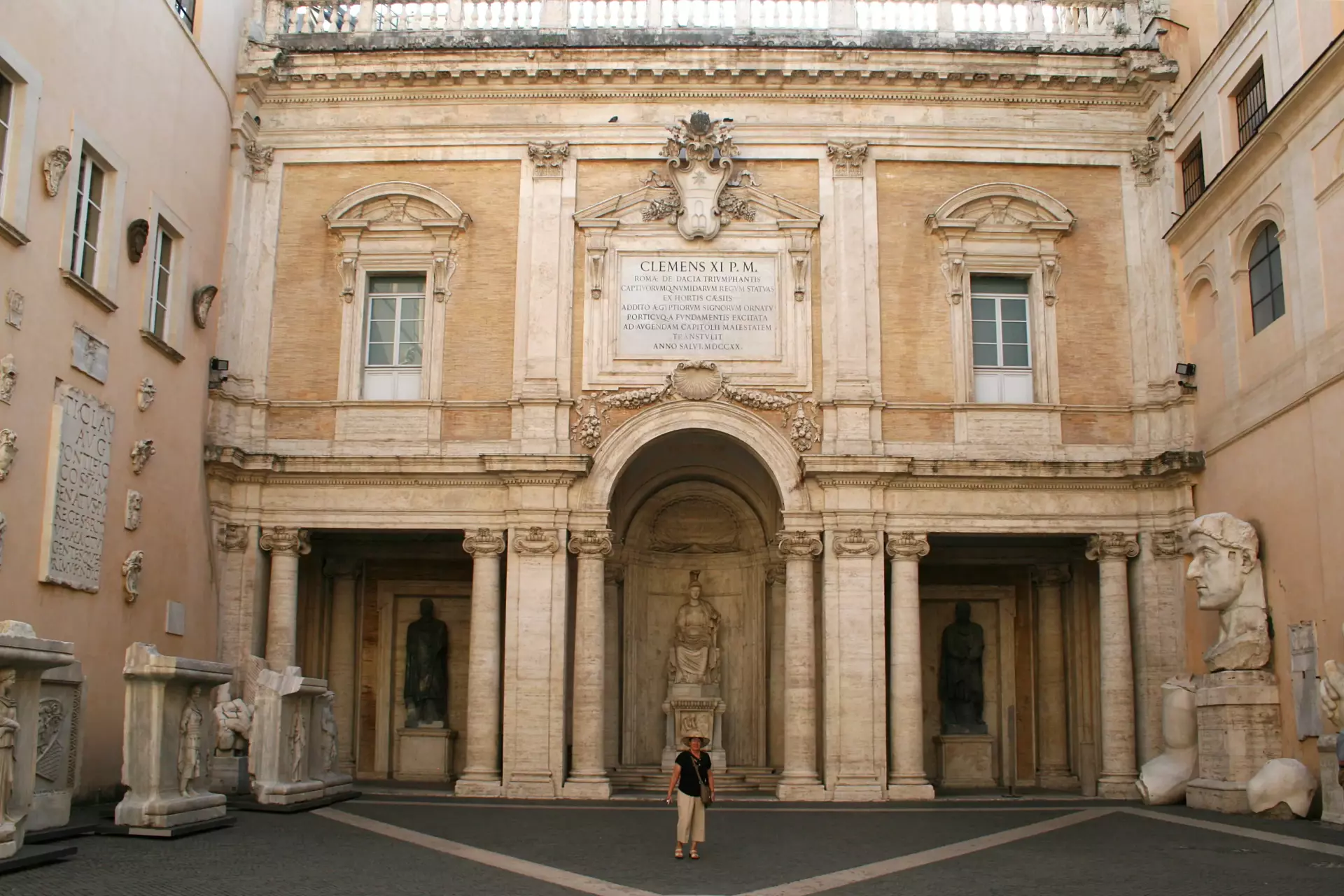
Courtyard of the Palace of the Conservatives with its inner portico designed by architect Alessandro Specchi (1668-1729) and built in 1720 to house a group of three remarkable sculptures, monumental architectural elements, and fragments of colossal ancient sculptures.
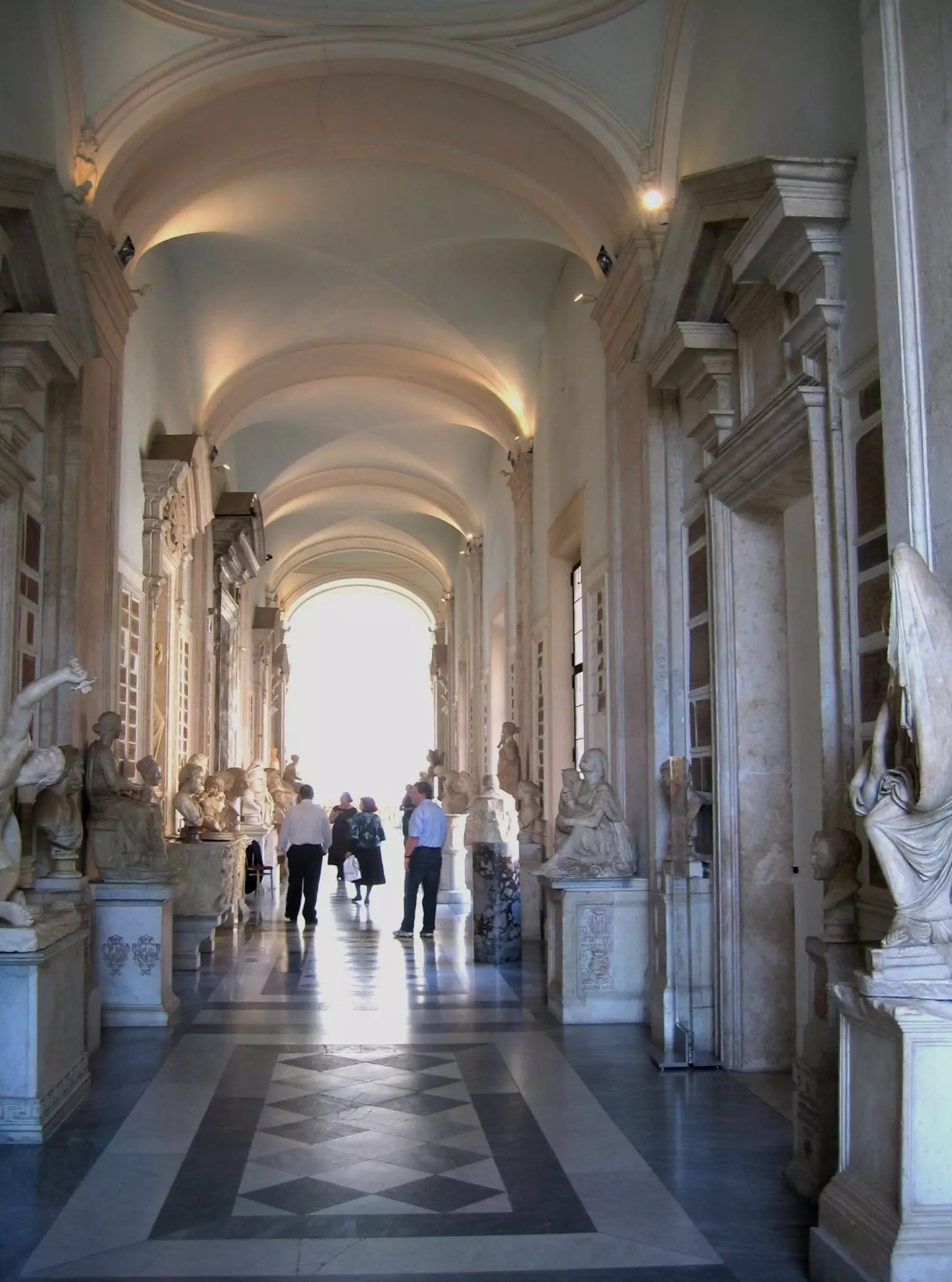
The photo shows the gallery of the Palazzo Nuovo in the Capitoline Museums in Rome, Italy. The elegant hall is lined with classical statues and busts, showcasing the museum's rich collection of ancient Roman art. Marble floors and vaulted ceilings add to the grandeur of this historic setting.
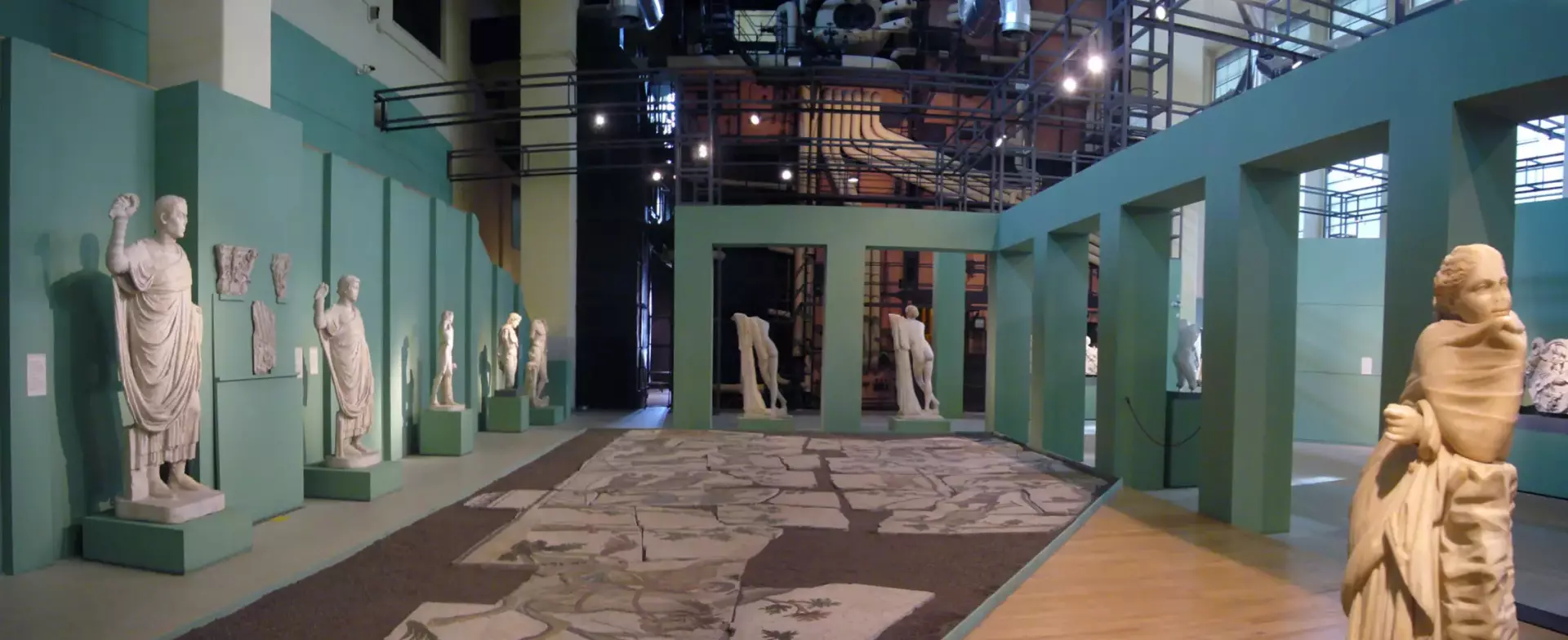
The Centrale Montemartini in Rome features the Boiler Room and the mosaic of Saint Bibiana, combining ancient artworks with industrial architecture in a museum setting.
A view of Rome, Italy.
The Palazzo Nuovo is a building that houses part of the Capitoline Museums in Rome.
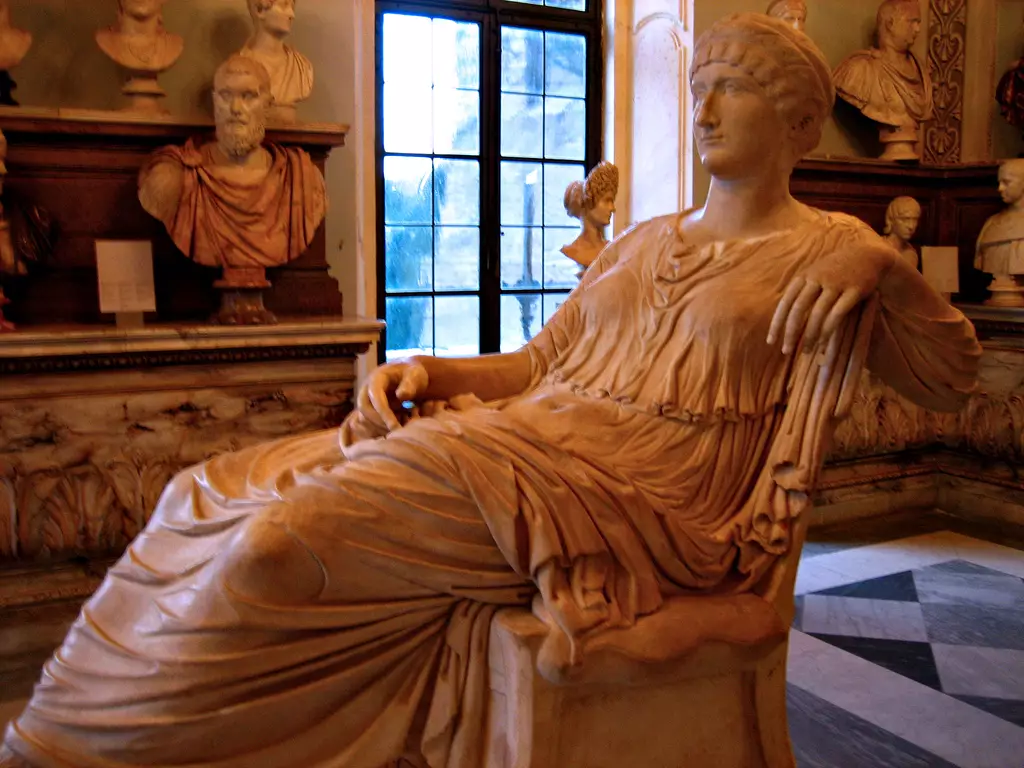
Constantine's mother, the future saint Helena, is depicted here relaxing and laughing in a chair. This is one of ancient Rome's few surviving imperial portraits of this kind.
The Palazzo Nuovo is one of the buildings of the Capitoline Museums in Rome.
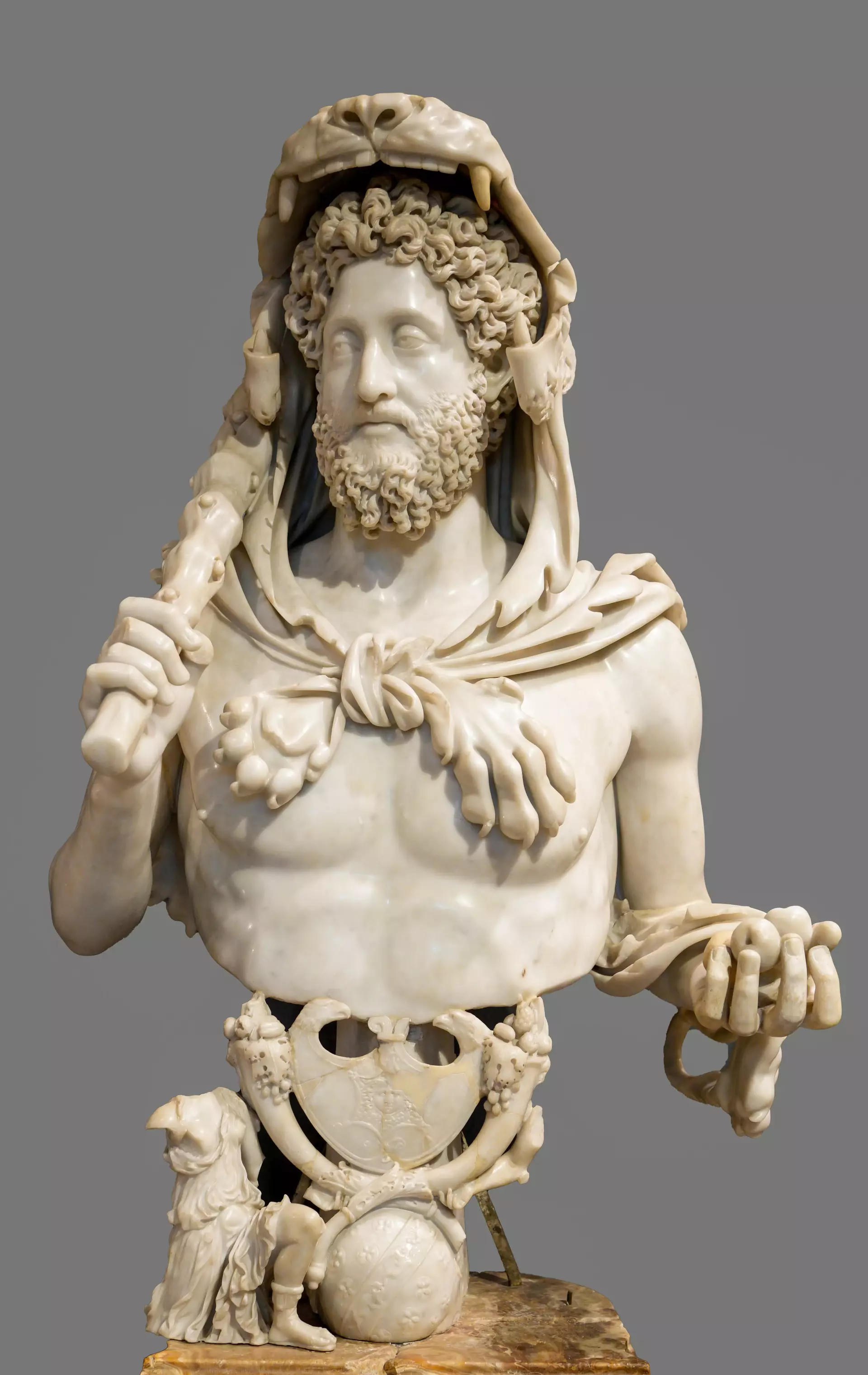
Commodus dressed as Hercules at the Capitoline Museums.
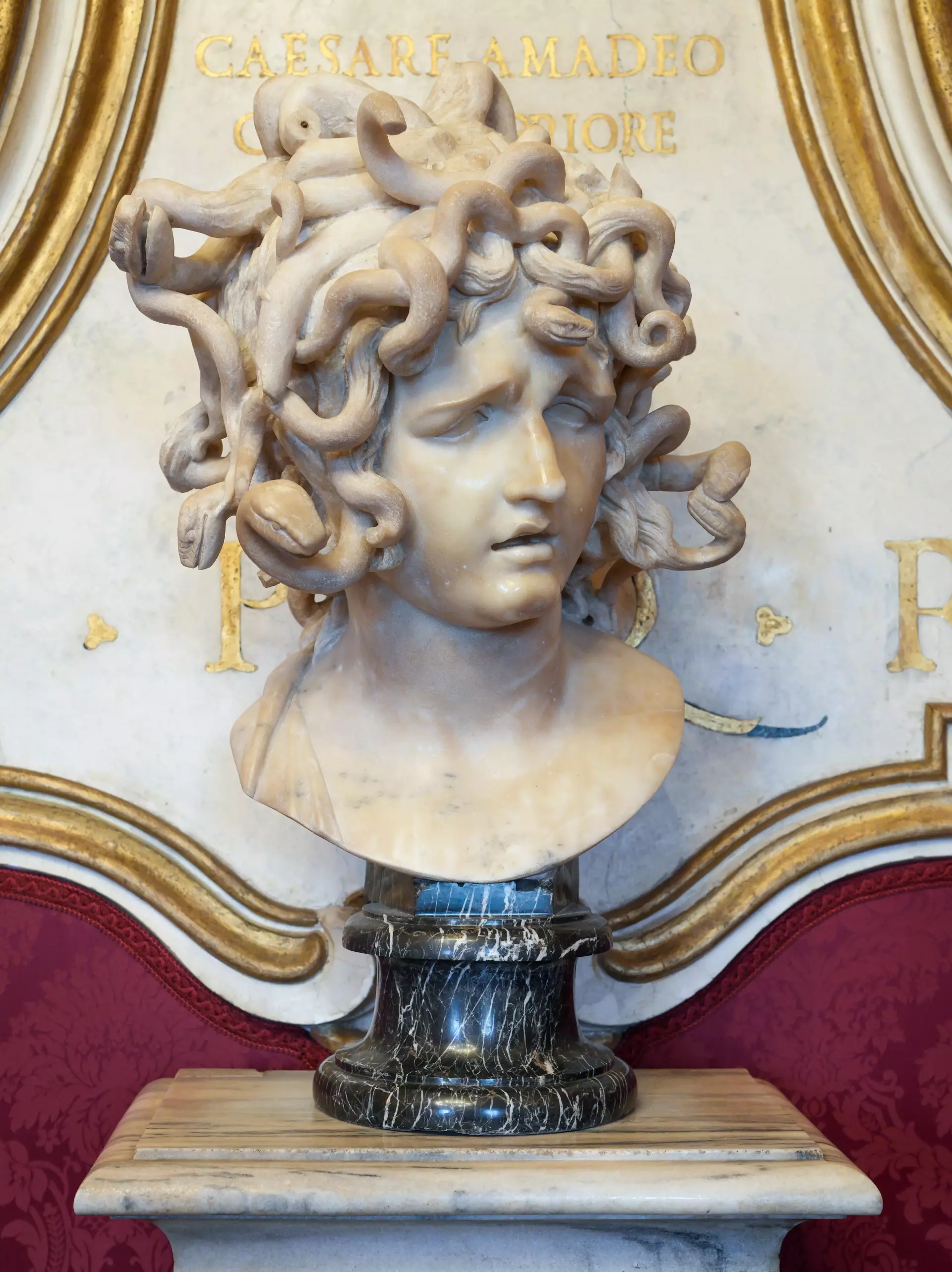
Medusa head attributed to Gianlorenzo Bernini (Rome).
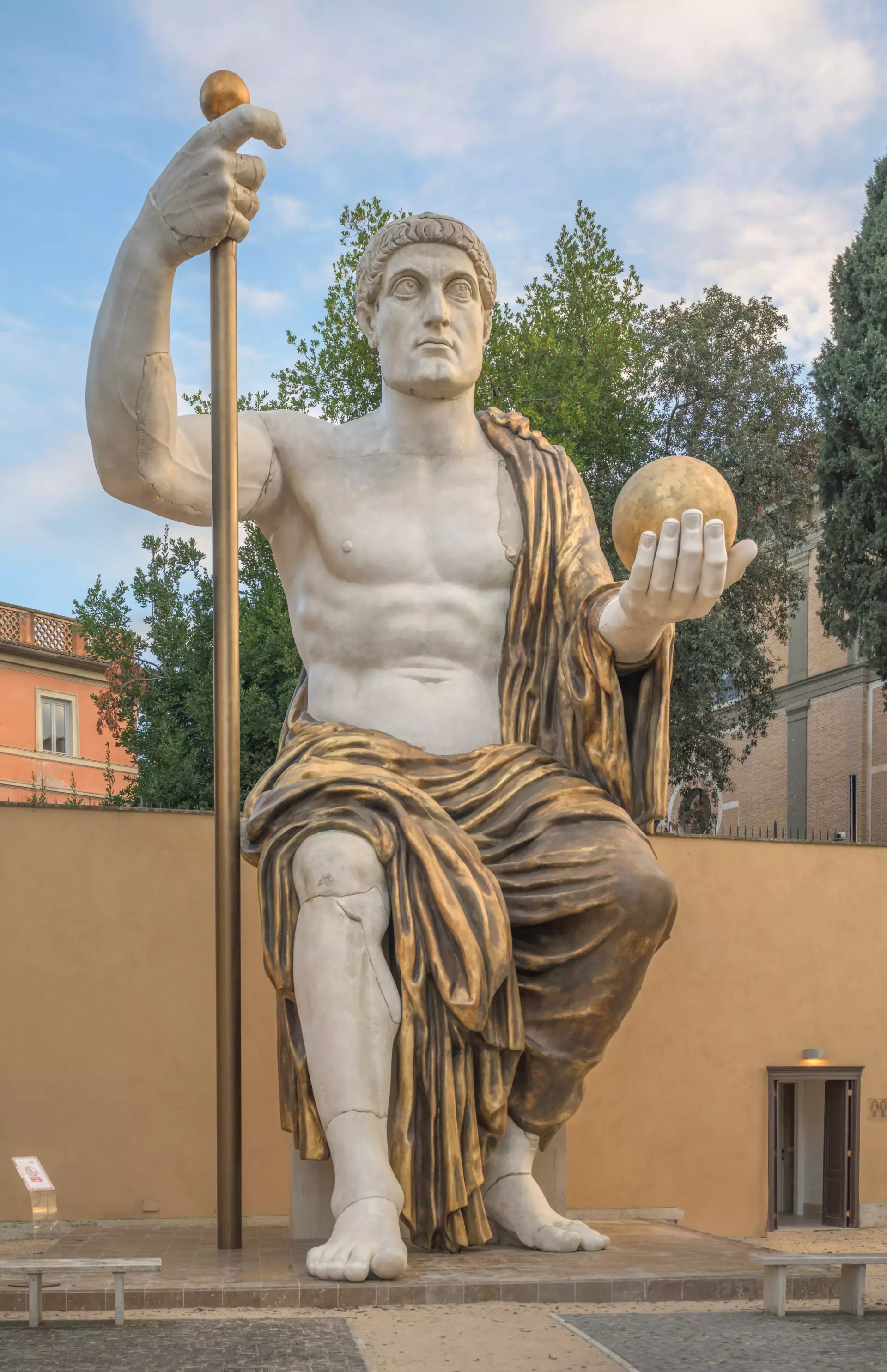
Colossal statue of Emperor Constantine the Great in the courtyard of the Capitoline Museums in Rome, reconstructed in 2022-2023.
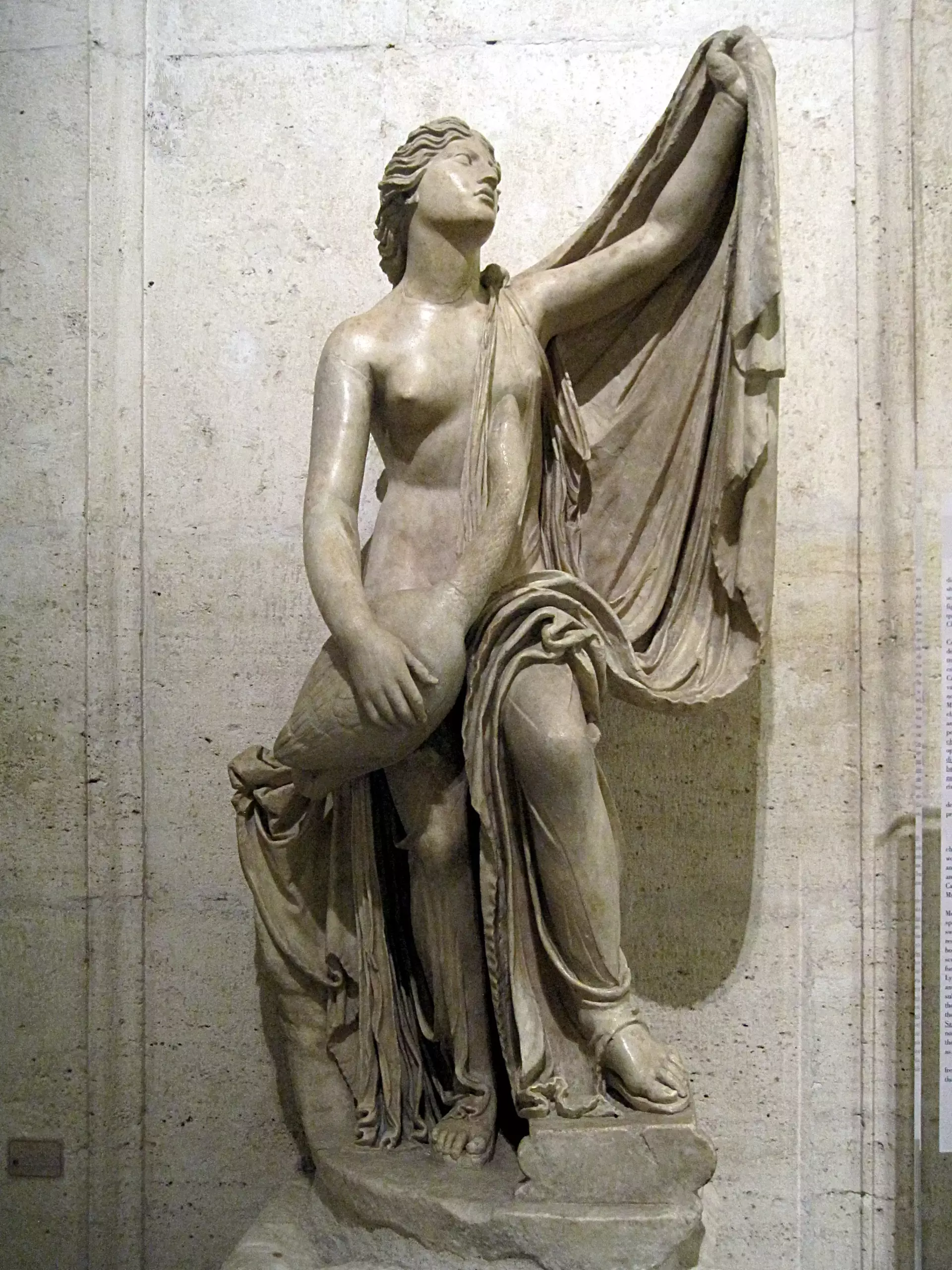
Leda and Zeus, who has transformed into a swan, are depicted in this artwork from the Palazzo Nuovo, Capitoline Museums in Rome.
A three-quarter view is an angle in which the subject is seen partially from the front and partially from the side, revealing more depth and dimension than a straightforward front or profile view. This perspective is commonly used in portraiture, photography, and illustration to provide a fuller representation of the subject's features.
Situated in the upper part of the Esquilino, in the area around what is today Piazza Vittorio Emanuele, the Horti Lamiani (Lamiani Garden) were founded by the consul Aelius Lamia, a friend of Tiberius, and soon became Imperial property under Caligula. Excavations in the 19th century revealed the luxurious decorations of this vast complex, including frescos, architectural elements in colored marbles, and numerous gilded bronze foils with gems, remnants of an opulent wall dressing. These artifacts are now housed in the Capitoline Museum, Rome.
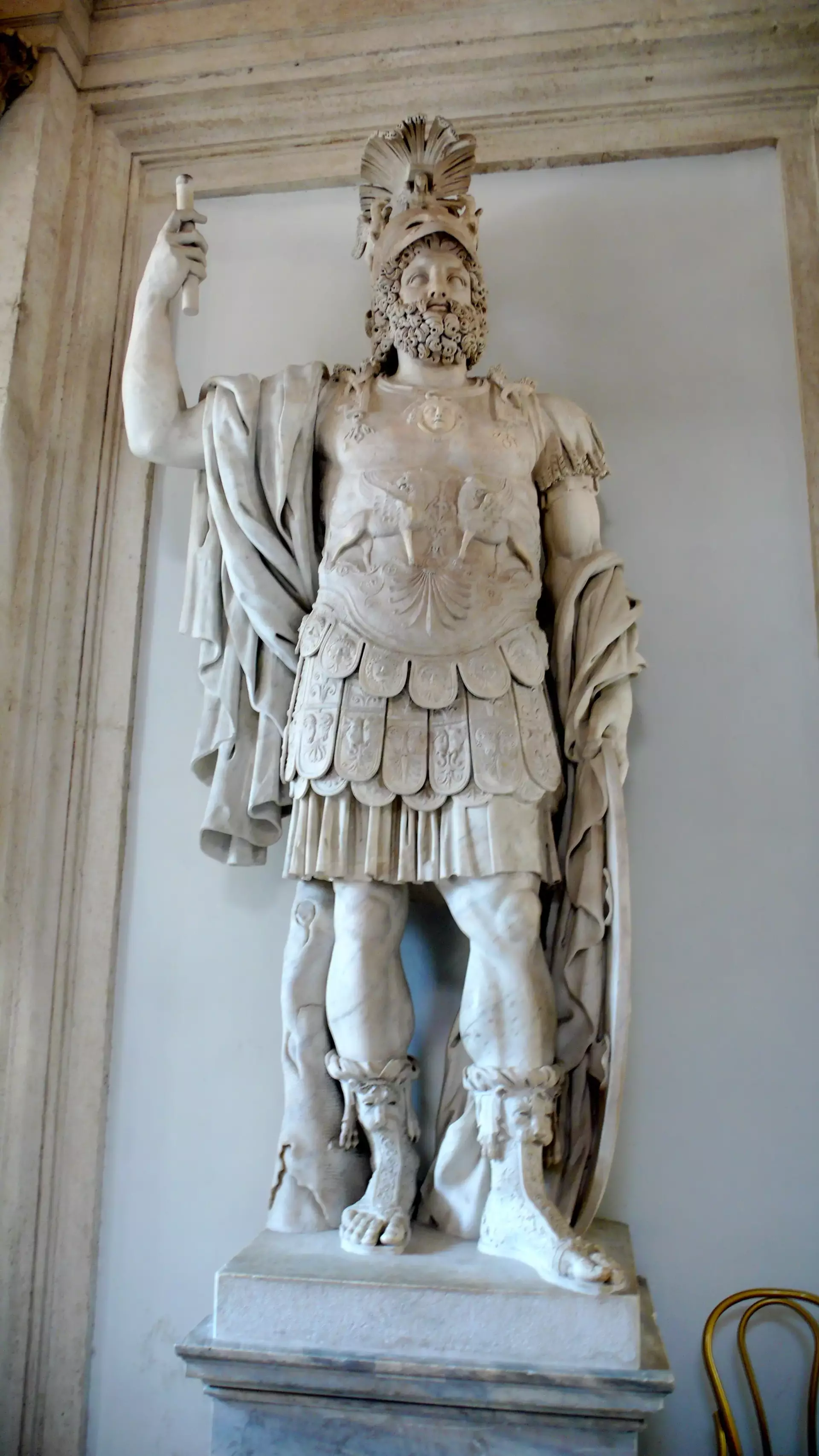
This marble statue, known as "Pyrrhus," represents Mars and dates to the 1st or early 2nd century AD. Standing 360 cm tall, it was discovered in the Forum of Nerva in Rome and is now displayed in the atrium of the Capitoline Museums. The statue is a Roman copy of an Augustan original, which was itself based on a Hellenistic Greek model from the 4th century BC.
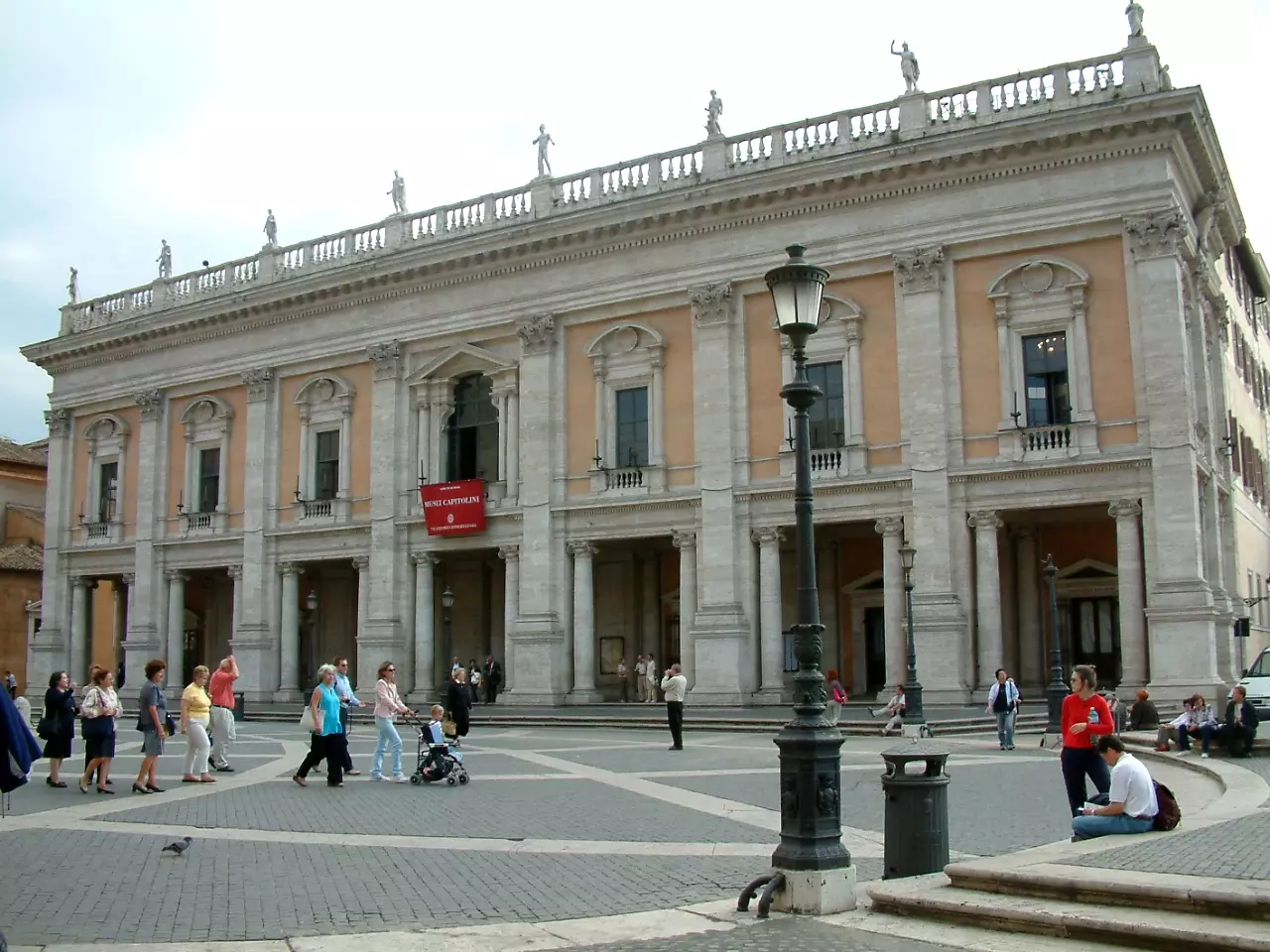
The Palazzo dei Conservatori is a historic building that is part of the Capitoline Museums complex in Rome.
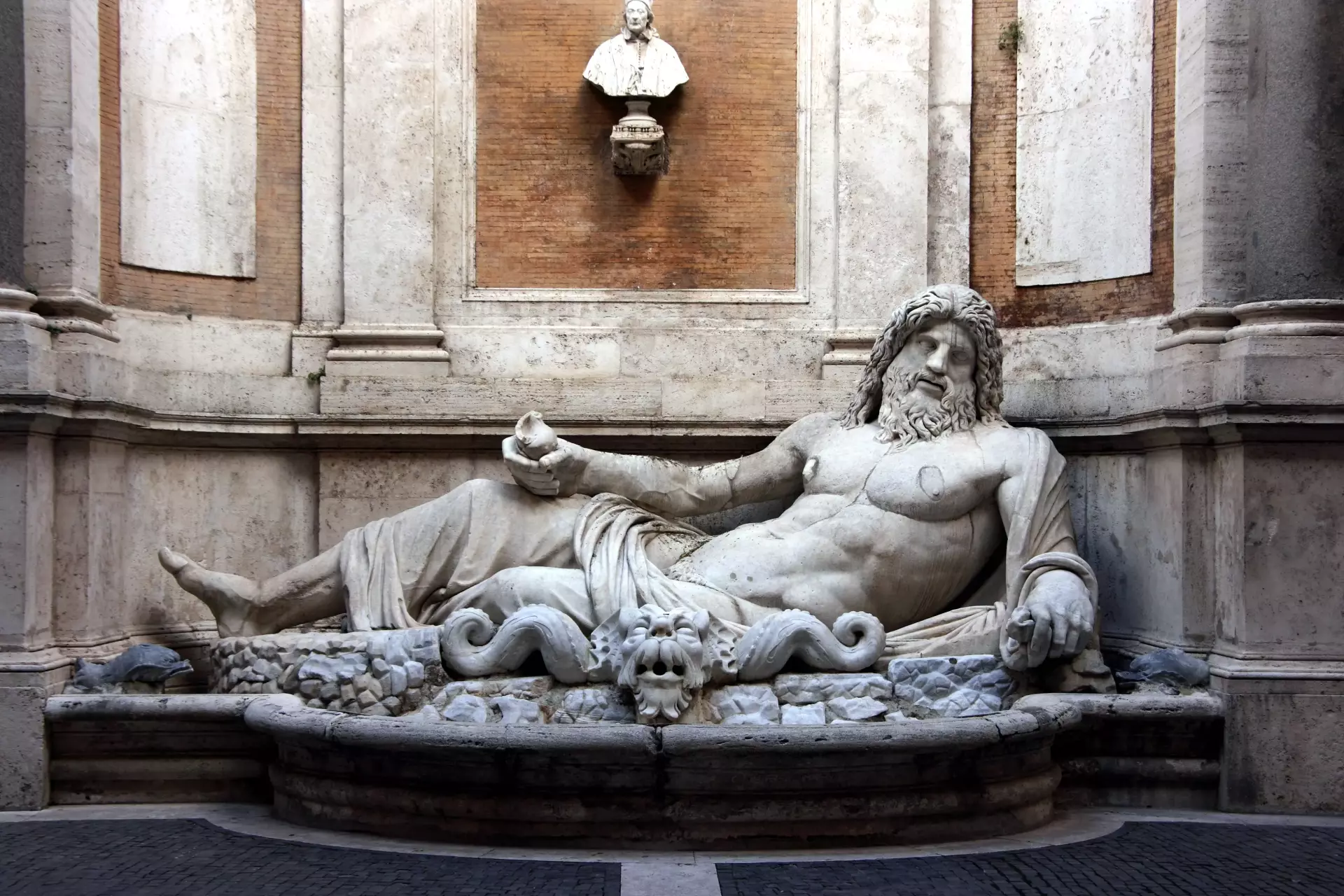
The depiction of rivers in Roman times derives from Greek mythology, where the Oceanids were river gods, personifications of rivers believed to be governed by them. Due to this Greek influence, sculptures of river deities from the Roman era typically appeared as powerfully built, bearded old men, reclining on one arm and accompanied by various attributes identifying them with a specific river.
Images from the Roma Project showing the Capitoline Hill in Rome, specifically the Palazzo dei Conservatori and the Pietro da Cortona Hall.

Capitoline Museums

Rome, Italy

Nestled on opposite sides of Rome’s iconic Piazza del Campidoglio, the Capitoline Museums stand as a testament to the city’s enduring legacy and artistic grandeur. Established in the 17th century and crafted according to Michelangelo’s visionary architectural sketches, these museums offer a captivating journey through centuries of art, history, and culture. Advance online booking is highly recommended for visitors eager to explore these treasures without delay.

Architectural Majesty and Michelangelo’s Vision

The Capitoline Museums owe much of their splendor to Michelangelo, whose designs shaped both the grand piazza and the palatial buildings that flank it. Each museum is a masterpiece in itself, harmoniously blending Renaissance elegance with echoes of Rome’s ancient past.

Legendary Sculptures and Ancient Masterpieces

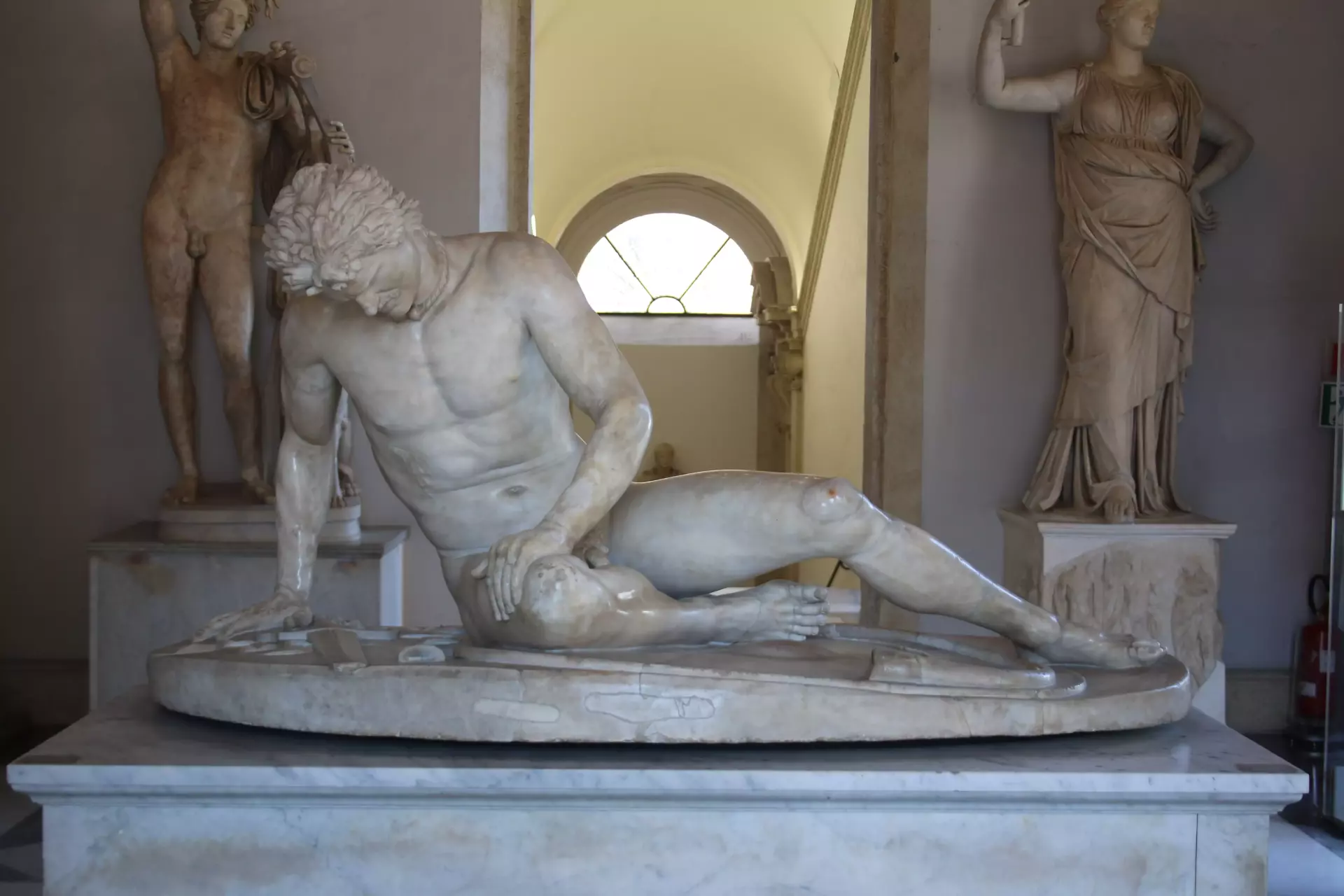
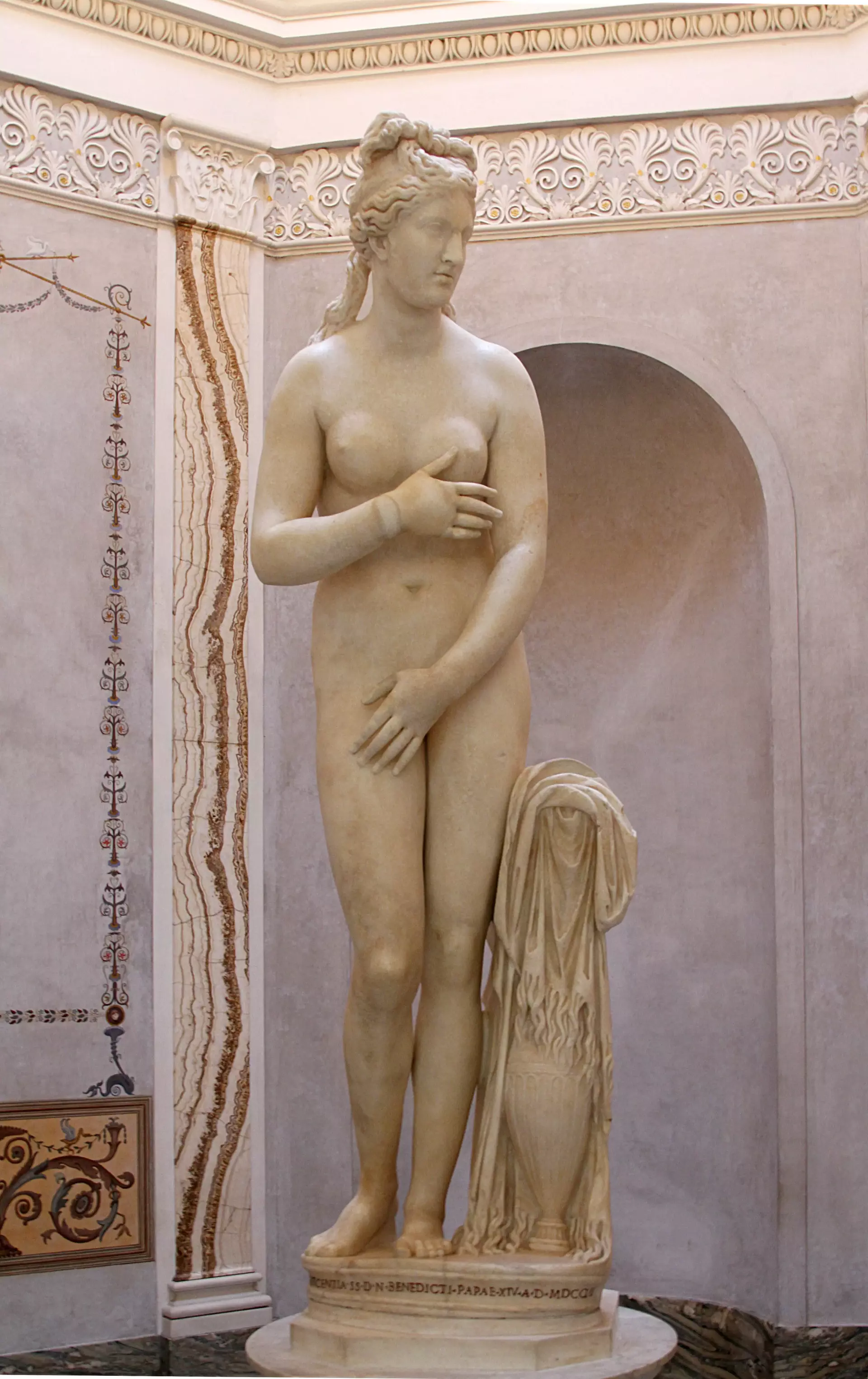
Among the museums’ dazzling highlights is the monumental Colossus of Constantine. While the Colosseum may have taken its name from the now-lost Colossus of Nero statue, it is Constantine’s surviving fragments—an enormous head, hands, foot, and kneecap—that capture visitors’ imaginations in the entrance courtyard. Other iconic pieces include The Dying Gaul, a stunning marble sculpture that replicates a 3rd-century BC Greek bronze, and the Capitoline Venus, celebrated for its timeless beauty.

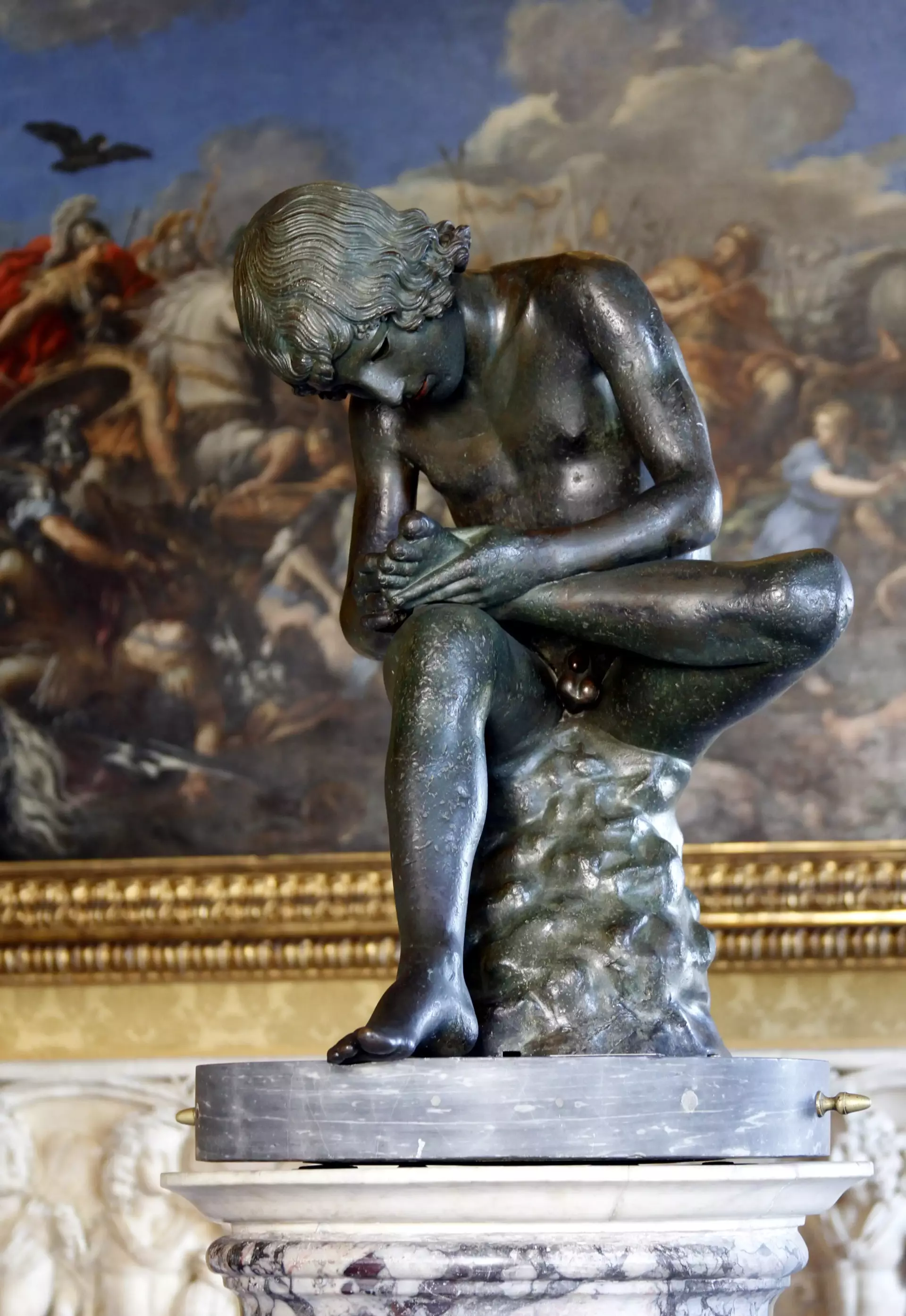
Classical sculpture enthusiasts will also admire the small but exquisite Lo Spinario, a 1st-century-BC bronze depicting a boy removing a thorn from his foot, and the Lupa Capitolina—the legendary Etruscan bronze statue of the she-wolf nursing Rome’s founders, Romulus and Remus, dating possibly from the 5th century BC. The museums are also home to the original gilt bronze equestrian statue of Emperor Marcus Aurelius, with the version displayed in the Piazza del Campidoglio being a replica.

Masterpieces of Painting in the Pinacoteca

The museums’ Pinacoteca, or Picture Gallery, boasts an impressive collection of works from the 16th and 17th centuries. Art lovers can admire masterpieces such as Caravaggio’s Fortune-Teller and his enigmatic John the Baptist, along with The Holy Family by Dosso Dossi, Romulus and Remus by Rubens, and Titian’s Baptism of Christ. Each painting reflects the genius and diversity of the artists who shaped the Renaissance and Baroque periods.

Visiting the Capitoline Museums

Whether captivated by classical sculptures or drawn to the rich colors of Renaissance canvases, visitors to the Capitoline Museums are treated to a world-class cultural experience. These museums not only celebrate Rome’s illustrious past but also offer a welcoming glimpse into the artistry that continues to define the Eternal City today.

Source - https://en.wikipedia.org/wiki/Capitoline_Museums
Developed by Reflex.com.ua
Contacts
  • info@reflex.com.ua
Social media