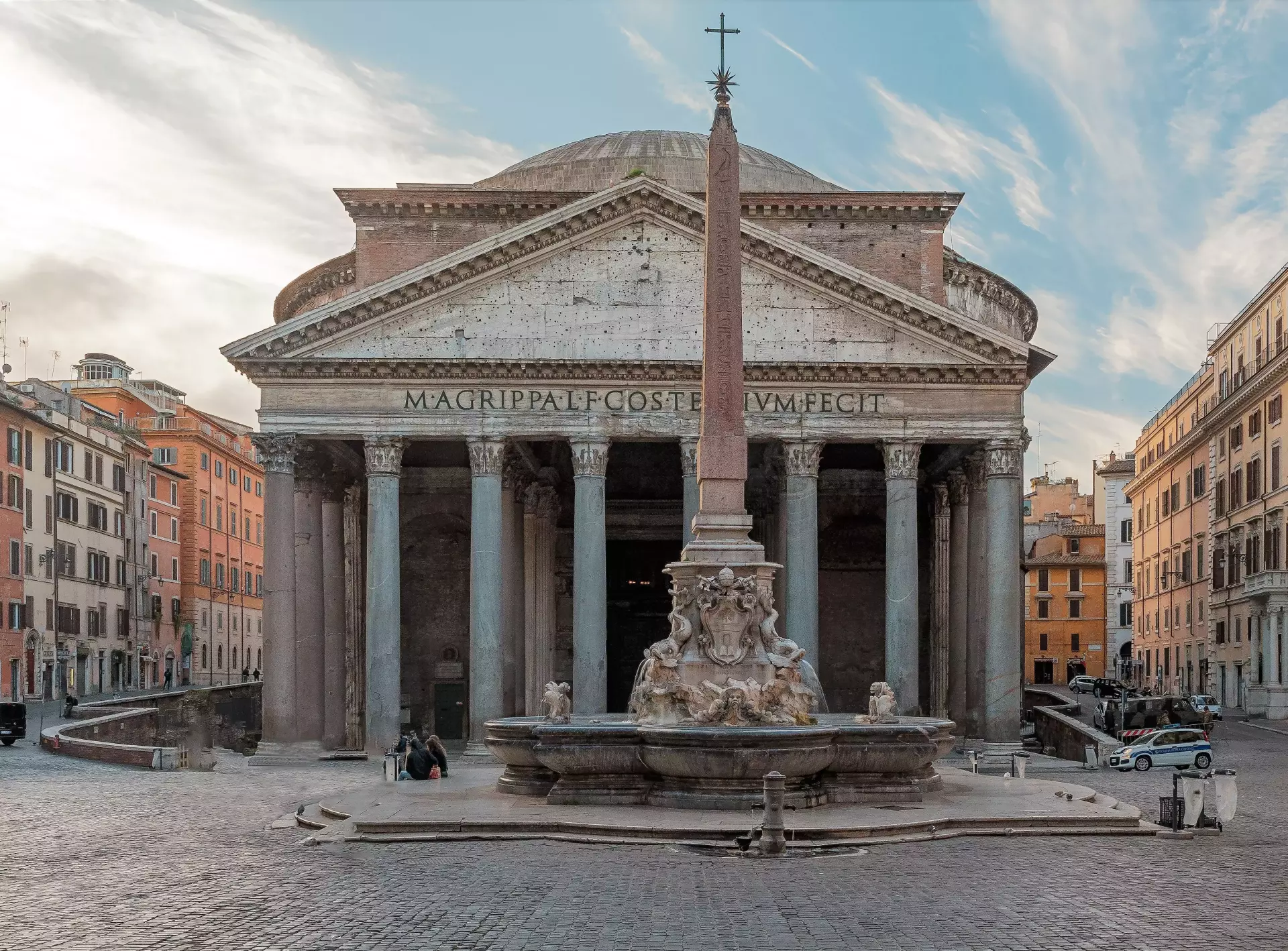
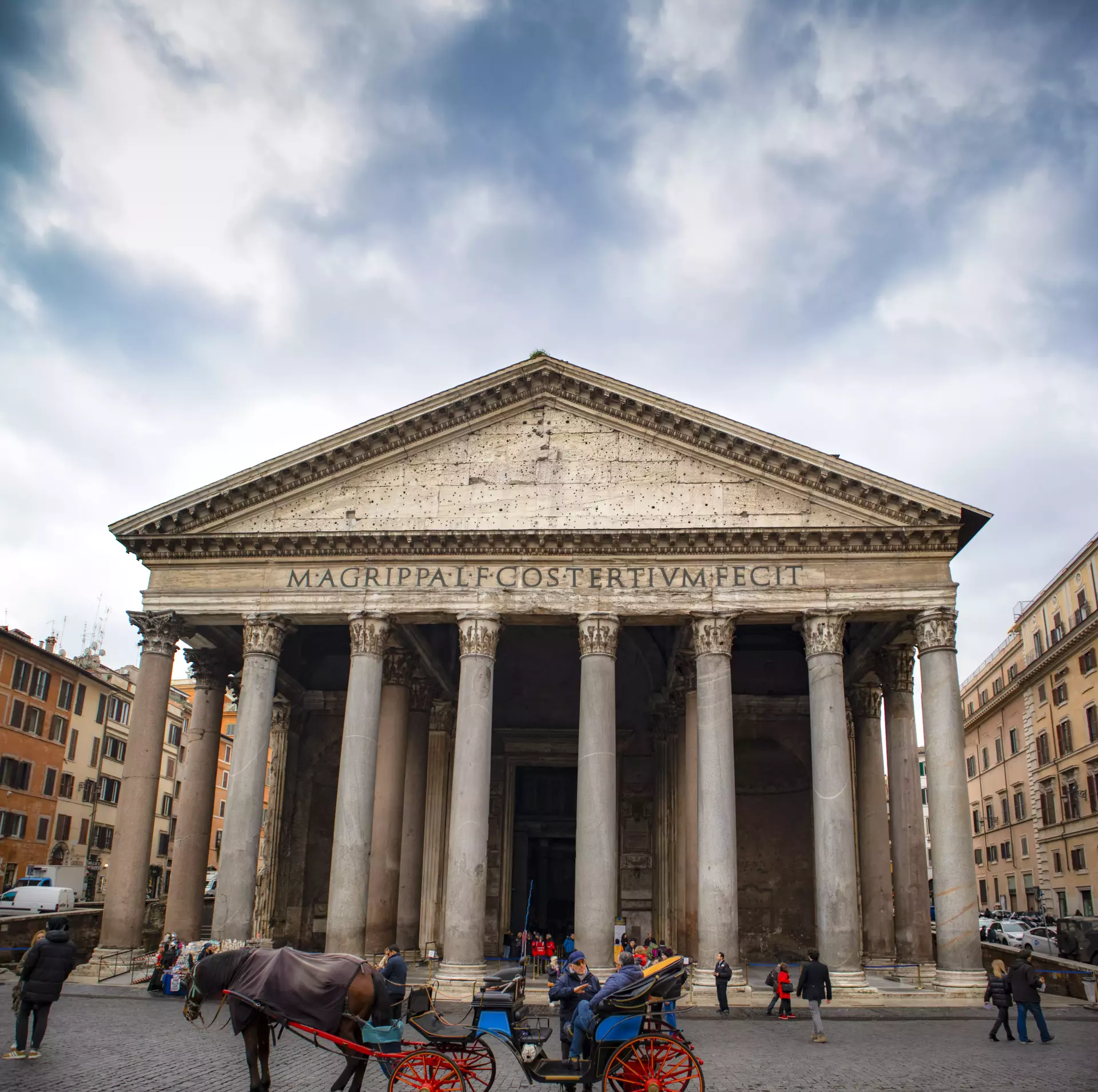
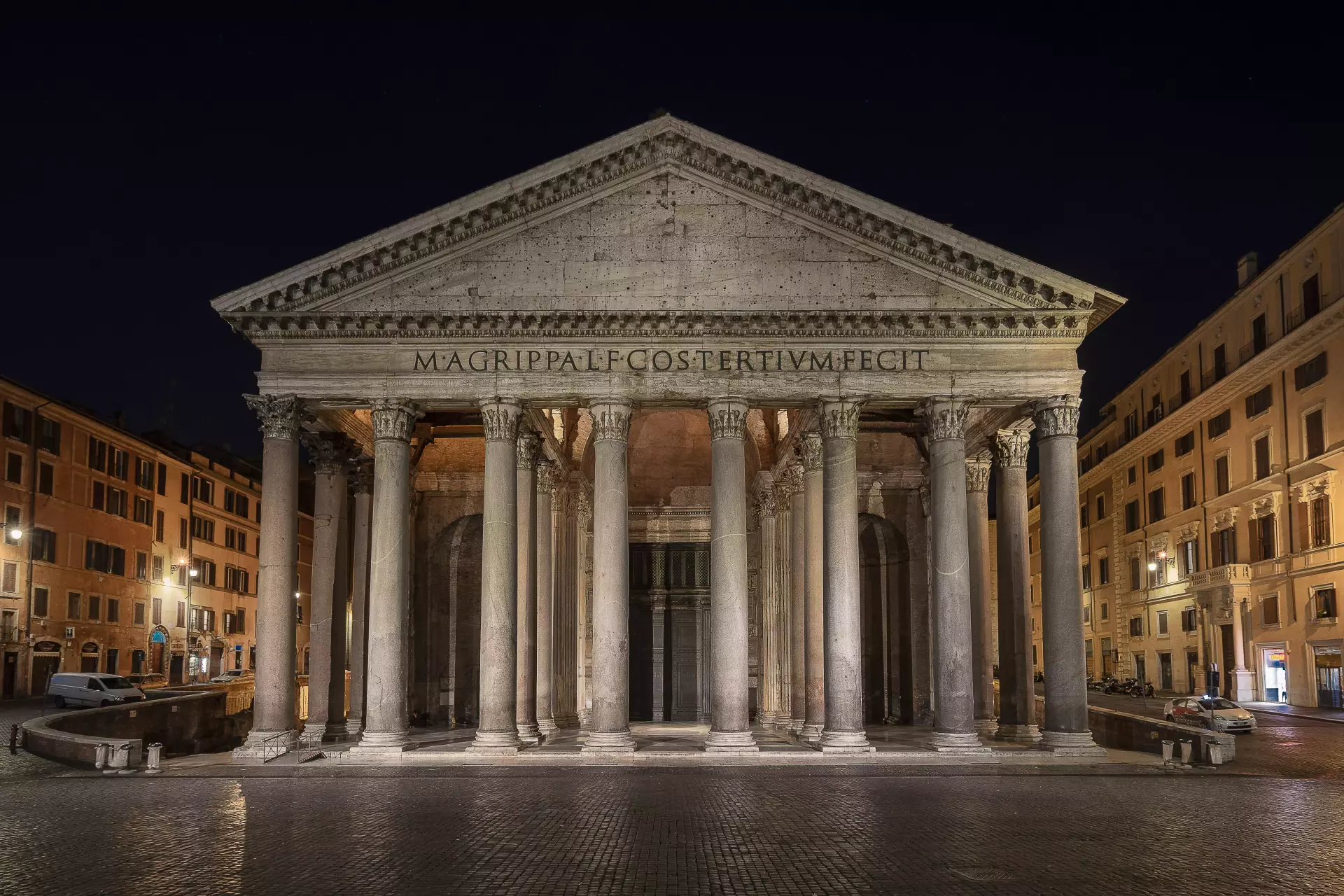
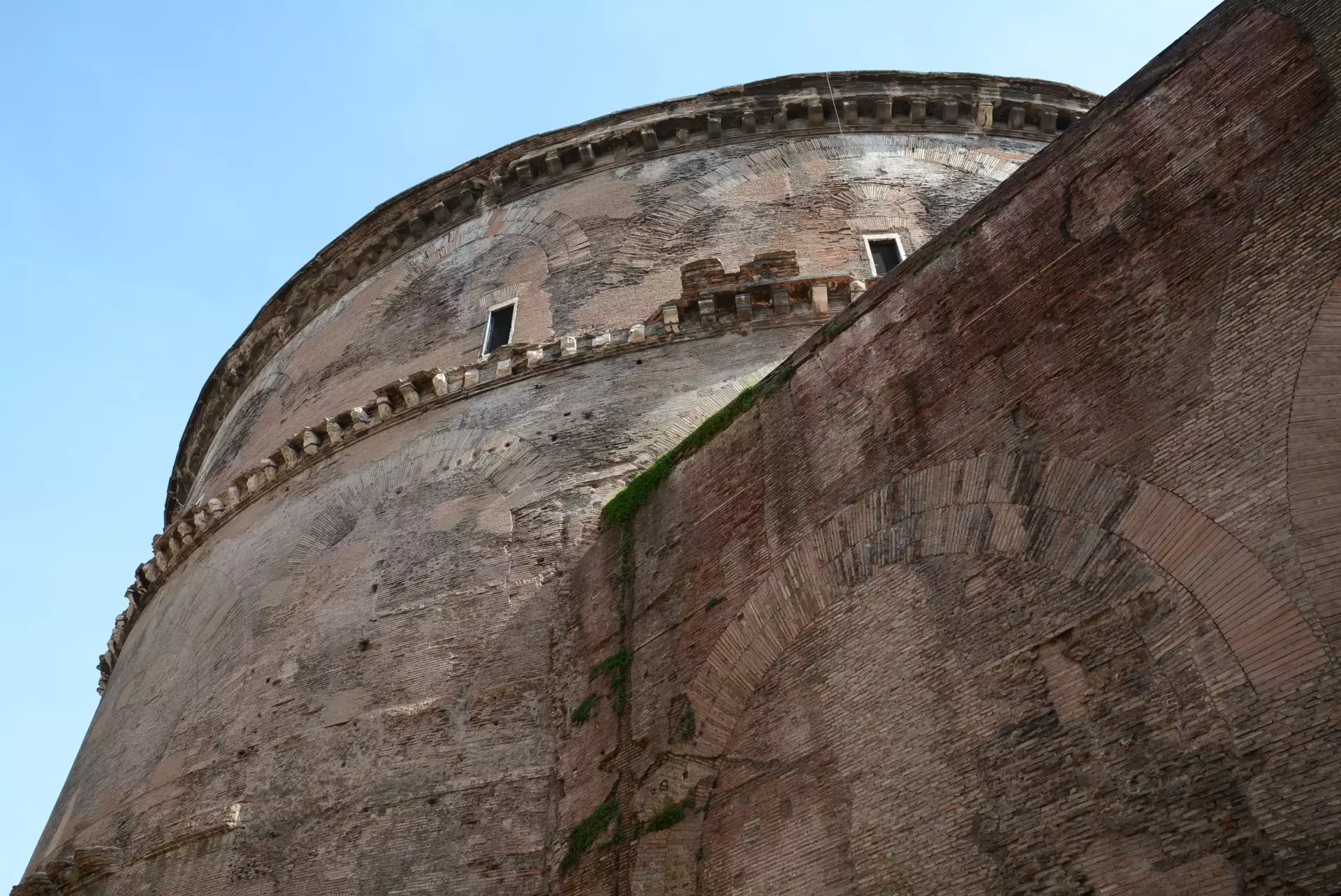
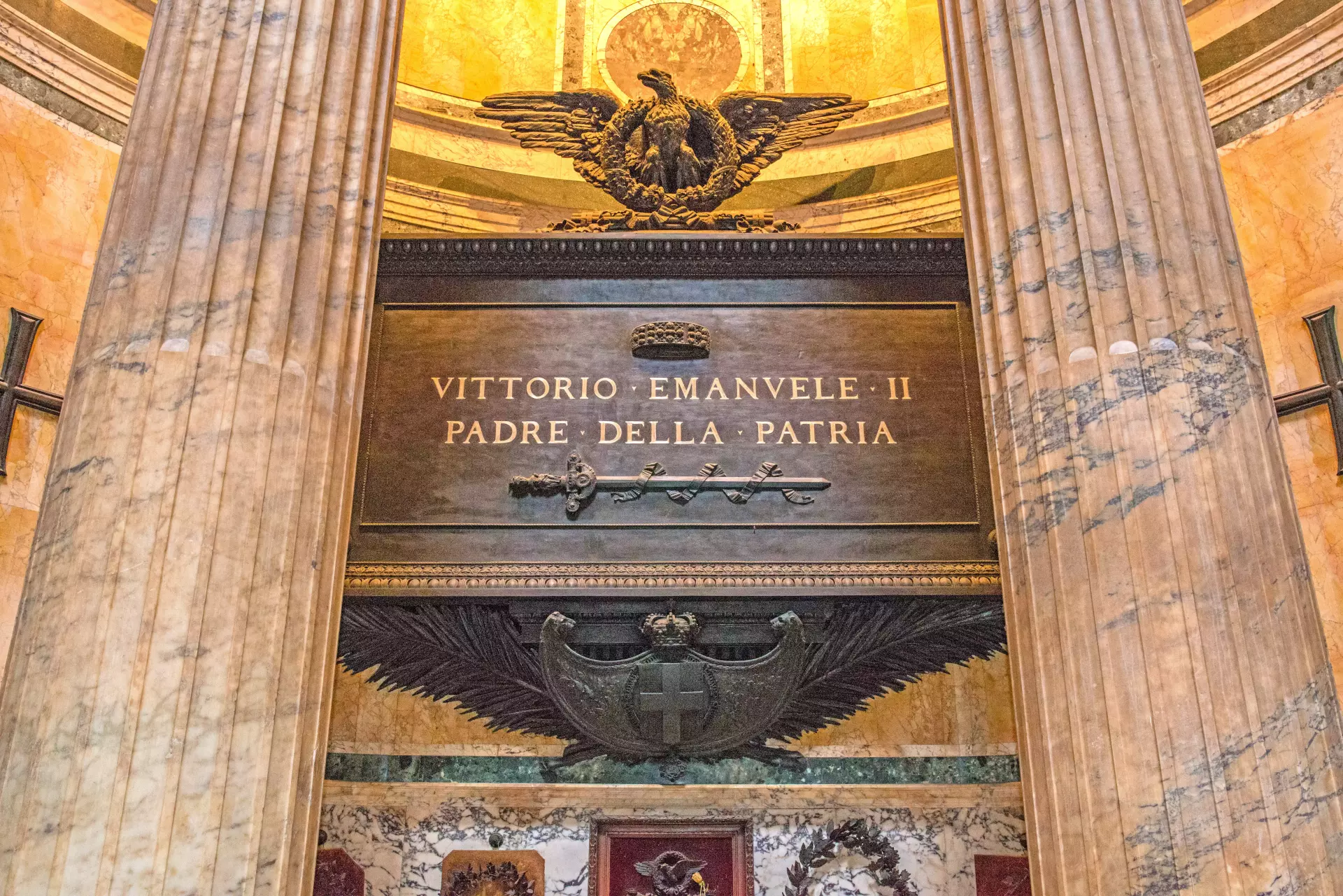
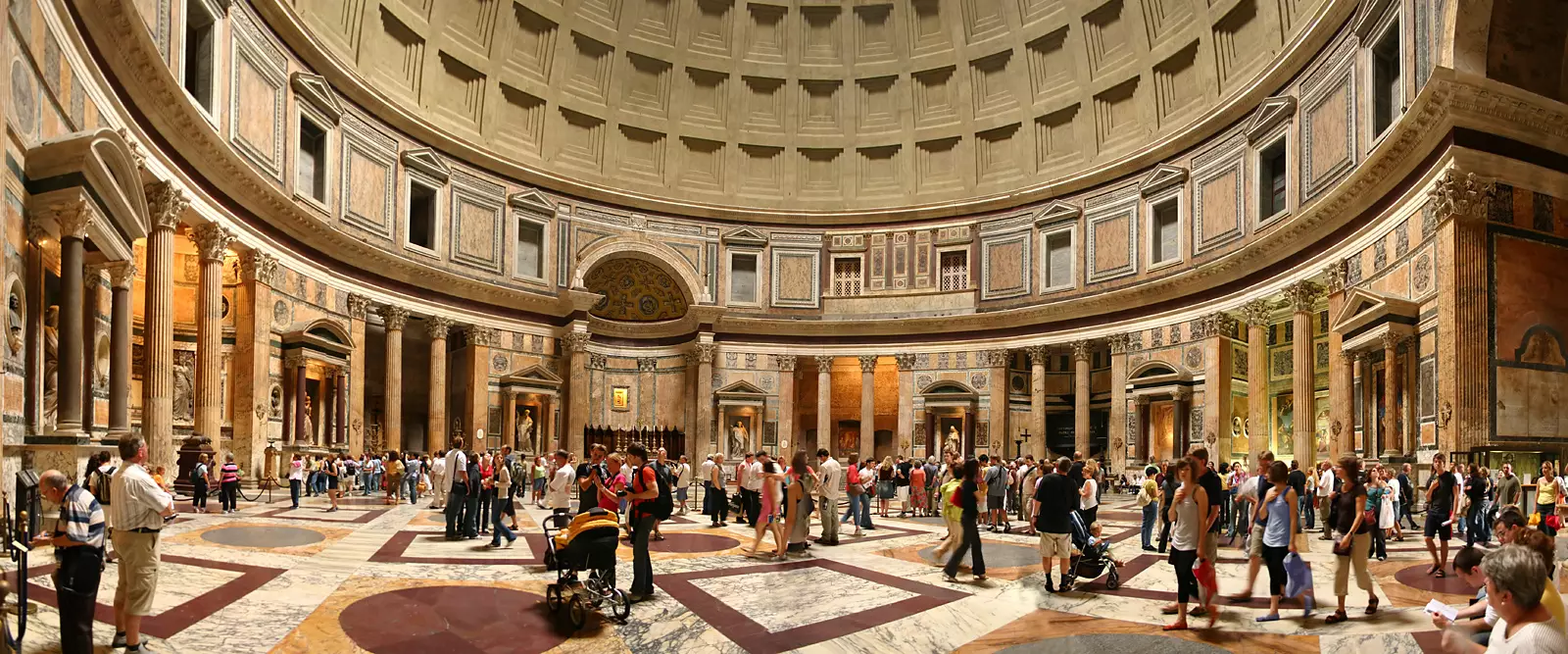
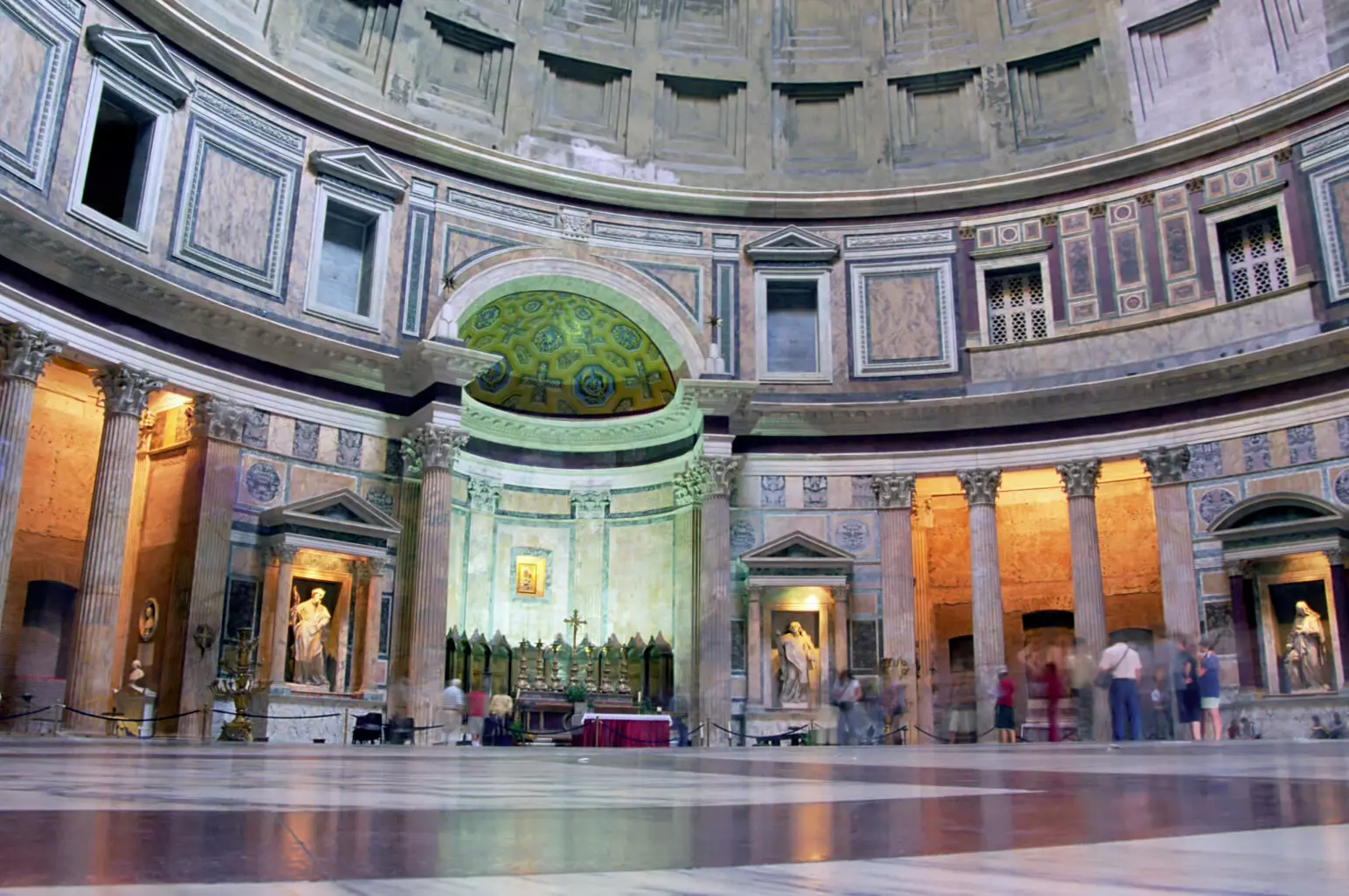
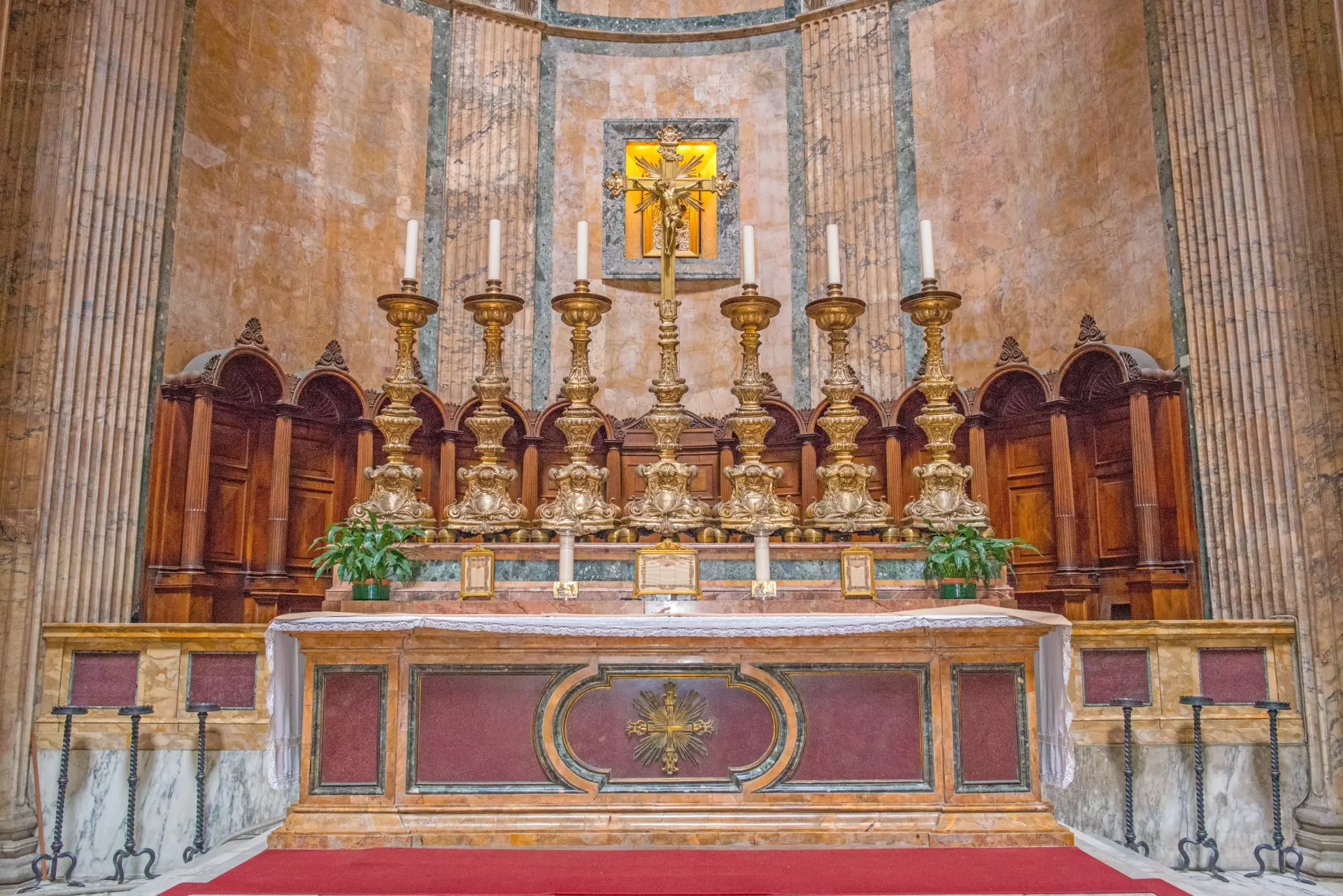
The Pantheon, a landmark in Rome, was first built in 27 BCE by Marcus Agrippa, a trusted friend of Emperor Augustus. Over a century later, Emperor Hadrian remodeled the building between AD 125 and 128, giving the Pantheon much of its present form. Originally, it served as a temple dedicated to all the gods of the Roman state. Since the 7th century, it has also functioned as a Christian church. Today, it is the only large structure from the ancient Graeco-Roman world that has survived mostly unchanged and has been in continuous use for nearly two thousand years. Visitors are asked to remain silent inside, as it still serves as a place of worship.
The Pantheon is famous for its grand dome, one of the wonders of ancient architecture. Inside, visitors can spot marks where a bronze ceiling once covered the interior. During the rule of Pope Urban VIII, the bronze was removed and melted down—some say it was used to make weapons for Castel Sant’Angelo or to create Bernini’s famous canopy in Saint Peter’s Basilica. The spectacular doors at the entrance are Roman, though not the originals. The original bronze beams were also taken during Urban VIII’s time.
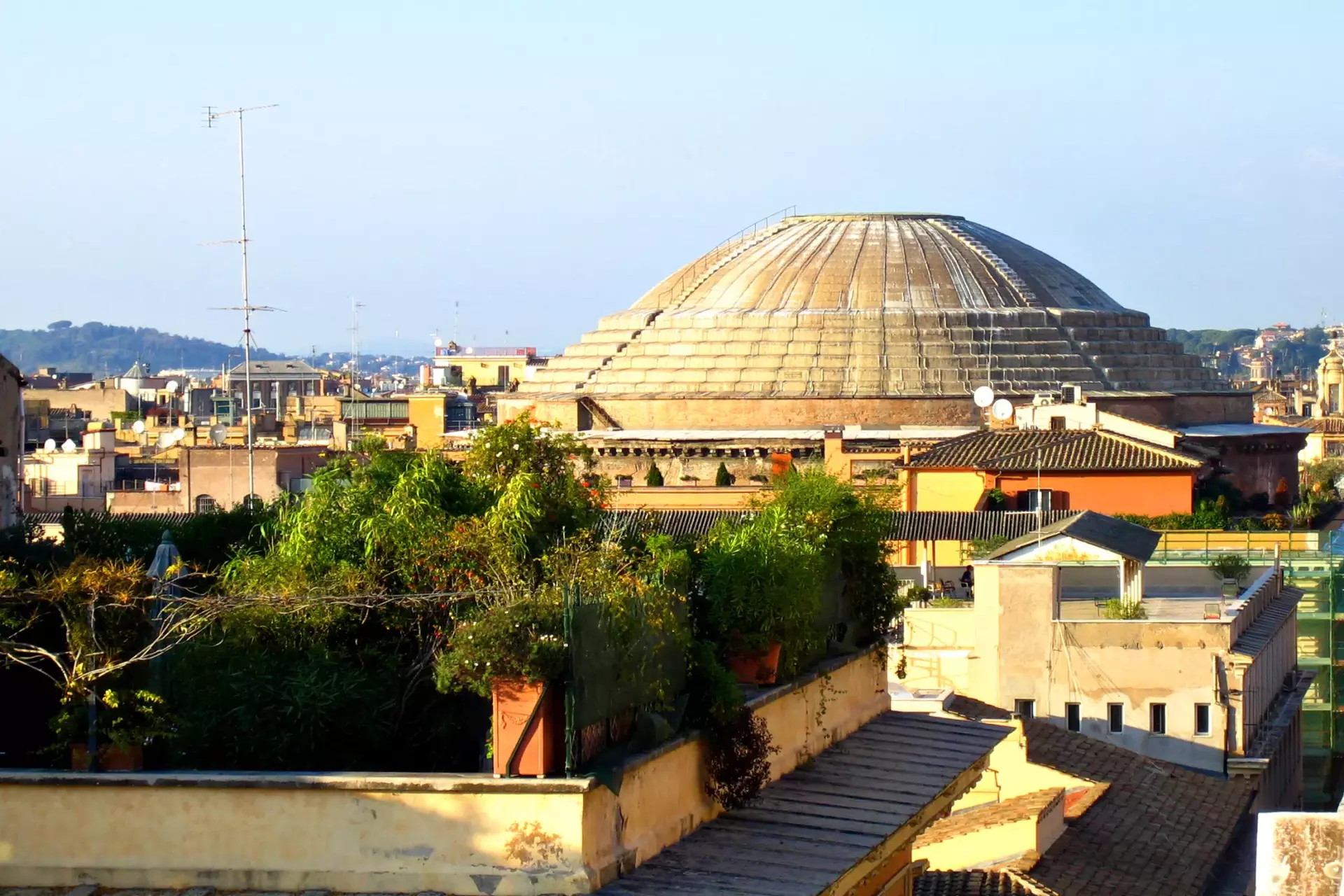
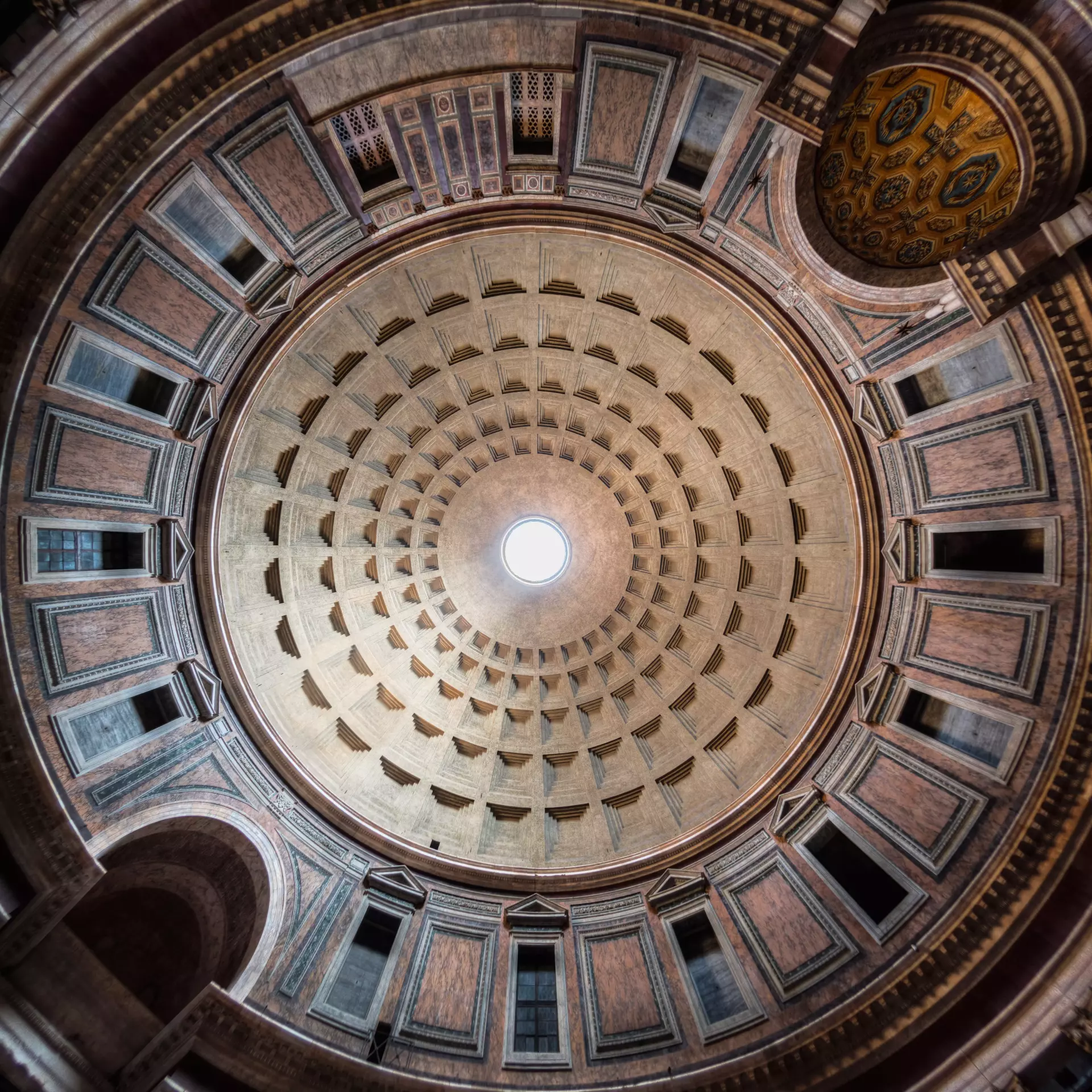
The dome of the Pantheon holds a special place in history as the largest masonry dome in the world, even larger than the dome of Saint Peter’s Basilica. A round opening at the very top, called the oculus, was designed for structural reasons to prevent the dome from collapsing. On a rainy day, watching water stream through this opening is a unique sight; holes in the marble floor drain away the rainwater efficiently.
When first built, the Pantheon stood on level ground. Now, the street level around the building is about 10 meters (33 feet) higher than in ancient times, due to centuries of debris collecting in Rome. To keep the Pantheon from being buried, a deep trench is carefully maintained around it. For many years, entry to the Pantheon was free, but an admission fee began to be charged in 2023.
Source - https://en.wikipedia.org/wiki/Pantheon,_Rome
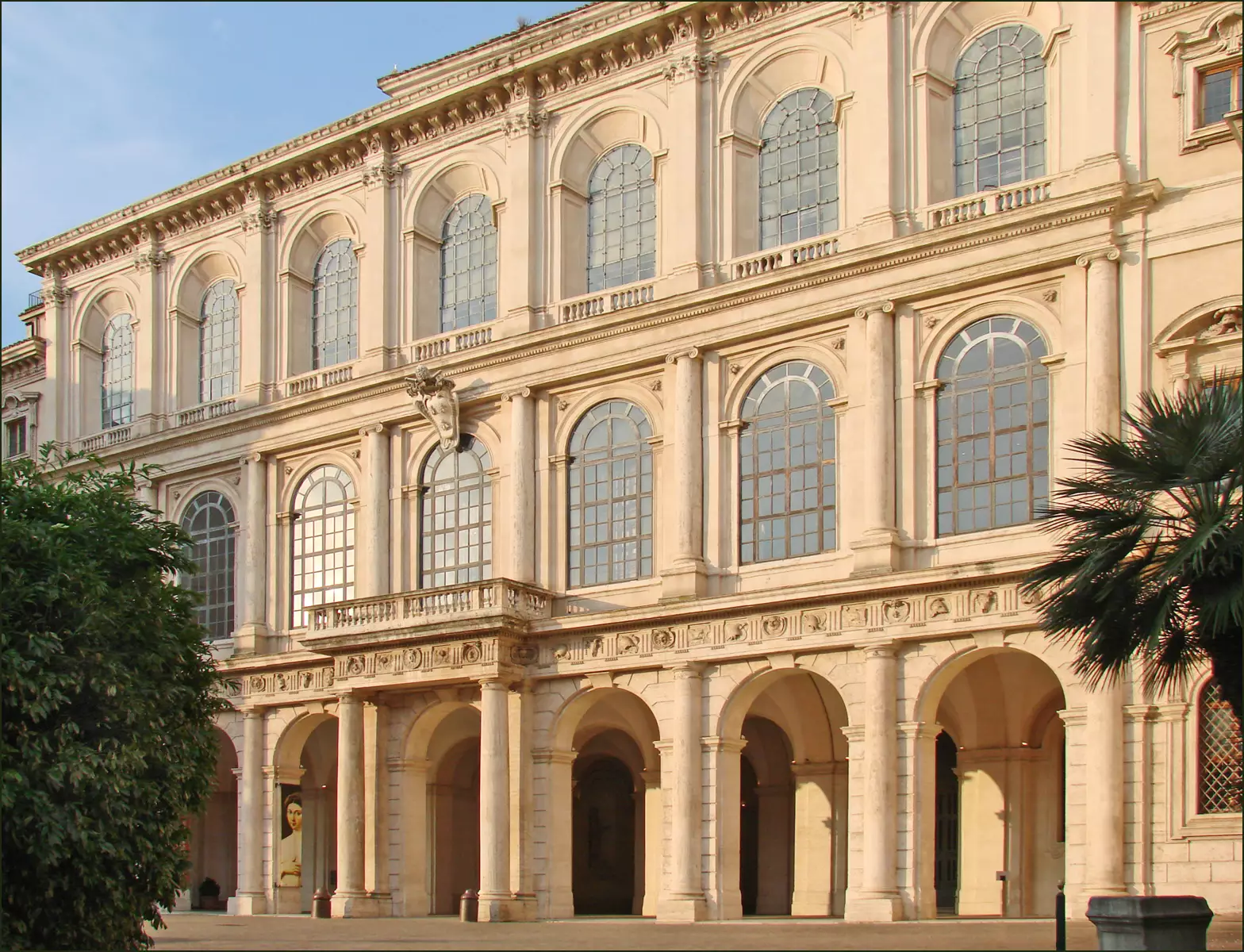
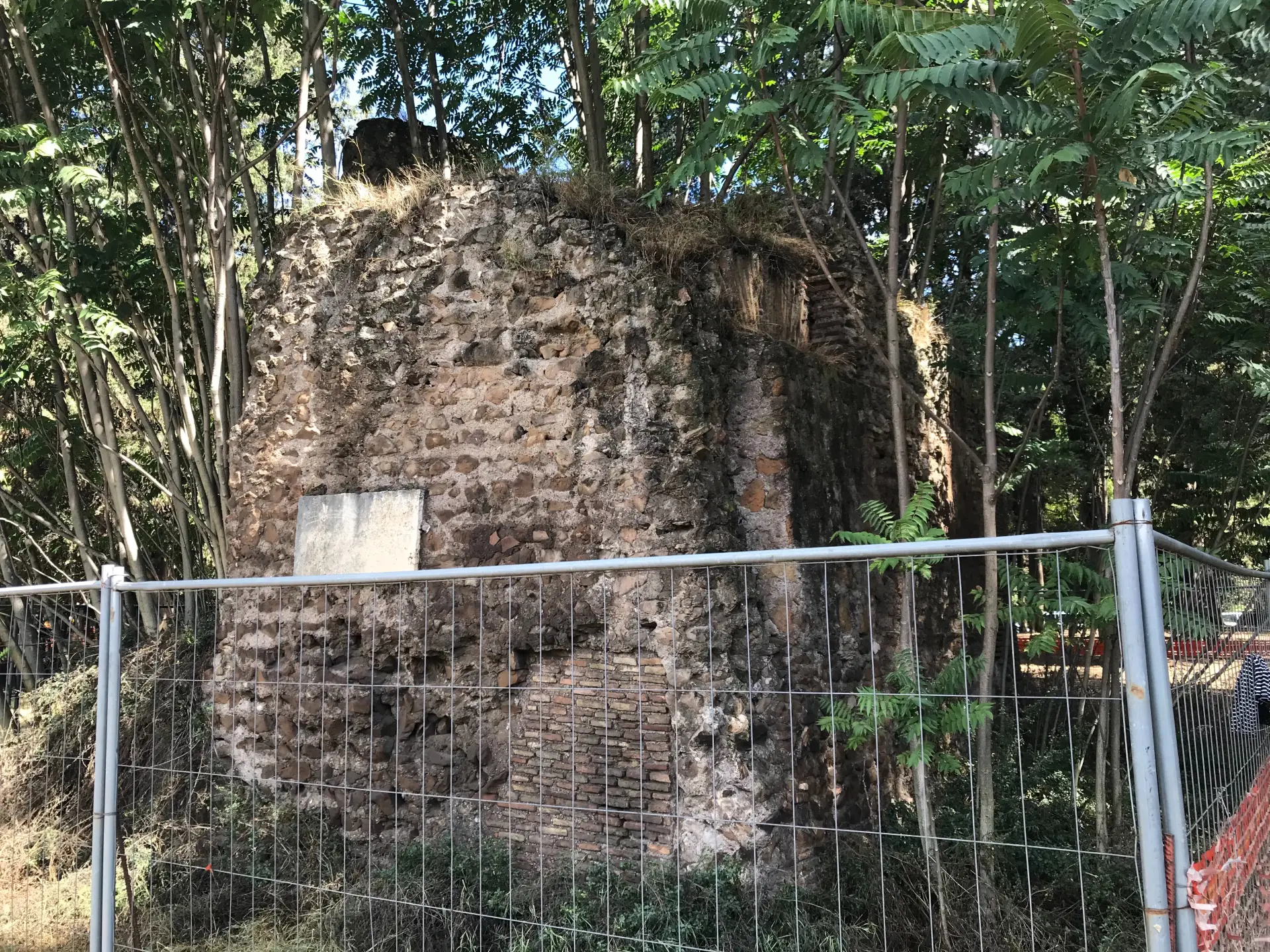
This impressive villa covers 23 hectares. It can be accessed from the Via Appia Nuova (Bus 118) or through Via Appia Antica 251. Parts can be seen from the Appian Way at around the 5th mile just after No 251. The villa was built by Maximus and Condinus Quintilii. The emperor Commudus liked it so much that he put the brothers to death in 182 AD and took it for himself. A museum has friezes and sculptures from the villa. The nypheum, the tepidarium and the baths may also be visited. At Appia Antica 251 is Santa Maria Nova, a farmhouse that has undergone many reincarnations since being built on top of a Roman cistern that was probably used by Villa dei Quintilii.
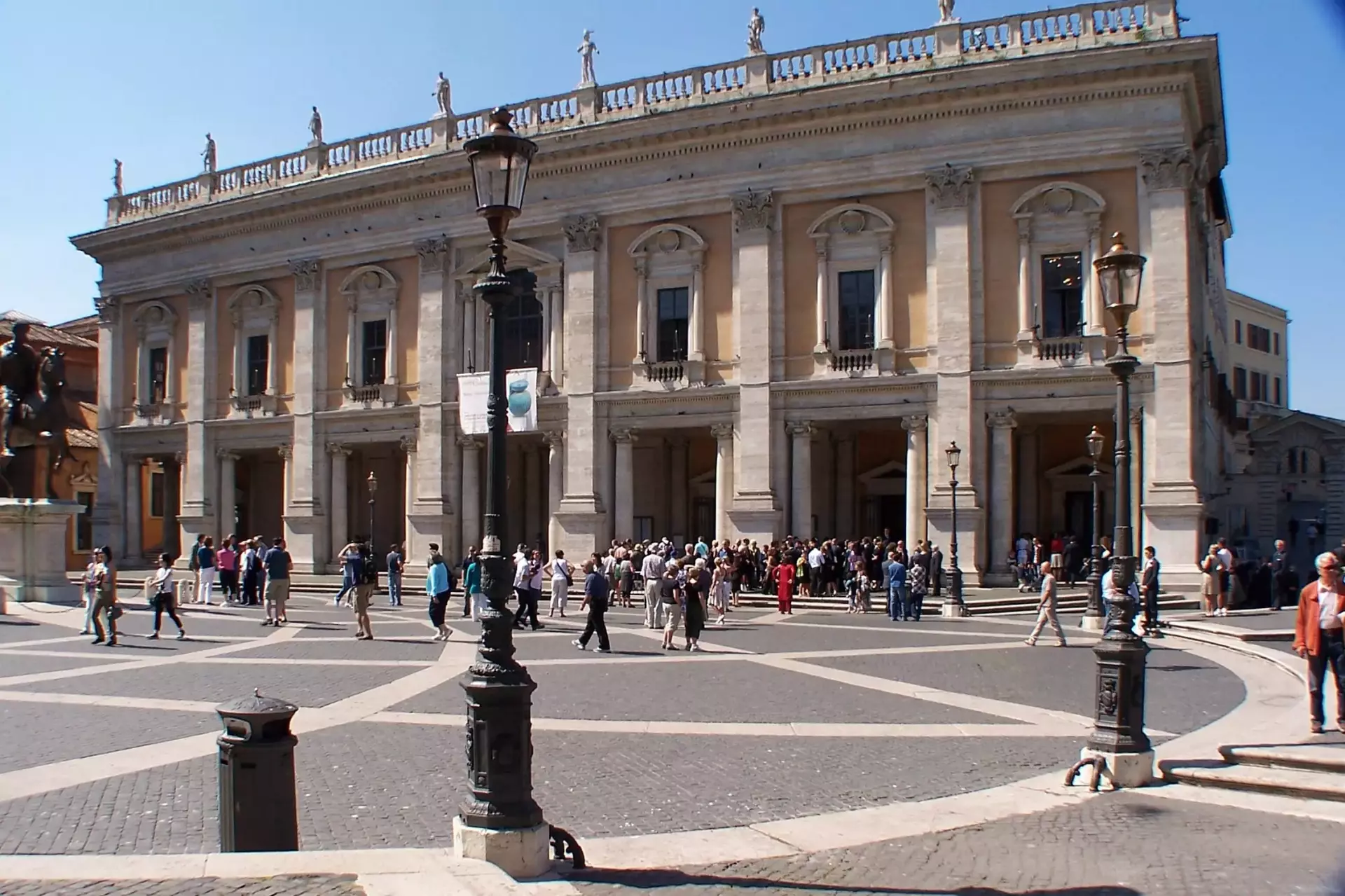
Built in the 17th century to a design based on an architectural sketch by Michelangelo. Highlights include the ancient Colossus of Constantine statue (the Colosseum was probably named for another giant statue, the Colossus of Nero which stood near the Flavian Amphitheatre as the Colosseum was originally known), The Dying Gaul, a magnificent marble sculpture that copies a bronze Greek original of the 3rd century BC and the Capitoline Venus. It also contains the remarkable original gilt bronze equestrian statue of emperor Marcus Aurelius (the one in the piazza is a replica).
Underground burial place of an ancient Roman family and of seven early popes.
The enormous building at the southeast end of the Circus Maximus is the headquarters of the UN Food and Agriculture Organization (FAO). From its roof are undoubtedly the best views of Rome, but you will need to know someone who works there to get past the strict security.
Between the Pantheon and Via del Corso. A stunning example of Baroque art. The ceiling frescoes are especially fine, including a trompe l'oeil dome by the master Andrea Pozzo.
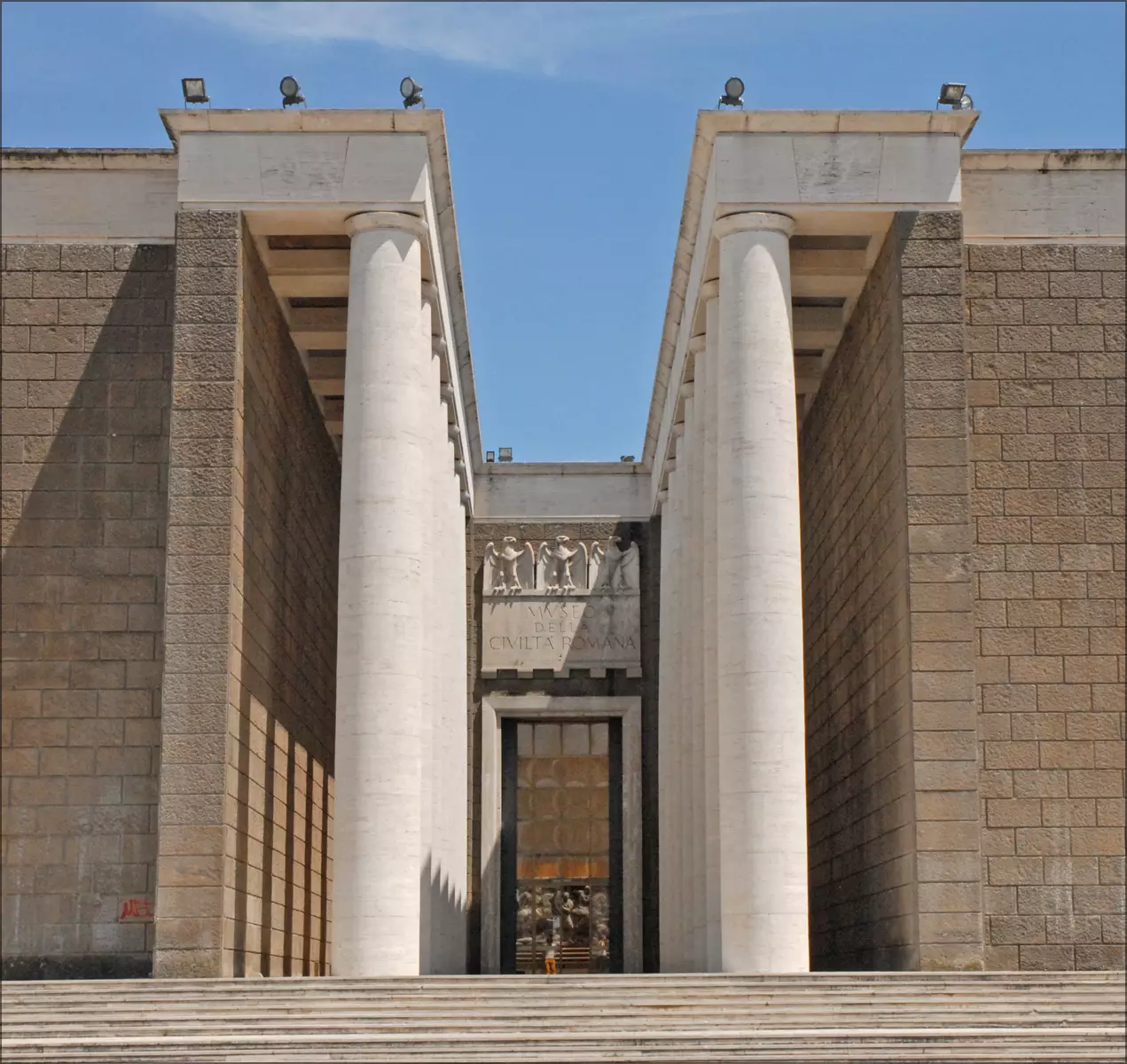
Perhaps most famous for a large model of imperial Rome, but also has a large display of various aspects of ancient Rome, using plaster casts, models and reconstructions of works found in museums throughout the world.
housed in the baroque palace Corsini where Christina, Queen of Sweden settled down in the last years of her life
Rome's museum of contemporary art, housed in a former industrial complex. Rotating exhibitions, each one usually lasting about 4 months. The MACRO Testaccio exhibition space is located in Aventino-Testaccio.
This museum is built on top of the excavation site of the Balbi Crypt, a building from the first century A.D. which underwent considerable modifications in the following centuries. Through the building's history, the museum gives us glimpses of what Roman life across the ages was like. Free visits of the ruins are possible. The Essedra ruins are only accessible on Saturdays and Sundays, at 10:45, 11:45, 12:45, 14:45 and 15:45.
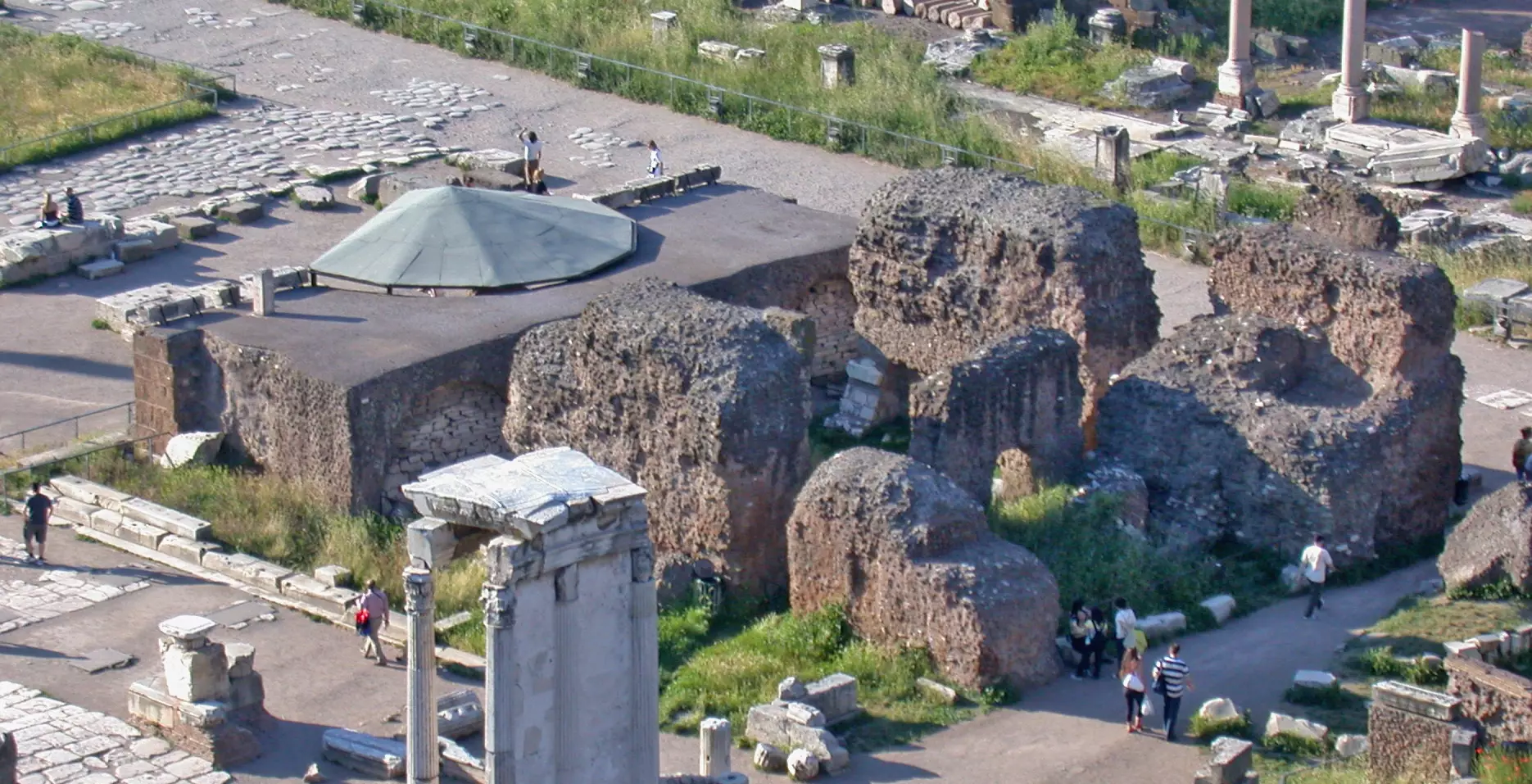
The remains of the ancient Roman archives, where Cicero and Seneca did research. Visible from the Forum and accessible through the Capitoline Museum.
A tomb for the wealthy Gaius Cestius, who died in 12 BC. Admission to the monument only by guided tours on specific dates (2nd and 4th Saturday every month, and in combination with a ticket to the Museum of Via Ostiense also on the 1st and 3rd Saturday of every month).
Home of the President of the Italian Republic, and the Quirinal Gardens. Built in 1573 as a papal summer residence, and has since also served as the residence for the pope and later for the king of Italy.
This is a large tomb built by the Roman Emperor Augustus in 28 BC in the form of a stone ring covered by an earth mound. A brick wall, 87 m in diameter, carried an earth mound covered with cypresses. On top of the hill stood a bronze monument of the emperor. The building was 44 meters high. At the beginning of the alley, which led to the tomb were two Egyptian obelisks. On both sides of the doorway bronze plates describe the "Res gestae", the deeds of the emperor. The urns of Augustus, Marcellus, Octavia, Agrippa, Drusus and other members of the Julian Claudian dynasty were revered here. In the Middles Ages the building served as citadel of the Colonna family. It was destroyed by Pope Gregor IX in 1241. The body of Cola di Rienzo. a popular leader of the people in the mid-14th century, was burnt in this monument. The Mausoleo di Augusto is not open to the public, and is fenced off.
Located a short walk west of the Colosseum, this well-preserved monumental arch was erected (soon after 315) to commemorate the victory of Constantine, the first Christian emperor, over his rival Maxentius at the Battle of the Milvian Bridge in 312. In general design, the Arch of Constantine imitates the century-earlier Arch of Septimius Severus (nearby in the Forum). The three arches are decorated utilizing mainly materials plundered from other imperial monuments by Trajan, Hadrian and Marcus Aurelius. The quality of its sculptural decoration, however, betrays the slow degradation that Classical Roman sculpture had experienced in the 3rd century AD.
Parco Savello is the name of the grounds and orange grove next to the Santa Sabina church at the top of the Aventino and also where you have one of the best views of the city. Families gather here to sit under the dozens of orange trees. The "Giardino degli Aranci" is also a well known spot for lovers at night. The best views are arguably from Janiculum hill, just across the Tevere (Tiber) river. Immediately below you, the Tiber snakes its way through the city, and directly beyond it you can see the lively medieval quarter of Trastevere. Beyond that is the majestic dome of St. Peter's Basilica, with the historic centre of Rome visible to the right.
Early Roman houses dating back to the 1st century, believed to be homes of early Christians. Well-preserved frescoes and a small museum.
The most extensive collection of Etruscan art and artifacts anywhere. Fantastic collection and well worth the admission charge. A difficult museum to find, but a lovely display in a beautiful villa setting.
Caffarella Park covers an area of 339 ha and is part of the larger Appia Antica park. It contains both a working farm and numerous Roman ruins, some quite well preserved and is a great place for a stroll or cycle away from Rome’s traffic.