

Roman Forum
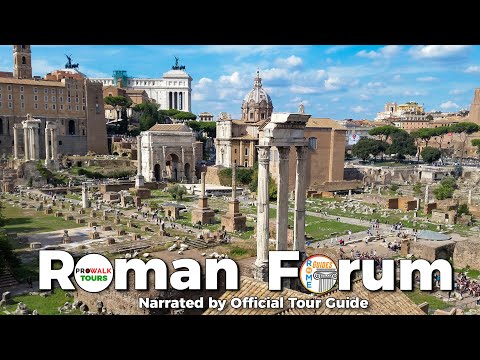
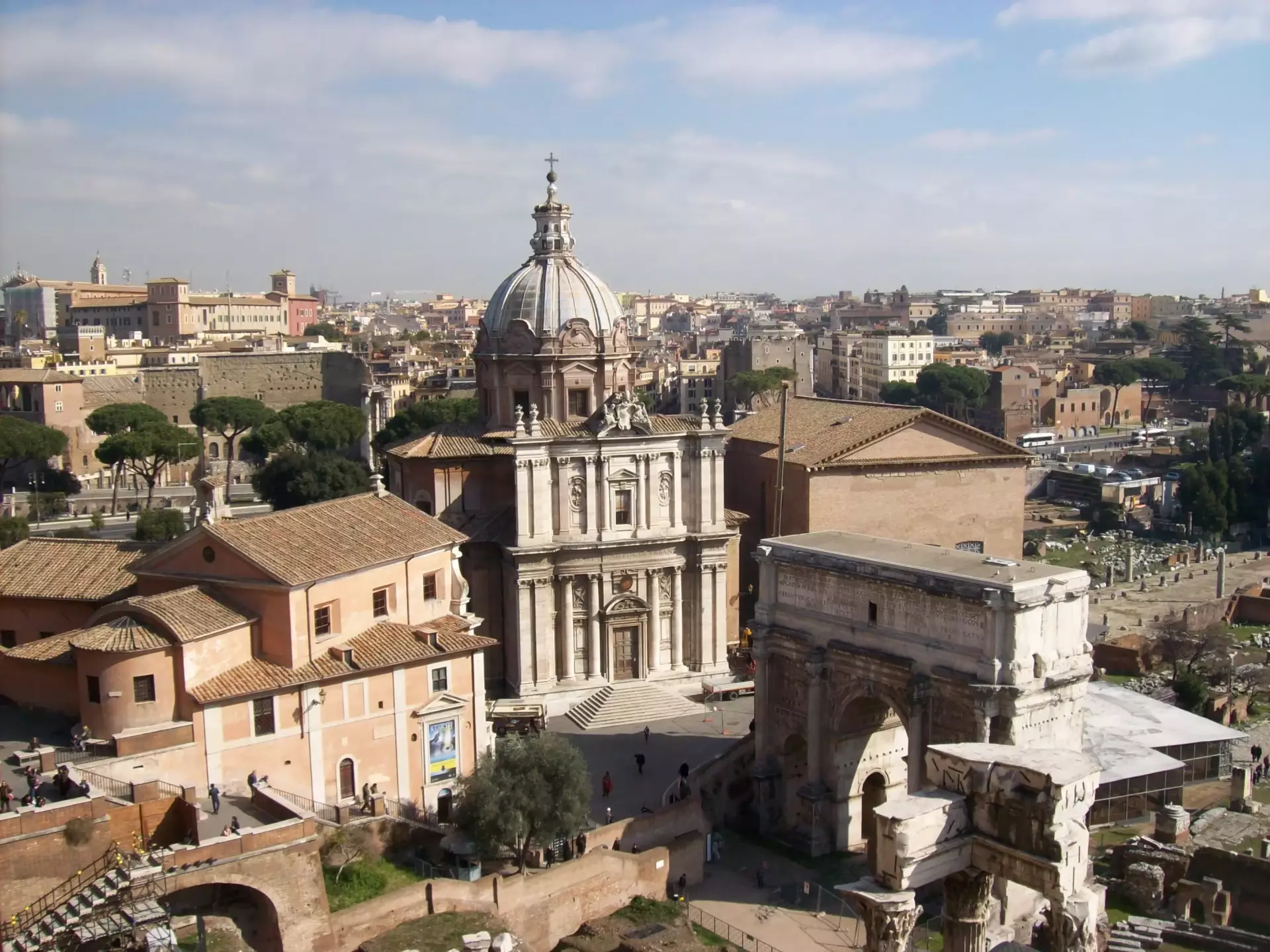
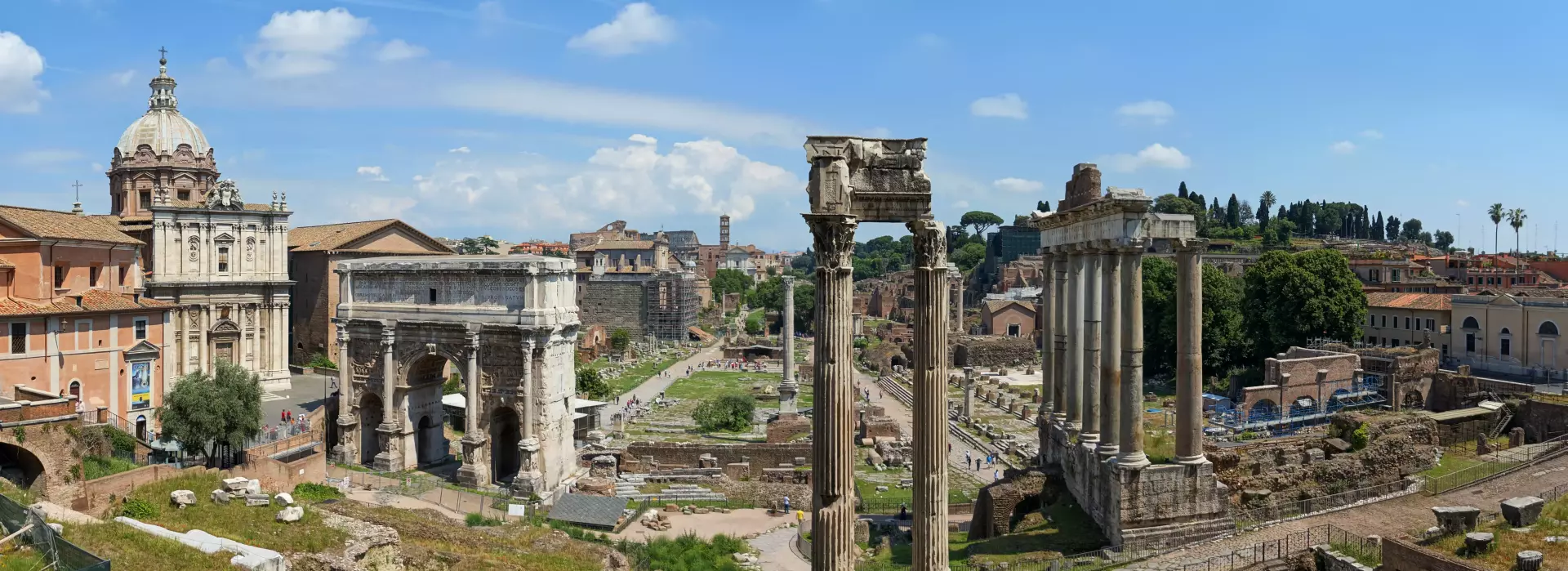
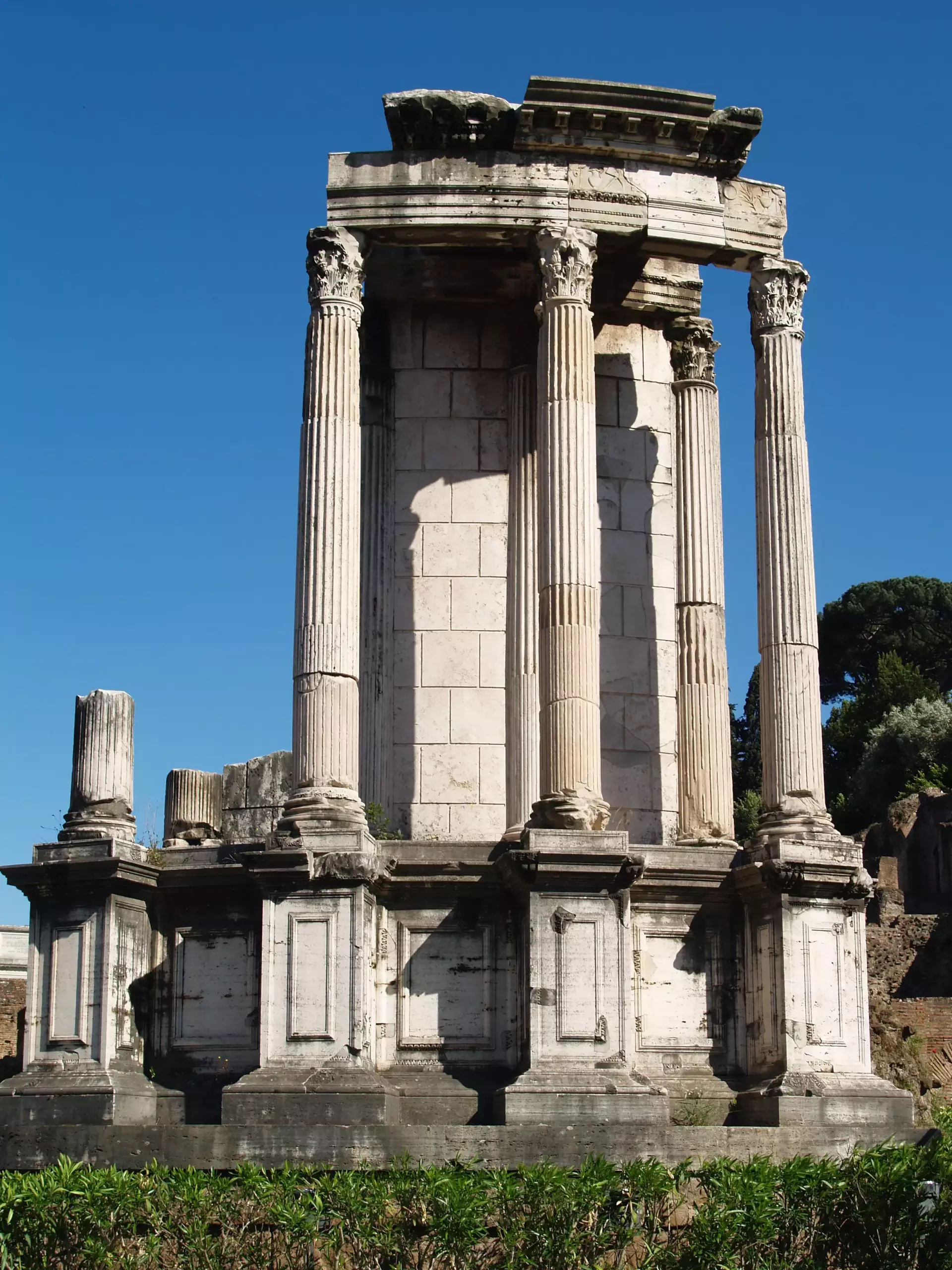
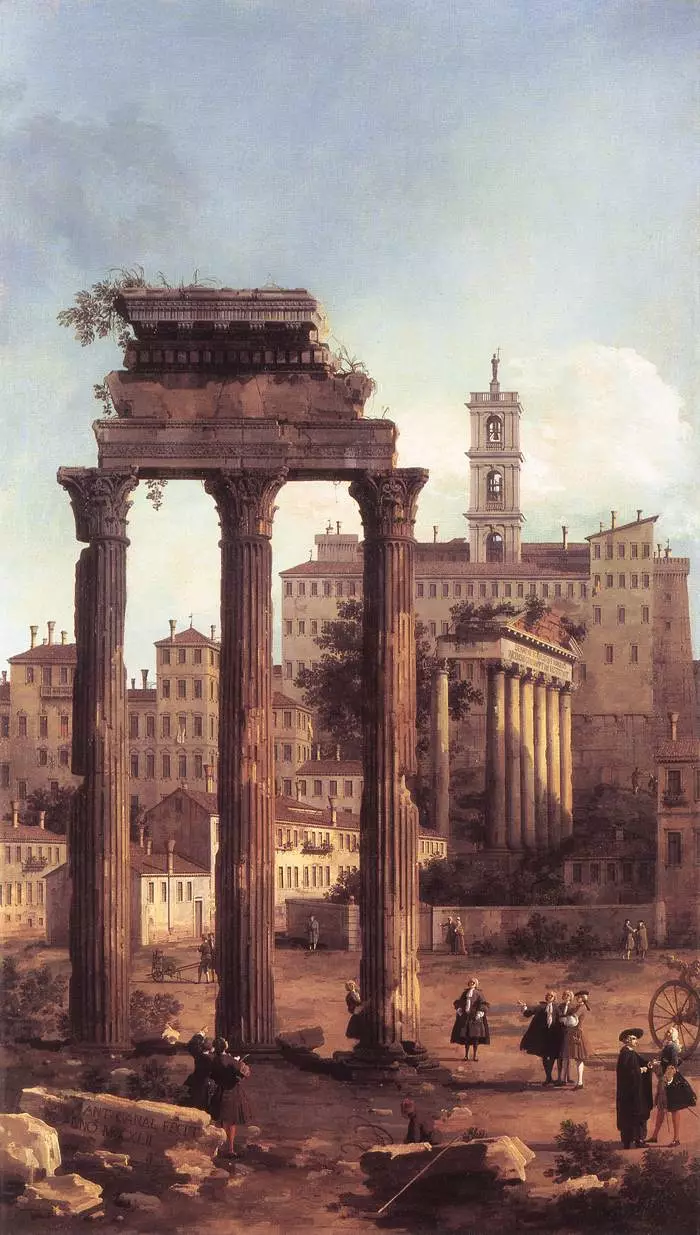
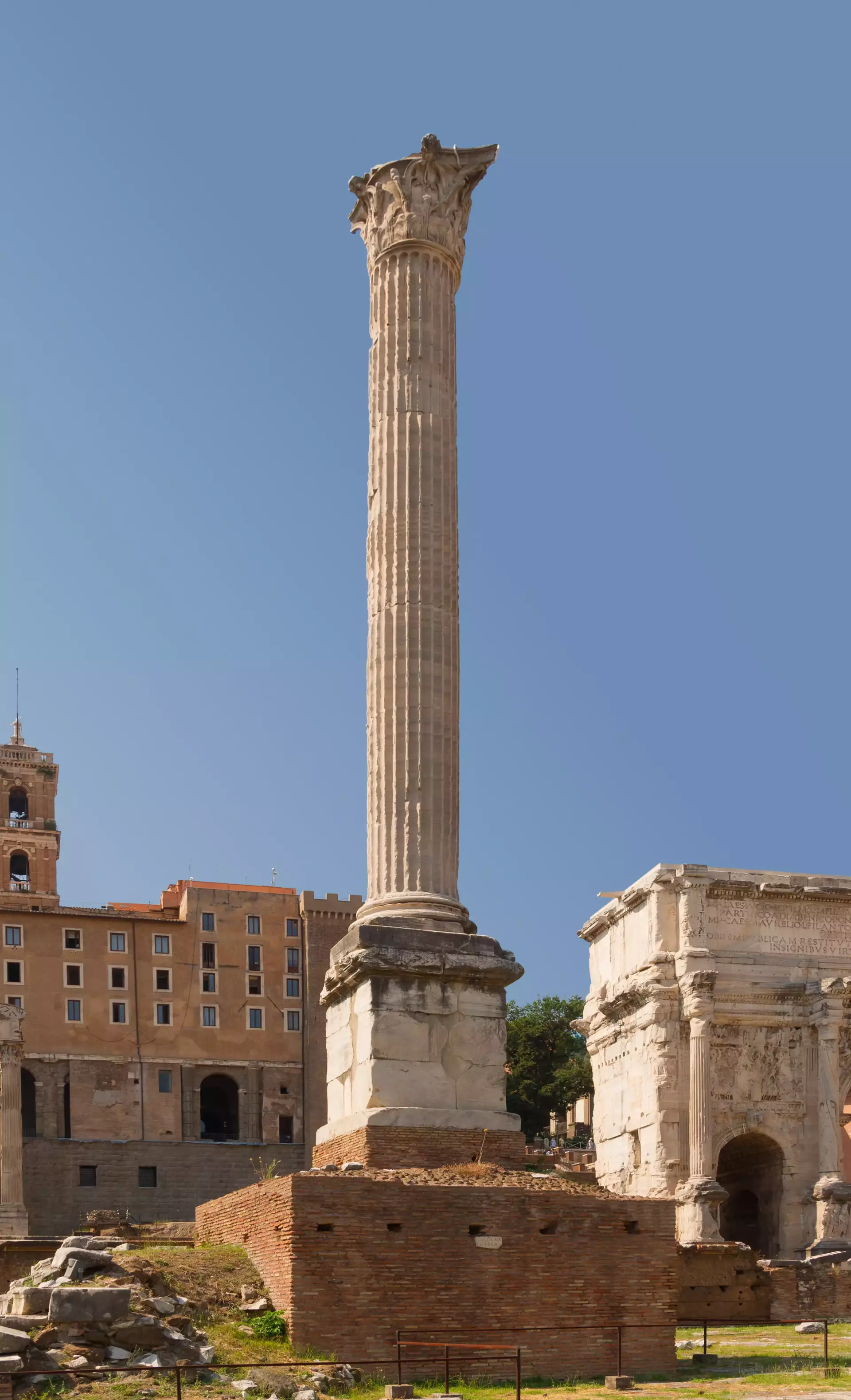
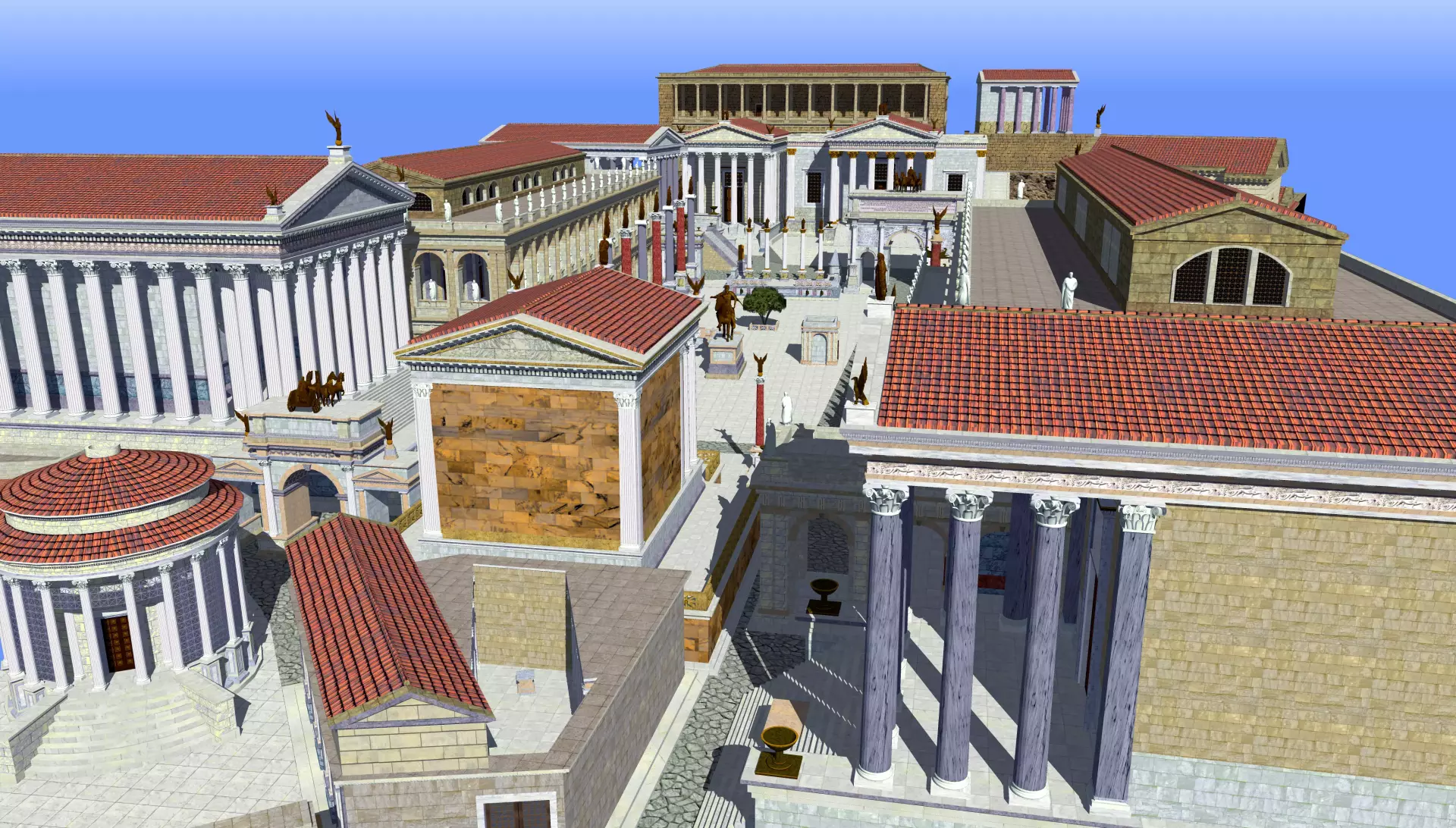
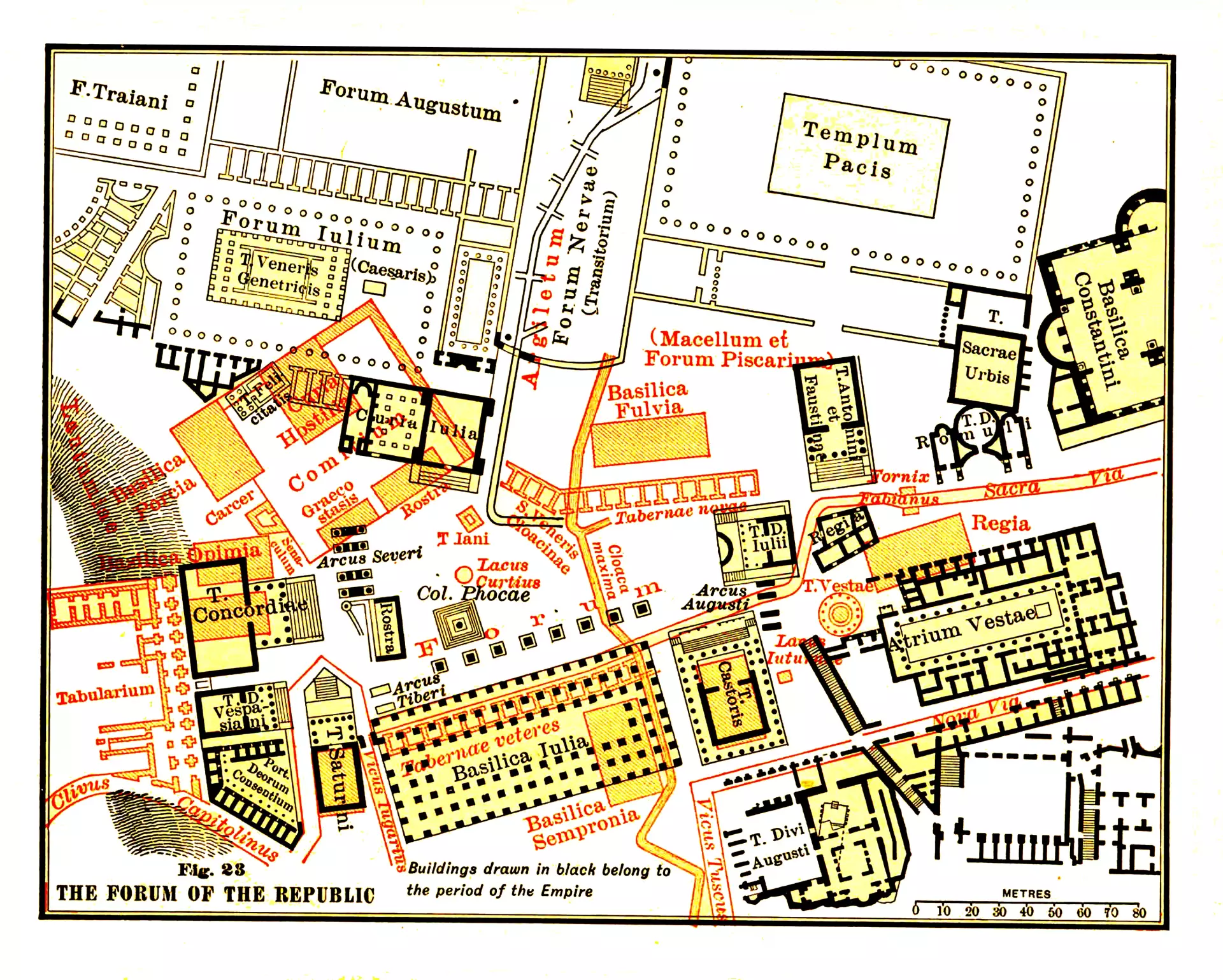
If stones could talk, the Roman Forum would narrate tales of power, politics, and faith that once resonated throughout the ancient world. These hallowed ruins were the epicenter of the Roman Empire's political, legal, and religious life. As you walk through the Forum, nestled in the small valley between the Capitoline and Palatine hills, the weight of history is almost tangible. It's an experience that stirs the imagination, bringing to life the grandeur of ancient Rome.
Exploring the Ancient Grounds
Access to this remarkable site is solely by foot, from an entrance on the Via dei Fori Imperiali. While the Forum is less crowded than the bustling Colosseum, it offers a richer historical perspective. For those with mobility challenges, most of the Forum is wheelchair accessible, although the paths can be bumpy, as they feature original stones from Rome's storied past.
To deepen your understanding of this historic site, consider renting an audioguide for €5.5, available from a small booth near the Arch of Titus. These audioguides are practical, with an audio jack that allows two people to share one device comfortably.
A Journey Through Time
Each monument and ruin within the Forum tells its own story. For example, the Temple of Antoninus and Faustina, built in 141 AD, was initially dedicated to Empress Faustina. After the death of her husband, Emperor Antoninus Pius, in 161 AD, the temple was rededicated to honor both. Nearby, you'll find the ancient meeting place of the Roman Senate. Originally completed in 179 BC and undergoing its fourth rebuilding, it was transformed into a church during the Middle Ages but restored to its former glory since the 1930s.
Moments of Historical Significance
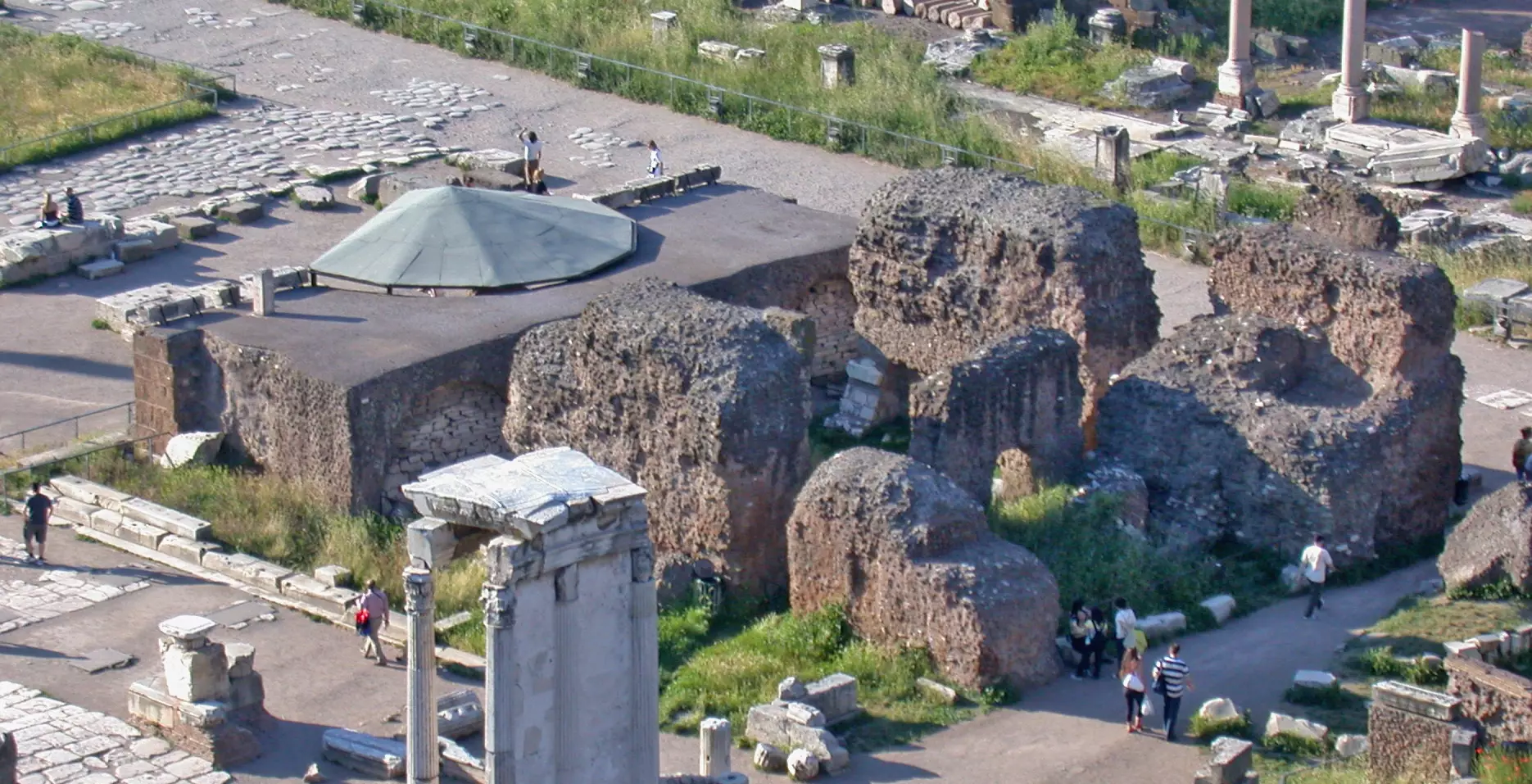
One cannot miss the site of Caesar's emotional and impromptu cremation, marked by a structure completed in 29 BC. It’s the very spot where Mark Antony famously addressed the masses, immortalized by Shakespeare's stirring portrayal in "Julius Caesar": "Friends, Romans, Countrymen, lend me your ears ...".
Architectural Triumphs
The Arch of Titus, erected in 81 AD by Emperor Domitian in memory of his brother Titus, stands as a tribute to this short-reigning emperor who presided during pivotal events like the Colosseum's opening. The remnants of the ancient Roman archives, scholars like Cicero and Seneca frequented them, are visible from the Forum, with additional access through the Capitoline Museum.
The Roman Forum is more than a collection of ruins; it's a testament to the might and spirit of an empire that once ruled the world. Each visit offers a deeper understanding of the ingenuity and influence of ancient Rome, leaving visitors with memories as enduring as the structures themselves.
Source - https://en.wikipedia.org/wiki/Roman_ForumVideo