

Trevi Fountain
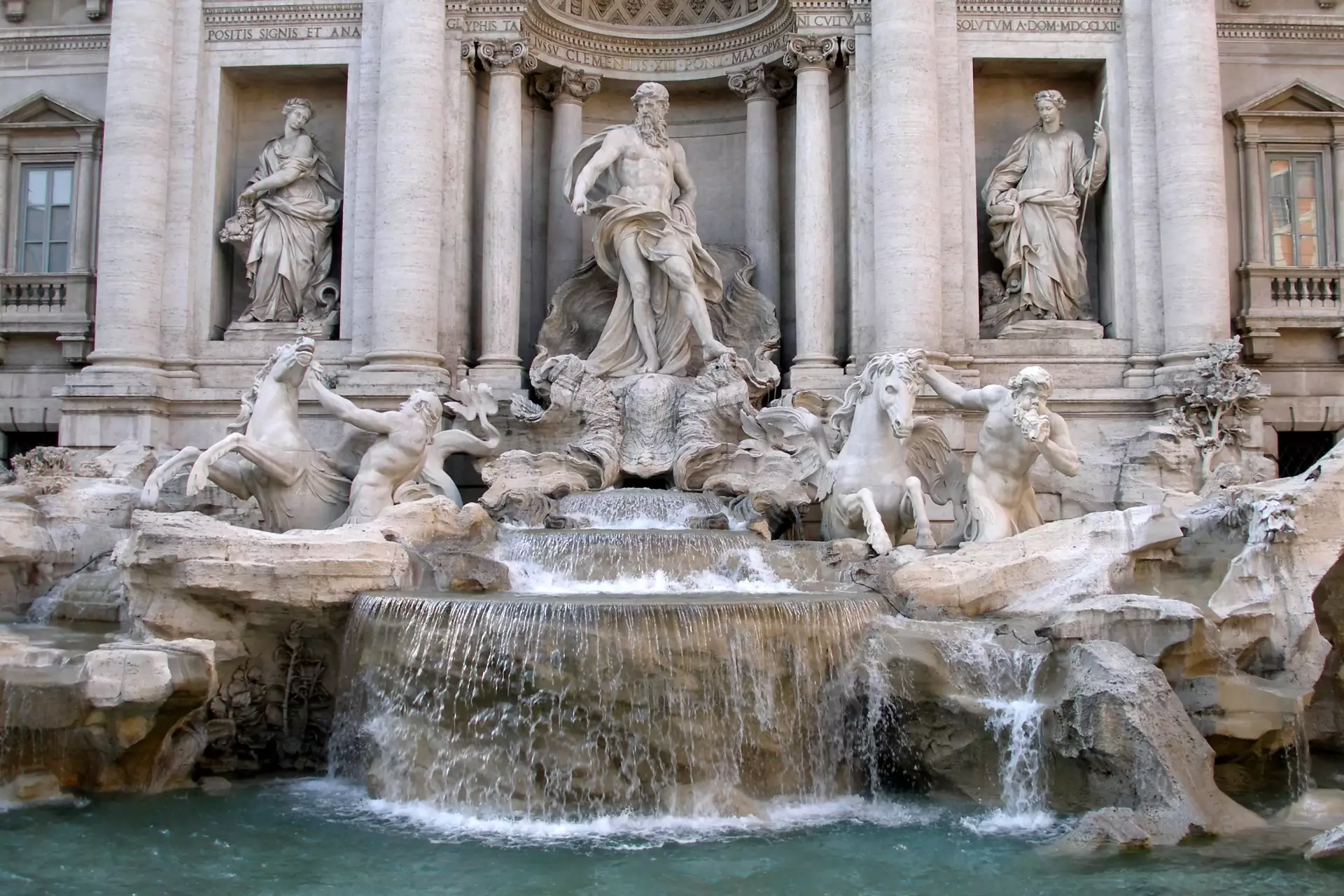
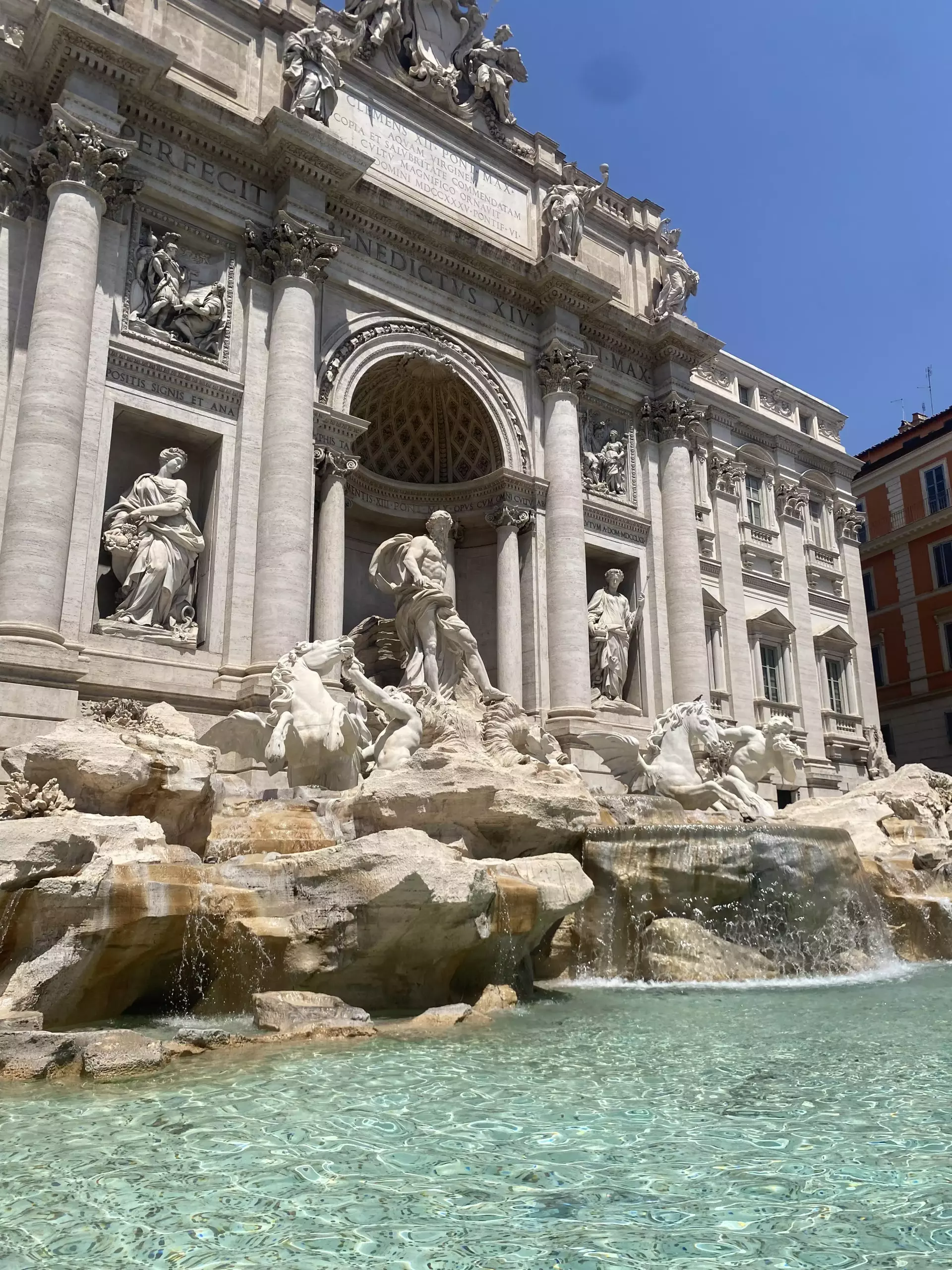
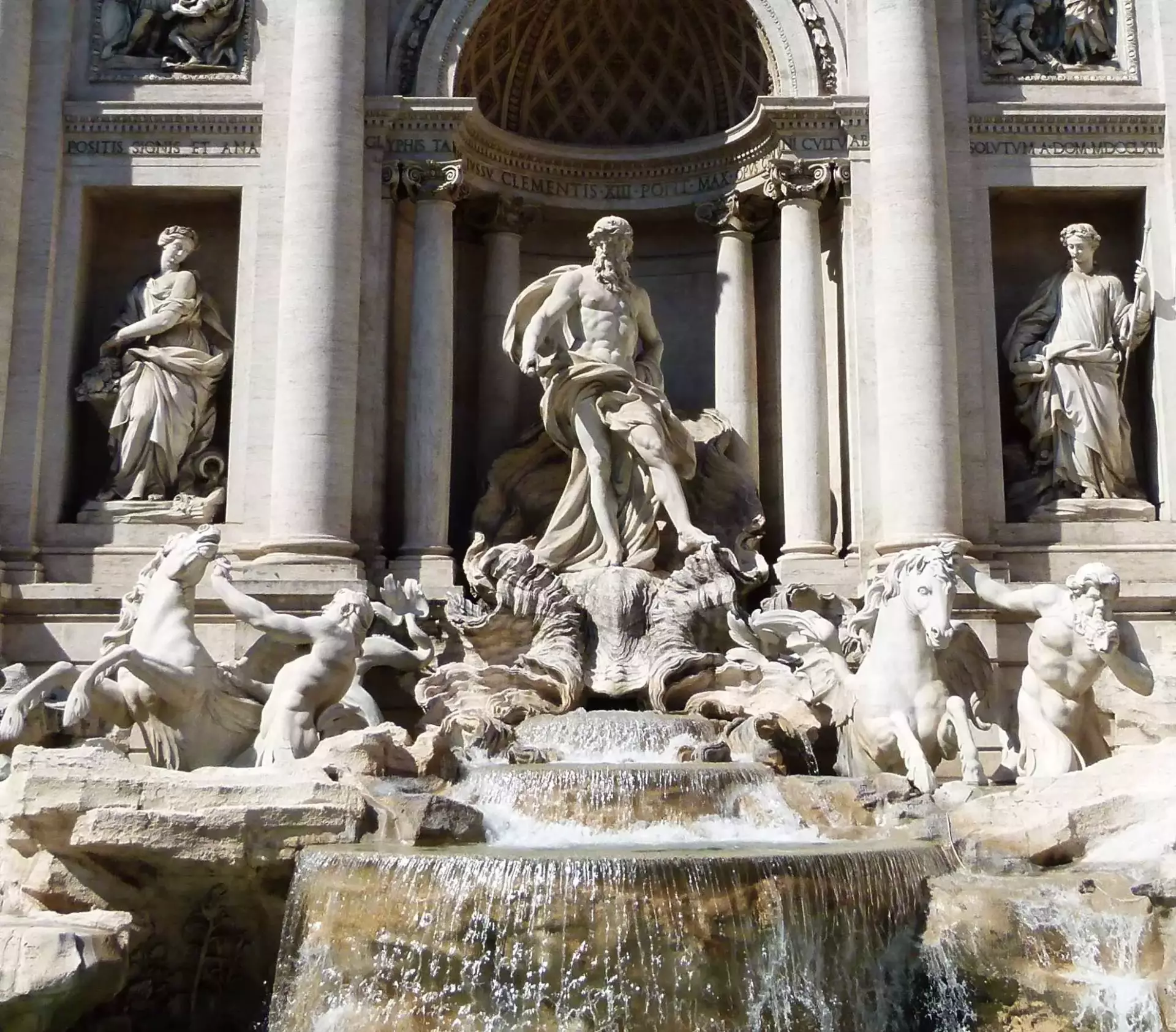
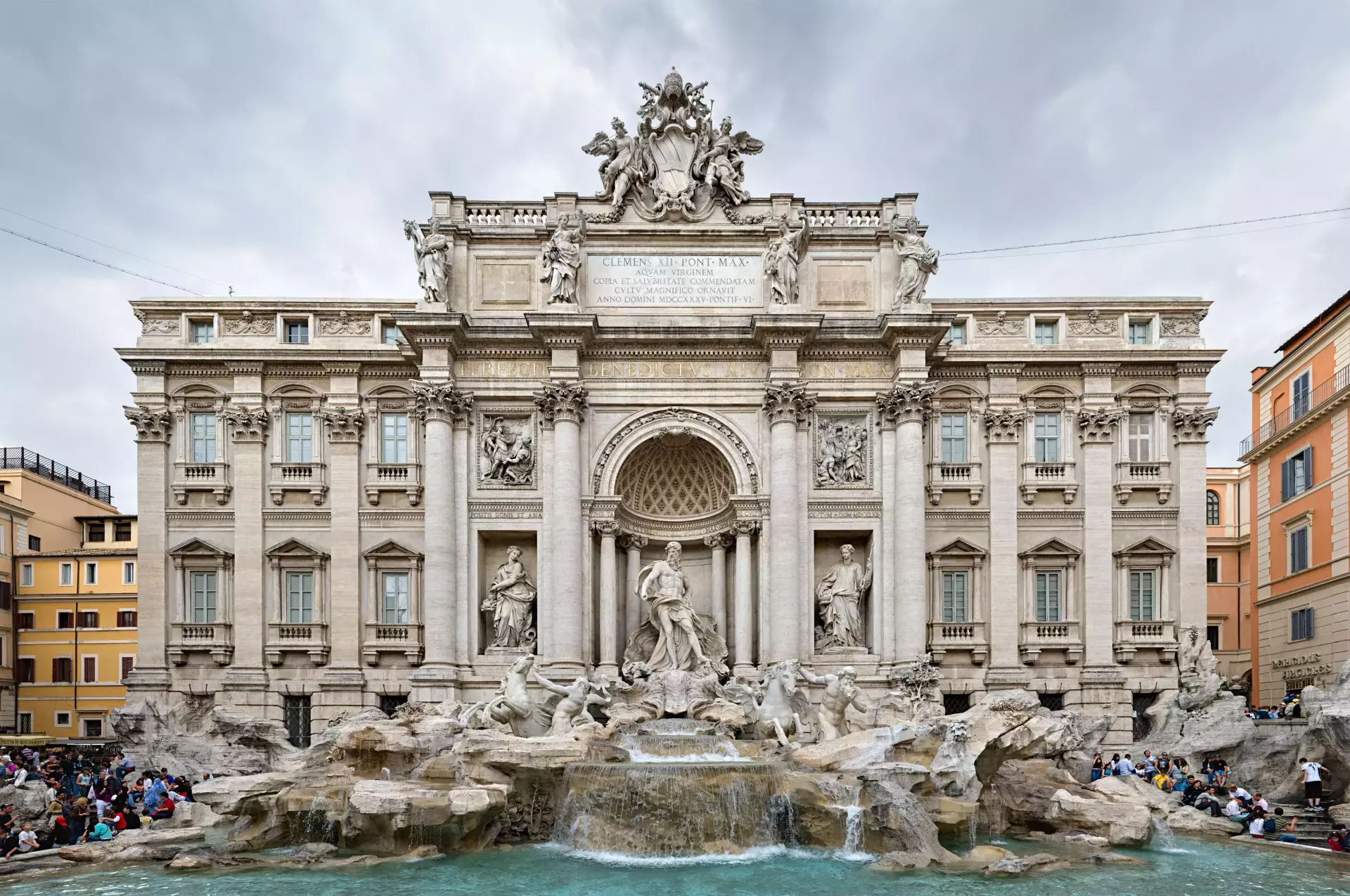
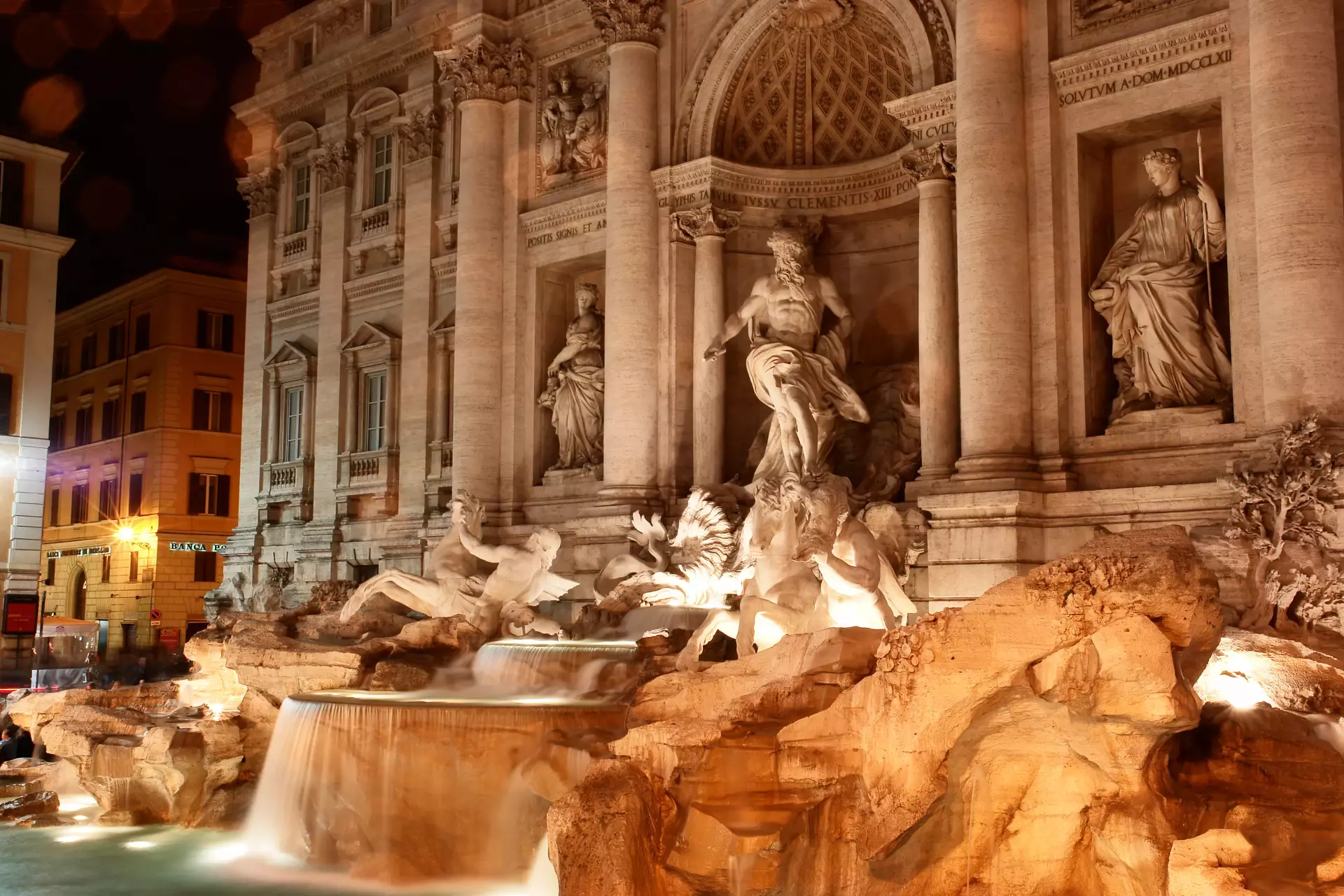
Completed in 1762, the Trevi Fountain stands as a grand example of Baroque art and architecture in Rome. The design by Nicola Salvi features an impressive scene from mythology. At the center is Neptune, the god of the sea, surrounded by two Tritons. One Triton struggles to control a wild sea-horse, while the other has a calm creature by his side. This display symbolizes the changing moods of the world’s oceans.
The Fountain’s Historic Roots
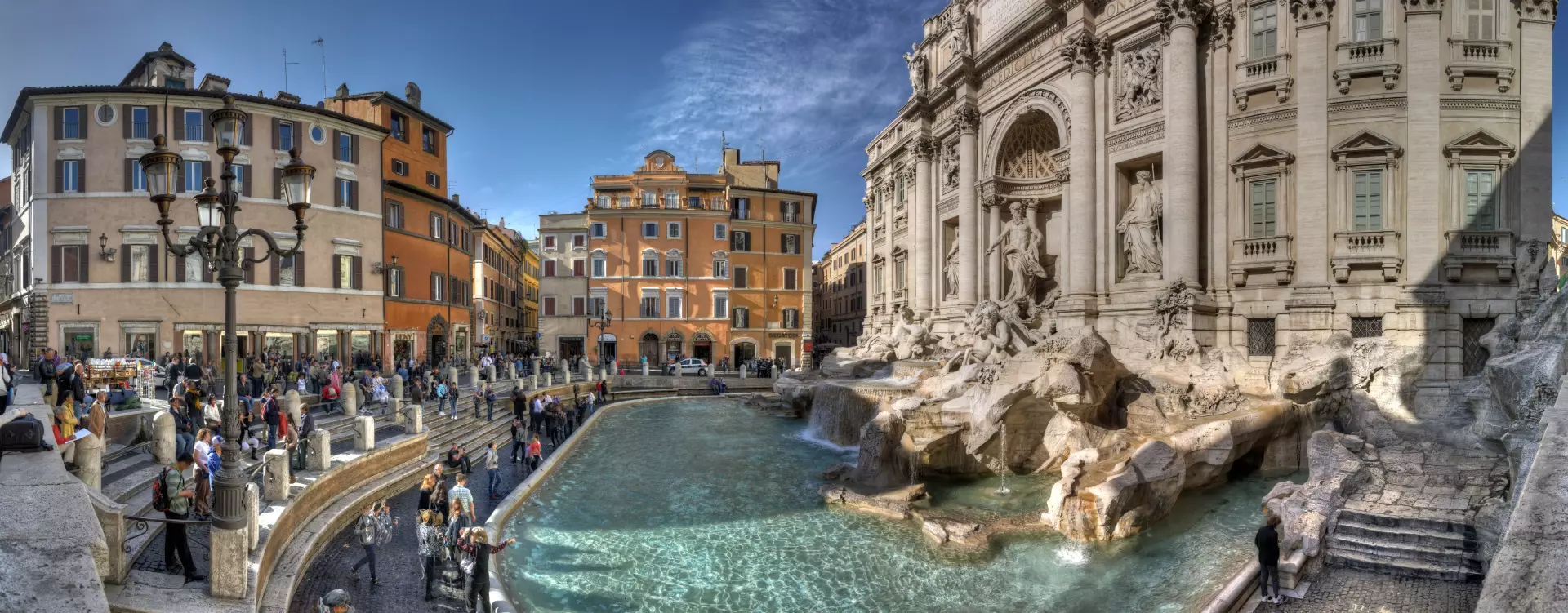
The site of the Trevi Fountain was not chosen by chance. It marks the endpoint of the ancient Aqua Virgo aqueduct, which was built in 19 BCE to supply water to the Baths of Agrippa. The name “Trevi” comes from its location at the meeting of three roads, an important spot in the city for centuries.
Legends and Traditions
Many people visit the Trevi Fountain to take part in a special tradition. According to legend, anyone who throws a coin into the fountain will one day return to Rome. This custom has inspired visitors for generations. Coins are tossed with the right hand over the left shoulder, and each throw is said to bring a different kind of luck: one coin means a return to Rome, two coins can lead to romance, and three coins promise marriage in the city.
The Fountain in Cinema and Charity
The Trevi Fountain has had its moments of fame on the big screen. The 1954 movie "Three Coins in the Fountain" and the unforgettable scene in Federico Fellini’s "La Dolce Vita" have both helped make the fountain famous around the world. The coins collected from the fountain are put to good use, as they are regularly gathered to support local charities.
A Popular but Crowded Site
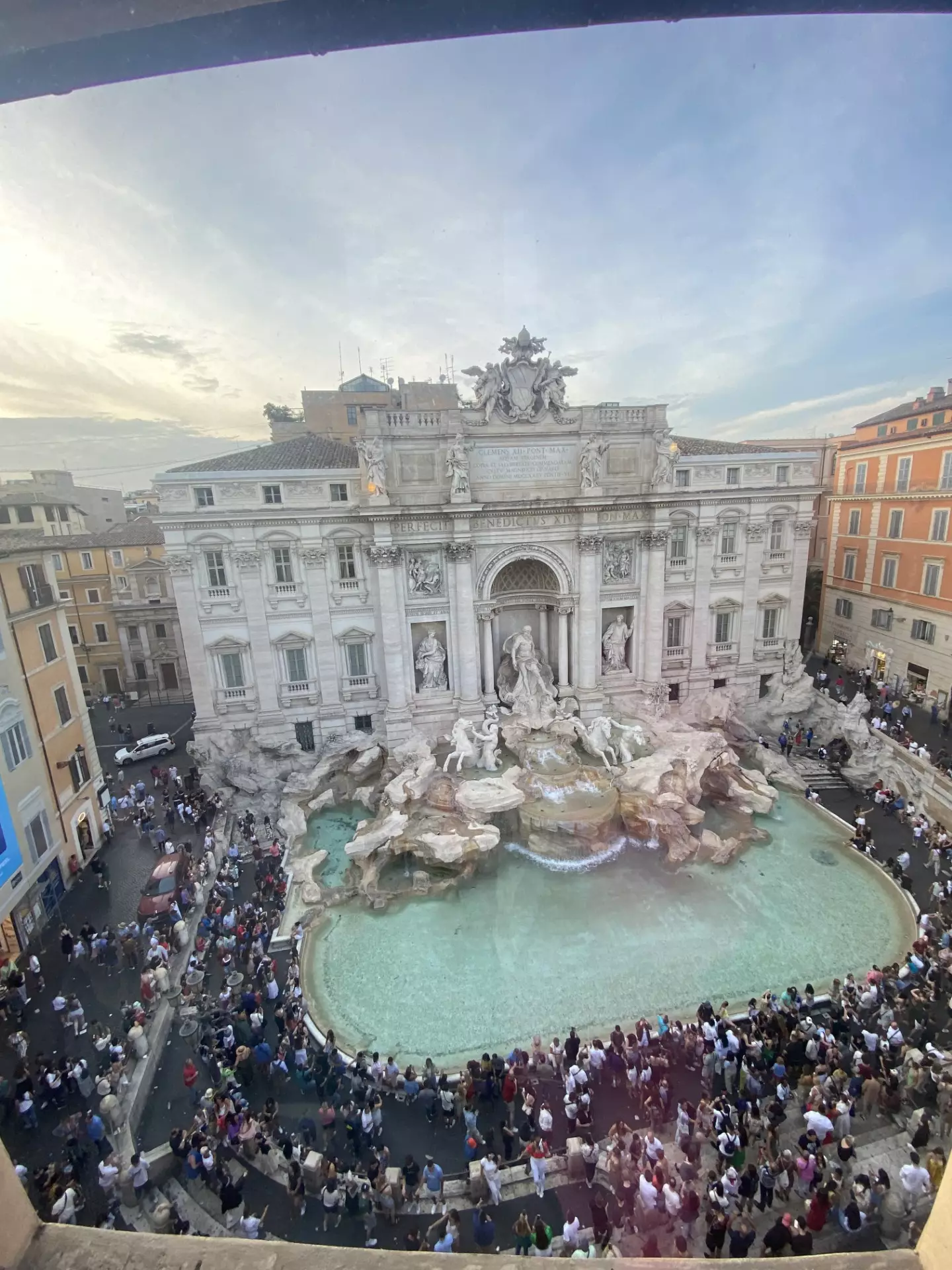
Today, the Trevi Fountain is one of Rome’s most visited attractions. The square around the fountain is much smaller than St. Peter’s Square, so it often fills up quickly with crowds. With so many people gathering in a small area, visitors are reminded to be careful and keep an eye on their belongings, as the fountain area is also known for pickpocketing.
Source - https://en.wikipedia.org/wiki/Trevi_FountainVideo