
Tourist attractions in Kyiv






Mezhyhirya
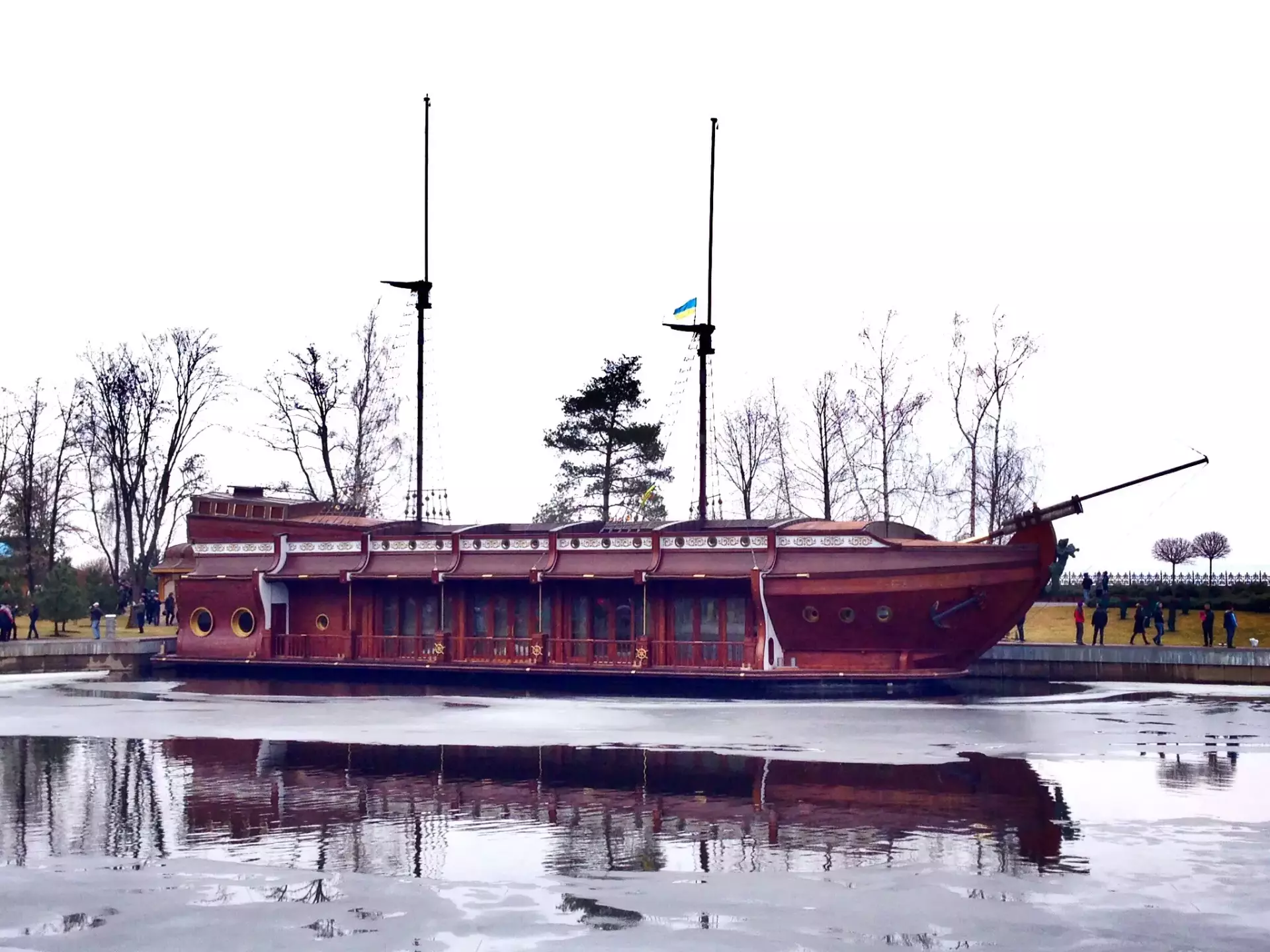
Kyiv, UkraineOpulent residence of Ukraine’s deposed Russophile president Viktor Yanukovych, opened for paid tours after he fled the country in 2014. An exhibition of art, religious icons, and decorative objects from Mezhyhirye was displayed by Kyiv's National Art Museum of Ukraine that same year.

Saint Sophia Cathedral
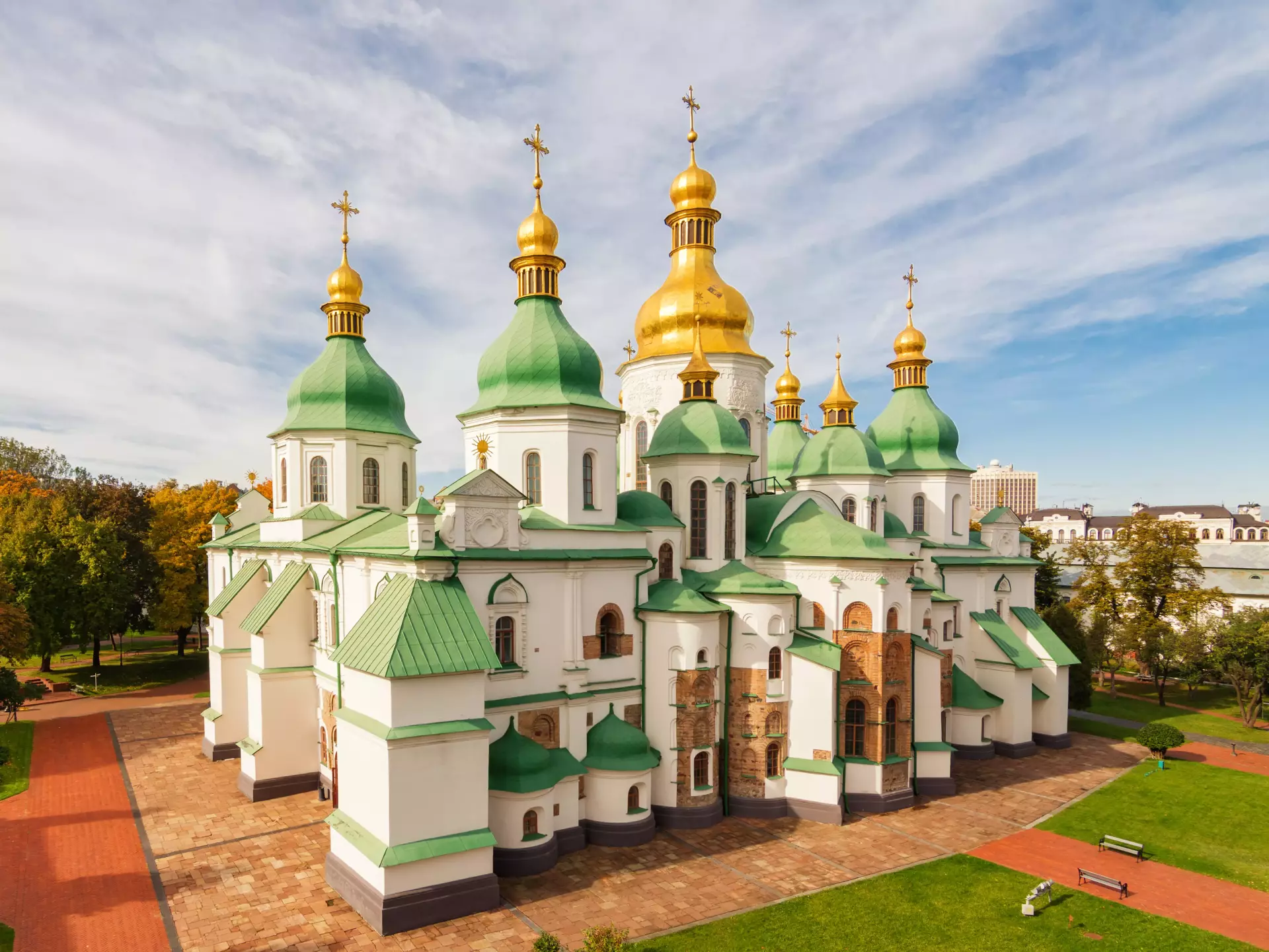
Kyiv, UkraineThe oldest remaining church in Kyiv. Parts date from the 11th century. It is a UNESCO World Heritage Site, and has the world biggest ensemble of frescoes and mosaics dating from the 11th century, including the Virgin Orans mosaic. Several green-robed ladies maintain order and will shout at you if you look like you are planning to take a photo. The gatehouse and other restorations were completed in the 17th century. Outside the gates, there is a statue commemorating hetman Bohdan Khmelnytskyi, who liberated Kyiv in the 17th century... then gave the city to the Russian Empire.

Ukrainian National Chornobyl Museum
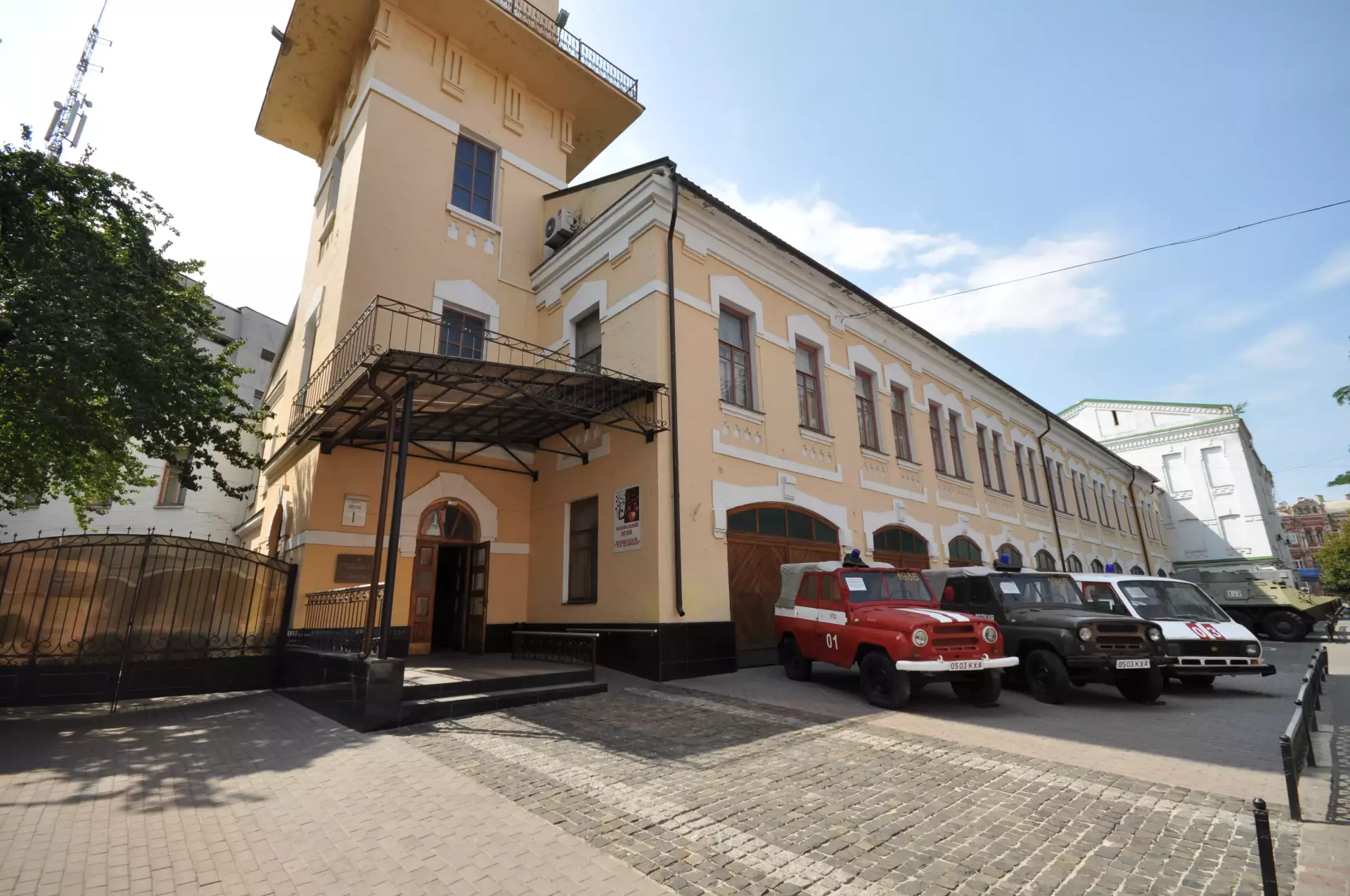
Kyiv, UkraineA fascinating and moving museum. No signage in English. The cost of audio-tour in English or German - 50 грн.

Saint Andrew's Church
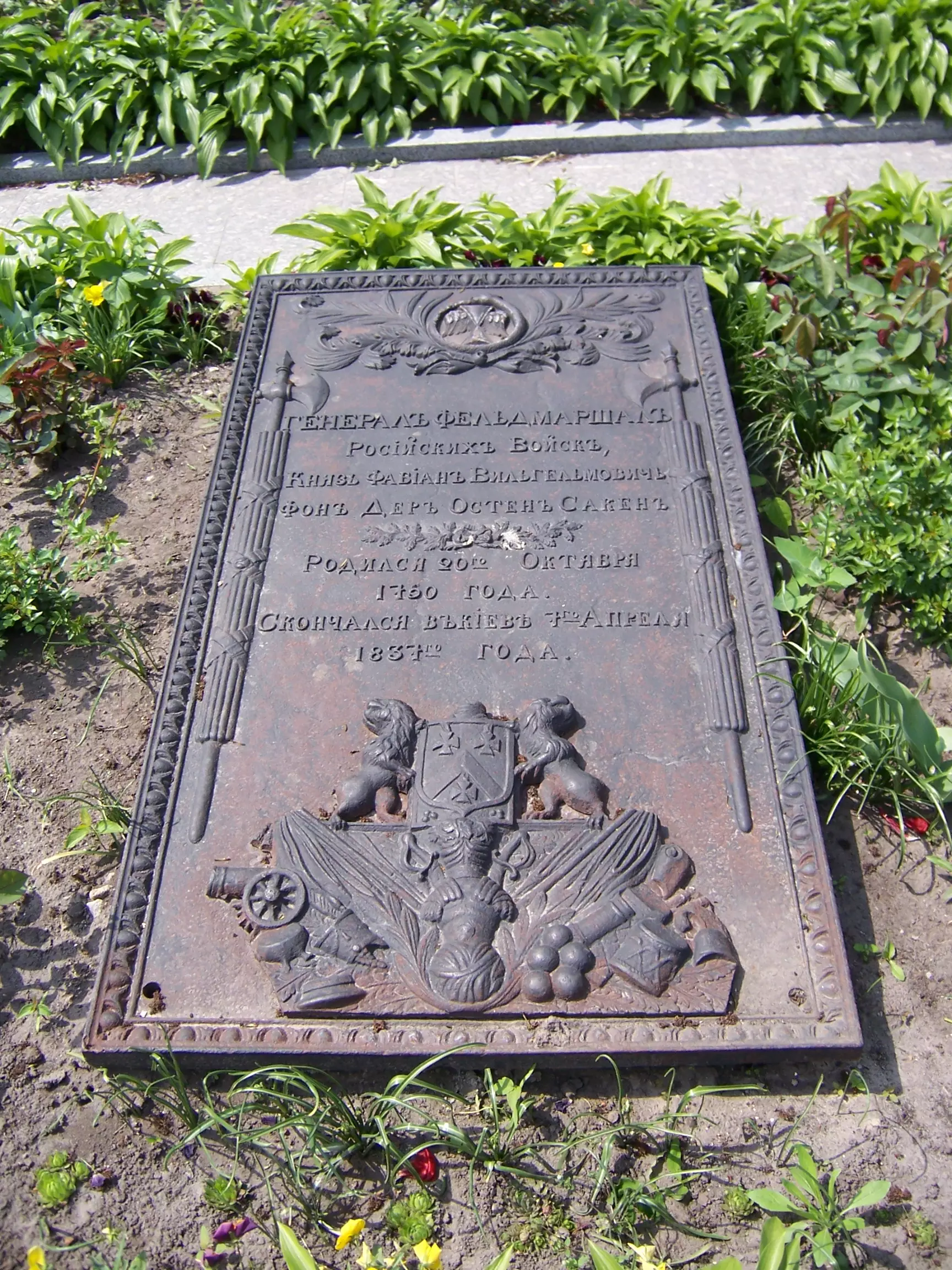
Kyiv, UkraineBaroque church, constructed in 1747–1754. Length 31.7 m (104 ft). Width 20.4 m (67 ft). Height 50 m (160 ft). Both the external and internal decoration on the church was carried out at the same time. Cast iron floor slabs were delivered from Moscow. Also, forms were made for the church's windows, doors, walls, and for space under the cupola. The planned iconostasis, designed by the Italian architect Rastrelli, was also added. The wood for the iconostasis, altar canopy, pulpit, and tsar's place were carved out in Saint Petersburg in order to save time. The iconostasis' icons were carried out by Petersburg artists. For gilding, 1,028 slabs of gold were used in the interior.

Fountain of Samson
Kyiv, Ukraine
Refectory Church
Kyiv, UkraineA refectory and an adjoining church of Saint Anthony and Theodosius. Built in 1893-1895. The sturdy dome of the church incorporates some aspects of ancient Byzantium. The interior decoration of the building was designed by Aleksey Shchusev. The marble icons are in the Neo-Russian style. The paintings in the refectory and the church, painted in the beginning of the 20th century. In 1973-1977, the Refectory interior was thoroughly renovated.

Far Caves
Kyiv, UkraineRelics of 49 saints, accompanied by plates with names and icons. The total length of underground corridors is 293 m. There are three underground cave churches: Annunciation, Nativity and Reverend Theodosius.

Museum of the Book and Printing of Ukraine
Kyiv, UkraineThe museum contains a rich treasure book culture of the Ukrainian people (about 56 thousand units). The exhibition highlights the story of the book and of books from Kievan Rus to the present day.
National Museum of Ukrainian Decorative Folk Art
Kyiv, UkraineThe collection is more than 75,000 works of traditional folk and decorative arts from the 15th to the 20th centuries. It's housed in the former Metropolitan's residence.
Theatre and Cinematographic Arts Museum
Kyiv, Ukraine
National Historical Library of Ukraine
Kyiv, UkraineMore than 800,000 books, manuscripts and maps.

Saint Michael's Golden-Domed Monastery
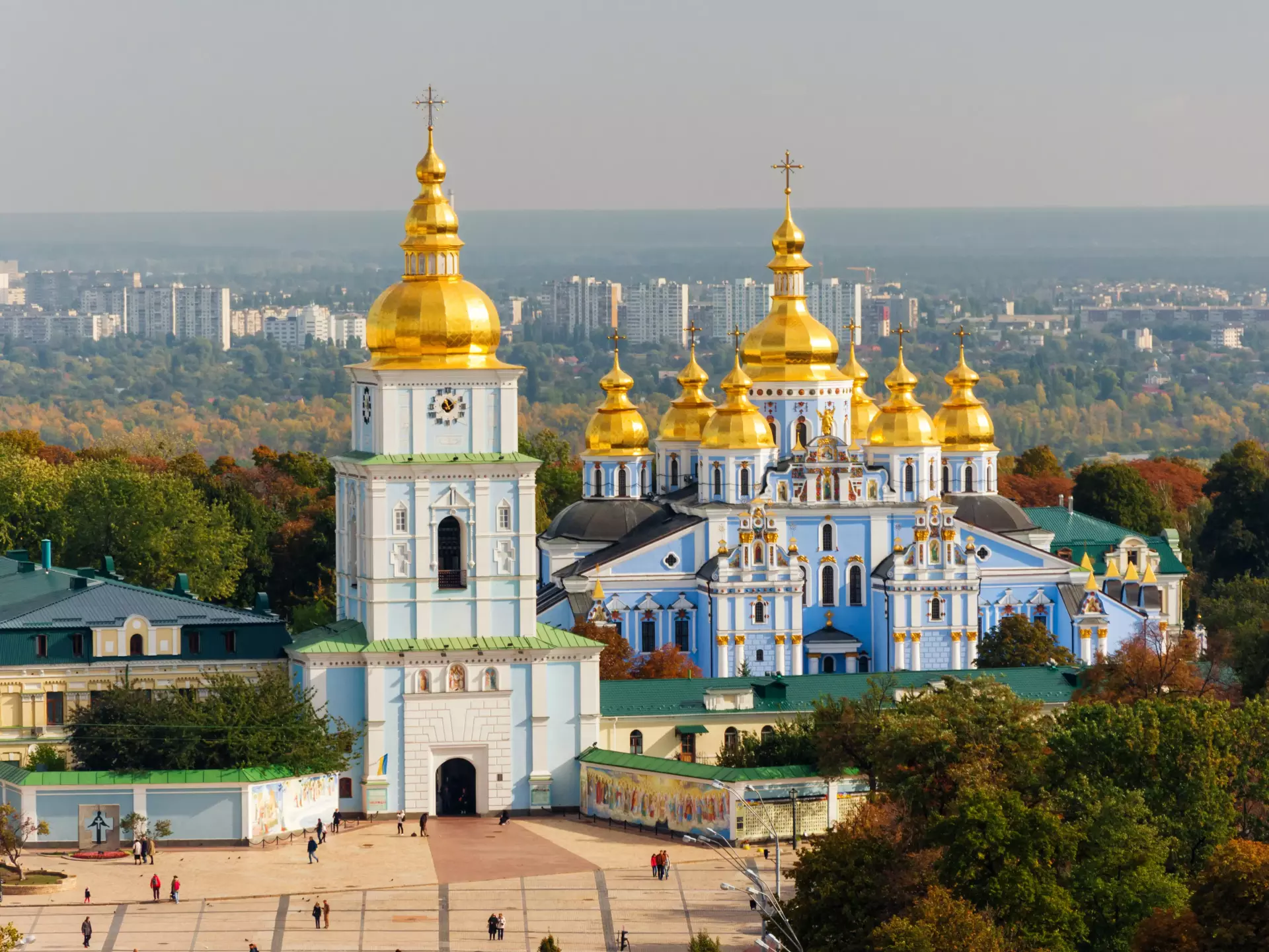
Kyiv, UkraineA working monastery that goes back to the 12th century. Destroyed during the Soviet era, with many of its art works hastily removed, some of which were transferred to the museums in Moscow and St Petersburg, some were moved to St Sophia Cathedral. Some mosaics housed in St Sophia subsequently fell into the hands of the Nazis but were returned... to the Hermitage in St Petersburg. Rebuilt in 1997-98. Impressive gold domes, best visited on a sunny day. Behind the complex is a pleasant park with views of the Dnieper and, to the left, the entrance to the funicular.

Saint Cyril's Monastery
Kyiv, UkraineA medieval monastery. Founded in 1140. Reconstructed by the Ukrainian architect Ivan Hryhorovych-Barskyi during 1750–1760. Saint Cyril's Church, including the medieval interior frescoes and the 1880s murals by the famous Russian painter Mikhail Vrubel, were fortunately preserved. The remaining constructions of the complex, the rest of the monastic walls, one corner tower (see picture), and two buildings constructed by Barskyi were also preserved. Of the monastery's cemetery, only two 18th-century graves remained.
Museum "Cultural wealth of Ukraine"
Kyiv, Ukraine
Lukianivske Cemetery
Kyiv, Ukraine
National Museum of the History of Ukraine in World War II
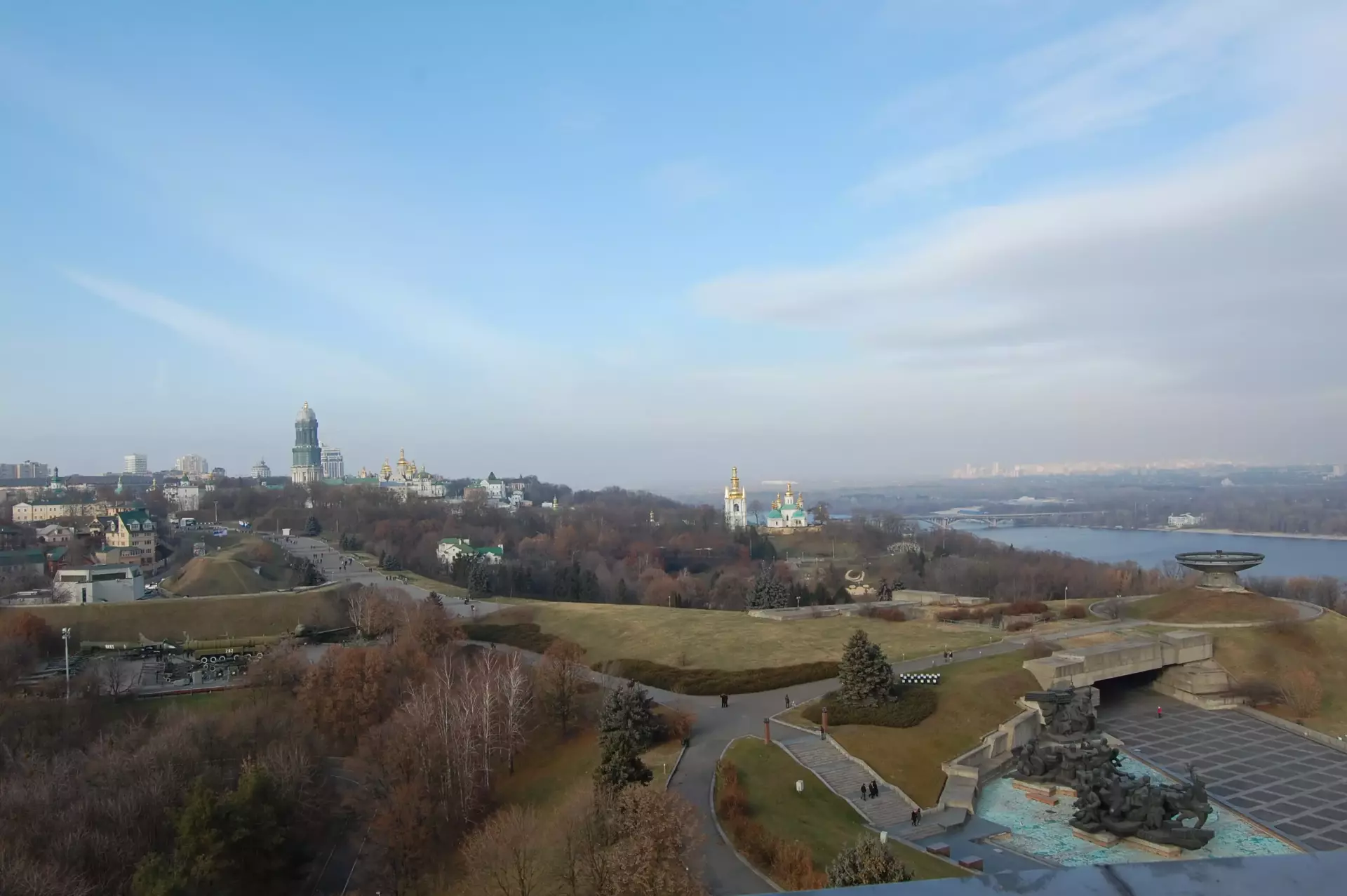
Kyiv, UkraineA fairly large museum, starting with World War II, going through Nazi occupation until Ukraine's independence. The museum is at the base of the massive statue of Mother Ukraine. While the displays are mostly in Ukrainian. The museum has laminated cards in each room with varying languages including English, German and French. The museum also offers guided tours in several languages.

