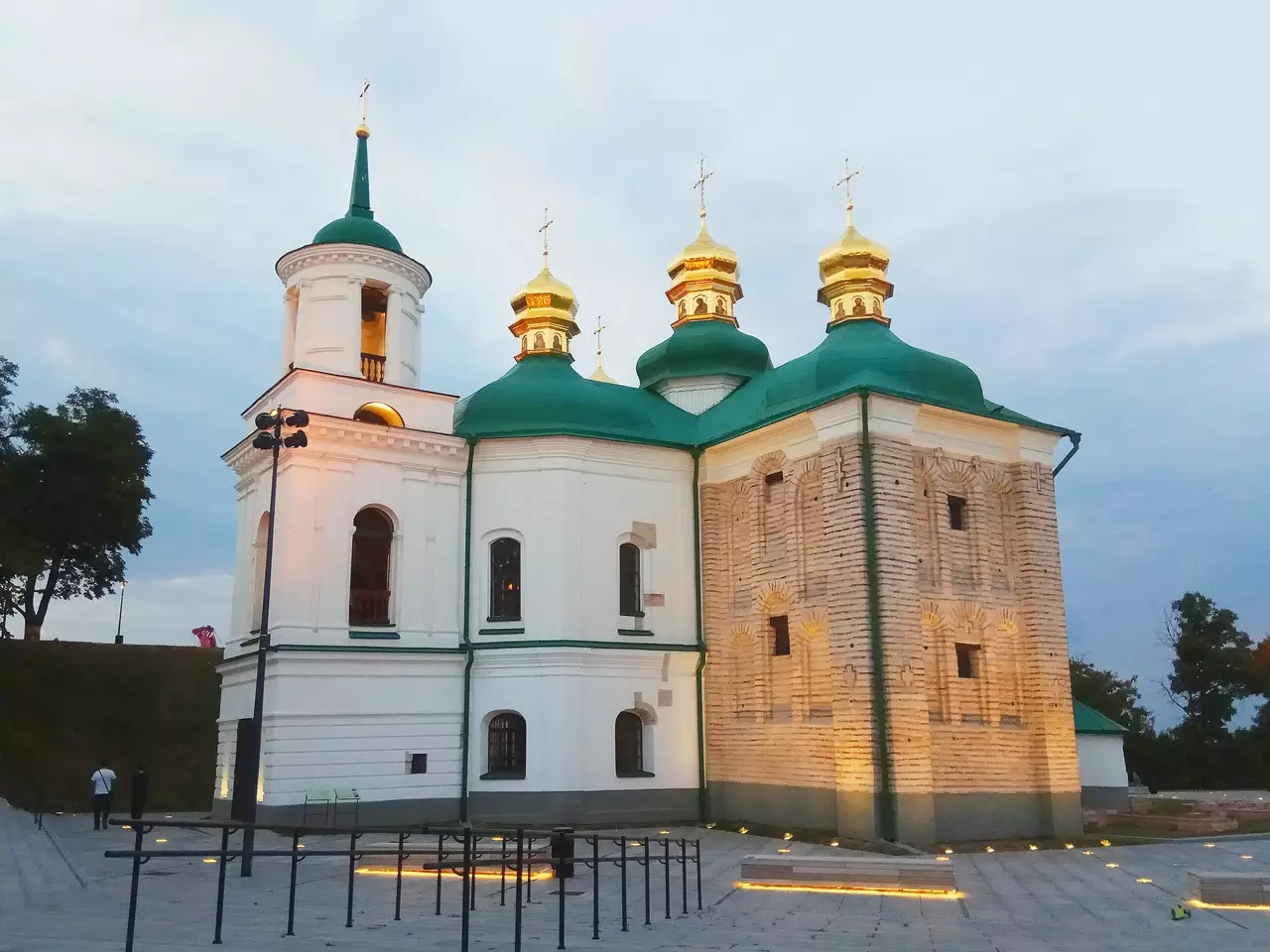
The refectory and the adjoining church of Saint Anthony and Theodosius were built between 1893 and 1895. This impressive complex features a strong, sturdy dome that reflects influences from ancient Byzantium architecture. The design combines historic elements with the spirit of the late 19th century, creating a distinctive atmosphere within its walls.
The interior decoration was designed by the renowned architect Aleksey Shchusev. Visitors can admire marble icons crafted in the Neo-Russian style, blending tradition with Russian artistic revival. Inside both the refectory and the church, the walls are adorned with paintings created at the beginning of the 20th century, offering vibrant colors and religious imagery that enhance the spiritual setting.
Between 1973 and 1977, the refectory’s interior underwent a thorough renovation. This restoration project aimed to preserve the original beauty of the decorations while ensuring the building’s lasting legacy for future generations.
Source - https://en.wikipedia.org/wiki/Refectory_Church,_Kyiv_Pechersk_Lavra
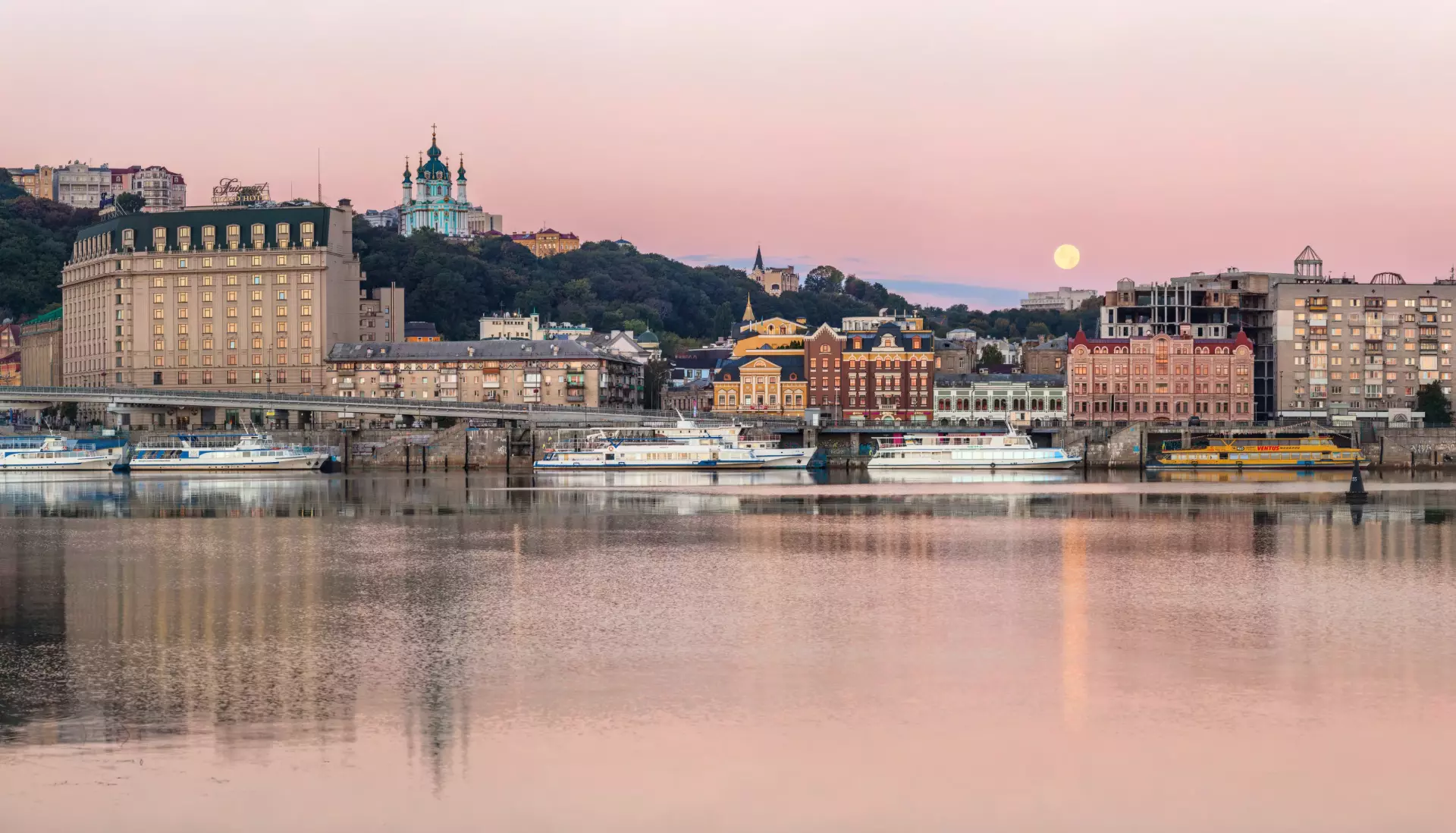
Stroll around. Start at St Michael's Cathedral in the Upper Town. Catch the funicular behind it down to Poshtova Ploscha, and wander around the grid-like streets of Podil. The area was the merchant's quarter, and was completely rebuilt in the 19th century after fires destroyed the area. It was mainly untouched during WWII and is emerging as a hip restaurant district and is rapidly being gentrified. Walk along the Sahaidachnoho street. Finish your stroll by walking up Andriyivsky Uzviz, which will get you back to St Michael's Cathedral.
The legendary Andriyivsky Descent was the street where the great writer lived with his family and where he "lodged" the heroes of his immortal novel "The White Guard".
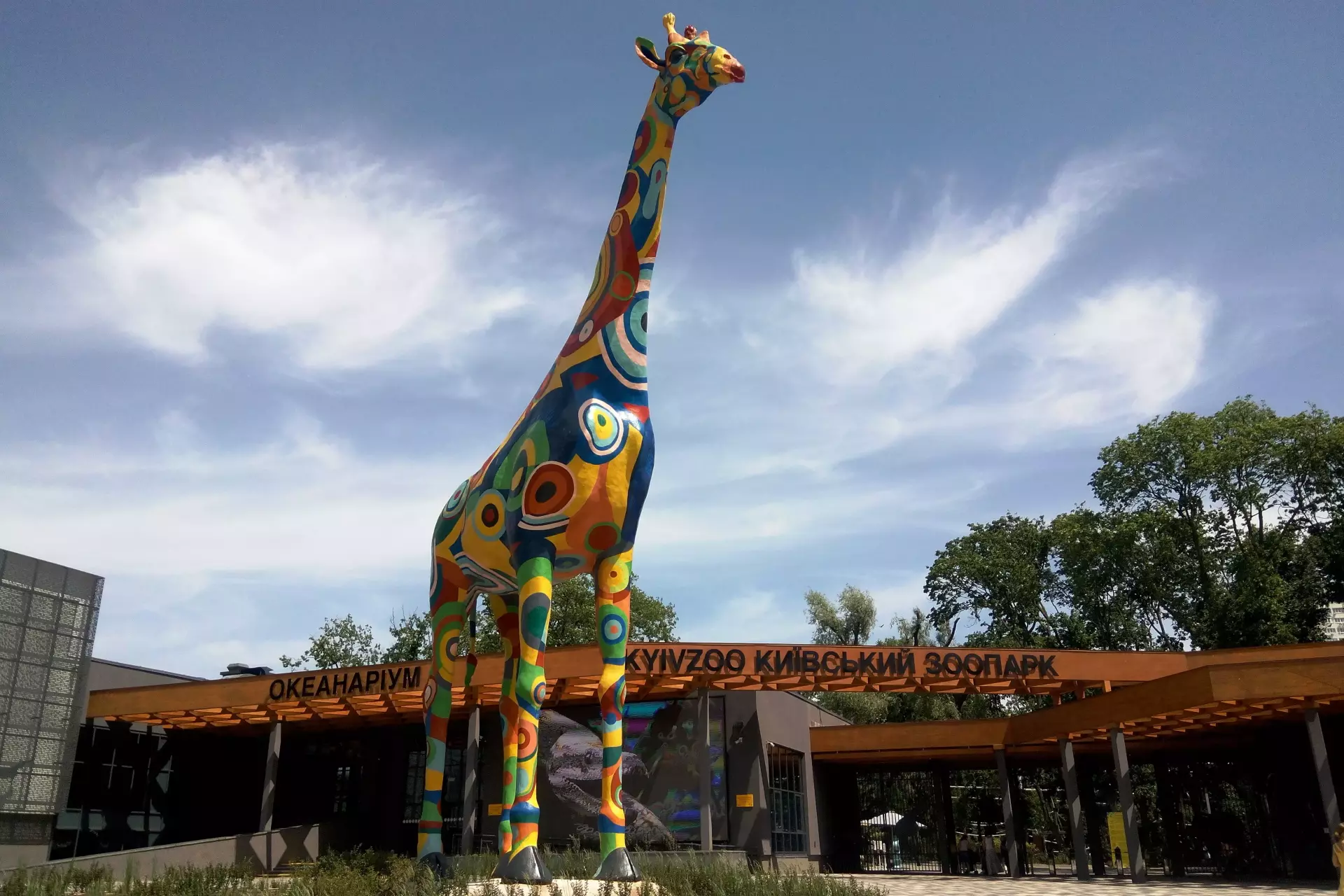
Situated on about 40 hectares. The zoo has 2,600 animals from 328 species. 130 different kinds of trees and bushes decorate the zoo's lands.
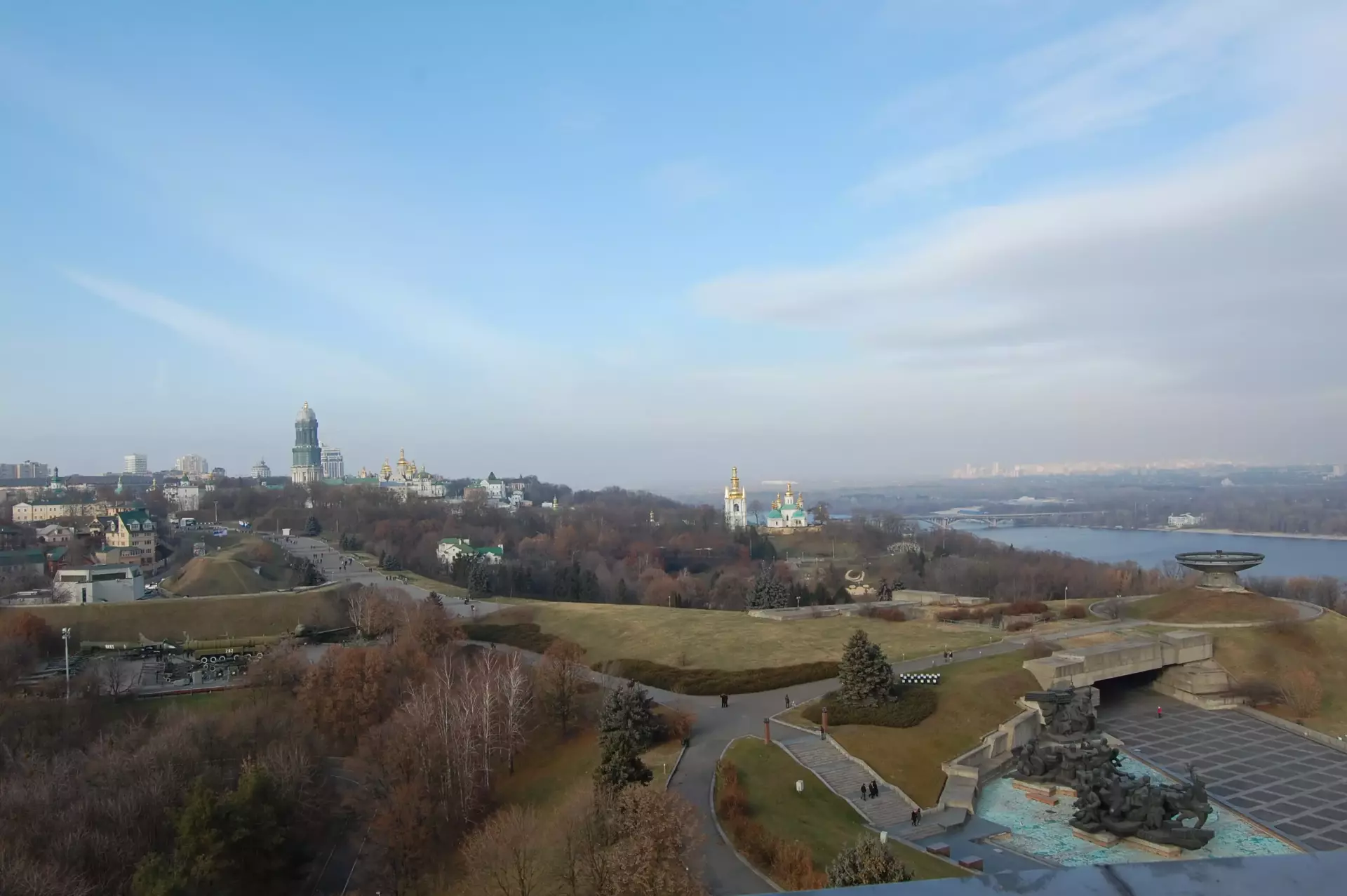
A fairly large museum, starting with World War II, going through Nazi occupation until Ukraine's independence. The museum is at the base of the massive statue of Mother Ukraine. While the displays are mostly in Ukrainian. The museum has laminated cards in each room with varying languages including English, German and French. The museum also offers guided tours in several languages.
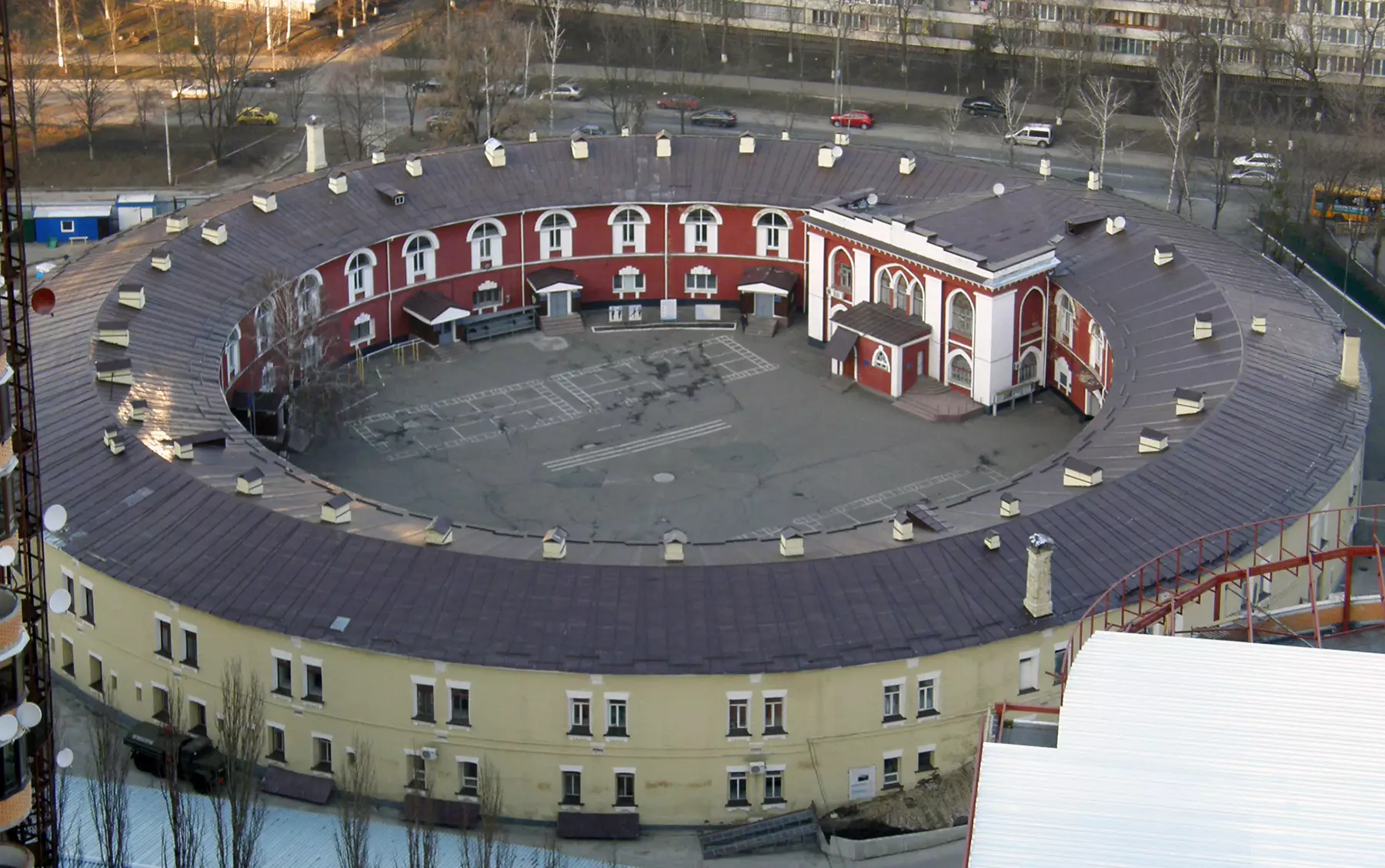
A 19th-century fortification building, that once belonged to the system of western Russian fortresses. Some of the buildings are restored and turned into a museum called the Kyiv Fortress, while others are in use by various military and commercial installations. It is semi-underground.
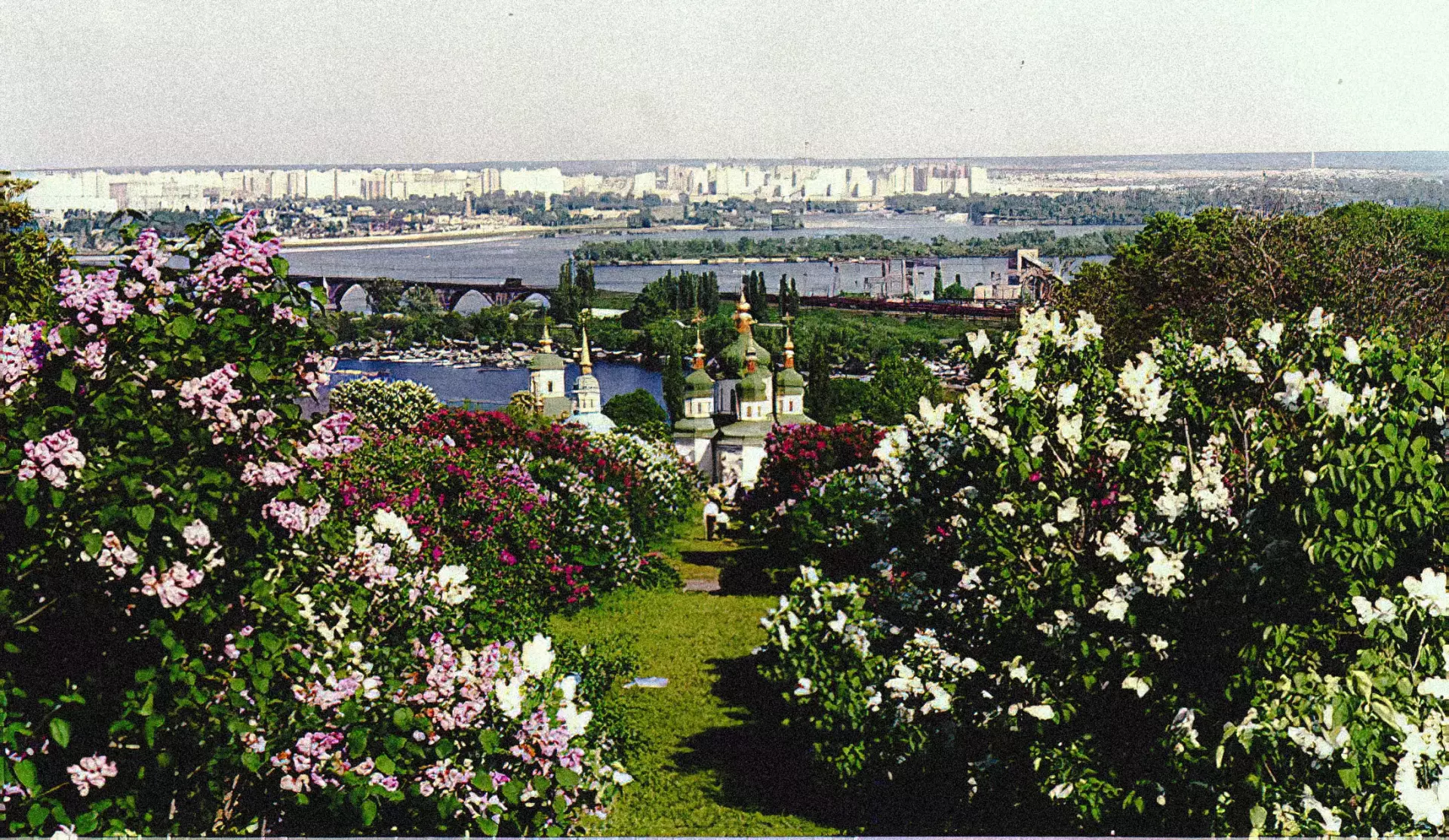
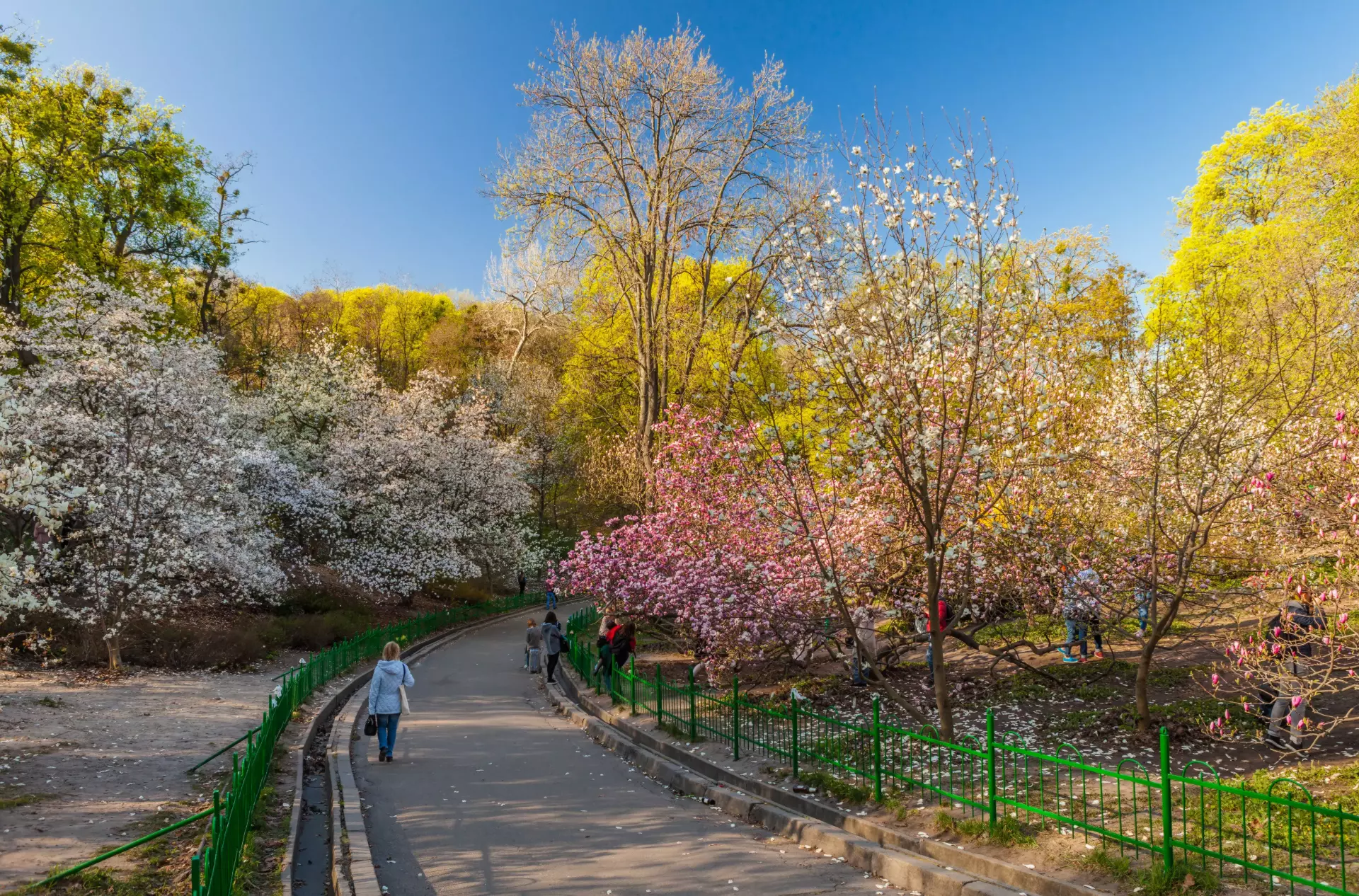
The perfect place for a stroll in any season. There are unique floristic complexes on 130 hectares: "Forests of the plain part of Ukraine", "Ukrainian Carpathians", "Steppes of Ukraine", "Crimea", "Caucasus", "Central Asia", the "Altai and Western Siberia", "Far East".
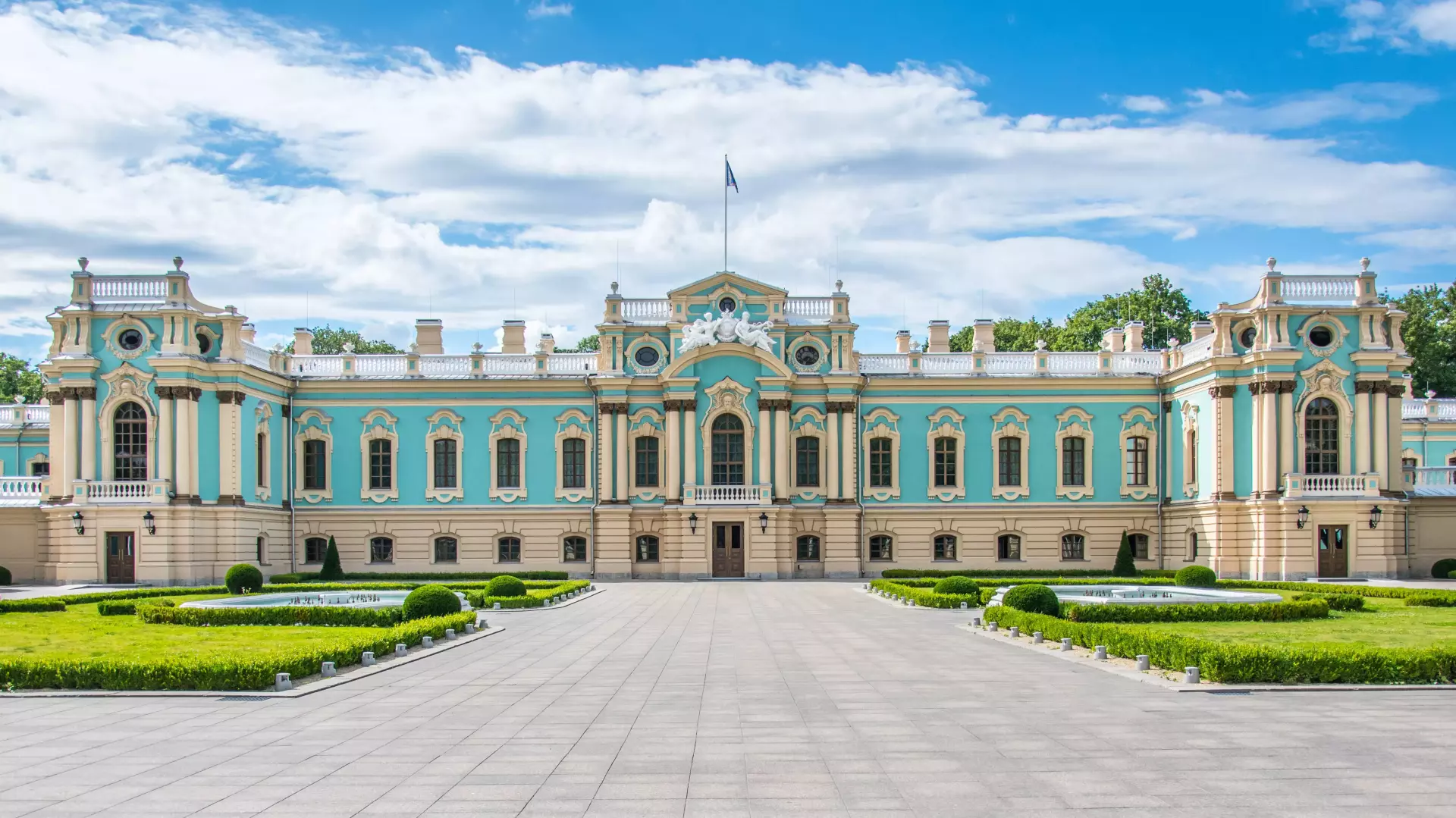
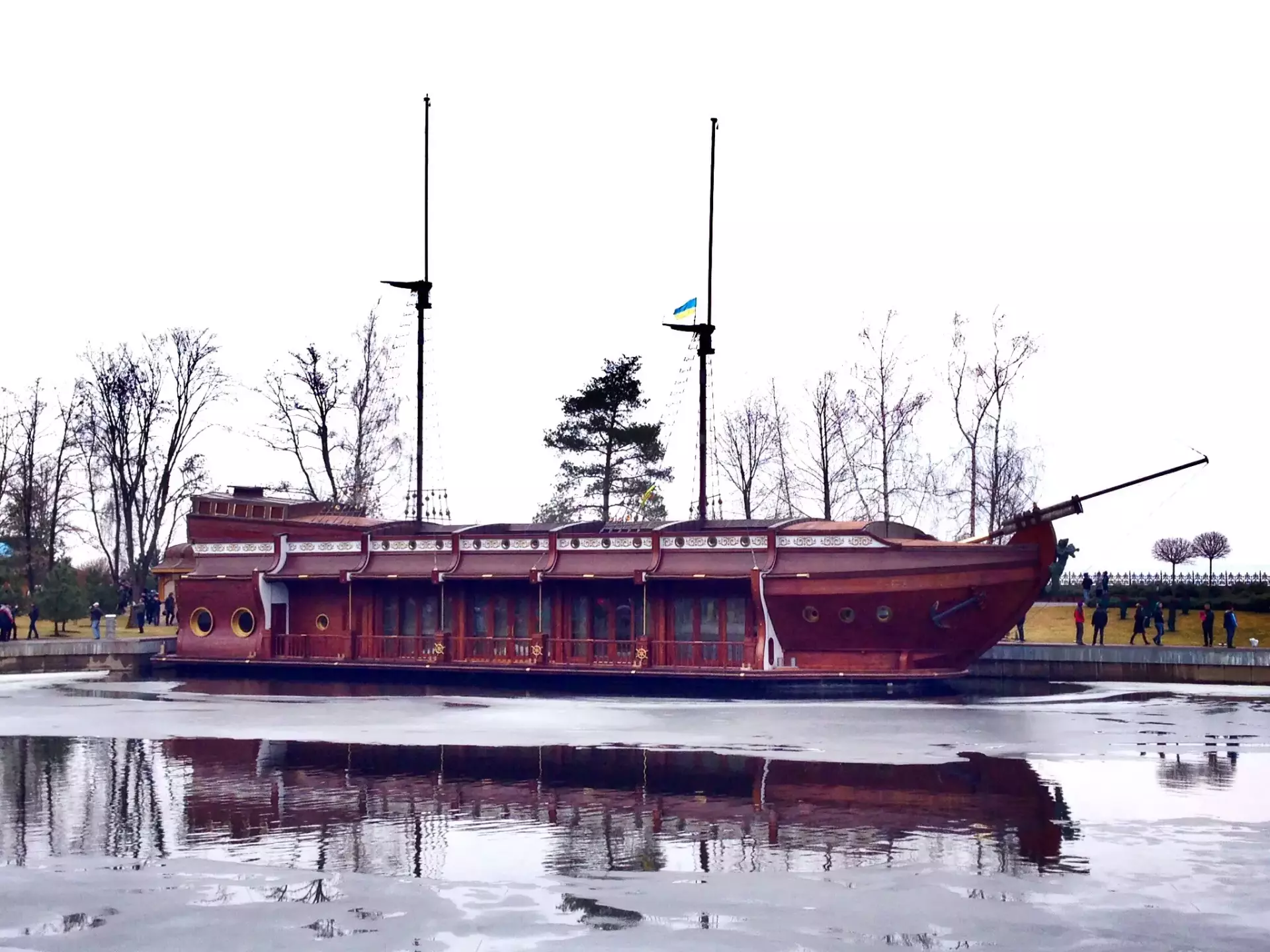
Opulent residence of Ukraine’s deposed Russophile president Viktor Yanukovych, opened for paid tours after he fled the country in 2014. An exhibition of art, religious icons, and decorative objects from Mezhyhirye was displayed by Kyiv's National Art Museum of Ukraine that same year.
Covering 160 ha, the area shows how people used to live in different parts of Ukraine. Six restored rural Ukrainian villages, with old huts, wooden mills and churches from all over Ukraine have been carefully restored and function as living museums. English-speaking (sort of) guides with expertise on the whole site are available and well worth-it. Ukrainians come on sunny days to relax in the grass.
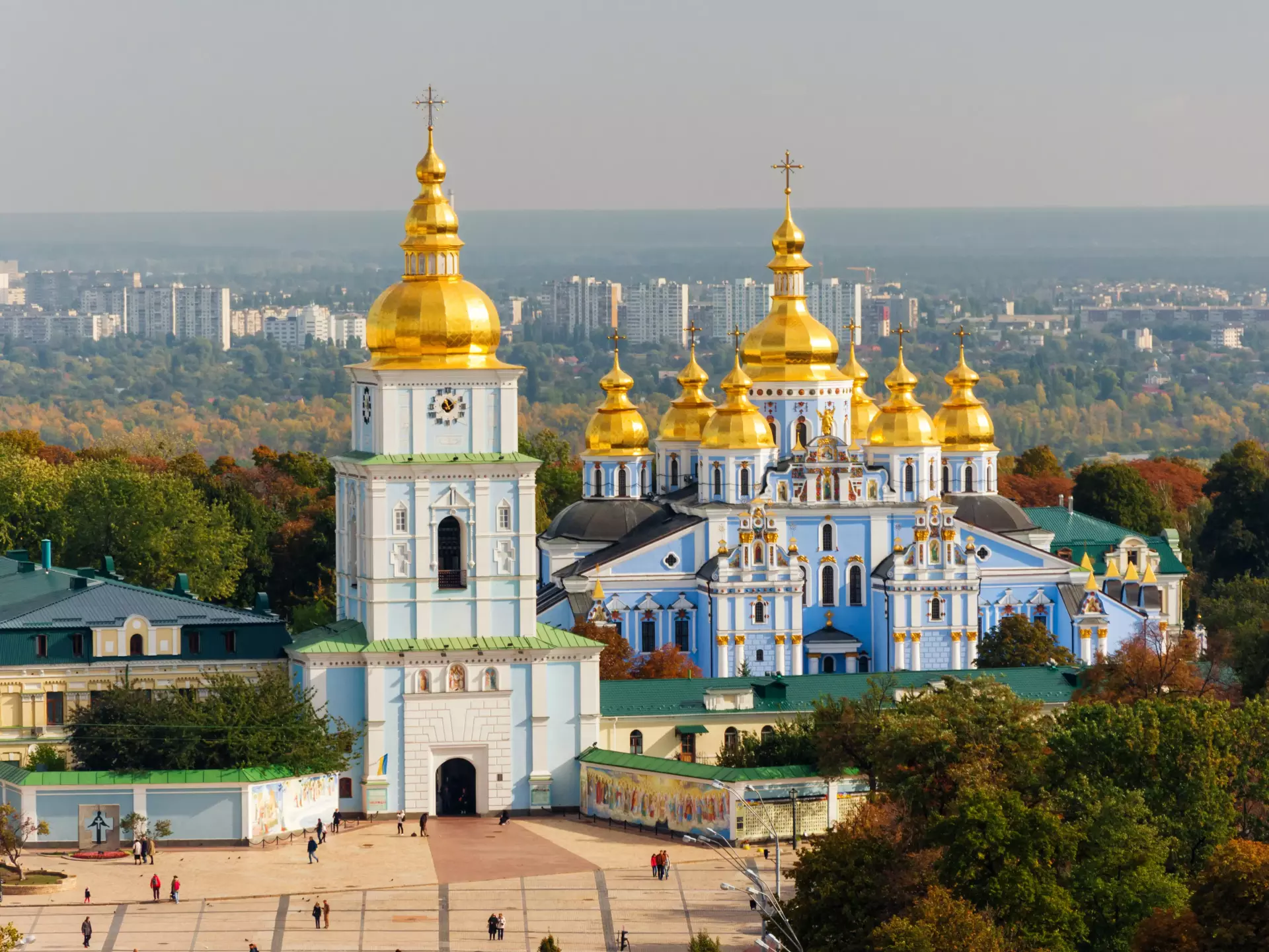
A working monastery that goes back to the 12th century. Destroyed during the Soviet era, with many of its art works hastily removed, some of which were transferred to the museums in Moscow and St Petersburg, some were moved to St Sophia Cathedral. Some mosaics housed in St Sophia subsequently fell into the hands of the Nazis but were returned... to the Hermitage in St Petersburg. Rebuilt in 1997-98. Impressive gold domes, best visited on a sunny day. Behind the complex is a pleasant park with views of the Dnieper and, to the left, the entrance to the funicular.
A medieval monastery. Founded in 1140. Reconstructed by the Ukrainian architect Ivan Hryhorovych-Barskyi during 1750–1760. Saint Cyril's Church, including the medieval interior frescoes and the 1880s murals by the famous Russian painter Mikhail Vrubel, were fortunately preserved. The remaining constructions of the complex, the rest of the monastic walls, one corner tower (see picture), and two buildings constructed by Barskyi were also preserved. Of the monastery's cemetery, only two 18th-century graves remained.
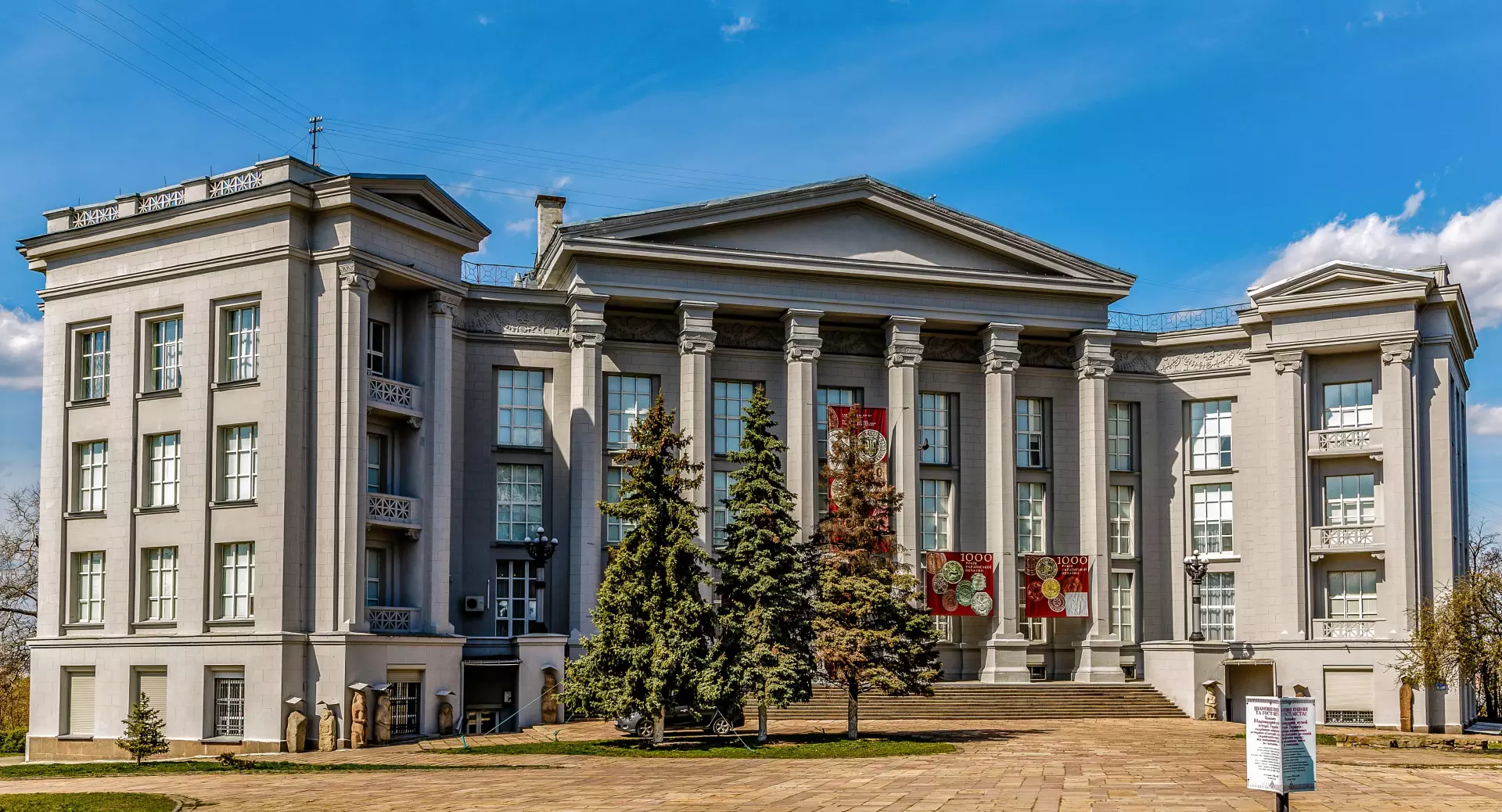
Museum represents different times from ancient till nowadays.
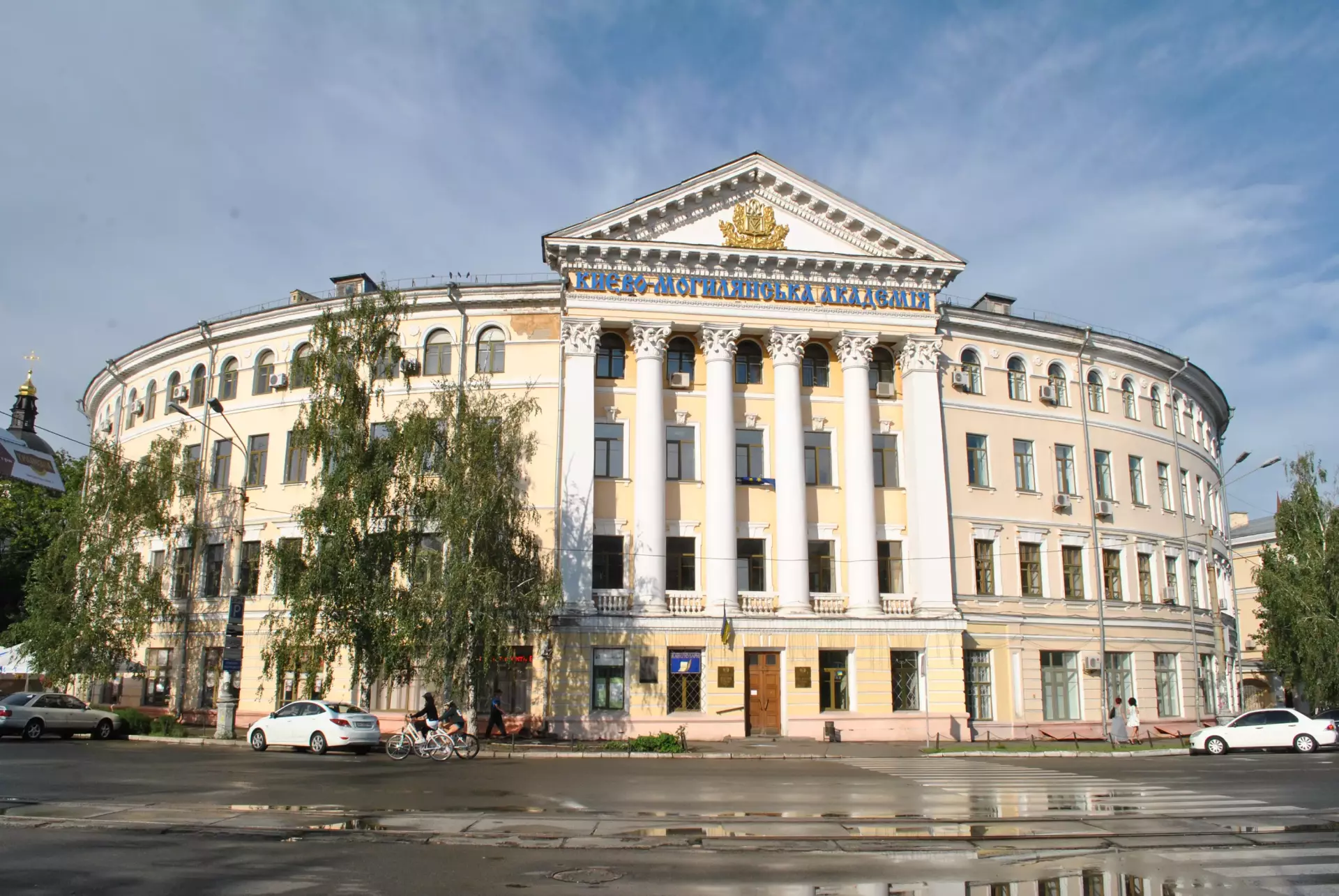
Motto in English: "Time is running, Academy is eternal". The library of the old Kyiv Mohyla Academy contained a notable collection of the books. However, the archive was plundered in the 1920s when the academy was closed. - The Halshka Hulevychivna house belonging to the university is the oldest civil building in Kyiv.
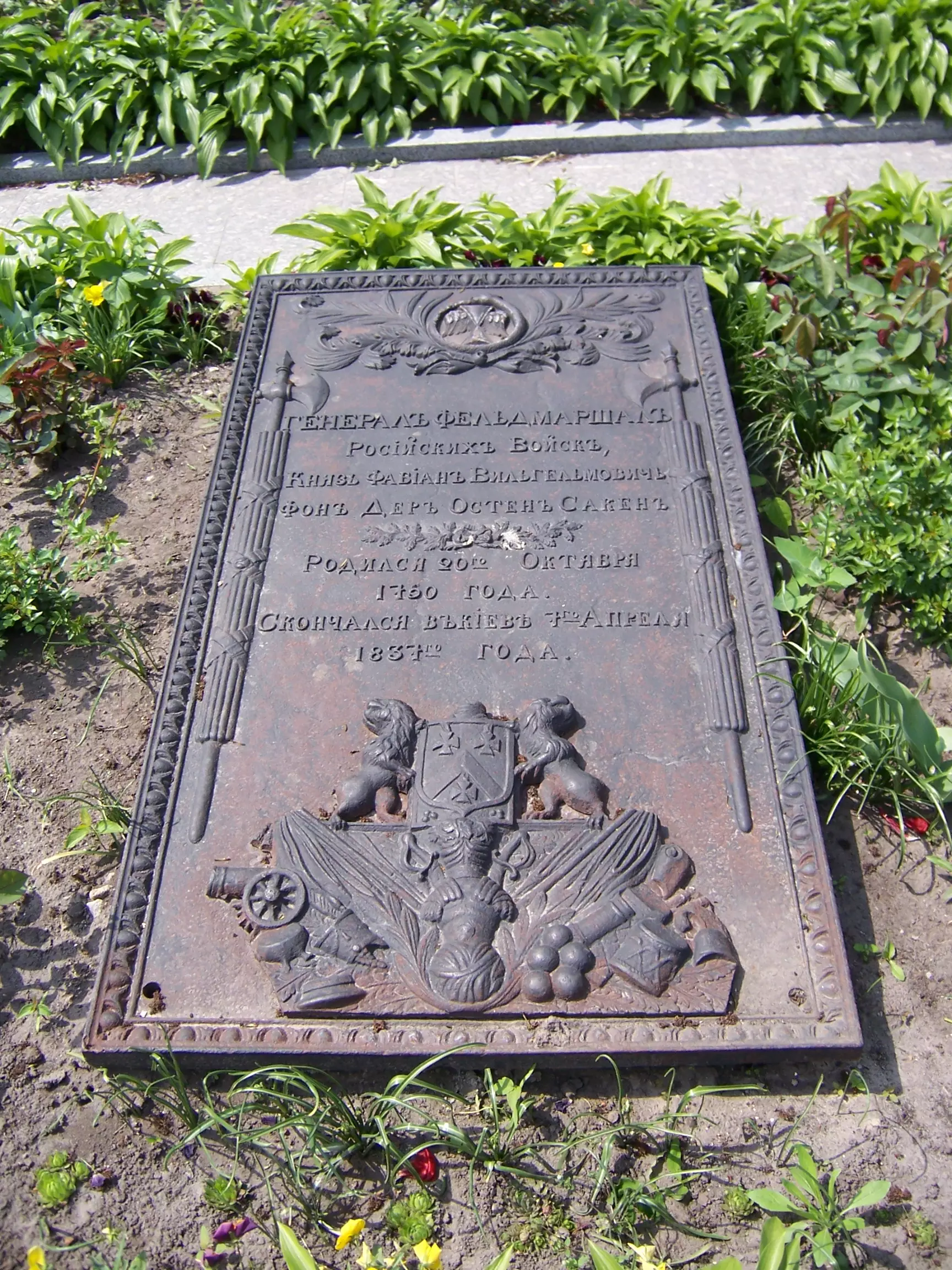
Baroque church, constructed in 1747–1754. Length 31.7 m (104 ft). Width 20.4 m (67 ft). Height 50 m (160 ft). Both the external and internal decoration on the church was carried out at the same time. Cast iron floor slabs were delivered from Moscow. Also, forms were made for the church's windows, doors, walls, and for space under the cupola. The planned iconostasis, designed by the Italian architect Rastrelli, was also added. The wood for the iconostasis, altar canopy, pulpit, and tsar's place were carved out in Saint Petersburg in order to save time. The iconostasis' icons were carried out by Petersburg artists. For gilding, 1,028 slabs of gold were used in the interior.
A 385-m-high (1,263 ft) lattice steel tower built in 1973. It is not accessible for tourists. The operational platform is at 200 m.
Relics of 49 saints, accompanied by plates with names and icons. The total length of underground corridors is 293 m. There are three underground cave churches: Annunciation, Nativity and Reverend Theodosius.
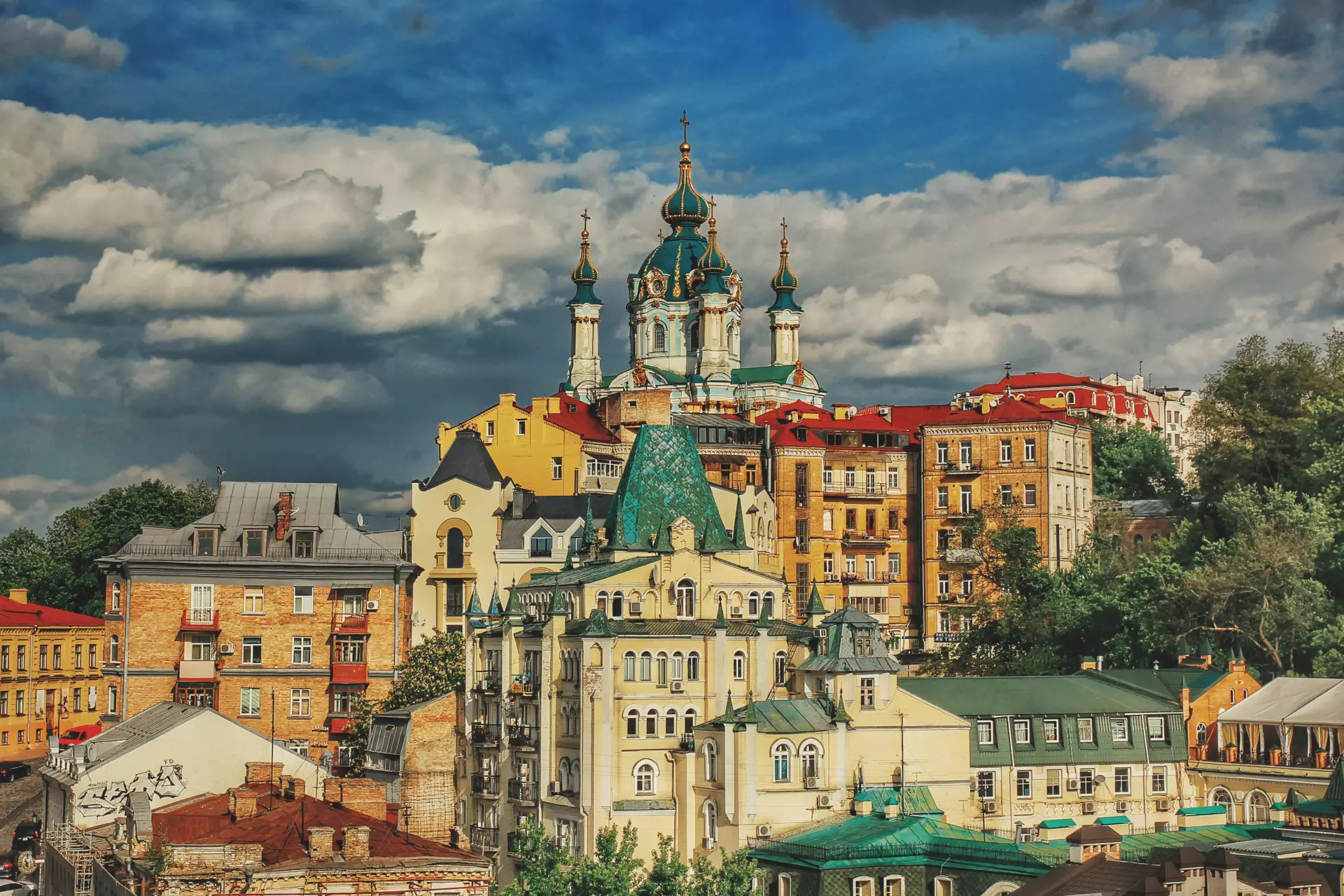
At the top of this quaint, very rough, cobblestone street is St Andrew's Church (closed for restoration since 2011). Pavements are gradually being added to the Descent but, meanwhile, take a good pair of shoes. The street is lined with souvenir sellers, restaurants, galleries and museums. Touristy but retains its charm.
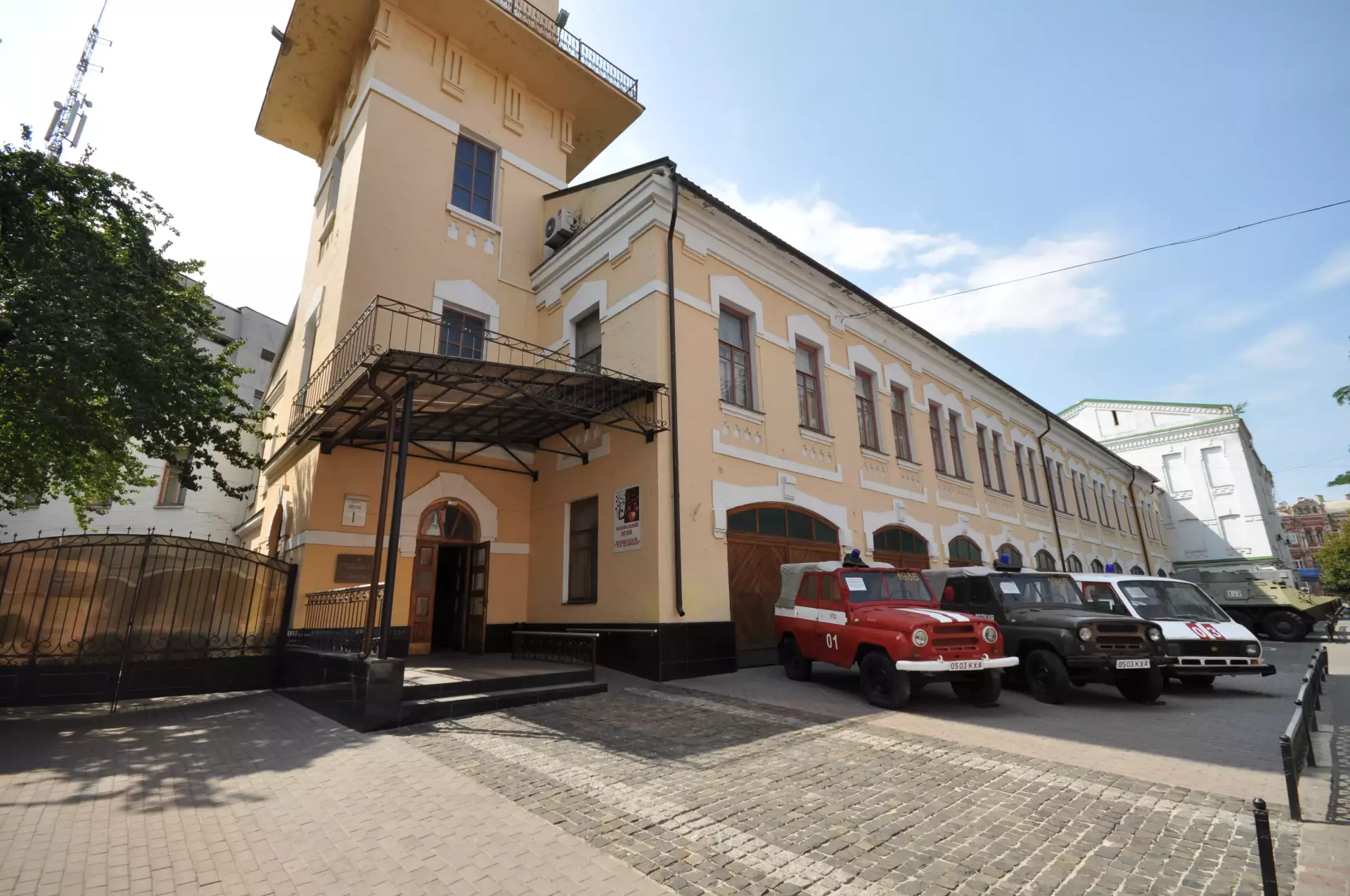
A fascinating and moving museum. No signage in English. The cost of audio-tour in English or German - 50 грн.
The oldest remaining church in Kyiv. Parts date from the 11th century. It is a UNESCO World Heritage Site, and has the world biggest ensemble of frescoes and mosaics dating from the 11th century, including the Virgin Orans mosaic. Several green-robed ladies maintain order and will shout at you if you look like you are planning to take a photo. The gatehouse and other restorations were completed in the 17th century. Outside the gates, there is a statue commemorating hetman Bohdan Khmelnytskyi, who liberated Kyiv in the 17th century... then gave the city to the Russian Empire.