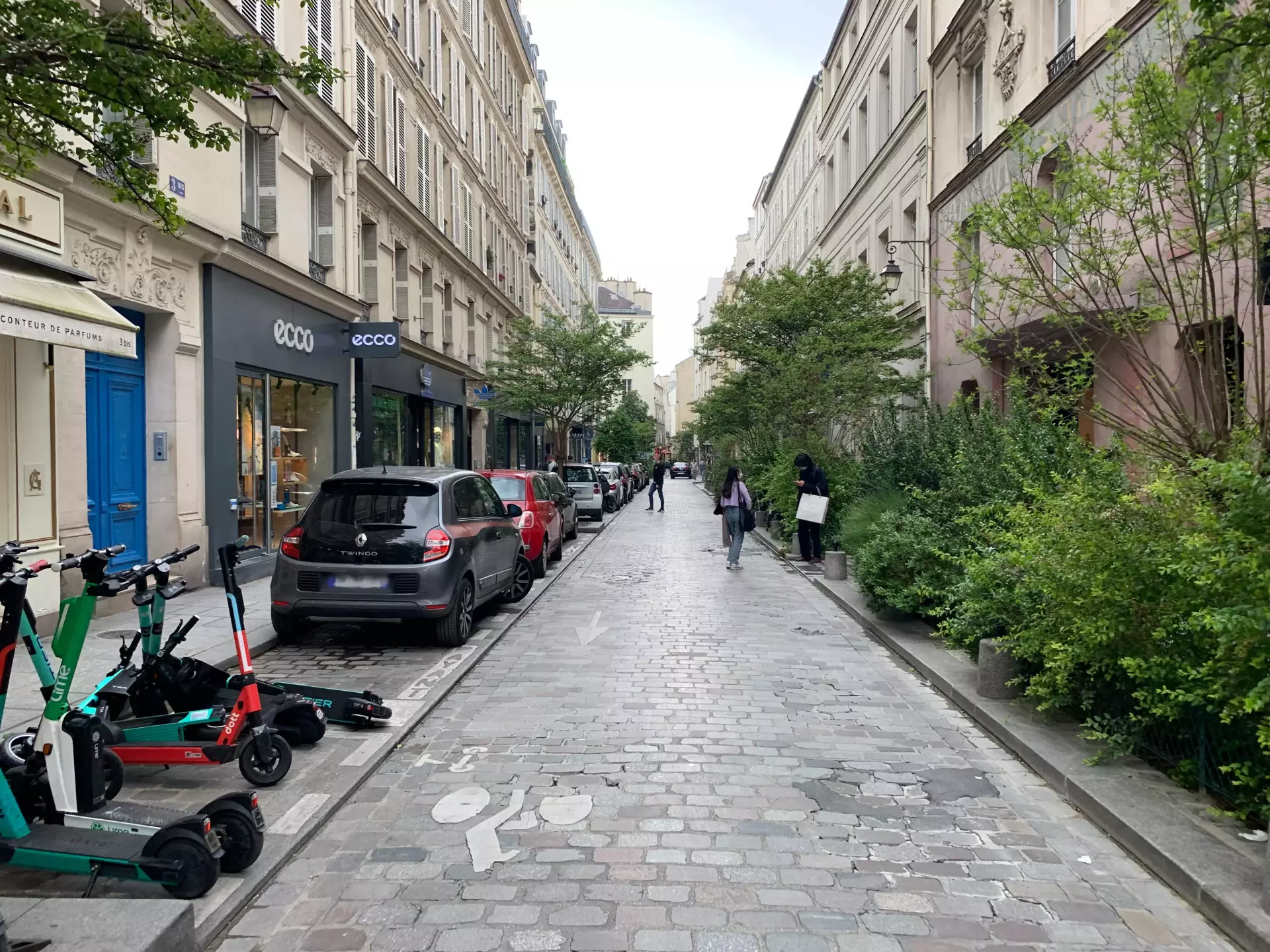
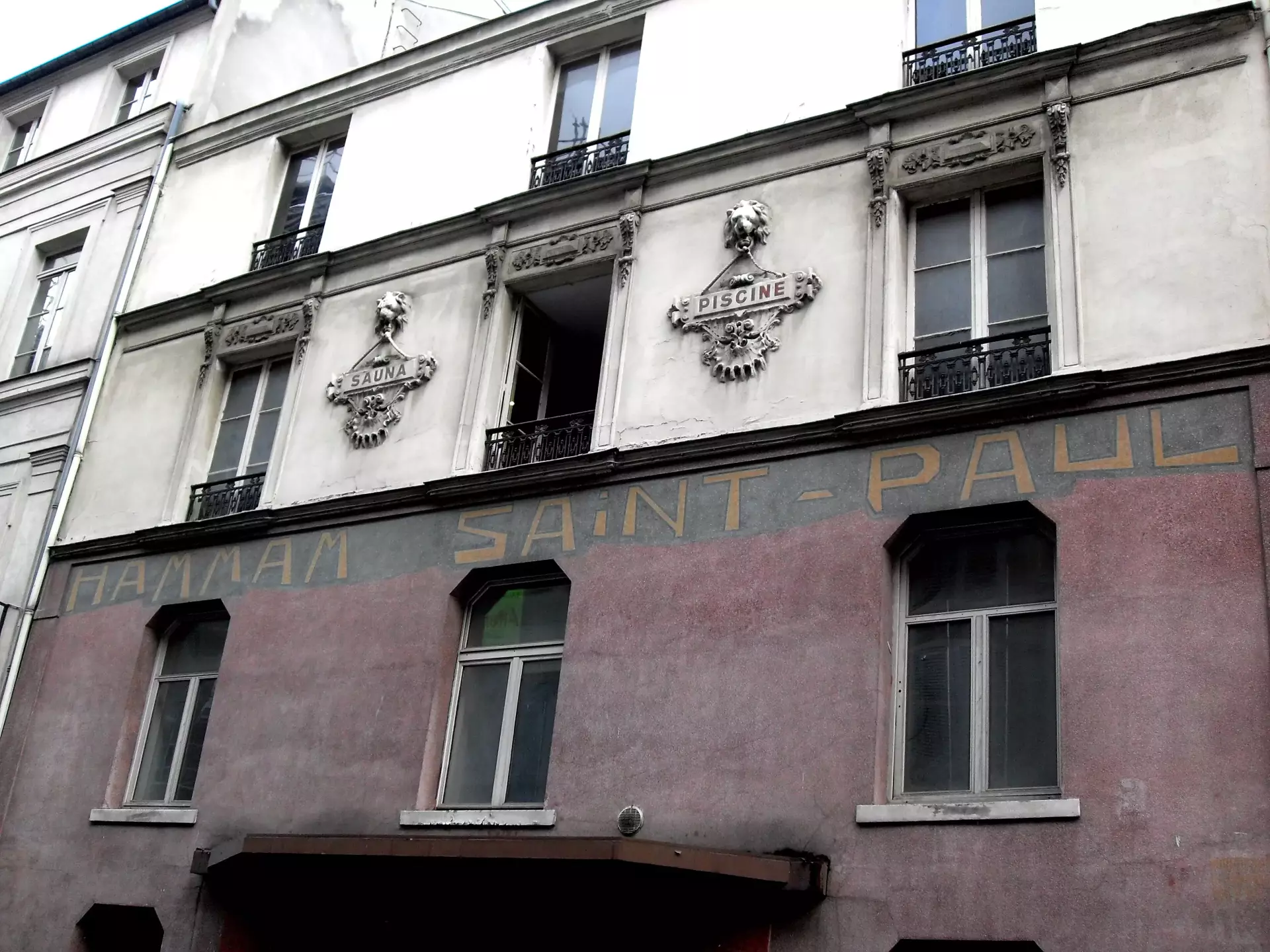
Rue des Rosiers is a well-known street located in the Jewish quarter of Paris. This area is famous for its vibrant atmosphere and a unique mix of cultures.
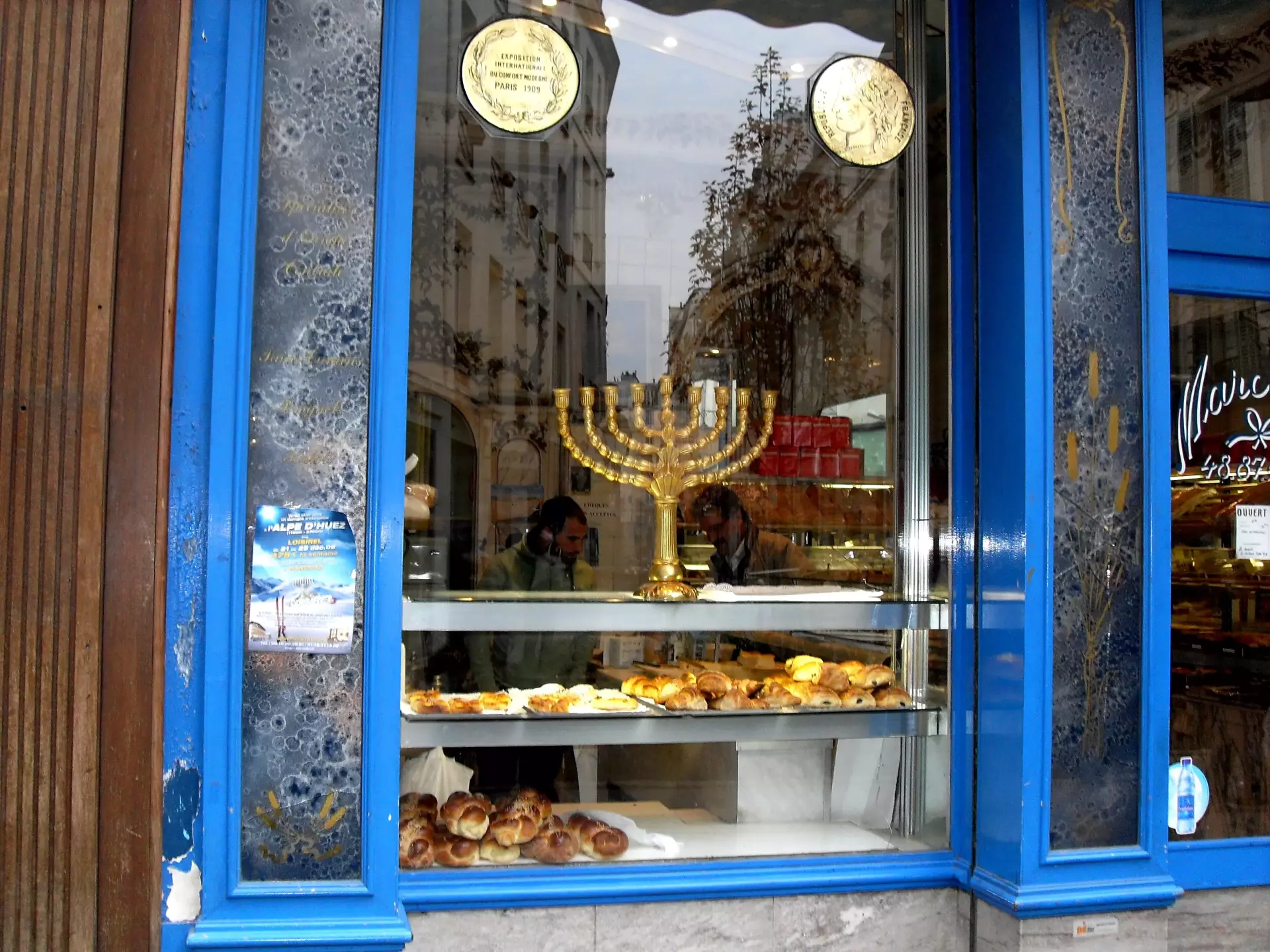
Walking down rue des Rosiers, visitors will notice many small delicatessens and specialty shops lining both sides of the street. These businesses offer everything from delicious falafel sandwiches to traditional Jewish pastries and baked goods. Colorful storefronts display handmade goods, fashion, and souvenirs, giving the street a special charm.
The lively energy of rue des Rosiers is most noticeable throughout the week, with people shopping, eating, and gathering at outdoor tables. However, Saturdays are typically quieter, as many of the shops and eateries close in observance of the Sabbath. On other days, the street buzzes with locals and tourists alike, enjoying the unique flavors and history of the Jewish quarter.
Source - https://en.wikipedia.org/wiki/Rue_des_Rosiers
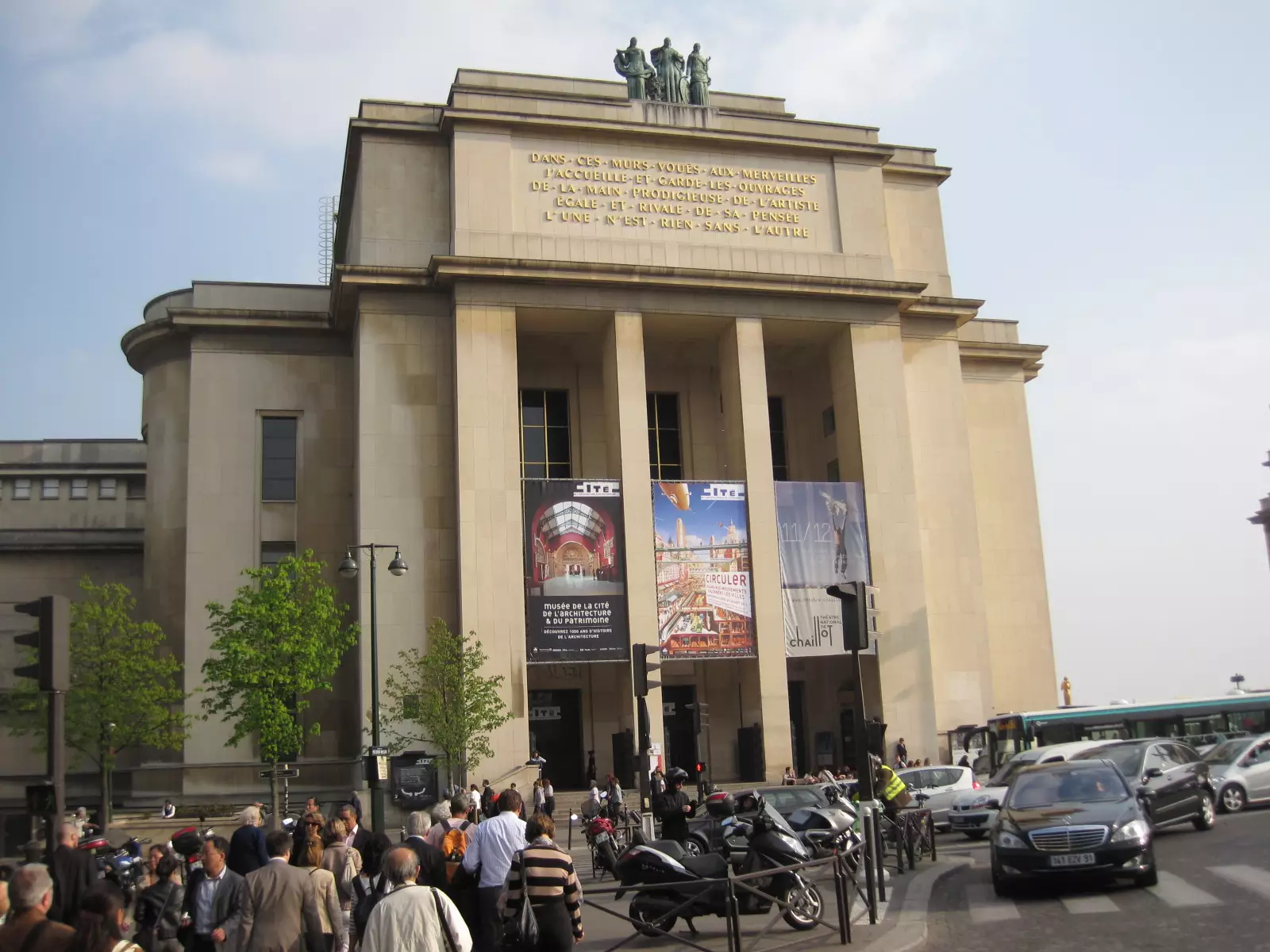
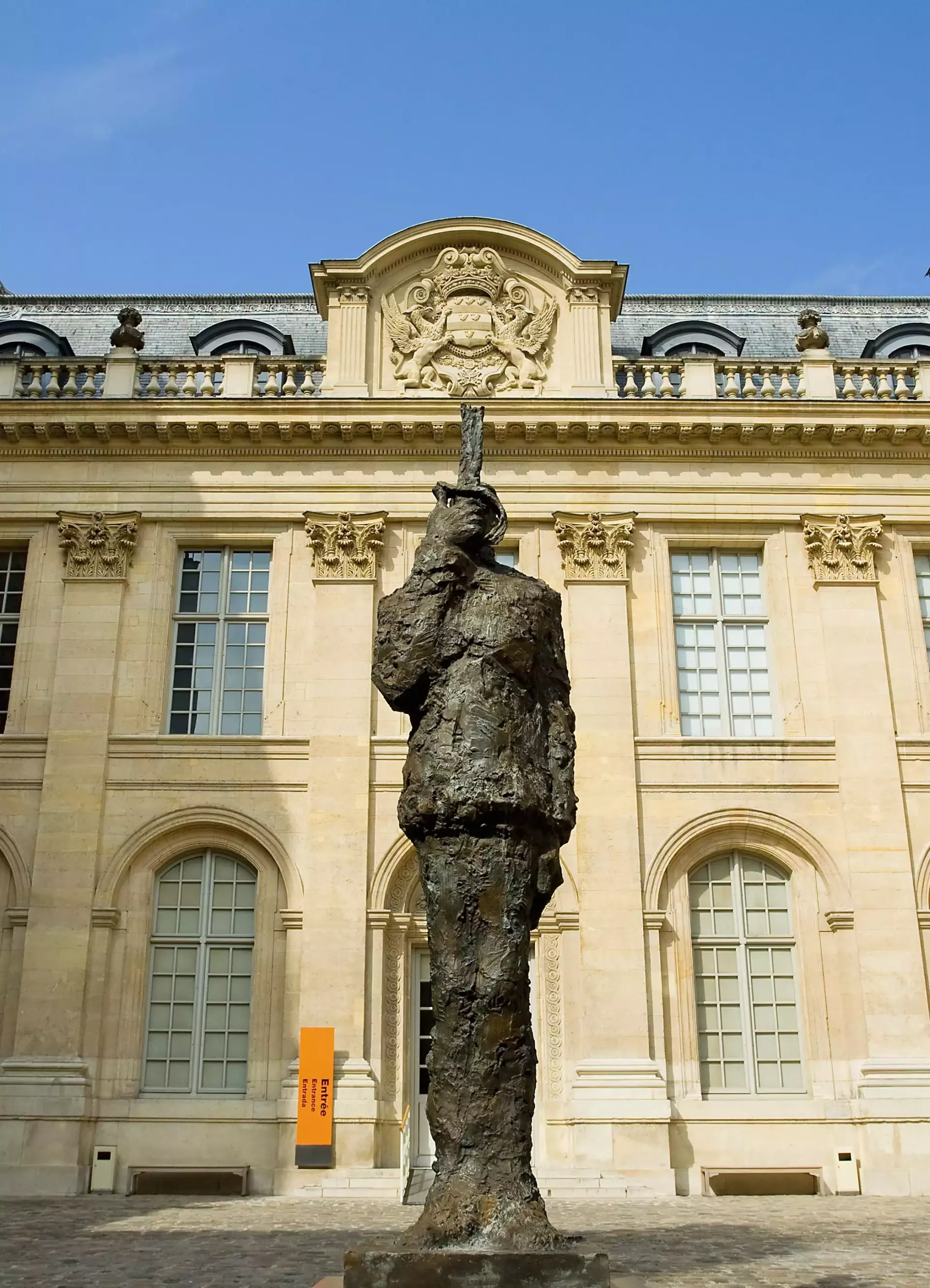
The City of Architecture and Heritage, accommodated in the Palais du Chaillot, is a museum and gallery of French architecture. The centrepiece is the spectacular Hall of Casts, a collection of full-size plaster casts of facades, towers, doorways and windows of great buildings from all over France. Architecture of the late 19th, 20th, and 21st centuries is represented by additional galleries of models and images.
a Roman Catholic church on the east side of the Place Saint-Sulpice within the rue Bonaparte, in the Luxembourg Quarter of the VIe arrondissement. At 113 metres long, 58 metres in width and 34 metres tall, it is only slightly smaller than Notre-Dame and thus the second largest church in the city. It is dedicated to Sulpitius the Pious. During the 18th century, an elaborate gnomon, the Gnomon of Saint-Sulpice, was constructed in the church. In front of the church itself is the magnificent Place Saint-Sulpice which contains the 'Fountain of the Four Bishops'. The church has a long-standing tradition of talented organists that dates back to the eighteenth century. In 1862, Aristide Cavaillé-Coll reconstructed and improved the existing organ built by François-Henri Clicquot. Though using many materials from Clicquot's French Classical organ, it is considered to be Cavaillé-Coll's magnum opus, featuring 102 speaking stops, and is perhaps the most impressive instrument of the romantic French symphonic-organ era. Its organists have also been renowned, starting with Nicolas Séjan in the 18th century, and continuing with Charles-Marie Widor (organist 1870-1933) and Marcel Dupré (organist 1934-1971), both great organists and composers of organ music. The current organists are 'titulaire' Daniel Roth (since 1985) and 'assistant titulaire' Sophie-Véronique Cauchefer-Choplin. In Saint-Sulpice Sunday organ recitals are held on a regular basis (Auditions du Dimanche, following the High Mass, usually from 11:30am till 12:05pm, during the subsequent mass, a visit of the organ loft is possible).
For a taste of the French countryside, a visit to Bercy Village brings to life the spirit of market shopping inside Paris.
Try to visit the cabinet des Médailles.
Suspended above the train tracks this garden is surprisingly calm and chilled-out.
Visitable only by reservation and then only one Saturday every month. A richly decorated palace built for Marie de Medici in the early 17th century, which is now the French Senate. For those interested in seeing a Parisian monument normally unavailable to the public, or for those interested in the inner workings of the French Government. The large Luxembourg Garden is open to the public year-round. The garden is home to the Medici fountain, a children's playground, and vintage toy boats for hire that children push around in the Grand Bassin duck pond (a 90-year tradition).
20th- and 21st-century art in a building designed by Frank Gehry
The Paris Botanical Garden, founded as the royal medicinal garden in 1626 by King Louis XIII's doctor, contains over 10,000 species. The grounds also include a small zoo known as La Ménagerie, and the Muséum National d'Histoire Naturelle, which includes the Grande Galerie de l'Evolution (where you can see thousands of naturalized animals from all over the world) and the 'Galerie de paléontologie et d'anatomie comparée' (same thing, but with skeletons).
One of the last remnants of medieval Paris outside of the 4th, this tower was once part of a castle called l'hôtel de Bourgogne.
Those who are unfamiliar with conceptual art sometimes don't know quite what to expect, or how to approach it. Such travellers should rest assured that the curators at the Pompidou Centre have assembled a marvellous introduction consisting of mostly approachable works which delight, amuse, and entertain. The art is far from the only reason for a visit, as the building also contains a vast public library and a fine restaurant (run by the Costes brothers) on the roof. In fact the place is literally surrounded by some of the nicest pavement cafés in the city, in its superb location between the car-free above ground part of Forum Les Halles and the Marais art district.
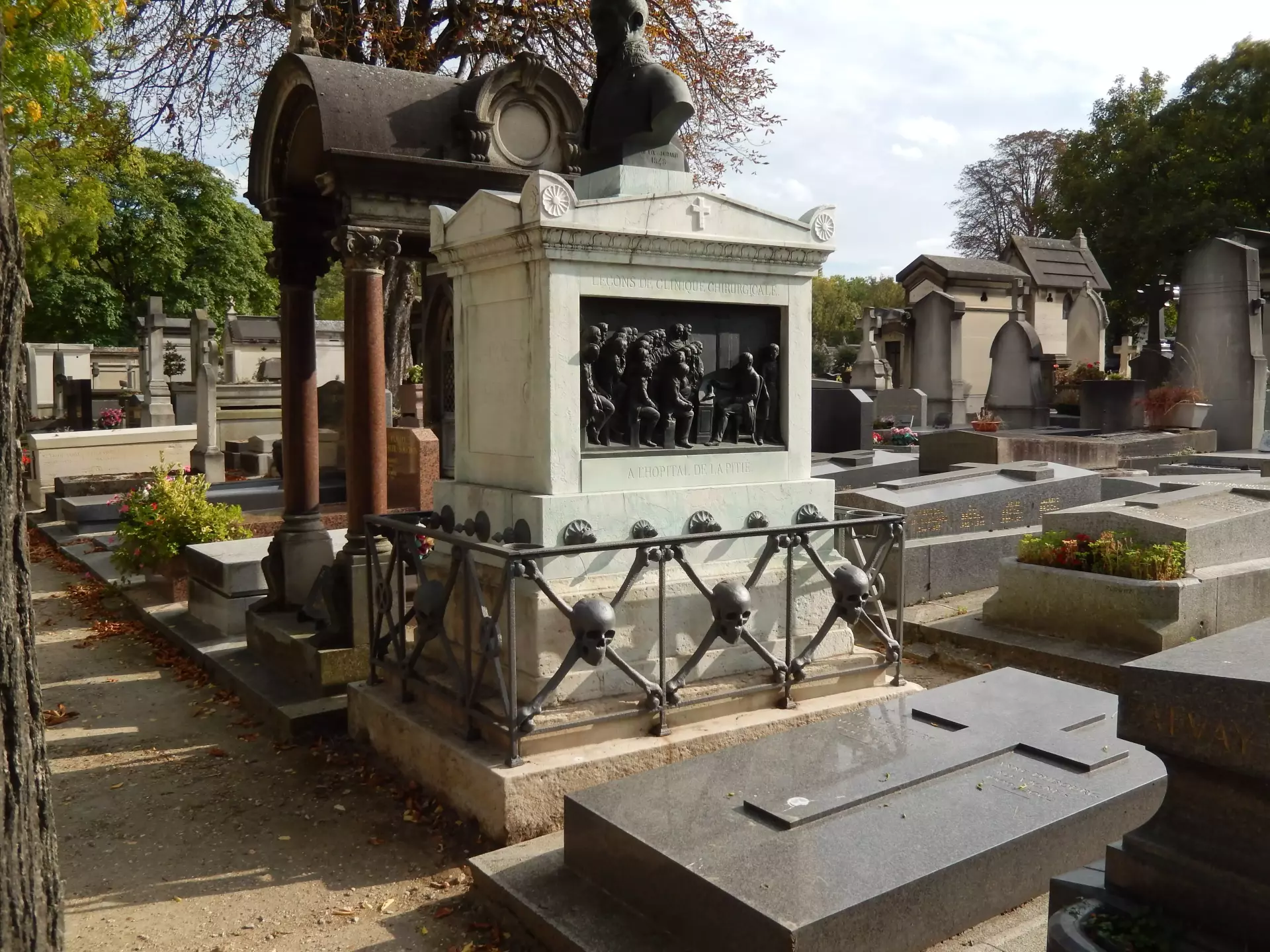
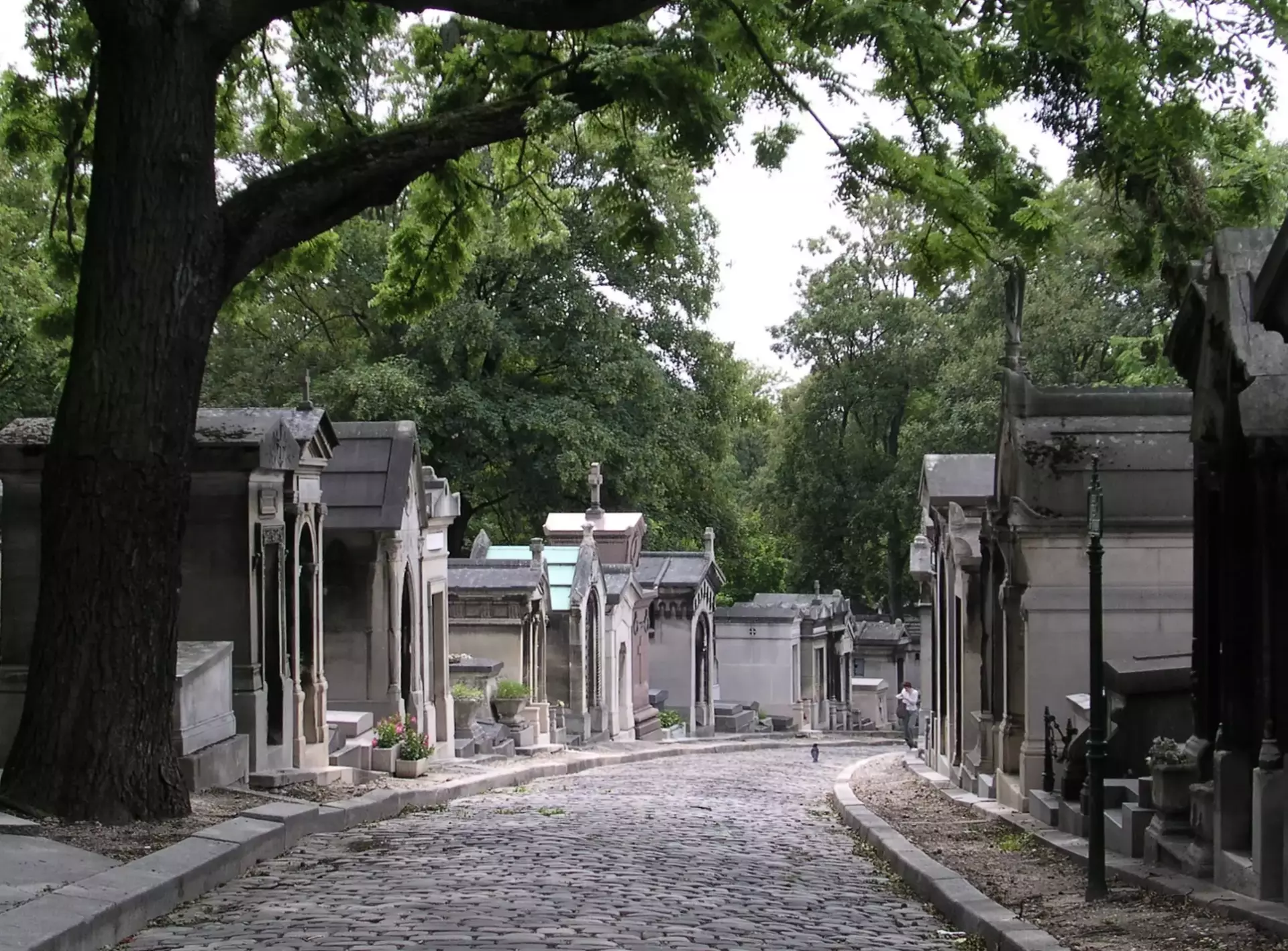
The burial place of existentialist philosopher Jean-Paul Sartre, feminist Simone de Beauvoir (both of whom lived nearby); musician Serge Gainsbourg; artist Man Ray; the poets Charles Baudelaire, Guy de Maupassant, Charles Sainte-Beuve, and Marguerite Duras; the founders of the Theatre of the Absurd Samuel Becket and Eugene Ionesco; the sculptors Constantin Brancusi and Ossip Zadkine; the composers Camille de Saint-Saens and César Franck; the actors Maria Montez and Jean Seberg; the French officer Alfred Dreyfus; the founder of the Larousse encyclopedia, Pierre Larousse; the industrialist André Citroen, and many others.
Housed in a former Beaux-Arts railway station (completed in 1900 for the Exposition Universelle, later saved from demolition and converted to its present use), the rambling, open-plan museum is home to the works of the great artists of the 19th century (1848-1914) - Impressionists, post-Impressionists, and the rest - that were formerly displayed in the l'Orangerie. This is perhaps the most spectacular collection of European impressionism in the world—breath-taking rooms full of Manet, Renoir, Monet, Van Gogh, and many others. Impressionist represent the biggest draw, but there is much more to explore.
CLOSED UNTIL LATE 2024 OR 2025 FOR RENOVATION WORKS. Built in 1900 for the universal exposition, the Grand Palais was an engineering feat and a milestone of design, marking the transition between historicism and modern architecture. It remain impressive today due to its unique, exquisite style and sheer volume of its main nave. The Grand Palais, managed by the state-owned institution Rnm who also manage the Musee de Luxembourg, is used both for temporary exhibitions of historic and contemporary art collections (both beaux arts and applied) and unique events, such as catwalk shows during the Paris Fashion Week, Bonhams car auctions and prestigious galas.
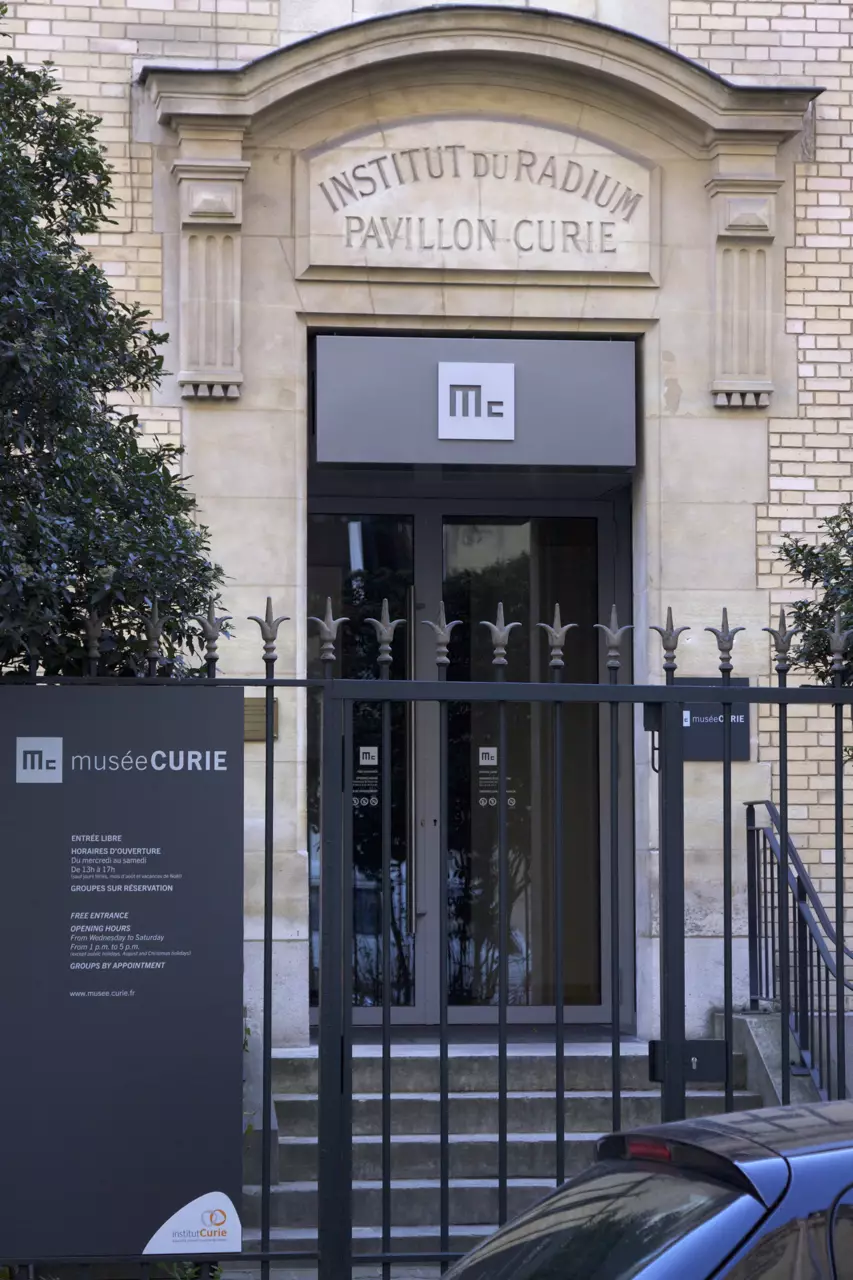
This charming scientific museum preserves the offices and laboratories of Pierre and Marie Curie, pioneers in the discovery of radioactivity. Their instruments, equipment, and furniture is arranged as it was during their critically important research. Guided tours in English available.
A former fortress and royal residence at the edge of the city, alongside the Bois de Vincennes. Most of the building is open to public.
Great perspective on the Eiffel Tower and Left Bank from Place du Trocadéro in between the two buildings of the palais. Former location of the Palais du Trocadéro. It accommodates three museums, an aquarium, and the Theatre Nationale du Chaillot.
Soaring stained glass windows beaming ample light onto the rich primary colours of the tile mosaics on the floor, this photogenic church was built by the French kings to house the relics of the Crown of Thorns. Make sure you go on a sunny day, as the highlight of this small chapel in Rayonnante Gothic style are the large stained-glass windows which soar up to near the vaulted ceiling. Also of interest is the extremely ornate lower level. If it happens to be rainy or cloudy, give Sainte-Chapelle a miss, as the play of coloured lights on the floor is well worth the wait for a sunnier day. As the chapelle is inside the Courts of Justice, there will thus be a security check.