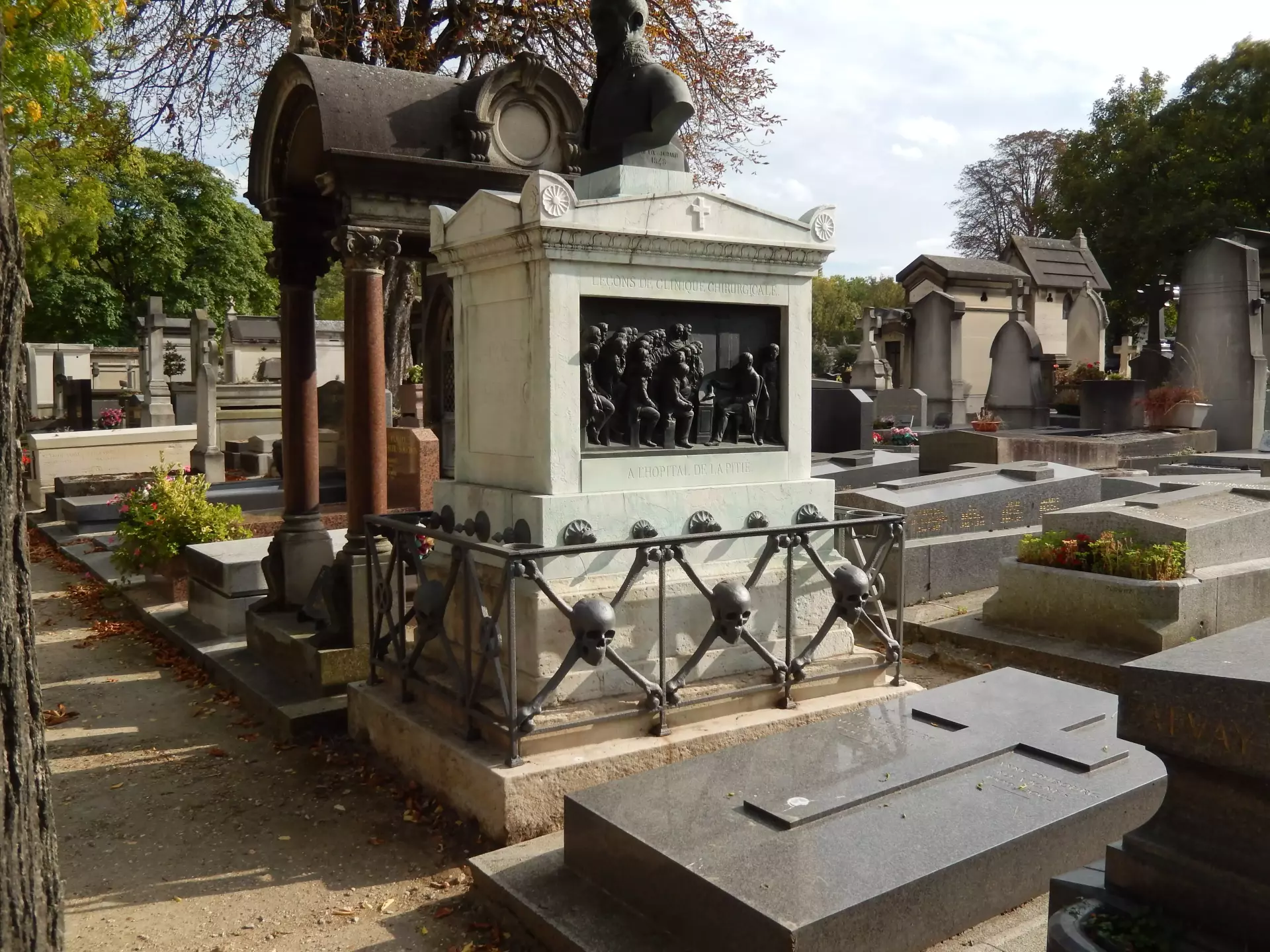
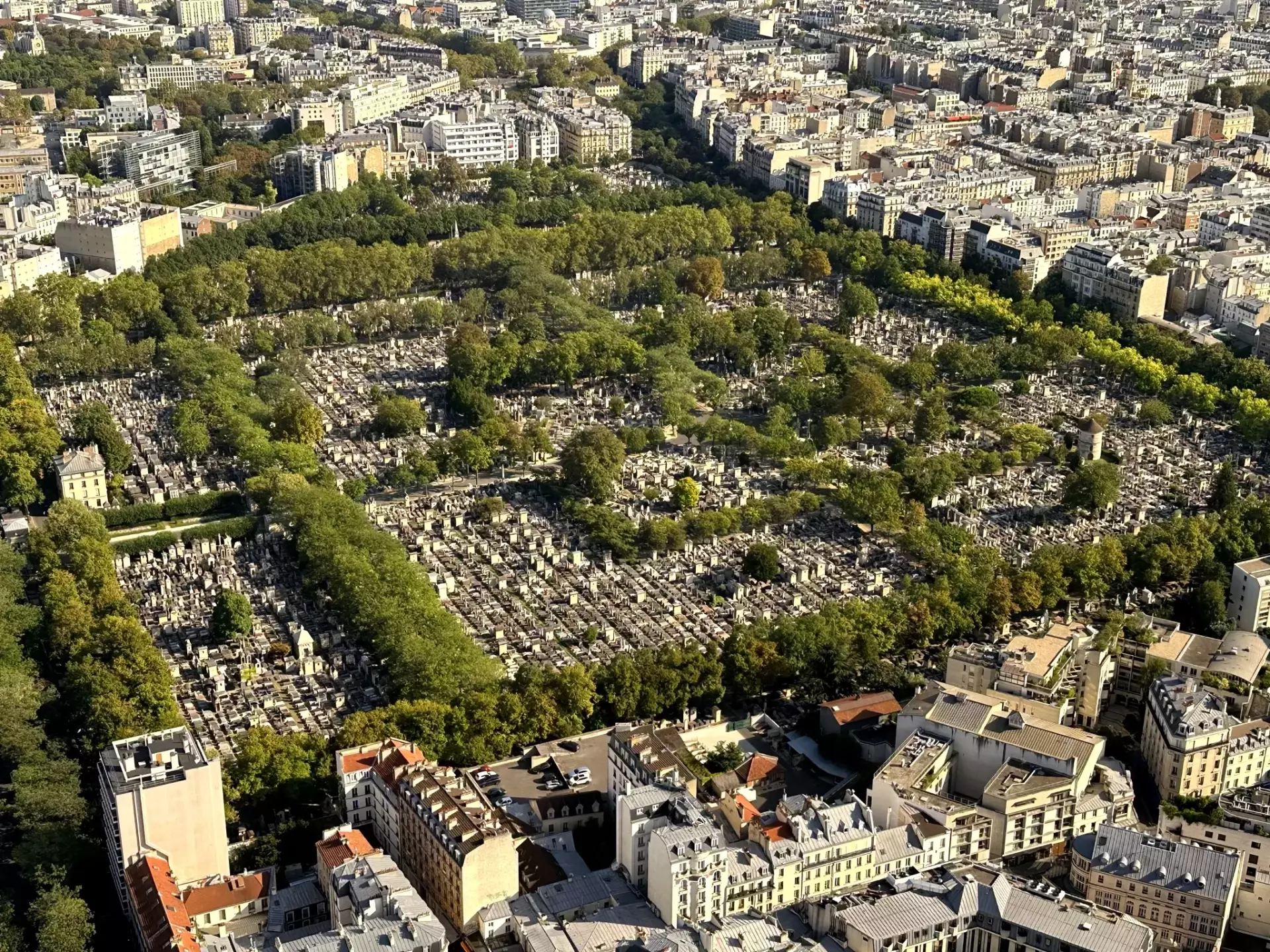
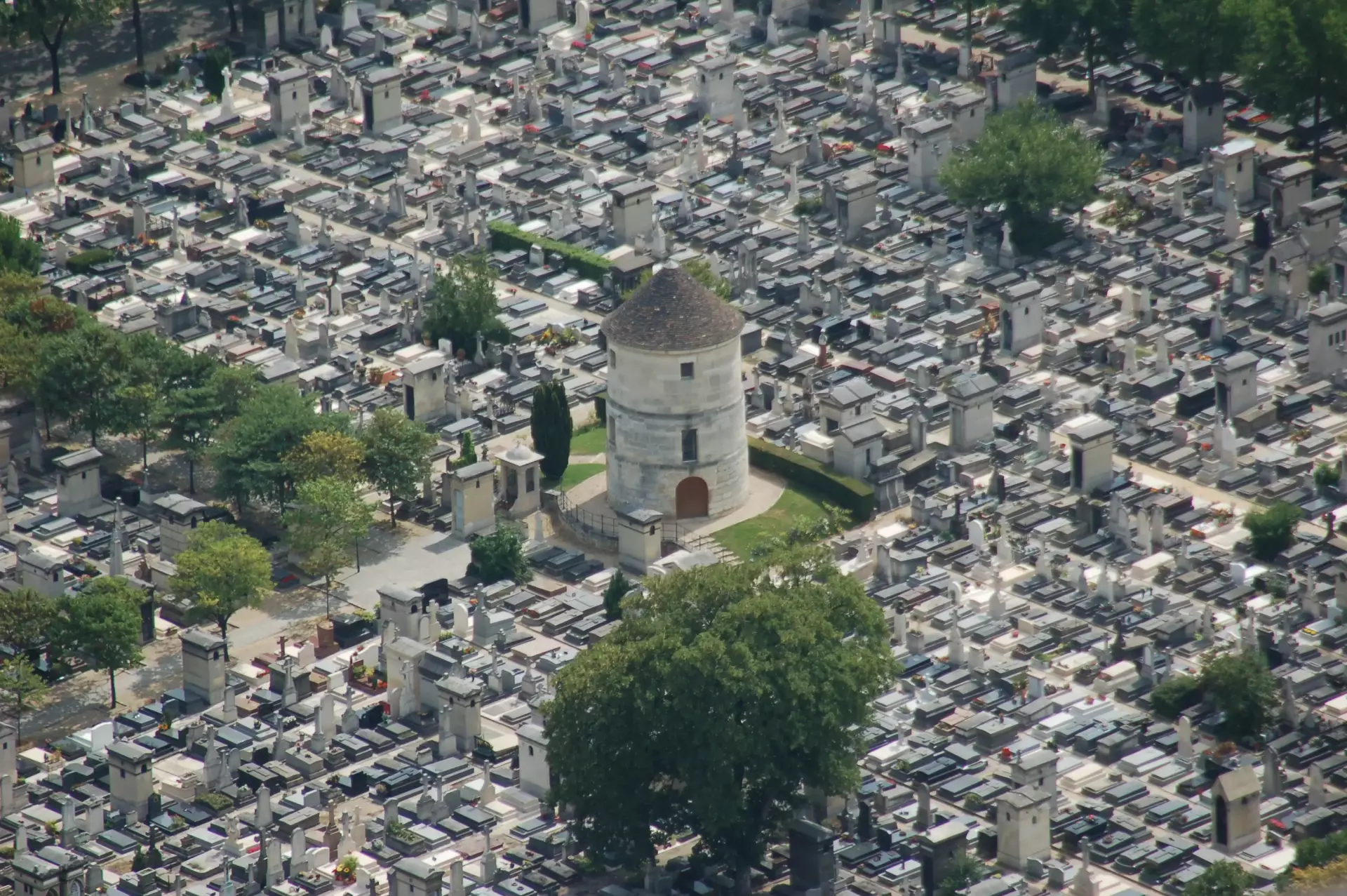
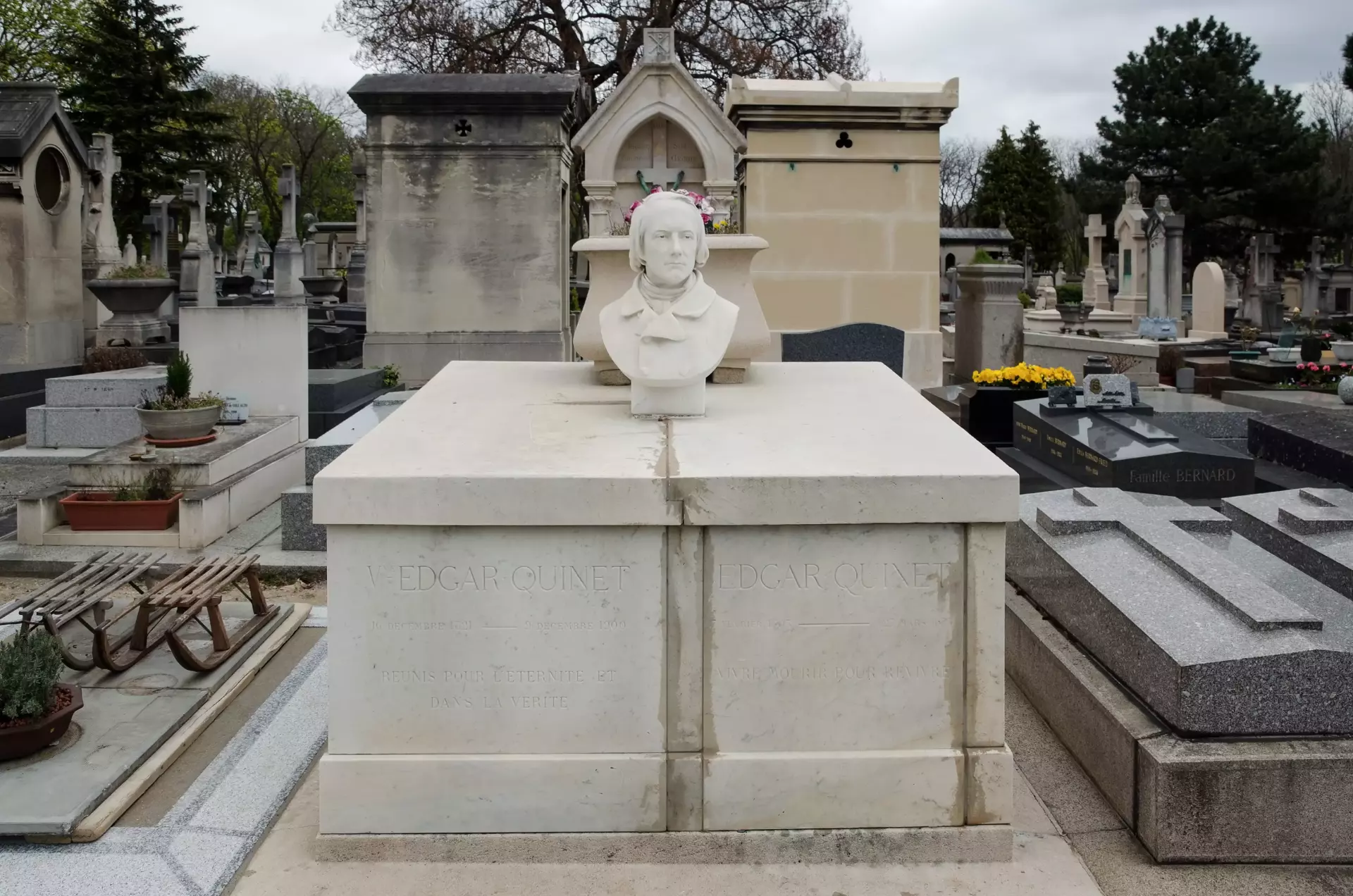
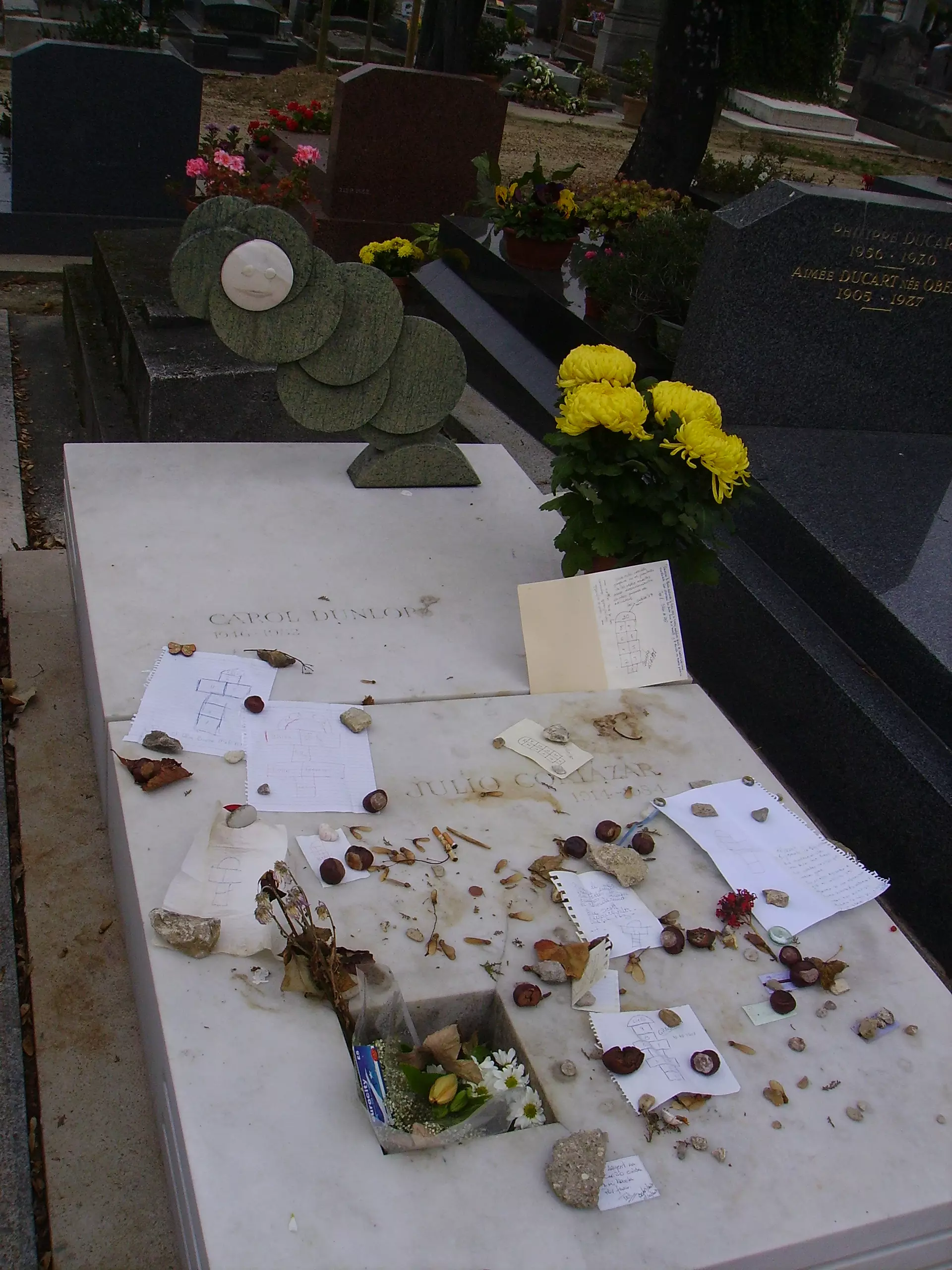
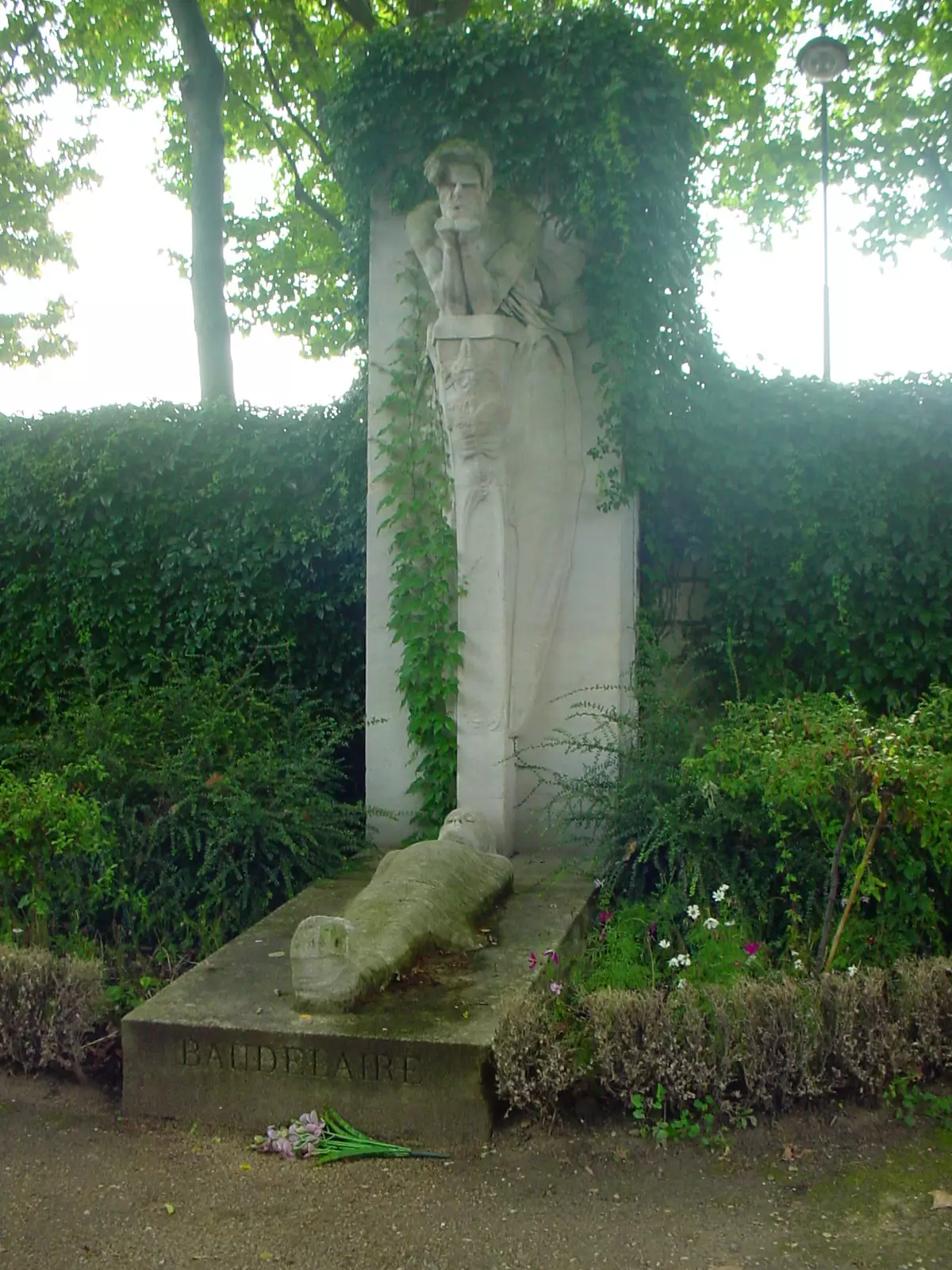
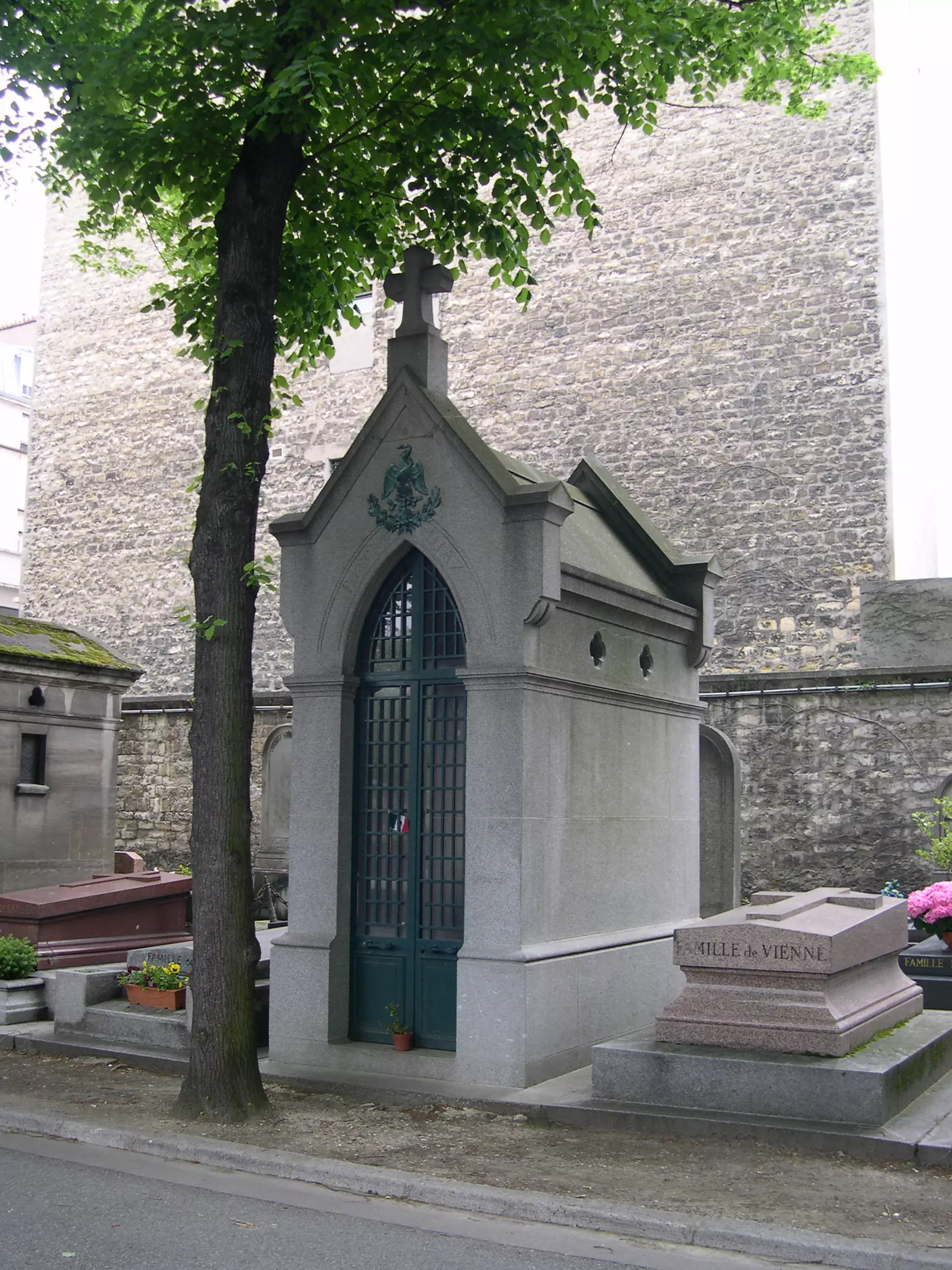
Montparnasse Cemetery is a remarkable final resting place in Paris, known for its peaceful atmosphere and its impressive list of notable figures buried within its grounds.
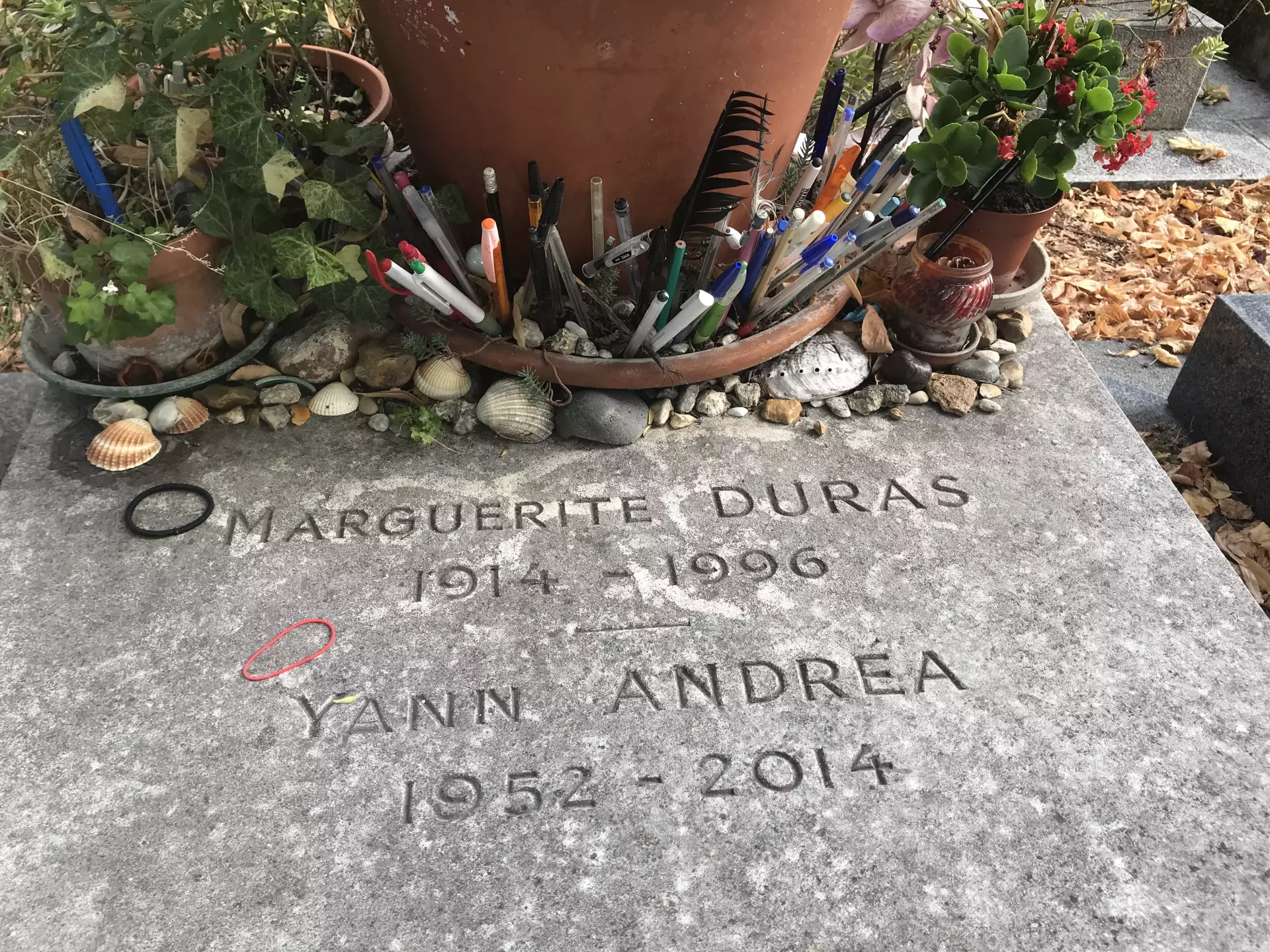
The cemetery is the burial site of several influential French writers and philosophers. Jean-Paul Sartre and Simone de Beauvoir, both important existentialist thinkers, are laid to rest here. Their lives and work left a lasting impact on literature, philosophy, and social thought in the 20th century. Other renowned writers at Montparnasse include the poets Charles Baudelaire, Guy de Maupassant, Charles Sainte-Beuve, and Marguerite Duras, each celebrated for their unique voices and contributions to French poetry and fiction.
Montparnasse also serves as the final home for creative minds from the world of art and music. The cemetery is where Man Ray, the famous artist and photographer, is buried. Visitors can also find the graves of musicians Serge Gainsbourg, Camille Saint-Saëns, and César Franck, whose melodies continue to be cherished by music lovers around the world. Sculptors like Constantin Brancusi and Ossip Zadkine, known for their innovative work, are also among those commemorated here.
The founders of the Theatre of the Absurd, Samuel Beckett and Eugène Ionesco, have their graves in Montparnasse Cemetery as well. Their groundbreaking plays challenged traditional ideas and continue to influence modern theatre. Film and stage actors like Maria Montez and Jean Seberg are remembered for their performances and are also interred here.
The cemetery is not only a place for artists and writers. It is also the resting place for important figures from French history, such as Alfred Dreyfus, the army officer at the heart of a famous political scandal. The founder of the Larousse encyclopedia, Pierre Larousse, rests here, as does André Citroën, the visionary industrialist behind the Citroën car company. Each grave tells part of the story of modern French culture and history.
Source - https://en.wikipedia.org/wiki/Montparnasse_Cemetery
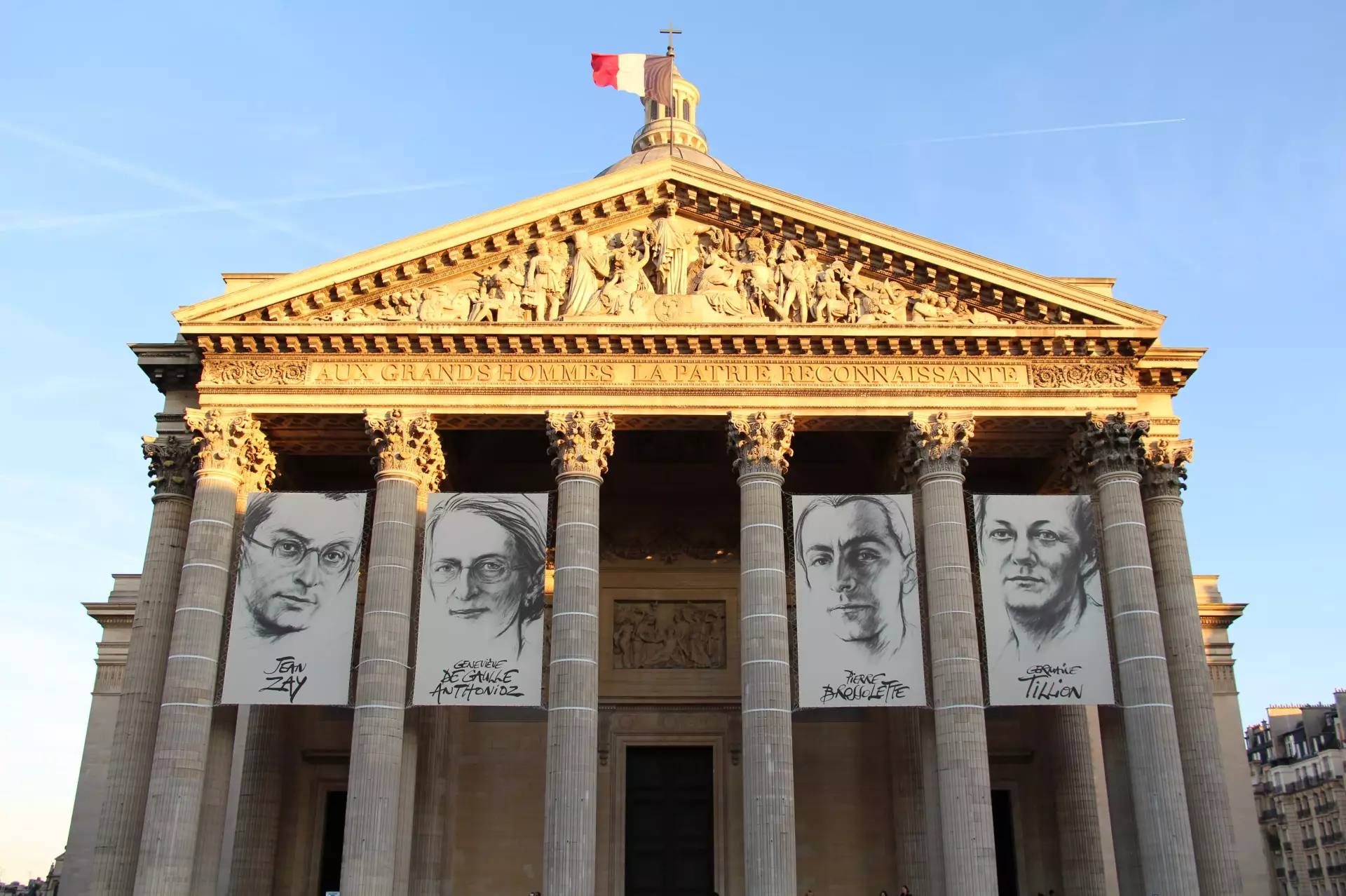
A little district within the district. Very charming little streets on a hill on the west end of the 13 district. Nice for lunching/dining activities. This is the place where the band "Mano Negra" was hanging around.
Private collection of French, Italian, Dutch masterpieces in a typical XIXth century mansion.
A Gothic church tower in a square 150m to the west of the Hôtel de Ville was restored by Ballu, is all that remains of Eglise Saint-Jacques-de-la-Boucherie, which was the meeting place in Paris for pilgrims heading to Santiago de Compestela. As such it is included on the UNESCO World Heritage List as part of the Routes of Santiago de Compostela in France.
Many feel that this, Paris' town hall, is one of the loveliest buildings in the city. You might not get that from the front view, but try watching the light change on its roofs and towers during sunset from one of the cafés on the Ile de St. Louis, the Lutece for instance. Alternatively, go to the top floor of the Bazar de l'Hôtel de Ville (BHV) department store opposite, on rue de Rivoli and walk up a flight of stairs to the roof terrace (terrasse), from which there is a dramatic view of both the roof of the Hôtel de Ville and the immediate surroundings and river. The present Hôtel de Ville replaced the 16th century original which was burned down during the Commune in 1871. A pastiche of its predecessor, but on a far larger scale, it was designed by the architects Ballu and Deperthes, chosen after a competition, and was mostly completed by 1882. The building is lavishly, and some would say heavy-handedly, decorated both inside and out, and finished in an arrestingly white stone, similar to that used for the even more eye-catching Sacre-Coeur basilica. The statue on the garden wall on the south side is of Etienne Marcel, the most famous holder of the post of "prevôt des marchands" (provost of merchants) which pre-dated the office of mayor. Marcel came to a sticky end, lynched in 1358 by an angry mob after trying to assert the city's powers a little too energetically. The Hôtel de Ville was for many years the private fiefdom of Jacques Chirac, France's president before Sarkozy, and was the site of a scandal centring on both illegal jobs given to Chirac's party members and an immense entertainment budget. General de Gaulle greeted the crowds from a front window in 1944 when Paris was liberated from the Germans and Robespierre was shot in the jaw and arrested in the original building in 1794. Admirers of Hôtel de Ville's architecture will want to know that Ballu also built the Church of La Trinité in the 9th arrondissement and the belfry of the town hall of the 1st arrondissement, opposite the Louvre's east façade. Ballu also restored the Tour St Jacques (see below), which was uncovered after restoration work lasting over a decade.
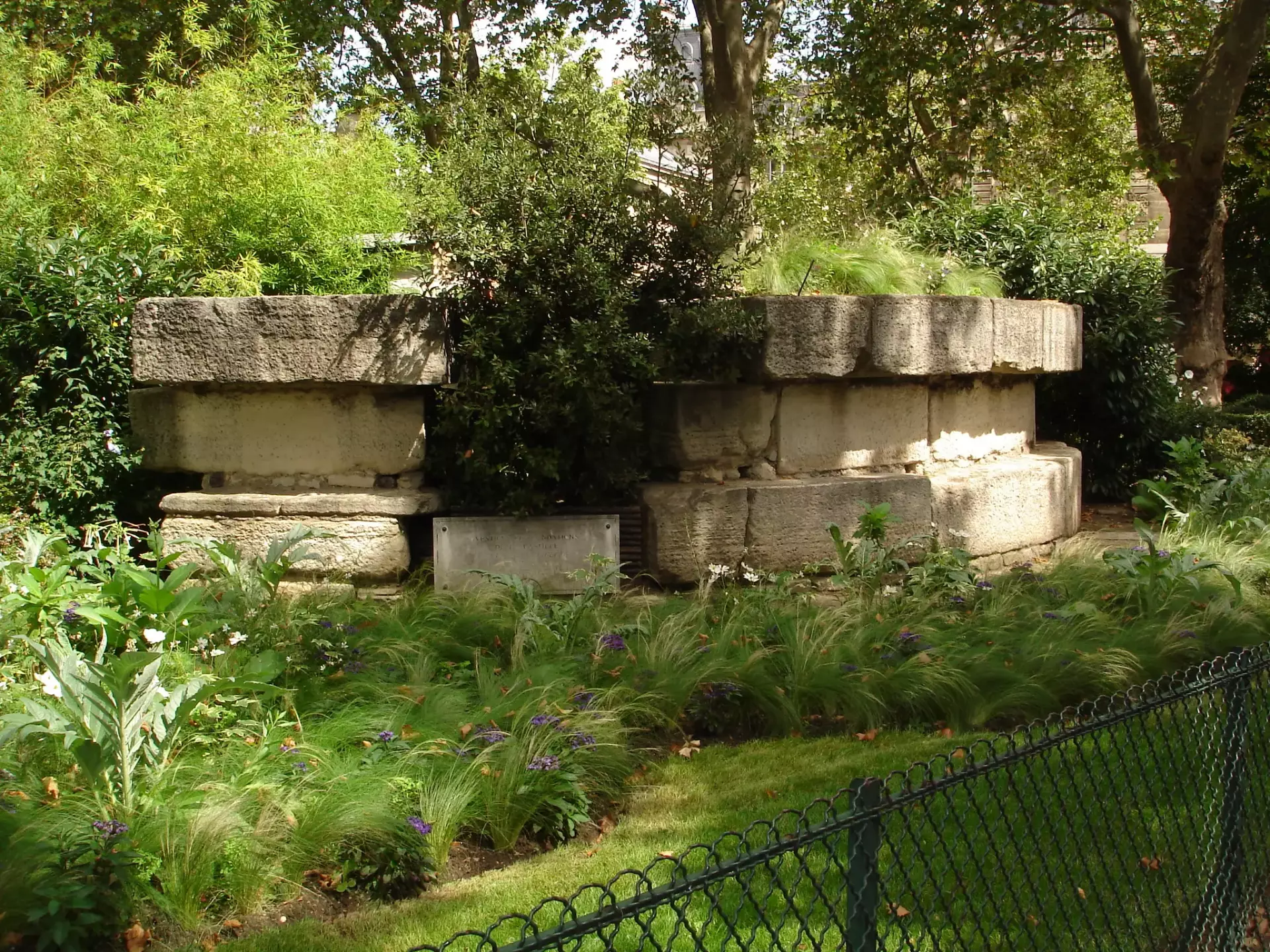
Enter Bastille station through any entrance or on any train and then make your way to the Bobigny/Pablo Picasso-bound platform. All that's left of the fortress whose front steps used to lead up from place de la Bastille are some foundation stones which you can see while waiting for a north bound train on this metro platform. There are maps and explanations showing where the fortress used to be relative the place and surroundings (basically the location of the old front steps are now occupied by Café des Phares).
The early Gothic Cathédrale de Notre Dame (Our Lady) has a 12th century design but wasn't completed until the 14th. Still it is a good example of the development of the style, though the west or main portal is a bit unusual in its rigidity. A April 2019 fire caused severe damage, but after extensive renovation the cathedral was reopened to the public in December 2024.
Paris's international exhibition centre (the 4th largest in Europe) has millions of visitors annually.
The ancient medieval fortress and prison of the city's island, site of some remarkable medieval royal architecture and the scene of Marie Antoinette's imprisonment in the period leading to her execution in 1793; lots of revolutionary associations.
Ordered by Cardinal de Richelieu (1585-1642), King Louis XIII's prime Minister in 1629 (completed in 1636); originally called Palais Cardinal; it became Le Palais Royal when Anne d'Autriche, Louis XIII's wife, came to live here to get away from the Louvre palace. It eventually housed Louis XIV until the move to Versailles. It includes also a beautiful garden Les jardins du Palais Royal, enclosed by the buildings. It's been the theatre of one of the seminal events of the French Revolution (Camille Desmoulins made a famous declaration here in 1789). The Théatre Français nearby was built in 1716. There are numerous restaurants inside the garden , including famous Le Grand Véfour. There's also the controversial Colonnes de Buren, striped columns installed within the inside yard amid the 17th century architecture.
The Jewish quarter, with many small delis and shops. Lively on most days except for Saturdays.
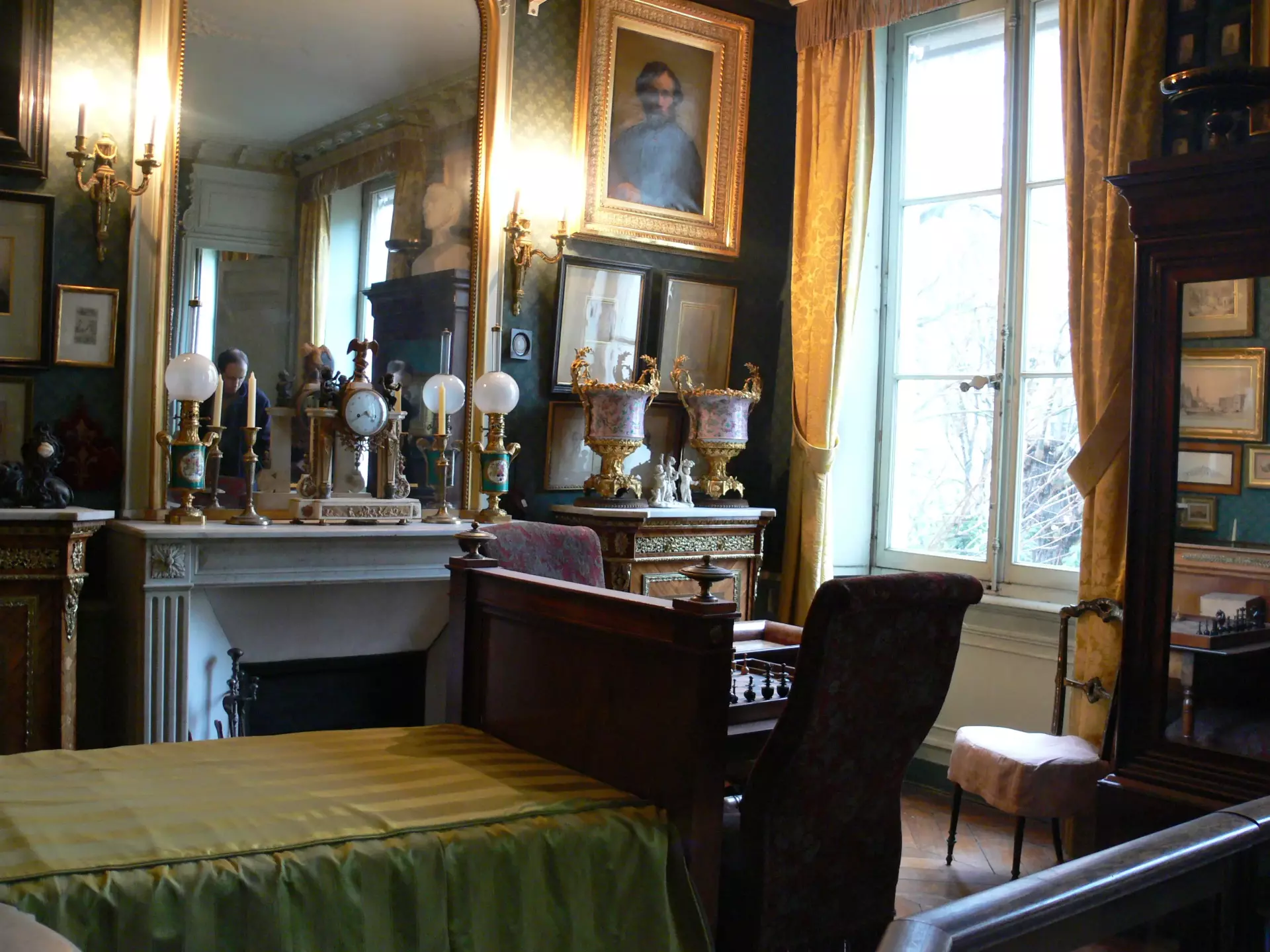
The house of the symbolist painter has now become a museum to his life and work.
The building has a freely accessible rooftop which allows for a beautiful bird's-eye view of the northern half of Paris.
Part gallery - part restaurant - part nightclub, La Cite (Les Docks) is a modern building that is instantly recognisable due to being draped on one side with a large neon green shell covering the stairwells and roof the building. Roughly translated in English as The City of Fashion and Design, this is a trendy spot at the weekends and is used for event like Paris Design Week. The restaurant in the building is open all year round.
Opened in January 2005, the Holocaust Memorial comprises a major documentation centre and a wall bearing 76,000 names of Jews deported from France to the Nazi camps between 1942-1944. Includes an archive of a million artefacts, including 55,000 photographs. Excursions are run from the memorial to French internment camp sites such as Drancy.
The museum is located in a 17th century house with a garden, and features the history and culture of Montmartre. Several famous artists had lived in the house including Renoir.
If the queues at the Eiffel Tower are just too much for you and your time is limited, consider a trip up the Montparnasse Tower. This is an office building with an observation and shopping area on the 56th floor, where the elevators stop, and an open viewing area on the roof. Arguably the view is better than from the Eiffel Tower: you are not so high up so things are more visible, and you can see the Eiffel Tower!