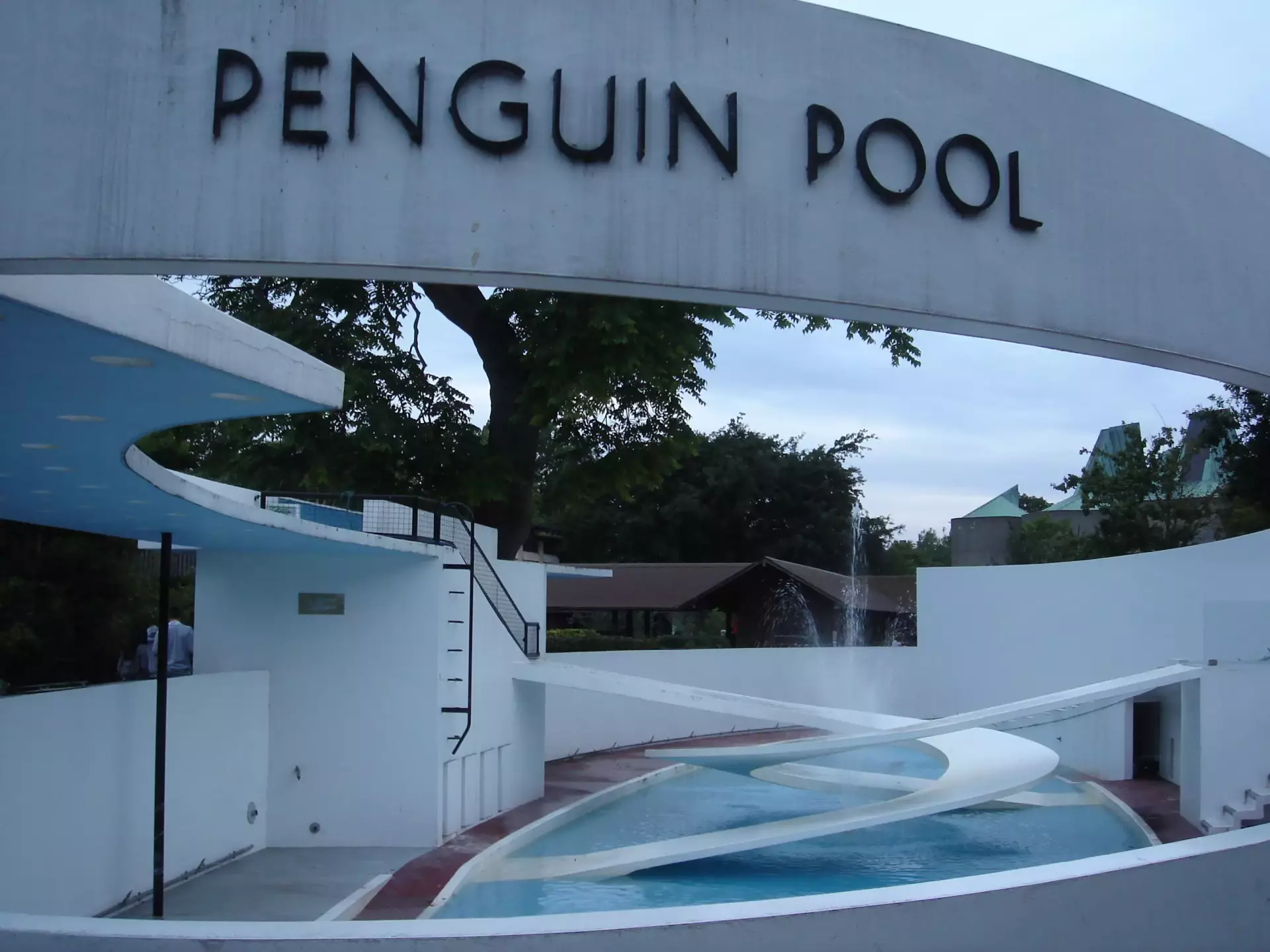
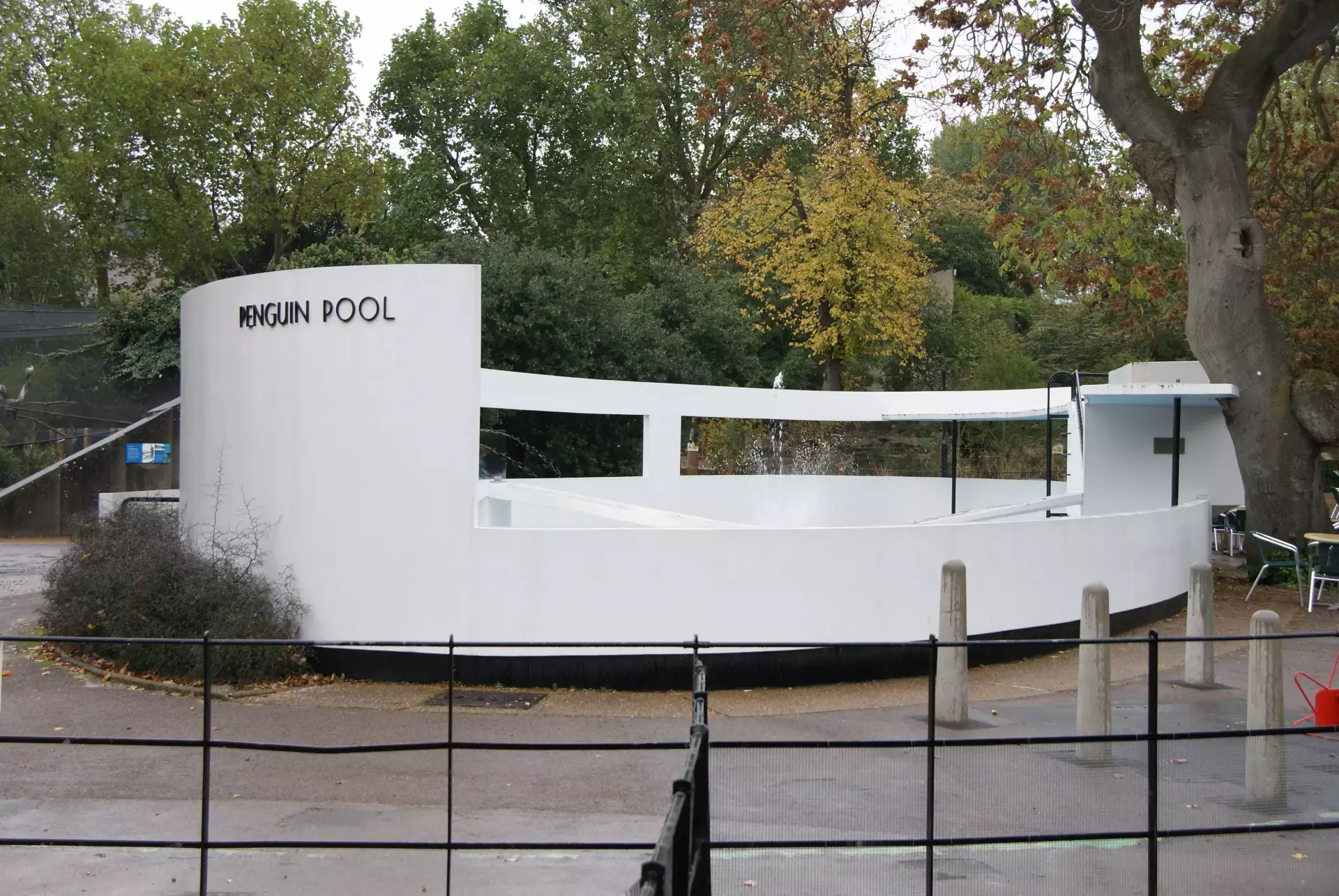
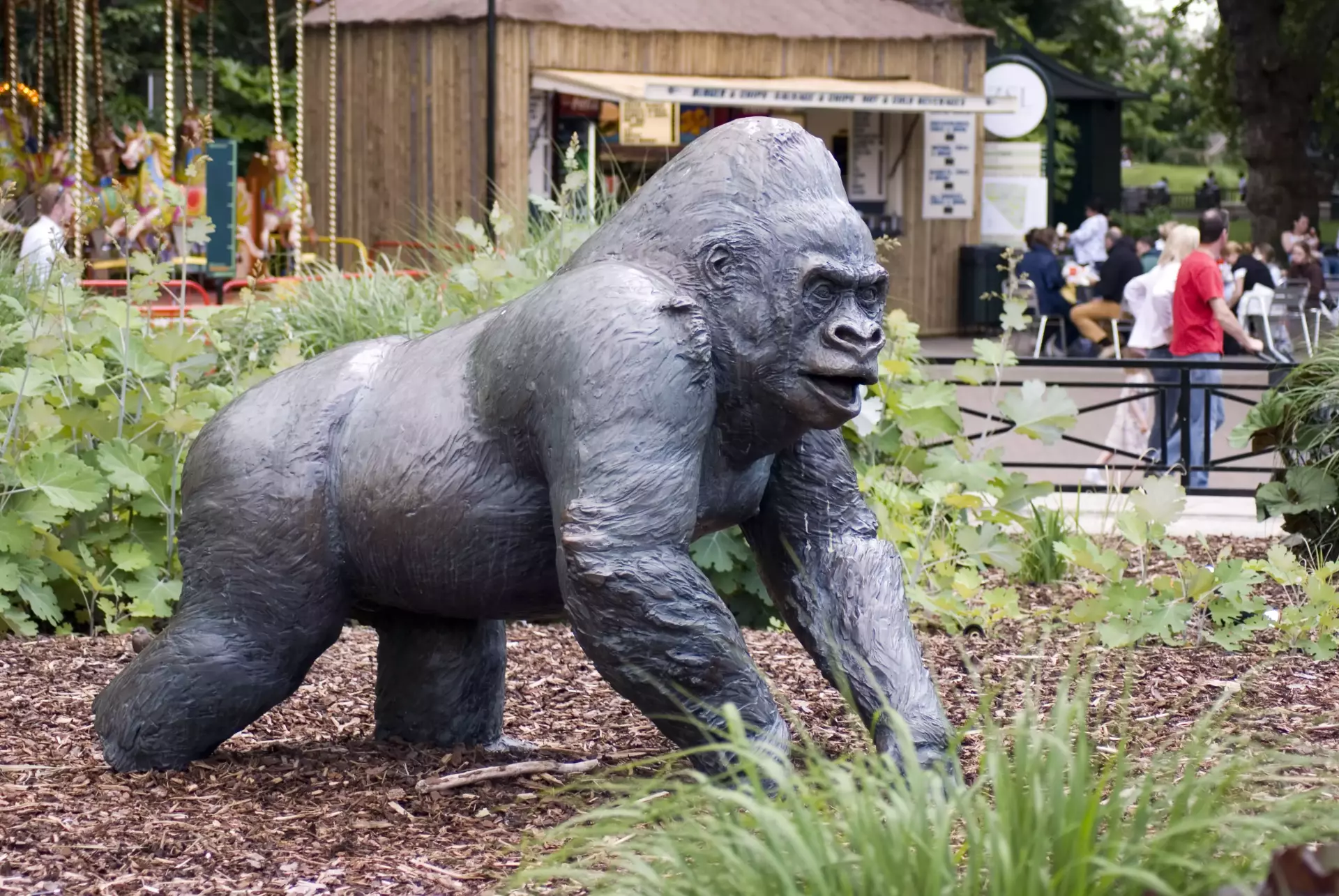
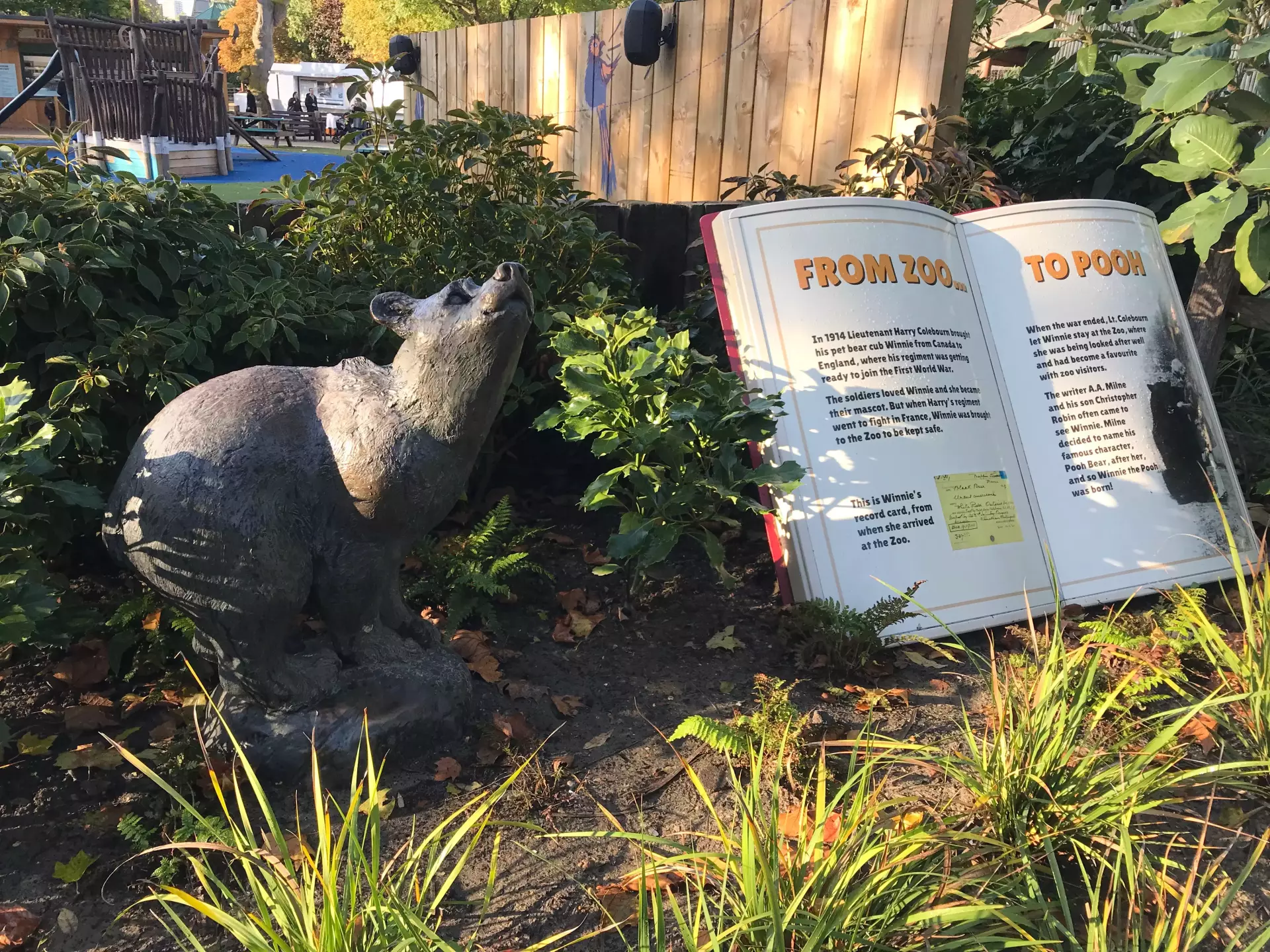
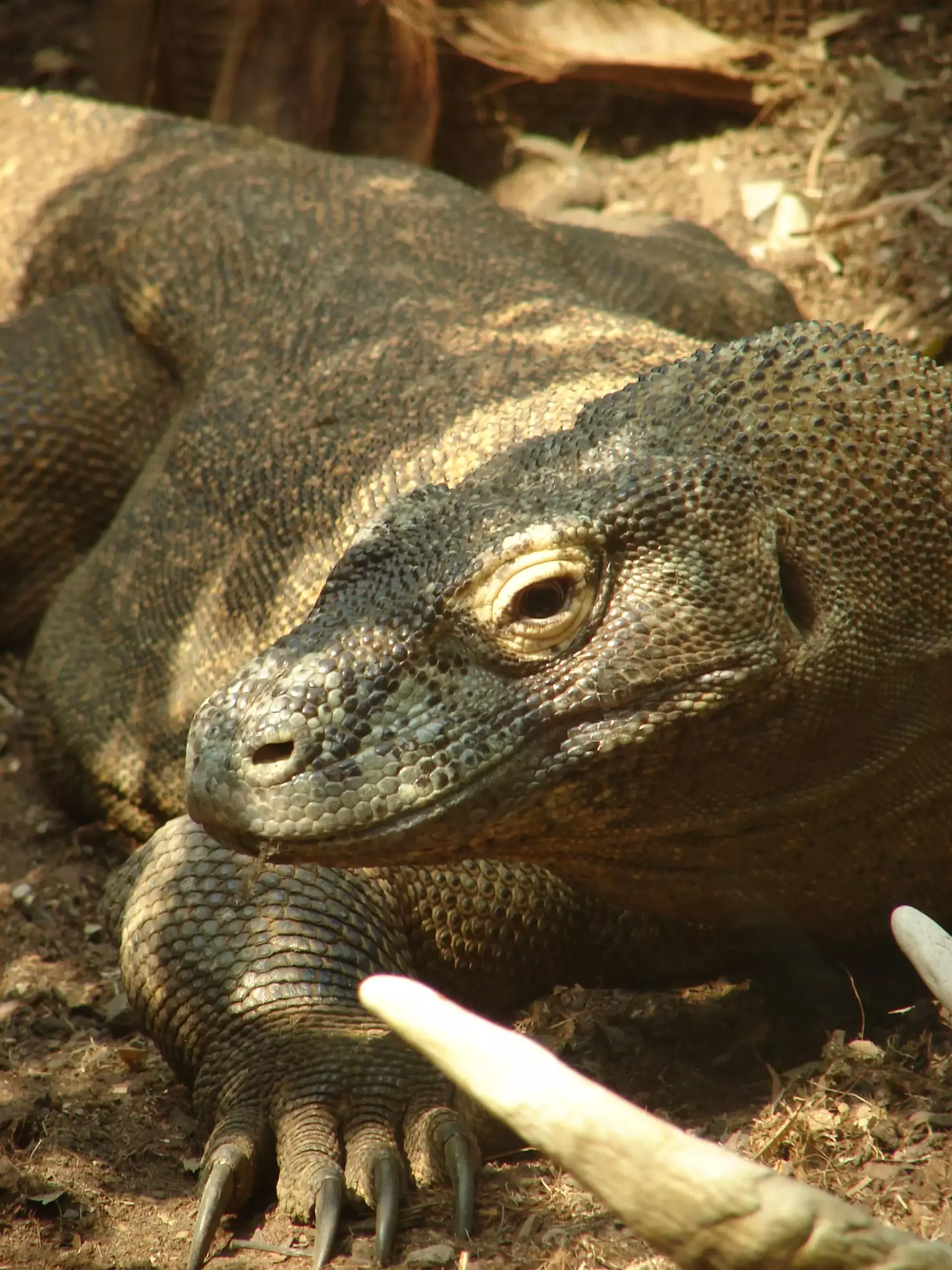
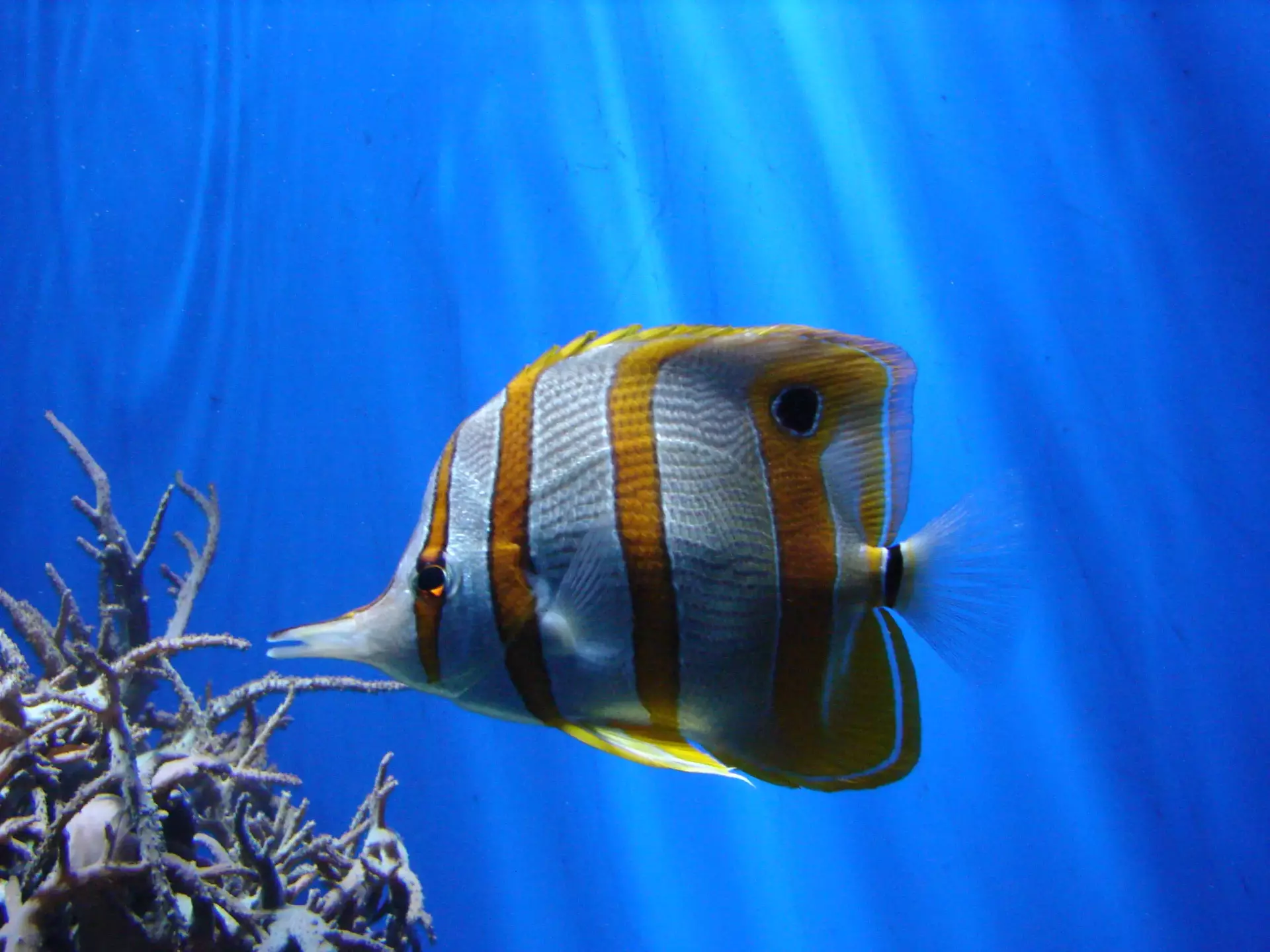
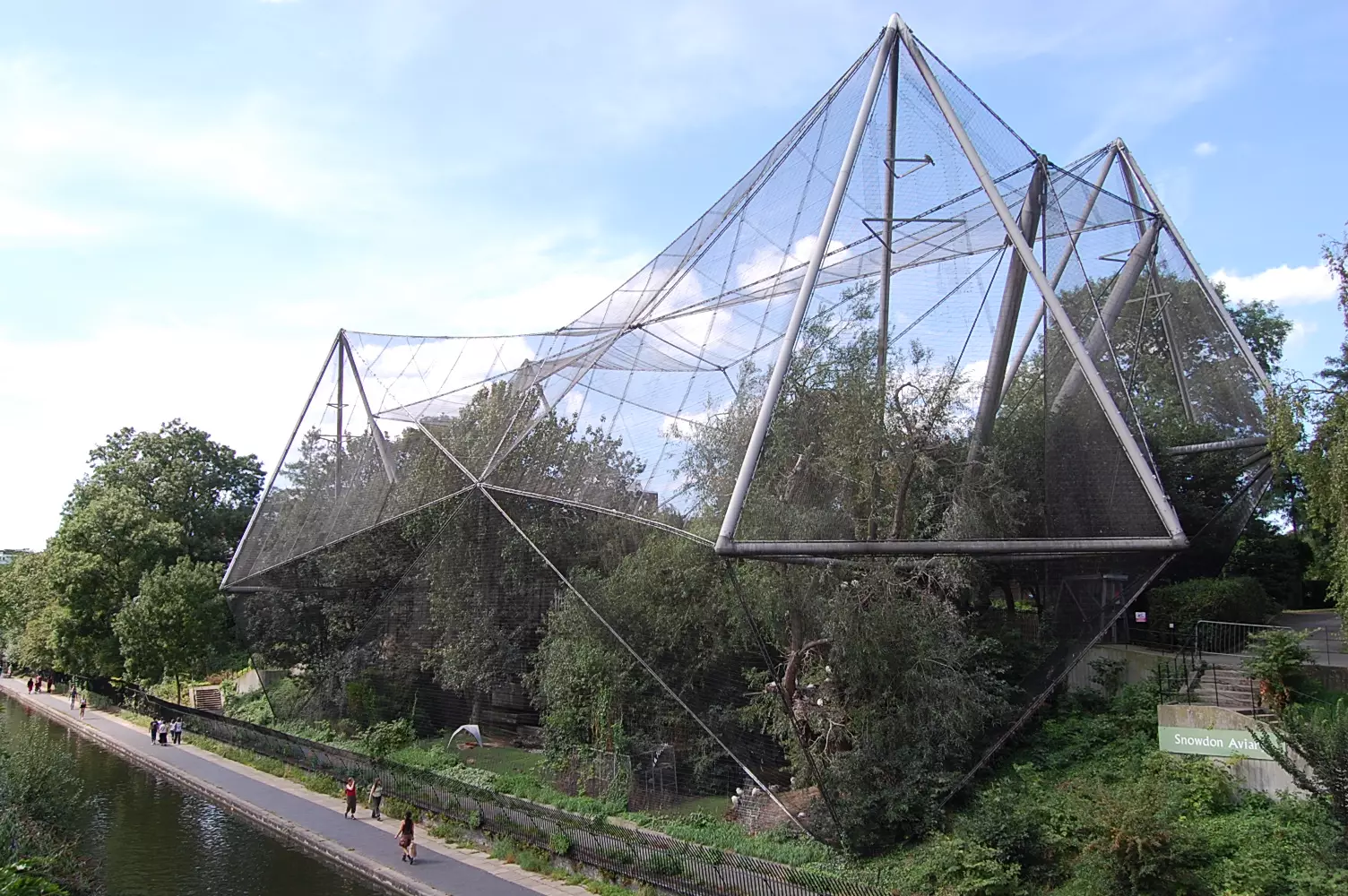
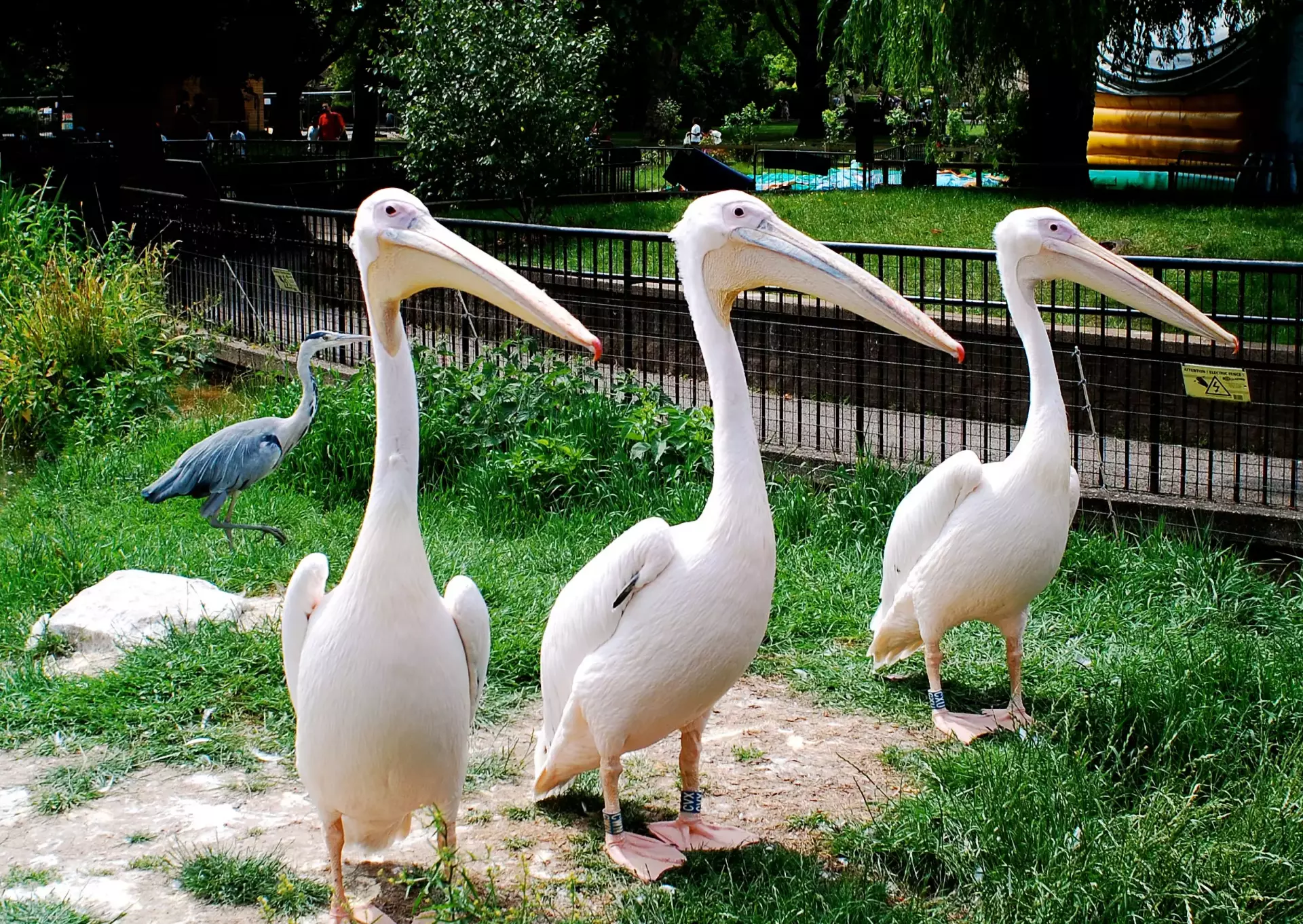
In the northern part of Regent's Park, London's main zoo offers a fascinating destination for animal enthusiasts. Known as the ZSL London Zoo, it has evolved to prioritize conservation and education, making it a popular choice for families and children.
Established in 1828, the zoo originally served the purpose of scientific study. Nearly two decades later, in 1847, it opened its doors to the public, beginning its journey as a center for animal conservation and education. Throughout the years, the zoo has maintained its reputation as a leader in wildlife preservation.
Today, the zoo is particularly noted for its child-friendly exhibits, designed to engage young minds and inspire a love for nature. These interactive experiences ensure that children leave with a greater appreciation for the animal kingdom and the importance of protecting it.
Source - https://en.wikipedia.org/wiki/London_Zoo
An enormous art gallery converted from the former Bankside Power Station, a visit to Tate Modern could easily take half a day. The gallery collects together contemporary and modern art from around the world, arranged thematically. The most stunning aspect of the building, is the enormous Turbine Hall, which plays host to a single piece of work commissioned for the space each year. An extension of the gallery has opened in a ten-storey building behind the existing power station.
All non-classified government documents can be read and photographed here, with a (free) reader's card having been obtained. There is also a small museum, which does not require the card to access.
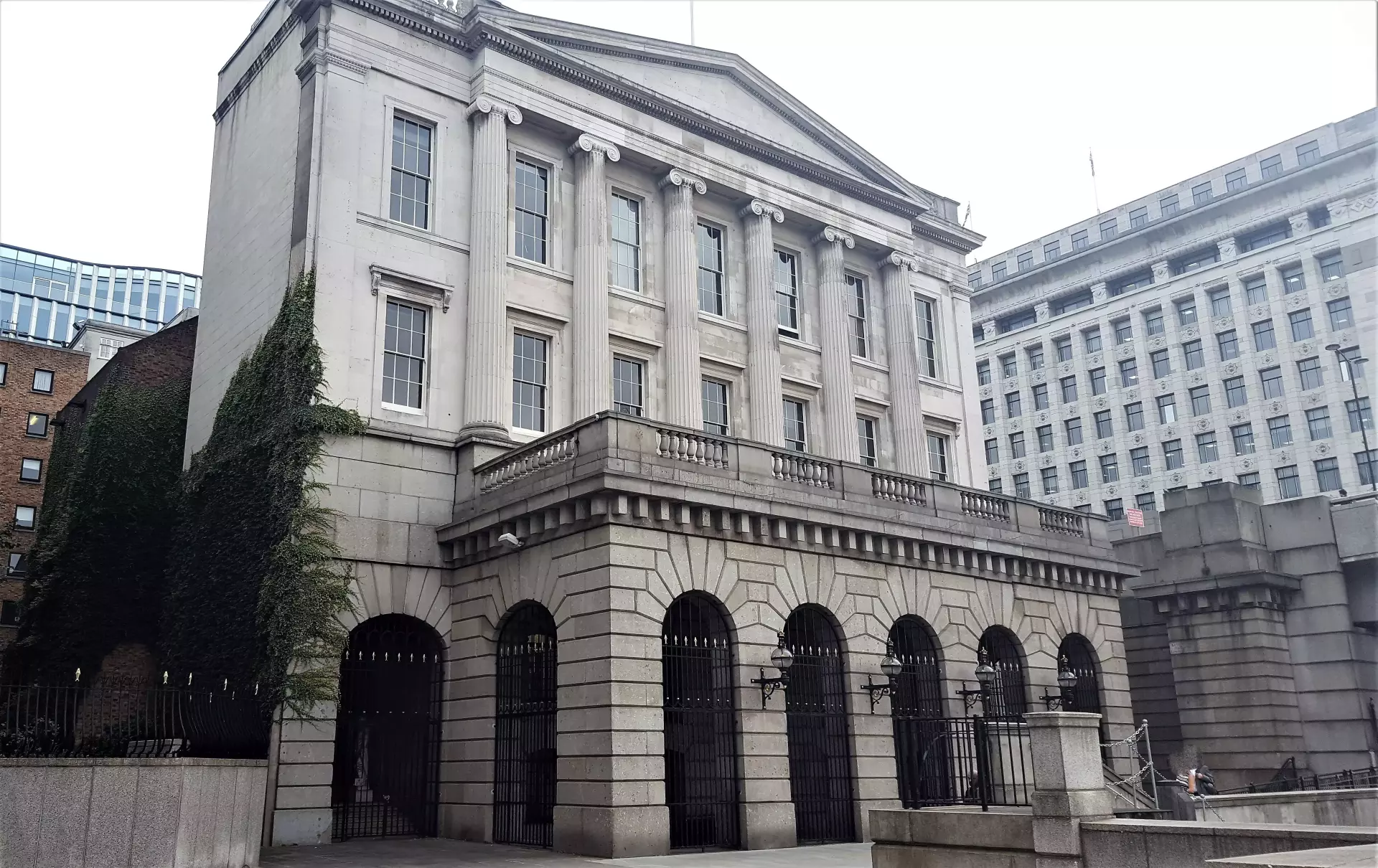
Official residence of the Lord Mayor of the City of London, completed in 1753.
Fine stone bridge linking Twickenham/St Margarets with Richmond. It is the oldest surviving Thames bridge in London, dating from 1777.
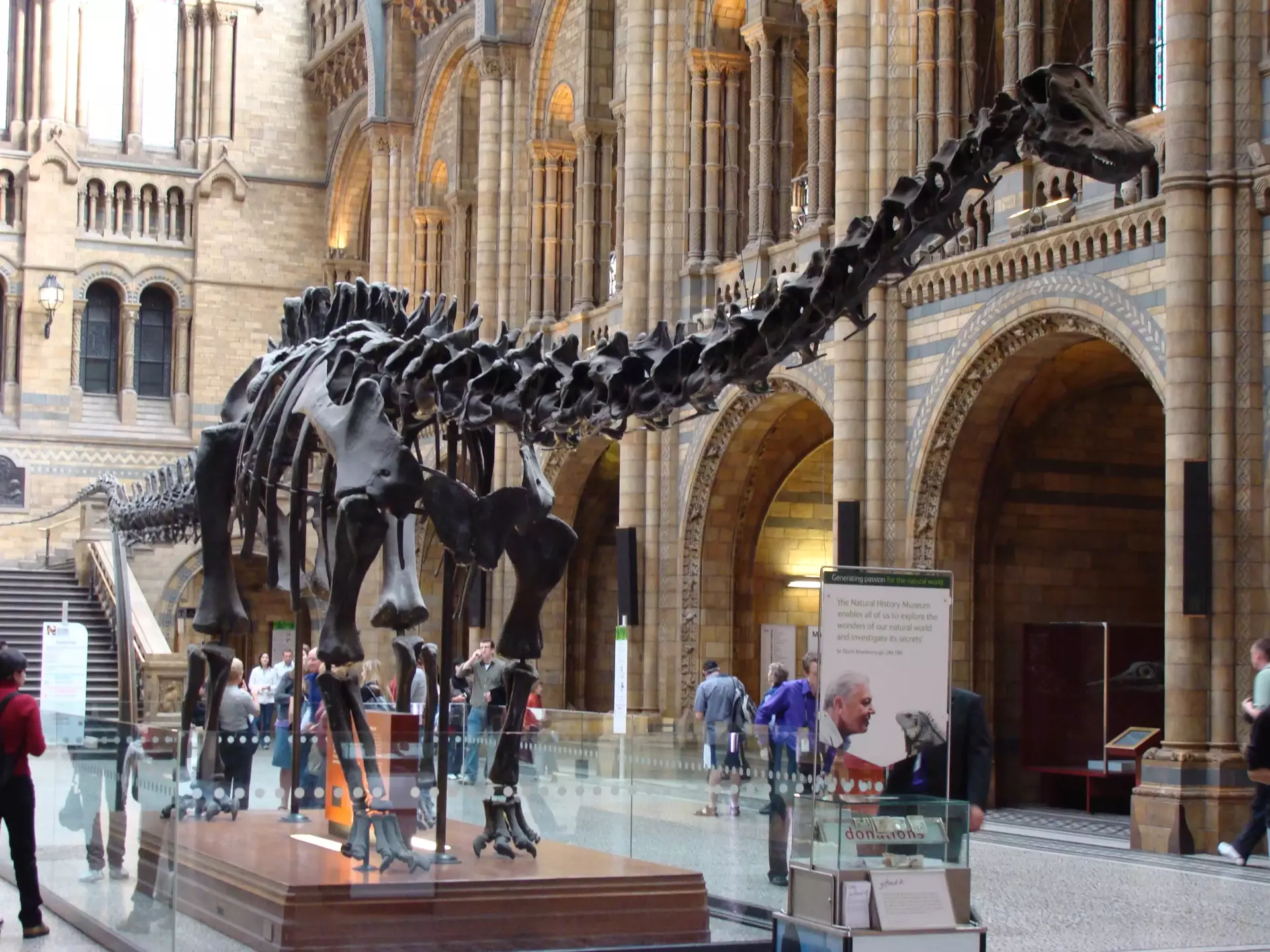
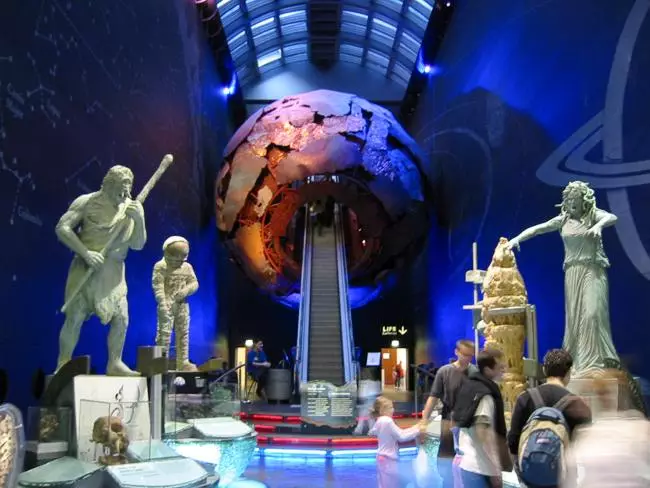
Probably the most popular of all the museums here and a must see for many visitors to London. Home to at least 70 million specimens from across all the life sciences. It's difficult to say what the most popular exhibit here is; the blue whale which towers over the entrance hall, the (now slightly tacky-looking) animatronic Tyrannosaurus rex in the dinosaur gallery, or the life-size model blue whale in the mammals gallery. Also well worth a check are the Darwin Centre (book on a free tour to see some of the most interesting, and sometimes gruesome, specimens not on public display); and the studio dedicated to BBC wildlife personality extraordinaire, David Attenborough. The NHM's "Earth Galleries" were once the adjacent Geological Museum, an independent institution until the 1980s, and still located in a separate building with a separate entrance.
The Wallace Collection is one of the world's finest private art collections, the best known of which is Frans Hals's work The Laughing Cavalier. Other artists on display include Rembrandt, Titian, Poussin, and Reynolds. This is well worth escaping to after the hustle and bustle of Oxford Street.
The headquarters of world's most famous insurance market, housed in a revolutionary (at the time) bizarre, Matrix-like glass-and-steel building designed by Richard Rogers, with all support services (lifts, ventilation, etc.) suspended outside. Recognised as a masterpiece of exoskeleton architecture.
A vast shopping, eating, entertainment and (primarily) business complex, home to Britain's second tallest skyscraper, One Canada Square. Now increasingly lively at weekends as well, but still at its most impressive during the week. Spectacular main exit from the Jubilee line Tube station. There is a substantial amount of information about the history and the architecture of the development on the website of Canary Wharf Group, the company that owns the development.
Substantial nature reserve on the old disused Barn Elms Reservoirs. A major wetland habitat for wintering wildfowl and an excellent choice for any keen birders visiting London, and an entertaining place for kids to learn about nature
The London Mithraeum is a 3rd century Roman mithraeum that was discovered in Walbrook during construction work in 1954. The entire site was relocated several times before being returned to its original site as part of the new Bloomberg building. This temple of the mystery god Mithras became perhaps the most famous 20th-century Roman discovery in London. In addition to the temple structure, there is a display of Roman artefacts found on the site and a contemporary art exhibit responding to the site. Visitor numbers are limited and timed slots are often fully booked up several weeks into the future so plan well ahead.
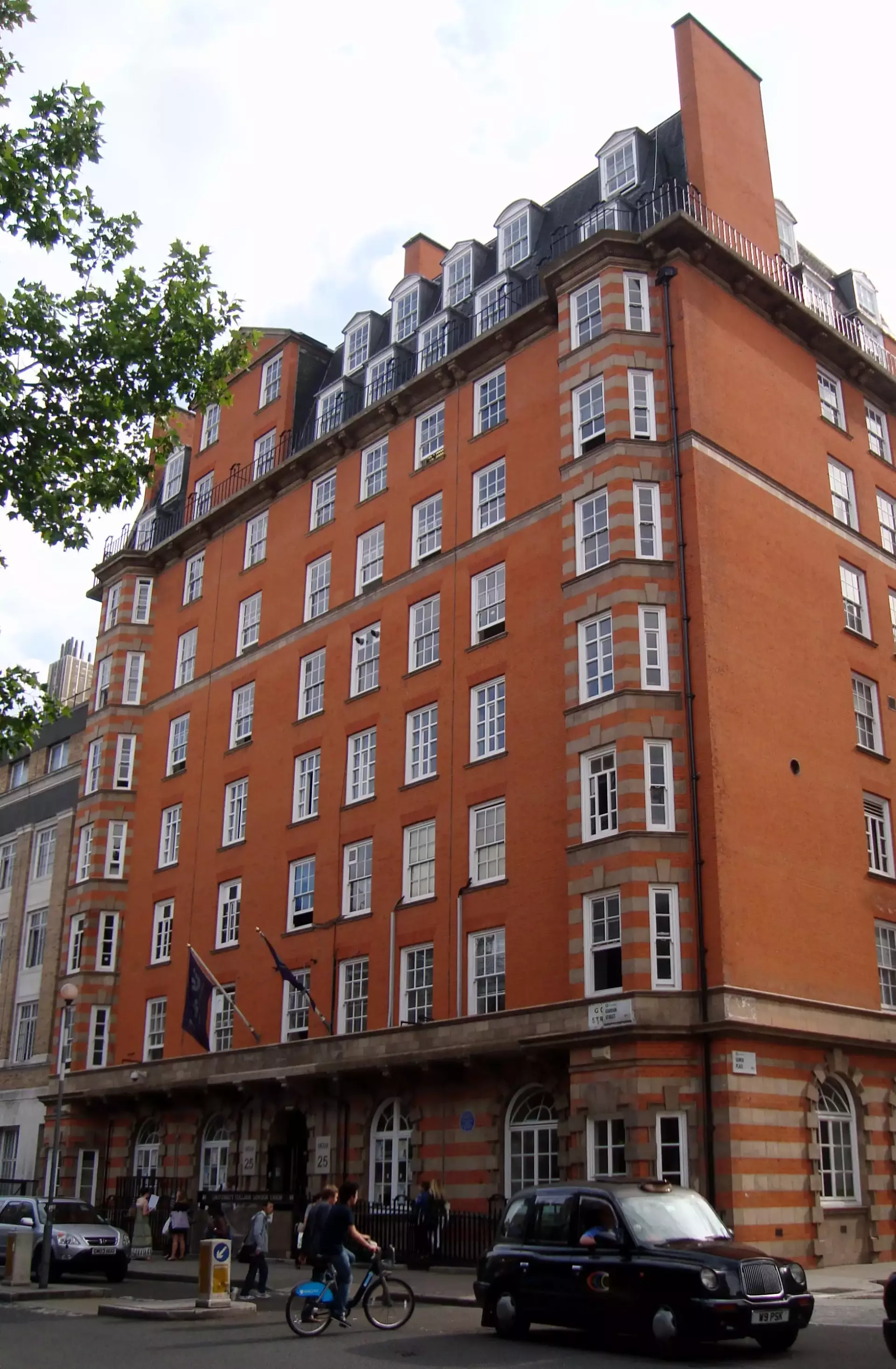
Art deco headquarters of University of London featured in the film Nineteen Eighty-Four.
Another Richard Rogers creation, nicknamed the Cheesegrater. Completed in 2014. Also opposite Lloyd's.
Large open space very popular with Londoners and less visited by tourists than the other great city parks. A number of lovely lakes, an open air theatre, regular puppet shows, various sporting activities and some splendid ancient trees. There is also a cafe and play area next to the boating pond. London's main zoo is in the northern reaches of Regent's Park. Takes a very conservation-driven approach these days and always has great exhibits aimed at children. Opened in 1828 for scientific study, then to the public in 1847. Islamic Cultural Centre and the main mosque in London. Visitors are welcome but must be suitably attired. The Mosque runs classes, prayers, talks and events.
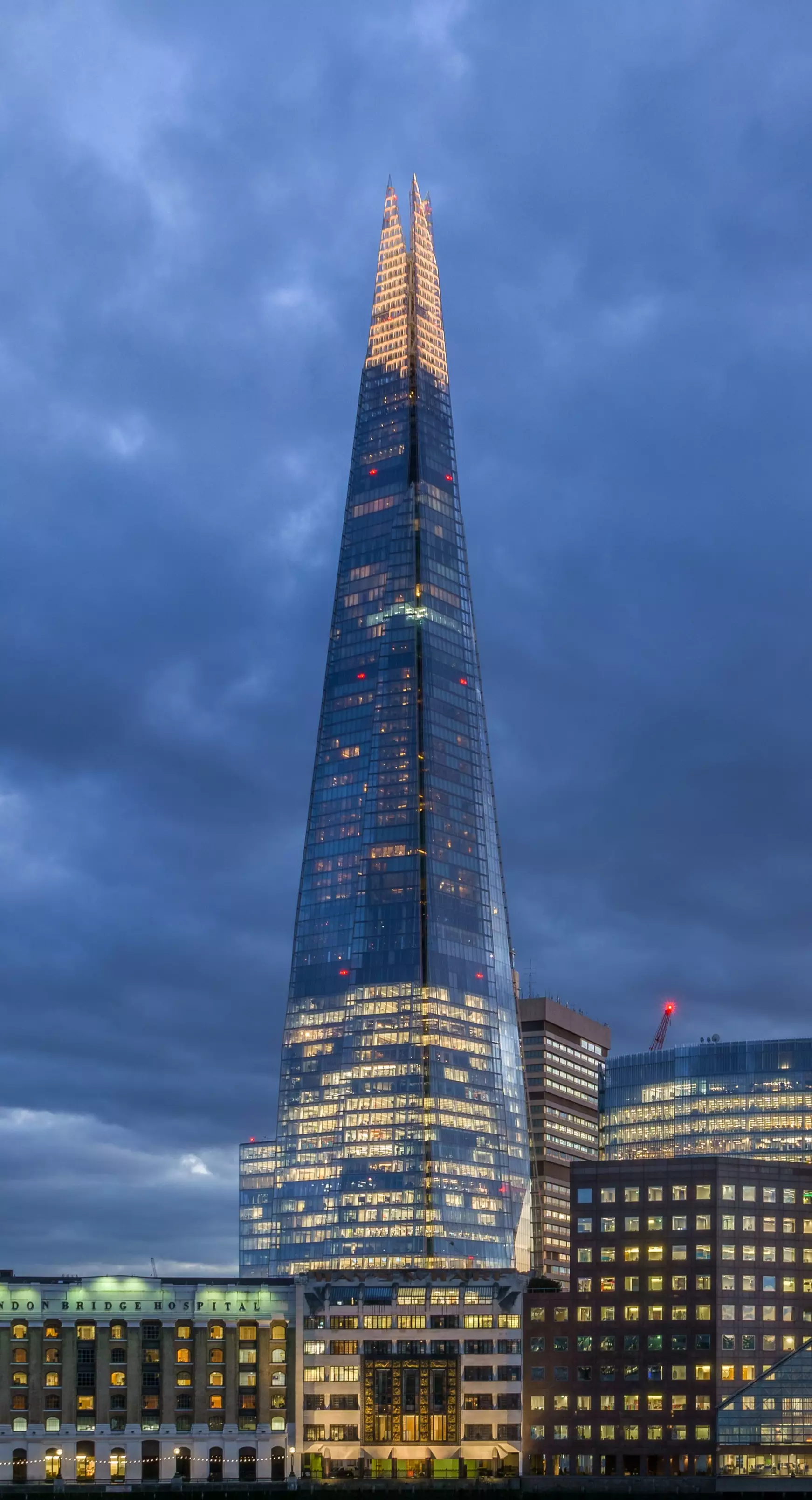
191-m (627-ft) skyscraper can be seen from far away and is the sixth highest building in UK.
This gallery houses the Tate collection of British art from 1500 through to contemporary art. A side wing collects together the gallery's collection of paintings by Turner, including some stunning seascapes. Temporary exhibitions are exceedingly varied: examples include exhibitions of Turner's paintings of Venice and the work of photographer Wolfgang Tillmans. The best known exhibition is the Turner Prize, consists of works by four artists shortlisted for the annual contemporary art prize, which runs from late October to January each year.