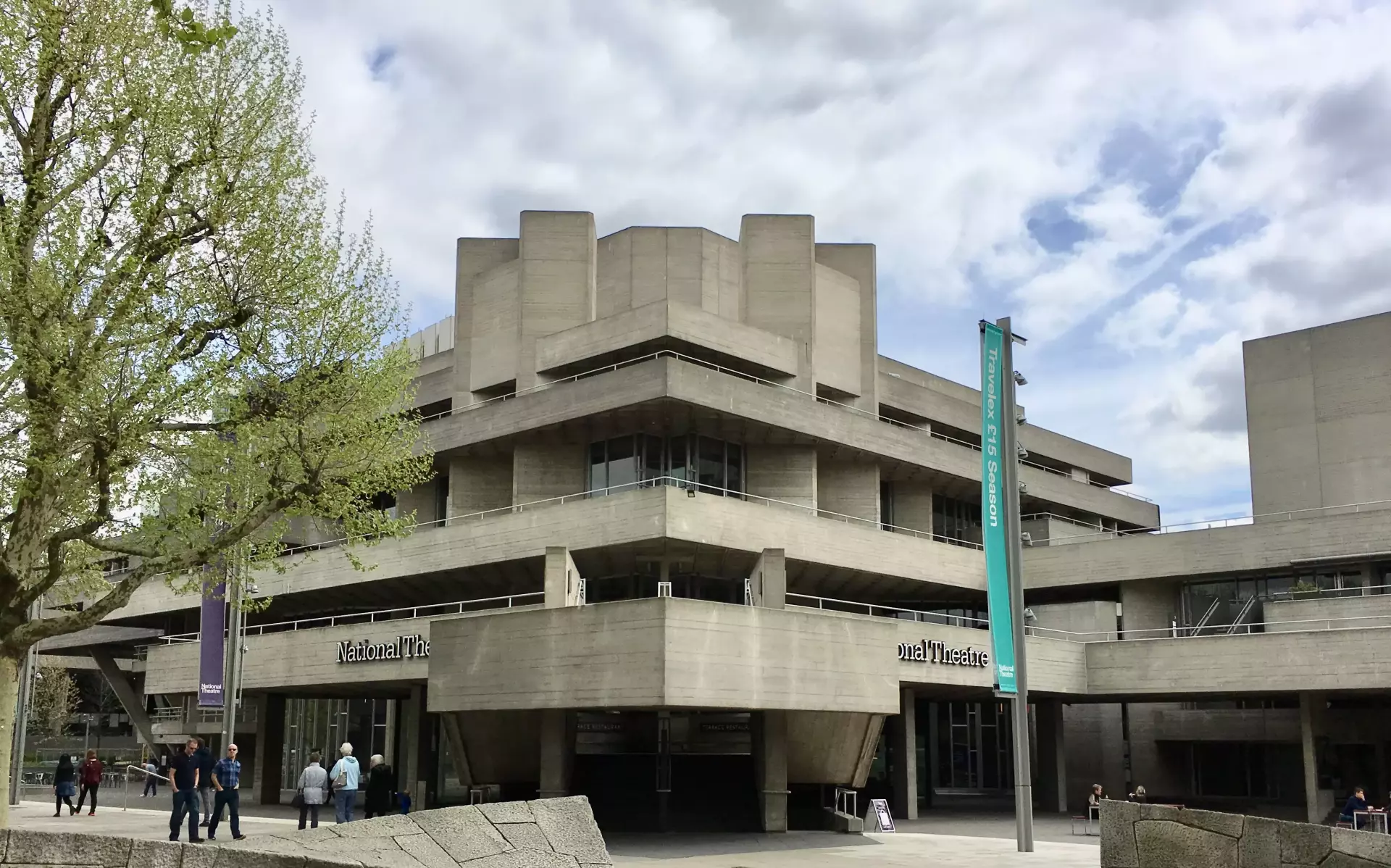
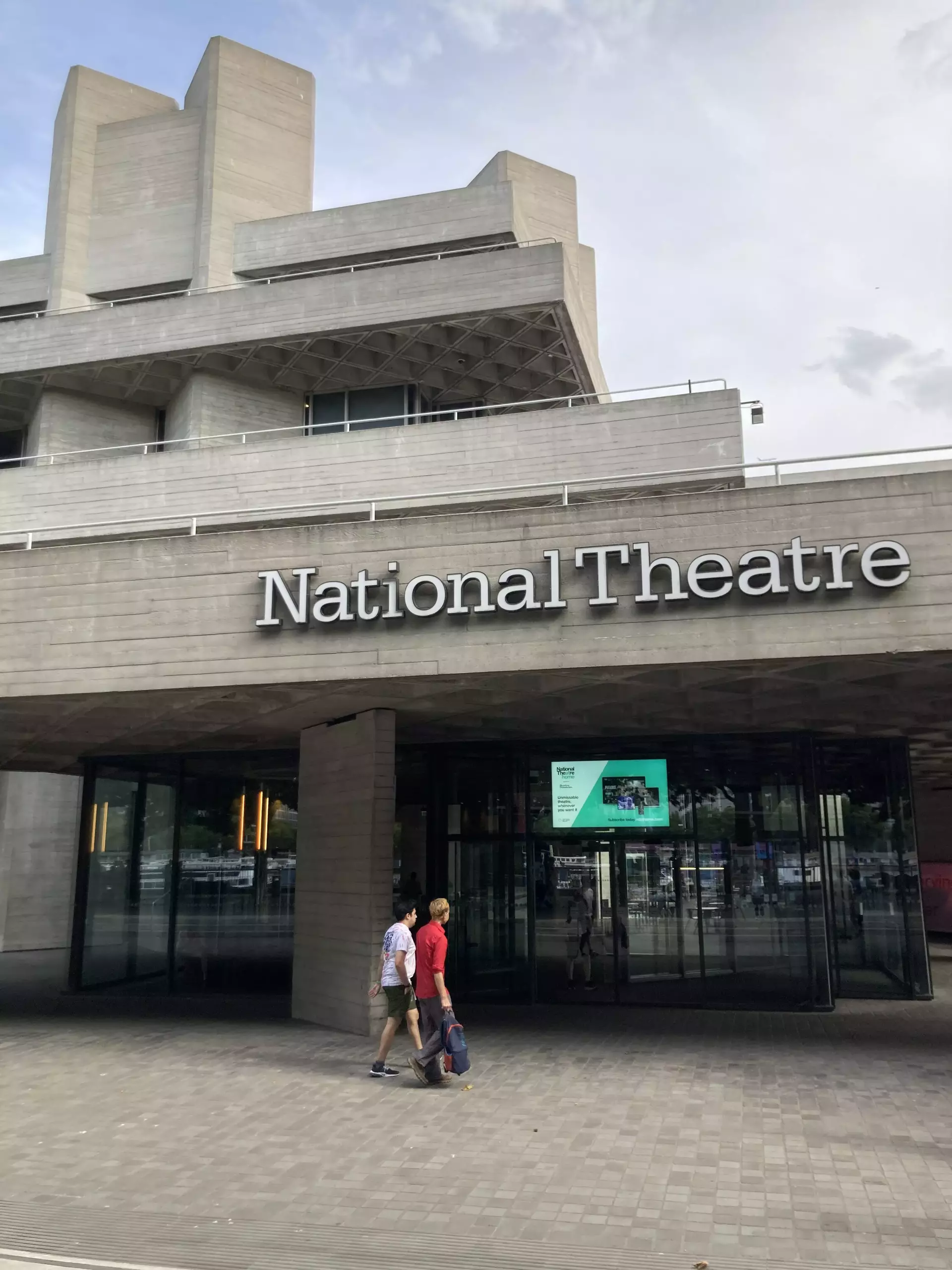
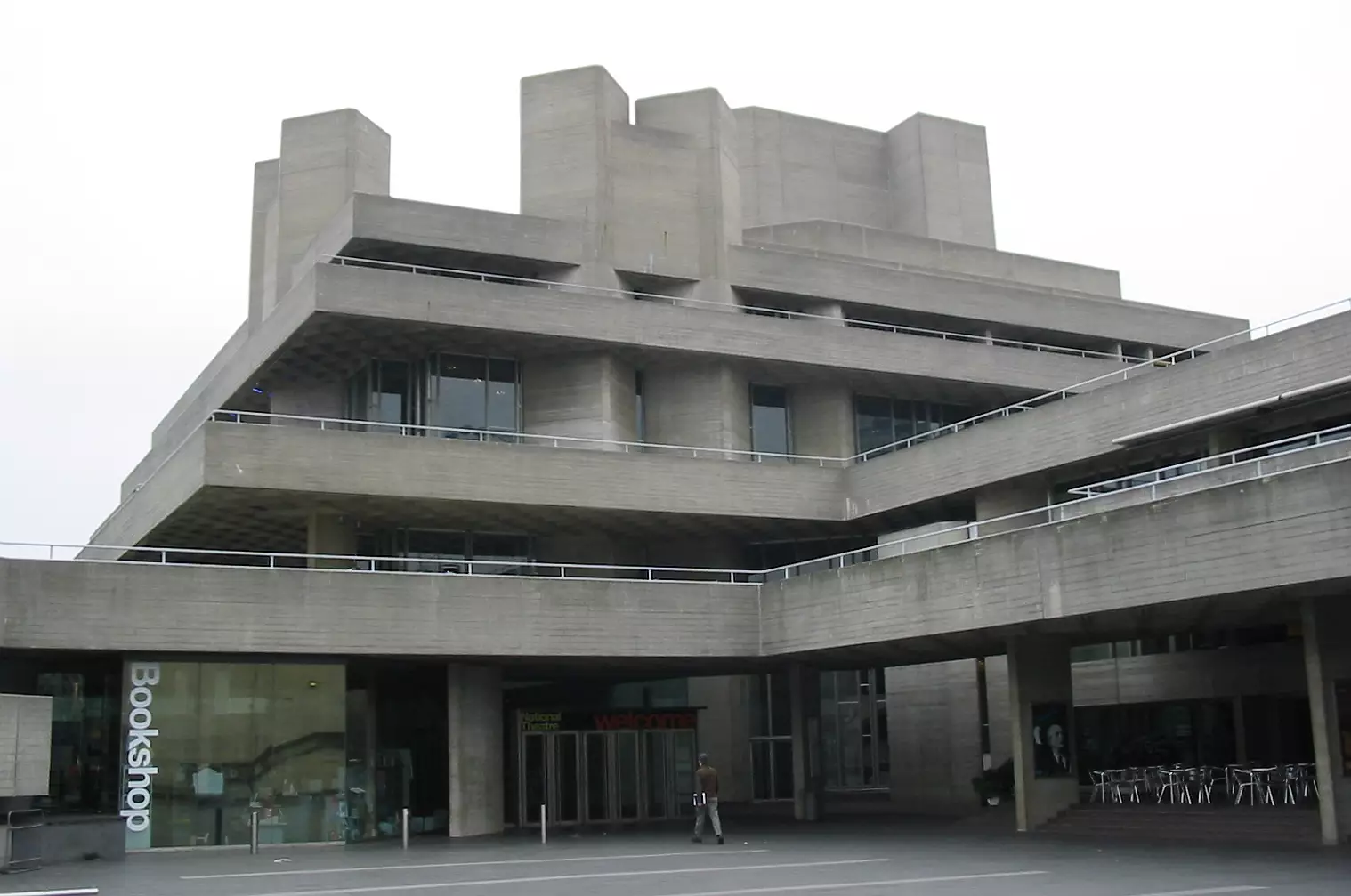
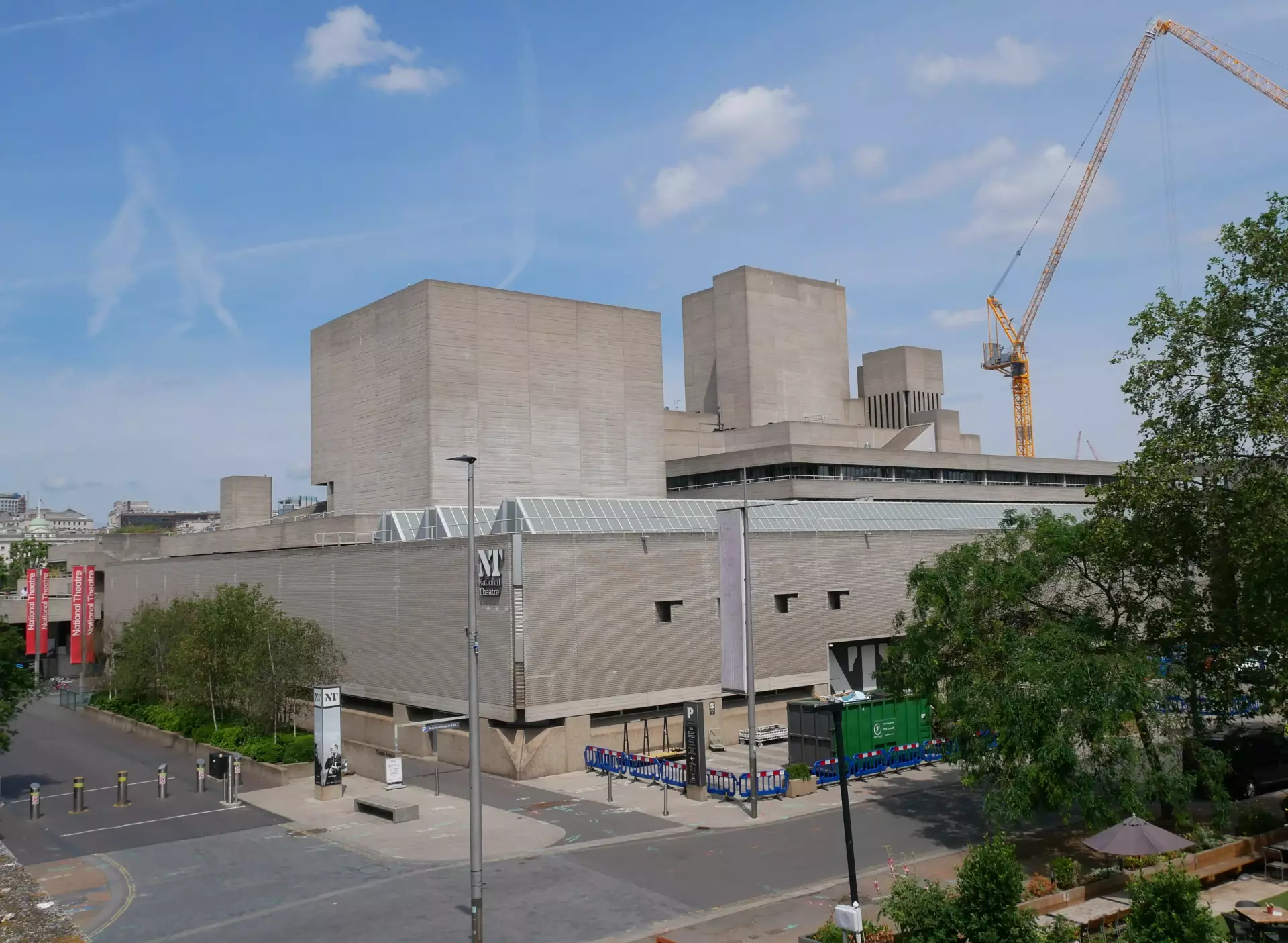
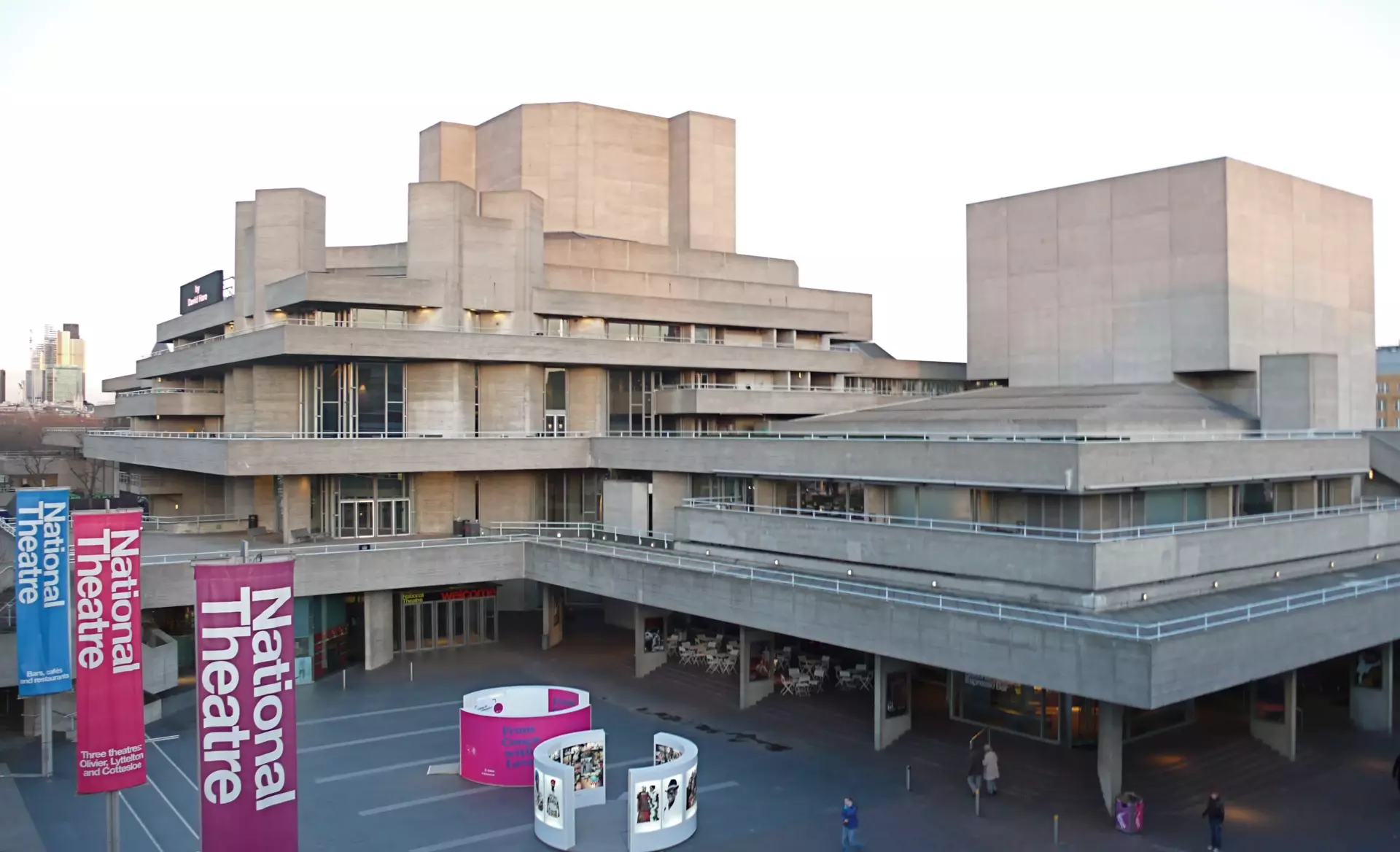
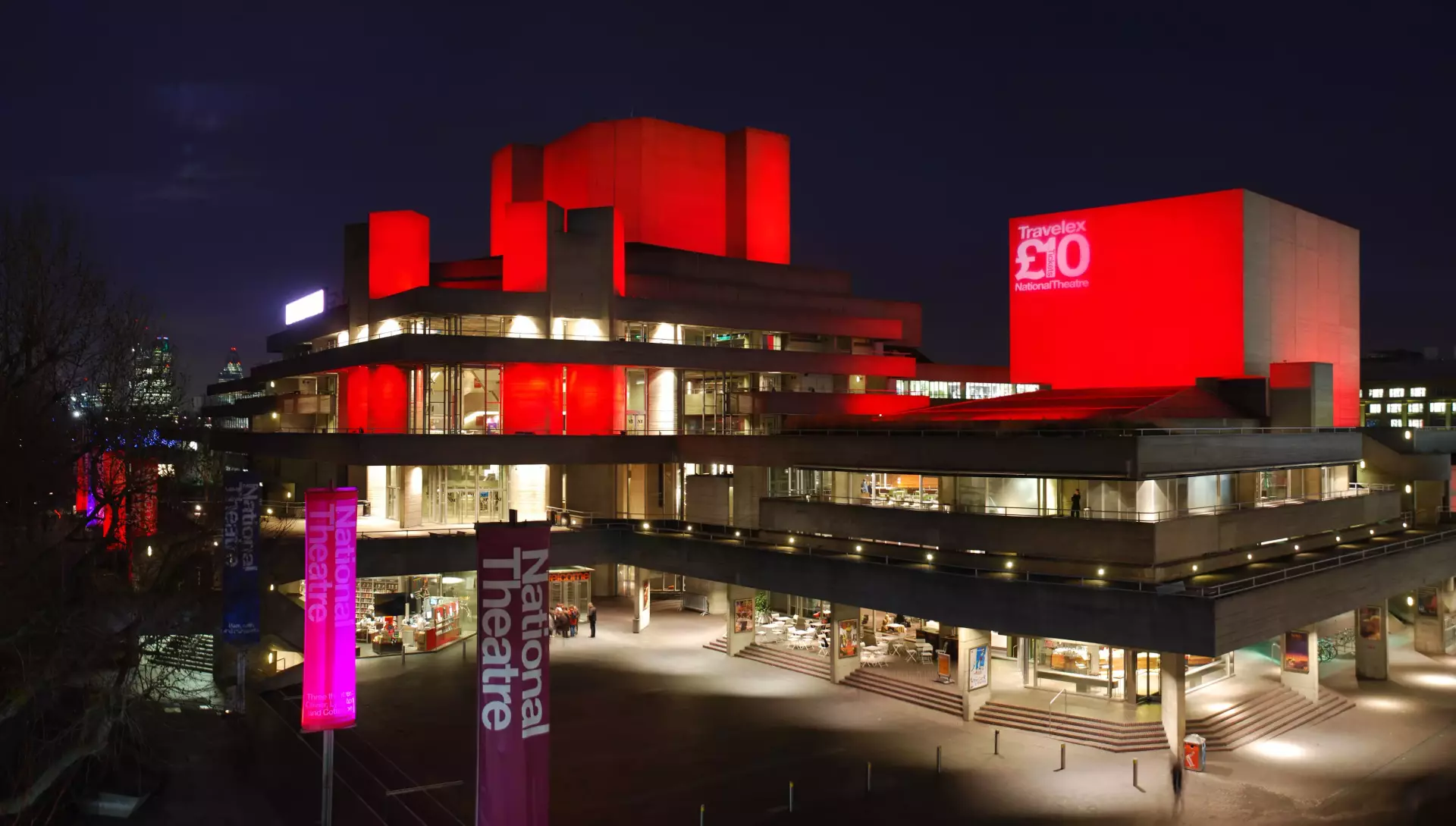
The National Theatre is a vibrant cultural hub, offering a dynamic range of performances and attractions. With three main auditoriums — the Olivier, the Lyttelton, and the Dorfman — it’s a place where diverse theatrical experiences come to life. The Olivier, the largest of the three, features an open stage with a fan-shaped seating arrangement, ensuring great views from every seat. This space often hosts the most popular productions due to its size.
The Lyttelton Theatre offers a more traditional experience with its classic proscenium arch, providing excellent views from most seats. The Dorfman, formerly known as the Cottesloe, is an intimate studio theatre seating around 400 people — perfect for smaller, experimental productions.
For those looking to attend a show, tickets can be purchased online or at the box office. Same-day options such as day seats or standby tickets are often available. It’s worth noting that popular productions, especially in the Olivier during the festive season, tend to sell out quickly.
Beyond the performances, the theatre offers additional cultural experiences. The Lyttelton Theatre foyer regularly hosts photographic exhibitions, providing an artistic complement to the theatrical programme. Evenings often feature free live music in the ground-floor foyer, creating a lively, welcoming atmosphere.
During the summer, the theatre hosts the River Stage Festival — a free outdoor celebration featuring music, dance, and cabaret on the South Bank. For those interested in a closer look behind the scenes, backstage tours are available for a modest fee, offering fascinating insights into the inner workings of this iconic venue.
Source - https://en.wikipedia.org/wiki/Royal_National_Theatre
Created by Tonkin Zulaikha Greer and Janet Laurence to remember the Australians who died in both world wars. Made from Australian granite.
This gallery houses the Tate collection of British art from 1500 through to contemporary art. A side wing collects together the gallery's collection of paintings by Turner, including some stunning seascapes. Temporary exhibitions are exceedingly varied: examples include exhibitions of Turner's paintings of Venice and the work of photographer Wolfgang Tillmans. The best known exhibition is the Turner Prize, consists of works by four artists shortlisted for the annual contemporary art prize, which runs from late October to January each year.
The largest open space in London, covering almost 1,000 hectares (2,500 acres) and home to a huge array of wildlife, including 400 wild deer. Also contains the lush Isabella Plantation, which is full of trees and flowers, and the Royal Ballet School, seen in the film Billy Elliot. Popular with cyclists, both for the on-road perimeter circuit and the off-road trails. There are several car parks for walkers and picnickers.
A private residence which can only be seen from the street. Designed and built in a French neo-Gothic style by William Burges, it features a handsome cone-roofed tower. Legendary guitarist Jimmy Page has been the house's proud owner since he bought it from actor Richard Harris in 1972.
Large open space very popular with Londoners and less visited by tourists than the other great city parks. A number of lovely lakes, an open air theatre, regular puppet shows, various sporting activities and some splendid ancient trees. There is also a cafe and play area next to the boating pond. London's main zoo is in the northern reaches of Regent's Park. Takes a very conservation-driven approach these days and always has great exhibits aimed at children. Opened in 1828 for scientific study, then to the public in 1847. Islamic Cultural Centre and the main mosque in London. Visitors are welcome but must be suitably attired. The Mosque runs classes, prayers, talks and events.
The National Portrait Gallery is just around the corner from the National Gallery and is an entertaining way to learn about British history since the Tudors. Visitors walk around the gallery chronologically, viewing portraits of notable figures from British history - from Henry VII, painted by Hans Holbein, to Blur, painted by Julian Opie.
Former offices of the Greater London Authority. A radically-designed glass fronted and rounded building, previously headquarters for London's Mayor and Assembly. City Hall has now be relocated to The Crystal, a building in Greenwich, near to the cable car. The old building is disused and not open to the public, but can be viewed from the outside.
The London residence of the Dukes of Wellington, which now acts as a museum for the inaugural and most famous holder of the title. It boasts an impressive collection of paintings, sculptures, medals and swords. Perhaps the most bizarre item in Wellington's collection is a nude statue of Napoleon Bonaparte, commissioned by the emperor himself and bought by the British government following his defeat at the Battle of Waterloo as a gift for the duke.
Constructed 1672-9 to a design by Sir Christopher Wren and regarded as one of the finest Wren churches. The 63 feet (19 m) high dome is based on Wren's original design for St Paul's Cathedral. The circular altar is by the British sculptor Henry Moore, and the kneelers are designed by Patrick Heron. Free lunchtime concerts at 1PM on Tuesdays (except August). Free Organ recitals at 12:30PM on Fridays. Occasional art exhibitions on Christian themes and other events.
The Guildhall Art Gallery houses the City Corporation's art collection, and also runs special exhibitions throughout the year. During construction of the modern gallery, workers discovered the ruins of London's Roman amphitheatre. The gallery was redesigned, and now the Amphitheatre is open to the public within the Guildhall Art Gallery itself and also free of charge.
This garden square was established by Lord Southampton in 1665 and is the oldest square in London. It was opened to the public in the 1950s. The square is surrounded by a number of beautiful 18th- and 19th-century buildings and terraces.
One of the oldest churches in Battersea, this church is where Christians have worshiped at the same site since 800 AD. It is protected as a Grade I listed building with its combination of heritage and architectural merit.
Named in honour of Queen Victoria and her consort Prince Albert, this museum has existed for over 150 years. It contains a huge collection of decorative arts from all over the world and far back in time. Trying to see everything in one day would be exhausting, so use the excellent maps the V&A provides to plan where you want to go. There are regular exhibitions concentrating on a particular theme from Chinese art to fashion designers. Frequently they put on children's activities and late DJ nights.
The second biggest greenhouse in London, containing over 2,000 species of tropical plants as well as birds and fish.
There are three notable outdoor bathing ponds on the heath. The Men's Pond and Women's Pond are both part of the line of small lakes on the eastern edge of the heath known as Highgate Ponds, and the Mixed Pond is part of Hampstead Ponds on the opposite side. Swimming hours are seasonal, complicated, age-dependent and change frequently, so it is worth checking before making a special trip.
A treasure trove of antique toys exhibited in a warren of 6 rooms above the toy shop of the same name. A very charming place indeed, though the doll rooms are a bit gruesome.