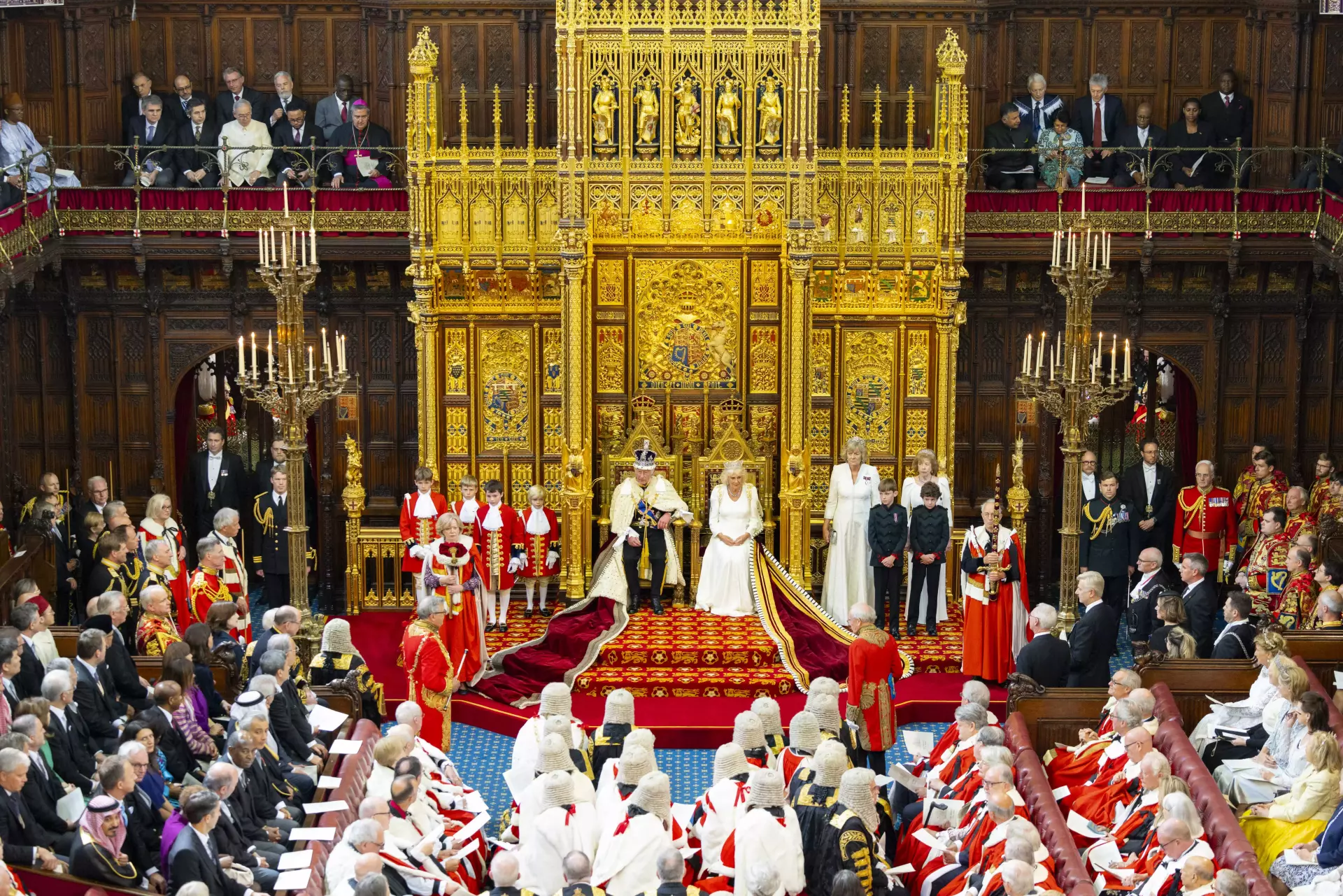
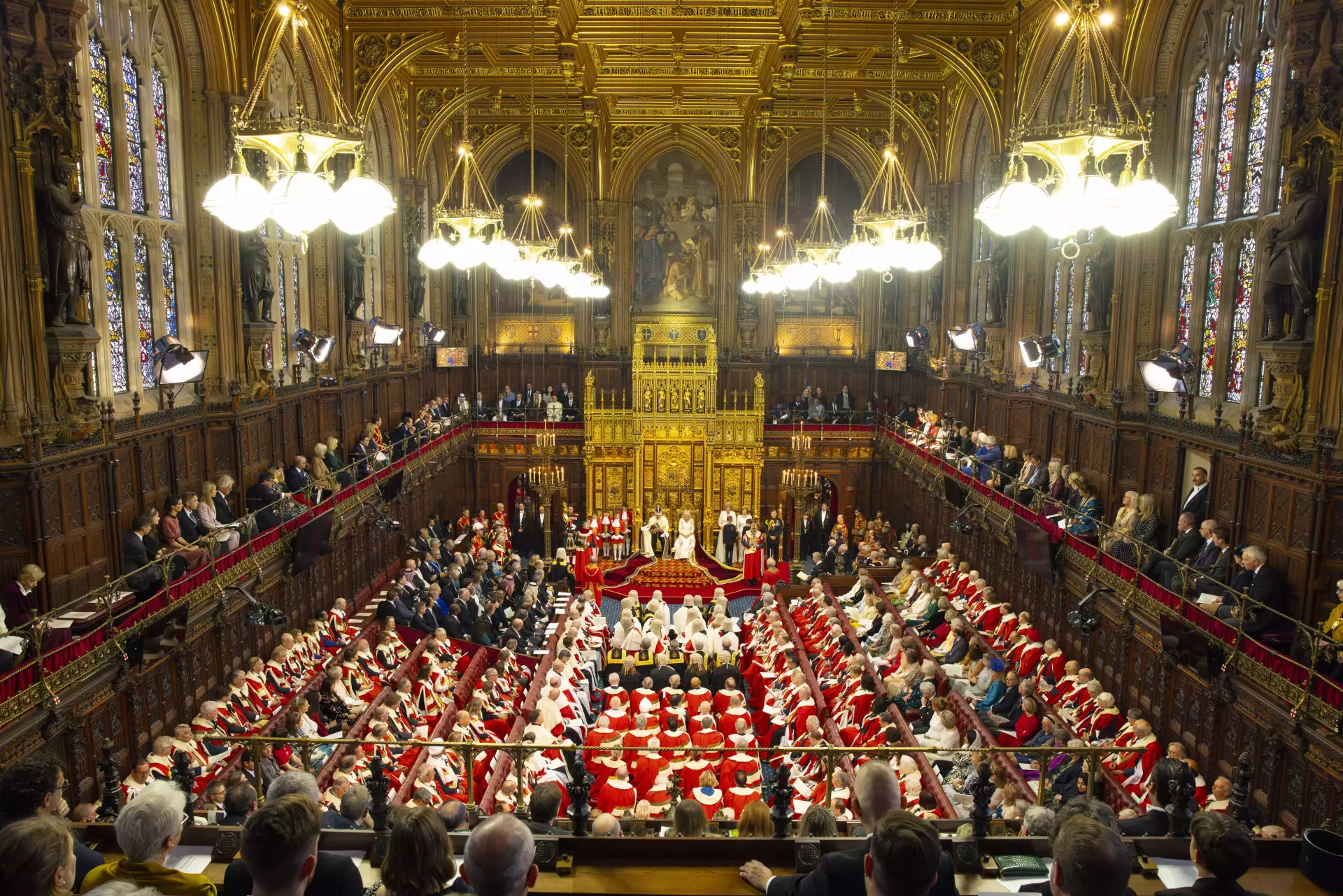
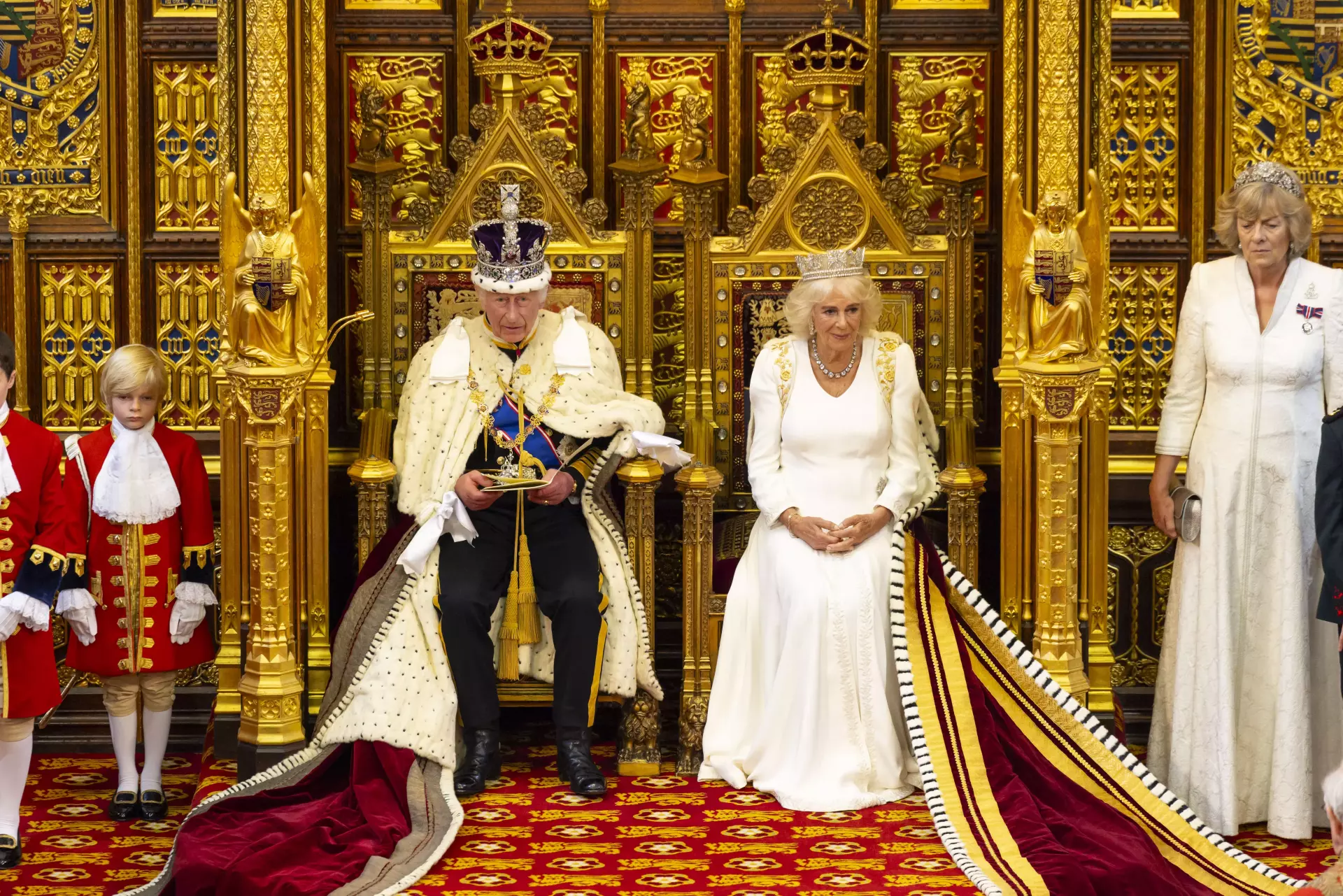
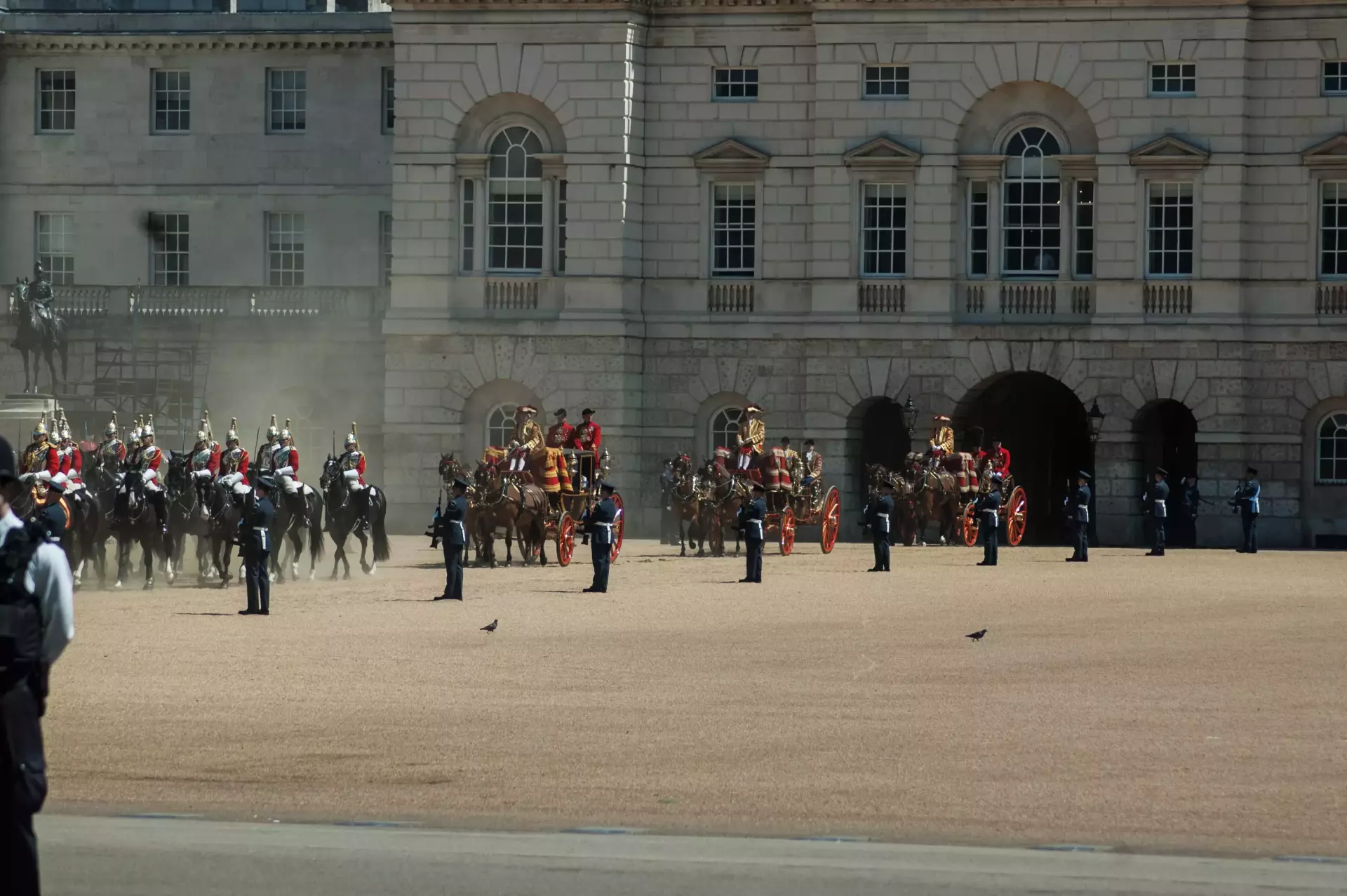
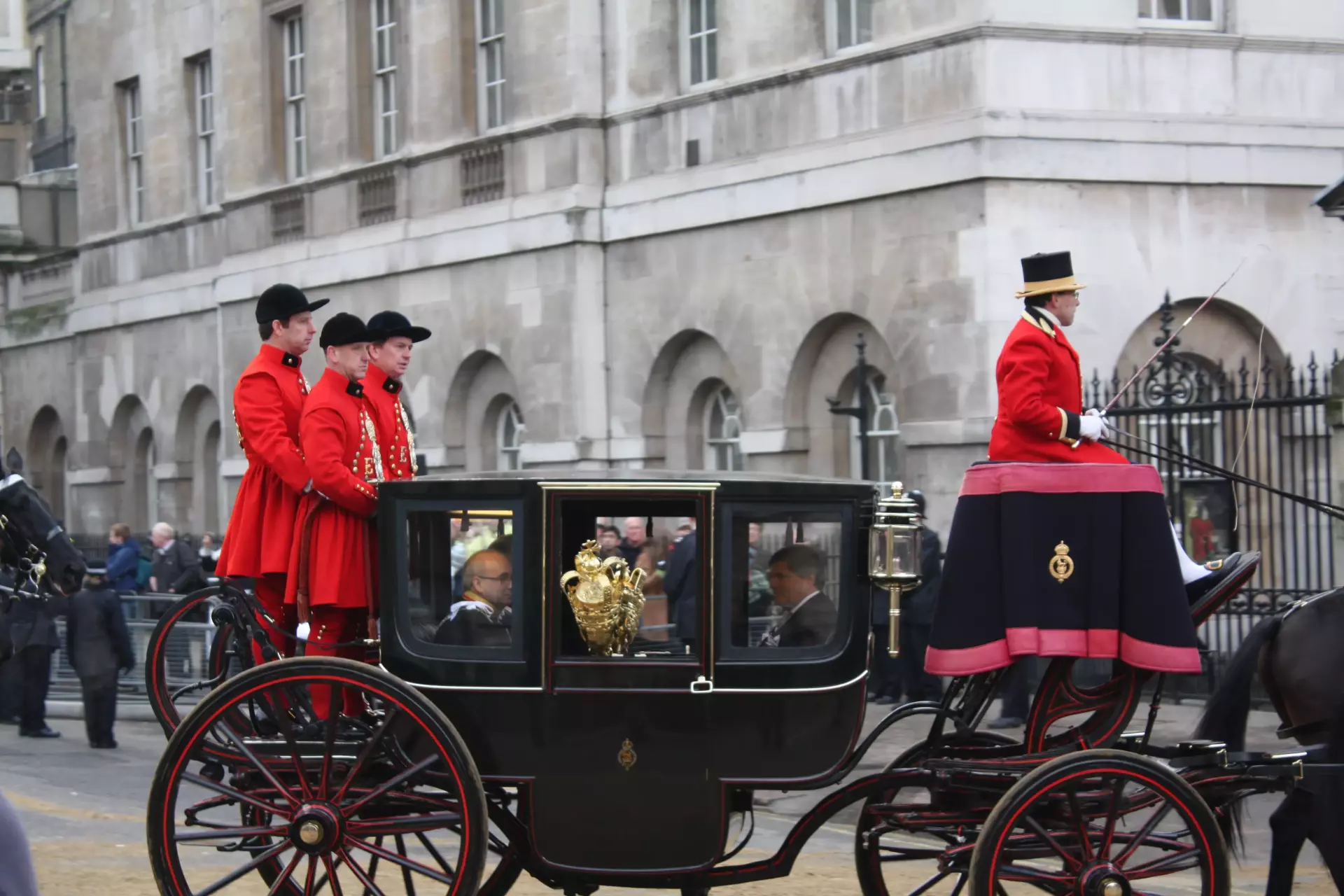
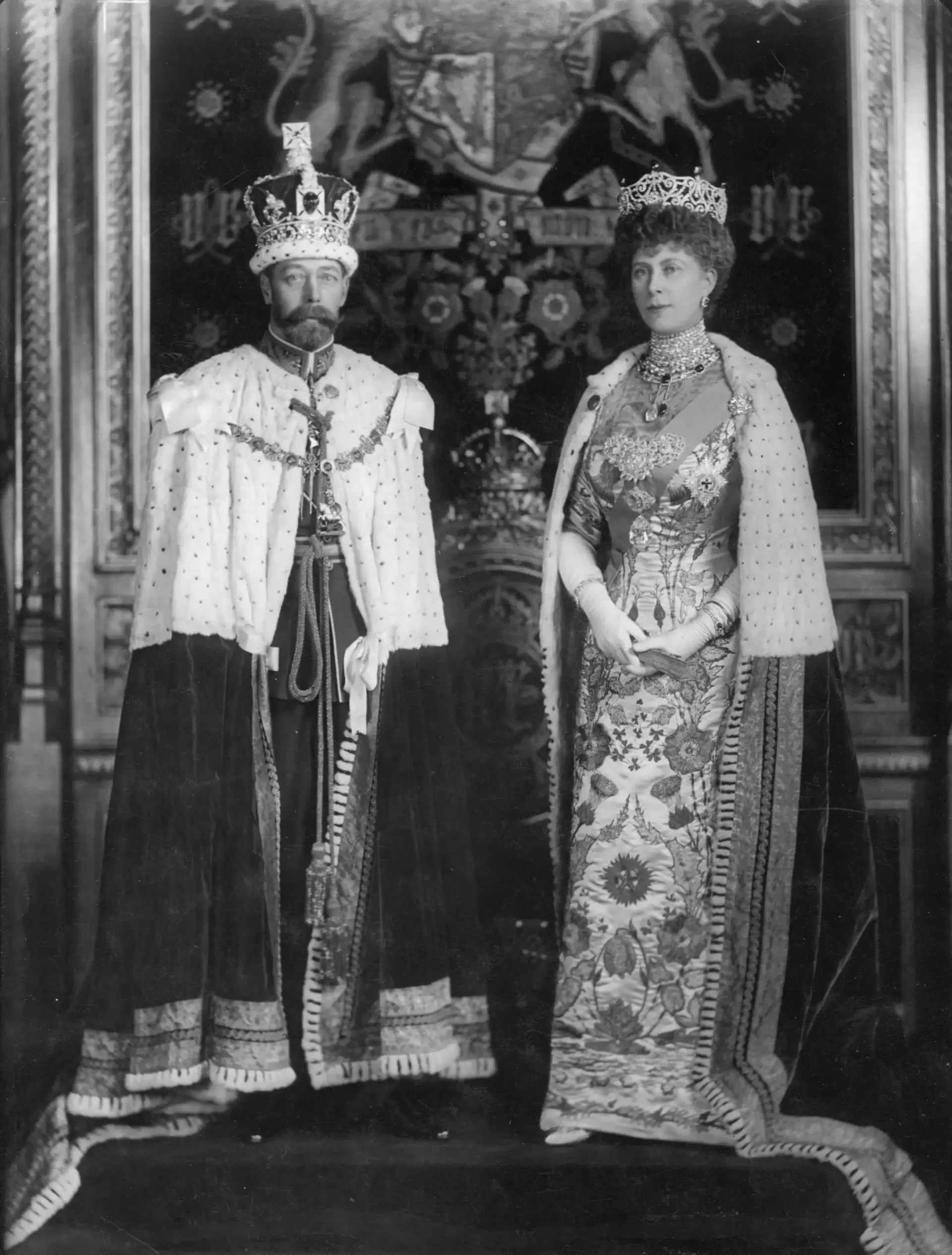
The State Opening of Parliament is among the most vibrant events in the UK's legislative calendar. This annual ceremony typically occurs in May or June, or after a general election, marking the commencement of the new parliamentary session. The occasion is graced by the presence of the King, who travels to the Houses of Parliament, symbolizing the unity of the nation's governance.
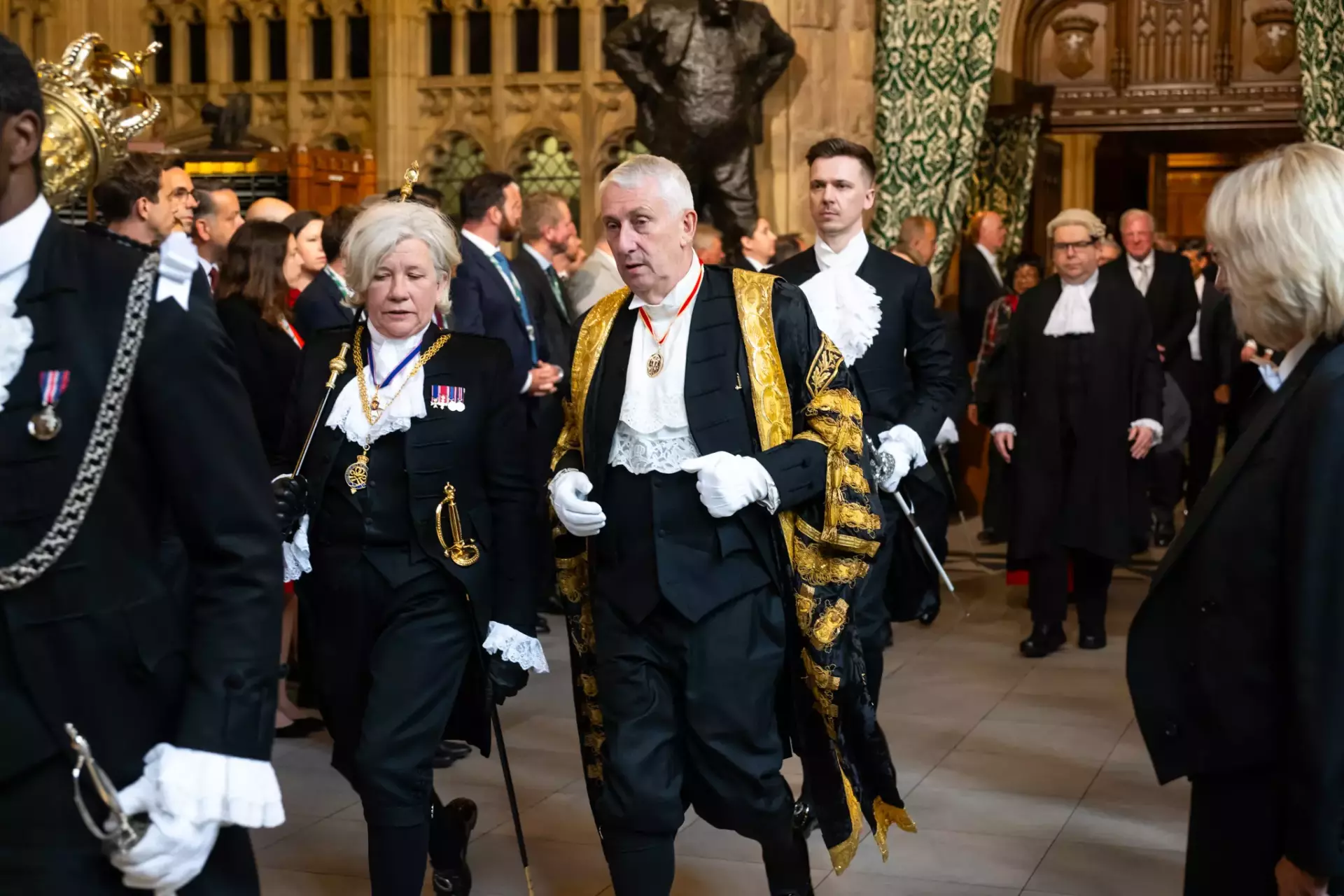
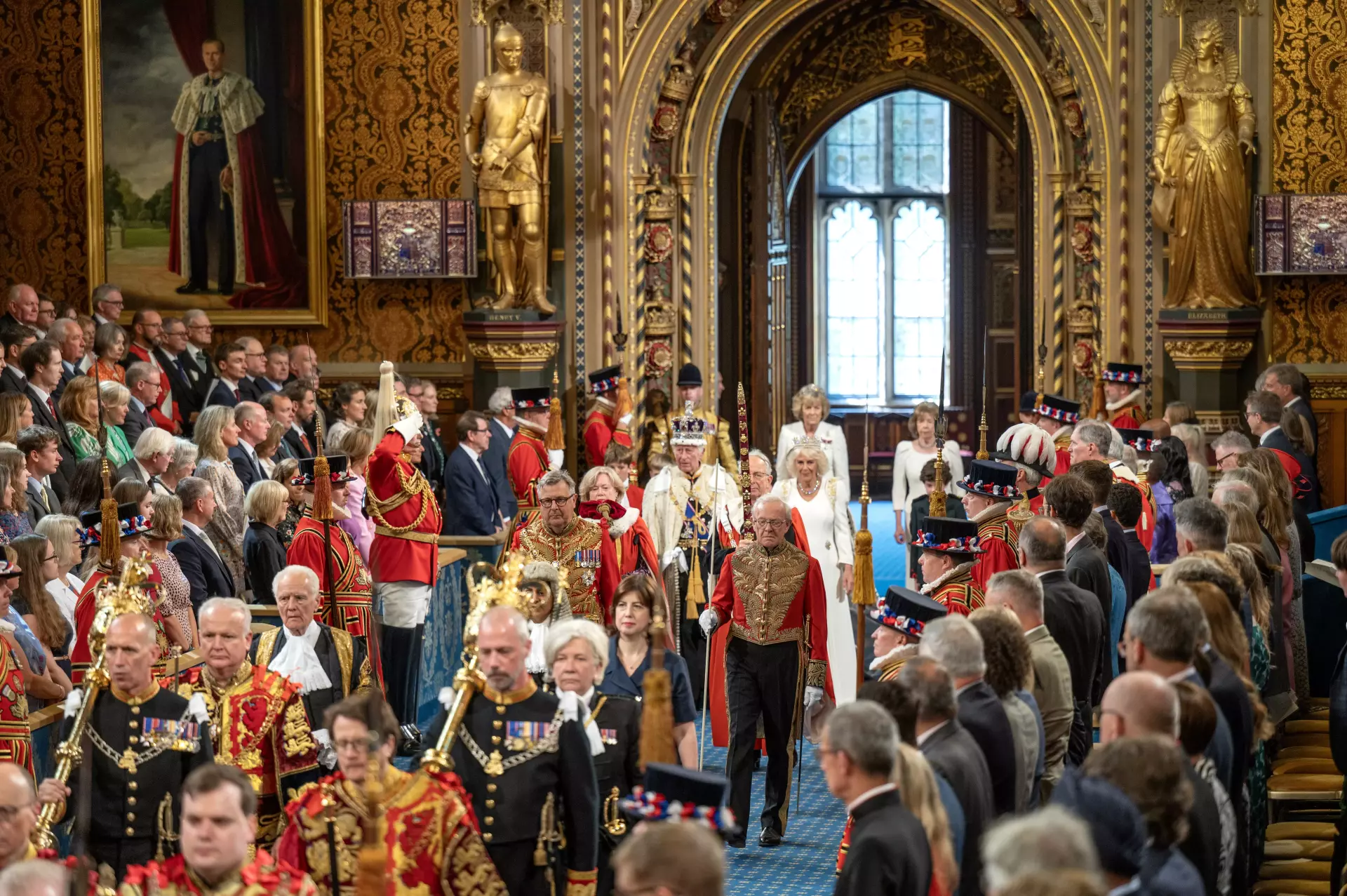
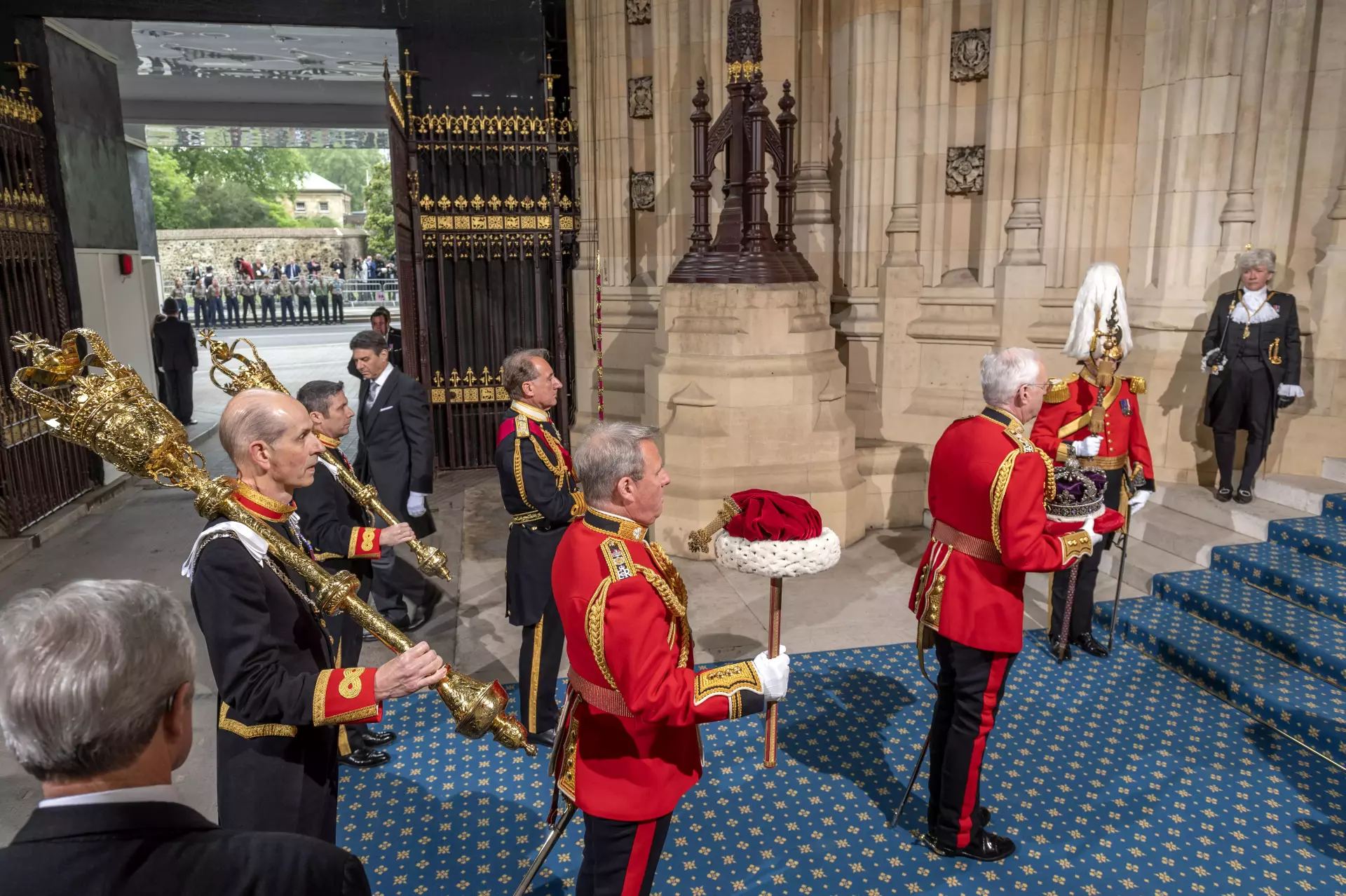
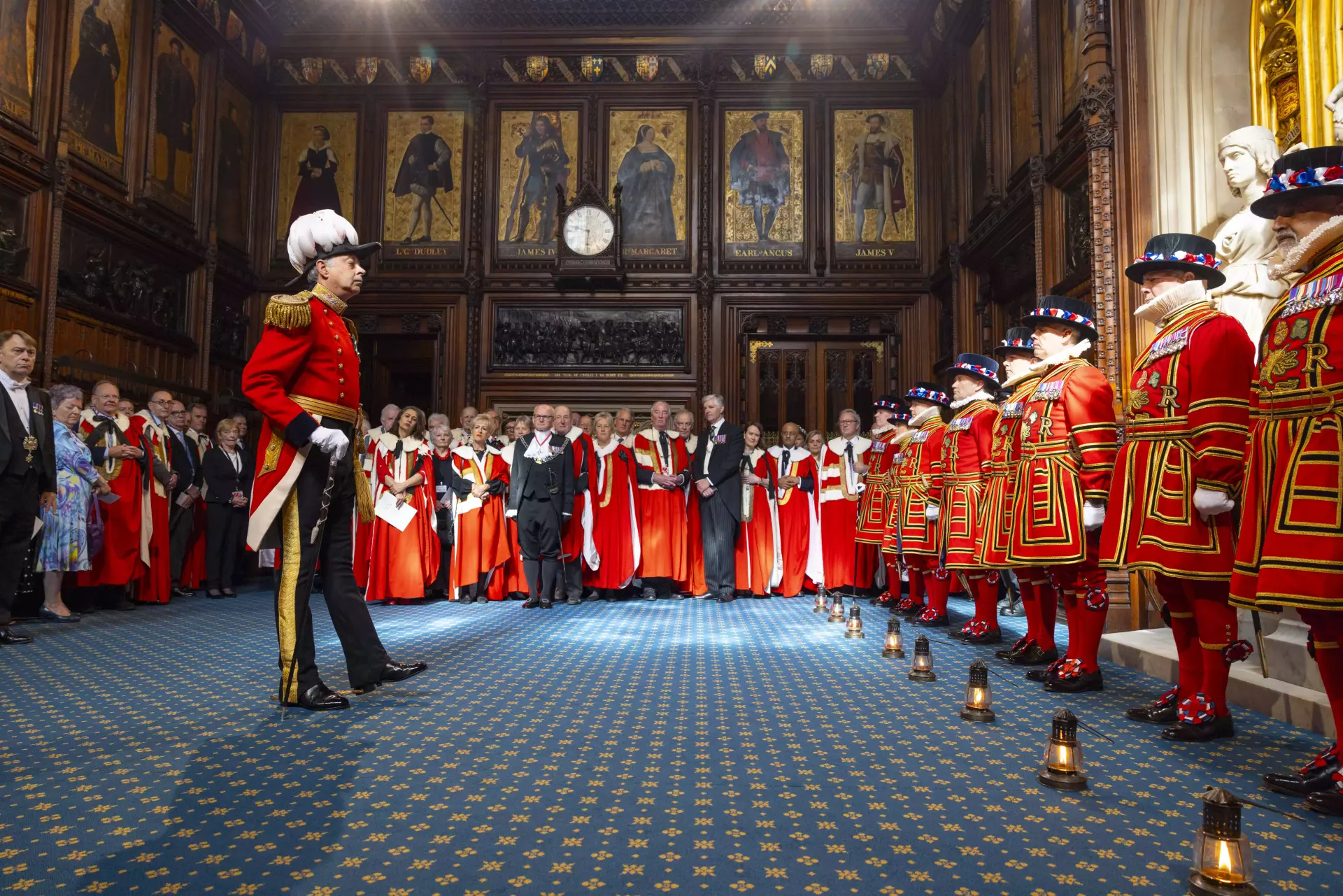
The event is characterized by a remarkable display of tradition and ceremony. Members of the House of Lords, the Speaker of the House of Commons, and various officials don their ceremonial robes, creating a spectacle of regal pageantry. One of the highlights is the elaborate procession, as the King journeys from Buckingham Palace to the Houses of Parliament, escorted by a grand retinue.
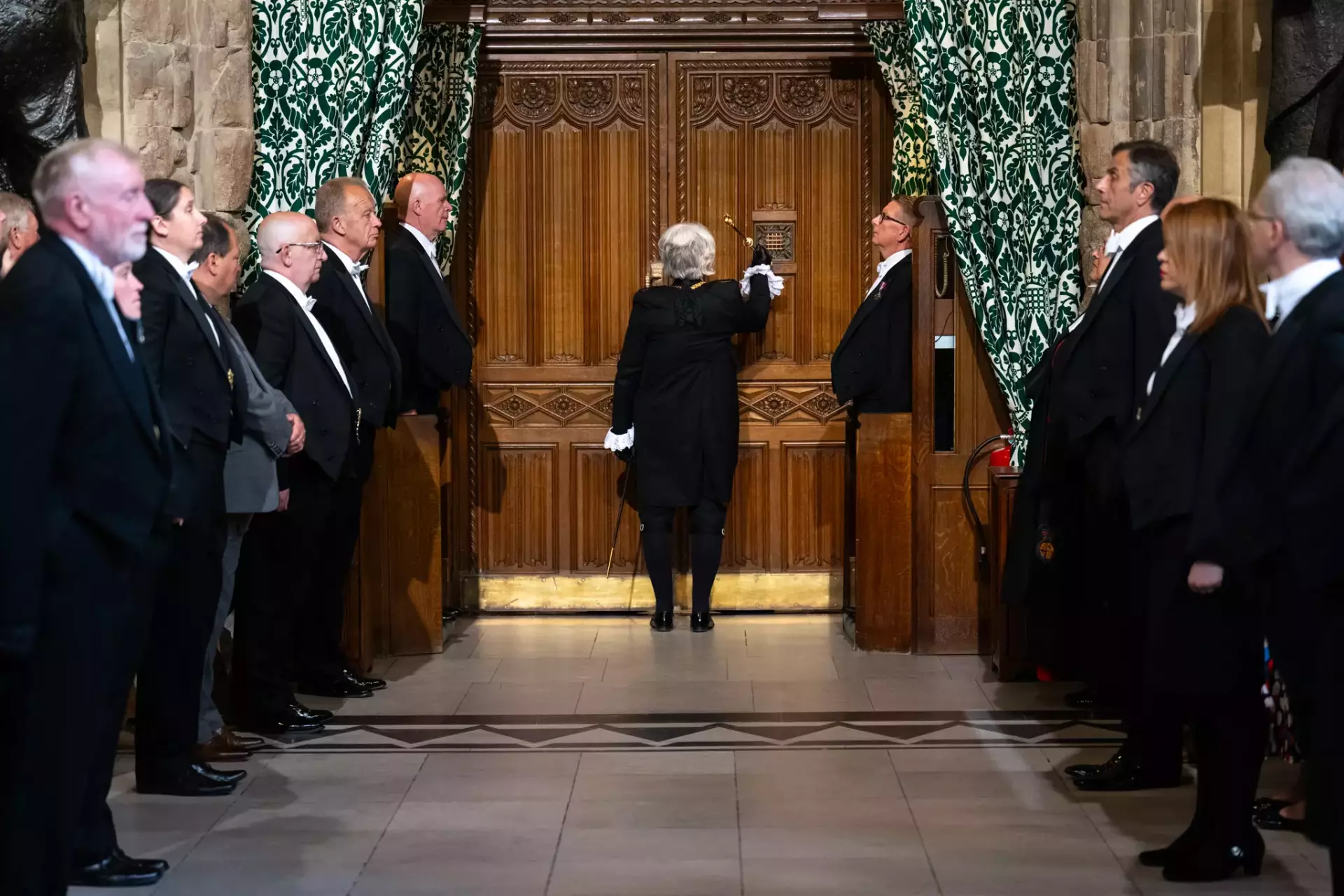
Many traditions observed during the State Opening have deep historical roots dating back to turbulent times when the monarch and Parliament often stood at odds. A significant tradition that emerged from these times is the prohibition of the monarch entering the House of Commons chamber. Instead, a representative known as the Black Rod is sent to summon Members of Parliament (MPs) to the Lords chamber, where the King's speech is delivered.
Another intriguing custom involves the appointment of a Hostage MP. This individual is held at Buckingham Palace, ostensibly as a guarantee for the monarch's safe return, and is released only after the King has safely returned following the speech.
While access to the proceedings inside Parliament is restricted to specially invited guests of the Prime Minister, the event is broadcast live on the BBC, allowing the public to witness the grandeur from the comfort of their homes. Additionally, the King's procession offers a unique opportunity for spectators to gather along the roadside and watch the royal journey from Buckingham Palace to Parliament without any cost.
Source - https://en.wikipedia.org/wiki/State_Opening_of_Parliament
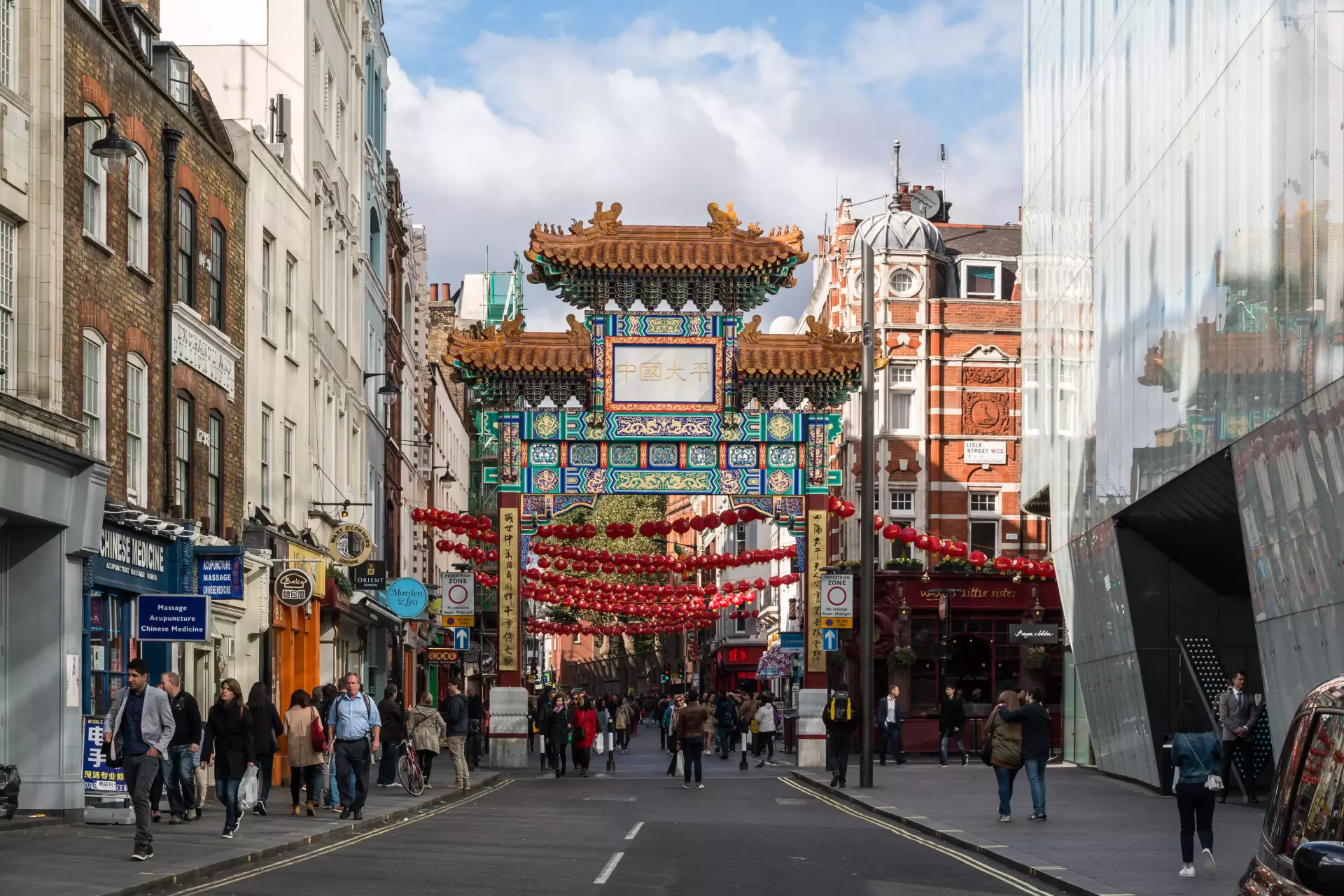
The main sights to see in London's Chinatown are the expressions of Chinese culture and Eastern ambience in Chinatown, and for a good Chinese meal. There are few souvenir shops for tourists and no museums or temples. The three ornamental Chinese arches are worth a look. Chinatown does incorporate some entertaining combinations of British and Chinese culture, such as the phone booths with pagoda-style sloping roofs.
Official residence of the Lord Mayor of the City of London, completed in 1753.
Dedicated to scientific exhibitions and collections bar those related to the life sciences. A number of famous historical machines and inventions are housed here, from steam locomotives to the Apollo 10 command module. The space exhibits are especially popular. Exhibitions tend to concentrate on explaining scientific principles with working models and there is a strong emphasis on education and attracting children. The Science Museum opened a "Children's Gallery" in the 1930s and it continues to lead the way in this area; now, there are three separate galleries aimed at all ages of younger visitor, from 5 to 16. The museum also runs "Science Nights" whereby children spend an evening learning principles and participating in experiments before spending the night sleeping in the museum with the exhibits. Also houses a vast library of scientific and medical books and journals.
Equestrian statue of the Iron Duke, with four soldiers at each corner of the pedestal, representing regiments that fought under him: a Grenadier, Scottish Highlander, Irish Dragoon, and Welsh Fusilier. The bronze came from melting down captured French cannons.
Former offices of the Greater London Authority. A radically-designed glass fronted and rounded building, previously headquarters for London's Mayor and Assembly. City Hall has now be relocated to The Crystal, a building in Greenwich, near to the cable car. The old building is disused and not open to the public, but can be viewed from the outside.
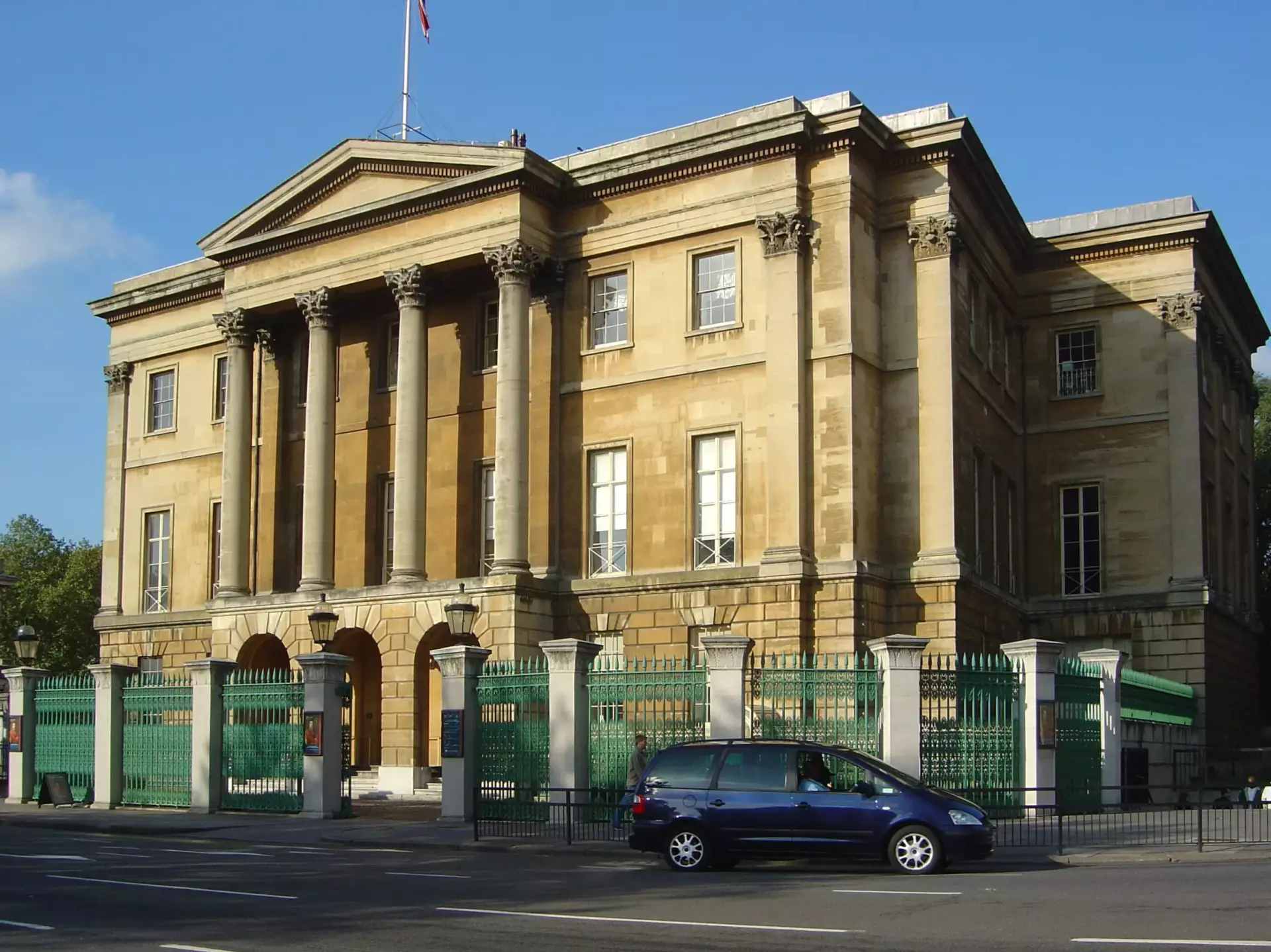
The London residence of the Dukes of Wellington, which now acts as a museum for the inaugural and most famous holder of the title. It boasts an impressive collection of paintings, sculptures, medals and swords. Perhaps the most bizarre item in Wellington's collection is a nude statue of Napoleon Bonaparte, commissioned by the emperor himself and bought by the British government following his defeat at the Battle of Waterloo as a gift for the duke.
Designed by one of Britain's leading architects, Sir Norman Foster, this curved glass skyscraper was the 2004 recipient of the Stirling Architectural Prize for Best Building. It was built on the site of the Baltic Exchange building, destroyed in 1992 by an IRA bomb which killed three. On the Bury Street side of the Gherkin by some black stone benches is the Tomb of the Unknown Girl for a teenaged Londoner who died 1,600 years ago (see infobox above), marked with a marble laurel wreath and inscription. Searcy's Restaurant (from £50) at the top takes bookings up to five weeks in advance and you have to go through security before going up.
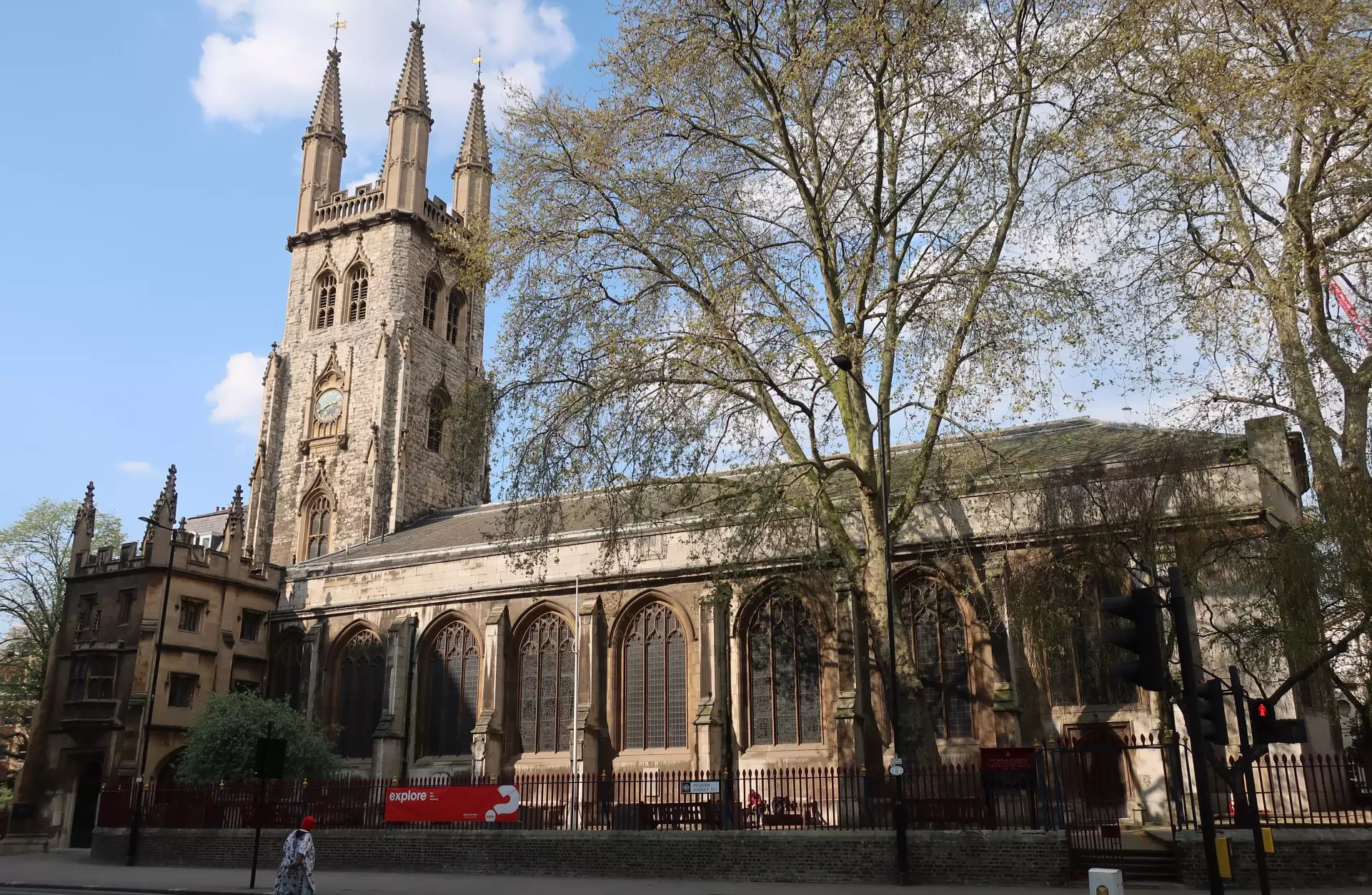
Founded in 1123, by jester-turned-monk Rahere, this Norman church is one of the oldest in London. It was damaged in the Dissolution but managed to escape both the Great Fire and the Blitz. This is a Grade I listed building. Tourists are welcome when services are not in progress and are charged an admission fee (which does not apply to those coming to pray or use the café).
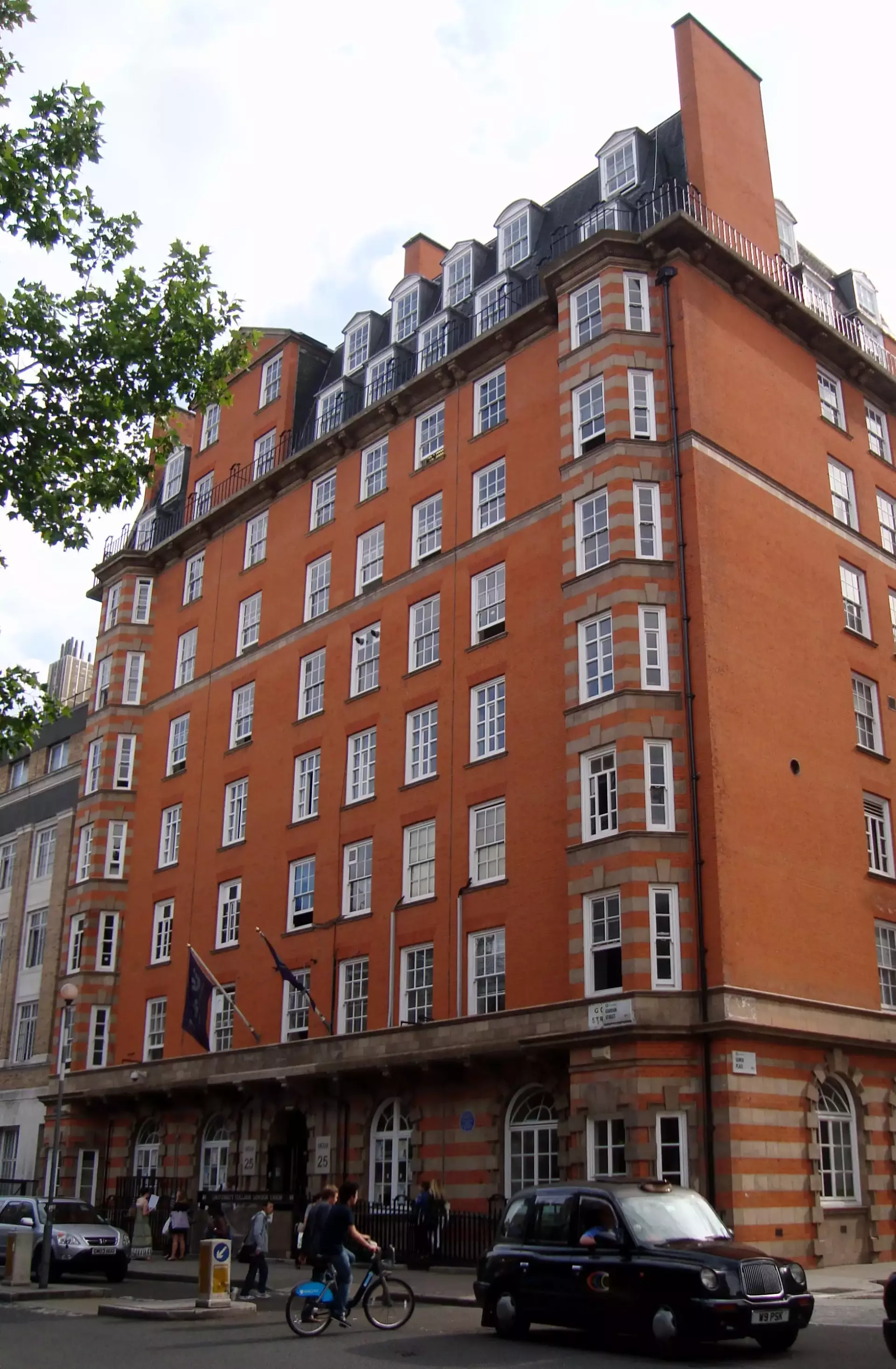
Includes a small but beautiful quad and an interesting Neo-Classical facade. The core buildings of UCL were built after the university's foundation in 1826.
The Serpentine is a long, thin artificial lake within Hyde Park which contains a range of waterfowl and fish. It was first made by damming the River Westbourne but it is now fed by three boreholes. The western end of the lake is actually in Kensington Gardens, in which it is called The Long Water. Swimming and boating are popular activities on the Serpentine; see 'Do' section.
Designed and built in 1619-1622 by the Neo-Classical architect Inigo Jones, The Banqueting House is now all that remains of Whitehall Palace, the sovereign's principal residence from 1530-1698 when most of it was destroyed by fire. Renowned for its architecture and paintings (by Rubens, among others), the building is also famous for being the scene of Charles I's execution in 1649 at the end of the English Civil War.
Magnificent 19th-century bridge, decorated with high towers and featuring a drawbridge. The bridge opens several times each day to permit ships to pass through – timings are dependent on demand, and are not regularly scheduled. When Tower Bridge was built, the area to the west of it was a bustling port – necessitating a bridge that could permit tall boats to pass. Now the South Bank area sits to its west, and the regenerated Butler's Wharf area of shops and riverside restaurants lie to its east. You can get the lift to the top level of the bridge and admire the view. Glass floors provide an interesting perspective for the brave. The museum highlights the bridge's history and engineering, and there are photographic exhibitions along the walkways between the towers.
Another Richard Rogers creation, nicknamed the Cheesegrater. Completed in 2014. Also opposite Lloyd's.