
Tourist attractions in Istanbul
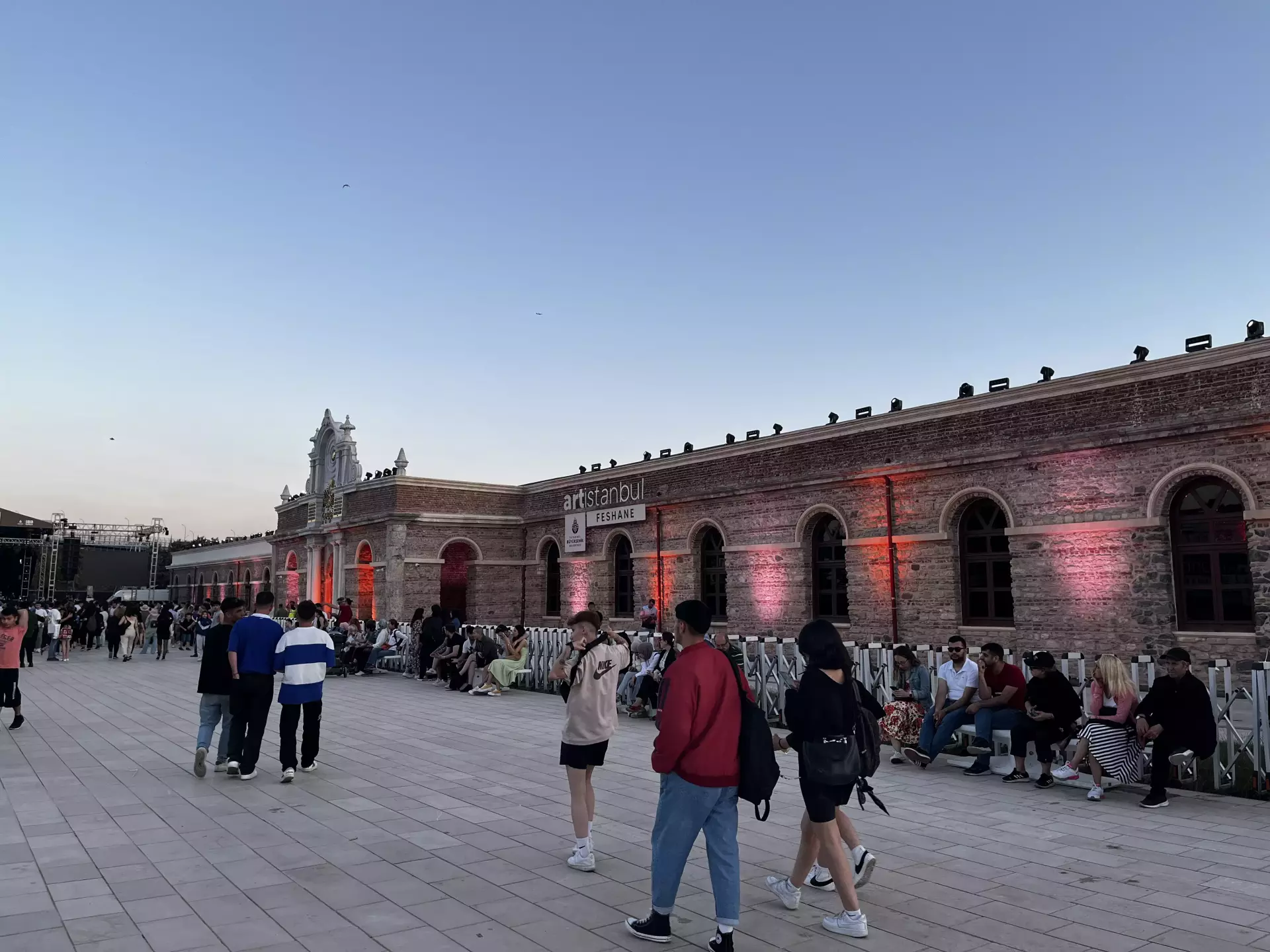




Feshane
Istanbul, TurkeyFeshane began as a factory producing fezzes (fes), the red hats made of felt adopted by the Ottomans in the early 19th century as a part of westernizing efforts in lieu of much more traditional turbans. However, the fez was scrapped in favour of western garments during Atatürk's reforms of the 1920s and 30s as it was thought to symbolize the old, decidedly oriental regime. A restoration in 1998 made it a cultural and exhibition center, and after another in 2023, it was reopened as a culture and art center under the name Artistanbul Feshane.

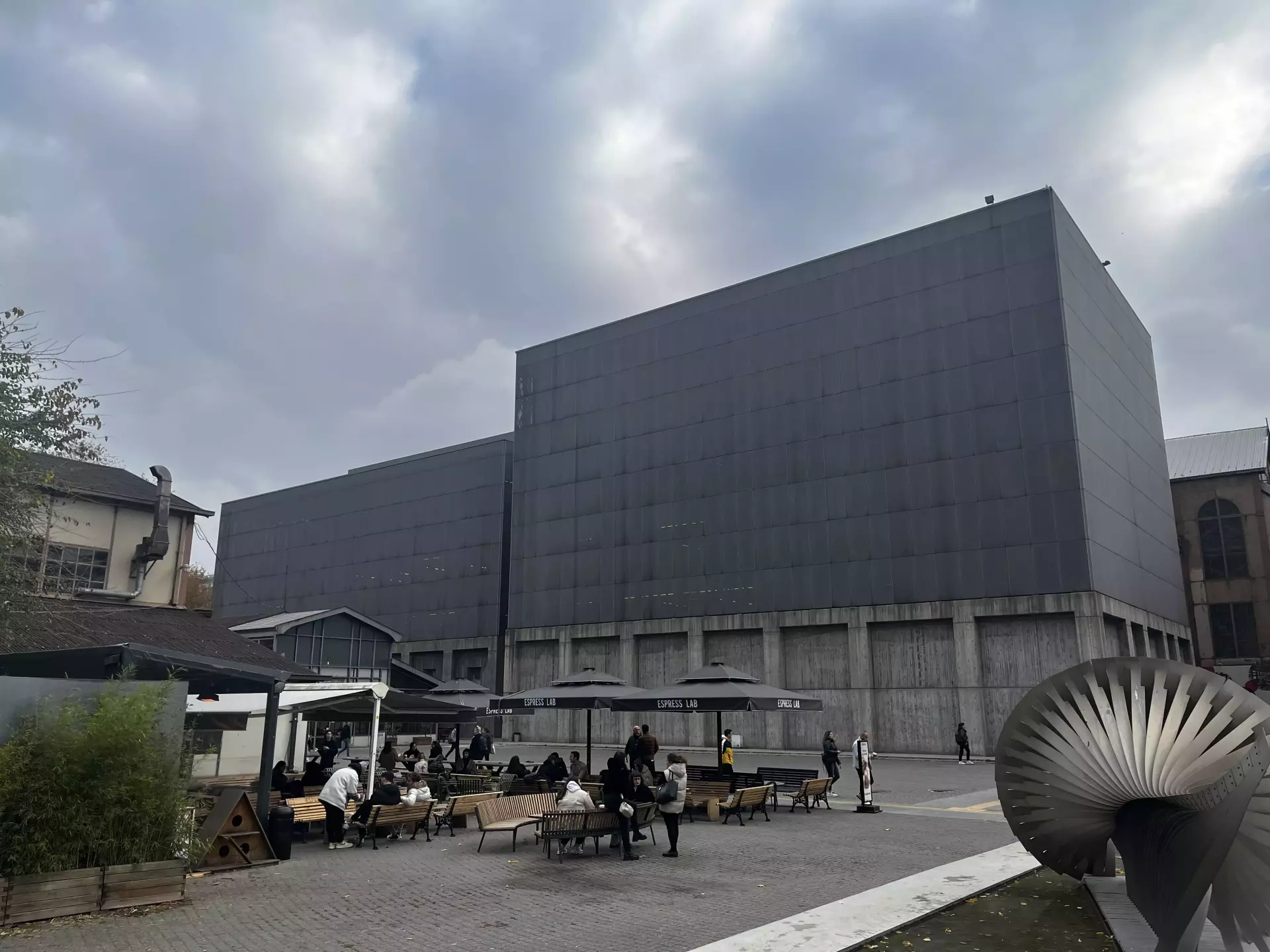
Santral İstanbul
Istanbul, TurkeyA contemporary art museum in a building converted from an old power plant: 1914-built and coal-fired, this was the oldest in Istanbul and the Ottoman Empire. Part of the plant was kept in almost exact original condition and now serves as the "Energy Museum".

Istanbul Radio House
Istanbul, Turkey
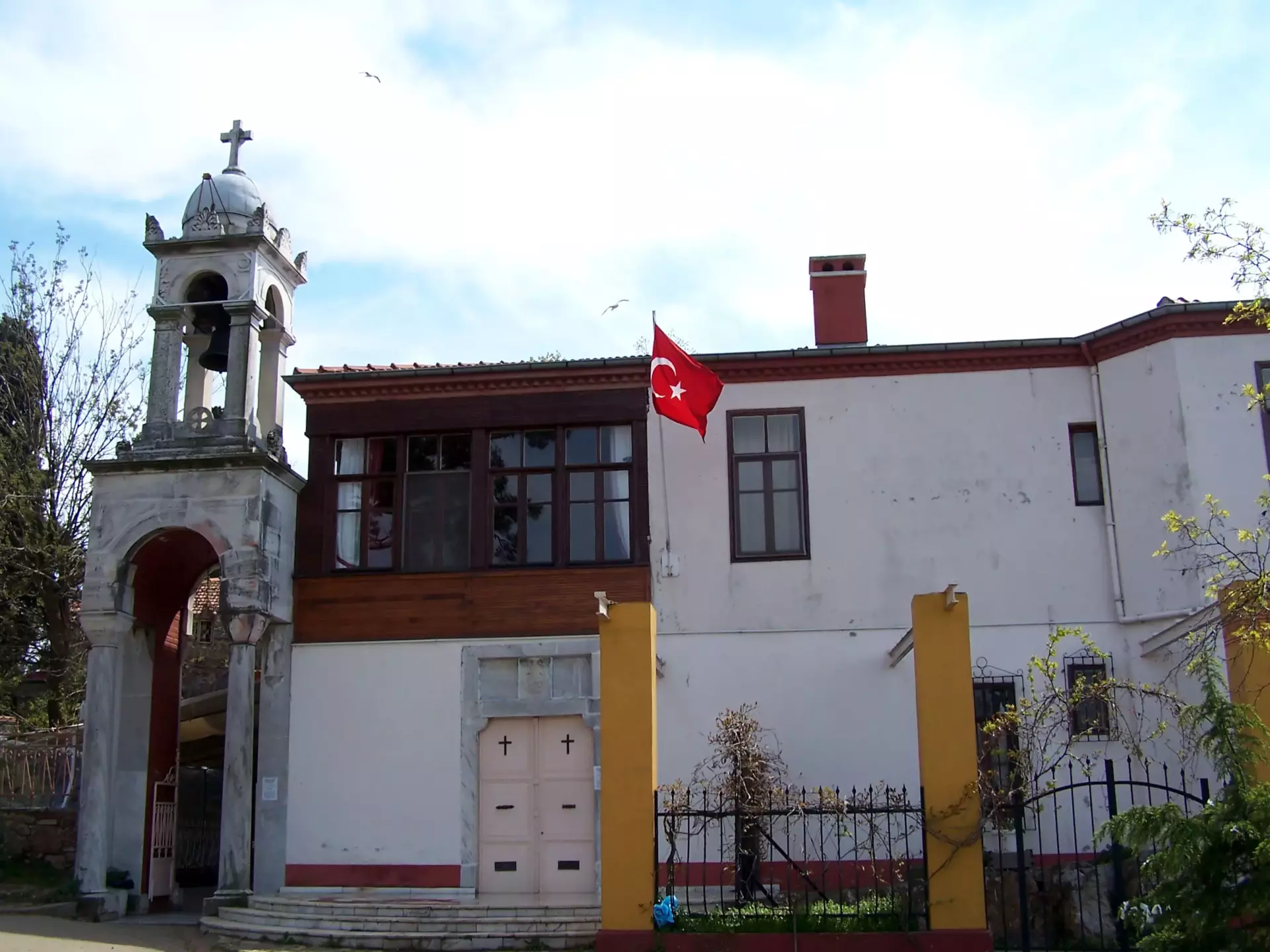
Agios Georgios Church
Istanbul, Turkey
Sea Life İstanbul
Istanbul, Turkey
Kanuni Sultan Suleiman bridge
Istanbul, Turkey
Germiyan Church
Istanbul, Turkey
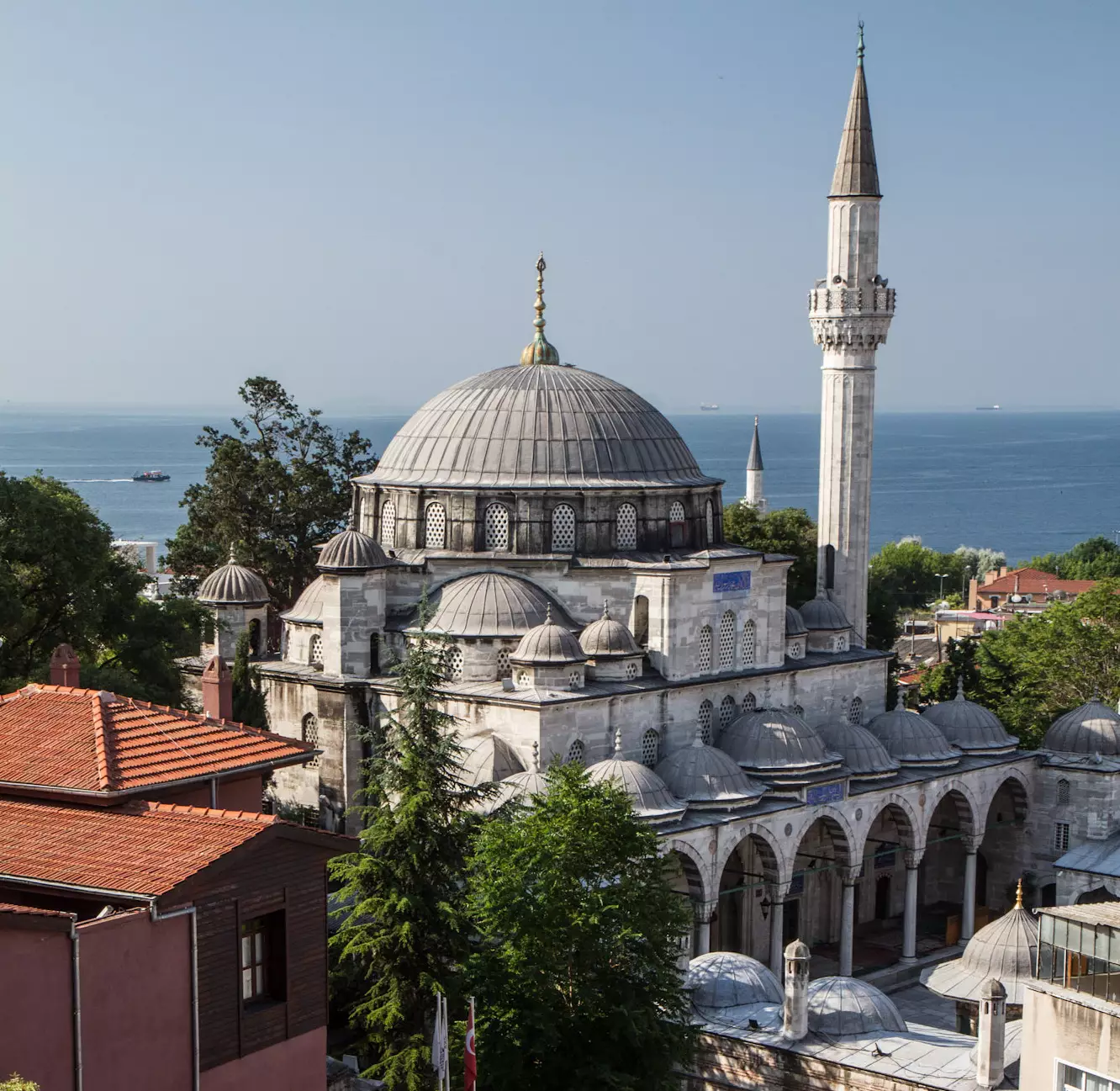
Sokollu Mehmed Pasha I Mosque
Istanbul, TurkeySokollu Mehmet Pasha was the grand vizier and de facto ruler of the Ottoman Empire during its 16th century golden age. He commissioned this mosque, one of three in the city to bear his name, but the sloping site was a challenge. He hired the best, Mimar Sinan, who completed it in 979 AH / 1571 AD, with the slope resolved by a fronting courtyard above shops and a medrese. The interior has outstanding İznik blue tiles, and three fragments of the Black Stone (Hajar al-Aswad) of the Kaaba: above the main entrance, minbar and mihrab.

