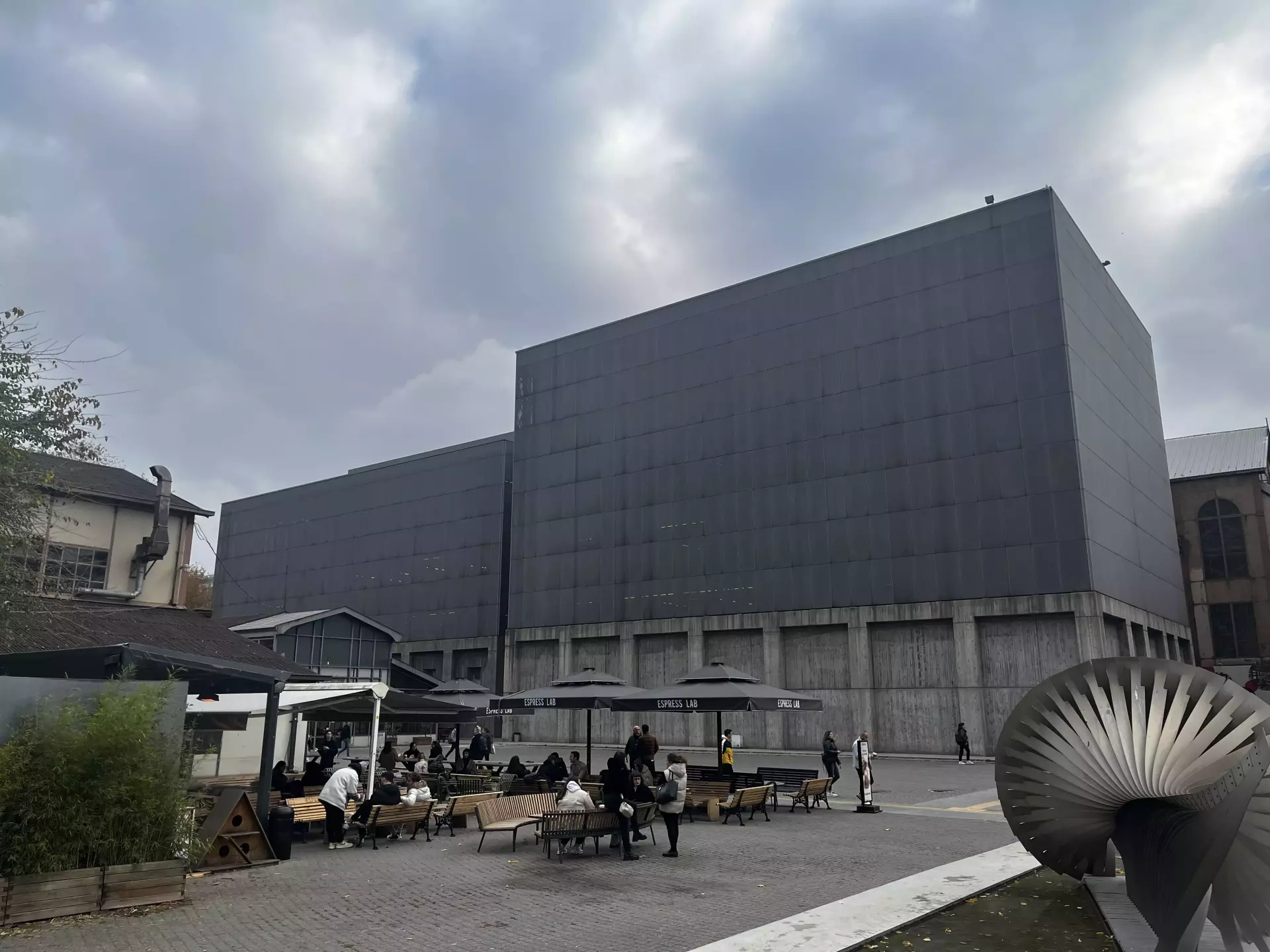
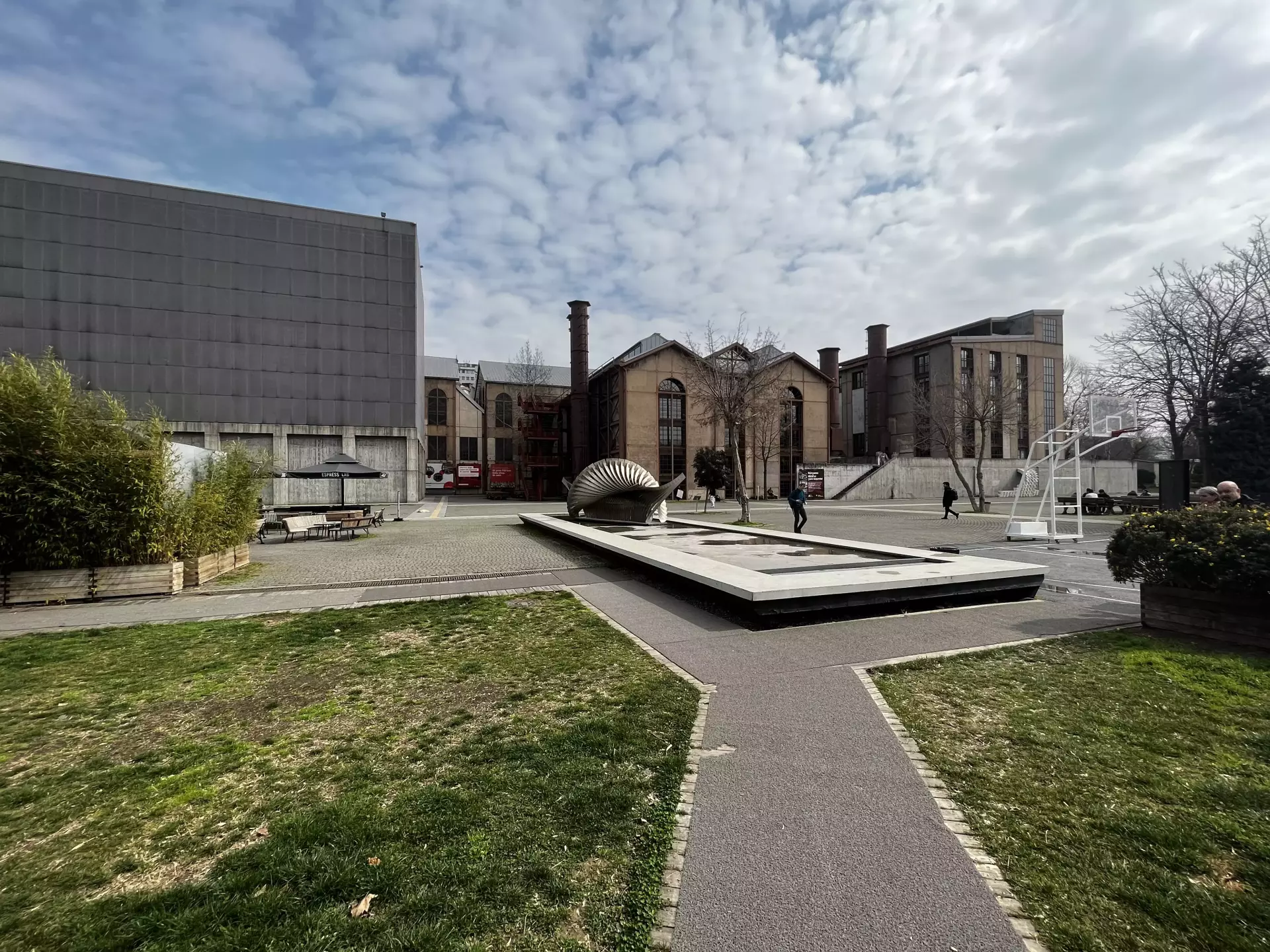
Santralistanbul is a contemporary art museum located within the walls of a former power plant. The building itself dates back to 1914 and was once the oldest coal-fired power plant in both Istanbul and the Ottoman Empire. Its industrial past gives the museum a unique atmosphere, blending history and modern creativity.
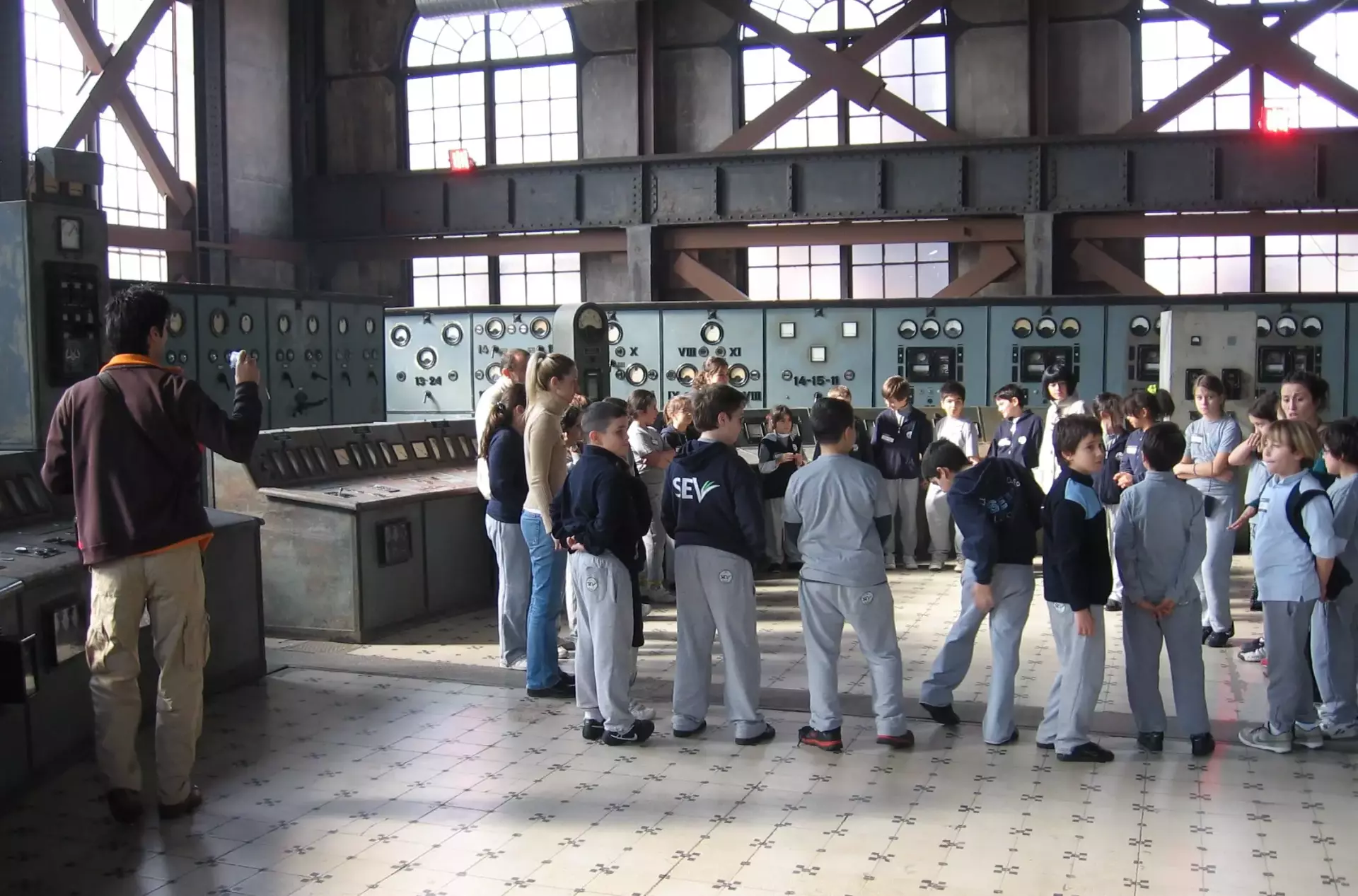
A portion of the original power plant has been carefully preserved and today functions as the "Energy Museum." Visitors can see much of the machinery and equipment kept in nearly the same state as it was over a century ago. This section of Santralistanbul offers a glimpse into the city’s industrial heritage, providing an interesting contrast to the contemporary artworks on display elsewhere in the museum.
Source - https://en.wikipedia.org/wiki/SantralIstanbul
A neo-gothic Anglican cathedral which would not be out of place in northwestern Europe, the Crimean Memorial Church was built for the Protestant community of the city by Britain in the late 19th century. It was named in honour of the soldiers died in the Crimean War of 1856, fought against Russia by the allied Ottoman and British Empires. The congregation of the church today mostly consists of Anglican East Asians and Sri Lankans resident in Istanbul.
Situated on the gentle hill overlooking the neighbourhood of Emirgan and the Bosphorus, Emirgan Park was for long the only place in the city where Istanbulites can admire the beauty of tulips. Having lost that distinction since the first decade of the 2000s as tulips are now everywhere, this is still a beautiful park with artificial ponds, small waterfalls, and impressive views of the Bosphorus. There are also cafes with open-air sections housed in pleasant former imperial hunting manors. Squirrels are there, too, in the middle of this metropolis of more than 15 million people, though you may have to look a bit deeper (or a bit upper on the branches!) to spot them.
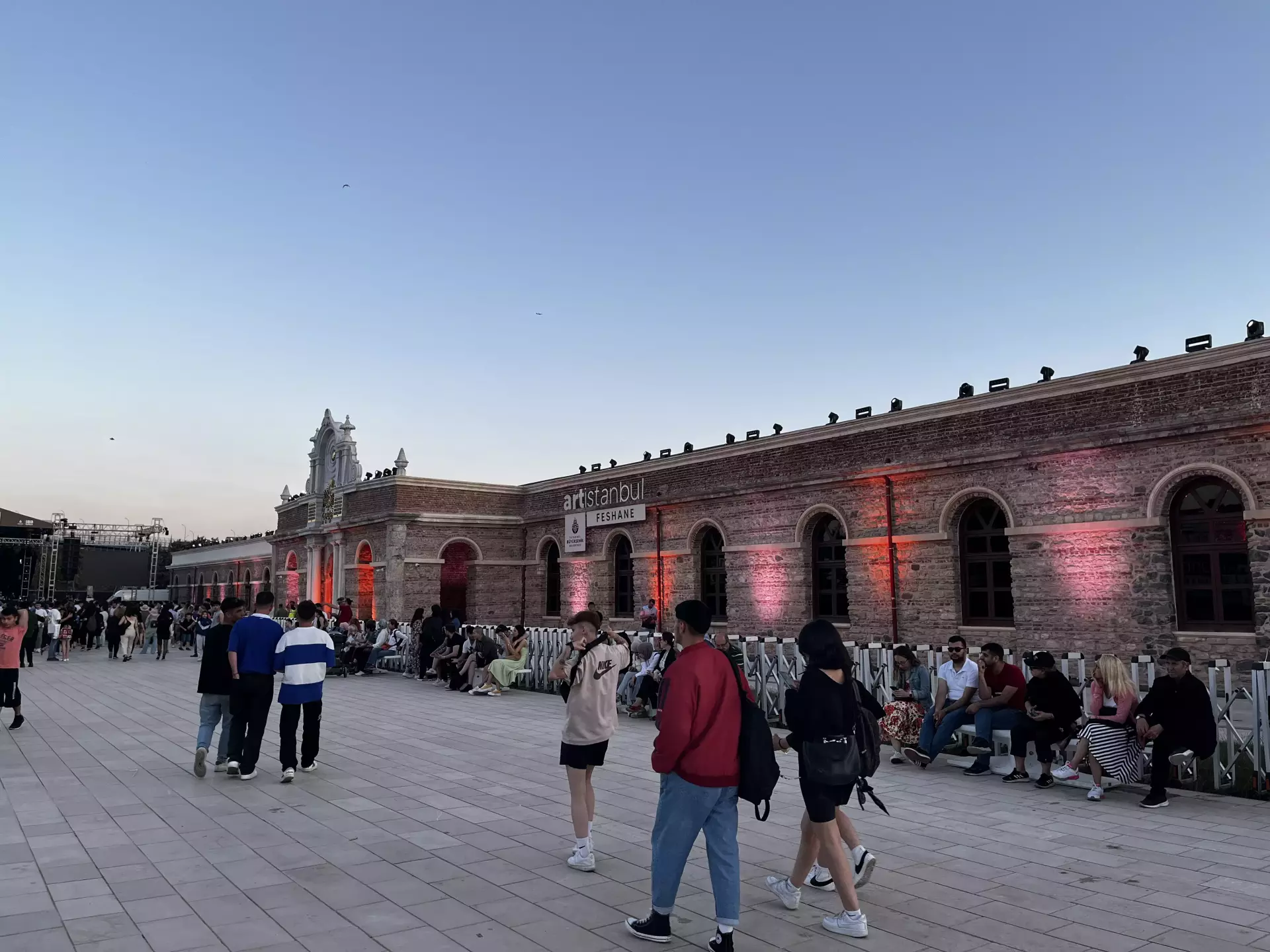
A nice, organized museum with contemporary installations. It may be seen as overpriced given its small size. It also has a simple cafe.
This is the main attraction around this part of the city. The holiest Islamic shrine in the city, the complex includes, right next to the mosque, the tomb of Abu Ayyub al-Ansari (Eyüp Ensari Türbesi), the standard bearer of Prophet Mohammad, died and buried here during the first Muslim siege of Constantinople (674-678 AD). The neighbourhood was named after him. Muslims flock here (in such huge numbers that sometimes you have to queue for a few minutes before entering the tomb) also to see a rather uninteresting plaque made of plastic, which is purported to be Mohammad's footprint. The interior of the tomb, covered with fine tiles/faience, is nonetheless well worth a look, however. It is also interesting to see the devout Muslims leaving the place by walking backwards through its exit hallway, as not to turn their backs to al-Ansari's catafalque, though obviously no one expects everyone to quit the place in the same manner.
One of the icons of the city is also called the Leander's Tower, on a Bosphorus islet off Salacak. The local myth ascribes its name to a princess, whose father wanted to protect her in this offshore tower from a prophecy that she would be killed by a snakebite on her birthday, but the snake found its way inside a basket of fruits — ironically a birthday present from her father — and you've probably already guessed the rest of the story. In actual timeline, it served as a defensive structure (there was a wall connecting it to the Asian mainland, and the Byzantines used to stretch a chain from here to the European mainland across the mouth of the Bosphorus to shut it to adversary shipping in times of conflict, but they didn't during the final Ottoman siege in 1453), as a customs and quarantine station, as a lighthouse, as a warehouse of various sorts of goods, and as a high-end restaurant before the last restoration finished in 2023 dedicated it as a museum. There is a light show viewable from the mainland every day at 21:00.
The imperial enclave of the Ottoman emperors for four centuries. Lavishly decorated, with exhibitions of fine craftmanship and four courts of increasing grandeur. The second court has the Harem and the State Treasury, housing a weaponry display. The third court has the Imperial Treasury, with Islamic and Christian relics. The views from the Fourth Court over the Bosphorus are spectacular. Reckon on spending several hours here and bring water as the museum kiosk is overpriced.
If you are already in the area, it's worth considering to visit this waterside neo-Baroque manor, built in the 19th century for the countryside and hunting excursions of the Ottoman dynasty. The area, where the Göksu River flows into the Bosphorus, was known as "the Sweet Waters of Asia" by the pioneer European travellers of the epoch (as opposed to "the Sweet Waters of Europe", another contemporary elite recreational area on the other side of the city, where the Kağıthane and Alibeyköy Rivers empty into the Golden Horn).
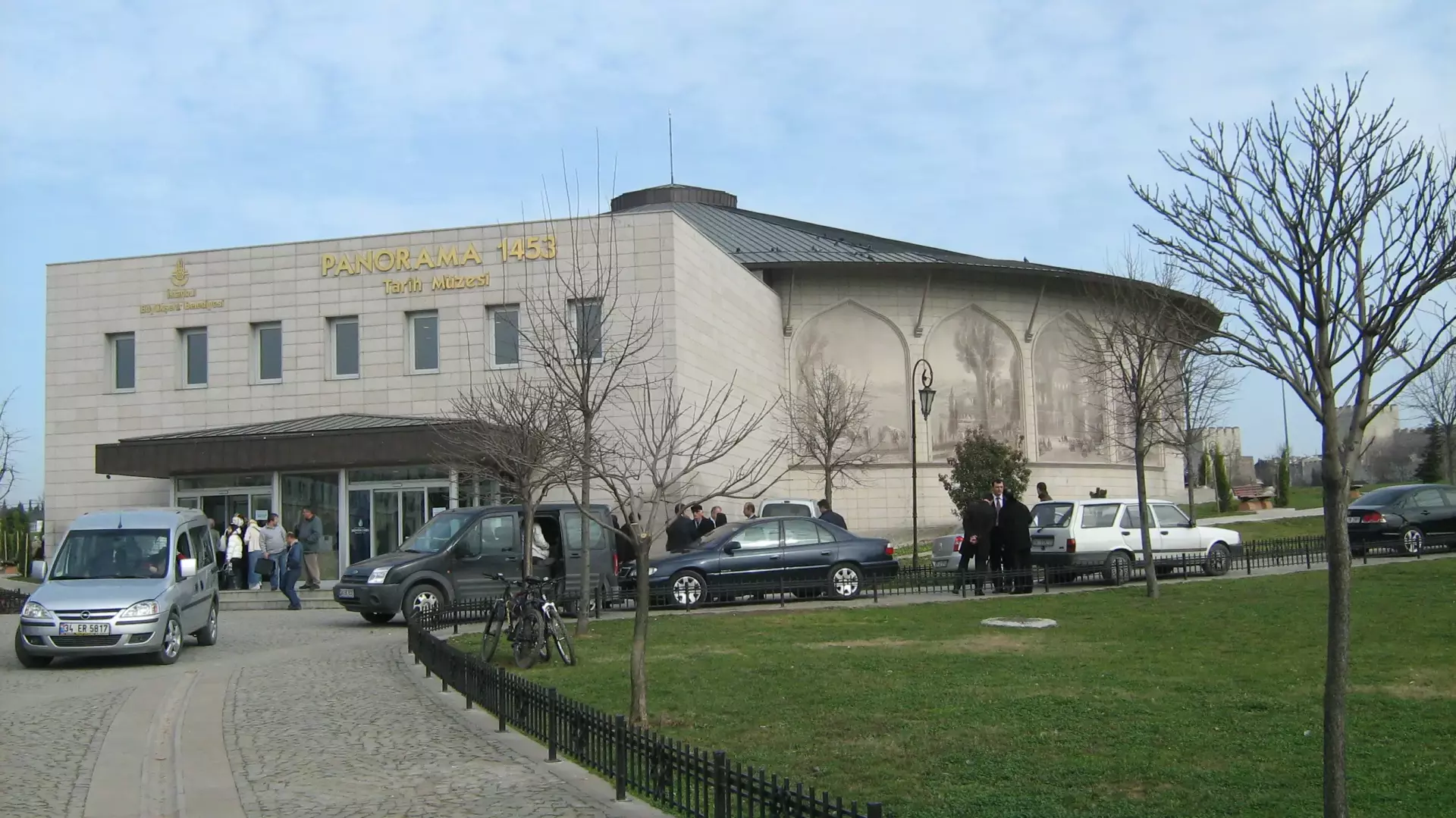
This is a circular indoor space enclosed by a 3D depiction of the Ottomans breaching the Walls of Constantinople on 29 May 1453, with sound effects. It's over-priced, unhistorical and tourist-trappy.
This is a 1927 Beaux Arts building named after its patron Süreyya İlmen Pasha, then a deputy of Istanbul who was impressed by theatres in Europe during his visits. It became the first opera house in the Asian side of Istanbul, but due to deficiencies in its interior design, it barely staged any opera and was converted to a cinema soon afterwards. It underwent a significant restoration and reverted to its original purpose in 2007, so now houses performances of ballet, opera, and classical music; good tickets are often extremely cheap.
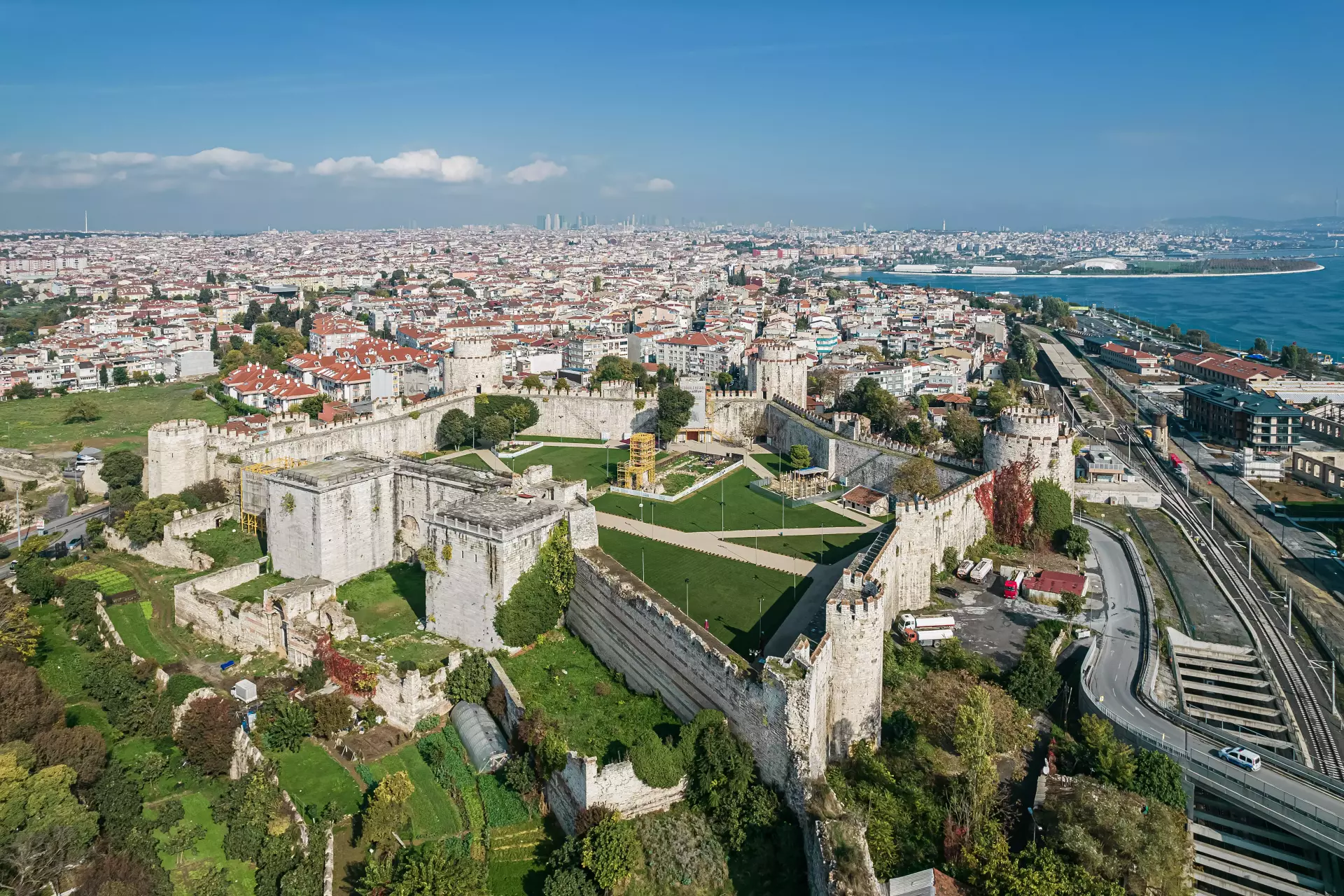
The Golden Gate was the ceremonial entrance through the Theodosian city walls. After the Ottomans captured the city in 1453, Mehmed II needed a stronghold for his treasures and documents. The gate was therefore bricked up and the walls reinforced into a fortress, with valuables stored in its seven towers, hence yedi kule. In the following century the treasury moved to Topkapi Palace and the fort became a prison for high-level detainees - Osman II was strangled here in 1622. It remained in use until 1837, whereupon the Golden Gate was re-opened.
A charming domed church built in 1880 at the side of Taksim Square, now uneasily contesting with Taksim Mosque for being the main landmark of the southern edge of the square.
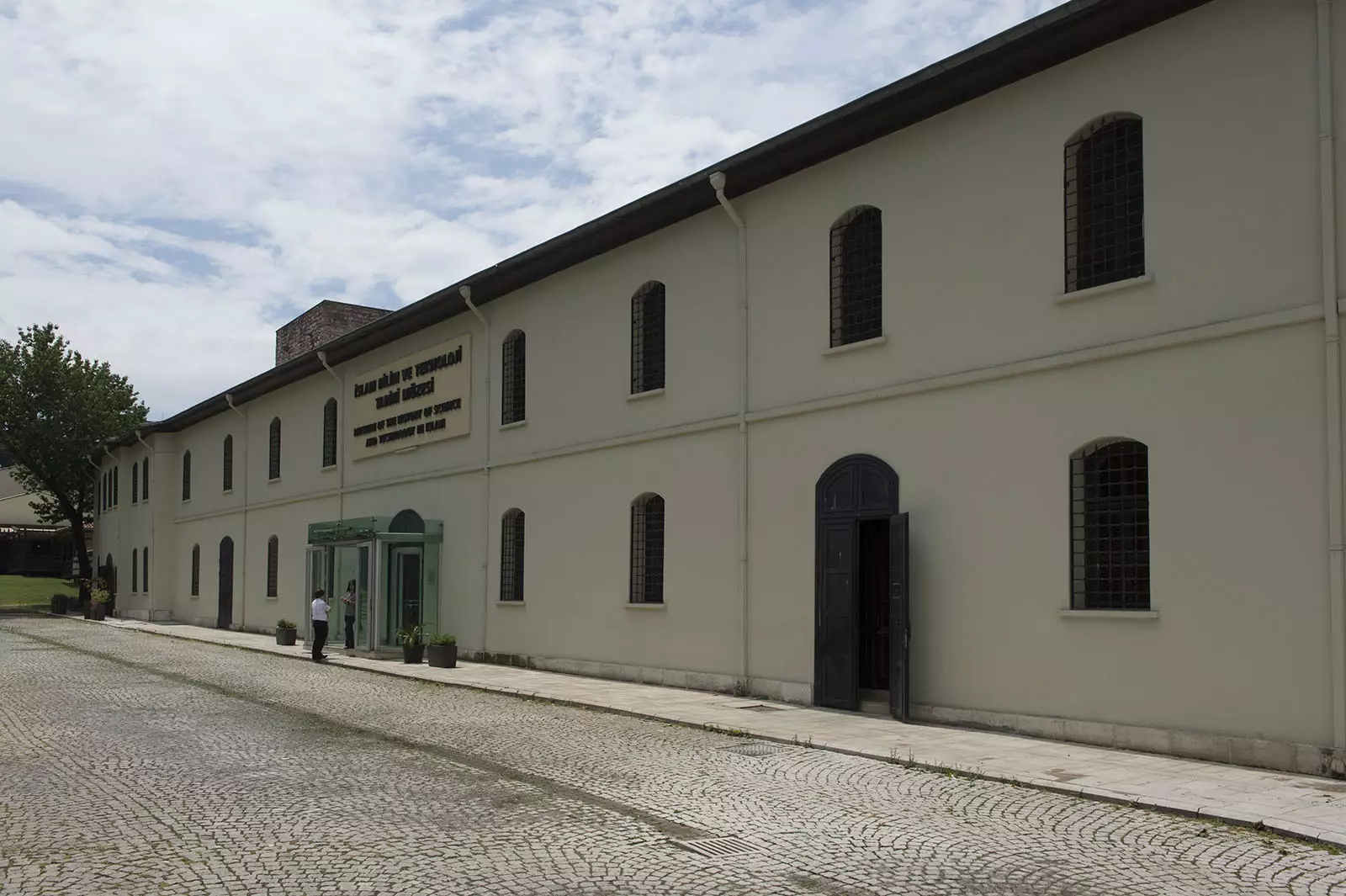
Museum in a restored building that was the stables for Topkapı Palace. It exhibits various instruments for astronomy, clocks, pumps, weaponry and so on developed in Islamic realms down the centuries, but these are modern repro, and explanations of their context are skimpy. Islamic science and technology preceded that of Europe, as they insist, but they get the tone wrong, as if that was the triumphal culmination rather than the springboard for further advance.
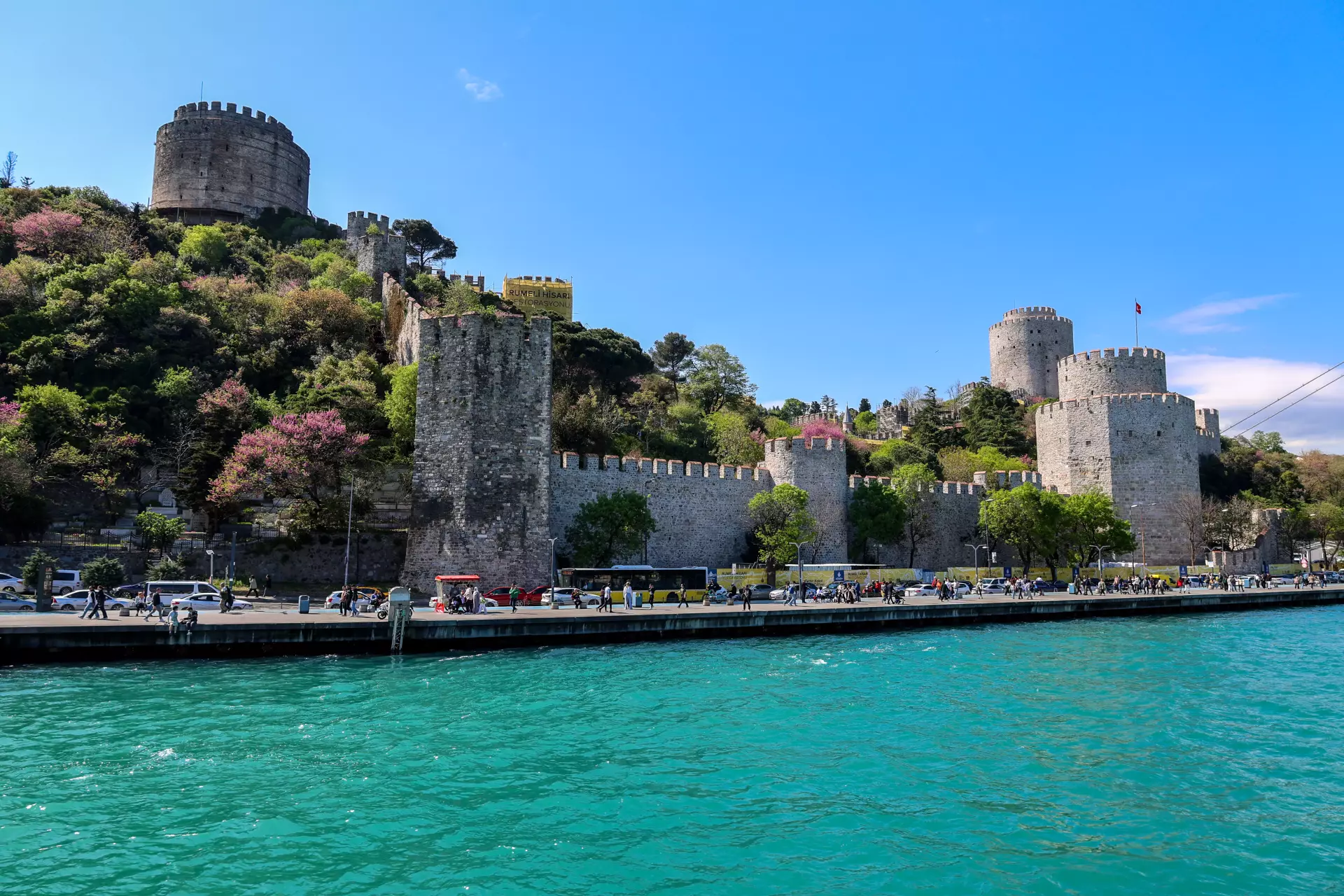
A medieval citadel on the Bosphorus at the mouth of the Göksu creek. It was built in the late 14th century to control (polite word for "choke off") shipping along the Bosphorus, which narrows to 660 m at this point. It worked in tandem with Rumeli Citadel, built some 50 years later on the European bank. It fell into disrepair but was restored in the 1990s. You can't go in, but it's a pleasant setting; the entire village is named Anadolu Hisarı after the fort and has many traditional wooden houses (yalı). Ferries along the Bosphorus call here.
A resort on the Marmara coast. It's the westernmost part of Istanbul, between Çatalca and the province of Tekirdağ. There are some remnants of the Anastasian wall here, the scrappy ruins of a castle, an ancient cistern, the Piri Paşa Mosque, and Uzunköprü the long aqueduct.
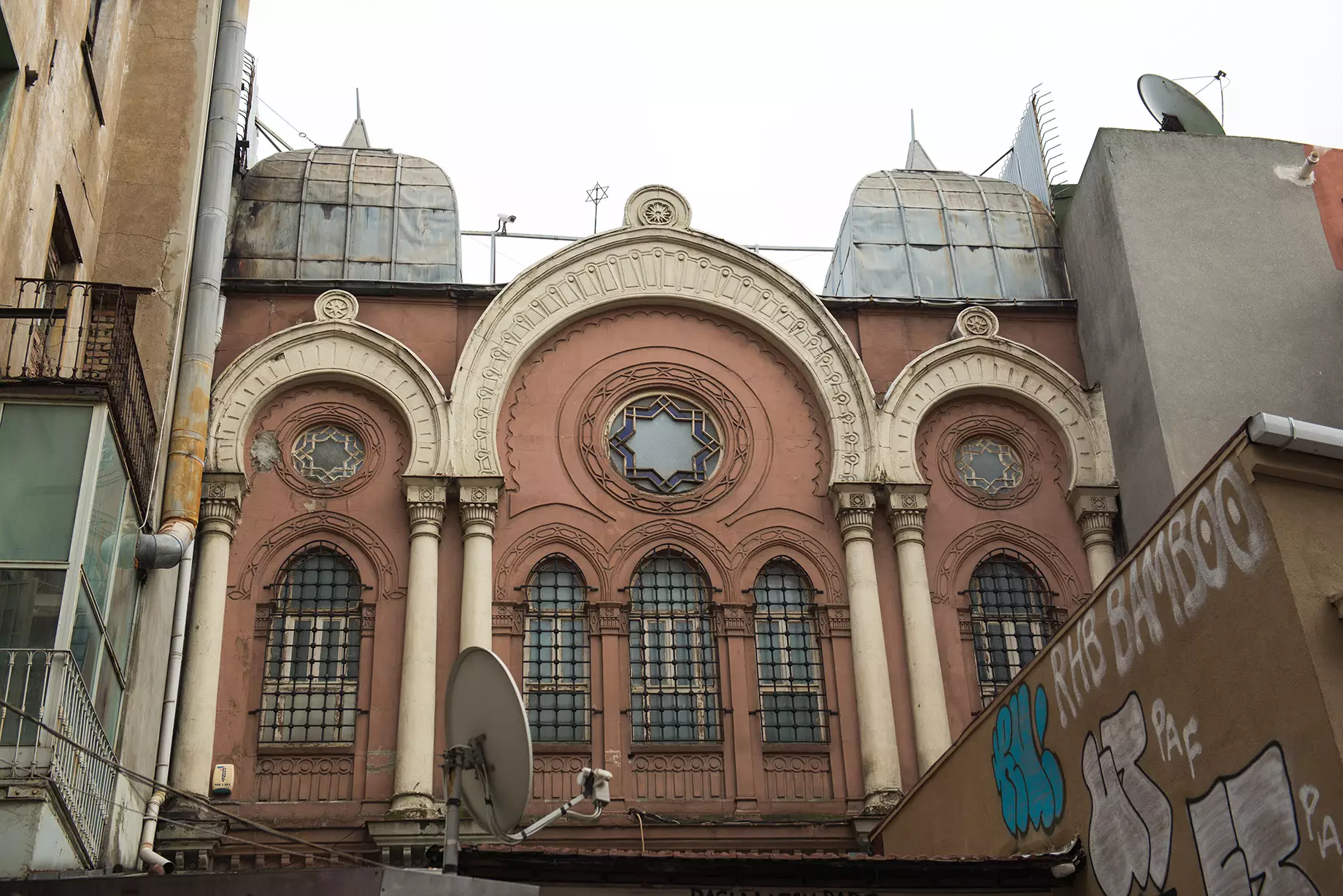
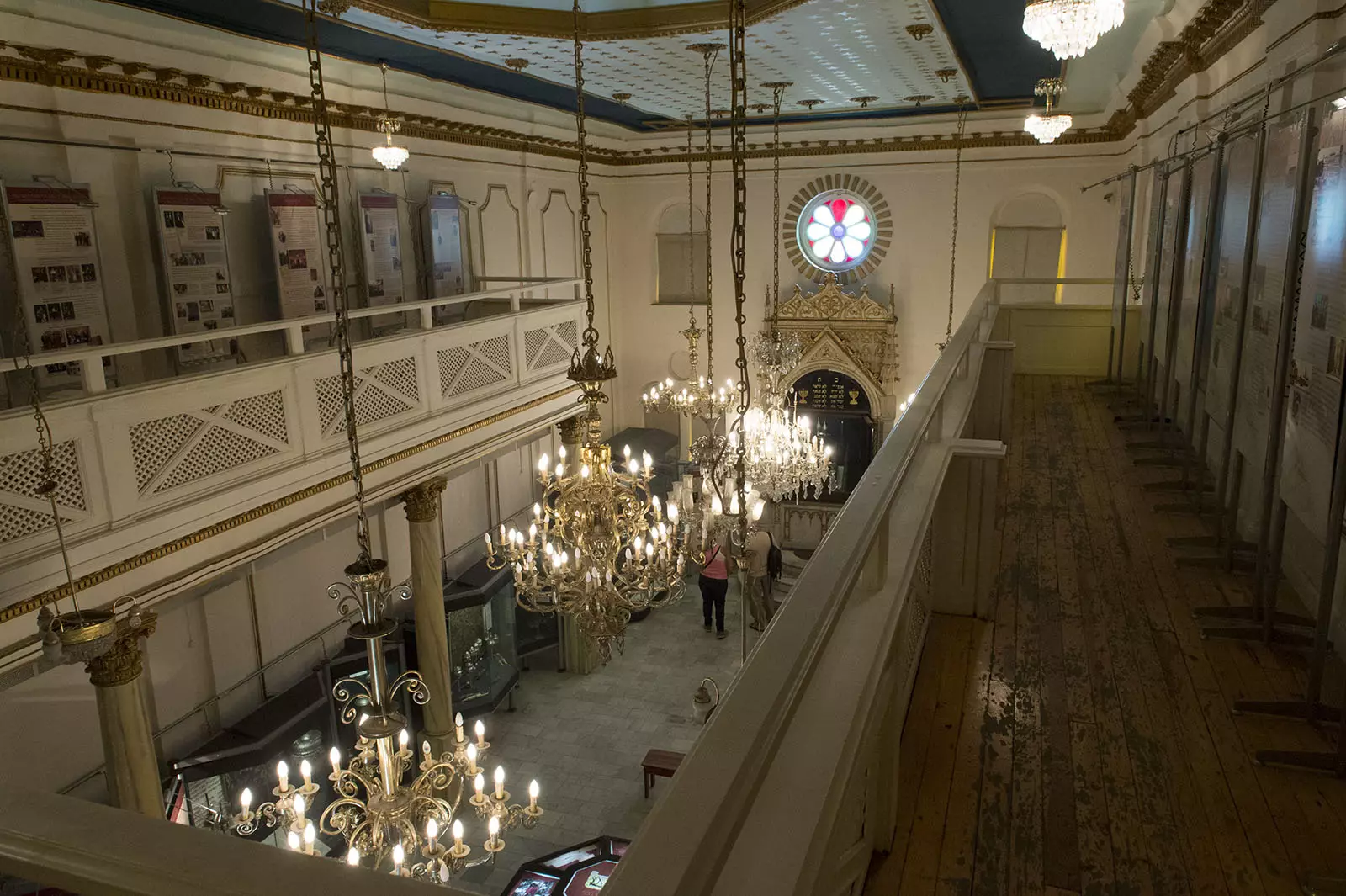
This was built in the 1430s by Grecian Jews ("Romaniotes") from the city of Ohrid, now in North Macedonia. The district of Balat was a Jewish quarter, swelled from 1492 by those expelled from Spain. The synagogue is only open for pre-arranged tours.