Sea Life İstanbul offers visitors a unique chance to walk through transparent tunnels beneath the water. Colorful sea creatures swim all around, creating the feeling of being deep underwater without ever getting wet.
The aquarium is smaller than the well-known Istanbul Aquarium in Yeşilköy. Most people will find that about an hour is enough to see all the exhibits. The size makes it a convenient stop, especially for those with limited time.
Sea Life İstanbul often sells combination tickets that include entry to other attractions like Madame Tussauds in Beyoğlu and Legoland. These ticket bundles are designed to appeal especially to families and younger visitors looking for a fun day out.
Source - https://en.wikipedia.org/wiki/TurkuaZoo
Situated on the gentle hill overlooking the neighbourhood of Emirgan and the Bosphorus, Emirgan Park was for long the only place in the city where Istanbulites can admire the beauty of tulips. Having lost that distinction since the first decade of the 2000s as tulips are now everywhere, this is still a beautiful park with artificial ponds, small waterfalls, and impressive views of the Bosphorus. There are also cafes with open-air sections housed in pleasant former imperial hunting manors. Squirrels are there, too, in the middle of this metropolis of more than 15 million people, though you may have to look a bit deeper (or a bit upper on the branches!) to spot them.
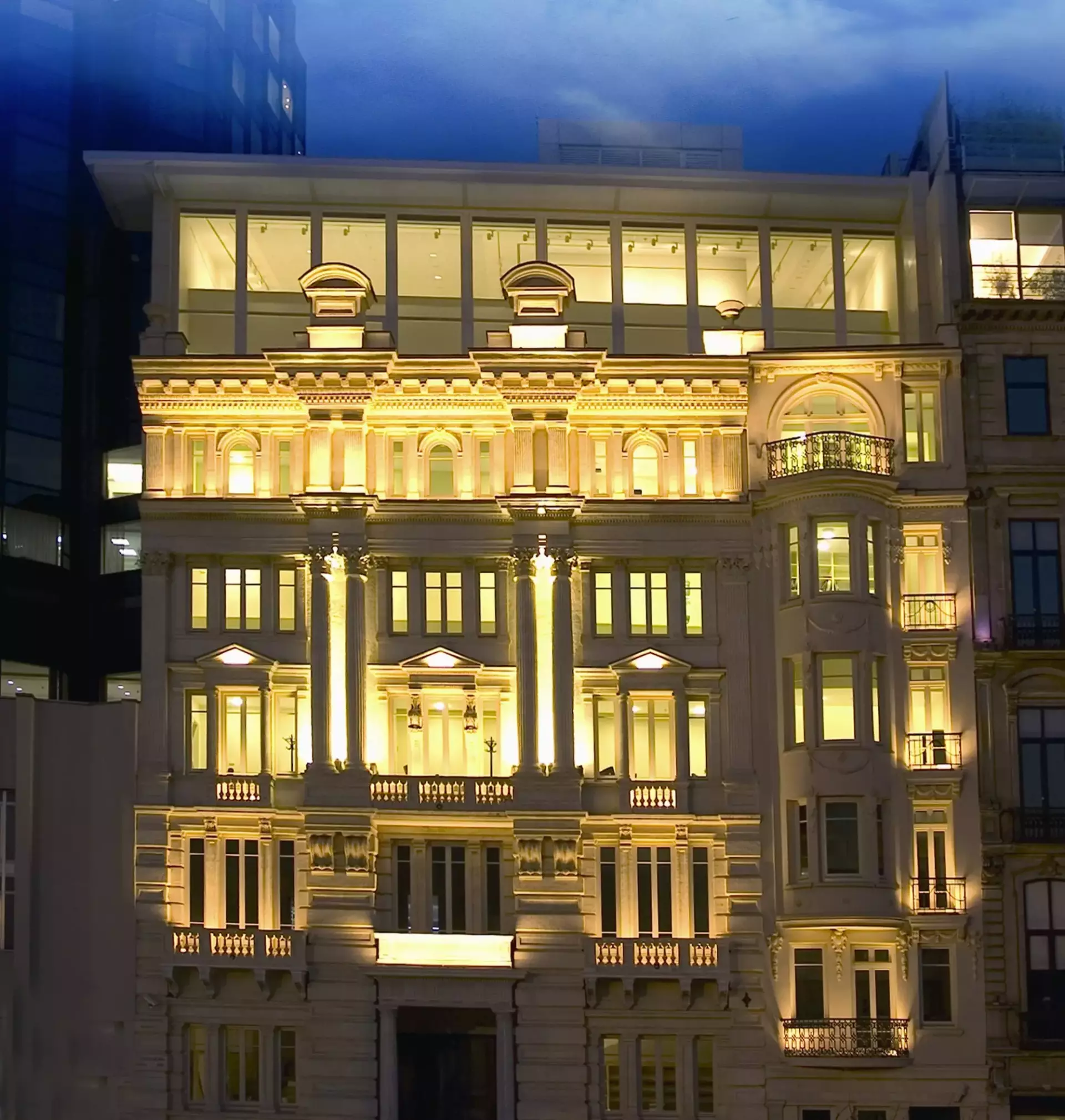
An attractive stairway mixing the Neo-Baroque and early Art Nouveau styles, climbing up from Bankalar St towards the Galata Tower. It was built in the 1870s by Abraham Salomon Camondo, who belonged to a prominent Ottoman-Venetian Jewish family of financiers and philanthropists.
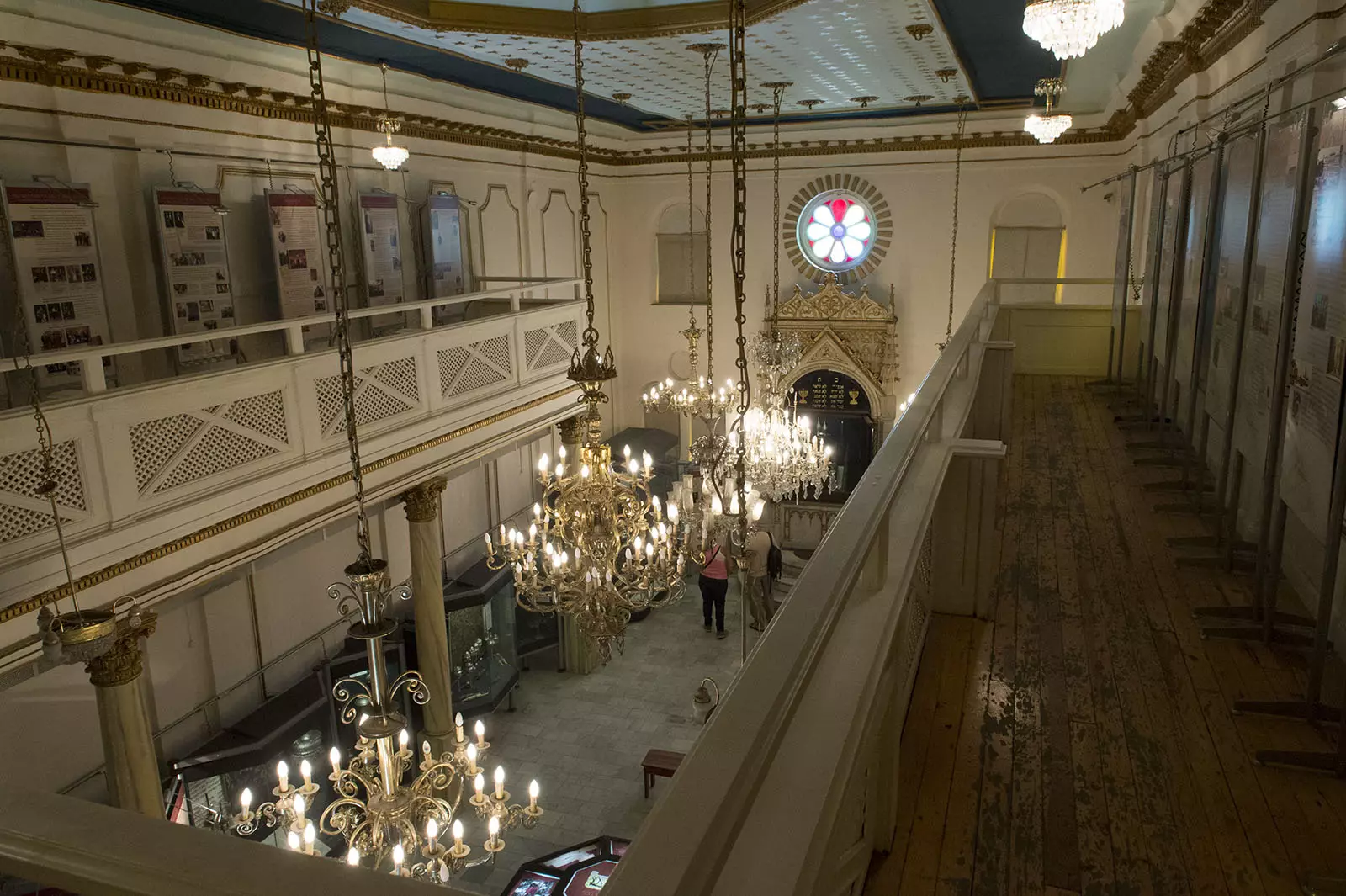
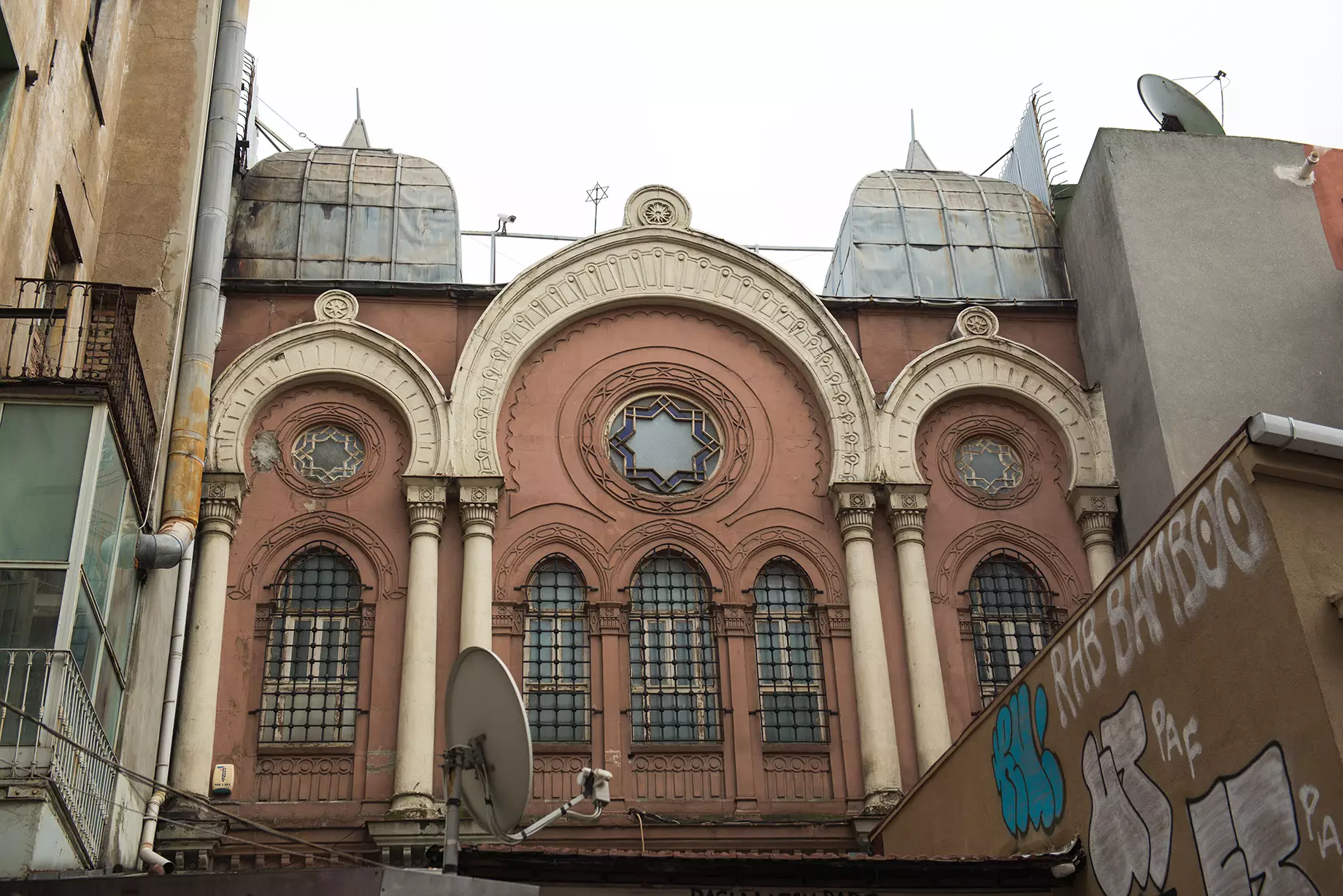
A former synagogue, the museum's exhibit details how the cultures mixed with and influenced each other in the past 500+ years since the Spanish expulsion.
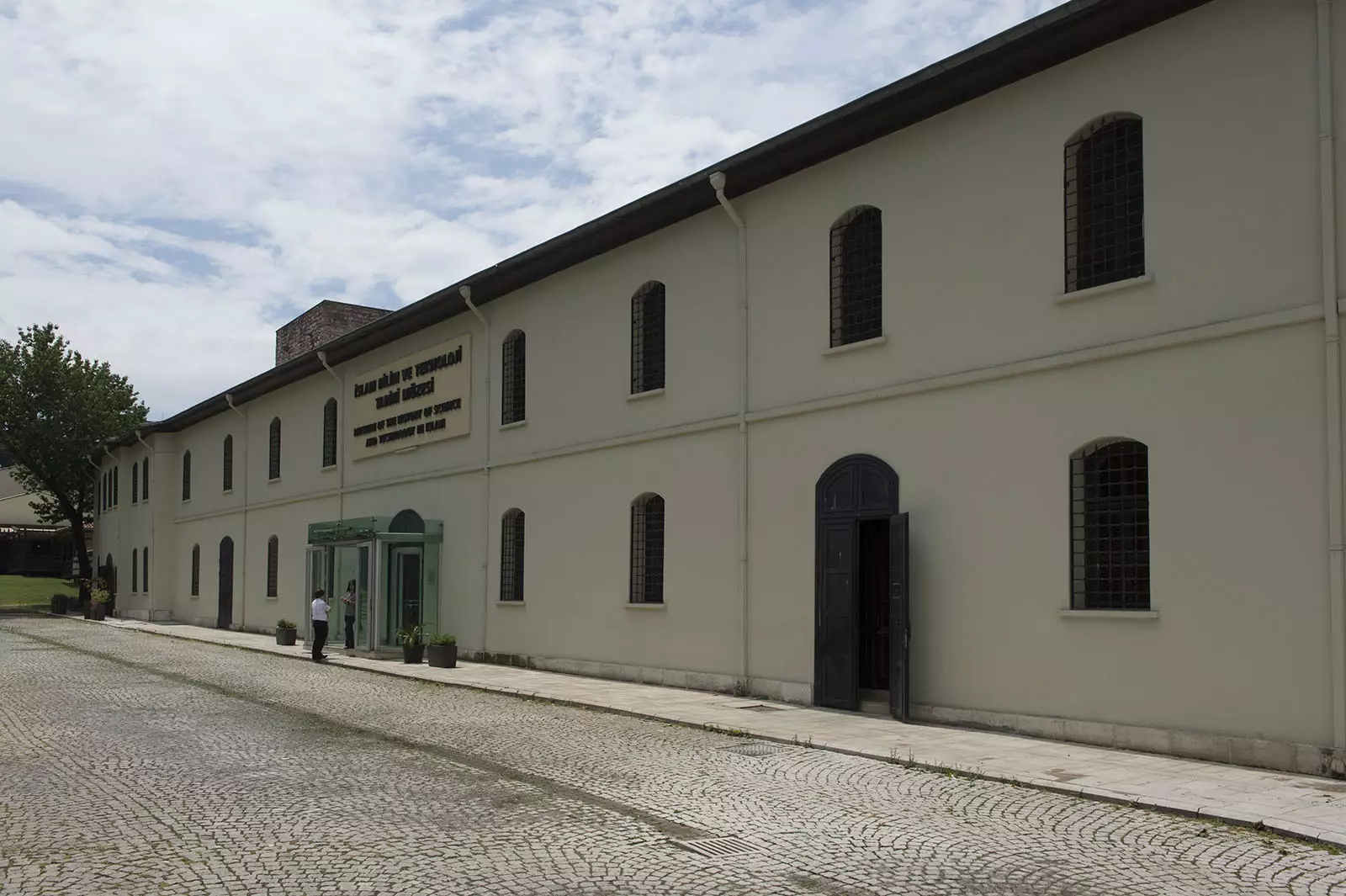
Museum in a restored building that was the stables for Topkapı Palace. It exhibits various instruments for astronomy, clocks, pumps, weaponry and so on developed in Islamic realms down the centuries, but these are modern repro, and explanations of their context are skimpy. Islamic science and technology preceded that of Europe, as they insist, but they get the tone wrong, as if that was the triumphal culmination rather than the springboard for further advance.
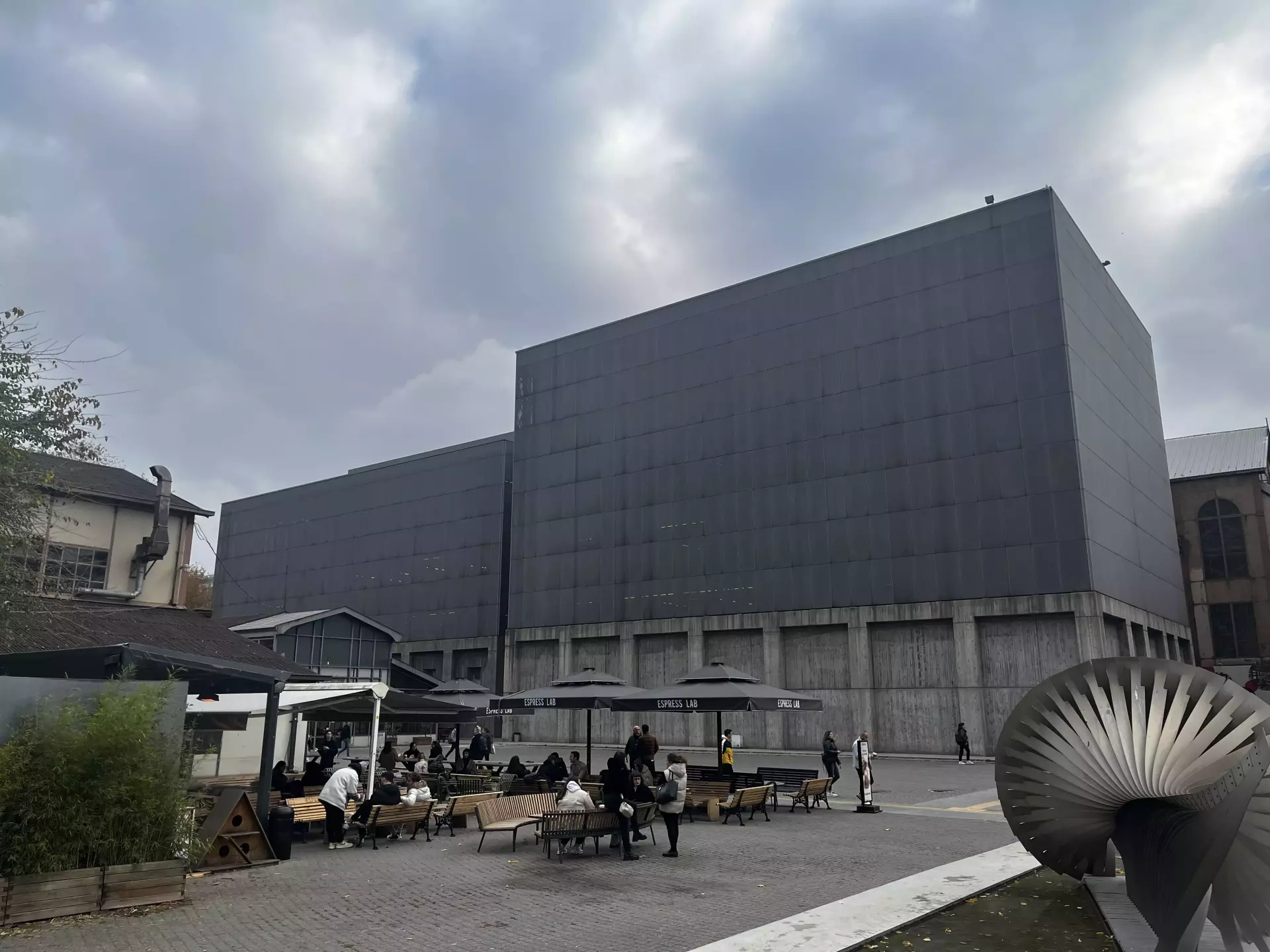
Feshane began as a factory producing fezzes (fes), the red hats made of felt adopted by the Ottomans in the early 19th century as a part of westernizing efforts in lieu of much more traditional turbans. However, the fez was scrapped in favour of western garments during Atatürk's reforms of the 1920s and 30s as it was thought to symbolize the old, decidedly oriental regime. A restoration in 1998 made it a cultural and exhibition center, and after another in 2023, it was reopened as a culture and art center under the name Artistanbul Feshane.
This lavish palace with 285 rooms and 43 halls was the admin centre for the Ottoman Empire in its last 60 years. The palace government block (Selamlık) includes the Imperial Mabeyn (State Apartments) and Muayede Hall (Ceremonial Hall), while the Imperial Harem was the sultan's private quarters. Also here are the Painting Gallery, Music Museum, Clock Museum and Museum of Palace Collections. Free audio guide in several languages available by the ticket office. No photography inside, no backpacks but you can leave them in the cloakroom. Allow 3 hours to see everything.
Named after a 16th-century village, founded by Serbs deported from Belgrade when it fell to the Ottomans. The village was popular as a forest resort, but its inhabitants were resettled in the 19th century and it's now a bosky ruin. The forest is mostly primordial and deciduous, predominantly oak. It's dotted with ancient aqueducts and dams as this area was a water catchment for Constantinople / Istanbul, and has lots of walking jogging and cycling trails and picnic areas. The two main ways in are via Bahçeköy (near the Arboretum entrance) and Kemerburgaz (which has the best aqueducts). There's a small access toll. The forest is supposedly a protected area but is being encroached on by highways and suburbs: this is likely to get worse as the access route to Istanbul's new airport leads right through it.
This is a triple structure: the church of the Monastery of Pantokrator built 1118, then a public church circa 1136 plus a chapel that served as a royal mausoleum. It became a mosque and medresse in Ottoman times, but without massive alteration so it's a prime example of middle-Byzantine architecture. It's nowadays again a mosque, photogenic by day or dusk but the area should be avoided at night.
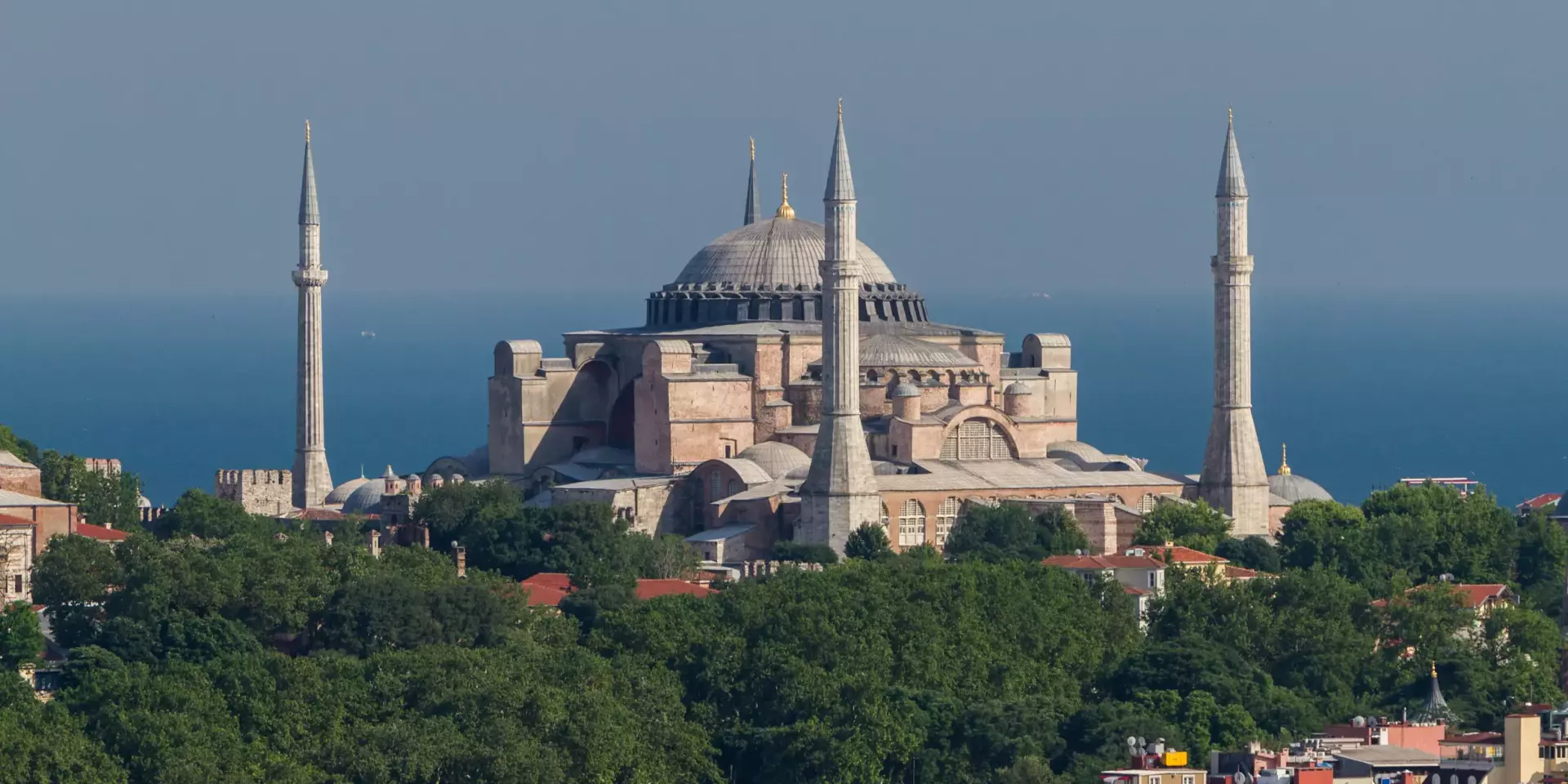
The third and grandest of the churches on this site, completed in 537 AD. The 30-m diameter dome covers what was for over 1000 years the largest enclosed space in the world, only surpassed in 1520 by Seville cathedral. It used "pendentive" architecture to throw the dome's weight onto four stout pillars, a design that inspired many Eastern Orthodox churches and Ottoman mosques. It became a mosque after the Ottoman conquest in 1453, remaining so until 1931. It was then a museum until 2020 when it was again proclaimed a mosque. That means you must work around prayer times and dress appropriately.
Built circa 1200 as the Eastern Orthodox Theotokos Kyriotissa Church, after the Ottoman conquest it was handed over to the Qalandari, a Sufi sect. In the mid-18th century it was converted to a Sunni mosque, and its mosaics were plastered over. The original appearance was restored in the 1970s.
Built 1748-55, this launched the style we call Ottoman Baroque, with its grand central dome and pencil-thin minarets. It was copied throughout their empire and is replicated in new mosques even today. The name means "light of the Ottomans," and the interior uses light powdery decor, bathed with much more natural light than its gloomier classical predecessors. The complex also has a madrasa and the imaret (public soup kitchen).
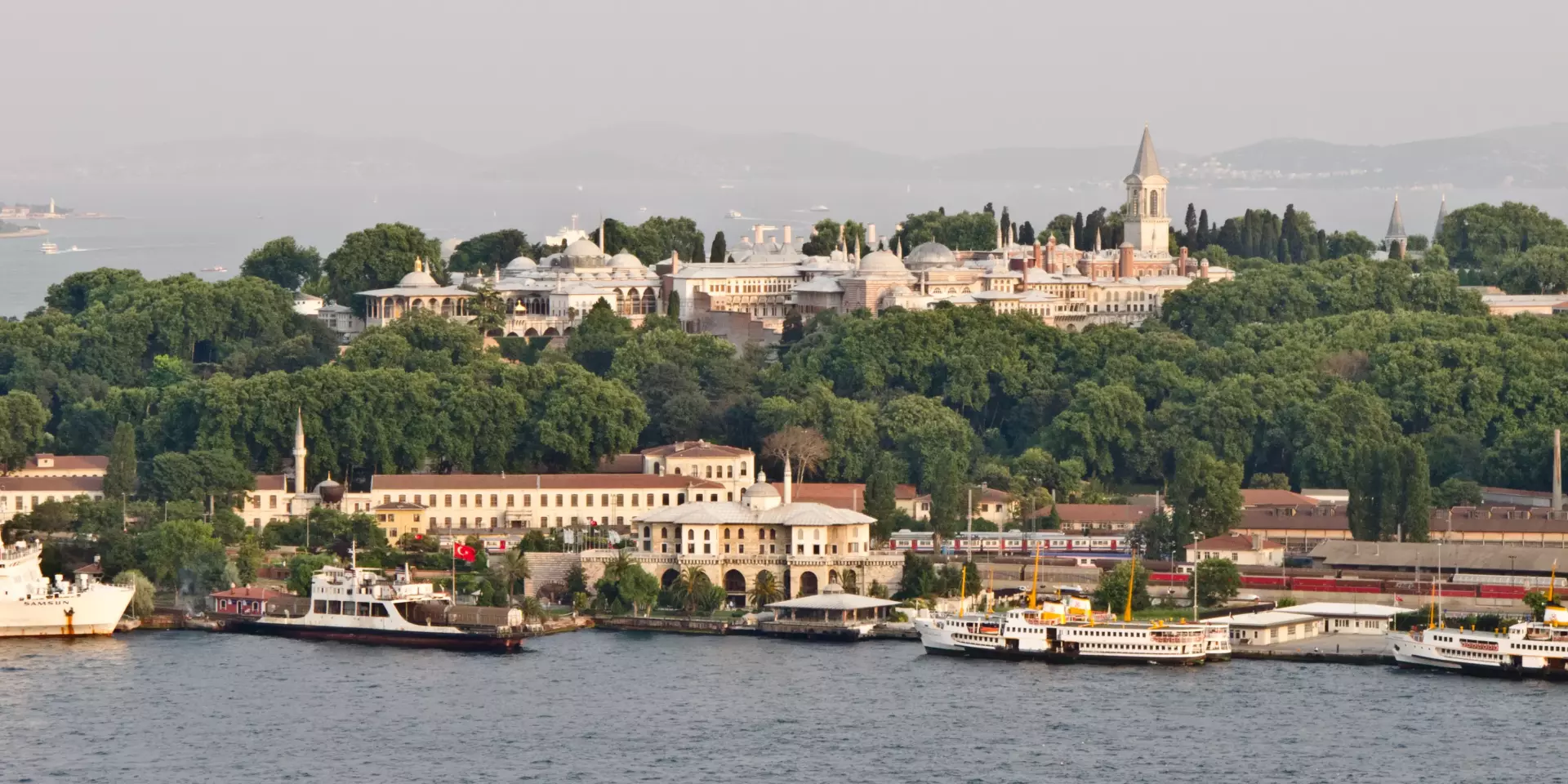
The imperial enclave of the Ottoman emperors for four centuries. Lavishly decorated, with exhibitions of fine craftmanship and four courts of increasing grandeur. The second court has the Harem and the State Treasury, housing a weaponry display. The third court has the Imperial Treasury, with Islamic and Christian relics. The views from the Fourth Court over the Bosphorus are spectacular. Reckon on spending several hours here and bring water as the museum kiosk is overpriced.
The Golden Gate was the ceremonial entrance through the Theodosian city walls. After the Ottomans captured the city in 1453, Mehmed II needed a stronghold for his treasures and documents. The gate was therefore bricked up and the walls reinforced into a fortress, with valuables stored in its seven towers, hence yedi kule. In the following century the treasury moved to Topkapi Palace and the fort became a prison for high-level detainees - Osman II was strangled here in 1622. It remained in use until 1837, whereupon the Golden Gate was re-opened.
A resort on the Marmara coast. It's the westernmost part of Istanbul, between Çatalca and the province of Tekirdağ. There are some remnants of the Anastasian wall here, the scrappy ruins of a castle, an ancient cistern, the Piri Paşa Mosque, and Uzunköprü the long aqueduct.
A village with an impressive citadel overlooking the Bosphorus and its mouth into the Black Sea. By land it's accessible only by a hairpinning road through the forest, with few buses. It's best reached by ferry from Eminönü (twice daily) or Sariyer (frequent). In the village, a road is signposted up to the hilltop Yoros citadel (a little more than 1 km, 20 min on foot, free admission). There's a pleasant area with cafés by the ferry pier; the place gets crowded at weekends during summer. Nasty big dogs stalk the citadel area at night. See Istanbul#The_classic_Bosphorus_cruise.
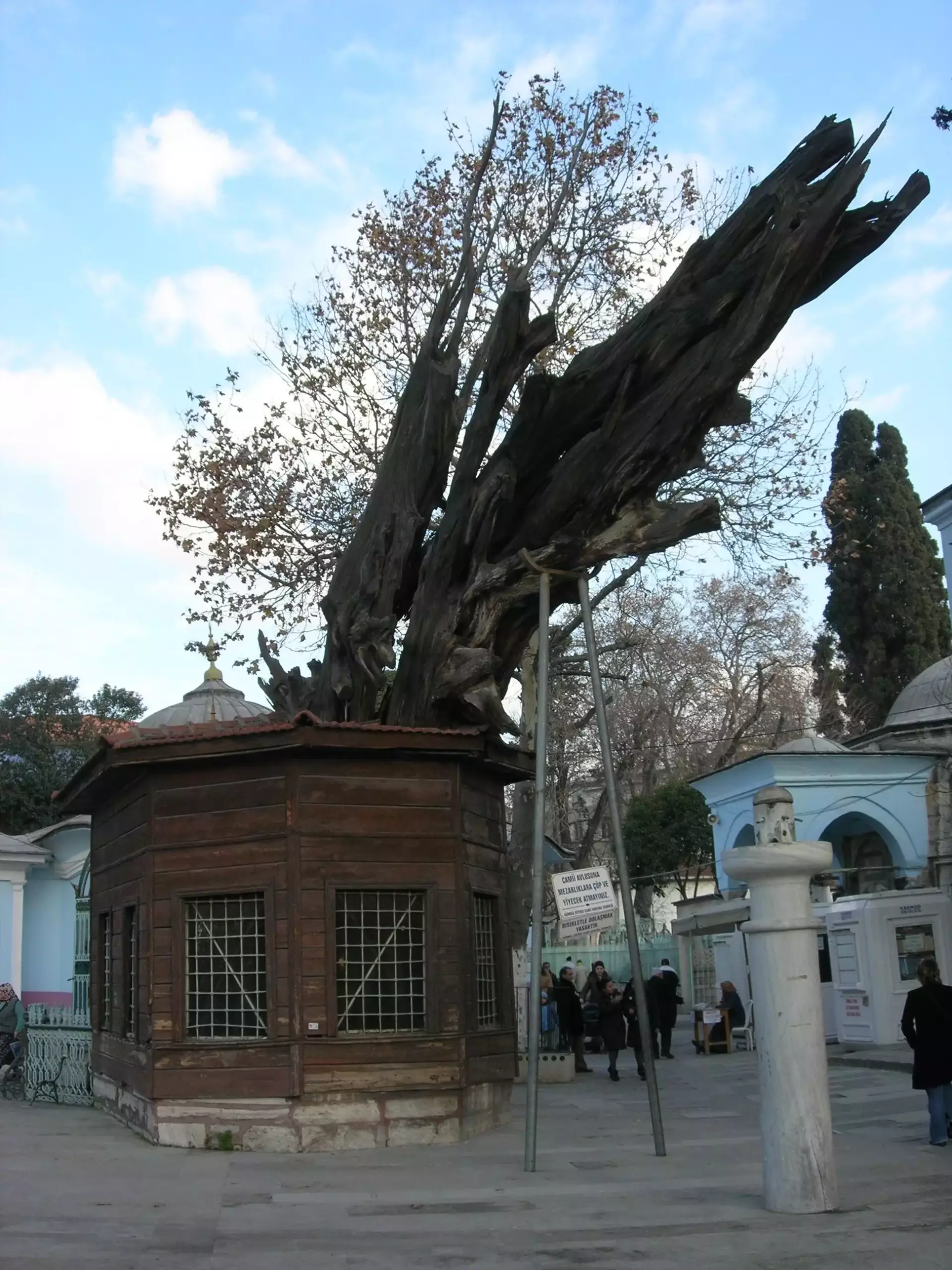
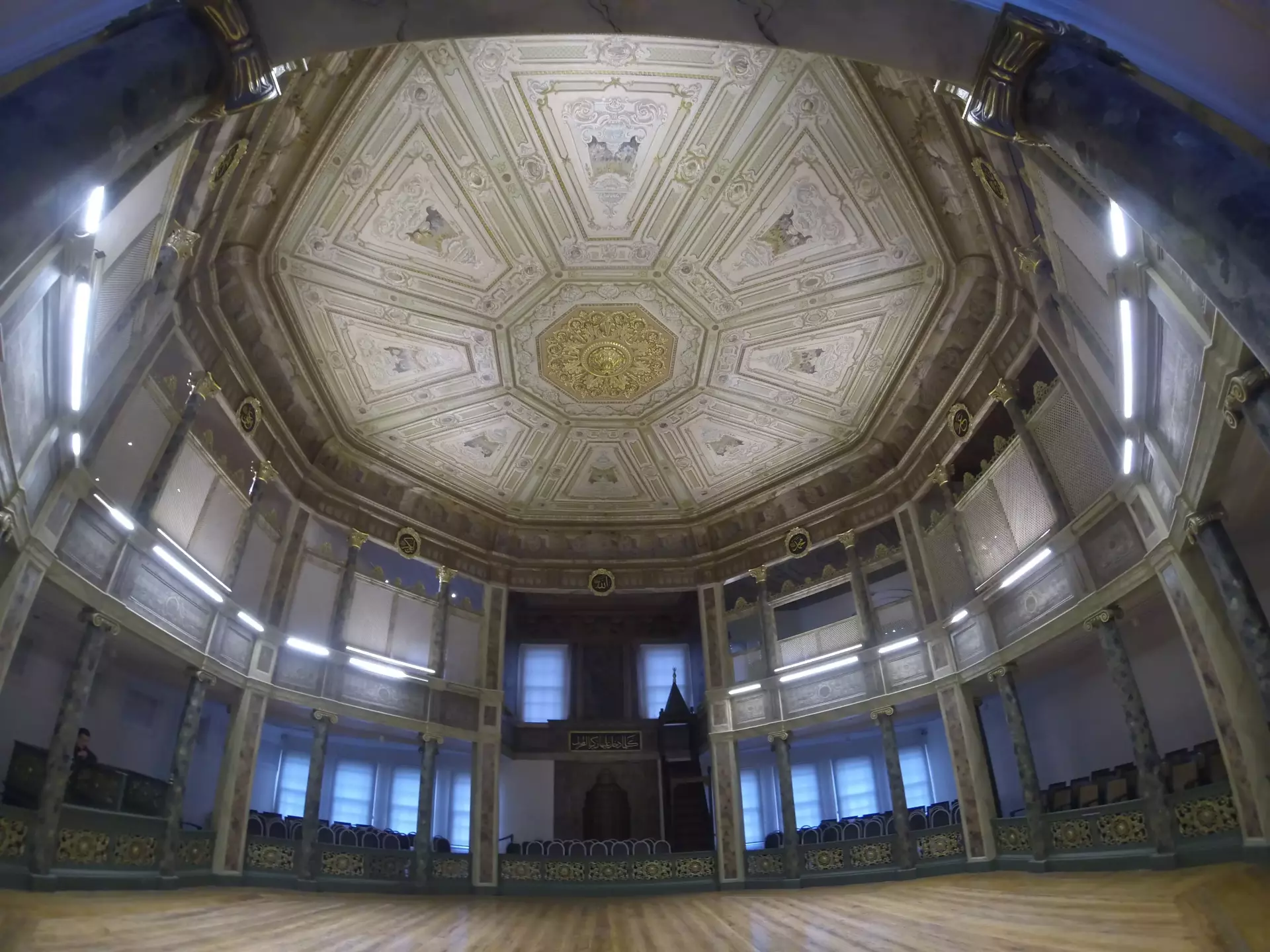
A ritual dancing hall of the mystical Mevlevi order, the followers of the teachings of Mewlānā Rumi. The quiet and peaceful garden is a welcome escape from the hustle and bustle of Beyoğlu. The oldest Mevlevi lodge in Istanbul, the convent was started in 1491, when the surrounding area was, hard to believe today but, pure wilderness beyond the city walls of Galata, although the current building dates back to 1855, as the older versions succumbed to repairs, rebuildings, and fires. However, the lodge was shut down in the early years of the republic (in 1925) along with all other 'reactionary' movements in Turkey, and the building has been serving as a museum dedicated to the Mevlevi order since 2010. Downstairs is a series of rooms dealing with the daily life of an average dervish, with informational signs in Turkish and English about the history of Islam and the Mevlevi order (also notice the original wooden pillars that support the building on this floor). On the upper floor is a dancing hall, a perfect example of 19th century Ottoman Baroque. Pre-Covid, this was where the sema whirling ceremonies were held every weekend evenings (admission by an extra ticket costing around 100 TL); check if they resumed. On the third floor is a display of various traditional Turkish/Islamic arts, including paper marbling (ebru), and calligraphy. After exiting the building, check out the small graveyard (or the "silent house" as the sign at its entrance says) on one side of the building, shaded by a number of hackberry trees, which Ottomans favoured to plant in the yards of mosques and graves to sign holiness. Here, the carved fez, or the basket of flowers in case of women, perched upon the highly detailed marble gravestone indicates the occupant's rank in the dervish hierarchy. At one corner of the necropolis is the grave of İbrahim Müteferrika, a converted Hungarian who was the first to start automated publishing in Ottoman Turkish in the 18th century, and served as the translator of Hungarian revolutionaries who sought asylum in Turkey, such as Kossuth, who stayed for a year in Kütahya, or Ferenc Rakoczi, who lived his last years in Tekirdağ.

Started in 1613 by the Ottoman sultan Ahmet I (r. 1603–1617, who also had the Blue Mosque in the Old City built), and extensively renovated by the art-loving Selim III (r. 1789–1807), this sole building, which itself has the distinction of being the only intact structure that dates back to the rule of Ahmet III (r. 1703–1730), set inside a beautiful garden of pools and mature cedar and magnolia trees is the only remaining part of what was once the fourth largest palatial complex in Istanbul, extending all the way to the banks of the Golden Horn (which is now occupied by the derelict buildings of the closed shipyard, which also block part of the view towards the shore). According to the local rumour, its name (which in Turkish means "mirrored poplar") derives from the now absent mirrors gifted by Venice to the palace that were presumably "as tall as the poplars" (aynalar kavak). The highly decorative and colourful interior includes several rooms of original furnitures fit for a sultan, some of which are covered with nacre, and walls embellished with Ottoman poems praising the palace and Selim III. Downstairs is a small museum dedicated to music, which exhibit some of the instruments (violins, ouds, and kamanchehs) and gramophone records owned by Fatma Gevheri Sultana (1904–1980), the granddaughter of Abdülaziz I (r. 1861–1876). While you are outside, also check out the old main entrance (now closed) towards the Golden Horn, topped by a dome. Worth the half hour spent there.