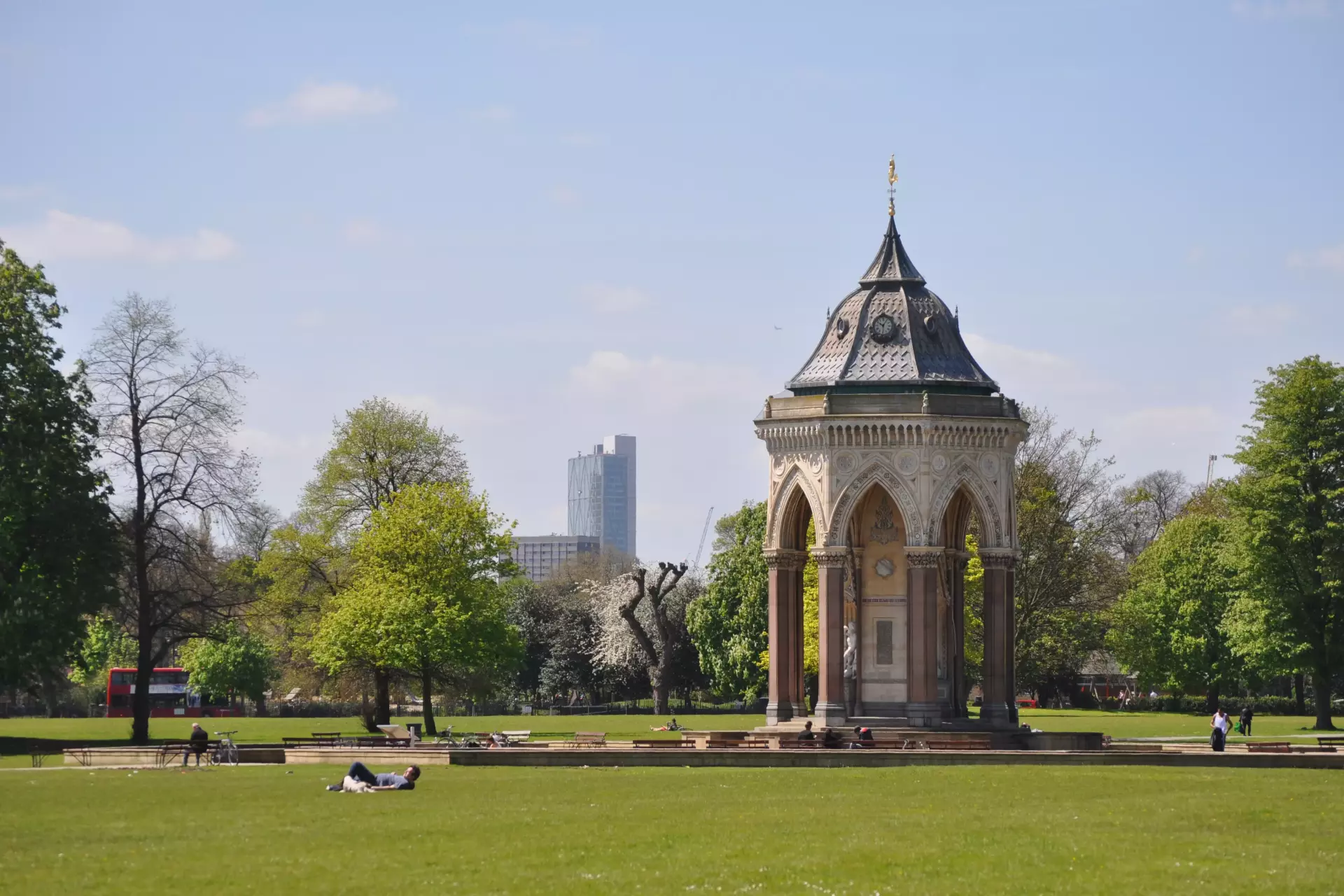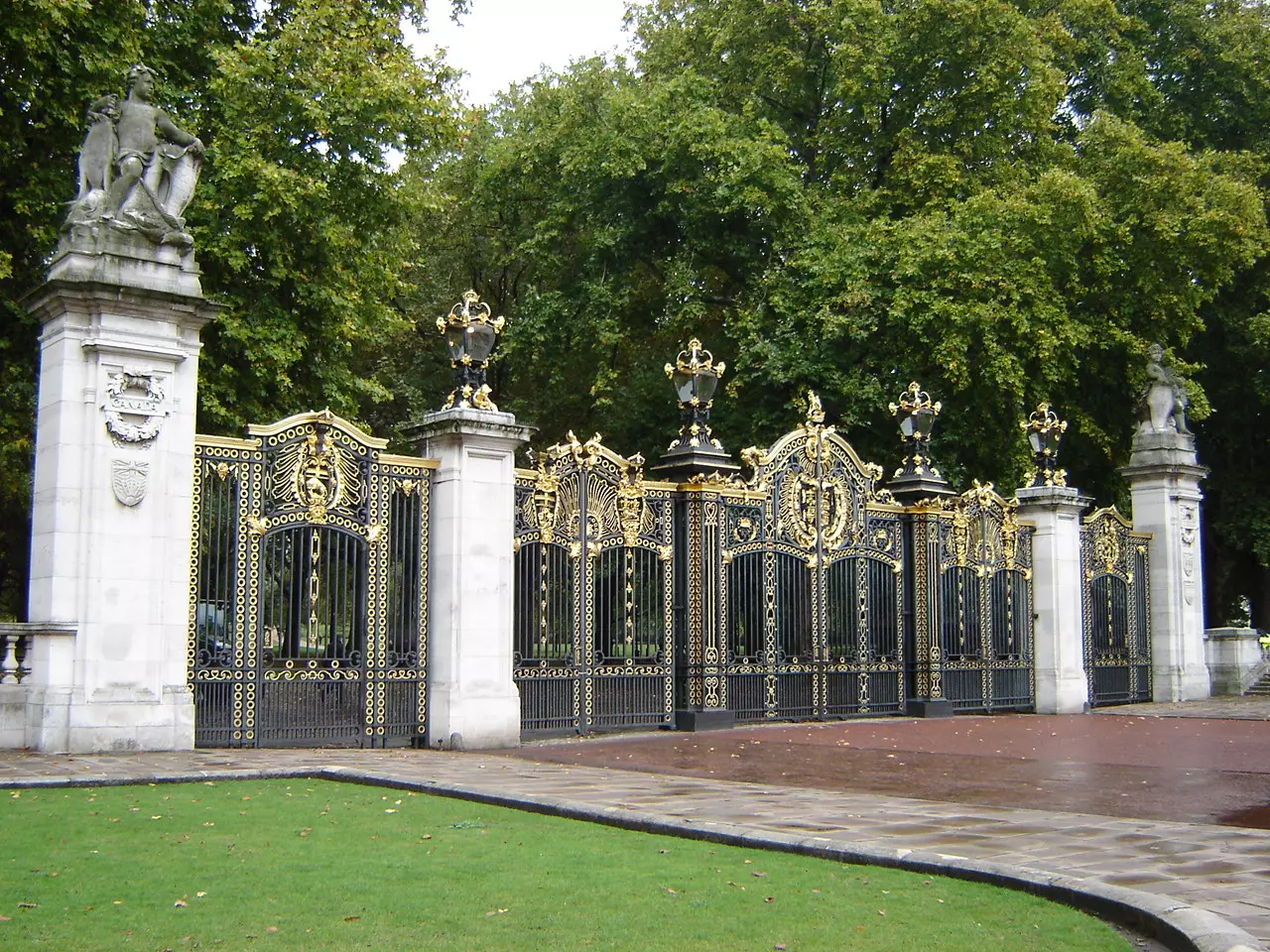
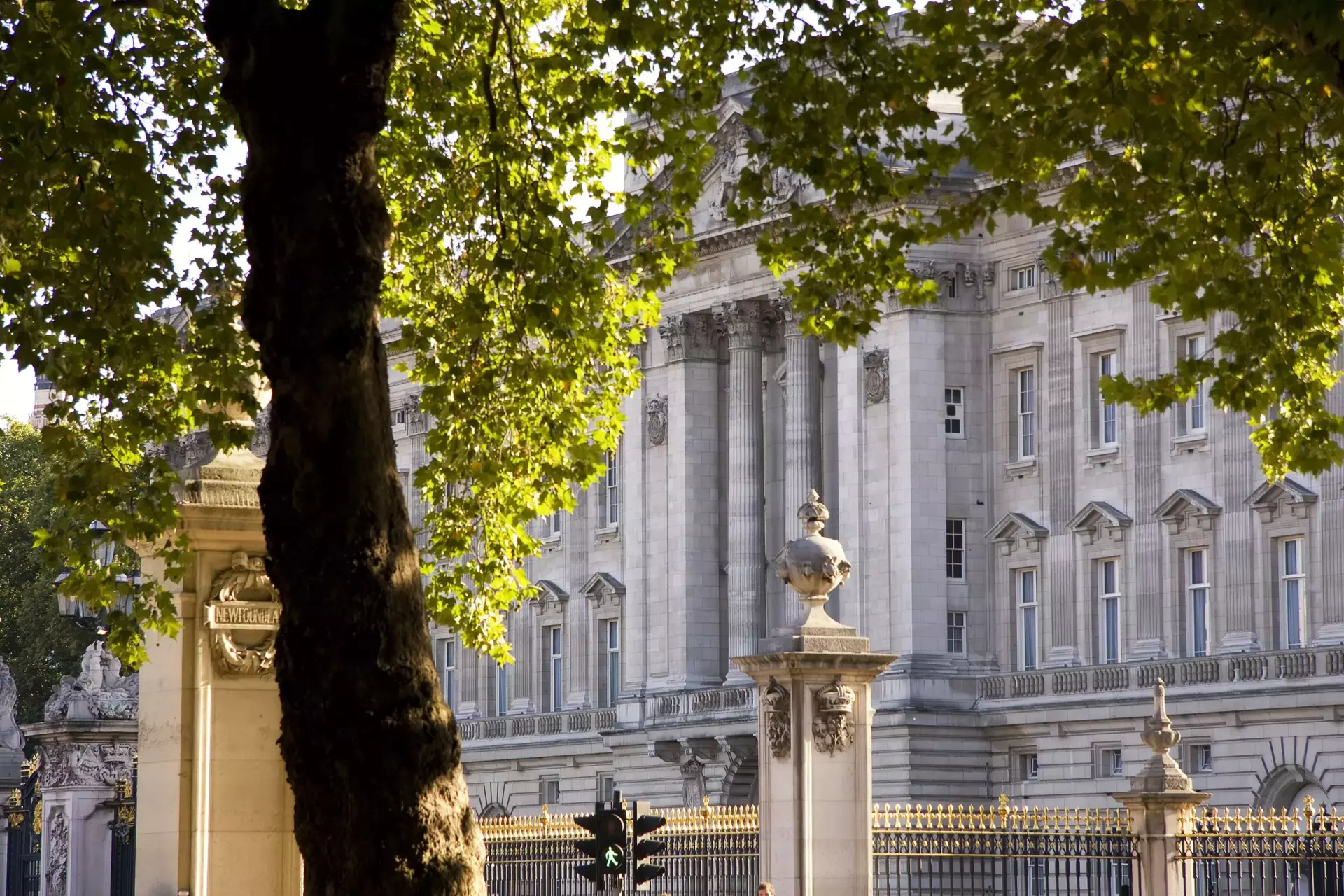
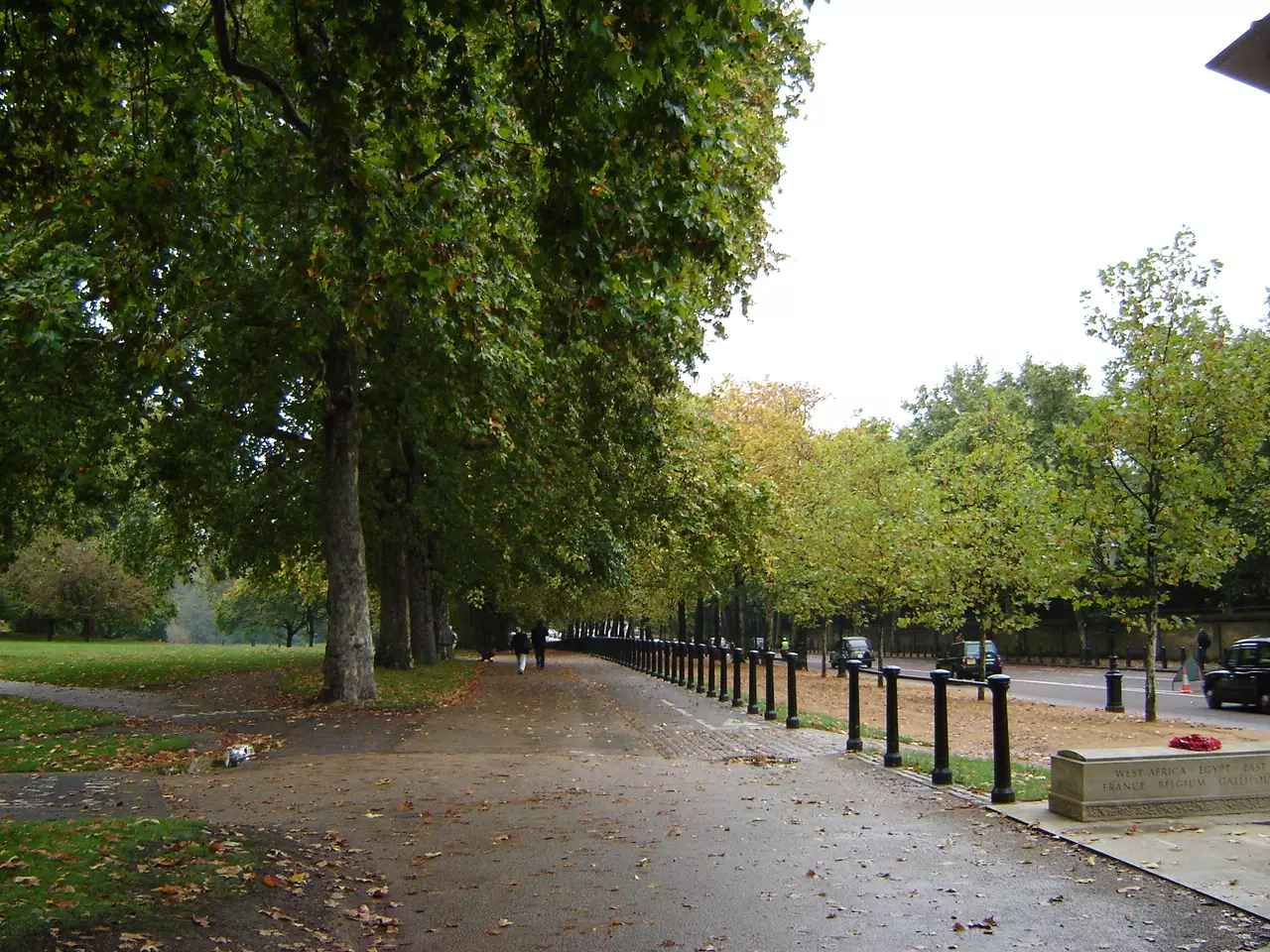
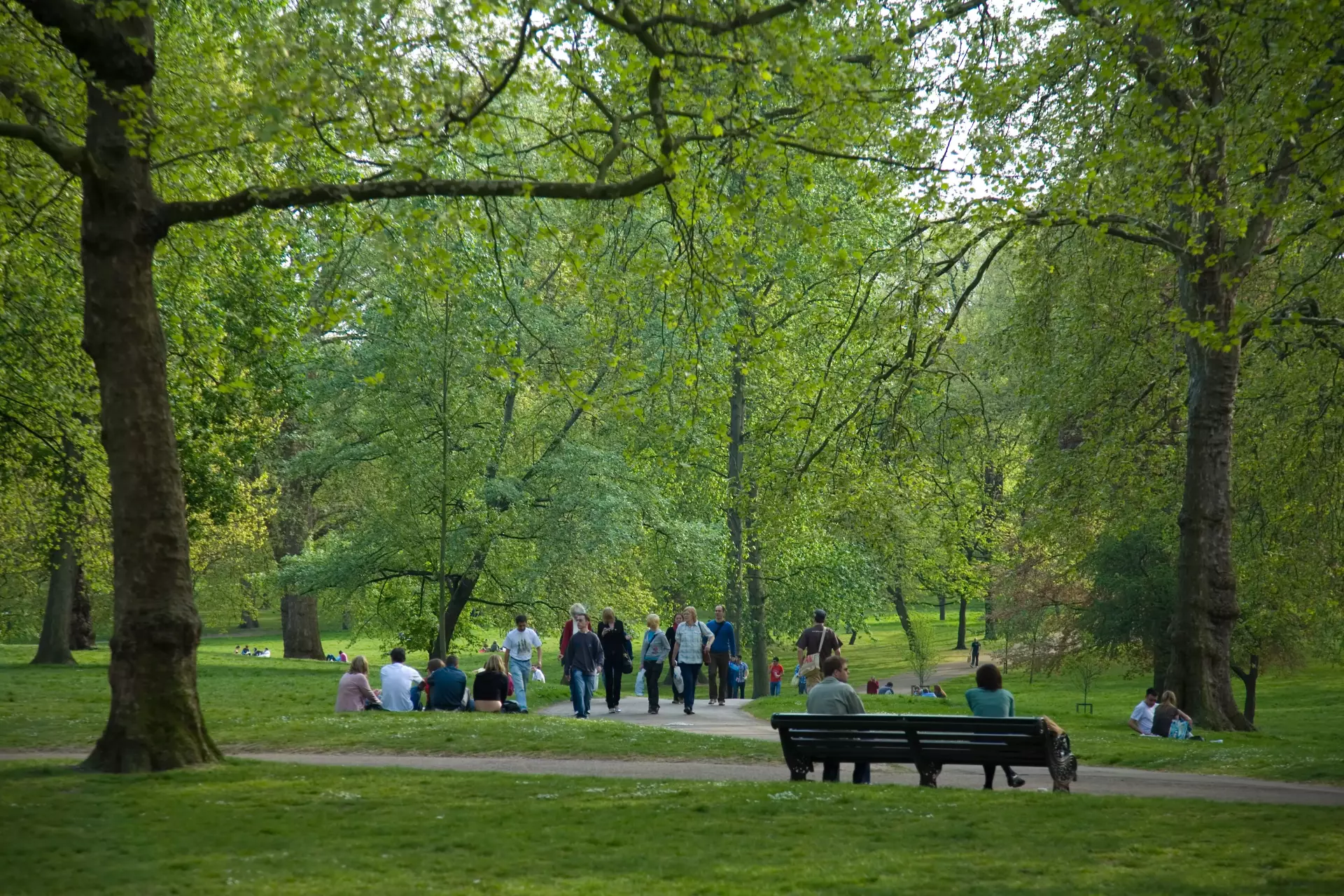
Green Park stands out among London's Royal Parks for its simplicity. Unlike its counterparts, it lacks lakes, buildings, and has only a few monuments. Yet, its charm lies in its tranquil, green expanse. Lightly wooded, it offers a serene escape amidst the hustle of the city. Situated centrally, it shares its borders with two other parks and the iconic Buckingham Palace.
Source - https://en.wikipedia.org/wiki/Green_Park
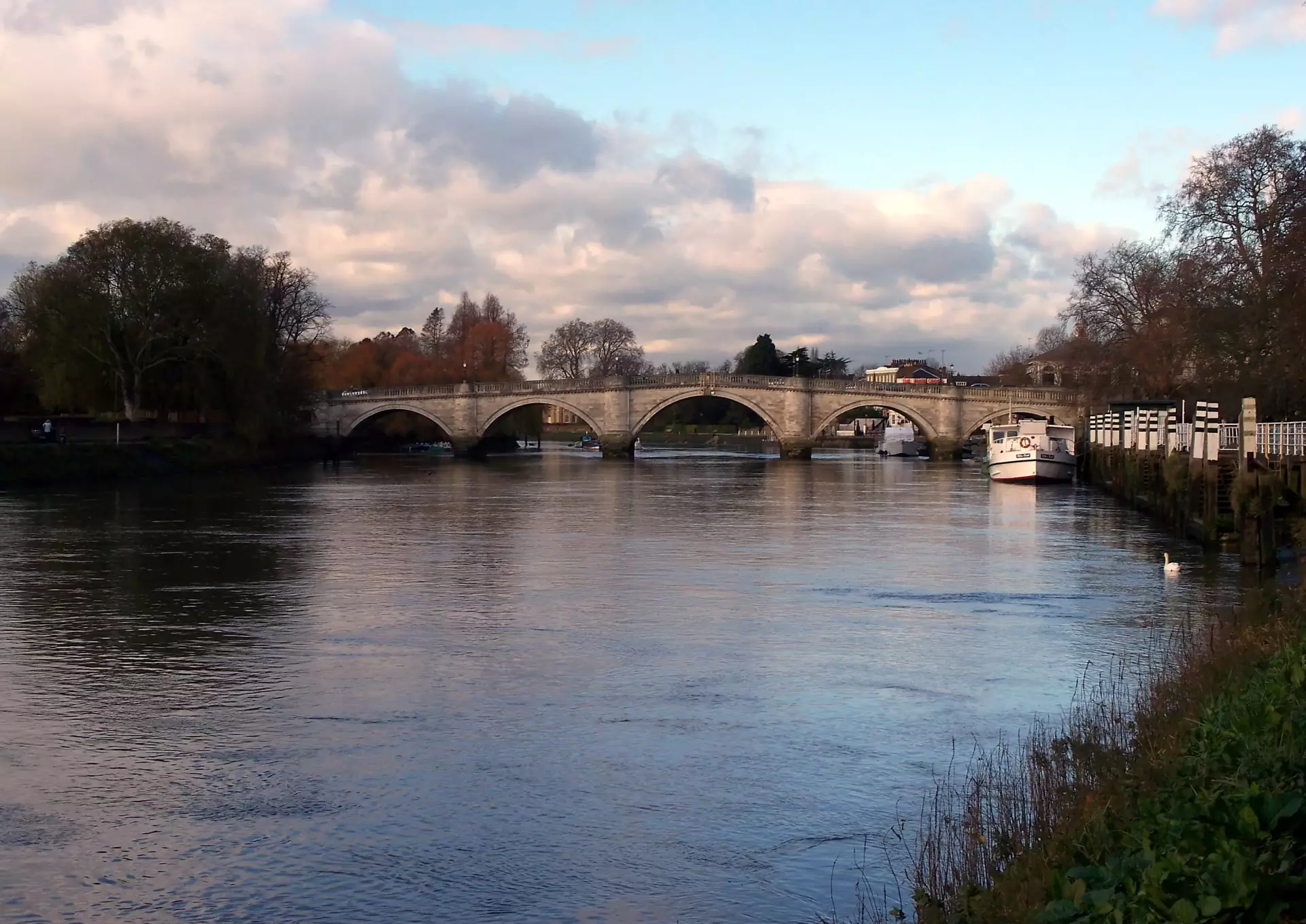
Fine stone bridge linking Twickenham/St Margarets with Richmond. It is the oldest surviving Thames bridge in London, dating from 1777.
At 87 hectares this is the largest open green space in the district.
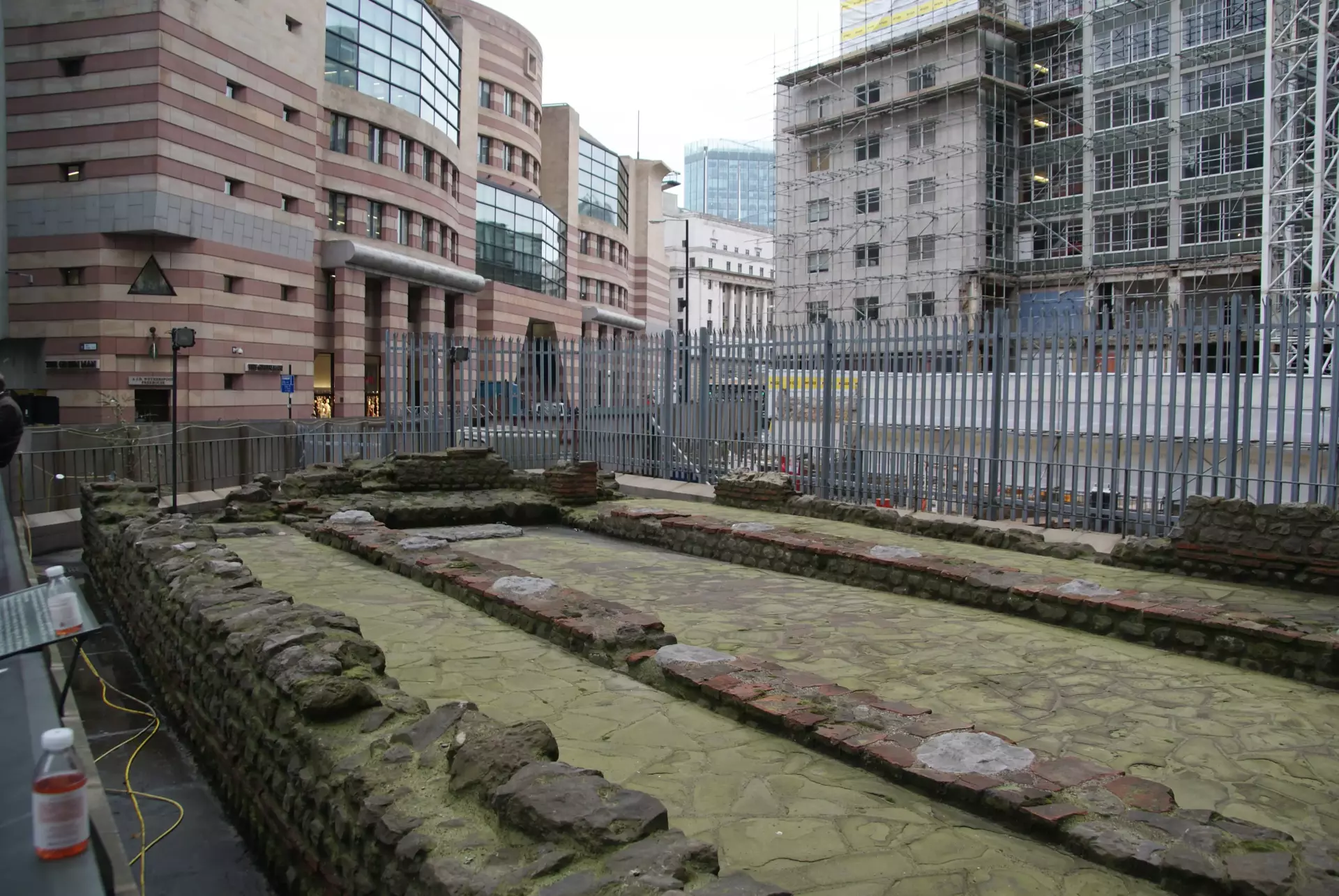
The London Mithraeum is a 3rd century Roman mithraeum that was discovered in Walbrook during construction work in 1954. The entire site was relocated several times before being returned to its original site as part of the new Bloomberg building. This temple of the mystery god Mithras became perhaps the most famous 20th-century Roman discovery in London. In addition to the temple structure, there is a display of Roman artefacts found on the site and a contemporary art exhibit responding to the site. Visitor numbers are limited and timed slots are often fully booked up several weeks into the future so plan well ahead.
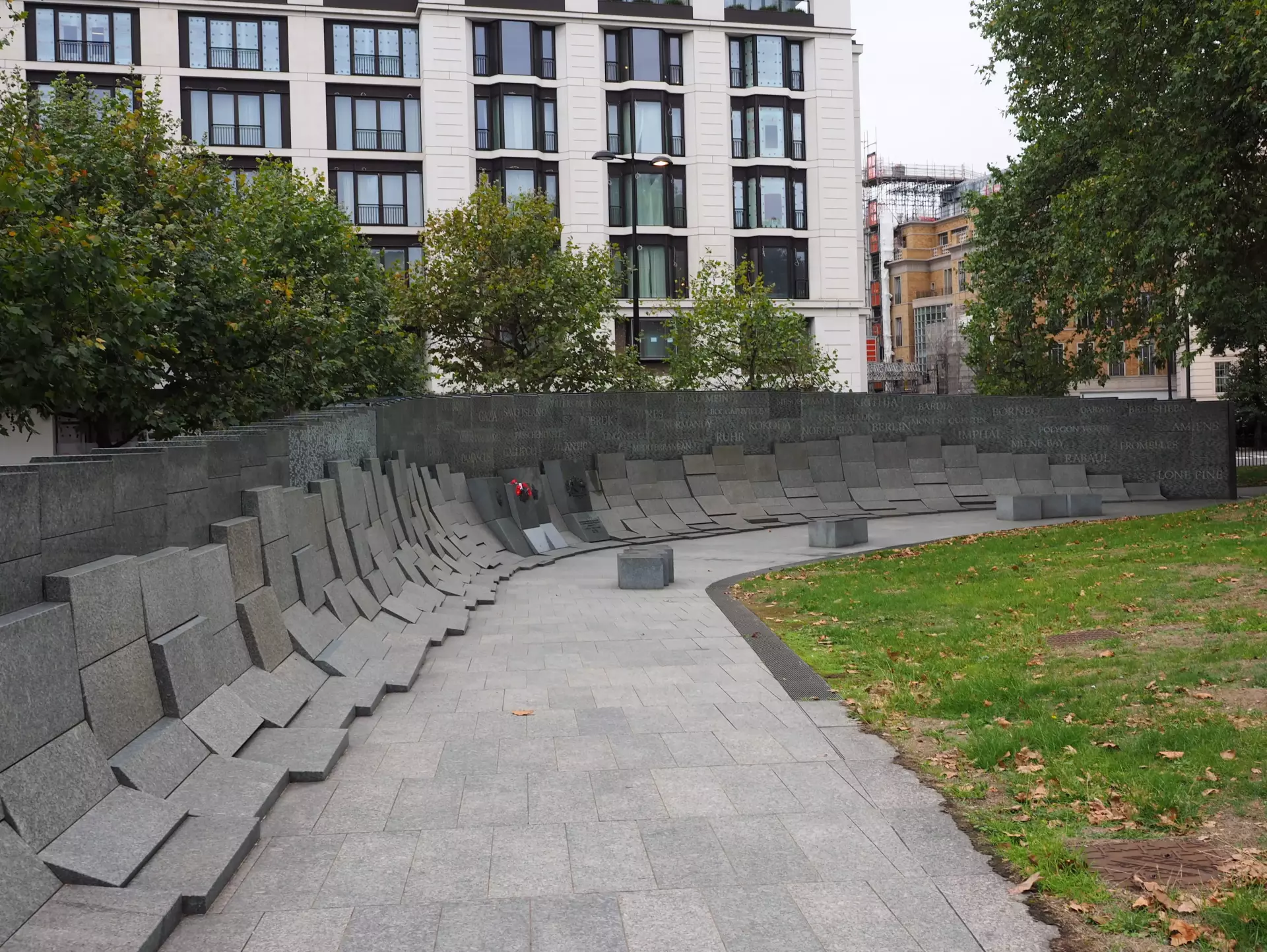
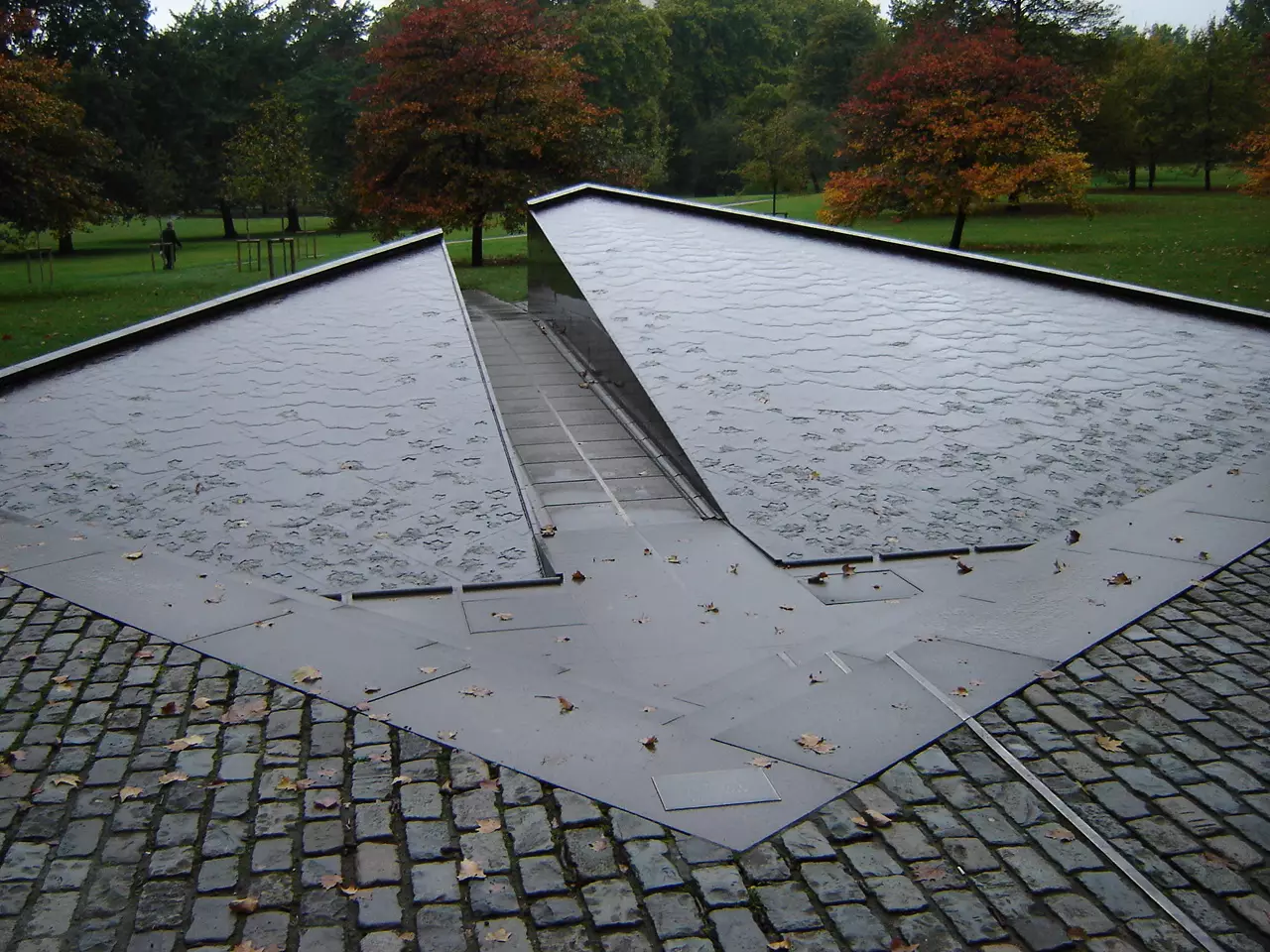
Created by Tonkin Zulaikha Greer and Janet Laurence to remember the Australians who died in both world wars. Made from Australian granite.
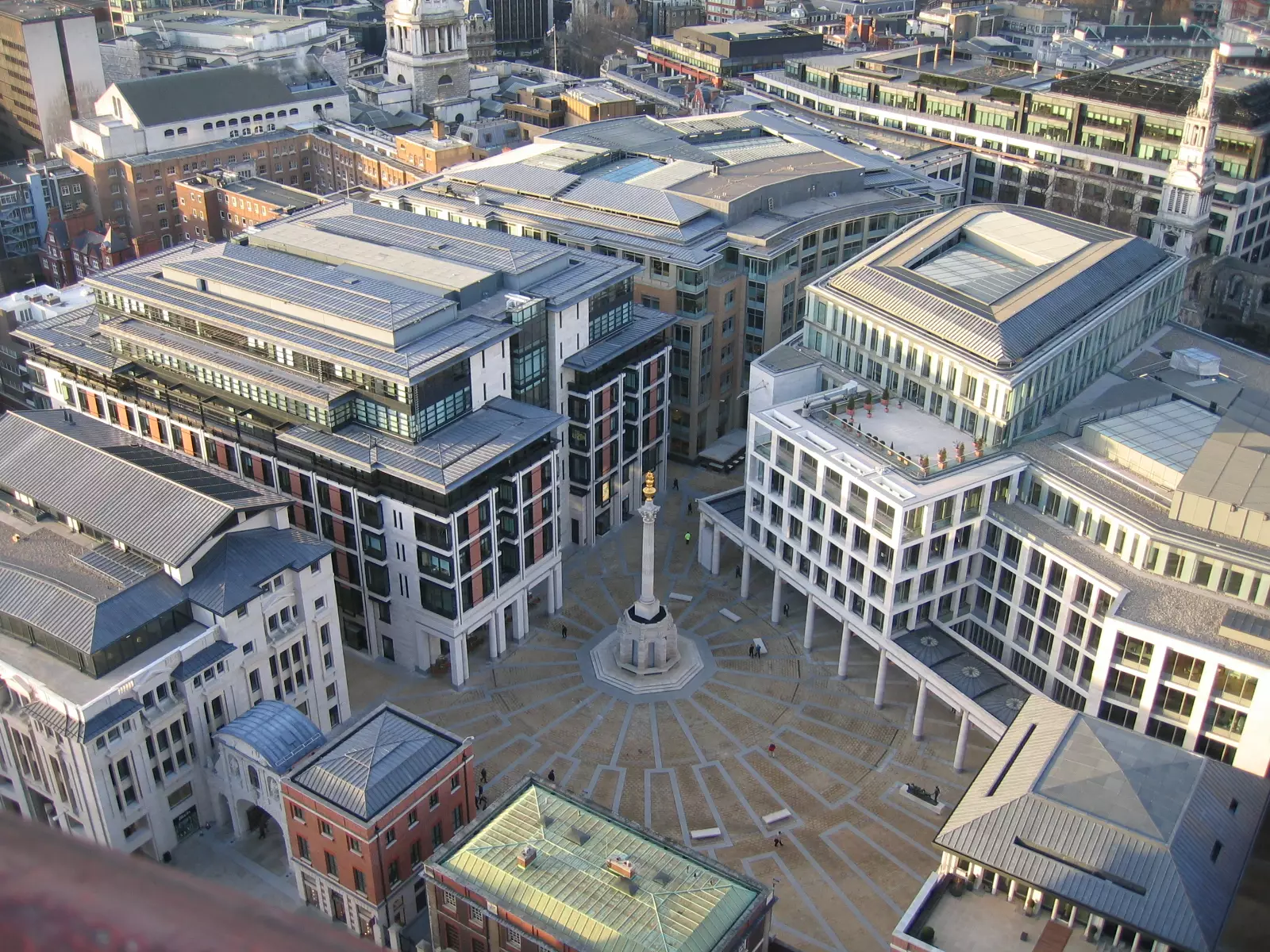
After leaving its brutalist skyscraper on Old Broad St, the London Stock Exchange now resides on Paternoster Sq. Dating back to 1698, it is one of the world's oldest and largest stock markets.
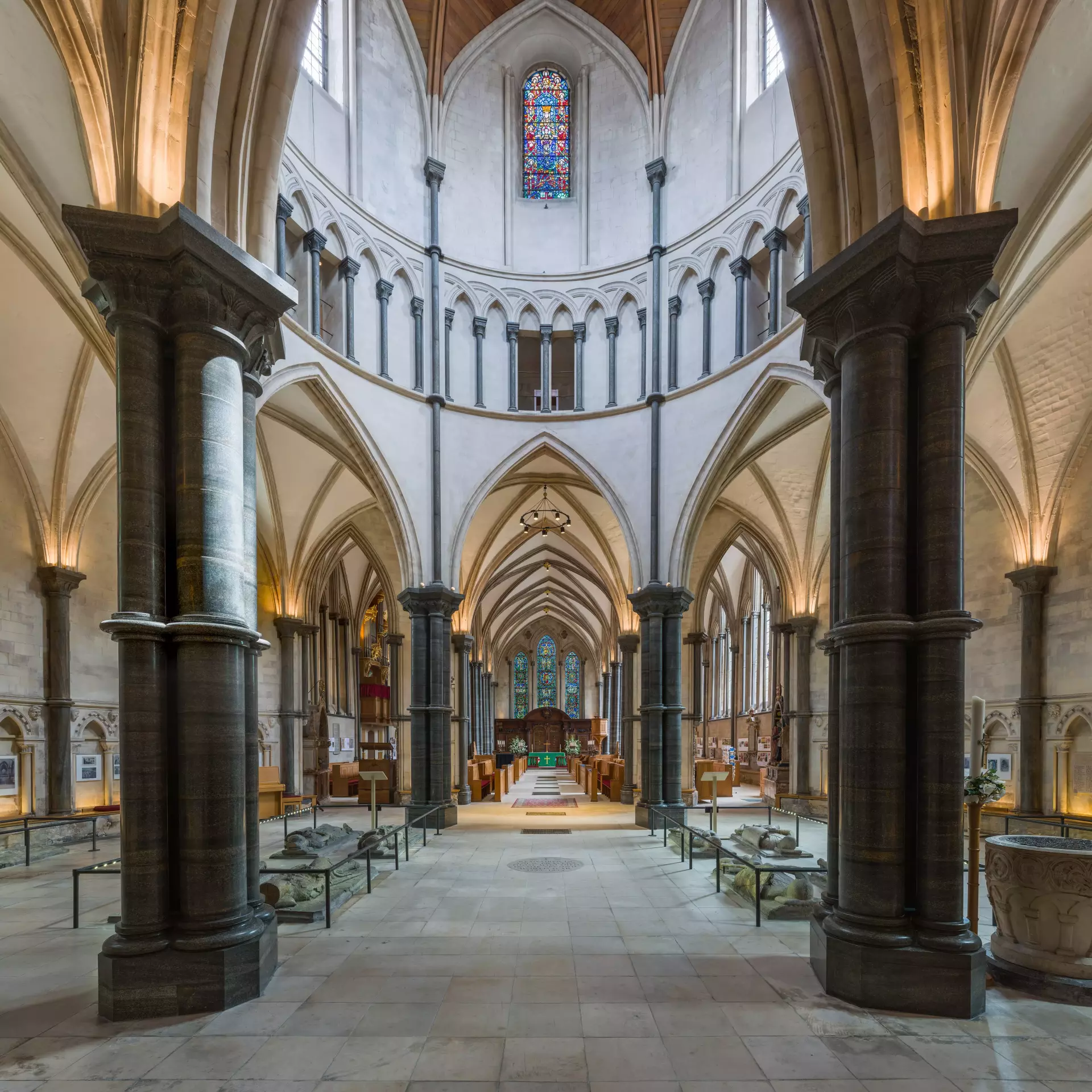
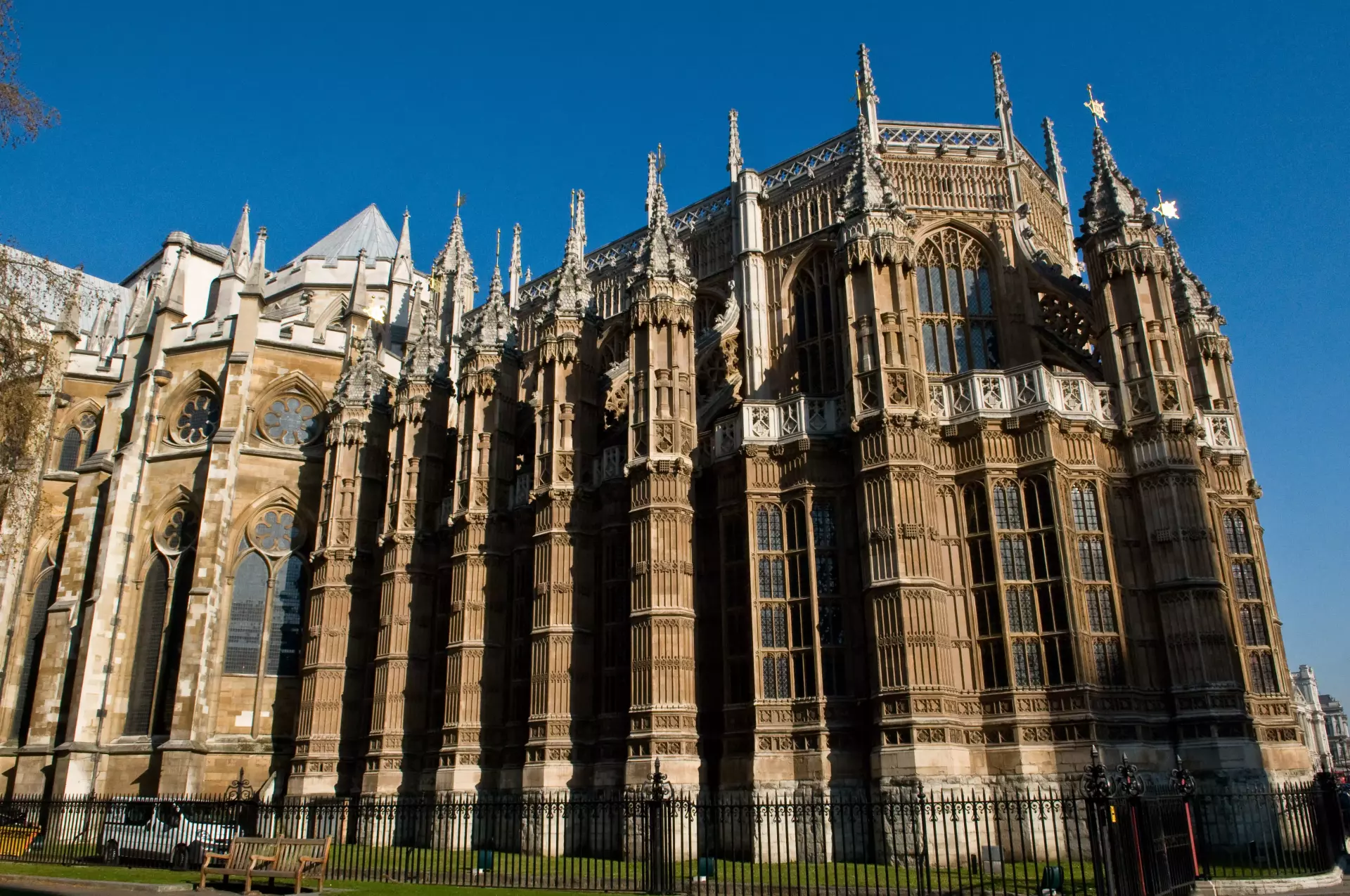
A small realm of serenity in the midst of the typical turmoil. It used to be the court of the Knights Templar. You can still visit the beautiful Romanesque church, which is one of the oldest ones in London (opened in 1185) and has connections to the order of Templars. The chancel of the church was built by Henry III. The church still serves the members of Gray's Inn and Lincoln's Inn and has frequent services open to the public. Fans of Dan Brown's The Da Vinci Code will recognise the church from both the novel and the film.
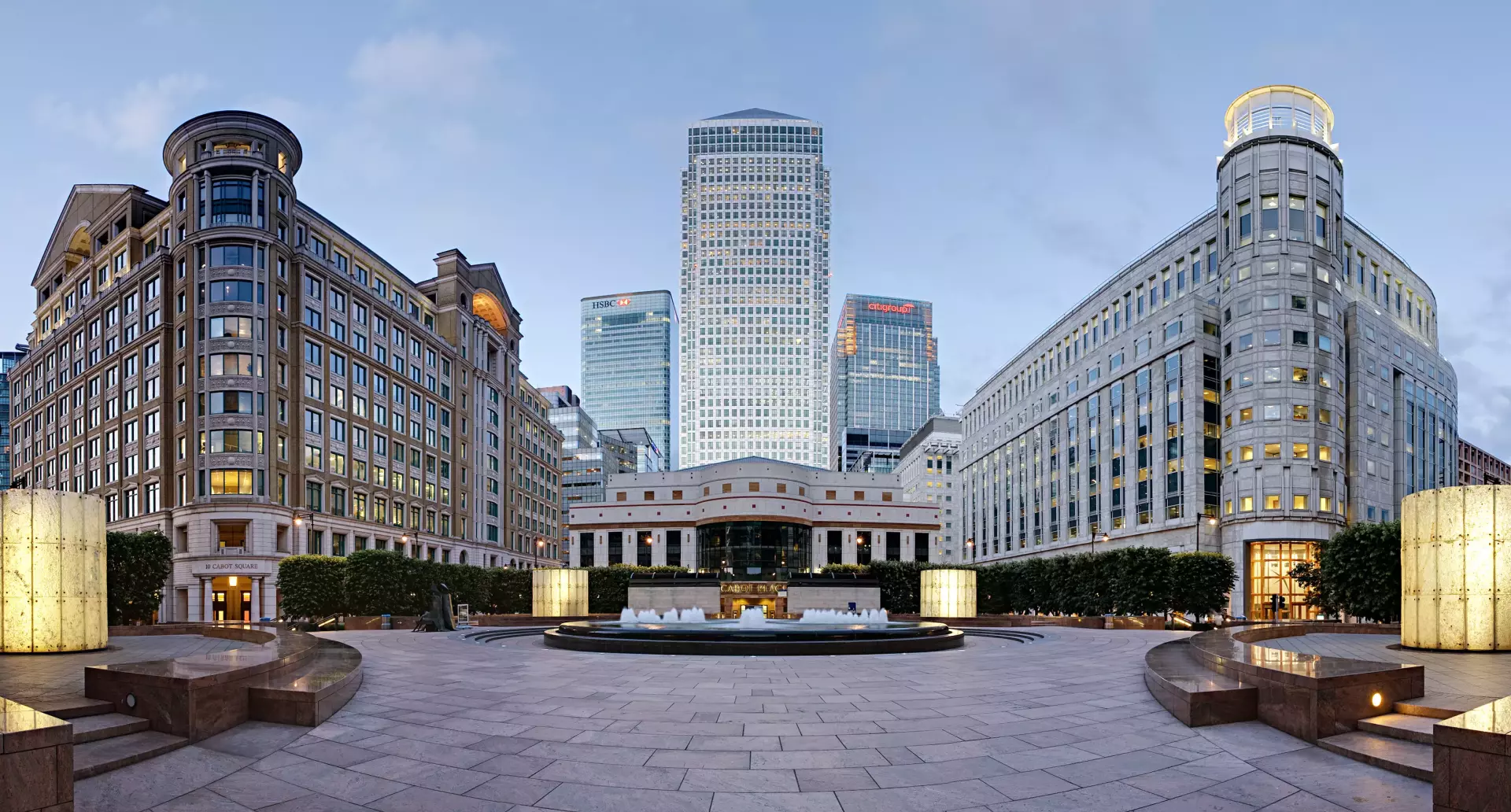
A vast shopping, eating, entertainment and (primarily) business complex, home to Britain's second tallest skyscraper, One Canada Square. Now increasingly lively at weekends as well, but still at its most impressive during the week. Spectacular main exit from the Jubilee line Tube station. There is a substantial amount of information about the history and the architecture of the development on the website of Canary Wharf Group, the company that owns the development.
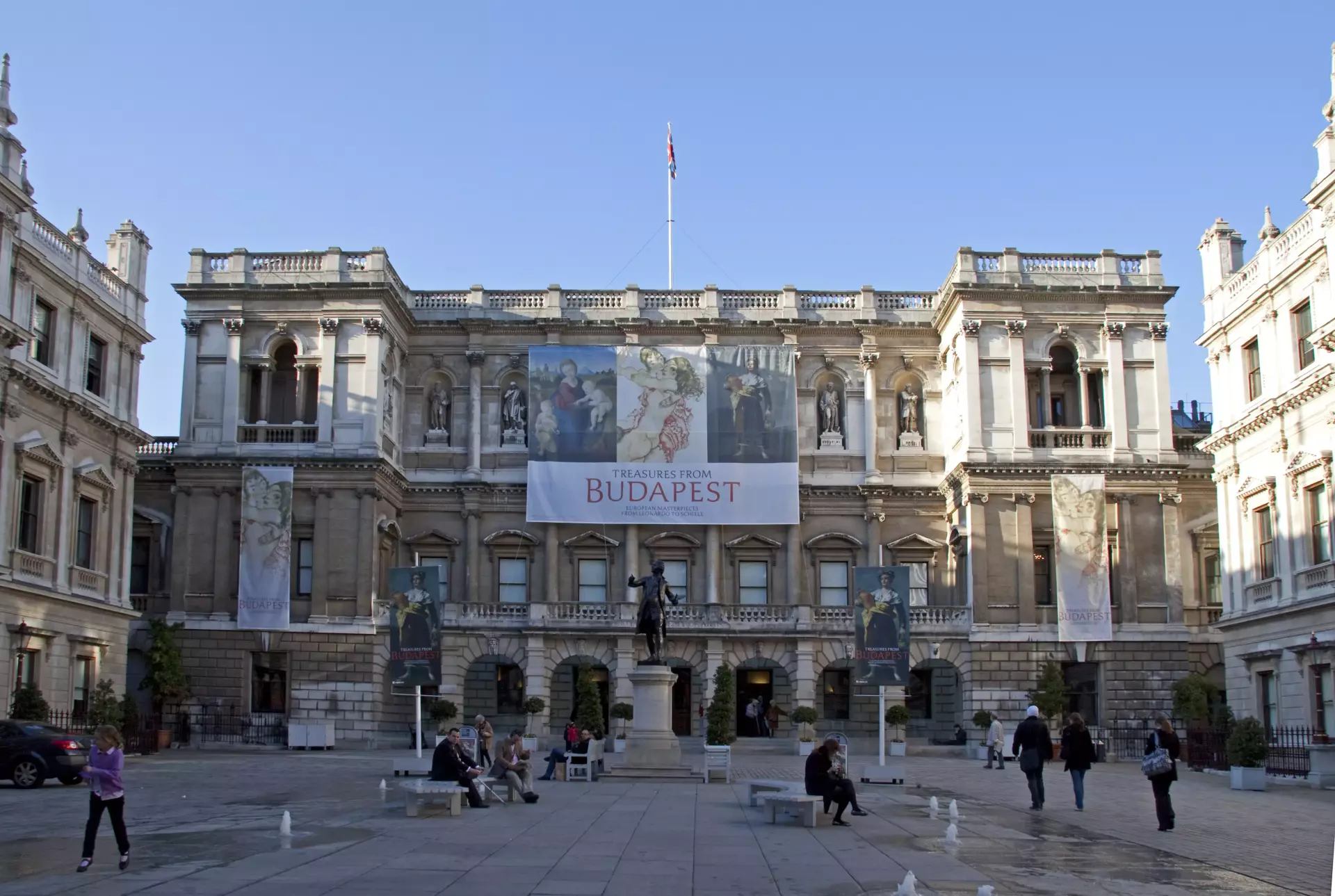
The Royal Academy no longer has a permanent exhibition space, instead hosting art exhibitions. Notable exhibitions have included the paintings of Monet, contemporary art associated with the theme of apocalypse, and Aztec art. Each Summer, the Royal Academy plays host to a Summer Exhibition, displaying 1,200 new works by established and new artists selected by the academy, most of which are available for visitors to buy. Each member has to donate a work of art, so over the years, the academy has built a sizable collection. Exhibitions are invariably excellent, and it is worth paying for audio guides, if they are not included. Visitors should book tickets in advance, as exhibitions are often very popular – particularly shortly after opening.
Remains of the wall that surrounded the City of London for almost two thousand years. The parts around the Barbican are mostly Tudor due to maintenance (Roman remains can be seen in and around the Tower of London). Other local remains are the 51.5169-0.095833 Noble St wall fragment and the 51.5177-0.092234 St Alphage Gdns wall fragment.
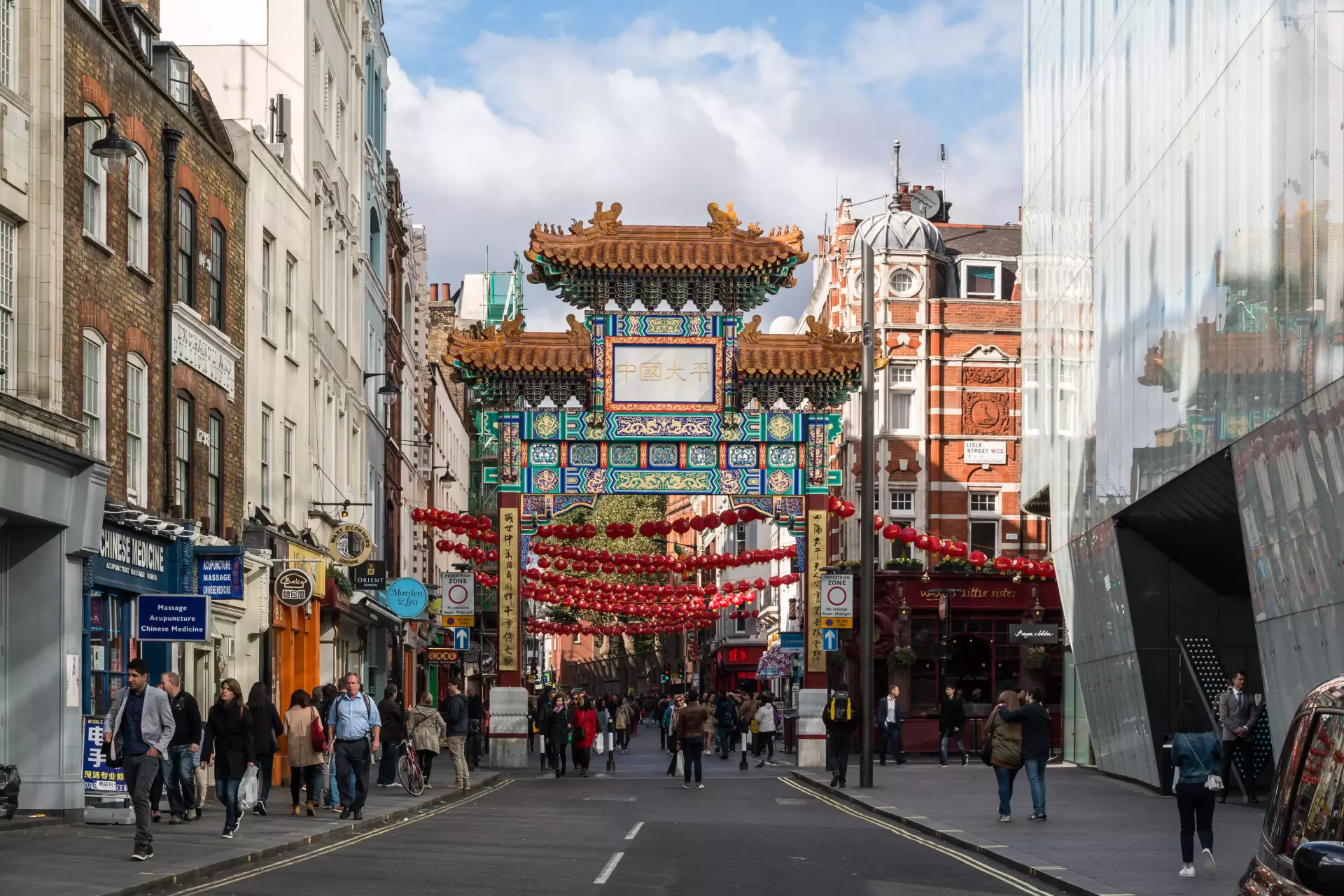
The main sights to see in London's Chinatown are the expressions of Chinese culture and Eastern ambience in Chinatown, and for a good Chinese meal. There are few souvenir shops for tourists and no museums or temples. The three ornamental Chinese arches are worth a look. Chinatown does incorporate some entertaining combinations of British and Chinese culture, such as the phone booths with pagoda-style sloping roofs.
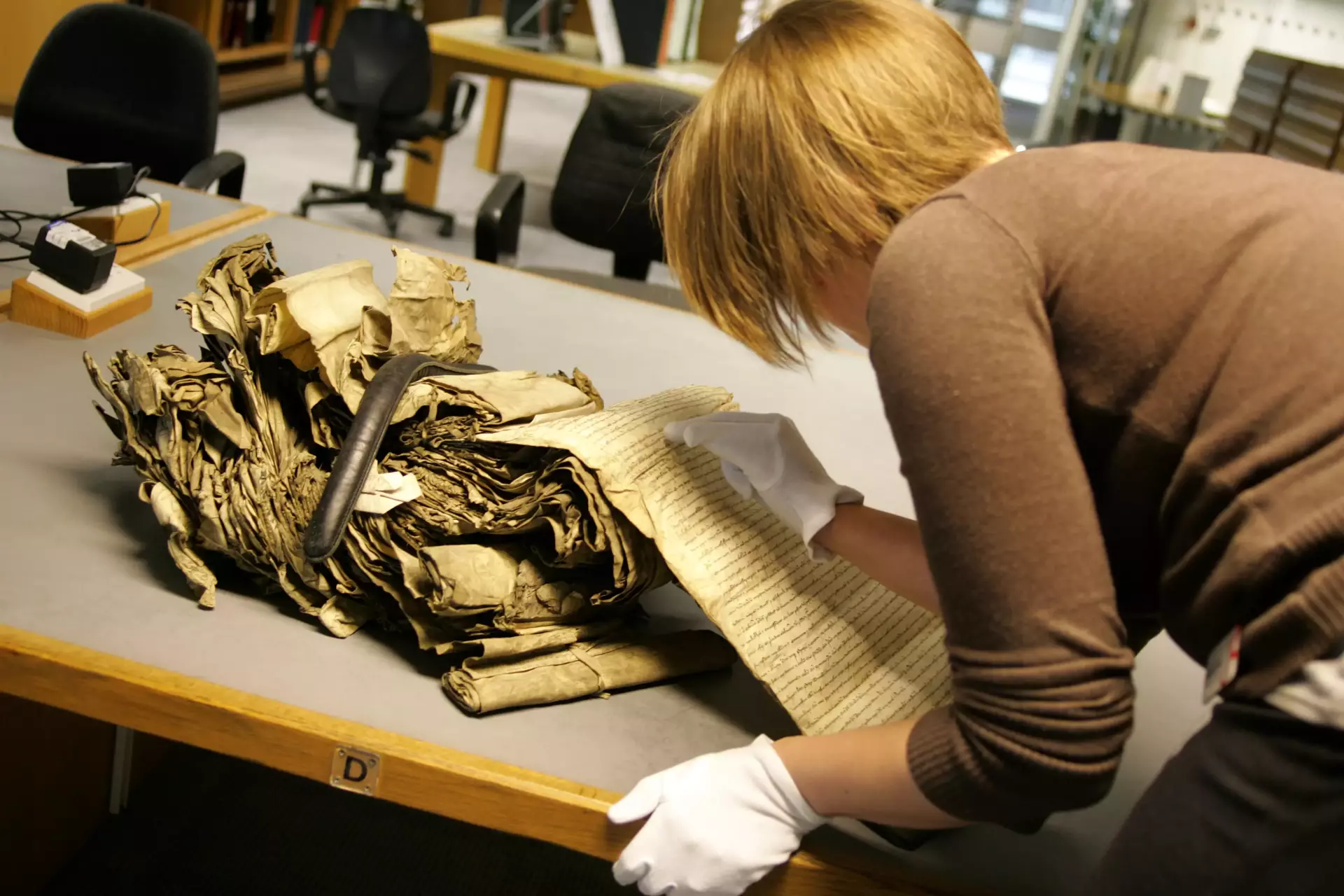
All non-classified government documents can be read and photographed here, with a (free) reader's card having been obtained. There is also a small museum, which does not require the card to access.
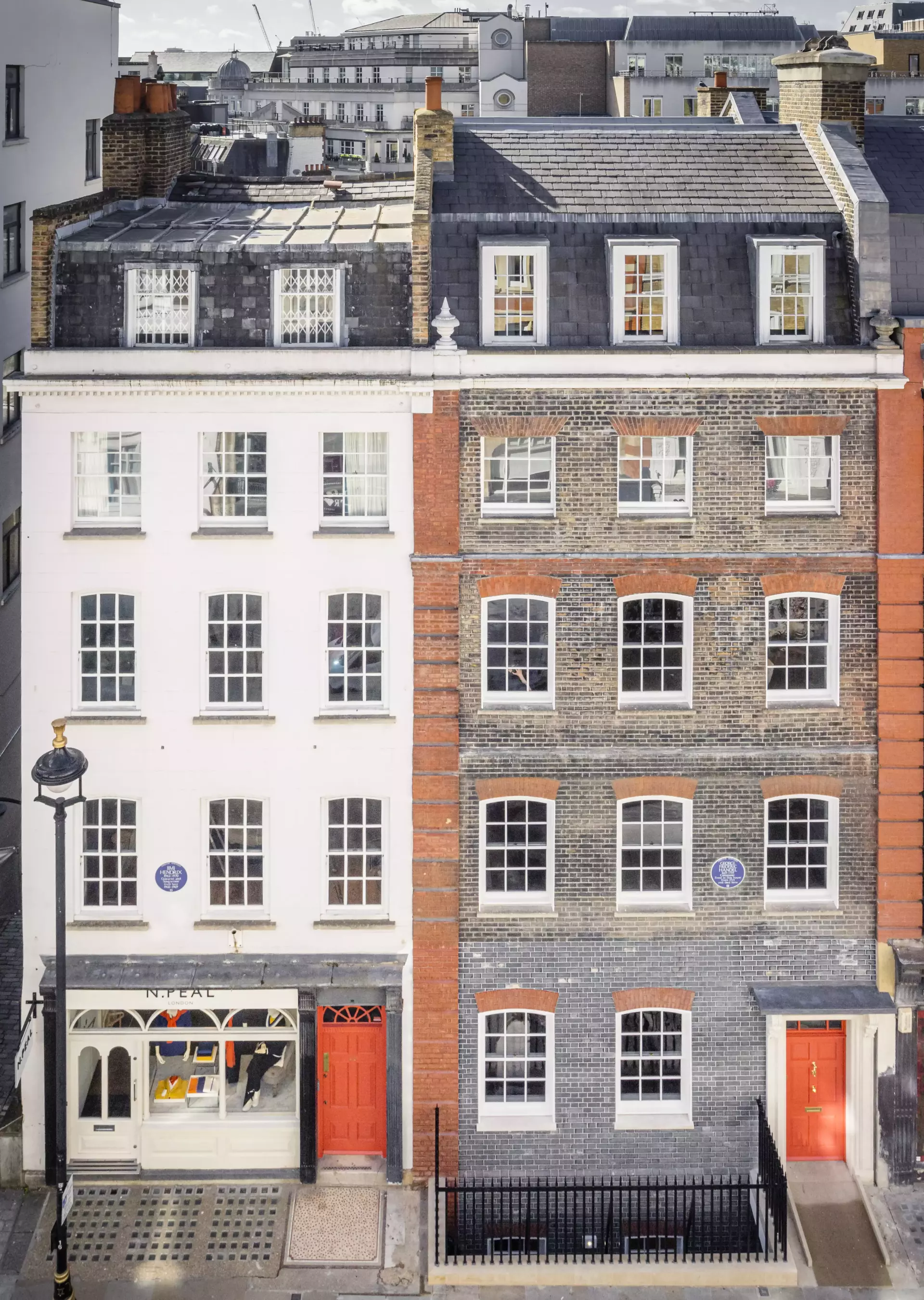
Home to the baroque composer George Frideric Handel from 1723 until his death in 1759. Some of the greatest classical music ever composed was done so at this address. The museum charts Handel's life and works and offers recitals of music in the magnificent setting of the period rooms. By contrast, next door was home to Jimi Hendrix when he lived in London in 1969, and entry to this top-floor flat is included.