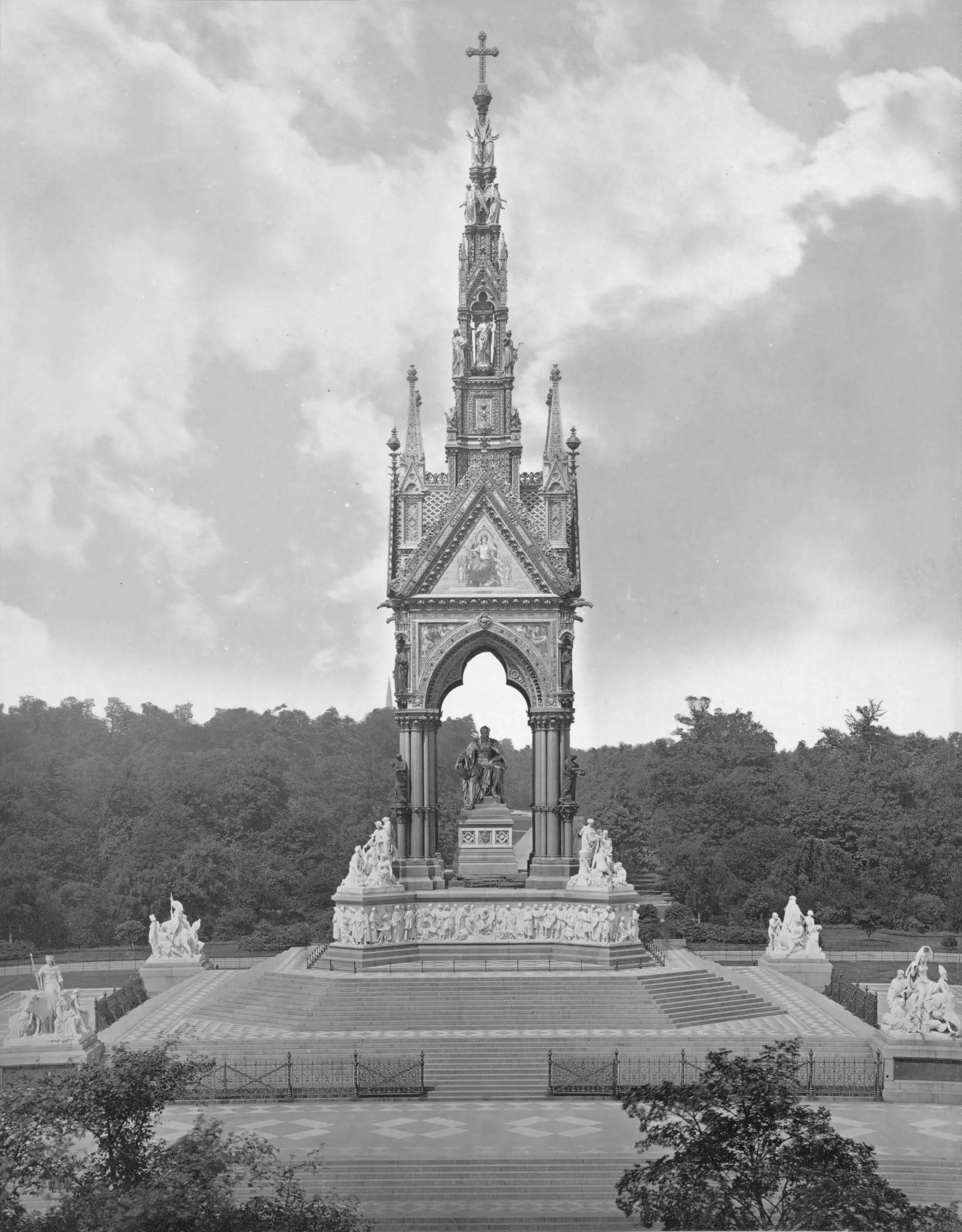
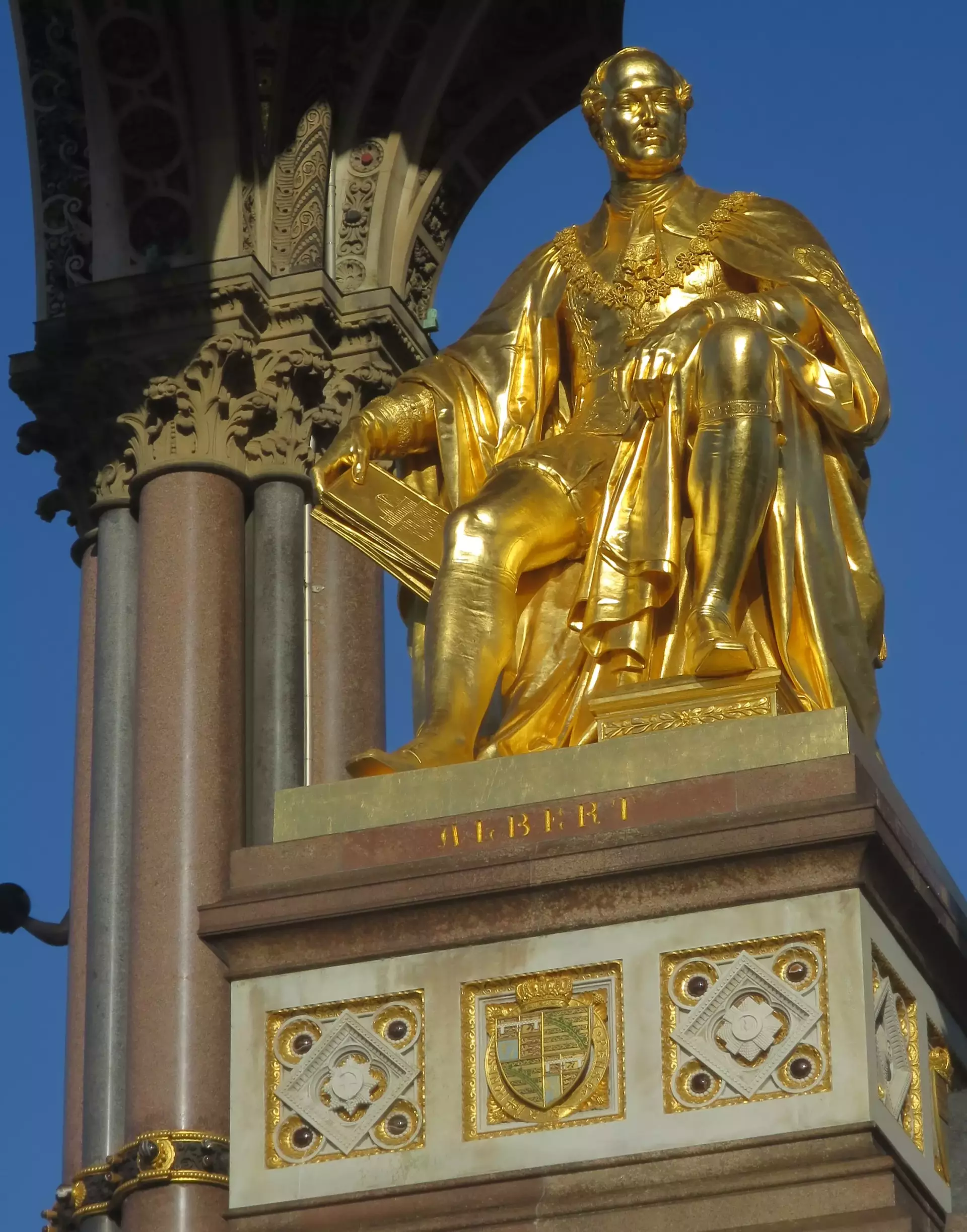
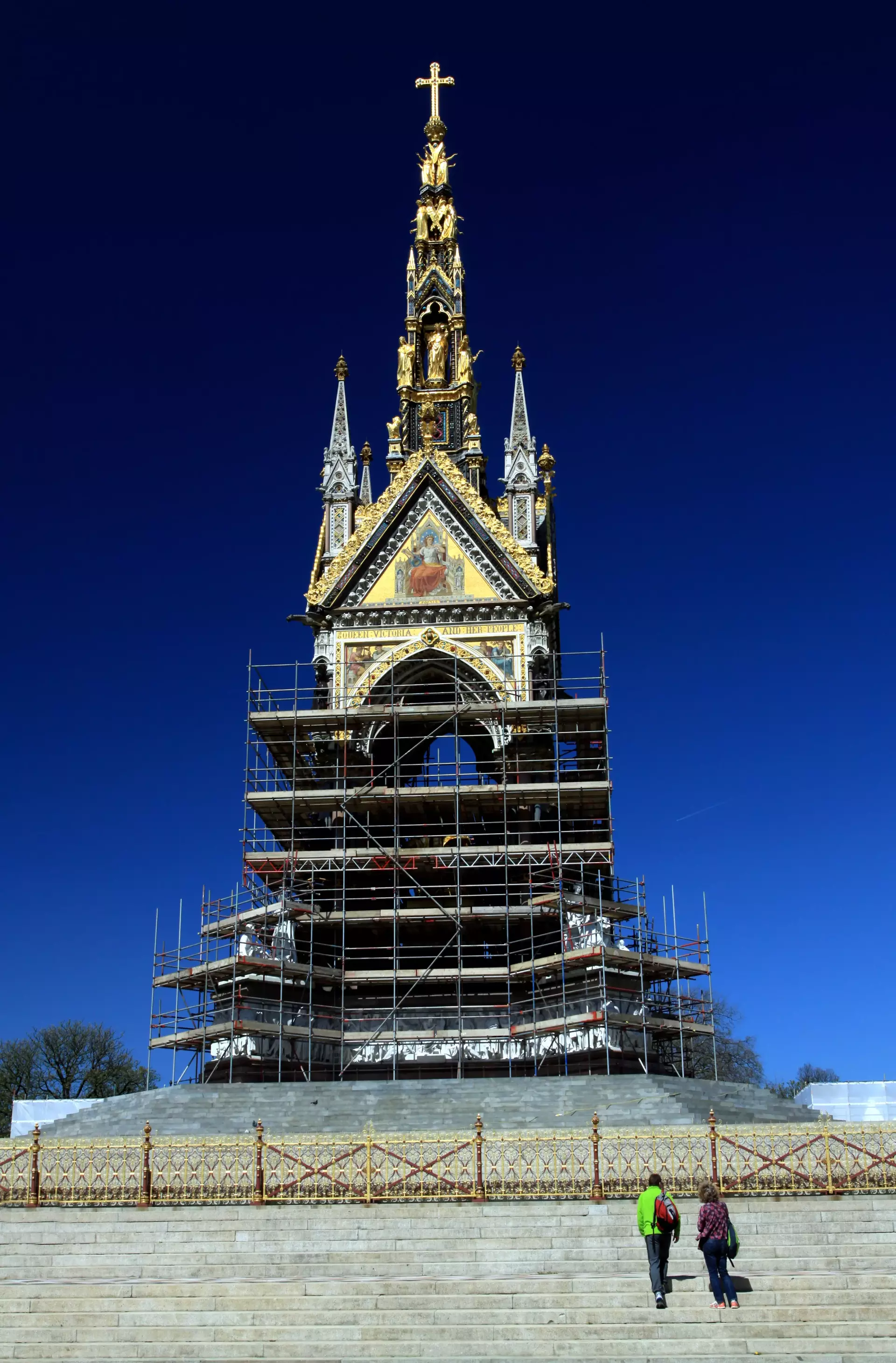
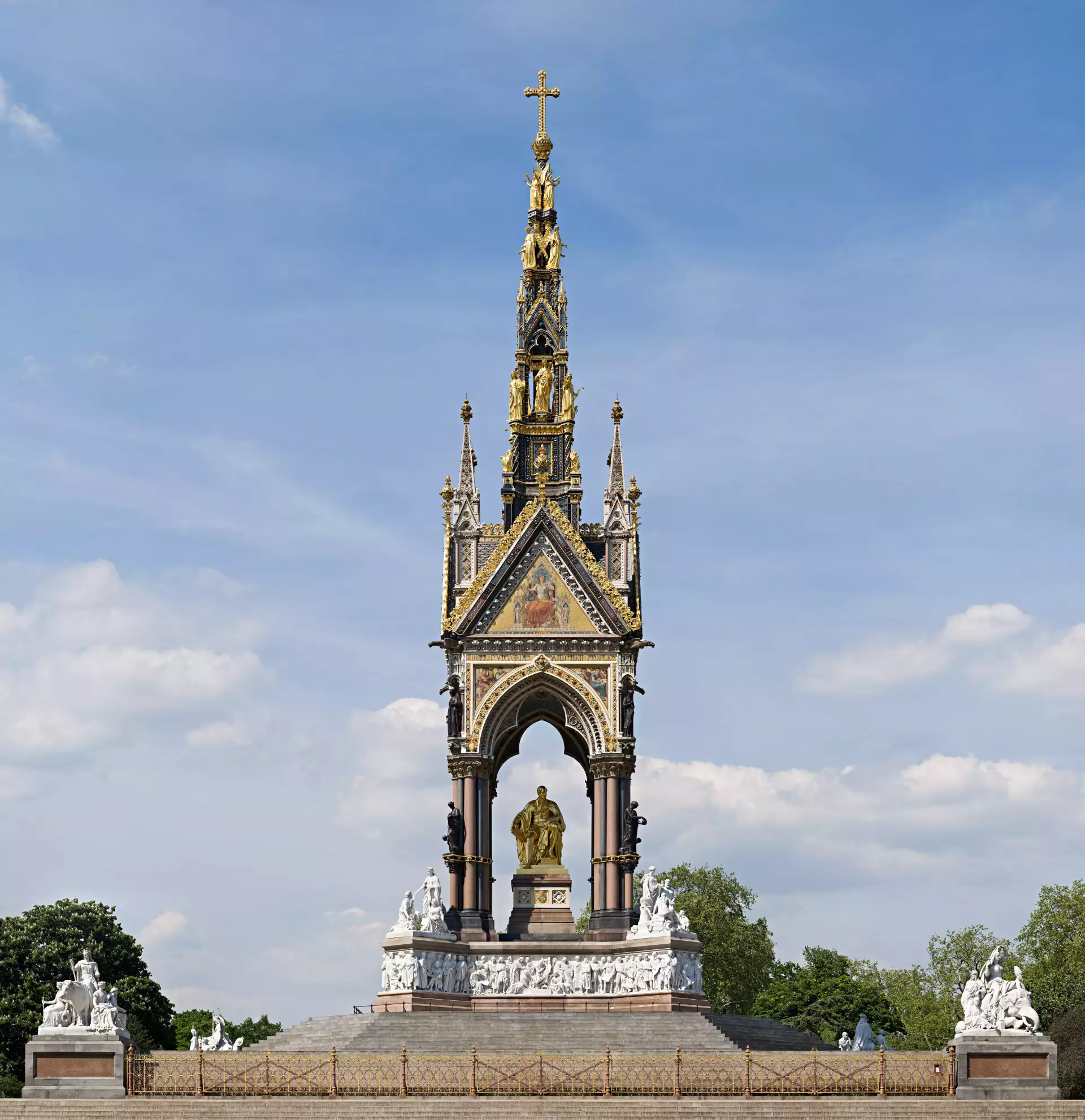
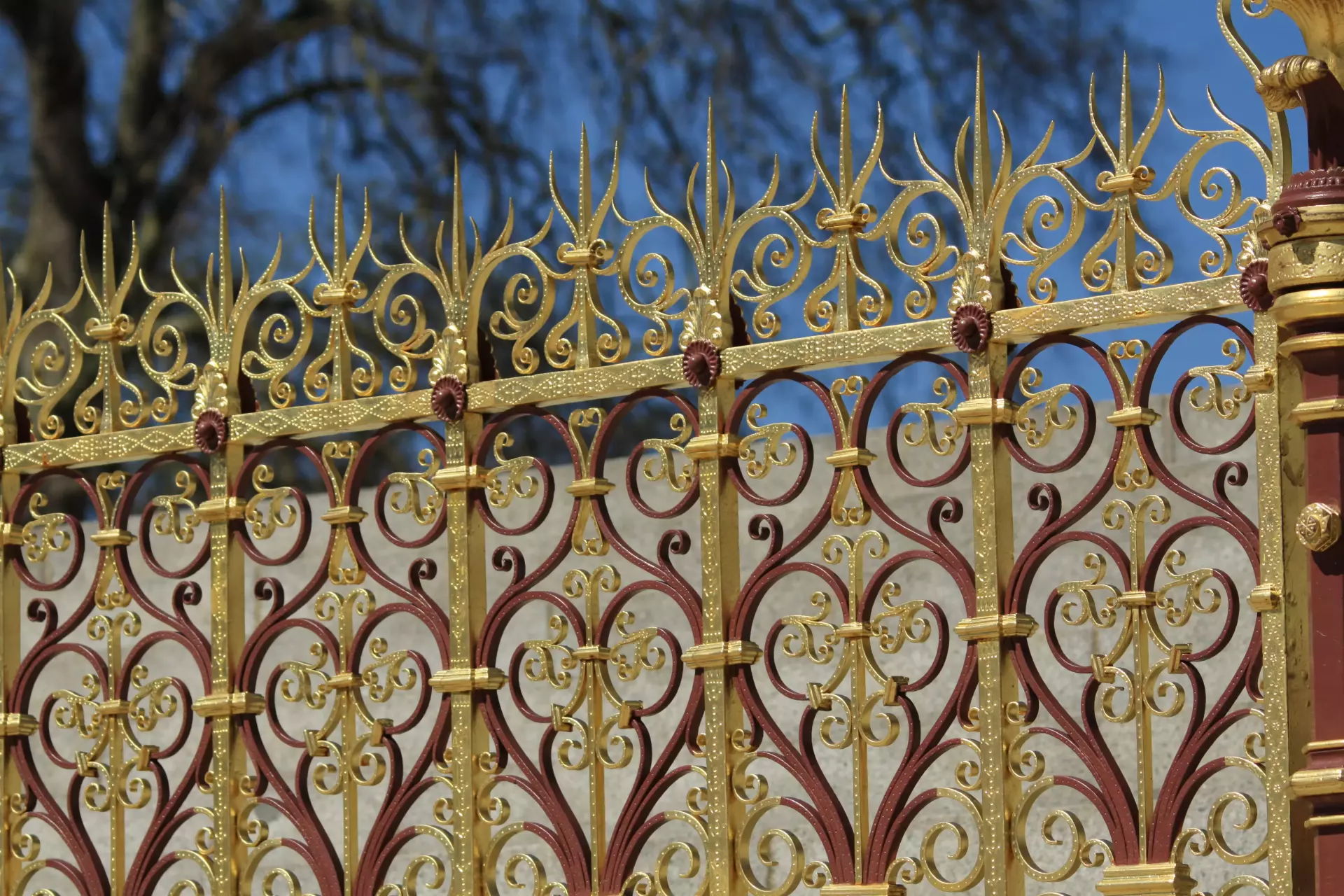
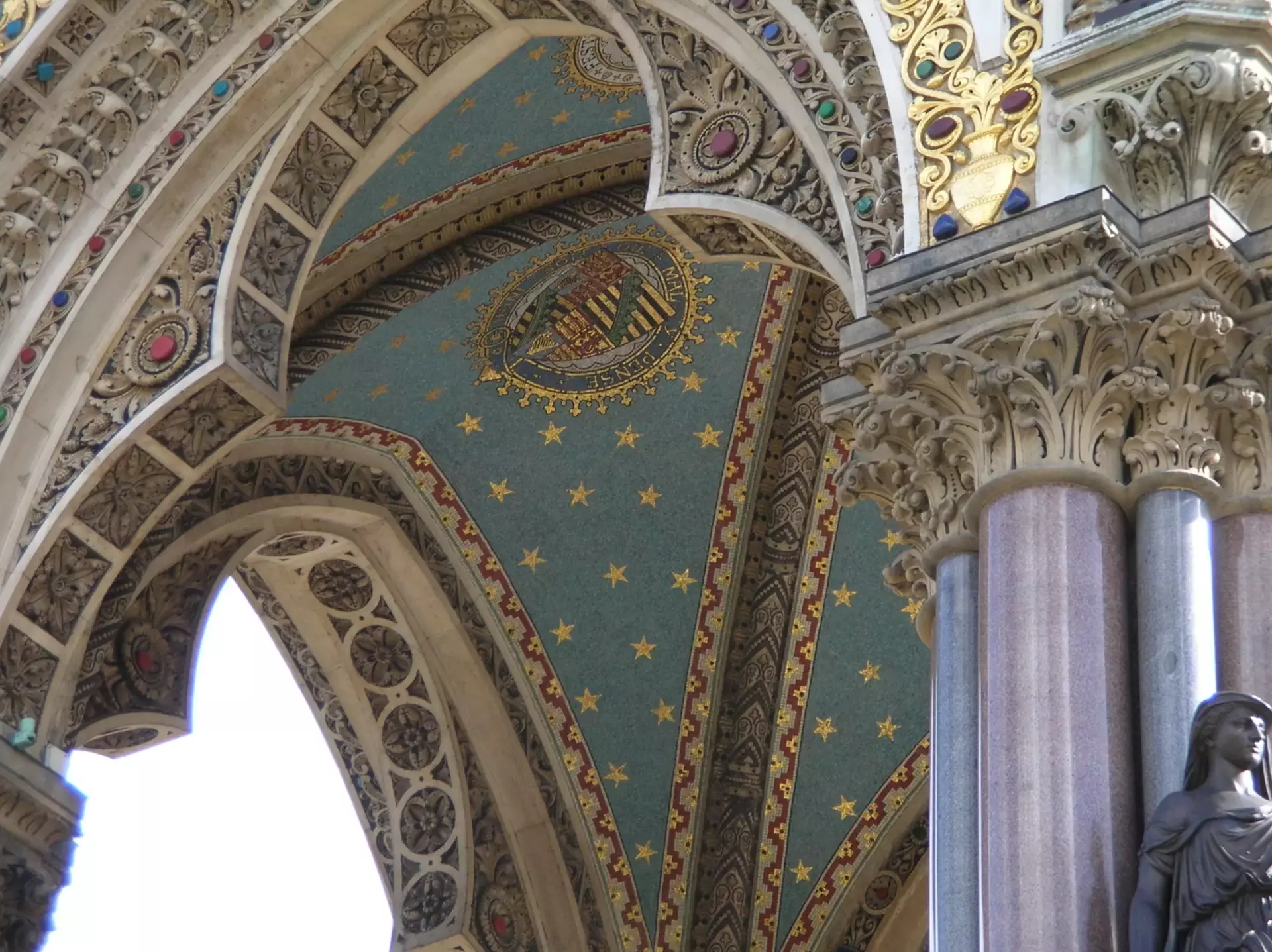
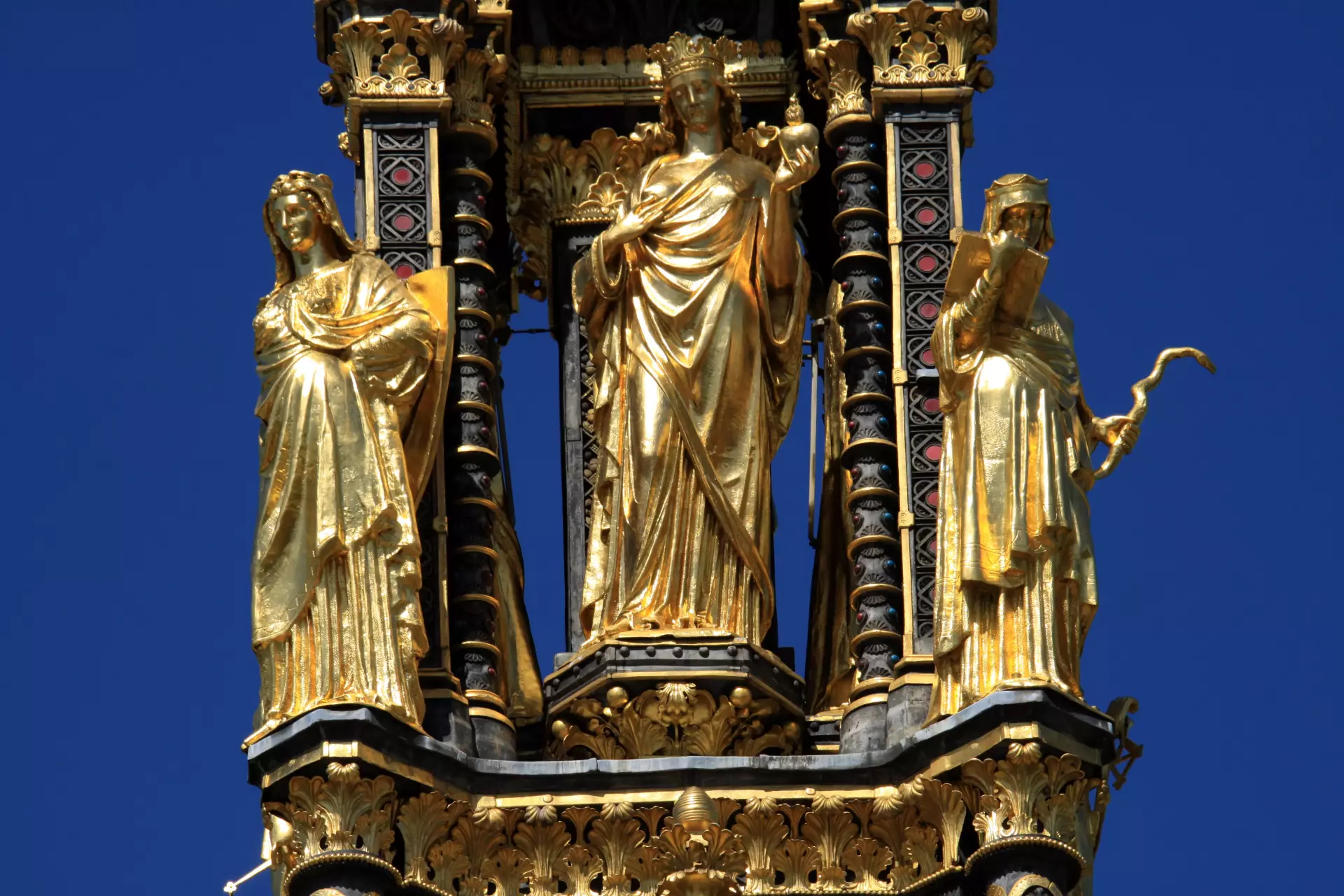
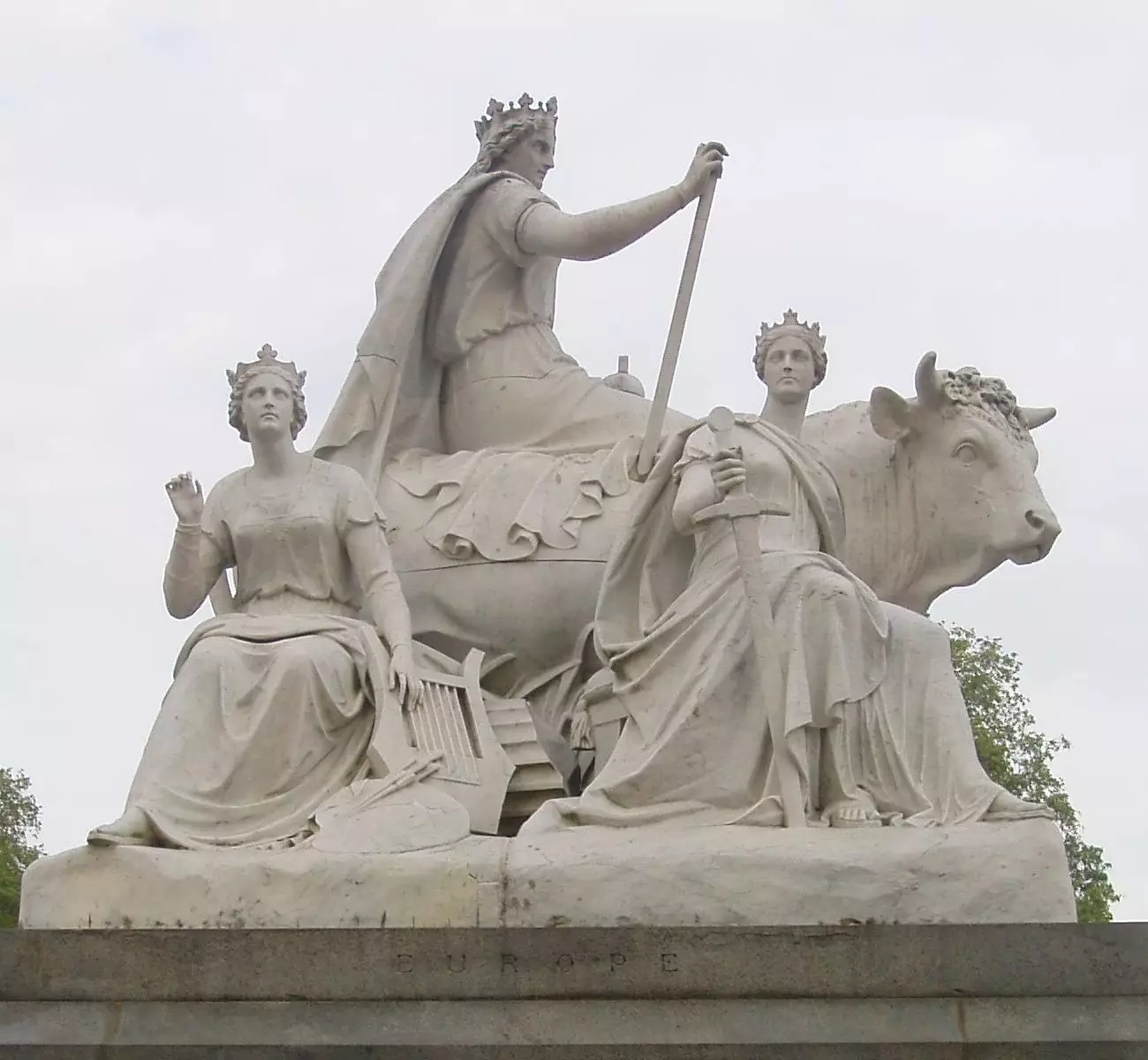
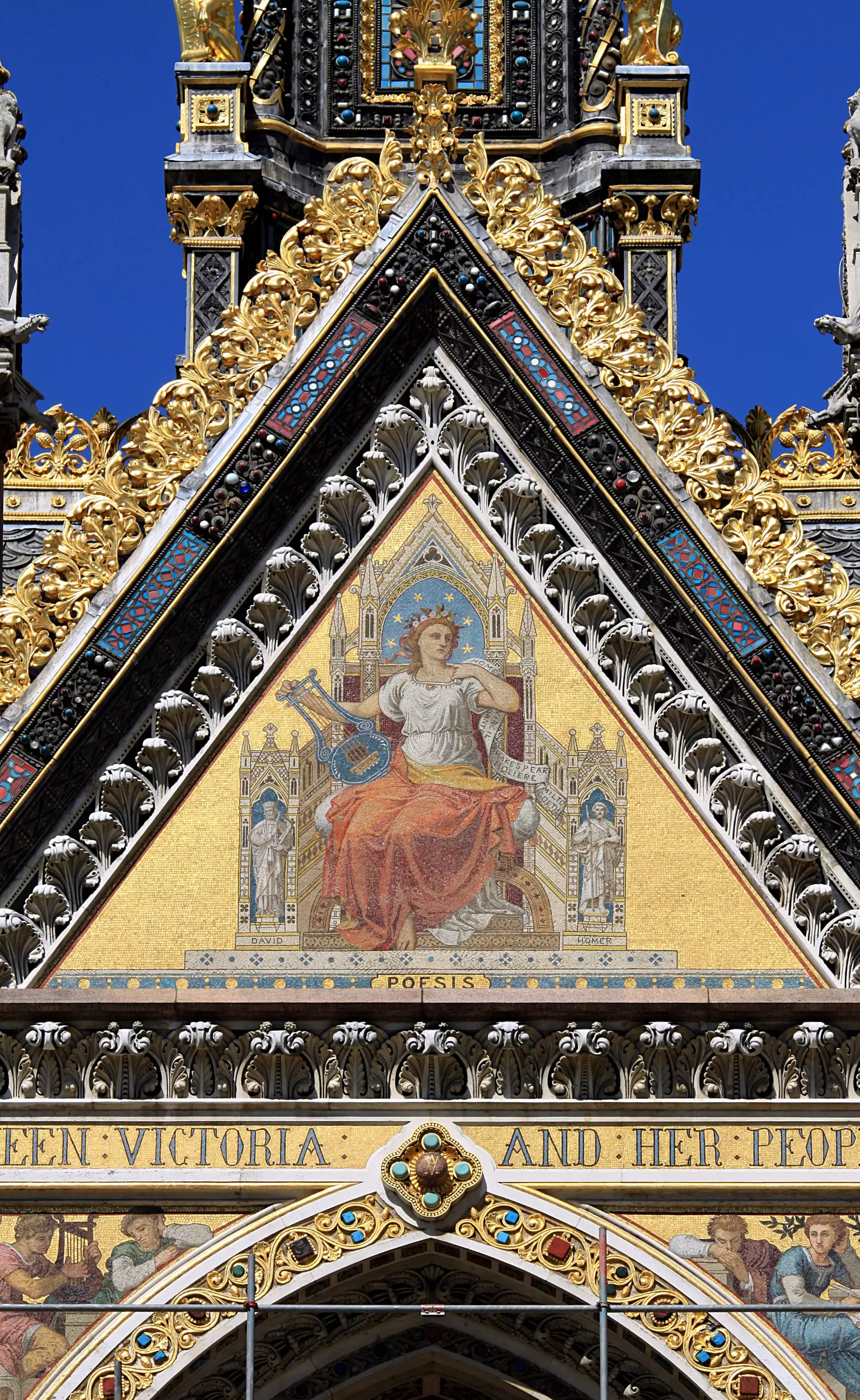
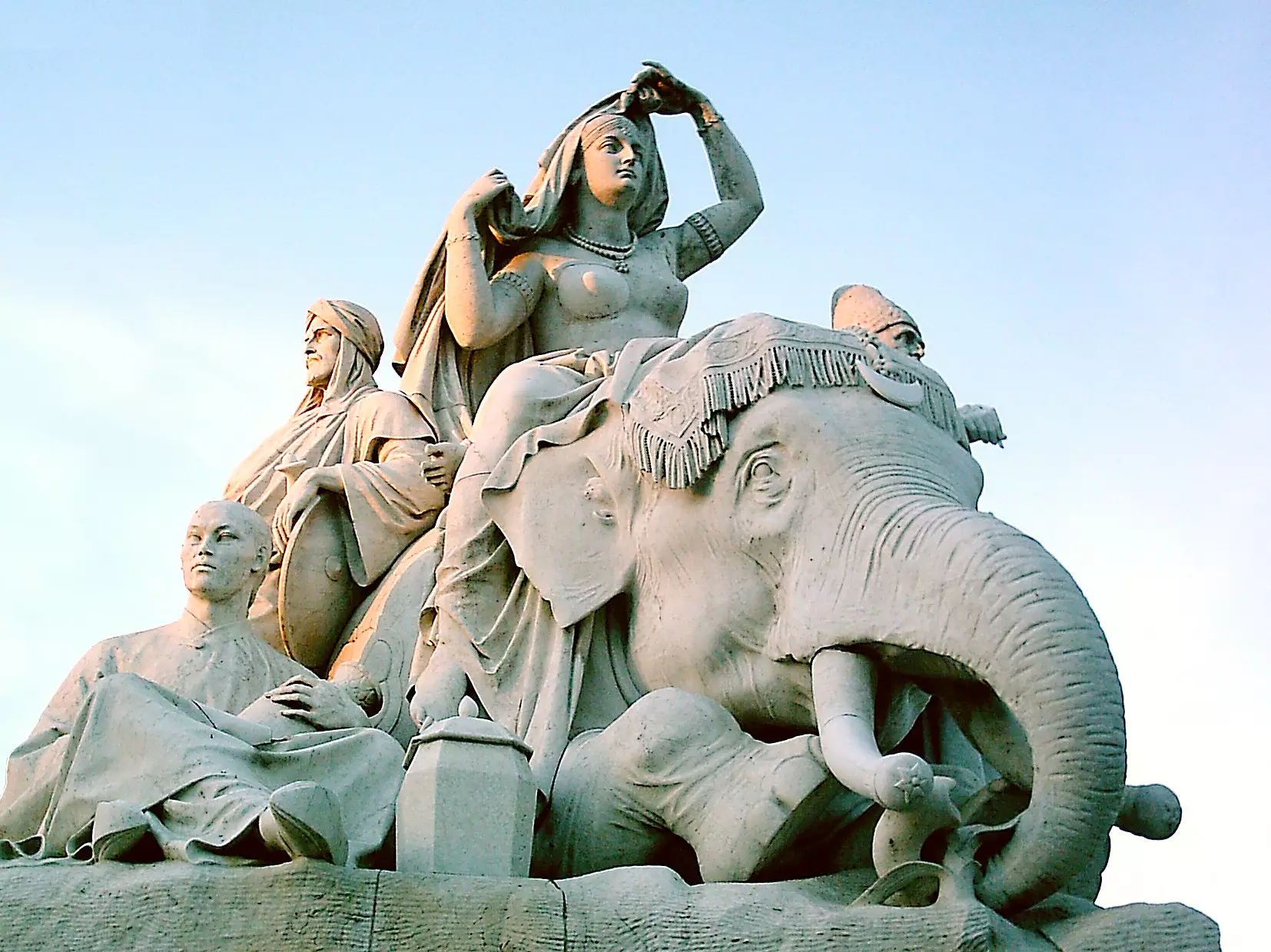
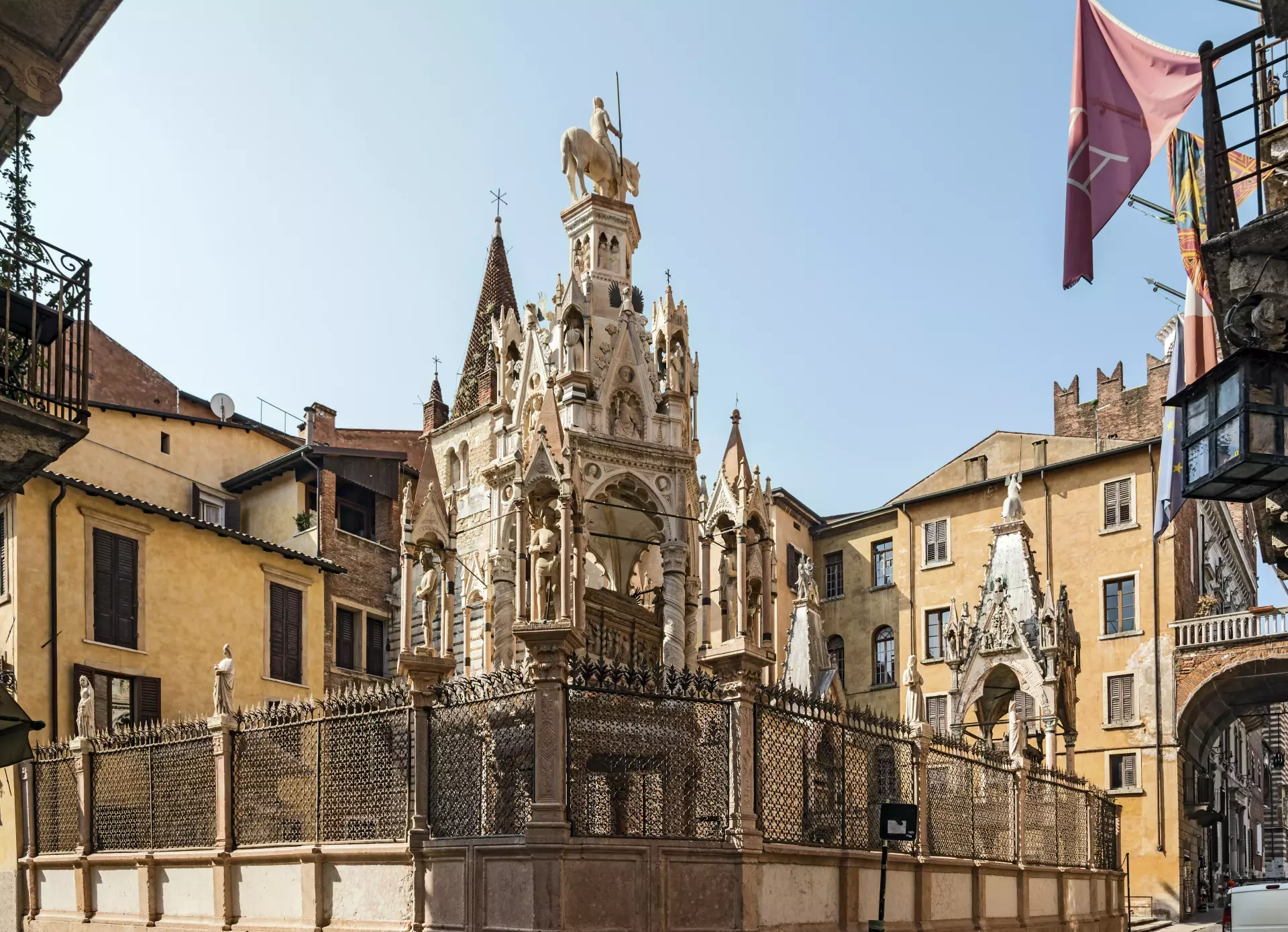
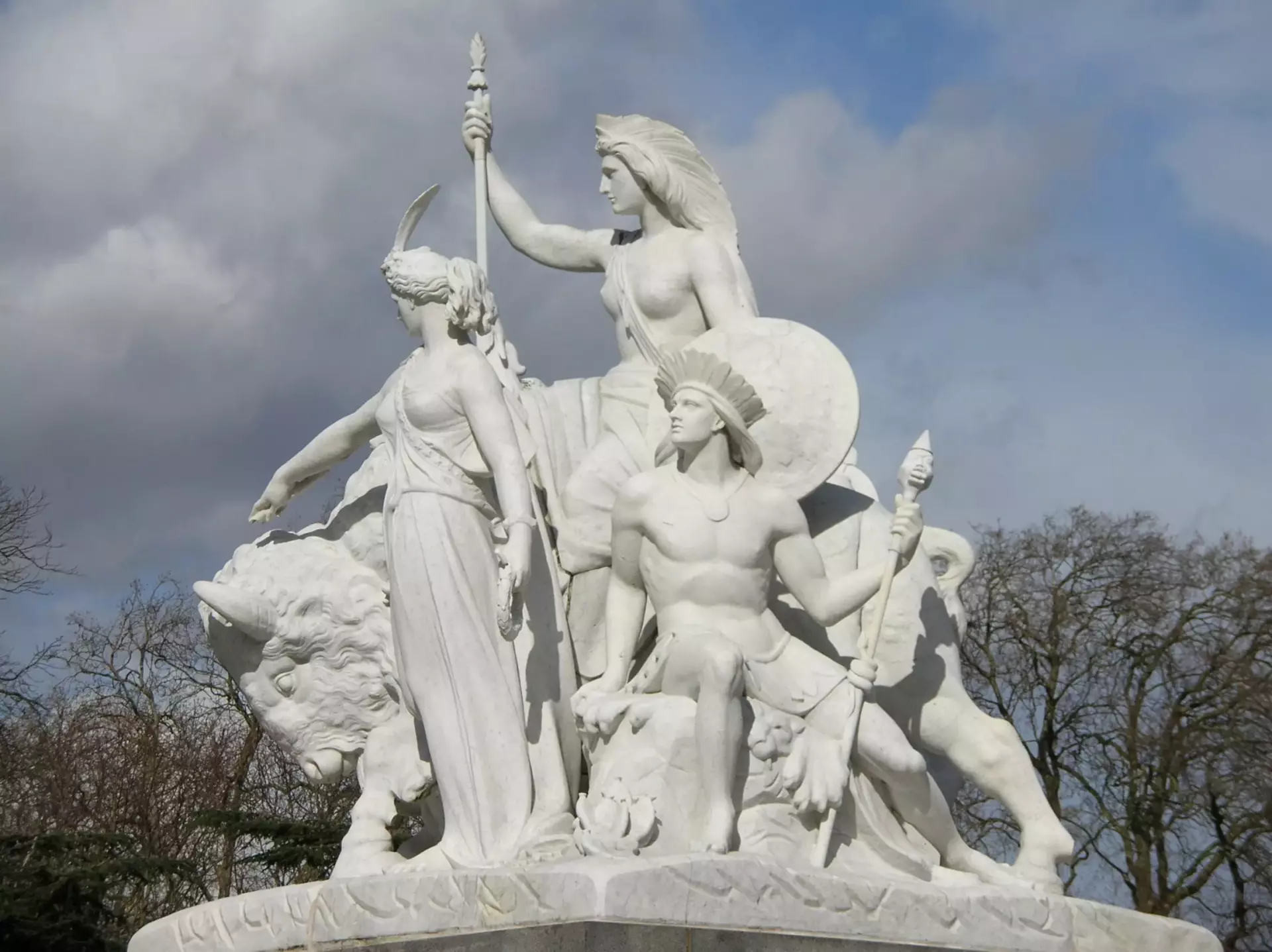
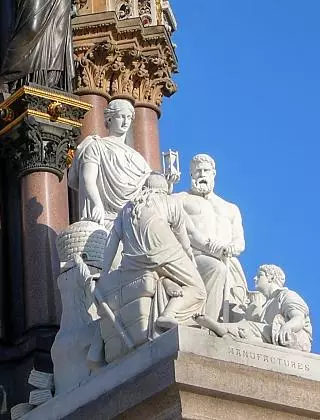
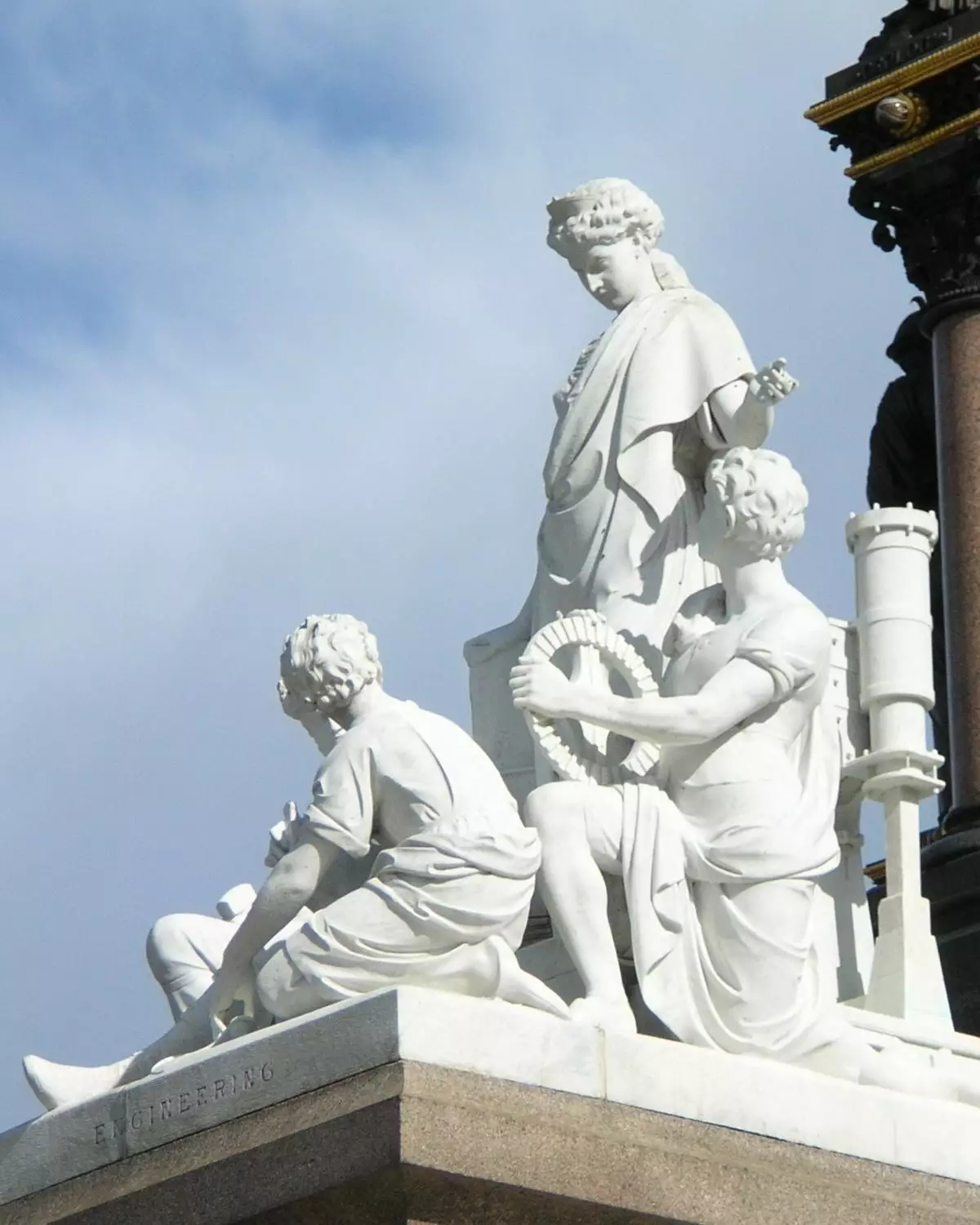
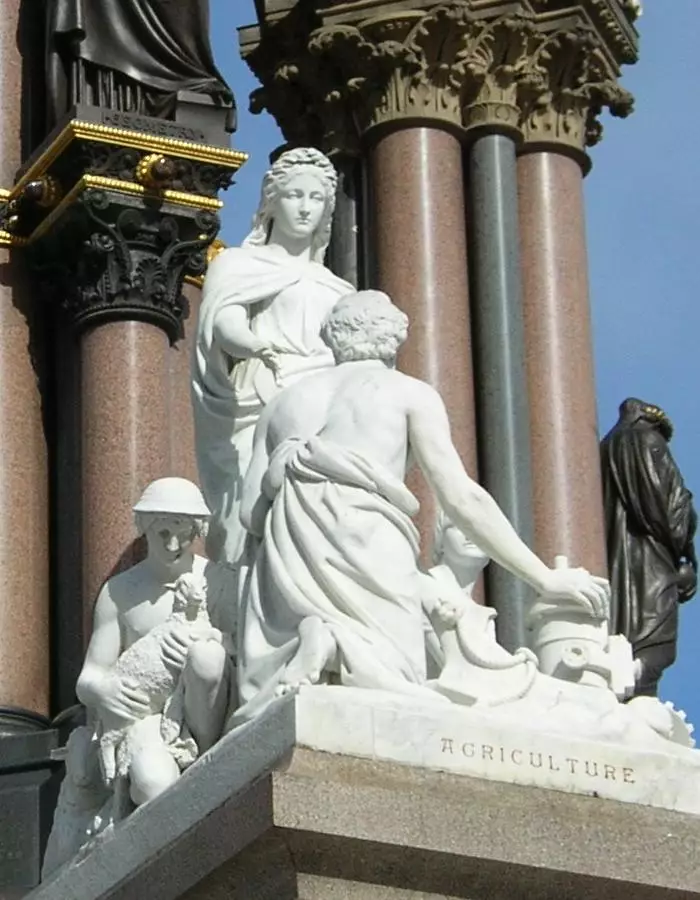
The Albert Memorial stands as a highly detailed Gothic-style monument, dedicated to the memory of Prince Albert, the beloved husband of Queen Victoria. It is a stunning example of Victorian architecture, showcasing intricate designs and craftsmanship.
Situated directly opposite the renowned Royal Albert Hall, the memorial is part of a bustling cultural area in London. This location makes it an easily accessible and popular spot for visitors who are exploring the city's rich history and architectural wonders.
Source - https://en.wikipedia.org/wiki/Albert_Memorial
The unusual "walkie scorchie" profile of this skyscraper by Rafael Vinoly has seen it grab the headlines, as did the "death rays" caused by the sun's heat reflecting off the building onto the street below when it was first completed; car tyres melted and burst, and at least one man fried an egg using only the heat from the walkie talkie. Visitors can access the sky garden to see a magnificent view over the City and beyond; it's the only place you can't see the tower from! Online booking to visit during the day is essential. Alternatively, you can eat at one of the restaurants in the evening.
A branch of the Imperial War Museum, the Cabinet War Rooms preserves the underground corridors and rooms from which Churchill and the cabinet directed the war against Hitler and the Nazis, maintained almost exactly as they were left in 1945. In 1984, IWM opened the rooms to the public for the first time. In 2005, the attached Churchill Museum was opened as the world's first permanent museum dedicated to the life and wartime achievements of Sir Winston Churchill. Audio guides are included in your admission. No cloakroom, no rucksacks, no suitcases. Café is open daily from 10am to 5pm. Hot food is served until 3pm.
Remains of the wall that surrounded the City of London for almost two thousand years. The parts around the Barbican are mostly Tudor due to maintenance (Roman remains can be seen in and around the Tower of London). Other local remains are the 51.5169-0.095833 Noble St wall fragment and the 51.5177-0.092234 St Alphage Gdns wall fragment.
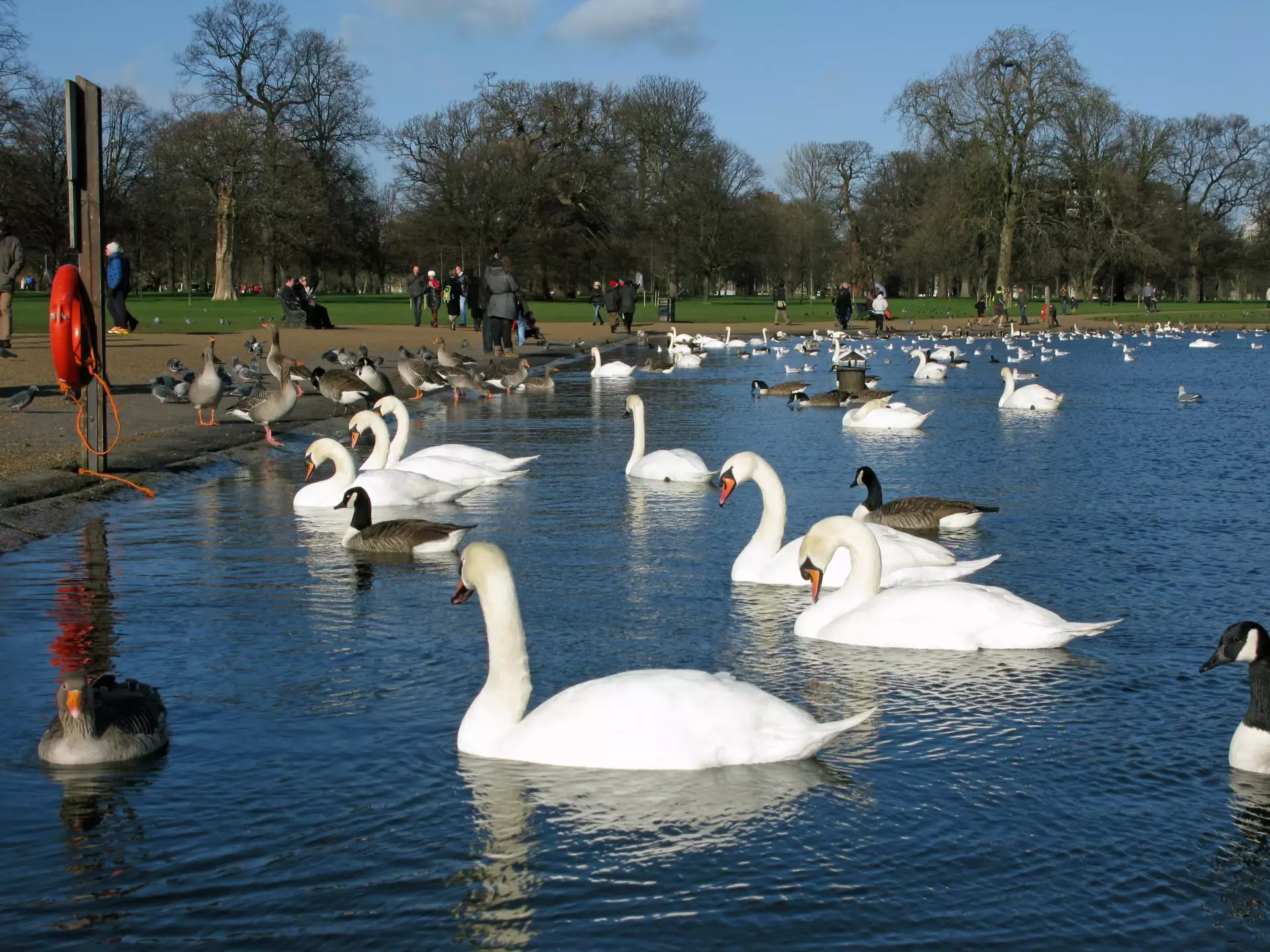
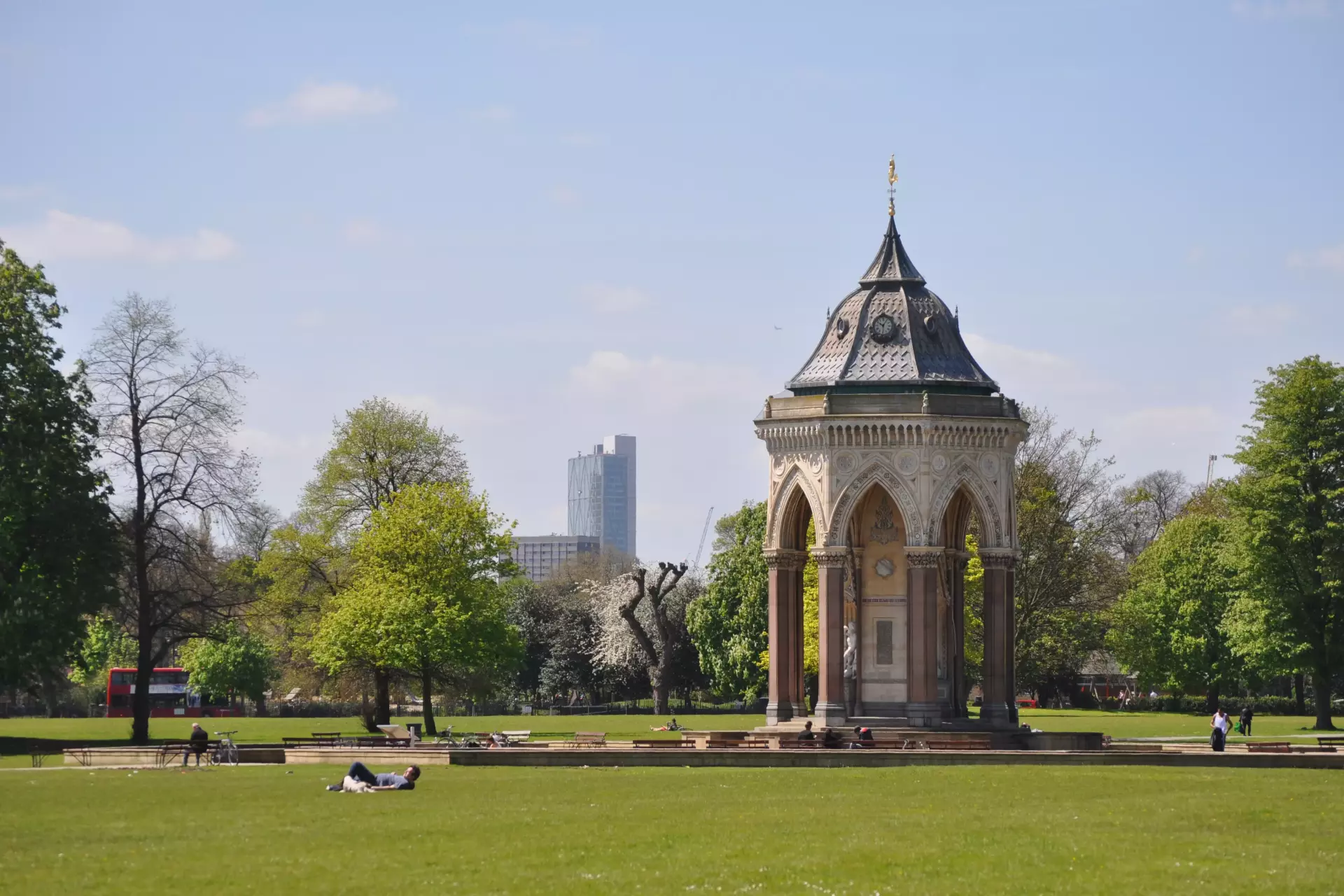
The eastern half of the twin parks. Of the two, Hyde Park is open for longer and has more open, unwooded land; it is often host to concerts, fun fairs and events. More of an artificial stream than a fountain, flowing in an oval through an open grassy area which, in normal summers, is a popular paddling spot for children and grown-ups alike.
Medieval Grade I listed church. This church played a key role in the English Revolution and was the parish church of some of the most decisive Puritans: Oliver Cromwell was married and this is where John Milton was buried. It was the home of the Morning Exercises. The tower remains from the original building; the rest was destroyed in the Blitz but rebuilt based on the original plans.
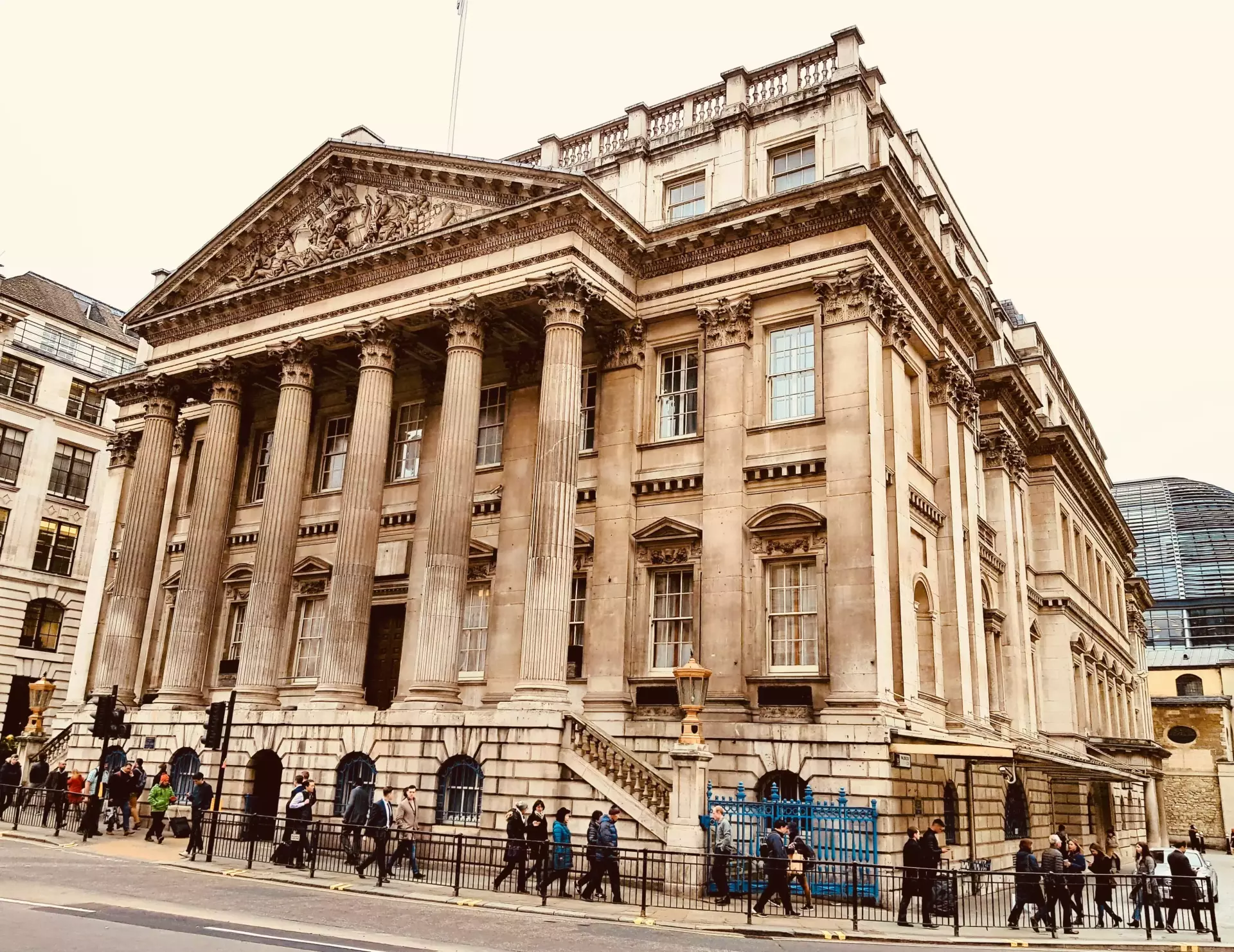
After leaving its brutalist skyscraper on Old Broad St, the London Stock Exchange now resides on Paternoster Sq. Dating back to 1698, it is one of the world's oldest and largest stock markets.
A stone howitzer by World War I veteran Charles Sargeant Jagger
Historic home to English kings such as Henry VIII, now open to the public. There are many attractions which can occupy a whole day visit, including 60 acres of gardens with the famous maze, the Tudor kitchens, the Chapel Royal, the Great Hall, Mantegna's Triumphs of Caesar paintings, and various exhibitions about Henry VIII.
Dr Samuel Johnson was the highly distinguished 18th-century "man of letters", best known for his comprehensive English Dictionary of 1755, but also for his prolific output of poems, essays and novels. Something of a "hidden gem", this small, independent museum is dedicated to him—and, with its historic interiors, paintings and prints, personal effects and other exhibits—gives an impression of what it might have been like during his occupancy from 1748 to 1759. Built in 1700, this impressive period building—a rare example of its kind in the area—survived the brutal onslaught of the Blitz during World War II and is now maintained in excellent condition.
The main residence of His Majesty King Charles III, Her Royal Highness Queen Camilla, and latterly of HM Queen Elizabeth II. In the summer, 19 State Rooms are open to the public. Places are strictly limited, and it might not be possible to just turn up and get a ticket for a specific entry time, visitors should book in advance to ensure admission.
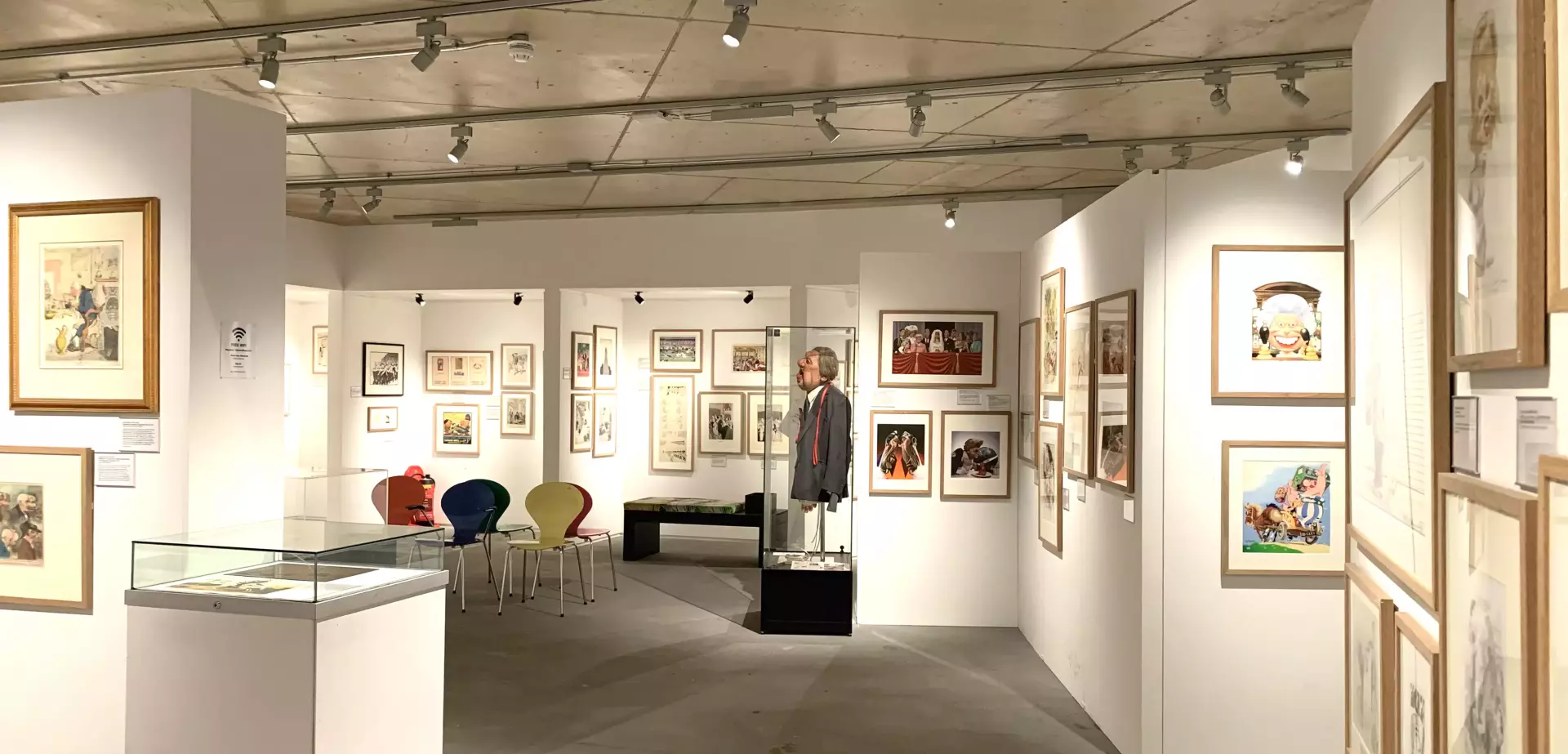
A vast collection of cartoons and comics on display with special, often topical, exhibitions.
The Duke and Duchess of Lauderdale's elegant 17th-century manor house, a mile or so upriver from Richmond riverside.
A memorial made out of 52 stainless steel columns representing each of the 52 victims who died in a series of terrorist attacks in the London bombings on July 7th, 2005.
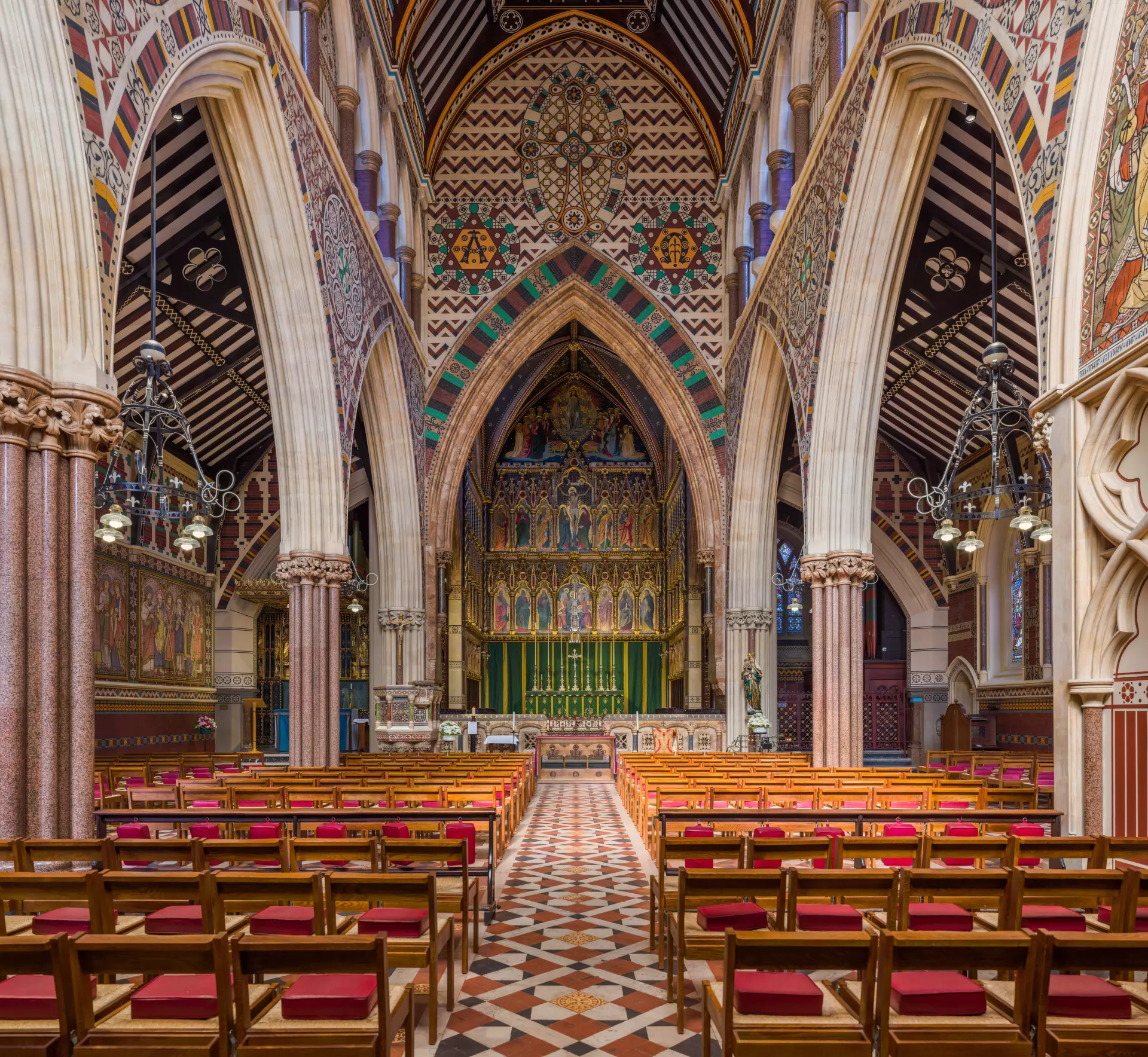
An attractive Gothic Revival church, completed in 1859 to a design by William Butterfield.