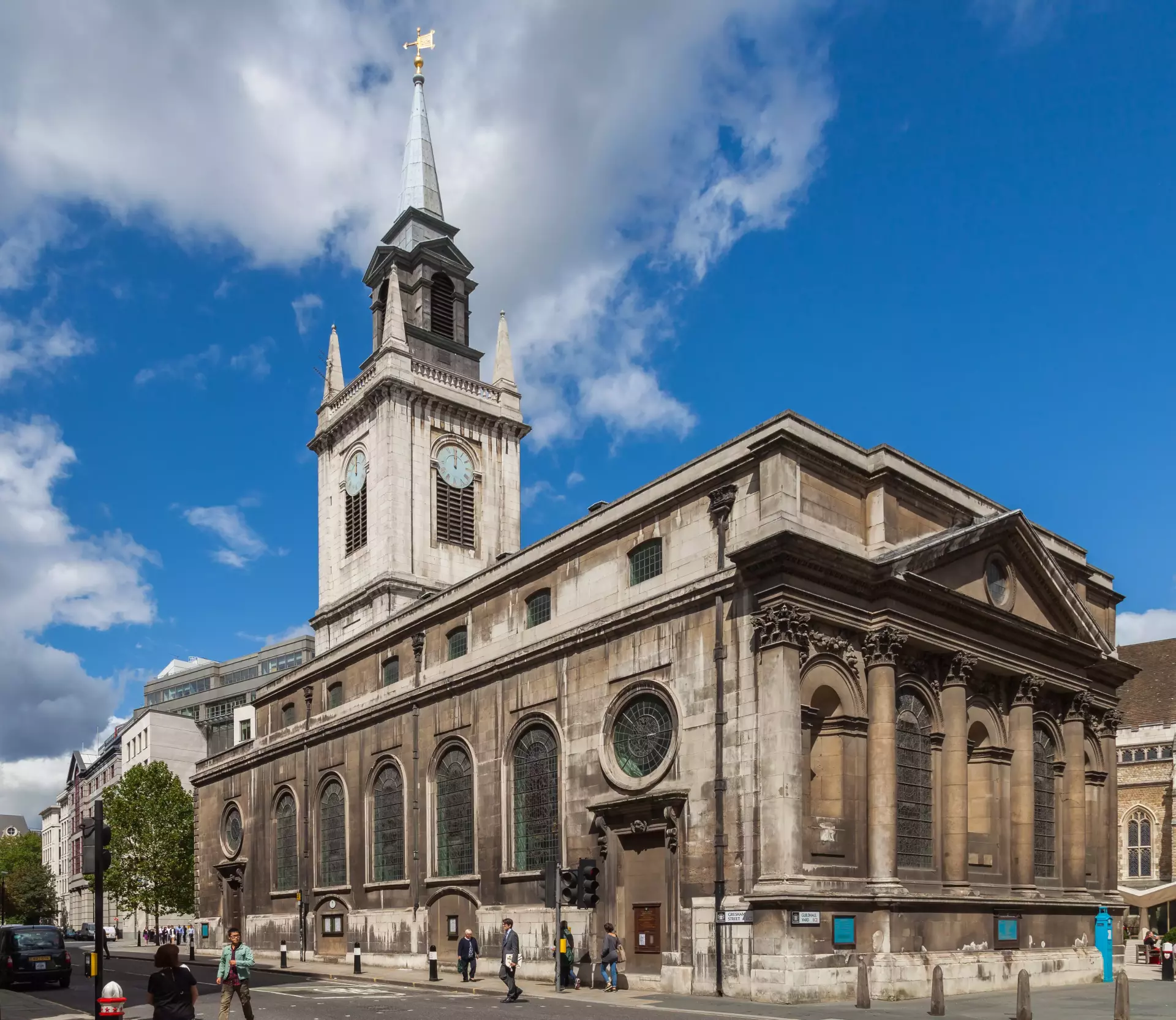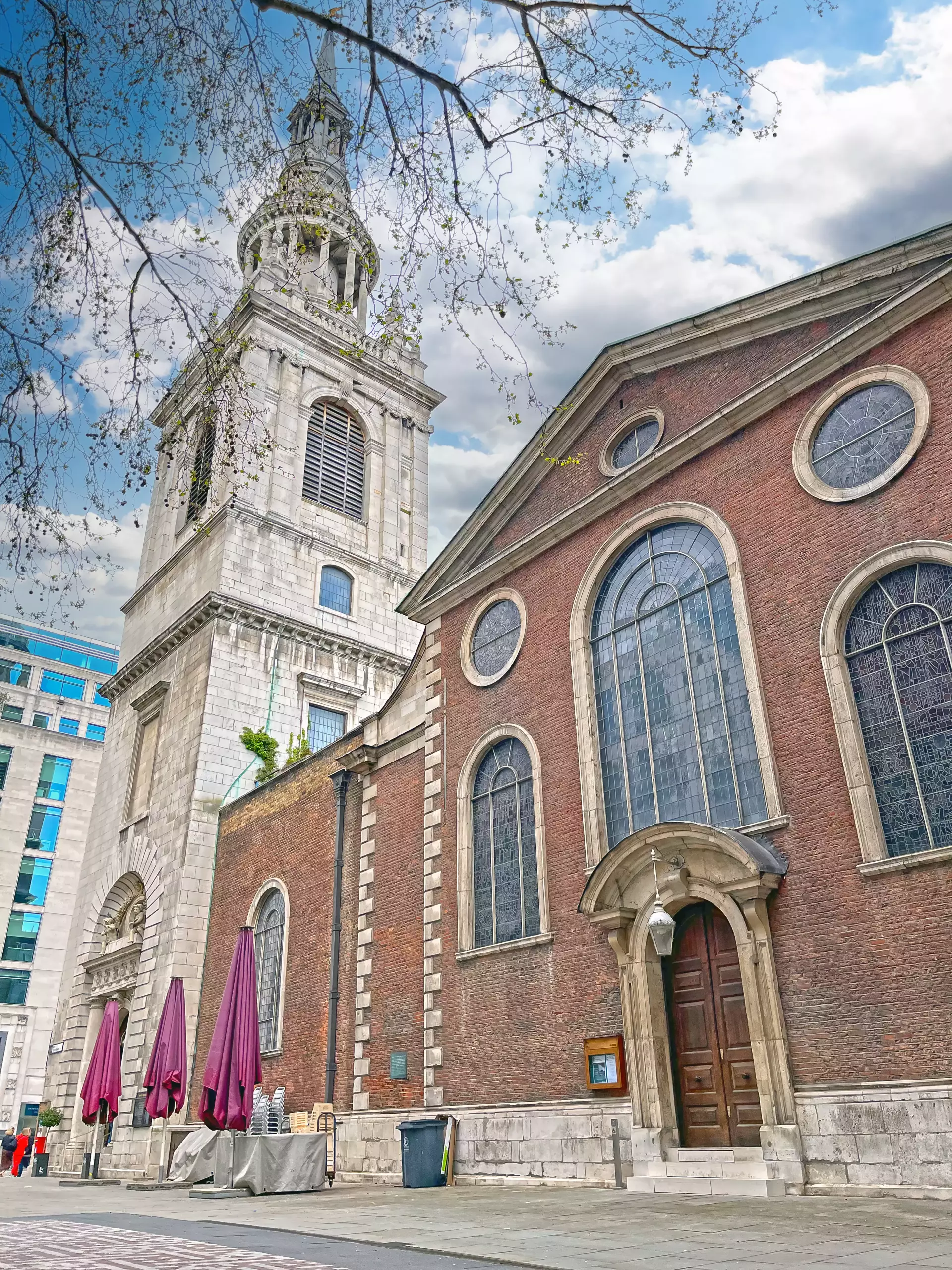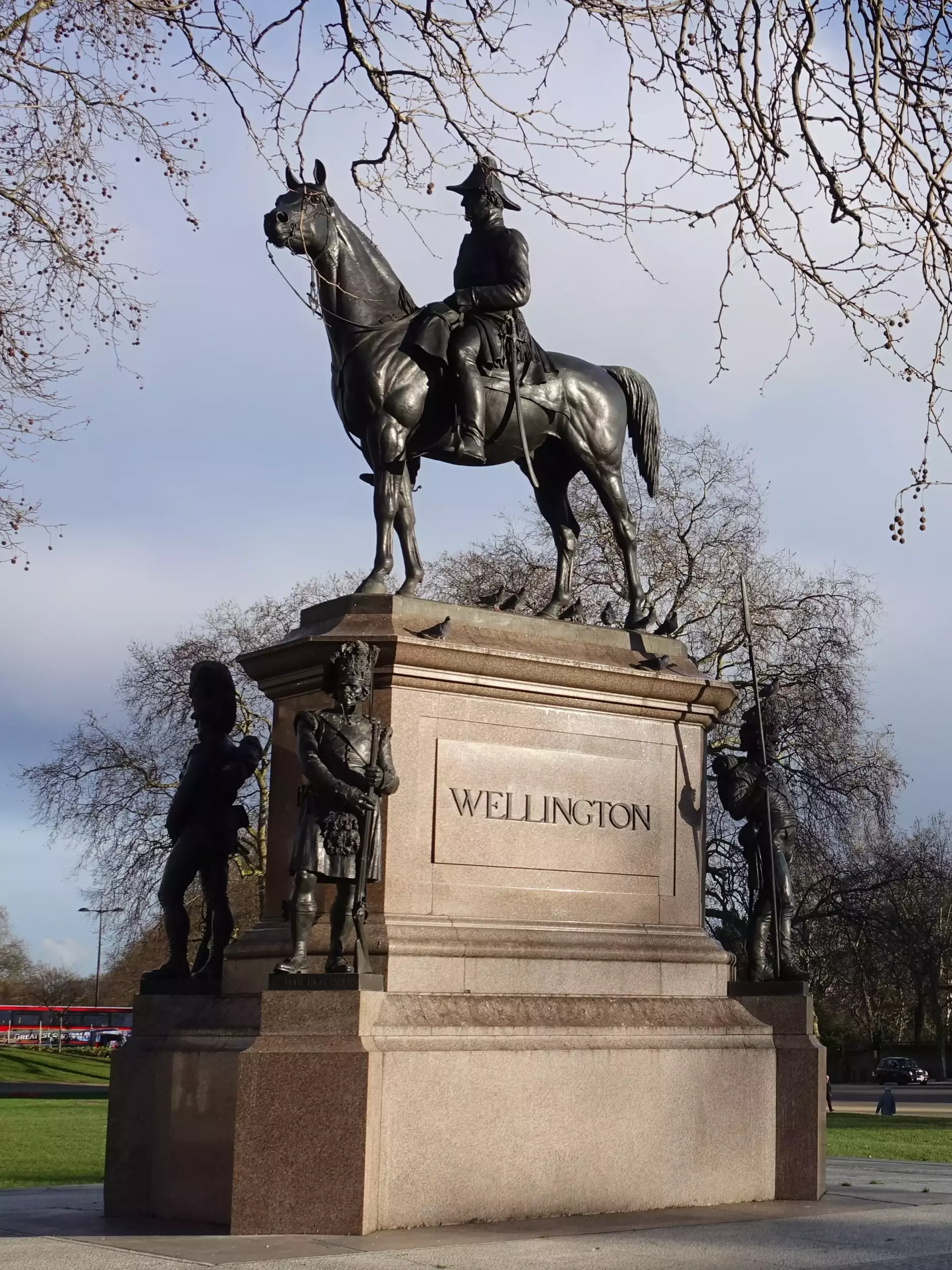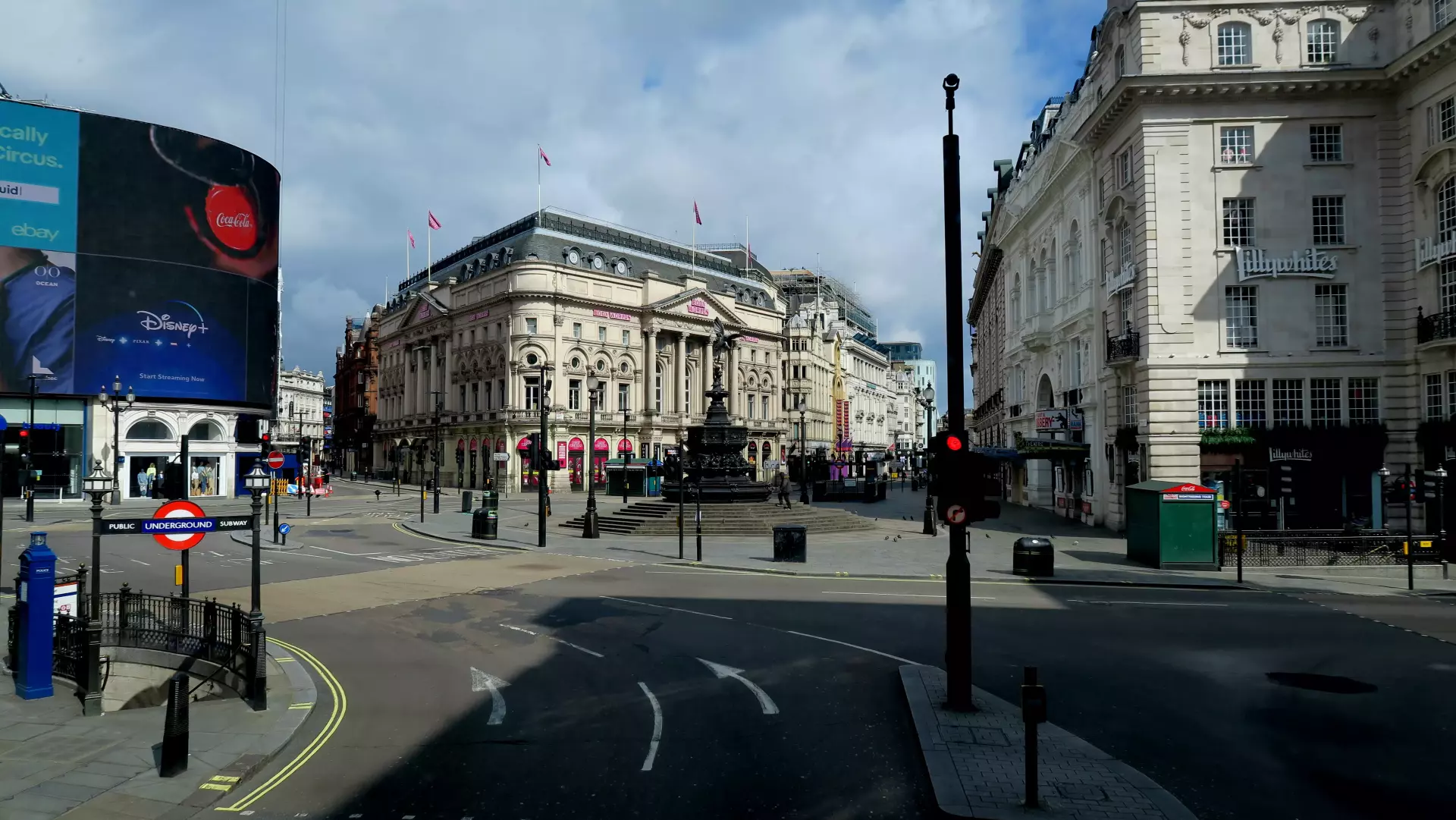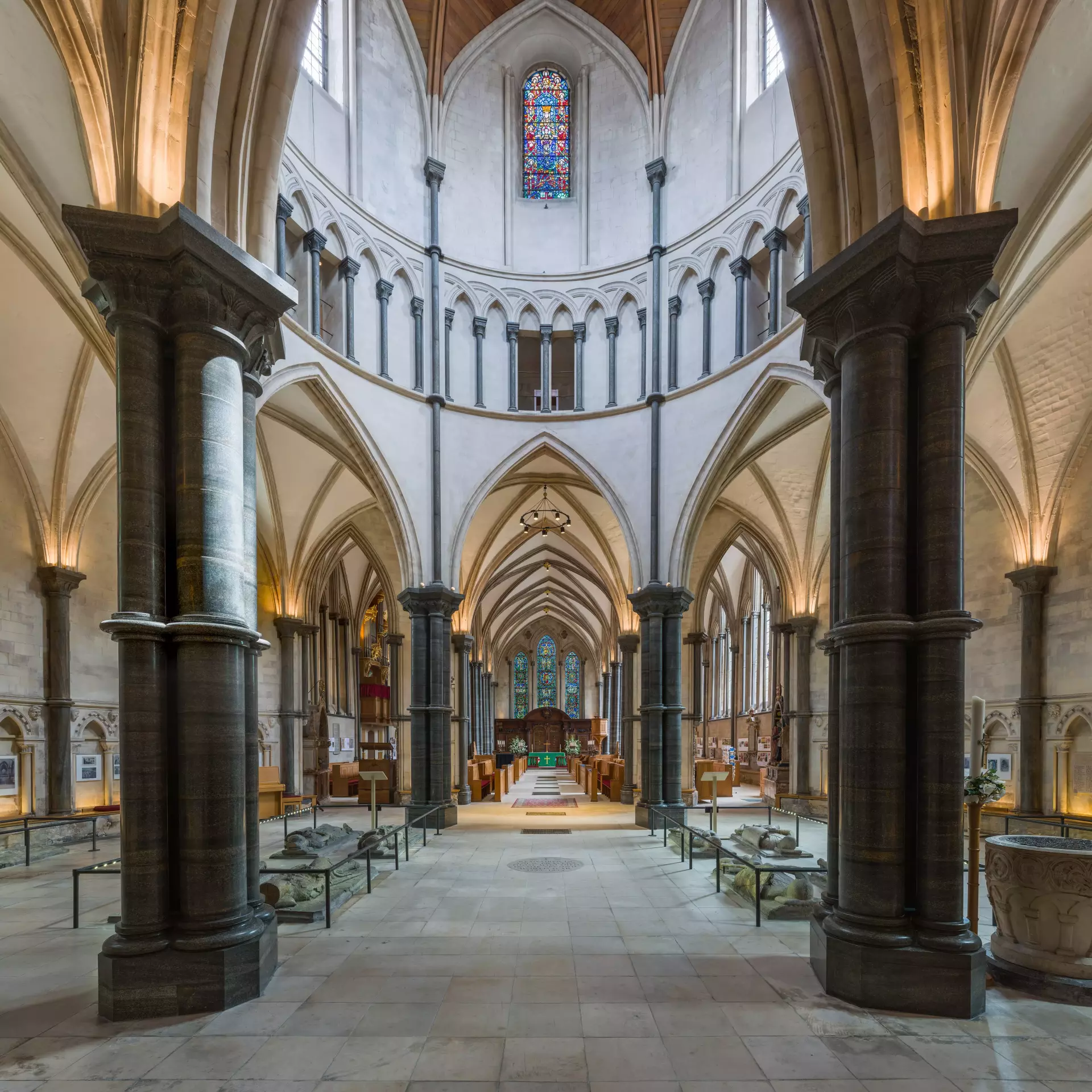
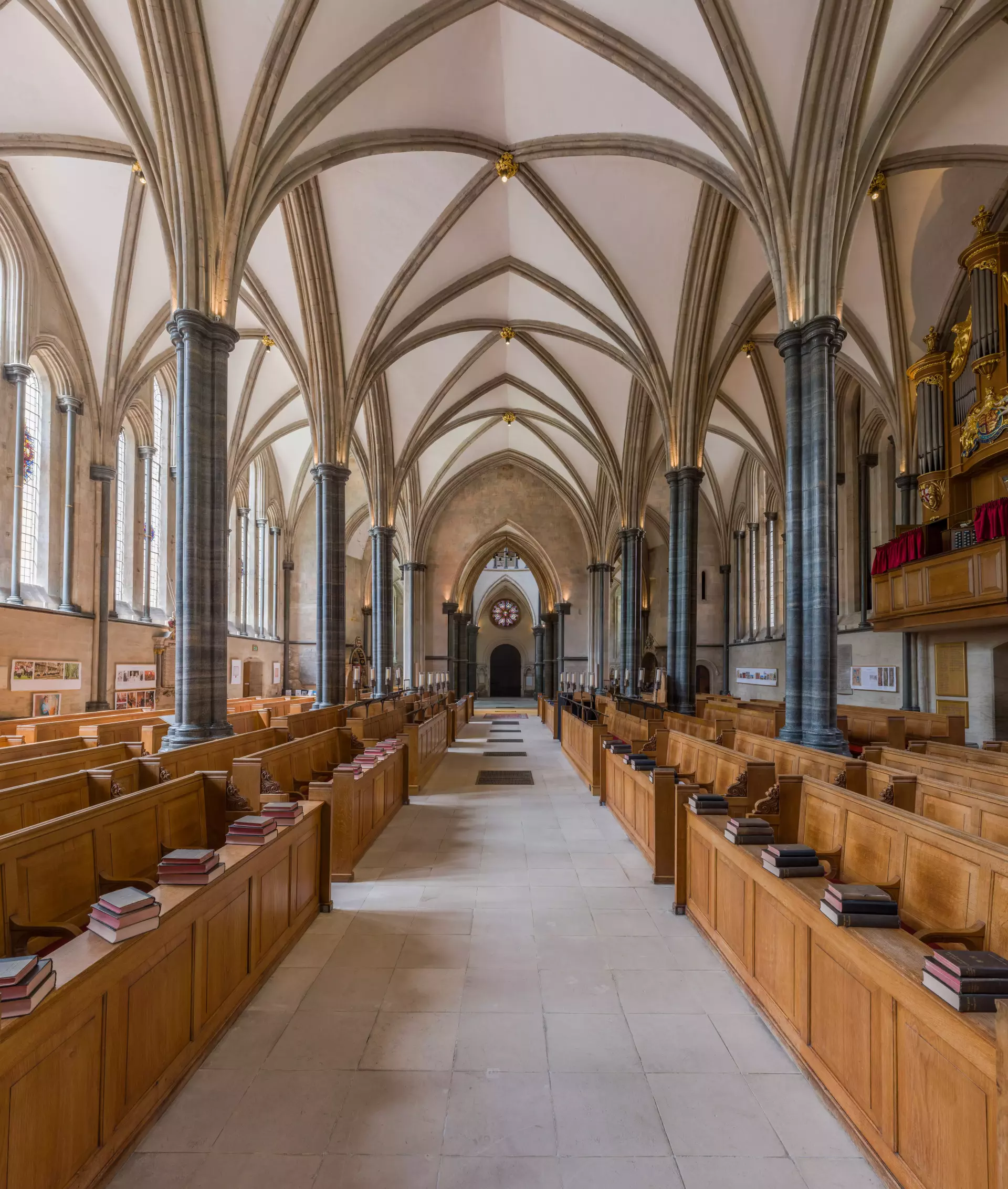
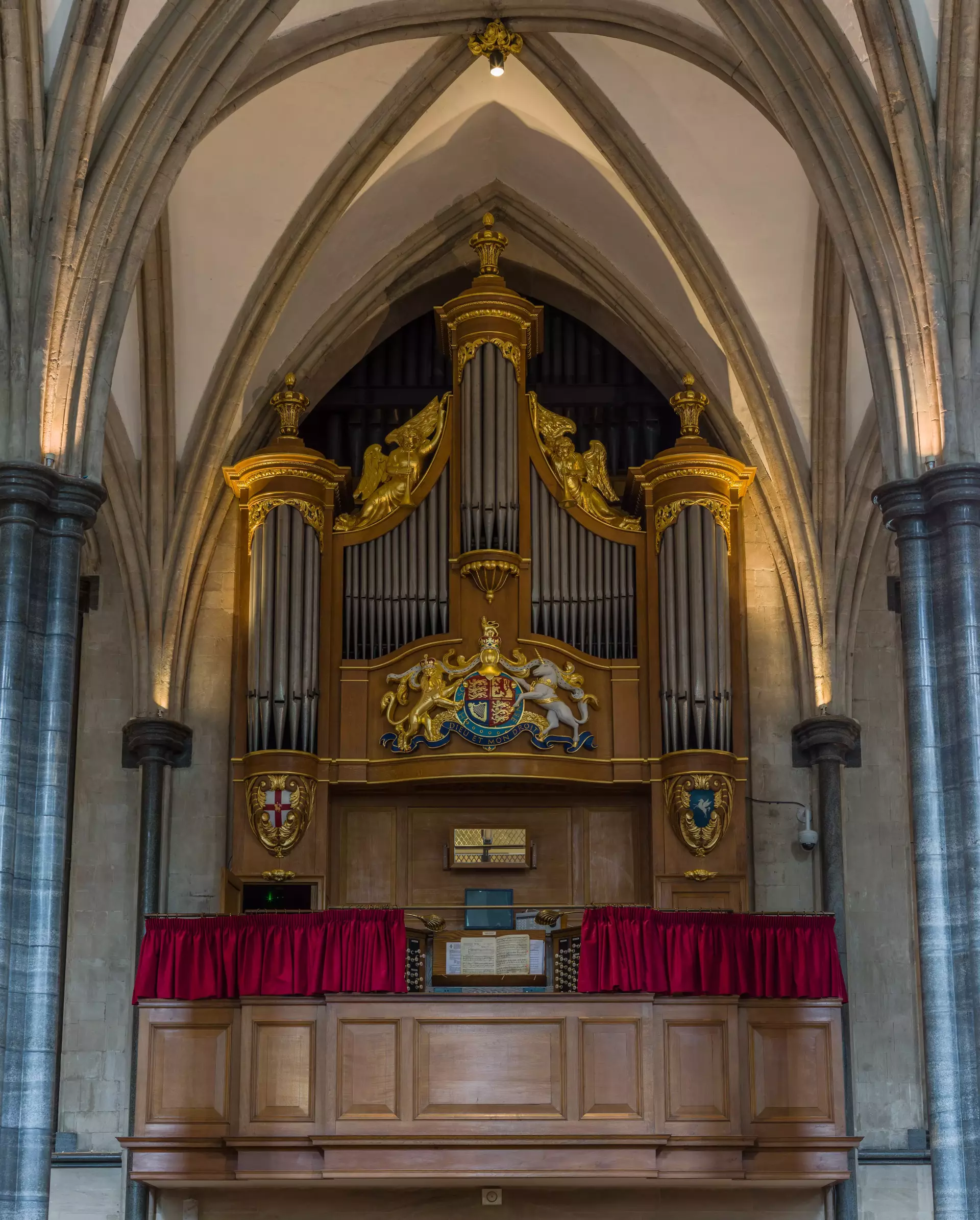
A small realm of serenity exists amidst the typical turmoil of the city. This place once served as the court of the Knights Templar. Visitors can explore the beautiful Romanesque church, one of the oldest in London, which opened its doors in 1185 and has historical ties to the order of Templars.
The chancel of the church was constructed by Henry III, adding to its rich historical significance. Today, Temple Church continues to serve the members of Gray's Inn and Lincoln's Inn, offering frequent services that remain open to the public.
Fans of Dan Brown's "The Da Vinci Code" may recognize Temple Church from both the novel and its film adaptation, adding a layer of modern cultural relevance to its ancient walls.
Source - https://en.wikipedia.org/wiki/Temple_Church
Completed in 1823, this attractive church near Broadcasting House is one of John Nash's masterpieces, with a prominent spire and circular vestibule. As of May 2025, it accessible only for worship.
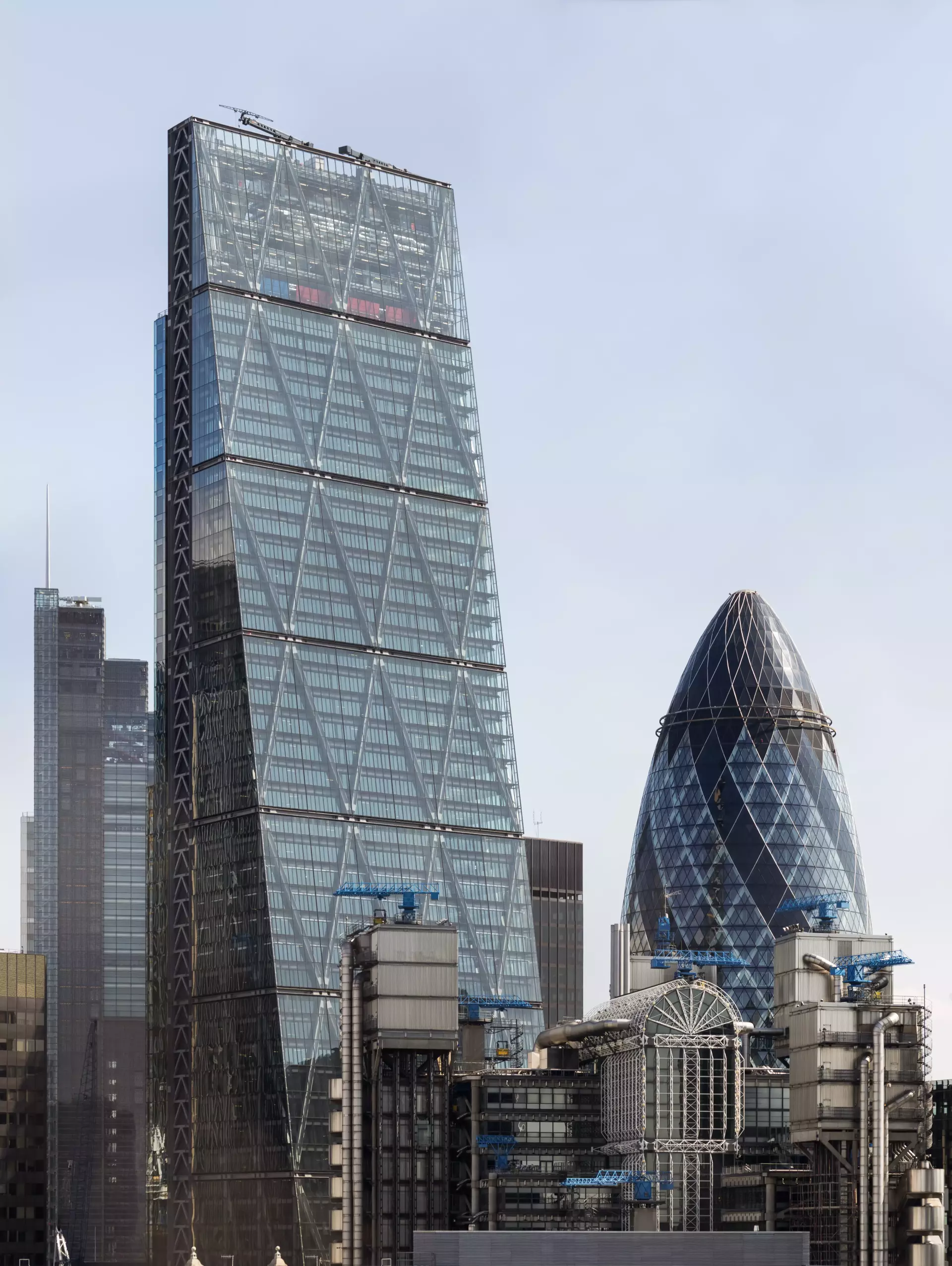
The unusual "walkie scorchie" profile of this skyscraper by Rafael Vinoly has seen it grab the headlines, as did the "death rays" caused by the sun's heat reflecting off the building onto the street below when it was first completed; car tyres melted and burst, and at least one man fried an egg using only the heat from the walkie talkie. Visitors can access the sky garden to see a magnificent view over the City and beyond; it's the only place you can't see the tower from! Online booking to visit during the day is essential. Alternatively, you can eat at one of the restaurants in the evening.
Worth a quick visit if you are passing. The brick and stone neo-Byzantine Catholic Cathedral (not to be confused with the much more famous Westminster Abbey) is near Victoria Station, just off Victoria Street. Construction started in 1895, and some of the interior is still unfinished. The Treasures of Westminster Cathedral exhibition is inexpensive and worthwhile for learning the history of the cathedral, there are interesting exhibits including a 1:28 wooden scale model uses by the architects. Has a café and gift shop.
Peaceful gardens and interesting monuments including the daughter of Richard Cromwell, son of Oliver Cromwell.
Probably the most colourful event in the UK's legislative calendar, this takes place in May or June every year, or after a general election, when the King travels to the Houses of Parliament to open the new parliamentary session. During this event, the Lords, Speaker of the House of Commons, and other office holders can be seen dressed in their ceremonial robes, and there is always an elaborate procession when the King makes his way to the Houses of Parliament from Buckingham Palace. This is one of the few occasions where all branches of the British government are gathered in the same place. Many traditions of the State Opening can trace their origins to a more turbulent past, when the relationship between the monarch and Parliament was sometimes antagonistic. In particular, since the English Civil War, the monarch has been banned from entering the House of Commons chamber, and instead must send a representative (the Black Rod) to summon the MPs to the Lords chamber, where he delivers his speech. Another notable tradition is the holding of a Hostage MP in Buckingham Palace, ostensibly to guarantee the safe return of the monarch, who is released once the King has returned to the palace safely after delivering his speech. While attendance at Parliament itself is limited to special guests that have been invited by the Prime Minister, it is broadcast live on the BBC, and you can also view the King's procession from Buckingham Palace to Parliament from the roadside for free.
In contrast to the other Royal Parks in the area, Green Park can seem a little plain. It has no lakes or buildings and few monuments. It is still a pleasant green, lightly wooded, area in the centre of London, neighbouring two other parks and Buckingham Palace.
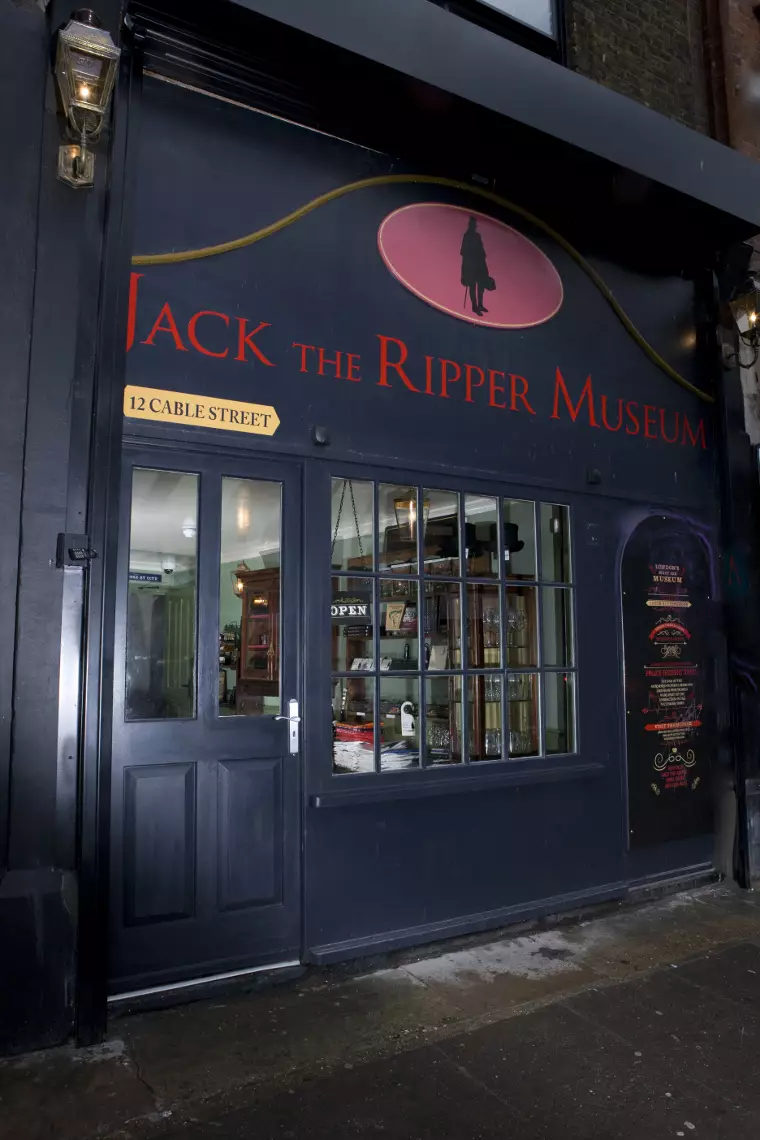
A small museum is set in a Victorian house near the infamous Battle of Cable Street. There are 5 floors including the basement, each dedicated to several aspects of famous murders starting with a recreation of Mitre Square on the first floor, Jack the Ripper's sitting room on the second floor, the police station on the third, a victim's bedroom on the fourth and the mortuary in the basement. There is also a walking tour. Book tickets online to save money, there is also a Halloween special deal.
Fine stone bridge linking Twickenham/St Margarets with Richmond. It is the oldest surviving Thames bridge in London, dating from 1777.
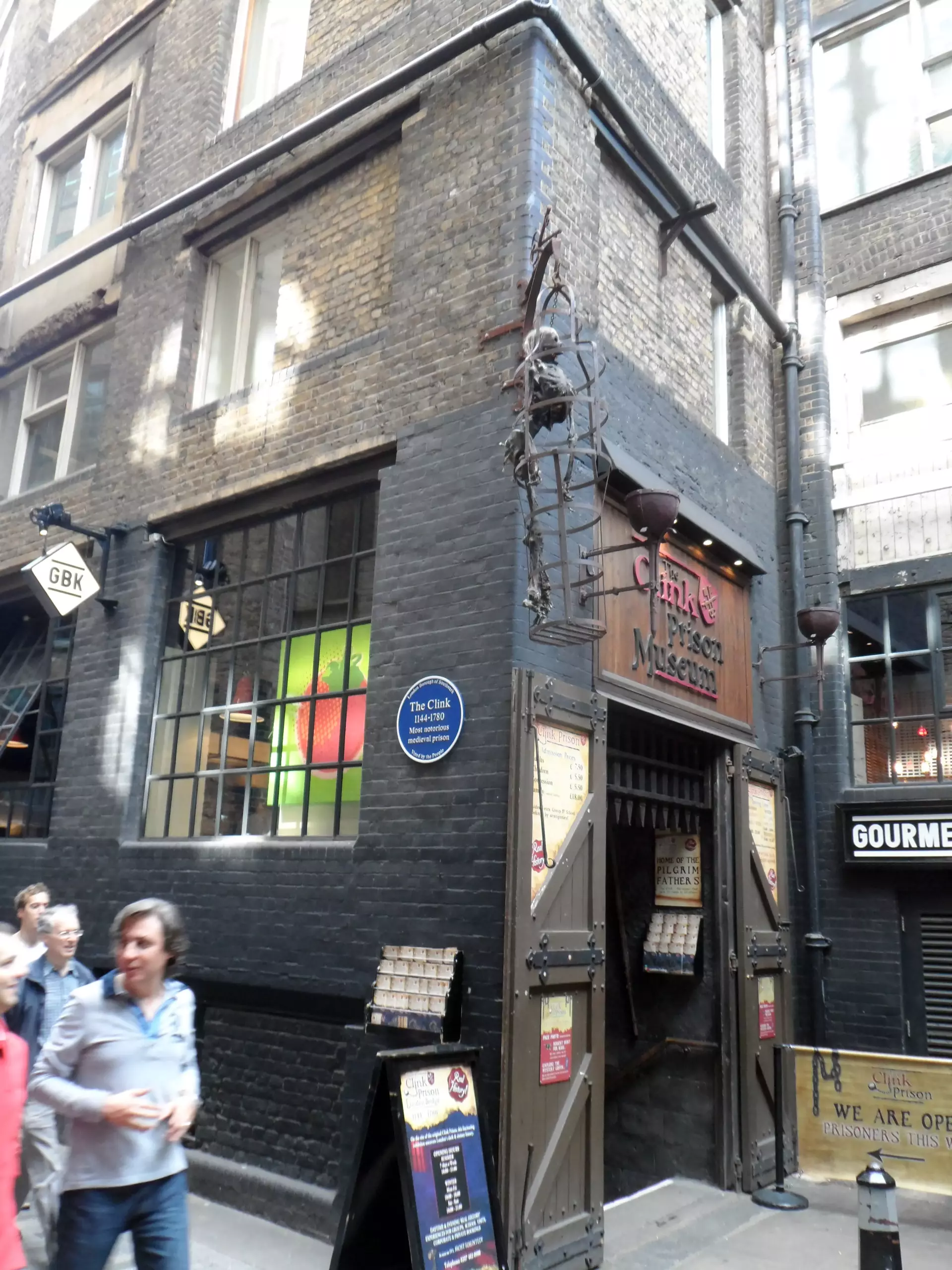
As with any Merlin attraction, it is arguably overpriced for what it is. Brings to life the gorier elements of London's past both real life and fictional. Including the execution of Charles I after the English Civil War, the bubonic plague, Jack the Ripper, Mrs. Lovett's pie shop and Sweeney Todd's barber shop with faithful recreations of disaster, disease, and torture using live actors. Younger children may be scared.
191-m (627-ft) skyscraper can be seen from far away and is the sixth highest building in UK.
Su Catholic Church of England with bells and smells (incense). There is an impressive model of the old London Bridge.
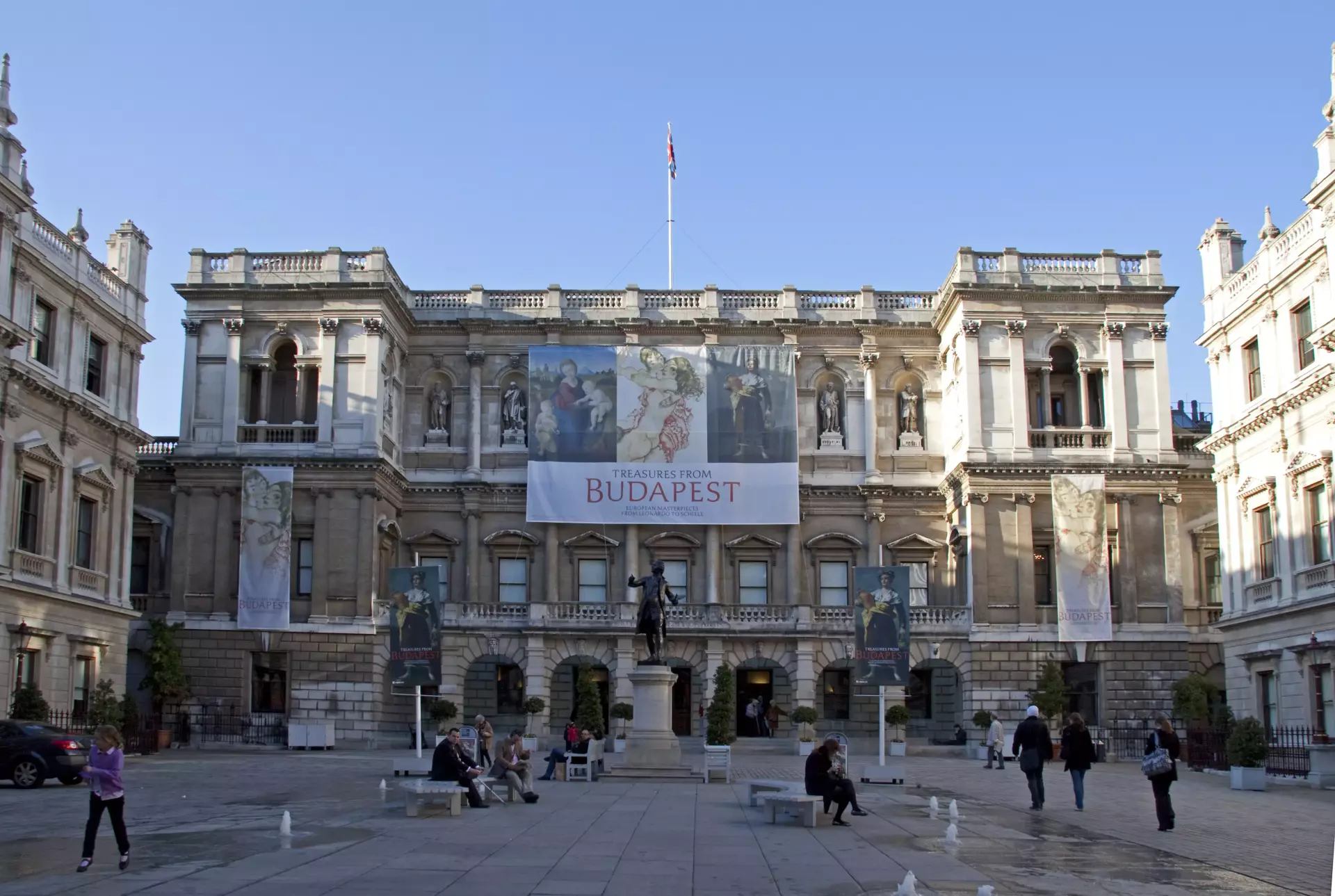
The Royal Academy no longer has a permanent exhibition space, instead hosting art exhibitions. Notable exhibitions have included the paintings of Monet, contemporary art associated with the theme of apocalypse, and Aztec art. Each Summer, the Royal Academy plays host to a Summer Exhibition, displaying 1,200 new works by established and new artists selected by the academy, most of which are available for visitors to buy. Each member has to donate a work of art, so over the years, the academy has built a sizable collection. Exhibitions are invariably excellent, and it is worth paying for audio guides, if they are not included. Visitors should book tickets in advance, as exhibitions are often very popular – particularly shortly after opening.
Includes a small but beautiful quad and an interesting Neo-Classical facade. The core buildings of UCL were built after the university's foundation in 1826.
Historic home to English kings such as Henry VIII, now open to the public. There are many attractions which can occupy a whole day visit, including 60 acres of gardens with the famous maze, the Tudor kitchens, the Chapel Royal, the Great Hall, Mantegna's Triumphs of Caesar paintings, and various exhibitions about Henry VIII.
An enormous, 135-metre-high observation wheel with 32 exterior glass-walled capsules. It offers incomparable views over central London and up to 40 km (25 mi) away on a good day. Tickets are sold for specific times, so if visitors wish to go on the London Eye at a specific time, they are strongly advised to book in advance, particularly in the summer. On a busy day, you can easily spend 1-3 hr queuing just to buy a ticket. However, you can also purchase tickets in advance online. Then you can collect your tickets at the London Eye in a separate queue, which takes a few minutes or less.
Eccentric Gothic home of 18th-century poet and author, Horace Walpole, son of England's first prime minister.