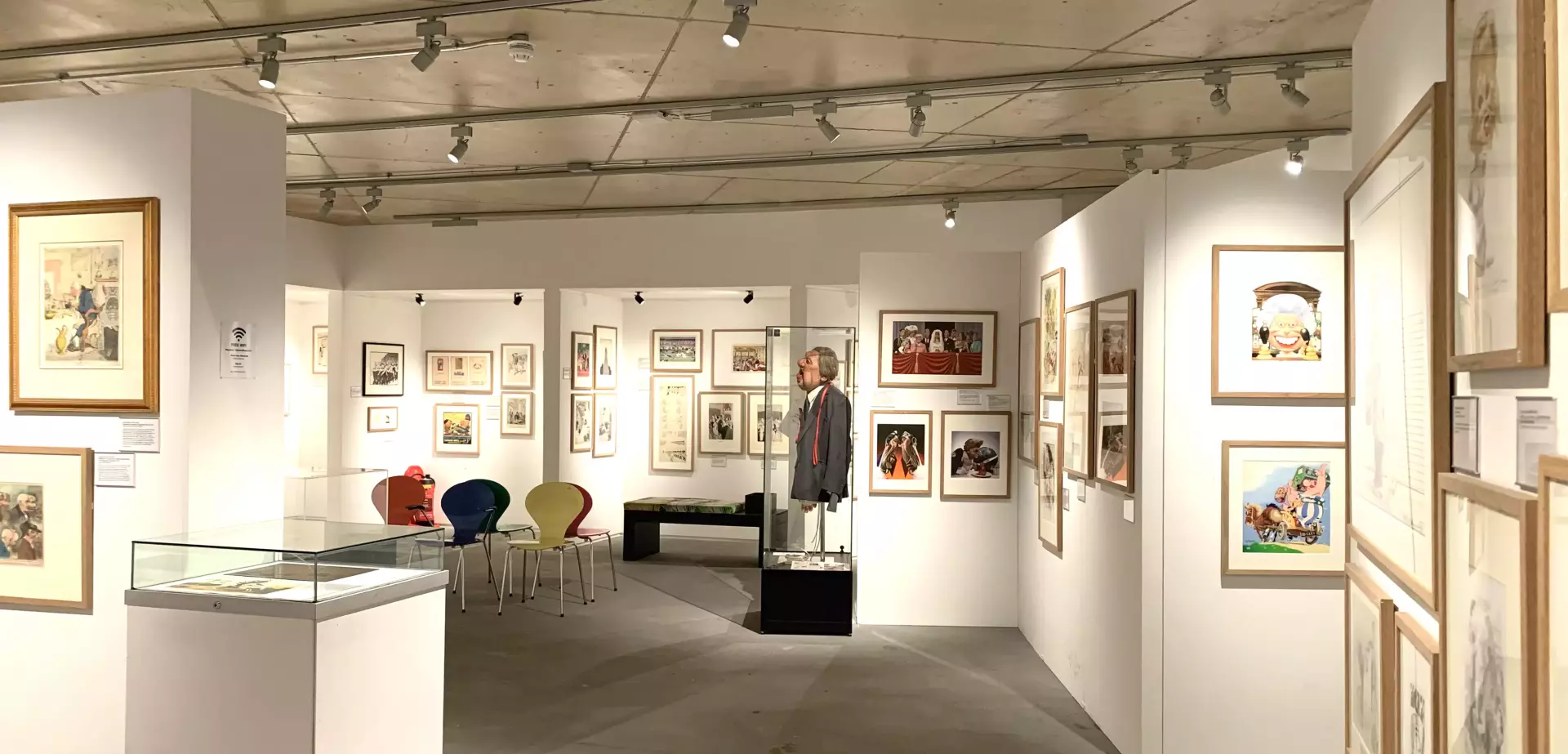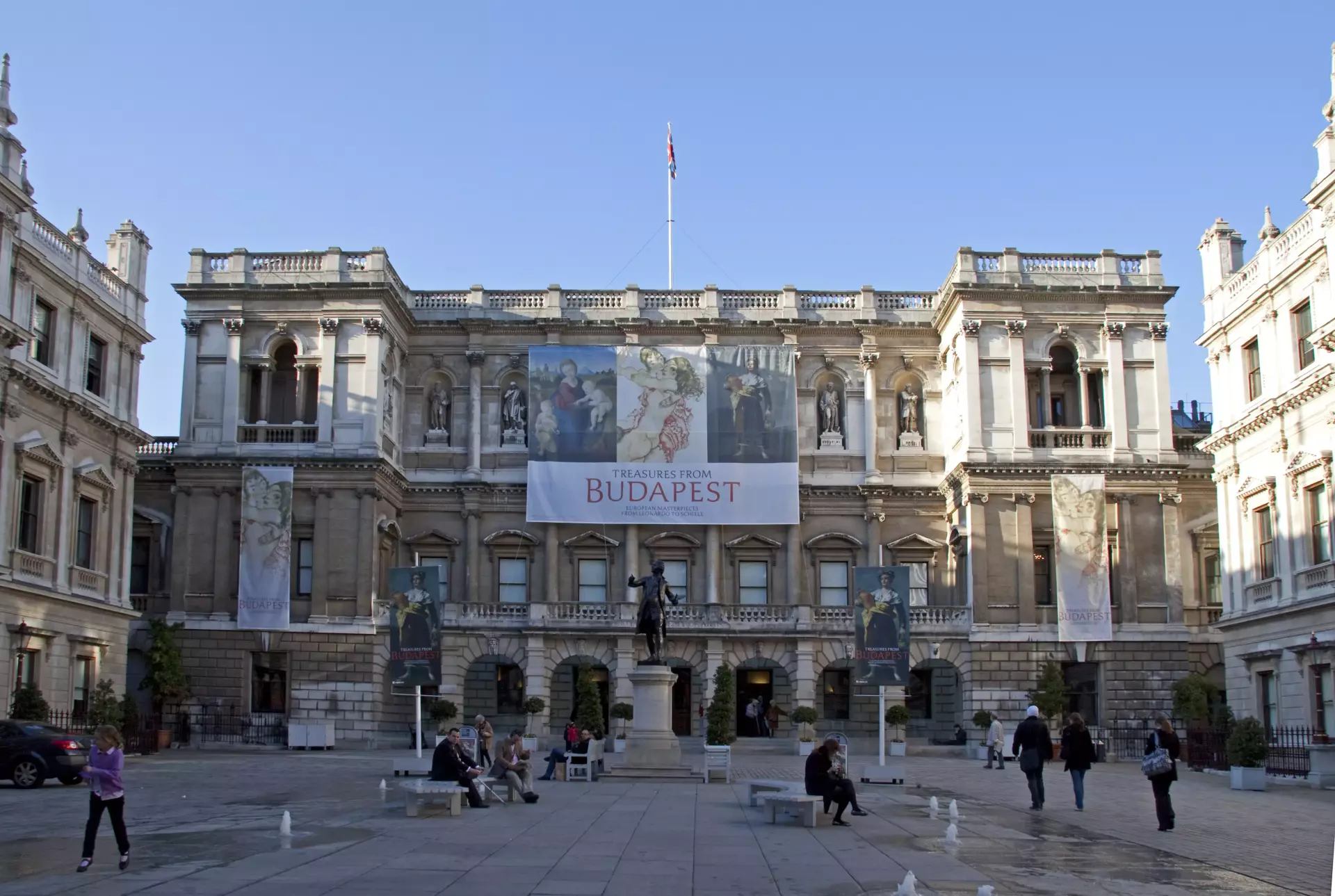
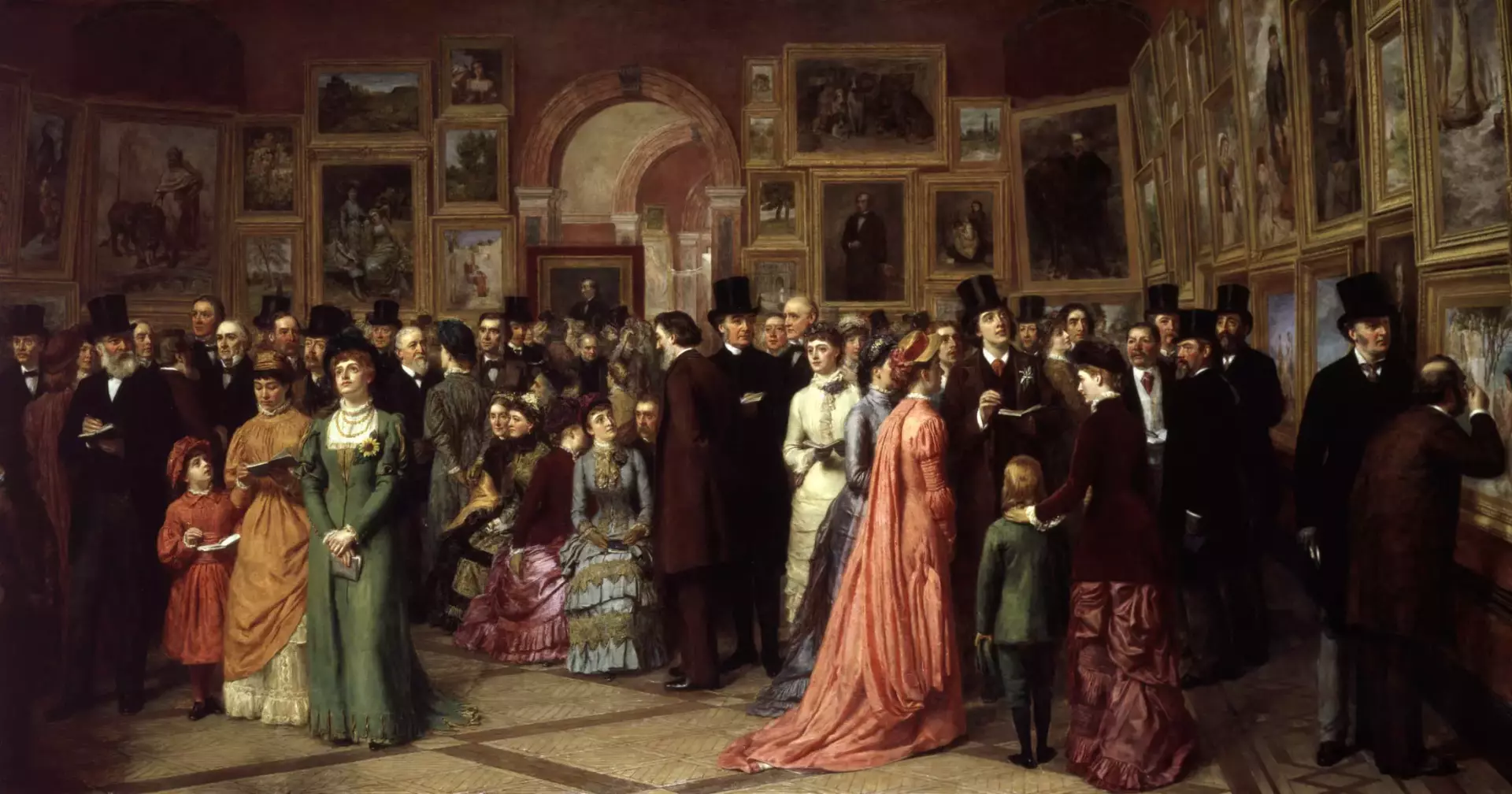
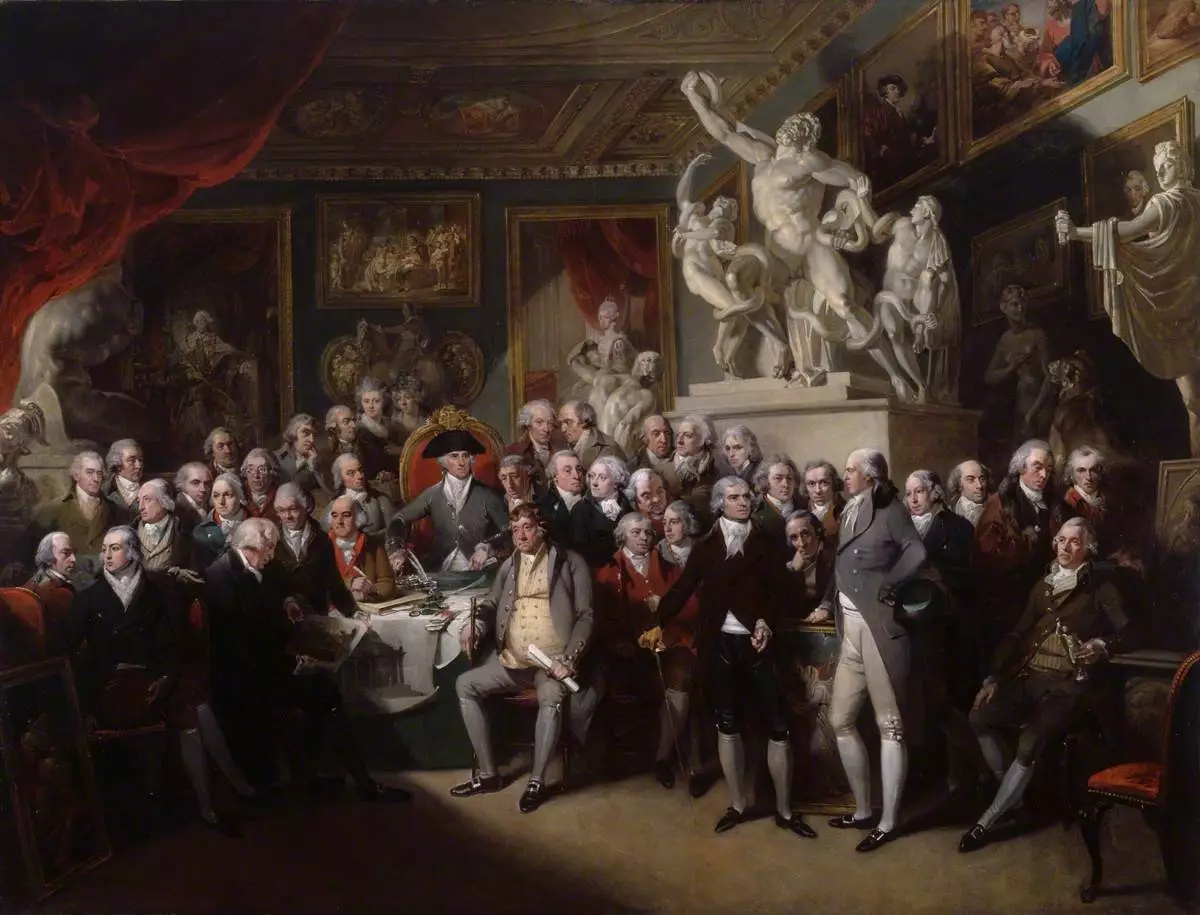
The Royal Academy of Arts is known for its dynamic art exhibitions, showcasing a wide range of themes and artists. Instead of a permanent exhibition space, the Academy hosts various art exhibitions that have featured prominent artists and themes over time. These have included the iconic paintings of Monet, contemporary pieces exploring apocalyptic themes, and fascinating displays of Aztec art.
Every year, the Royal Academy draws art enthusiasts to its renowned Summer Exhibition. This event features around 1,200 new works by both established and emerging artists. The artworks are carefully selected by the academy, and many are available for visitors to purchase. This tradition has not only provided a platform for artists but also helped the academy amass an impressive collection, as each member contributes a piece to the collection.
The exhibitions at the Royal Academy are known for their excellence, and visiting them is a richly rewarding experience. It is advisable to book tickets in advance, particularly soon after an exhibition opens, as they tend to be very popular. While exploring the exhibitions, consider using audio guides if they are available, as they can enhance your understanding and enjoyment of the art on display.
Source - https://en.wikipedia.org/wiki/Royal_Academy_of_Arts
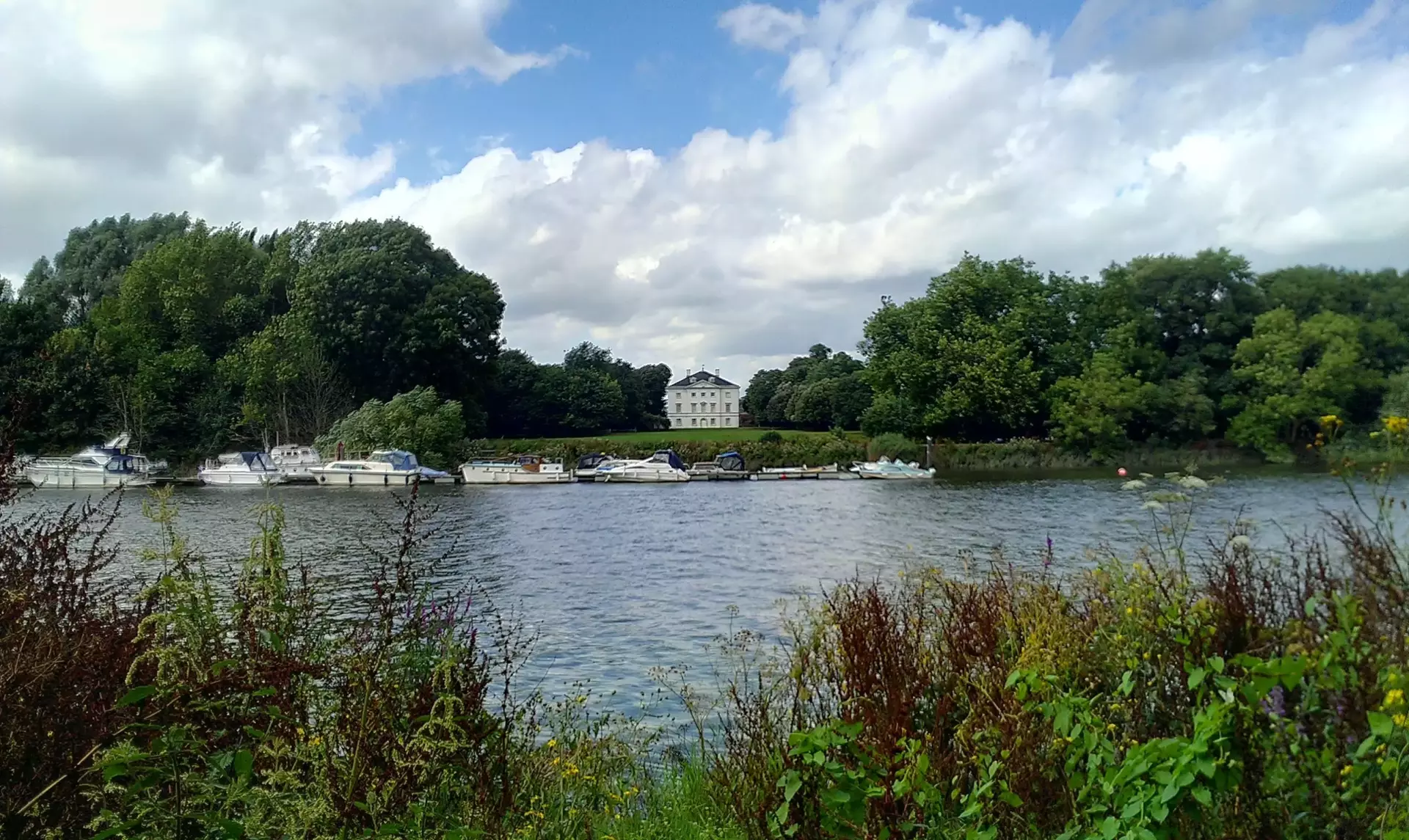
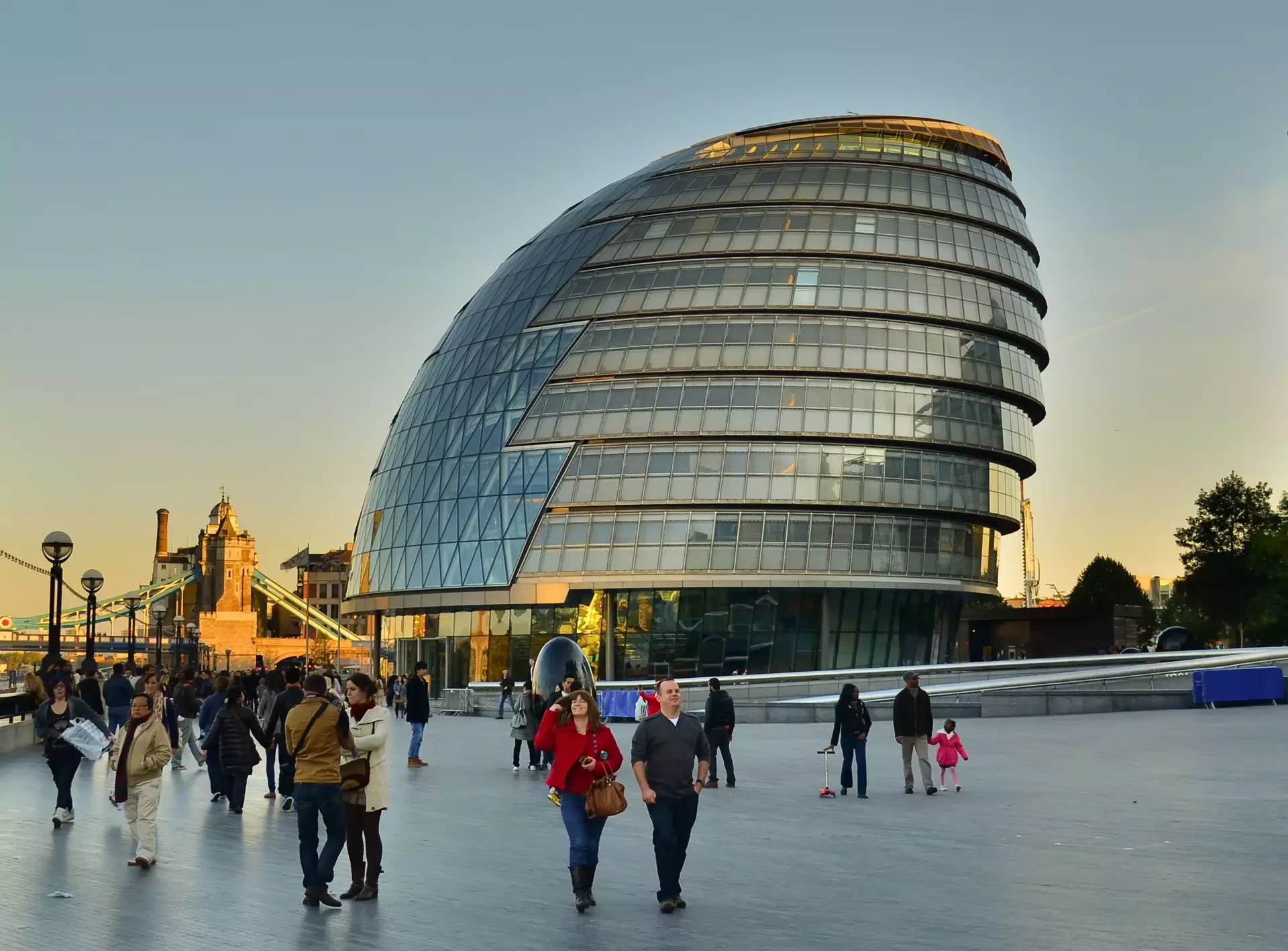
Official residence of the Lord Mayor of the City of London, completed in 1753.
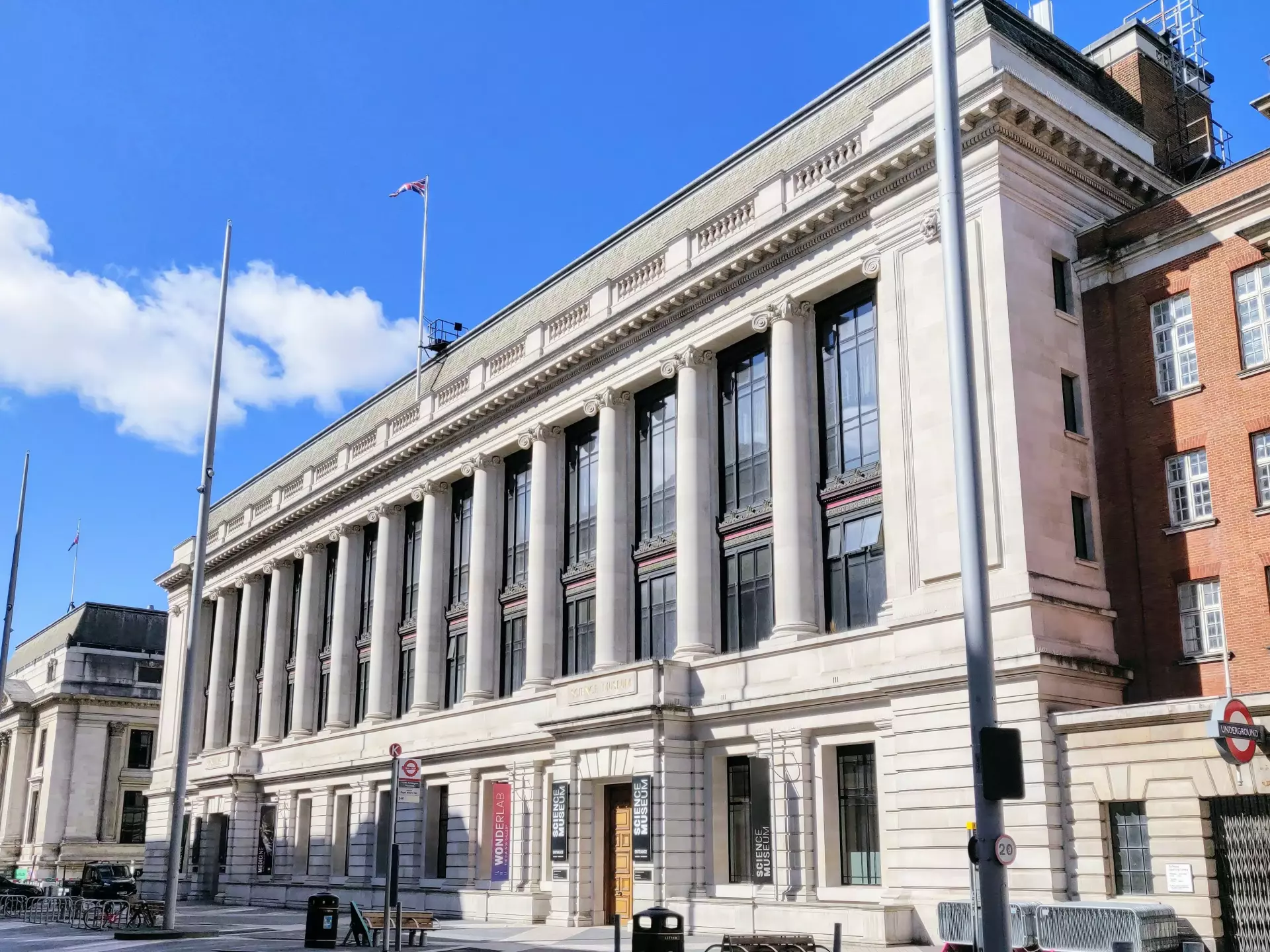
This venerable old institution was absorbed by the neighbouring Natural History Museum in 1985 but still has something of a separate identity. Unsurprisingly, devoted to all things geological with especially popular exhibits on vulcanology and earthquakes and fossils of all types. Very popular with kids and often underrated.
Su Catholic Church of England with bells and smells (incense). There is an impressive model of the old London Bridge.
In many cities a local transport museum would be of very narrow interest - not London, however! London's public transport is iconic, and the story of how it developed from horse and cart through early buses, Tube trains and trolleybuses to the present day is well worth coming to find out about. There is plenty of opportunity to clamber aboard the historic buses and Tube trains on display. Also, because London's transport is so well known, the museum shop contains plenty of items that make interesting and original gifts and souvenirs.
Built of Portland stone and dedicated to the aircrews of Allied nations under Bomber Command during World War II.
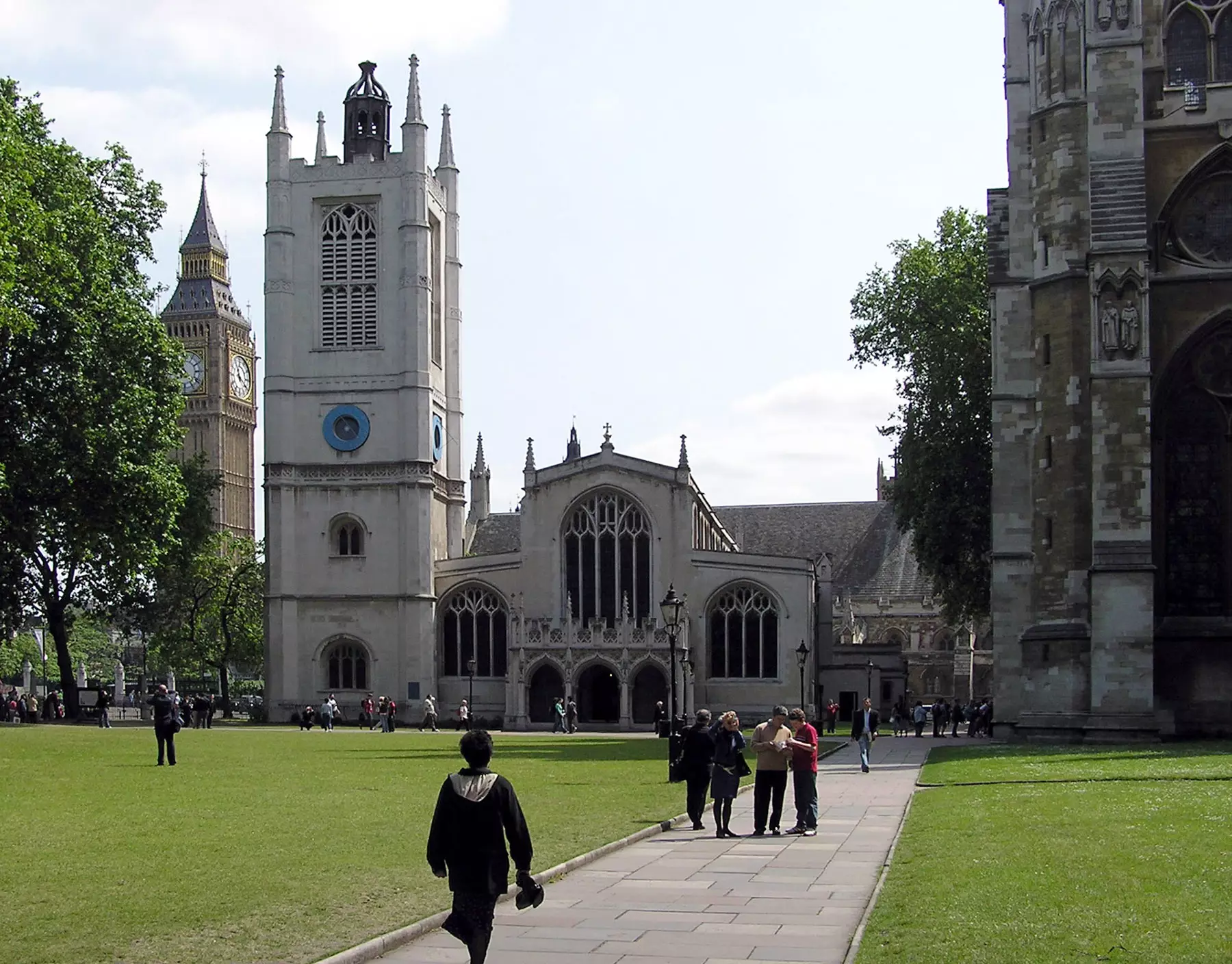
St. Margaret's is the church of the British Parliament, more specifically, the parish church of the House of Commons.
London Stone is a historic landmark housed in a public display case at 111 Cannon Street in the City of London. It is an irregular block of oolitic limestone measuring 53 × 43 × 30 cm (21″ × 17″ × 12″), the remnant of a once much larger object that had stood for many centuries on the south side of the street.
Large open space very popular with Londoners and less visited by tourists than the other great city parks. A number of lovely lakes, an open air theatre, regular puppet shows, various sporting activities and some splendid ancient trees. There is also a cafe and play area next to the boating pond. London's main zoo is in the northern reaches of Regent's Park. Takes a very conservation-driven approach these days and always has great exhibits aimed at children. Opened in 1828 for scientific study, then to the public in 1847. Islamic Cultural Centre and the main mosque in London. Visitors are welcome but must be suitably attired. The Mosque runs classes, prayers, talks and events.
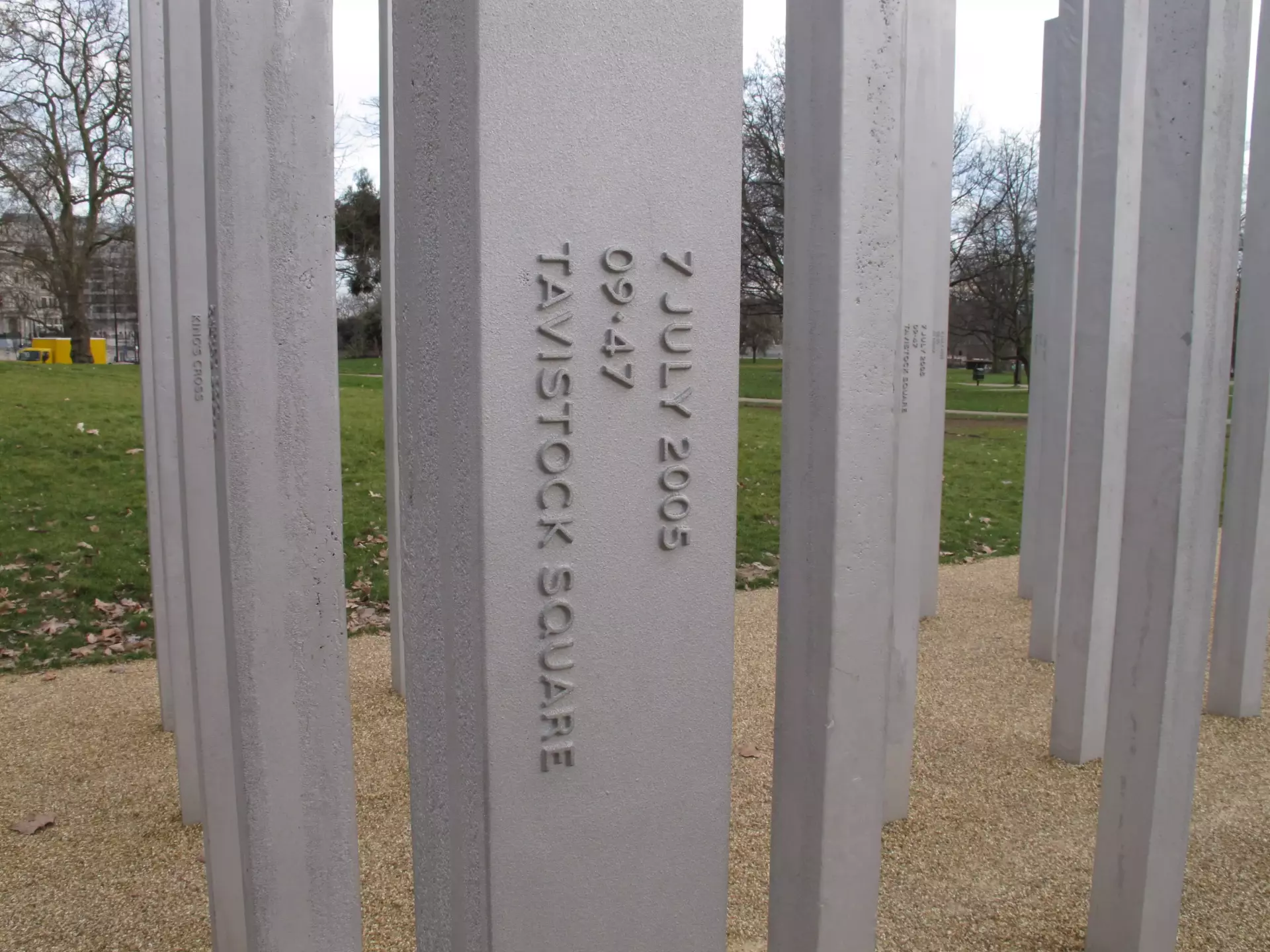
A memorial made out of 52 stainless steel columns representing each of the 52 victims who died in a series of terrorist attacks in the London bombings on July 7th, 2005.
This small tower across the road from the Houses of Parliament is the only part of the original Palace of Westminster still standing. While it is overshadowed in splendour by the surrounding buildings, it's well worth a visit, and has good displays about the early history of Westminster.
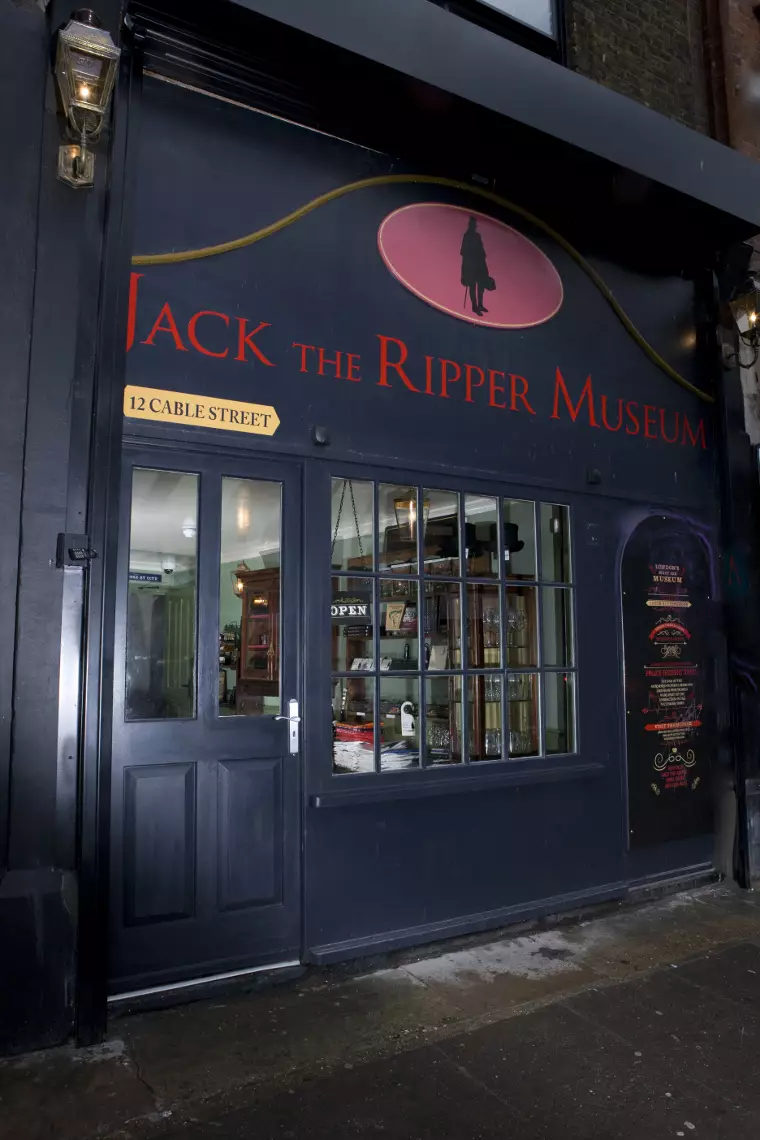
A small museum is set in a Victorian house near the infamous Battle of Cable Street. There are 5 floors including the basement, each dedicated to several aspects of famous murders starting with a recreation of Mitre Square on the first floor, Jack the Ripper's sitting room on the second floor, the police station on the third, a victim's bedroom on the fourth and the mortuary in the basement. There is also a walking tour. Book tickets online to save money, there is also a Halloween special deal.
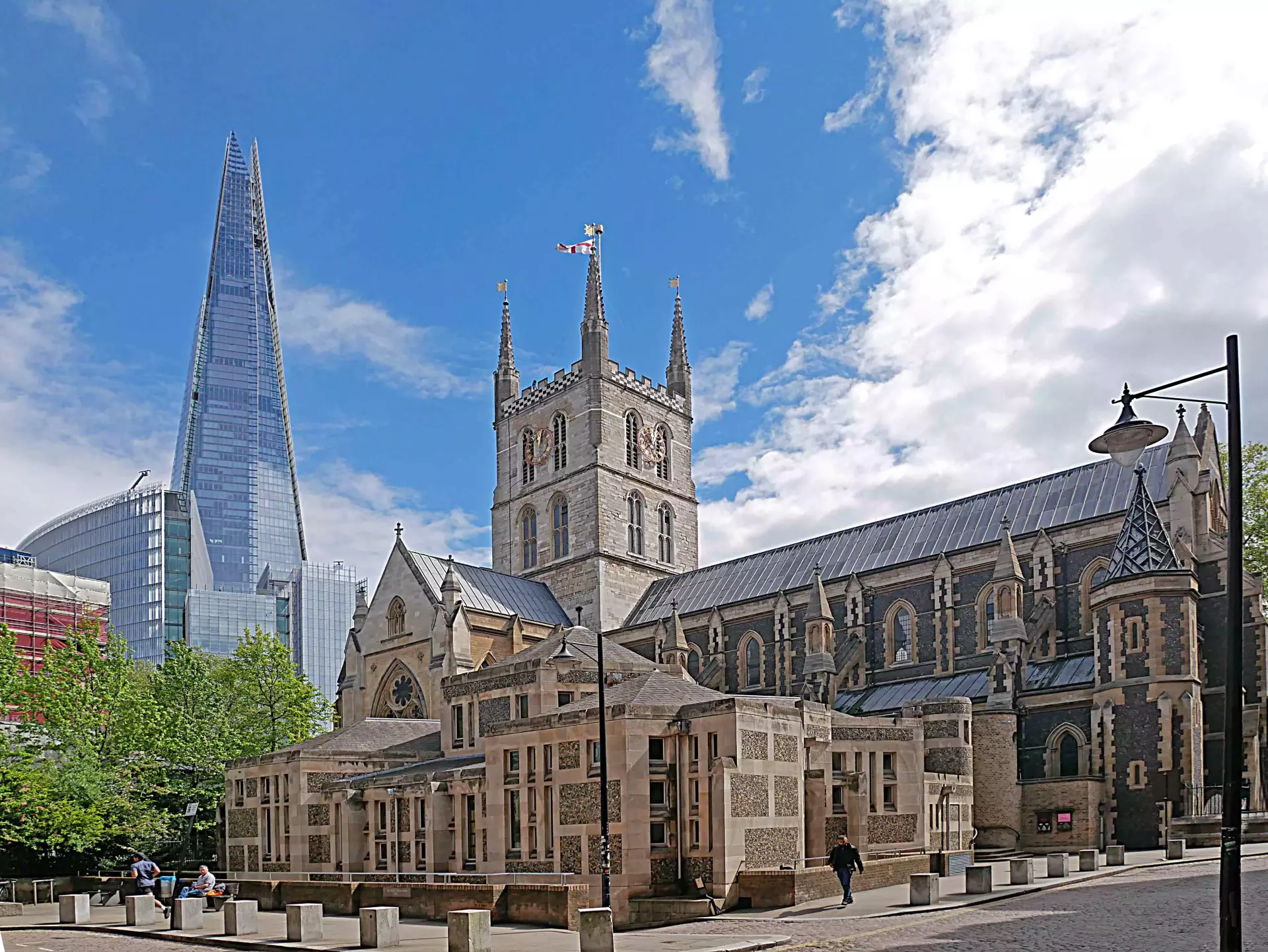
191-m (627-ft) skyscraper can be seen from far away and is the sixth highest building in UK.
Another Richard Rogers creation, nicknamed the Cheesegrater. Completed in 2014. Also opposite Lloyd's.
Remains of the wall that surrounded the City of London for almost two thousand years. The parts around the Barbican are mostly Tudor due to maintenance (Roman remains can be seen in and around the Tower of London). Other local remains are the 51.5169-0.095833 Noble St wall fragment and the 51.5177-0.092234 St Alphage Gdns wall fragment.
The Abbey charges tourists for entry, but not for worshippers. Attend a church service for free and enjoy some of the finest choral music in London from the choir. Choral Evensong at 3pm (Sa Su) or 5pm (weekdays), depending on time of year, is an especially good bet. The Abbey is the traditional scene for the coronation of British monarchs and the burial place of many past kings and queens. The Abbey contains a good gift shop and the Cellarium Café, which traces its history to the 14th century, is a good place to buy a noontime meal. Westminster Abbey is usually open to visitors from Monday to Saturday throughout the year. On Sundays and religious holidays such as Easter and Christmas, the Abbey is open for worship only. All are welcome and it is free to attend services. Visitor access to the Abbey is via the West Gate of the North Green.
Formerly the teaching collection of Sir Flinders Petrie, one of Britain's greatest archaeologists, now preserved by University College London. Exhibits include beaded dresses, sculpture and wall reliefs, items of everyday use, papyri, cartonnage and pottery. Fascinating!
This is probably the most famous criminal court in the world, and has been London's principal criminal court for centuries. It hears cases remitted to it from all over England and Wales as well as the Greater London area. The present building dates largely from 1907 (a new block was added from 1970 for more modern facilities) and stands on the site of the infamous medieval Newgate Gaol. The Central Criminal Court is of course best known today for its association with John Mortimer's Rumpole of the Bailey character, novels and television series. Daily case listings are available at The law pages. No bags, cameras, drinks, food or mobile phones—no facilities for safekeeping. Children under 14 are not admitted.