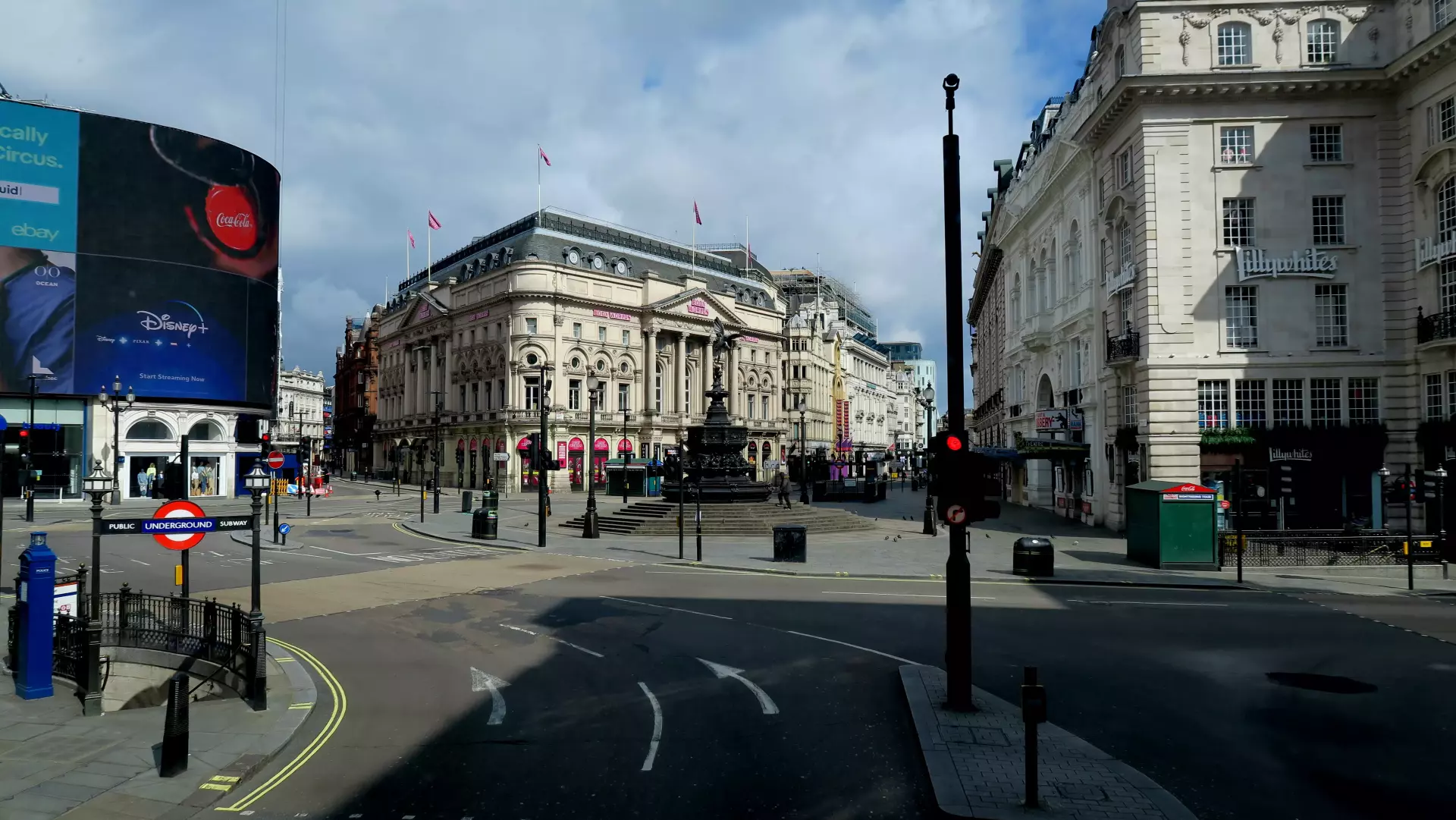
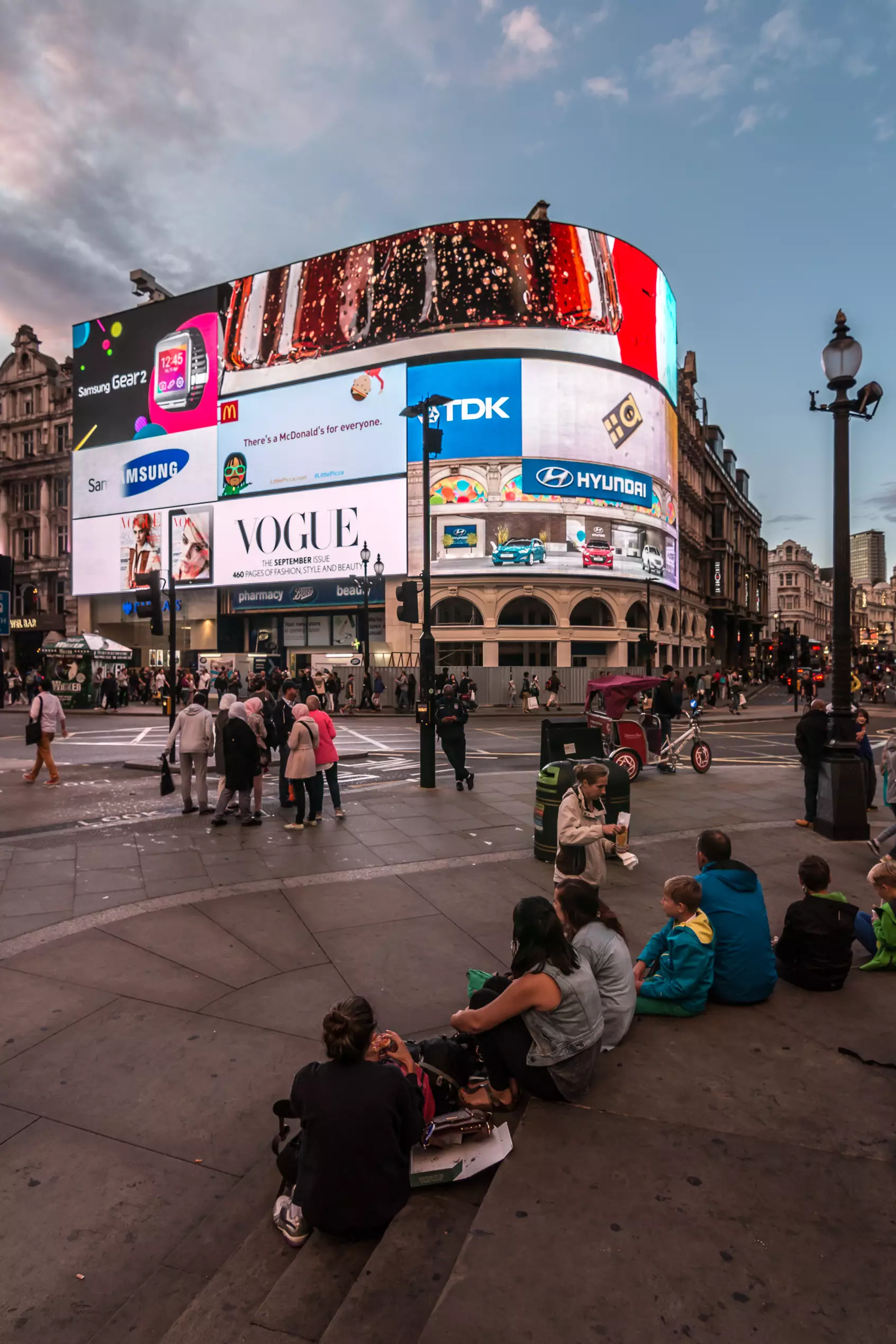
At the bustling crossroads of five significant roads lies Piccadilly Circus, known for its vibrant atmosphere and iconic landmarks. One of the most recognizable features is the aluminum statue of Eros, perched elegantly on top of the Shaftesbury Memorial Fountain. Interestingly, this monument was originally intended to represent a different figure, Anteros, rather than Eros.
On the north side of Piccadilly Circus, an enormous display board lights up the area with electric advertisements. Among these is Britain's largest illuminated display, renowned for being the widest of its kind in the world. The display prominently features the Coca-Cola logo, adding to the vibrant and colorful ambiance that Piccadilly Circus is famous for.
Source - https://en.wikipedia.org/wiki/Piccadilly_Circus
On the UNESCO World Heritage List, the Palace of Westminster is the seat of Parliament in the United Kingdom. It's often termed the "Mother of All Parliaments" - an exaggeration, but perhaps only a slight one. The present building largely dates from the 19th century when it was rebuilt following a fire in a splendid example of Victorian neo-Gothic architecture. The House of Commons (elected Members of Parliament or MPs) is located to the north of the building and is decorated with green leather upholstery, and the House of Lords (unelected Lords) is located to the south and decorated with red leather upholstery.
Grade I listed Saxon church founded before the 12th century. The exterior was mostly constructed in the 15th century, and the interior in the 19th. The north side of the church houses a musician's chapel opened in 1955. In addition to the services, there are often evening (chargeable) concerts.
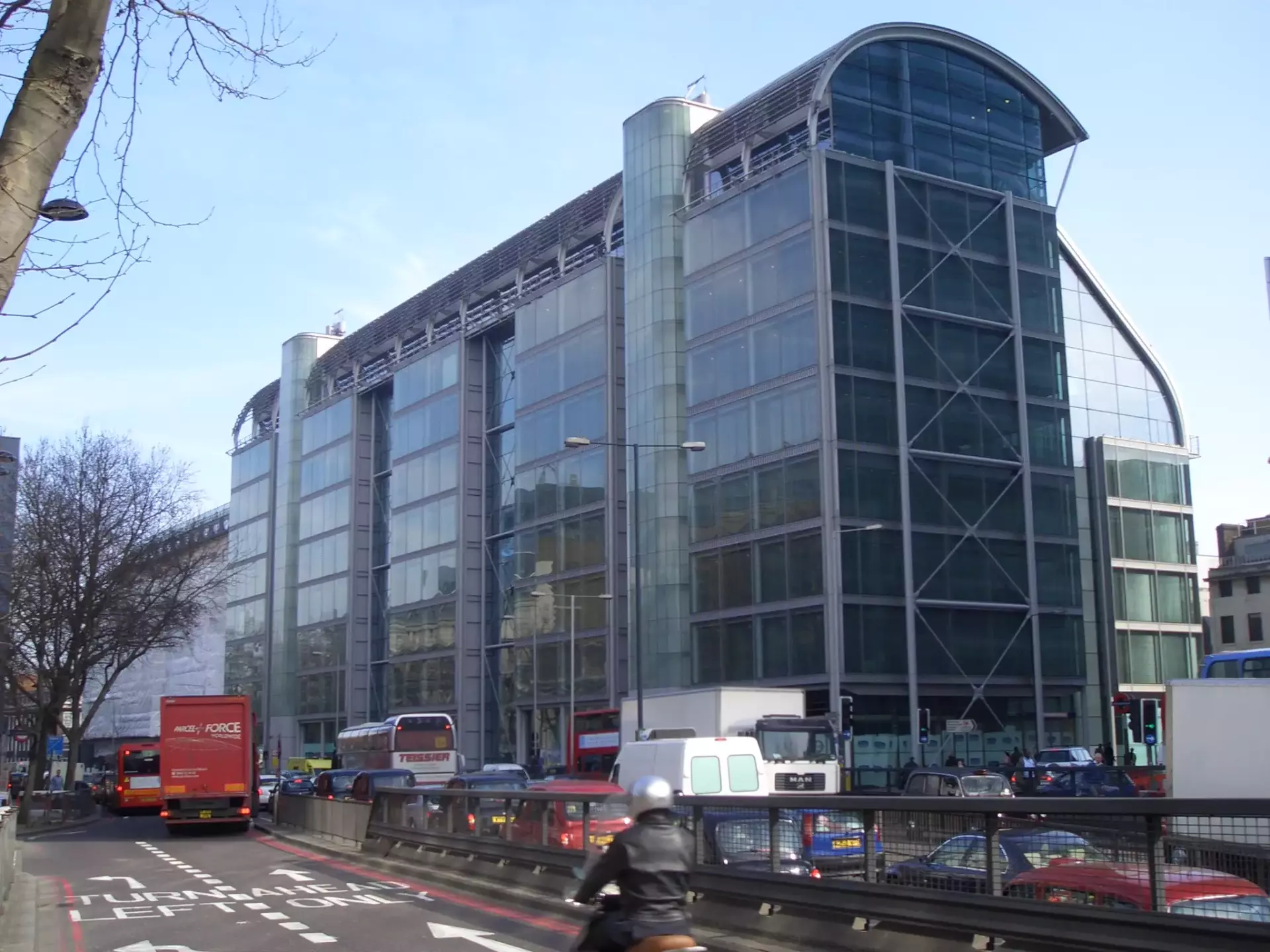
Former offices of the Greater London Authority. A radically-designed glass fronted and rounded building, previously headquarters for London's Mayor and Assembly. City Hall has now be relocated to The Crystal, a building in Greenwich, near to the cable car. The old building is disused and not open to the public, but can be viewed from the outside.
At 87 hectares this is the largest open green space in the district.
The Abbey charges tourists for entry, but not for worshippers. Attend a church service for free and enjoy some of the finest choral music in London from the choir. Choral Evensong at 3pm (Sa Su) or 5pm (weekdays), depending on time of year, is an especially good bet. The Abbey is the traditional scene for the coronation of British monarchs and the burial place of many past kings and queens. The Abbey contains a good gift shop and the Cellarium Café, which traces its history to the 14th century, is a good place to buy a noontime meal. Westminster Abbey is usually open to visitors from Monday to Saturday throughout the year. On Sundays and religious holidays such as Easter and Christmas, the Abbey is open for worship only. All are welcome and it is free to attend services. Visitor access to the Abbey is via the West Gate of the North Green.
Probably the most colourful event in the UK's legislative calendar, this takes place in May or June every year, or after a general election, when the King travels to the Houses of Parliament to open the new parliamentary session. During this event, the Lords, Speaker of the House of Commons, and other office holders can be seen dressed in their ceremonial robes, and there is always an elaborate procession when the King makes his way to the Houses of Parliament from Buckingham Palace. This is one of the few occasions where all branches of the British government are gathered in the same place. Many traditions of the State Opening can trace their origins to a more turbulent past, when the relationship between the monarch and Parliament was sometimes antagonistic. In particular, since the English Civil War, the monarch has been banned from entering the House of Commons chamber, and instead must send a representative (the Black Rod) to summon the MPs to the Lords chamber, where he delivers his speech. Another notable tradition is the holding of a Hostage MP in Buckingham Palace, ostensibly to guarantee the safe return of the monarch, who is released once the King has returned to the palace safely after delivering his speech. While attendance at Parliament itself is limited to special guests that have been invited by the Prime Minister, it is broadcast live on the BBC, and you can also view the King's procession from Buckingham Palace to Parliament from the roadside for free.
The Wallace Collection is one of the world's finest private art collections, the best known of which is Frans Hals's work The Laughing Cavalier. Other artists on display include Rembrandt, Titian, Poussin, and Reynolds. This is well worth escaping to after the hustle and bustle of Oxford Street.
The London residence of the Dukes of Wellington, which now acts as a museum for the inaugural and most famous holder of the title. It boasts an impressive collection of paintings, sculptures, medals and swords. Perhaps the most bizarre item in Wellington's collection is a nude statue of Napoleon Bonaparte, commissioned by the emperor himself and bought by the British government following his defeat at the Battle of Waterloo as a gift for the duke.
A Victorian school, now a university with a mission to advance knowledge of the fine arts. Exhibitions are common. Times and admission charges vary but can often be free, although visitors may need to book tickets to certain events.
The remains of the once-magnificent palace, home to English kings since Edward I, adjoin Richmond Green, a pleasant open green space and historic cricket ground. Only the Gate House and Wardrobe, now converted into flats, remain.
Created by Tonkin Zulaikha Greer and Janet Laurence to remember the Australians who died in both world wars. Made from Australian granite.
Magnificent 19th-century bridge, decorated with high towers and featuring a drawbridge. The bridge opens several times each day to permit ships to pass through – timings are dependent on demand, and are not regularly scheduled. When Tower Bridge was built, the area to the west of it was a bustling port – necessitating a bridge that could permit tall boats to pass. Now the South Bank area sits to its west, and the regenerated Butler's Wharf area of shops and riverside restaurants lie to its east. You can get the lift to the top level of the bridge and admire the view. Glass floors provide an interesting perspective for the brave. The museum highlights the bridge's history and engineering, and there are photographic exhibitions along the walkways between the towers.
Three large auditoriums, the Olivier, the Lyttelton and the Cottesloe. The Olivier theatre is the largest with an open stage and a fan shaped auditorium around it. This ensures that all seats provide a good view. Most of the more 'popular' productions are put on here as the space provided is much larger than most theatres. The Lyttelton theatre is more traditional with a proscenium arc with good views from most seats. The Cottesloe is a small studio theatre, seating around 400. Some tickets will be available on the day, either day seats (arrive before 9:30AM and queue) or standby (arrive before 6PM and queue), or you can buy online. Popular shows, especially those around Christmas in the Olivier sell out months in advance. Tickets to The National Theatre are generally better value than most other theatres. There is also the '£15 Travelex' season in the summer (as of 2019) that provides a large number (over 100,000 seats a year) at £10. Booking in advance is required for these. There is also an exhibition space in the Lyttelton theatre foyer that frequently holds popular photographic exhibitions. Free jazz is often played in the evening in the ground floor foyer. During summer there is a free daily outdoor festival of performance, music, comedy and cabaret known as Watch This Space. Deckchairs (and artificial grass) are provided to watch on. Free exhibitions. Backstage tours £5.
Probably the most popular of all the museums here and a must see for many visitors to London. Home to at least 70 million specimens from across all the life sciences. It's difficult to say what the most popular exhibit here is; the blue whale which towers over the entrance hall, the (now slightly tacky-looking) animatronic Tyrannosaurus rex in the dinosaur gallery, or the life-size model blue whale in the mammals gallery. Also well worth a check are the Darwin Centre (book on a free tour to see some of the most interesting, and sometimes gruesome, specimens not on public display); and the studio dedicated to BBC wildlife personality extraordinaire, David Attenborough. The NHM's "Earth Galleries" were once the adjacent Geological Museum, an independent institution until the 1980s, and still located in a separate building with a separate entrance.