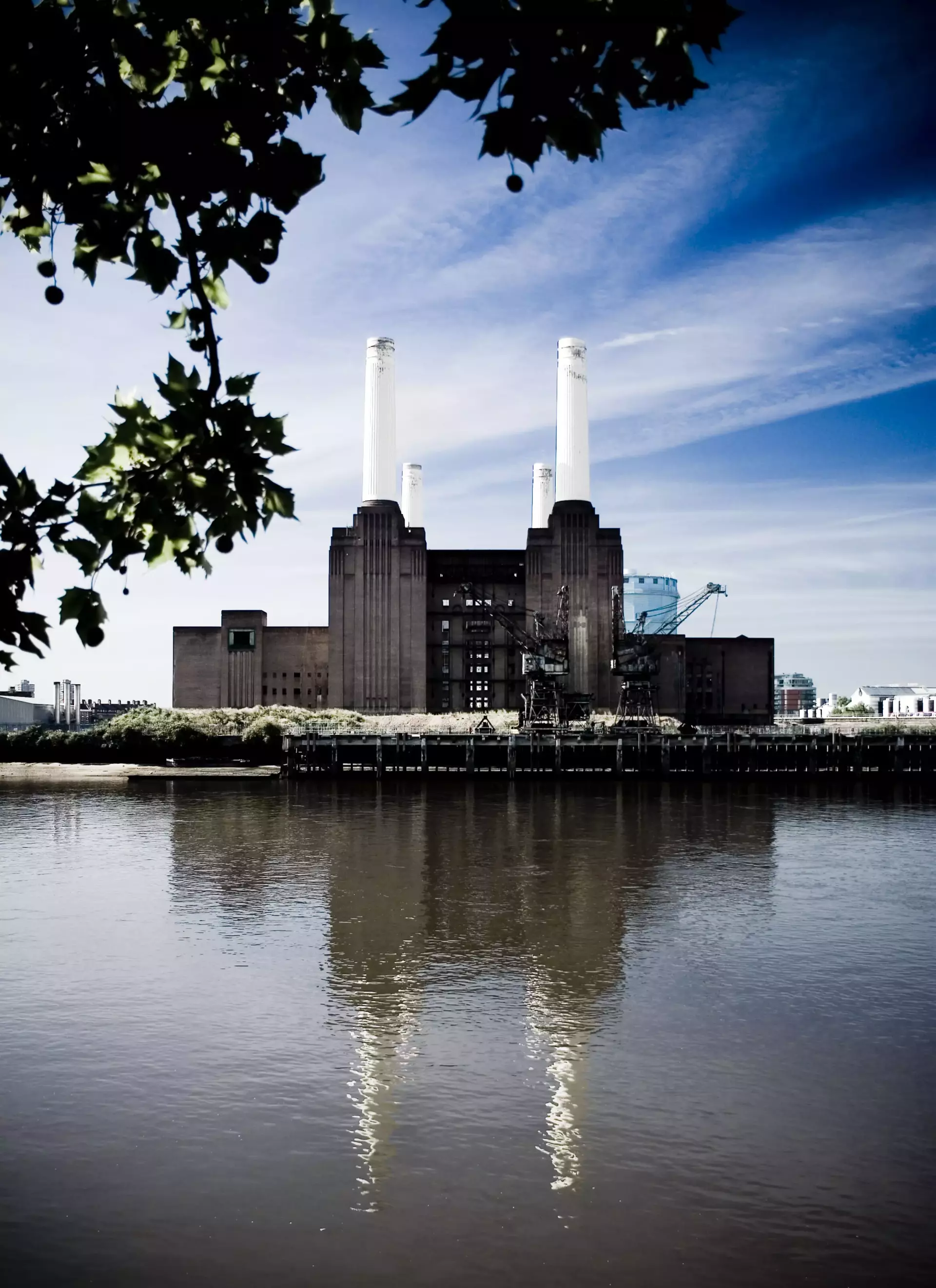
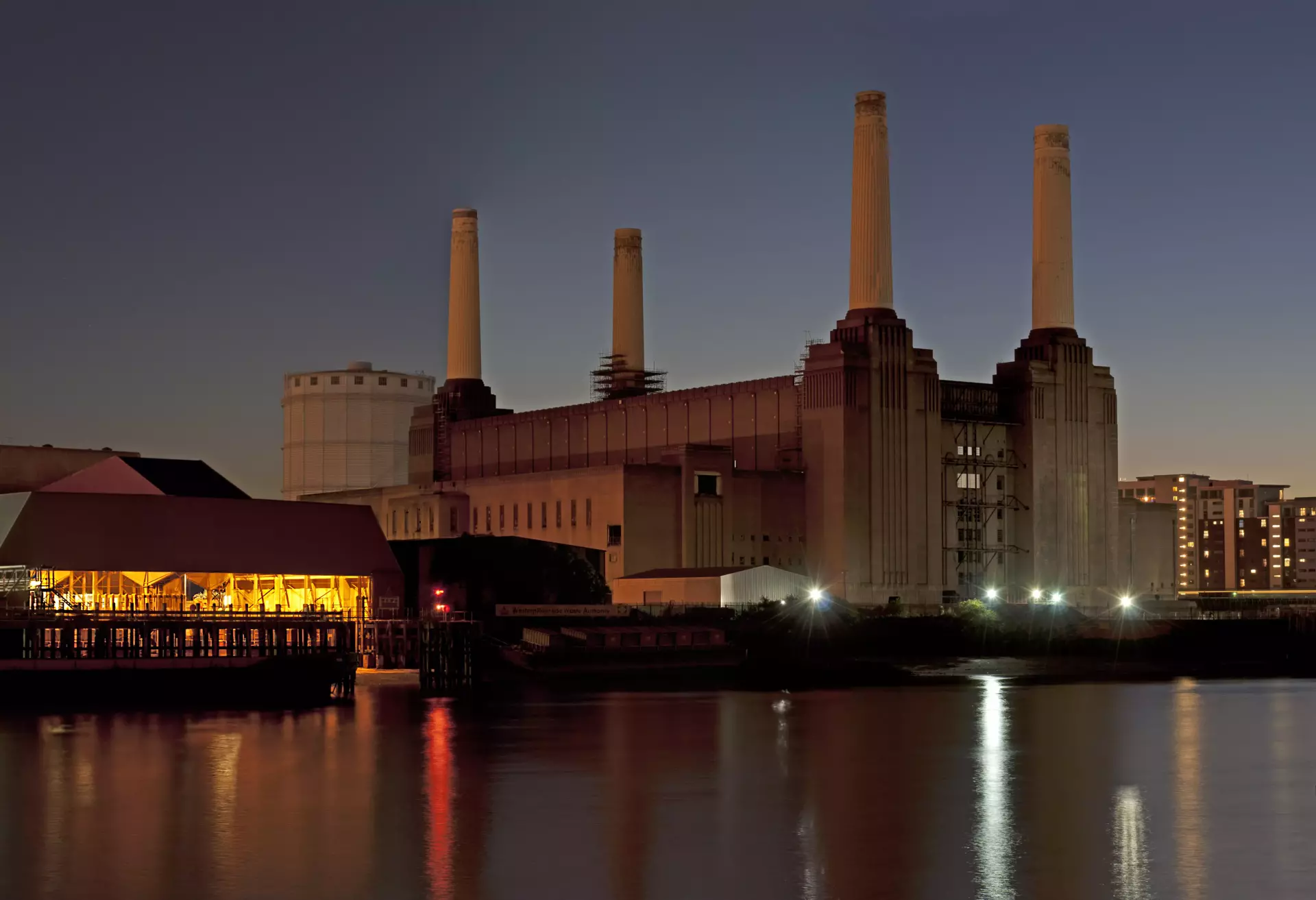
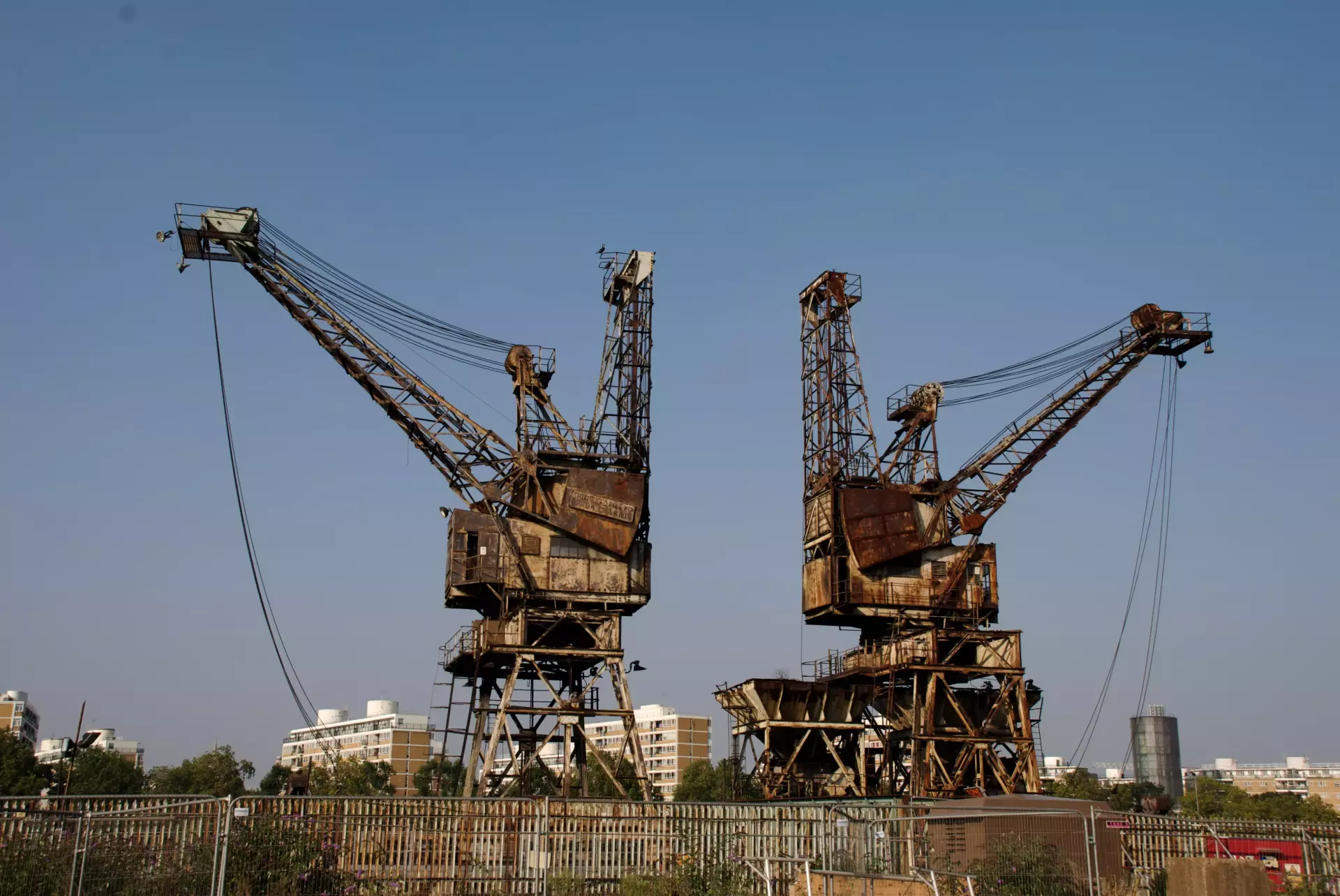
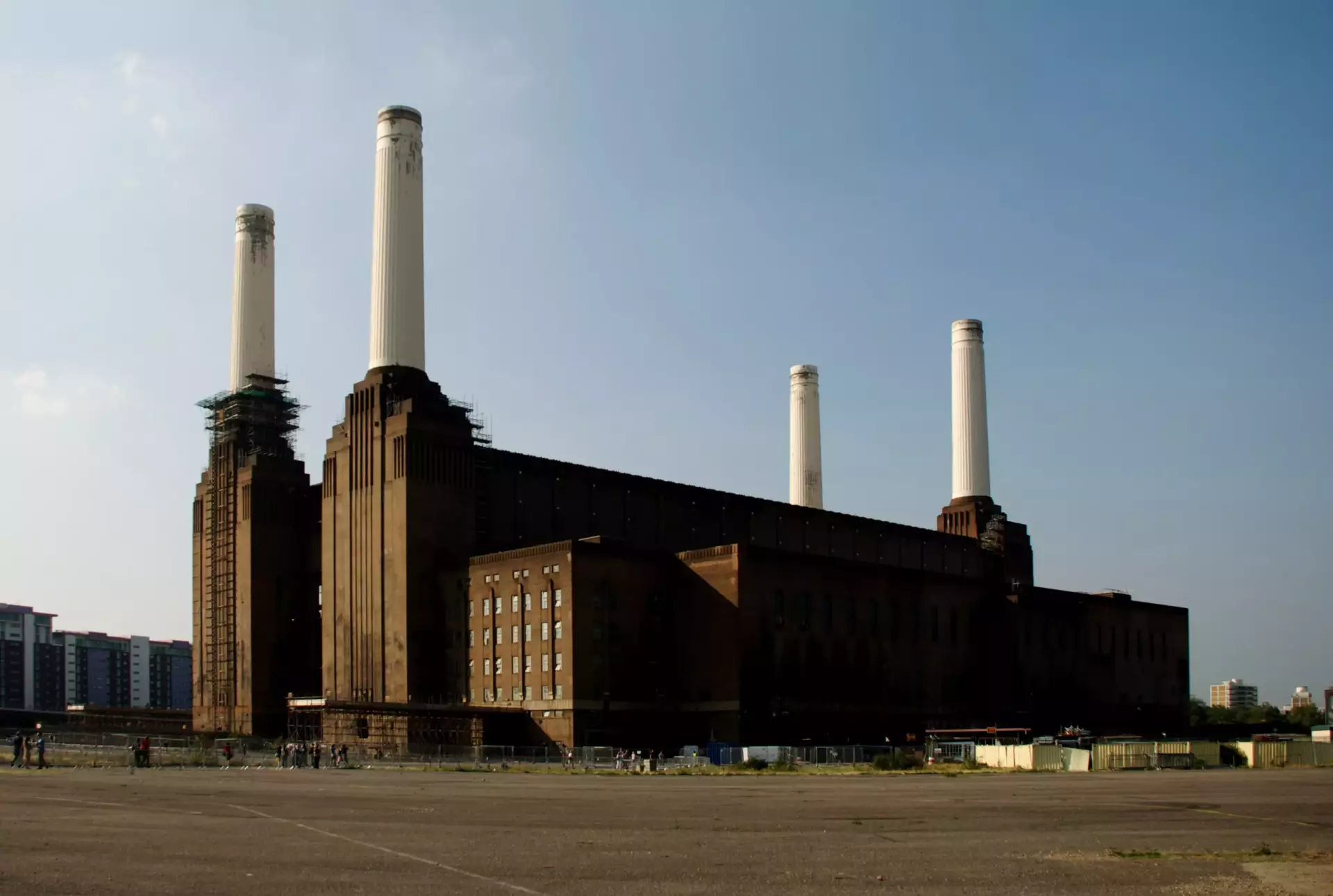
The Battersea Power Station, a renowned symbol of mid-20th century London, stands as a testament to the city's industrial past. Known for its distinctive Art Deco design, this coal-fired power station was a key player in powering the city before it ceased operations in 1983. For decades, the iconic structure sat unused, a relic of a bygone era.
In the 2010s, Battersea Power Station underwent a remarkable transformation. The grand old building was revitalized, turning it into a bustling hub with modern apartments, trendy shops, and sleek office spaces. This redevelopment has breathed new life into the historic site, blending the charm of the past with the vibrancy of the present.
To truly appreciate the grandeur of Battersea Power Station, one of the best vantage points is from the north side of the River Thames in Chelsea. From here, the massive chimneys and distinctive silhouette can be seen against the skyline, offering a stunning view that showcases its timeless architecture. Whether by day or under the glow of city lights at night, the scene offers a striking contrast to the modern developments surrounding it.
Source - https://en.wikipedia.org/wiki/Battersea_Power_Station
The most senior of the Royal palaces in London (built between 1531 and 1536) and the official seat of the monarch.
Created by Tonkin Zulaikha Greer and Janet Laurence to remember the Australians who died in both world wars. Made from Australian granite.
Built of Portland stone and dedicated to the aircrews of Allied nations under Bomber Command during World War II.
There are three notable outdoor bathing ponds on the heath. The Men's Pond and Women's Pond are both part of the line of small lakes on the eastern edge of the heath known as Highgate Ponds, and the Mixed Pond is part of Hampstead Ponds on the opposite side. Swimming hours are seasonal, complicated, age-dependent and change frequently, so it is worth checking before making a special trip.
A 900-year-old tree stump carved and painted to feature elves and small animals.
The main residence of His Majesty King Charles III, Her Royal Highness Queen Camilla, and latterly of HM Queen Elizabeth II. In the summer, 19 State Rooms are open to the public. Places are strictly limited, and it might not be possible to just turn up and get a ticket for a specific entry time, visitors should book in advance to ensure admission.
Grade I listed Saxon church founded before the 12th century. The exterior was mostly constructed in the 15th century, and the interior in the 19th. The north side of the church houses a musician's chapel opened in 1955. In addition to the services, there are often evening (chargeable) concerts.
Designed by Sir Christopher Wren, this tall column (which can be ascended to get a great view) marks the alleged site where the Great Fire of London broke out in September 1666.
A royal residence which is still used by Prince William, Kate and their young family. Much of it is however open to the public and it is a very popular tourist attraction perhaps due as much to its association with Princess Diana as anything else. The King's Gallery here is a magnificent Regency period court drawing room and contains some impressive paintings including a Van Dyke. Also a nice restaurant on site called The Orangery.
A vast collection of cartoons and comics on display with special, often topical, exhibitions.
The Wallace Collection is one of the world's finest private art collections, the best known of which is Frans Hals's work The Laughing Cavalier. Other artists on display include Rembrandt, Titian, Poussin, and Reynolds. This is well worth escaping to after the hustle and bustle of Oxford Street.