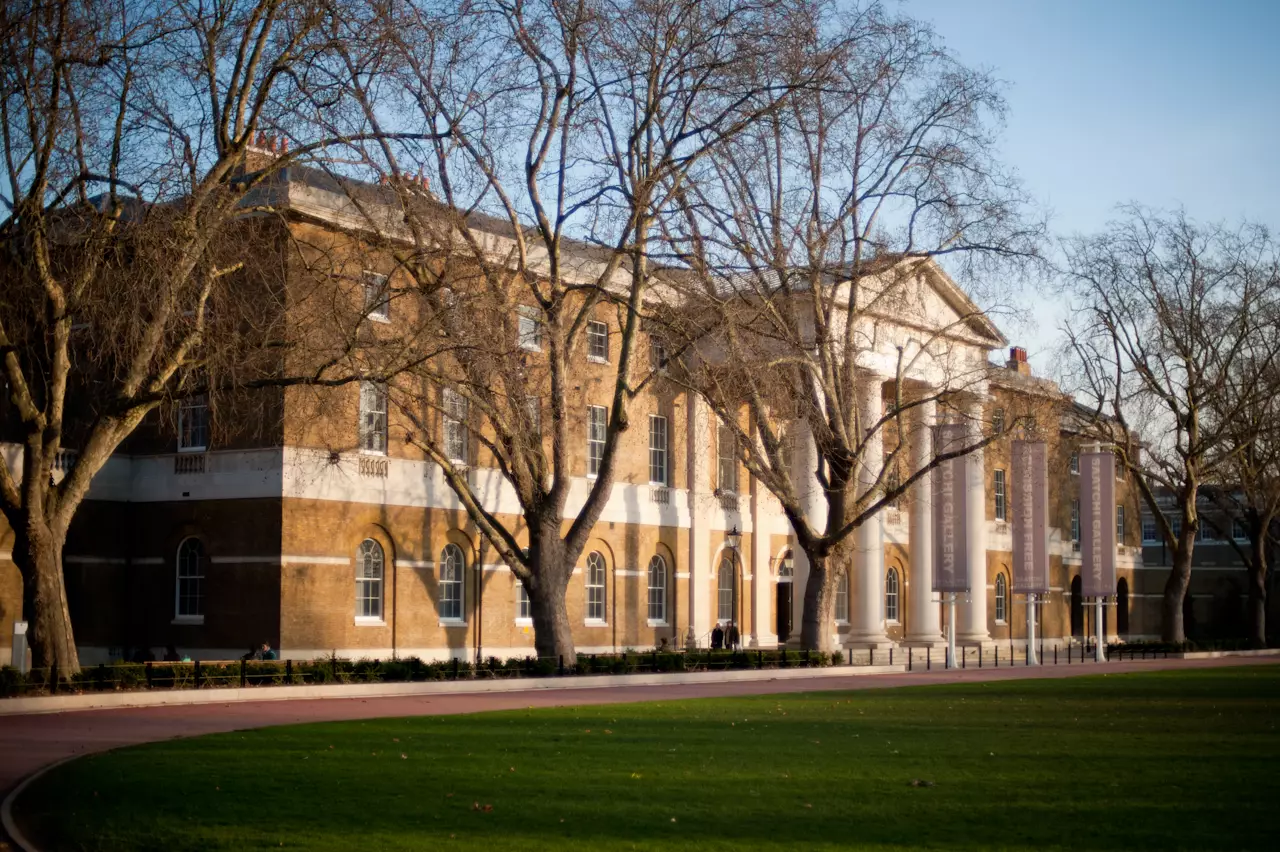
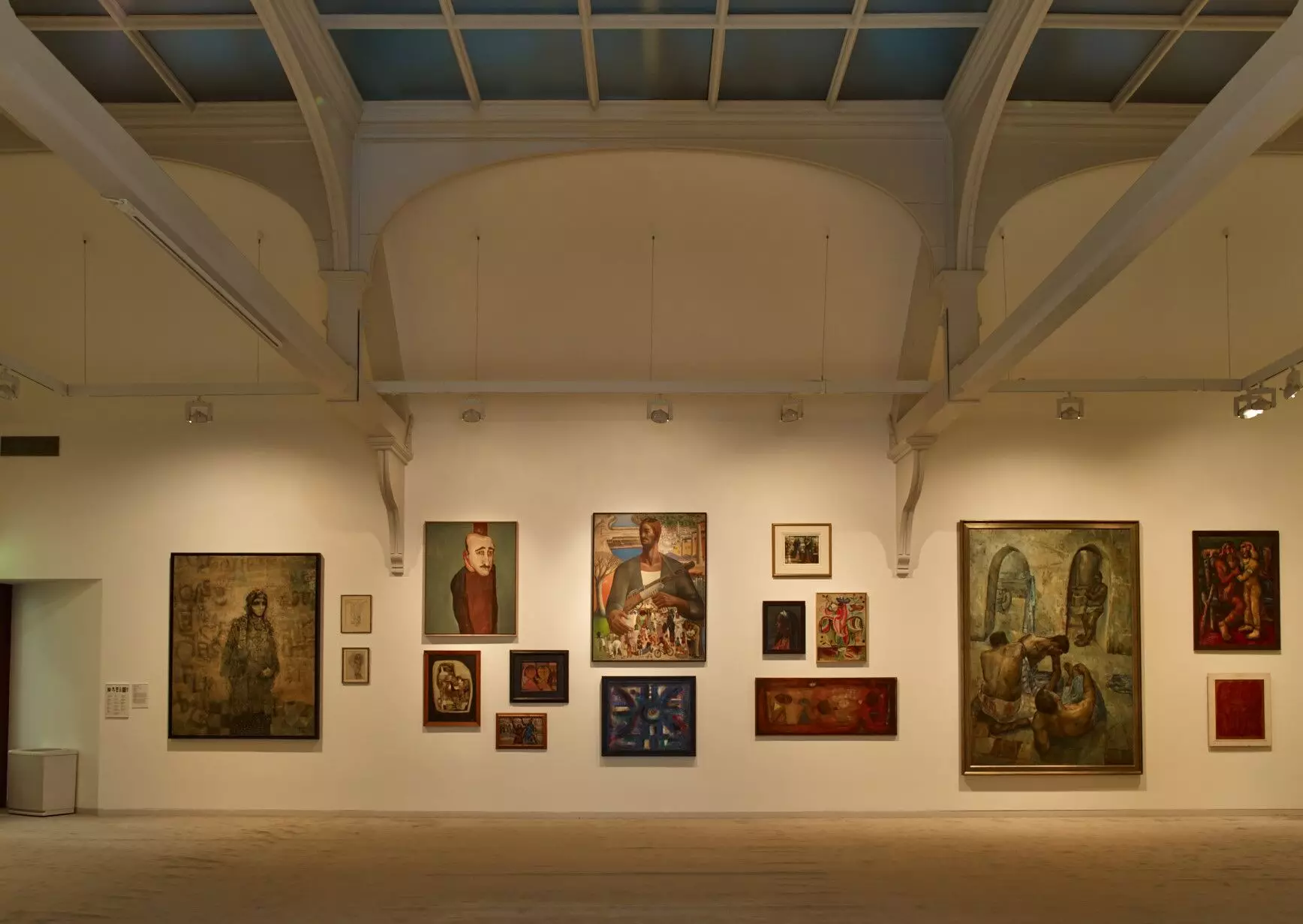
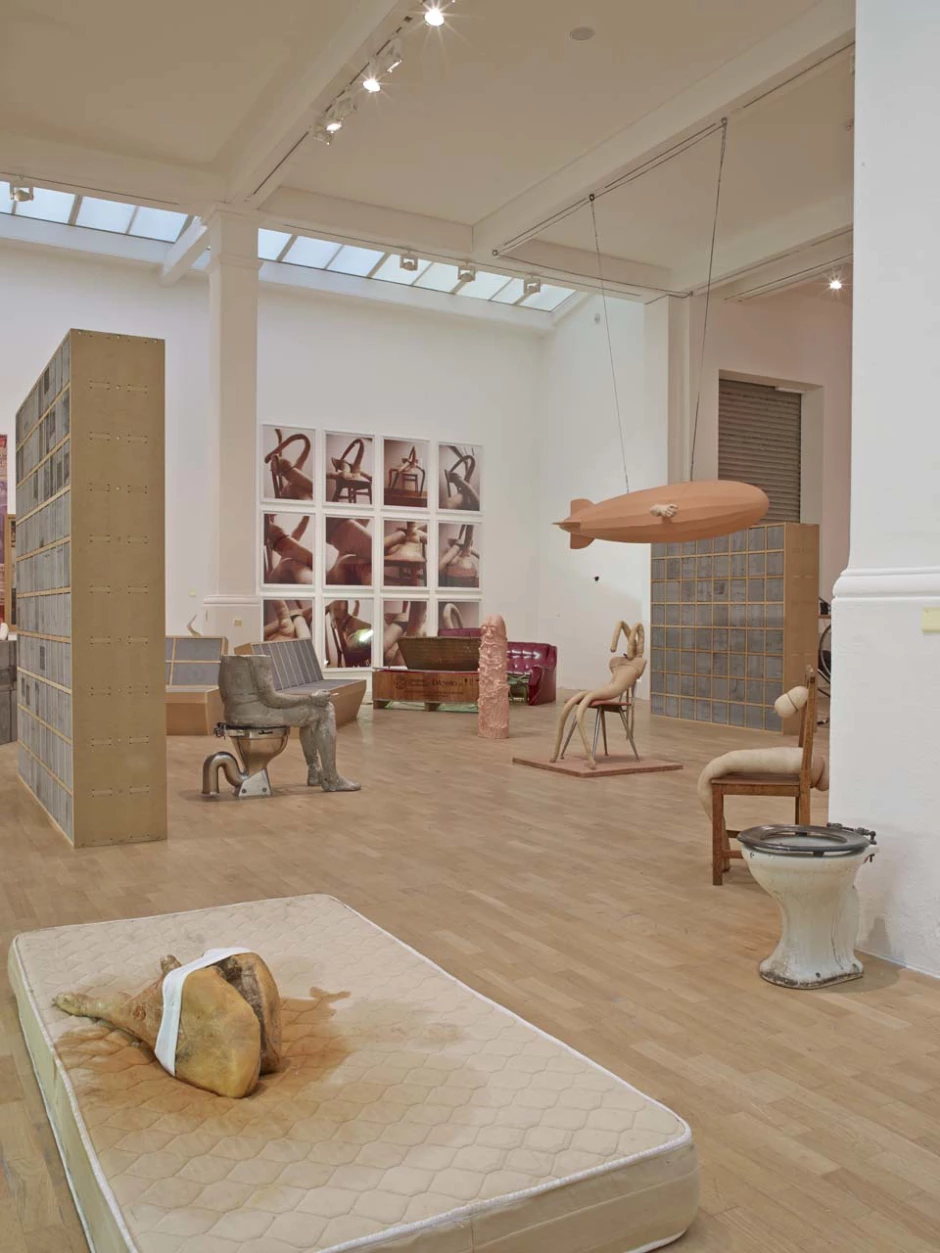
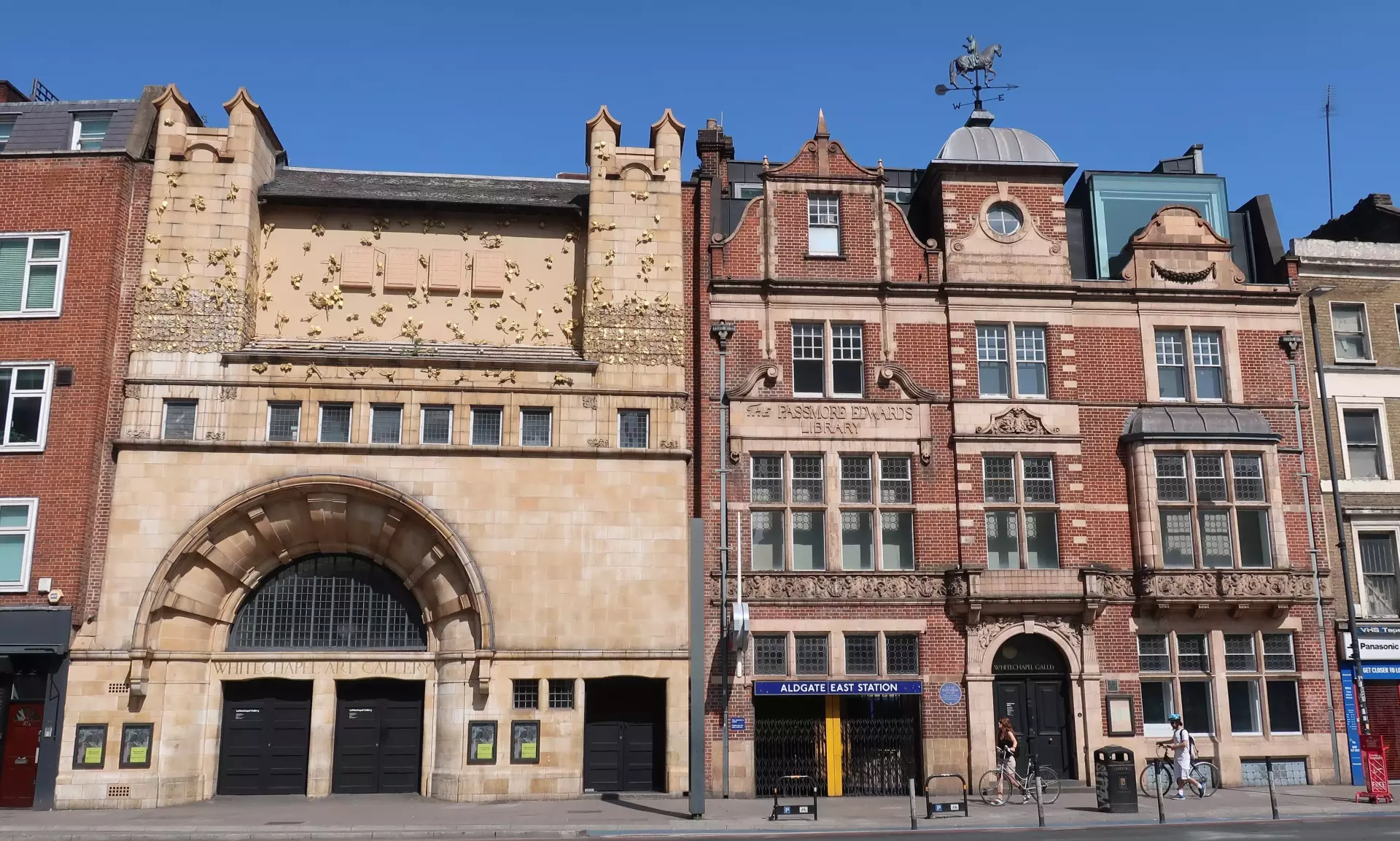
Whitechapel Art Gallery has been a cornerstone of Modern Art since its inception in 1901. Over the years, it has hosted exhibitions featuring renowned artists like Picasso, Pollock, and Frida Kahlo, showcasing their iconic works. The gallery also takes pride in supporting British talents such as Gilbert & George and Lucian Freud, offering them a platform to shine.
The gallery remains vibrant with a schedule of regular new exhibitions that attract art enthusiasts from all walks of life. Thursday evenings are special, as they include linked events that complement the current exhibits, providing deeper insights and engagement for visitors.
Inside, visitors can unwind at the on-site cafe, which offers a cozy spot for reflection and conversation. Art lovers can also explore the small art bookshop, filled with carefully curated titles. Entry to the gallery is free, making art accessible to everyone.
Whitechapel Art Gallery is committed to inclusivity, offering excellent facilities for disabled visitors. Whether someone has visual, hearing, or physical needs, the gallery ensures a welcoming and accommodating environment for all.
Source - https://en.wikipedia.org/wiki/Whitechapel_Gallery
A small realm of serenity in the midst of the typical turmoil. It used to be the court of the Knights Templar. You can still visit the beautiful Romanesque church, which is one of the oldest ones in London (opened in 1185) and has connections to the order of Templars. The chancel of the church was built by Henry III. The church still serves the members of Gray's Inn and Lincoln's Inn and has frequent services open to the public. Fans of Dan Brown's The Da Vinci Code will recognise the church from both the novel and the film.
At the junction of five major roads, Piccadilly Circus is the home of the famous aluminum statue of Eros, which sits atop a fountain. The monument is officially known as Shaftesbury Memorial Fountain and initially wasn't supposed to depict Eros, but different god Anteros. The north side of Piccadilly Circus holds an enormous display board of electric advertisements, including Britain's biggest illuminated display (the widest in the world), advertising Coca-Cola.
Park overlooking the river, with the local war memorial. Be careful at high tide, as it may flood.
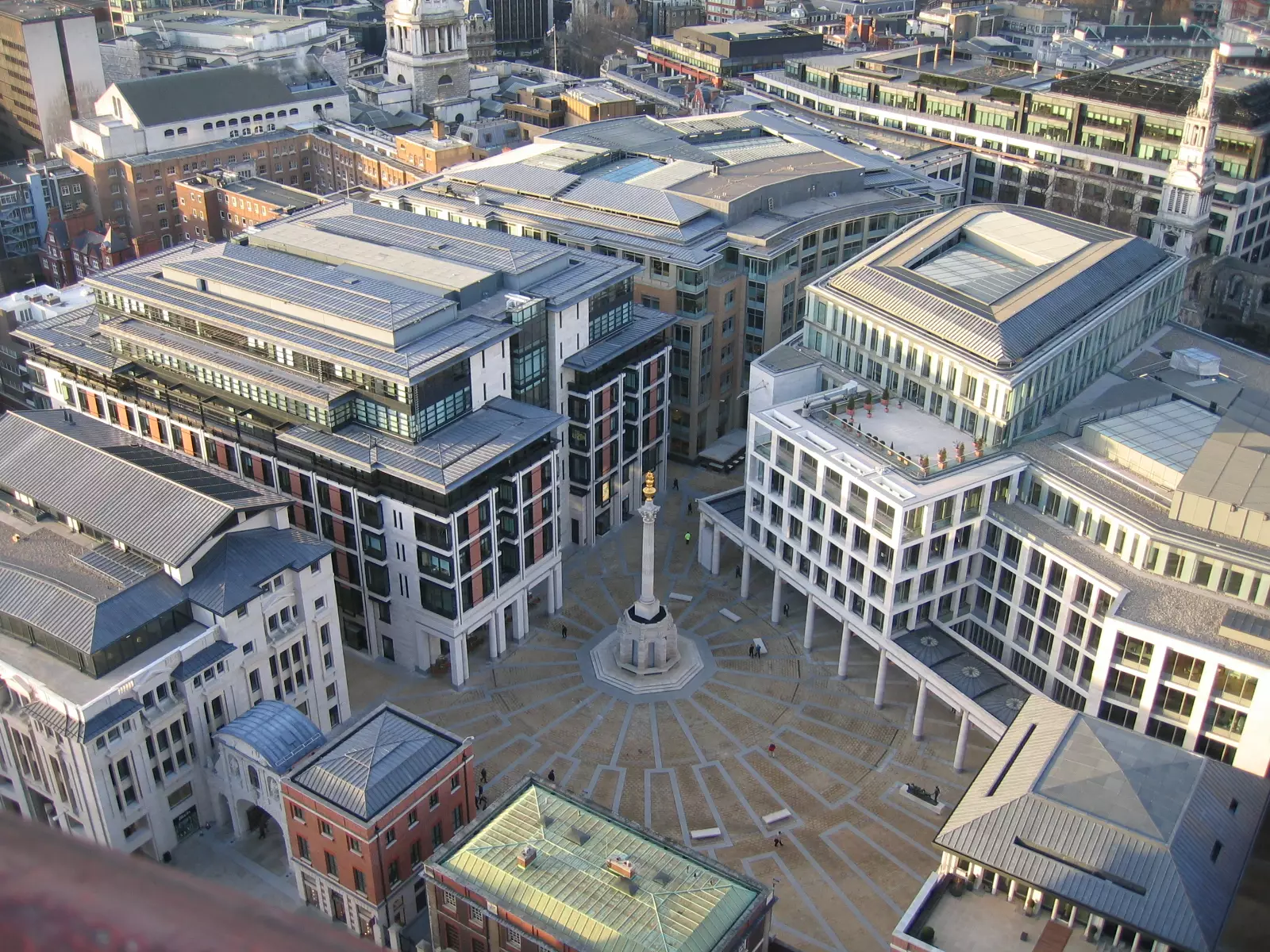
After leaving its brutalist skyscraper on Old Broad St, the London Stock Exchange now resides on Paternoster Sq. Dating back to 1698, it is one of the world's oldest and largest stock markets.
Designed by Sir Christopher Wren, this tall column (which can be ascended to get a great view) marks the alleged site where the Great Fire of London broke out in September 1666.
The main headquarters of the Worshipful Company of Fishmongers and a Grade II* listed building.
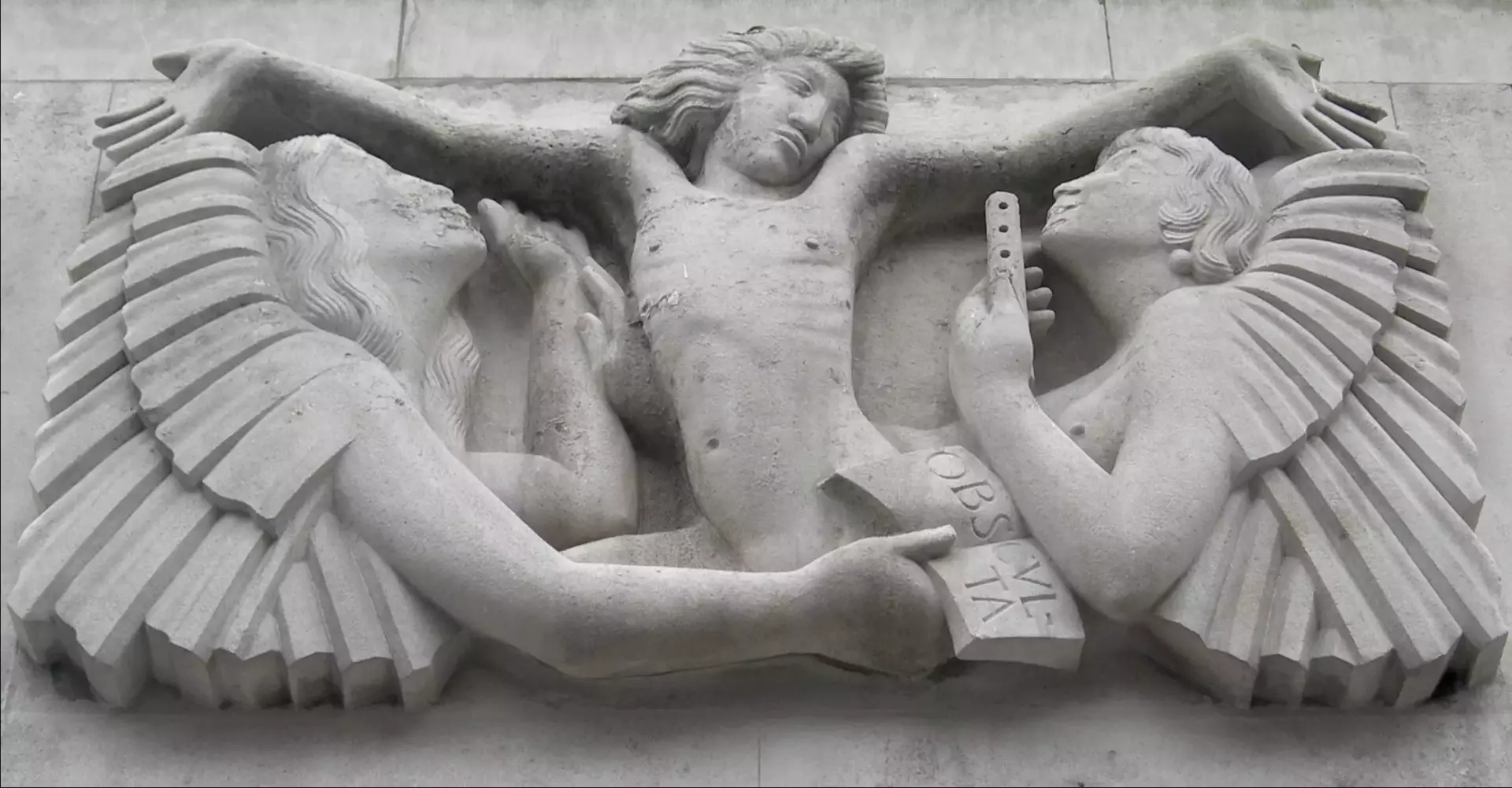
Art deco headquarters of University of London featured in the film Nineteen Eighty-Four.
This gallery houses the Tate collection of British art from 1500 through to contemporary art. A side wing collects together the gallery's collection of paintings by Turner, including some stunning seascapes. Temporary exhibitions are exceedingly varied: examples include exhibitions of Turner's paintings of Venice and the work of photographer Wolfgang Tillmans. The best known exhibition is the Turner Prize, consists of works by four artists shortlisted for the annual contemporary art prize, which runs from late October to January each year.
The London Mithraeum is a 3rd century Roman mithraeum that was discovered in Walbrook during construction work in 1954. The entire site was relocated several times before being returned to its original site as part of the new Bloomberg building. This temple of the mystery god Mithras became perhaps the most famous 20th-century Roman discovery in London. In addition to the temple structure, there is a display of Roman artefacts found on the site and a contemporary art exhibit responding to the site. Visitor numbers are limited and timed slots are often fully booked up several weeks into the future so plan well ahead.
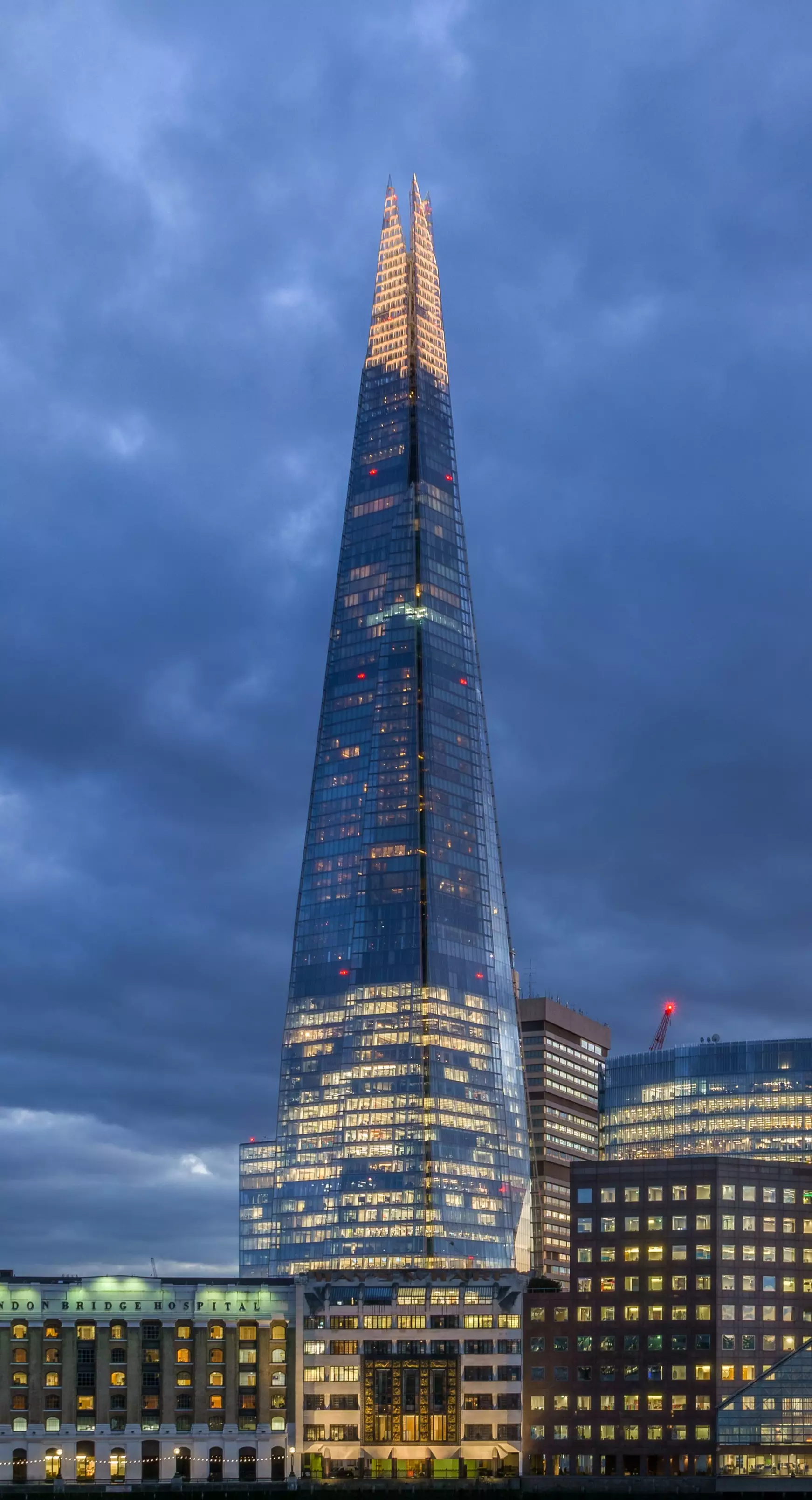
Another Richard Rogers creation, nicknamed the Cheesegrater. Completed in 2014. Also opposite Lloyd's.
The most senior of the Royal palaces in London (built between 1531 and 1536) and the official seat of the monarch.
The headquarters of world's most famous insurance market, housed in a revolutionary (at the time) bizarre, Matrix-like glass-and-steel building designed by Richard Rogers, with all support services (lifts, ventilation, etc.) suspended outside. Recognised as a masterpiece of exoskeleton architecture.
Beautiful Italianate church created during the Catholic revival of the 19th century.
The TfL-backed Hidden London offers tours around the disused Aldwych tube station which had its own branch on the Piccadilly line. The tour explains the station's unusual history including its use for protection (for both people and historical artefacts held by the British Museum) from the Blitz during WWII. More recently, it was used as a filming location and for testing station equipment and decor. Of note, it was used for filming James Bond: Die Another Day, V for Vendetta and the Prodigy music video for Firestarter. Tours are roughly an 1 hour and 15 minutes long, wear sturdy shoes (not sandals).
Admission by guided tour only, which must be booked in advance. The museum is housed in part of a Victorian fire station and its collections include fire engines and historical equipment.
A vast collection of cartoons and comics on display with special, often topical, exhibitions.
Properly St Lawrence Jewry next Guildhall, it is the official church of the Lord Mayor of London.