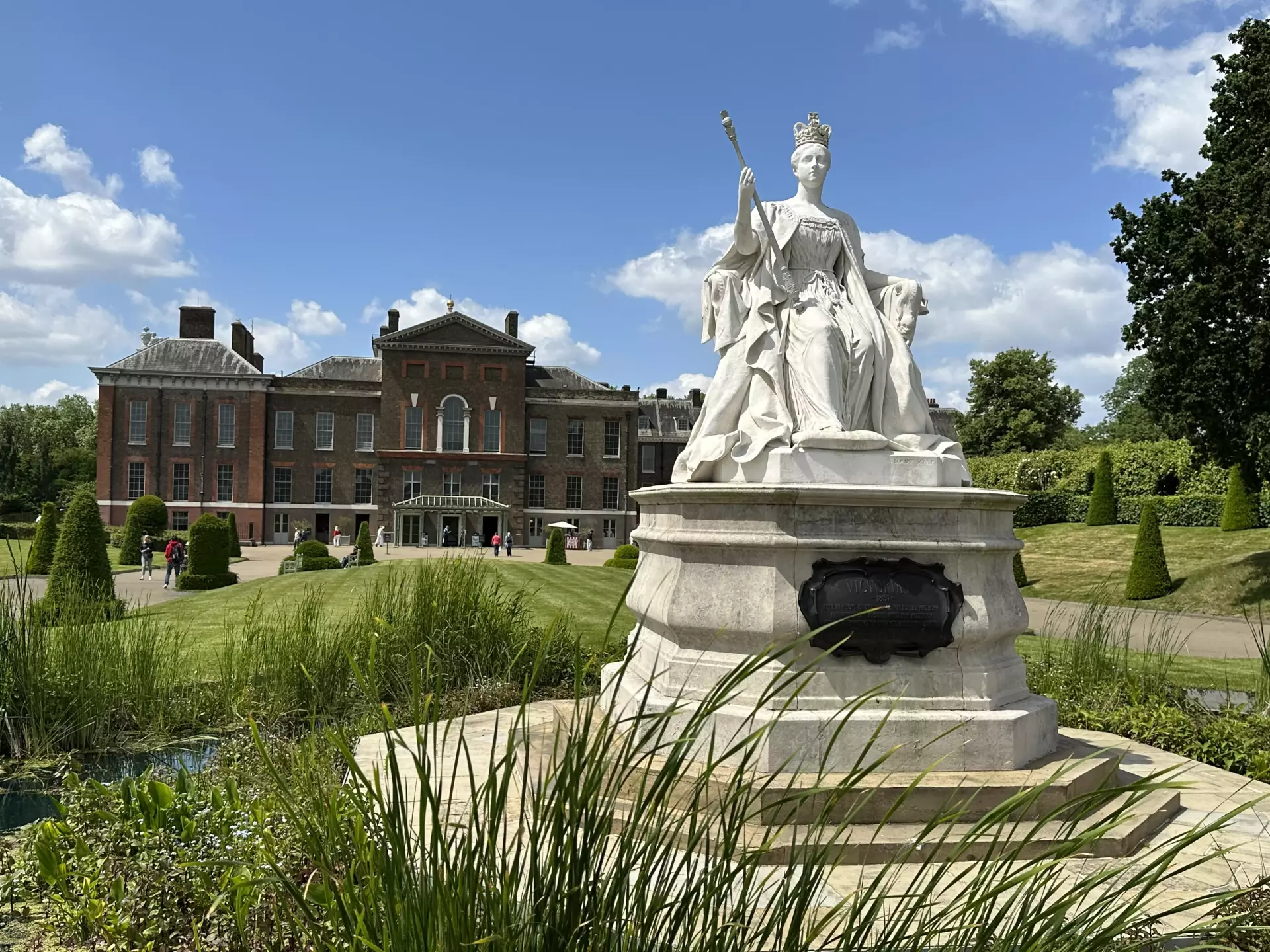
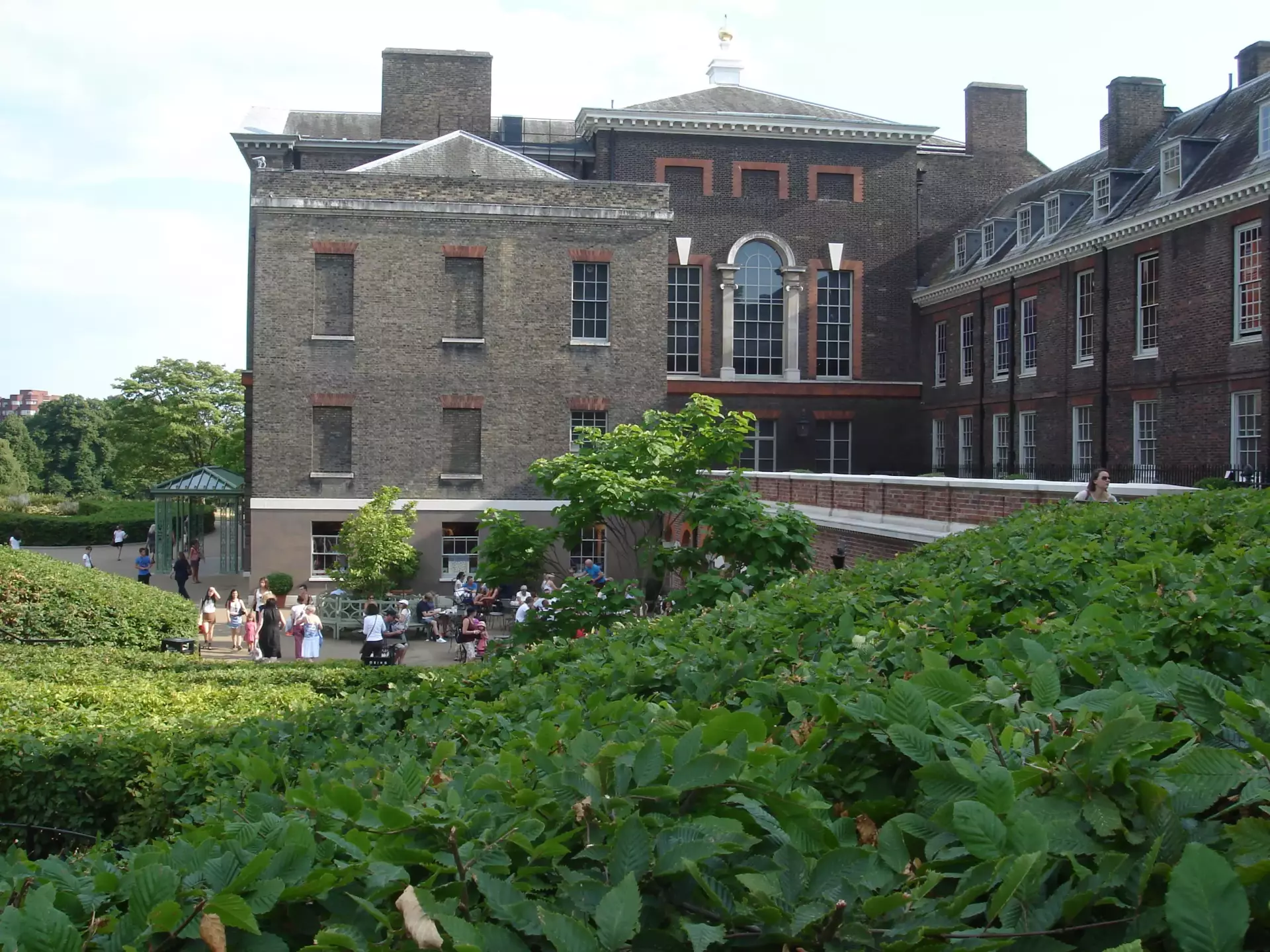
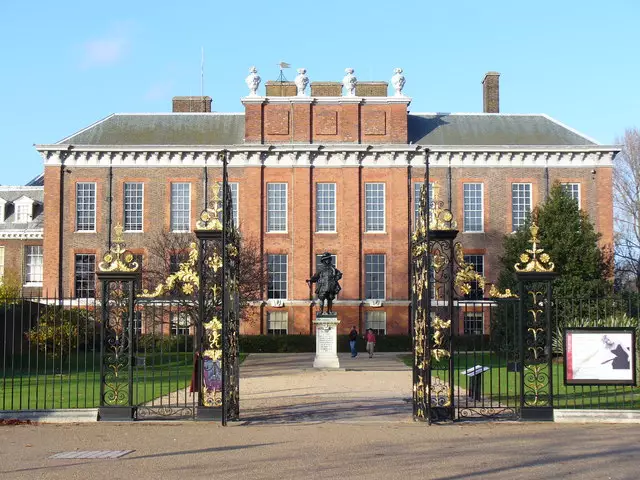
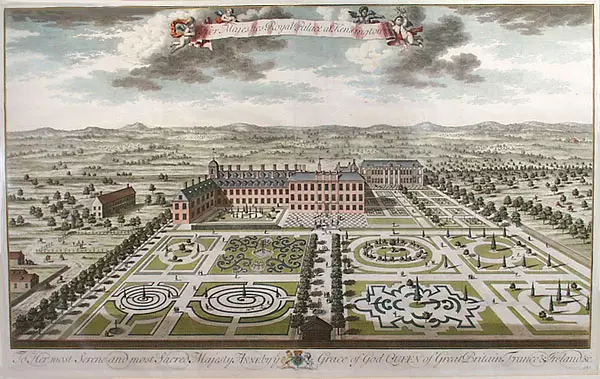
Kensington Palace is a royal residence currently home to Prince William, Kate, and their young family. Despite its regal function, much of the palace is open to visitors, drawing tourists from around the world. Its association with Princess Diana adds to its appeal, making it a must-see destination for many.
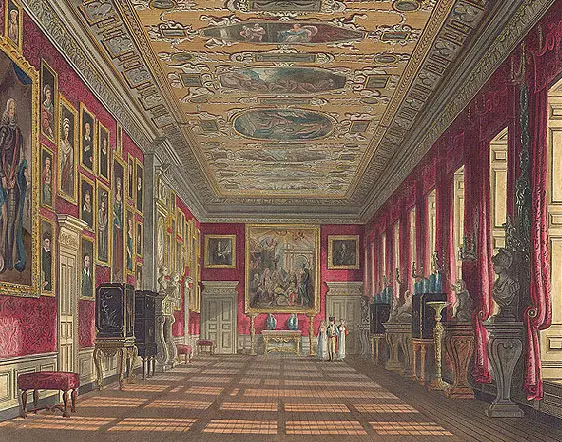
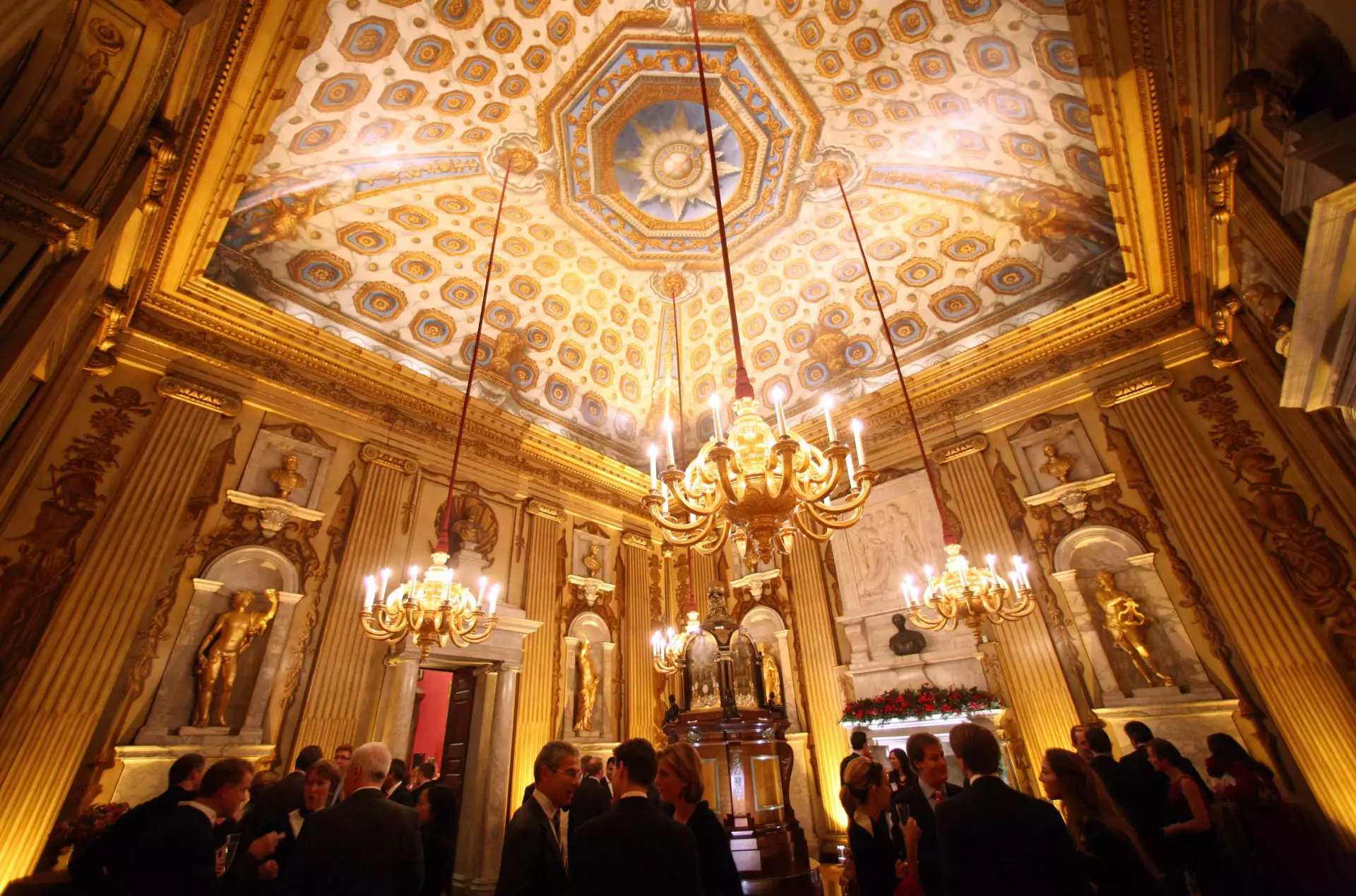
One of the highlights of Kensington Palace is the King's Gallery. This stunning Regency period court drawing room showcases a remarkable collection of paintings, including works by the renowned artist Van Dyke. The gallery's grandeur and historical significance offer a glimpse into royal life and artistic heritage.
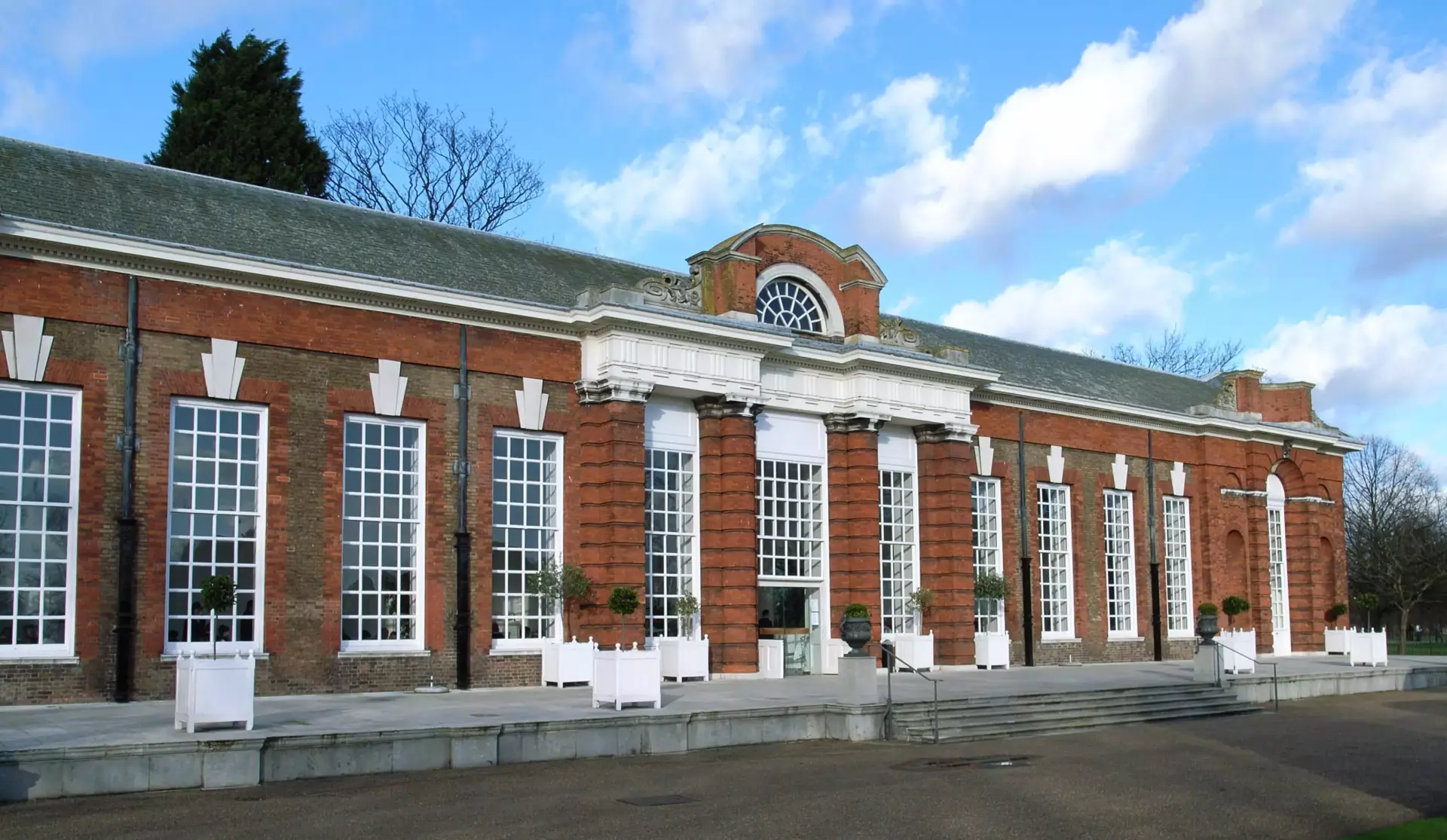
After exploring the palace, visitors can enjoy a meal at The Orangery, the on-site restaurant. Known for its charming ambiance, the restaurant provides a perfect spot to relax and savor delicious offerings amidst the royal surroundings.
Source - https://en.wikipedia.org/wiki/Kensington_Palace
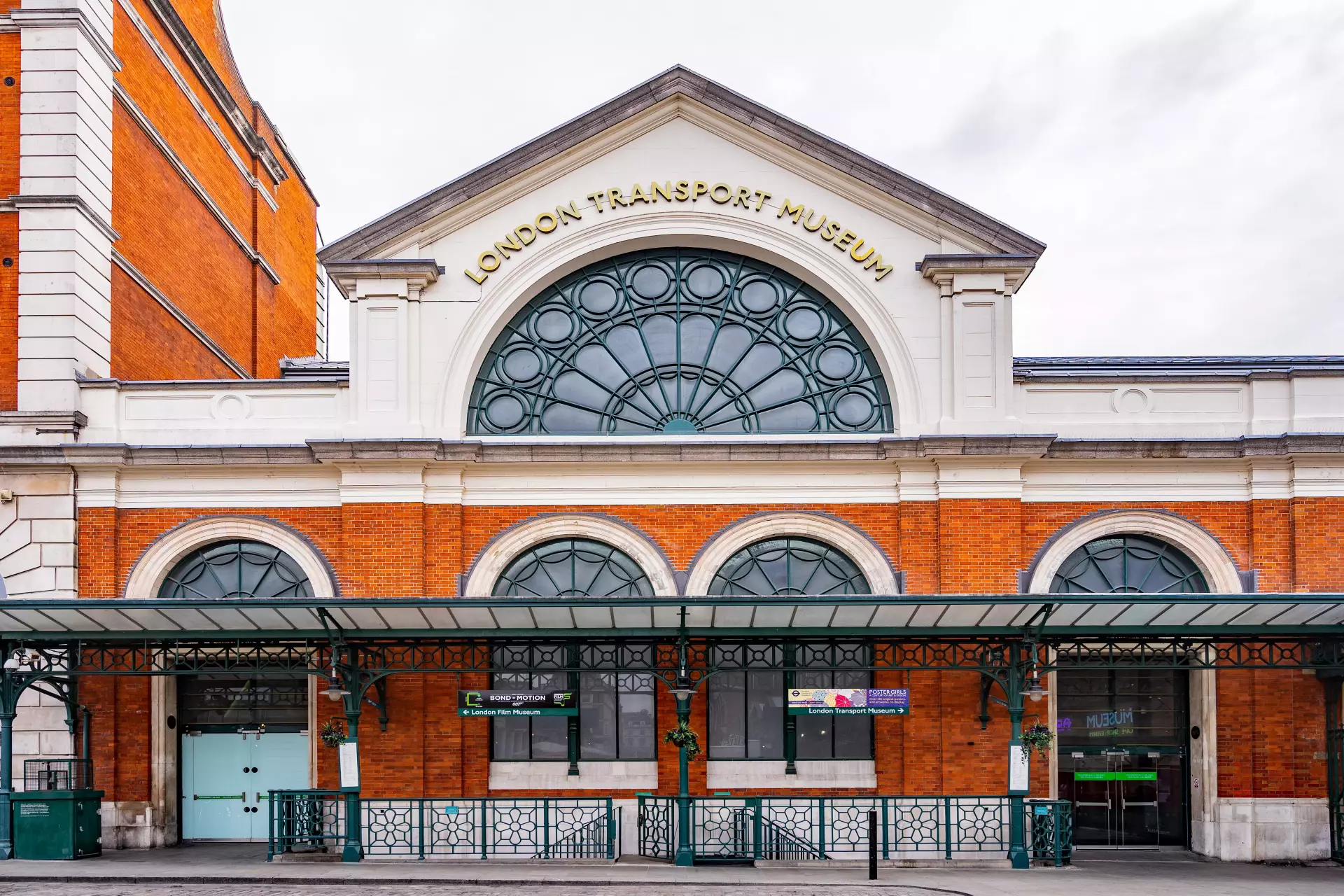
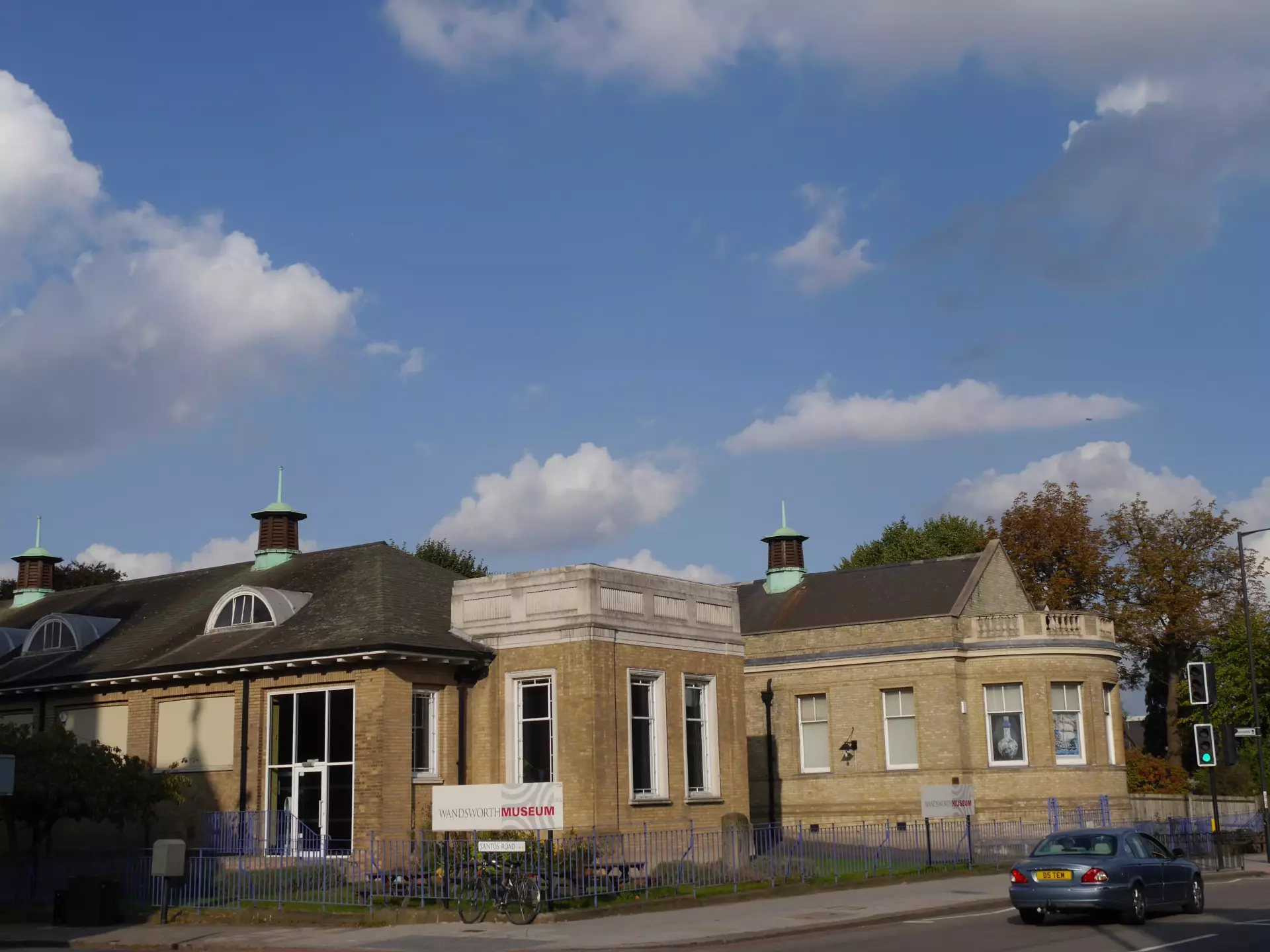
A modest museum covering local history which relocated in 2010; has an excellent cafe.
Magnificent 19th-century bridge, decorated with high towers and featuring a drawbridge. The bridge opens several times each day to permit ships to pass through – timings are dependent on demand, and are not regularly scheduled. When Tower Bridge was built, the area to the west of it was a bustling port – necessitating a bridge that could permit tall boats to pass. Now the South Bank area sits to its west, and the regenerated Butler's Wharf area of shops and riverside restaurants lie to its east. You can get the lift to the top level of the bridge and admire the view. Glass floors provide an interesting perspective for the brave. The museum highlights the bridge's history and engineering, and there are photographic exhibitions along the walkways between the towers.
Discover mementoes of the famous fictional detective. In reality, this was a lodging house used in the late 1800s and has three floors. The first floor contains Sherlock Holmes' study with Watson's desk, and has bullet holes spelling the initials VR (for Victoria Regina, Latin for Queen Victoria) much to the chagrin of the landlady Mrs. Hudson. Next to that is Holmes' bedroom with a rogues' gallery containing photographs of several notable Victorian-era murderers including Lizzy Bourdain. The remaining rooms upstairs have waxwork figures and artefacts referencing the novels, as well as their adaptations to stage and screen. Photography allowed, though filming requires permission. Prebooking is recommended to circumvent long queues.
The main headquarters of the Worshipful Company of Fishmongers and a Grade II* listed building.
London Stone is a historic landmark housed in a public display case at 111 Cannon Street in the City of London. It is an irregular block of oolitic limestone measuring 53 × 43 × 30 cm (21″ × 17″ × 12″), the remnant of a once much larger object that had stood for many centuries on the south side of the street.
As with any Merlin attraction, it is arguably overpriced for what it is. Brings to life the gorier elements of London's past both real life and fictional. Including the execution of Charles I after the English Civil War, the bubonic plague, Jack the Ripper, Mrs. Lovett's pie shop and Sweeney Todd's barber shop with faithful recreations of disaster, disease, and torture using live actors. Younger children may be scared.
This venerable old institution was absorbed by the neighbouring Natural History Museum in 1985 but still has something of a separate identity. Unsurprisingly, devoted to all things geological with especially popular exhibits on vulcanology and earthquakes and fossils of all types. Very popular with kids and often underrated.
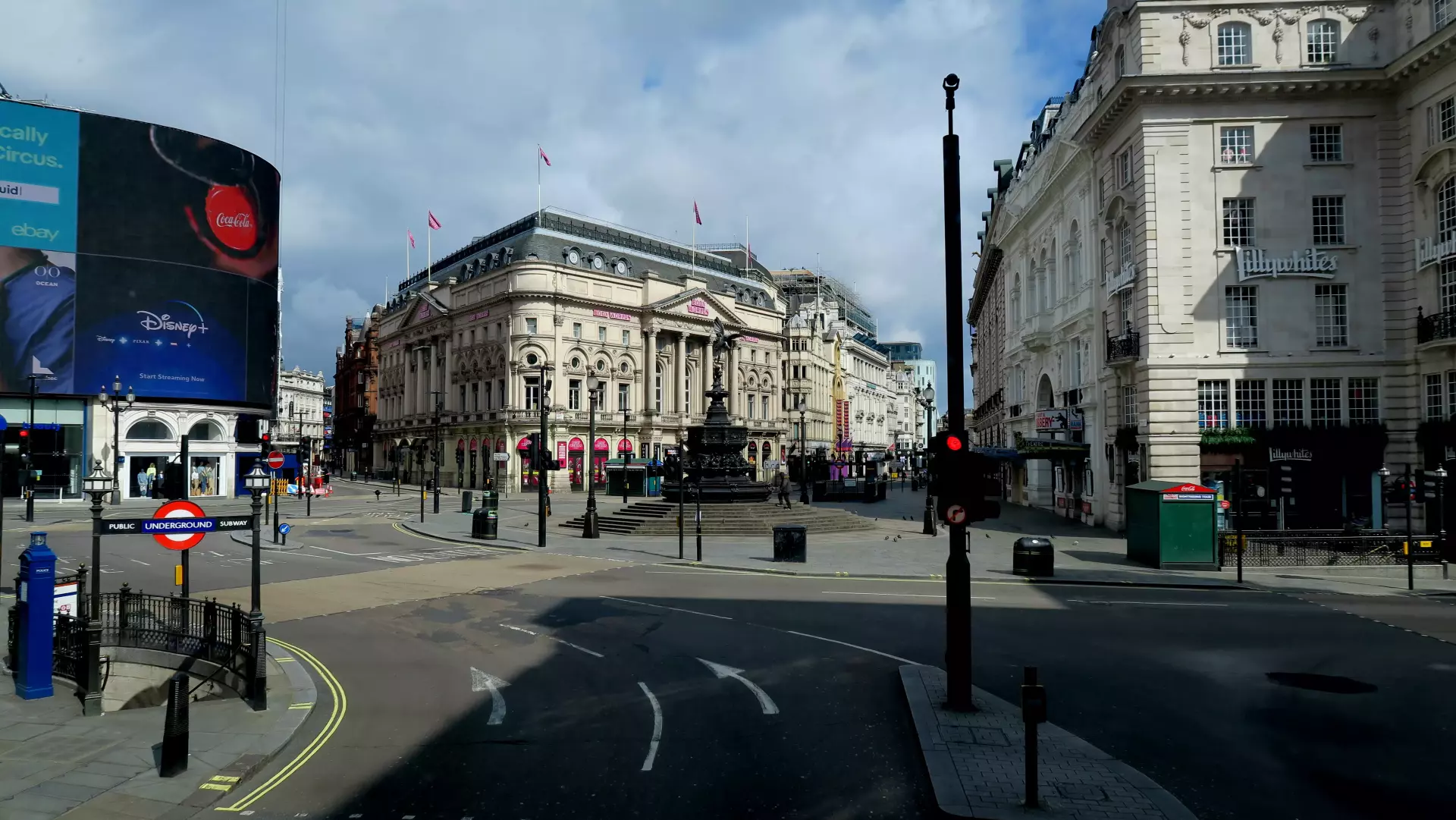
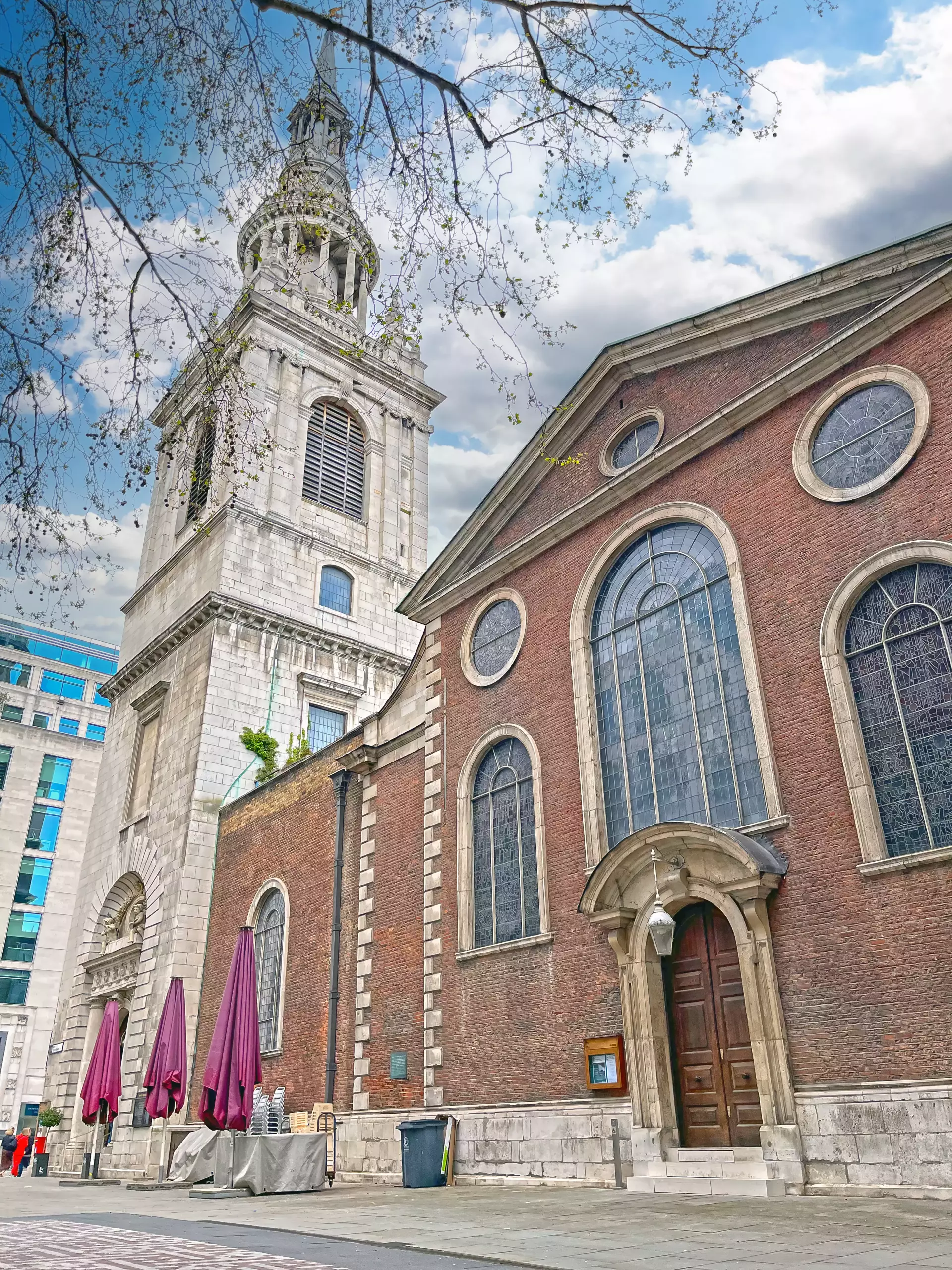
Church in Piccadilly designed by Sir Christopher Wren in 1684. It has a magnificent organ case and baptismal font by Grinling Gibbons.
After visiting the two Houses, visitors pass back through St. Stephen's Hall, and through Westminster Hall. Westminster Hall is one of the few areas of Parliament in which photography is permitted, and it is a very impressive place, dating back to the 9th century. Plaques on the floor mark where the bodies of deceased members of the royal family and other distinguished individuals granted the privilege by the British government lay in state (most recently Queen Elizabeth II in 2022), and significant events which took place in the hall (such as the trial of King Charles I).
Houses the British national collection of western European art dating from the 13th to 19th centuries. A truly awe-inspiring collection, notable works include Hans Holbein's The Ambassadors, Van Gogh's Sunflowers and Constable's The Haywain. The vast majority of art is free of charge to visit. Temporary exhibitions are generally fairly costly, but invariably well researched and presented. The audioguides are very comprehensive, have comments on most of the paintings in the museum, and are free though this fact is not advertised. A donation is suggested. In addition to courses, workshops, lectures and other events, the National Gallery has free talks and tours every day.
Dr Samuel Johnson was the highly distinguished 18th-century "man of letters", best known for his comprehensive English Dictionary of 1755, but also for his prolific output of poems, essays and novels. Something of a "hidden gem", this small, independent museum is dedicated to him—and, with its historic interiors, paintings and prints, personal effects and other exhibits—gives an impression of what it might have been like during his occupancy from 1748 to 1759. Built in 1700, this impressive period building—a rare example of its kind in the area—survived the brutal onslaught of the Blitz during World War II and is now maintained in excellent condition.
The complex incorporates the Old Broad House built in 1930s. The façades of which feature the famous sculpture of Prospero and Ariel and the Ariel friezes by Eric Gill and Gilbert Bayes. BBC's The One Show is transmitted from the studio at the ground floor every weeknight starting from 7PM. The studio is quite visible from the plaza outside and some parts of the show are performed from outside of the studio – in the plaza.
The second largest of the London Royal Parks, covering an area of 450 hectares (1,099 acres). Lying north of Hampton Court Palace, the history of the park is inextricably linked to the palace, yet it has always had its own distinct rural character. There are herds of both Red Deer and Fallow Deer, they are wild but usually safe, just don't go too close or get between a hind and its calf. The D-Day linked bits are easiest found from the Teddington side. Go through SHAEF gate and there is an information board. You should be able to spot a flagpole a hundred yards into the park, this marks the spot where General Eisenhower had his office, if you have time, or children who are up for a challenge, there are bronze markers with combined British and Canadian and US flags at the corners where the main buildings of Camp Griffiss were. The partially restored early 18th-century baroque water gardens are a short walk from the Hampton Hill gate. The park is subdivided by Chestnut Avenue, Christopher Wren's grand approach to Hampton Court Palace which runs from Teddington Gate to Hampton Court Gate and with the gilded Diana fountain closer to the Palace end (you may have seen it as location for the finish line of some of the cycling events at the 2012 Olympics).
Su Catholic Church of England with bells and smells (incense). There is an impressive model of the old London Bridge.
This garden square was established by Lord Southampton in 1665 and is the oldest square in London. It was opened to the public in the 1950s. The square is surrounded by a number of beautiful 18th- and 19th-century buildings and terraces.