
Tourist attractions in Paris
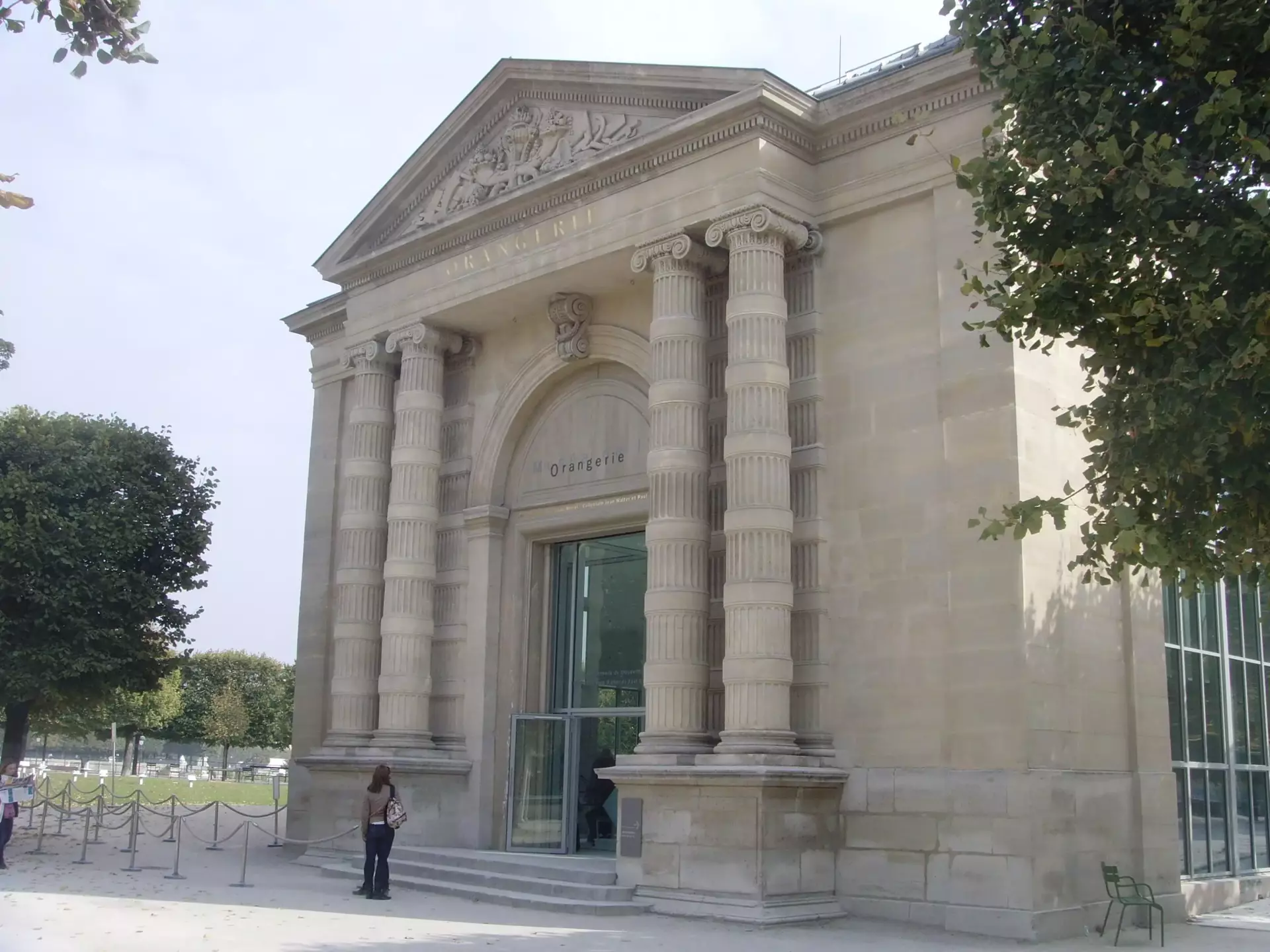










Musée de l'Orangerie
Paris, FranceReopened after extensive renovations, this small museum near the Louvre houses the Jean Walter and Paul Guillaume Collection, sold to the French Republic on very generous terms and numbering 143 paintings from the late 19th century and the first half of the 20th century (15 Cézannes, 24 Renoirs, 10 Matisses, 12 Picassos, 28 Derains, 22 Soutines). The collection joined the eight immense Water Lilies that Monet gave France in 1922 and which have been displayed since 1927 in two huge oval rooms purpose-built on the artist's instructions.

Château de Vincennes
Paris, FranceA former fortress and royal residence at the edge of the city, alongside the Bois de Vincennes. Most of the building is open to public.

Musée de Cluny
Paris, FranceHoused in a 15th-century abbey, alongside 1st century Gallo-Roman baths, the museum has an extensive collection of medieval art and artifacts. Highlights include the medieval "Lady and the Unicorn" tapestries, a papal golden rose, and the original heads from the facade of Notre Dame.

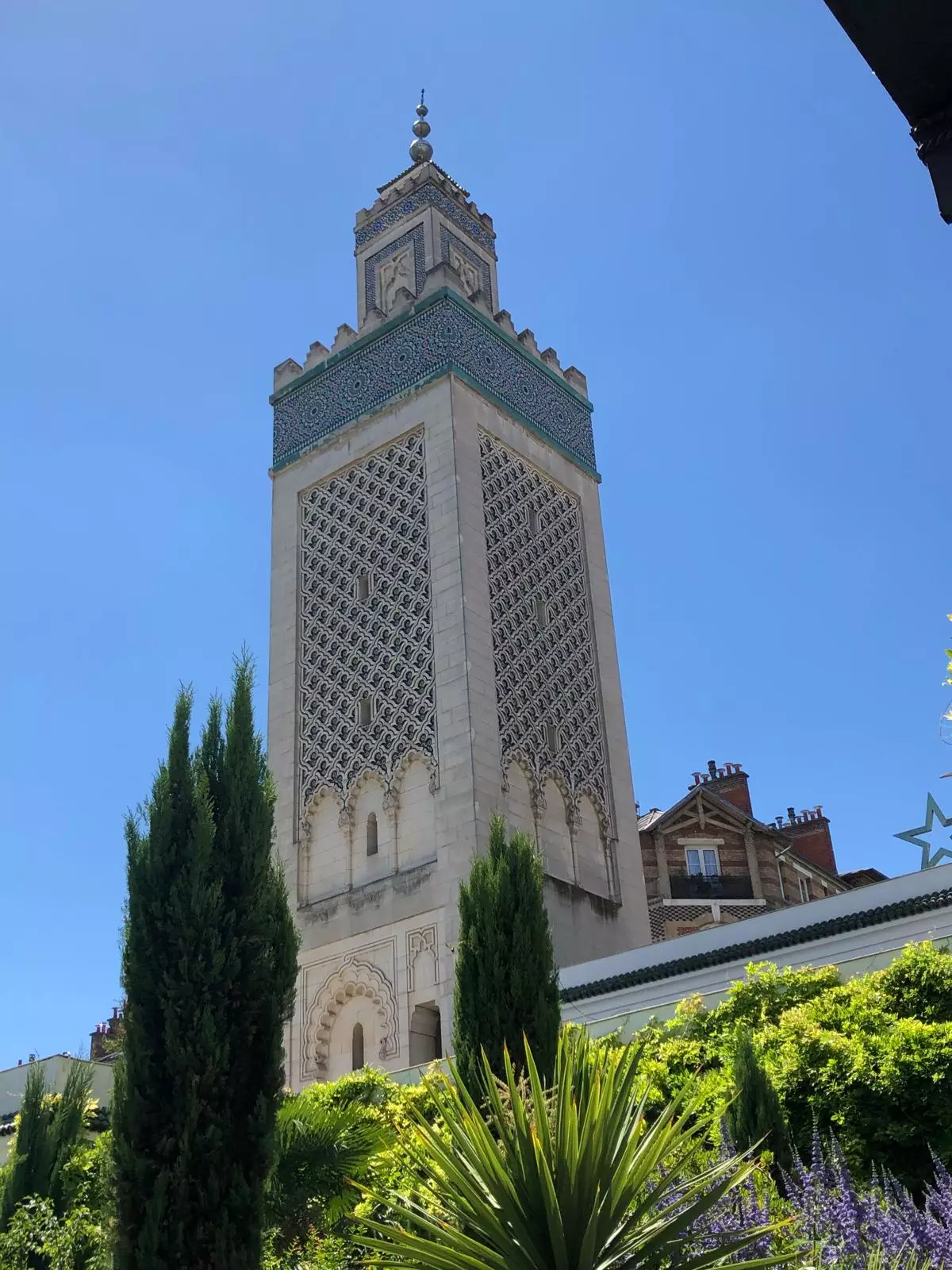
Grand Mosque of Paris
Paris, FranceEstablished in 1926, it was meant to show appreciation for Muslim help in fighting the Germans. The café serves excellent mint tea and North African food.

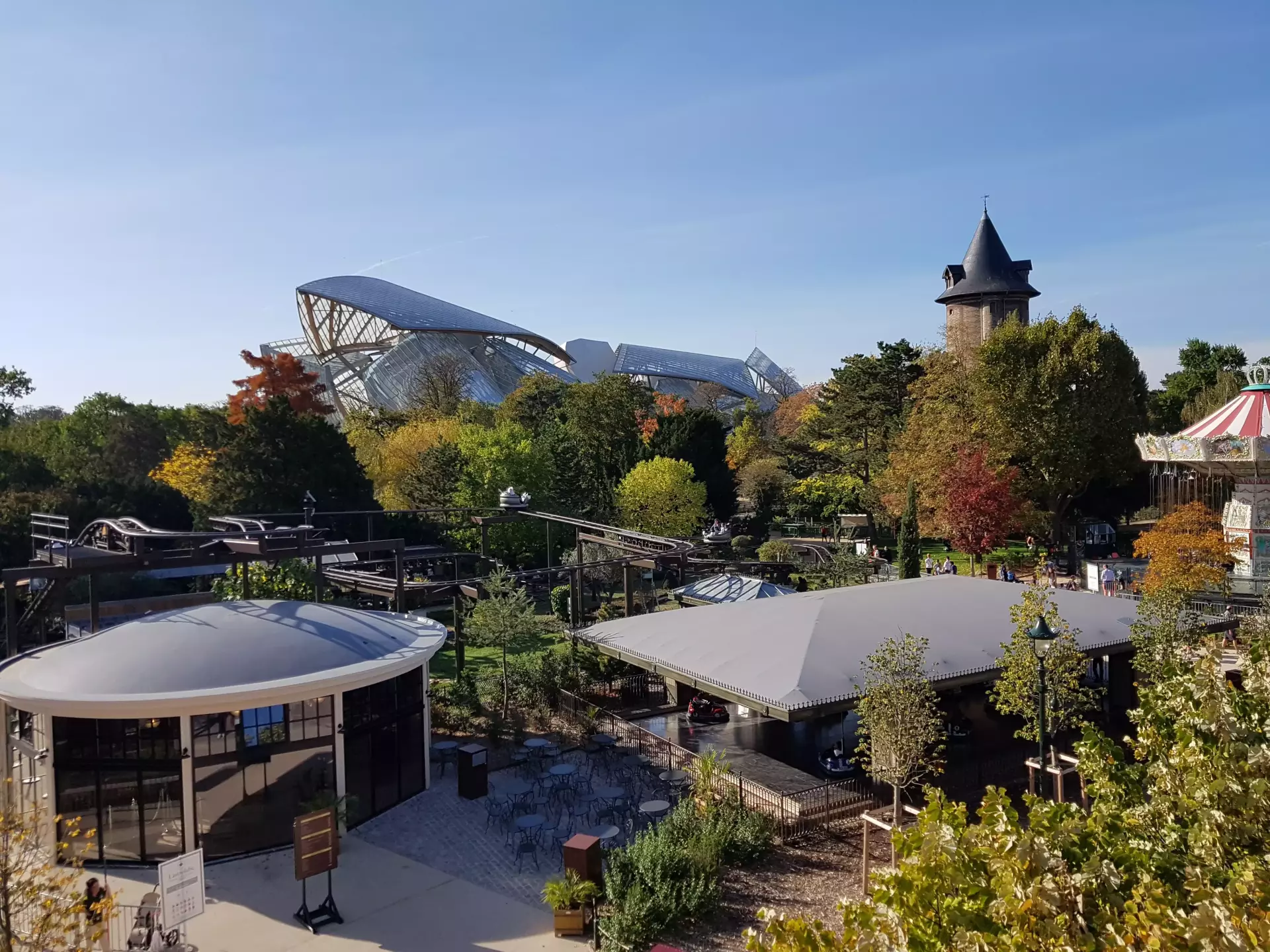
Louis Vuitton Foundation
Paris, France20th- and 21st-century art in a building designed by Frank Gehry

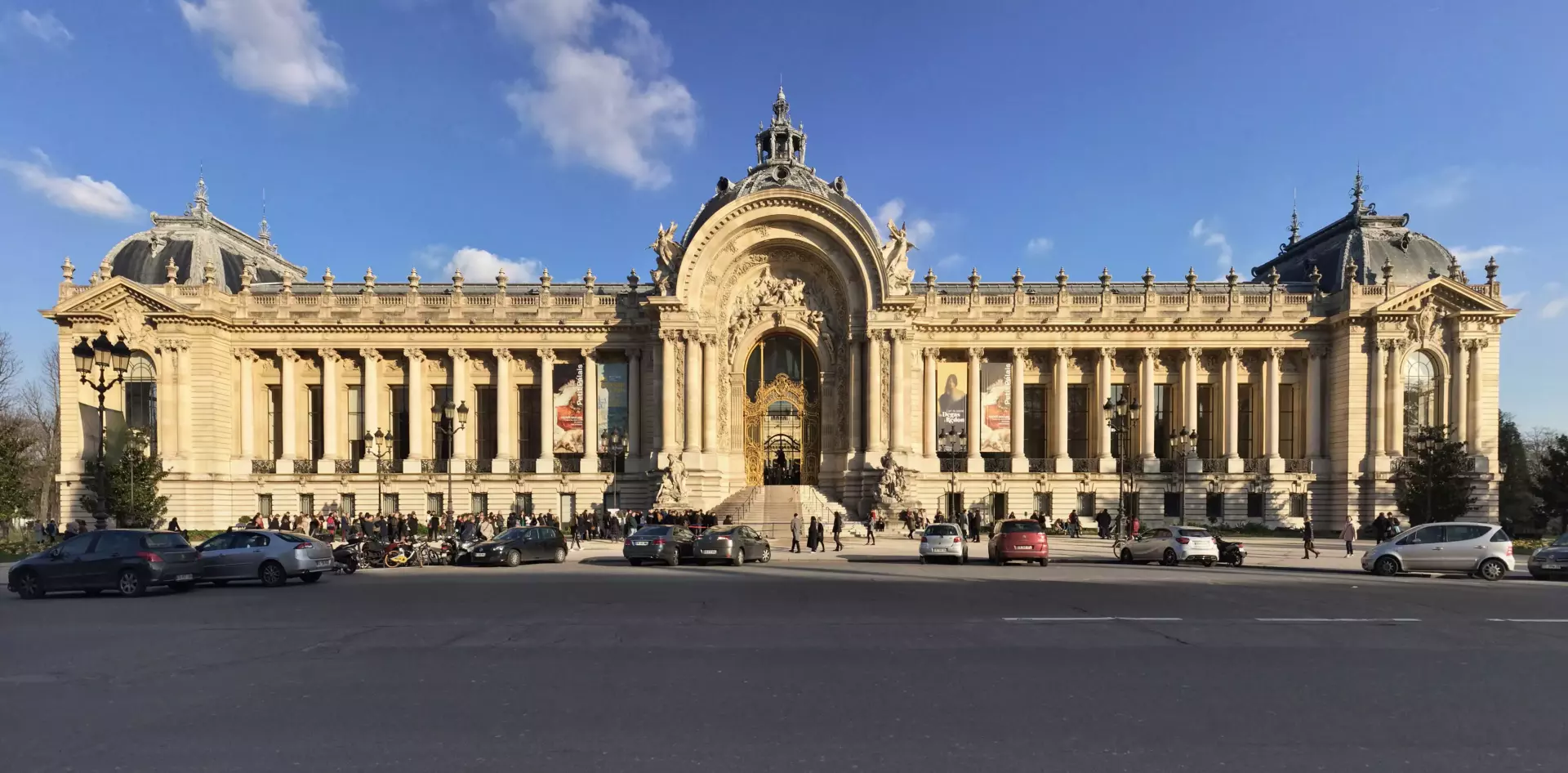
Petit Palais
Paris, FranceThe Petit Palais was built as a complement to the Grand Palais for the 1900 universal exhibition, and afterwards became the prime exhibition venue for the City of Paris' vast collection of artworks spanning centuries from ancient history to around 1914. (Later material is at the Museum of Modern Art of the City of Paris in the 16th). There is a permanent exhibition of selected artworks of artifacts, complemented by temporary exhibitions of historic artworks. The Petit Palais also features an on-site cafe/restaurant, as well as a book and gift shop.

Coulée verte René-Dumont
Paris, FranceIf you were a city planner in one of the great cities of our Earth and you discovered that a railroad right-of-way had been abandoned and would never be used again what might you do? Perhaps if you knew your stuff you'd convert it into a 4 mile long park, about half of which is elevated above street level on the old rail viaduct. This long narrow park pretty much allows the visitor to walk in carfree bliss from Place de Bastille to the Bois de Vincennes.

National Assembly
Paris, FranceGuided tours conducted all day, ID required. Formerly the Palais Bourbon, this building has housed the National Assembly, the French parliament's lower house, since 1827. Some interesting architecture and the library features the painting l'Histoire de la civilization by Delacroix. Visitors may be interested in attending assembly debates.

Jardin des plantes
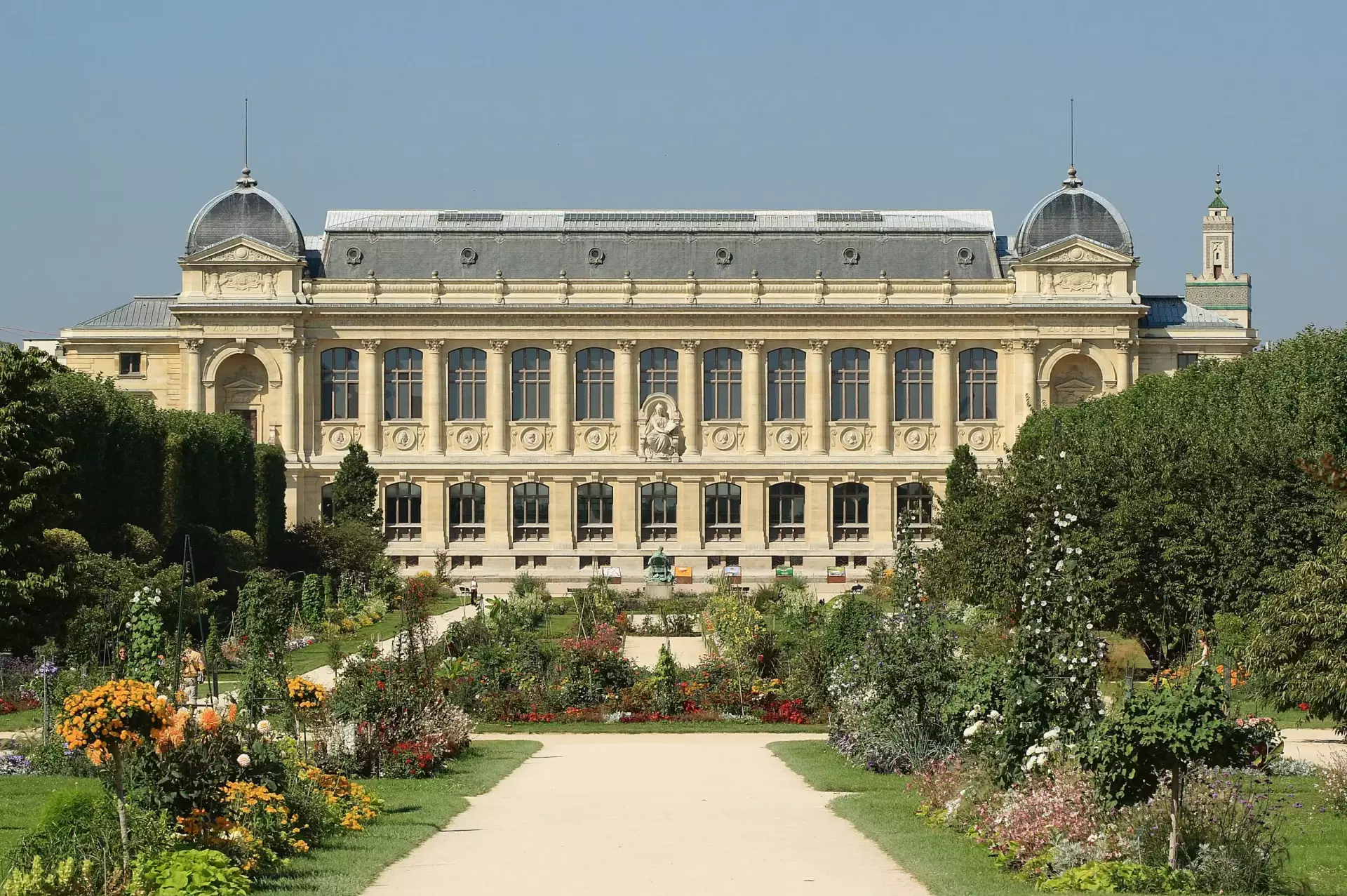
Paris, FranceThe Paris Botanical Garden, founded as the royal medicinal garden in 1626 by King Louis XIII's doctor, contains over 10,000 species. The grounds also include a small zoo known as La Ménagerie, and the Muséum National d'Histoire Naturelle, which includes the Grande Galerie de l'Evolution (where you can see thousands of naturalized animals from all over the world) and the 'Galerie de paléontologie et d'anatomie comparée' (same thing, but with skeletons).

Palais de Chaillot
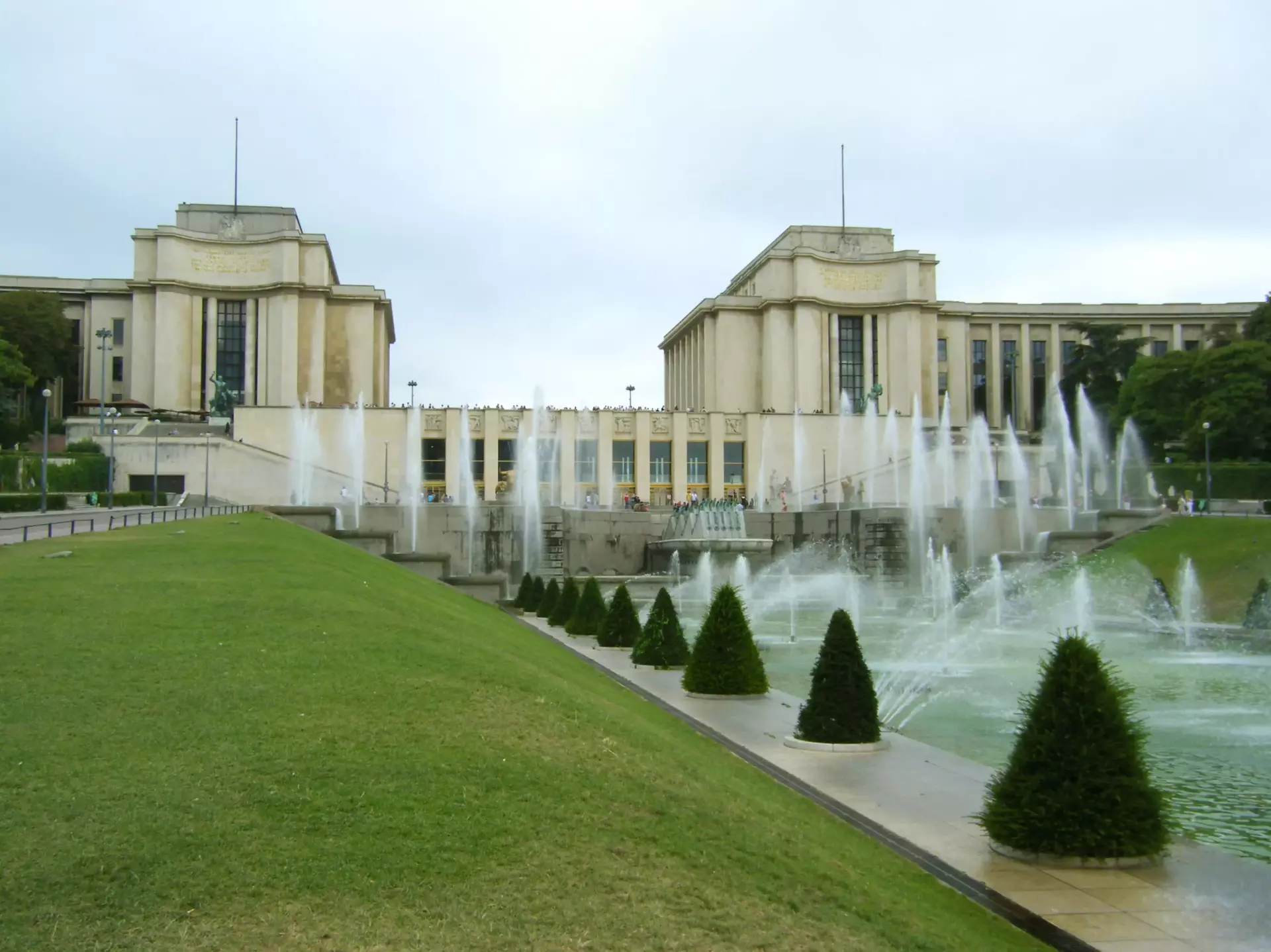
Paris, FranceGreat perspective on the Eiffel Tower and Left Bank from Place du Trocadéro in between the two buildings of the palais. Former location of the Palais du Trocadéro. It accommodates three museums, an aquarium, and the Theatre Nationale du Chaillot.

Musée Rodin
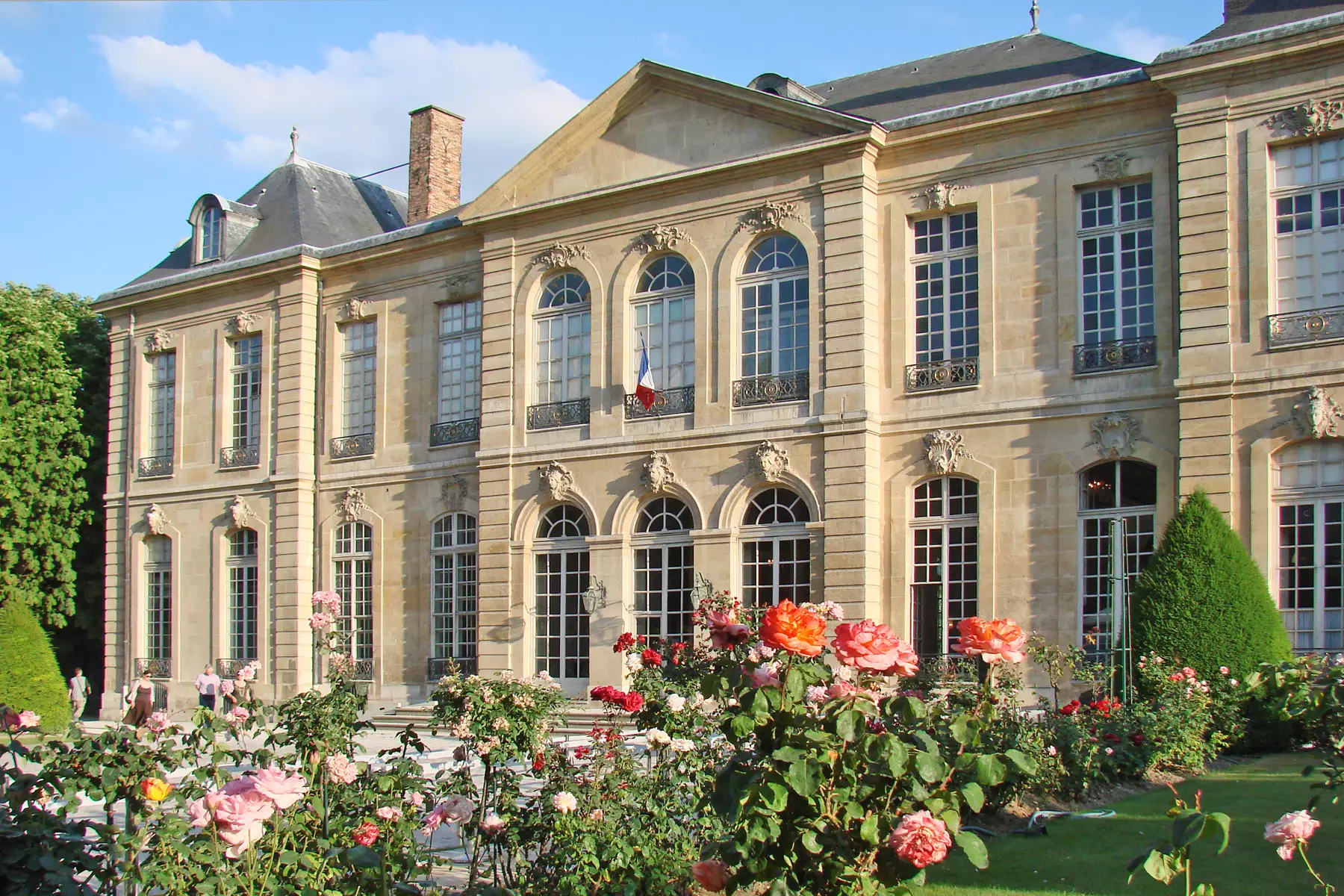
Paris, FranceA museum dedicated to the life and work of the great sculptor. The house contains an extensive collection, which is unusually well presented in a spacious building with big windows that are open in nice weather, which makes this museum double pleasant.

Picpus Cemetery
Paris, FranceA must for anyone interested in the history of the American Revolution. This small cemetery includes three mass graves from the French Revolution, plus a section that includes many of France's most noble families that lost members during the French Revolution and consequently have a continuing right to be buried there. In the farthest right hand corner is the tomb of General Lafayette, the friend and fellow soldier of George Washington. Beside him is his beloved wife plus other members of her family, the de Noailles, who were almost completely wiped out during the French Revolution because of their closeness to the Court. Since 1834 the American flag has apparently flown continuously over his grave, even during the German occupation of Paris during World War II. Well worthy of a visit.

Musée Carnavalet
Paris, FranceContained within two historic houses (hotels), the museum explores the history of Paris through objects in over 140 separate rooms.

Bois de Vincennes
Paris, FranceThere are many beautiful footpaths, a Buddhist Temple, and a lake with rowboats available for rental (about €10 as of 2009). The lake has many different kinds of birds, and islands accessible by footbridge.

Musée Marmottan Monet
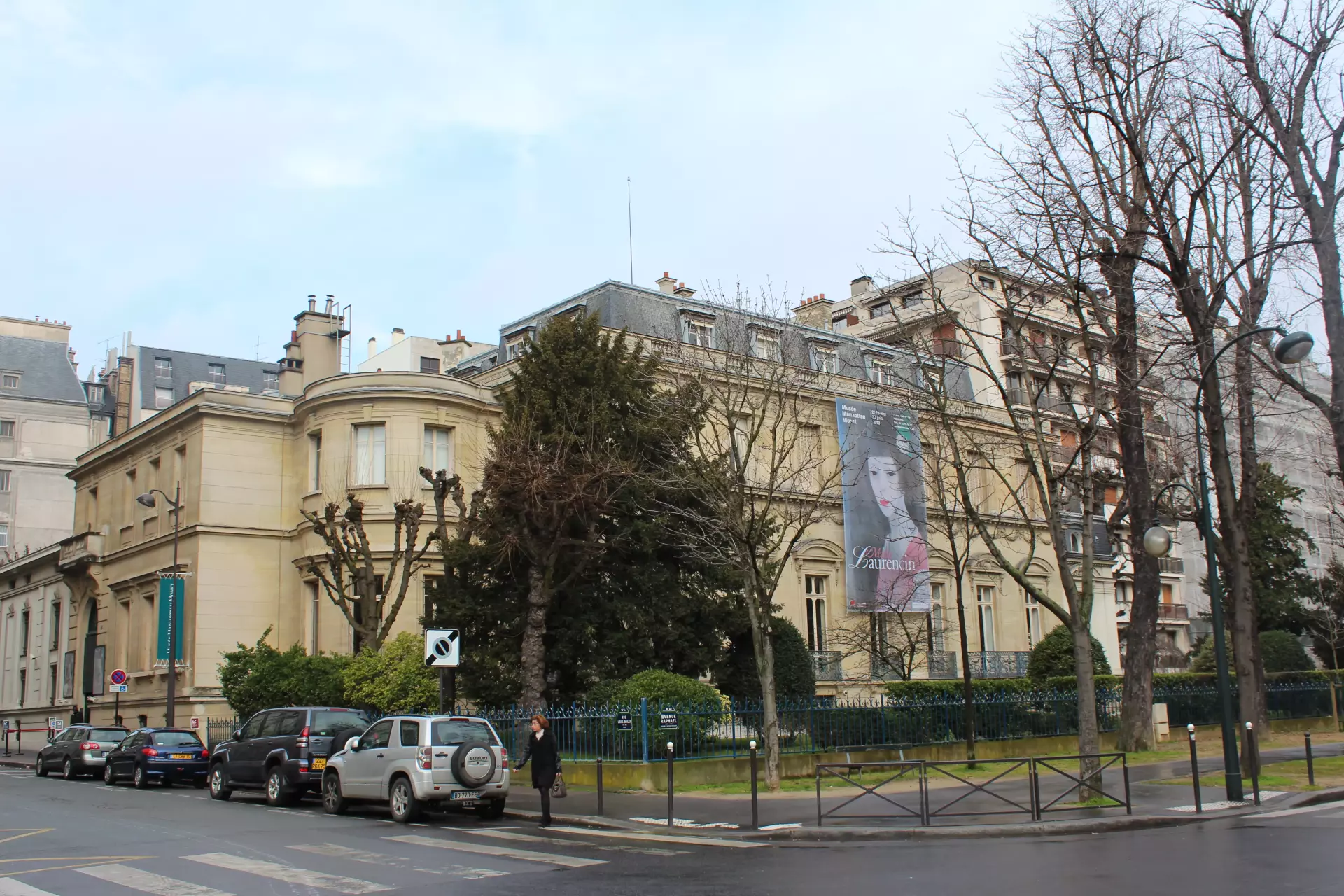
Paris, FranceThis charming museum is owned by the French Académie des Beaux-Arts. Its main collection areas, the result of several large donations, include: First Empire art and furnishings; illuminated manuscripts; and Impressionist art, including the largest Monet collection in the world and works by Renoir, Manet, Morisot, Caillebotte and Gauguin.

Saint-Étienne-du-Mont
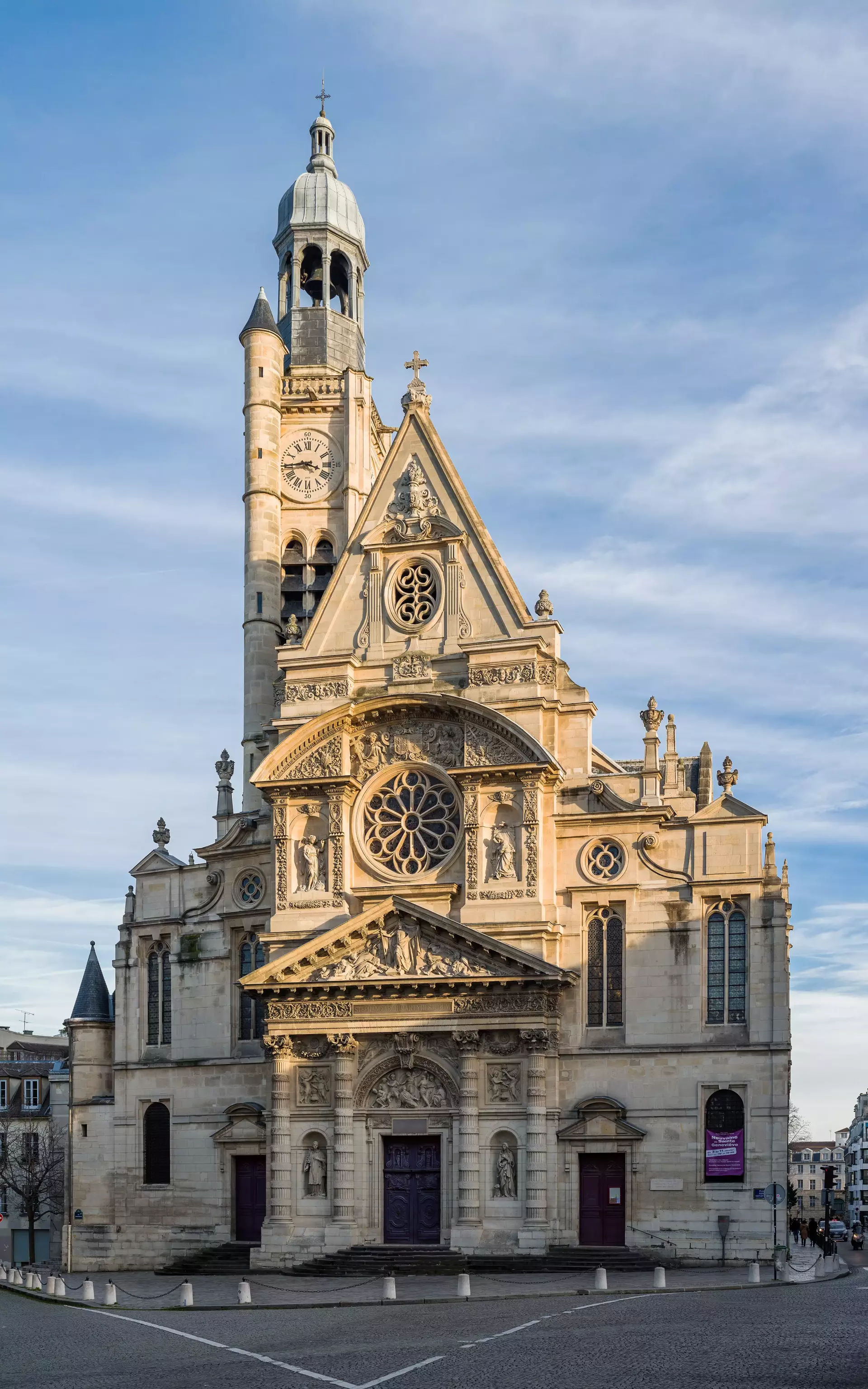
Paris, FranceSt. Geneviève was responsible for saving Paris from the Huns in 451 and her shrine in the church has been a popular place of pilgrimage ever since. The church as it stands dates from between 1492 and 1626 and is a mix of Gothic and Renaissance architectural styles. A unique feature is the Renaissance rood screen, the sole survivor in the city.

Montmartre Cemetery
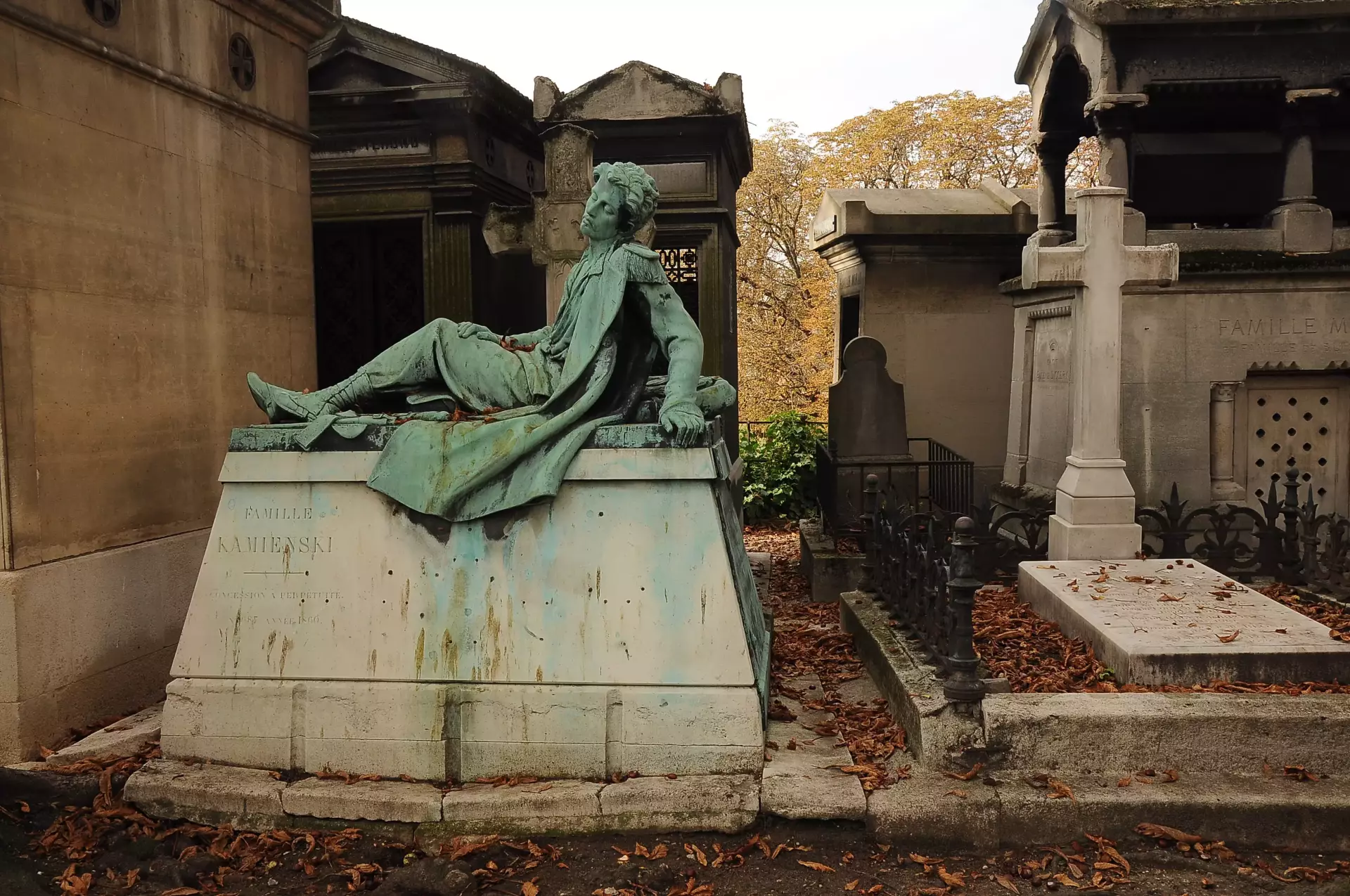
Paris, FranceThere are a number of famous occupants, but the real reason to visit this cemetery is to see the ornate tombstones, sculptures, and other sometimes macabre, sometimes touching memorials Parisians have left here for their dead.

Musée Picasso
Paris, FranceMost of the works by Picasso and others which were in the master's possession at the time of his death are now on display here.

Opéra Bastille
Paris, FranceOne of the truly great venues for the performing arts anywhere in the world, Paris' new opera house actually managed to inspire some neighborhood protest during its planning and construction. Pretty much everybody is a believer nowadays though. Check out the website for upcoming shows, it might even make sense to plan a trip to Paris around one.

Arènes de Lutèce
Paris, FranceAn ancient Roman theater, the only surviving above-ground ruins of the Gallo-Roman era in Paris (ancient Lutetia, French Lutèce) apart from the nearby Thermes de Cluny. The theatre could hold approximately 15,000 spectators and measures some 132 m x 100 m. Built sometime in the 2nd century CE, the location of the actor's dressing room, the platform of the stage, and lapidary remains can still be seen. The remains were rediscovered in 1869, when new streets were being built. An excavation was subsequently ordered in 1883. The theatre has been preserved as a quiet archaeological park removed from the bustle of Parisian streets.

Place du Tertre
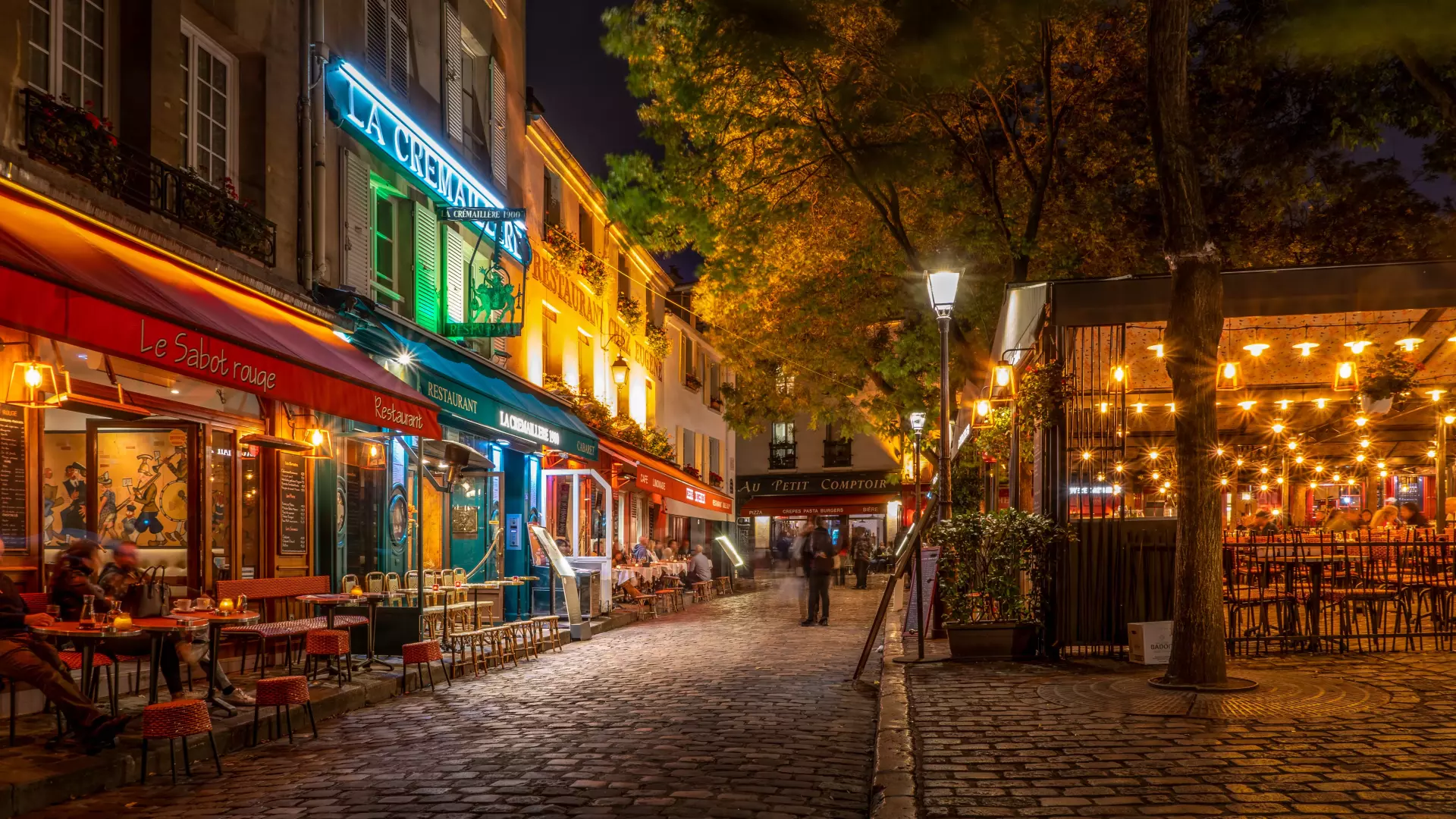
Paris, FranceNumerous artists paint portraits of tourists and also sell their paintings.

Pont de Bir-Hakeim
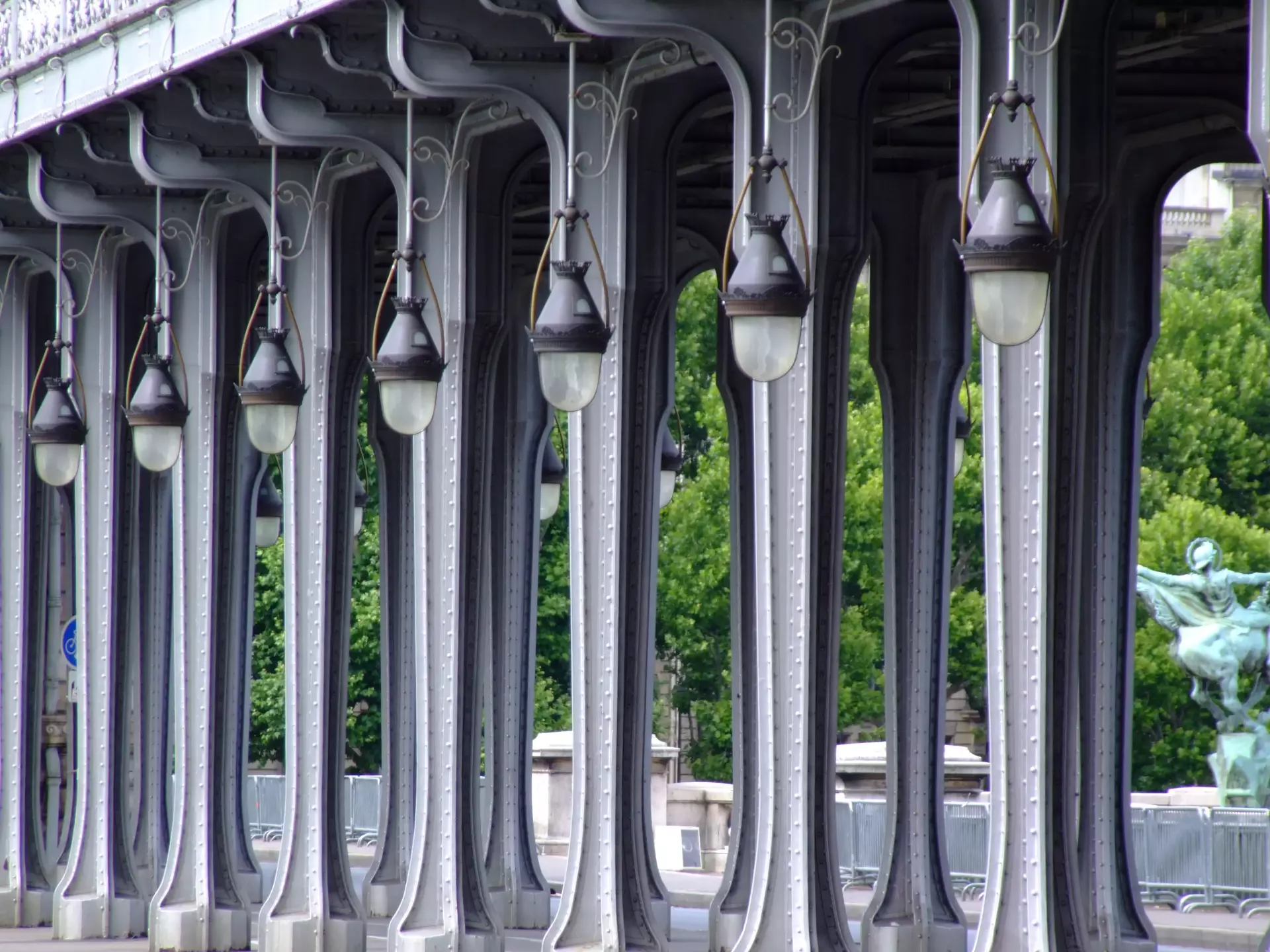
Paris, FranceTwo-level bridge.

Centre Georges Pompidou
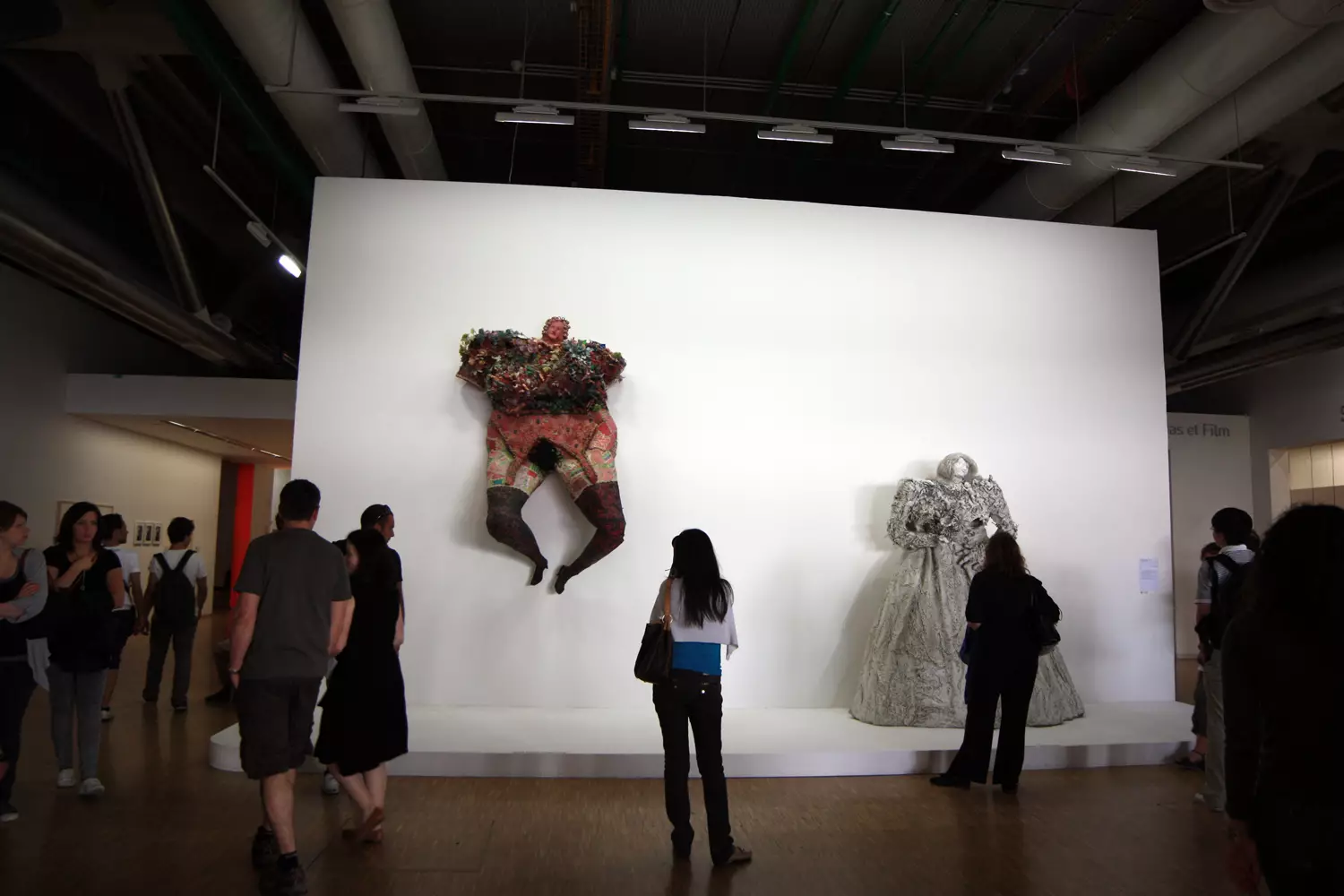
Paris, FranceThose who are unfamiliar with conceptual art sometimes don't know quite what to expect, or how to approach it. Such travellers should rest assured that the curators at the Pompidou Centre have assembled a marvellous introduction consisting of mostly approachable works which delight, amuse, and entertain. The art is far from the only reason for a visit, as the building also contains a vast public library and a fine restaurant (run by the Costes brothers) on the roof. In fact the place is literally surrounded by some of the nicest pavement cafés in the city, in its superb location between the car-free above ground part of Forum Les Halles and the Marais art district.


