
Tourist attractions in Paris
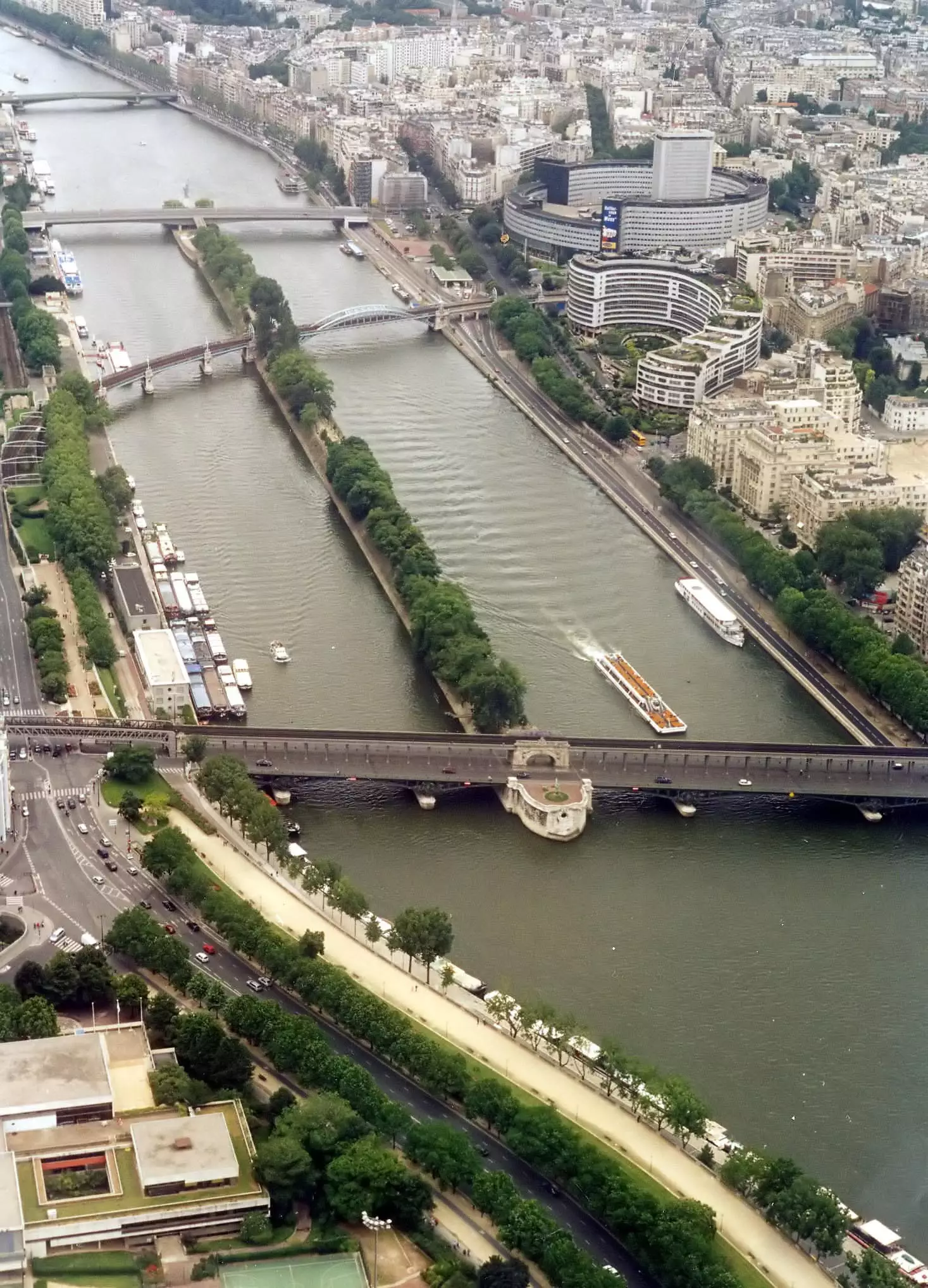




Île aux Cygnes
Paris, FranceOne of the three islands on the river Seine

Monument to Balzac
Paris, FranceA sculpture by Auguste Rodin in memory of the French novelist Honoré Balzac. The artwork is sometimes considered the first truly modern sculpture.

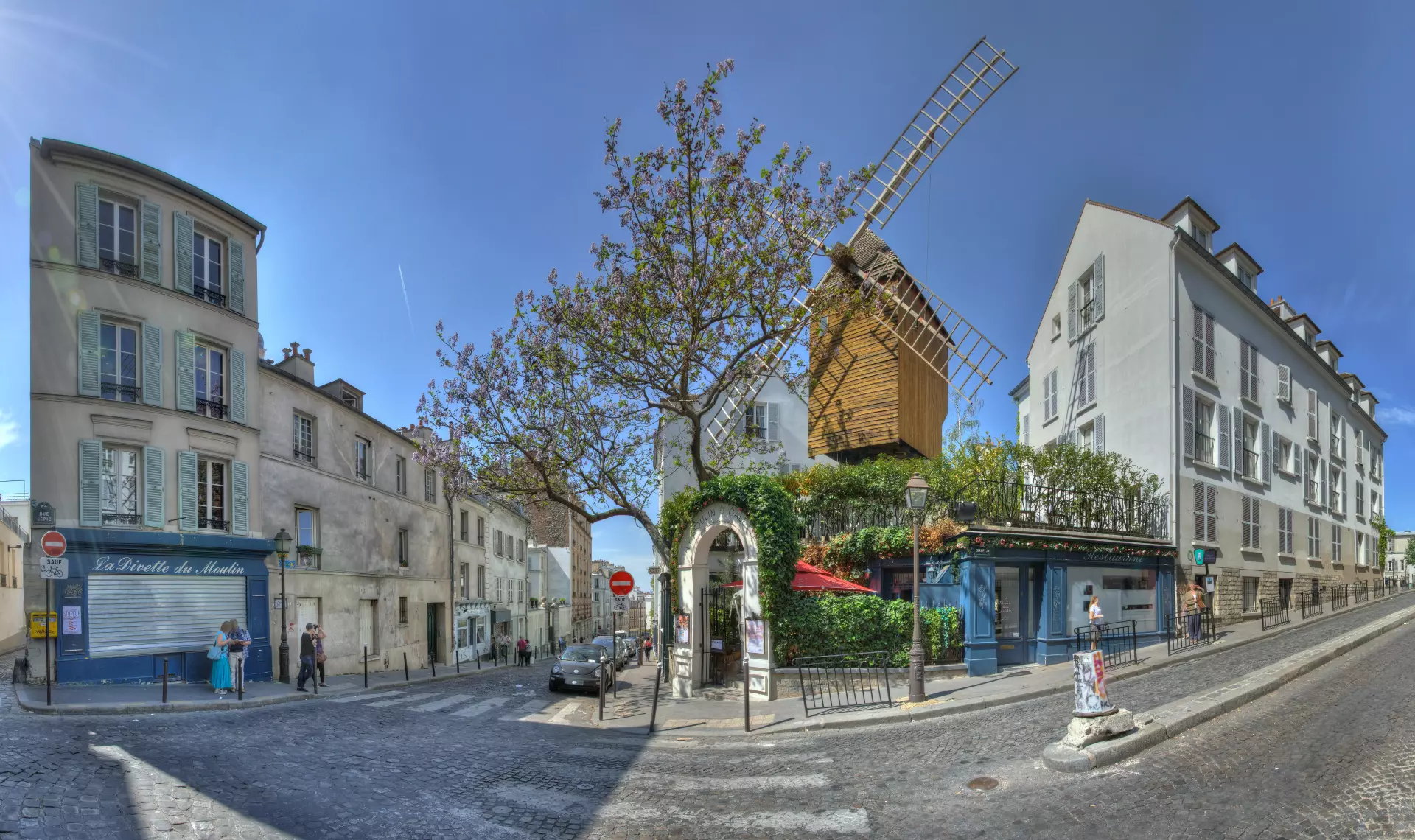
Moulin de la Galette
Paris, FranceBuilt in 1717, the windmill is now part of a restaurant of the same name, and is easily visible from the street.

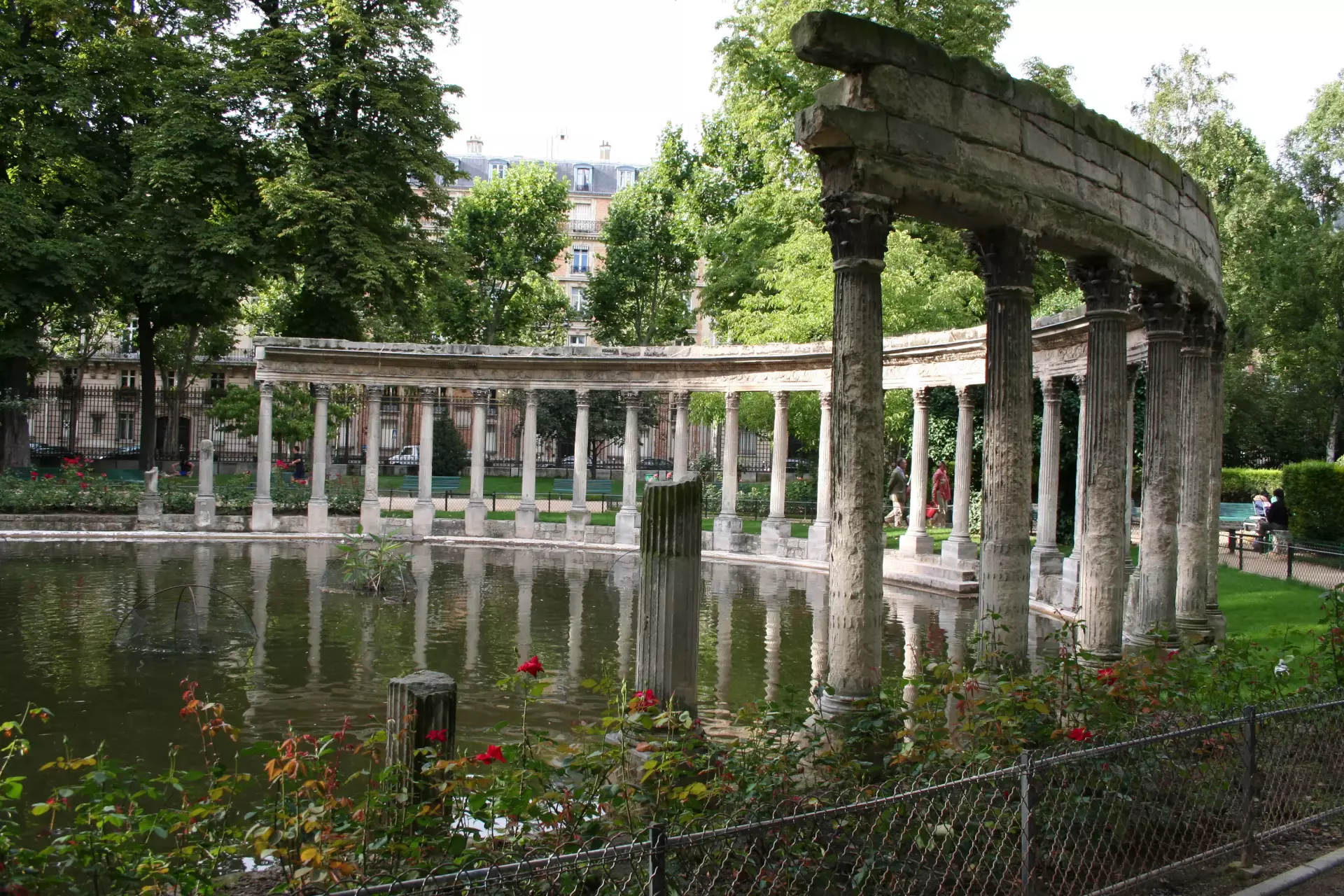
Parc Monceau
Paris, FranceOne of Paris's best kept secrets, painted by Monet numerous times. It is a very elegant centre of green in the middle of cosmopolitan Paris. Make sure you check out the statues, entrance rotunda and the surrounding mansions. Thanks to Haussmann himself this precious slice of parkland was reserved for the enjoyment and leisure of the people of Paris. It is unusual in France due to its casual, informal "English" style planning, and is a contrast to other Parisian parks such as the classically laid out and formal Luxembourg Gardens and the Tuileries. Randomly placed throughout the park are scaled-down architectural replicas including an Egyptian pyramid, Dutch windmill, and a Chinese fort. Free Wi-Fi in the park.

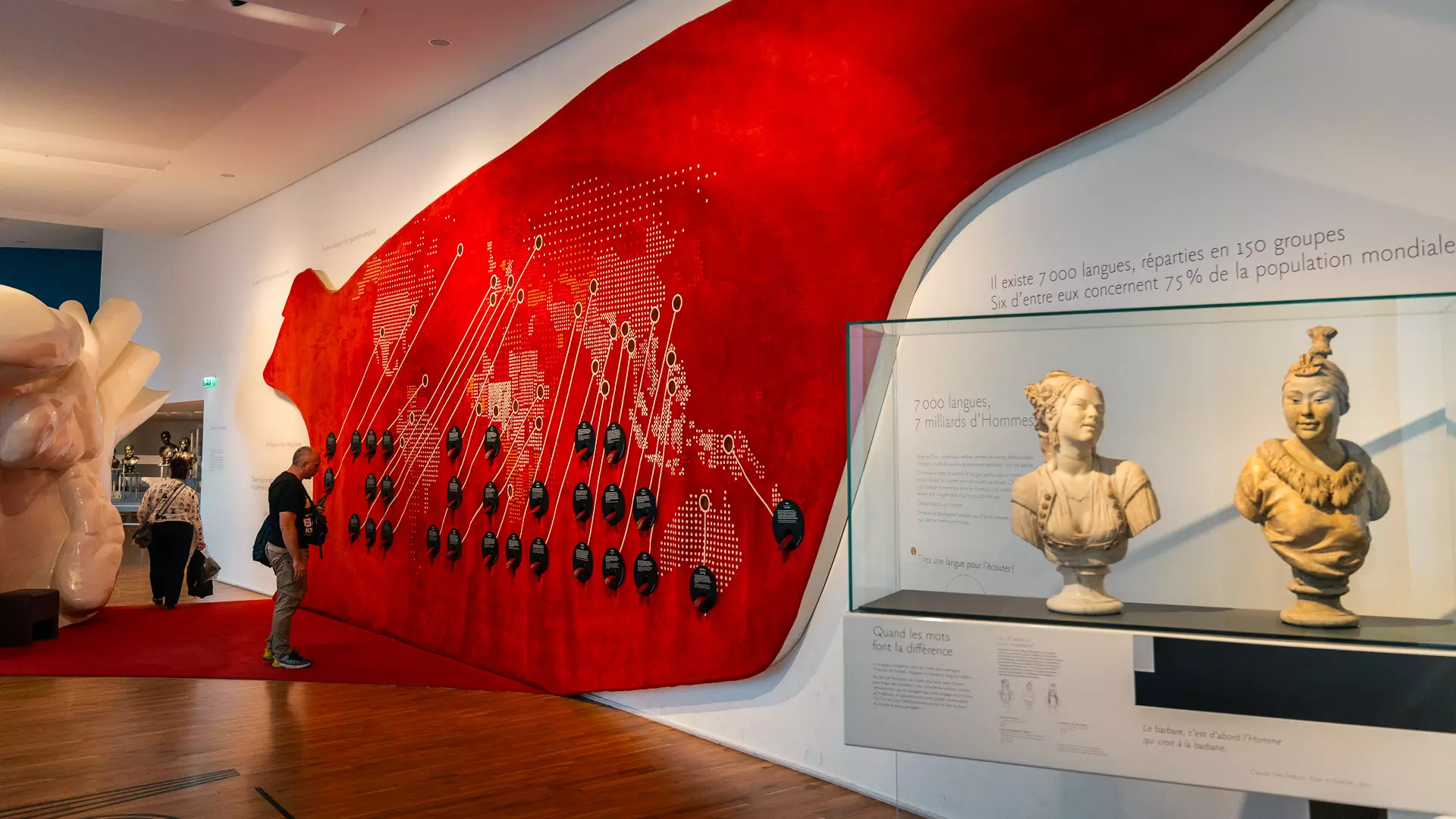
Musée de l'Homme
Paris, FranceThe Museum of Mankind, accommodated in the Palais du Chaillot, is an anthropological museum covering the history of mankind and human societies.

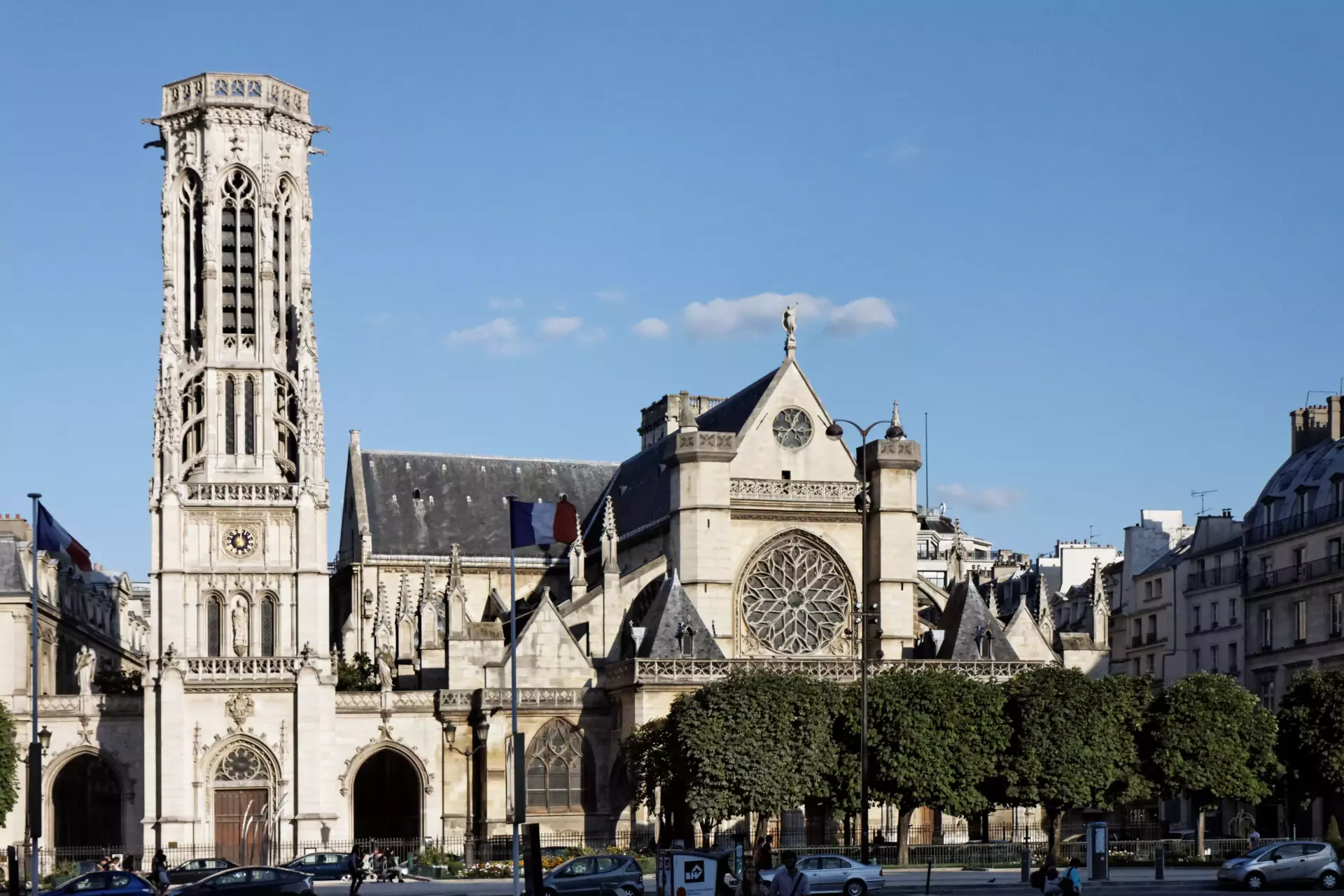
Saint-Germain l'Auxerrois
Paris, France
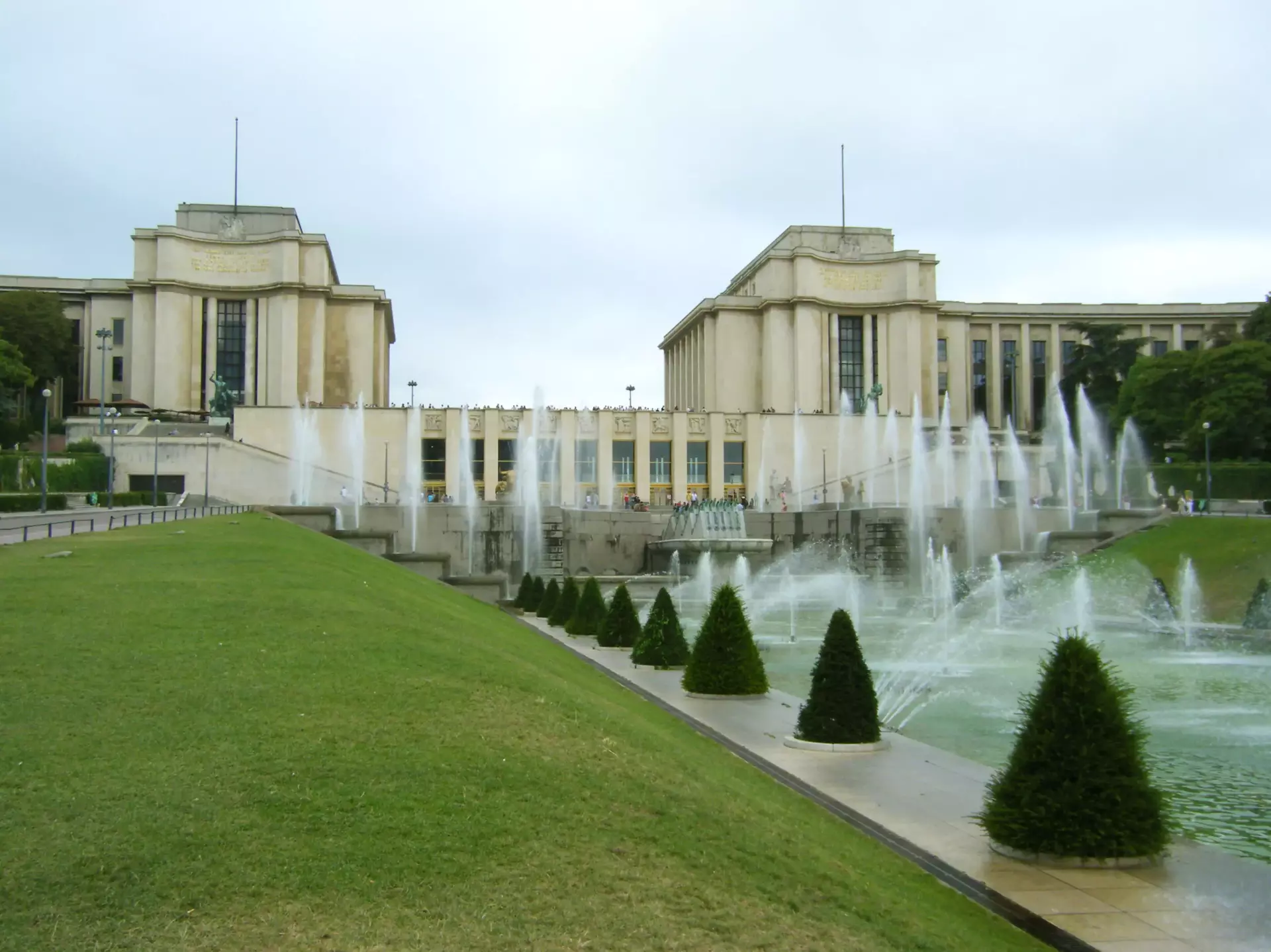
Jardins du Trocadéro
Paris, FranceTourists cross this park with the large fountain on the way to the Place du Trocadéro viewpoint to the Eiffel Tower.

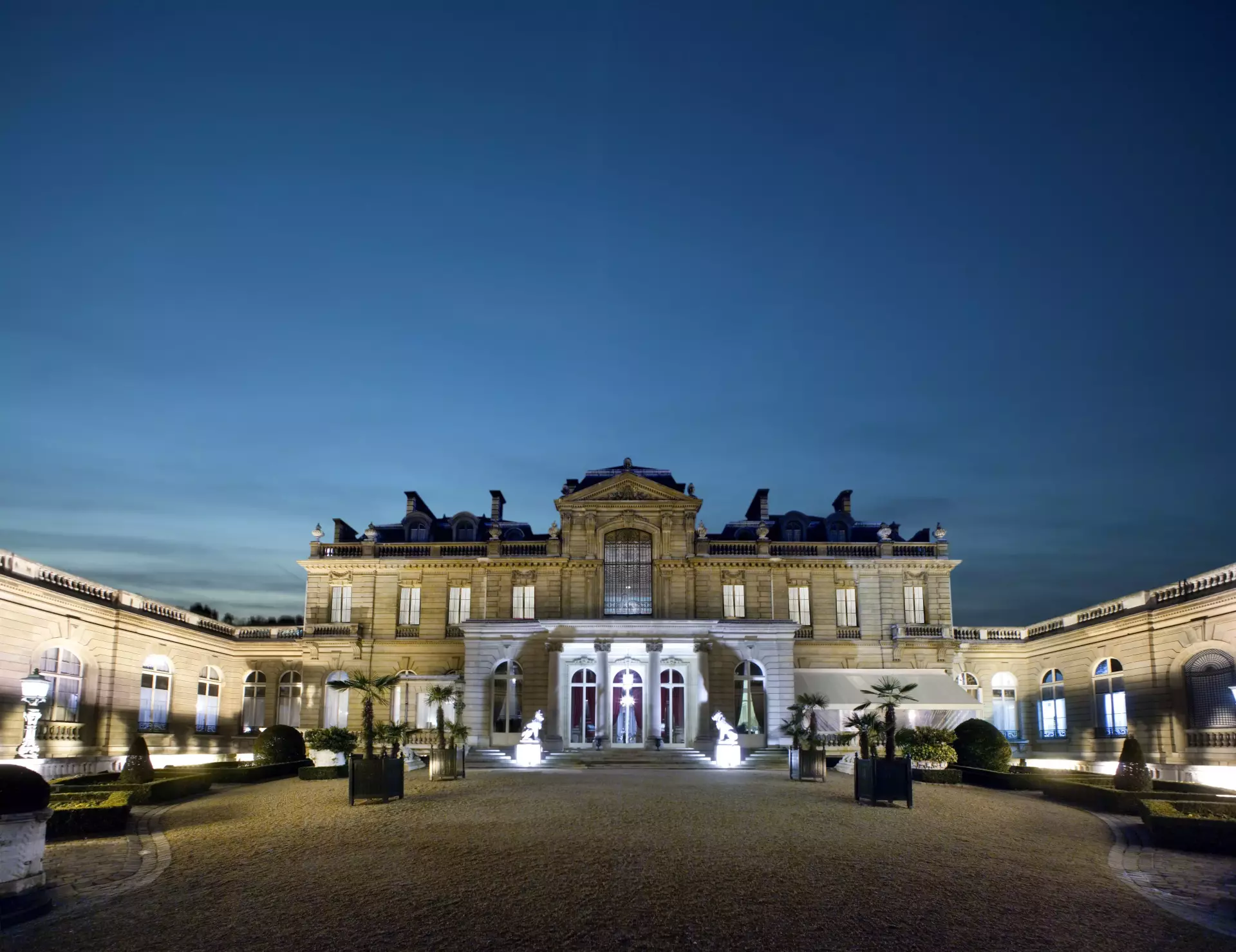
Musée Jacquemart-André
Paris, FrancePrivate collection of French, Italian, Dutch masterpieces in a typical XIXth century mansion.

Musée des Arts et Métiers
Paris, FranceAn industrial design museum in Paris that houses the collection of the Conservatoire National des Arts et Métiers (National Conservatory of Arts and Industry), which was founded in 1794 as a repository for the preservation of scientific instruments and inventions.

Parc Montsouris
Paris, FranceConsidered one of the most colourful Parisian parks, a local favourite, the Parc Montsouris was opened in 1878, having been designed by Alphand for Baron Haussmann. A large man-made lake and waterfalls are surrounded by long stretches of gently sloping lawns. Bronze statues are to be found studding the grounds, amongst the 1,400 trees, including such exotic varieties as the giant sequoia and the ginkgo. The park is featured in the film Cléo de 5 à 7. It is popular among families (there are two playground areas for children) and students.

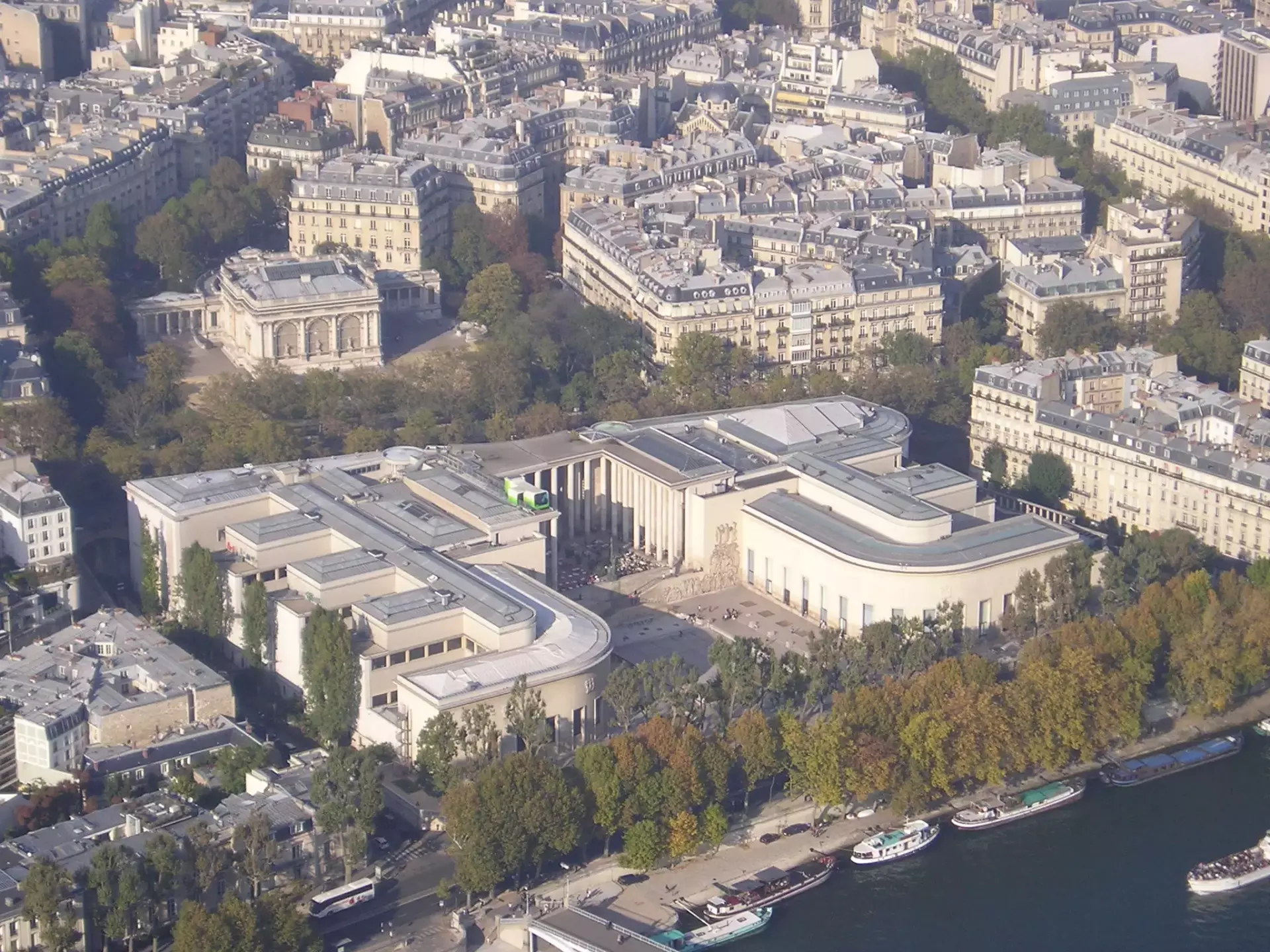
Palais de Tokyo
Paris, FranceThe Palais de Tokyo is Paris's largest specialist contemporary art exhibition venue, owned and operated by the national government. The building dates to 1937 and also includes the Museum of Modern Art of the City of Paris.

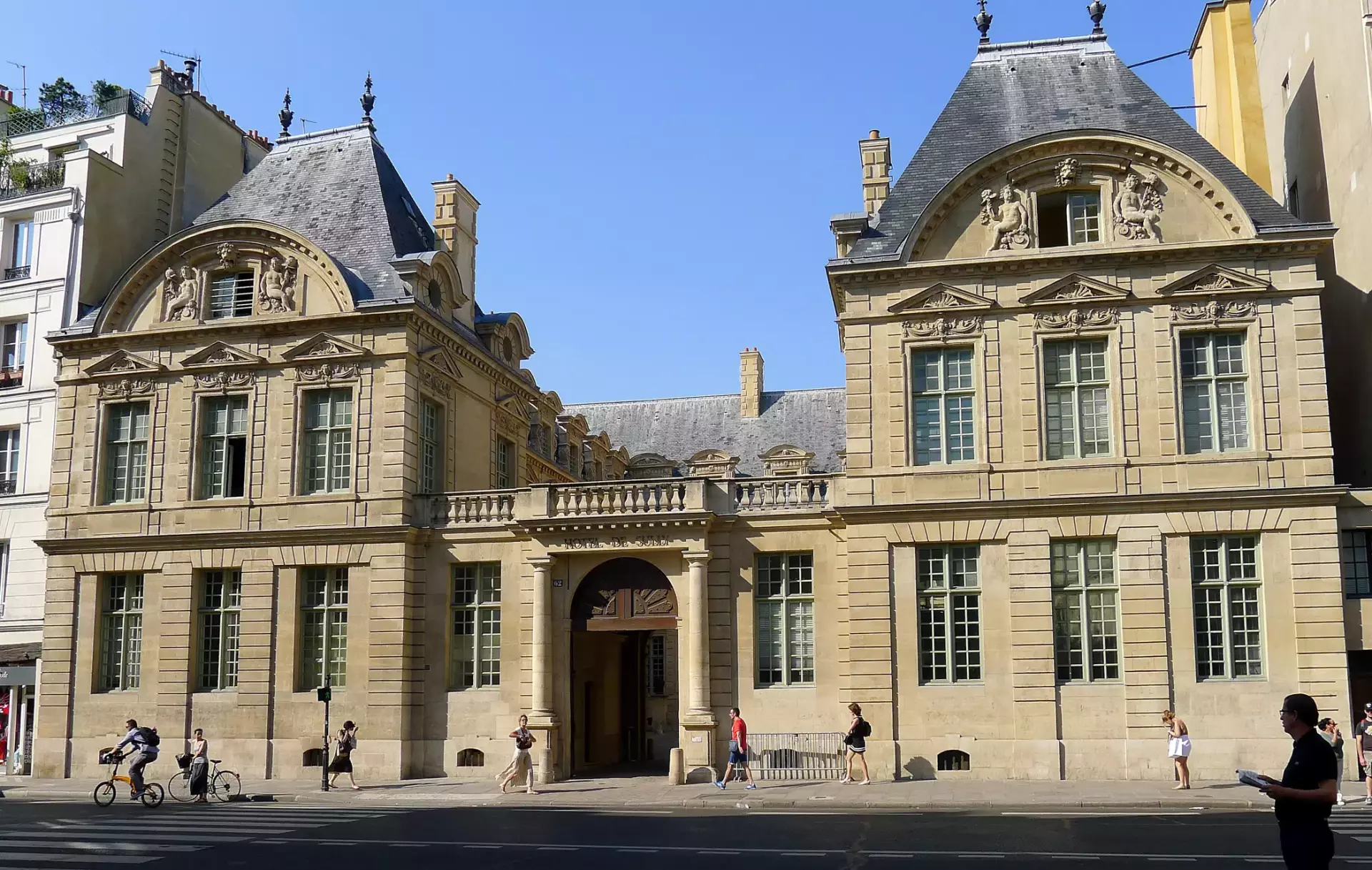
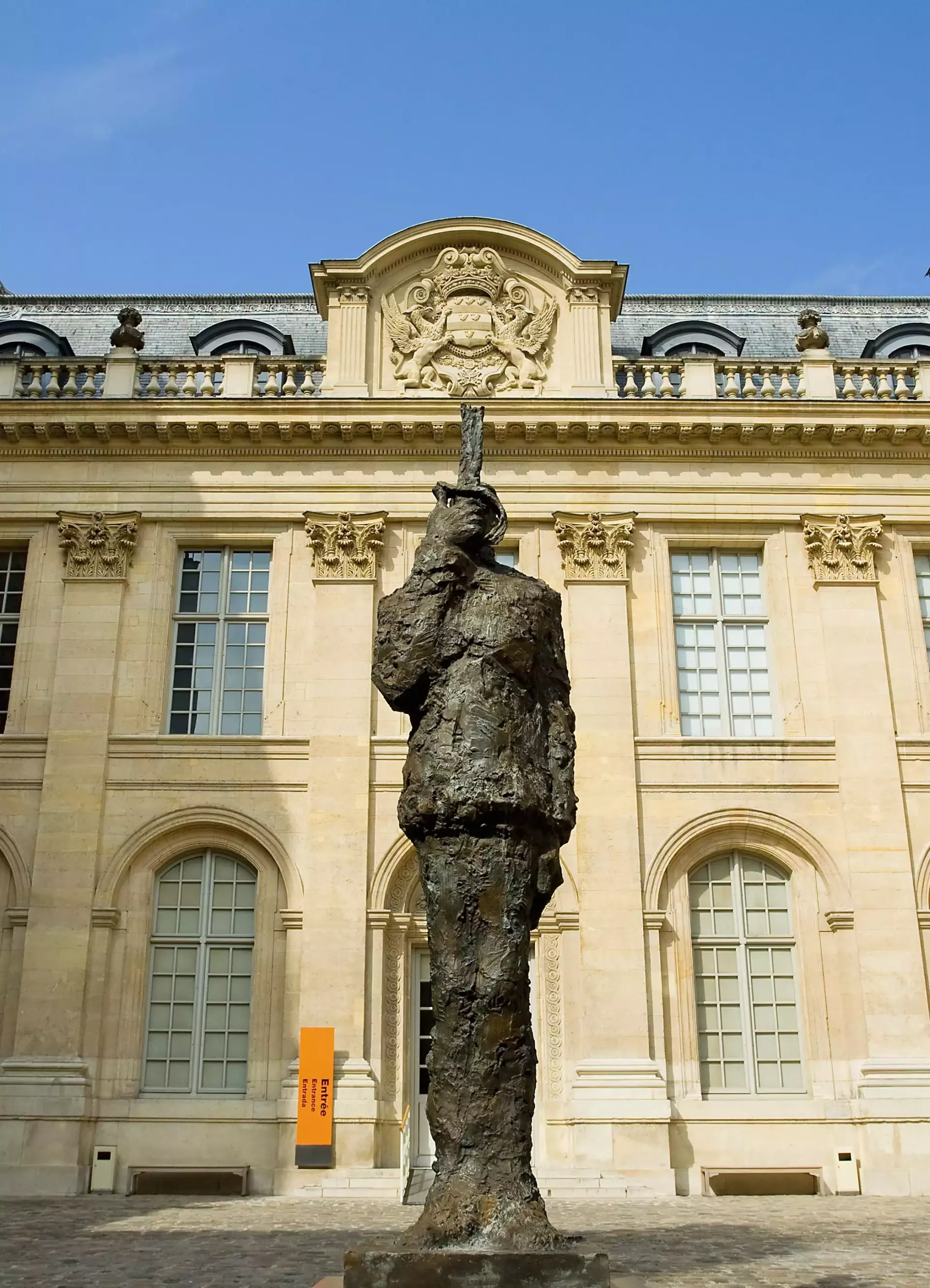
Hôtel de Sully
Paris, FranceBuilt in 1625, the Hotel de Sully is an interesting house with some sculptures in a beautiful courtyard. The house features special exhibitions, so check listings when in Paris.

Musée d'Art et d'Histoire du Judaïsme
Paris, FranceThe largest French museum of Jewish art and history

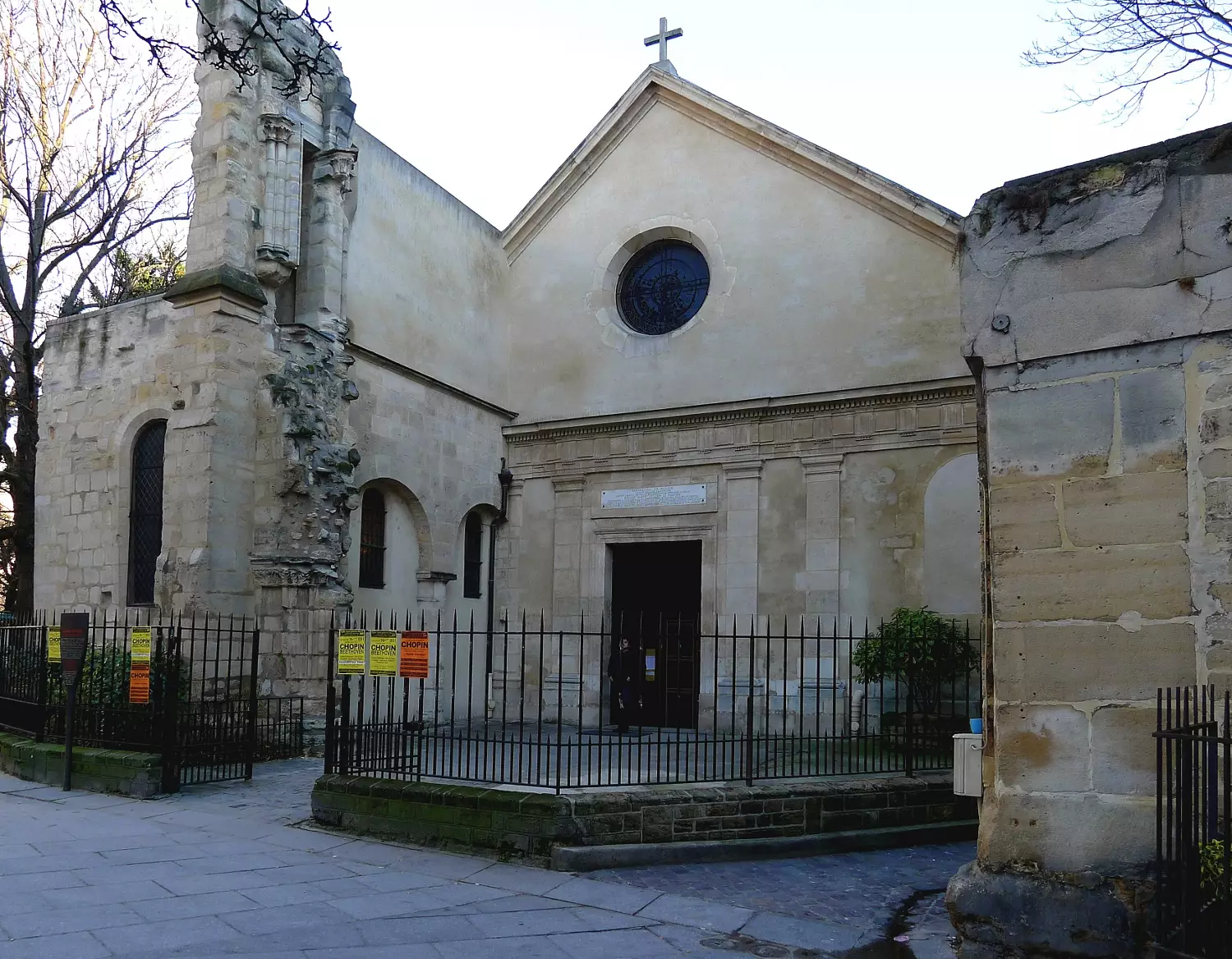
Saint-Julien-le-Pauvre
Paris, France
Jardin d'Acclimatation
Paris, FranceThe northwest corner of the Bois de Boulogne is occupied by the oldest operating amusement park in the world, the Jardin d'Acclimatation, which is mainly known for offering a wide range of amusements which are appropriate even for very small children. They have miniature roller-coasters for children as small as three years, and the usual range of pony rides etc.

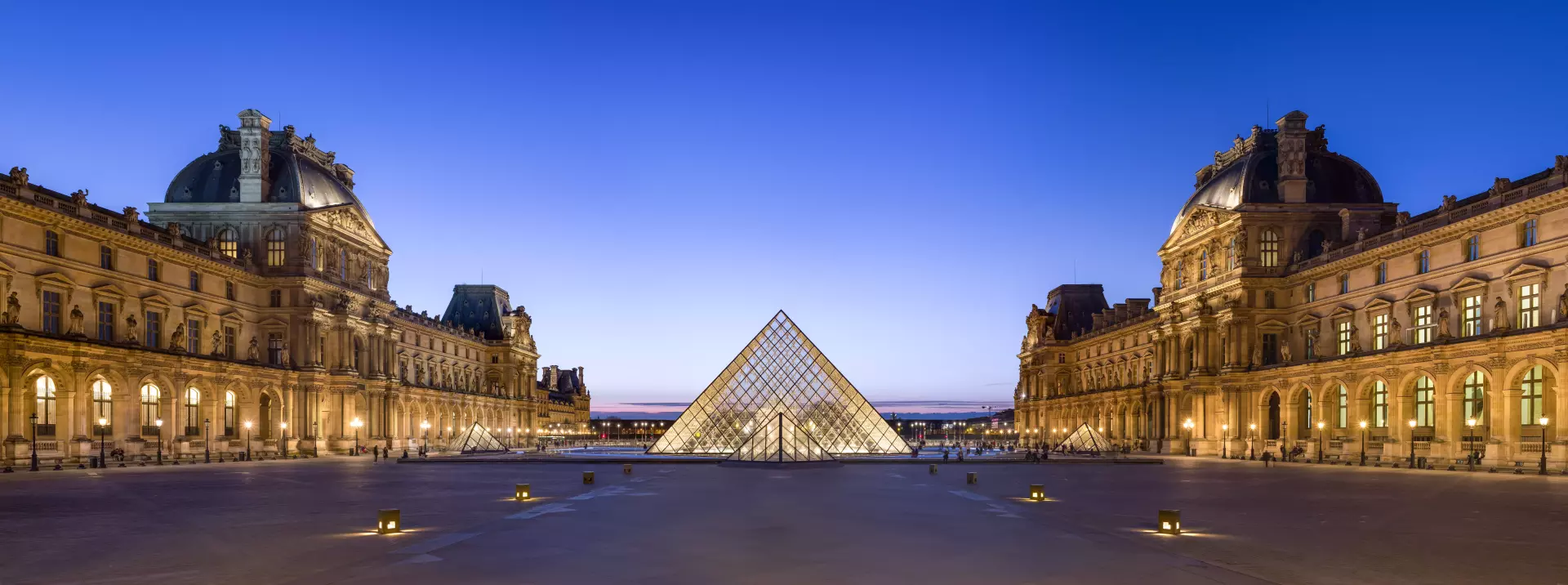
Louvre Museum
Paris, FranceIts exhibits come from such diverse origins as ancient Egypt, classical Greece and the Roman Empire, medieval Europe, and Napoleonic France, but controversially including many items that were looted from their places of origin. Its most famous exhibit, of course, is Leonardo da Vinci's painting of the Mona Lisa (French: La Joconde, Italian: La Gioconda), generally to be found surrounded by hordes of camera-flashing tourists. The Louvre poses many of the same challenges to the visitor as Paris itself; overwhelming in size, crowded in high seasons, and much information available only in French. If you want to see everything in the Louvre, plan at least two full days. However, it is better to pick and choose, as the collection was assembled with an eye to completeness rather than quality. As of July 2019, due to intense crowding and reports of ticket fraud, entry now almost always requires a pre-booked timed ticket, even for holders of the Paris Museum Pass.

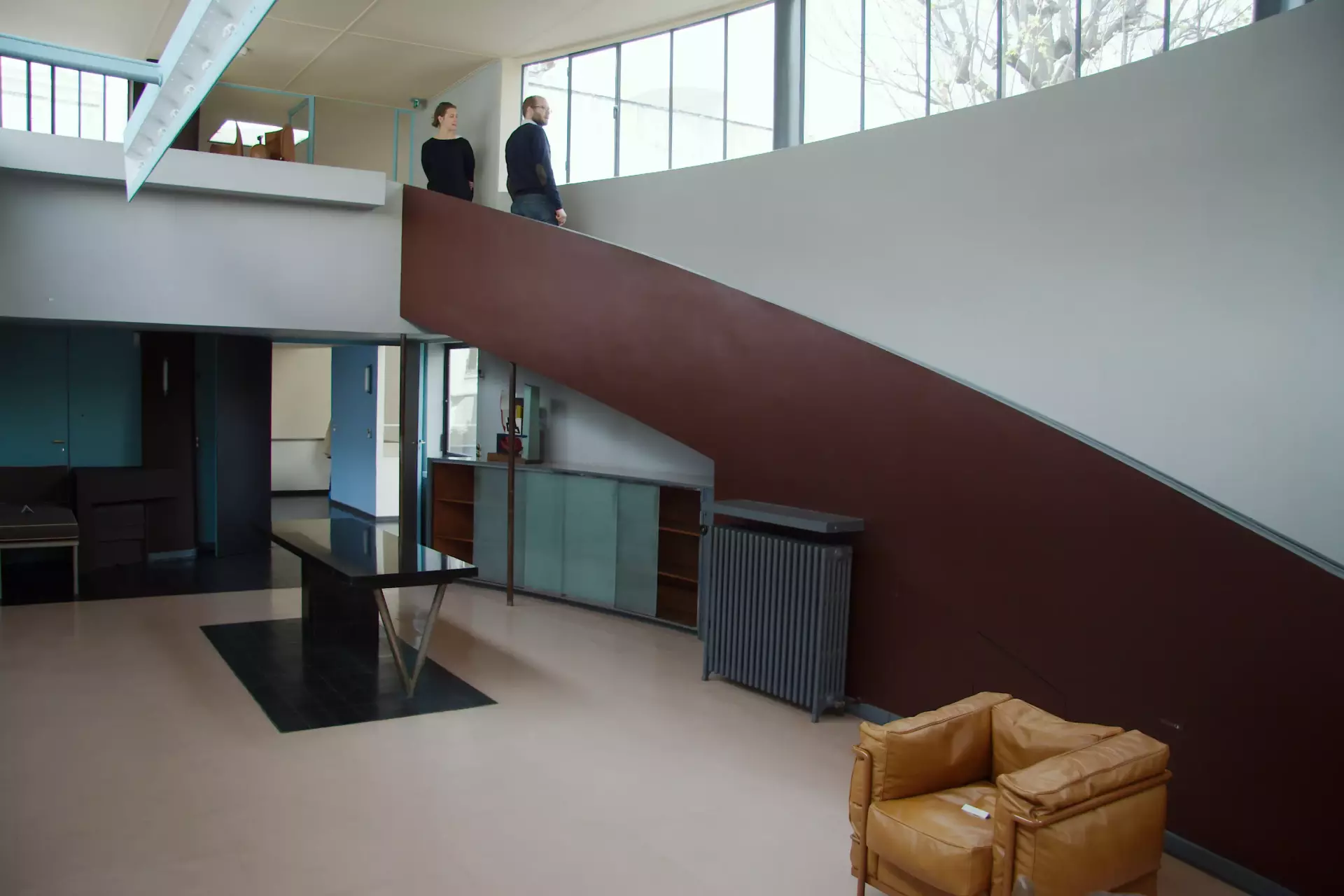
Villa La Roche
Paris, France
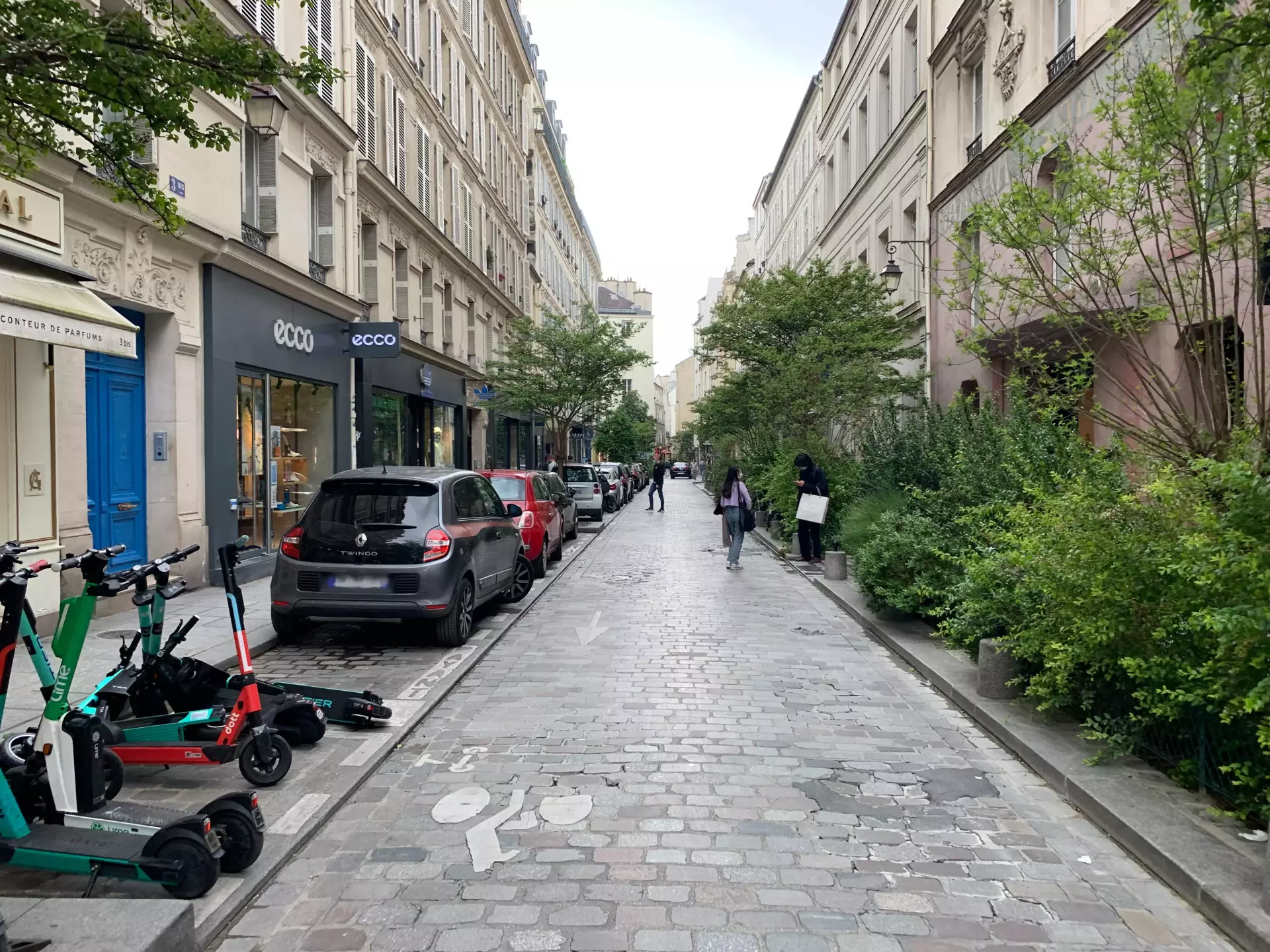
Rue des Rosiers
Paris, FranceThe Jewish quarter, with many small delis and shops. Lively on most days except for Saturdays.

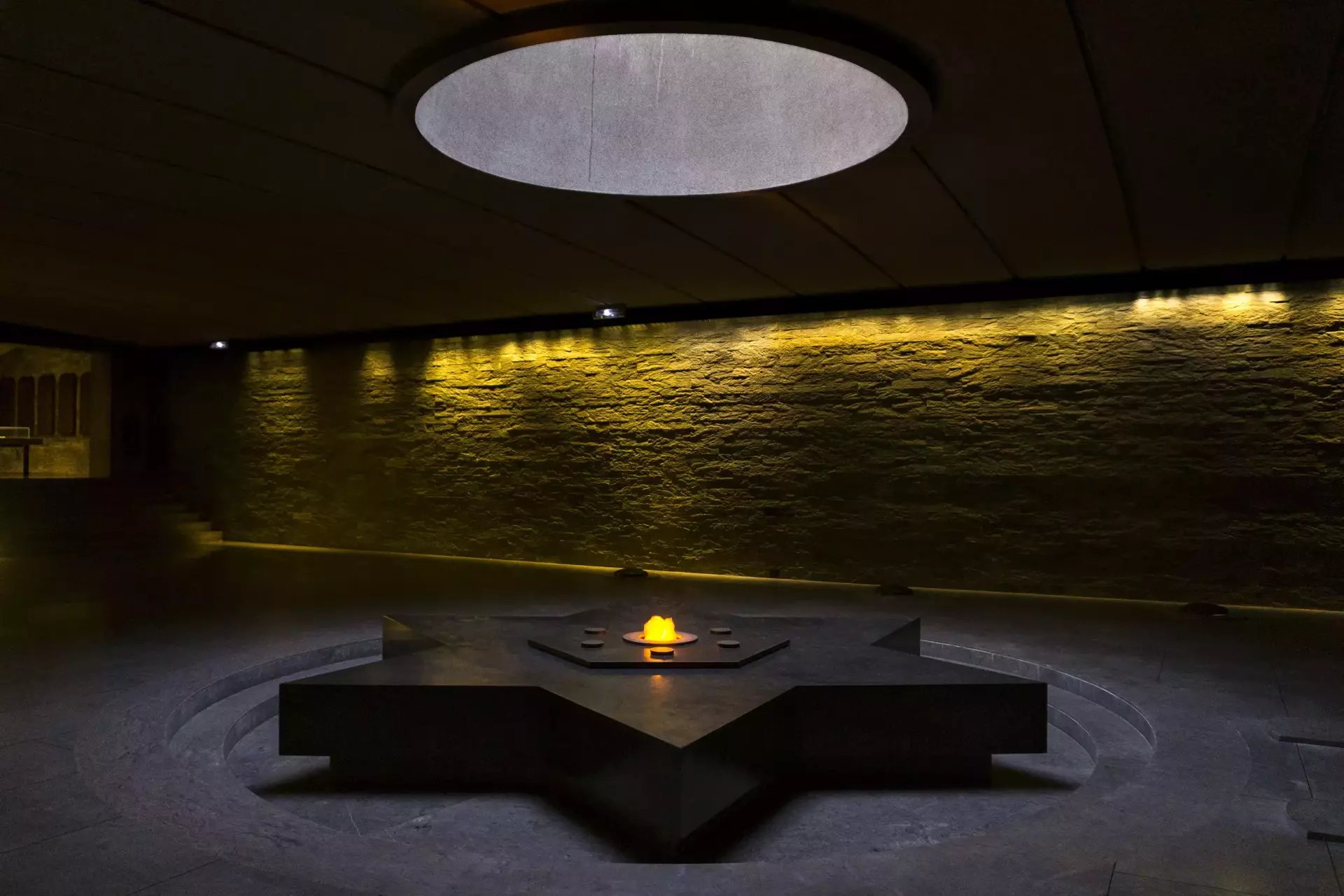
Mémorial de la Shoah
Paris, FranceOpened in January 2005, the Holocaust Memorial comprises a major documentation centre and a wall bearing 76,000 names of Jews deported from France to the Nazi camps between 1942-1944. Includes an archive of a million artefacts, including 55,000 photographs. Excursions are run from the memorial to French internment camp sites such as Drancy.

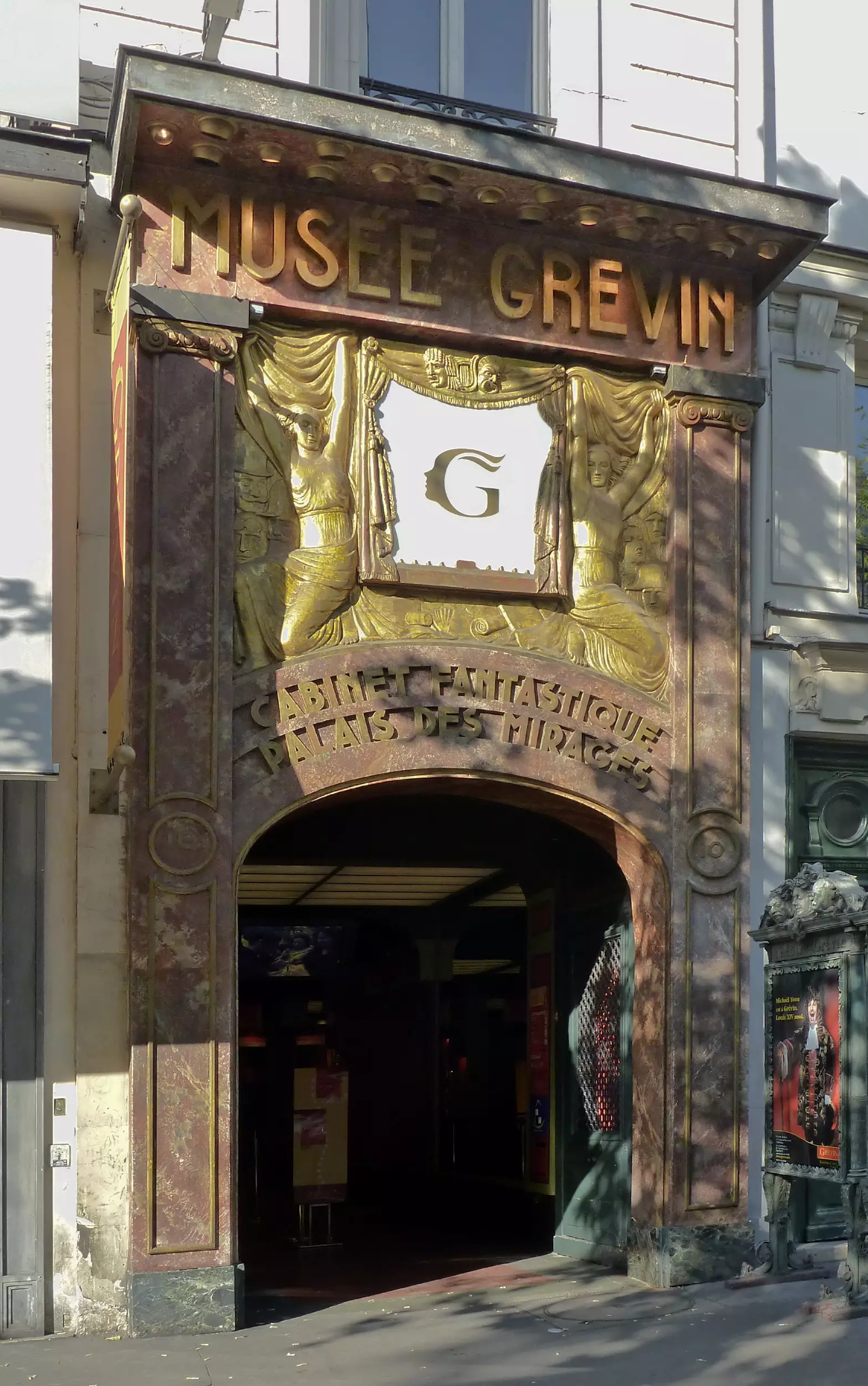
Musée Grévin
Paris, FranceThe Musée Grévin is a waxwork museum with some 500 characters arranged in scenes from the history of France and modern life.

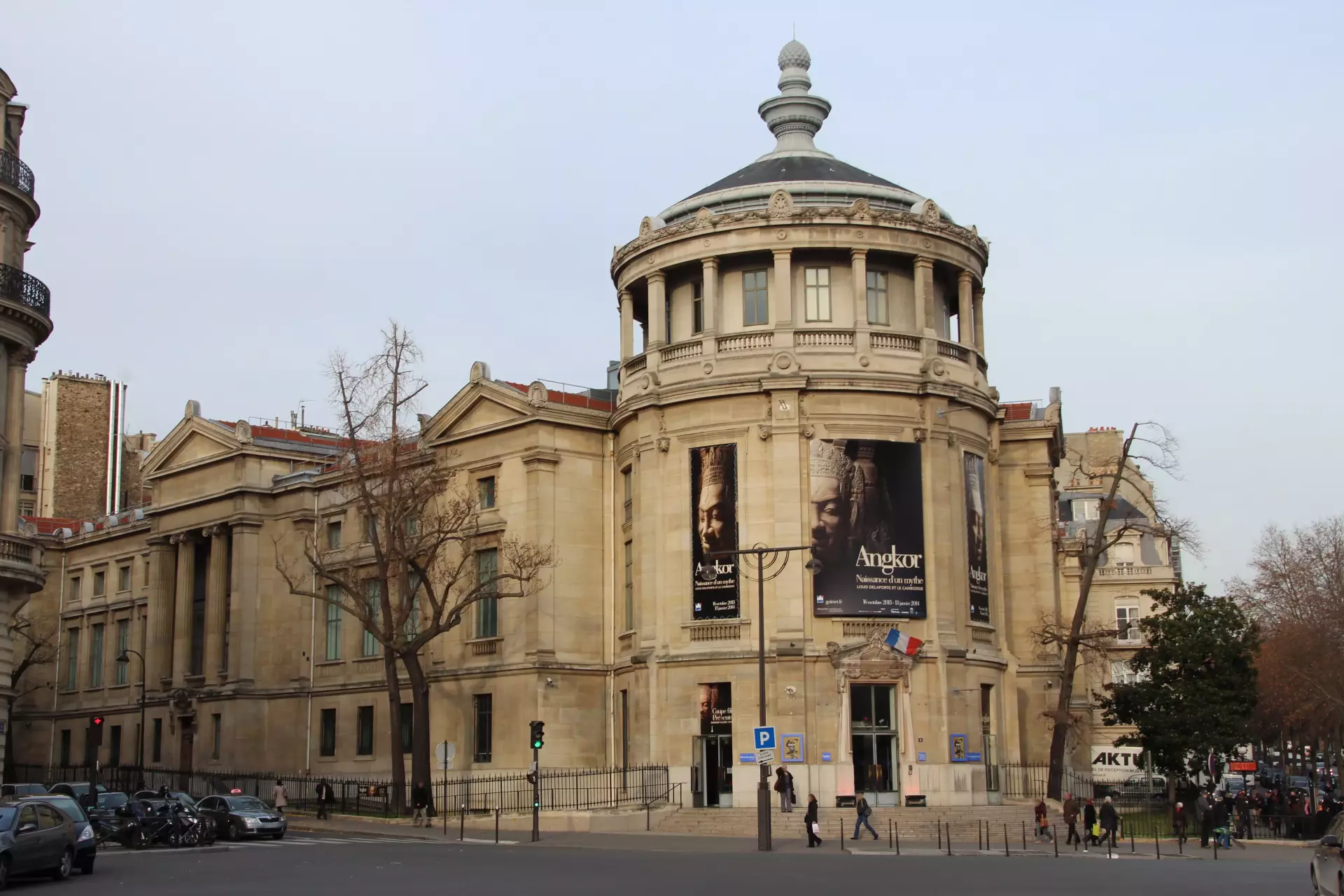
Guimet Museum
Paris, FranceOne of the largest collections outside Asia of Southeast Asian, Indian, Afghan, Chinese, Japanese, and Korean art.

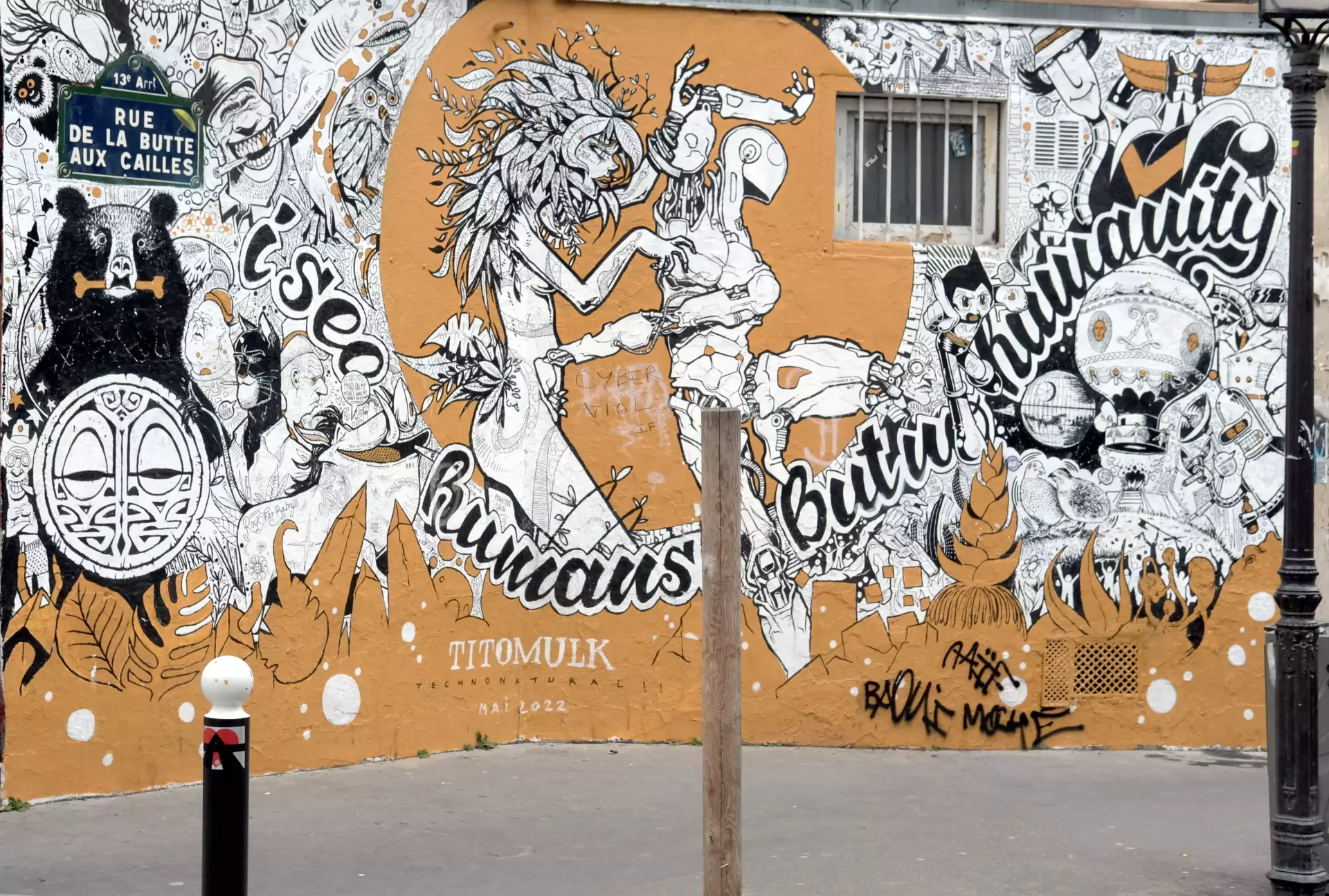
Butte-aux-Cailles
Paris, FranceA little district within the district. Very charming little streets on a hill on the west end of the 13 district. Nice for lunching/dining activities. This is the place where the band "Mano Negra" was hanging around.

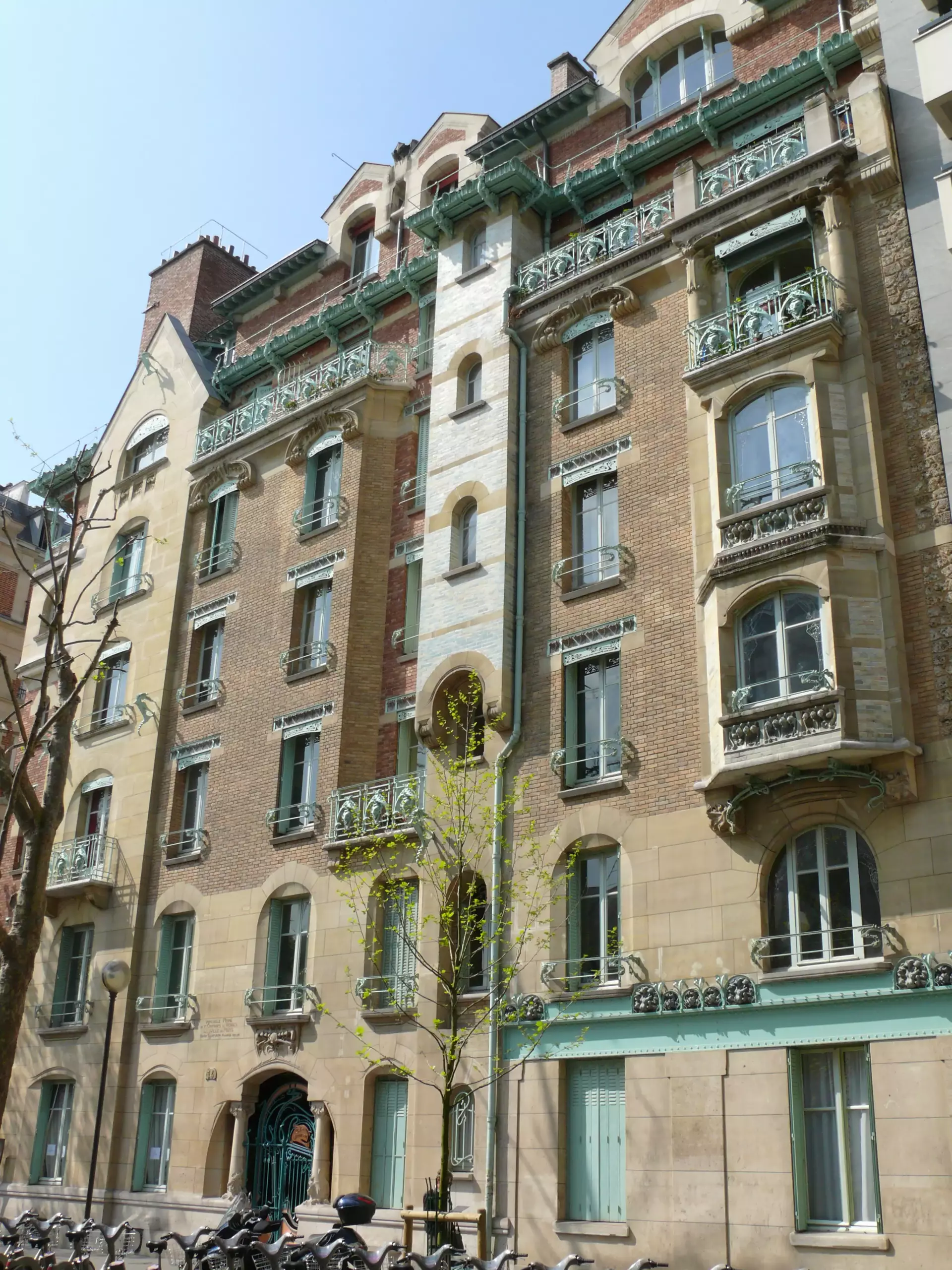
Castel Béranger
Paris, FranceCastel Béranger is an apartment building that was the first entirely art nouveau building in Paris, insulted at the time as "Castel Derangé". Its richly decorated facade won a city competition in 1898. It contains 36 apartments, all of which are still privately owned and not open to the public.

Saint-Nicolas-du-Chardonnet
Paris, FranceA controversial church serving as de facto headquarters of the arch-traditionalist Society of Saint Pius X, who occupied the church in 1977 and have ignored subsequent eviction orders.

