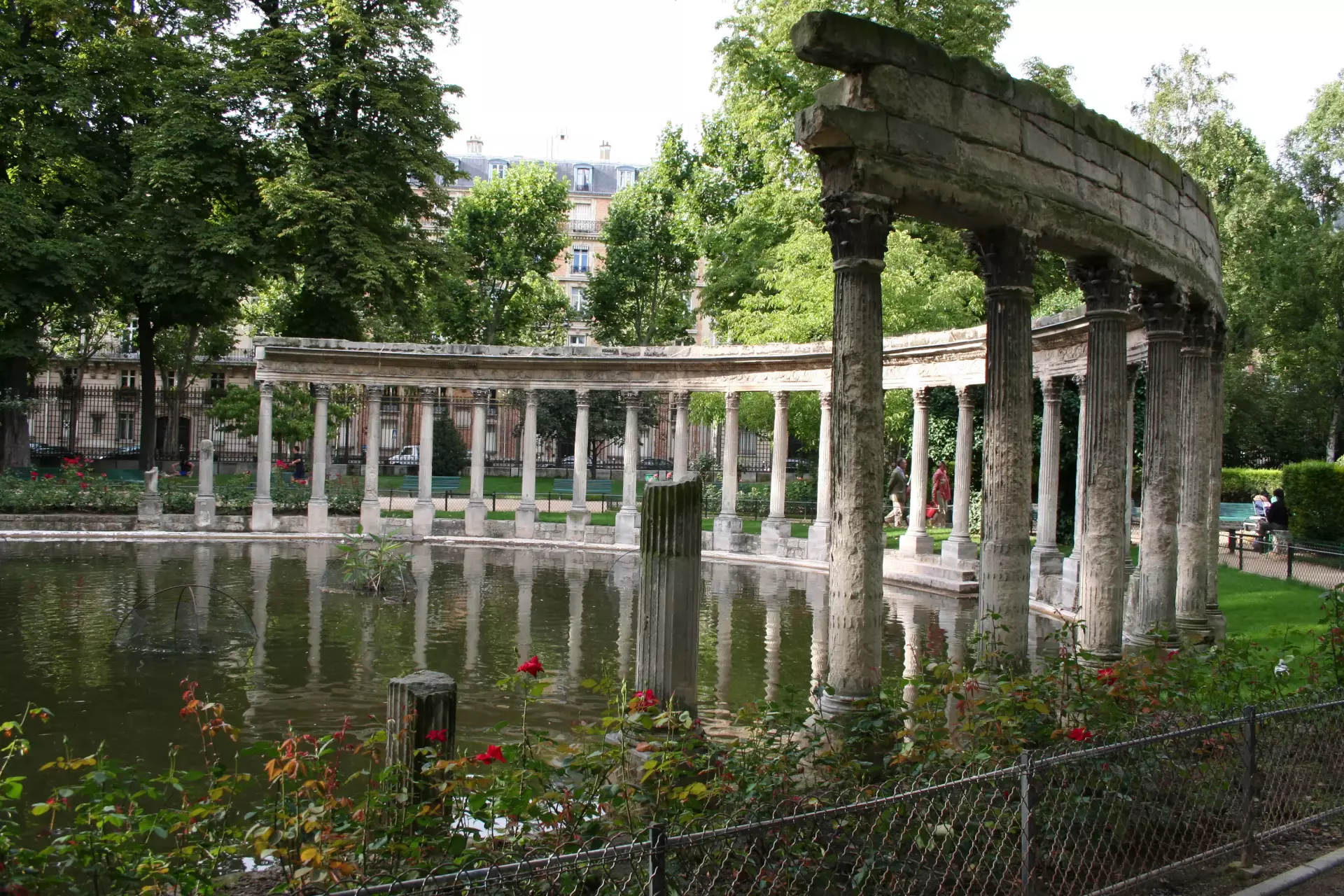
Parc Monceau is a beautiful green space in the middle of busy Paris, often overlooked by visitors. The park has inspired artists like Monet, who painted it many times, and is known for its elegant charm. Surrounded by impressive mansions, Parc Monceau offers a peaceful atmosphere far from the city’s usual rush.
Unlike many other parks in Paris, Parc Monceau is designed in a relaxed, English style. Its winding paths and informal layout make it feel different from the formal gardens of the city, such as the Luxembourg Gardens and the Tuileries. The park’s natural look invites visitors to enjoy a slower pace and casual strolls.
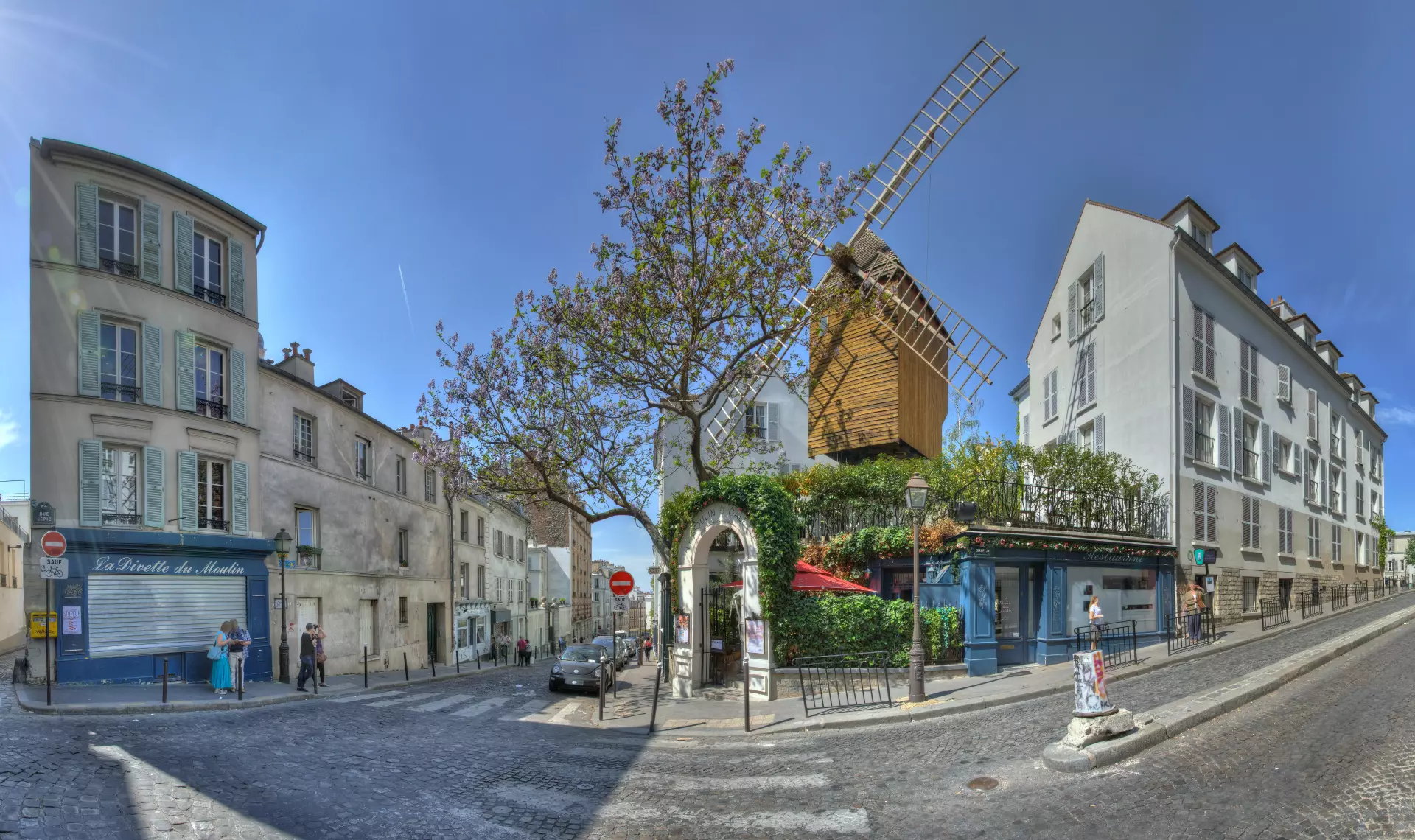
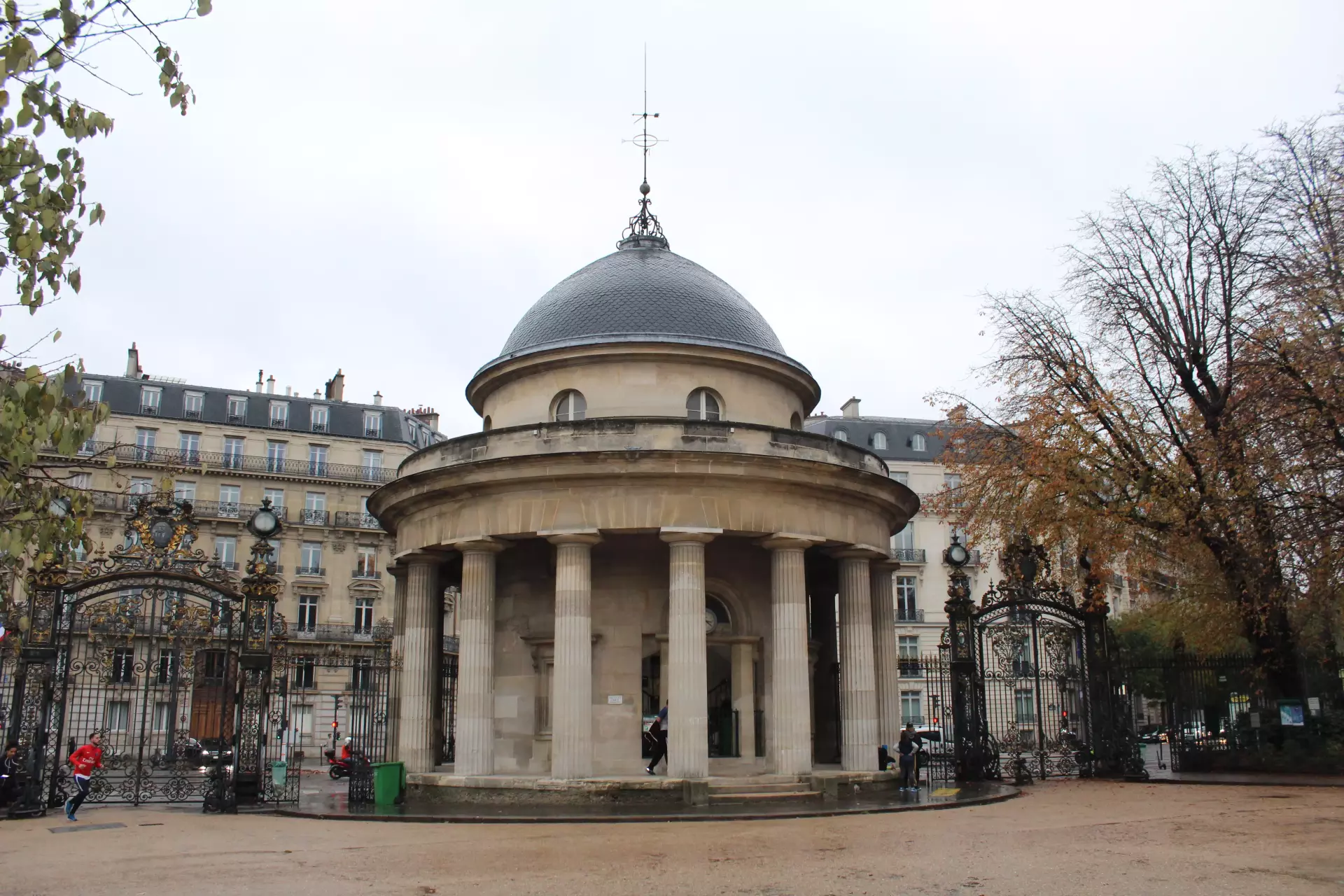
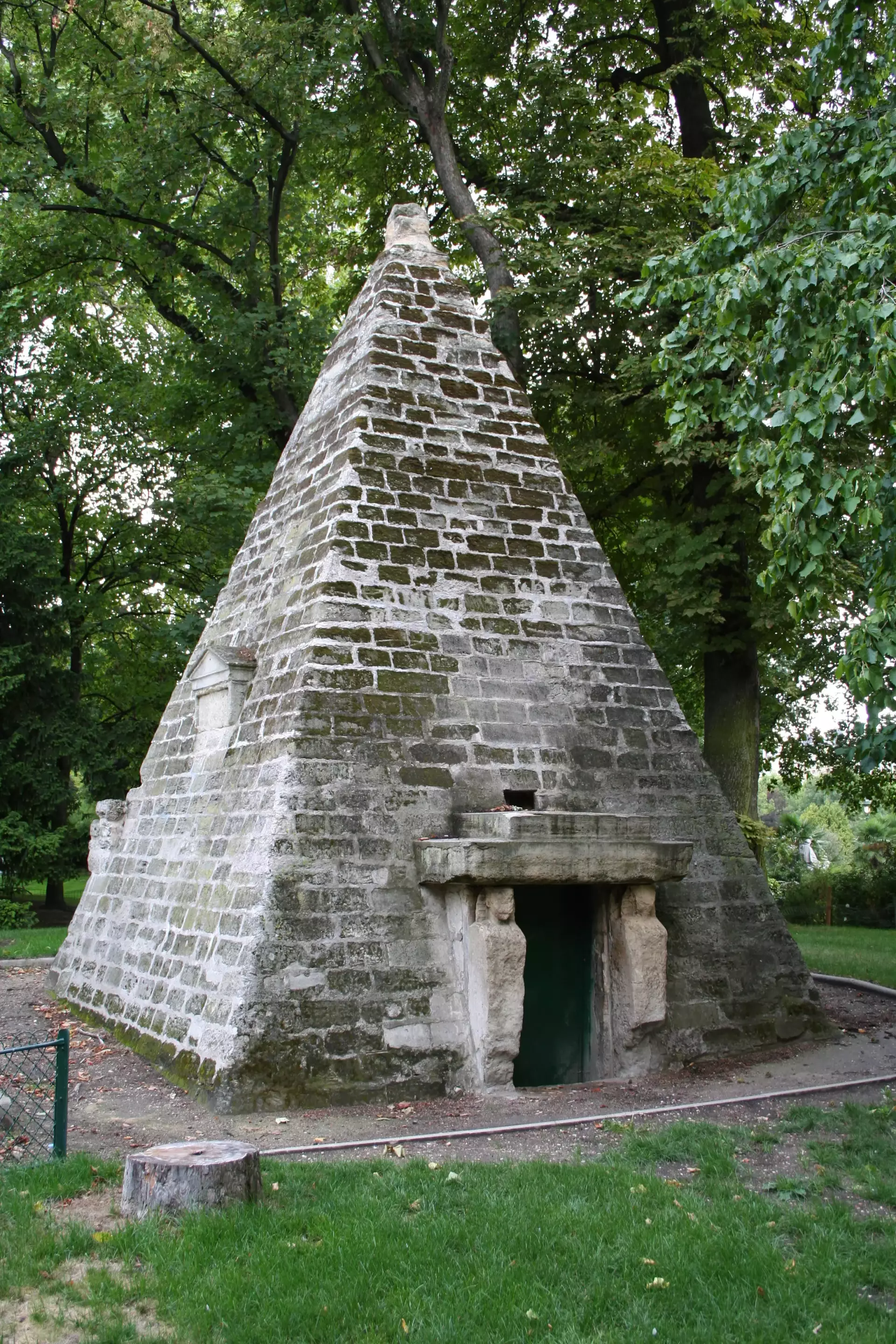
Throughout Parc Monceau, there are statues, a grand entrance rotunda, and several unusual architectural replicas. Visitors can find small versions of an Egyptian pyramid, a Dutch windmill, and even a Chinese fort scattered across the lawns. These playful details add a sense of wonder and surprise to every visit.
Thanks to Baron Haussmann, this area was preserved as a park for everyone to enjoy. Today, people can relax, connect to the free Wi-Fi, and admire both the natural scenery and the surrounding historic buildings. Parc Monceau remains a special place where the spirit of Parisian leisure and creativity comes alive.
Source - https://en.wikipedia.org/wiki/Parc_Monceau
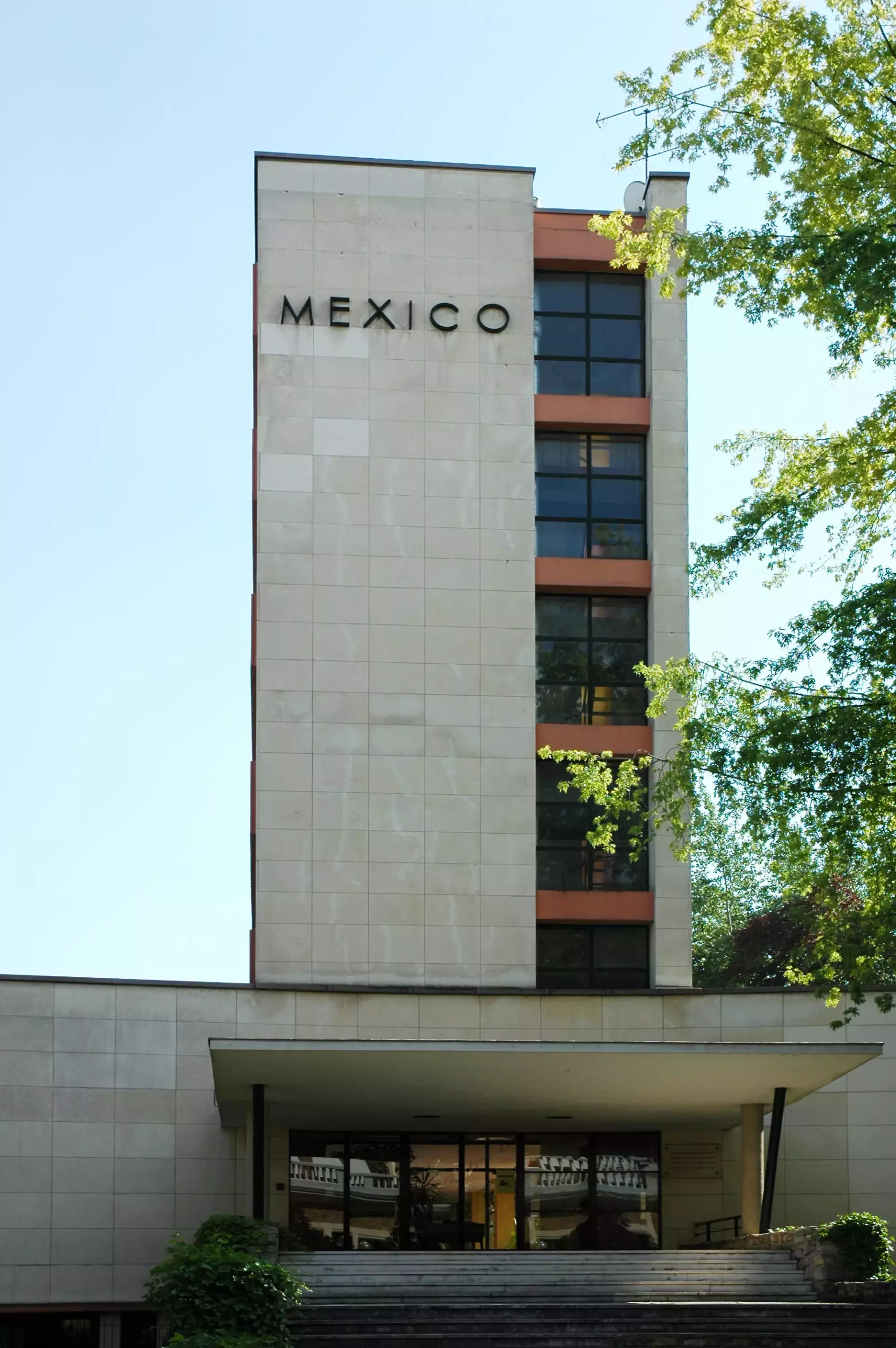
The C.I.U.P. is a student quarter established in 1925, providing homes for about 10,000 students, scientists, and artists from 120 countries. It has 40 houses attributed to individual nations. The individual houses organise top quality cultural and political events. Among the most remarkable buildings are the Fondation Deutsch de la Meurthe, the Heinrich Heine House (Maison Heinrich Heine - Fondation de l'Allemagne), the Swedish Student House (Maison des Etudiants Suédois), and the Swiss Pavilion (Pavillon Suisse) which was built in 1933 on plans of Le Corbusier.
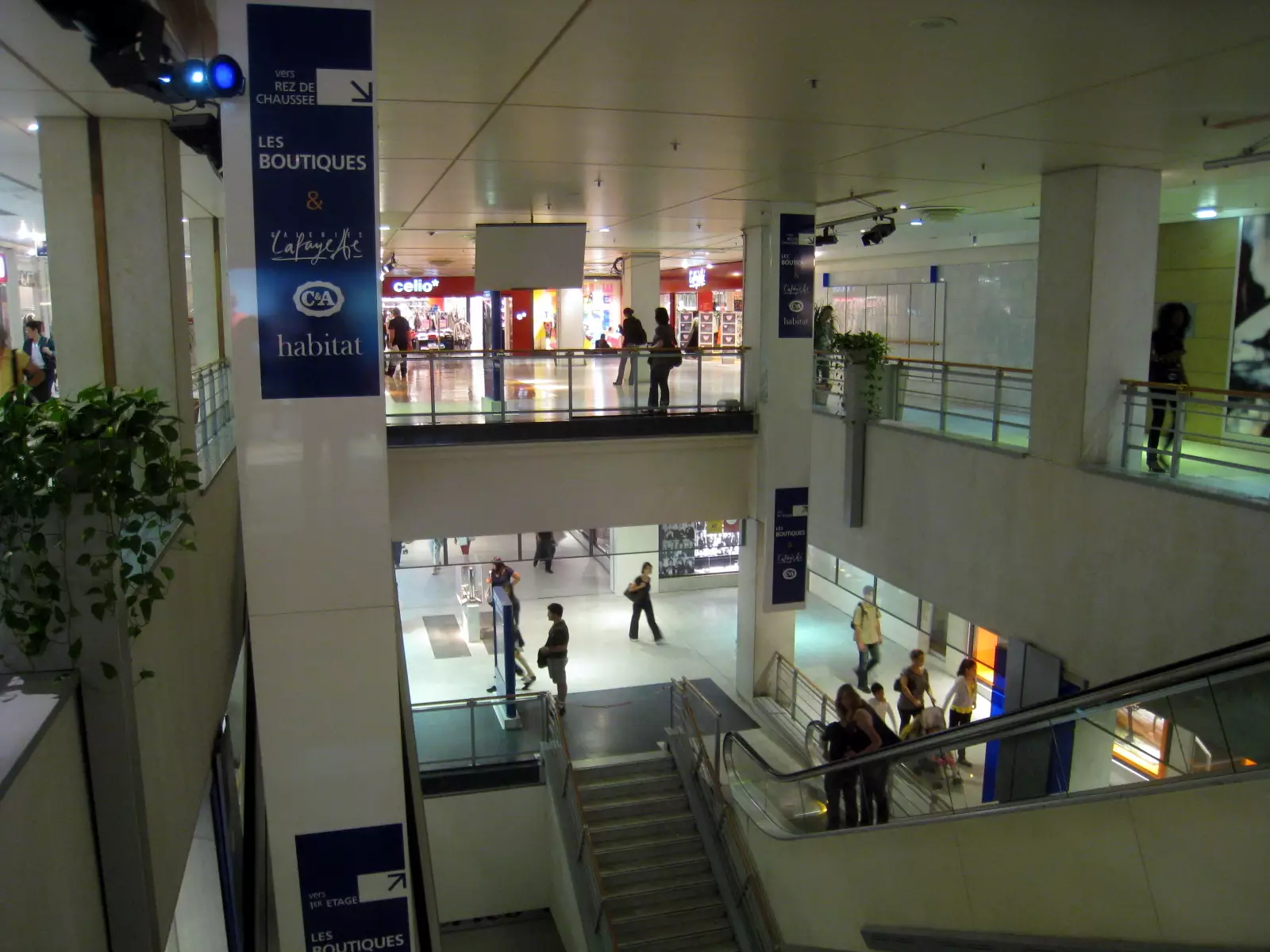
If the queues at the Eiffel Tower are just too much for you and your time is limited, consider a trip up the Montparnasse Tower. This is an office building with an observation and shopping area on the 56th floor, where the elevators stop, and an open viewing area on the roof. Arguably the view is better than from the Eiffel Tower: you are not so high up so things are more visible, and you can see the Eiffel Tower!
The Jewish quarter, with many small delis and shops. Lively on most days except for Saturdays.
St. Geneviève was responsible for saving Paris from the Huns in 451 and her shrine in the church has been a popular place of pilgrimage ever since. The church as it stands dates from between 1492 and 1626 and is a mix of Gothic and Renaissance architectural styles. A unique feature is the Renaissance rood screen, the sole survivor in the city.
The northwest corner of the Bois de Boulogne is occupied by the oldest operating amusement park in the world, the Jardin d'Acclimatation, which is mainly known for offering a wide range of amusements which are appropriate even for very small children. They have miniature roller-coasters for children as small as three years, and the usual range of pony rides etc.
CLOSED UNTIL LATE 2024 OR 2025 FOR RENOVATION WORKS. Built in 1900 for the universal exposition, the Grand Palais was an engineering feat and a milestone of design, marking the transition between historicism and modern architecture. It remain impressive today due to its unique, exquisite style and sheer volume of its main nave. The Grand Palais, managed by the state-owned institution Rnm who also manage the Musee de Luxembourg, is used both for temporary exhibitions of historic and contemporary art collections (both beaux arts and applied) and unique events, such as catwalk shows during the Paris Fashion Week, Bonhams car auctions and prestigious galas.
The City of Architecture and Heritage, accommodated in the Palais du Chaillot, is a museum and gallery of French architecture. The centrepiece is the spectacular Hall of Casts, a collection of full-size plaster casts of facades, towers, doorways and windows of great buildings from all over France. Architecture of the late 19th, 20th, and 21st centuries is represented by additional galleries of models and images.
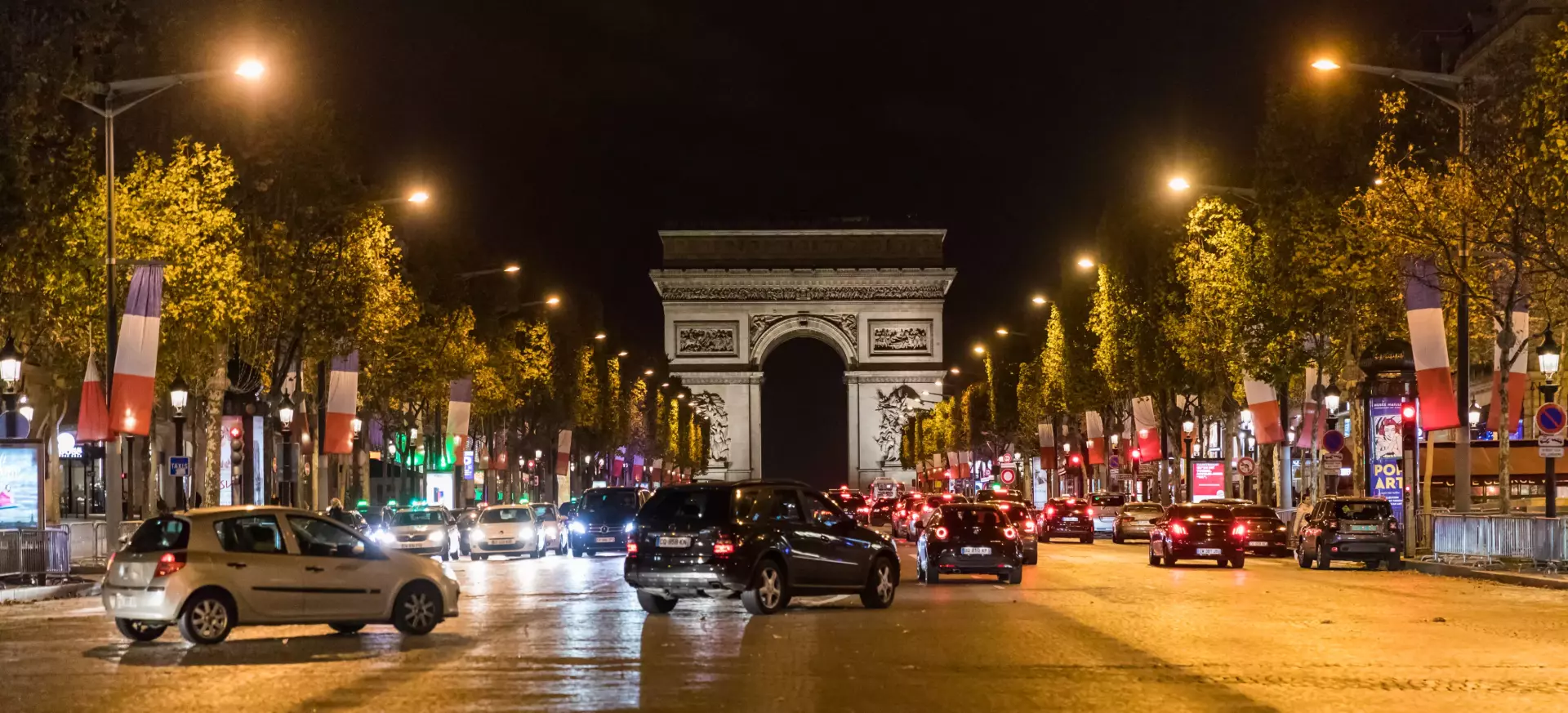
For many visitors one of the must-see places in Paris is the Avenue des Champs-Elysées which was first created in 1667 by Louis XIV's gardener, Andre Le Nôtre, in order to improve the view from the Tuileries garden. This elegant and broad avenue was extended towards the end of the 18th century, now running from the place de la Concorde to the Arc de Triomphe. It is noted today as one of the most prestigious shopping boulevards of Paris.
A former fortress and royal residence at the edge of the city, alongside the Bois de Vincennes. Most of the building is open to public.
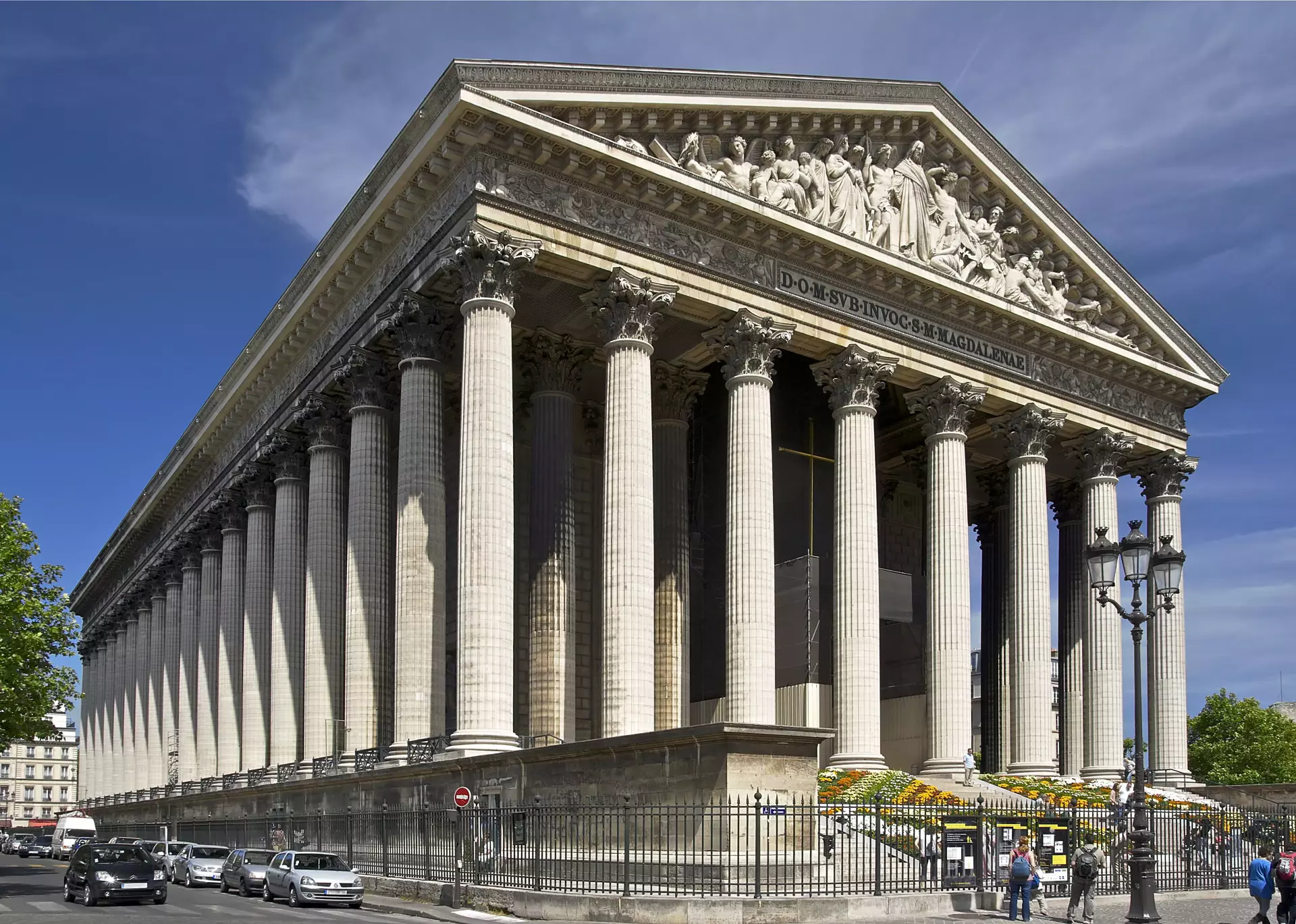
One of the best-known and most beautiful churches in Paris, in the guise of a Corinthian order classical temple. Construction started in 1764, although the church was not finally consecrated until 1845. The Madeleine has a lavish interior of marble and gold.
Famous people who stayed here include Marie de Rohan, intriguer during the Fronde; Jeanne Baptiste d'Albert de Luynes, future mistress of a duke of Savoy; Marie Angélique de Fontanges, mistress of Louis XIV, died here giving birth to his child who also died. Today its main cloister (illustration) forms part of the modern Hôpital Cochin.
The Museum of Mankind, accommodated in the Palais du Chaillot, is an anthropological museum covering the history of mankind and human societies.
Part gallery - part restaurant - part nightclub, La Cite (Les Docks) is a modern building that is instantly recognisable due to being draped on one side with a large neon green shell covering the stairwells and roof the building. Roughly translated in English as The City of Fashion and Design, this is a trendy spot at the weekends and is used for event like Paris Design Week. The restaurant in the building is open all year round.
Reopened after extensive renovations, this small museum near the Louvre houses the Jean Walter and Paul Guillaume Collection, sold to the French Republic on very generous terms and numbering 143 paintings from the late 19th century and the first half of the 20th century (15 Cézannes, 24 Renoirs, 10 Matisses, 12 Picassos, 28 Derains, 22 Soutines). The collection joined the eight immense Water Lilies that Monet gave France in 1922 and which have been displayed since 1927 in two huge oval rooms purpose-built on the artist's instructions.
The east wing of the Palais de Tokyo holds the modern art collection of the city of Paris, dating roughly from World War I to date (the older part of the collection is at the Petit Palais in the 8th), including around 10,000 works.
There are a number of famous occupants, but the real reason to visit this cemetery is to see the ornate tombstones, sculptures, and other sometimes macabre, sometimes touching memorials Parisians have left here for their dead.
One of the largest collections outside Asia of Southeast Asian, Indian, Afghan, Chinese, Japanese, and Korean art.
Guimard's own home, built in 1909-12. It is less decorated than Castel Béranger, but still beautifully shaped. Privately owned and not open to the public.