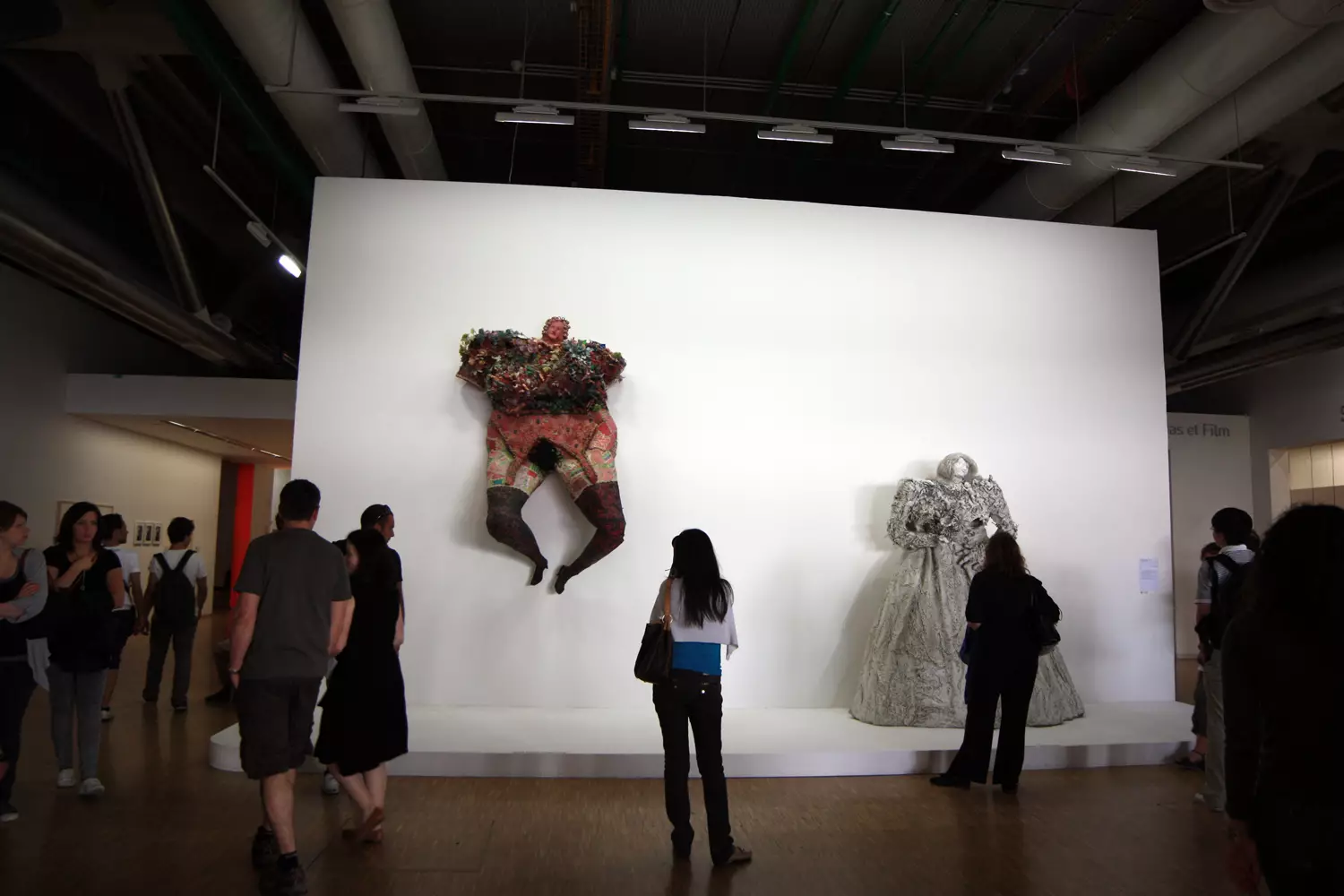
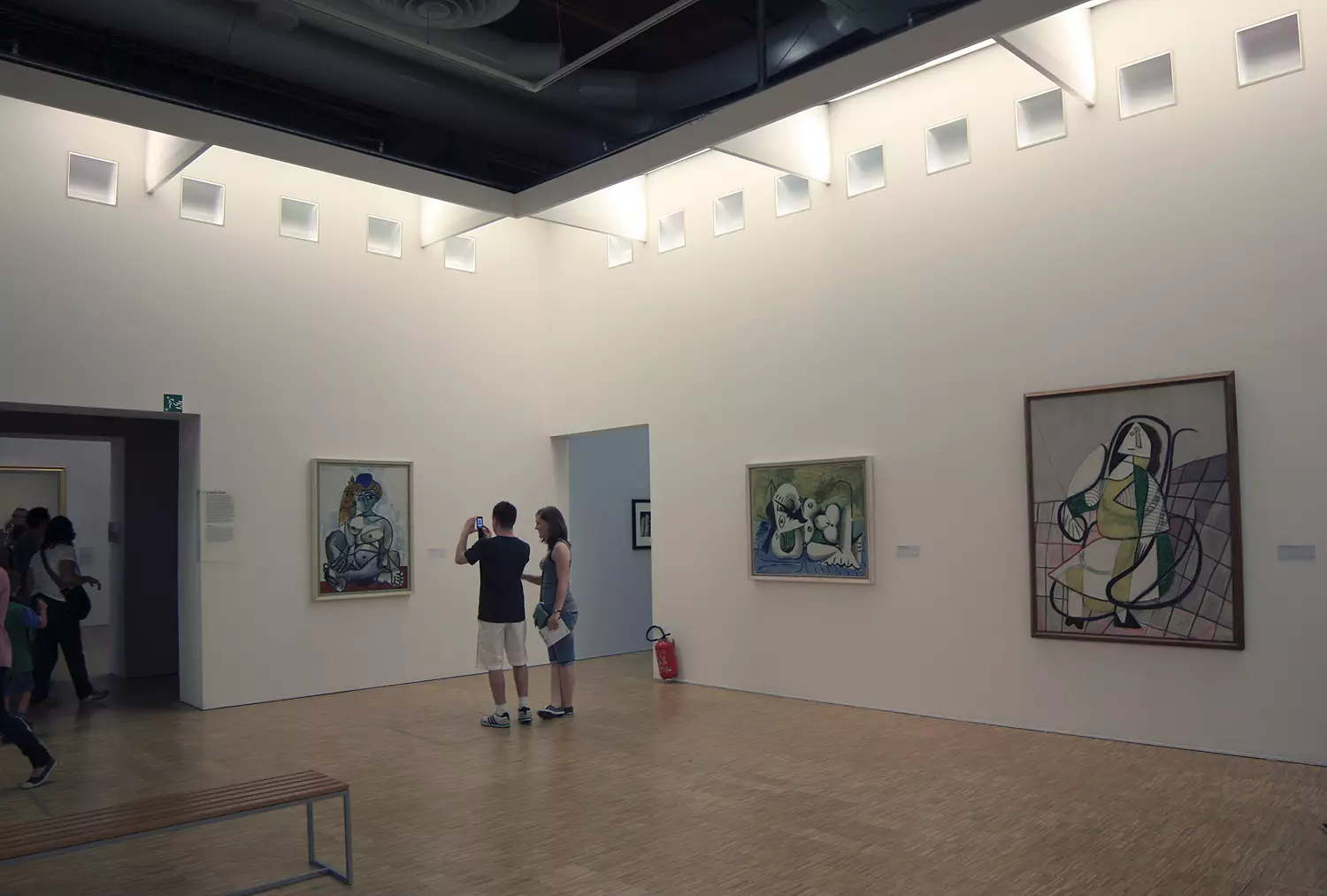
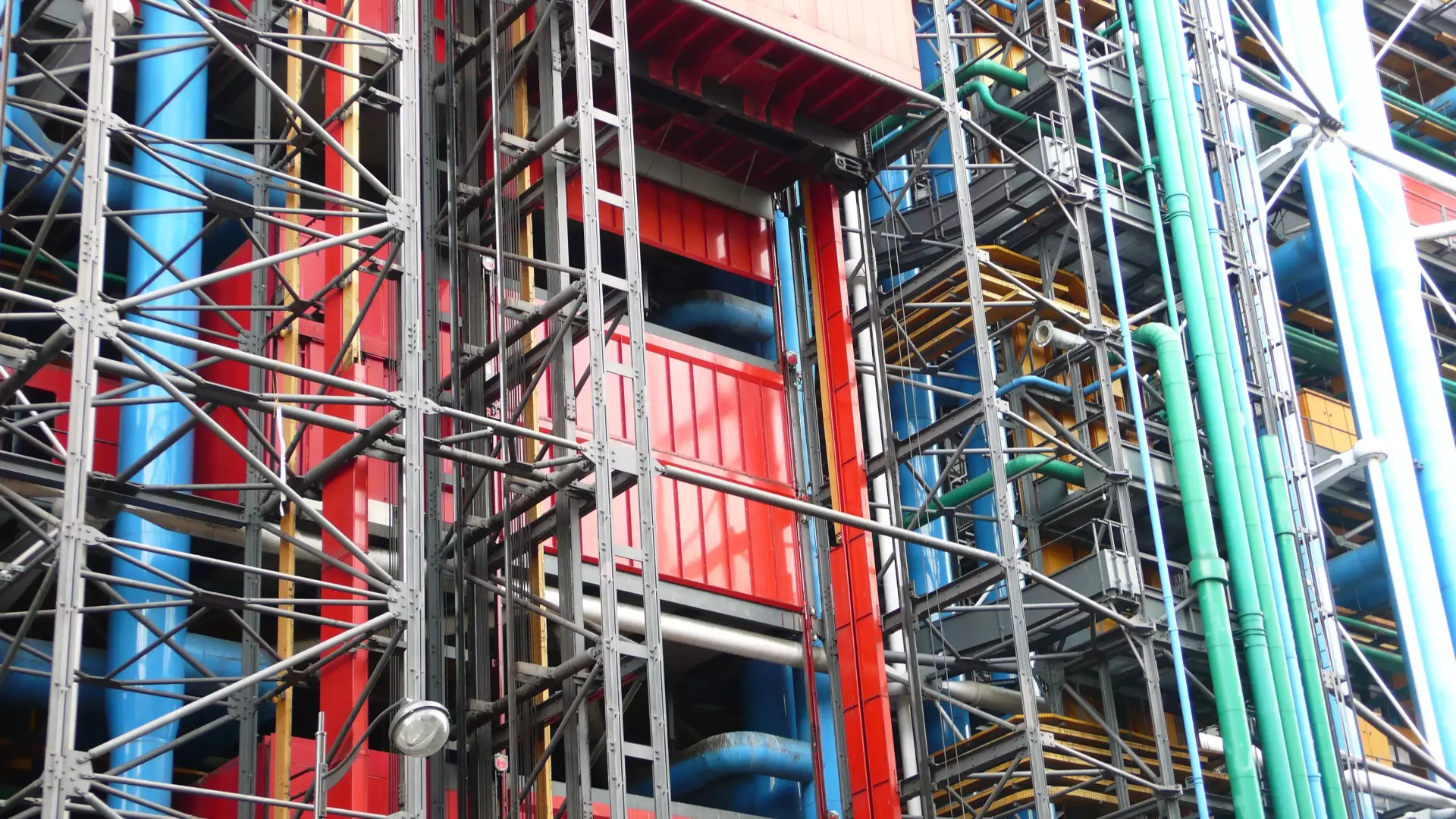
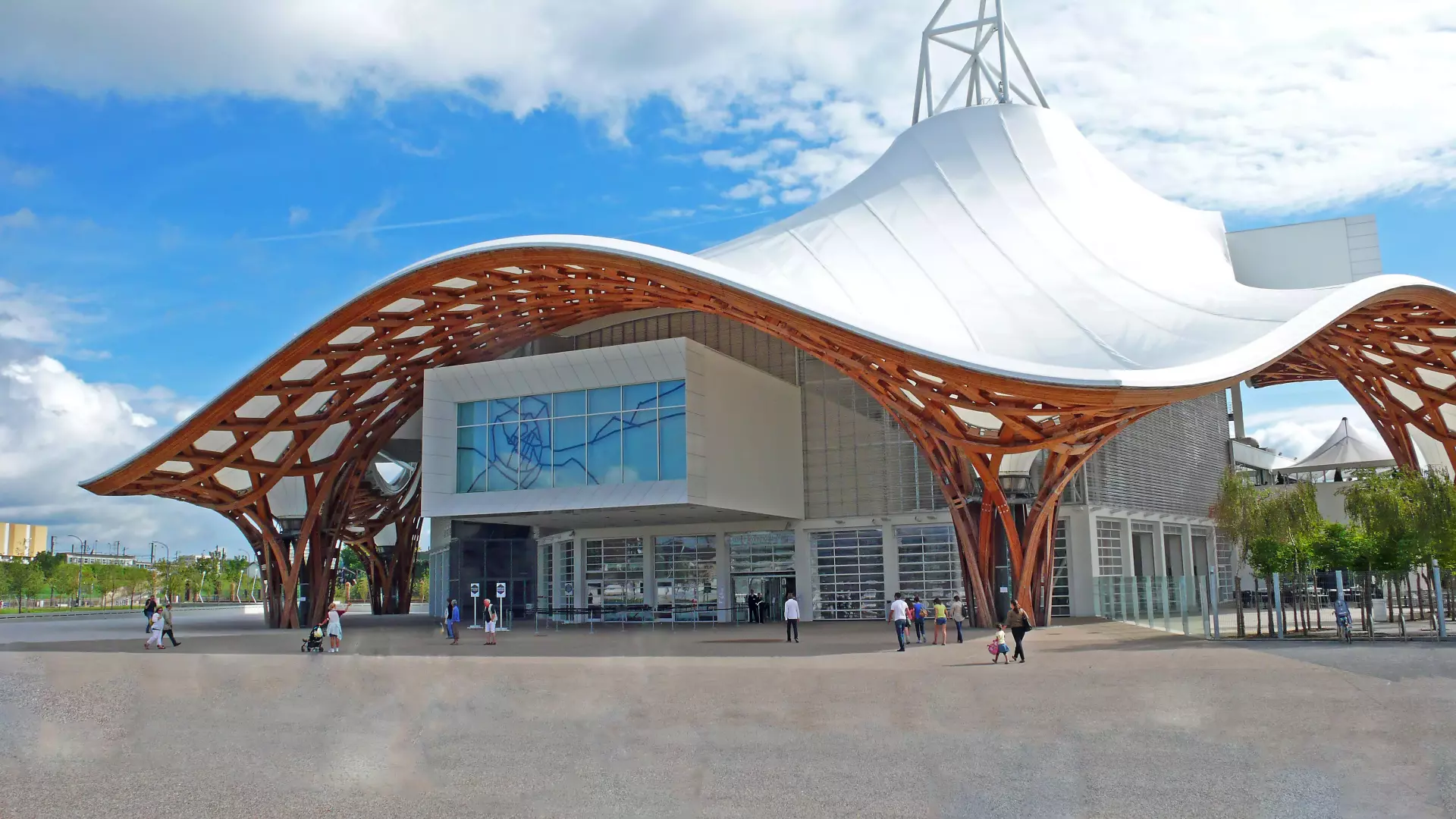
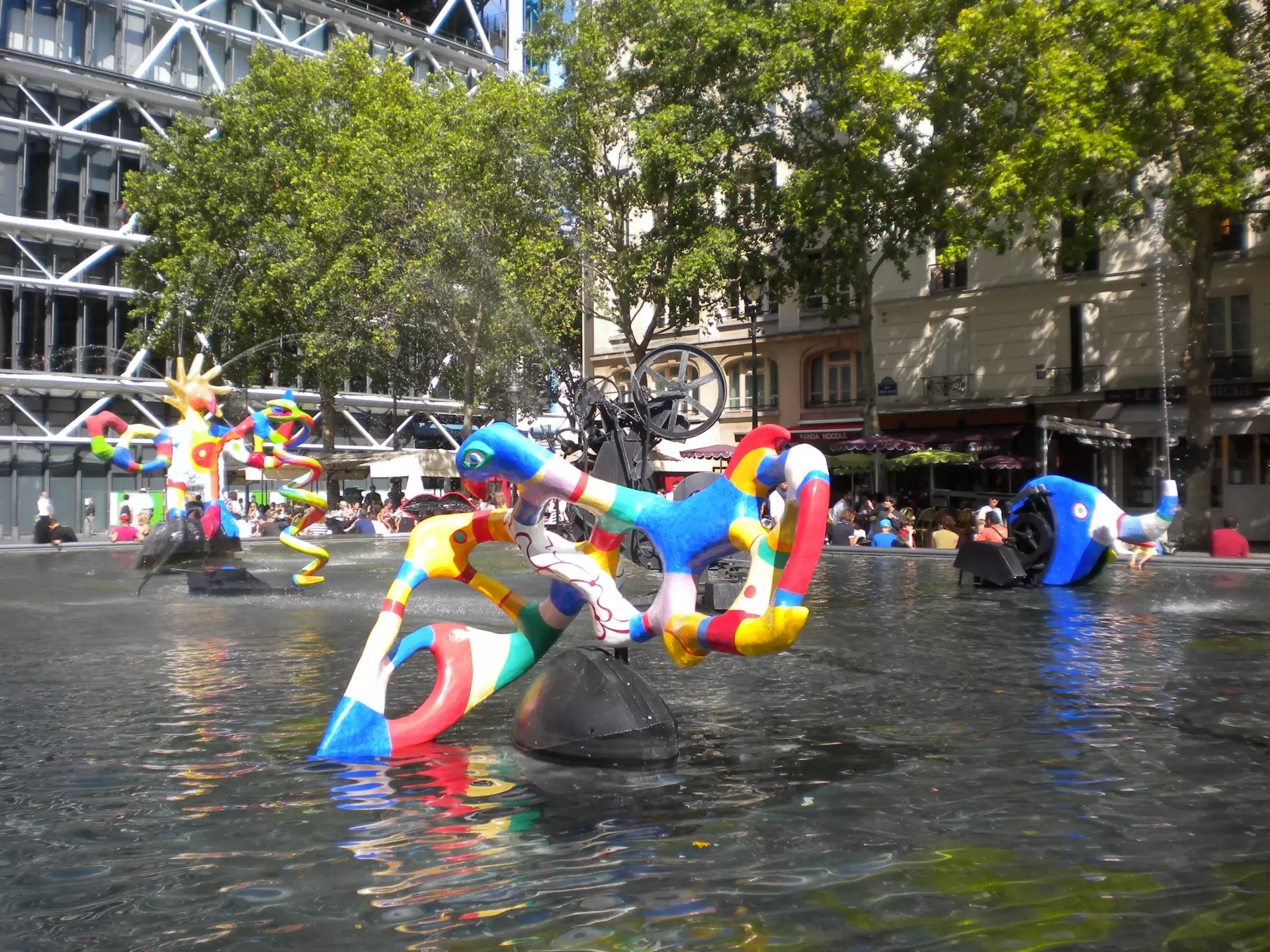
The Centre Georges Pompidou welcomes visitors with a collection of conceptual art designed to be engaging and accessible. Many of the works on display are fun, surprising, and interesting, making the museum an easy way for newcomers to explore modern art without feeling overwhelmed.
The Pompidou Centre is much more than an art museum. Inside, visitors will find a large public library that attracts students, locals, and travelers who want a quiet place to read or study. Those seeking a special view of the city can take the escalators to the top floor, where a restaurant managed by the Costes brothers offers dining with a spectacular Paris skyline backdrop.
Outside, the area around the Pompidou Centre is always buzzing with life. The building sits between the popular pedestrian area of Forum Les Halles and the creative Marais art district. It is surrounded by many of Paris’s most charming pavement cafés, making it a perfect spot to relax and watch the world go by.
Source - https://en.wikipedia.org/wiki/Centre_Pompidou
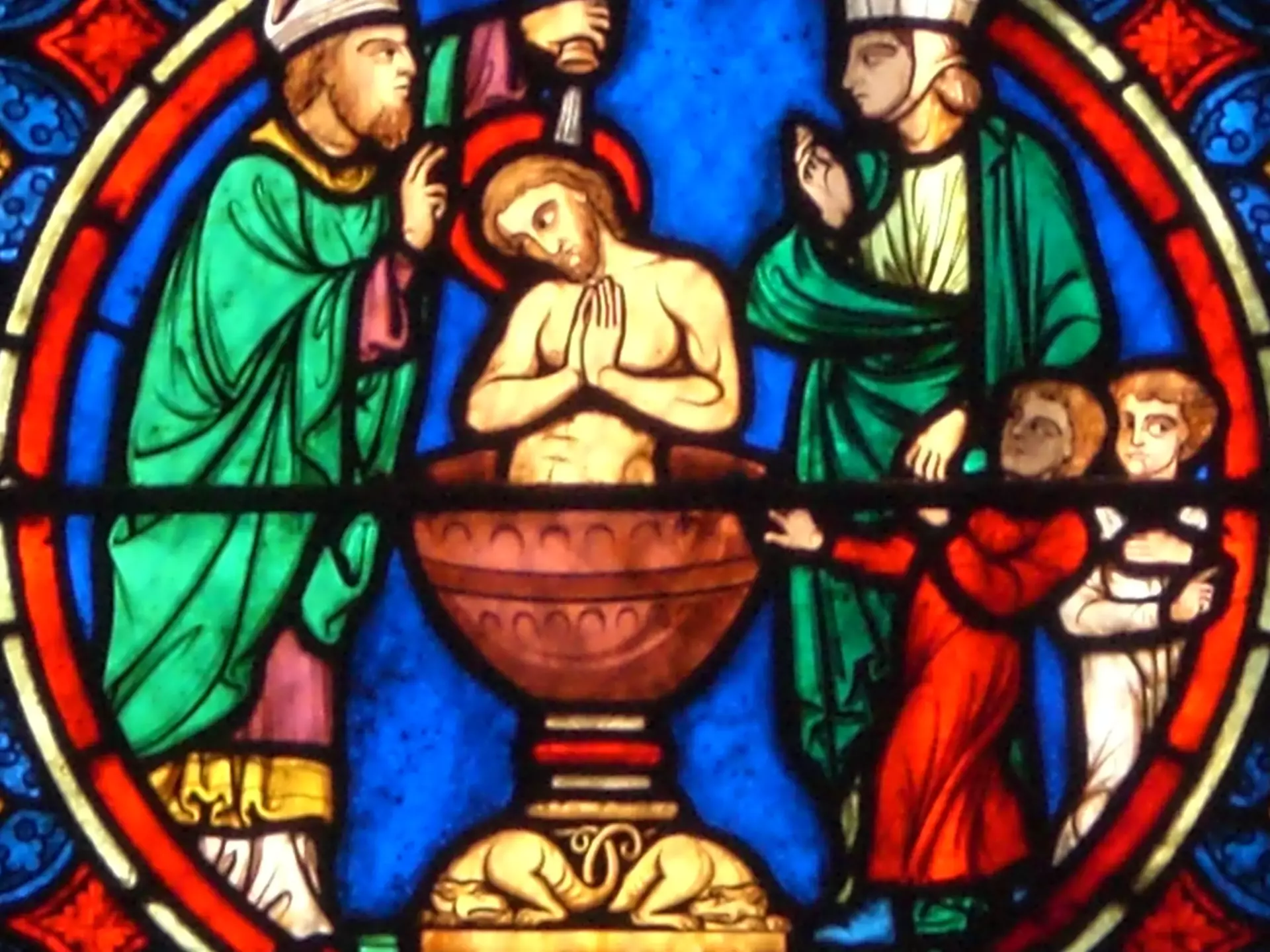
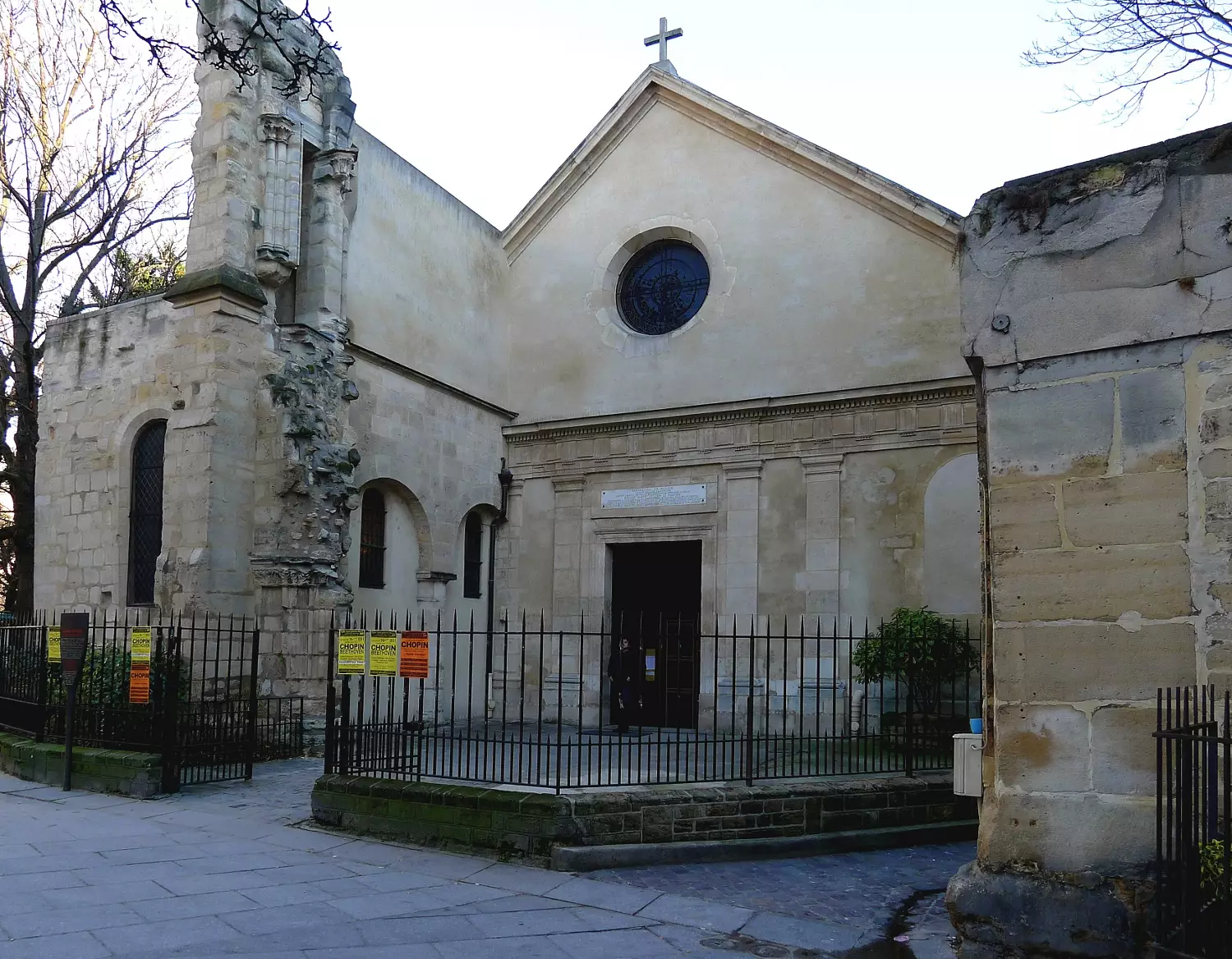
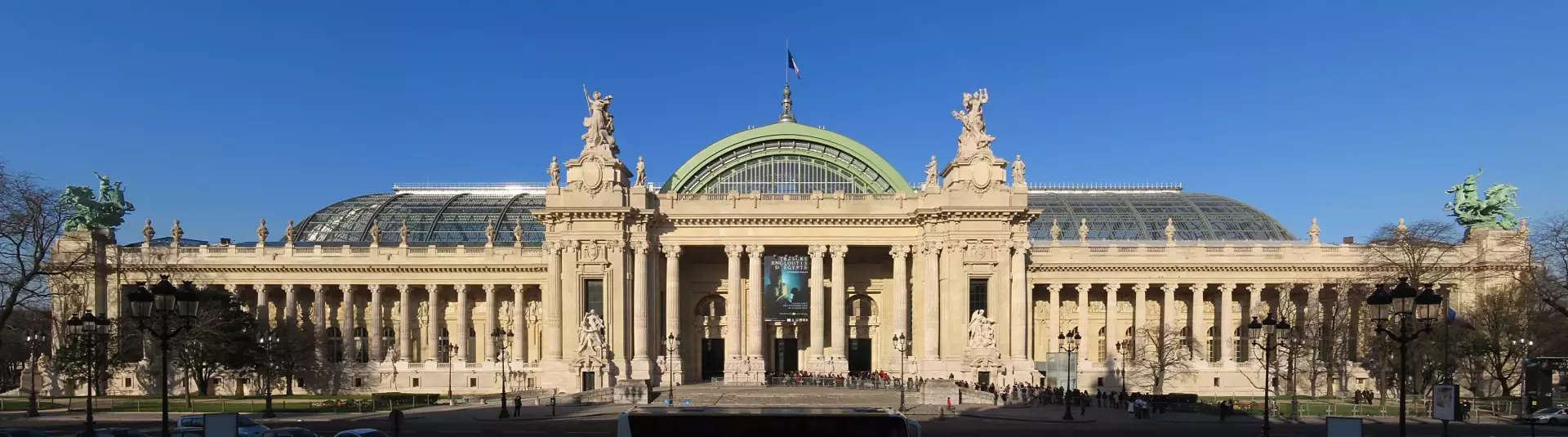
The Petit Palais was built as a complement to the Grand Palais for the 1900 universal exhibition, and afterwards became the prime exhibition venue for the City of Paris' vast collection of artworks spanning centuries from ancient history to around 1914. (Later material is at the Museum of Modern Art of the City of Paris in the 16th). There is a permanent exhibition of selected artworks of artifacts, complemented by temporary exhibitions of historic artworks. The Petit Palais also features an on-site cafe/restaurant, as well as a book and gift shop.
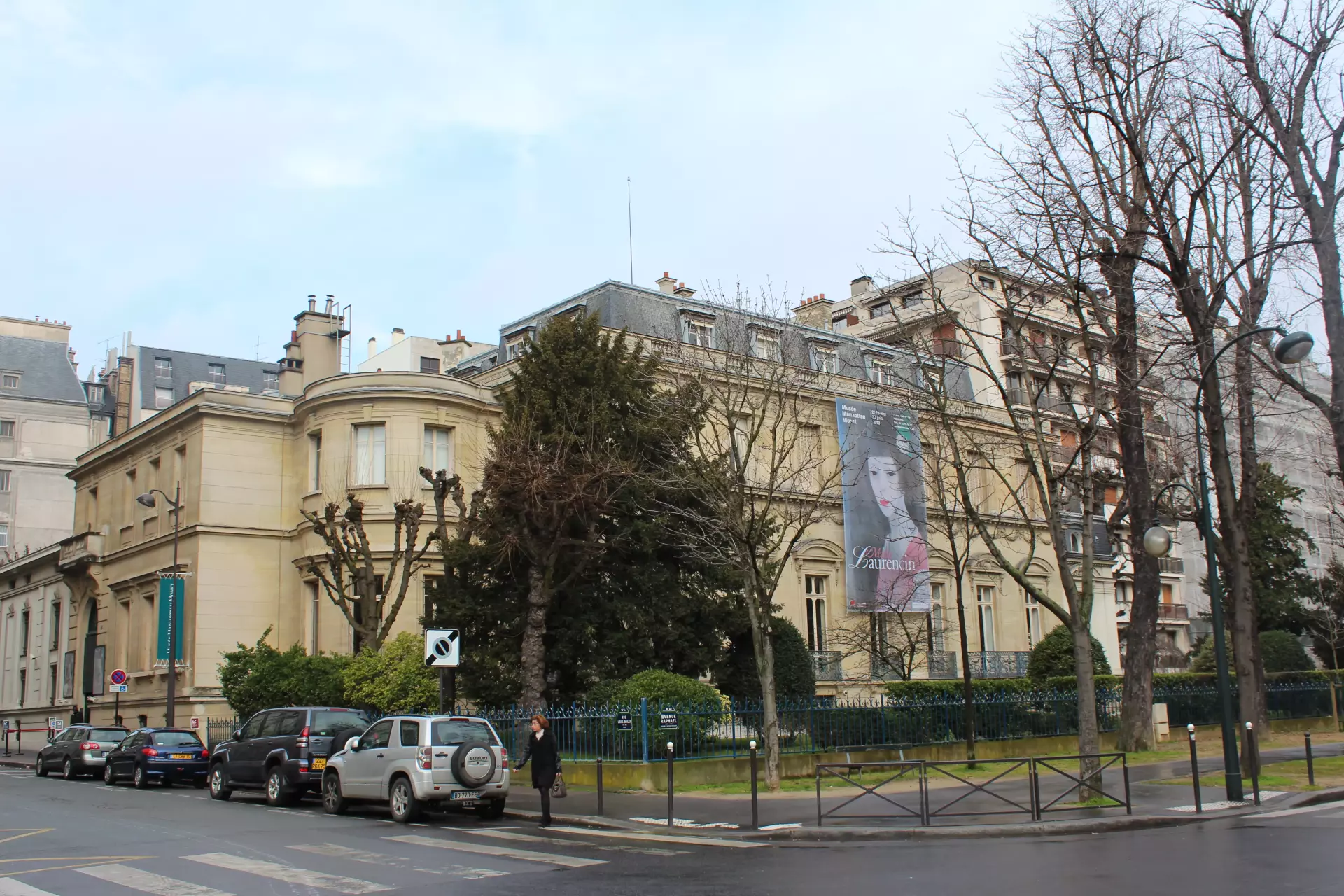
Most of the works by Picasso and others which were in the master's possession at the time of his death are now on display here.
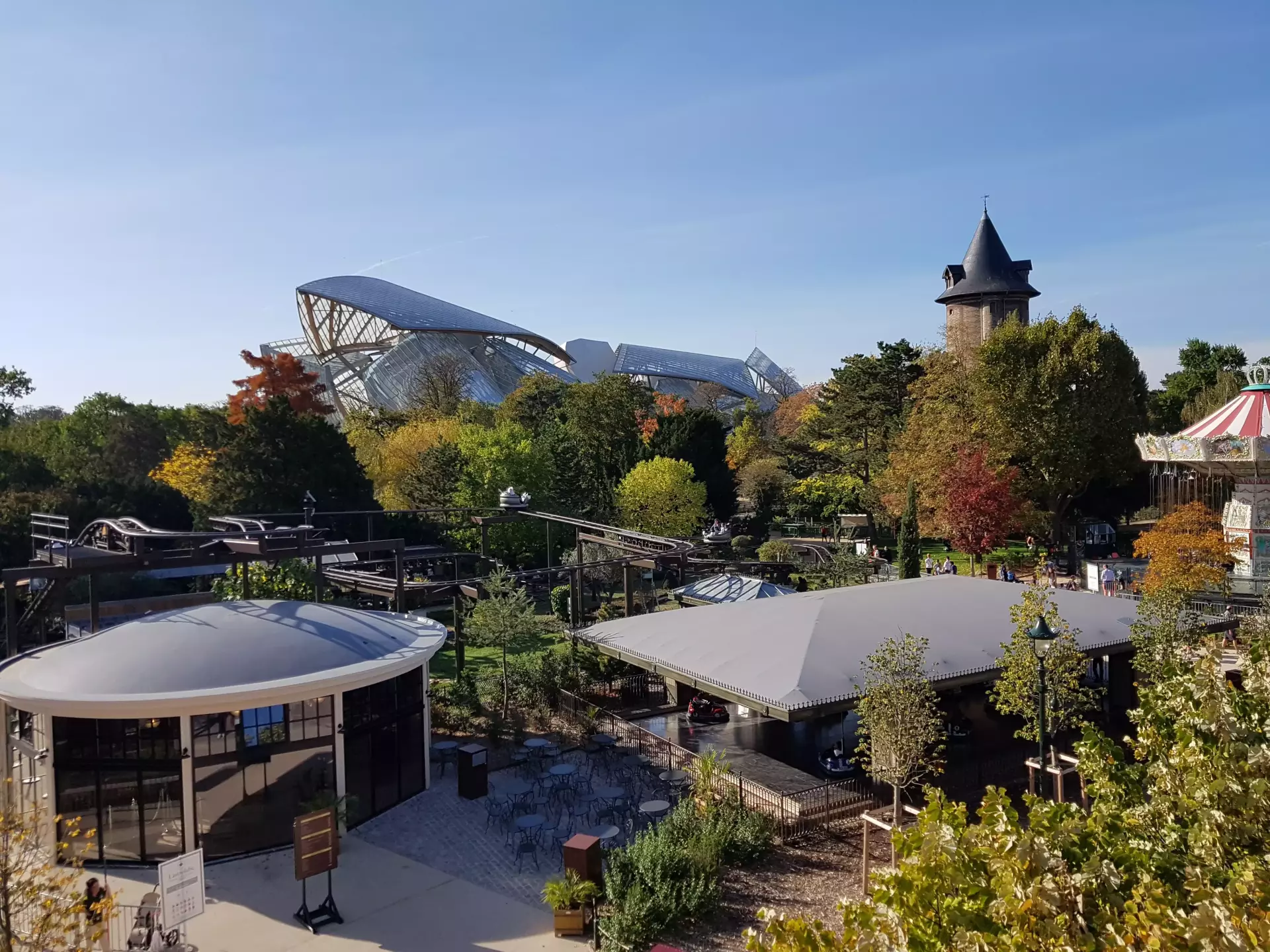
One of Paris's best kept secrets, painted by Monet numerous times. It is a very elegant centre of green in the middle of cosmopolitan Paris. Make sure you check out the statues, entrance rotunda and the surrounding mansions. Thanks to Haussmann himself this precious slice of parkland was reserved for the enjoyment and leisure of the people of Paris. It is unusual in France due to its casual, informal "English" style planning, and is a contrast to other Parisian parks such as the classically laid out and formal Luxembourg Gardens and the Tuileries. Randomly placed throughout the park are scaled-down architectural replicas including an Egyptian pyramid, Dutch windmill, and a Chinese fort. Free Wi-Fi in the park.
A controversial church serving as de facto headquarters of the arch-traditionalist Society of Saint Pius X, who occupied the church in 1977 and have ignored subsequent eviction orders.
Between the River Seine and the rail yards attached to Gare de Lyon and Gare de Bercy is a green space which would seem pretty huge if the 12th weren't also the home of the Bois de Vincennes. The park is a good place to hang out waiting for the line to form for sporting events and concerts at AccorHotels Arena.
A monument to the French art de vivre, housed in a 19th-century wing of the Louvre that has been restored to beaux-arts splendour, its galleries and period rooms showcase eight centuries of Gallic taste in interior decoration.
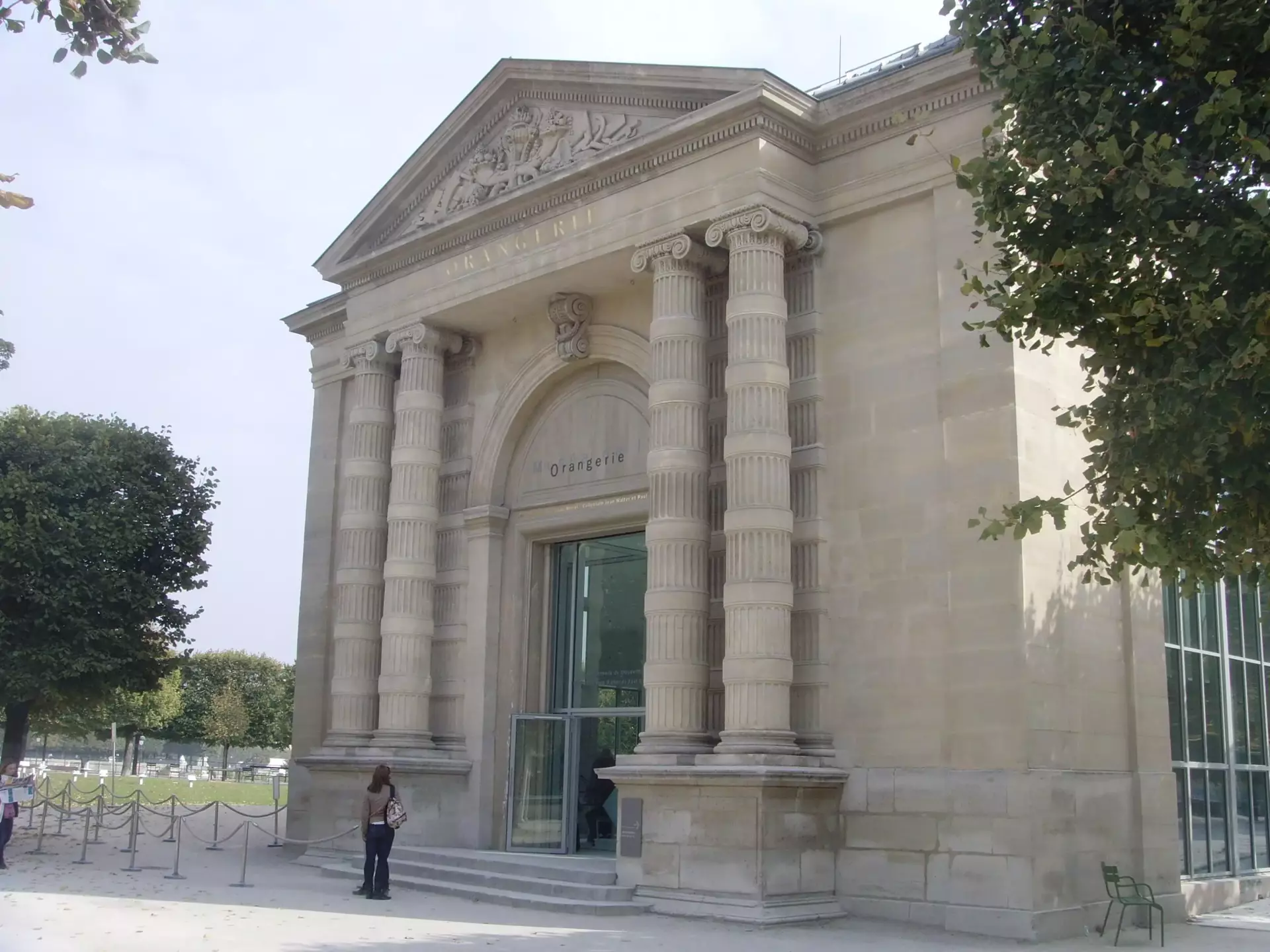
Built adjoining the now-lost royal palace of the Tuileries, these gardens lying immediately west of the Louvre offer a central open space for Parisians and visitors with semi-formal gardens (an outdoor gallery for modern sculpture), various cafés, ice cream and crépe stalls, and a summer fun fair. The gardens are frequently home to a giant Ferris wheel and enclose the Musée de la Orangerie and the Jeu de Paume.
The Paris Botanical Garden, founded as the royal medicinal garden in 1626 by King Louis XIII's doctor, contains over 10,000 species. The grounds also include a small zoo known as La Ménagerie, and the Muséum National d'Histoire Naturelle, which includes the Grande Galerie de l'Evolution (where you can see thousands of naturalized animals from all over the world) and the 'Galerie de paléontologie et d'anatomie comparée' (same thing, but with skeletons).
Numerous artists paint portraits of tourists and also sell their paintings.
The national library preserves collections of historic documents of both French and international origin. It holds 5,000 Greek manuscripts. You can get a day pass to visit or choose to visit only the expositions the library hosts.
The ancient medieval fortress and prison of the city's island, site of some remarkable medieval royal architecture and the scene of Marie Antoinette's imprisonment in the period leading to her execution in 1793; lots of revolutionary associations.
Visitable only by reservation and then only one Saturday every month. A richly decorated palace built for Marie de Medici in the early 17th century, which is now the French Senate. For those interested in seeing a Parisian monument normally unavailable to the public, or for those interested in the inner workings of the French Government. The large Luxembourg Garden is open to the public year-round. The garden is home to the Medici fountain, a children's playground, and vintage toy boats for hire that children push around in the Grand Bassin duck pond (a 90-year tradition).
a Roman Catholic church on the east side of the Place Saint-Sulpice within the rue Bonaparte, in the Luxembourg Quarter of the VIe arrondissement. At 113 metres long, 58 metres in width and 34 metres tall, it is only slightly smaller than Notre-Dame and thus the second largest church in the city. It is dedicated to Sulpitius the Pious. During the 18th century, an elaborate gnomon, the Gnomon of Saint-Sulpice, was constructed in the church. In front of the church itself is the magnificent Place Saint-Sulpice which contains the 'Fountain of the Four Bishops'. The church has a long-standing tradition of talented organists that dates back to the eighteenth century. In 1862, Aristide Cavaillé-Coll reconstructed and improved the existing organ built by François-Henri Clicquot. Though using many materials from Clicquot's French Classical organ, it is considered to be Cavaillé-Coll's magnum opus, featuring 102 speaking stops, and is perhaps the most impressive instrument of the romantic French symphonic-organ era. Its organists have also been renowned, starting with Nicolas Séjan in the 18th century, and continuing with Charles-Marie Widor (organist 1870-1933) and Marcel Dupré (organist 1934-1971), both great organists and composers of organ music. The current organists are 'titulaire' Daniel Roth (since 1985) and 'assistant titulaire' Sophie-Véronique Cauchefer-Choplin. In Saint-Sulpice Sunday organ recitals are held on a regular basis (Auditions du Dimanche, following the High Mass, usually from 11:30am till 12:05pm, during the subsequent mass, a visit of the organ loft is possible).
A must for anyone interested in the history of the American Revolution. This small cemetery includes three mass graves from the French Revolution, plus a section that includes many of France's most noble families that lost members during the French Revolution and consequently have a continuing right to be buried there. In the farthest right hand corner is the tomb of General Lafayette, the friend and fellow soldier of George Washington. Beside him is his beloved wife plus other members of her family, the de Noailles, who were almost completely wiped out during the French Revolution because of their closeness to the Court. Since 1834 the American flag has apparently flown continuously over his grave, even during the German occupation of Paris during World War II. Well worthy of a visit.