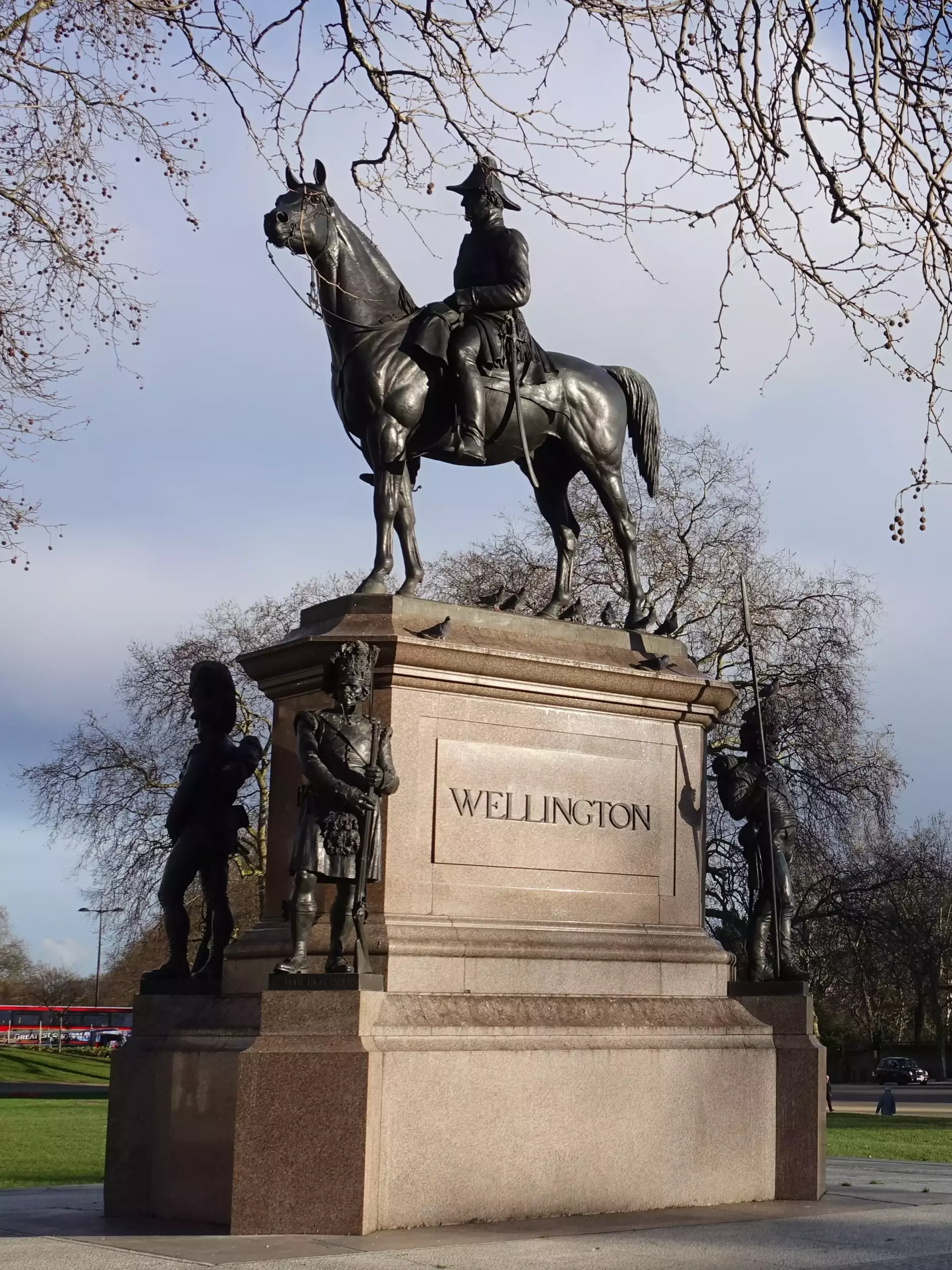
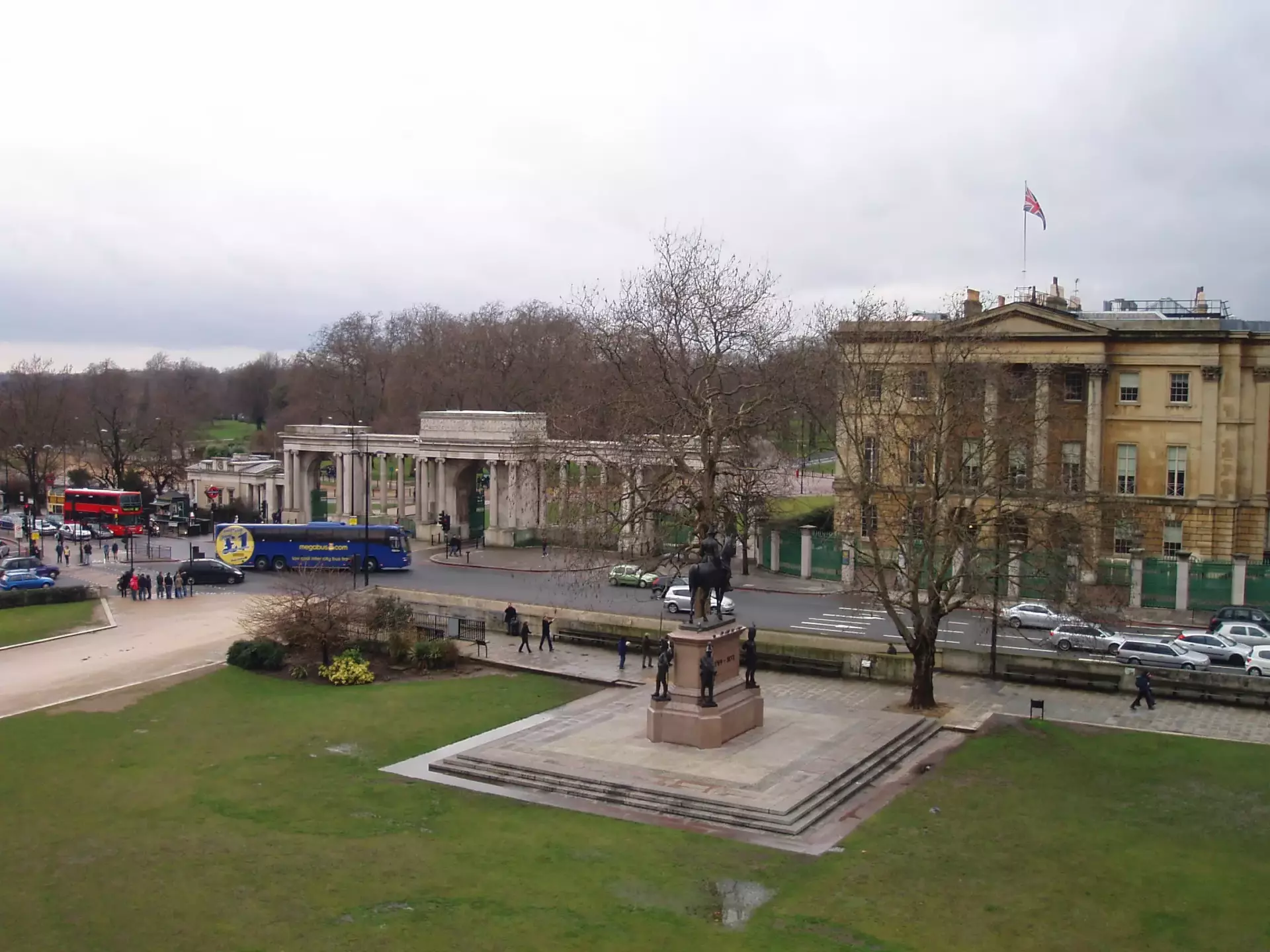
In the heart of the city stands a remarkable equestrian statue of the Iron Duke. This majestic sculpture is surrounded by four soldiers, each stationed at a corner of the pedestal, proudly representing the regiments that fought valiantly under his command. Among them are a Grenadier, Scottish Highlander, Irish Dragoon, and Welsh Fusilier, each sculpted with intricate detail.
What makes this statue even more intriguing is the material used in its creation. The bronze used to craft this striking monument was sourced from melted-down French cannons, adding a historic significance to its already impressive presence. This choice of material embodies the triumphs and challenges faced during the Duke's military campaigns.
Source - https://en.wikipedia.org/wiki/Equestrian_statue_of_the_Duke_of_Wellington,_Hyde_Park_Corner
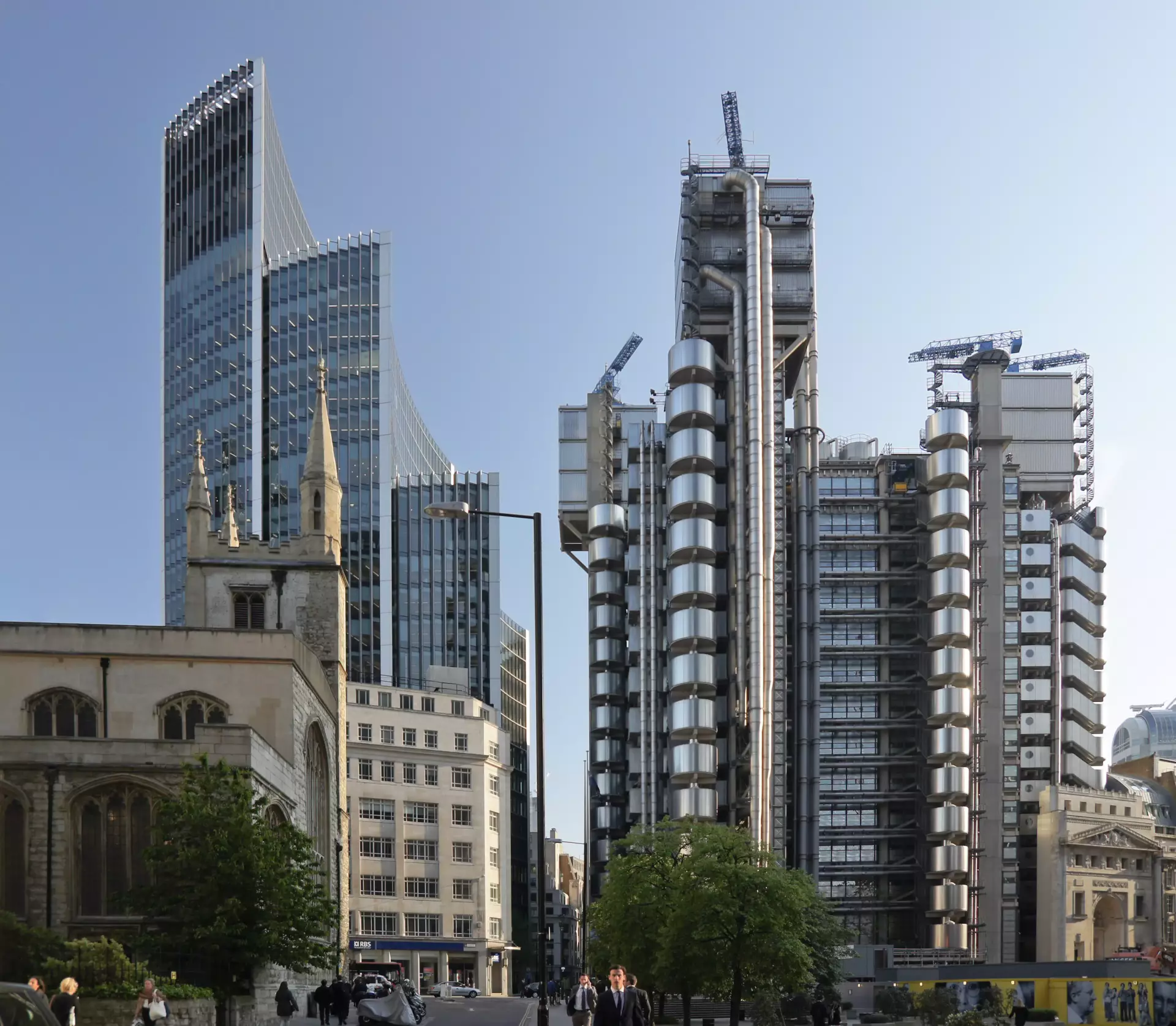
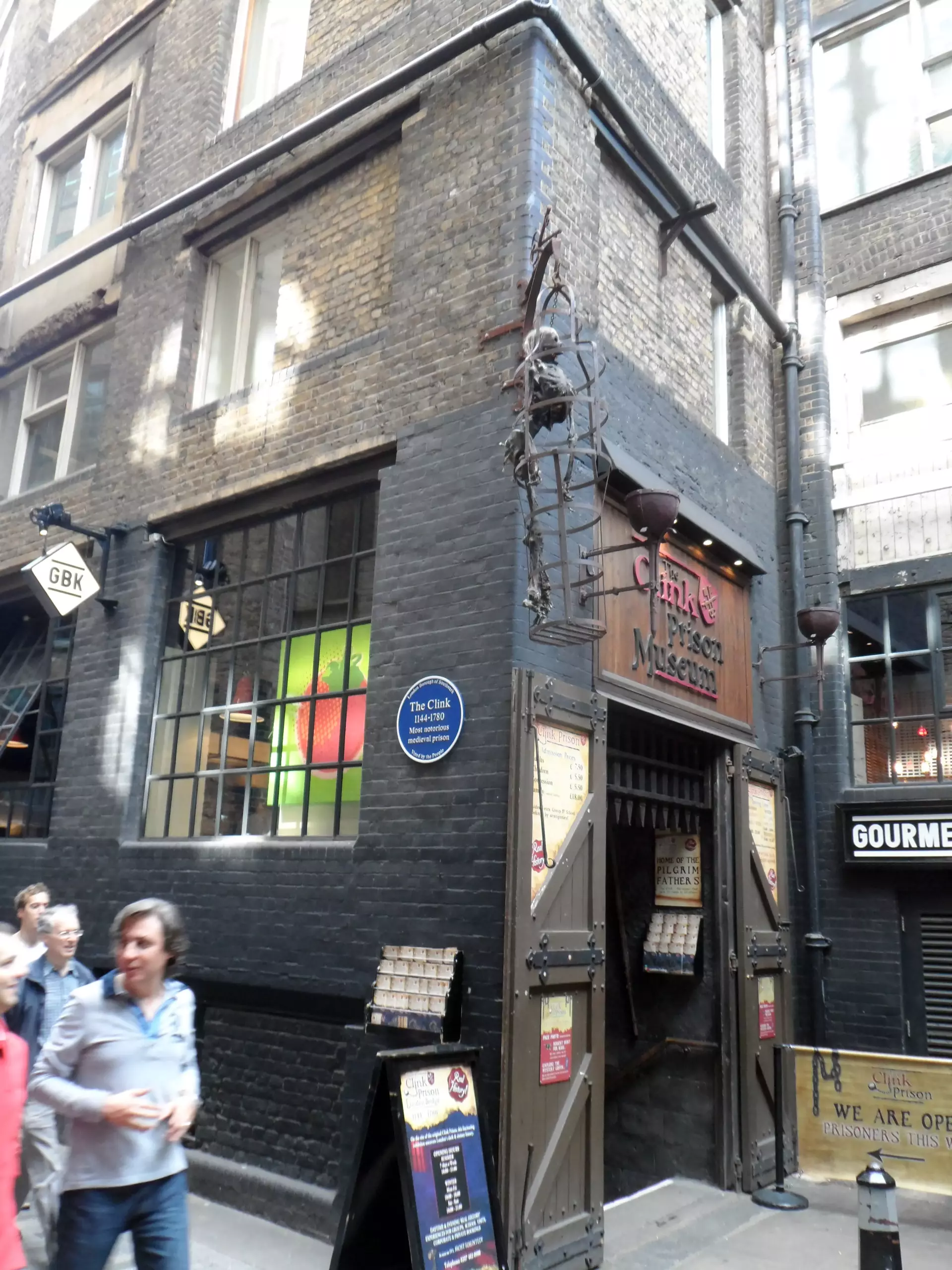
This venerable old institution was absorbed by the neighbouring Natural History Museum in 1985 but still has something of a separate identity. Unsurprisingly, devoted to all things geological with especially popular exhibits on vulcanology and earthquakes and fossils of all types. Very popular with kids and often underrated.
The second biggest greenhouse in London, containing over 2,000 species of tropical plants as well as birds and fish.
Not as popular with tourists as St Paul's north of the river, Southwark Cathedral has been the site of worship since the year 852. Literally in the shadow of London Bridge, the Cathedral is a shelter from the noise of the city. Next to the Cathedral is the Borough Market open Th-Sa with a wide range of speciality food to buy, a good area for lunch.
Completed in 1823, this attractive church near Broadcasting House is one of John Nash's masterpieces, with a prominent spire and circular vestibule. As of May 2025, it accessible only for worship.
A Victorian school, now a university with a mission to advance knowledge of the fine arts. Exhibitions are common. Times and admission charges vary but can often be free, although visitors may need to book tickets to certain events.
Cleopatra's Needle originated in the ancient Egyptian city of Heliopolis, in the Temple of Atum, but the Romans moved it to Alexandria in 12 BC. In 1819, viceroy Mehemet Ali presented Cleopatra's Needle to the British, commemorating military victories in Egypt, but it remained in Alexandria until 1877 when transportation was arranged to bring it to London. On the voyage, the ship capsized in a storm, killing six crewmembers. Cleopatra's Needle was thought to be lost, but Spanish trawlers found it afloat a few days later, and after some repairs, it arrived in London on 21 Jan 1878. The obelisk is flanked by two faux-sphinxes, which show the effects of bombings of London during World War II. Today, Cleopatra's Needle shows some wear from exposure to London's damp weather.
Worth a quick visit if you are passing. The brick and stone neo-Byzantine Catholic Cathedral (not to be confused with the much more famous Westminster Abbey) is near Victoria Station, just off Victoria Street. Construction started in 1895, and some of the interior is still unfinished. The Treasures of Westminster Cathedral exhibition is inexpensive and worthwhile for learning the history of the cathedral, there are interesting exhibits including a 1:28 wooden scale model uses by the architects. Has a café and gift shop.
One of the most expensive residential streets on the planet! Most of the buildings here are embassies or ambassadorial residences but the rest of the mansions belong to some of the richest people in the country (or elsewhere). For added historical value, during World War II, the current Norwegian embassy was where King Haakon VII led the Norwegian government-in-exile (commemorated by a blue plaque) and MI19's "London Cage" prisoner-of-war facility was located here. There is no public right of way but the Crown Estate allow pedestrians and cyclists to use the street; photography is not permitted.
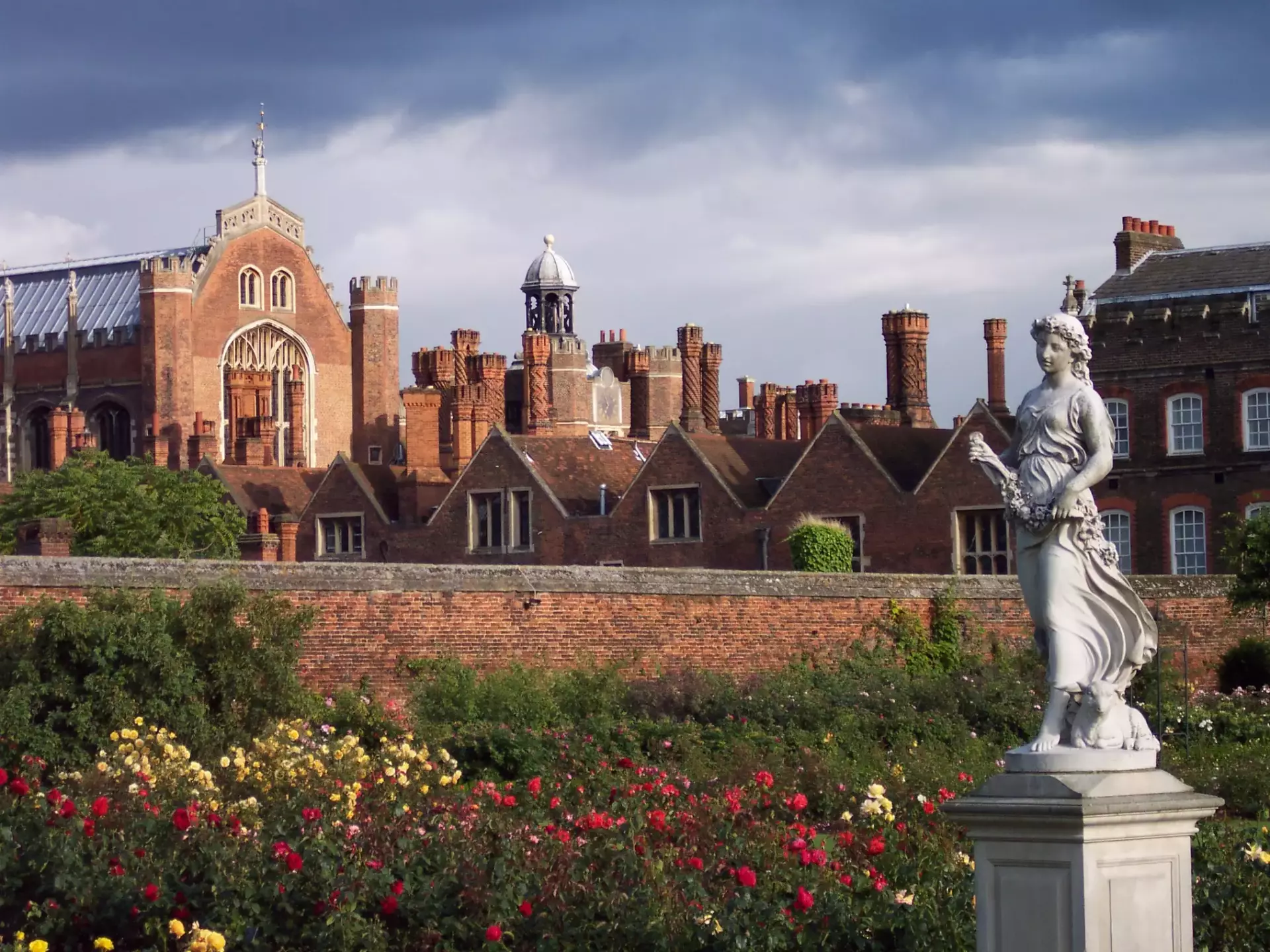
The remains of the once-magnificent palace, home to English kings since Edward I, adjoin Richmond Green, a pleasant open green space and historic cricket ground. Only the Gate House and Wardrobe, now converted into flats, remain.
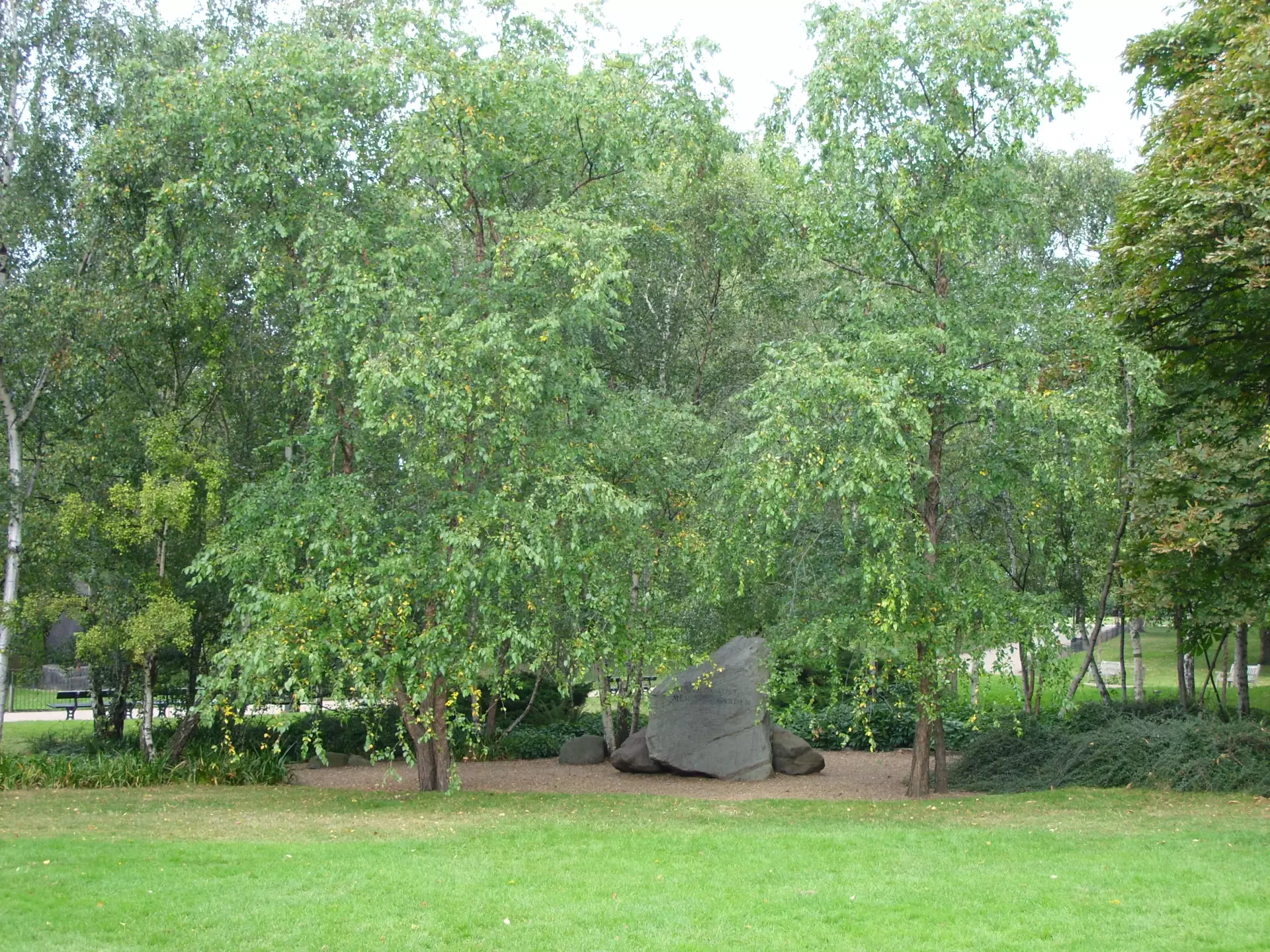
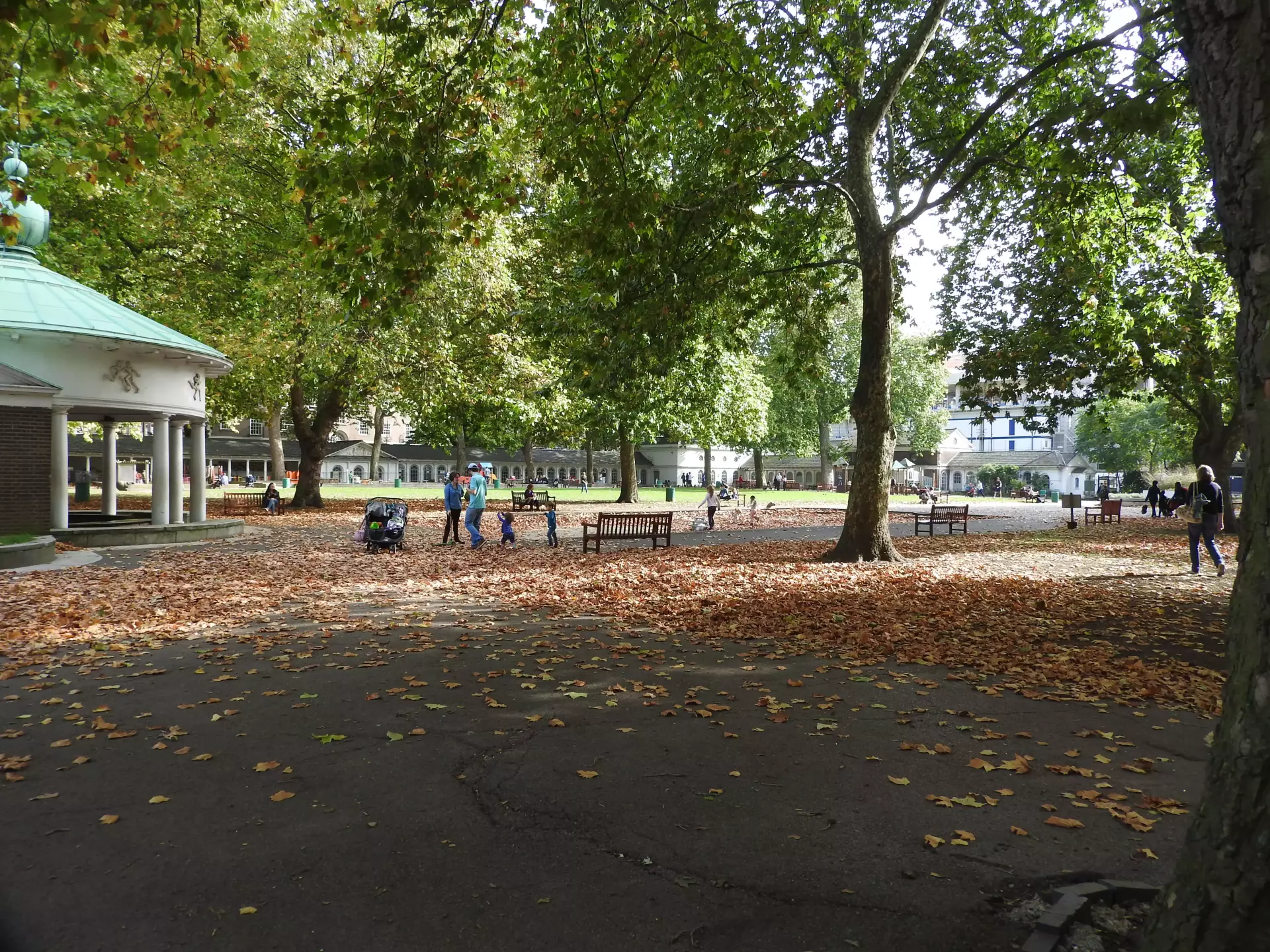
This park used to be the grounds of Lambeth Palace but has been a public park since 1901. In addition to the green space it provides, it contains a range of sports facilities (booking required, except for the cricket nets) and a playground.
Includes a small but beautiful quad and an interesting Neo-Classical facade. The core buildings of UCL were built after the university's foundation in 1826.