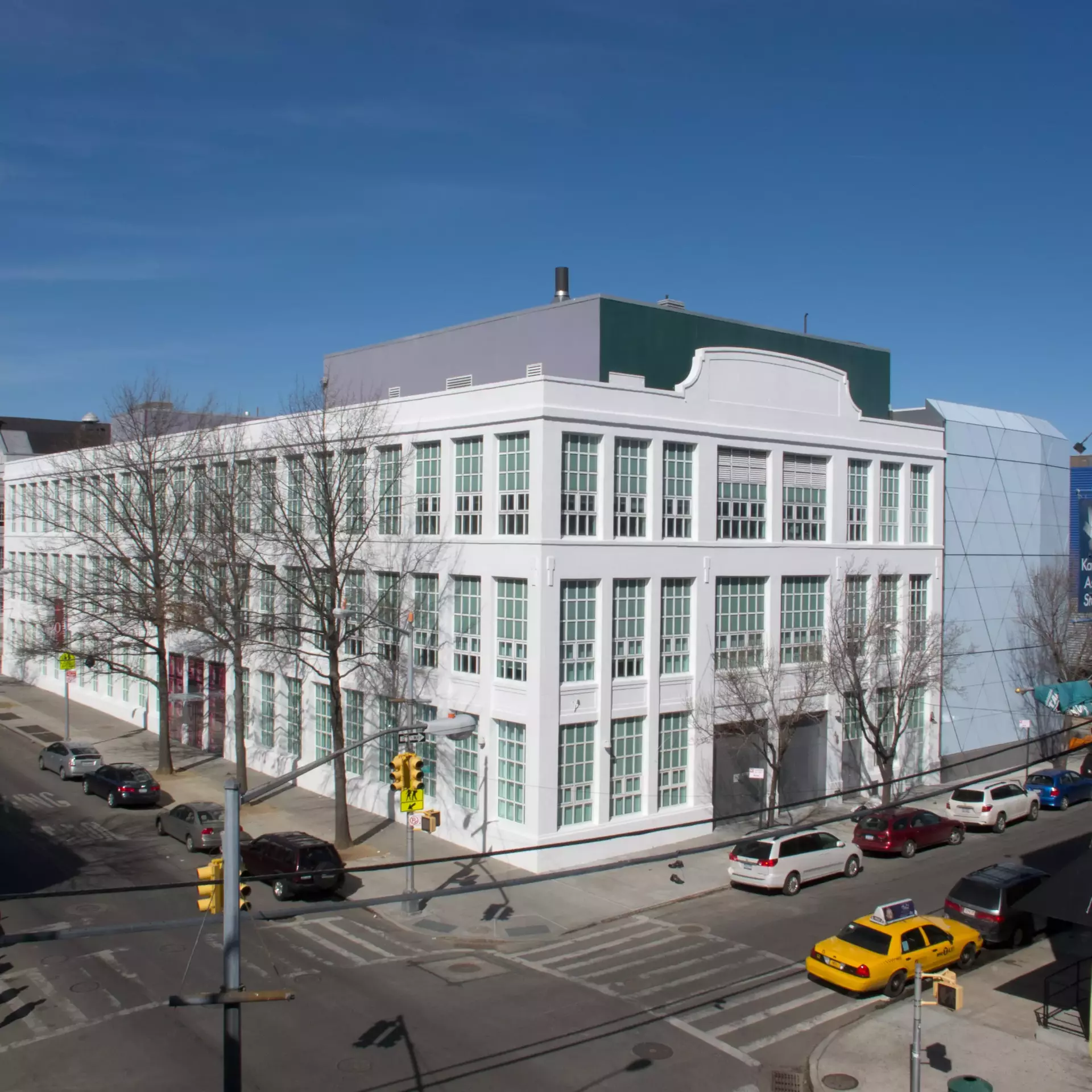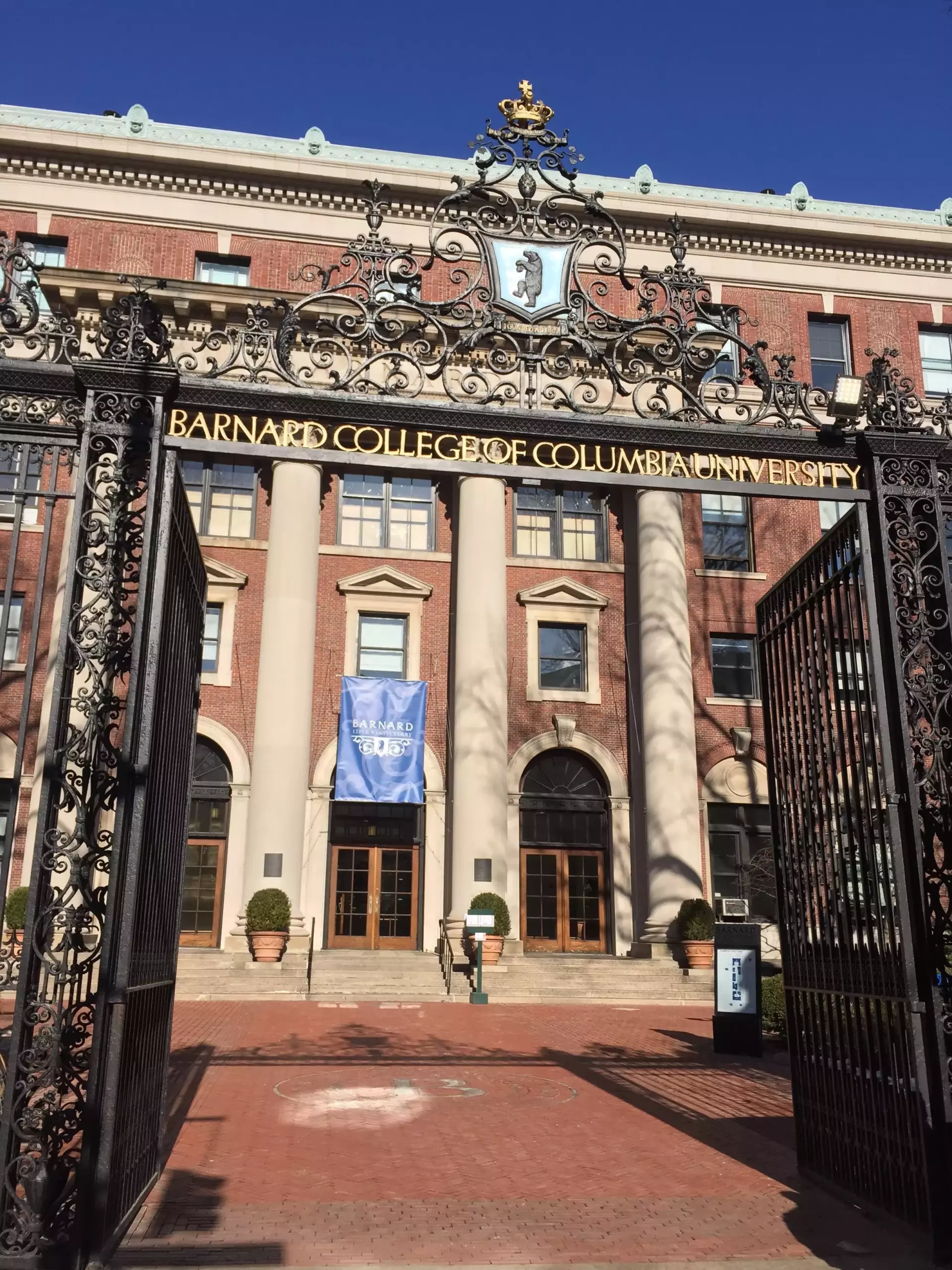
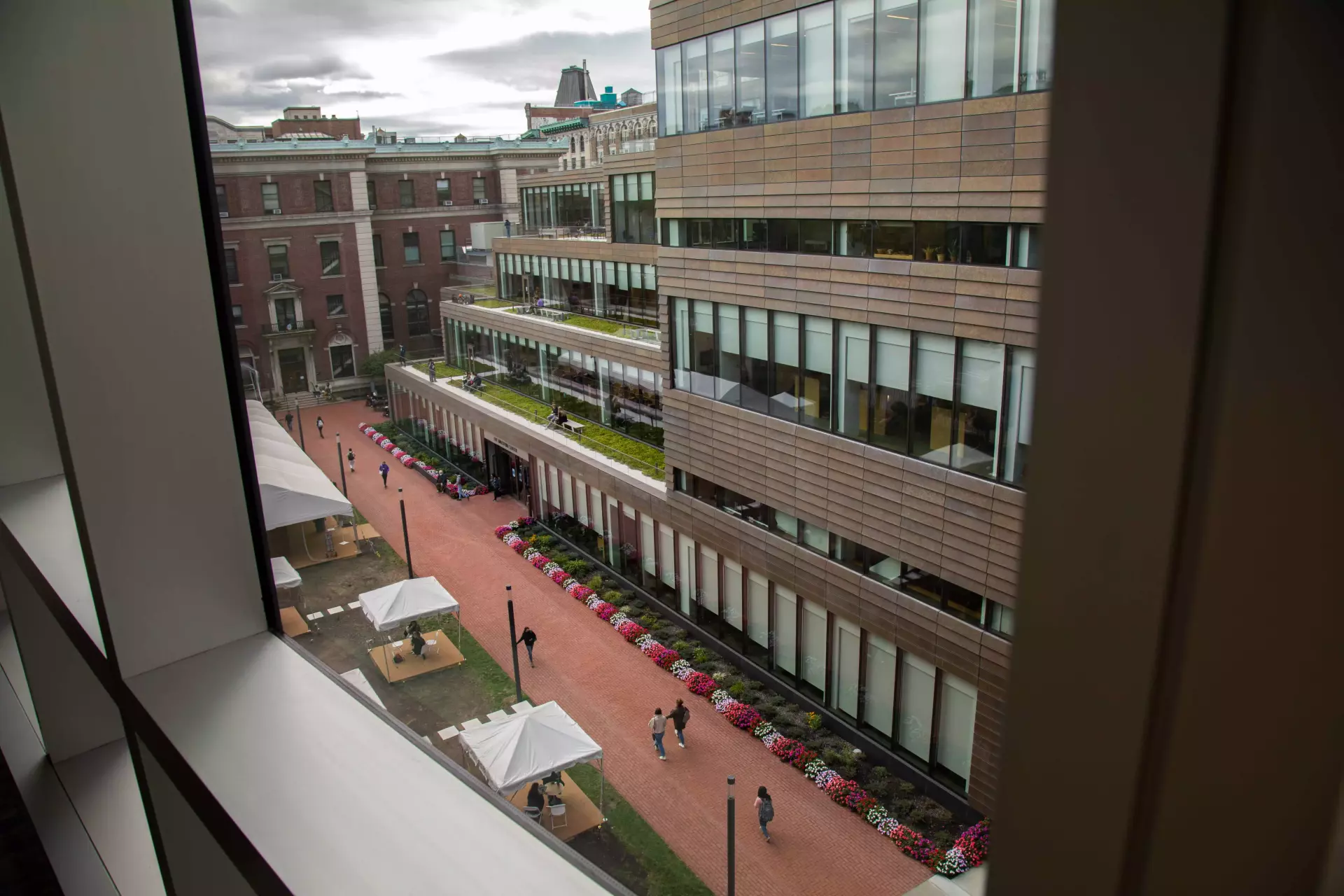
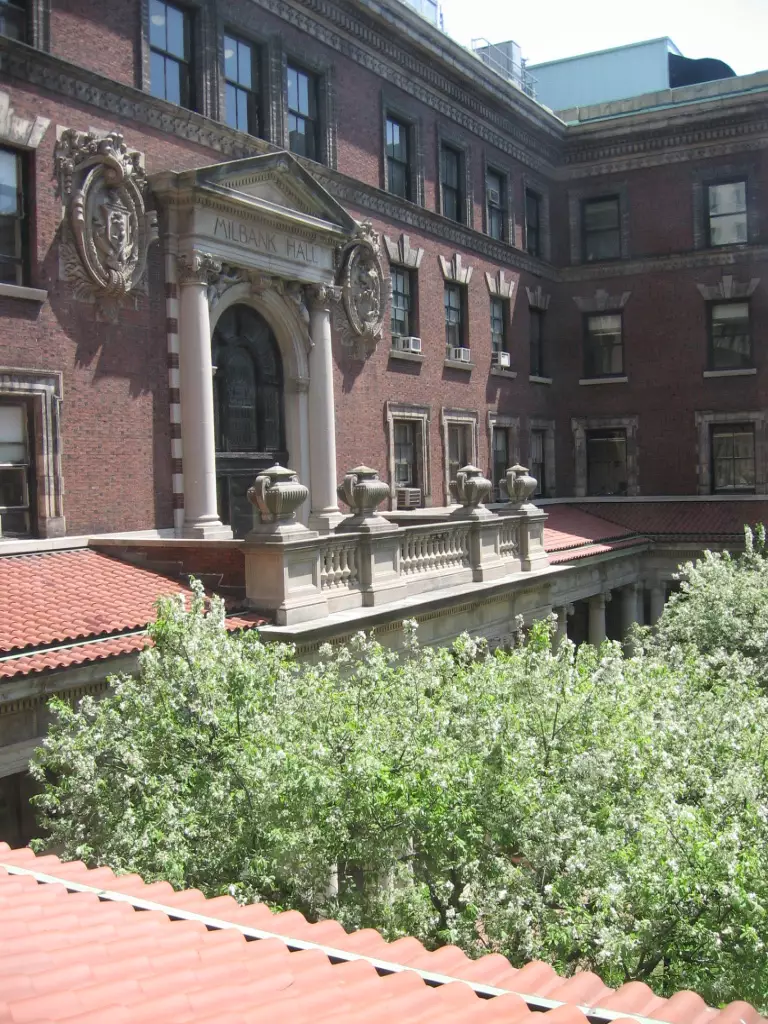
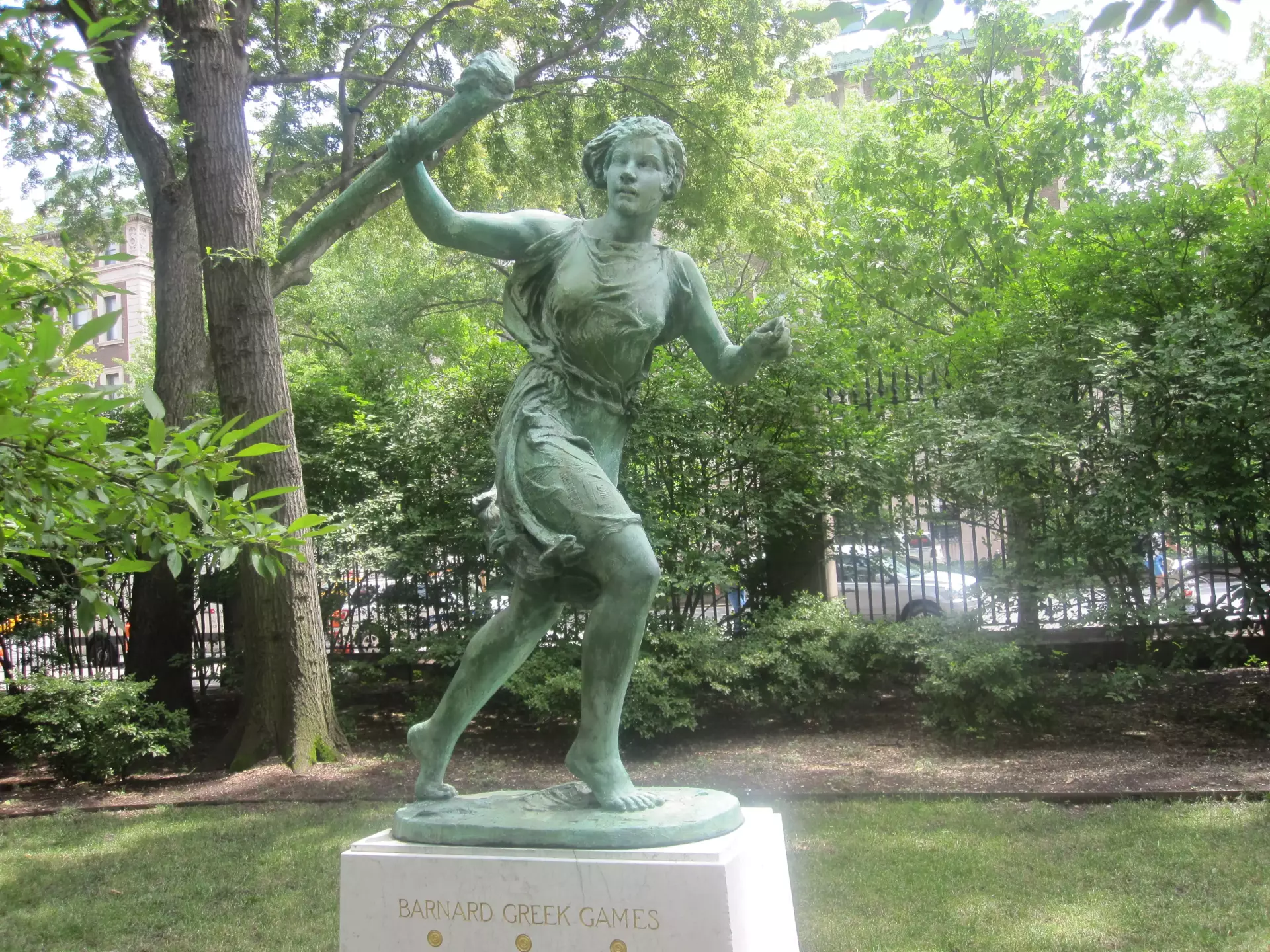
Barnard College is one of the renowned Seven Sisters colleges, a group of historically women’s colleges in the northeastern United States. It holds a unique affiliation with the Ivy League institution, Columbia University, located in New York City. This relationship enriches the academic and cultural experiences of students, providing access to a wider range of resources, courses, and extracurricular activities.
Founded in 1889, Barnard College was established during a time when higher education opportunities for women were limited. Its mission was to offer a rigorous liberal arts education to women, paralleling the curriculum of its male counterparts. Over the years, Barnard has maintained its commitment to providing an empowering and inclusive educational environment.
Students at Barnard benefit from a robust liberal arts education, with a curriculum that encourages critical thinking and creativity. The affiliation with Columbia University allows Barnard students to cross-register for classes, participate in joint student organizations, and access Columbia's extensive library system. This collaboration enhances the academic environment, offering diverse learning opportunities.
The campus itself is a lively and dynamic place, providing numerous opportunities for involvement in clubs, sports, and cultural events. Barnard's location in New York City further enhances students' experiences, offering access to the city's rich cultural and professional landscape. From internships and networking opportunities to museums and theaters, the city serves as an extended classroom for Barnard students.
Source - https://en.wikipedia.org/wiki/Barnard_College
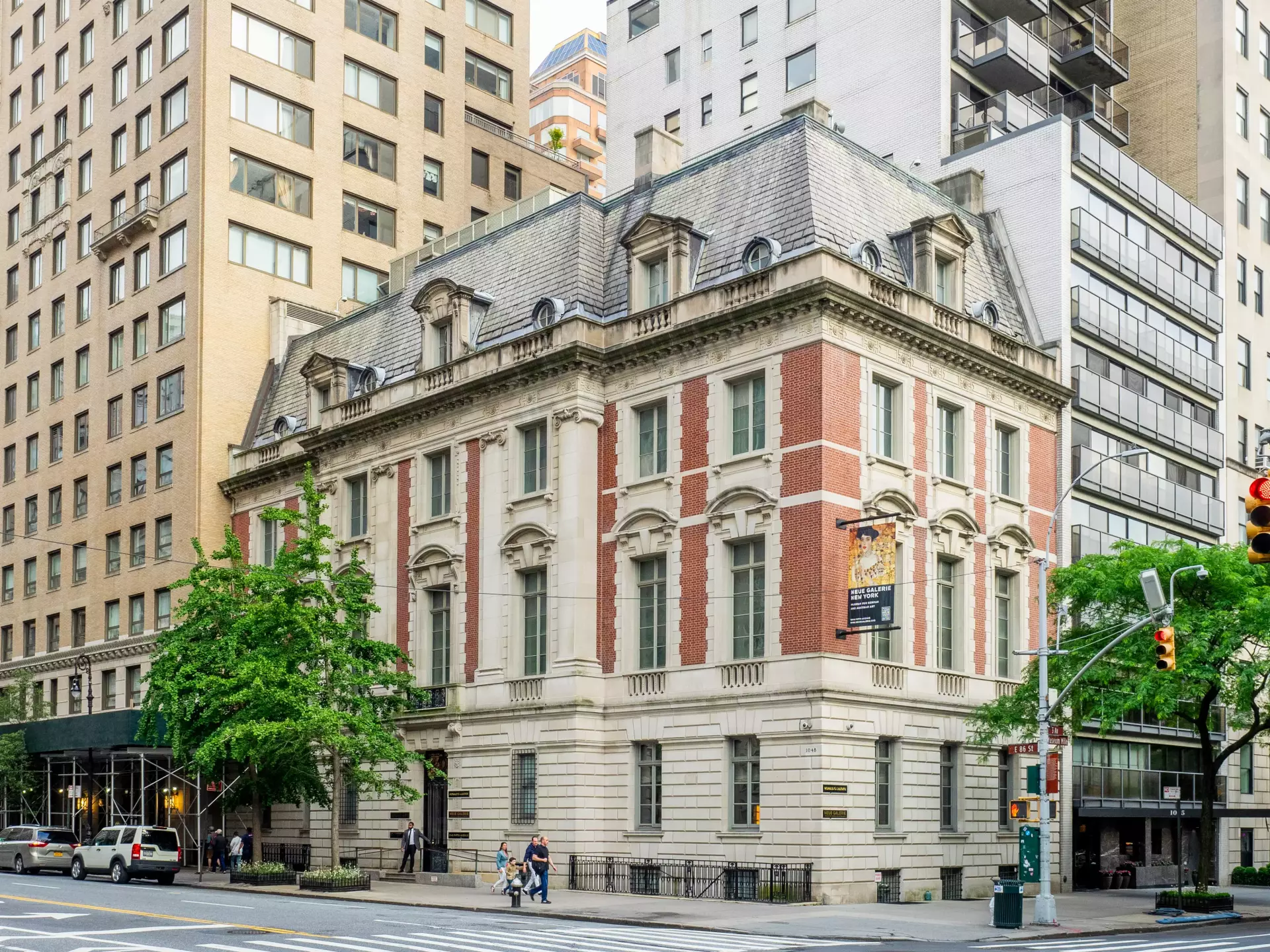
Containing artifacts spanning 4,000 years of art and Jewish culture, with a collection of 26,000 objects – paintings, sculpture, works on paper, photographs, archaeological artifacts, ceremonial objects and broadcast media. The museum also hosts the annual SummerNights concert series and the annual New York Jewish Film Festival.
Built in 1766, the chapel is an active part of the Parish of Trinity Church and is Manhattan's oldest public building in continuous use. It is the only remaining colonial church in New York City and was George Washington's place of worship after he was inaugurated as president. Since 2001, the chapel has been known for surviving the events of 9/11 without even a broken window - despite being across the street from the World Trade Center - and for its role as a place of refuge for the WTC recovery workers in the days that followed.
On the site of the former World Trade Center towers, the memorial consists of two enormous waterfalls and reflecting pools set within the footprints of the twin towers, lined with bronze panels with the names of the nearly 3,000 victims of that fateful day inscribed. The surrounding plaza holds a grove of trees. The museum, which sits underground right next to the memorial, contains exhibits which explain the events of 9/11 and their aftermath, with remnants of the original towers and artifacts from that day. If you see a white rose on one of the names, it's because today is that victim's birthday.
The only US museum devoted to Puerto Rican culture.
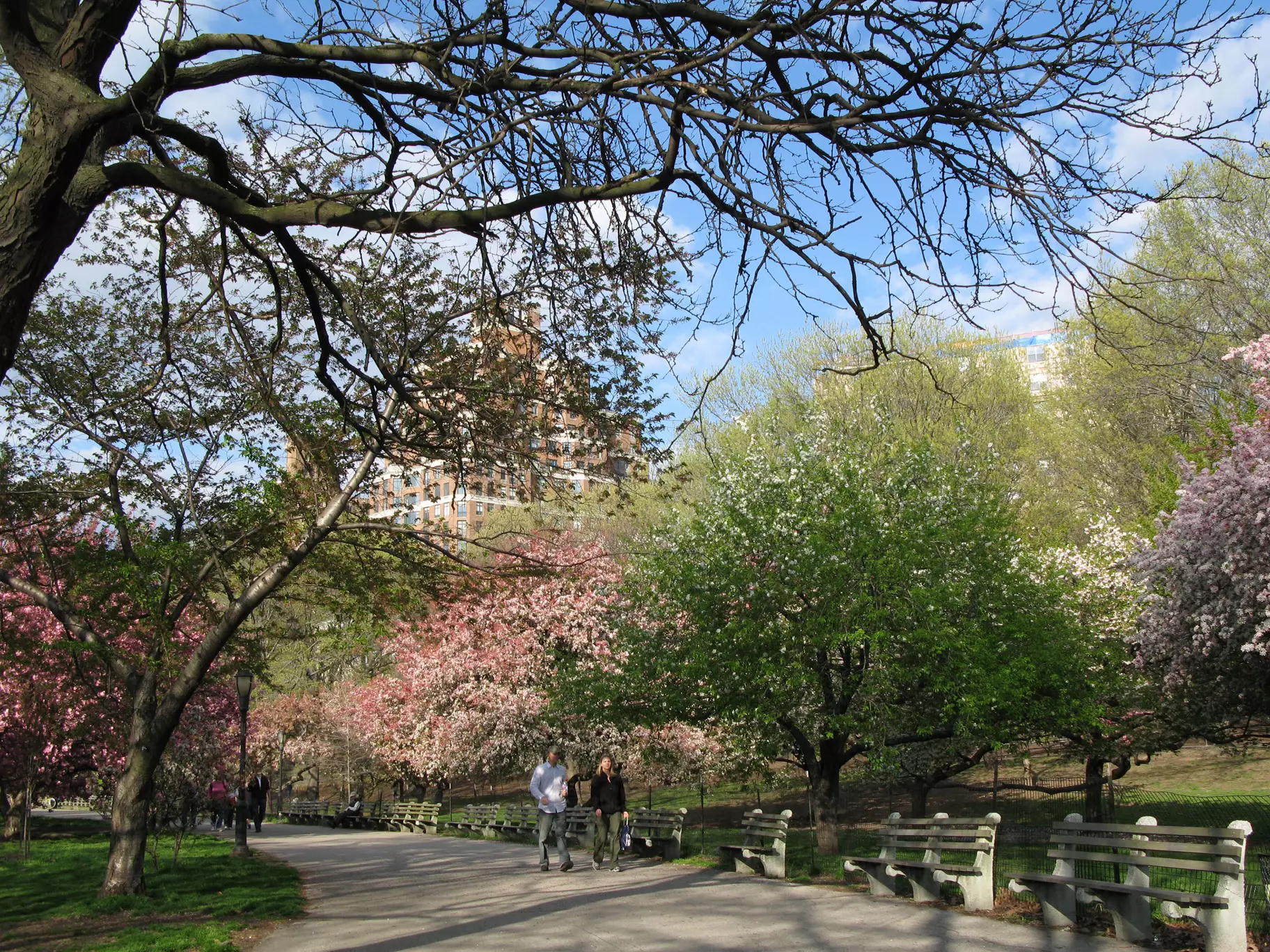
One of New York's most beautiful parks, an expanse of rolling hills high above the Hudson, contains some of the highest natural elevations on the island and is a great place to picnic or stroll in good weather and look at the great views of the New Jersey Palisades across the river.
On the 70th floor of the Comcast Building (better known by some as "30 Rock") is this narrow observation deck, built to resemble the deck of a cruise ship. The deck affords uninterrupted views over Central Park to the north and across Midtown to the south.
A museum and library devoted to Spanish, Portuguese, and Latin American art and culture.
Large garden and arboretum featuring a variety of plants, and also a Victorian-style wedding garden.
A small park at the foot of Broadway which is the oldest public park in the city and is the site of the Charging Bull sculpture created after the 1987 stock market crash. Bowling Green is also the origin point for the Broadway ticker-tape parades; if you walk up Broadway, you can view plaques in the sidewalk honoring the people or events celebrated in these parades.
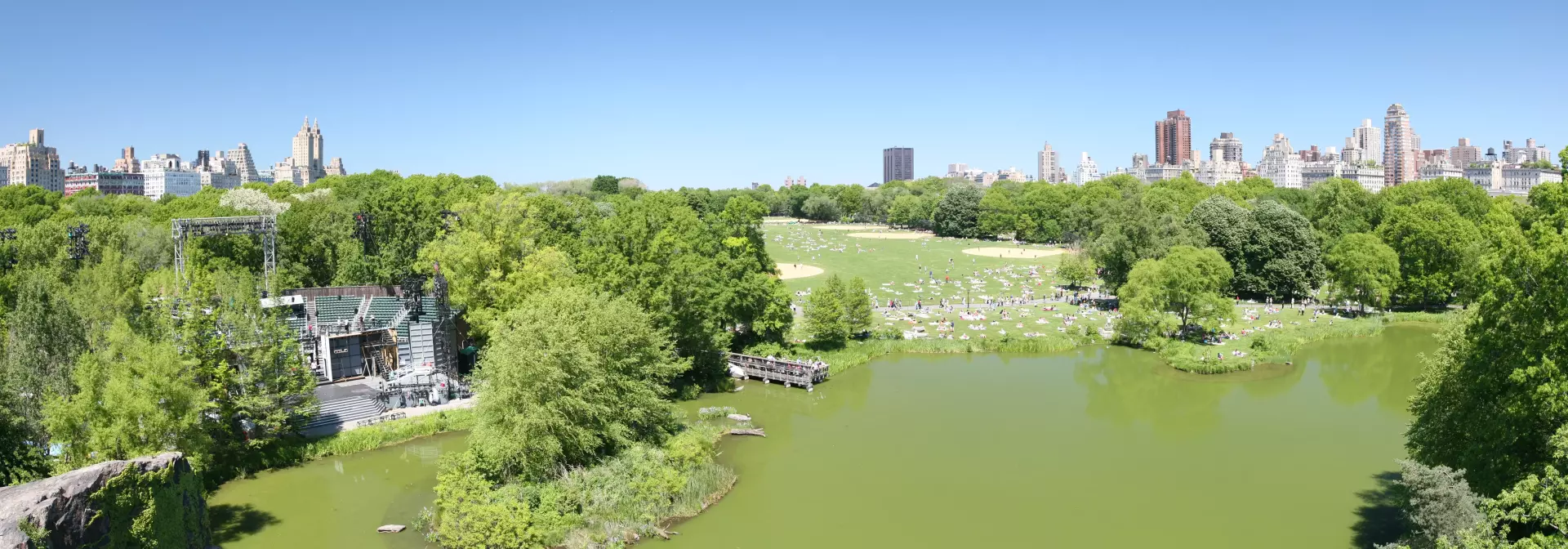
Sitting on Vista Rock, one of the highest points in the park, the castle provides excellent views of Central Park, particularly to the north. It is a popular spot for photography and contains a visitor center and a nature conservatory. Just below the castle to the north is Turtle Pond, a small, swamp-like pond holding various fish, frogs, insects, and birds.
Exhibits on the history of highrise and skyscraper construction.
A large and historically important Protestant church and center of progressive social activism. Also neo-Gothic.
From its intersection with Park Row (just east of City Hall) you can walk (takes about 20-30 minutes each way), bike, or drive across the historic and iconic bridge to Brooklyn. The view from the bridge is quite lovely, with excellent views of Lower Manhattan and Downtown Brooklyn and good views of Midtown and the New York Harbor in the distance.
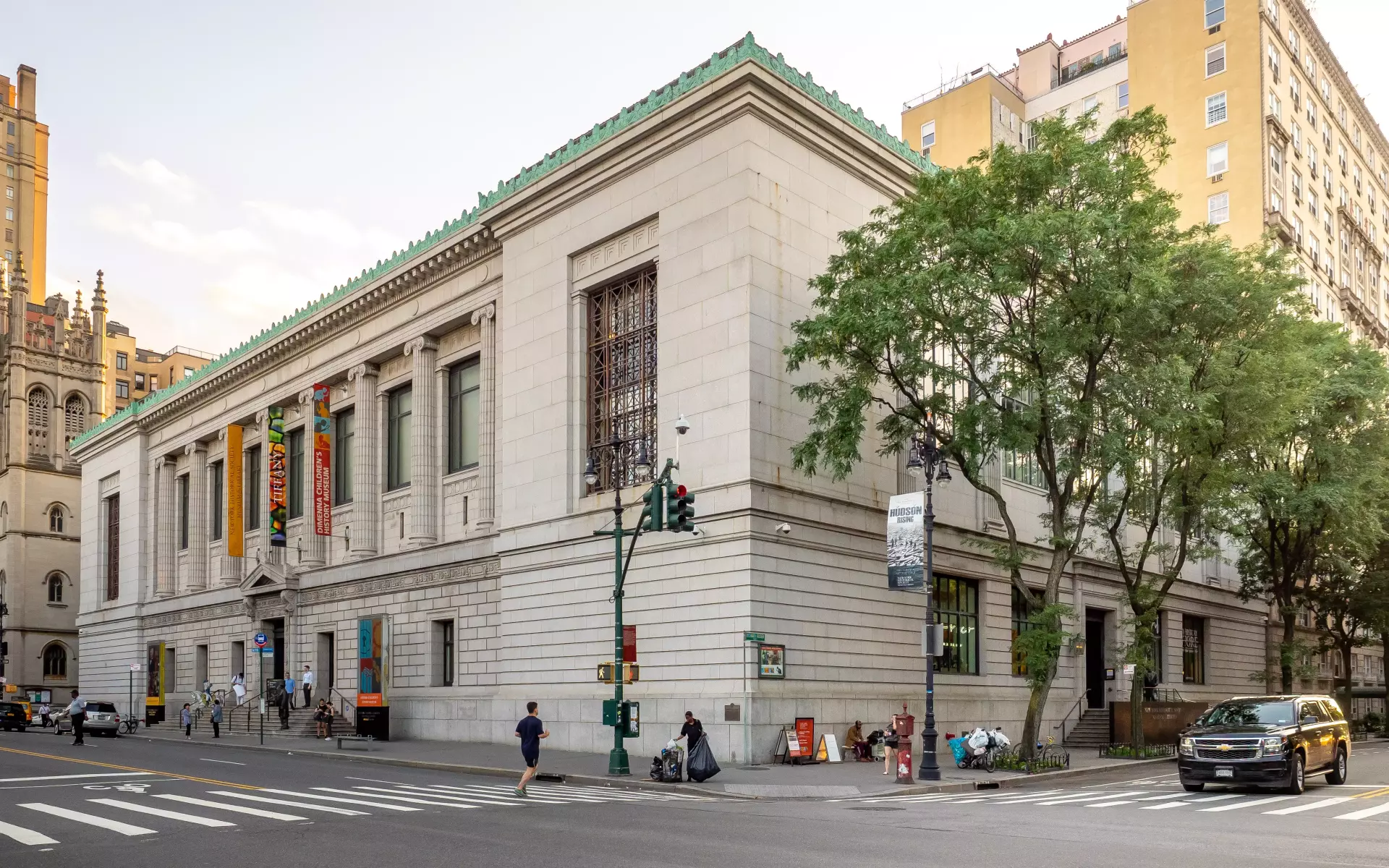
A visual arts center featuring the Panorama of the City of New York, a large architectural scale model of New York City. Originally built for the 1964 World’s Fair, the 9,335 ft² (867.2 m2) display depicts all 895,000 of the city's buildings (excluding Far Rockaway due to space limitations). It was last fully updated in 1992 and select newer buildings are added on an ongoing basis. The Twin Towers of the original World Trade Center remain in place. In addition to the Panorama, the museum has several other exhibits, including items related to the 1939 and 1964 World's Fairs, Tiffany glass, and various 20th-century artworks.
A picturesque brick building that actually predates the park. It was built in 1851 to serve as a munitions supply depot for the New York State National Guard, and was designed to look like a medieval fortress, with battlements overlooking the area. Today the building holds a refreshment stand and a small art gallery with rotating/seasonal exhibits.
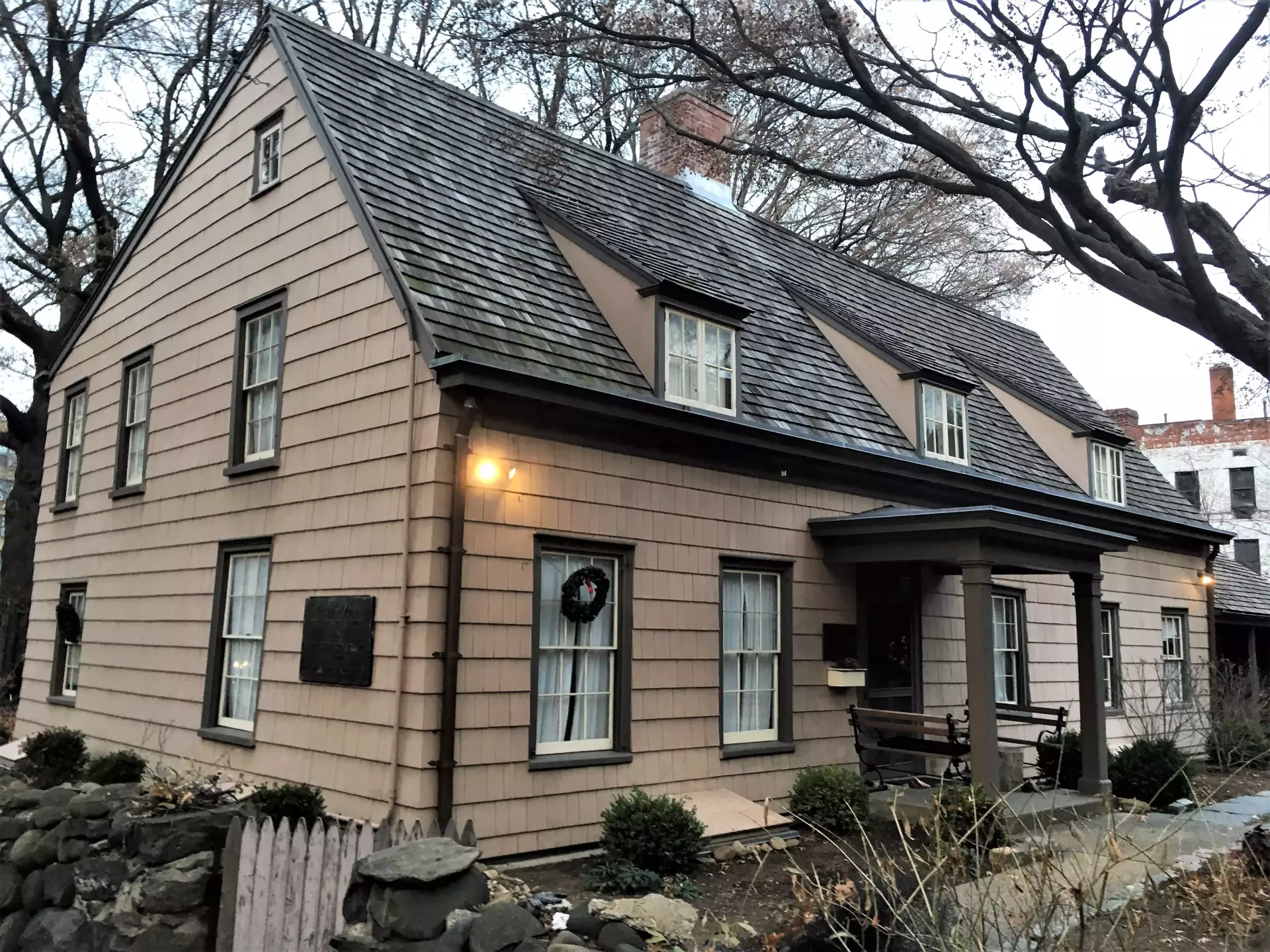
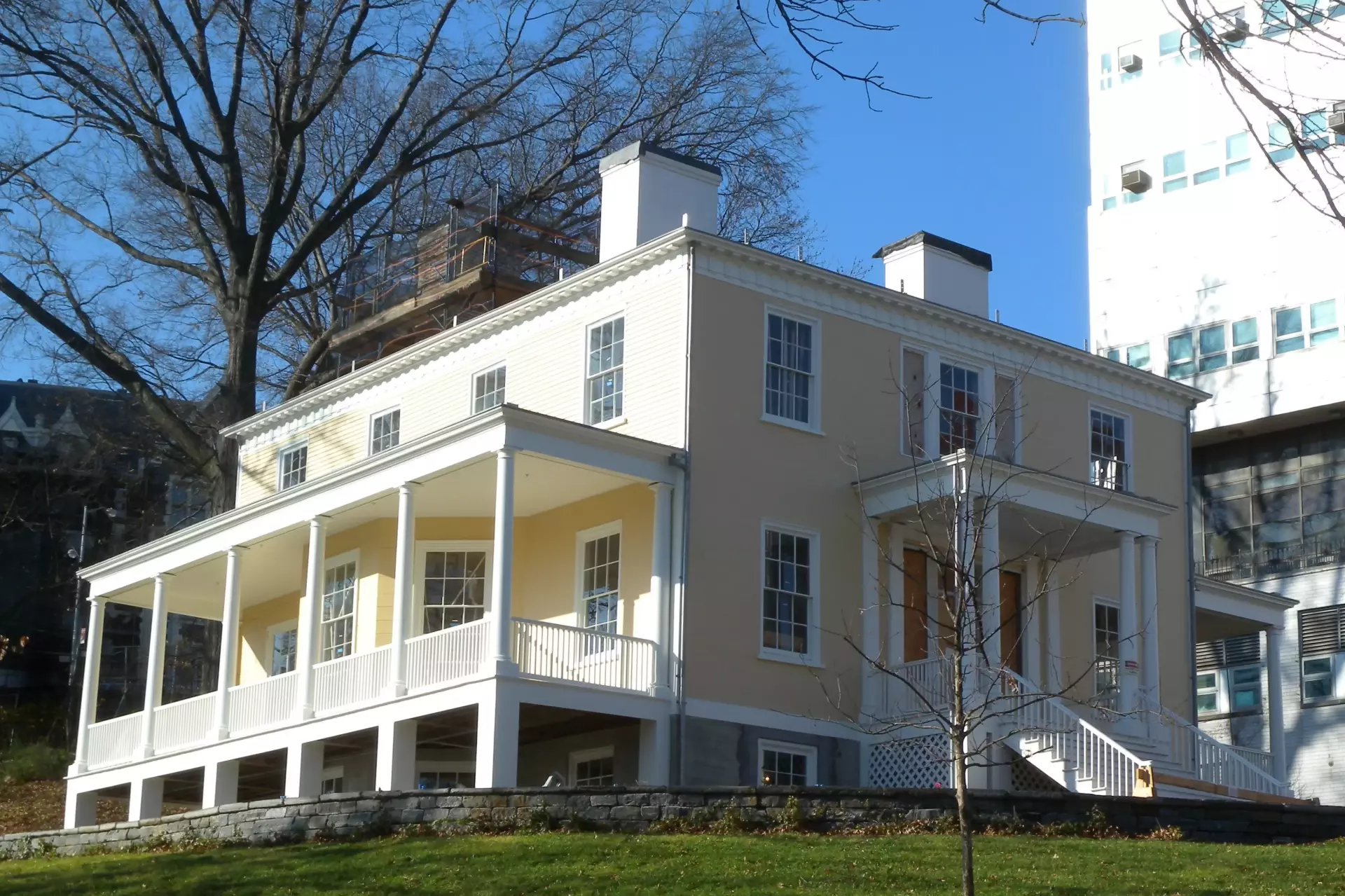
The former residence of William Dyckman, who owned several hundred acres of farmland covering much of what is now Inwood and Washington heights. Nestled incongruously at the otherwise unremarkable corner of 204th and Broadway, the farmhouse has been converted into a small museum of life in early Manhattan and hosts various programs for the neighborhood. The "Hessian Huts" in the back yard are a leftover from the British occupation of Manhattan during the Revolutionary War!
48 magnificent gardens and plant collections on a 250-acre historic site.
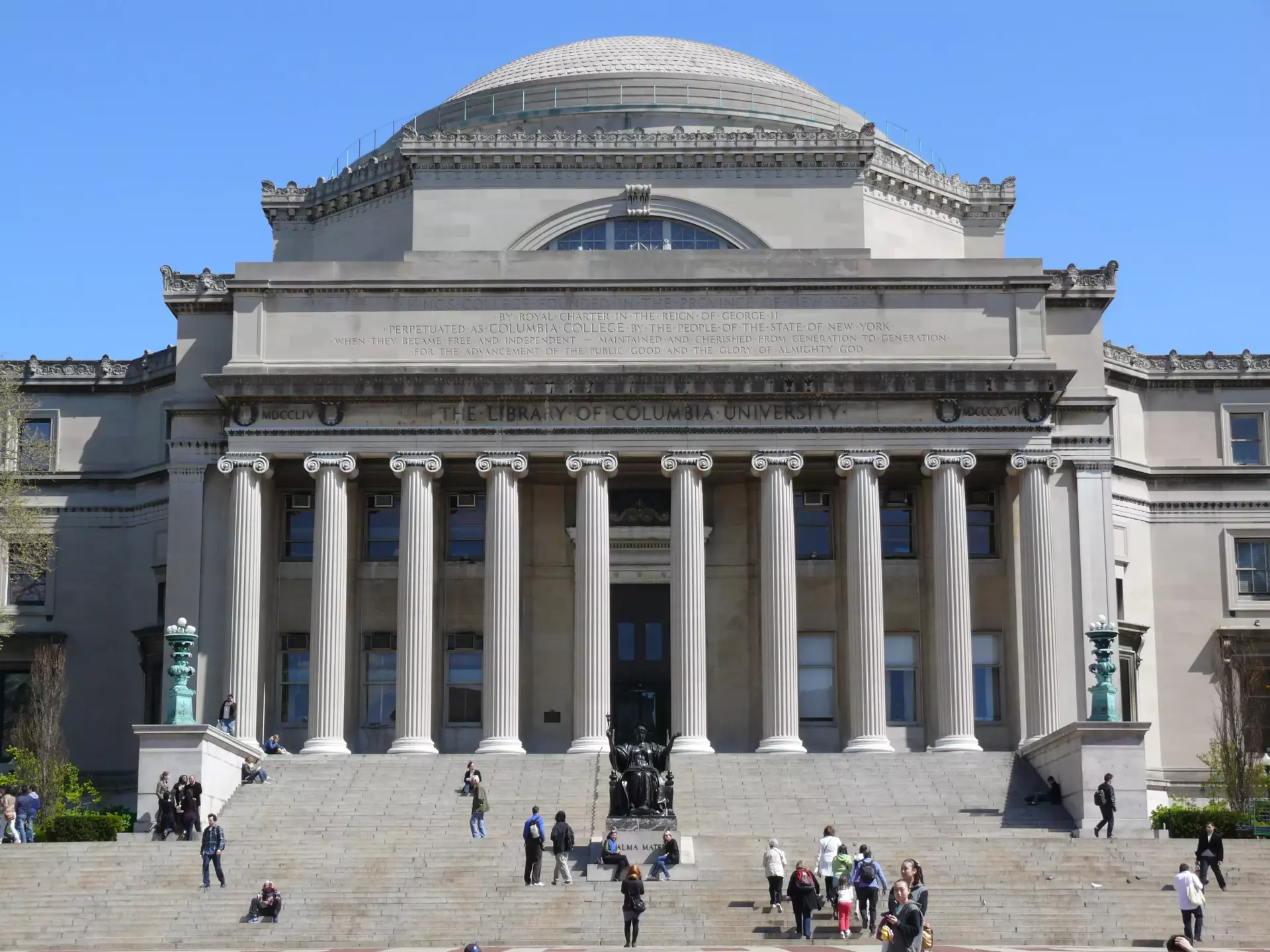
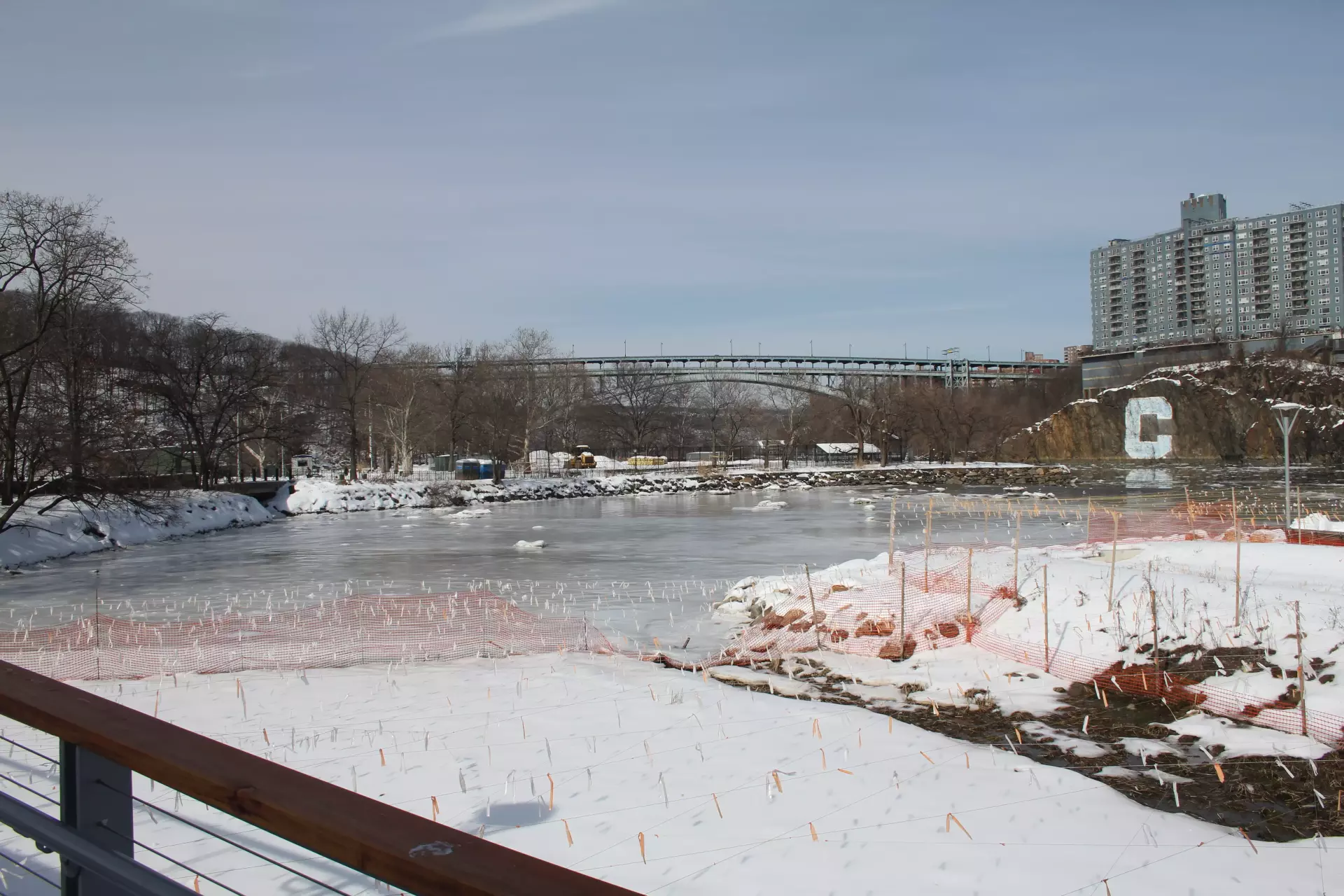
A famous Ivy League college that has existed since British colonial times, when it was called King's College.