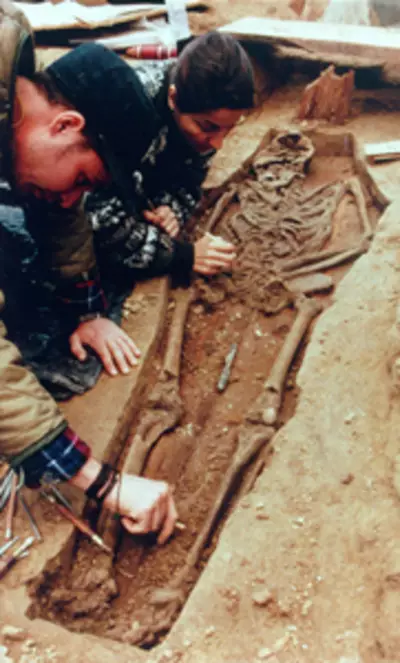
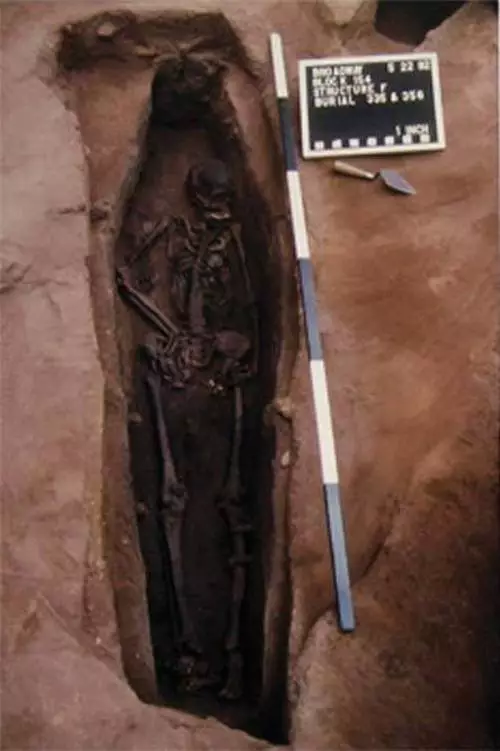
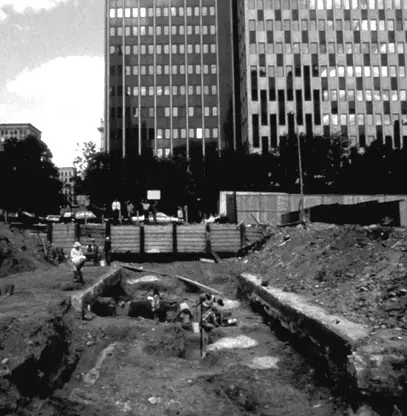
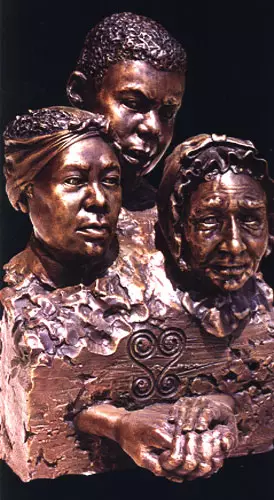
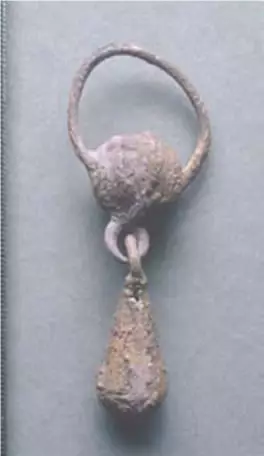
During much of the 18th century, Africans in New York City were laid to rest in a graveyard situated just outside the bustling heart of the city. Over time, this burial ground faded from memory, only to be rediscovered in 1991. Today, it stands as the African Burial Ground National Monument, a poignant museum and memorial site.
The monument honors the estimated 15,000 Africans who found their final resting place on these grounds. Through various exhibits, visitors can explore the history and significance of this sacred site, gaining a deeper understanding of the stories and lives of those who were buried there.
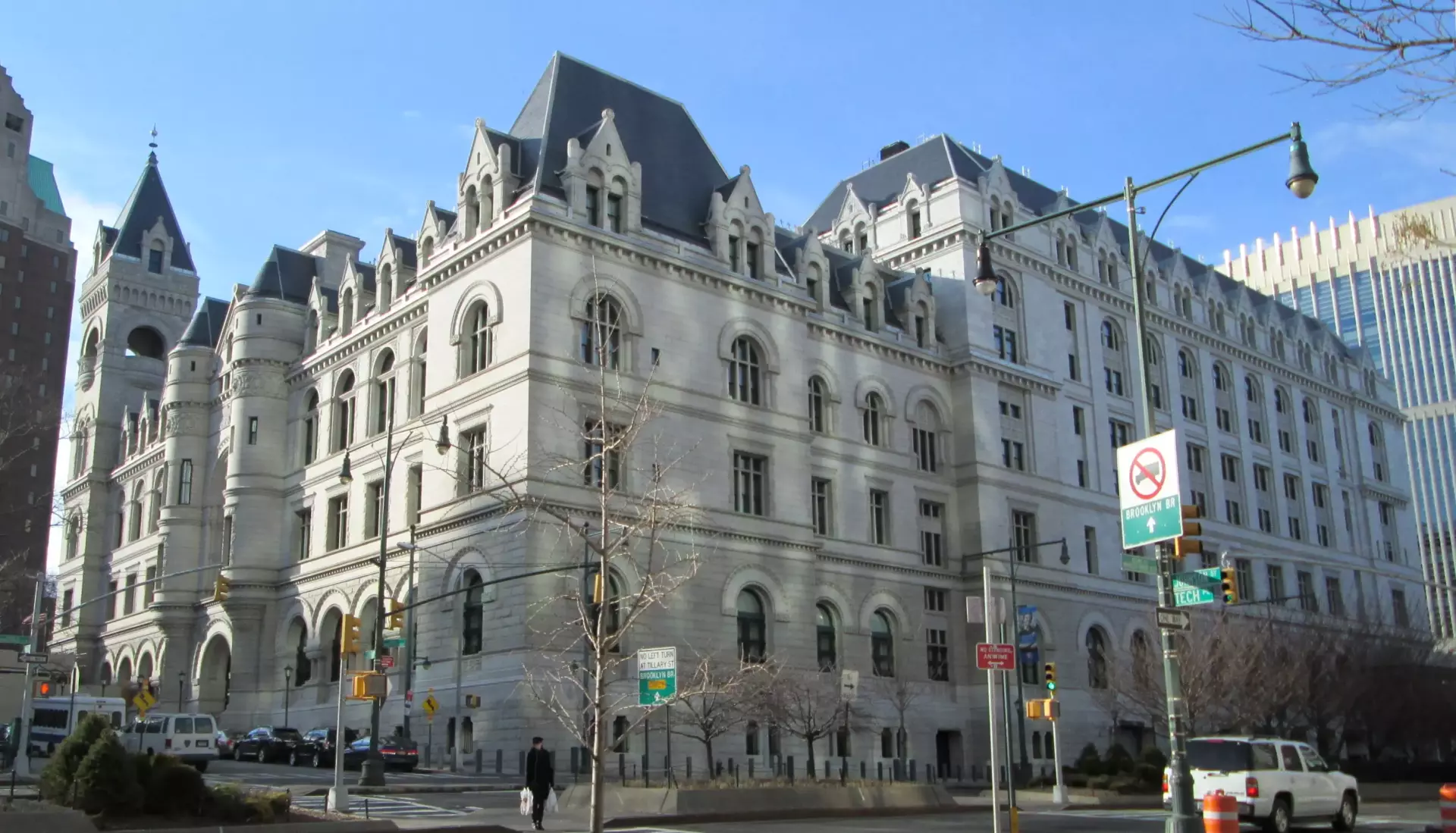
The museum is housed within a Federal building, which means that visitors should anticipate going through airport-style security upon entry. This ensures the safety and preservation of the important history contained within its walls.
Source - https://en.wikipedia.org/wiki/African_Burial_Ground_National_Monument
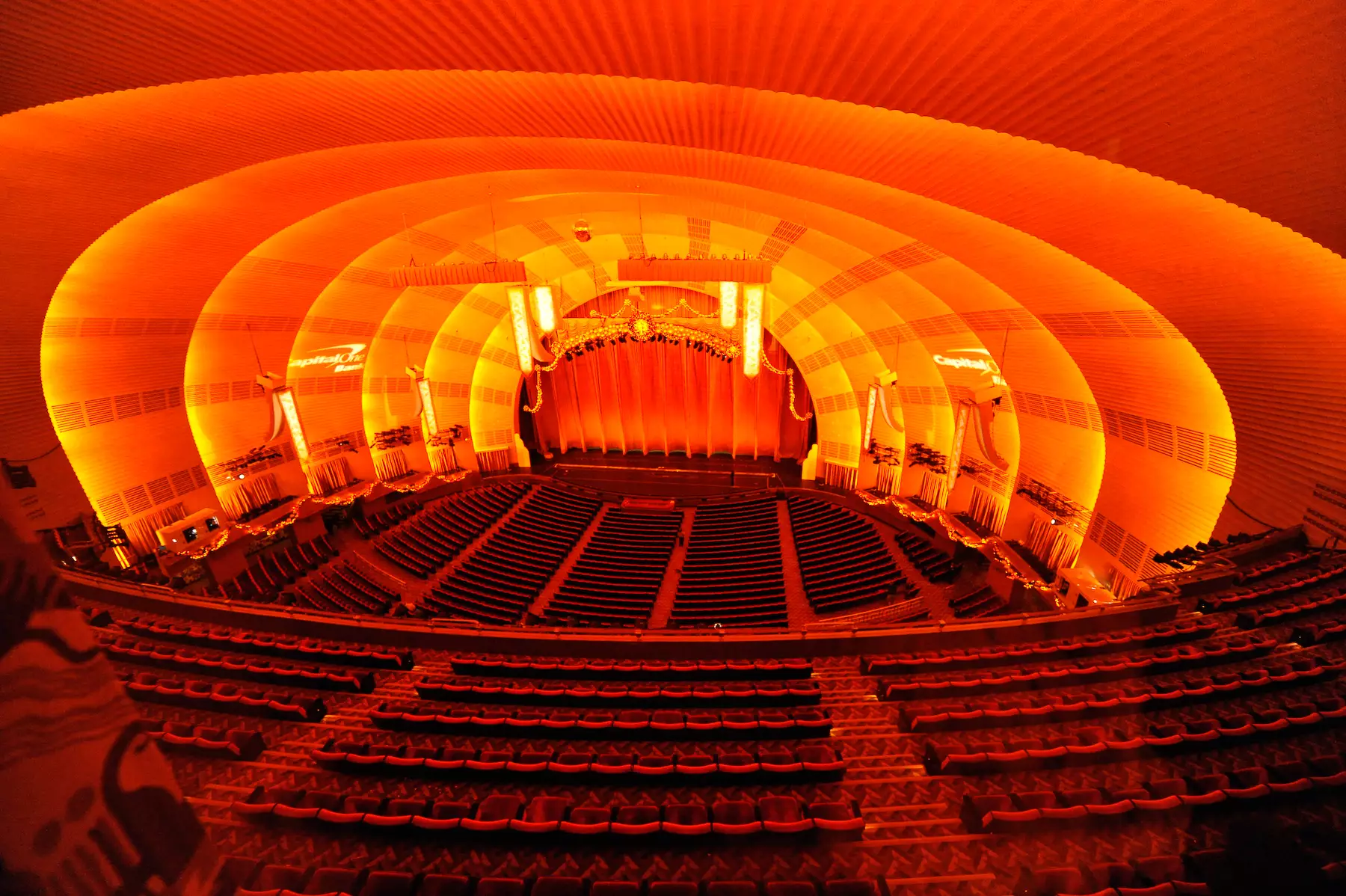
Dedicated to preserving and collecting television programs as a service to the public, the museum consists of two museum branches in Los Angeles and New York City; combined they hold over 100,000 television programs that are available to the public, providing a historical, artistic and cultural perspective to television and radio. You may use their library here for the price of admission. They have lots of old shows and a database so you can see if they have what you want.
Get up close to over 200 lifelike wax figures of the biggest stars and icons in entertainment, sports and history.
One of the most famous and iconic landmarks in the USA, if not the world. A gift from the people of France to celebrate the centennial of the United States, stands upon Liberty Island and is one of the most famous symbols of the nation and has been inscribed on the UNESCO World Heritage list. Upon departing the ferry, you can visit the Visitor Information Station, which has a schedule of the day's events. Visitors can also meet at the Liberty Island Flagpole (behind the statue) for a ranger-led tour of the island. You can also visit the monument lobby, museum (where you'll see various exhibits on the statue, the old torch, and the famous "New Colossus" sonnet), and outside to the promenade and Fort Wood (the 11-point star-shaped structure the statue stands upon). You can also take a trip to the pedestal observation deck (though not up into the statue itself, unless you have a Reserve with Crown ticket); visitors can look upward to view the interior of the statue (there are four marked viewing locations); and the pedestal observation deck provides a 360-degree view, which includes the New York City skyline. Security checks are rigorous, so travel as light as possible. Backpacks and other large bags are not permitted on the tours but can be stored in lockers for a fee. On busy days there may be long waits. Visitors with the Reserve with Crown ticket are allowed to climb up a circular staircase from the base of the statue to the crown, but tickets are very limited and should be reserved three or four months (up to one year) in advance. Children must be at least 4-feet tall, and must be able to walk up and down the stairs by themselves, and all ticket holders must show a photo ID to match the name on their tickets. The design of Lady Liberty's torch evokes the universal symbol of enlightenment, which lights the way to freedom, showing immigrants the path to liberty and justice.
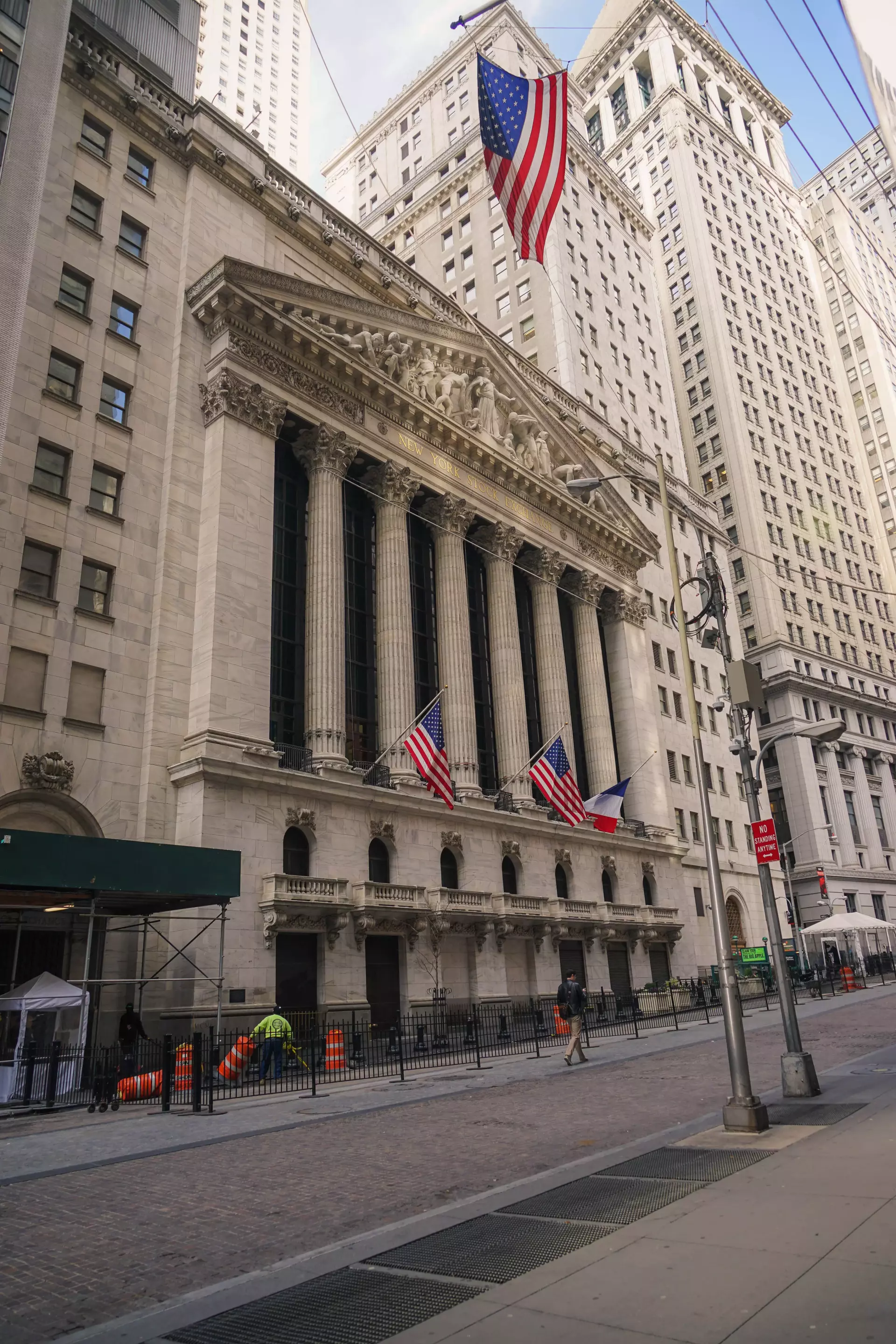
A historic site, not least because of the Black Thursday crash of the Exchange on 24 October 1929 and the subsequent sell-off panic which started on Black Tuesday, 29 October, precipitating the worldwide Great Depression of the early 1930s. The present Exchange building opened in 1903, recognized from the first as an example of masterful architecture, with the six massive Corinthian columns across its Broad Street facade imparting a feeling of substance and stability and, to many, seeming the very embodiment of America’s growth and prosperity. The building has been closed to the public since 9/11.
Built in 1802 (and physically shifted from its original location), this was the home of Alexander Hamilton, one of the founding fathers and the first Secretary of Treasury.
The original subway station, and quite a marvel to witness--the chandeliers and ornate tiling are a sharp contrast to the nearby Brooklyn Bridge-City Hall station. There's one catch, though: it's been closed since 1945. However, you can see it by staying on the downtown 6 train after its last stop Brooklyn Bridge-City Hall; it will turn around in the old station. This is the one place in the system where this is allowed, and the announcements reflect that. The Transit Museum (in Downtown Brooklyn) offers occasional tours as well, which allow you to actually walk around the station, but you must be a museum member and a US citizen, making this an impractical choice for most visitors.
A picturesque brick building that actually predates the park. It was built in 1851 to serve as a munitions supply depot for the New York State National Guard, and was designed to look like a medieval fortress, with battlements overlooking the area. Today the building holds a refreshment stand and a small art gallery with rotating/seasonal exhibits.
General Ulysses S. Grant and his wife are buried in this imposing mausoleum, the largest tomb in North America. If you come when it is closed, you can still see the impressive facade, but coming during open hours gives you the opportunity to view the murals, the tomb and various documentation inside. Across Riverside Drive, there is a viewpoint to look across the Hudson River, a museum, gift shop and restrooms.
A small park at the foot of Broadway which is the oldest public park in the city and is the site of the Charging Bull sculpture created after the 1987 stock market crash. Bowling Green is also the origin point for the Broadway ticker-tape parades; if you walk up Broadway, you can view plaques in the sidewalk honoring the people or events celebrated in these parades.
Holding a remarkably large collection, each of the 5 floors of this massive building has expansive and well-designed exhibits devoted to astronomy, biology, geology, anthropology, climatology, and paleontology. You will want to allow a full day if you hope to see the entirety of the museum. Some of the highlights are the Rose Center for Earth and Space on the northeast corner of the building, which contains a seven-story glass cube holding the Hayden Planetarium, a huge sphere suspended above the exhibit halls below and holding a "cosmic pathway" exhibit; the numerous habitat diorama halls on the first, second and third floors, with recreations of African, Asian, North American, and ocean plants and animals, including a full-size model of a Blue Whale suspended above the Ocean Life Hall; a Hall of Minerals and Gems, which contains many rare and beautiful specimens, including the largest star sapphire in the world and a chunk of a massive meteorite; extensive anthropology halls on the first, second, and third floors, with exhibits devoted to people of Asia, Africa, Central America, the Pacific, and Native Americans; and the natural history halls on the fourth floor, with one of the largest collections of dinosaur skeletons in the world.
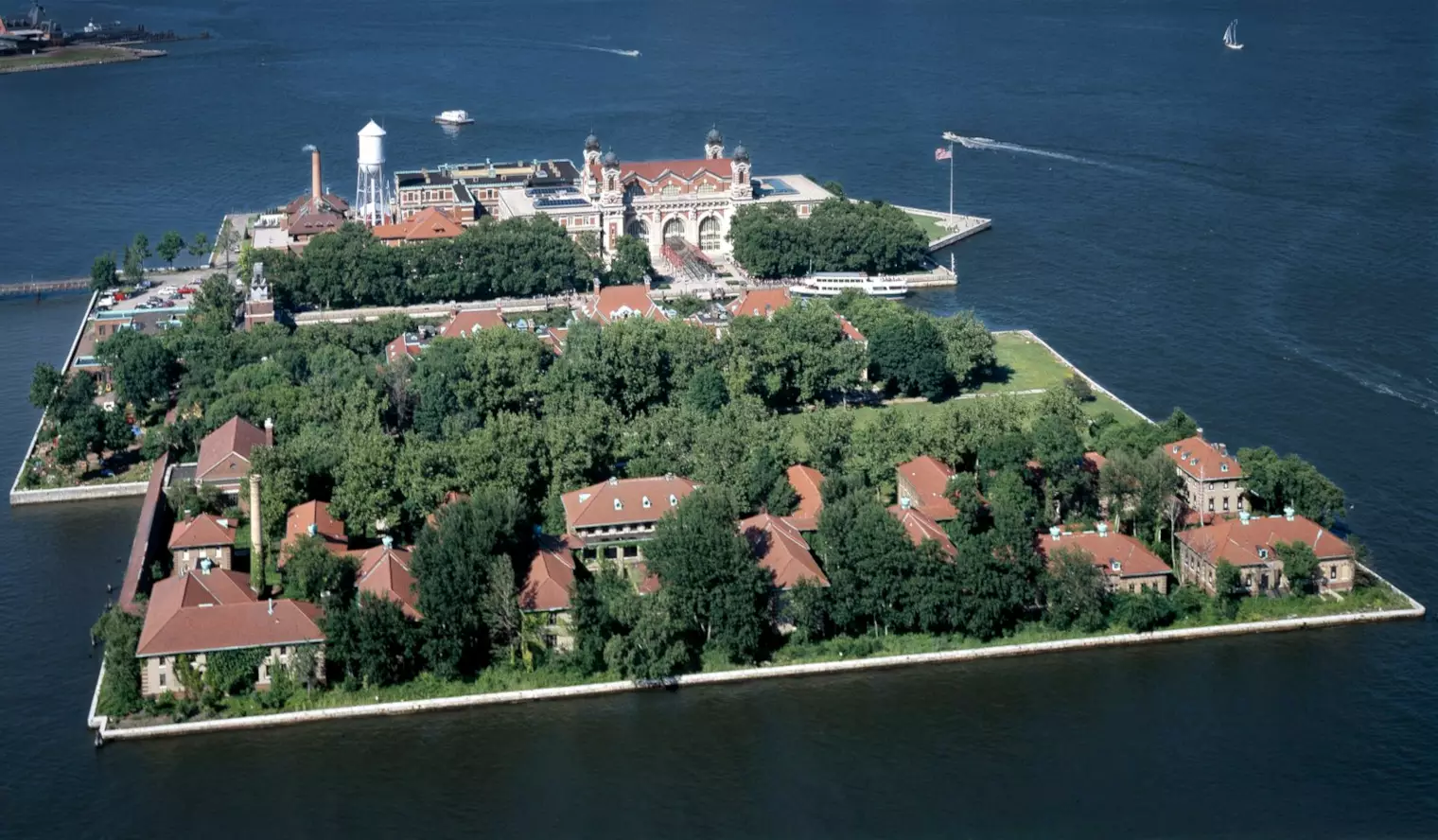
Ellis Island was home to the nation's primary federal immigration station, with over 12 million immigrant steamship passengers passing through from its opening in 1892 to its closing in 1954. Today, over 40 percent of America's population can trace their ancestry through Ellis Island. The island is home to the American Family Immigration History Center, which contains manifests of 25 million immigrants, passengers, and crew members who entered New York Harbor. The Immigration museum at Ellis Islands has details about "Peopling of America" and if you are an avid history lover, this museum will need at least 3-4 hrs of your time. Since the ferry ride takes you to both Ellis Island as well as the Liberty Island, you will have to plan your day well.
On a triangular city block between Broadway, Park Row and Chambers Street sits City Hall, a gorgeous gleaming white building completed in 1812, which still hosts the mayor's office and the New York City Council chambers. The building itself is fenced off and only accessible by tour, but there is a lovely park surrounding the building, with plenty of shady trees and a pleasant fountain just to the south of the building. Just north of City Hall and on the same block is the 40.71337-74.005552 Tweed Courthouse, a gorgeous government structure and the legacy of Tammany Hall boss William M. Tweed, who used the courthouse project to embezzle large sums of money from the city budget and was convicted in a courtroom in this building.
The historic heart of the Financial District and the home of the New York Stock Exchange, Wall Street is a metonym for American big business, stock trading and the entire financial industry, although most New York financial firms are no longer headquartered on the street itself, but housed nearby in new offices, and some have moved to Jersey City. A narrow street running downhill from Broadway to the East River, Wall Street was named for the wall that was built here in 1652 to keep Manhattan's indigenous peoples out of the growing Dutch settlement. The wall was demolished by the British in 1699. By the late 18th century, traders and speculators would gather under a buttonwood tree at the foot of Wall Street to trade informally - this was the origin of the New York Stock Exchange that was established in 1817.
An elevated walkway and jetty provides access to the only natural salt marsh remaining in Manhattan, and expansive views of the Hudson River and the cliffs of Spuyten Duyvil in the Bronx across the river.
Americana including Audubon’s watercolors of birds.
Kingsland Homestead is a historic home, built by Charles Doughty around 1774. It is now a museum with exhibits about the Victorian era, the slavery in Queens, and how Queens was affected by World War II.
A visual arts center featuring the Panorama of the City of New York, a large architectural scale model of New York City. Originally built for the 1964 World’s Fair, the 9,335 ft² (867.2 m2) display depicts all 895,000 of the city's buildings (excluding Far Rockaway due to space limitations). It was last fully updated in 1992 and select newer buildings are added on an ongoing basis. The Twin Towers of the original World Trade Center remain in place. In addition to the Panorama, the museum has several other exhibits, including items related to the 1939 and 1964 World's Fairs, Tiffany glass, and various 20th-century artworks.
Built in 1765, this is the oldest house on Manhattan Island. It served as George Washington's headquarters in 1776. Now a museum set on a 1.5-acre park, it features a decorative-arts collection representing the colonial and Revolutionary War periods. Washington's office is among the 12 restored rooms.
Dating back to 1663, this fort was used during both the American Revolution and the War of 1812. It remained active until 1995. It is now semi-active, with its main use being local headquarters for the United States Coast Guard. Tours are available.
An Episcopalian (Anglican) church and parish was first established on this site in 1697 under charter by King William III. The present Neo-Gothic Revival church building (the third incarnation) dates from 1846 and remains a significant landmark within Downtown. The original burial ground at Trinity Church includes the graves and memorials of many historic figures, including Alexander Hamilton, William Bradford, Robert Fulton, and Albert Gallatin.