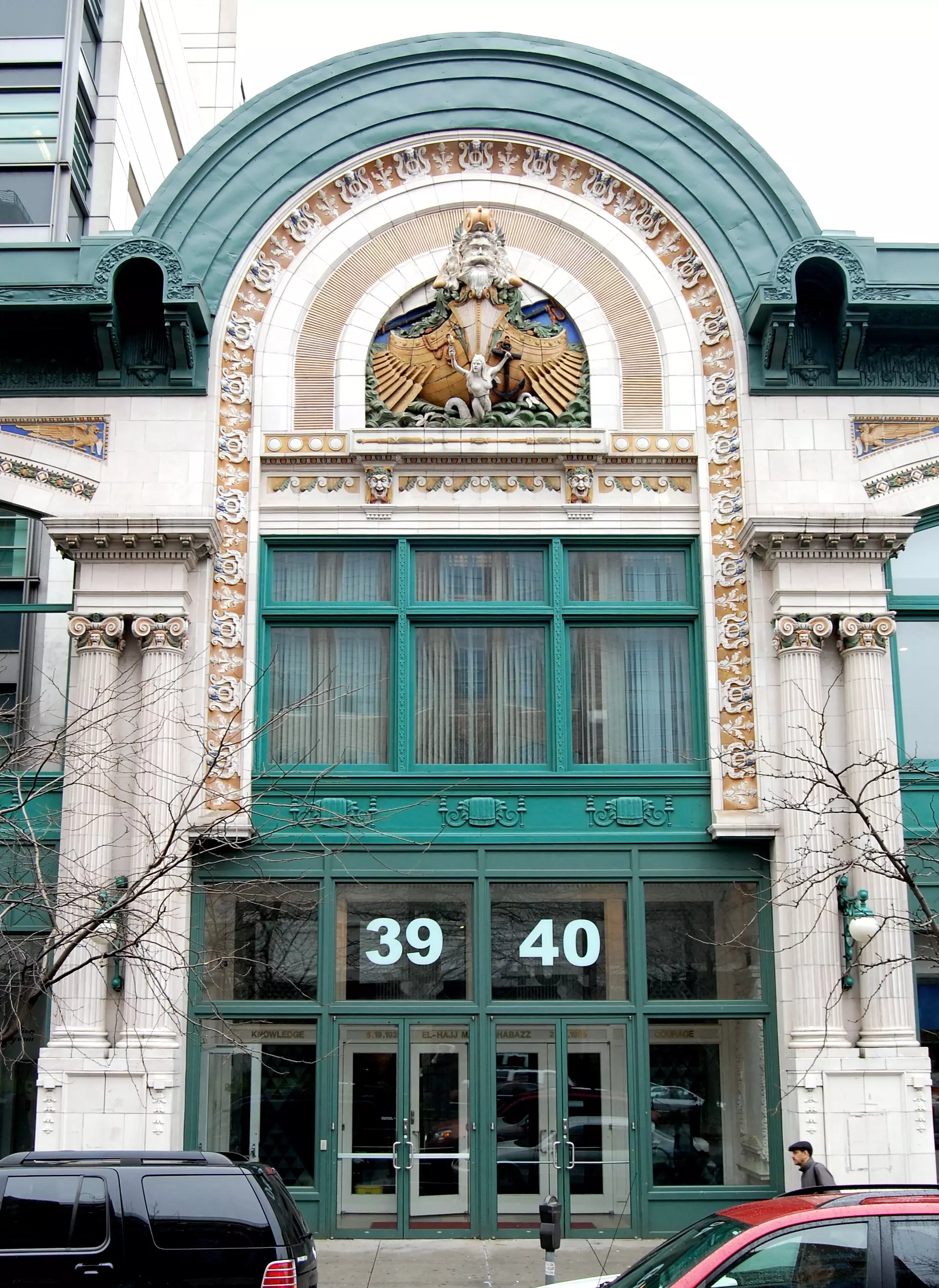
The Malcolm X and Dr. Betty Shabazz Memorial and Educational Center stands at a site once marked by tragedy. This location was once the Audubon Ballroom, where Malcolm X lost his life to 21 gunshots. Though much of the original structure was demolished by Columbia University in 1992, a portion of the facade still remains, preserving a piece of history.
Today, the center serves as a memorial to Malcolm X and his wife, Betty Shabazz. It aims to promote human rights and social justice, continuing the work and ideals they championed. Visitors can explore this dedication to progress and equality through various exhibitions and programs.
A striking feature of the center is a 63-foot mural that vividly captures the life and legacy of Malcolm X. This artwork guides visitors through significant moments, offering an immersive experience into the impactful journey of one of history's most influential civil rights leaders.
Governors Island has a long military history, home to headquarters and military posts of the United States Army from 1794 until 1966, then a complex for the U.S. Coast Guard before becoming a historic district open to tours.
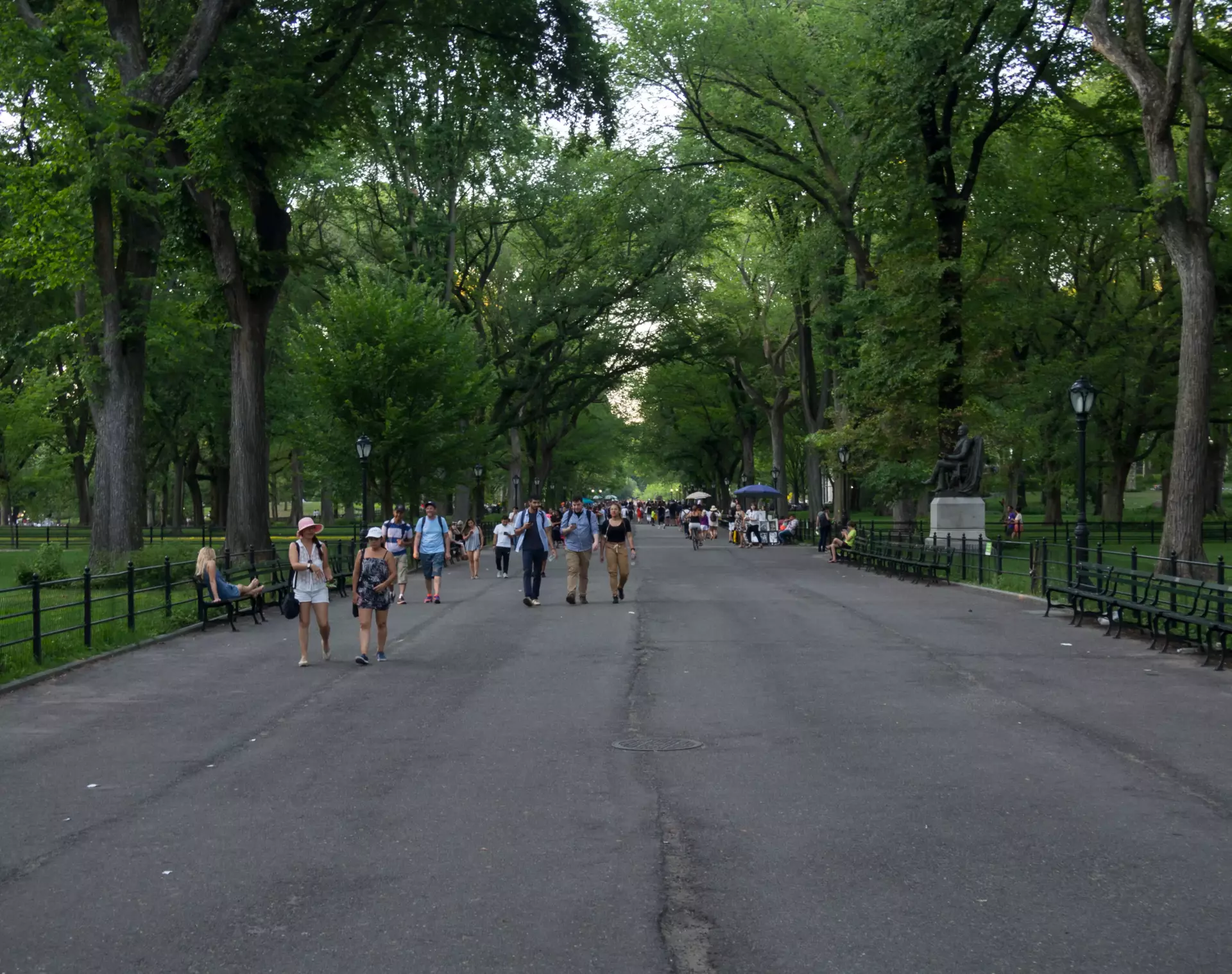
None of Central Park is actual virgin forest, but this is the closest any part of the park gets to feeling like genuine forest. It is beautiful and cool in hot weather. However, like a real forest, it is a mosquito habitat, so make sure to use insect repellent before walking through this part of the park.
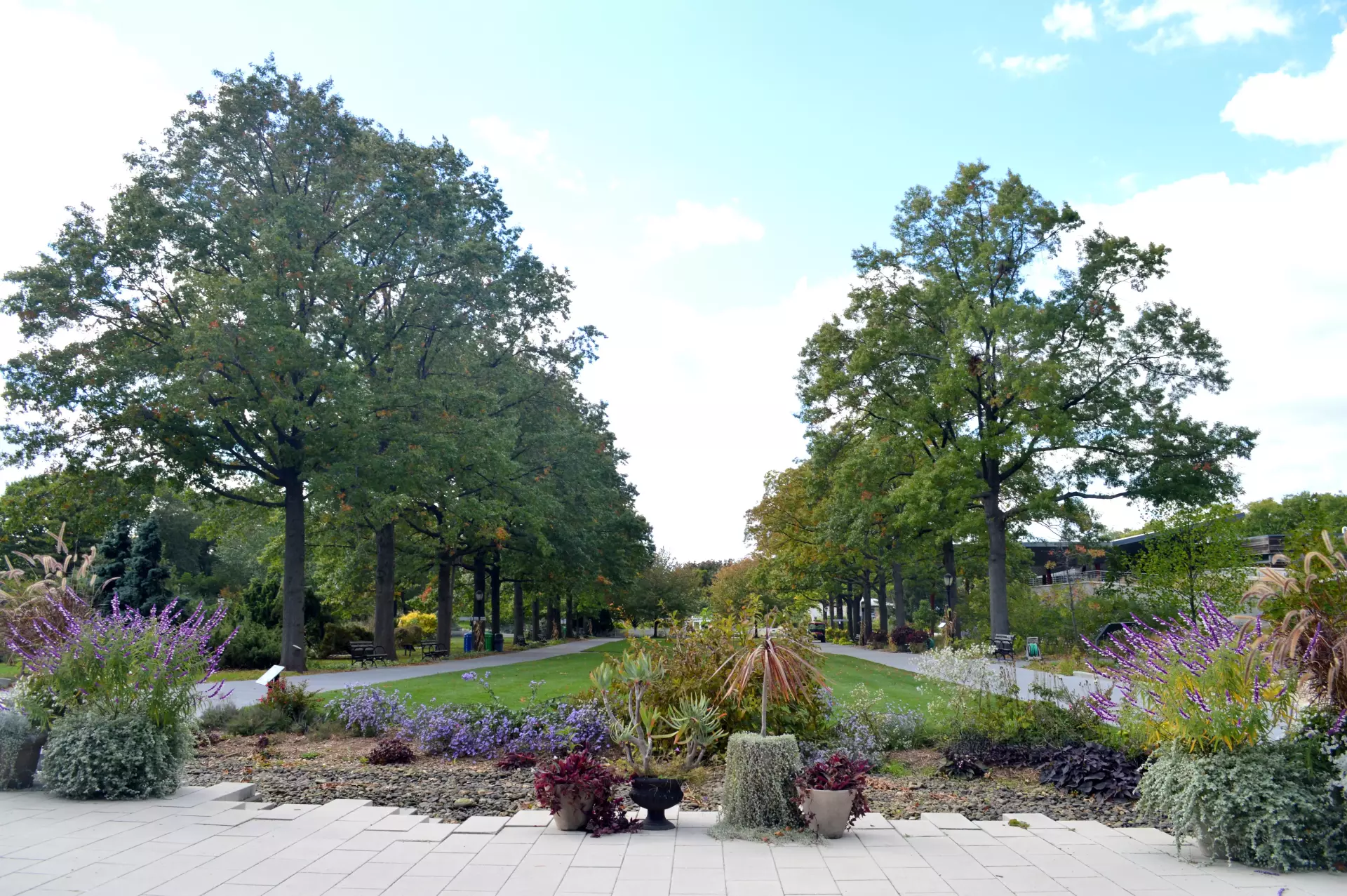
Large garden and arboretum featuring a variety of plants, and also a Victorian-style wedding garden.
The garden is 52 acres and the layout was well planned. It is definitely worth a visit. Designed by the Olmsted Brothers in 1910 and open to the public since 1911, the garden includes an authentic Japanese garden, a Children's Garden, and the Cranford Rose Garden. The garden has the largest cherry blossom trees in one place outside of Japan. There are 42 gorgeous varieties. The Brooklyn Botanic Garden hosts various festivities throughout the year, including Hanami Sakura in May and the Chile Pepper Festival in October.
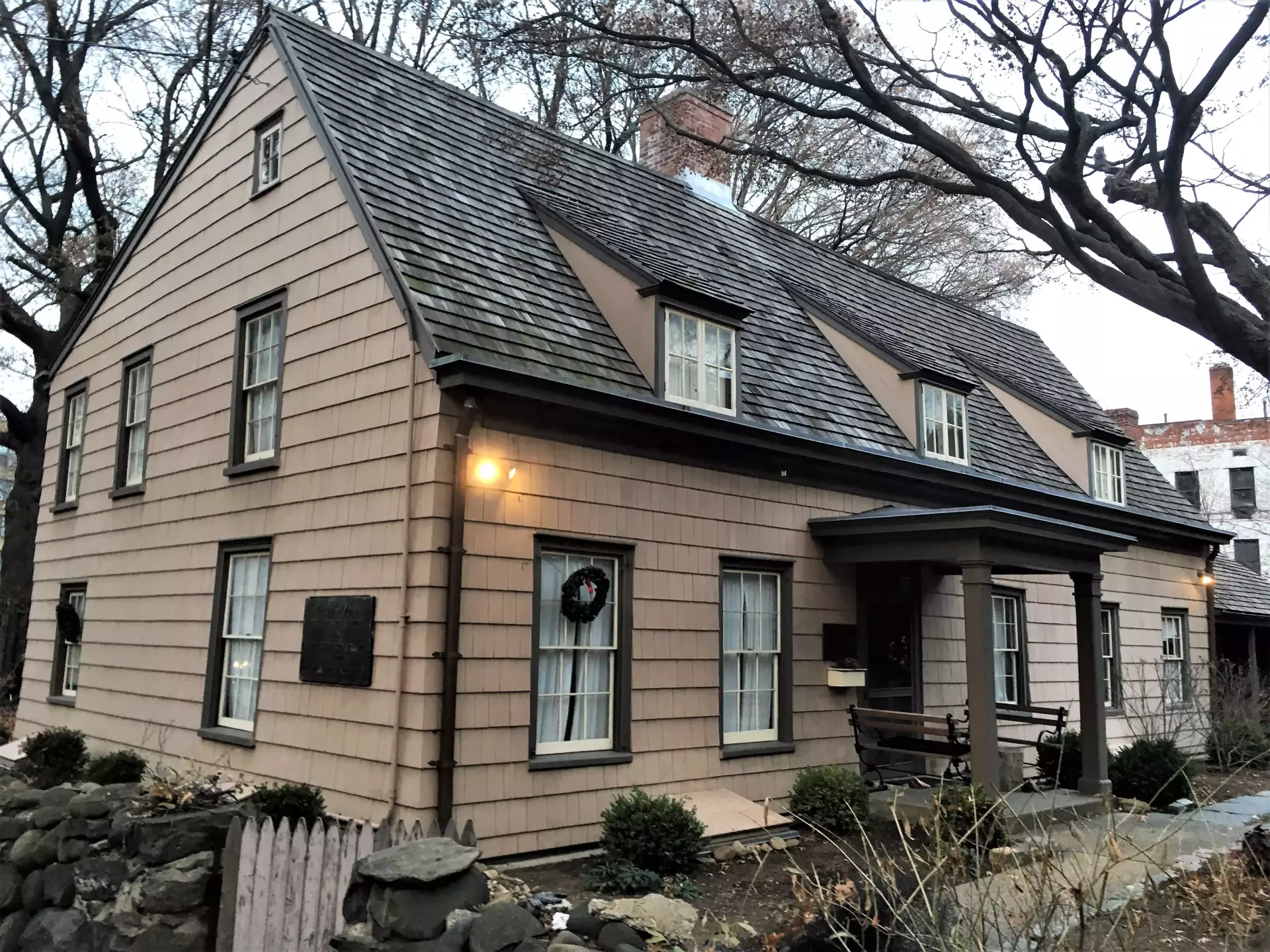
Built in 1765, this is the oldest house on Manhattan Island. It served as George Washington's headquarters in 1776. Now a museum set on a 1.5-acre park, it features a decorative-arts collection representing the colonial and Revolutionary War periods. Washington's office is among the 12 restored rooms.
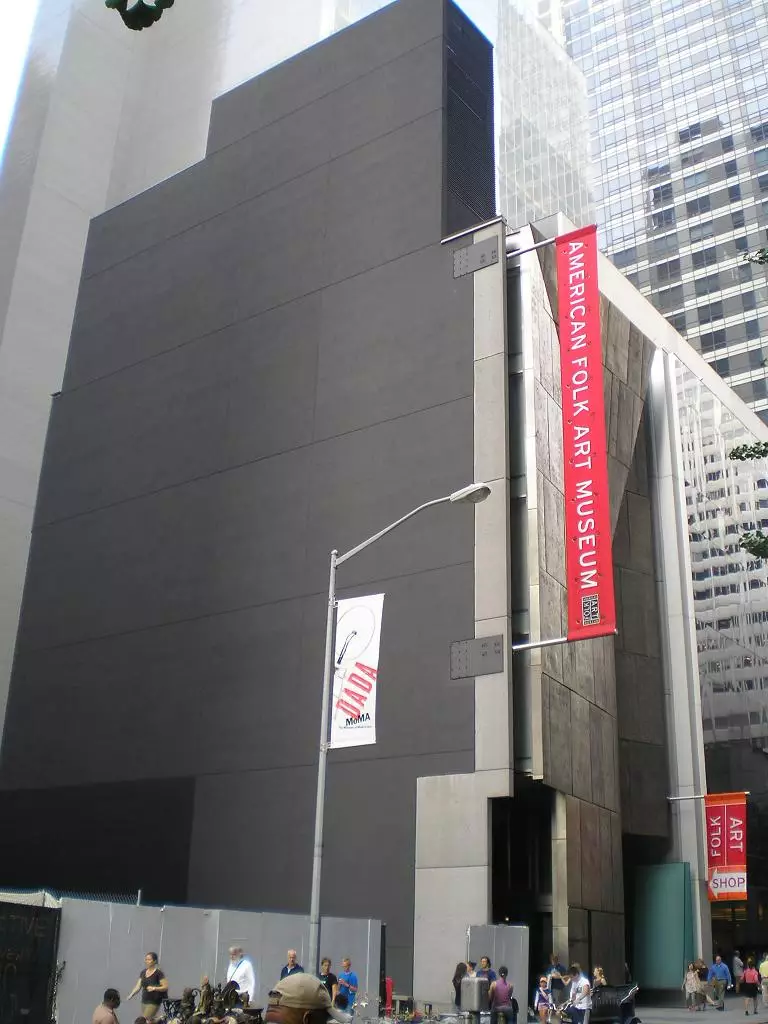
A museum dedicated to folk & self-taught artists.
For most of the 18th century, Africans in New York City were buried in a graveyard outside the city. The graveyard was eventually forgotten and was rediscovered in 1991. This museum and memorial site commemorate the estimated 15,000 Africans that were interred on the site of the memorial. Note that the museum is located inside of a Federal building so airport-style security should be expected.
Dating back to 1663, this fort was used during both the American Revolution and the War of 1812. It remained active until 1995. It is now semi-active, with its main use being local headquarters for the United States Coast Guard. Tours are available.
A vintage carousel built in 1908 and situated on this spot since the 1950s, it's the fourth carousel to inhabit this location and is beautifully painted.
American woman Jacques Marchais had a dream of traveling to Tibet. While she never made it, her extensive collection of Tibetan artifacts was made into a museum in 1947. The museum now holds over 120 pieces of beautiful Tibetan art. The museum's authenticity was praised by the Dalai Lama.
At the southern tip of Manhattan, Battery Park is a waterfront green space, named for the artillery batteries which were installed here to protect the settlement of New York when it was under Dutch, then British rule. In the lead-up to the War of 1812, 40.70343-74.0168214 Castle Clinton was constructed as a fort to protect the city, and is now operated as a small museum. There are several memorials in the park, including 40.70387-74.0172715 The Sphere, a public art piece originally housed on the World Trade Center site which survived the events of September 11 and was moved to Battery Park. Ferries departing to the Statue of Liberty and Ellis Island (see below) depart from here.
Kingsland Homestead is a historic home, built by Charles Doughty around 1774. It is now a museum with exhibits about the Victorian era, the slavery in Queens, and how Queens was affected by World War II.
Located on four acres overlooking the Hudson River in Fort Tryon Park, the building incorporates elements from five medieval French cloisters – quadrangles enclosed by a roofed or vaulted passageway, or arcade – and from other monastic sites in southern France. There are various artworks on display in the museum, with the Unicorn Tapestries being the most famous.
The Society of Illustrators is one of the many off the beaten path museums in New York City, and while it may not have as many visitors, it certainly isn't a place to miss. Certainly don't miss the art of illustration featured here, with countless historical galleries since the museum's opening in 1901. It's even the origin of the famous "I Want You For U.S. Army" poster of World War I and II.
Probably the most famous of the Guggenheim foundations (others found in Bilbao and Venice), which hold avant-garde modern art by artists such as Kandinsky and Mondrian, the New York branch is housed in a unique and famous building designed by Frank Lloyd Wright and rendered in a rounded, organic form and completed in 1959. Be sure to take the elevator to the top floor, then follow the spiral viewing floors downwards to the street level. One of eight buildings by Wright to be listed as a world heritage site.
Opened on November 15, 2022, this interactive museum utilizes technology to convey the history of Broadway, complete with props from past shows, costumes, and other artifacts. You can learn about how a Broadway show is made, and there is a gift shop selling not only their own merch, but also products from current Broadway shows and Broadway in general.