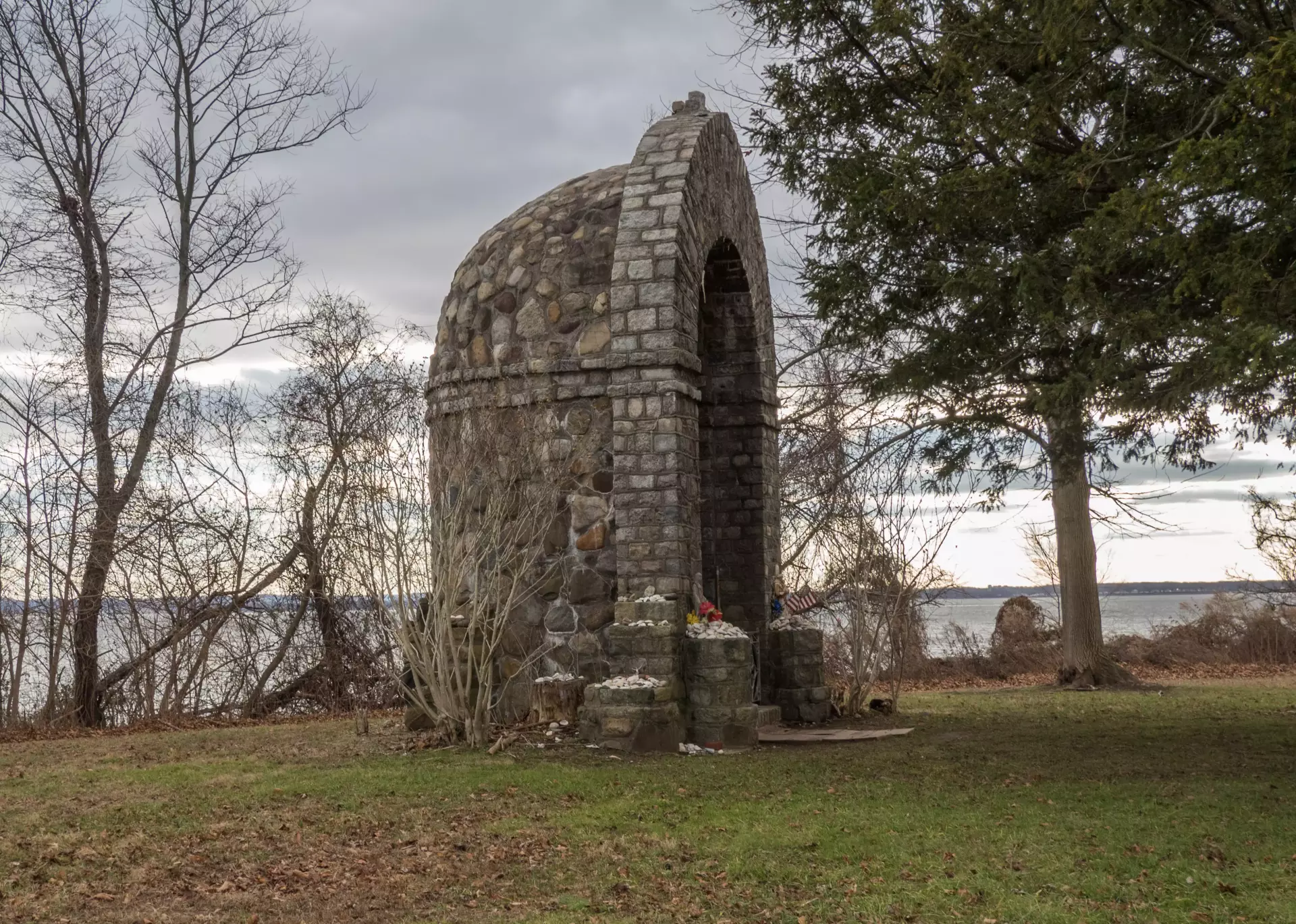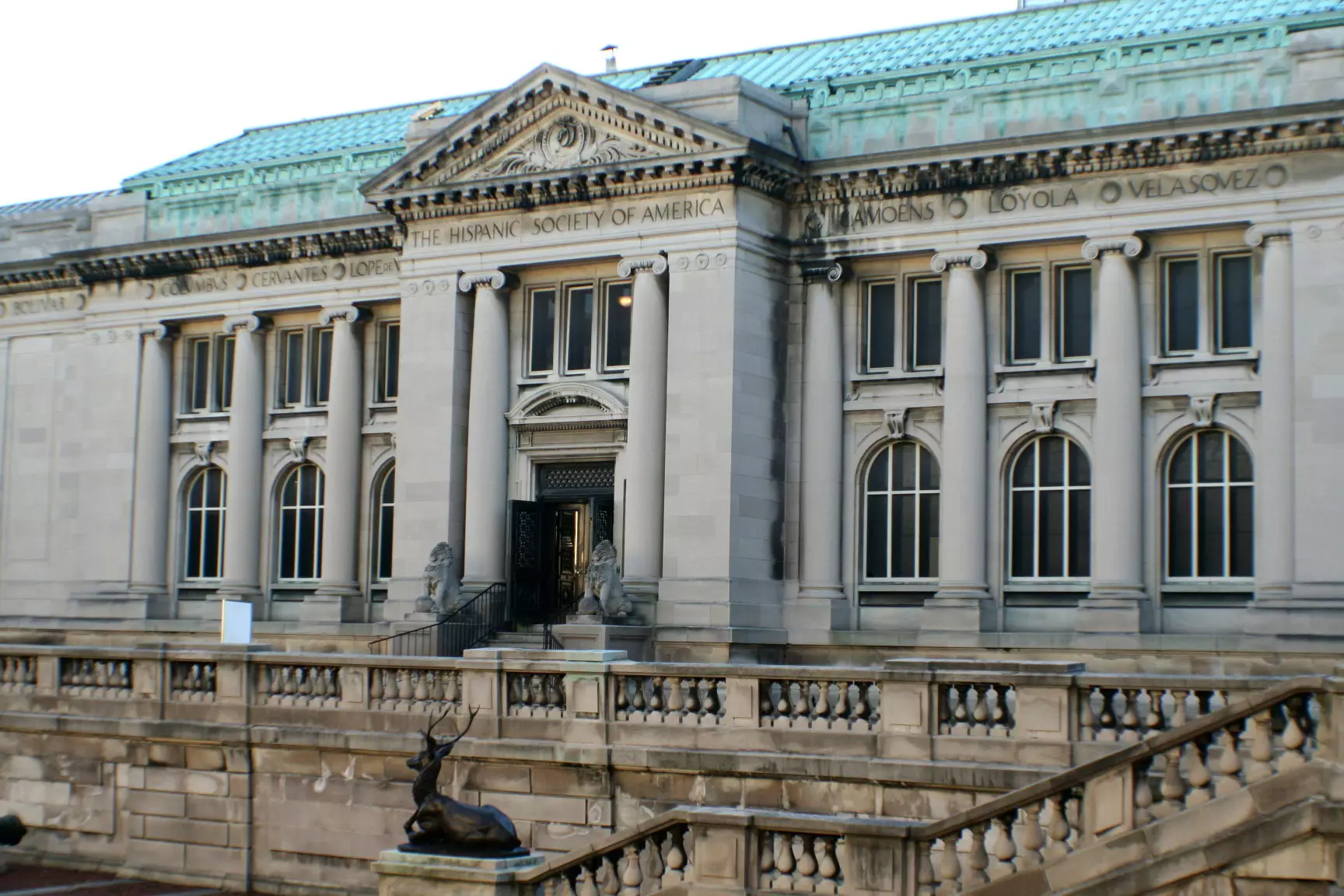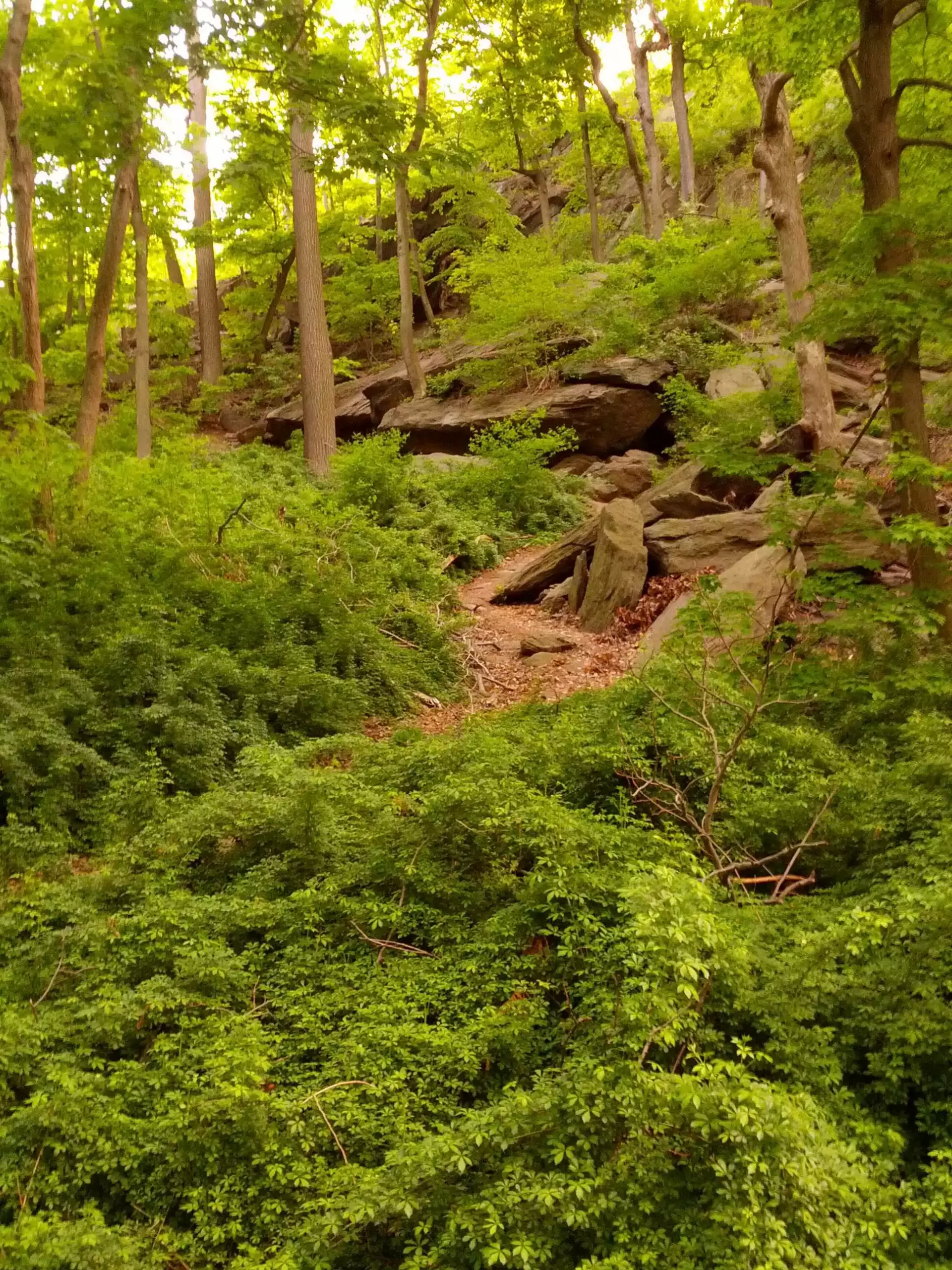
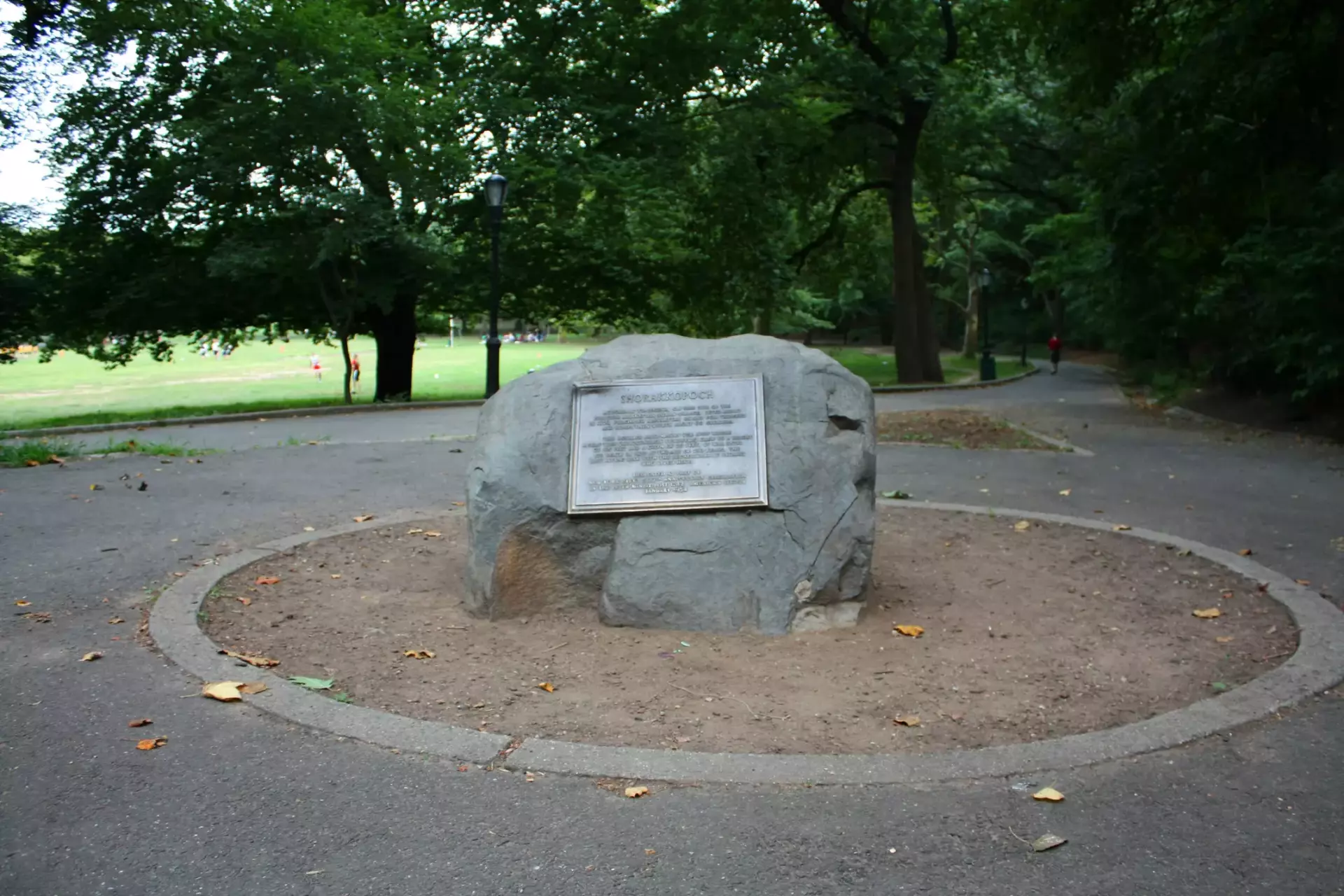
Inwood Hill Park is a special place in Manhattan, home to the last areas of untouched forest in the city. This natural haven is rich with history, having once been inhabited by Native Americans. Over the years, many arrowheads and other artifacts from these early residents have been found throughout the park, offering a glimpse into the past.
Source - https://en.wikipedia.org/wiki/Inwood_Hill_Park
One of the greatest and most popular collections of modern art, on a par with the Tate Modern in London or Paris's Centre Georges Pompidou. Exceedingly popular so be warned: queues for tickets start early and stretch long. To avoid the crowds, turn up at the door at least a half hour before opening, then take the elevator to the top floor and work your way down. The building is as much a draw as the outstanding collection; possessing arguably the best collection of modern masterpieces world-wide, MoMA houses important art works from Van Gogh, Picasso, Monet, Matisse, Salvador Dalí, Paul Cézanne, Frida Kahlo, Piet Mondrian, and works by leading American artists such as Jackson Pollock, Jasper Johns, Edward Hopper, Andy Warhol, and Chuck Close. MoMA also holds renowned art photography and design collections. In addition to being the crown jewel of modern art museums, MoMA puts on a terrific repertory program in a nicely renovated theater below the museum.
Housed in the Alexander Hamilton US Custom House, this Smithsonian museum is the New York branch of the National Museum of the American Indian (the other branches are in Washington, D.C. and Maryland).
The Asia Society is a unique educational organization like no other in the area promoting relationships and understanding among and of leaders, people, and organizations of Asia. It features a vast array of Asian art including art, business, culture, and education, promoting collaboration and a new, progressive understanding of Asian relations. The opportunities for discovery here are endless, with lessons about art, calligraphy, language, literature, politics, and religion.
The original subway station, and quite a marvel to witness--the chandeliers and ornate tiling are a sharp contrast to the nearby Brooklyn Bridge-City Hall station. There's one catch, though: it's been closed since 1945. However, you can see it by staying on the downtown 6 train after its last stop Brooklyn Bridge-City Hall; it will turn around in the old station. This is the one place in the system where this is allowed, and the announcements reflect that. The Transit Museum (in Downtown Brooklyn) offers occasional tours as well, which allow you to actually walk around the station, but you must be a museum member and a US citizen, making this an impractical choice for most visitors.
The only US museum devoted to Puerto Rican culture.
With New York City growing and not enough space in the City Hall building, this 40-story structure was built to meet the space demands of the city government. Completed in 1915, it is a massive and very grand building with the gilded statue of a woman standing atop the building's spire.
Street built by architect Samuel Burrage Reed. A major mansion owned by circus entrepreneur Anthony Bailey - joined with showman Phineas T. Barnum in 1881 to form the Barnum & Bailey circus. Now Known to the children of Harlem as the Beauty and the Beast house.
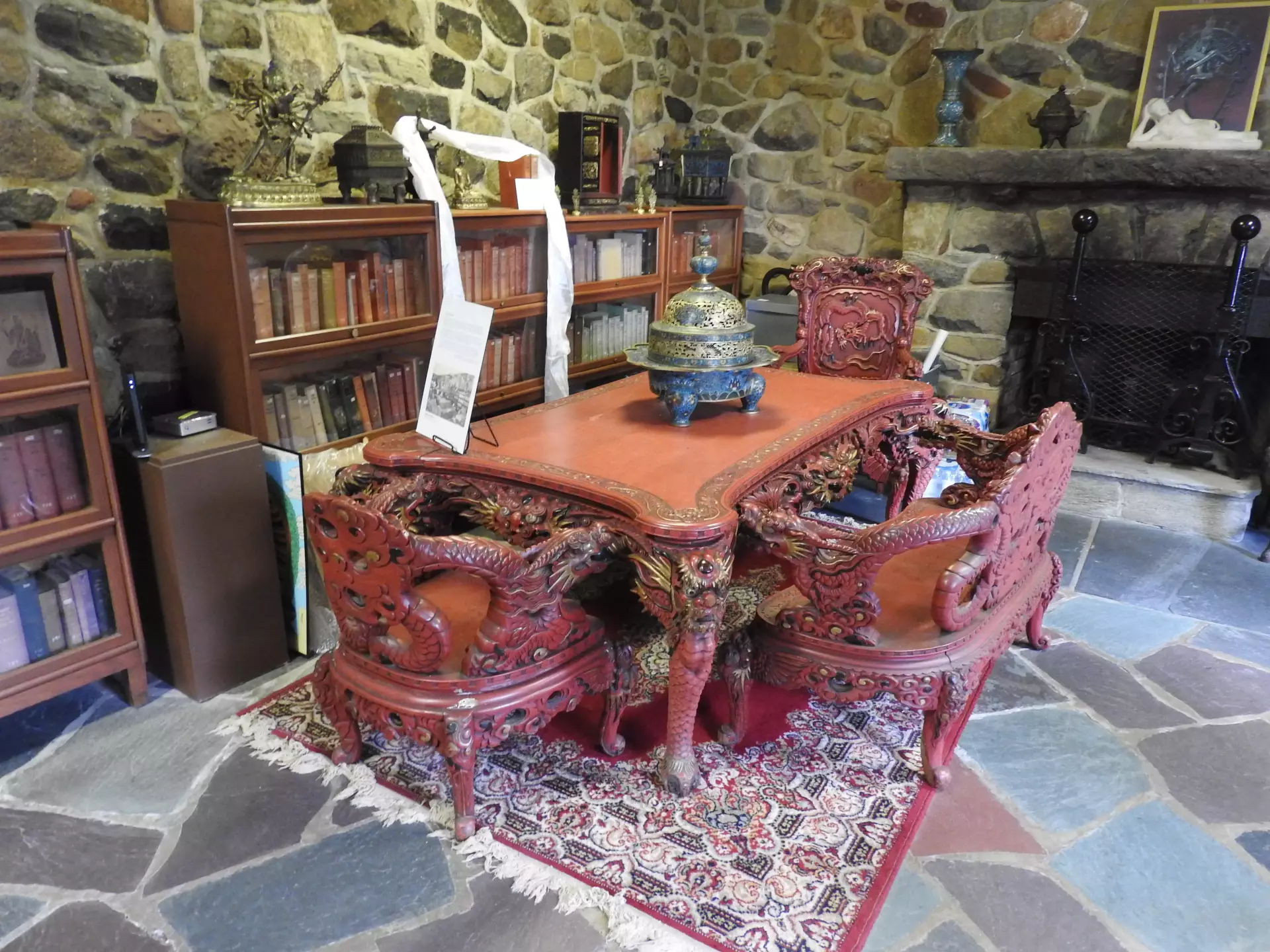
American woman Jacques Marchais had a dream of traveling to Tibet. While she never made it, her extensive collection of Tibetan artifacts was made into a museum in 1947. The museum now holds over 120 pieces of beautiful Tibetan art. The museum's authenticity was praised by the Dalai Lama.
Sitting on Vista Rock, one of the highest points in the park, the castle provides excellent views of Central Park, particularly to the north. It is a popular spot for photography and contains a visitor center and a nature conservatory. Just below the castle to the north is Turtle Pond, a small, swamp-like pond holding various fish, frogs, insects, and birds.
This park was operated as a United States Army airfield from 1919-1969. Now, it is a large, mostly grass park with baseball fields, soccer fields, and a children's playground.
Americana including Audubon’s watercolors of birds.
For most of the 18th century, Africans in New York City were buried in a graveyard outside the city. The graveyard was eventually forgotten and was rediscovered in 1991. This museum and memorial site commemorate the estimated 15,000 Africans that were interred on the site of the memorial. Note that the museum is located inside of a Federal building so airport-style security should be expected.